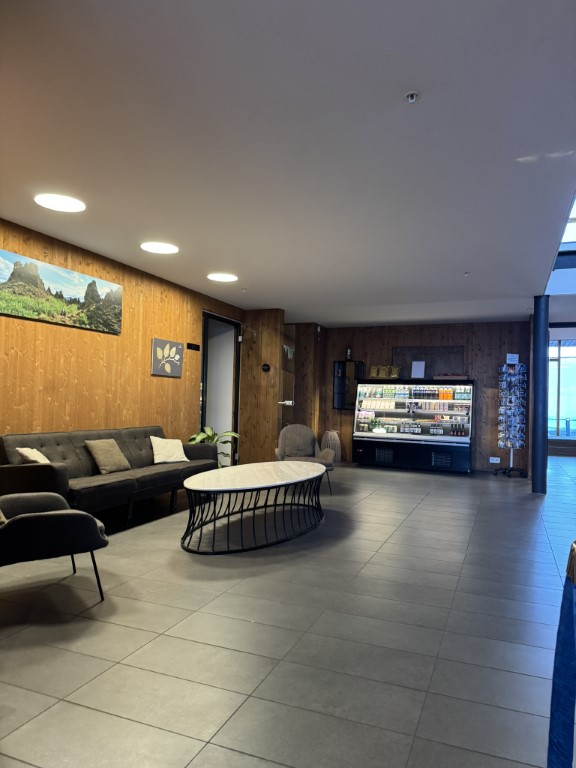


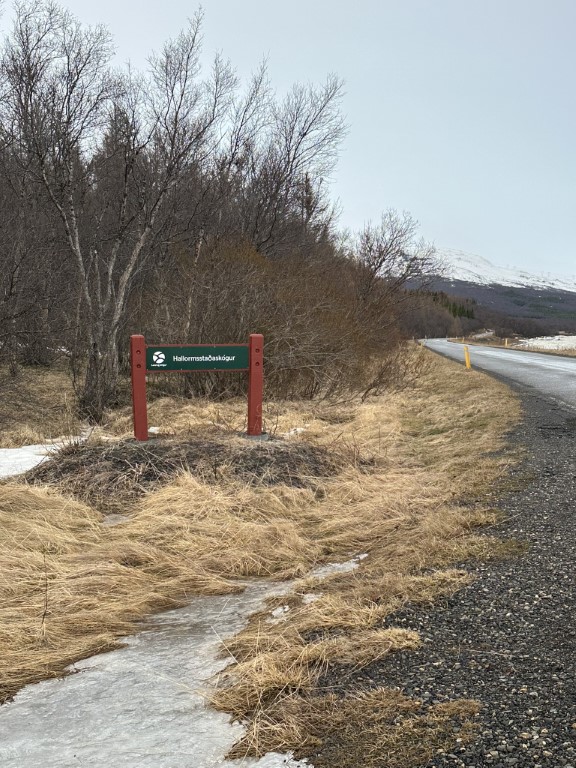
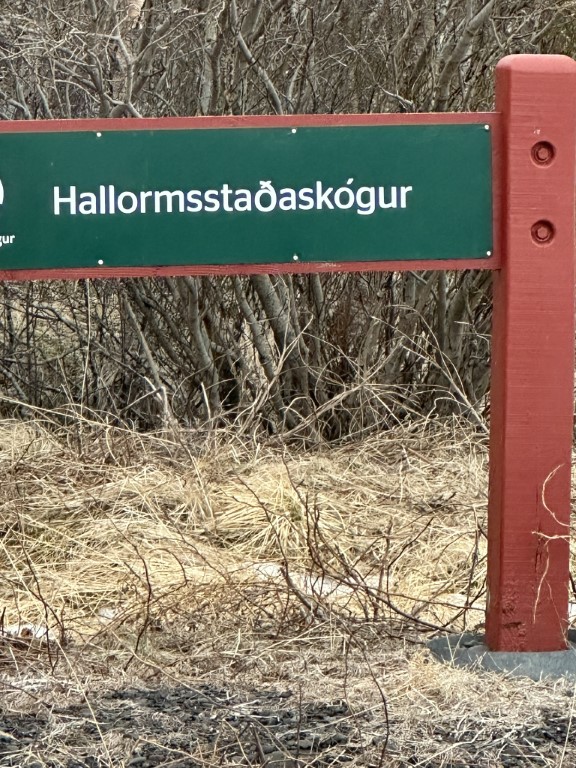
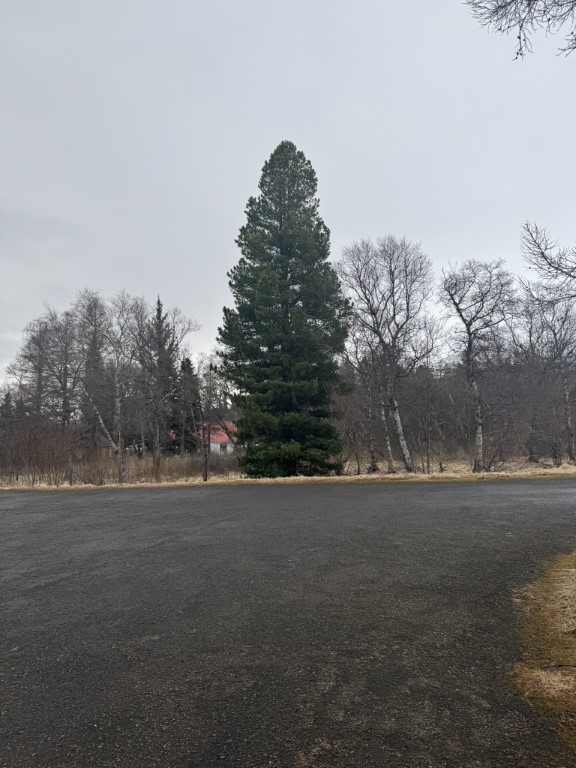
We started our day driving to Hallormsstaður, Iceland's largest national forest, famous for its hiking trails, wildlife and collection of tree species. Iceland was once covered in woodland, but the overuse of wood saunas by the early settlers, followed by volcanic eruptions, meant that for centuries, the land has been quite barren. The reforestation service of Iceland has sought to change this and cares for 740 square kilometres of forest in this area. The weather conditions were not suitable for hiking as most trails were covered in snow and it was drizzling on the verge of freezing rain.
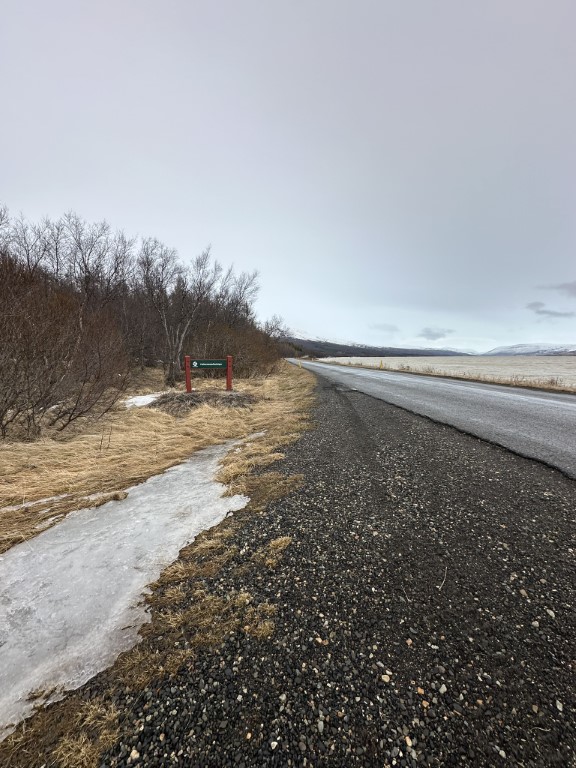
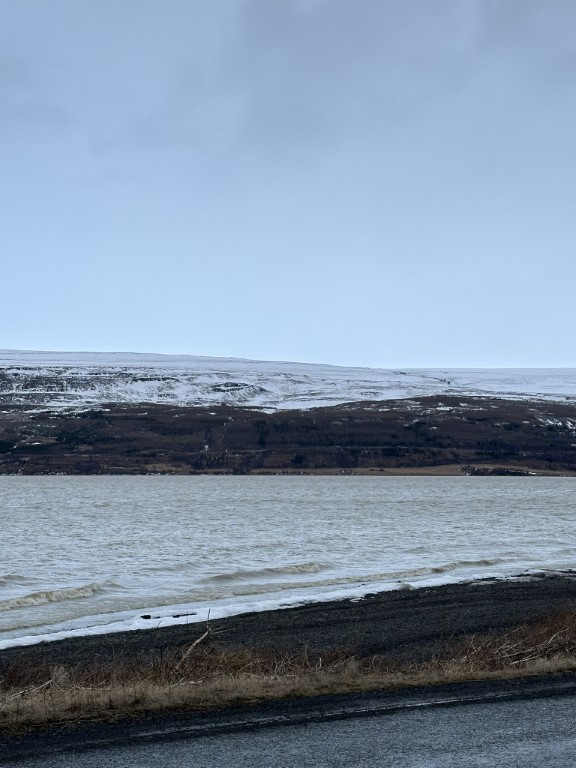
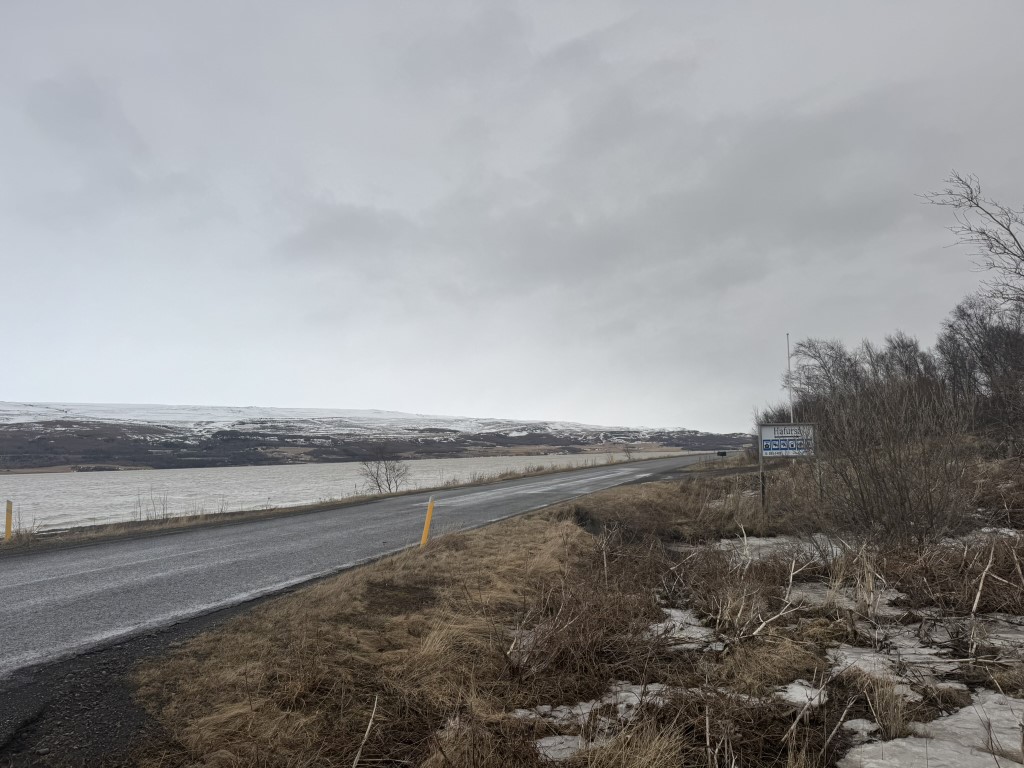
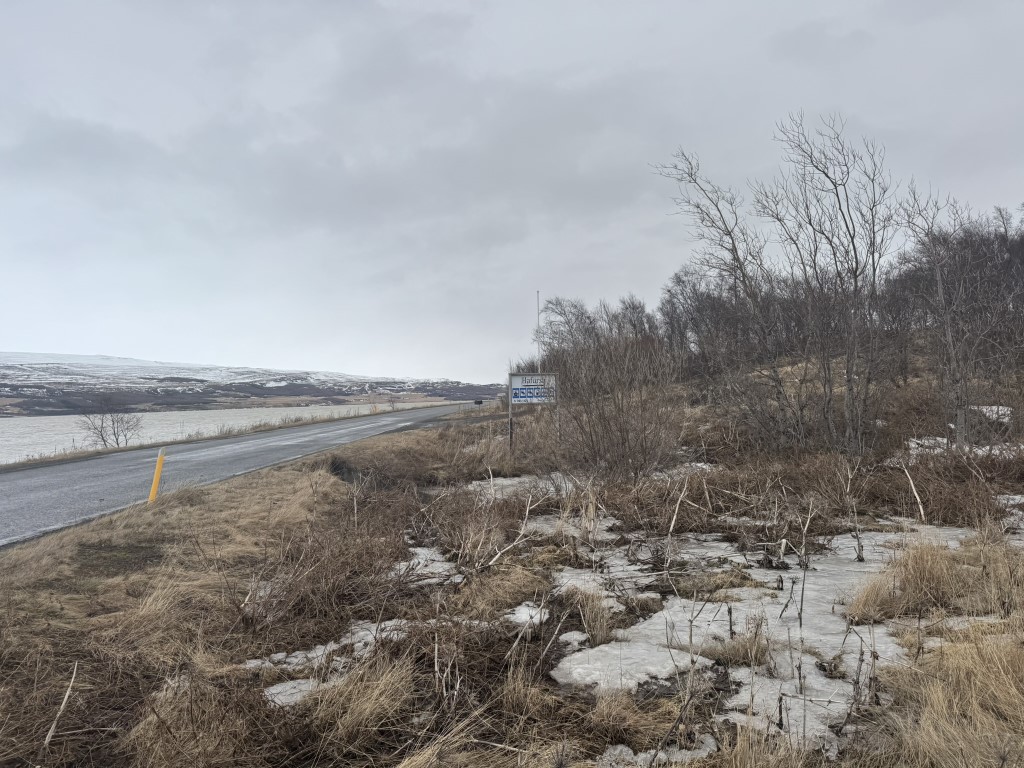
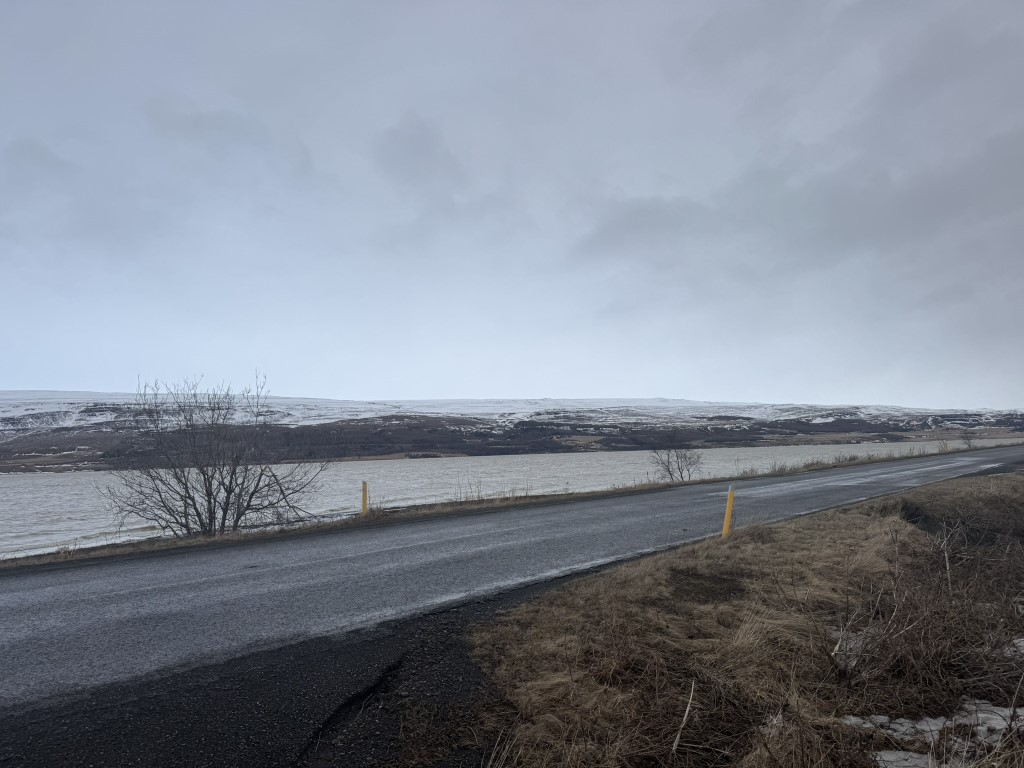
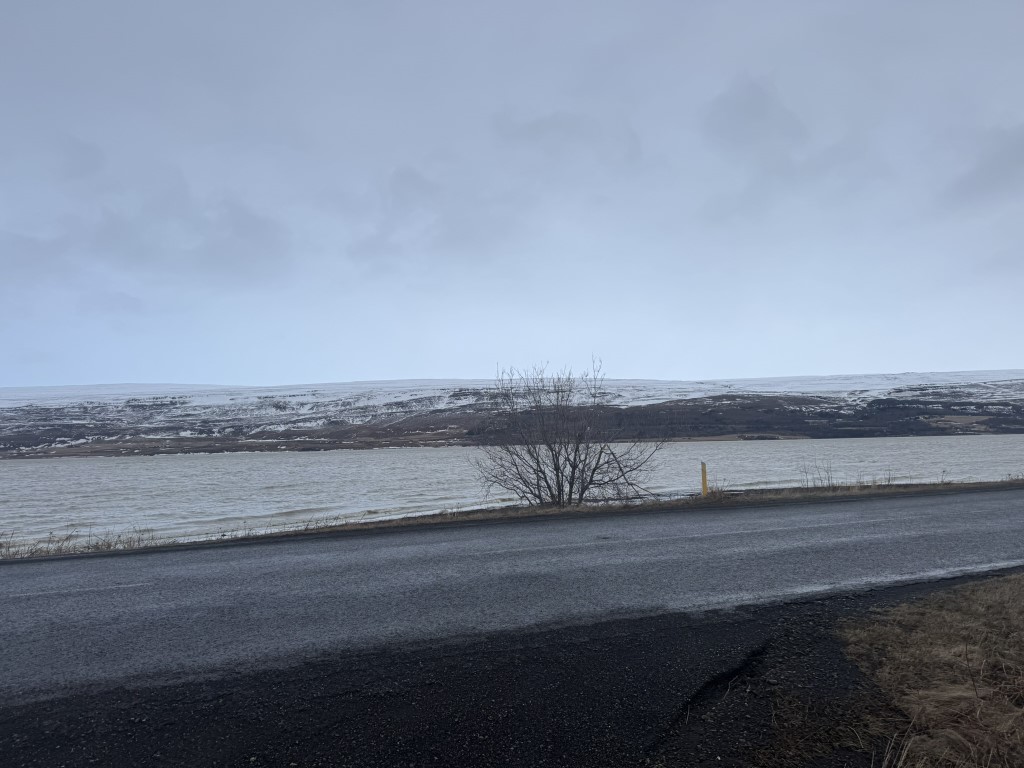
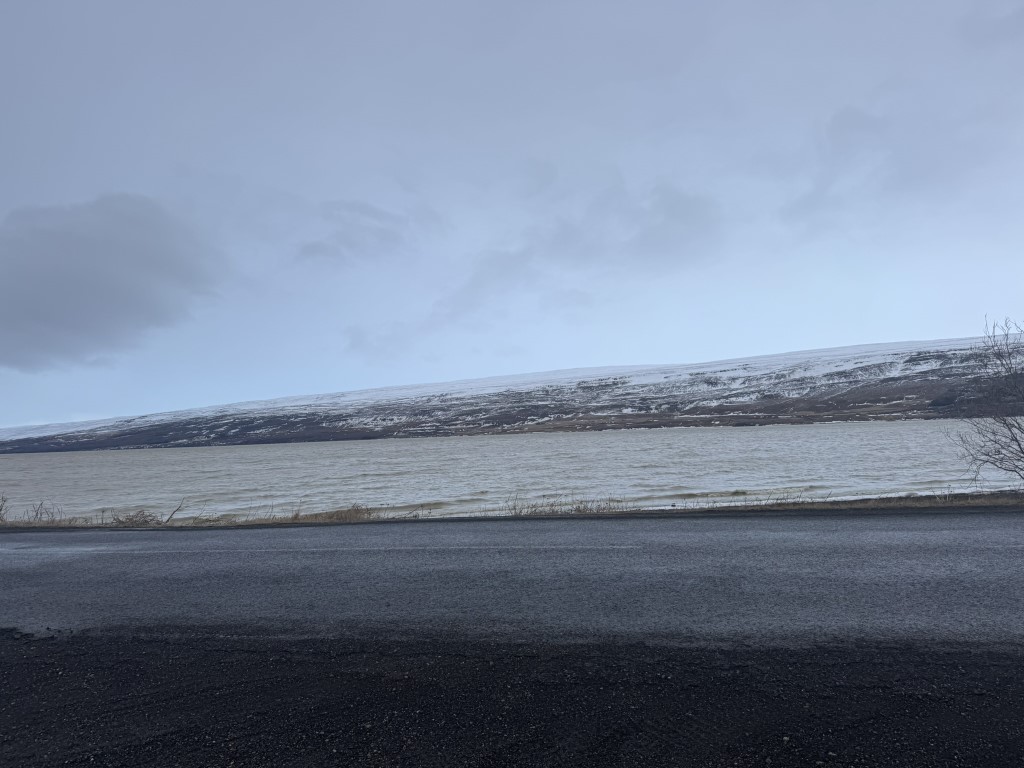
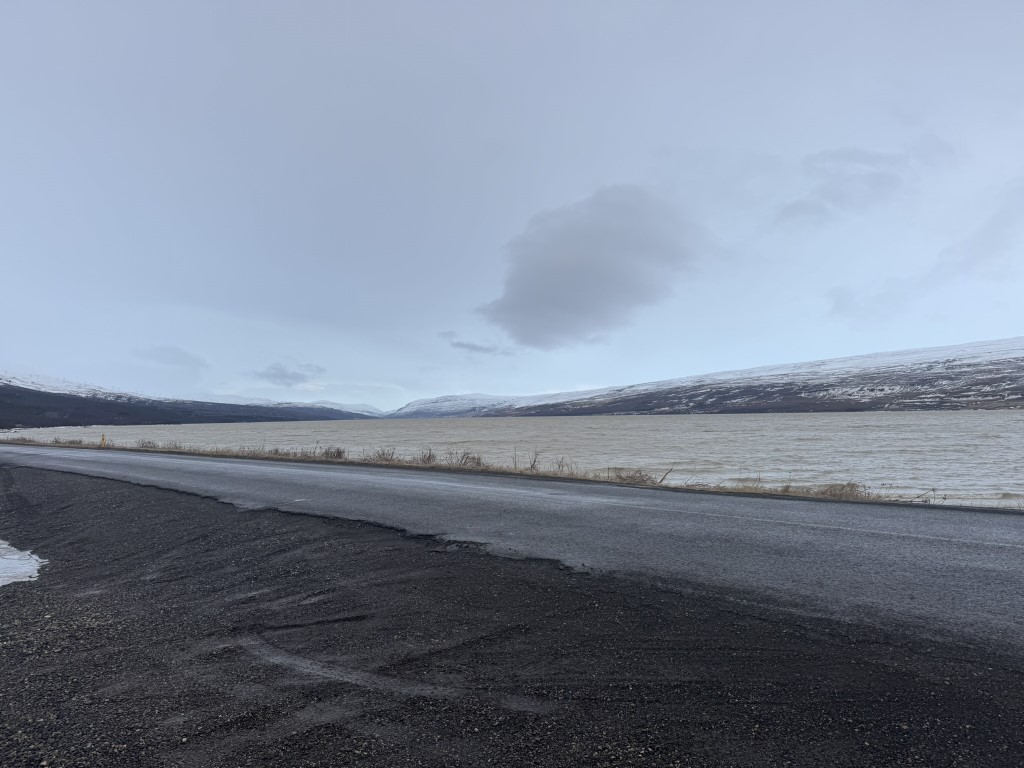
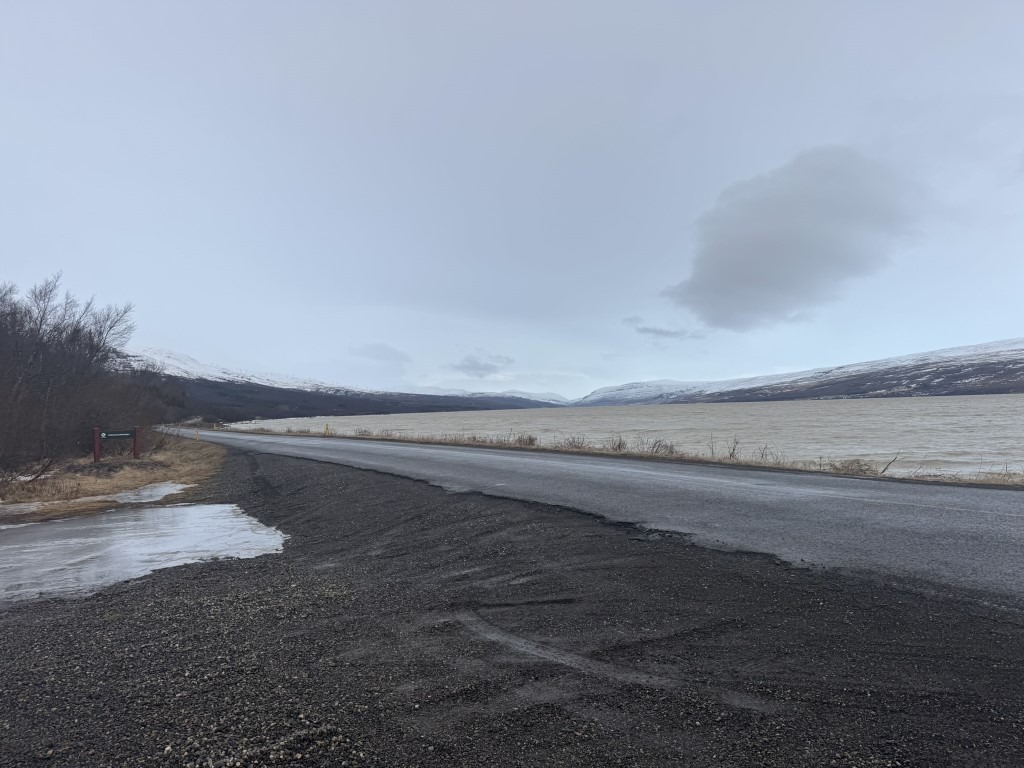
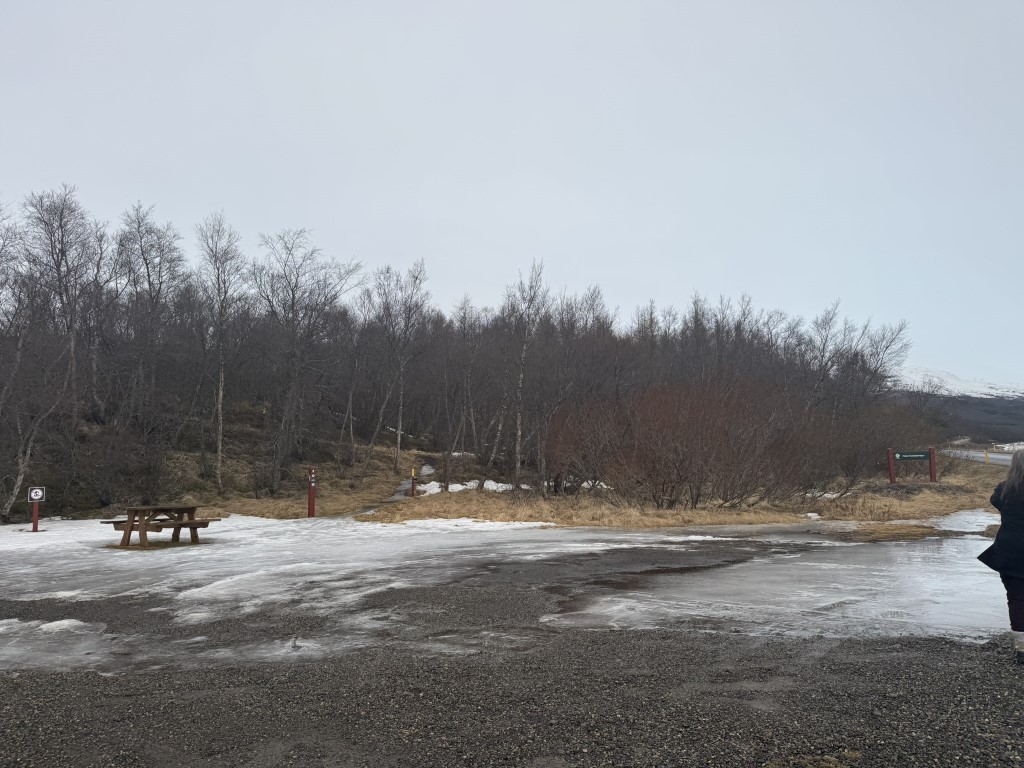
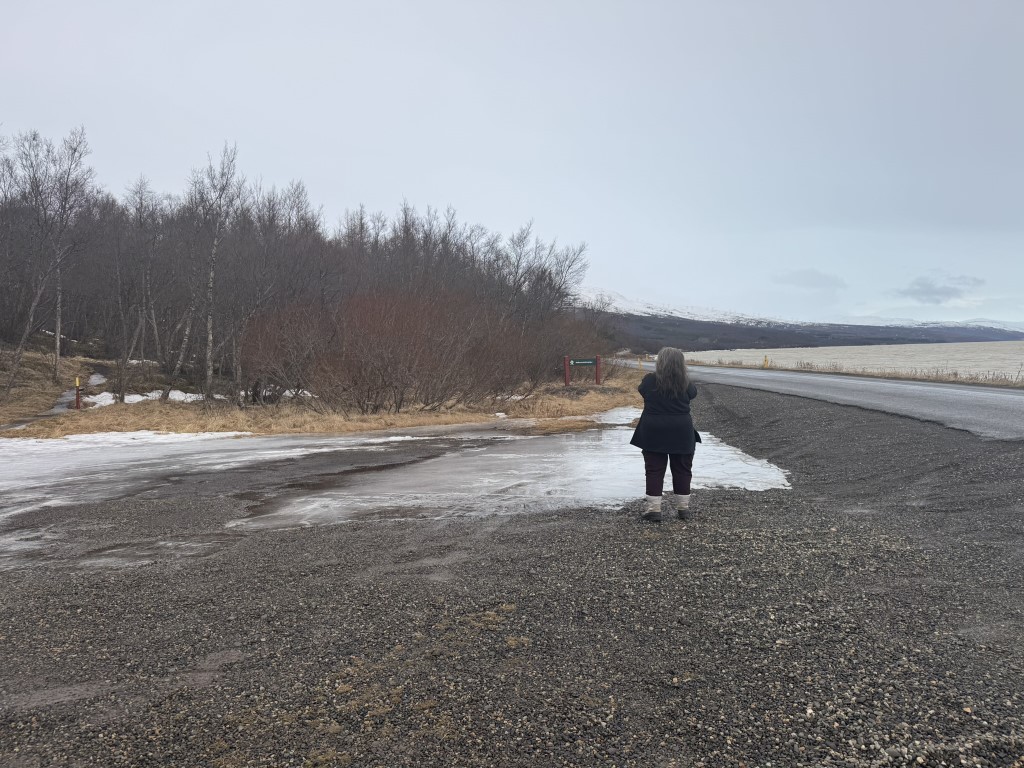
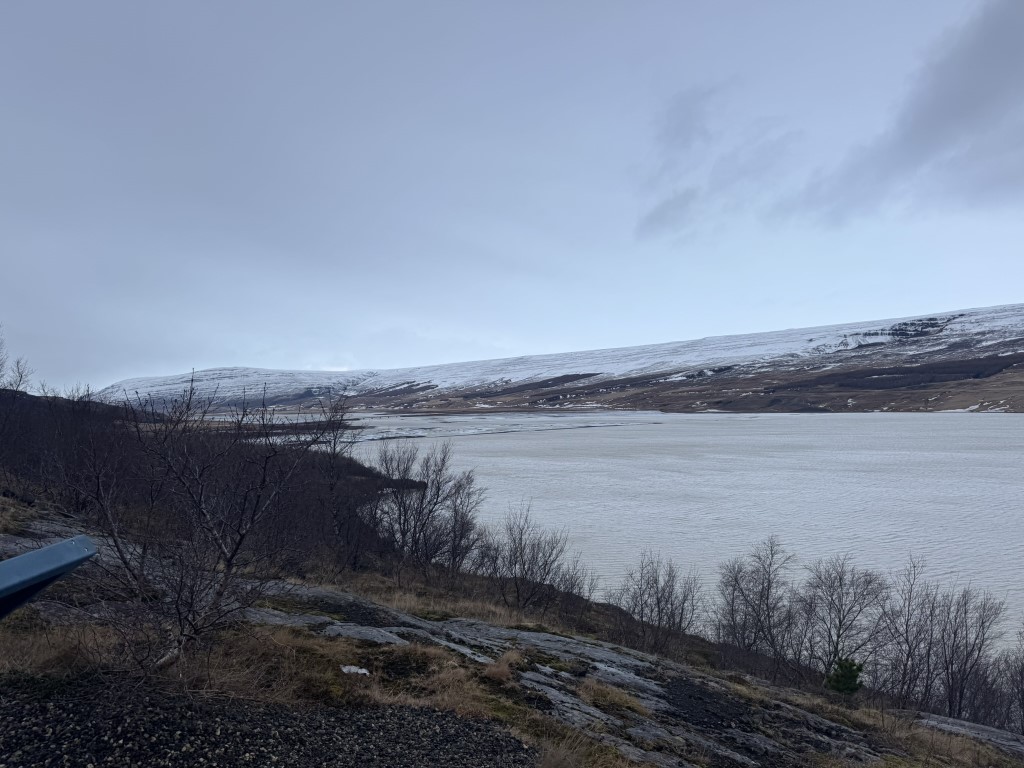
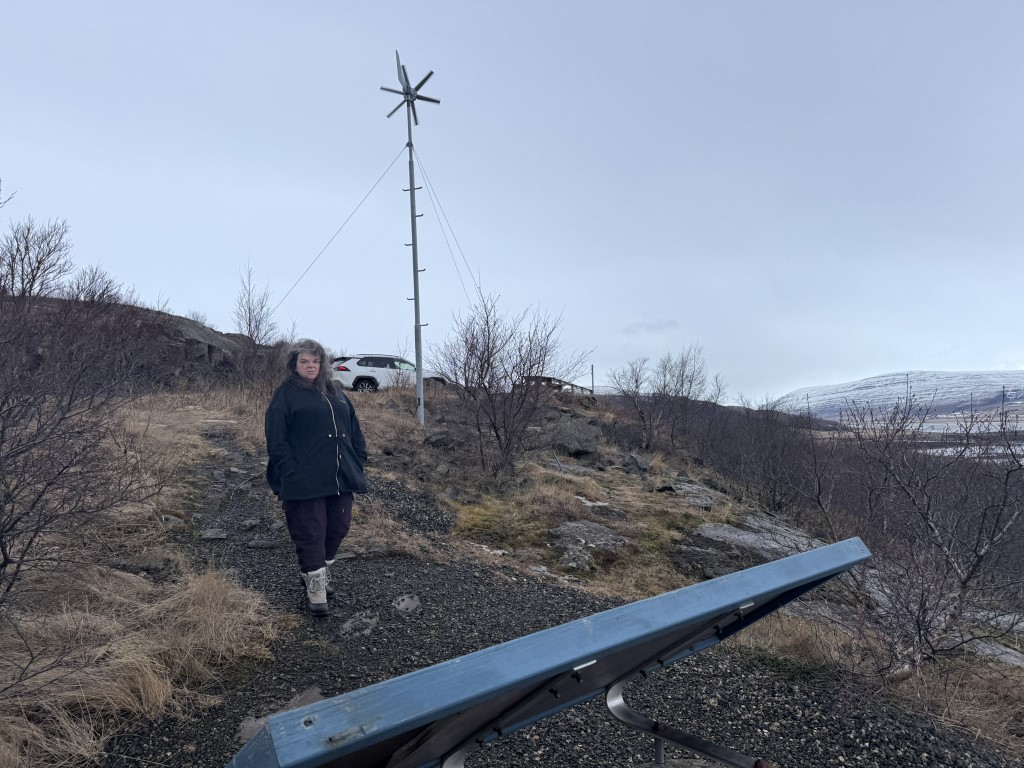
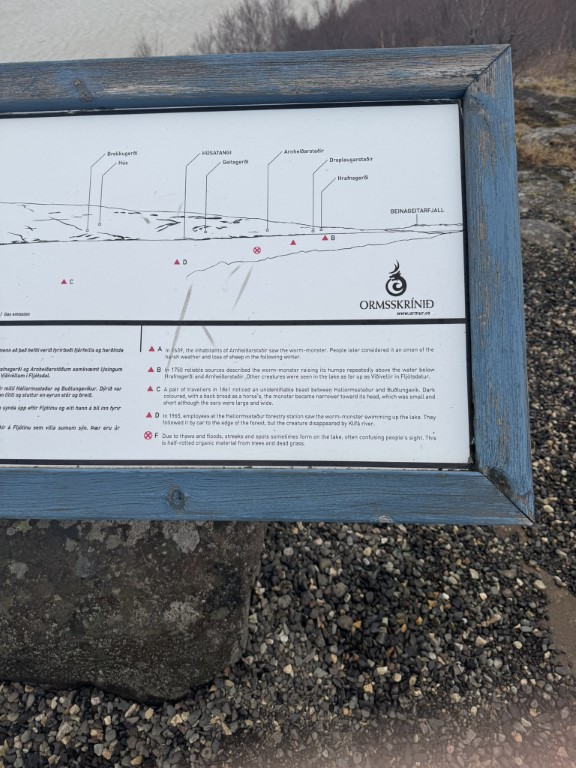
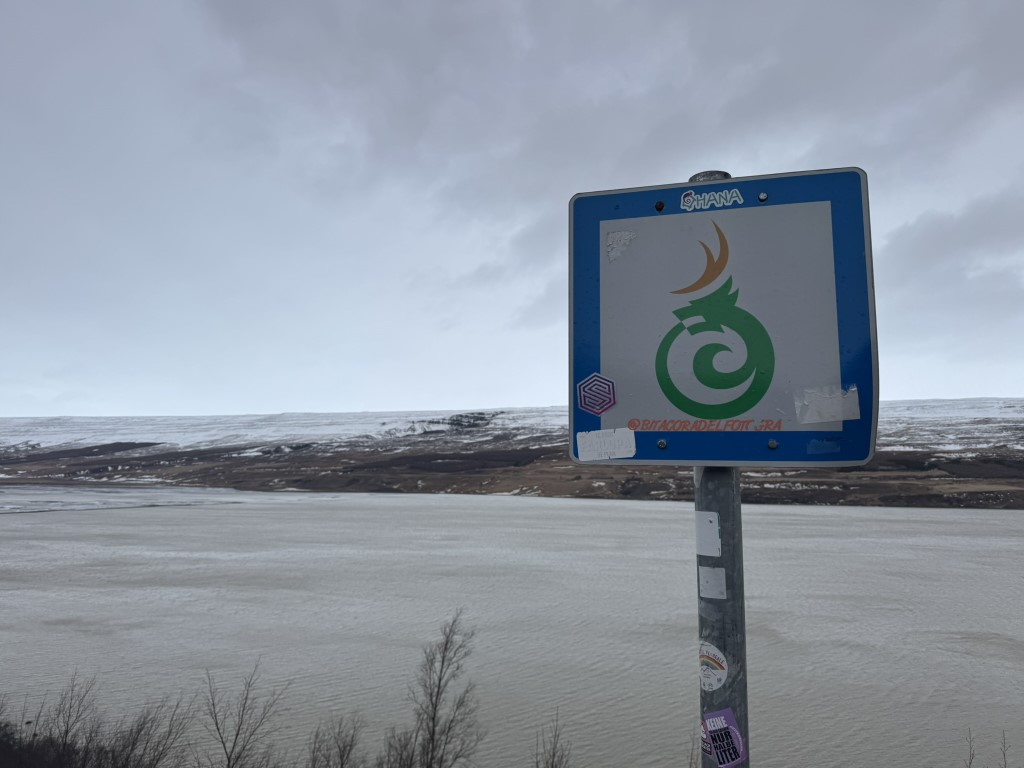
We continued our drive around and eventually across Lagarfljót stopping to take in the place where according to legend, the lake is said to hold a beast called the Lagarfljót Wyrm, a cousin of the Loch Ness Monster. While the earliest significant records of Nessie go back to the 1870s, the Lagarfljót Wyrm has been spoken about since 1345.
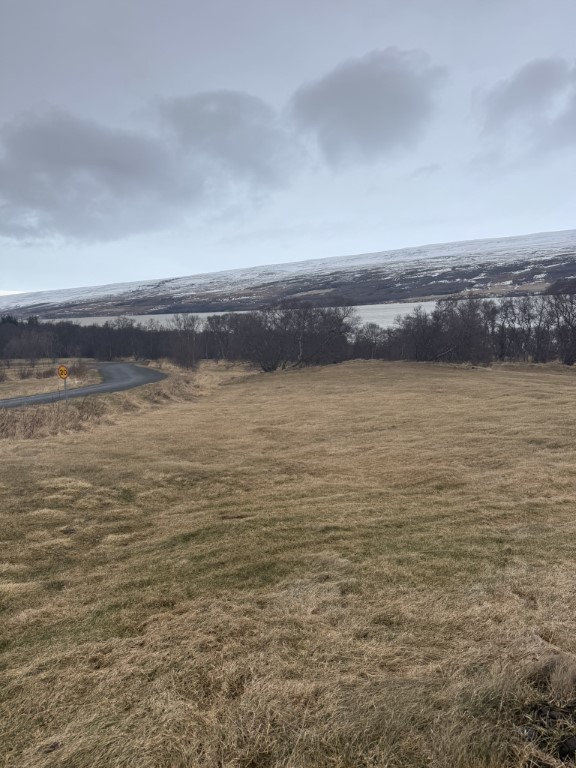
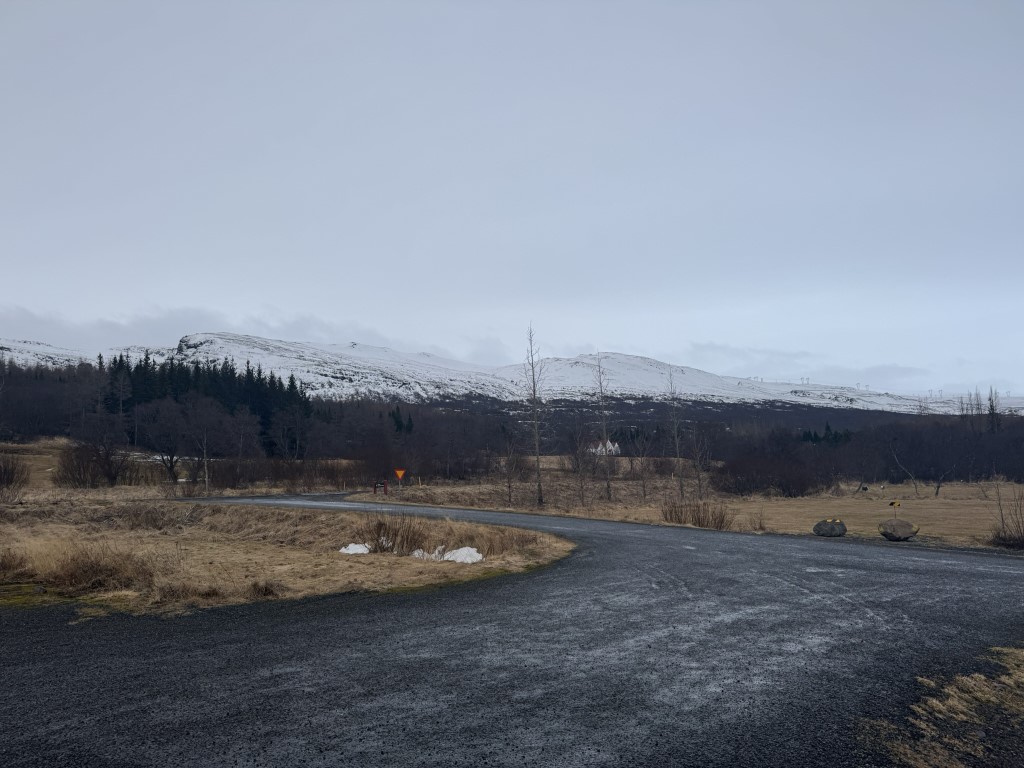
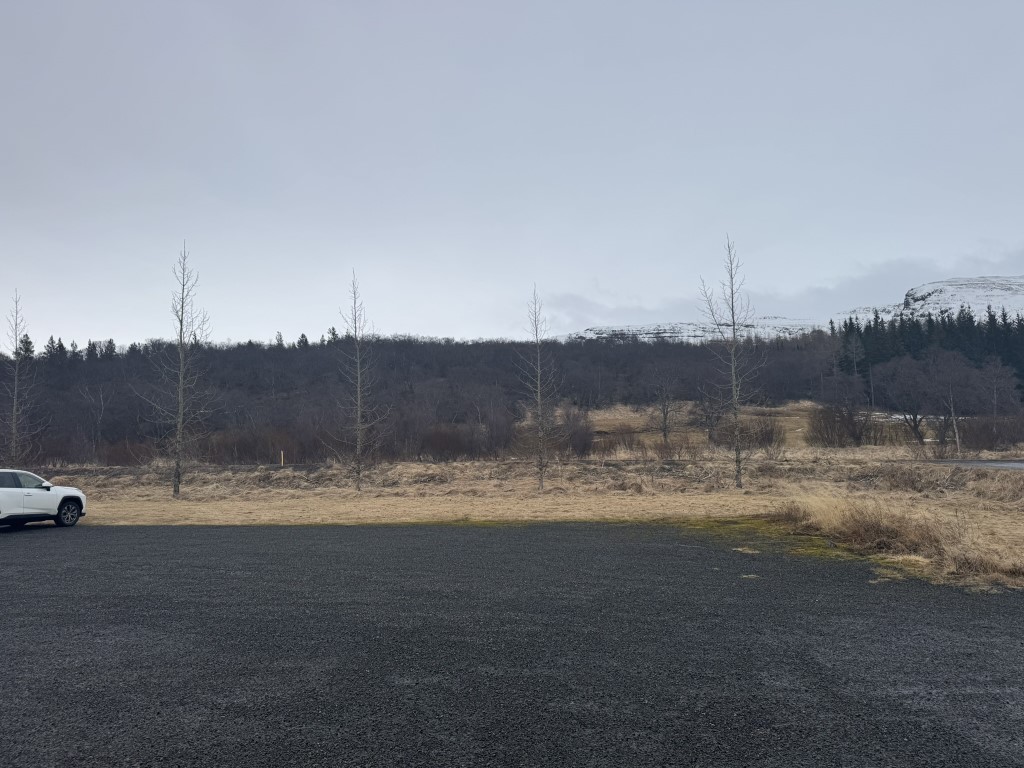
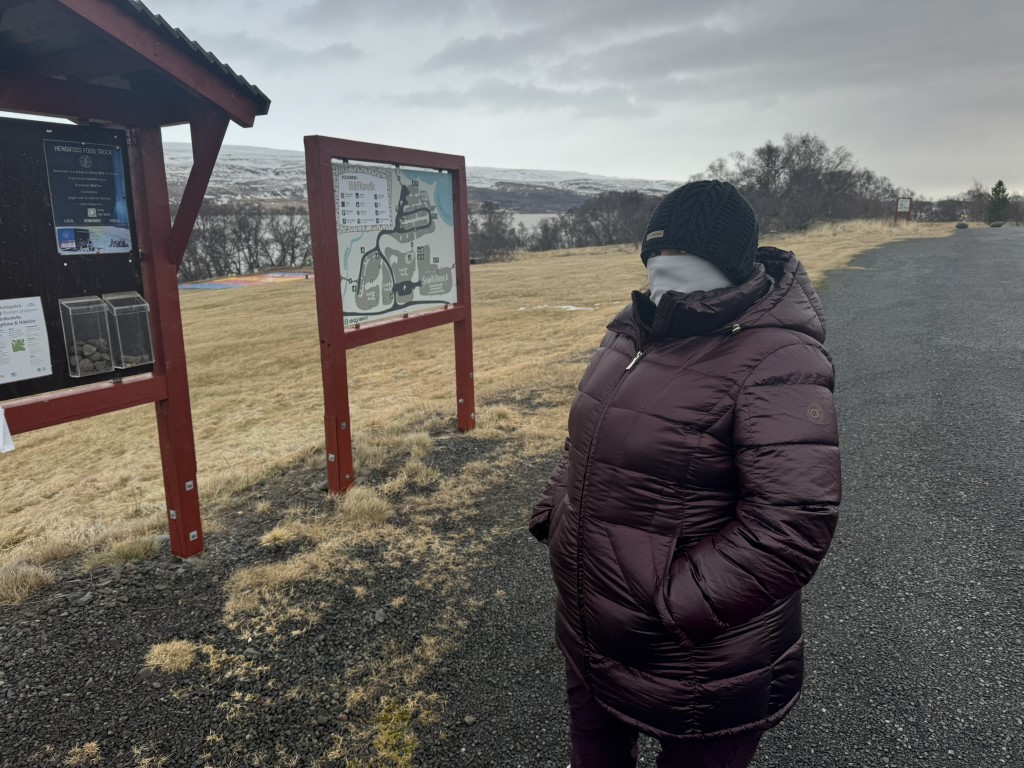
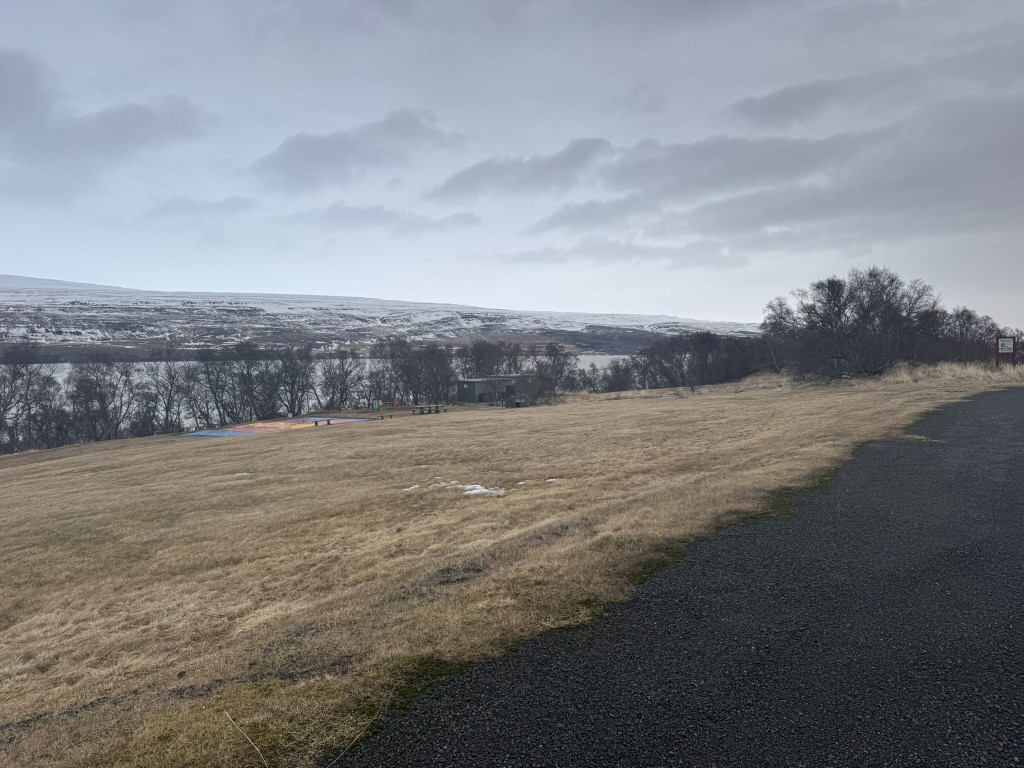
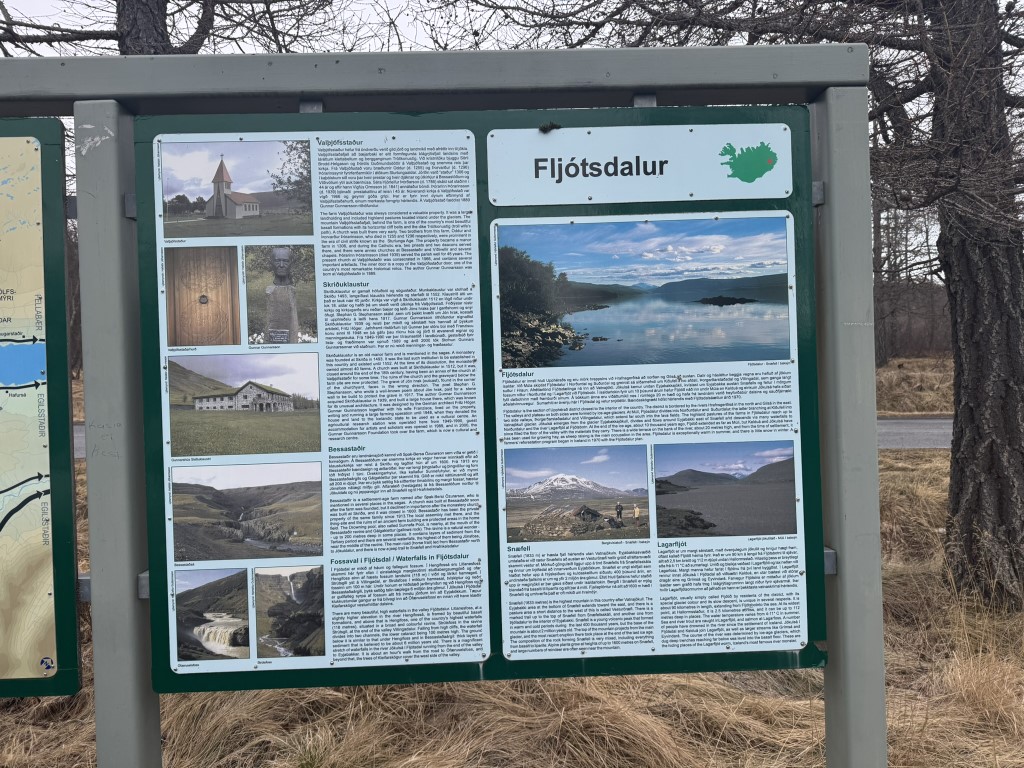
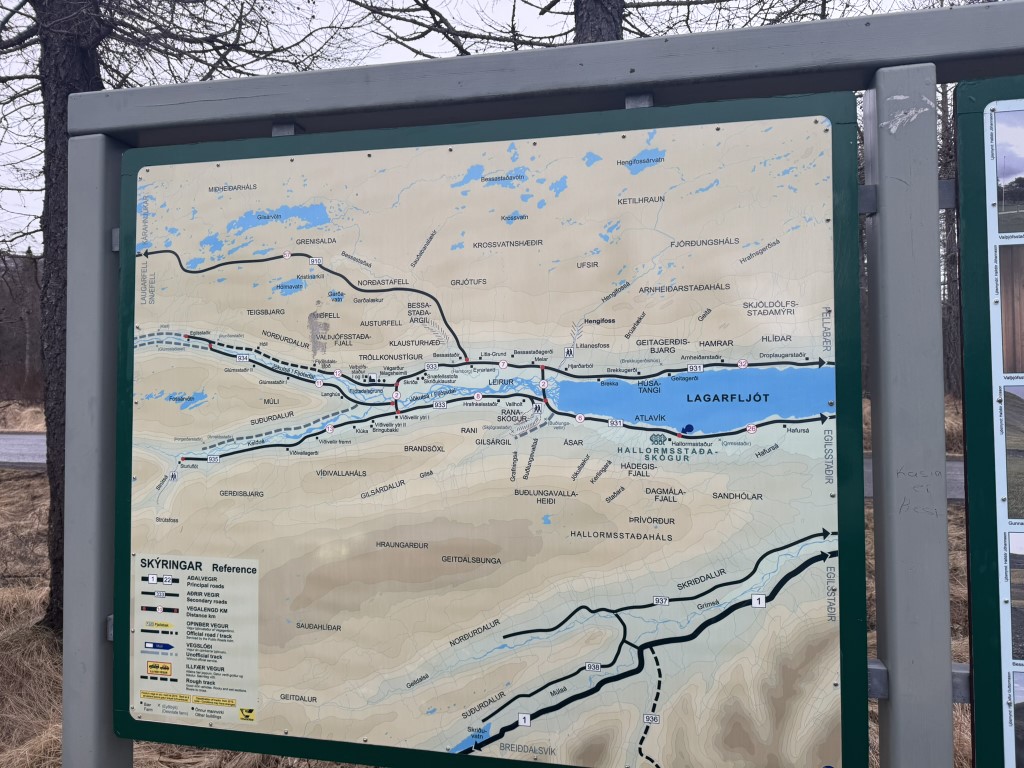
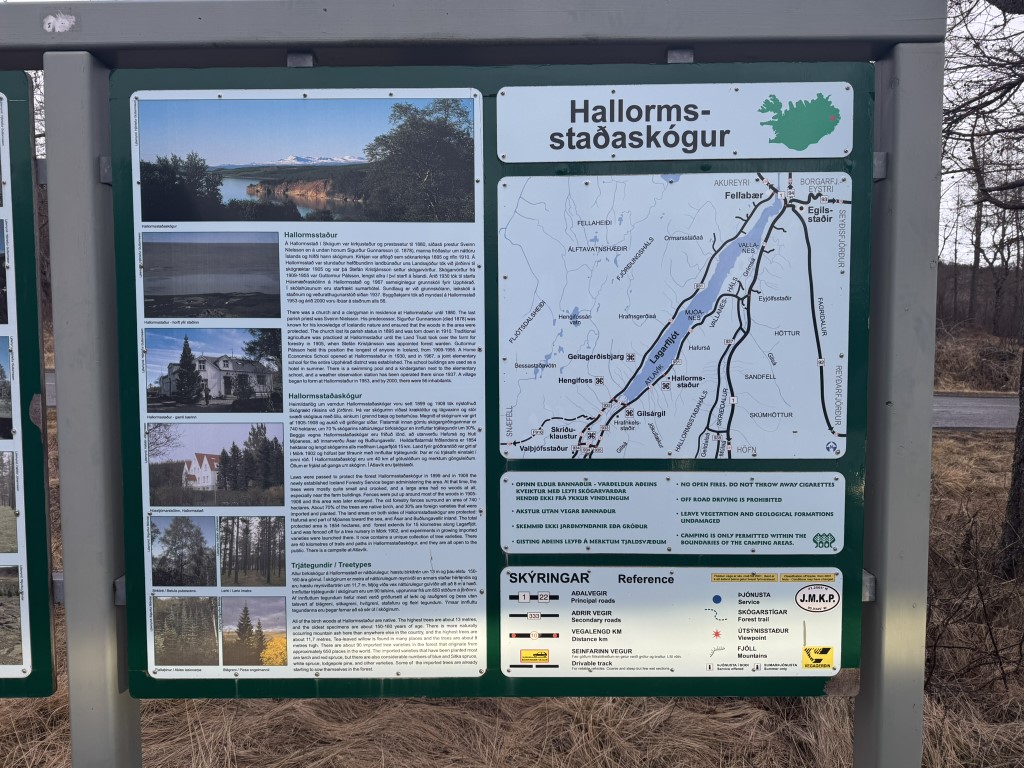
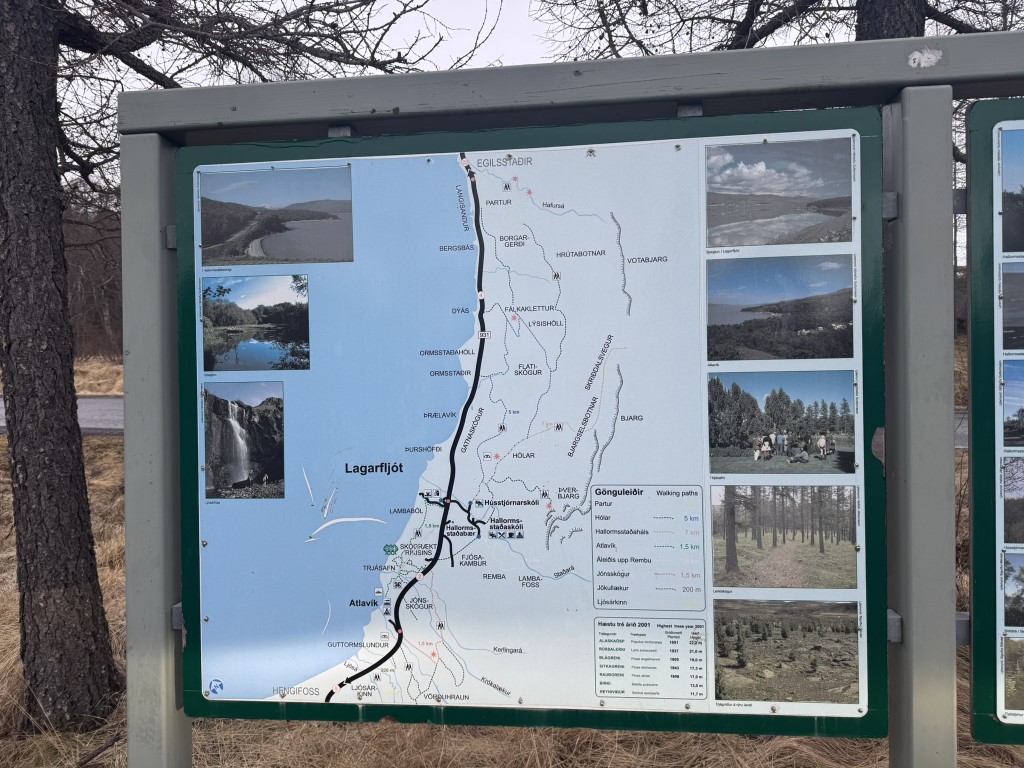
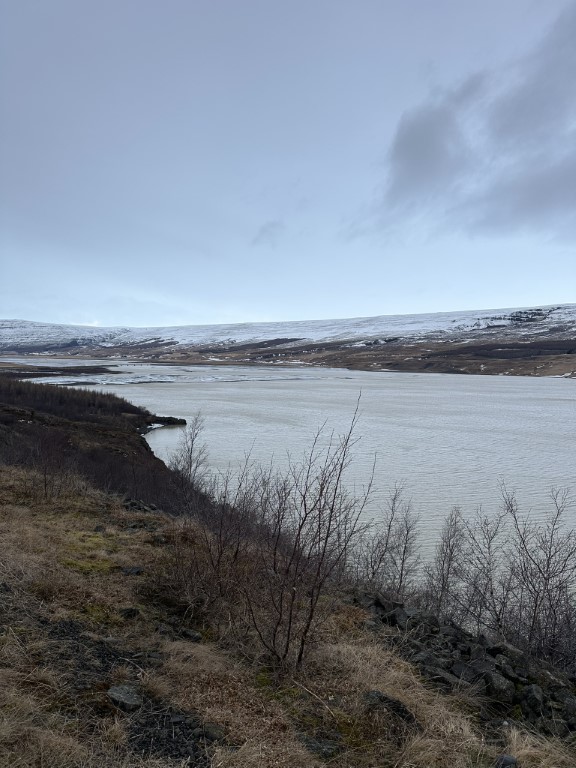
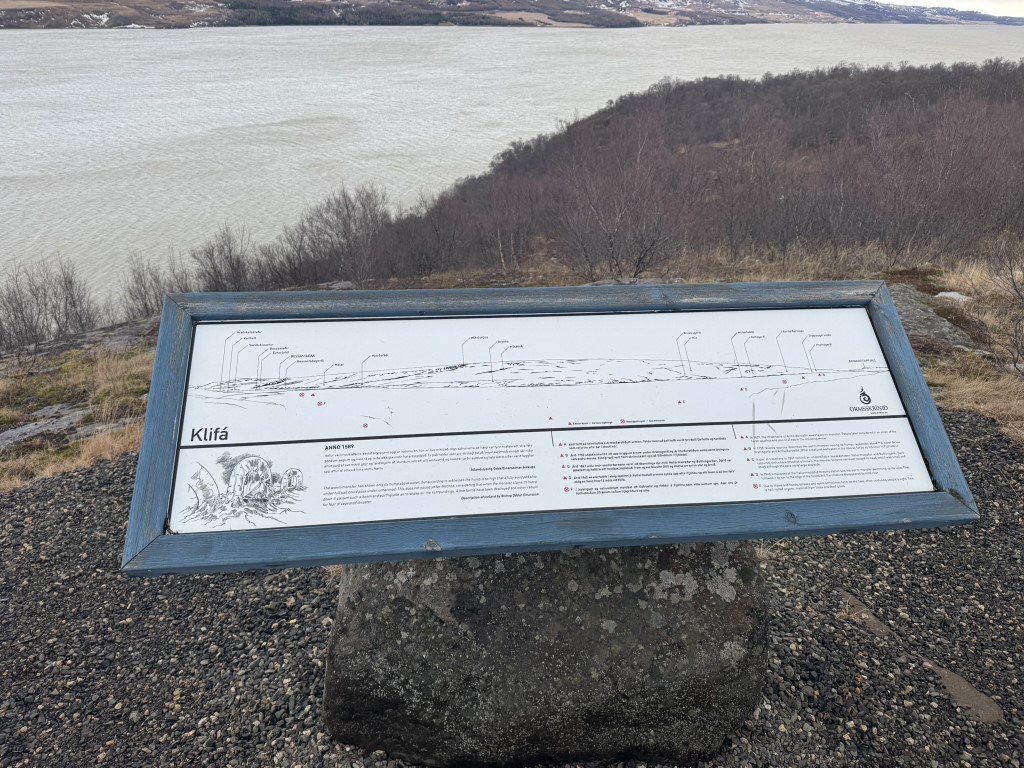
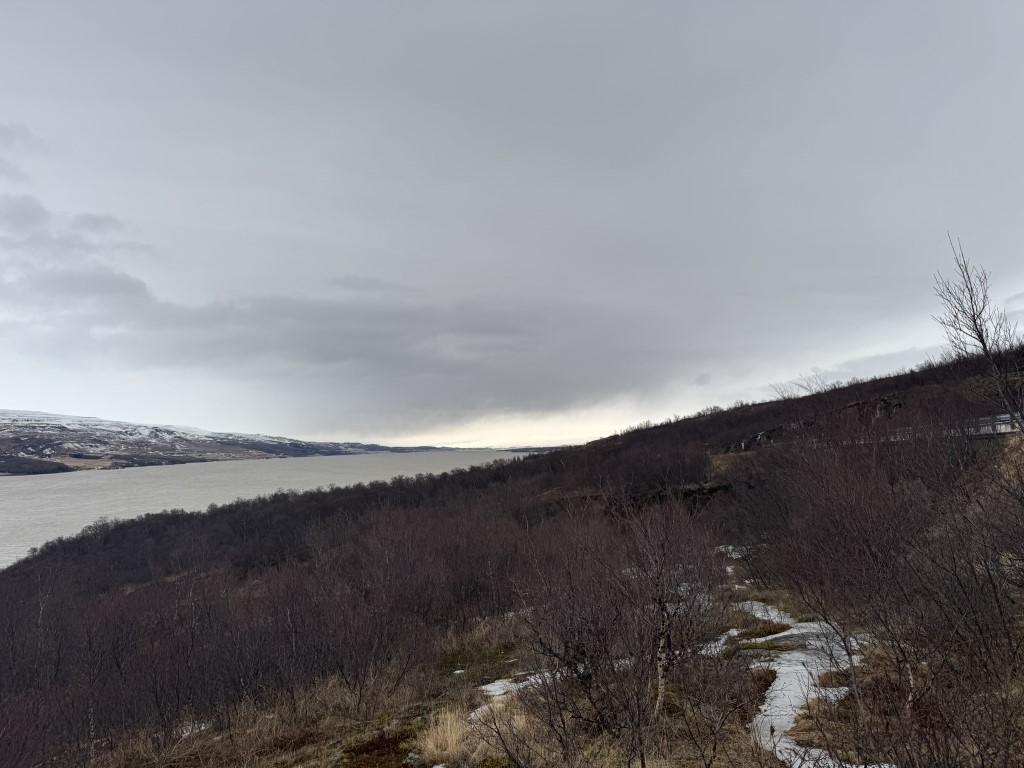
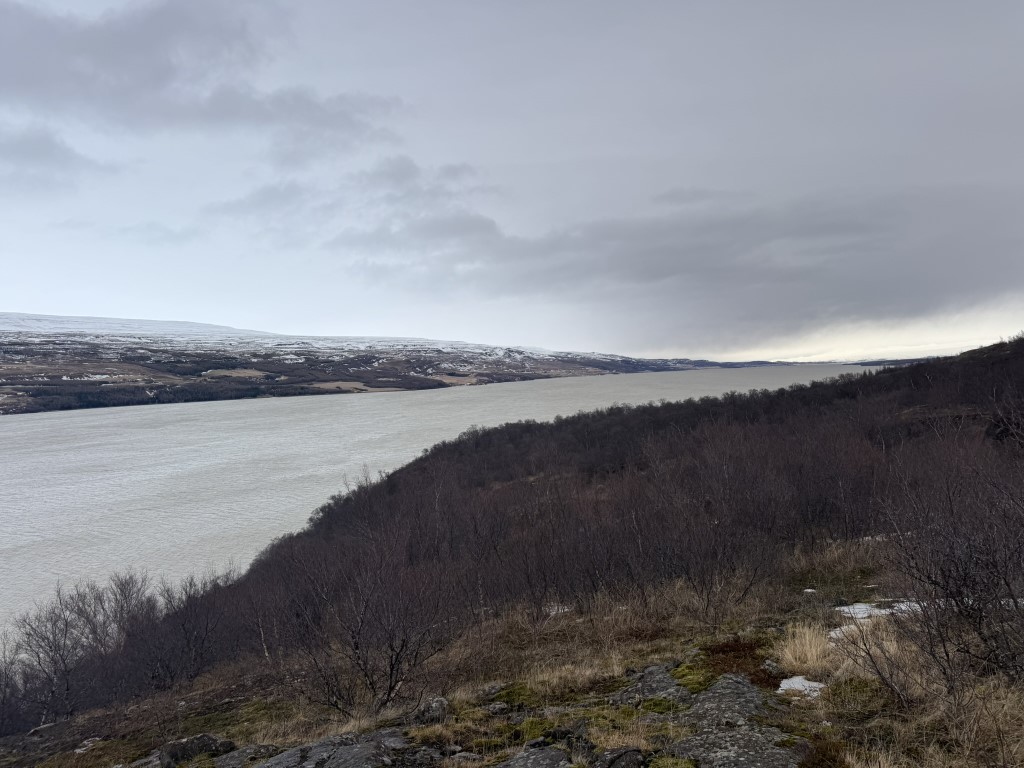
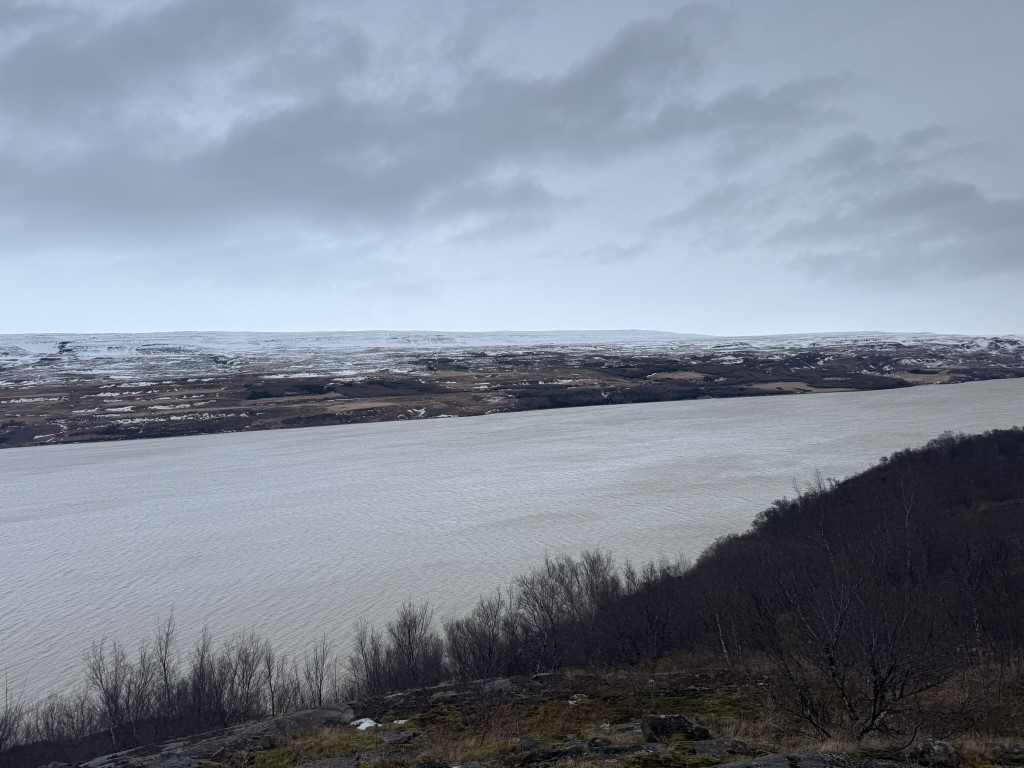
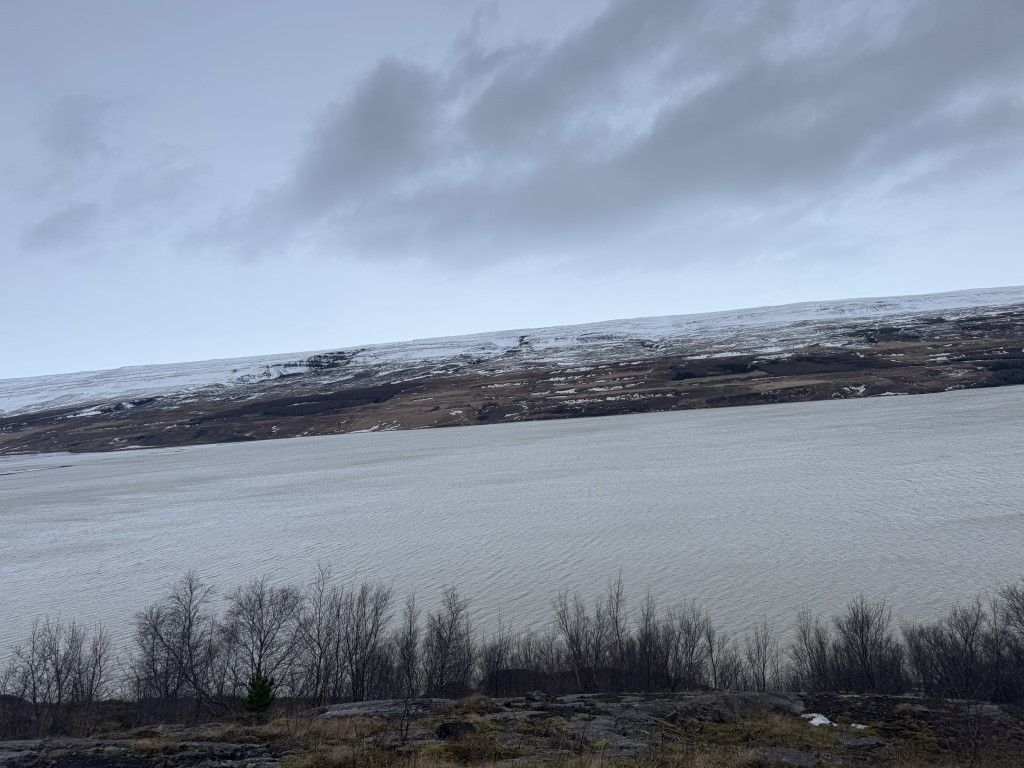
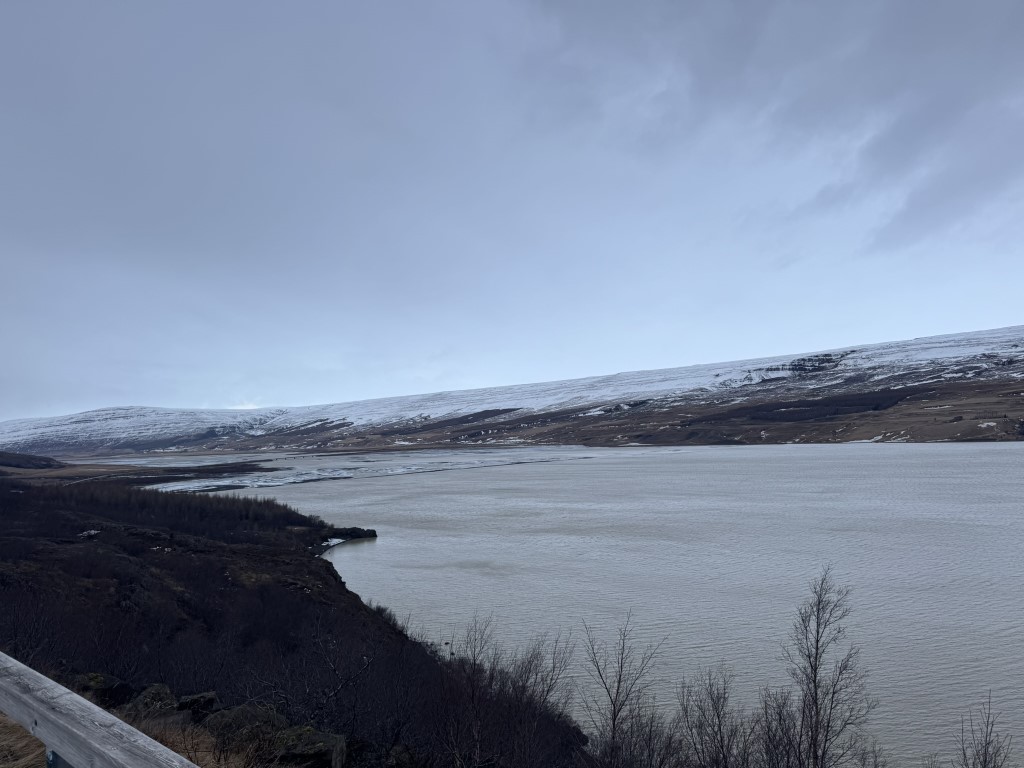
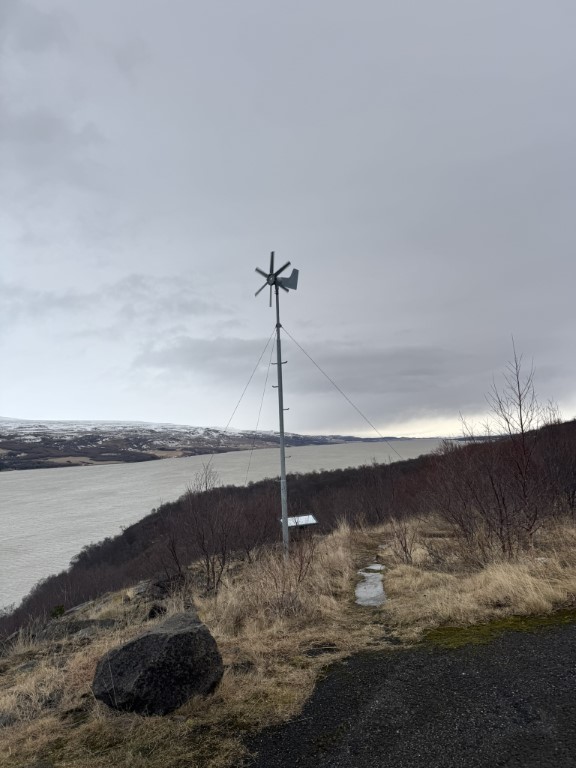
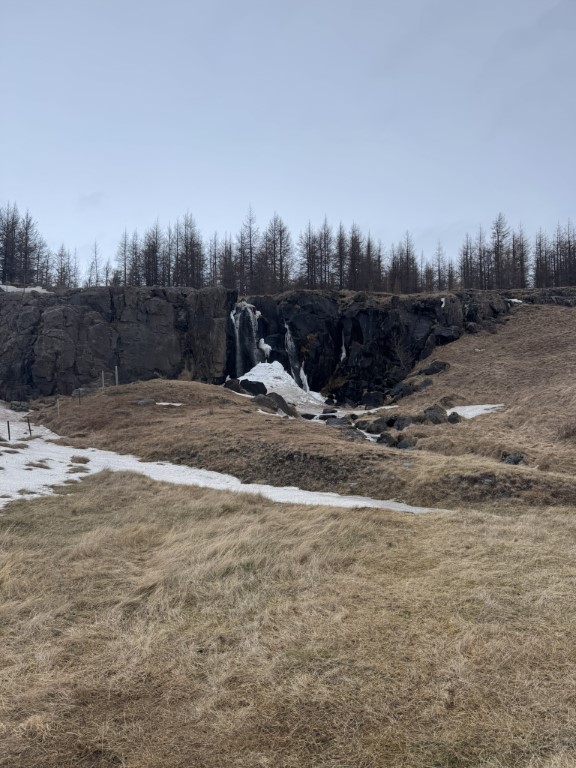
We made our way to Hengifoss, next to Lagarfljót. The waterfall is around 128 meters tall, making it the 2nd highest waterfall in Iceland.
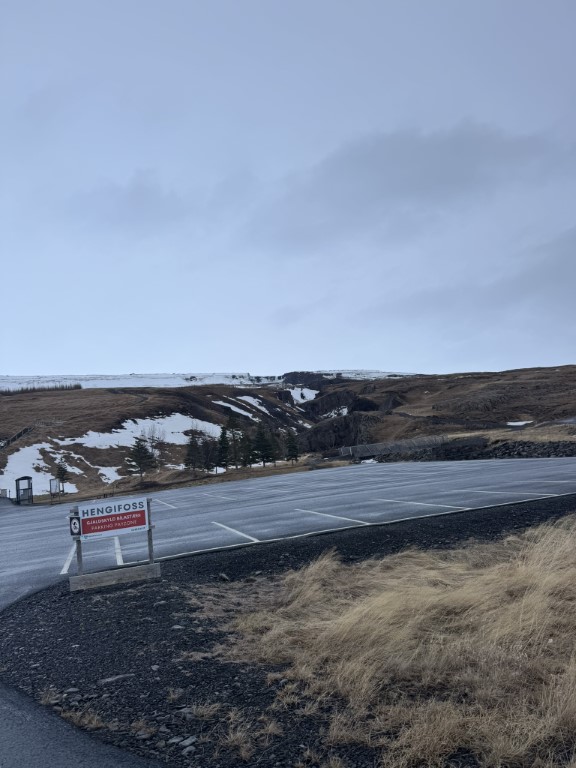
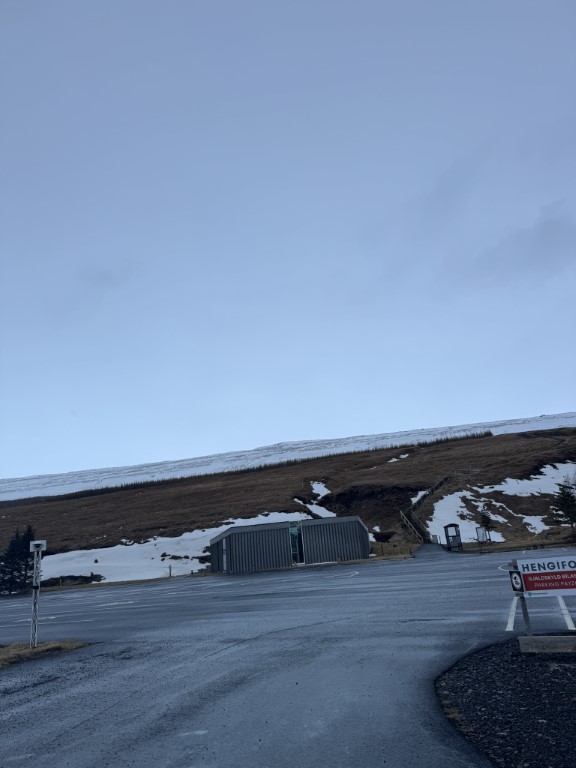
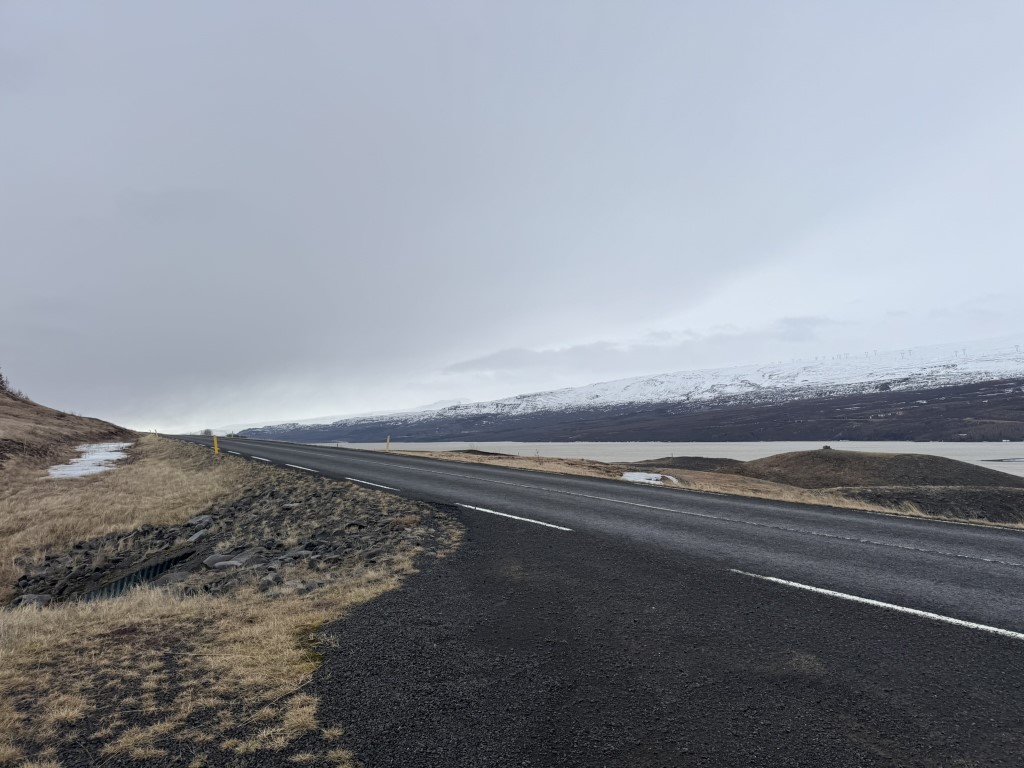
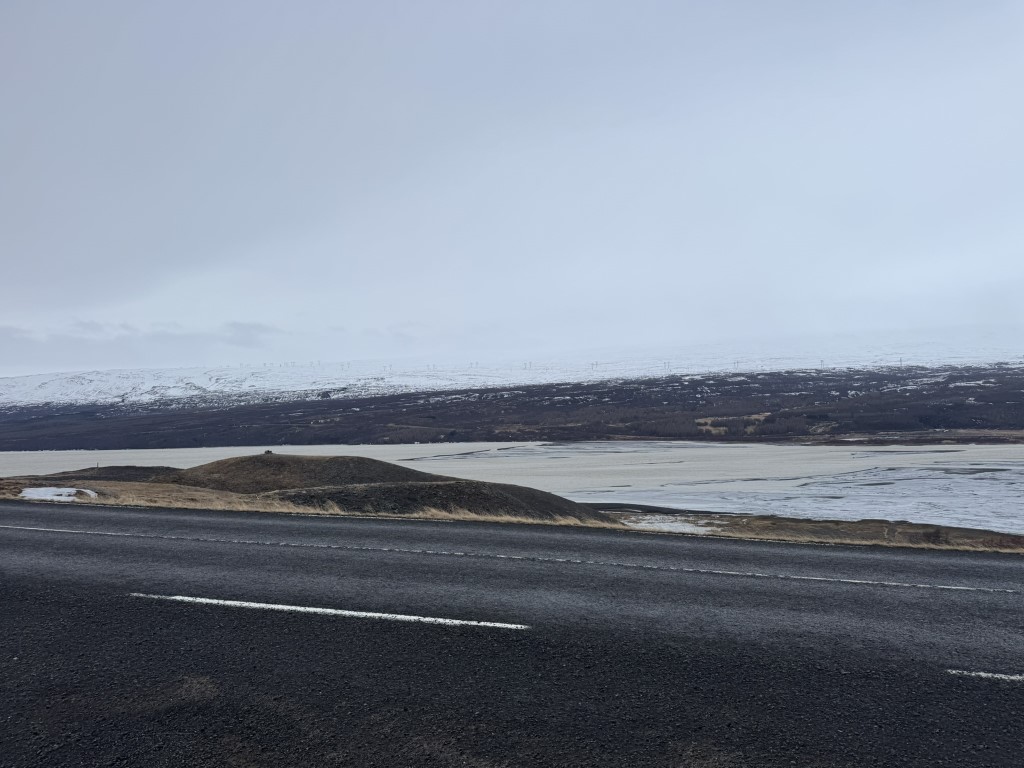
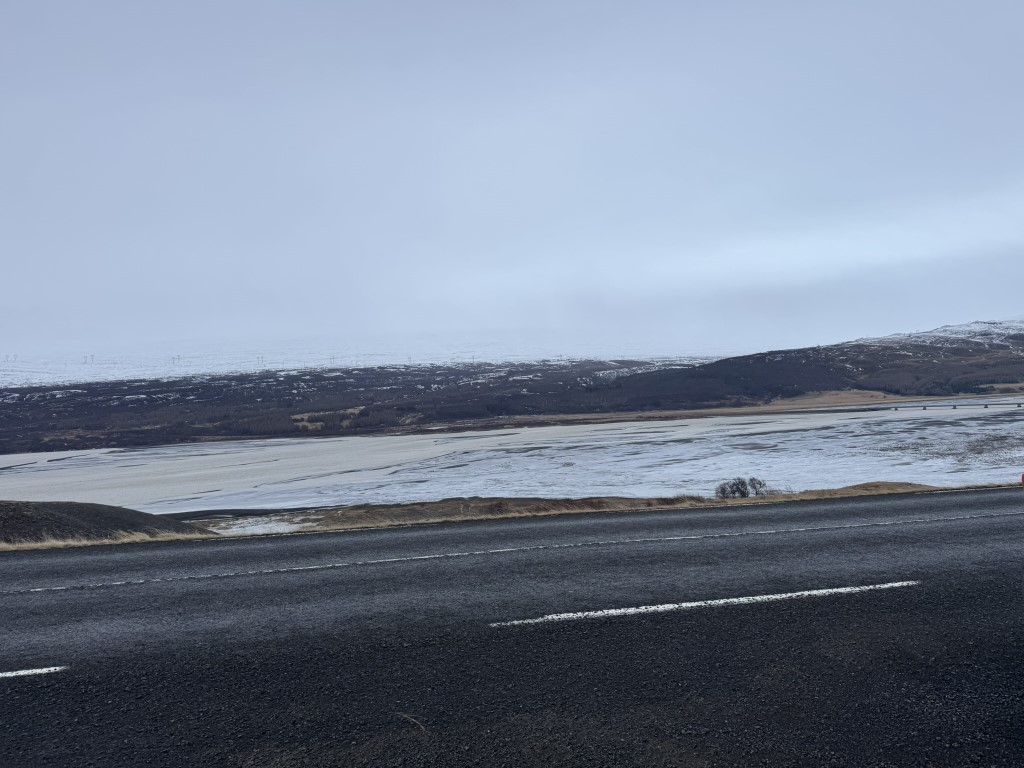
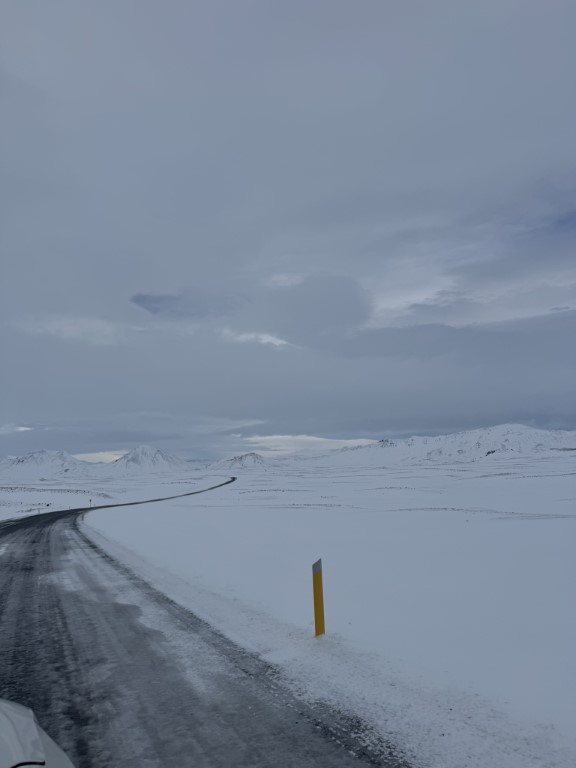
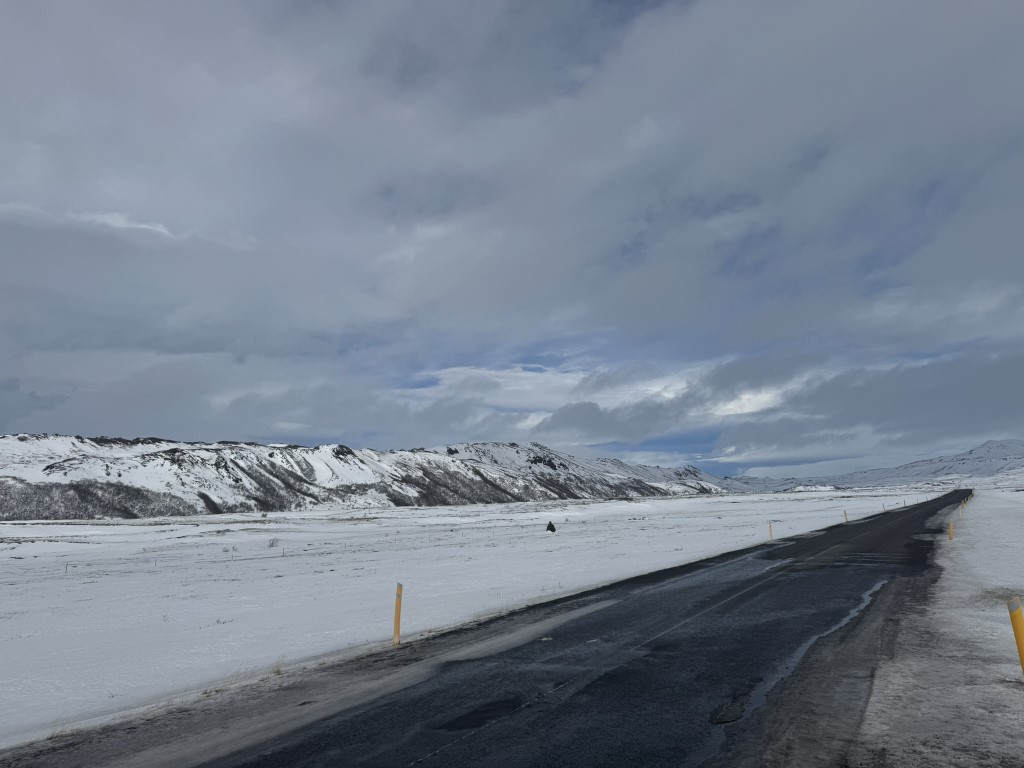
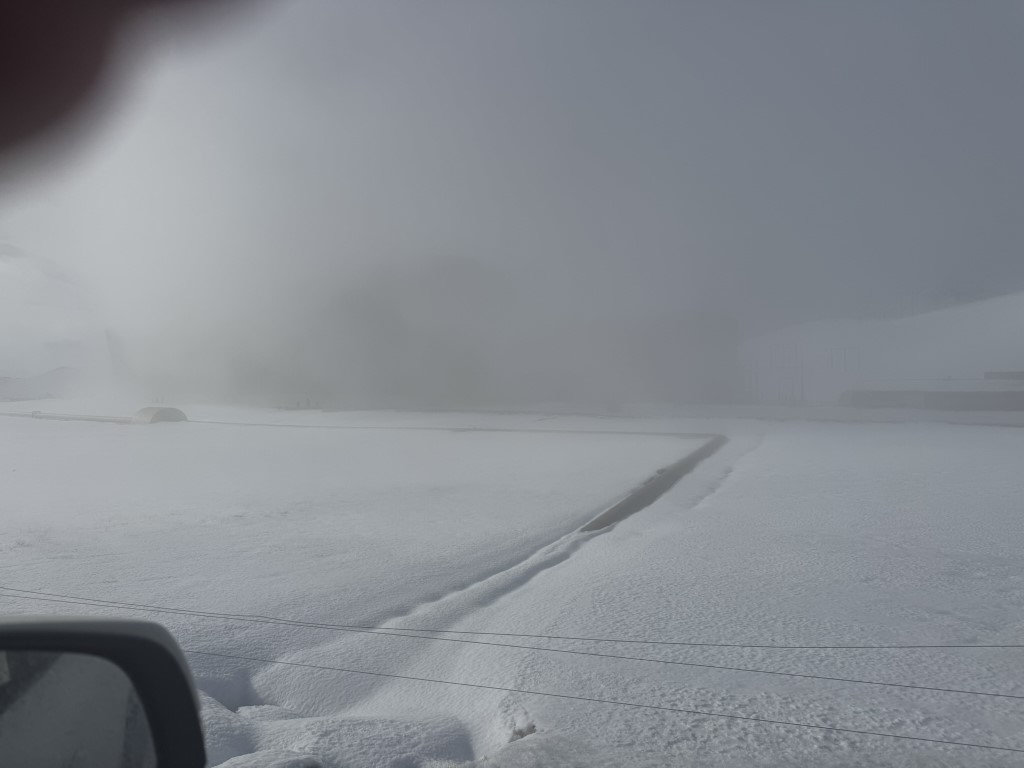
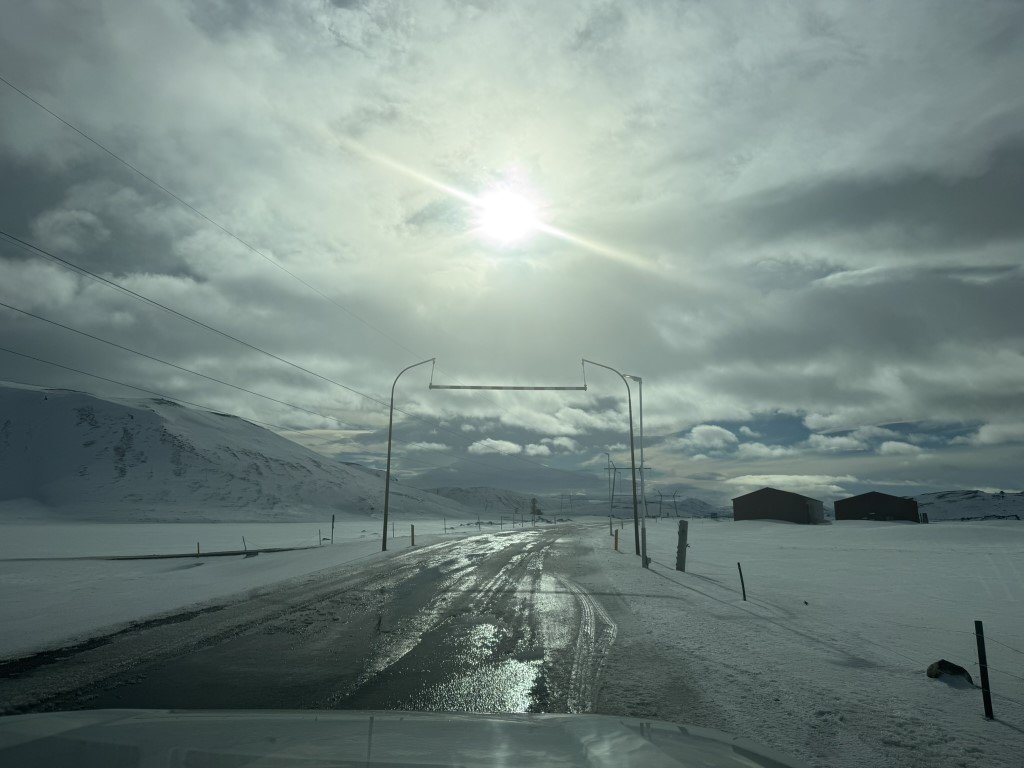
As we continued west, driving conditions deteriorated quickly as the roads became snow covered and slippery. We gave up on the idea of going to Stuðlagil Canyon as we did not think the hiking trails would be open and instead made a slow westward push towards Mývatn.
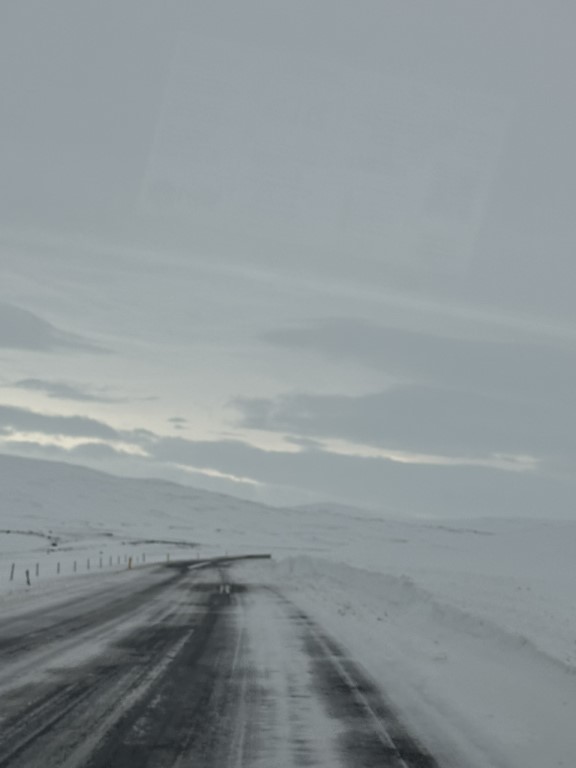
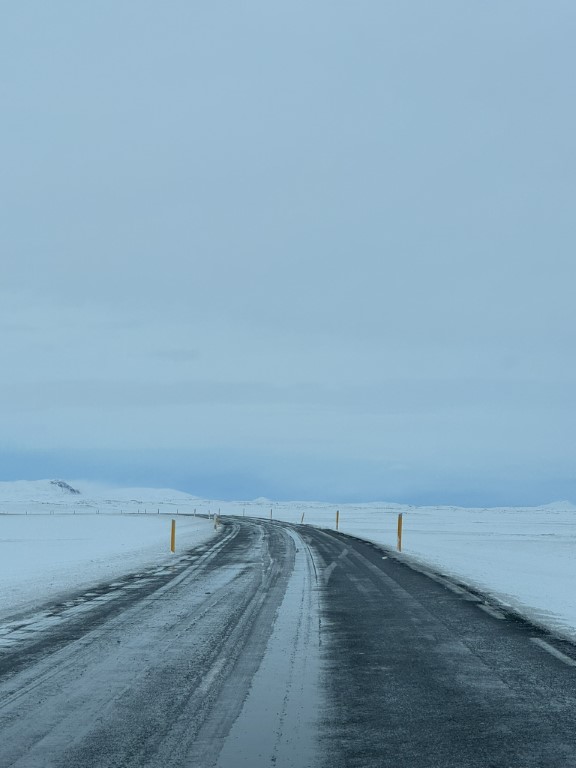
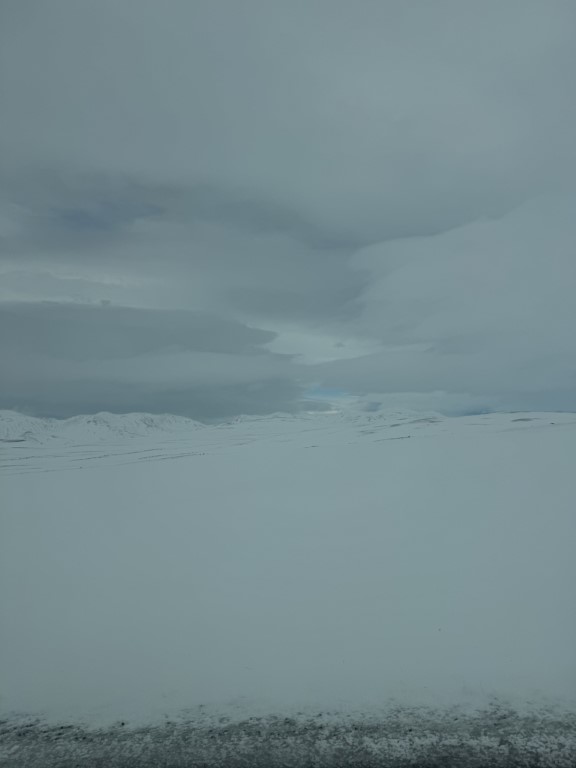
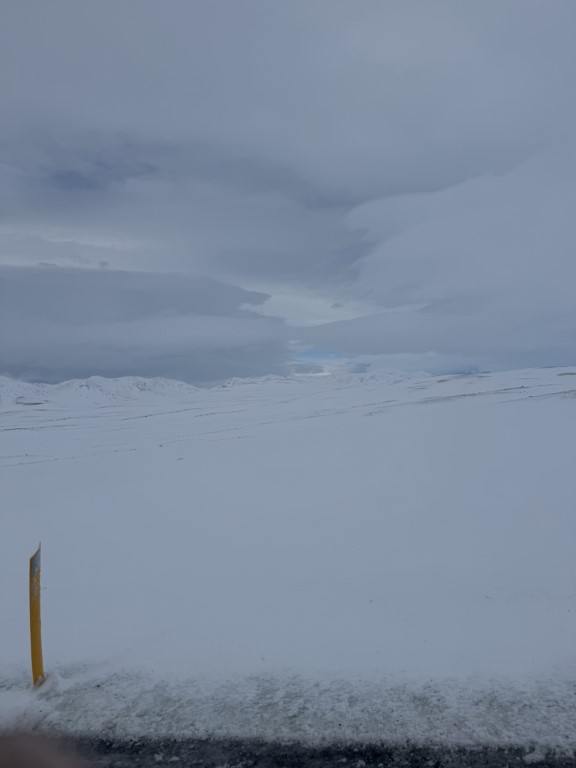
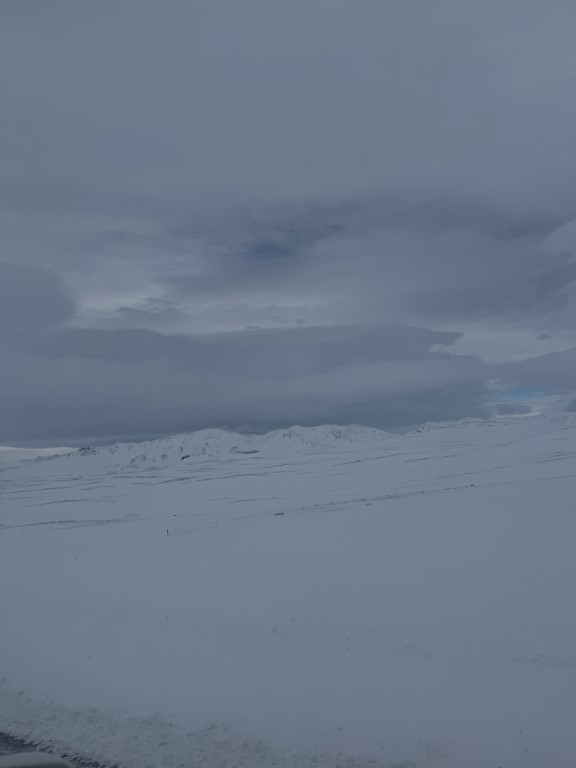
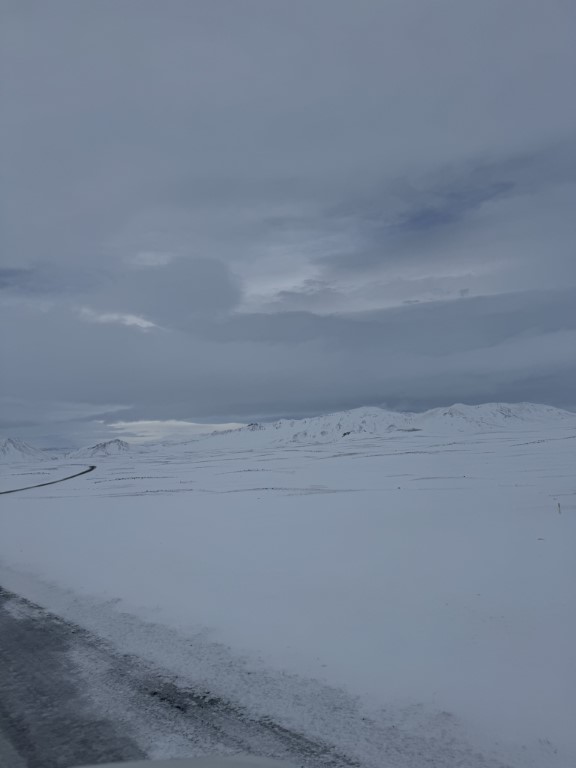
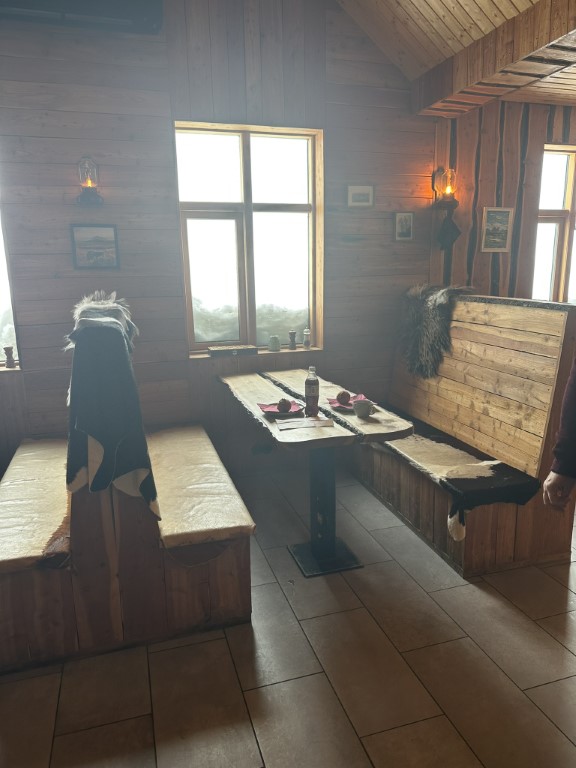
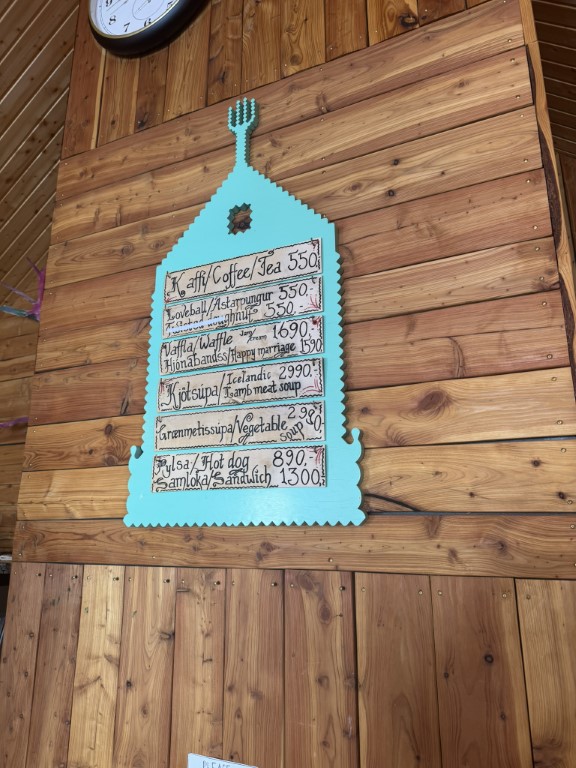
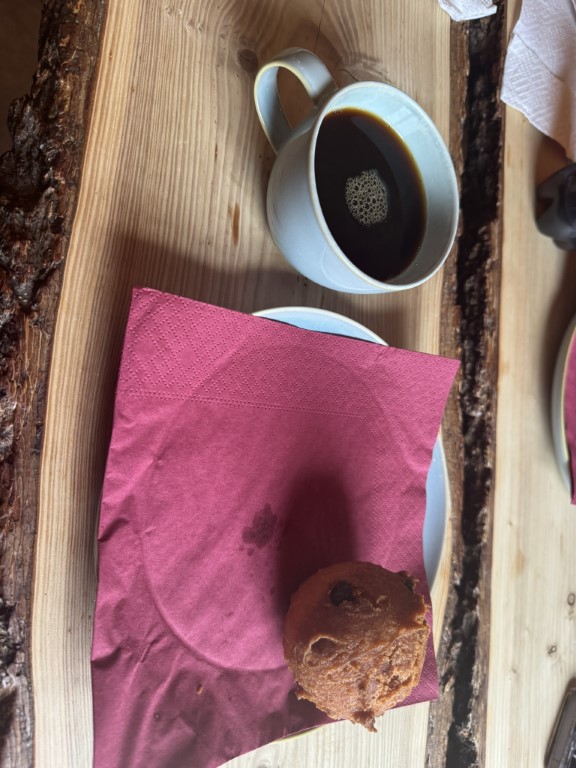
Janie needed a break from the treacherous driving so we stopped at a small cafe, Beitarhúsið, where we were introduced to "love balls", or as the Icelandic call them, ástarpungar. The name technically means "love testicles" but most call them "love balls". They are deep fried balls with raisins and they hit the spot, as did the coffee, and for Janie, a Diet Coke, which was a rarity as most places only had Coke Zero. As we were leaving, we saw a vehicle had misjudged the entrance and gotten stuck in the snow. J. R., along with two other men, tried to push the car out but were unsuccessful, requiring the driver to call for emergency service. This put us on alert for the rest of the drive.
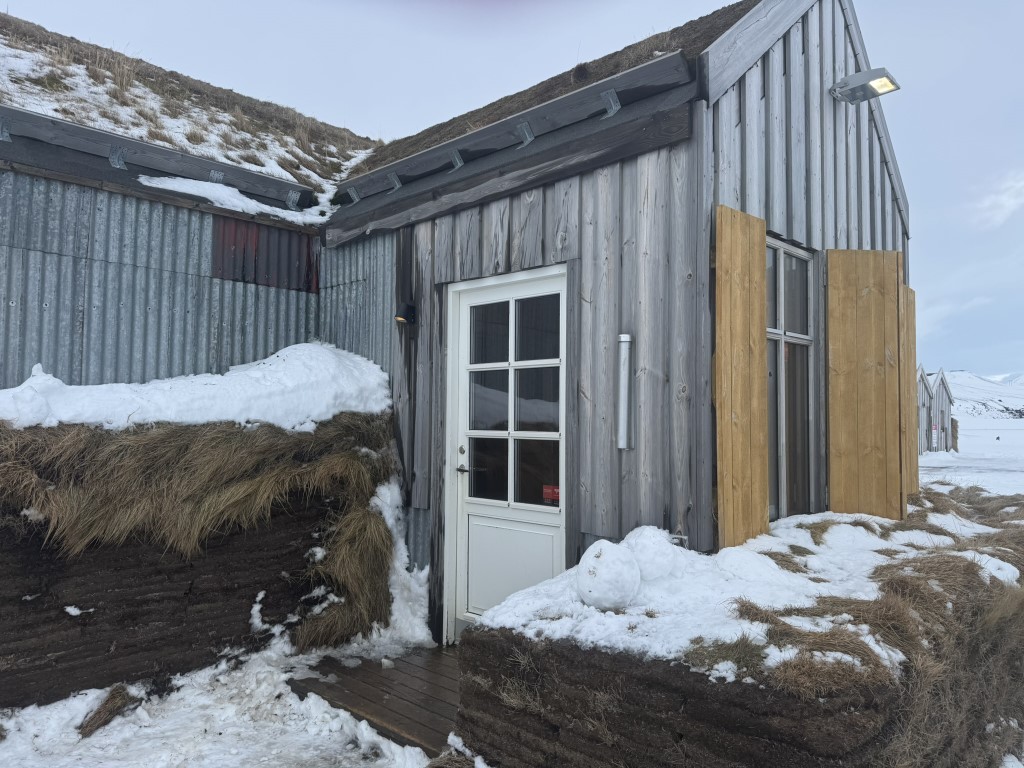
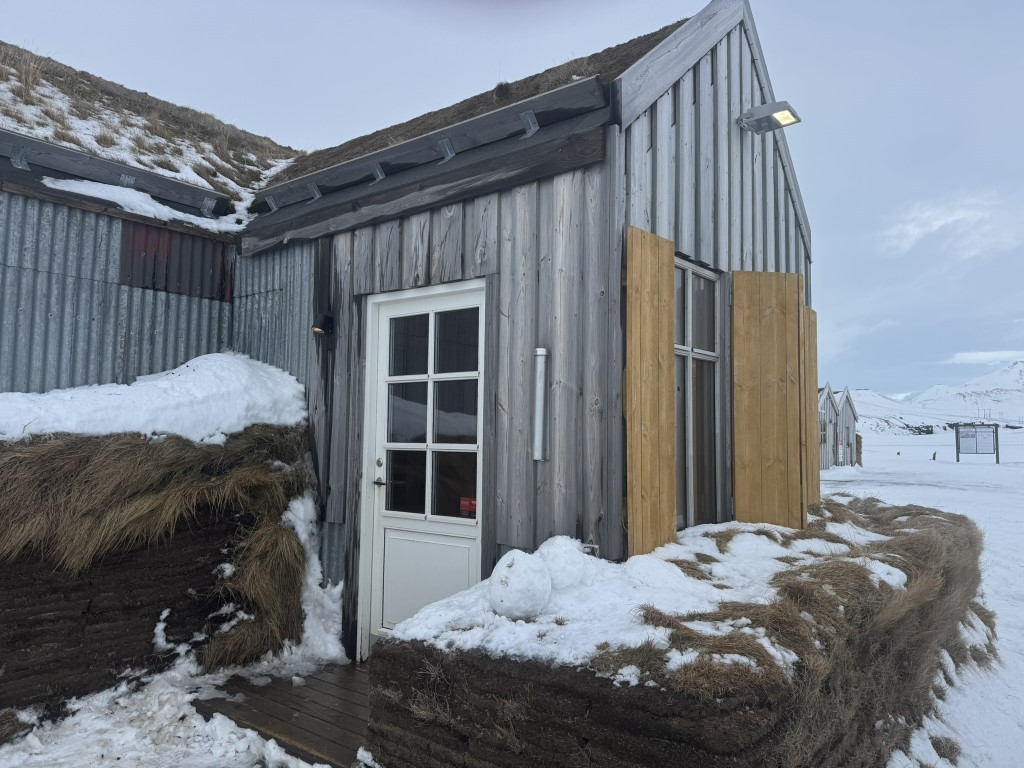
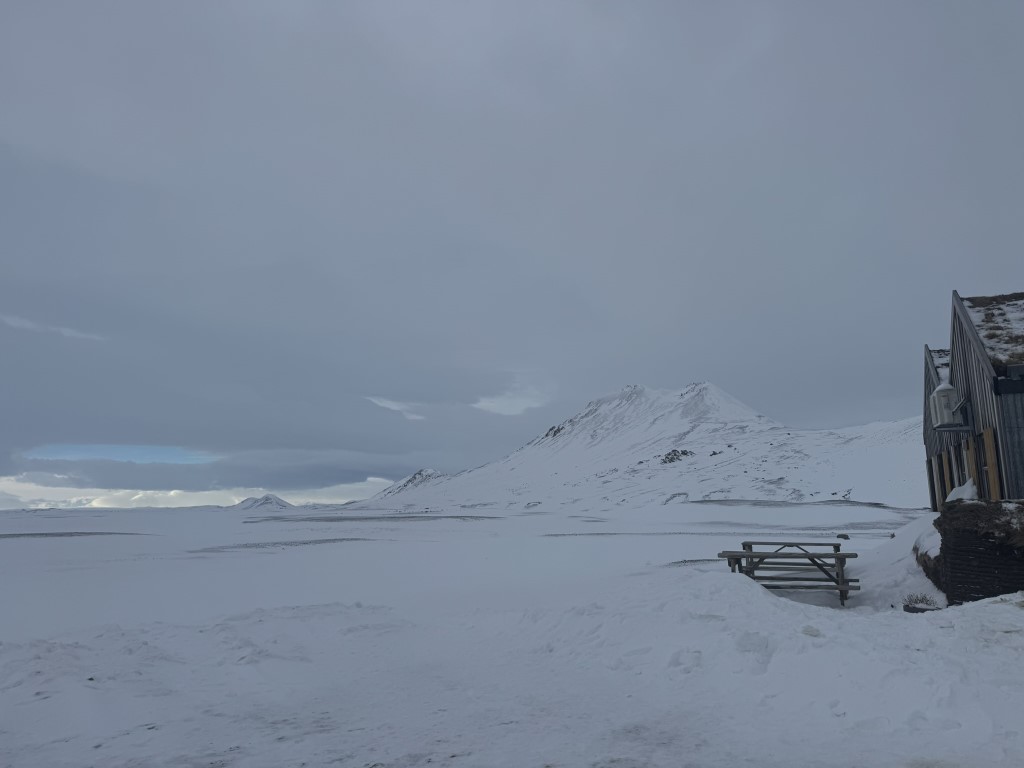
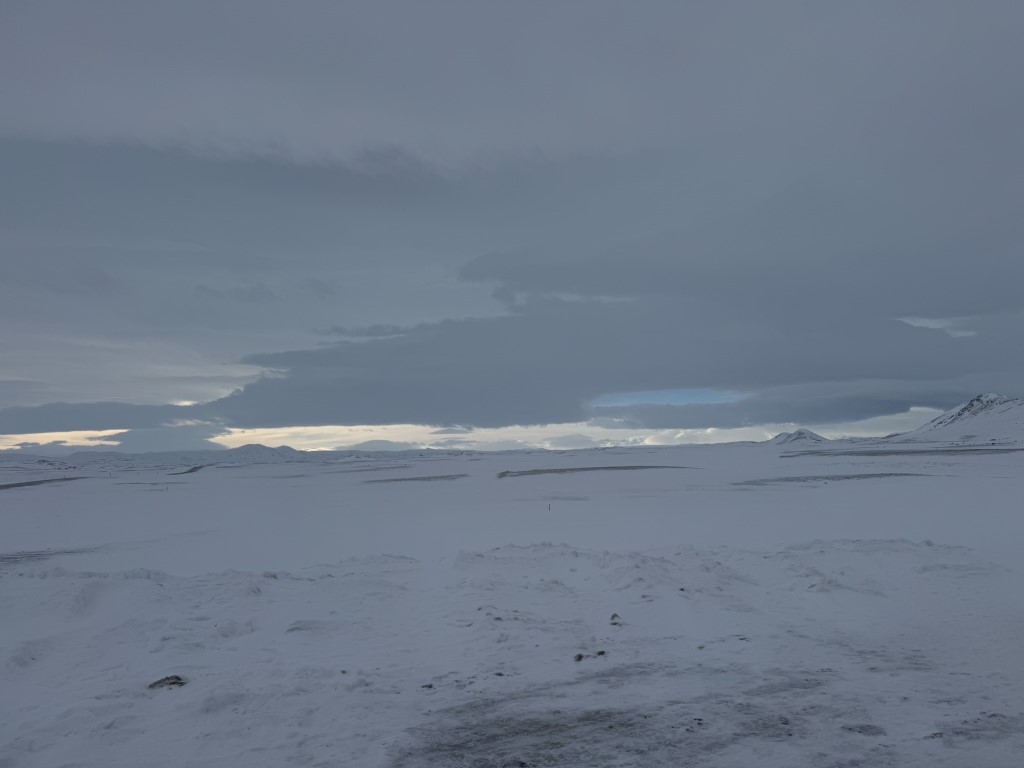
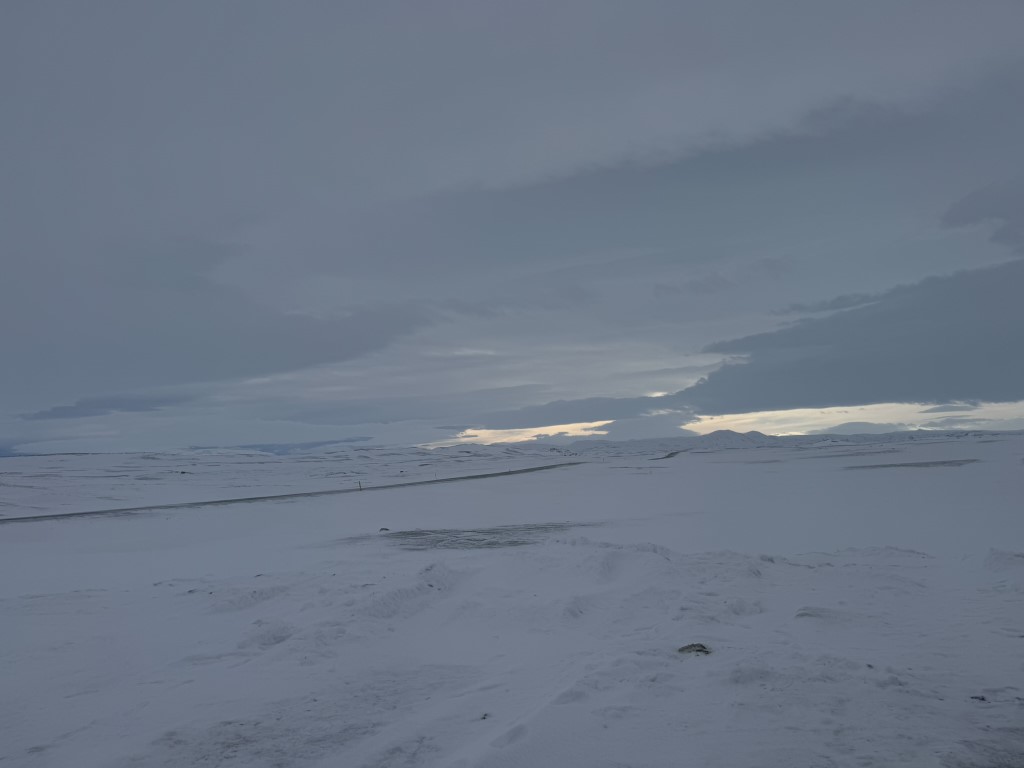
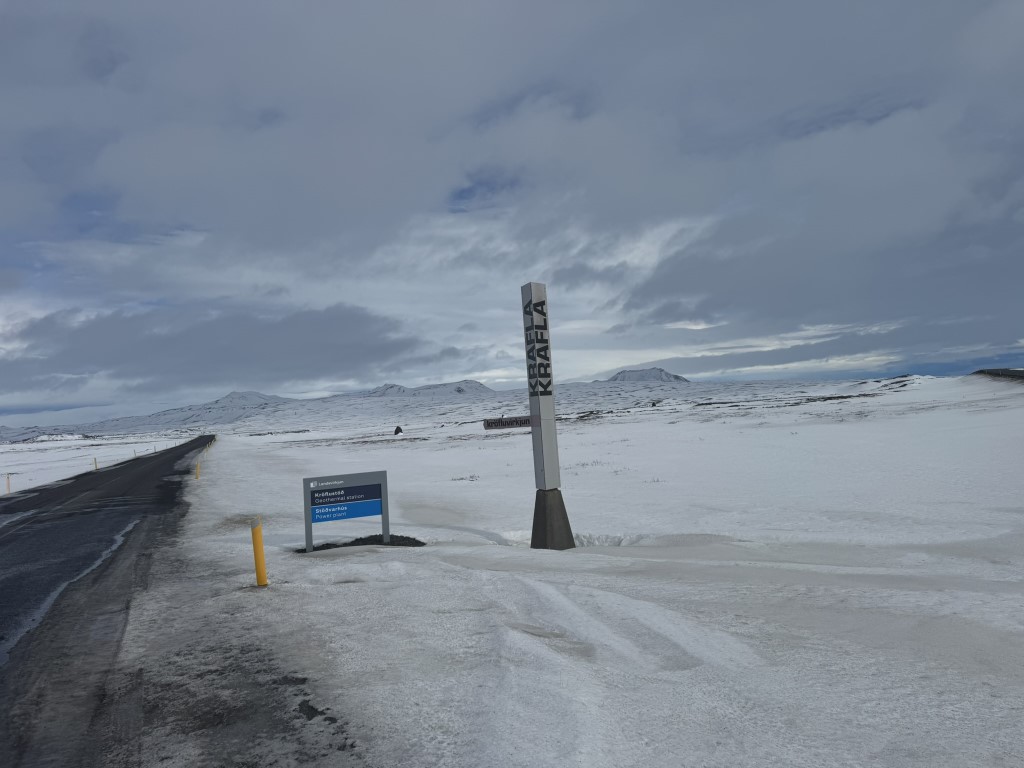
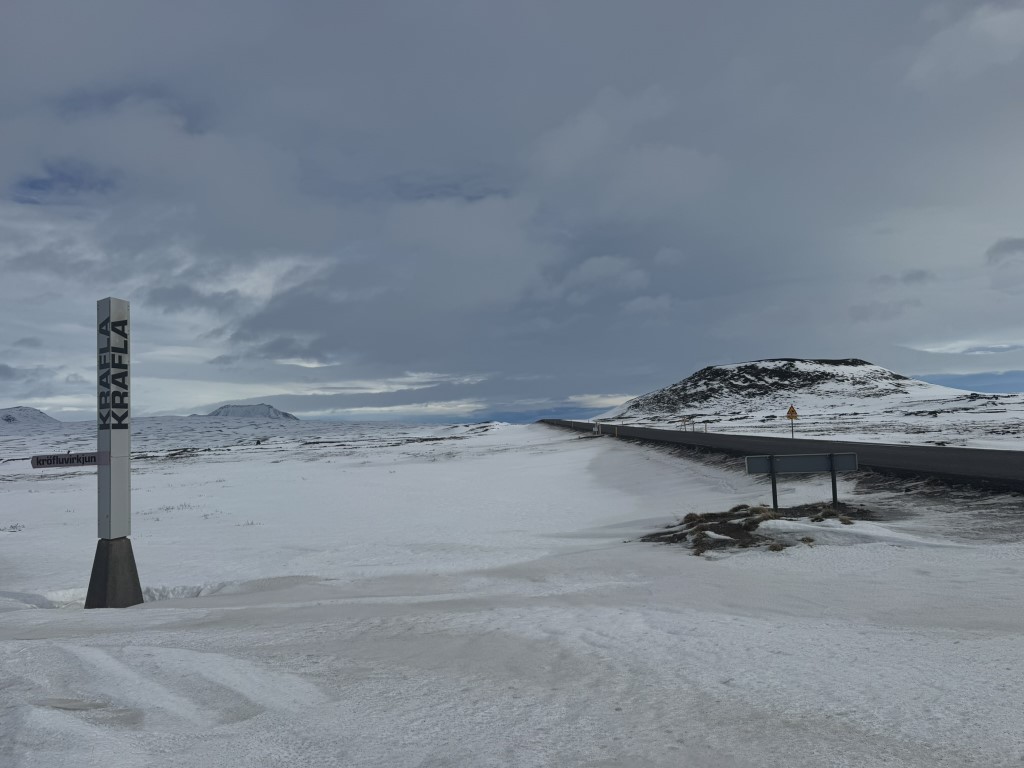
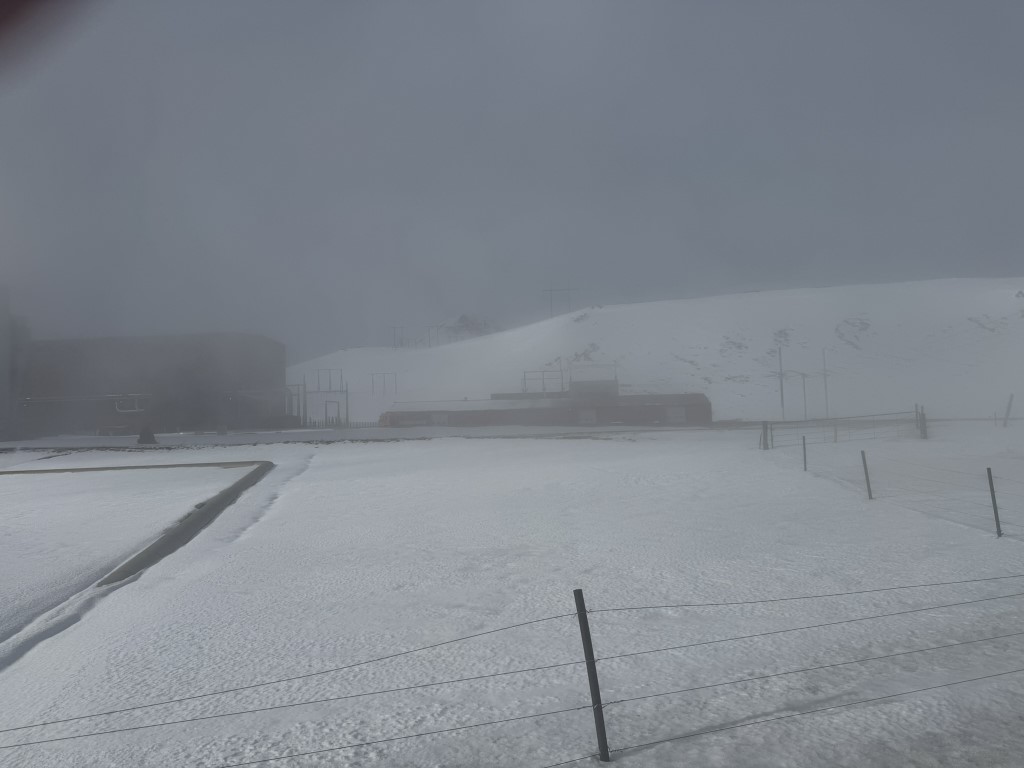
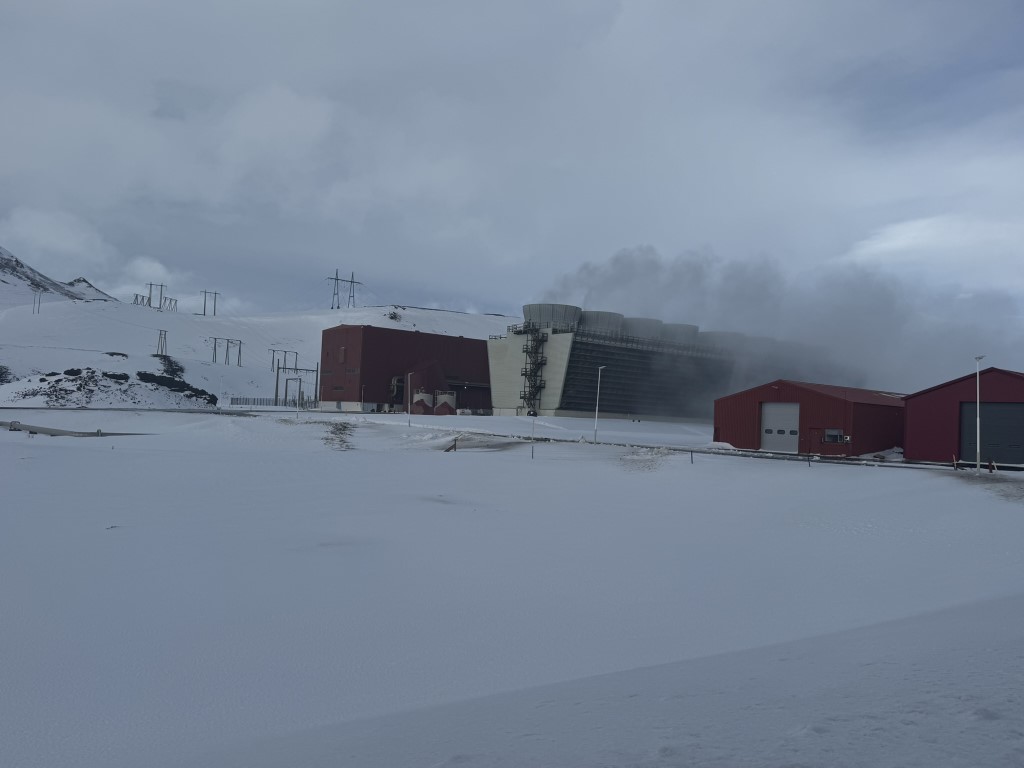
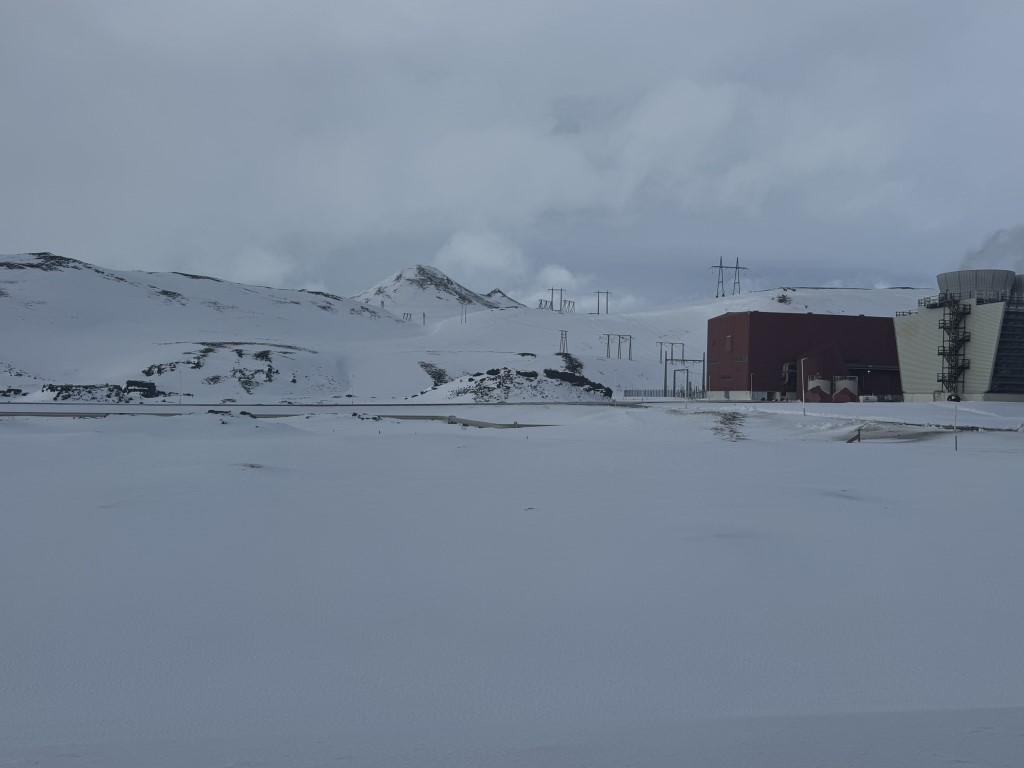
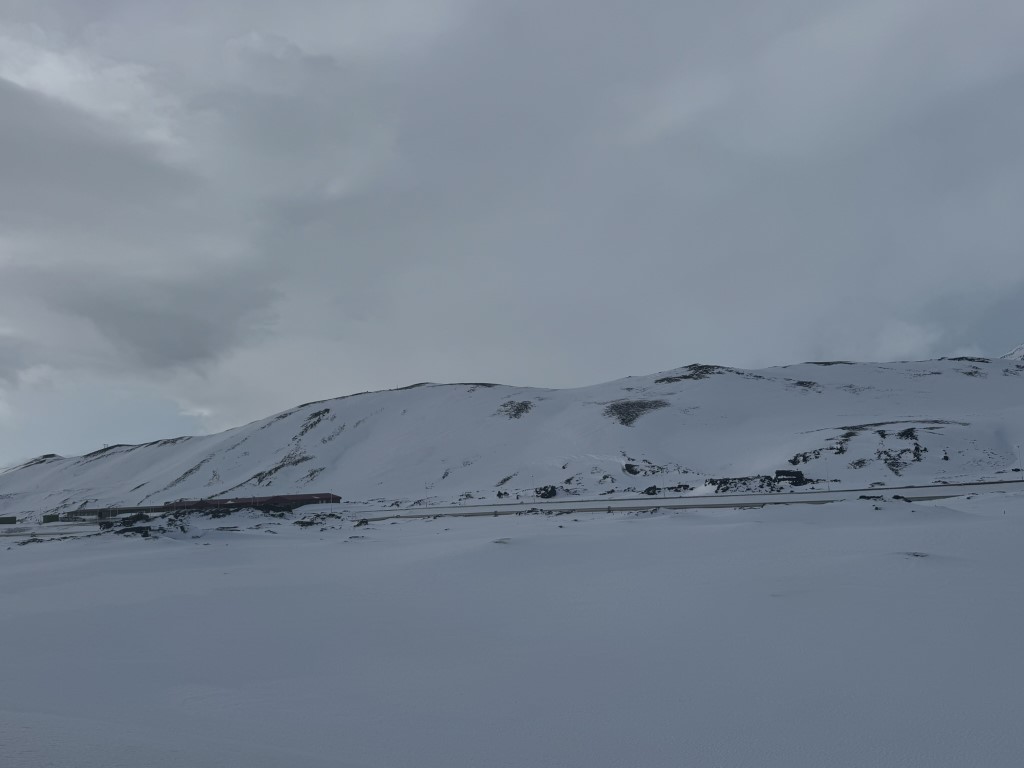
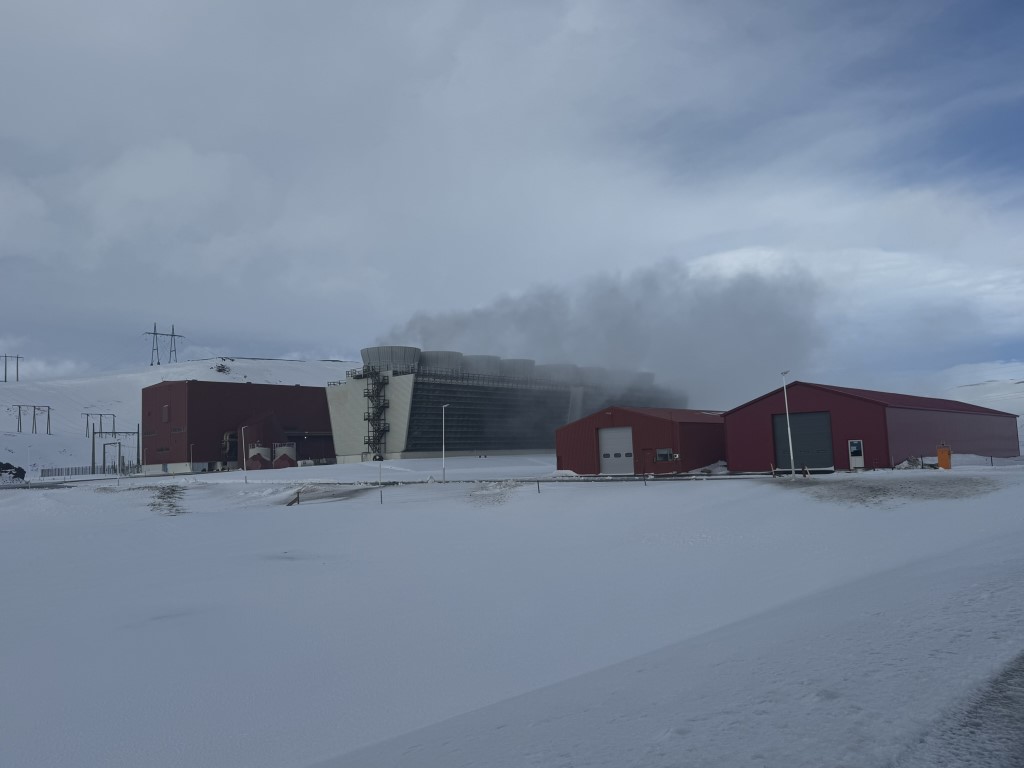
As we neared Mývatn, we turned off at the Krafla Geothermal Station, which utiliszes geothermal steam from 18 boreholes to drive two 30 MW turbines. The visitor center is not open in 2026 so we could not stop.
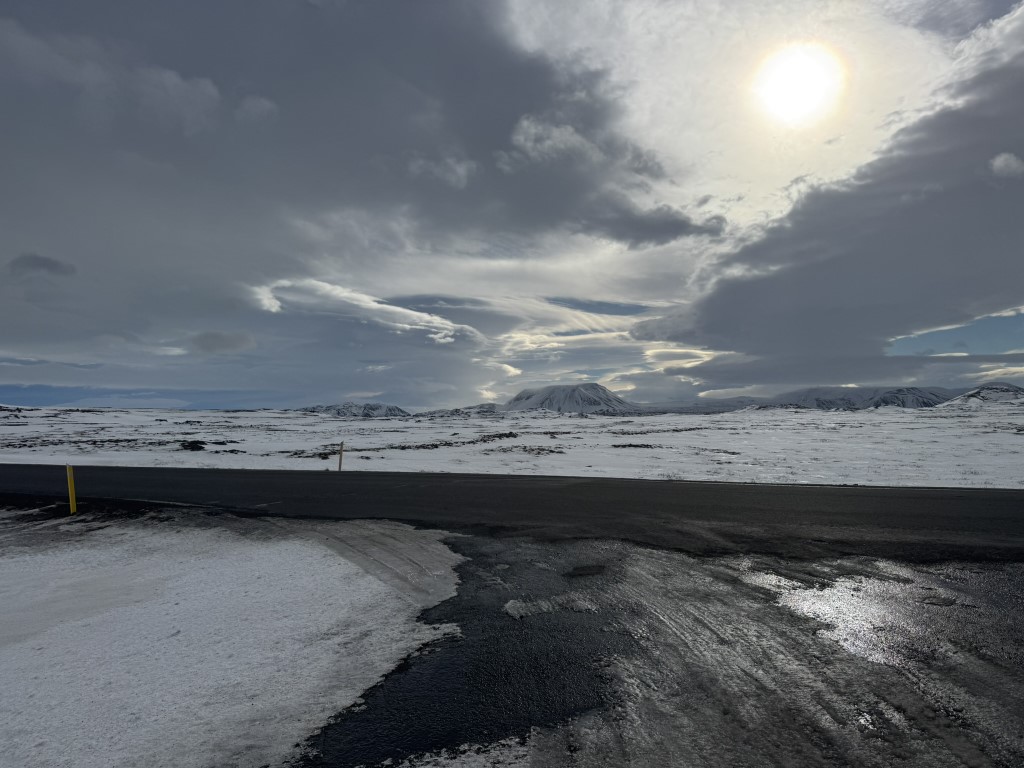
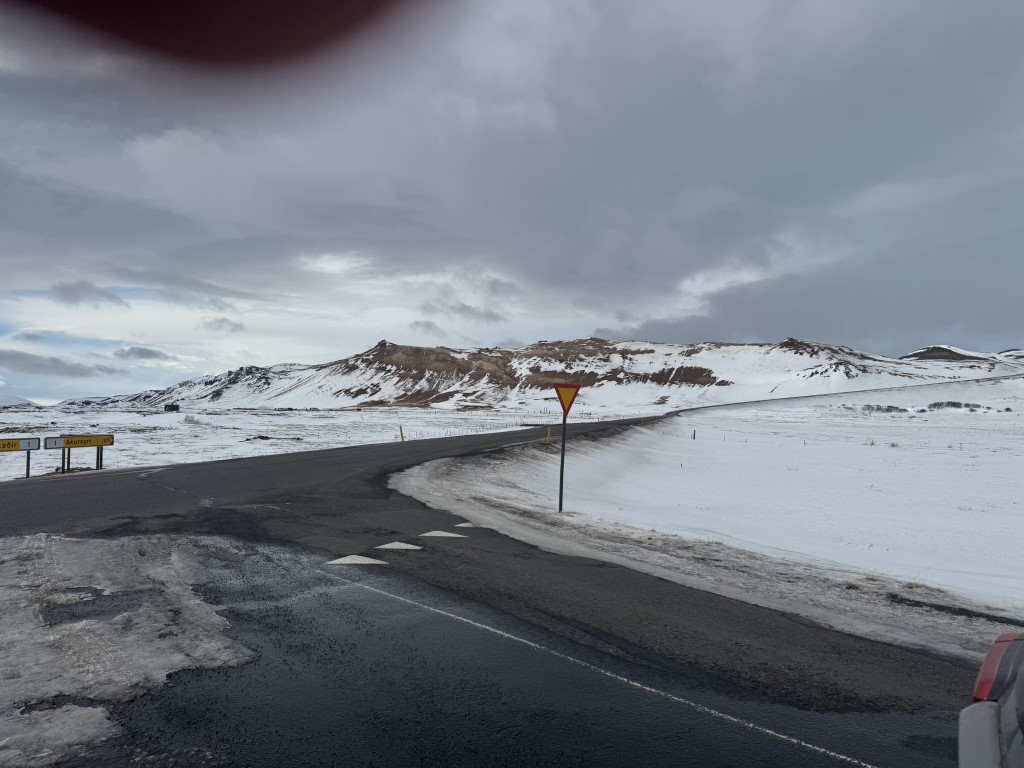
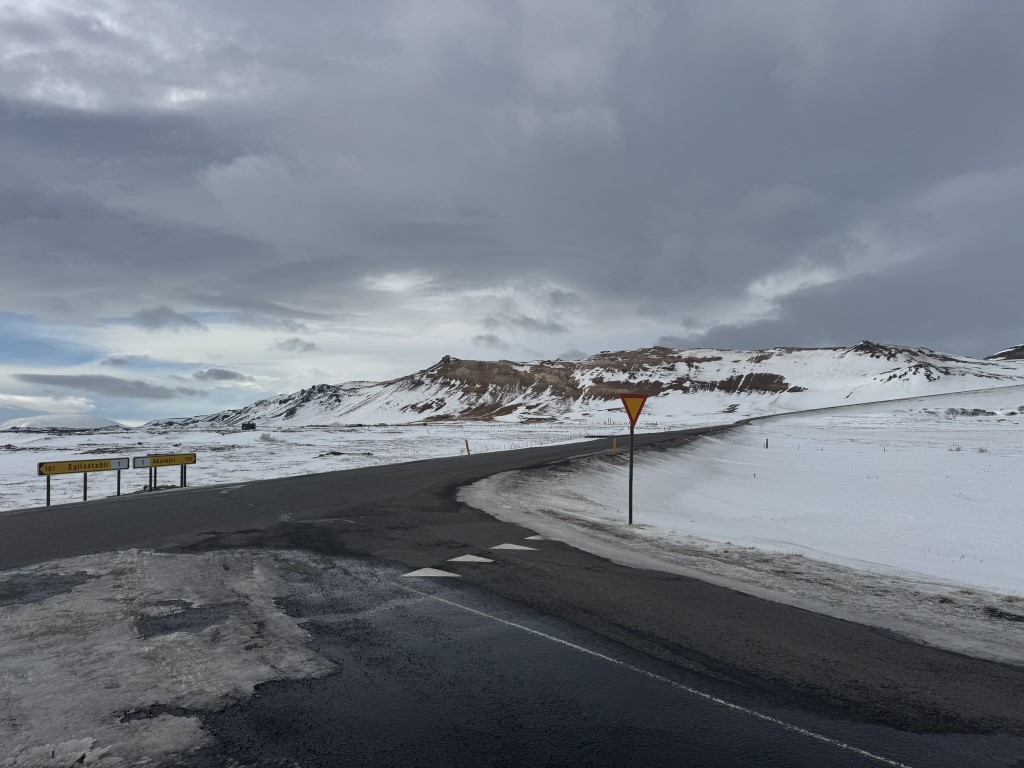
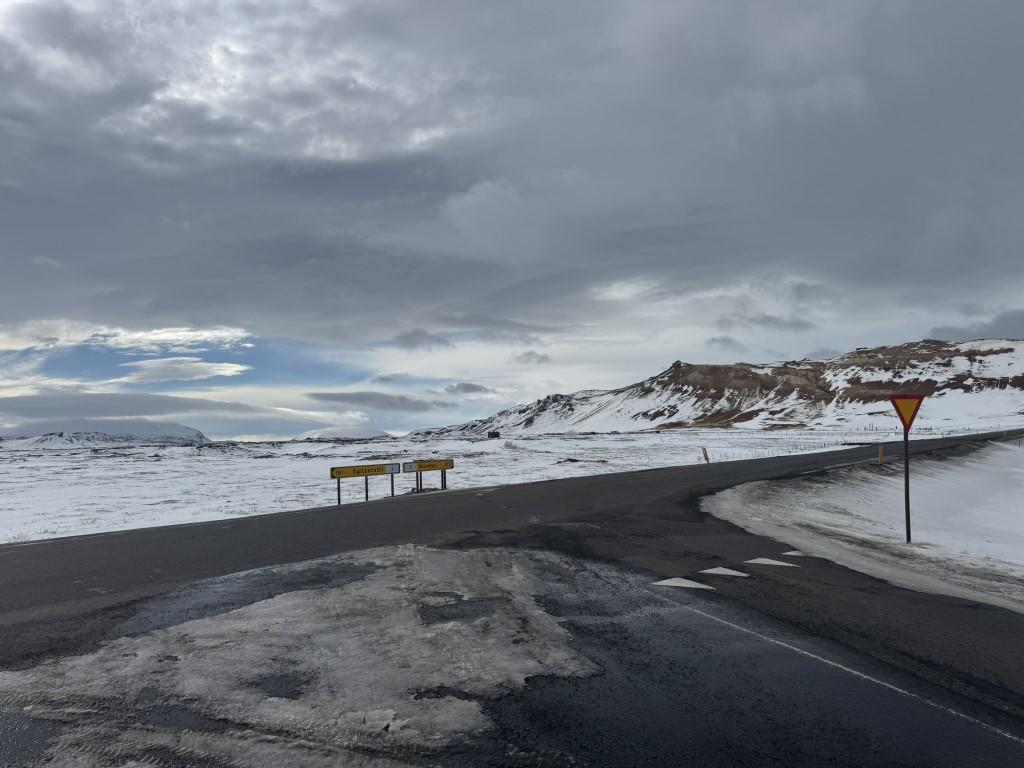
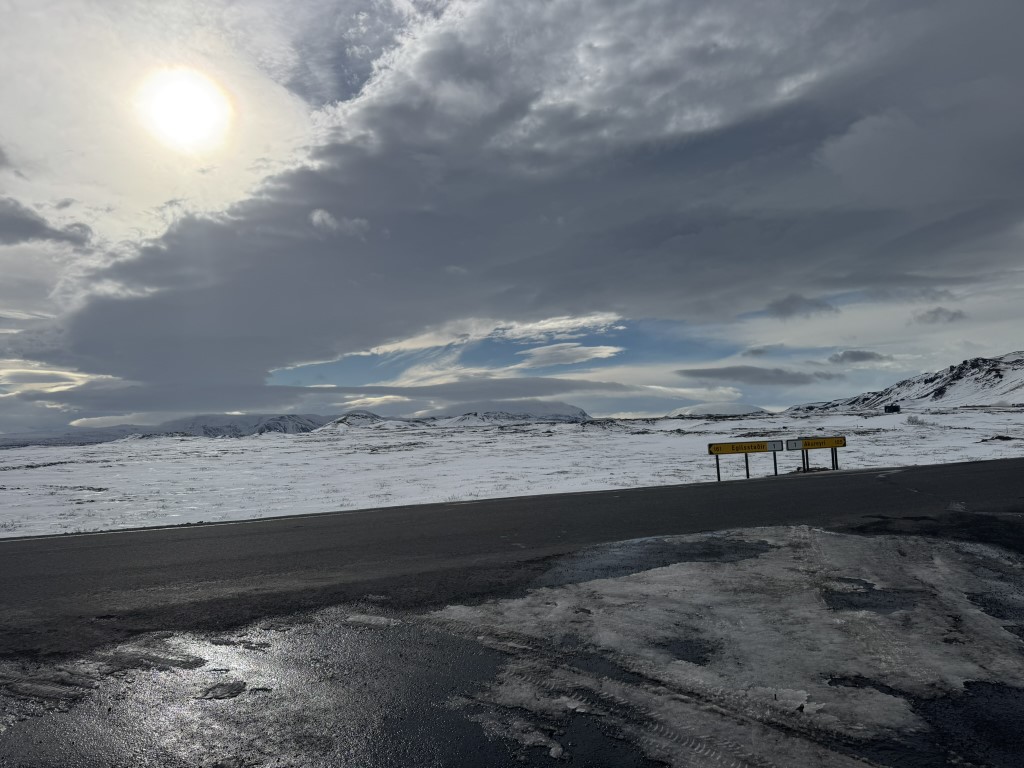
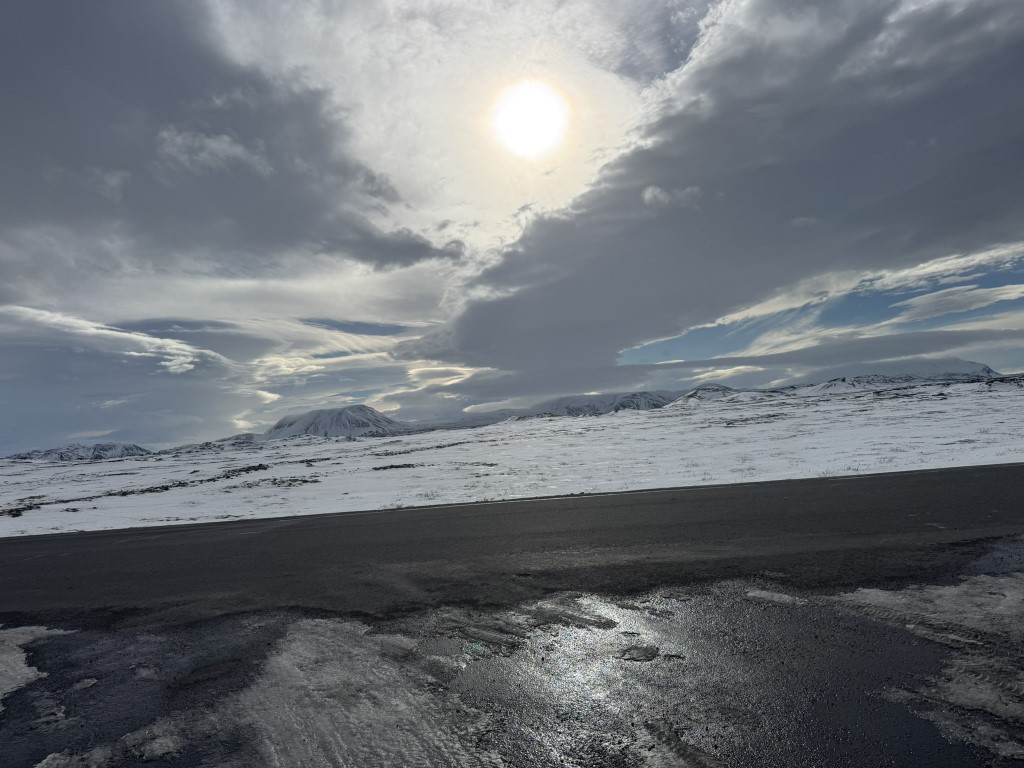
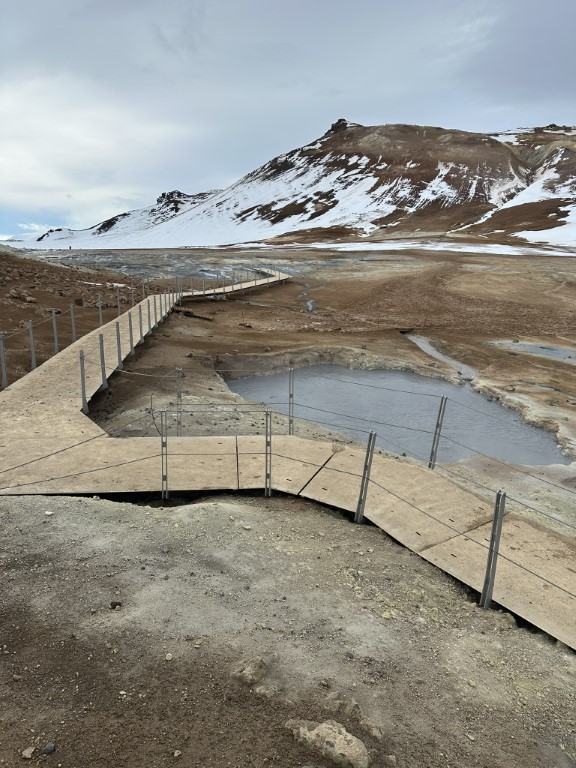
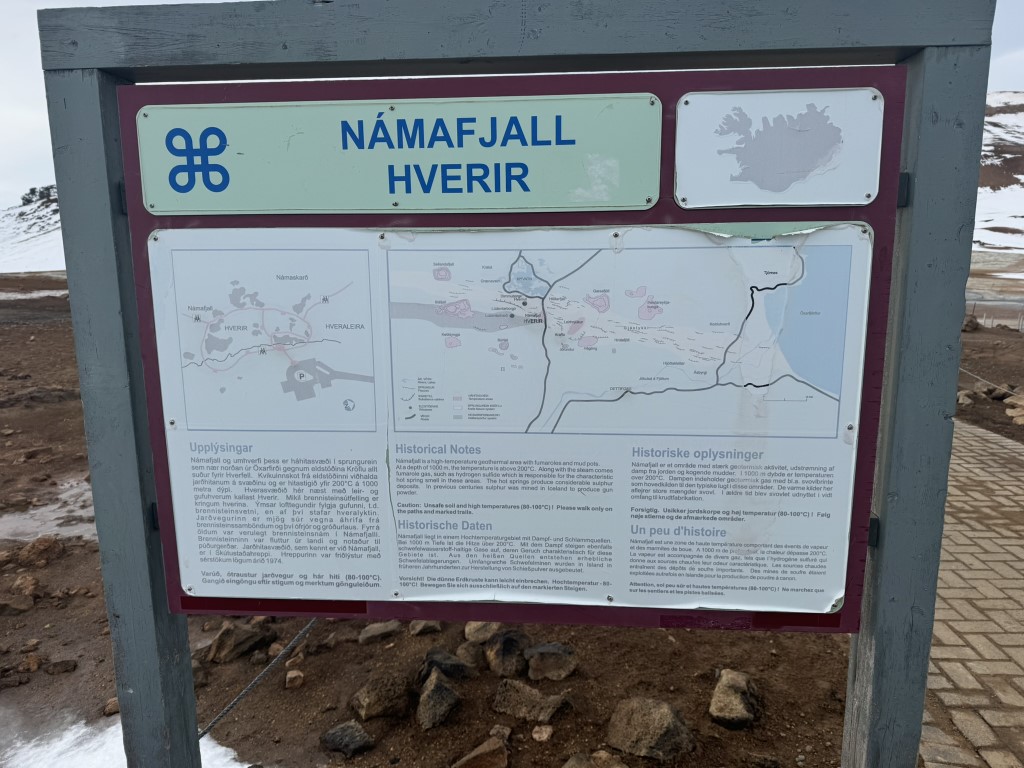
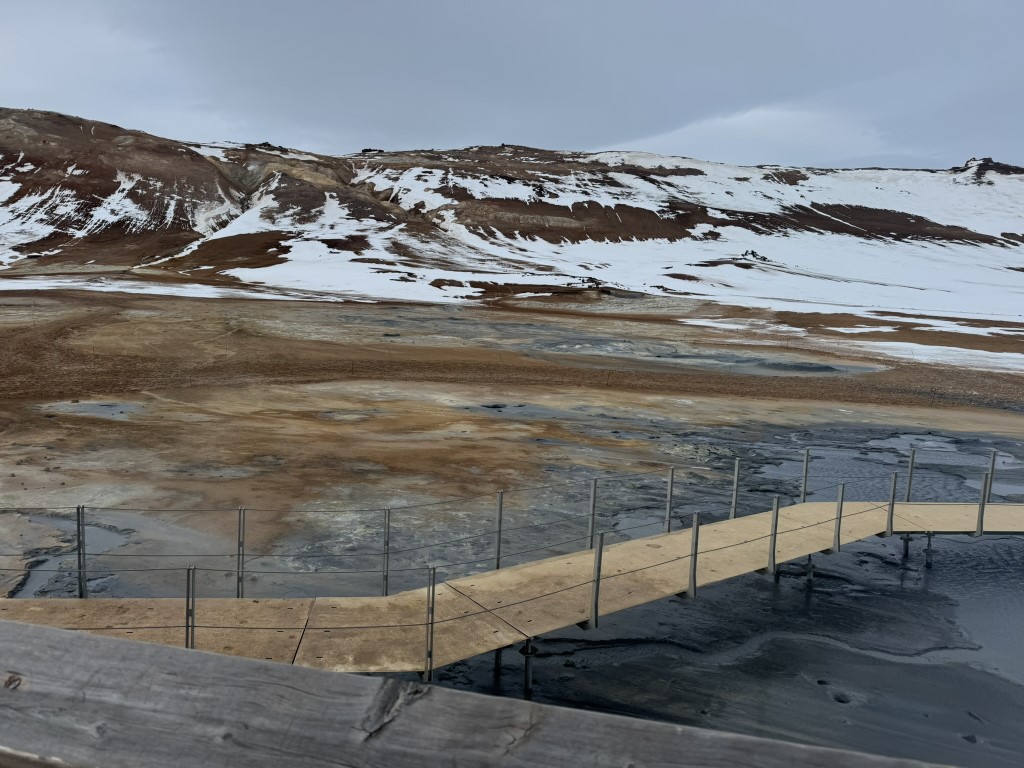
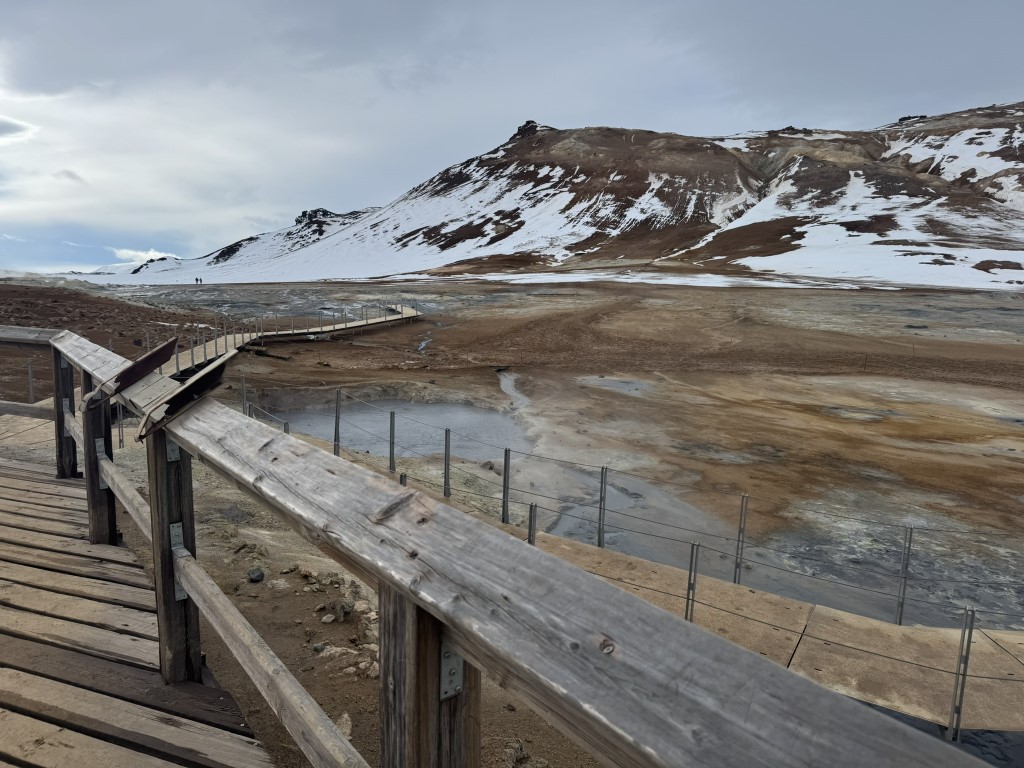
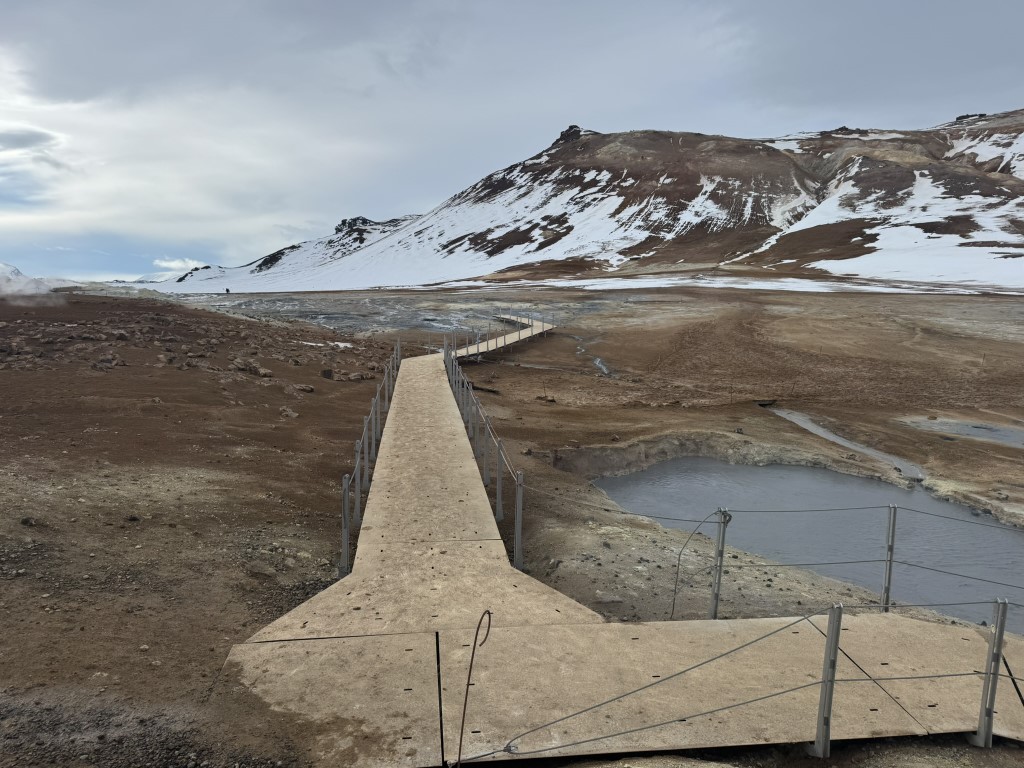
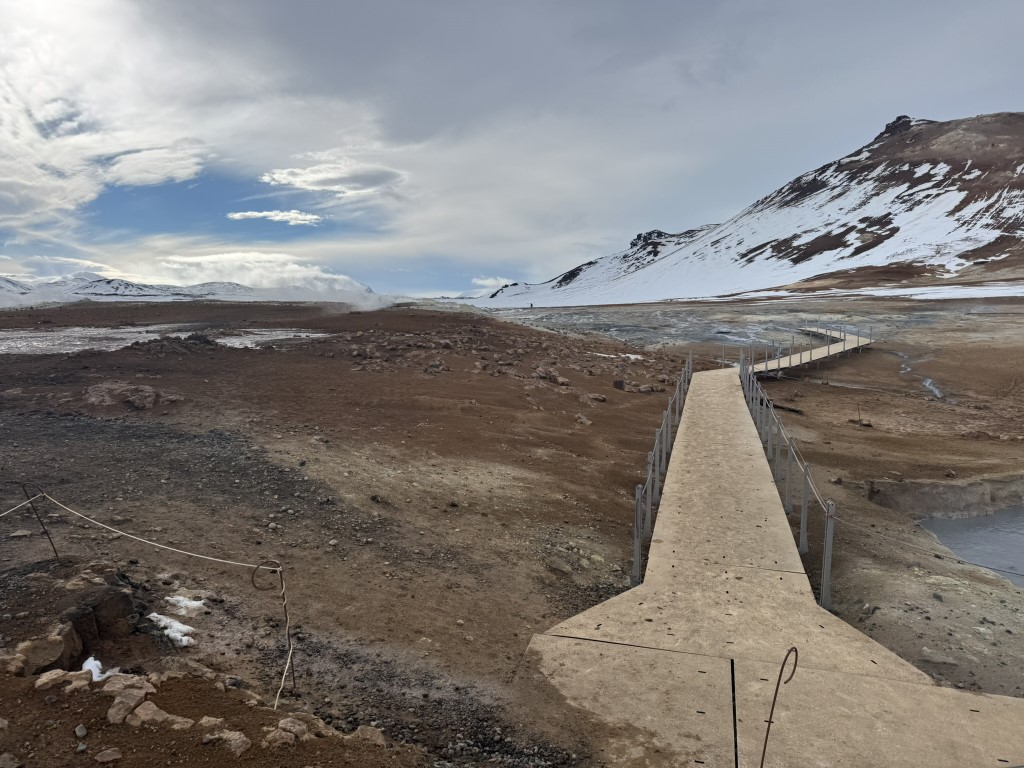
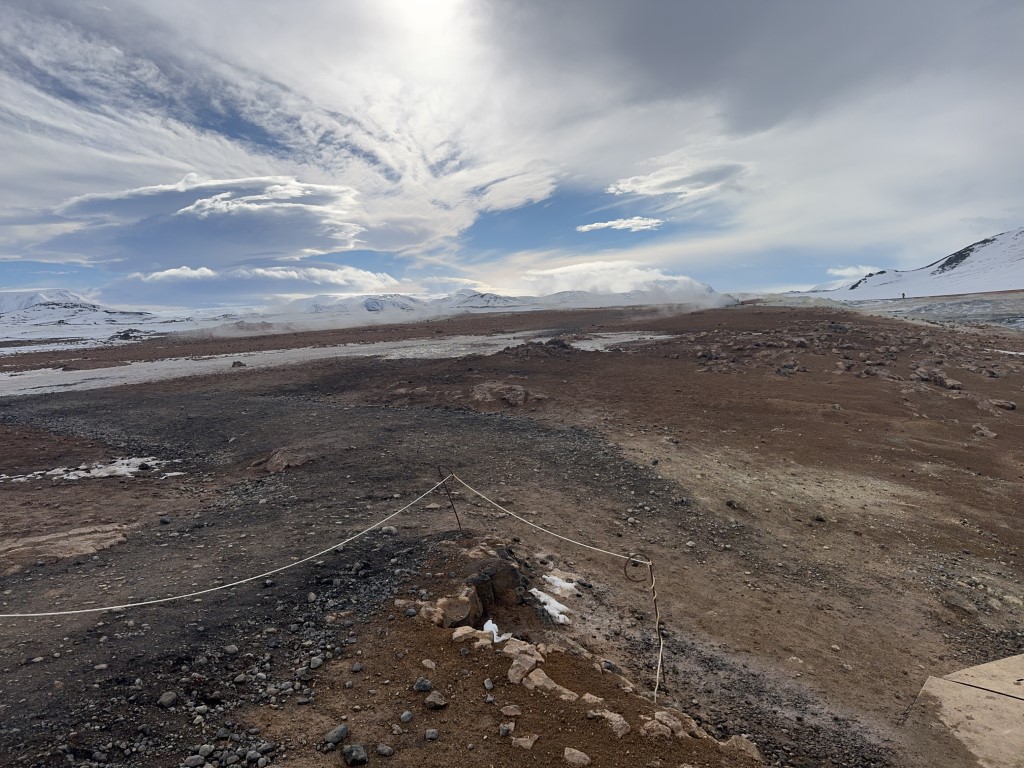
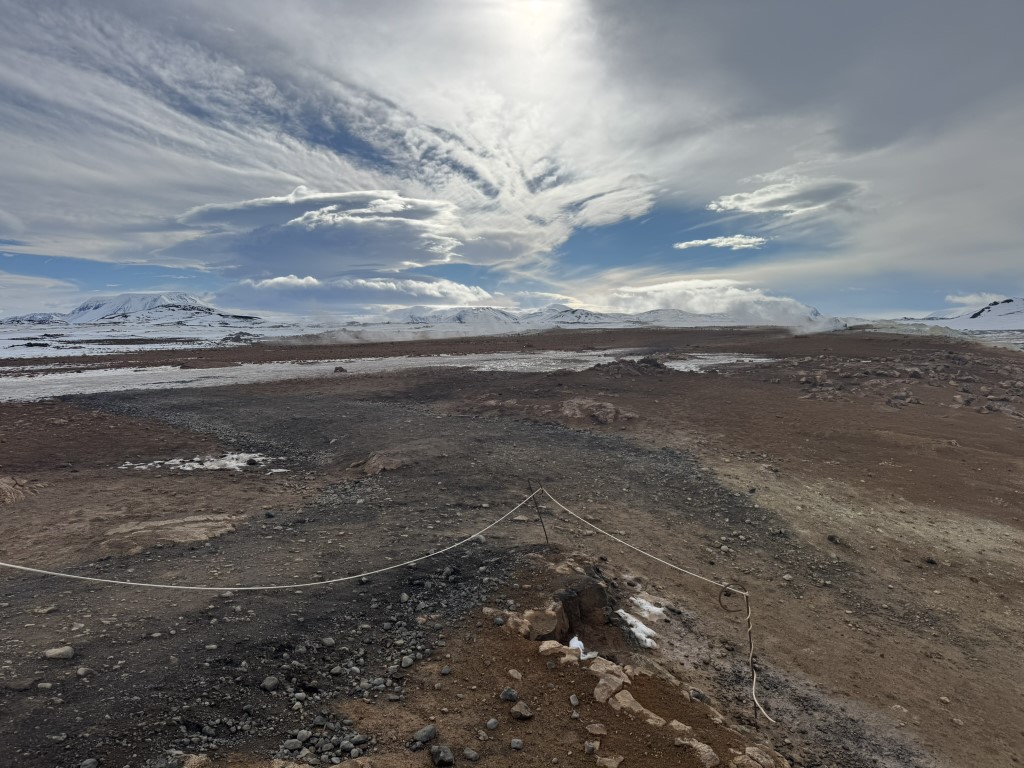
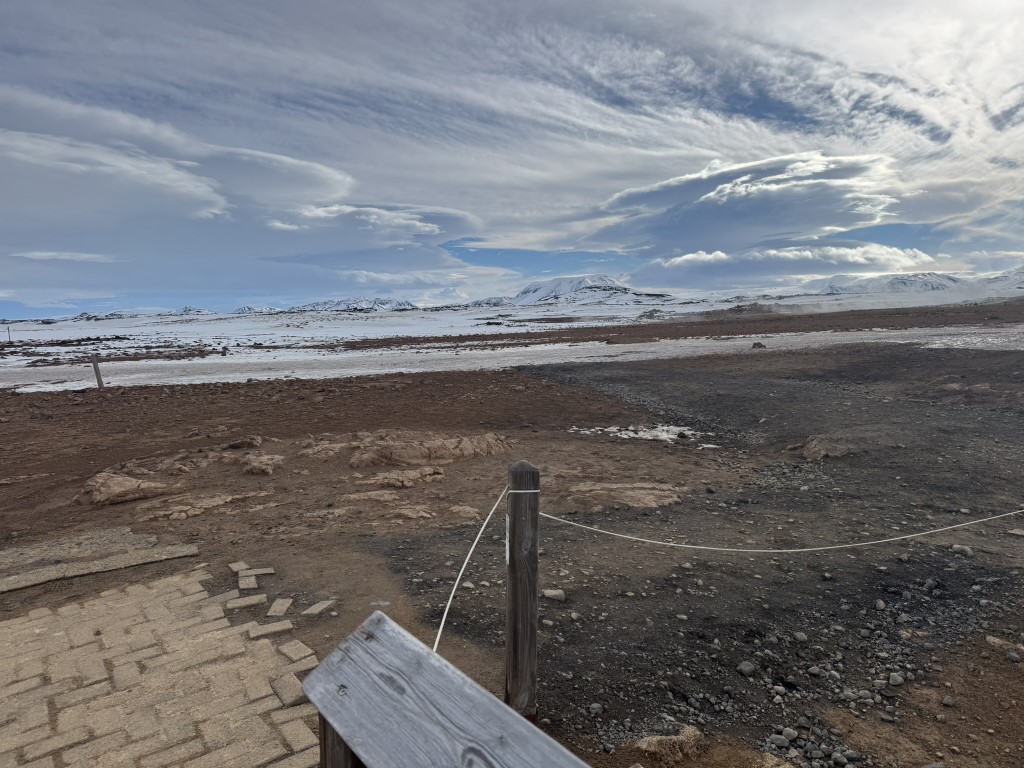
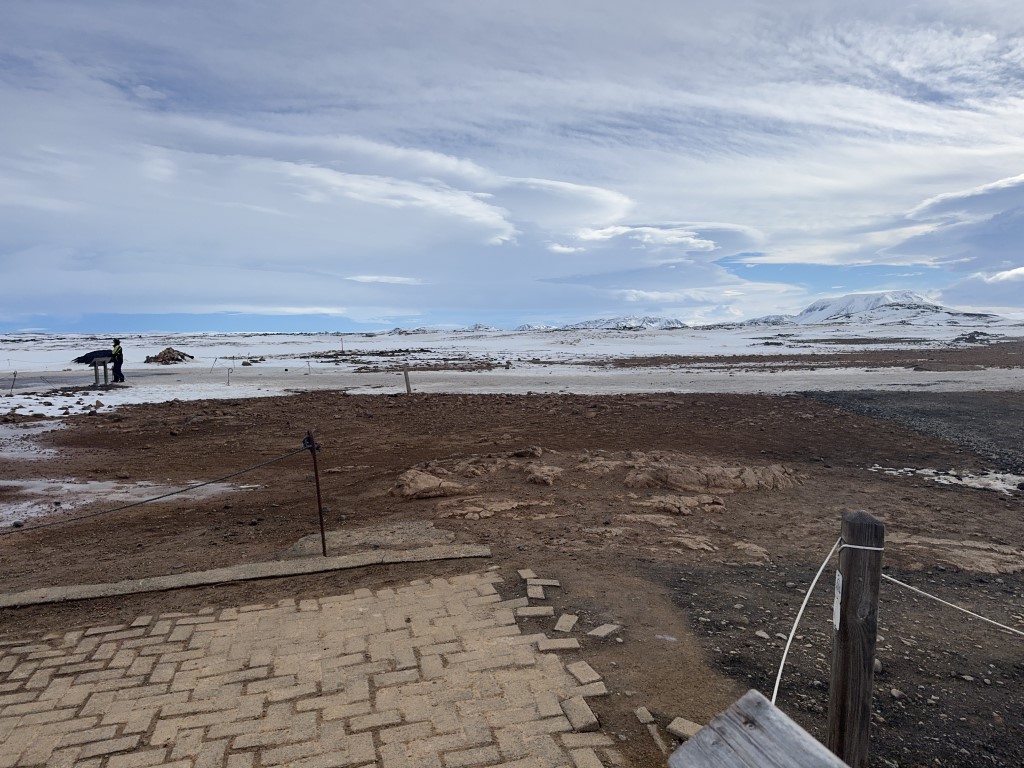
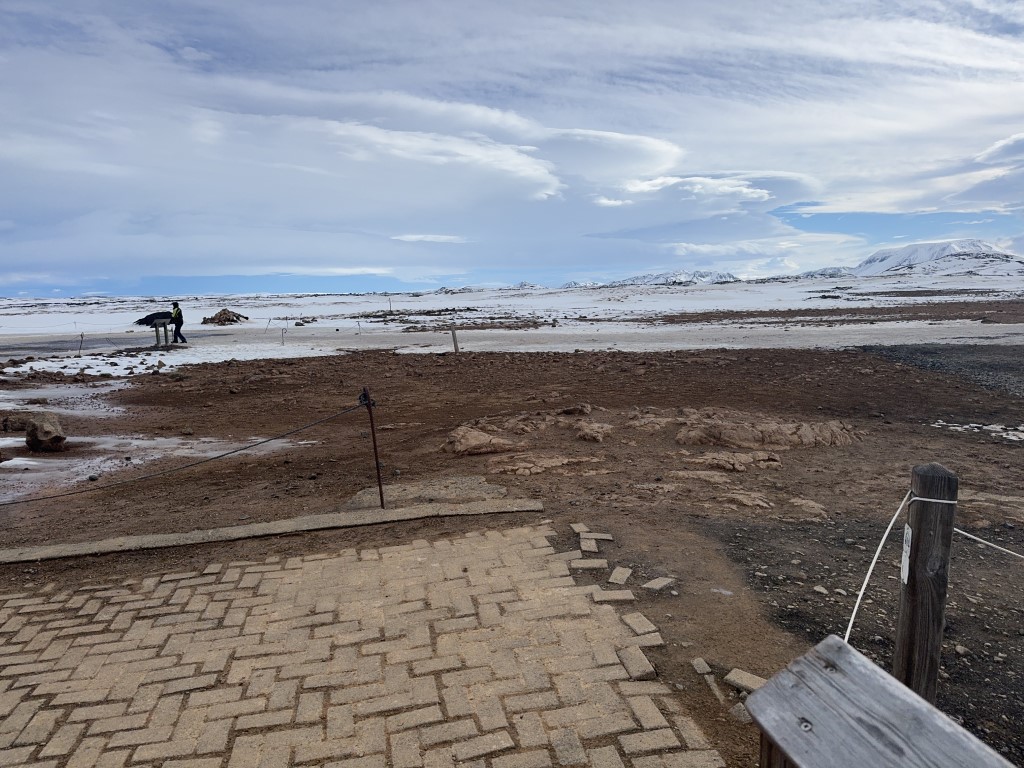
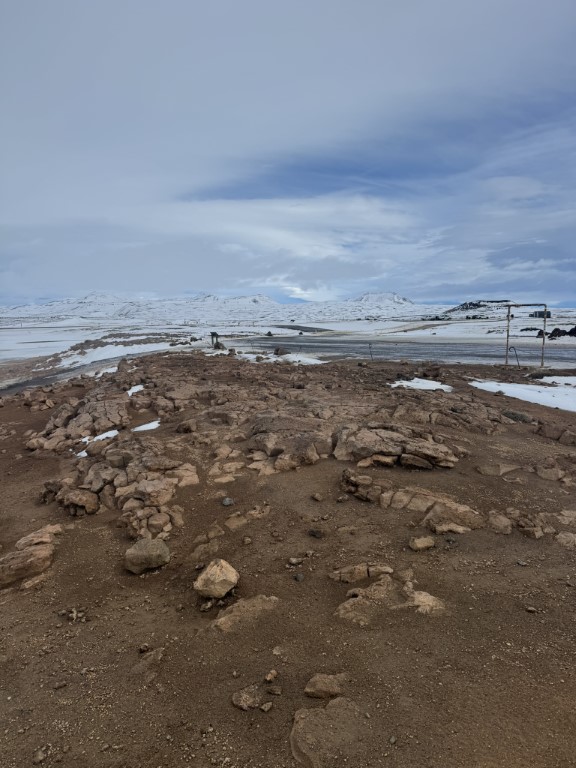
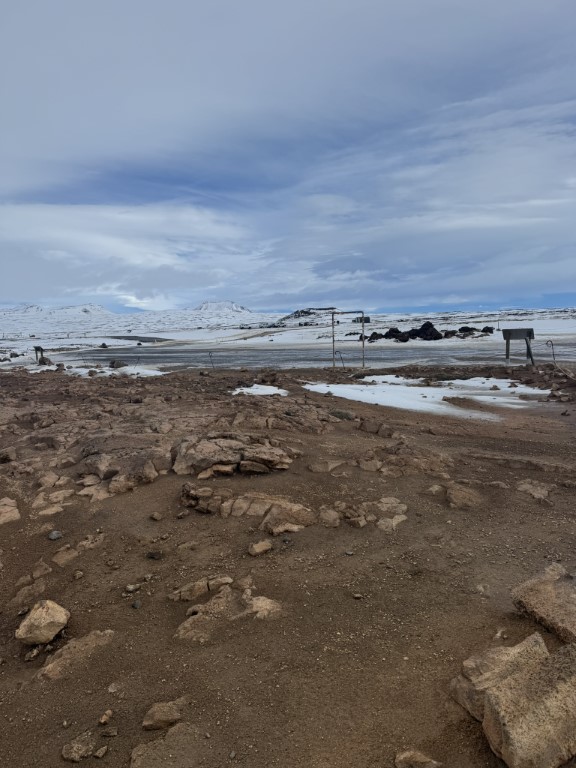
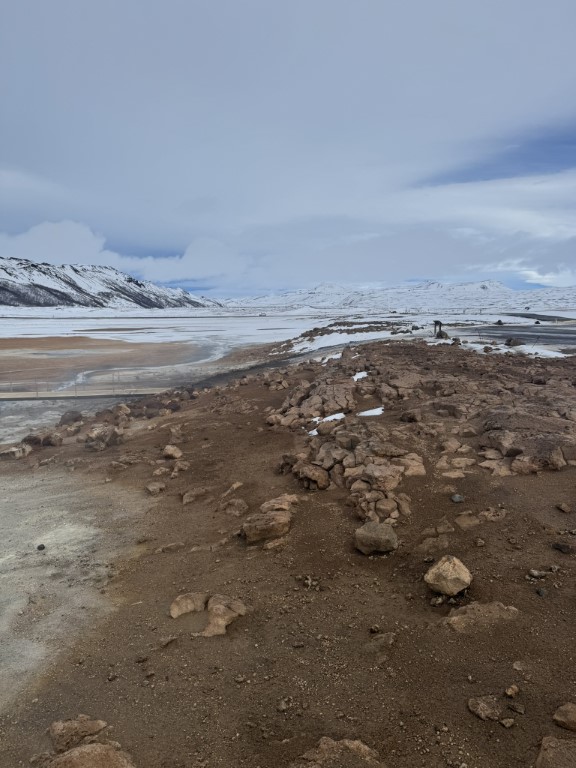
We made our way to Námafjall Hverir, where boiling mud pools and steaming vents turn the earth into a living, breathing landscape. The area features active steam vents, bubbling mud pools, and mineral-stained ground in shades of yellow, red, and brown. The air smells strongly of sulfur, and the heat underfoot is constant, giving you a clear sense of the volcanic activity below. It was now incredibly windy, making it almost impossible to walk.
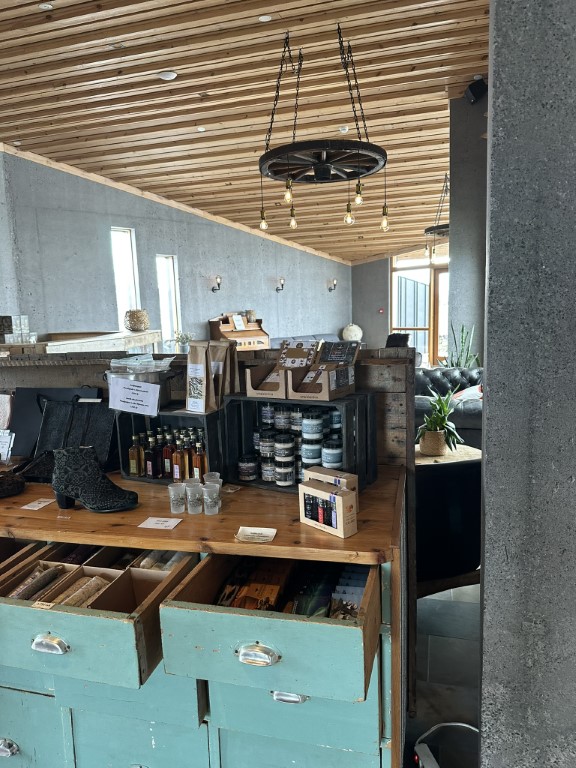
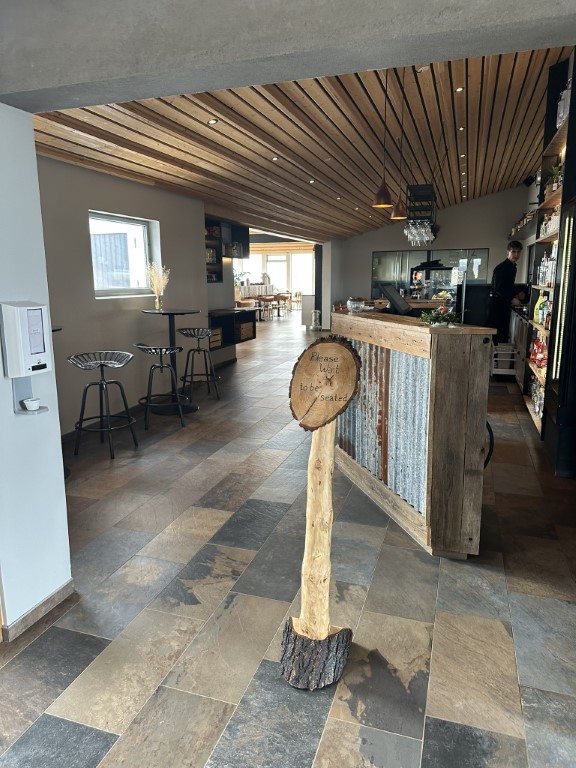
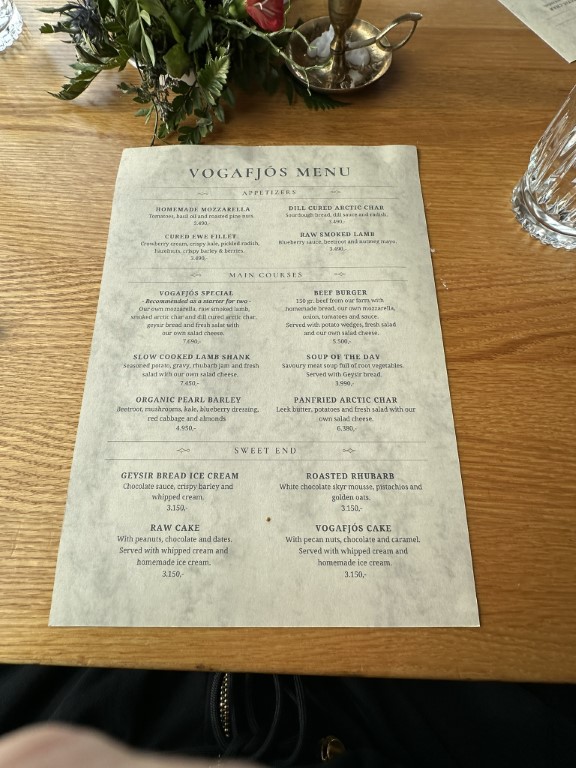
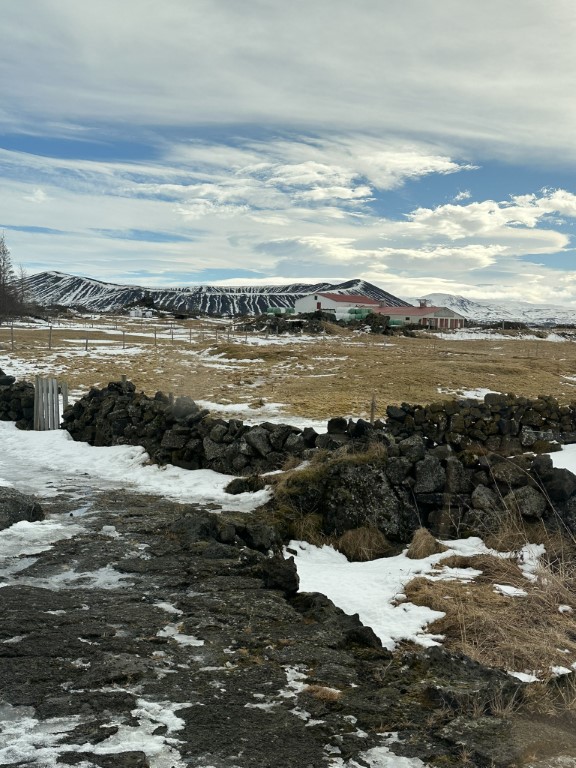
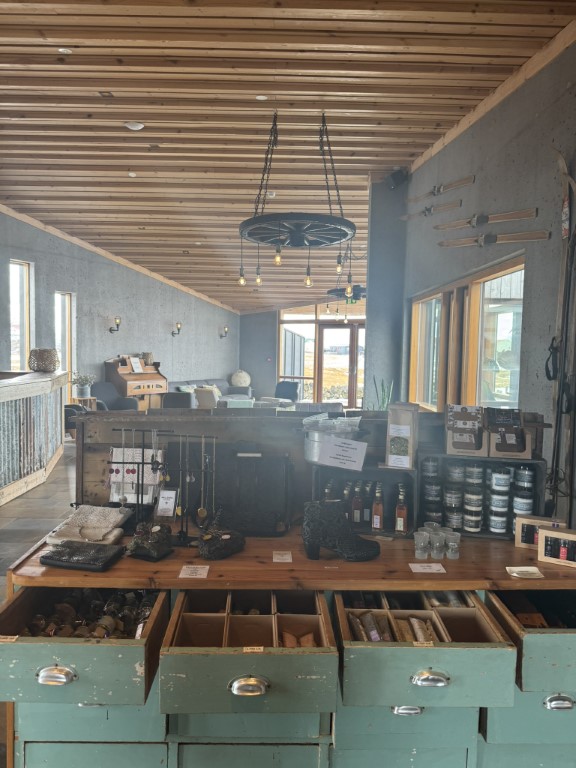
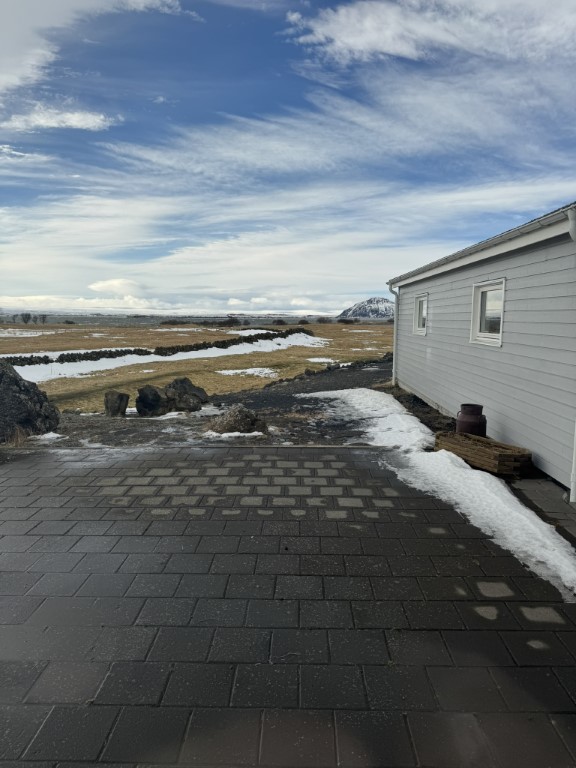
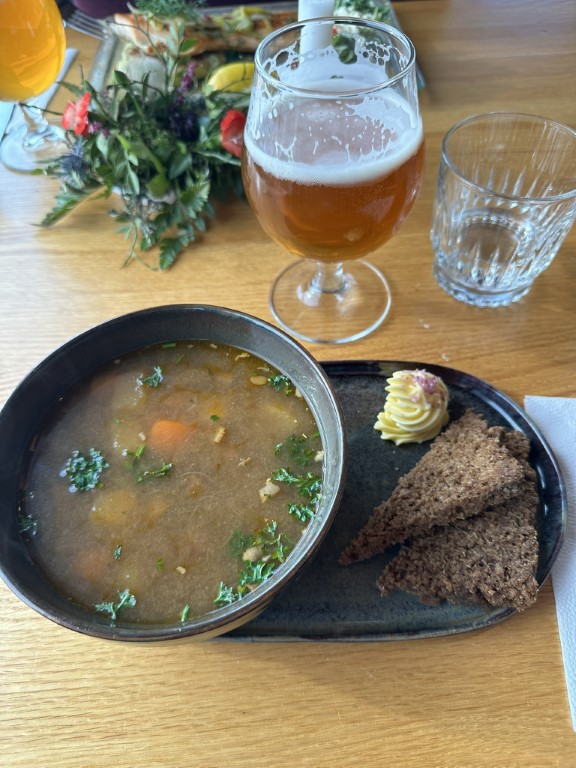
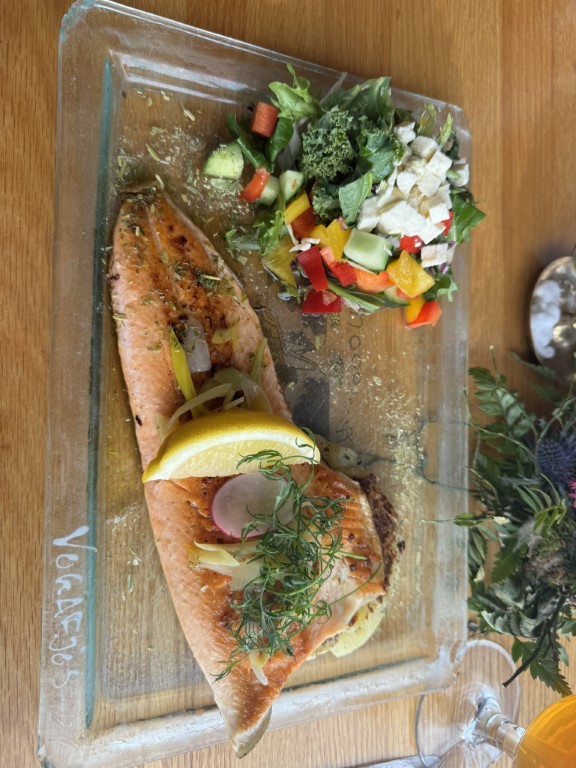
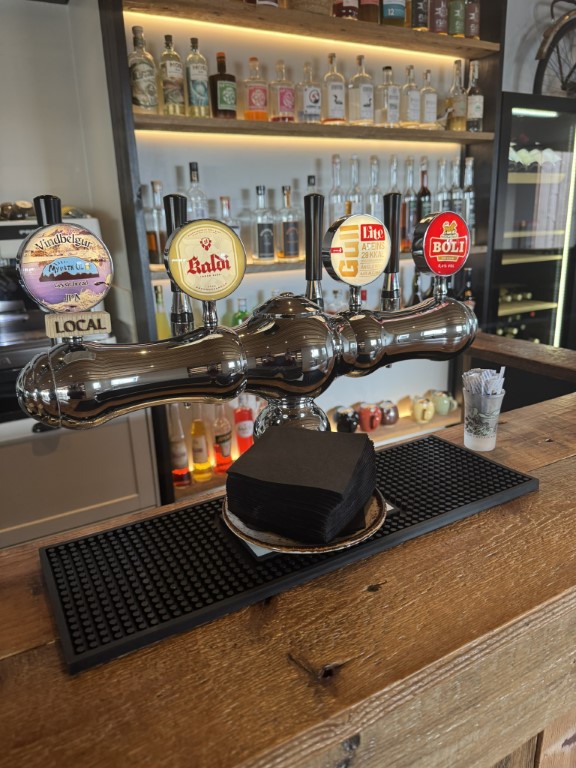
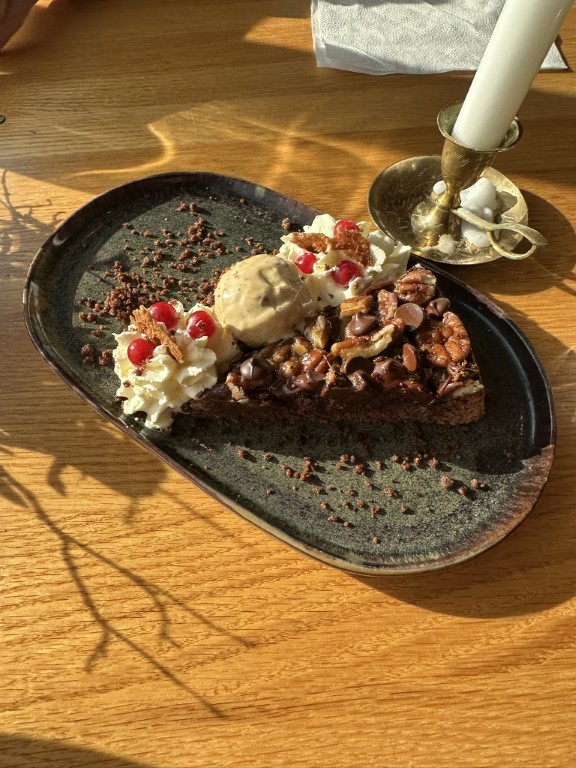
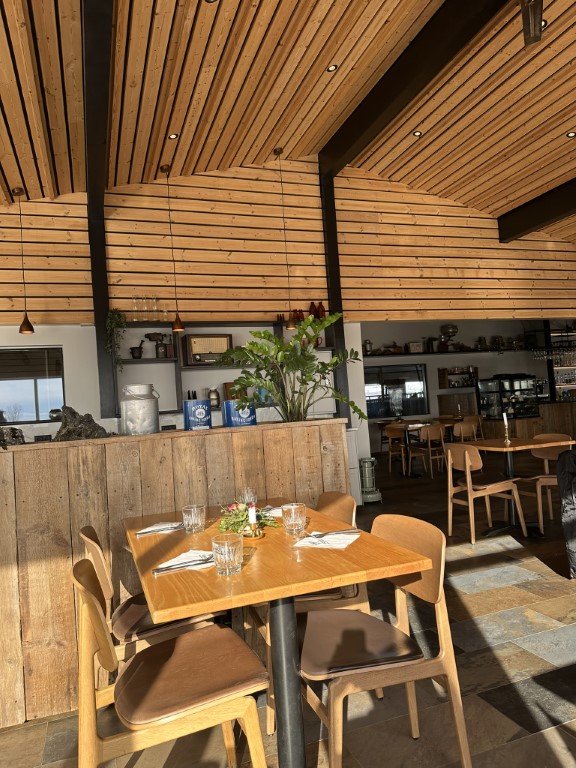
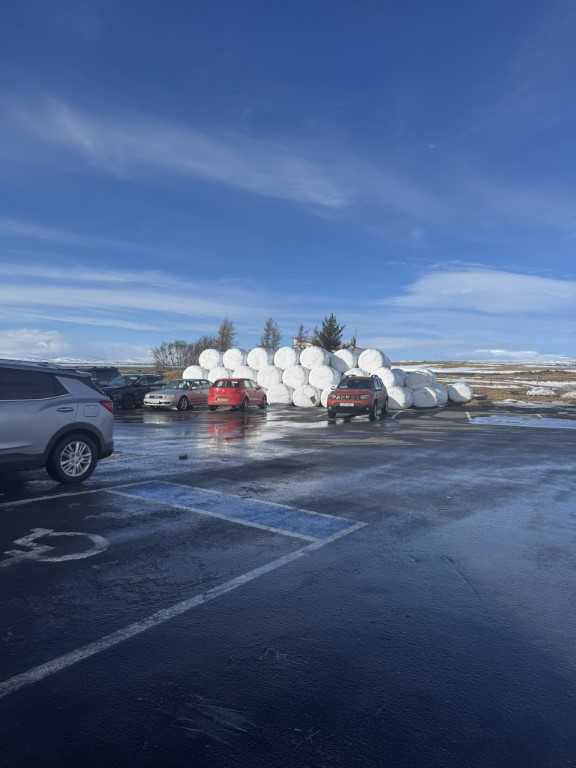
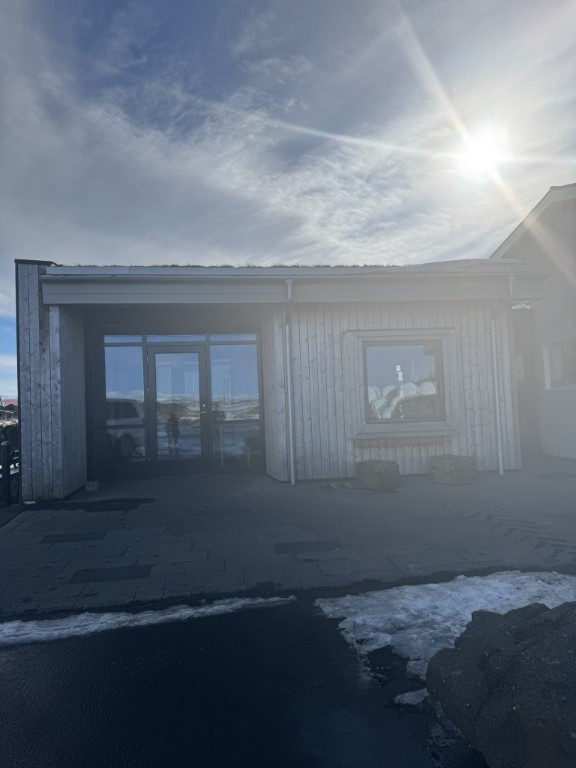
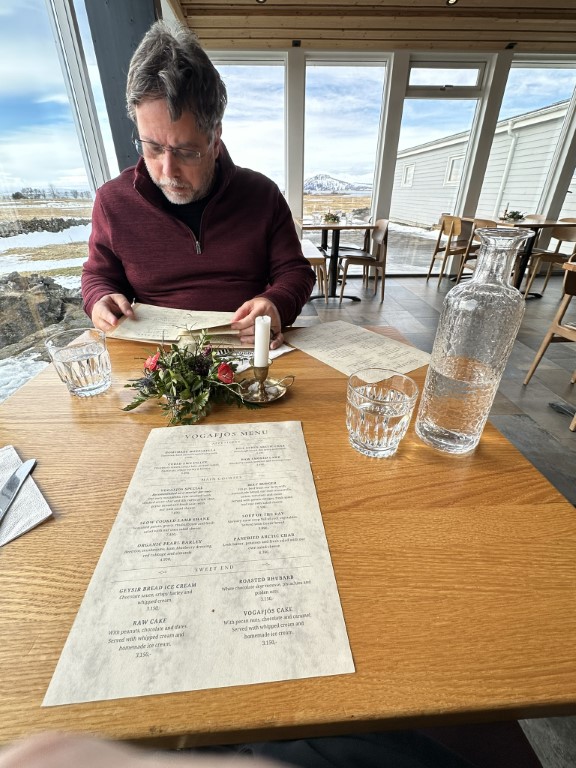
Due to skipping several planned stops such as Námaskarð Pass and Grjótagjá lava cave, it was too early to check into our hotel, so we went in search of lunch and ended up at the Vogafjós Farm Resort, a cute restaurant where J. R. had arctic char and Janie had lamb stew, both of which were excellent. J. R. tried the Vindbelgur IPA, which our waiter said was the most local beer, while Janie had a Kaldi lager.

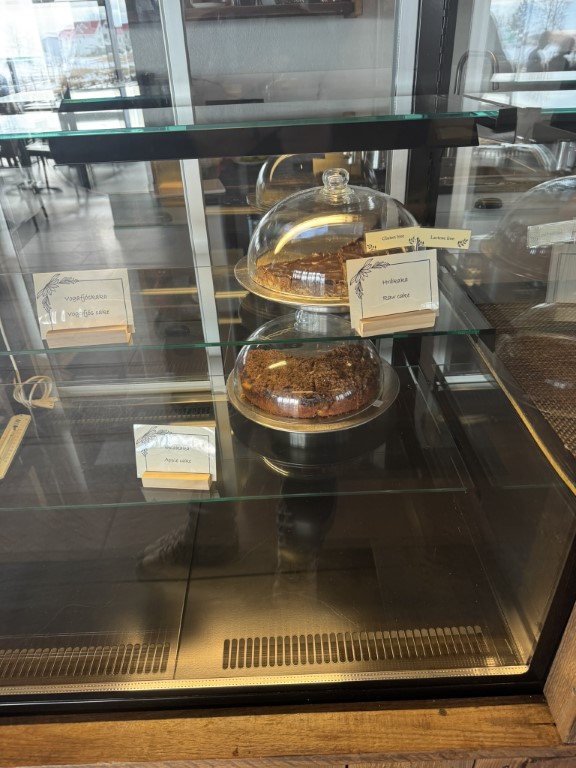
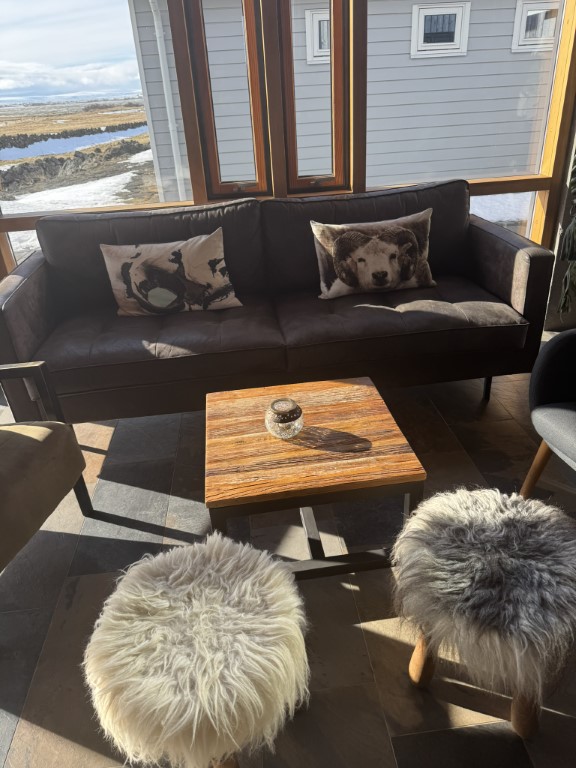
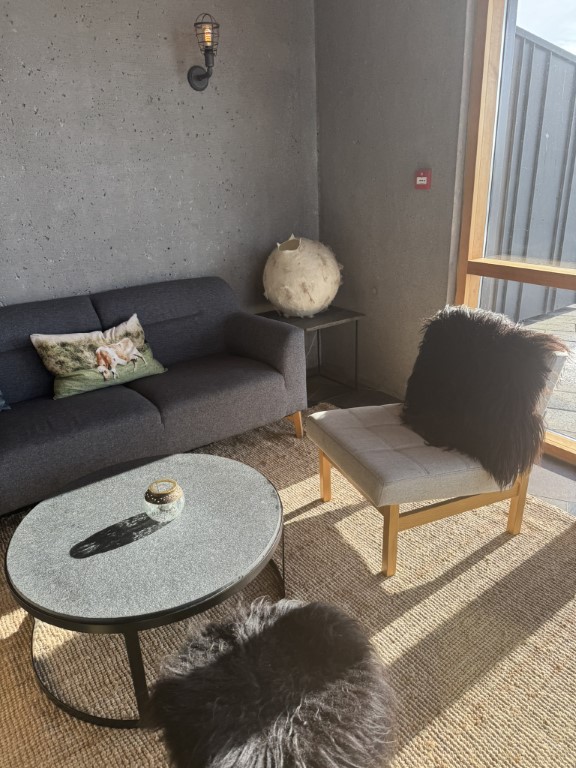
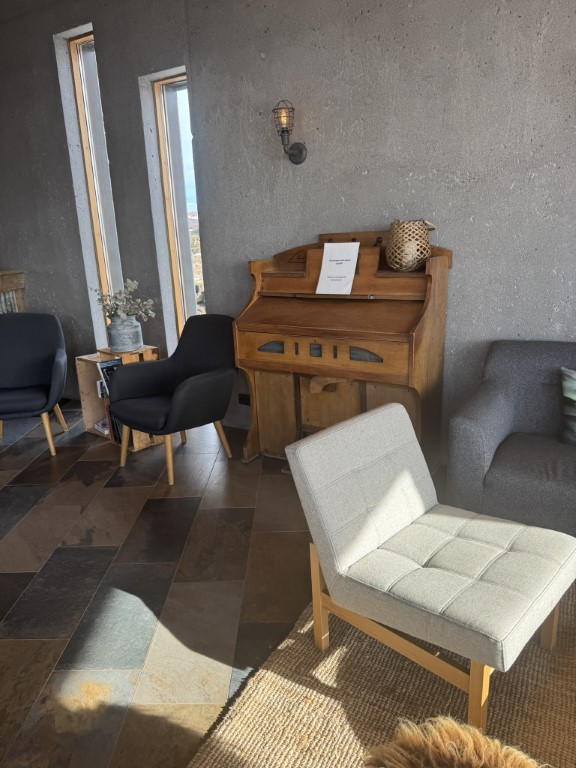
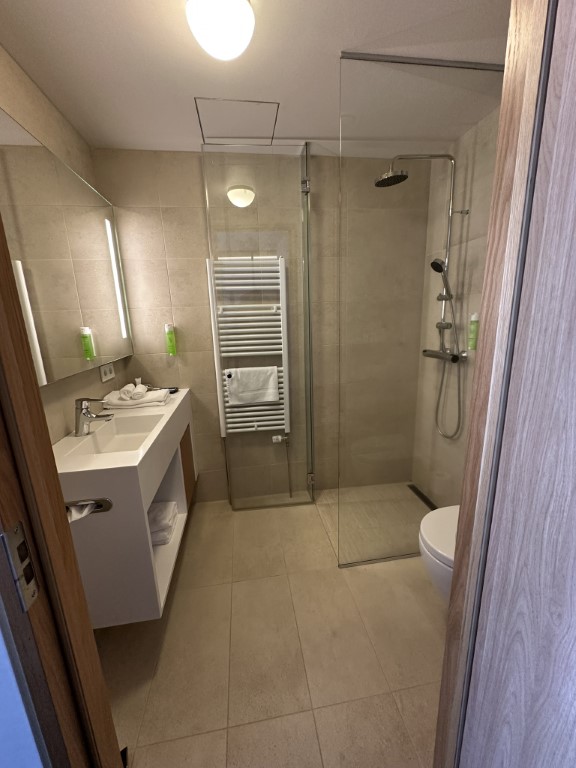
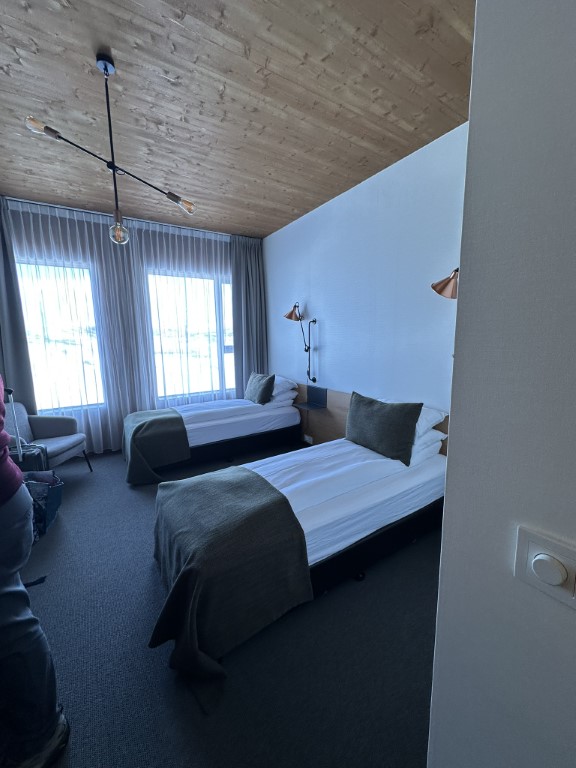
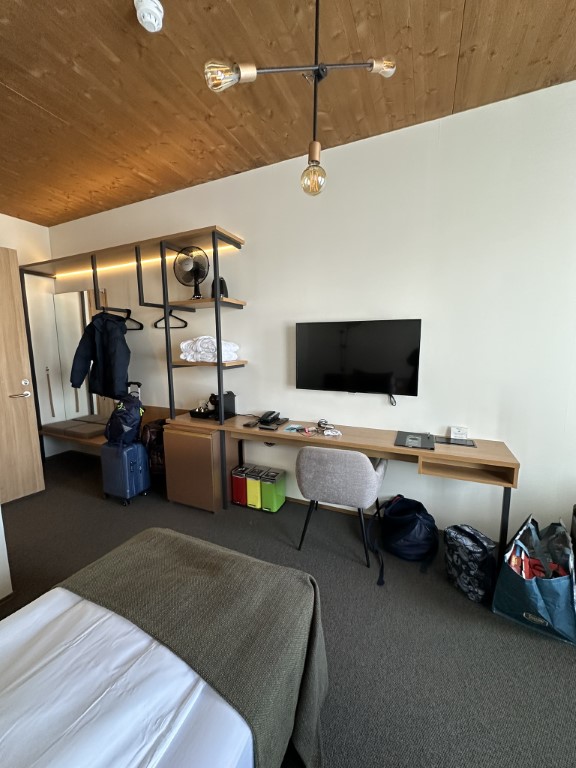
We checked into the Fosshotel and relaxed watching British game shows on TV and plot out our plan for the next day with more snowy weather forecast.