
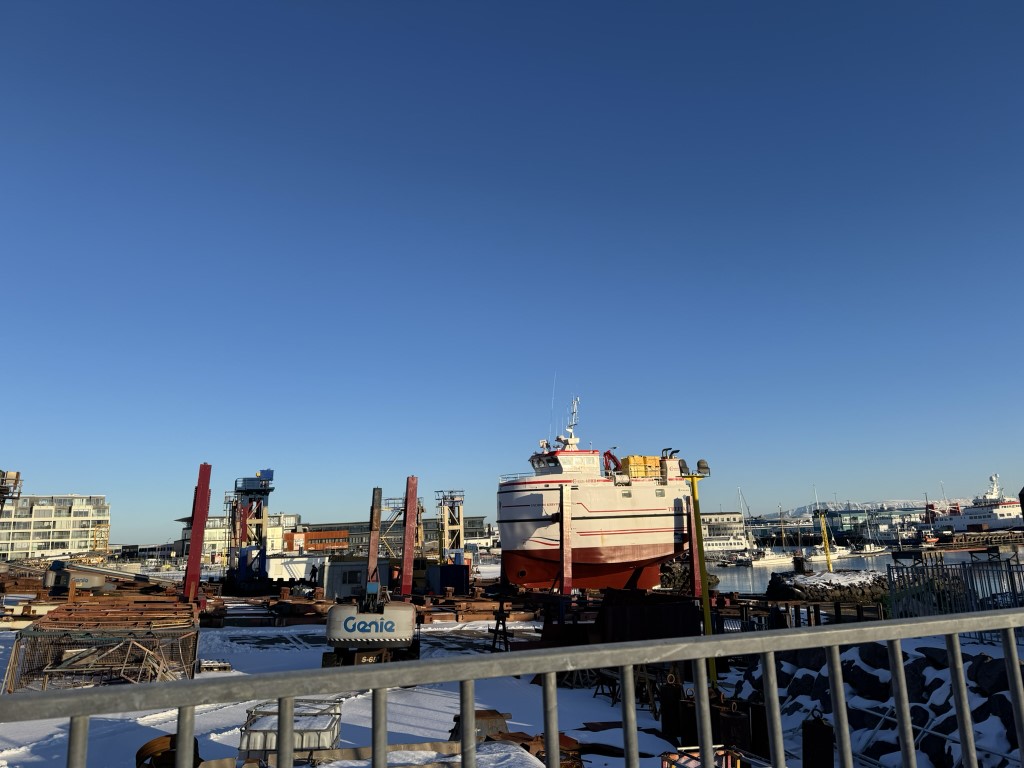
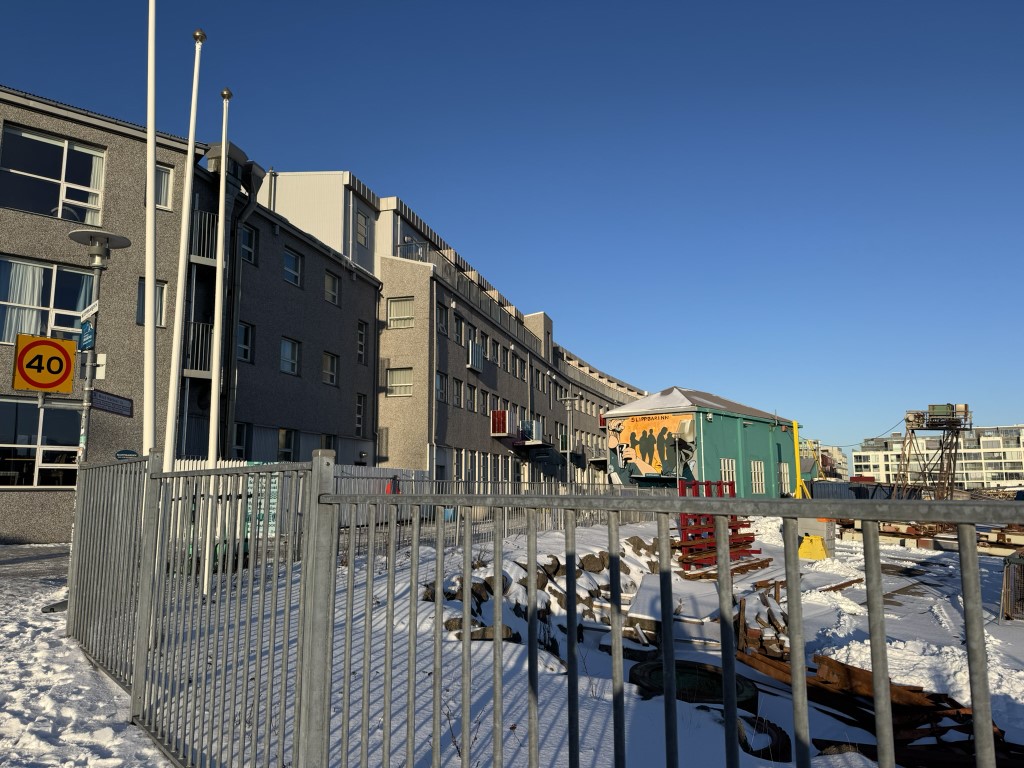
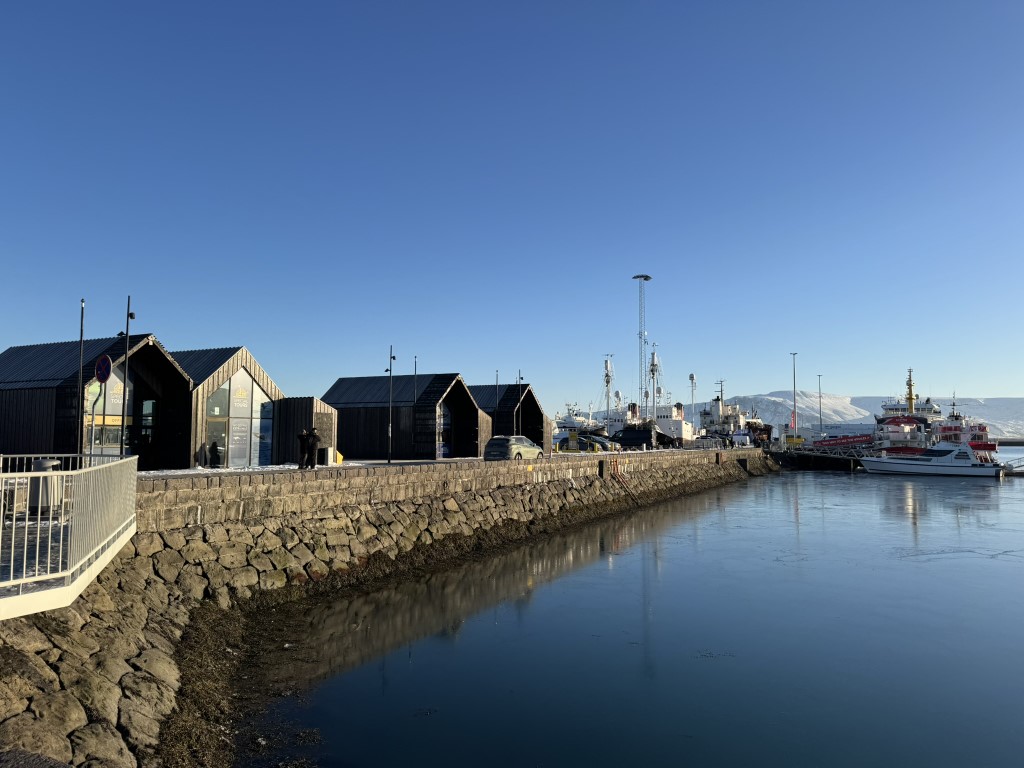
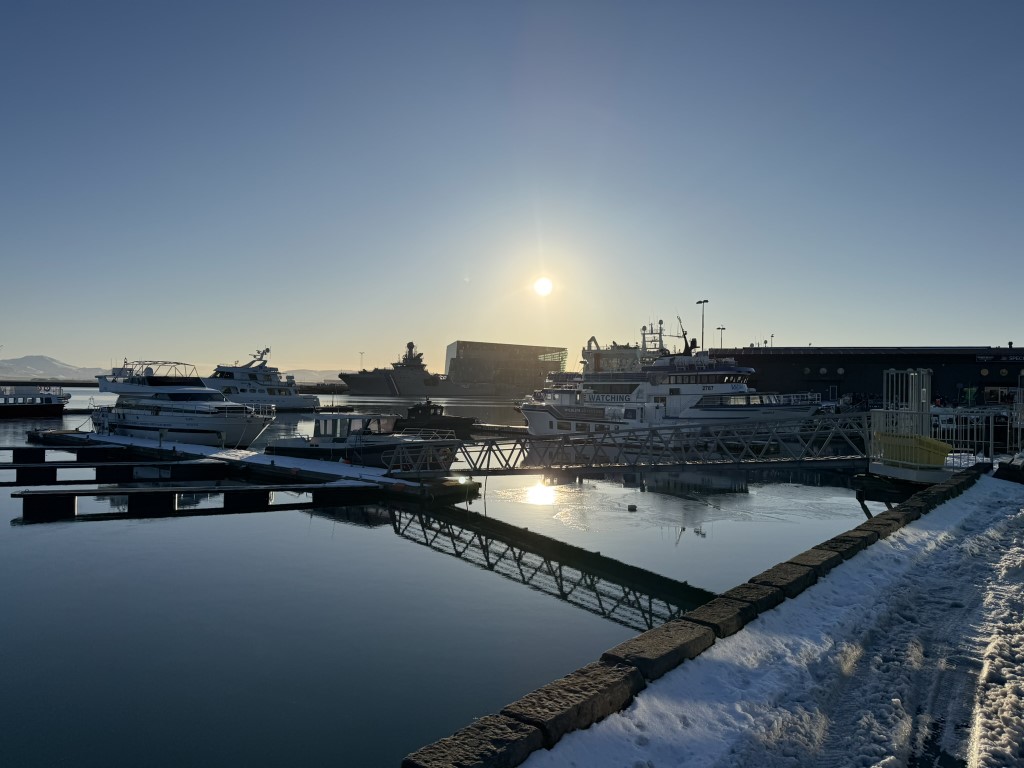
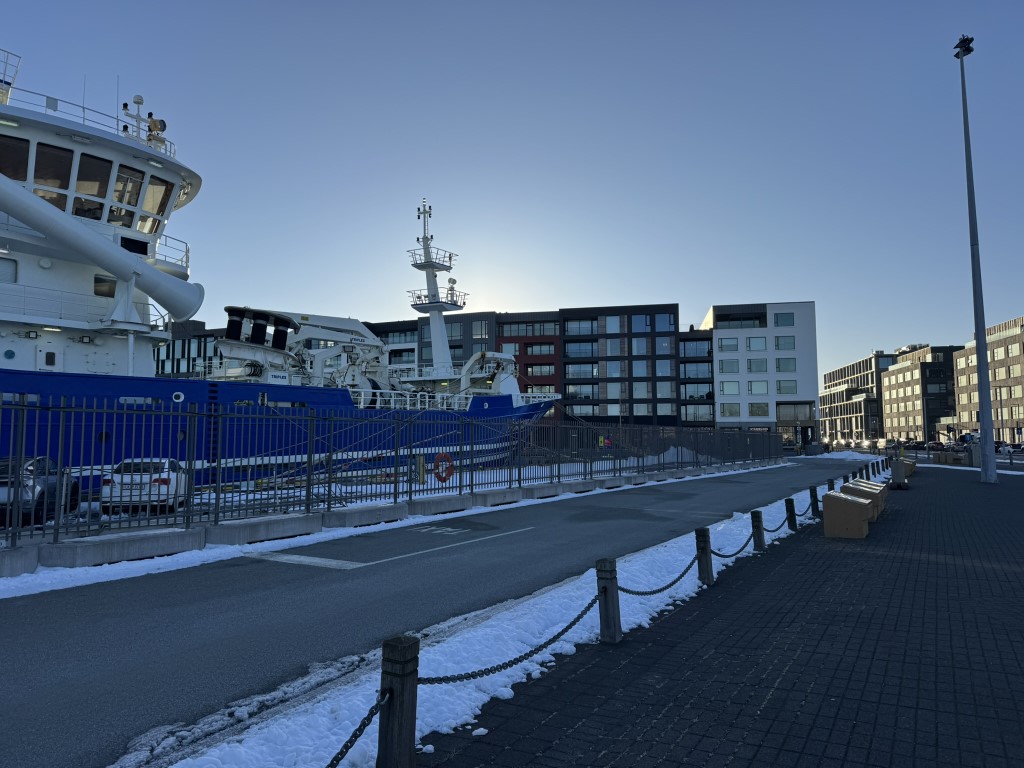
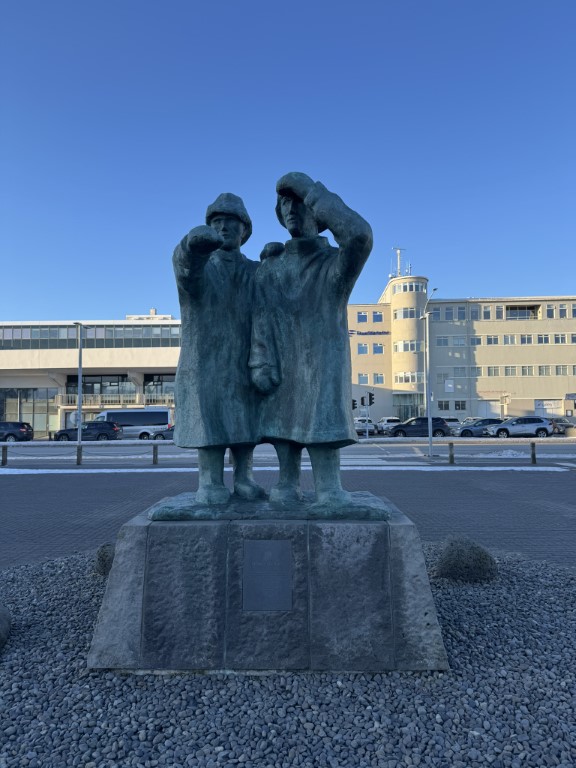
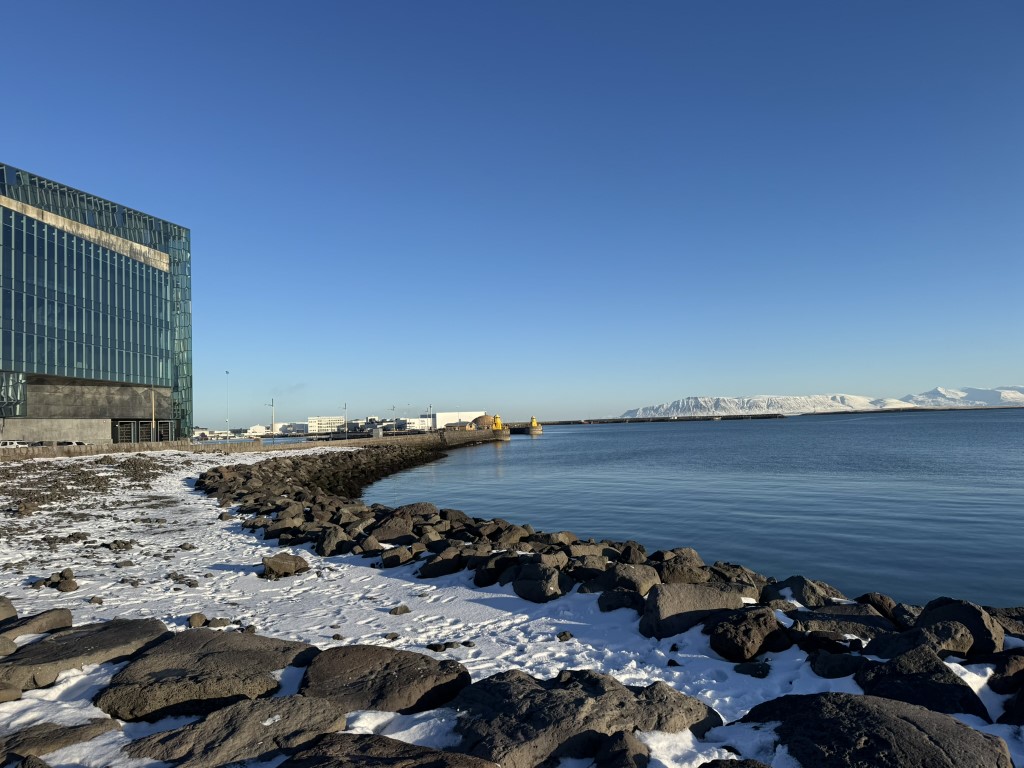
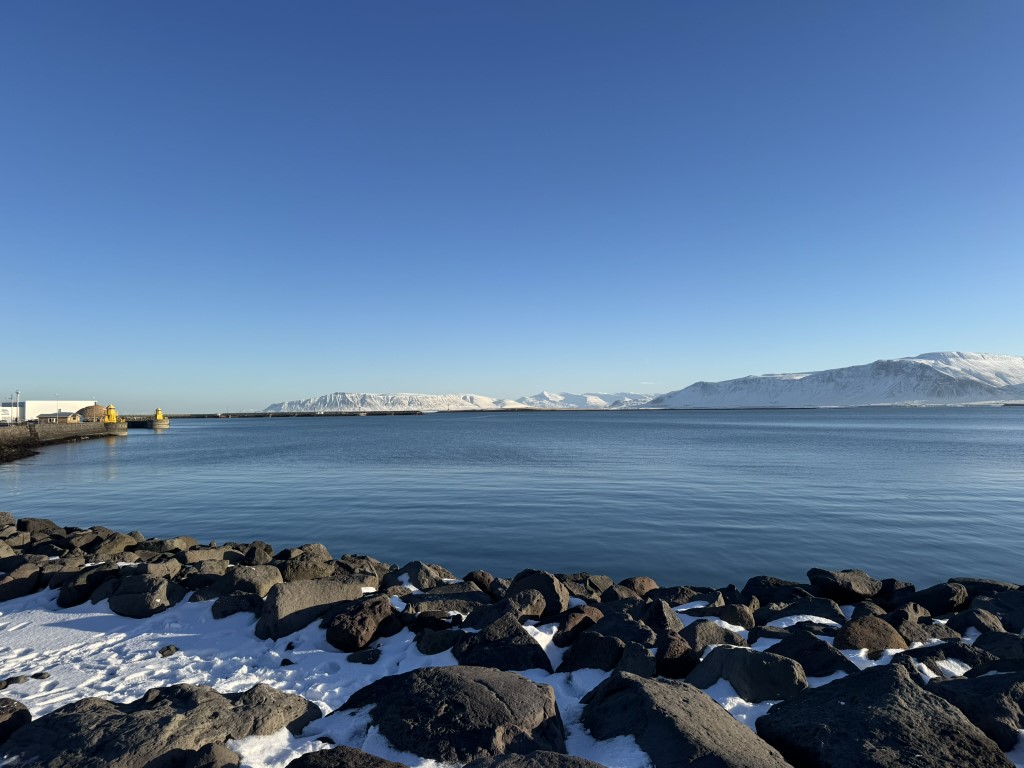
After several days of driving, we were able to leave the car where it was parked and take a walk along the waterfront to begin exploring the city.
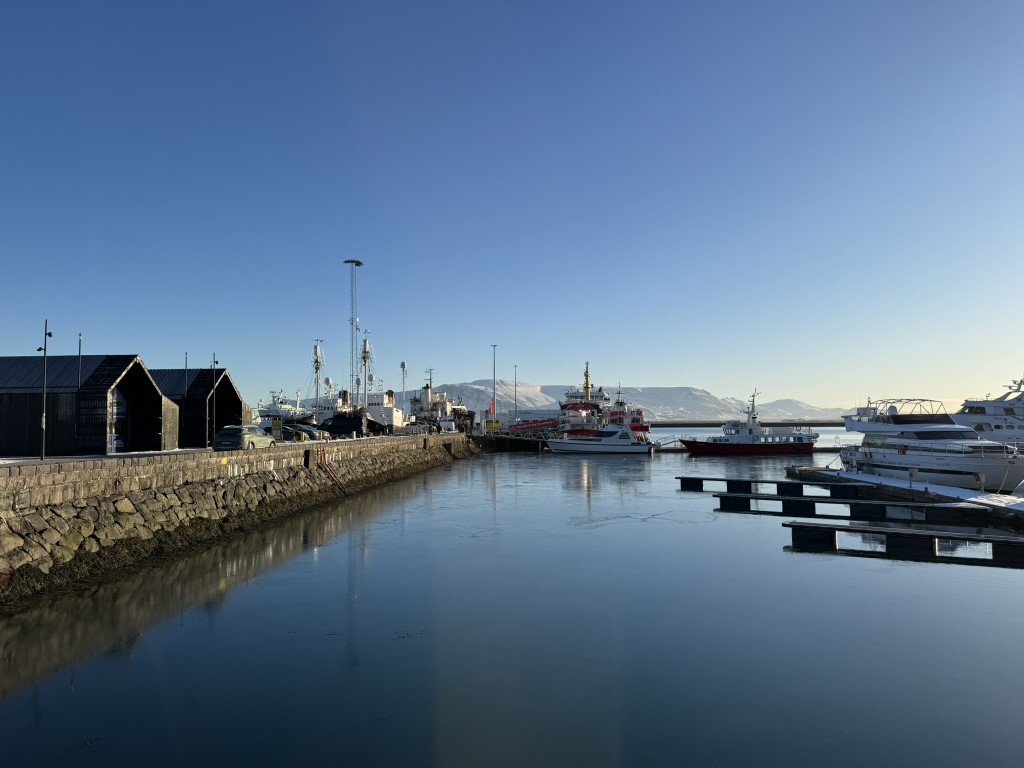
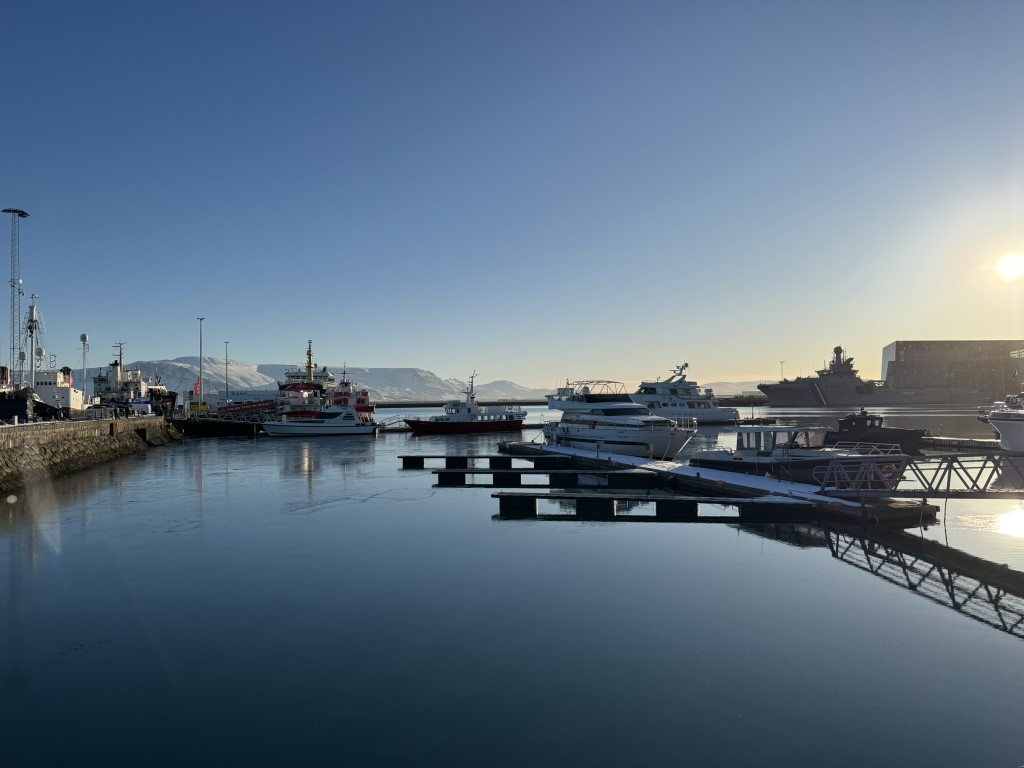
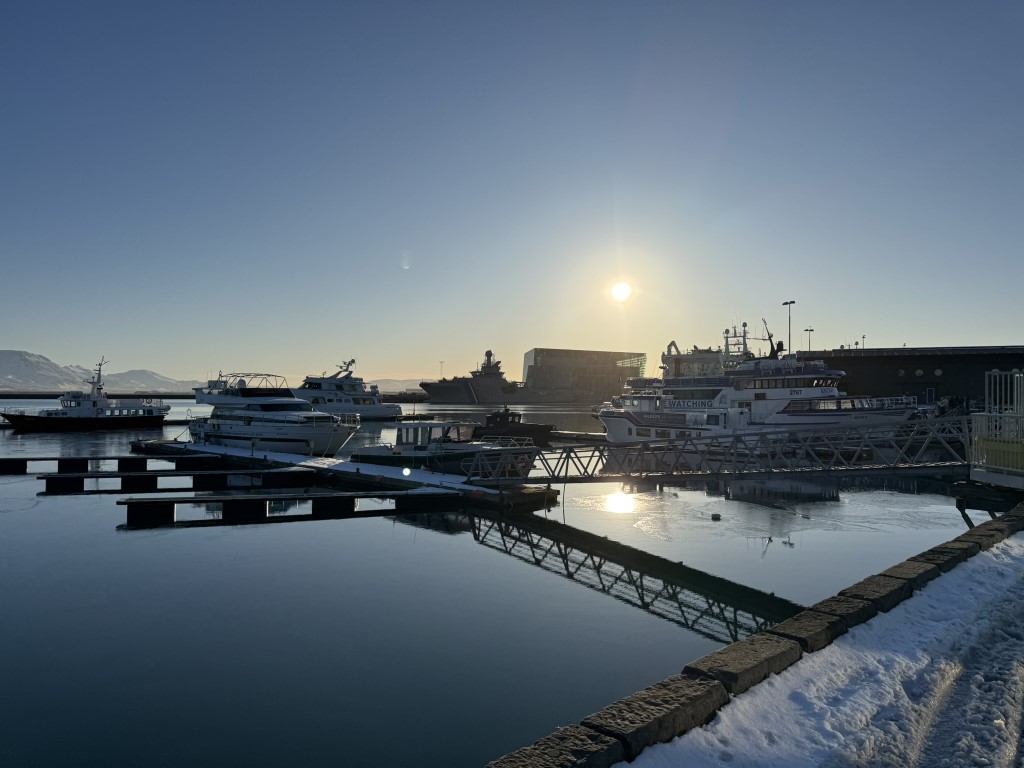
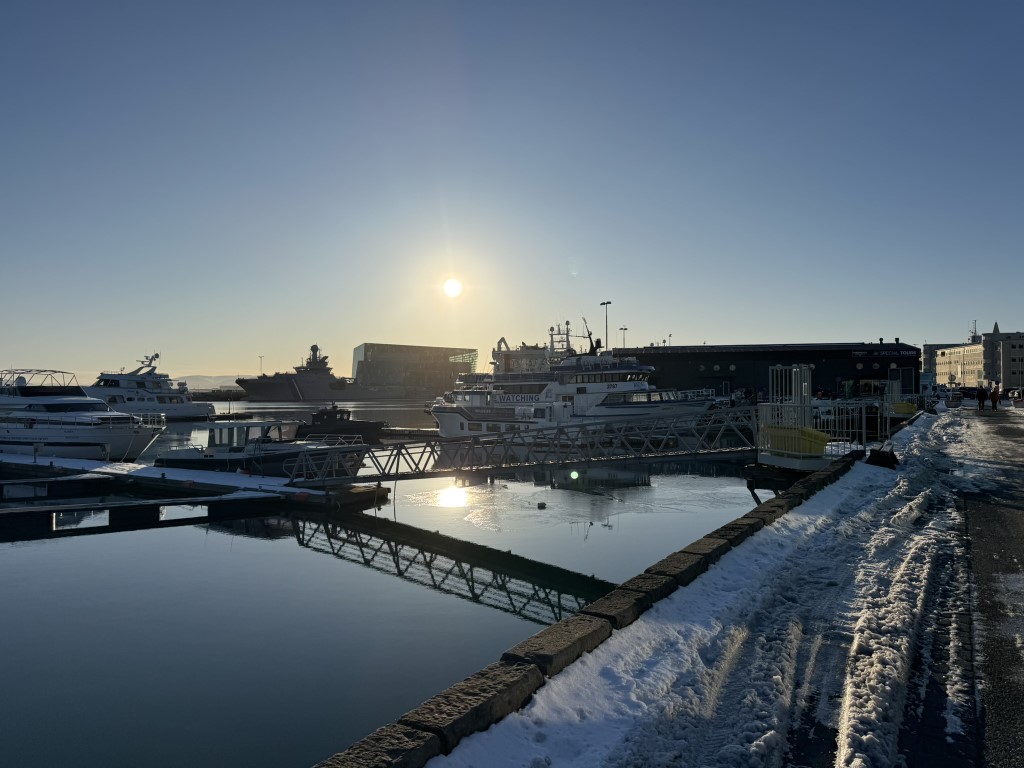
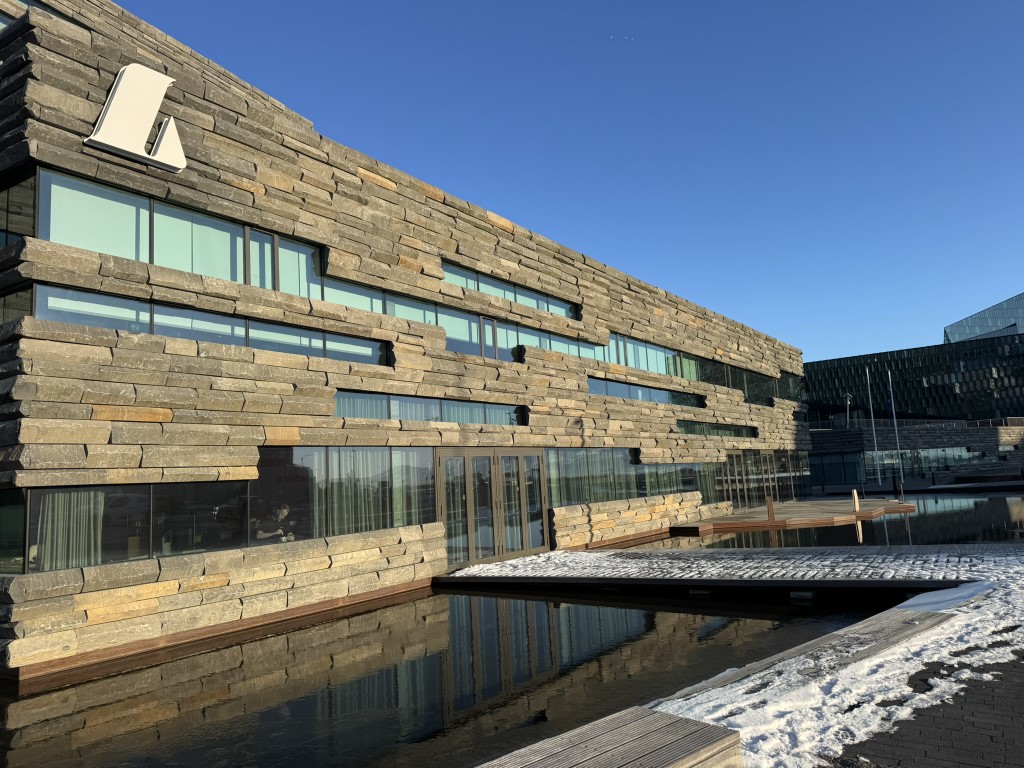
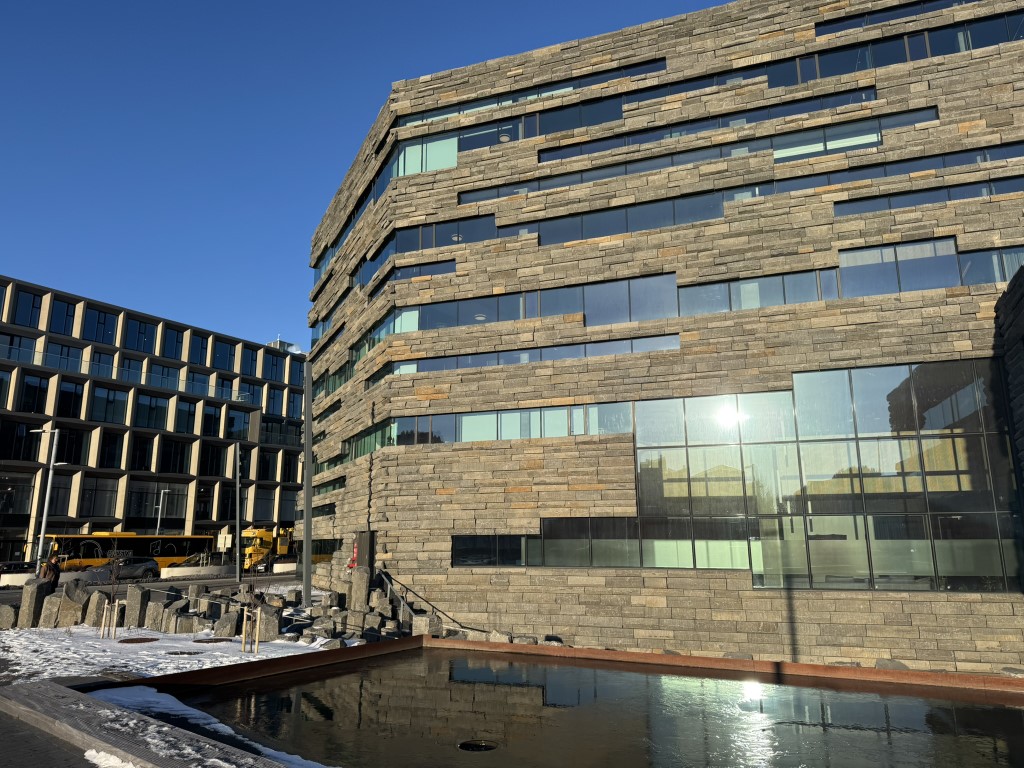
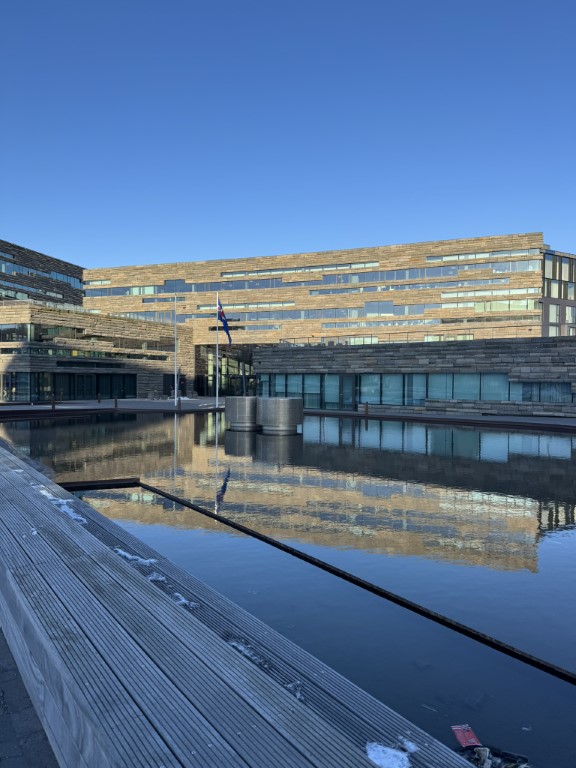
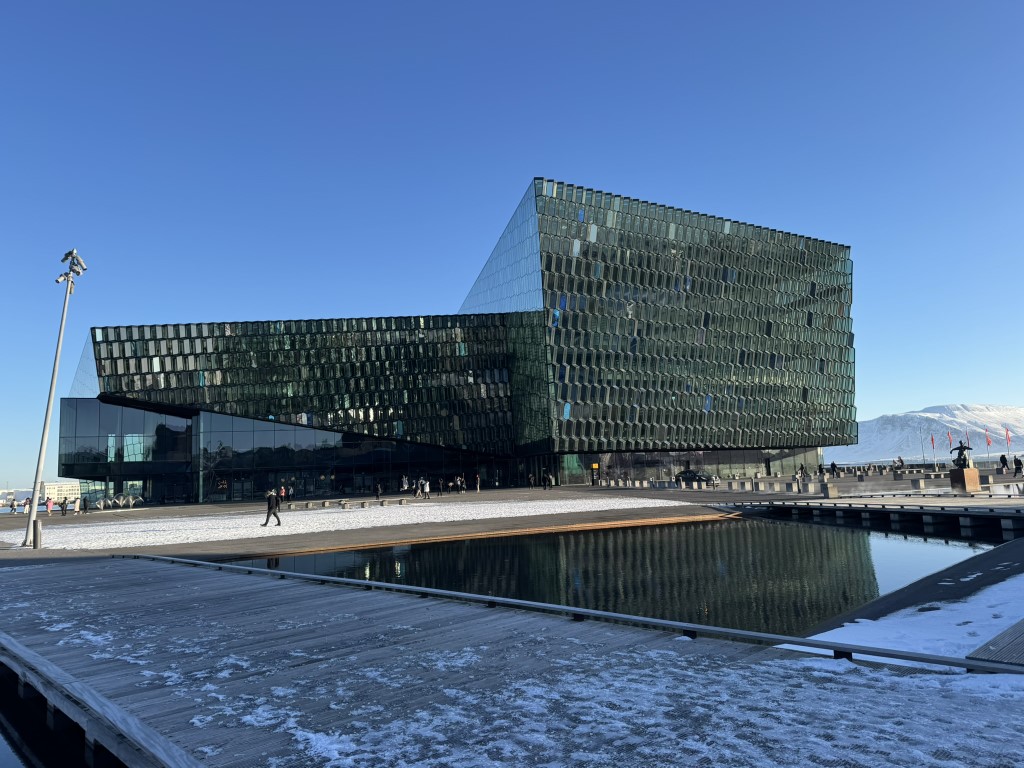
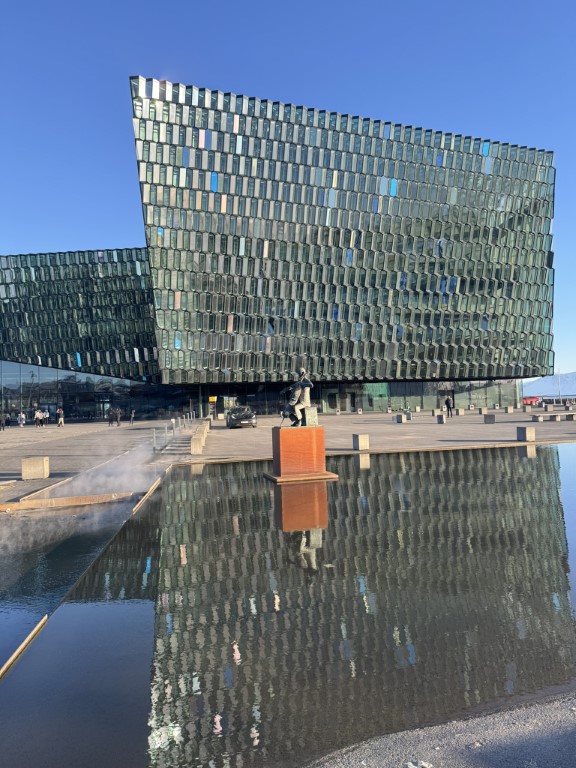
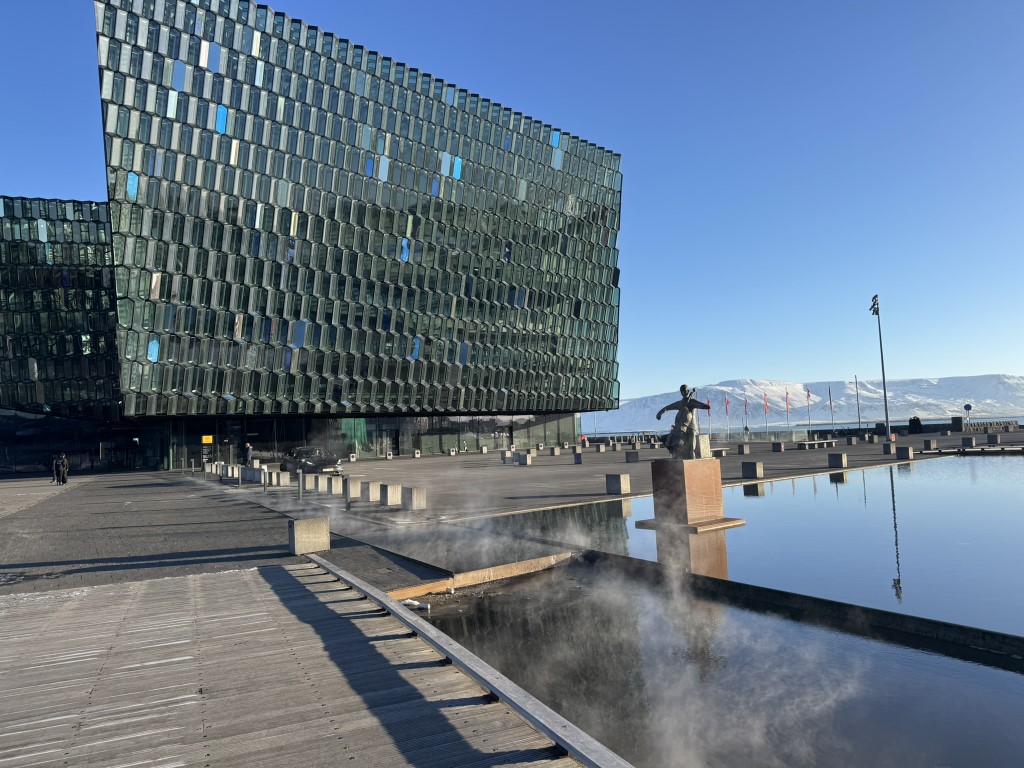
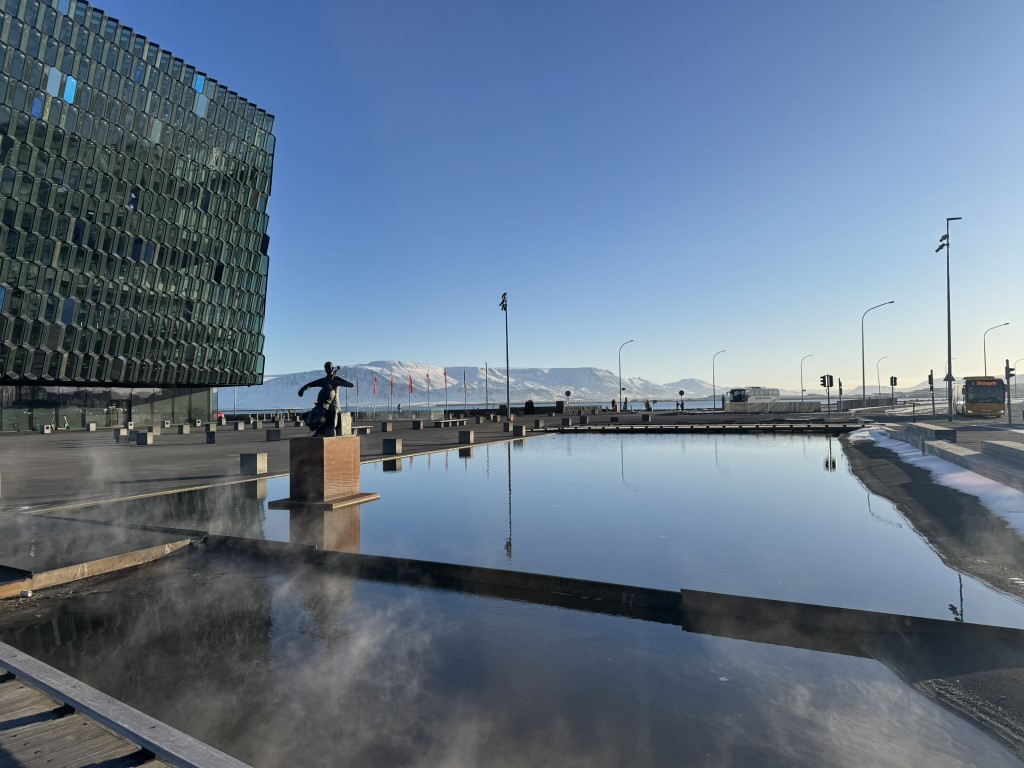
We stopped for a break at Harpa Concert Hall. Opened in 2011, the building is the first purpose-built concert hall in Reykjavík and it houses the Iceland Symphony Orchestra and the offices of The Icelandic Opera.
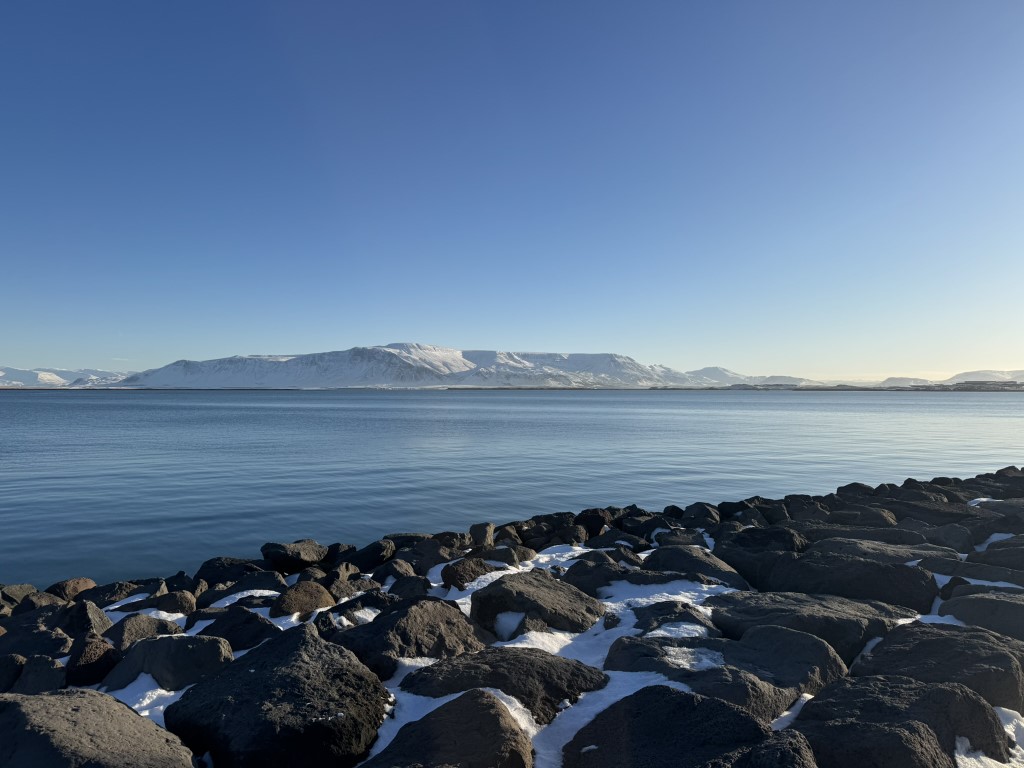
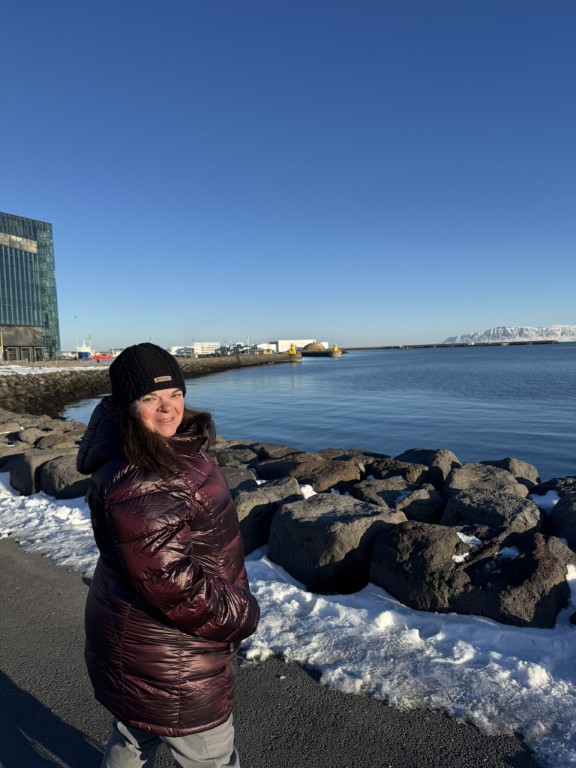
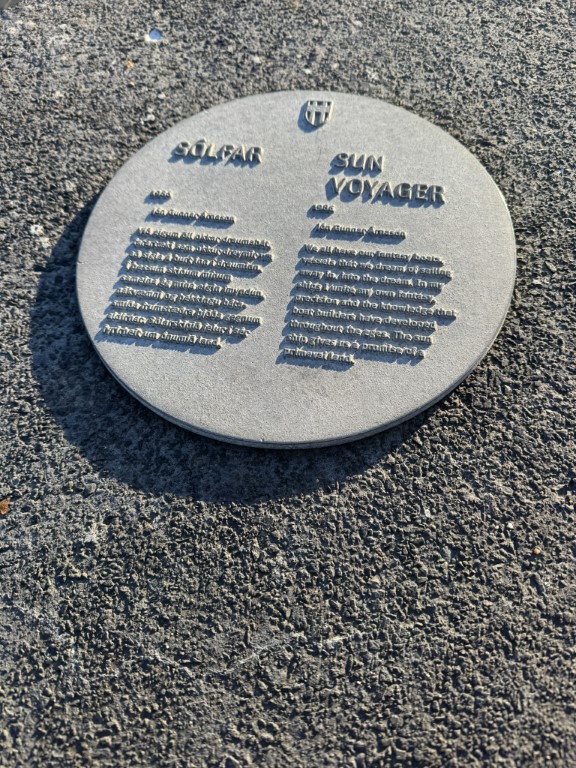
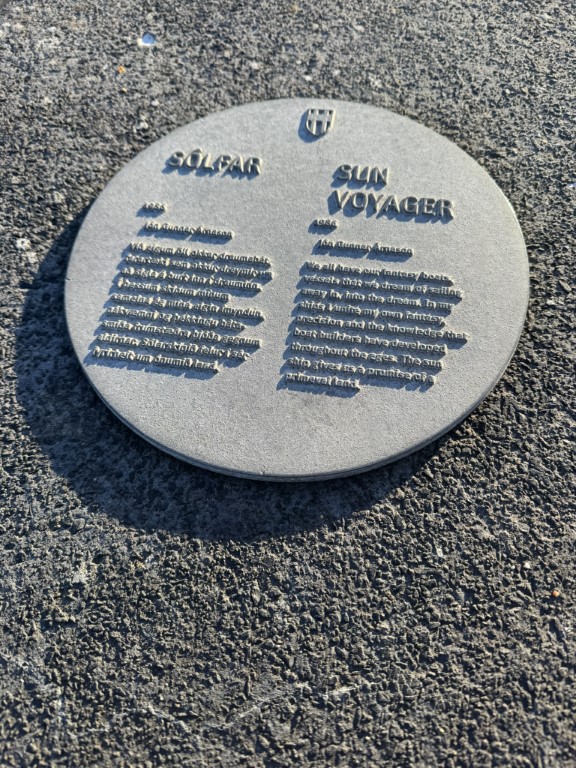
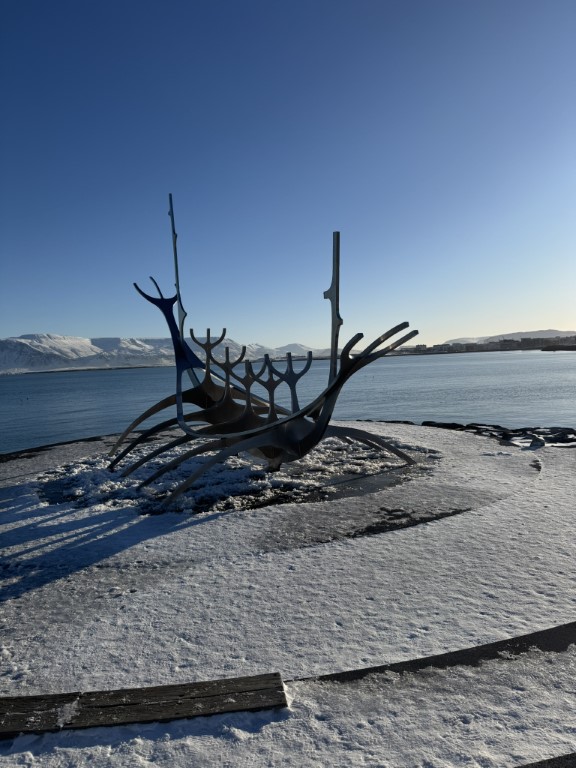
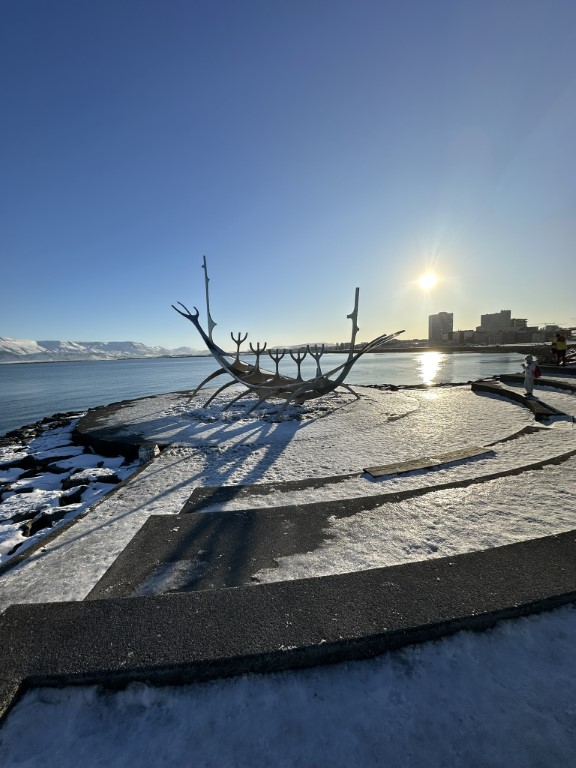
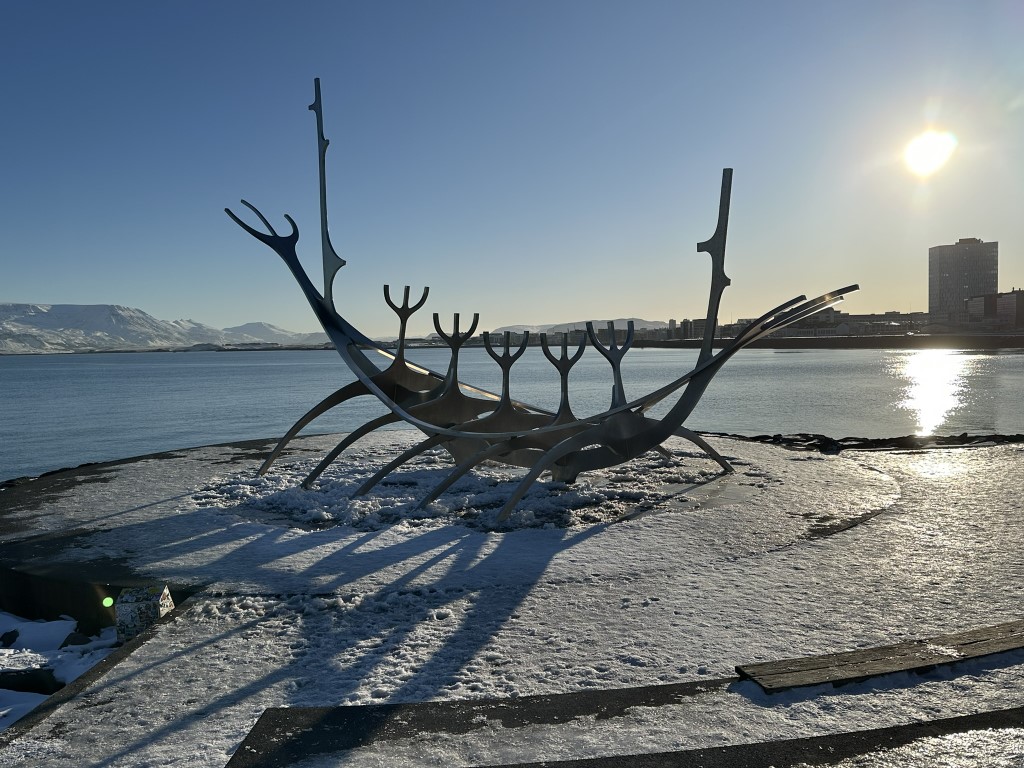
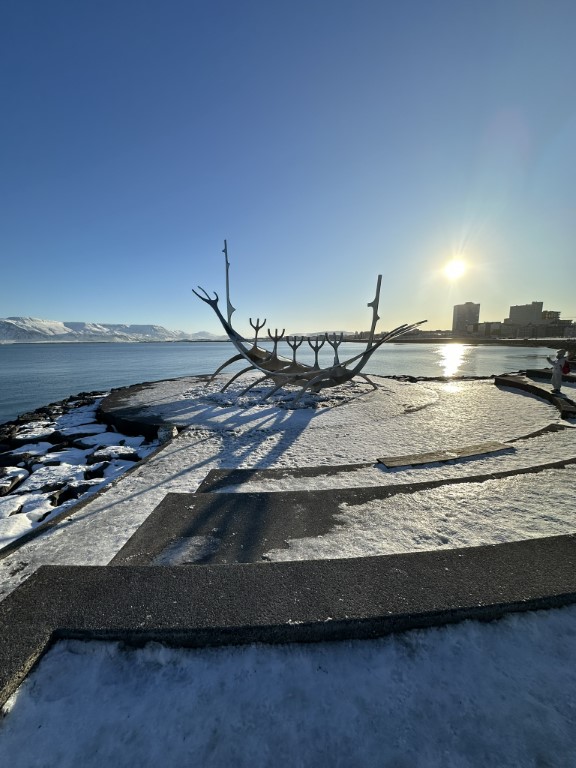
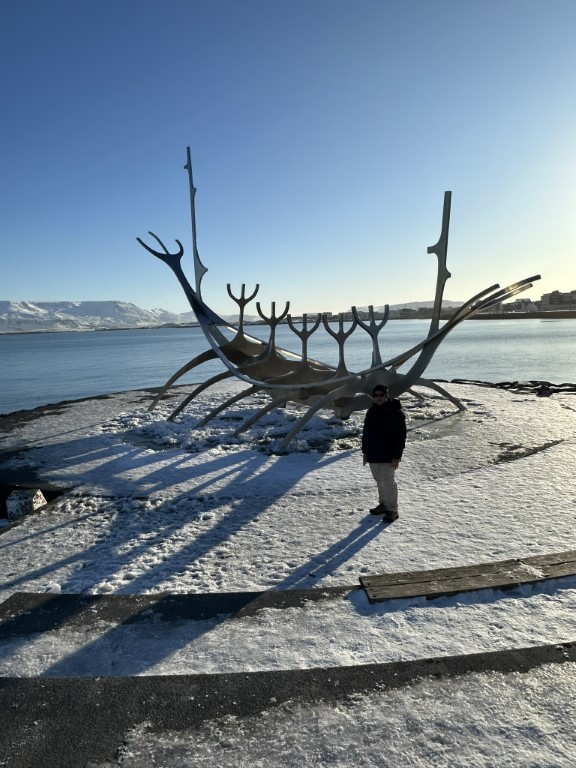
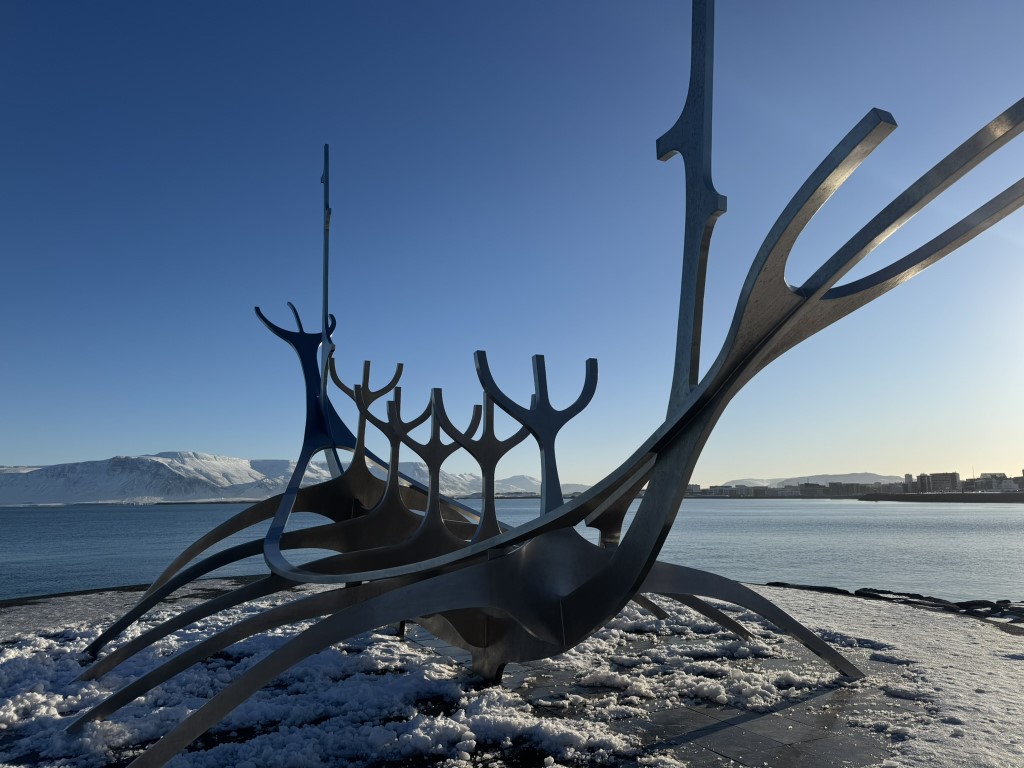
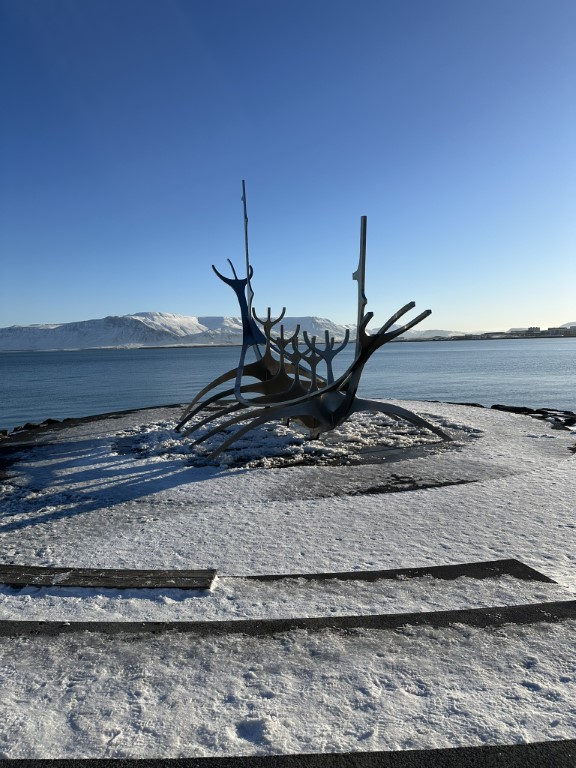
The Sun Voyager (Sólfarið) is a large steel sculpture of a ship by the seaside. The work is one of the most visited sights in the capital, where people gather daily to gaze at the sun reflecting in the stainless steel of the monument.
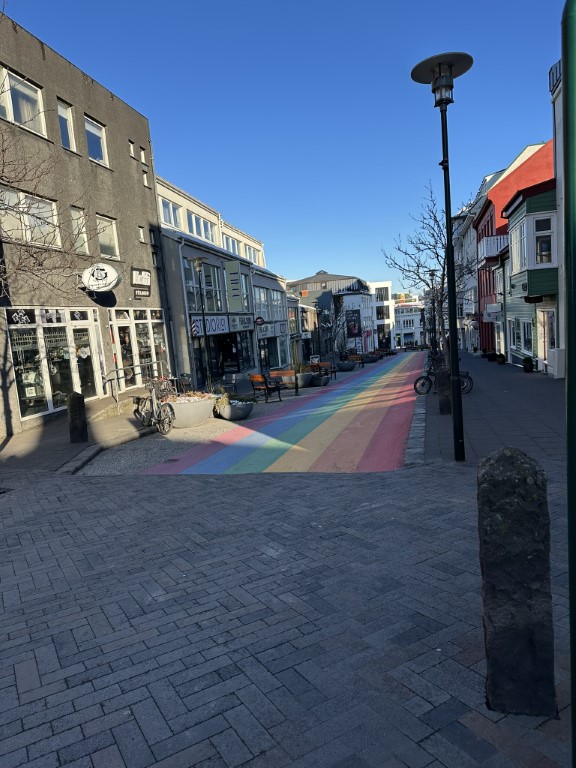
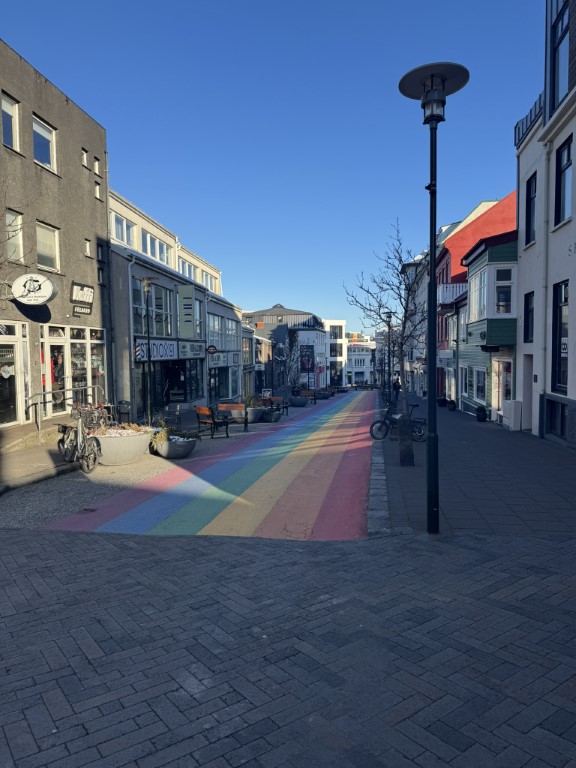
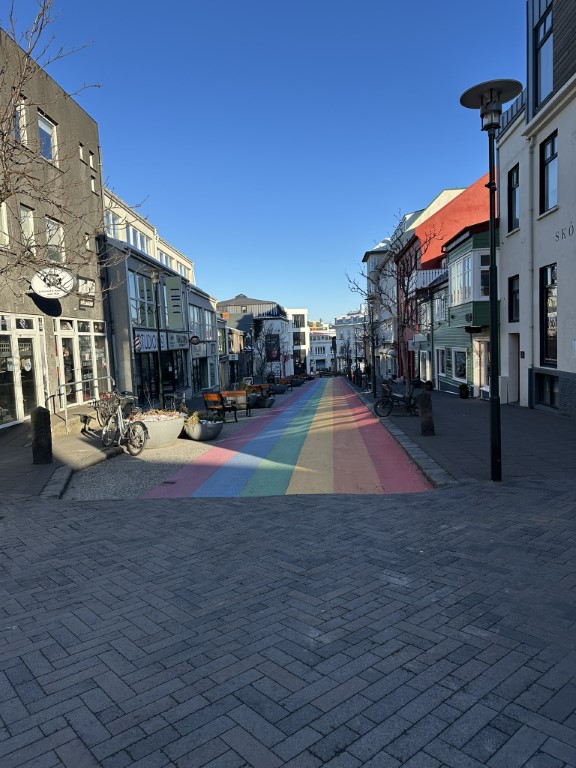
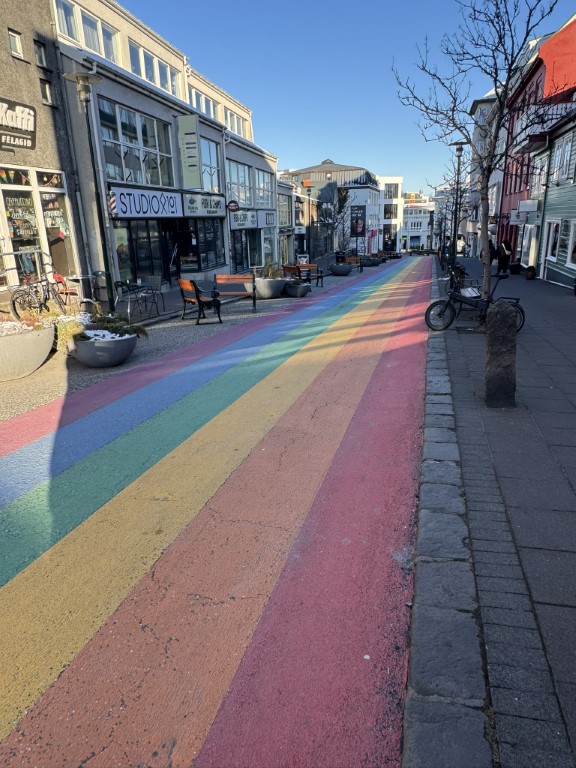
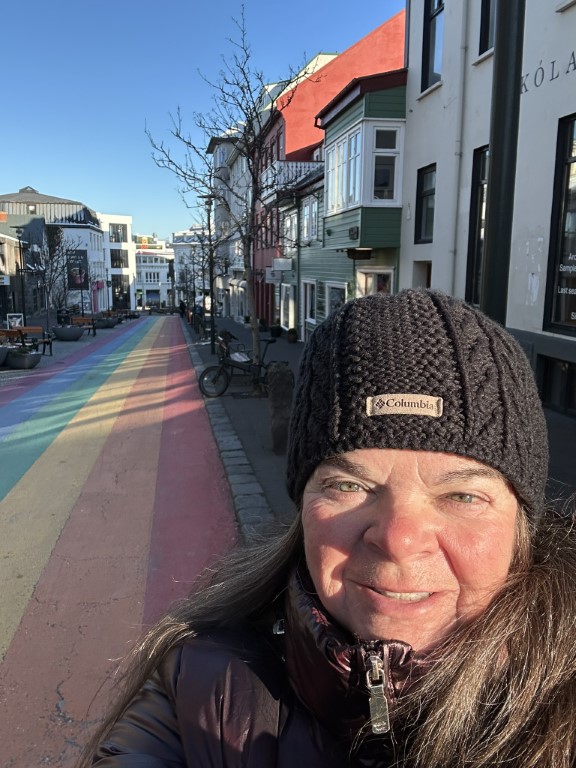
Rainbow Street is on the lower end of Skolavordustigur, the main shopping street in the city center. It was originally painted as a temporary installation for Reykjavík Pride but later became a permanent tourist attraction. We walked up the street past Hegningarhúsið, the old city prison and stopped in another authentic Icelandic wool store, and Janie had an opportunity to see one of the cats that roam the city.
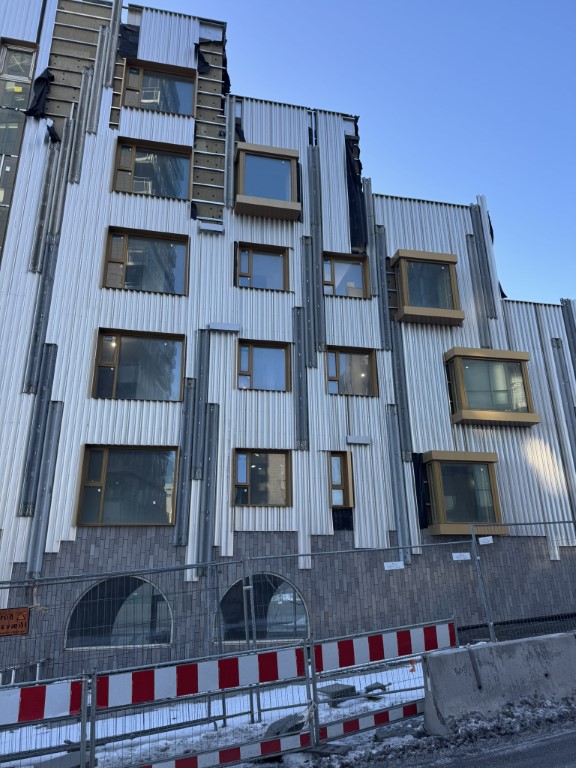
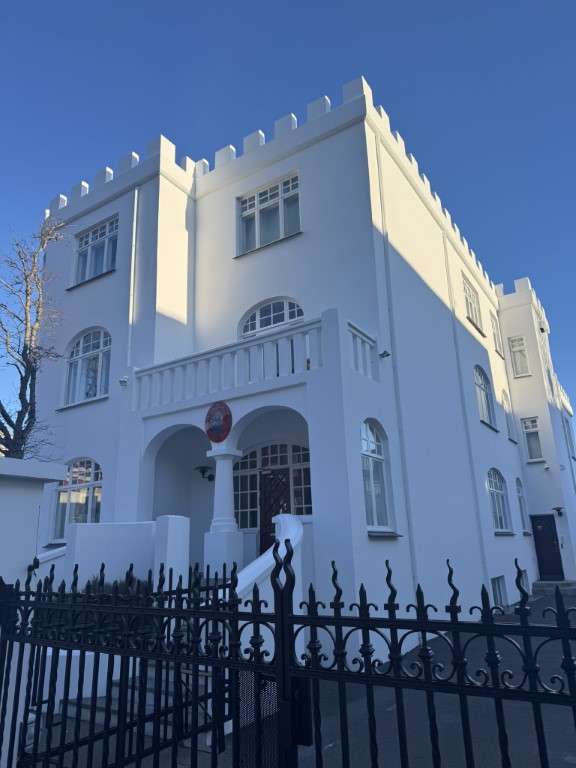
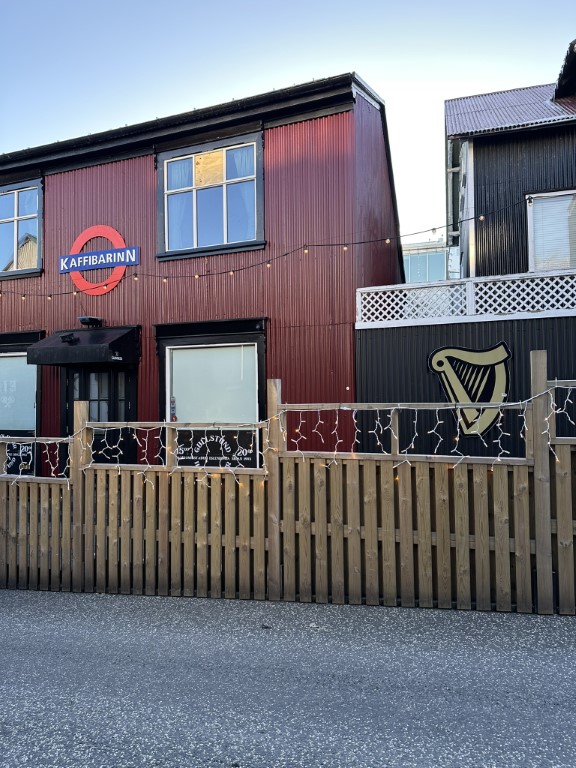
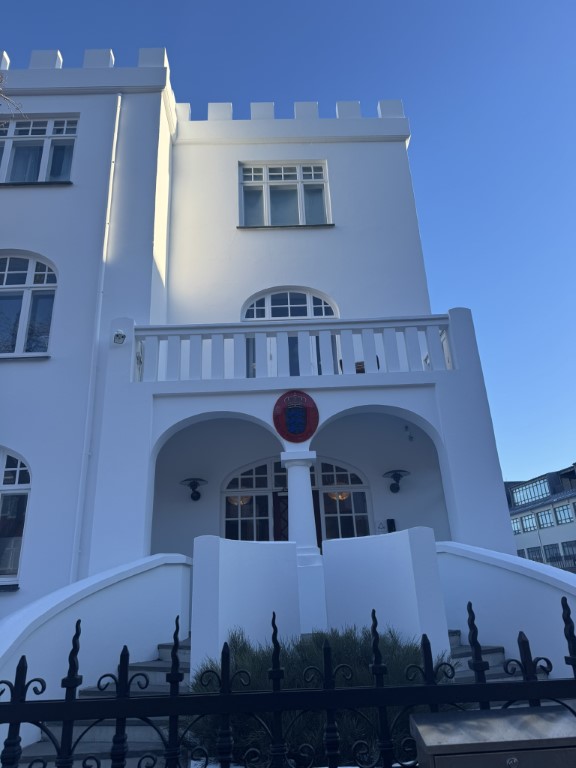
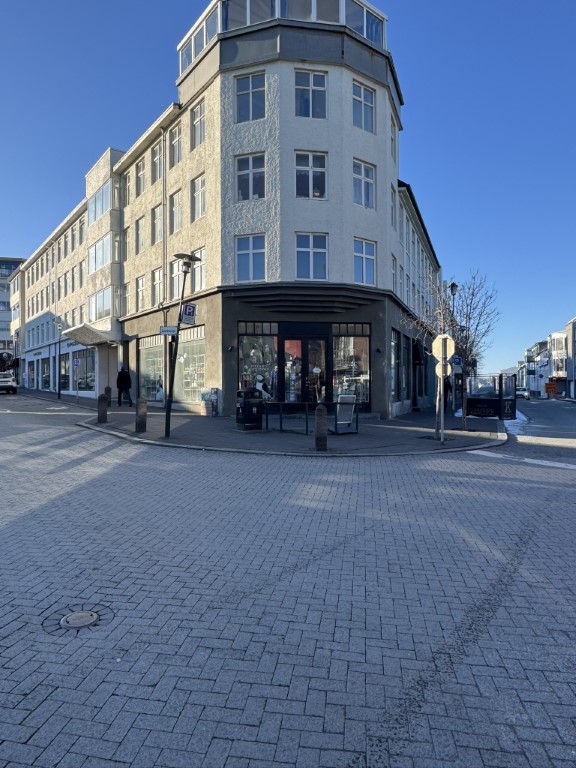
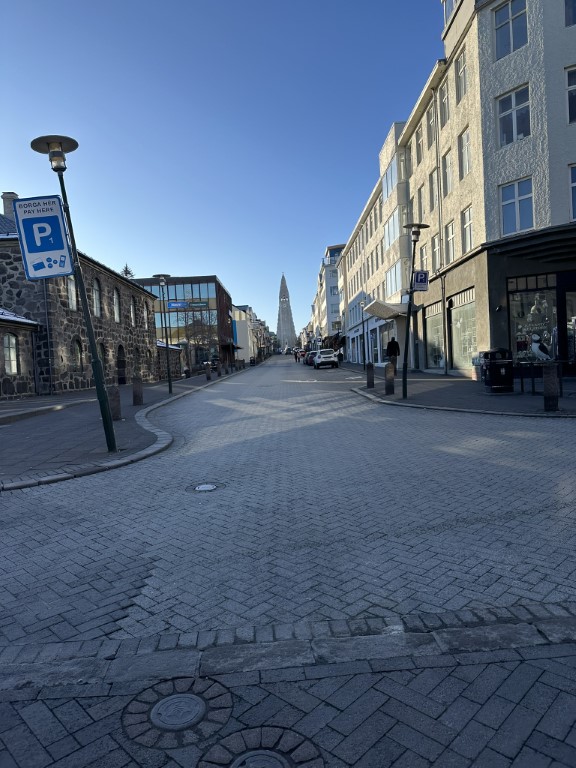
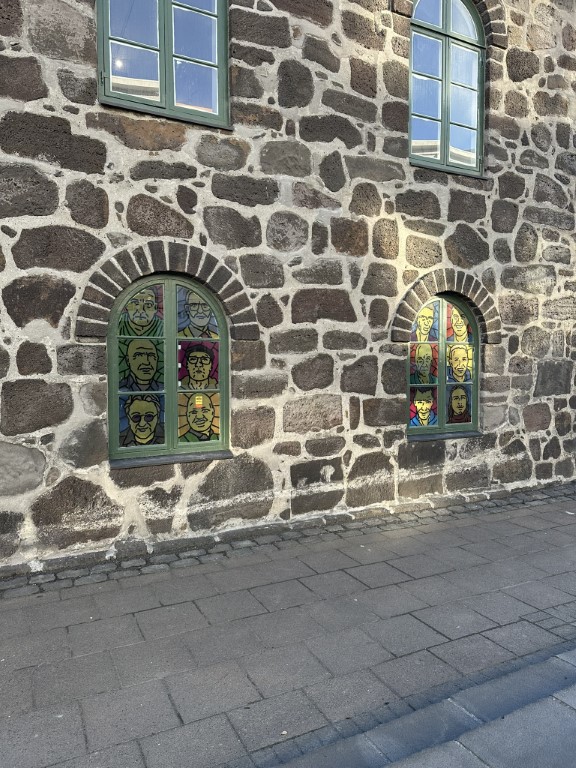
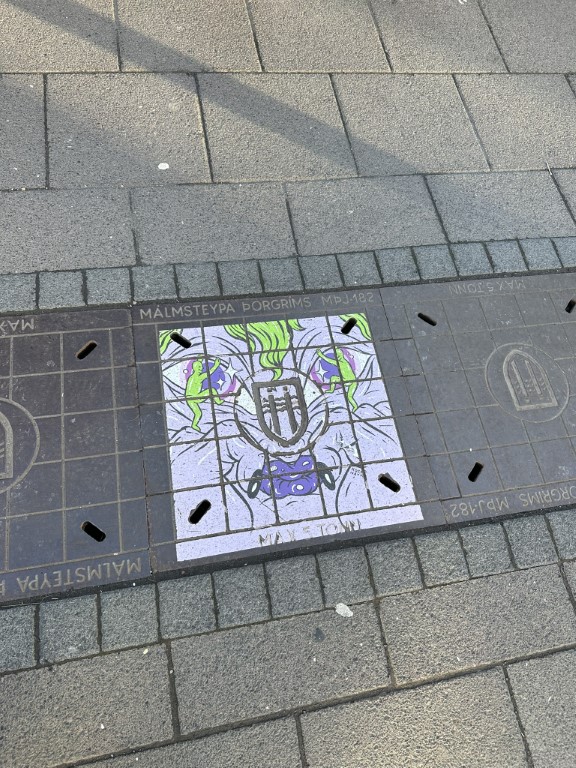
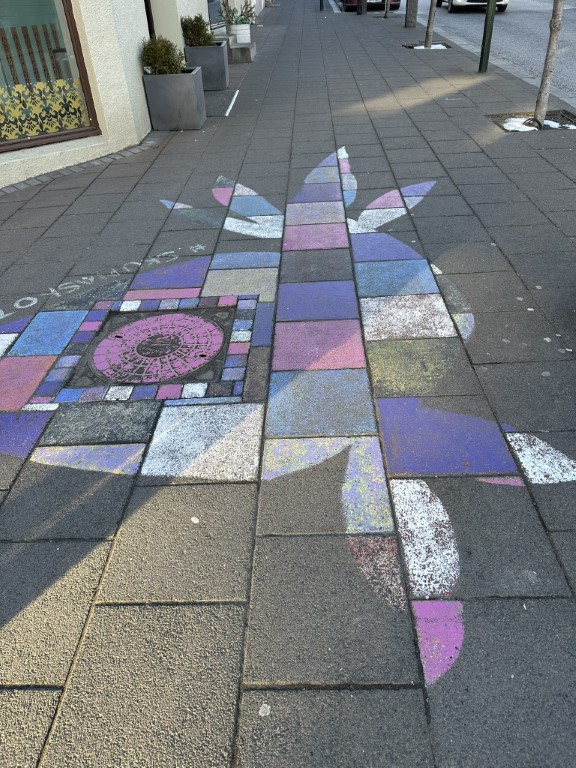
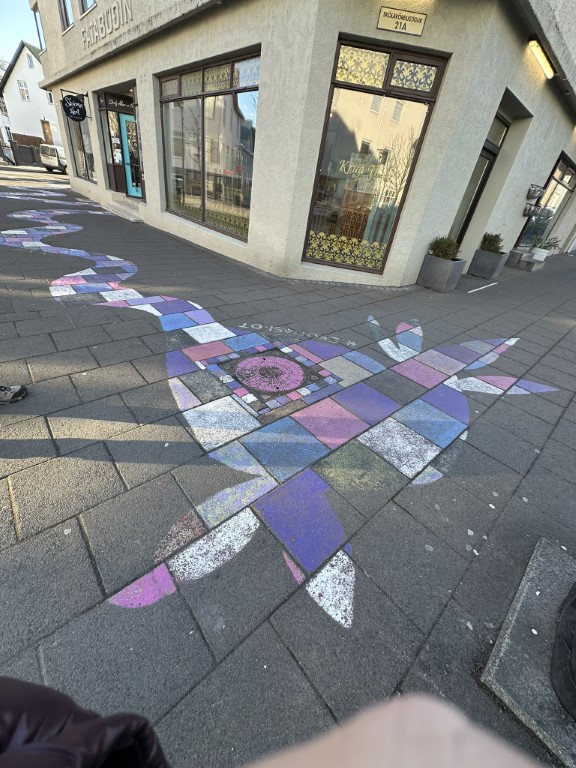
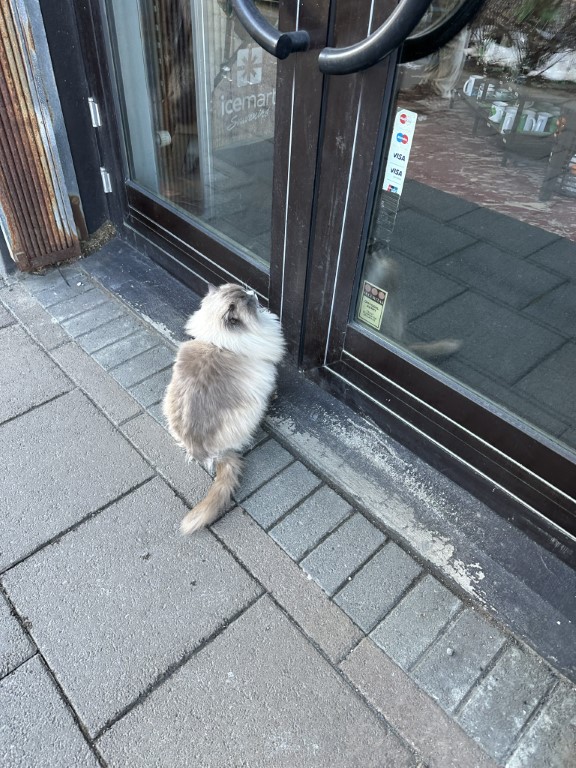
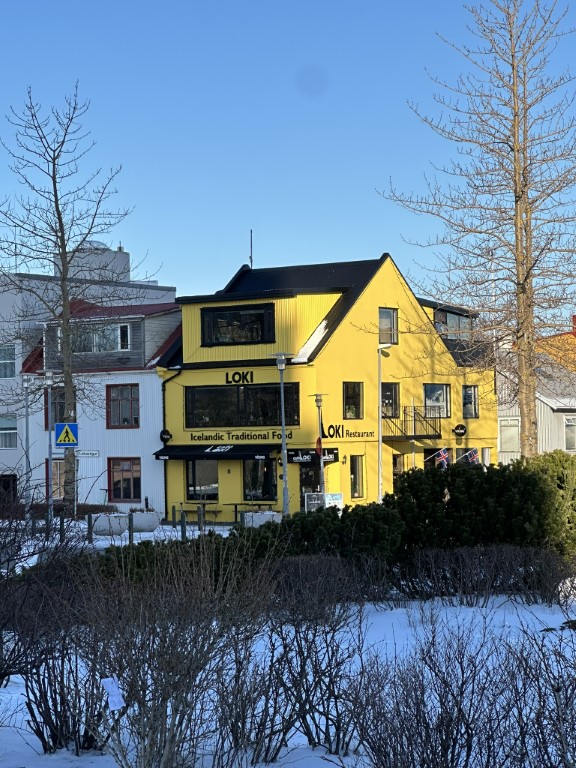
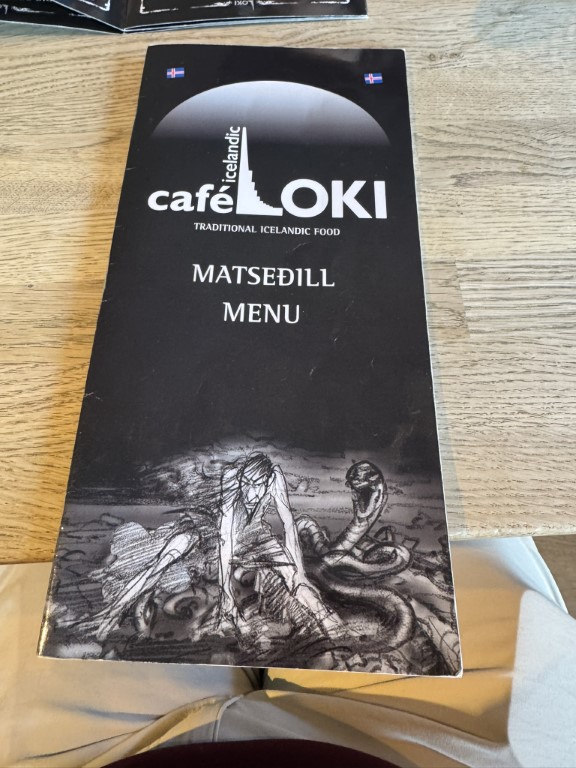
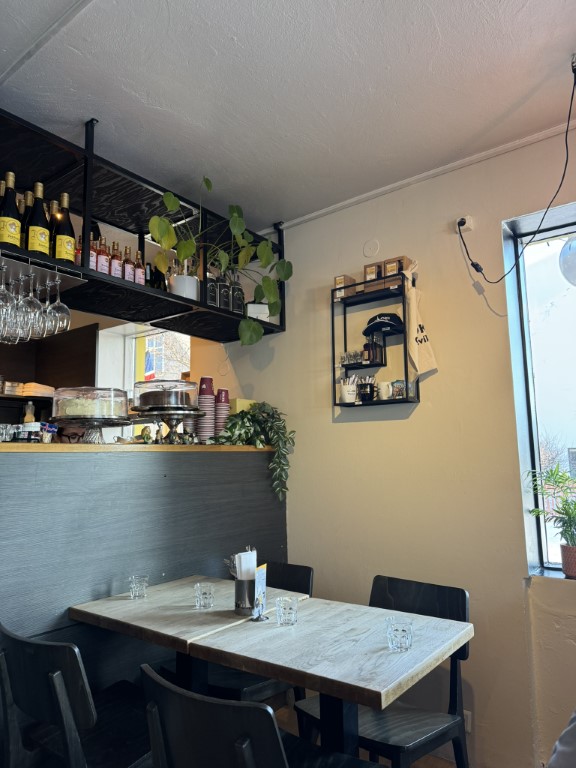
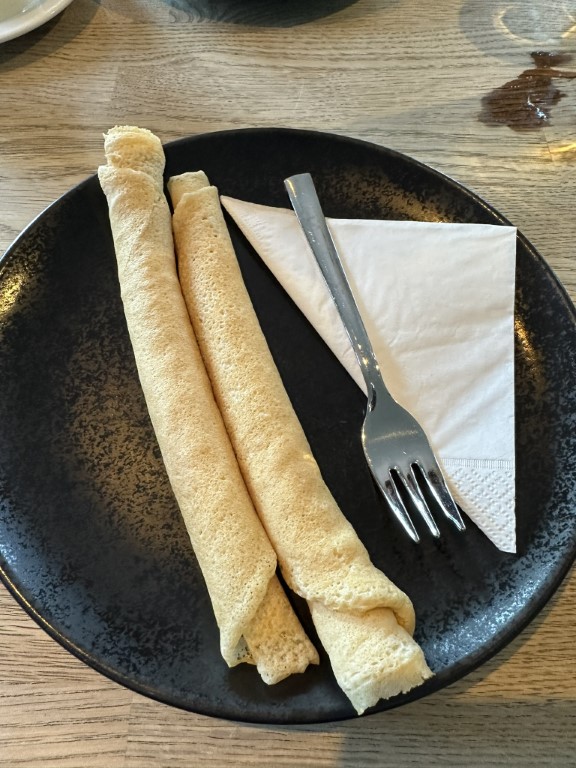
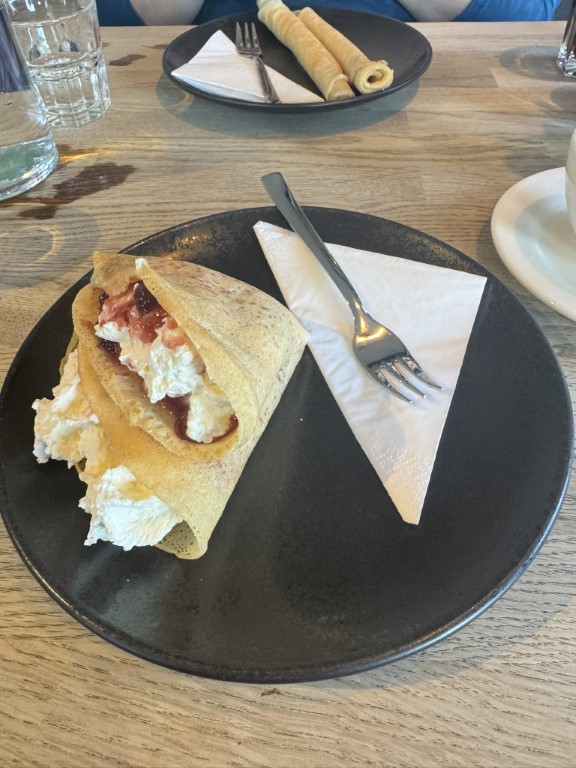
We were too early for the church to open but we had spotted Cafe Loki nearby on our walk and decided to go in for breakfast. They had Icelandic pancakes, which are similar to crepes. Janie went for the plain version while J. R. had berries and cream and both were excellent. J. R. wished he had ordered the fermented shark to go along with them since he had not tried it yet.
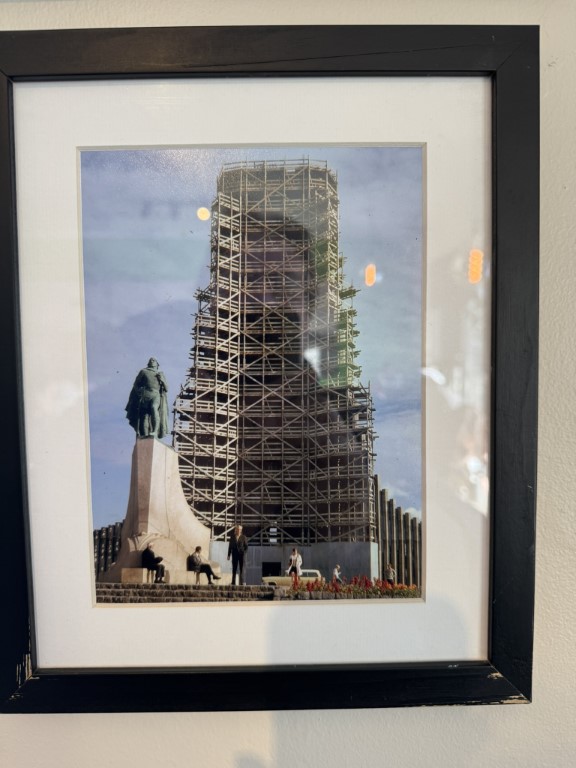
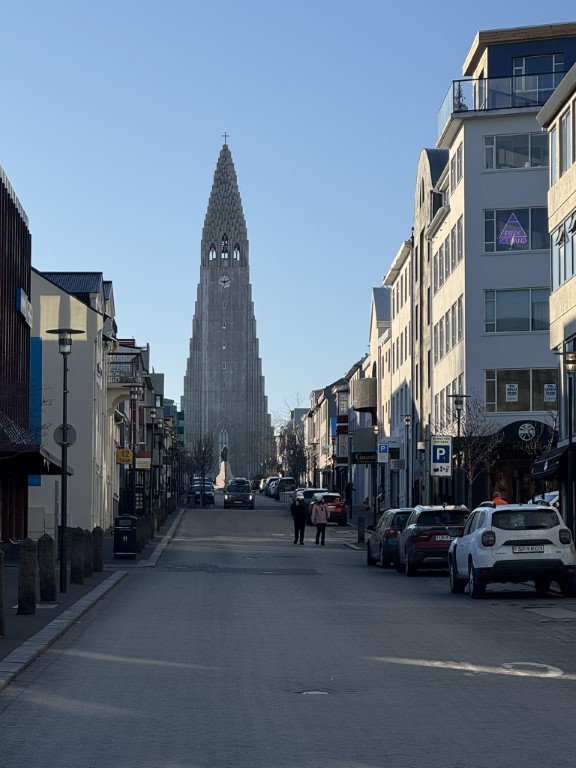
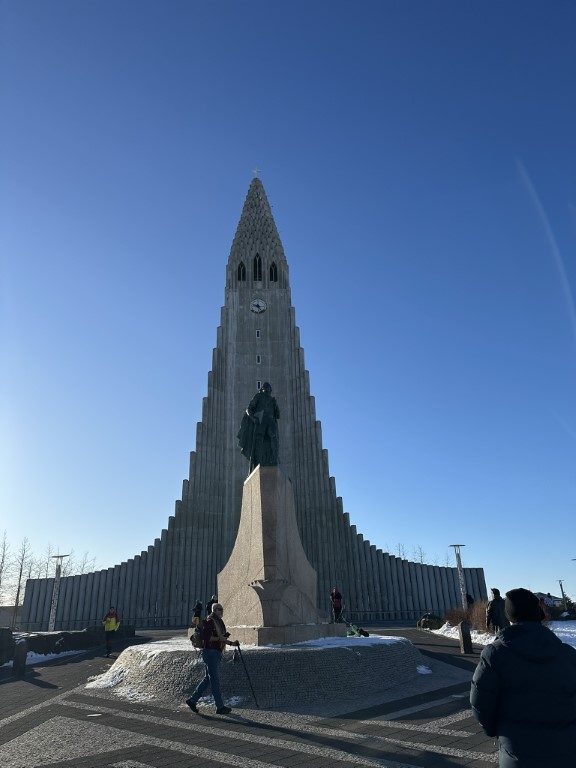
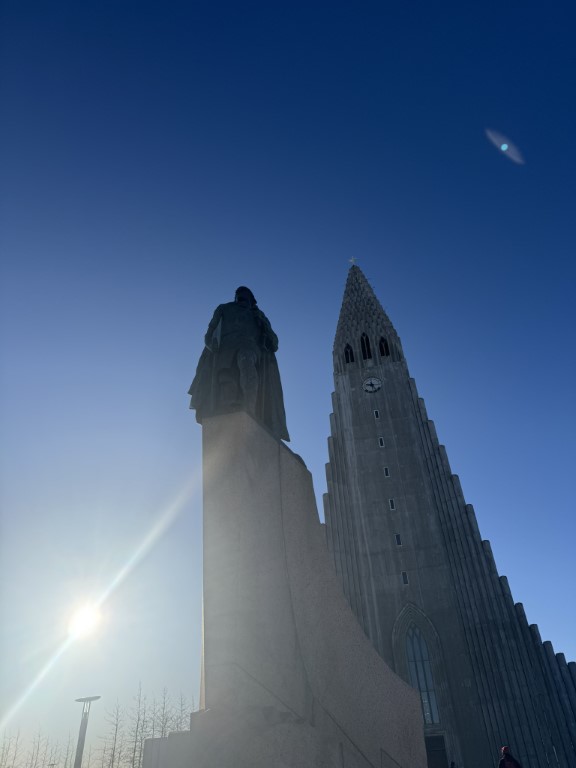
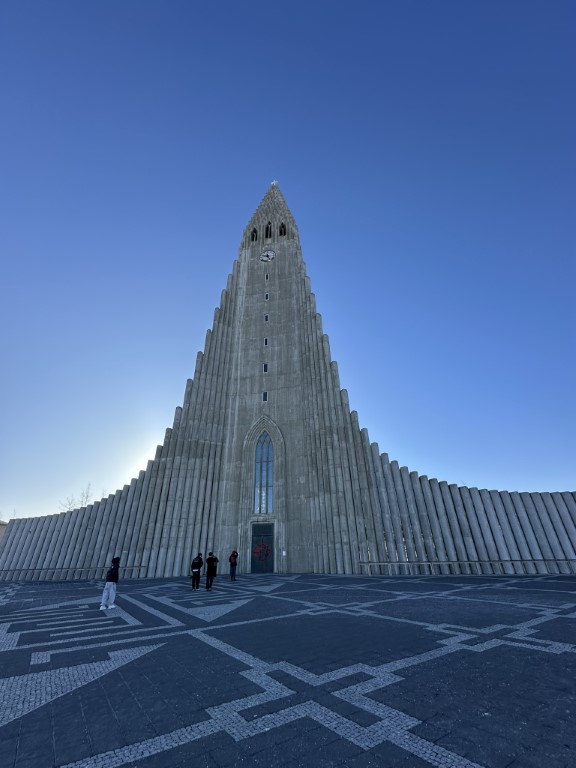
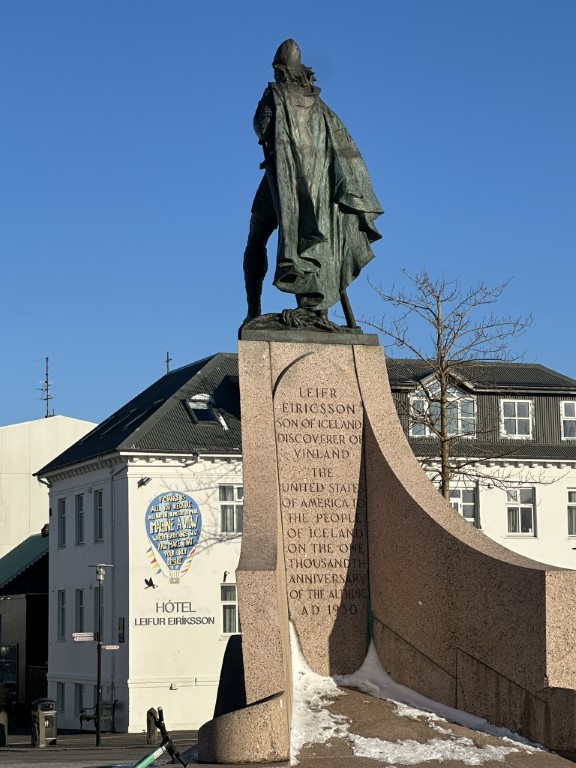
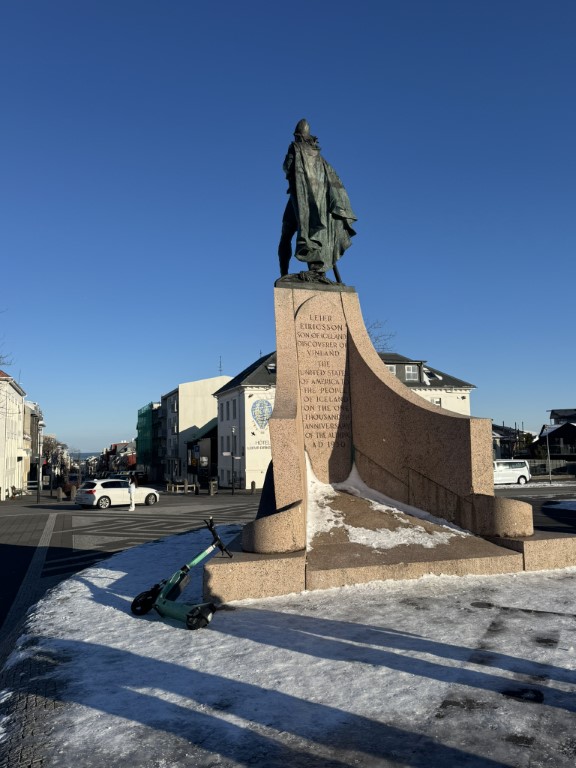
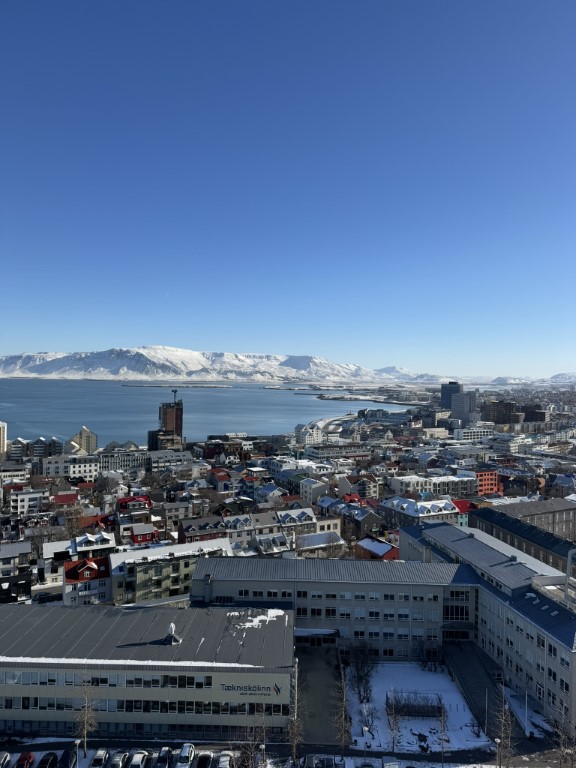
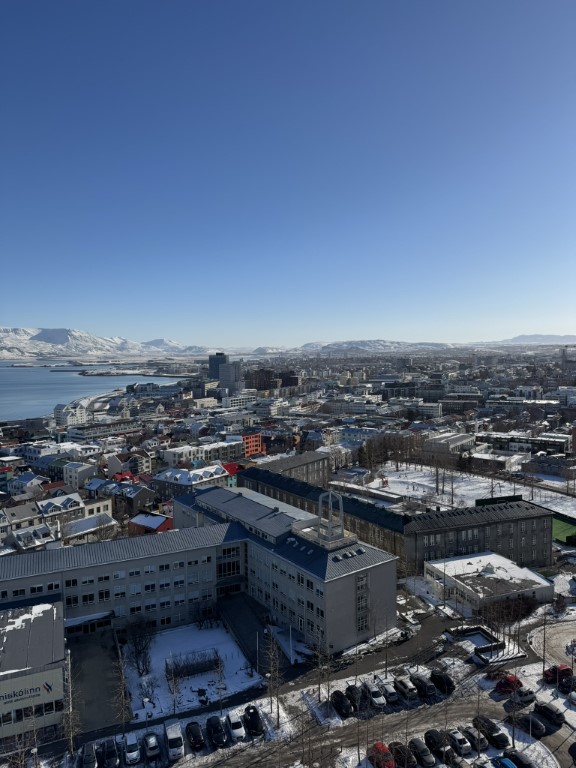
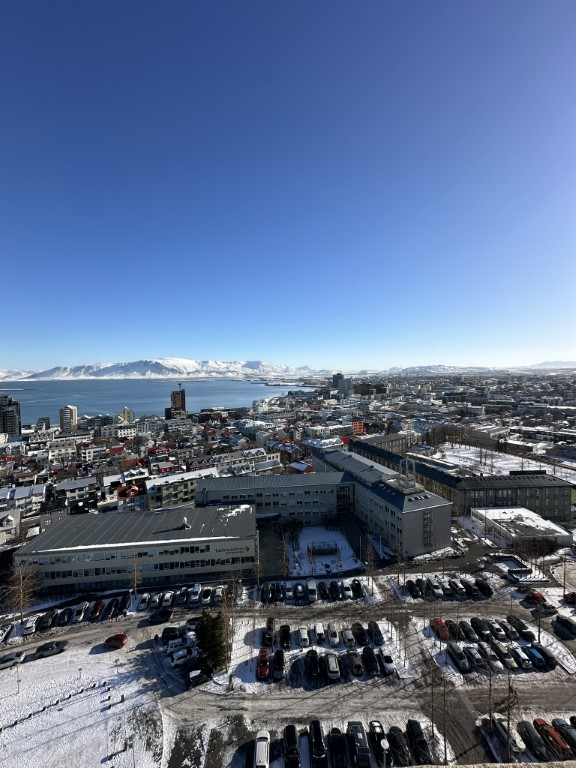
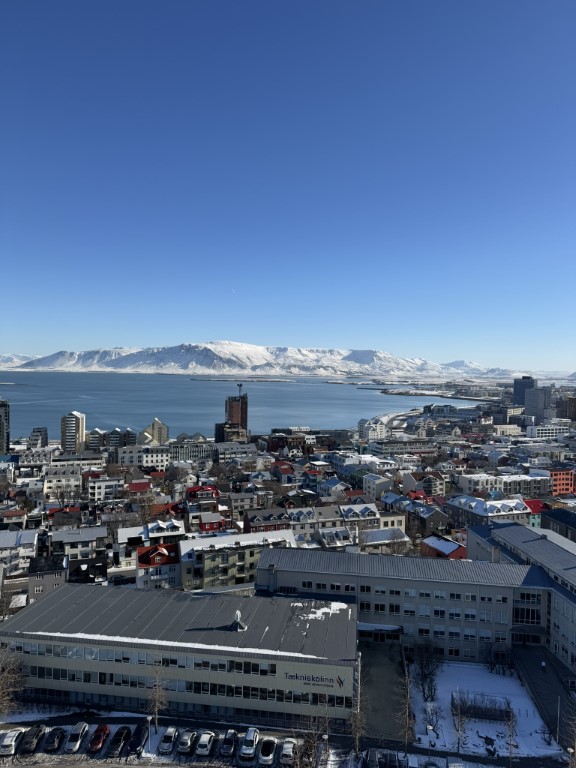
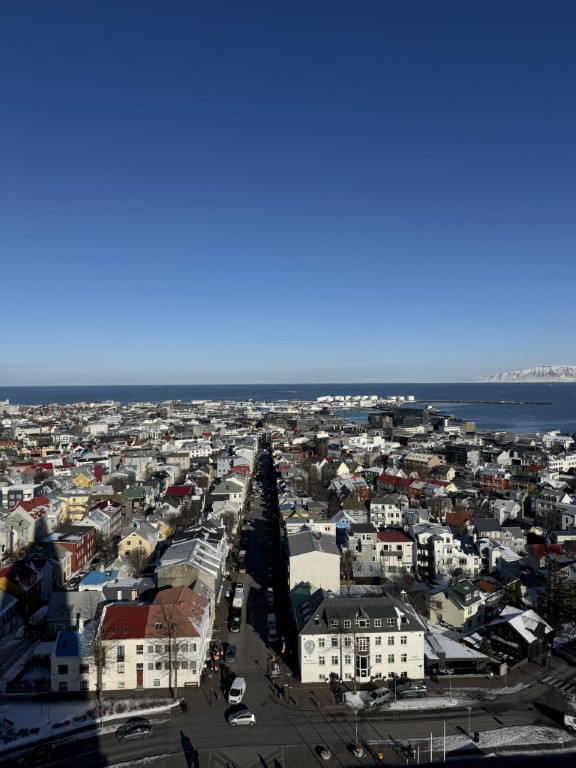
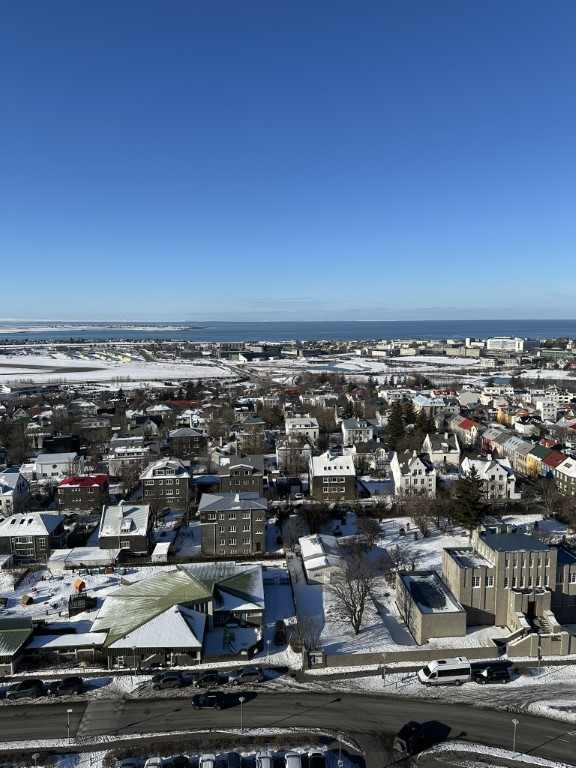
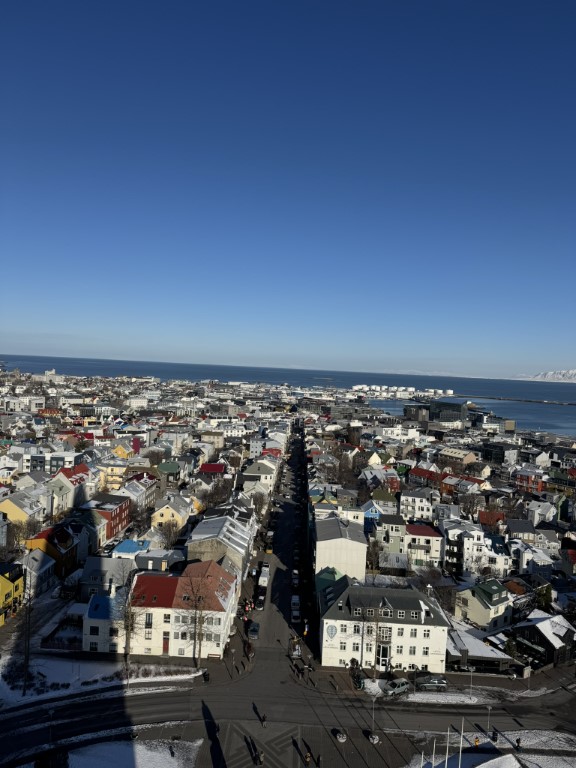
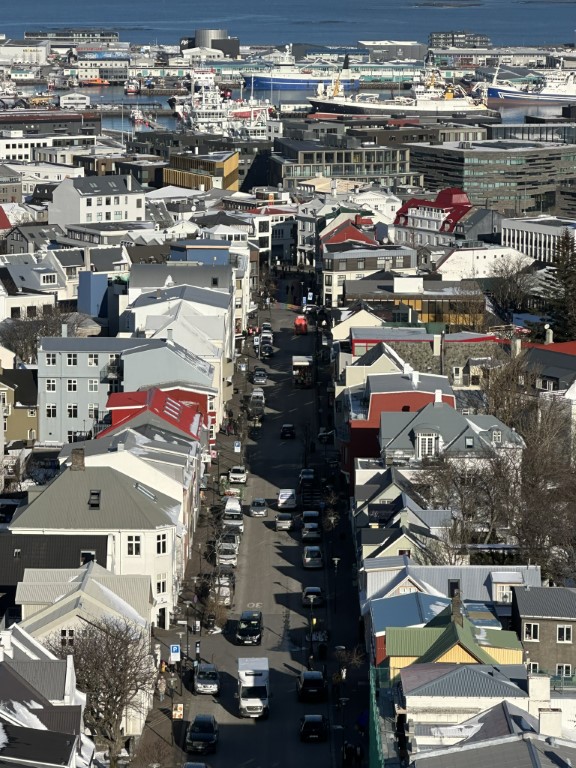
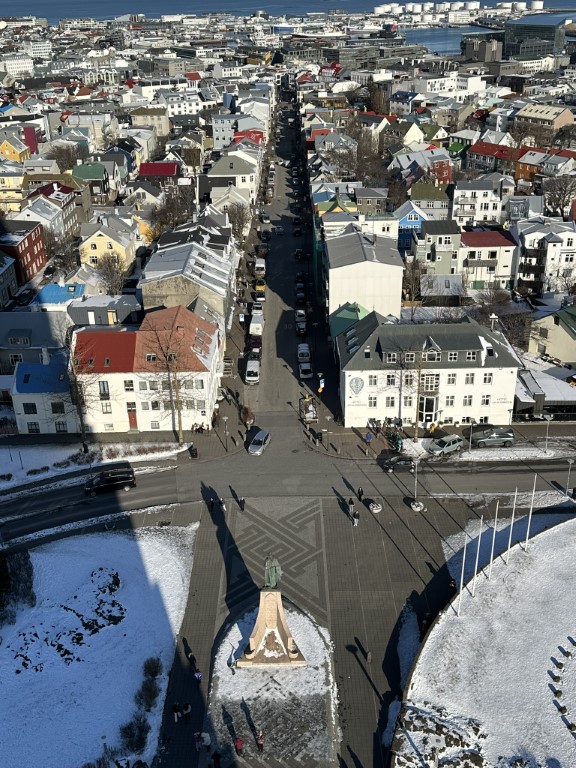
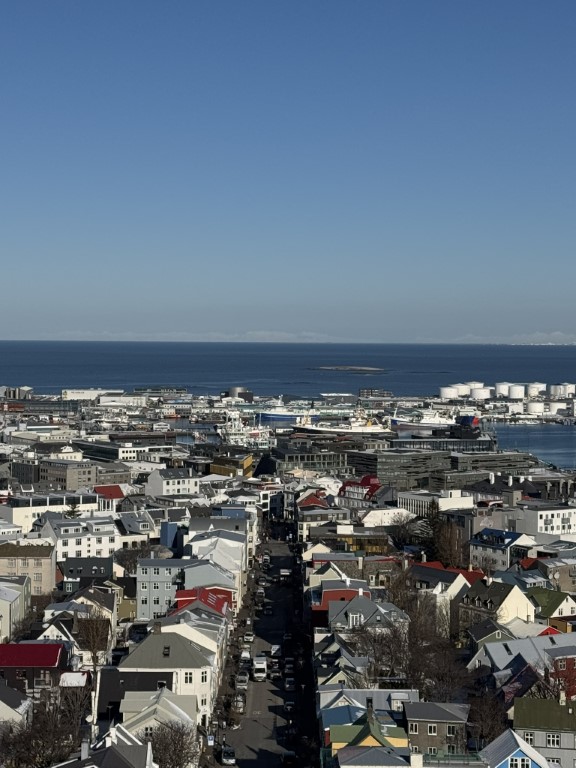
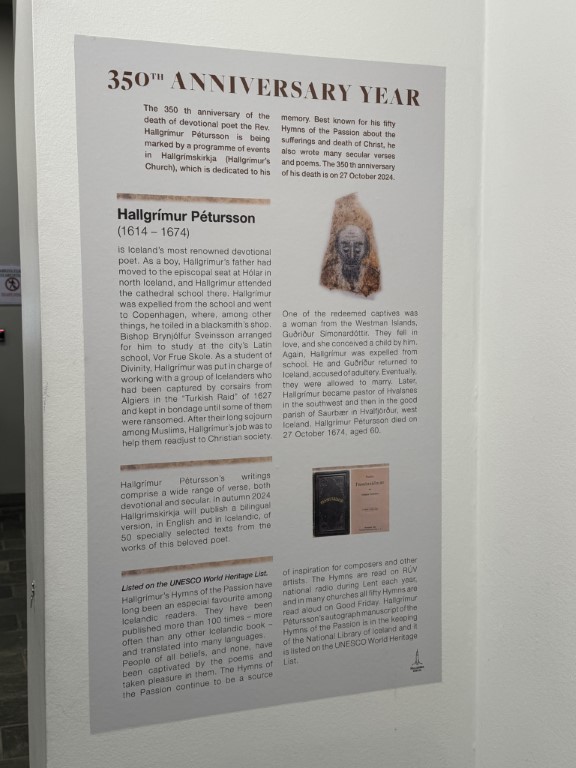
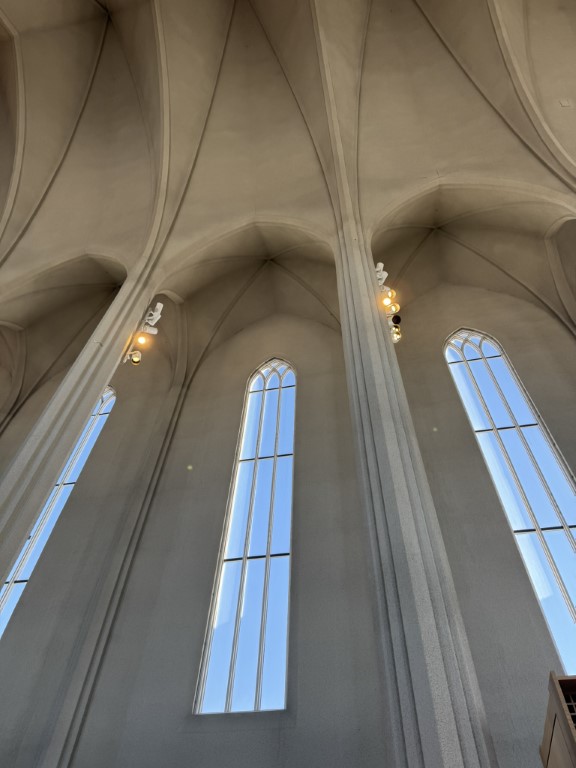
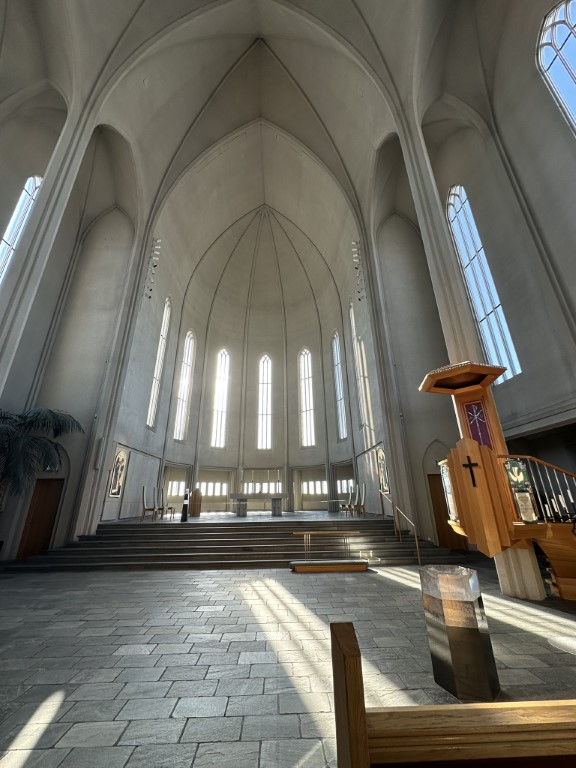
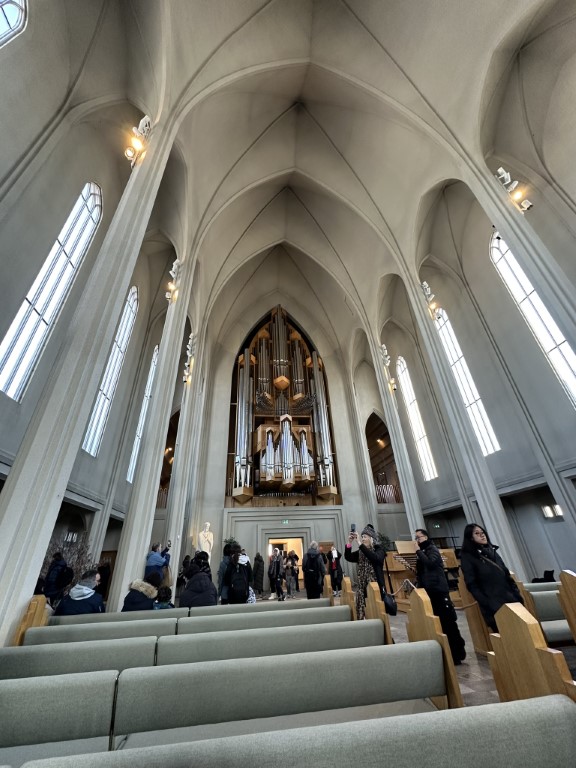
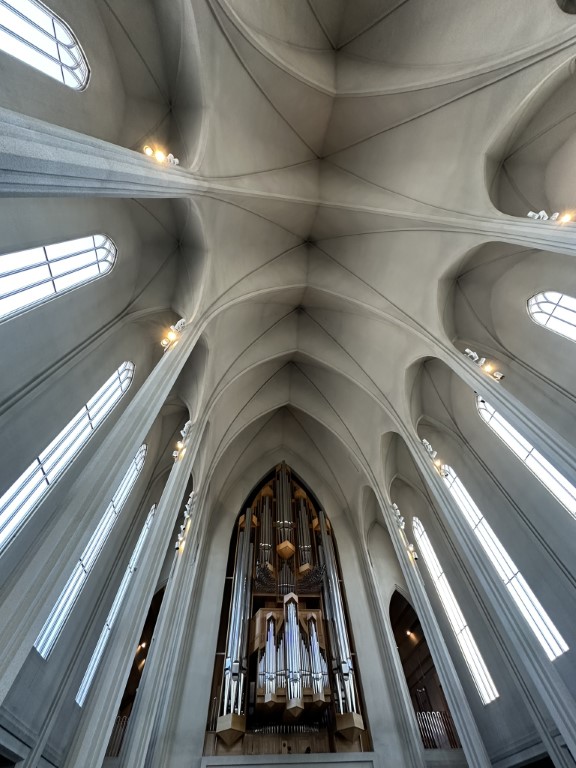
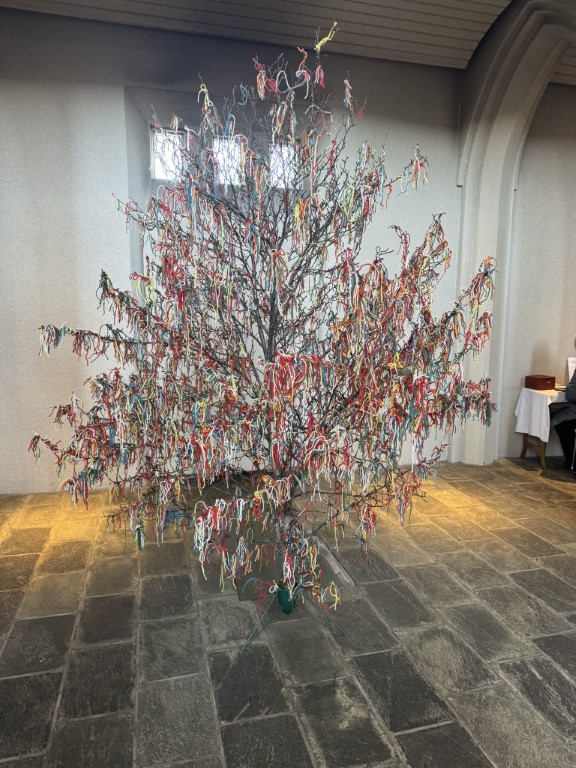
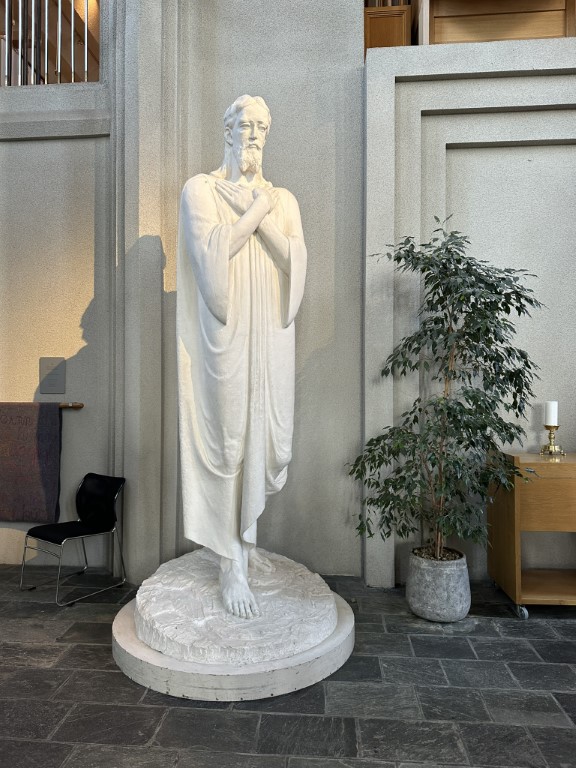
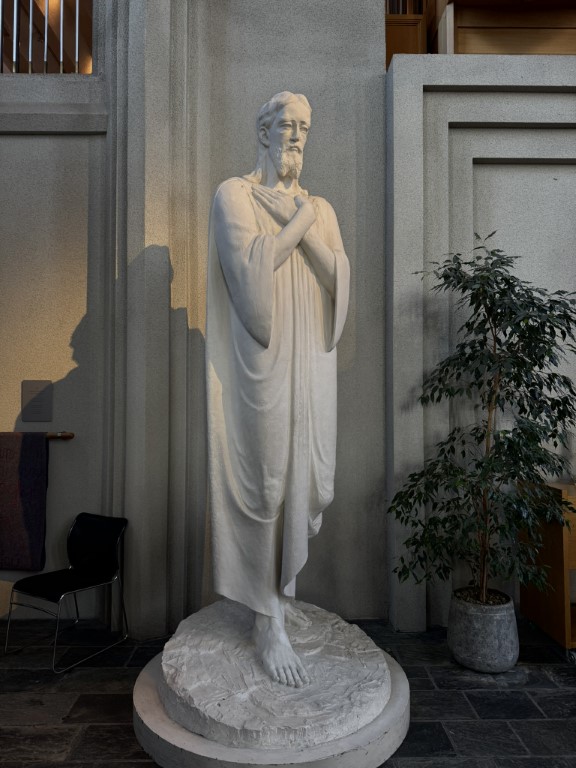
The Evangelical-Lutheran church, Hallgrimskirkja, is both an active church and a national monument, dedicated to the sacred poet, Hallgrímur Pétursson. It is the largest church in Iceland and houses the largest organ in the country. The tower is 73 meters high and provides a panoramic view of the surrounding area. Construction began in 1945 but the church was not completed until 1986. The architect drew inspiration from Iceland's basalt lava columns in his design. Out front of the church is a monument to Leif Erikson created by Alexander Calder and gifted by the United States to Iceland in 1930 on the 1000th anniversary of the forming of the Icelandic parliament, considered the oldest legislature in the world.
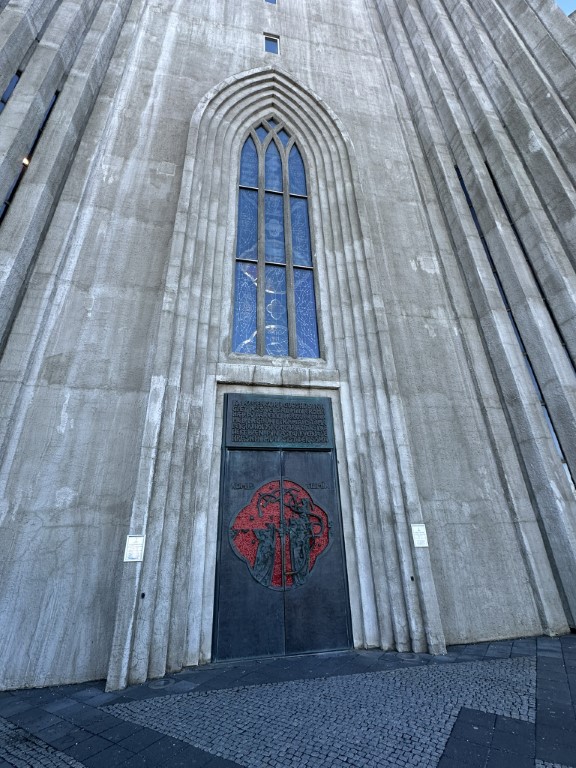
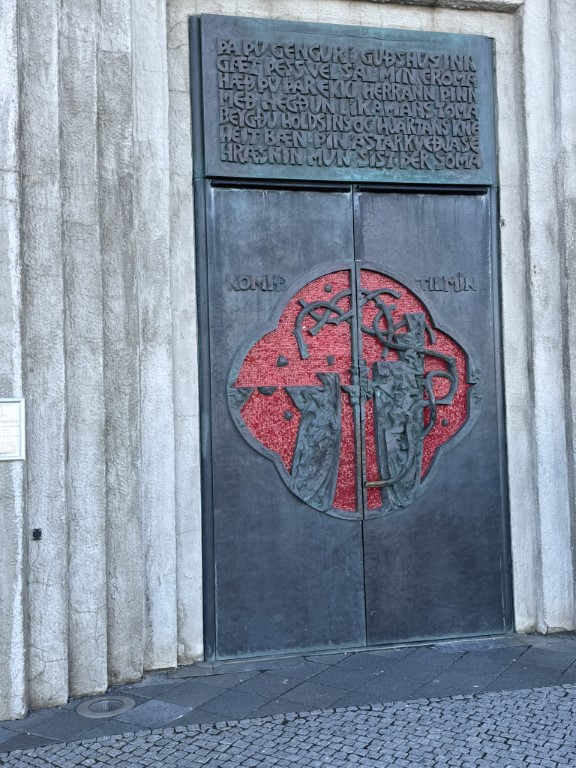
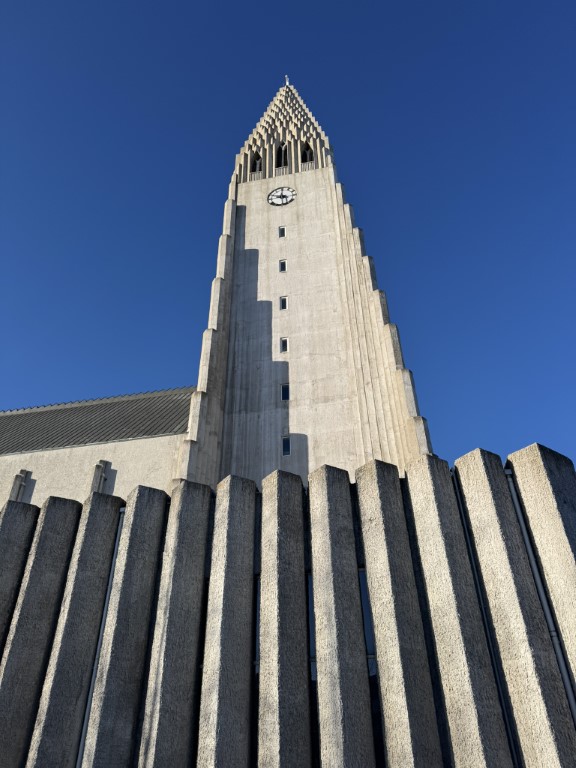
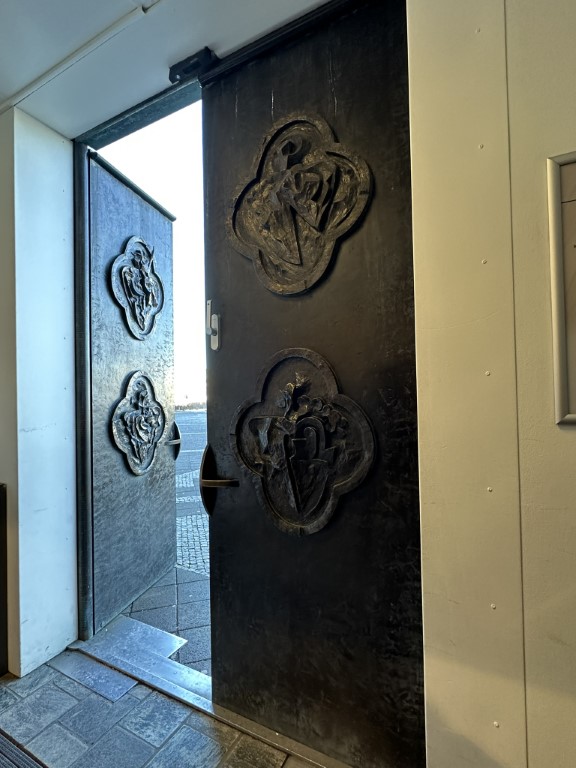
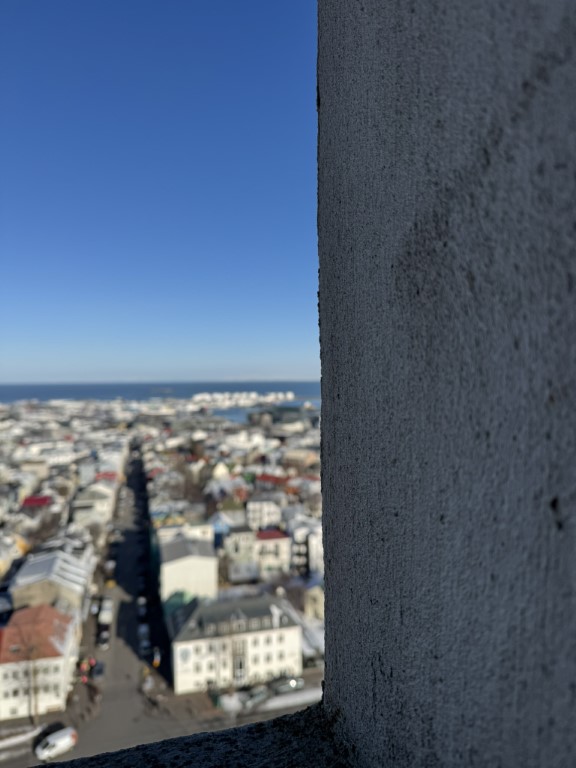
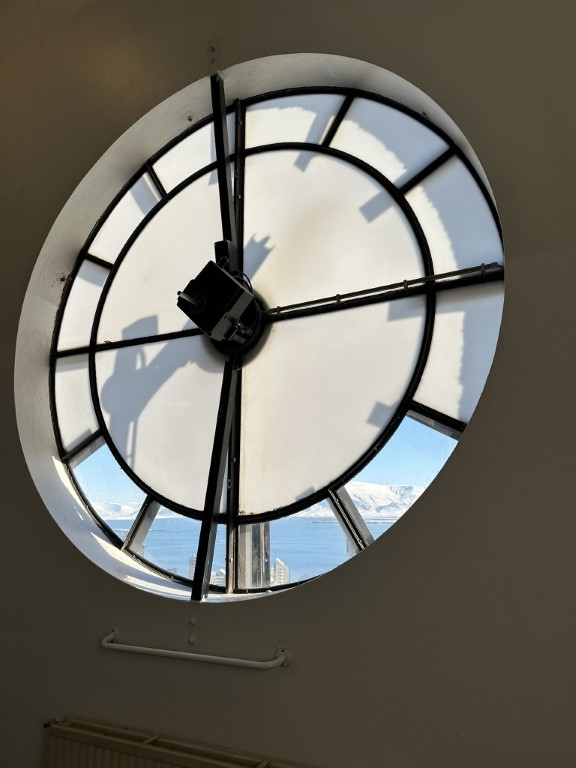
The sanctuary was not open yet, but we were able to purchase tickets to take the elevator to near the top of the church and then climb two flights of stairs to the observation platform where we were greeted with a 360 degree panoramic view of the city. We also were able to hear the electronic bells sound, which were not as loud as people claimed they would be.
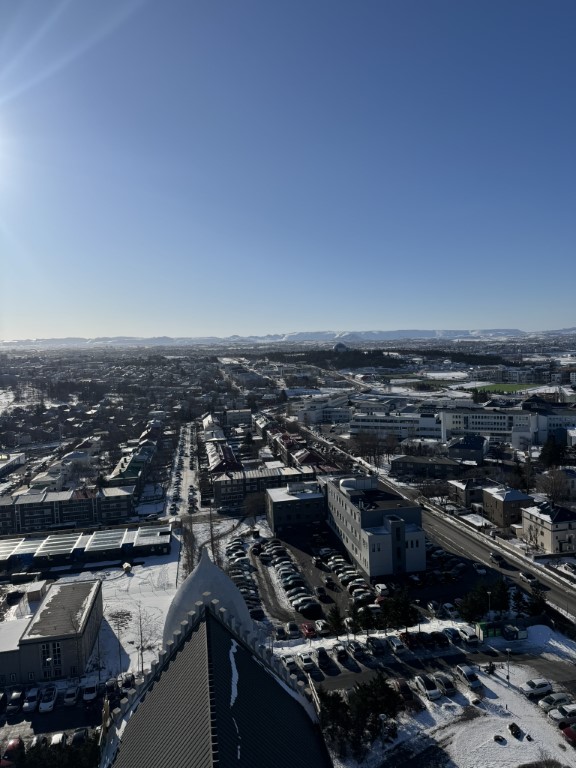
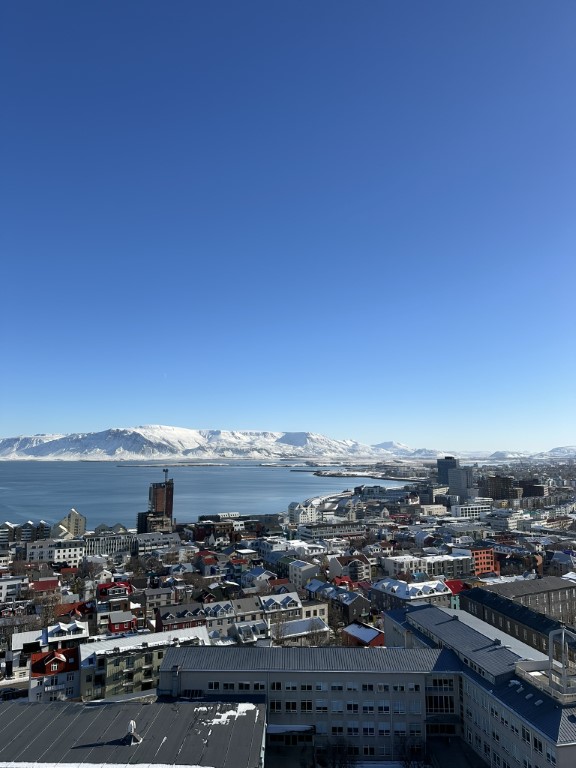
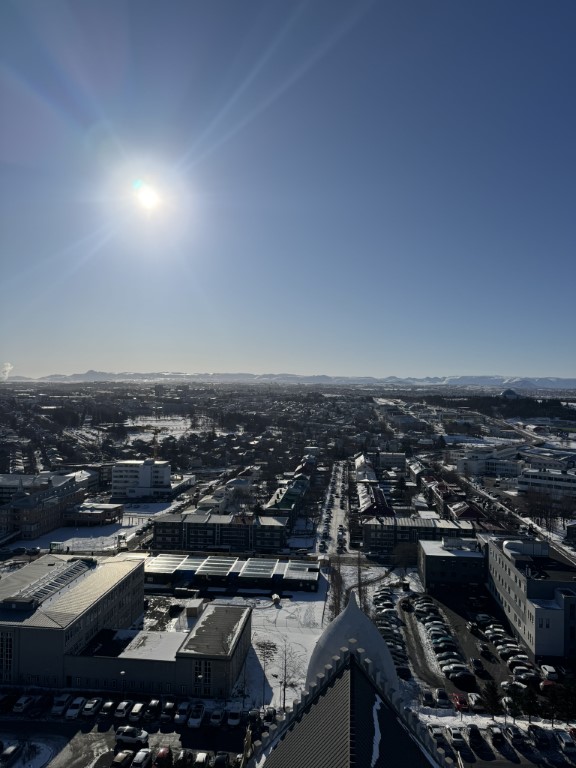
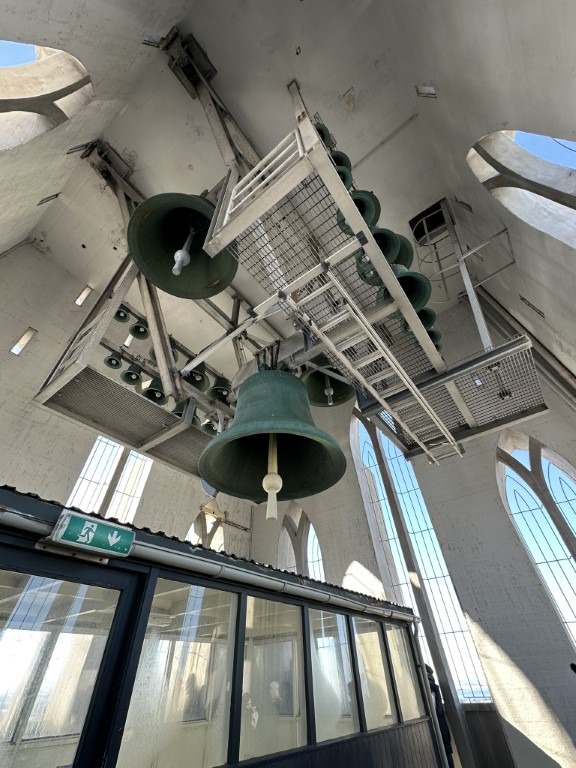
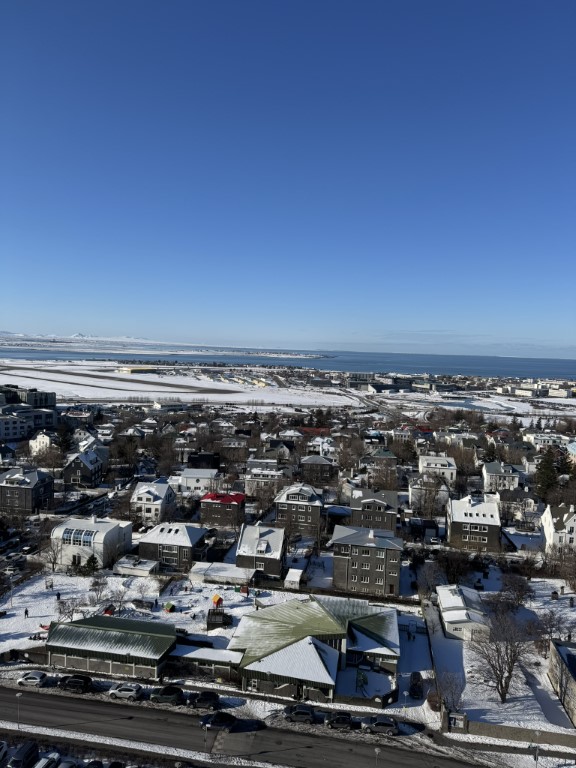
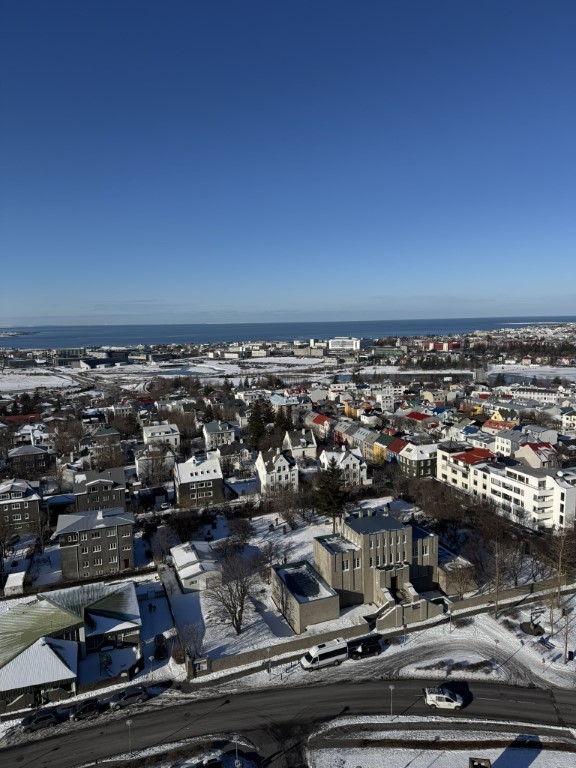
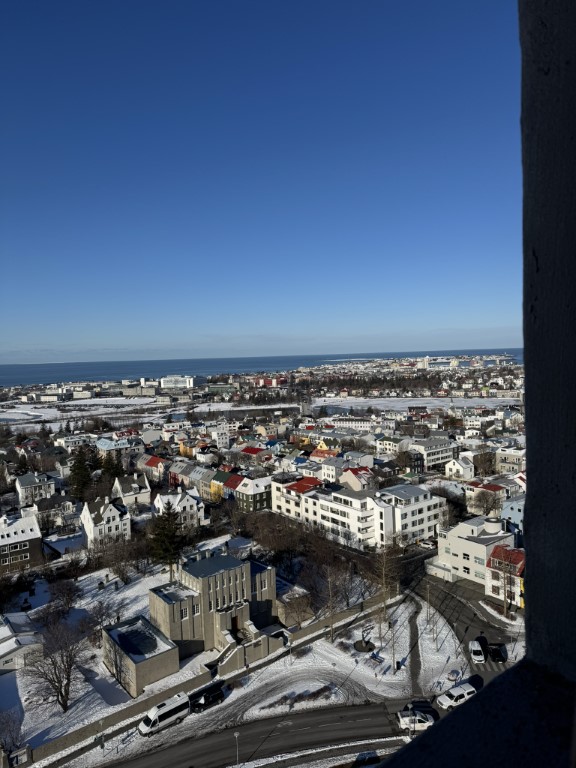
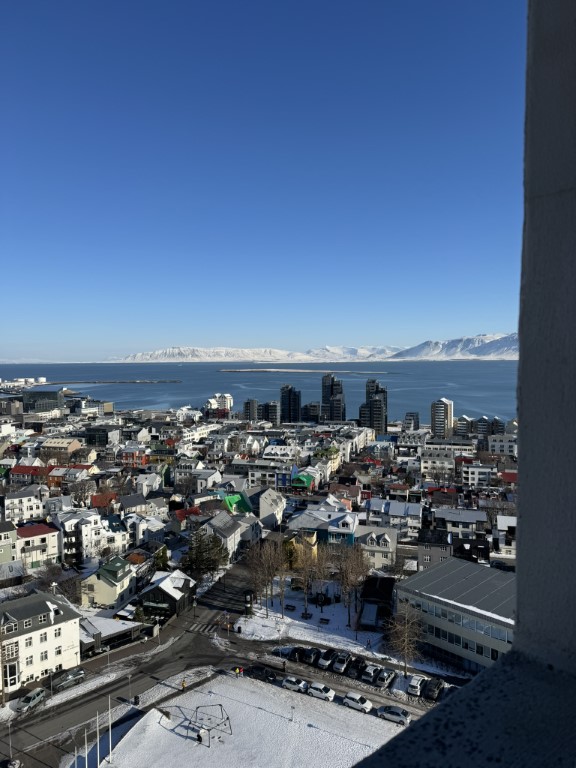
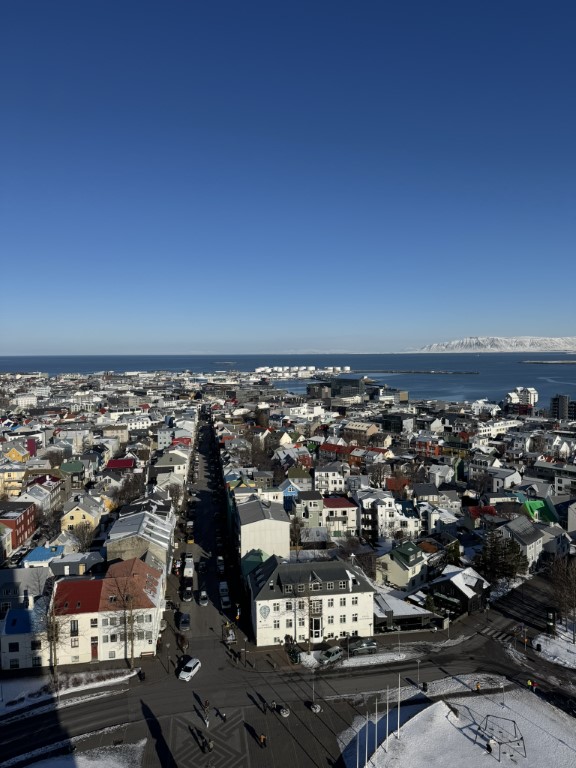
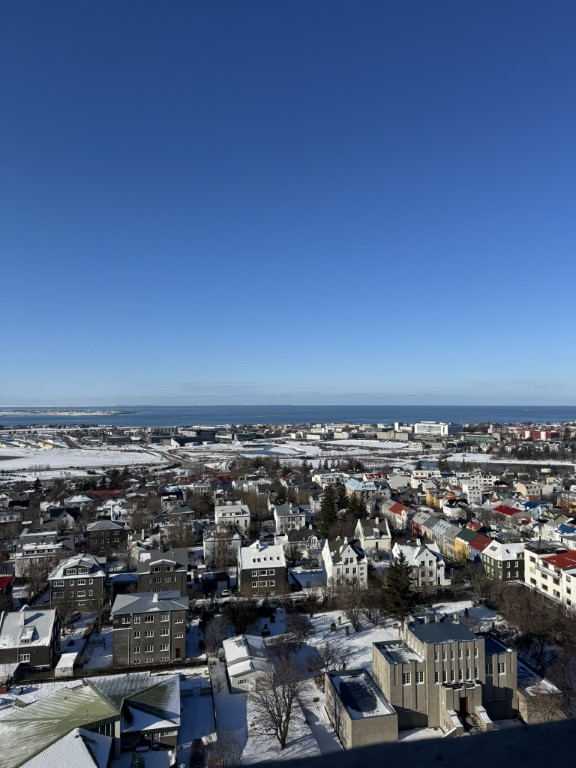
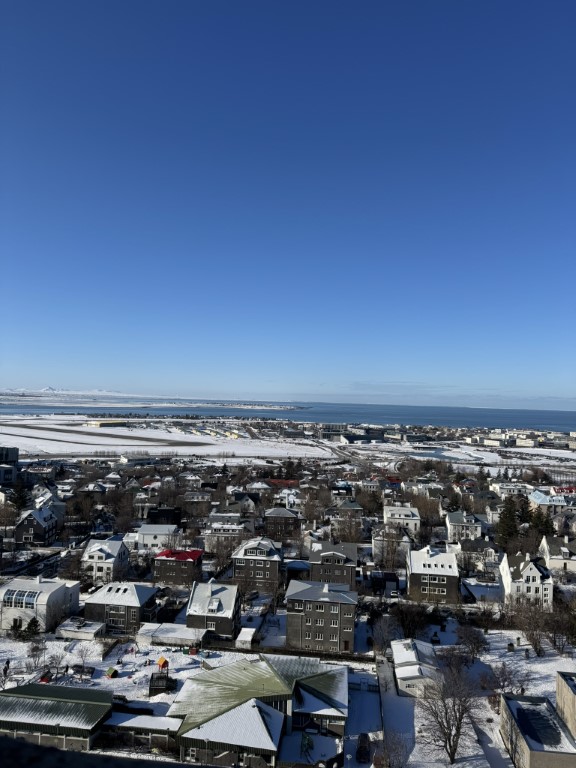
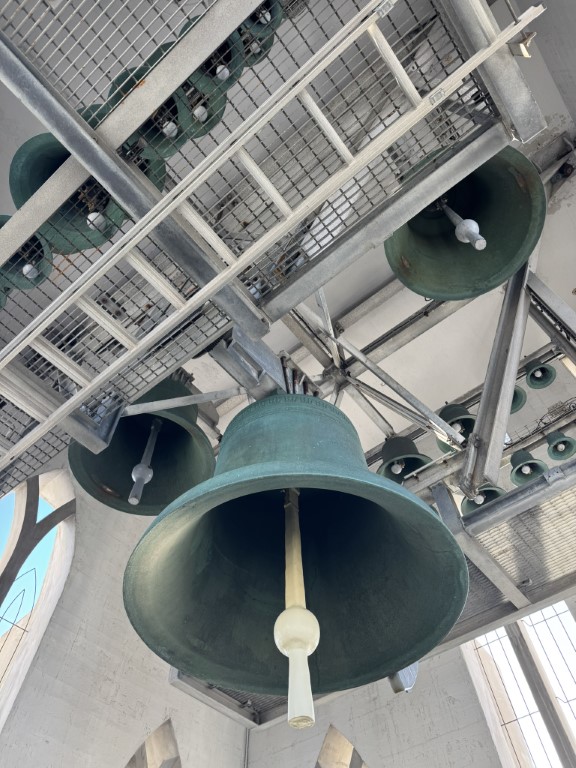
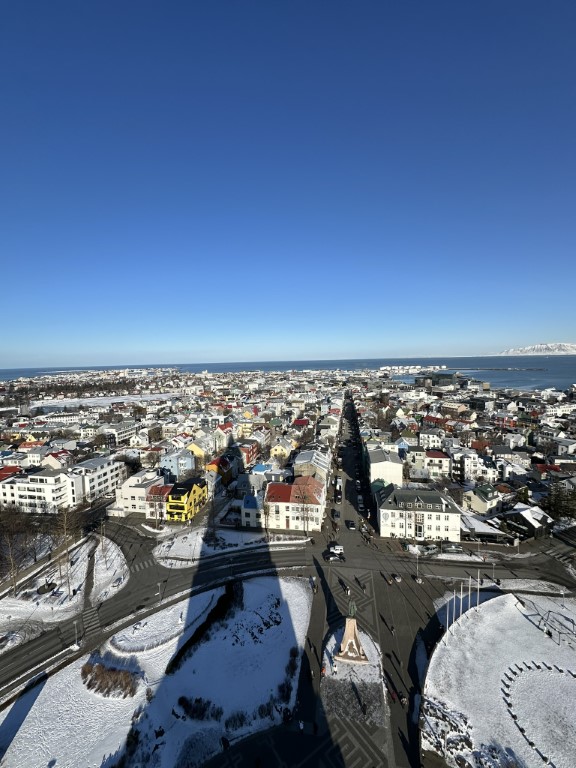
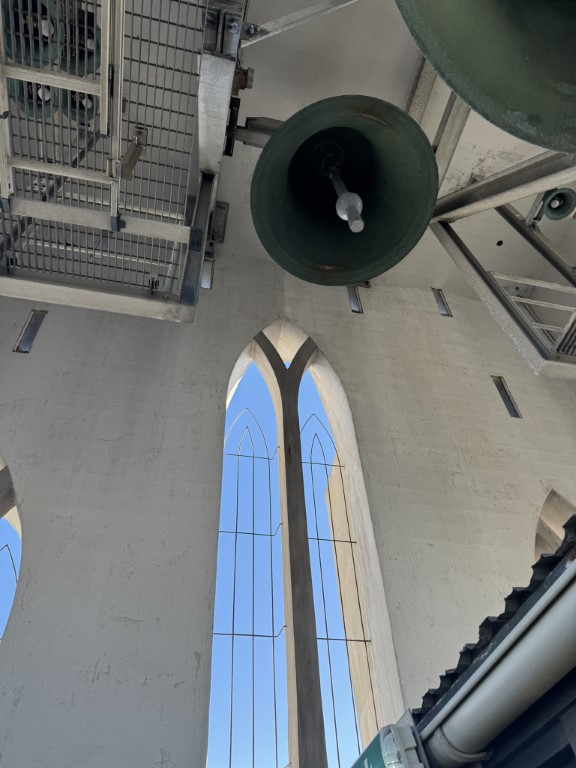
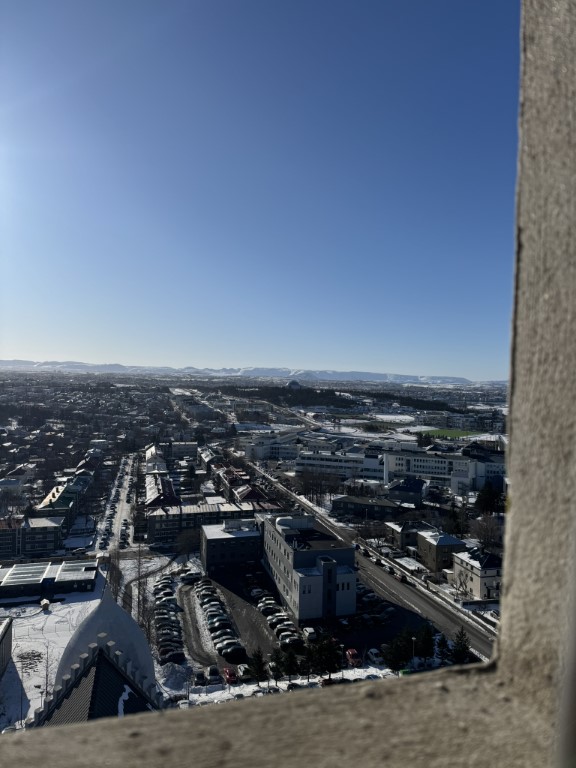
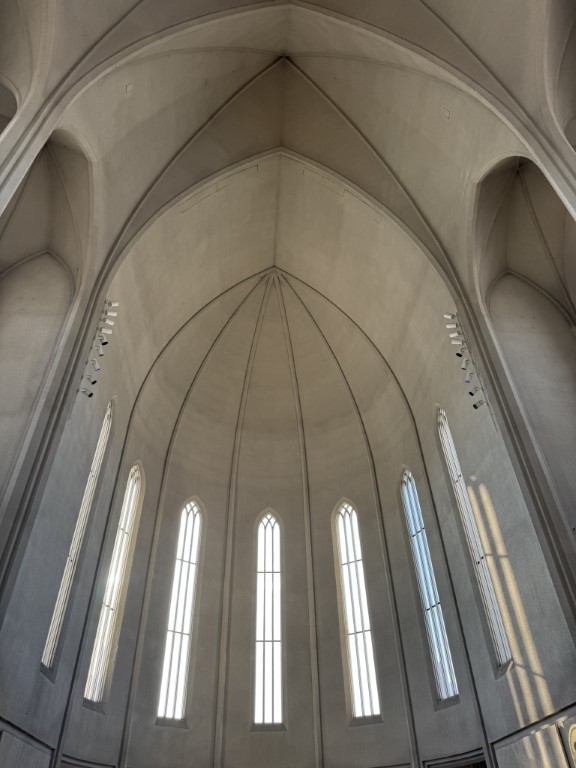
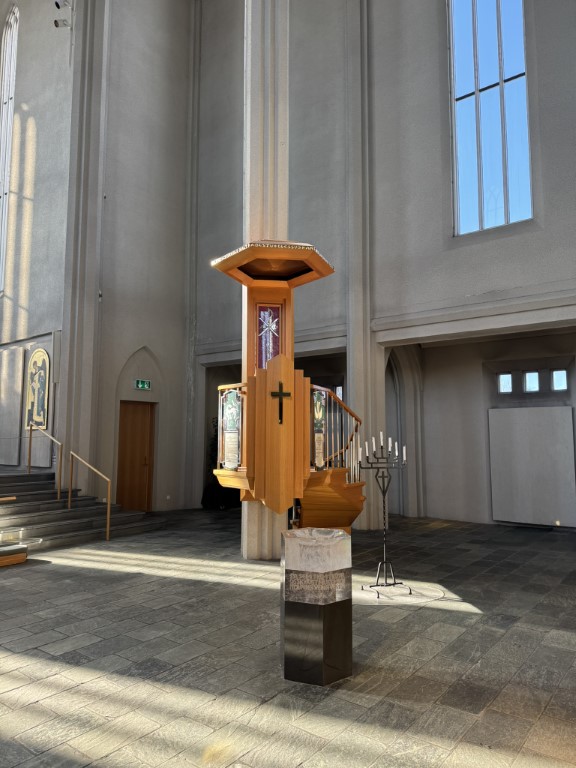
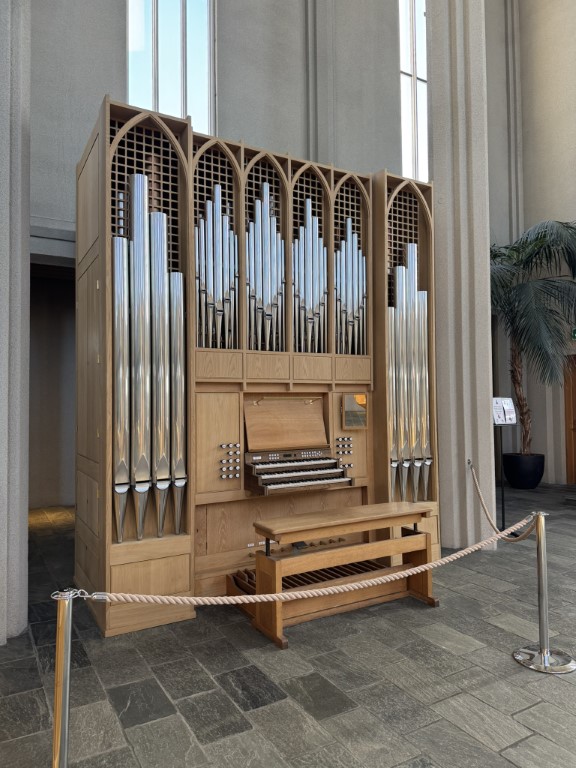
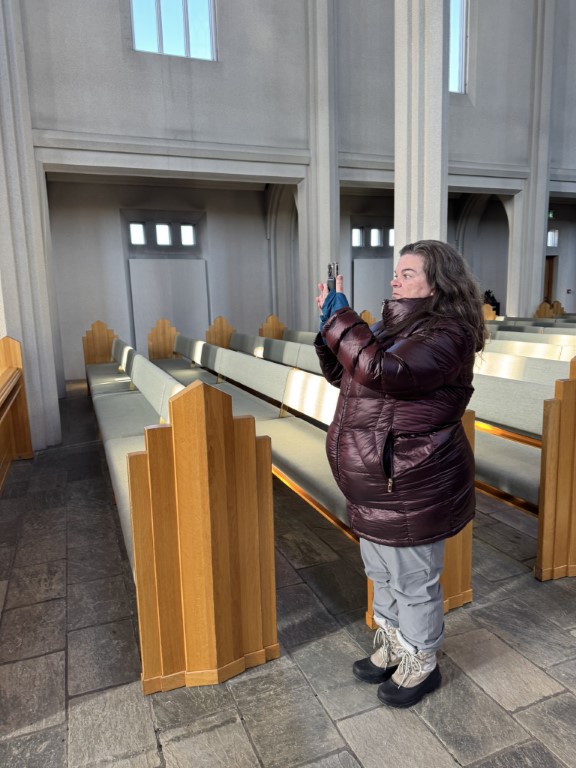
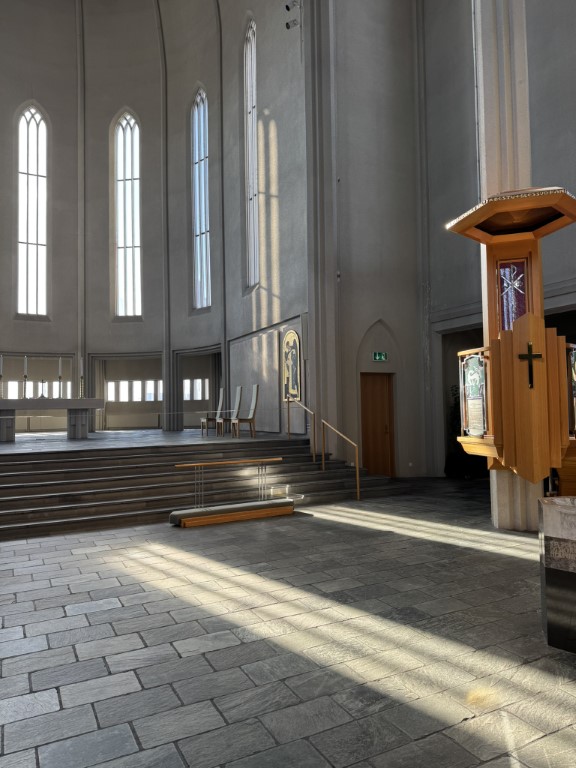
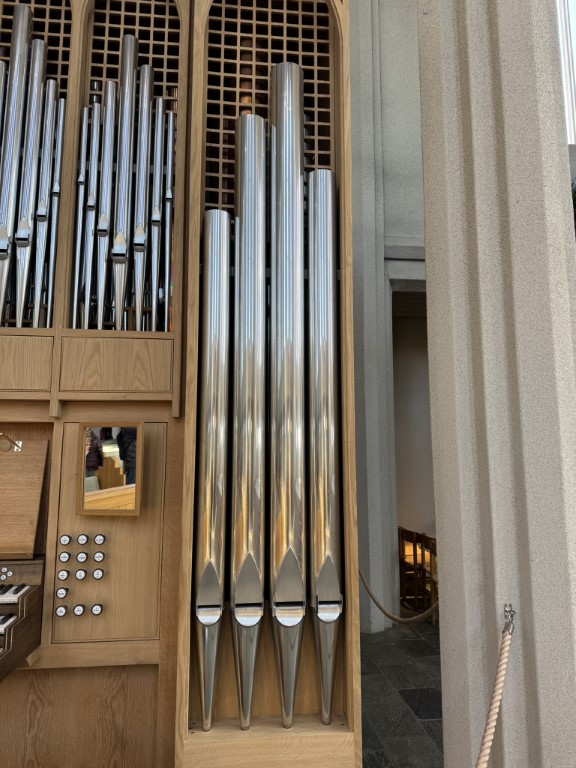
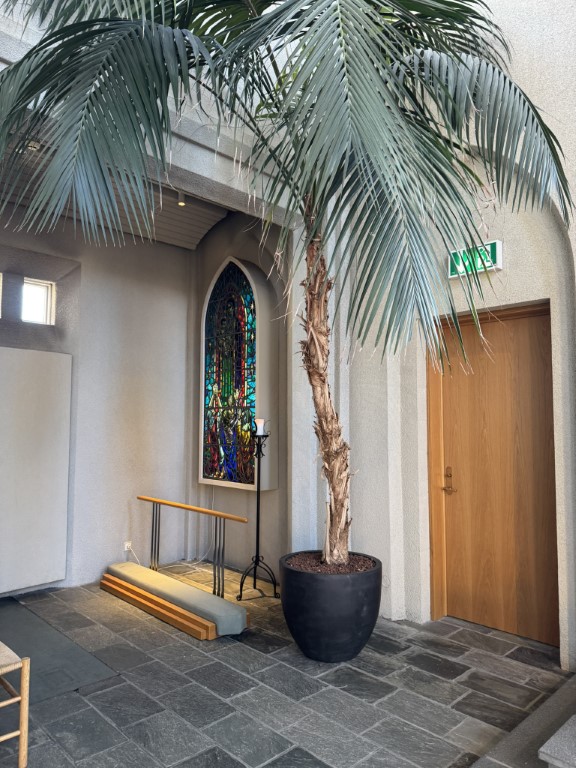
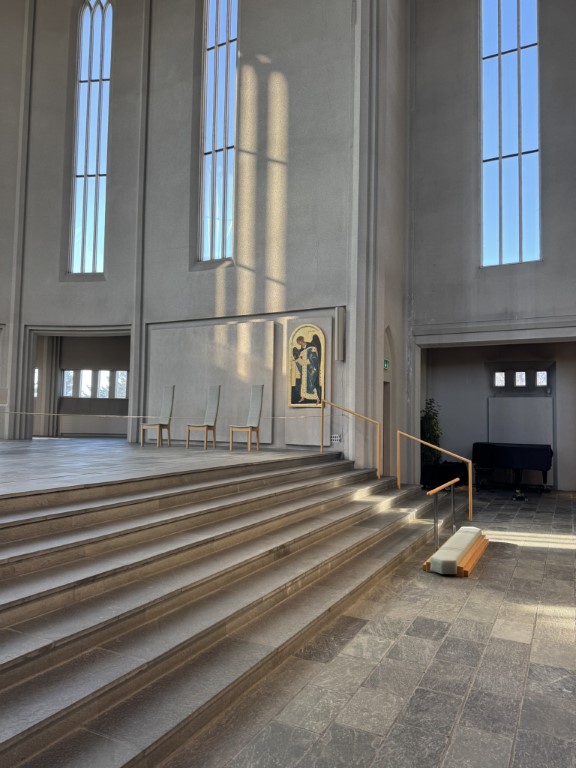
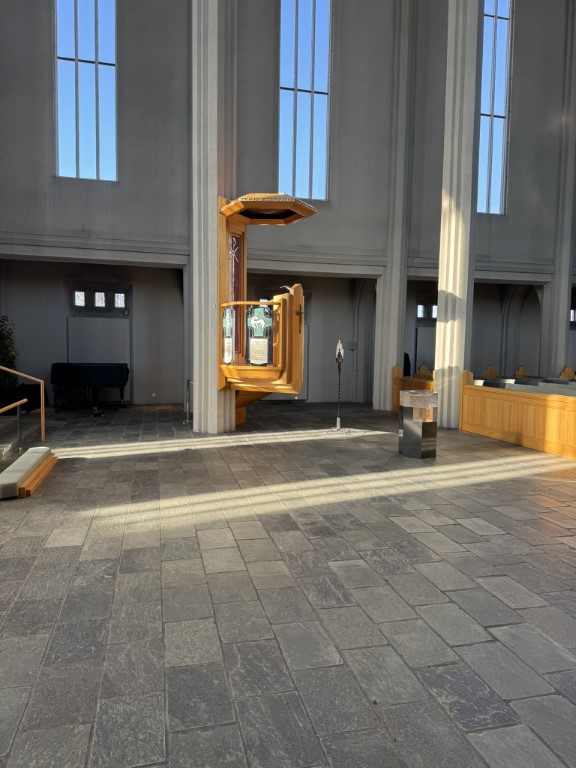
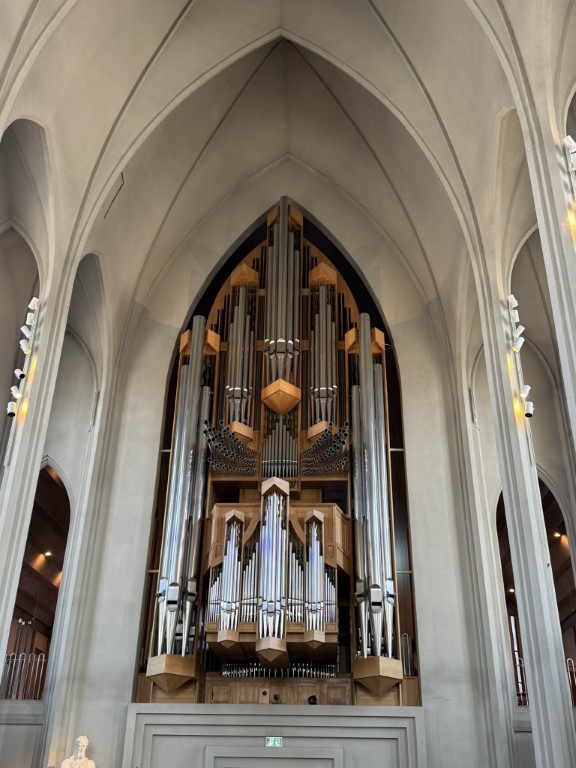
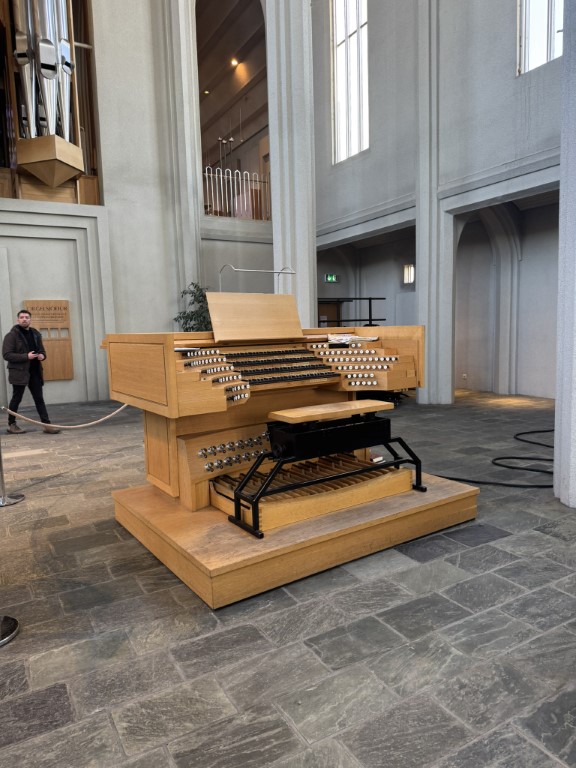
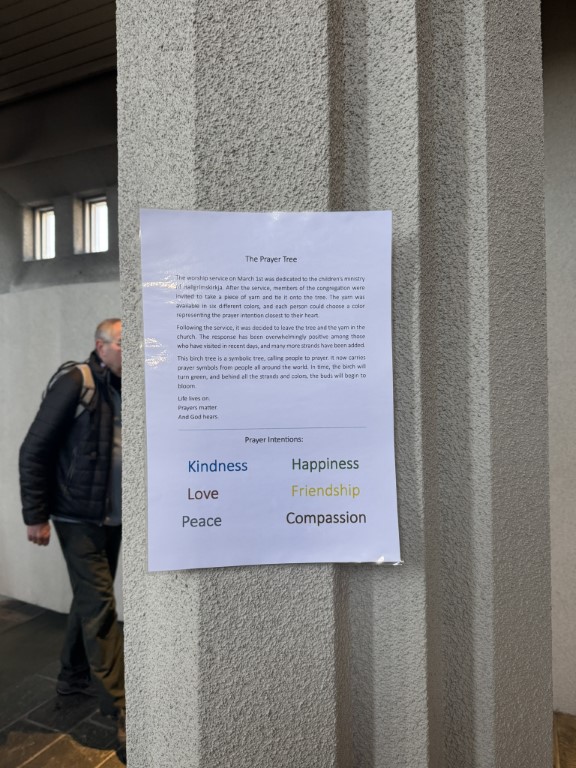
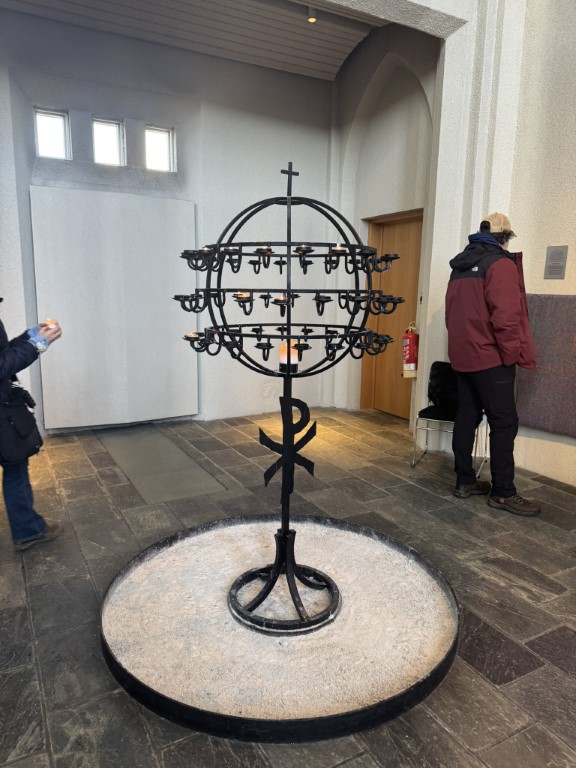
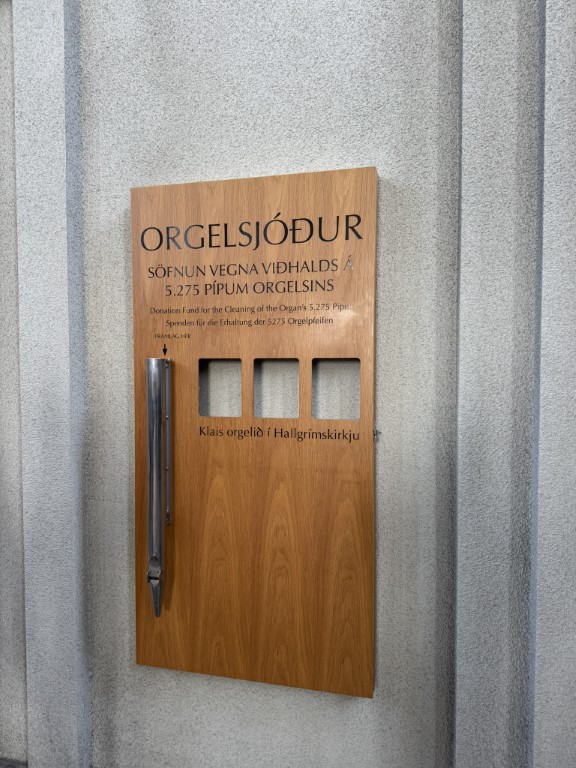
After a short wait, we entered the sanctuary. In Lutheran tradition, the interior is bright and airy, with high ceilings and minimal decor. Natural light filters through tall narrow windows and the altar is simple. But while the decor may be simple, the pipe organ is magnificent. Installed in 1992, it is the largest in Iceland with 102 ranks and 5200 pipes. As we prepared to leave, the church organist arrived and began playing the incredible instrument which filled the sanctuary with sound.
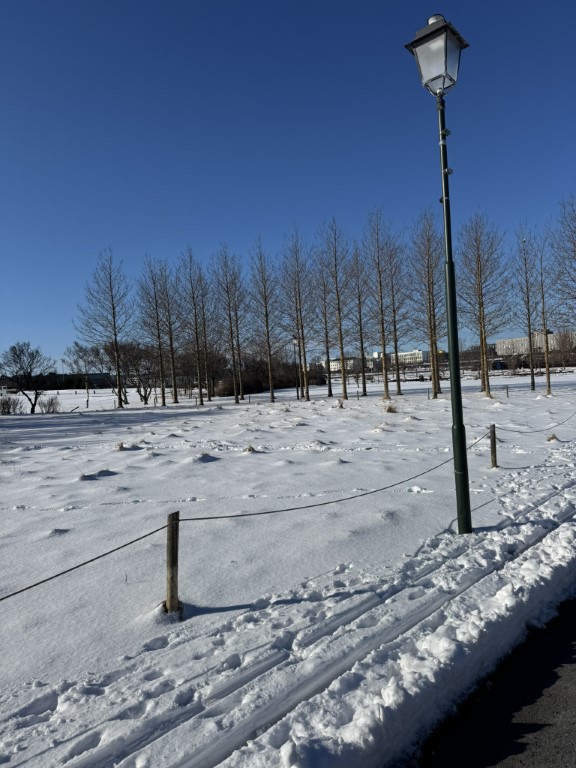
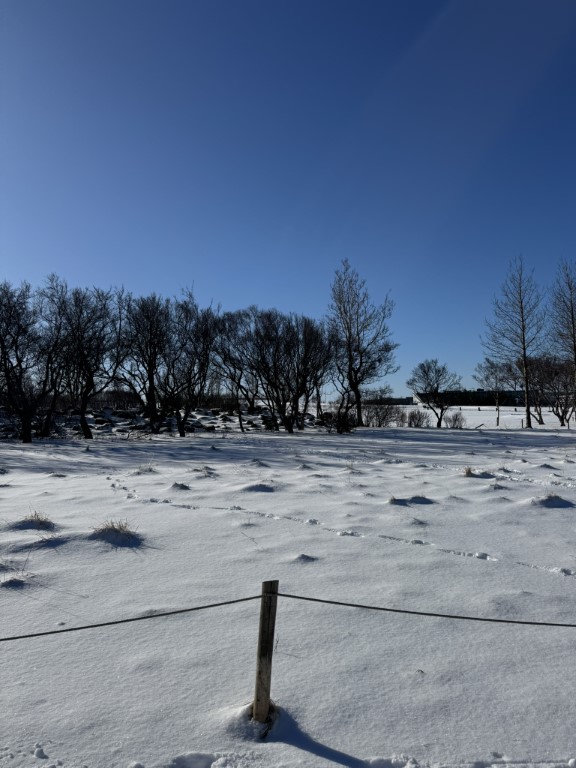
After the church, we walked to the large body of water come in central downtown. Lake Tjörnin was formed as far back as 800 AD when the water body became separated from the sea by a gravel barrier. Locks were later installed and by 1989, all sea water was prevented from entering the lake, turning it into a freshwater pond. Icelanders call it "the biggest bread soup in the world" because it is a popular location to feed the many birds that frequent the pond.
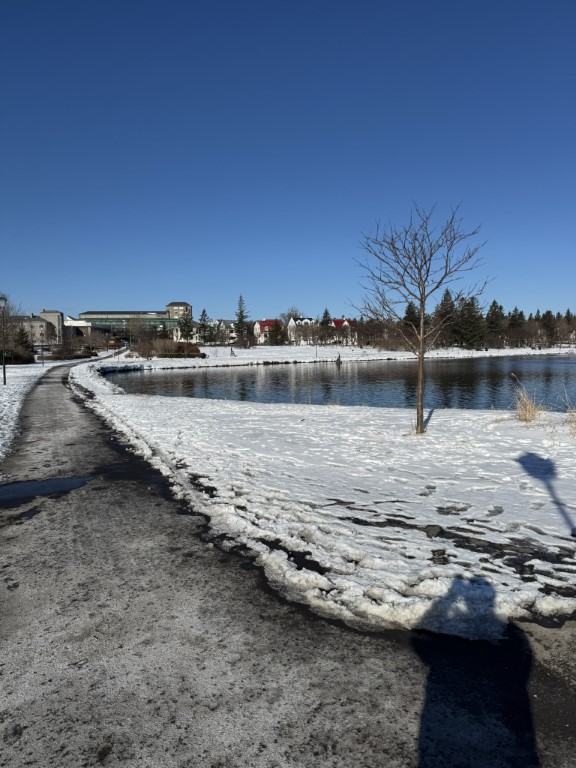
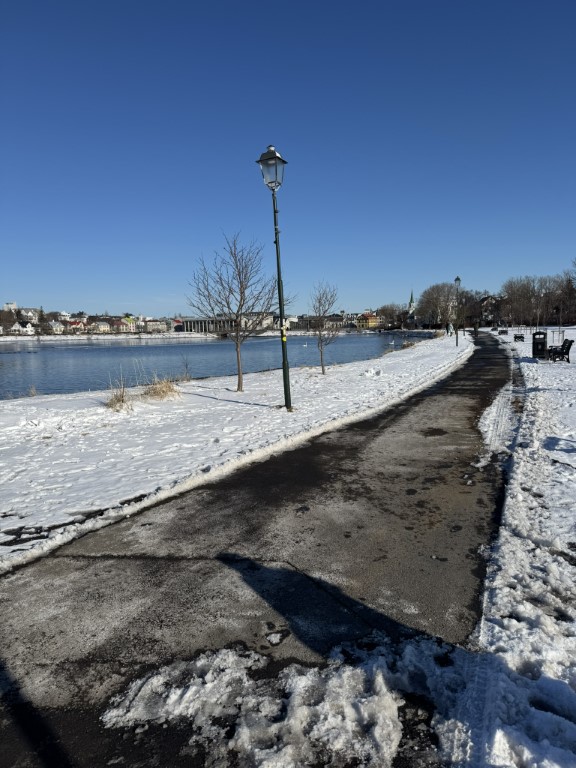
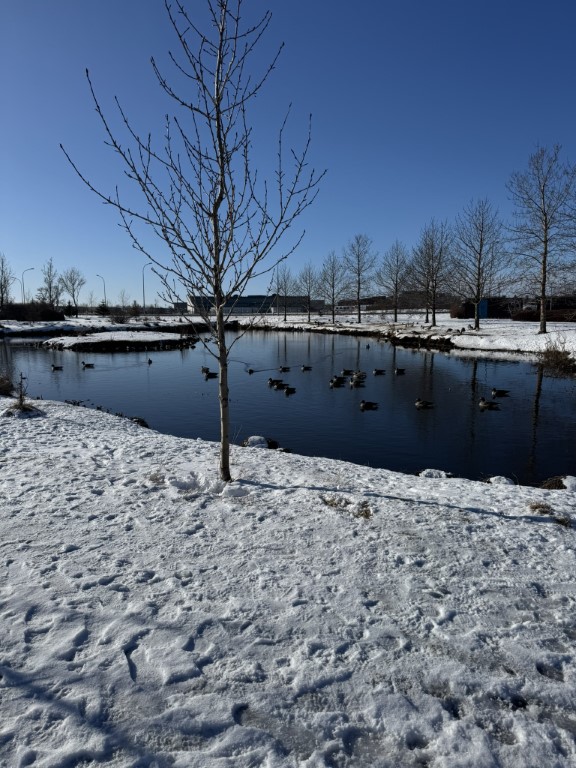
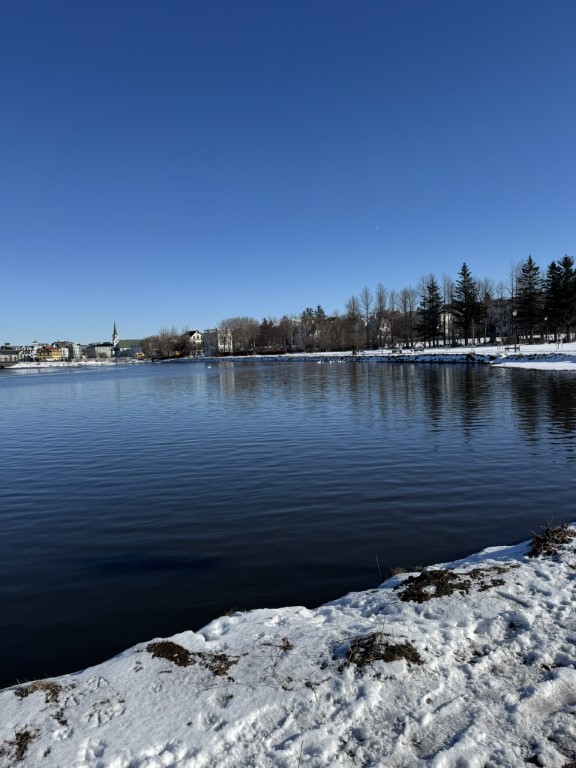
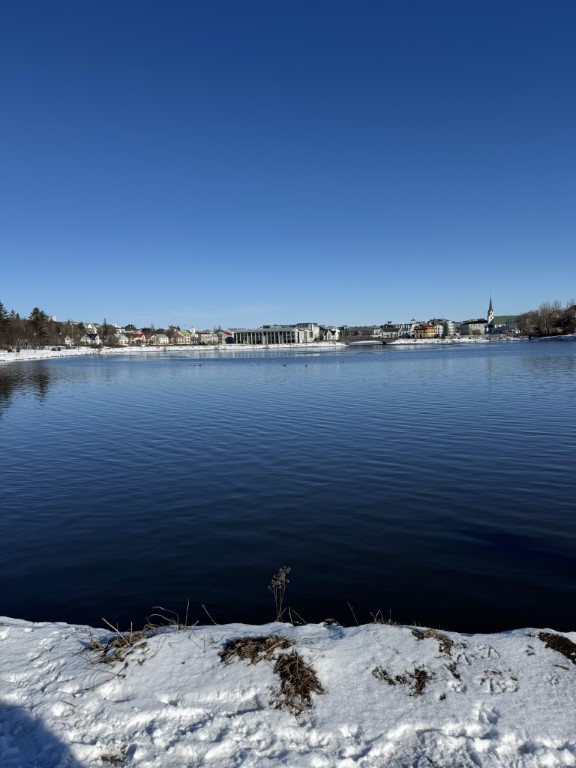
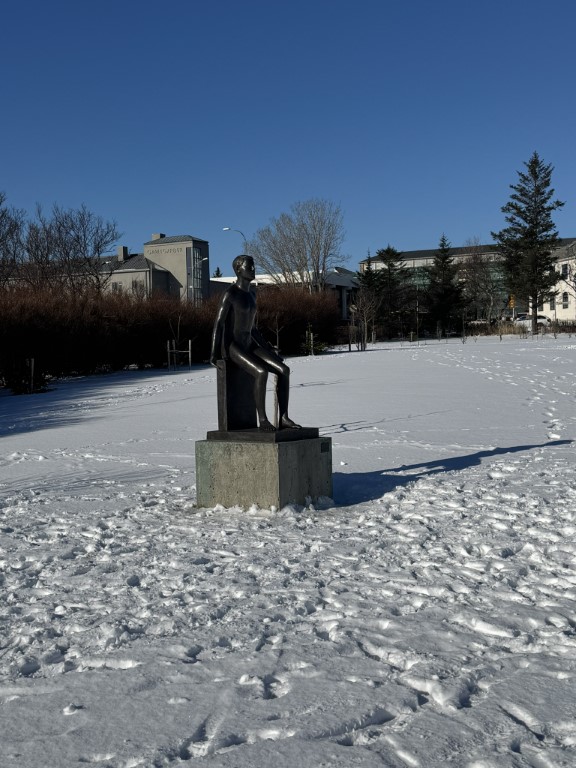
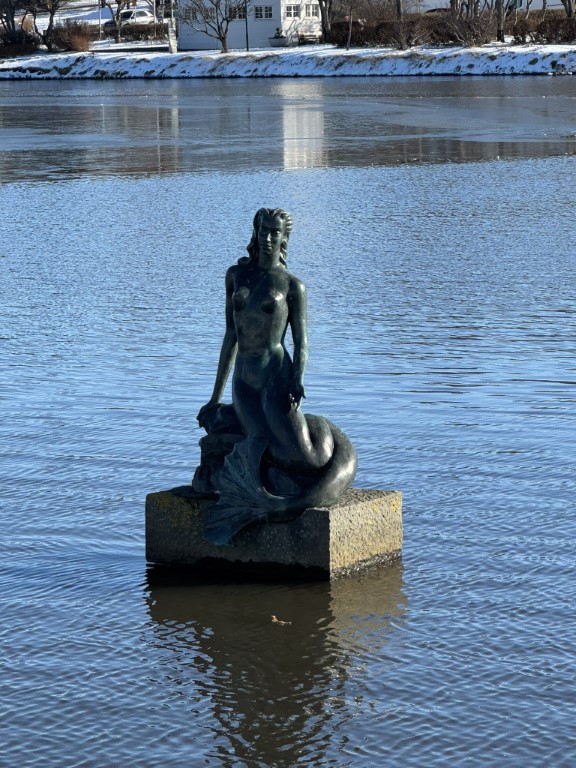
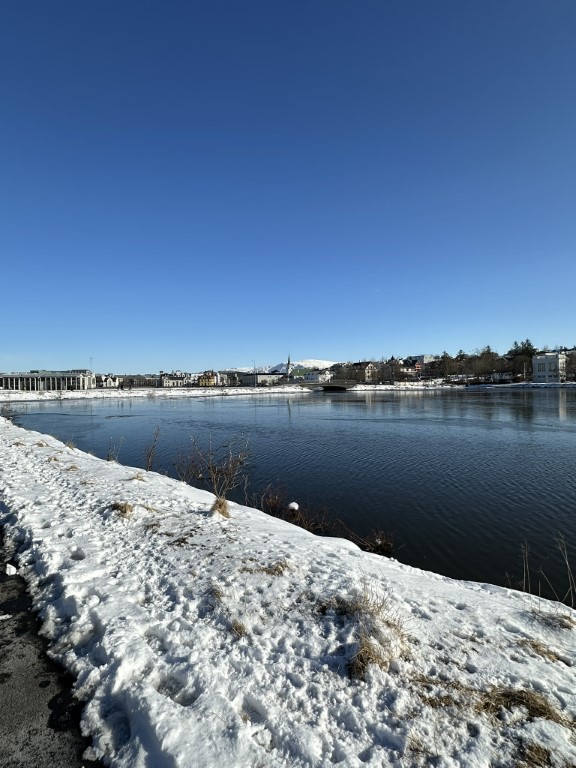
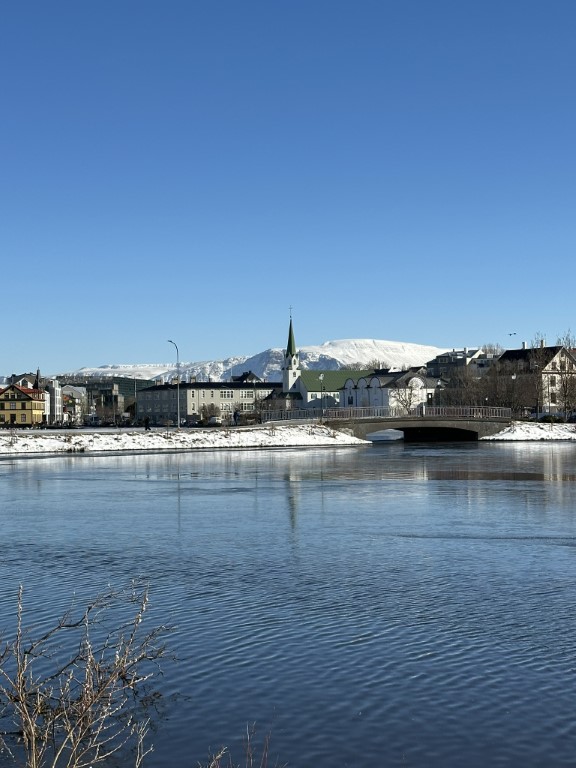
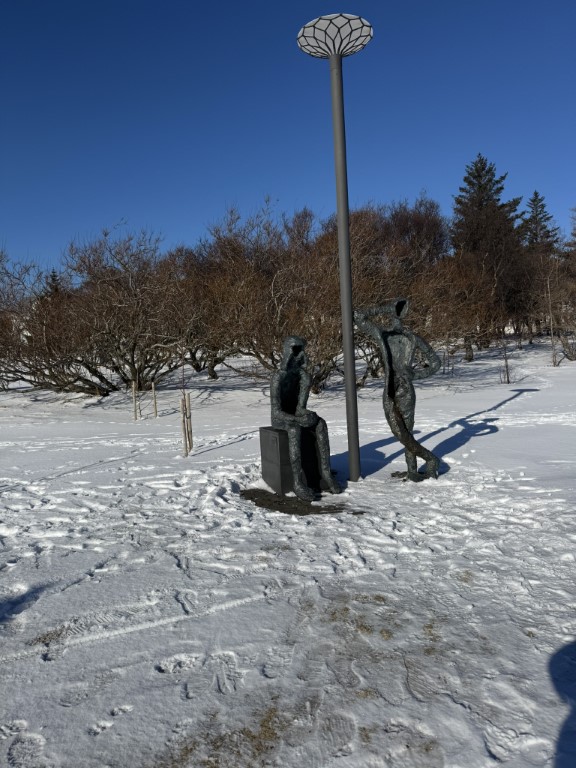
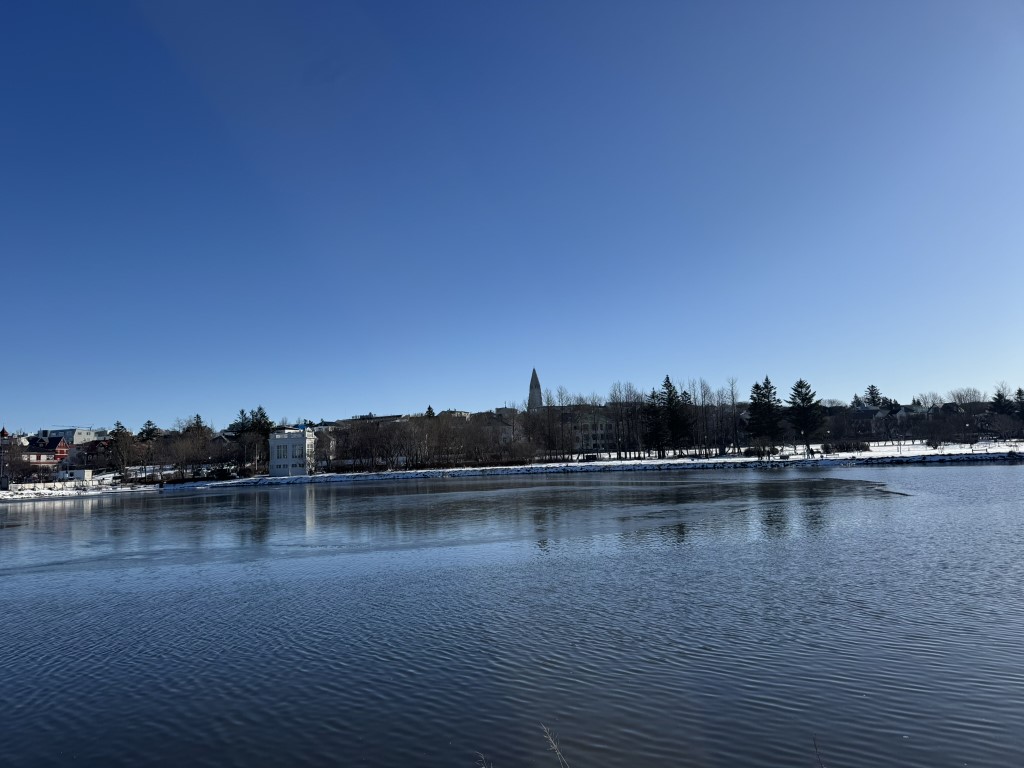
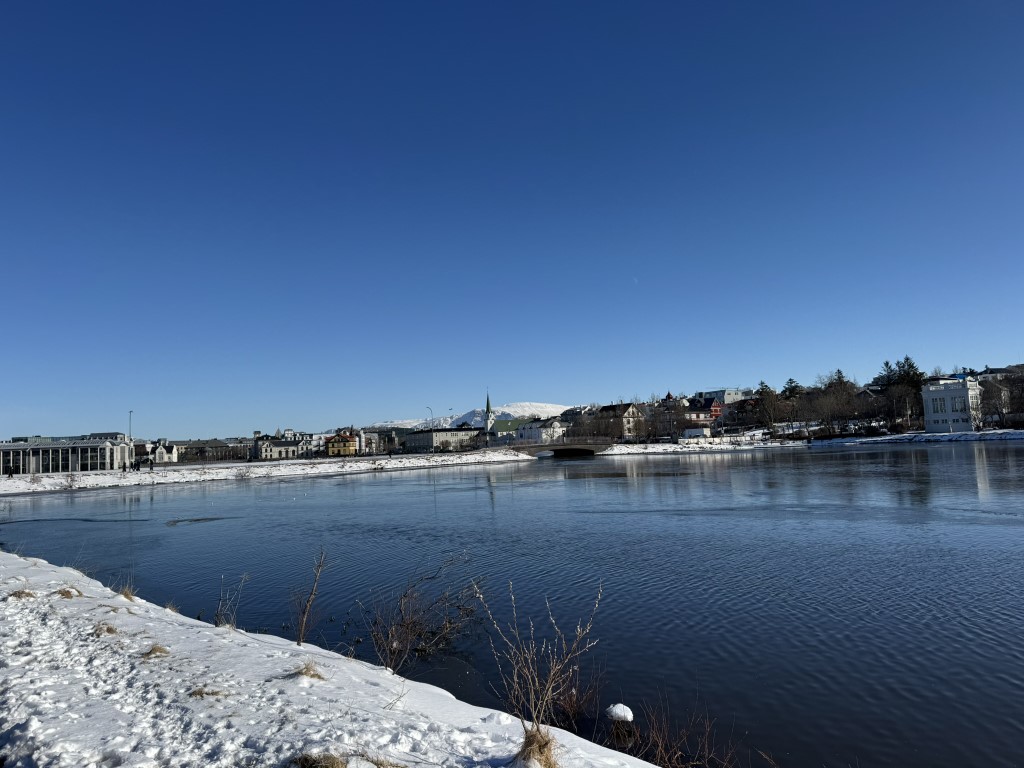
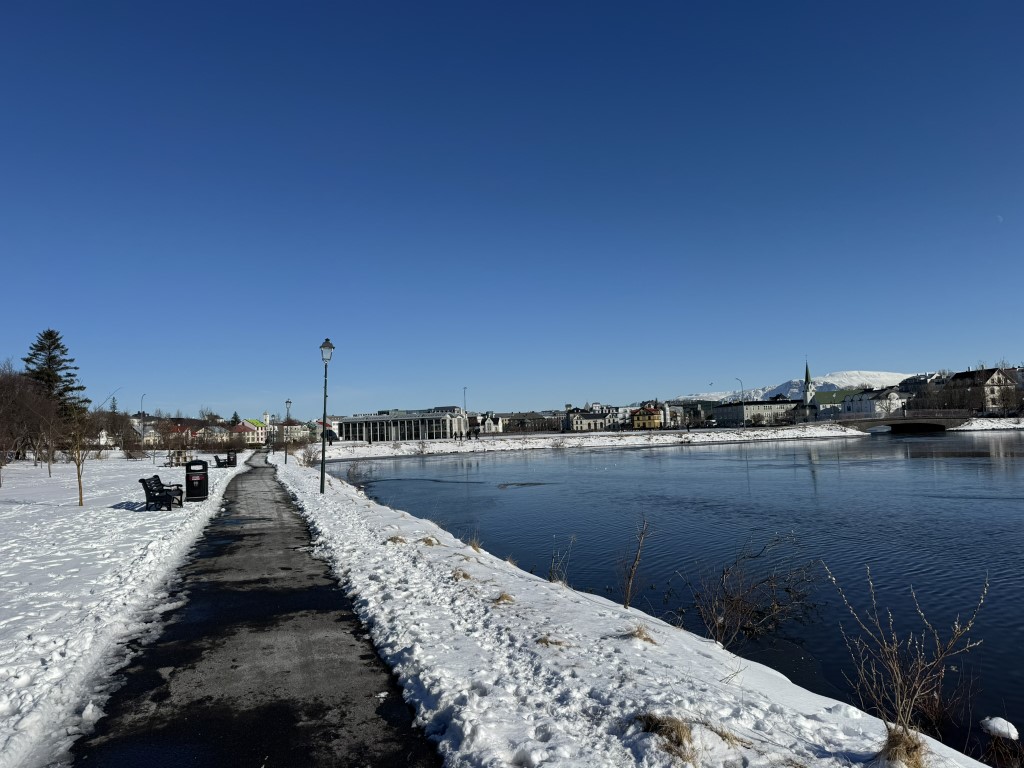
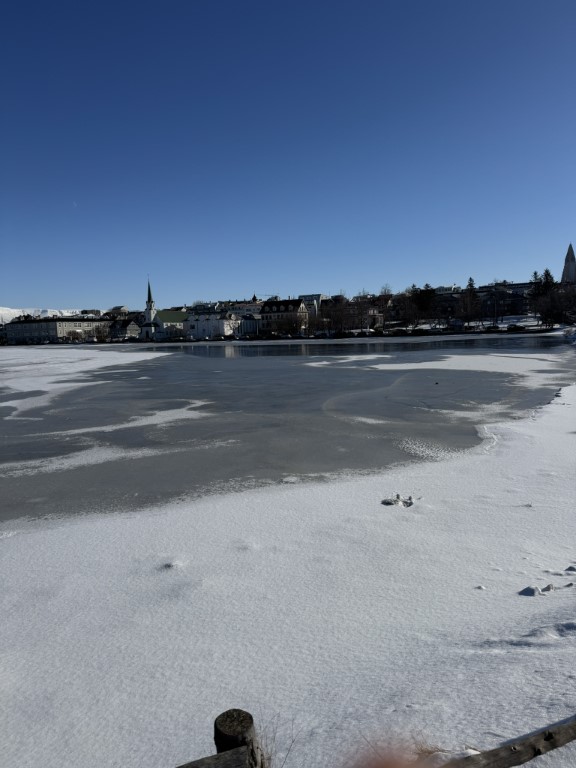
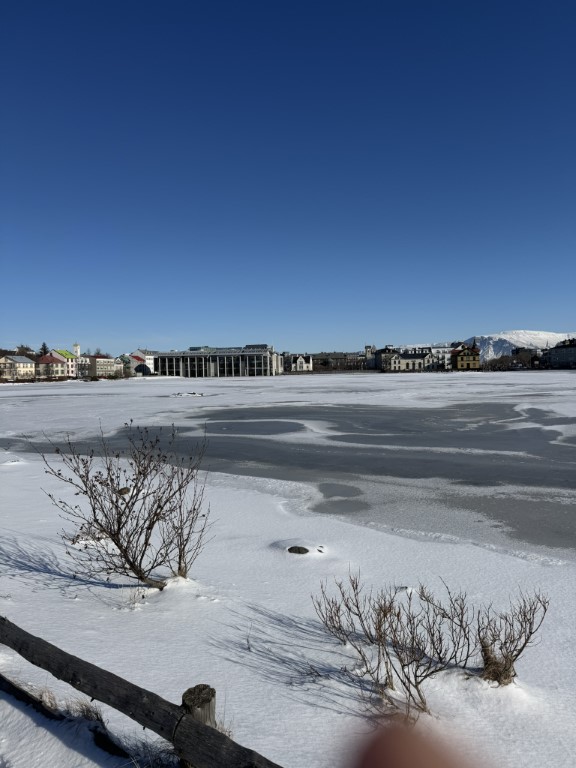
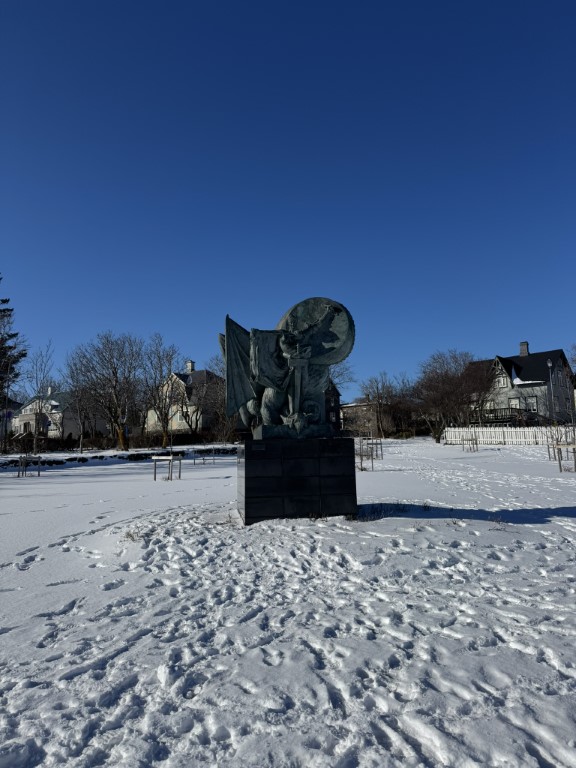
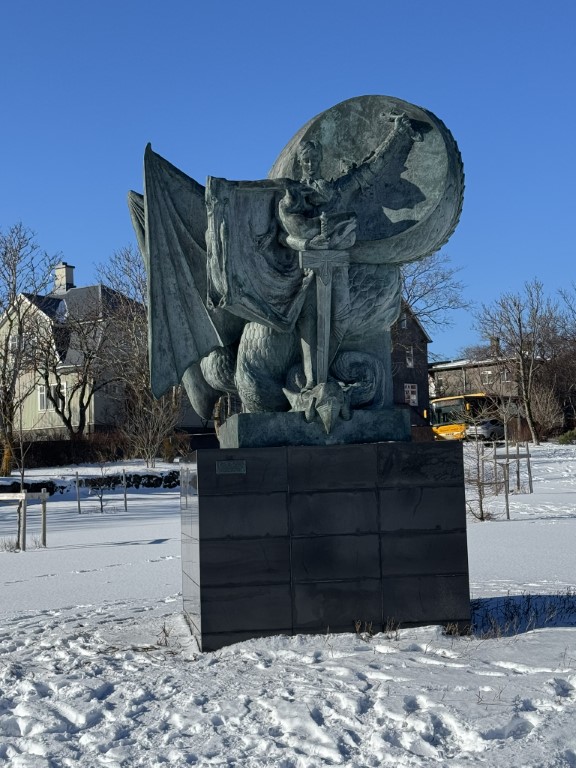
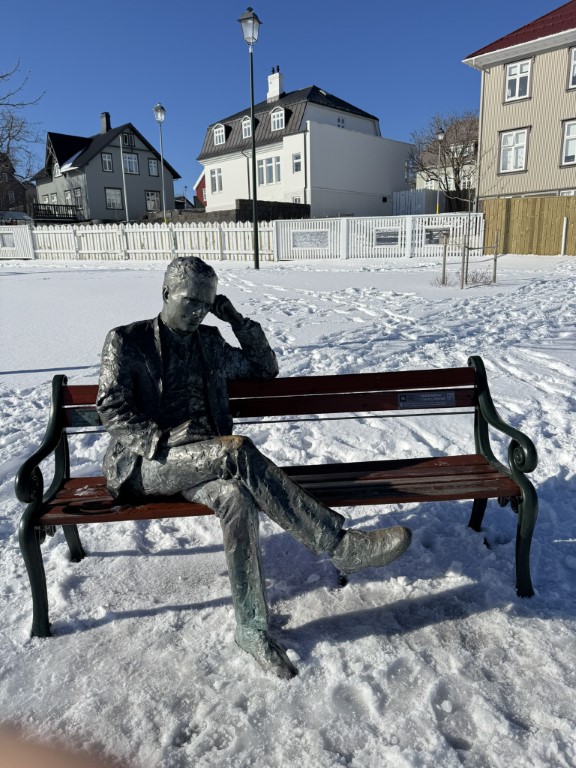
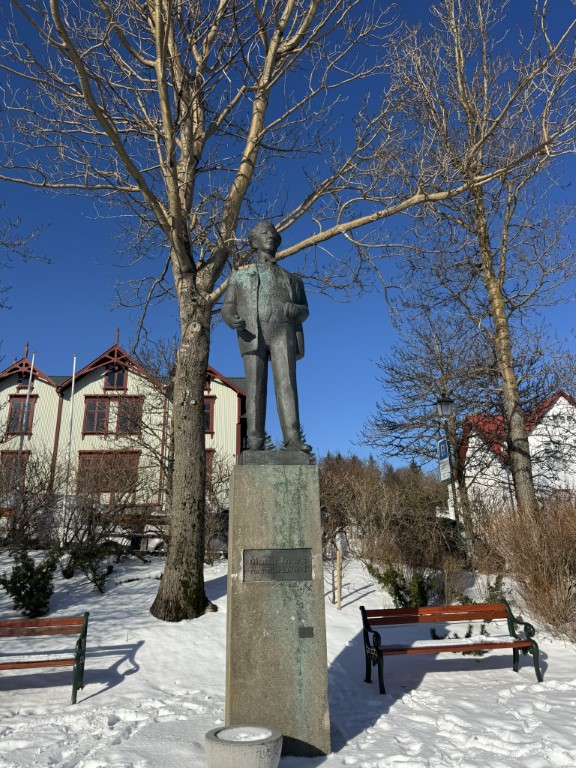
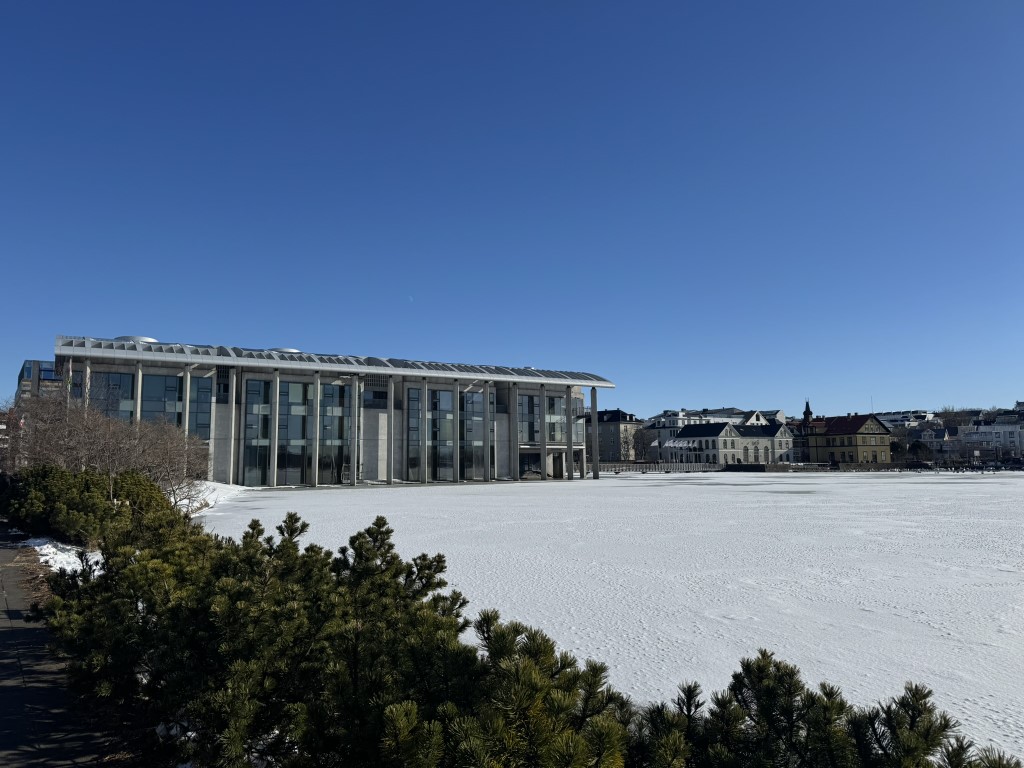
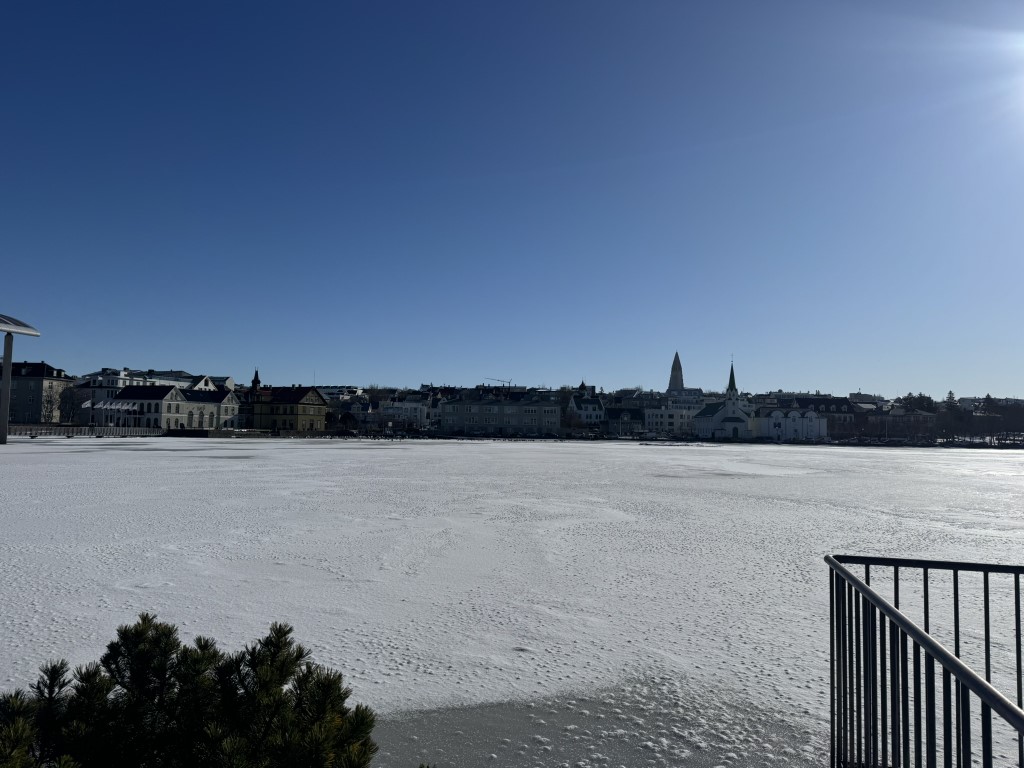
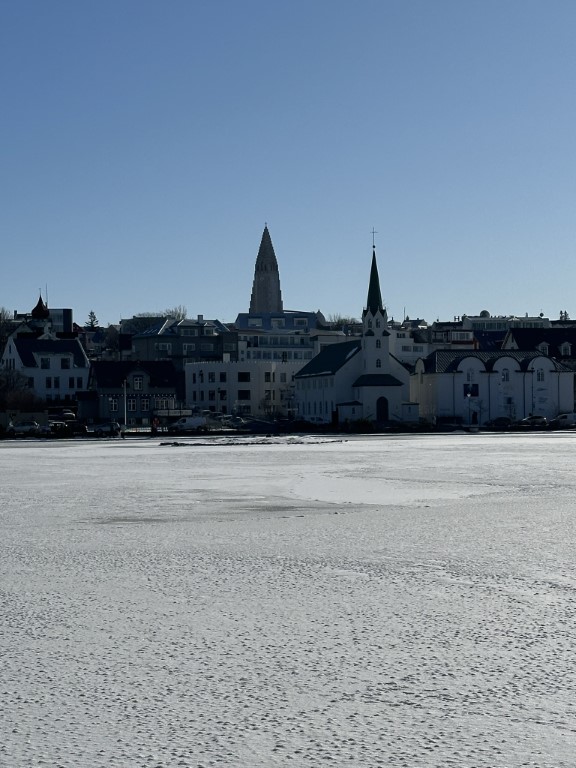
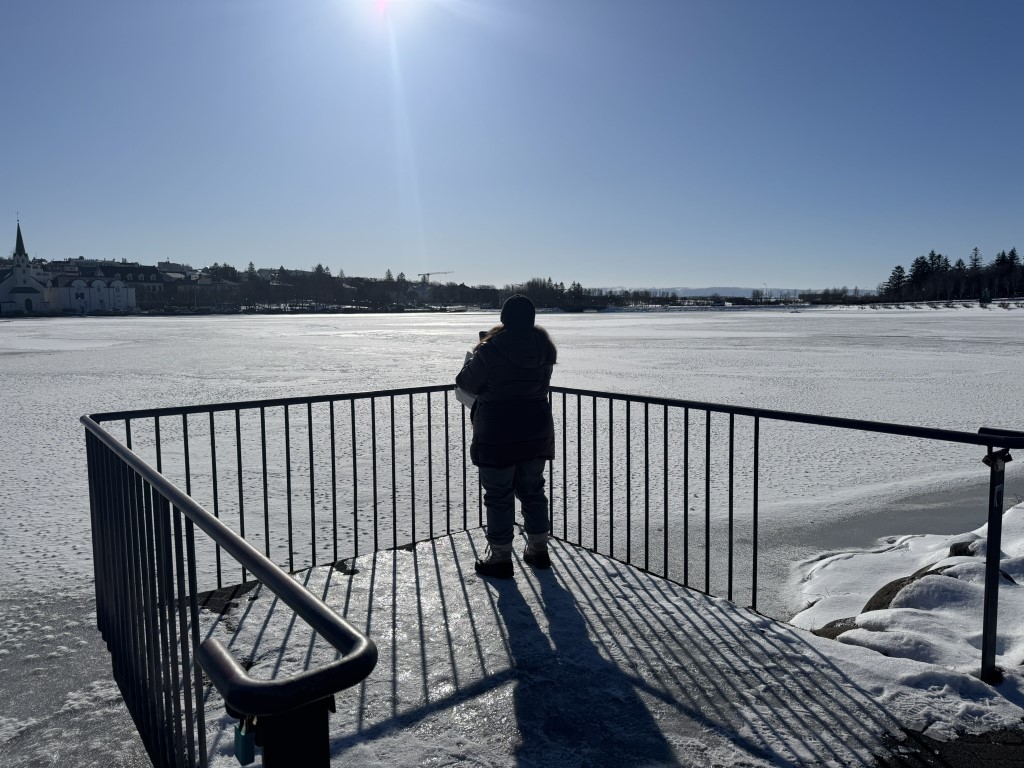
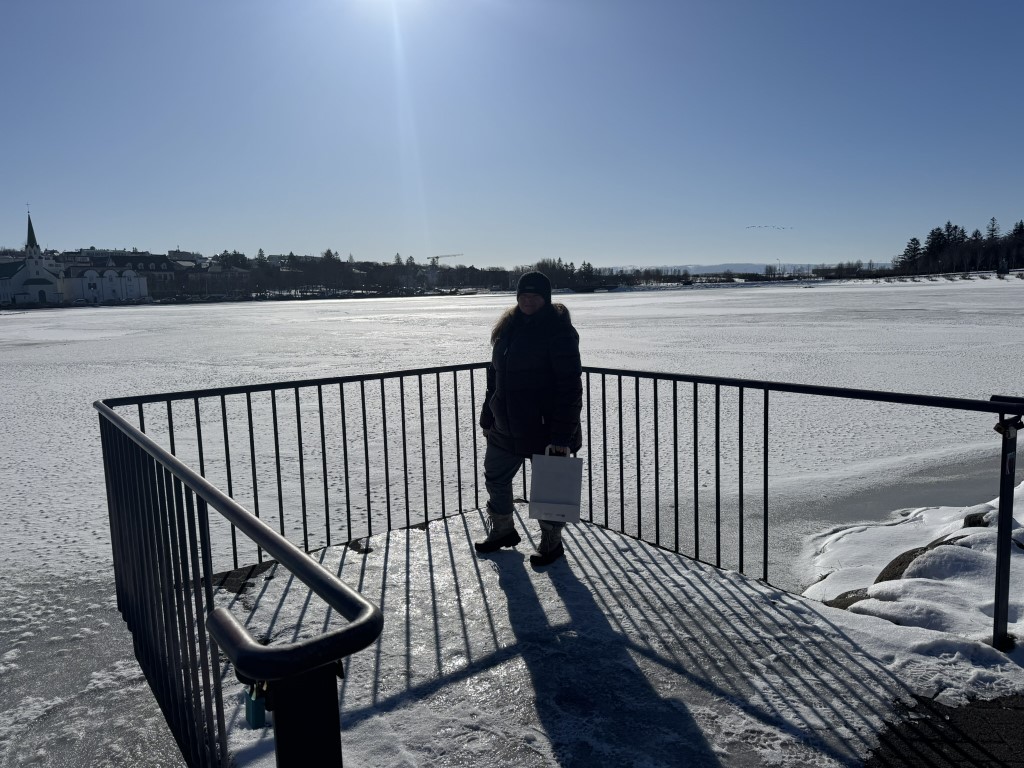
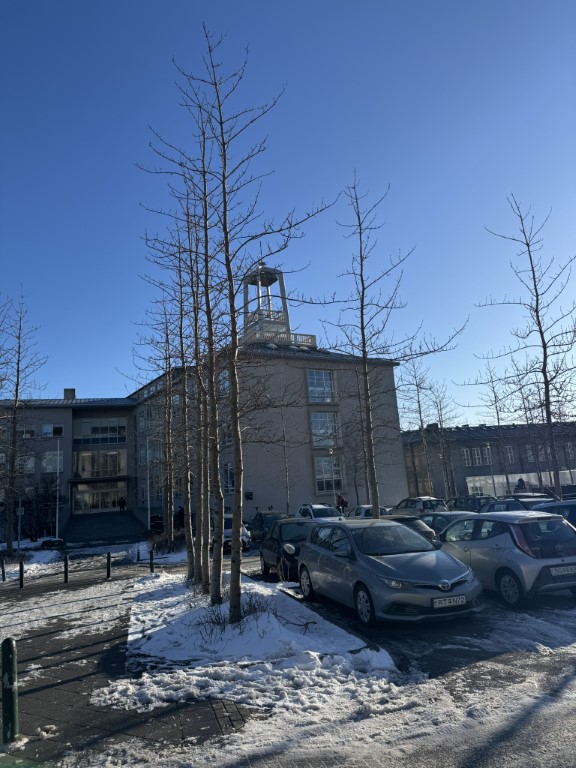
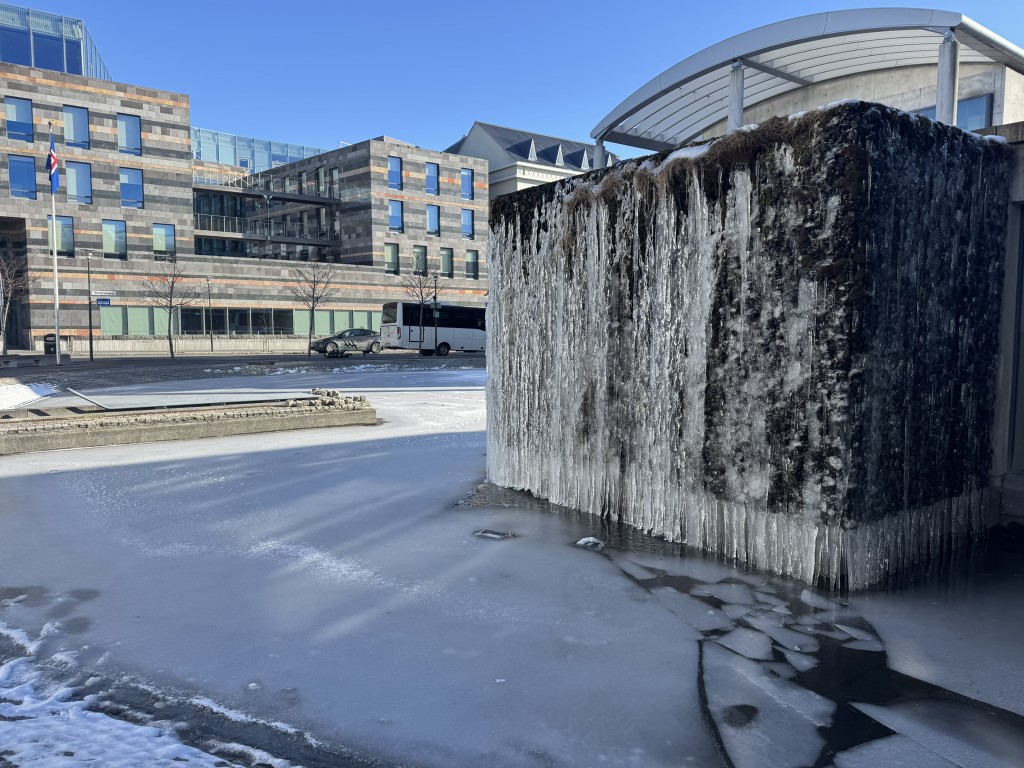
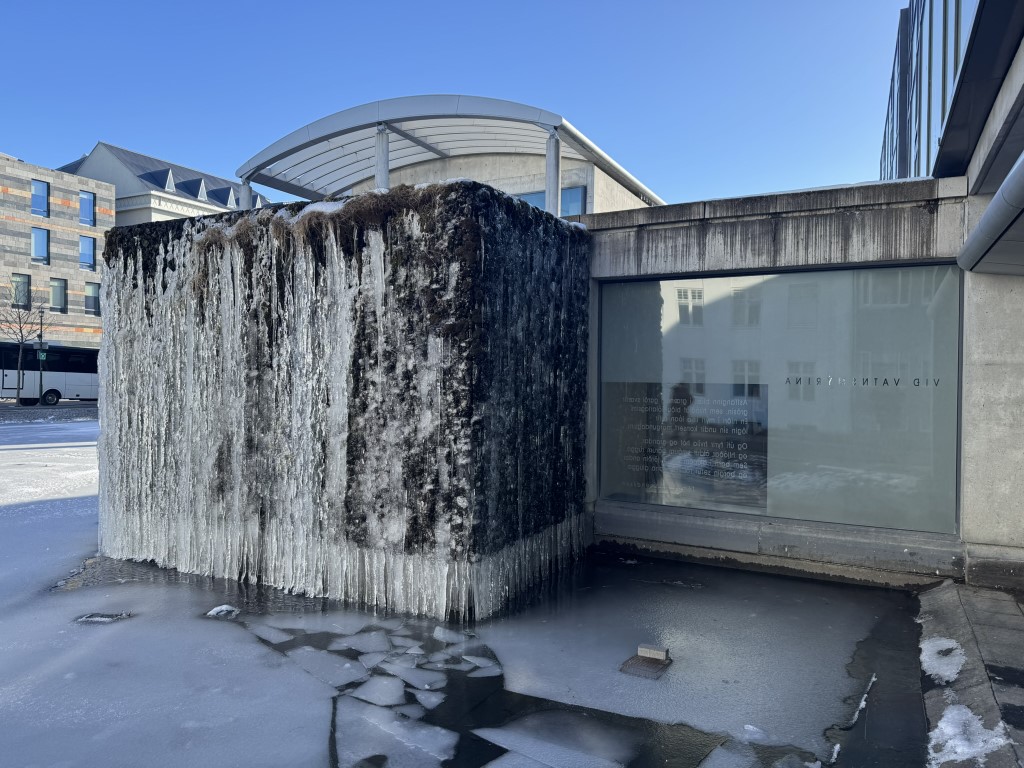
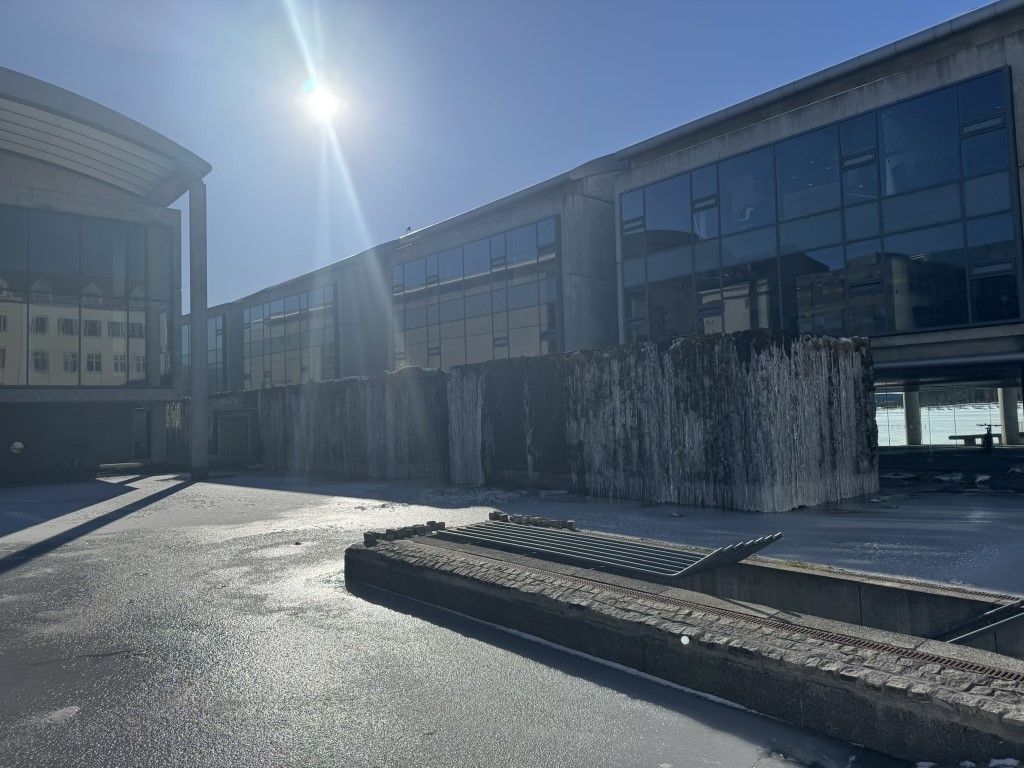
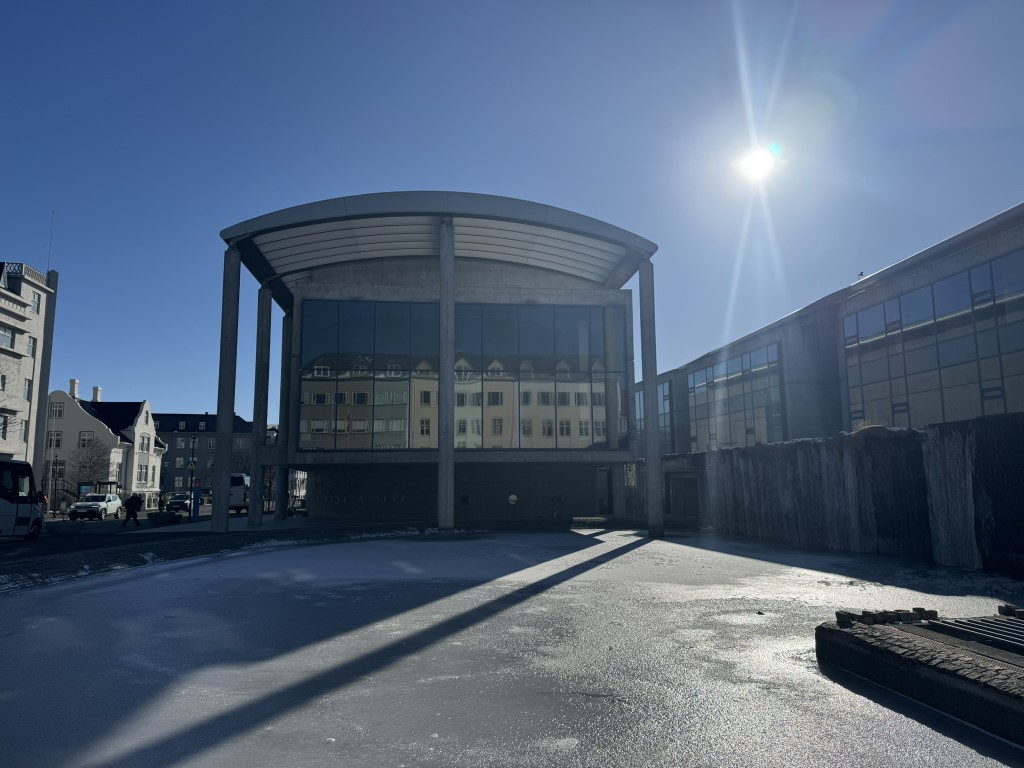
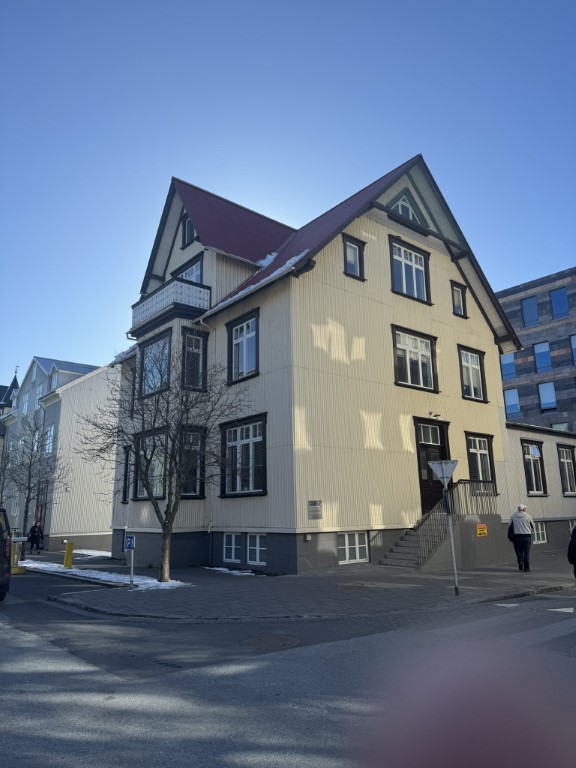
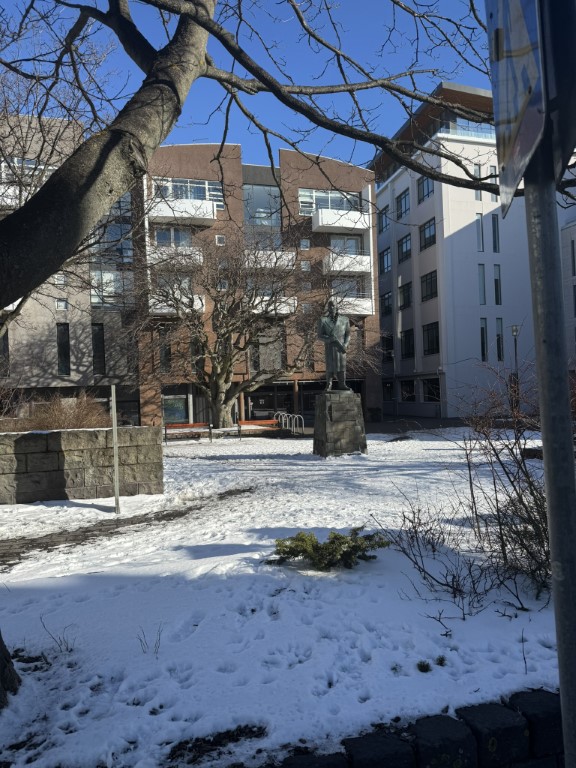
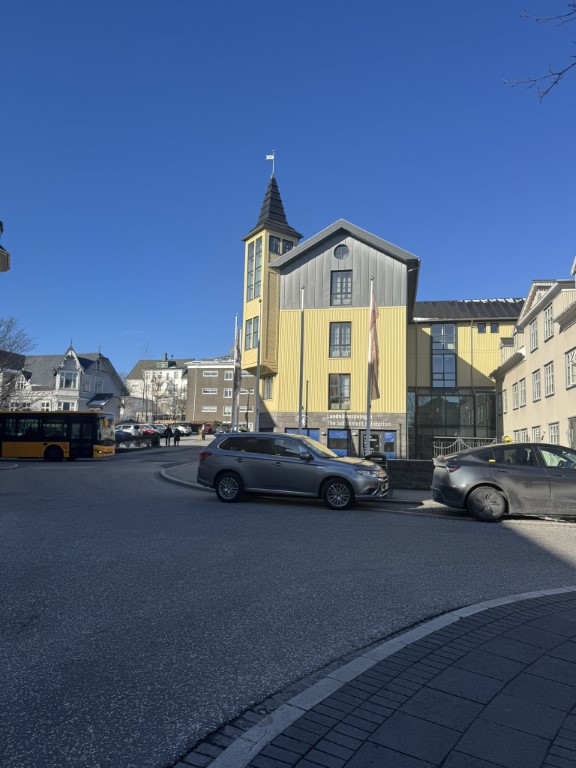
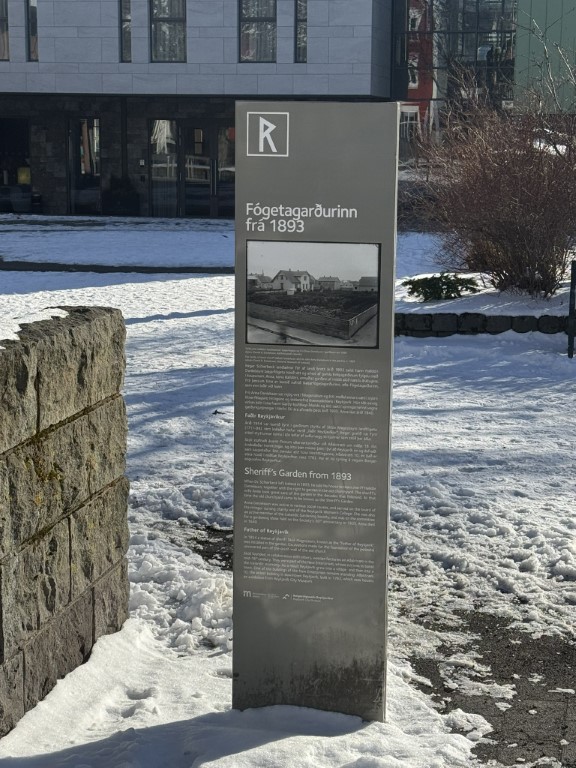
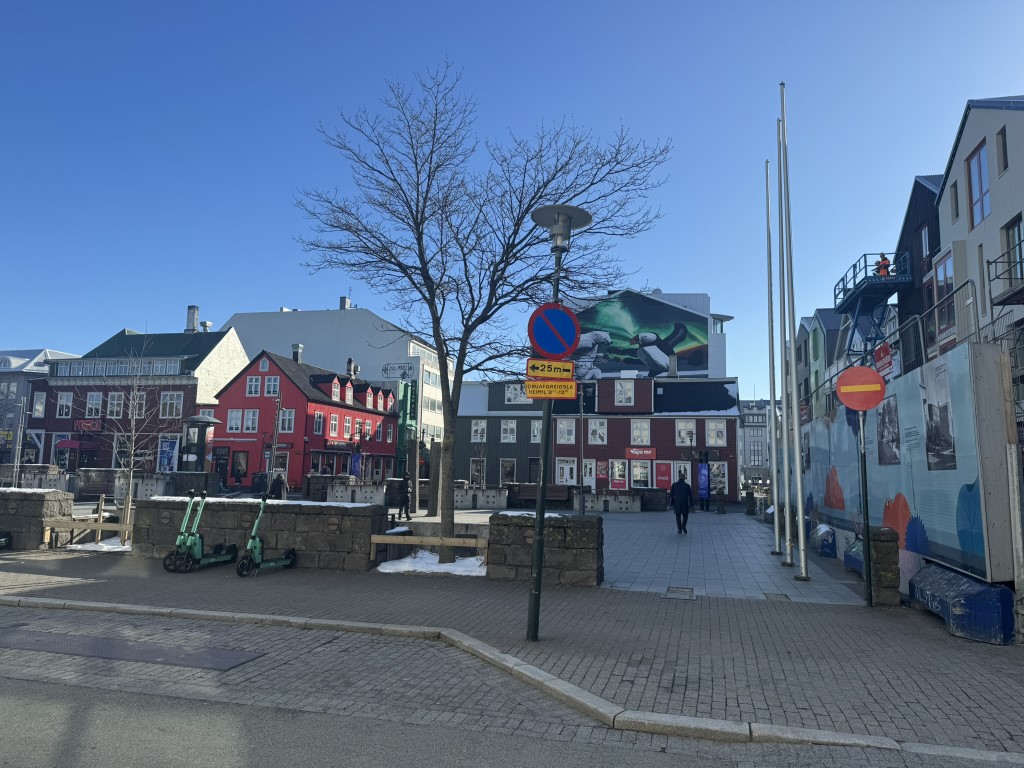
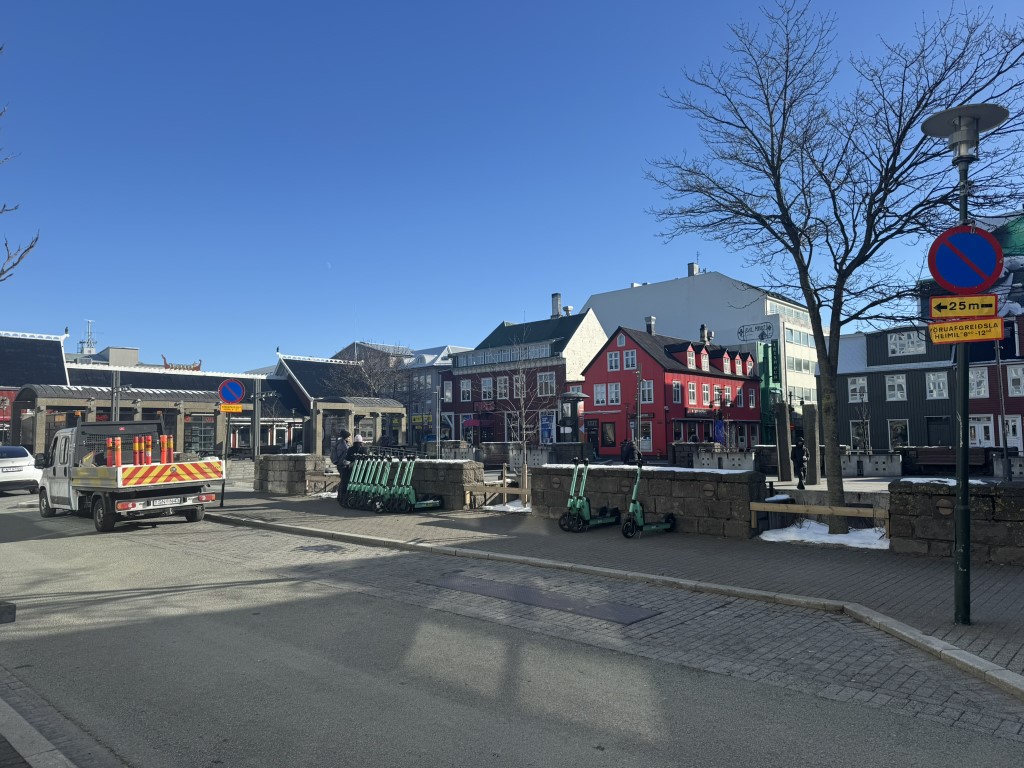
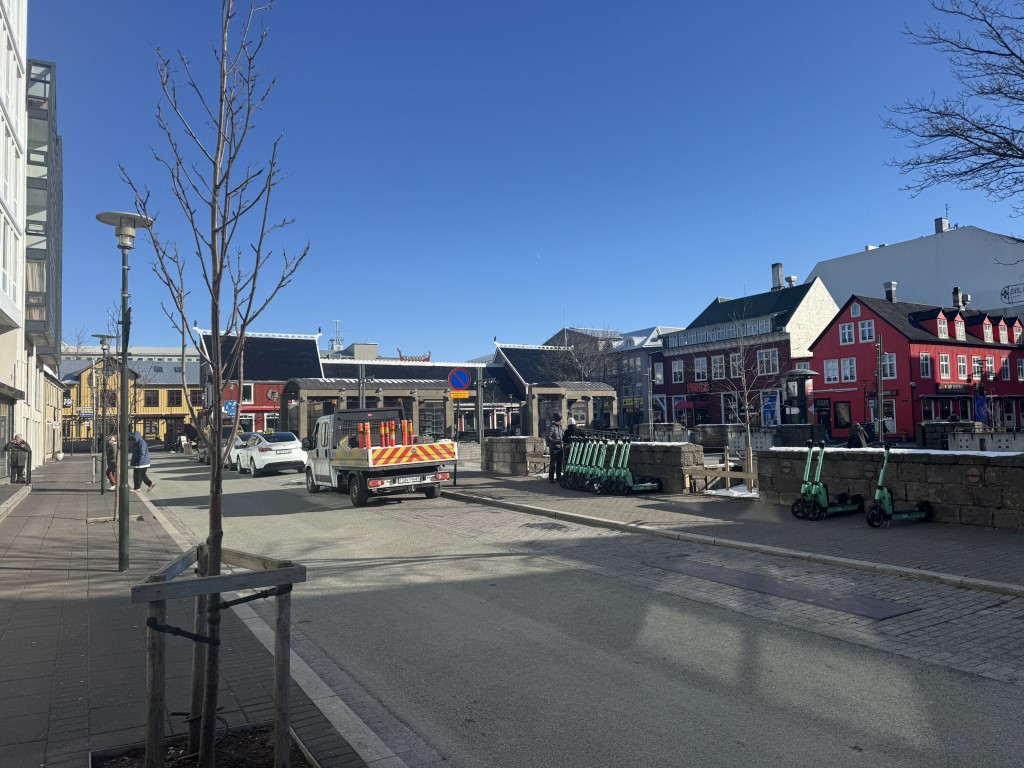
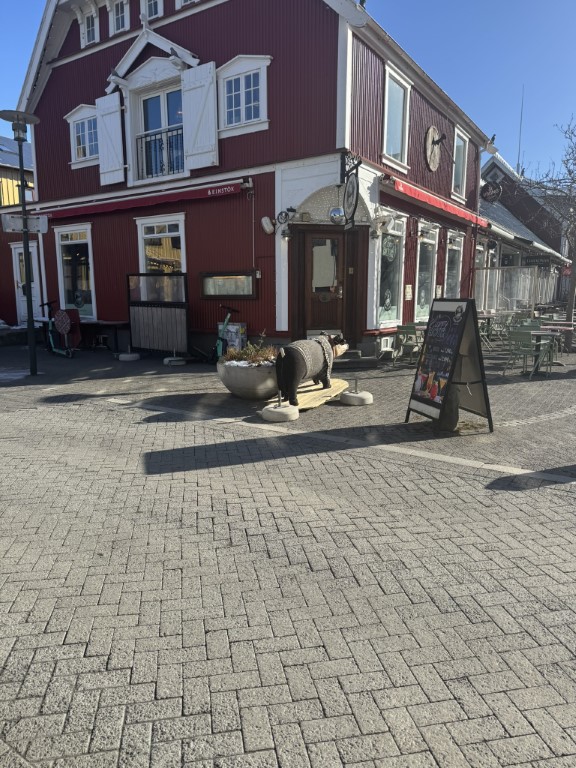
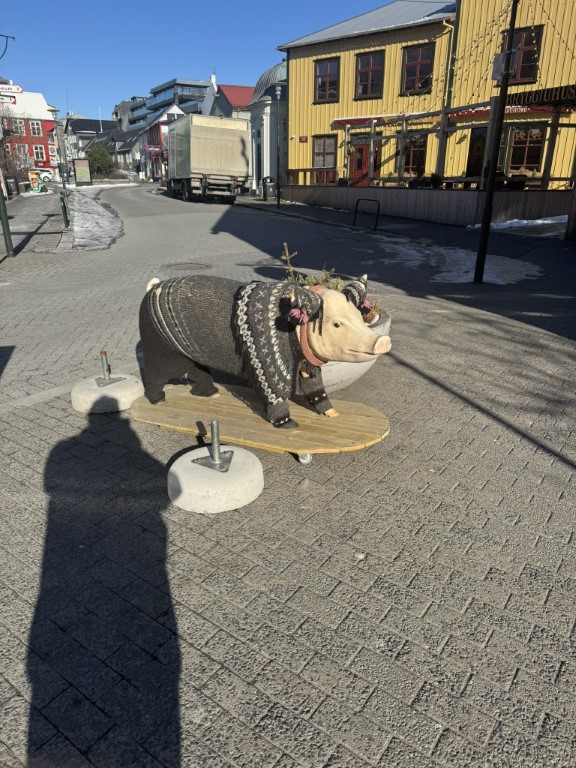
We walked back towards our hotel through the city, stopping at the government buildings and walking through Old Town.
After hanging out at the hotel for awhile, we climbed back in the car to drive out to the Reykjanes Peninsula and the Blue Lagoon. Apple Maps had us taking a circuitous route around the peninsula on roads marked icy so we switched to Google Maps, which sent us over the mountains, which may have been a mistake as these roads were equally slick and had the added hazard of mountain passes and blind curves.
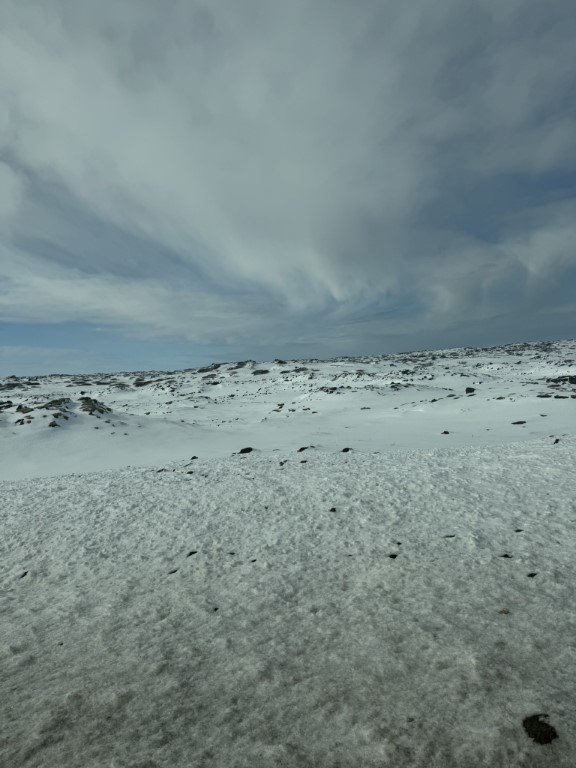
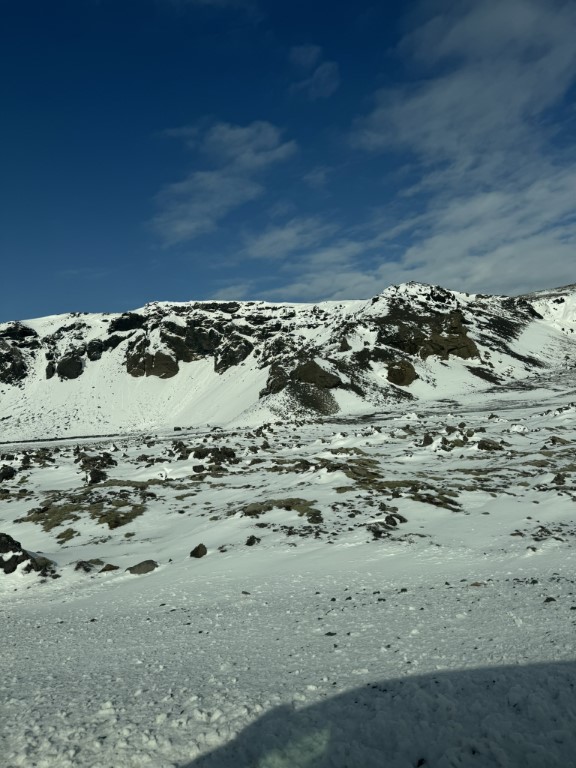
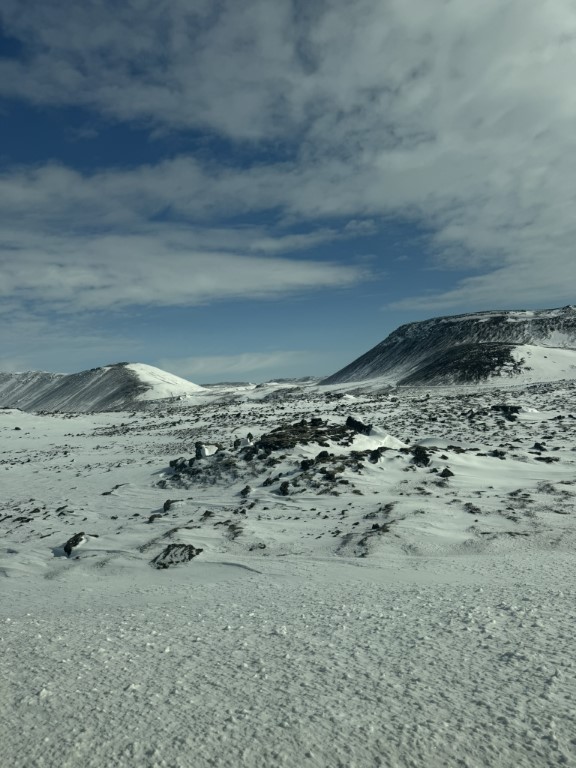
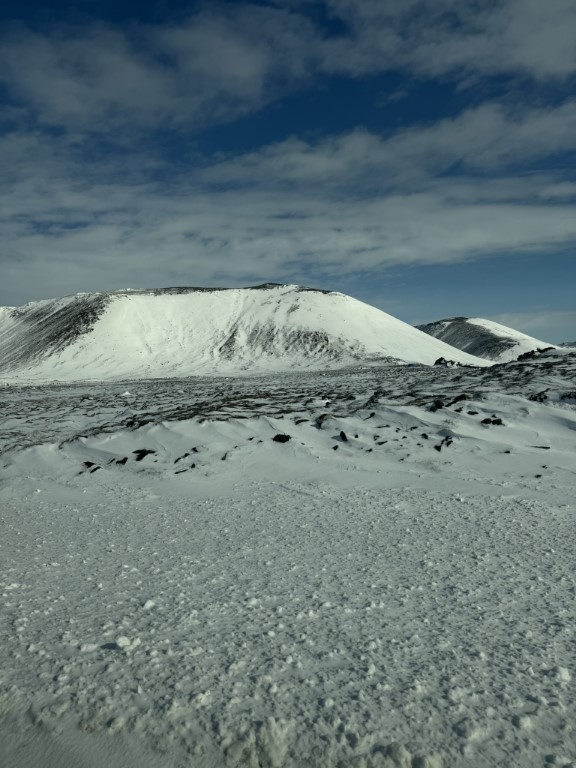
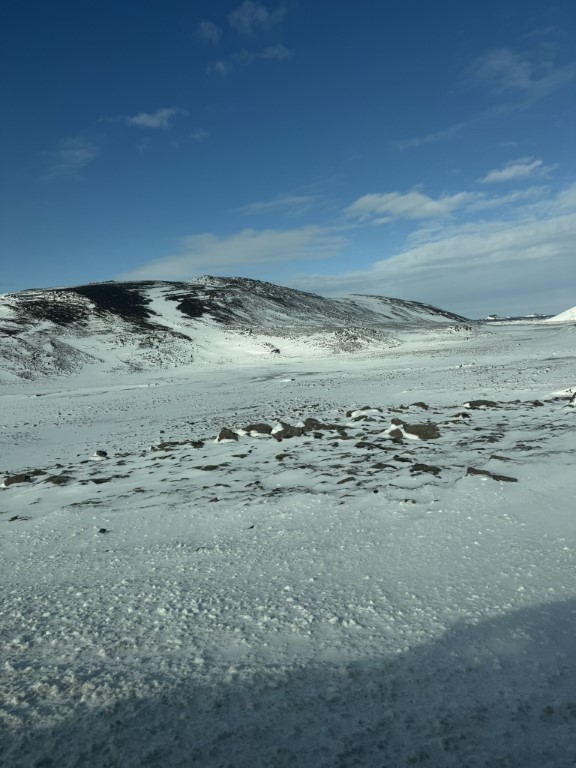
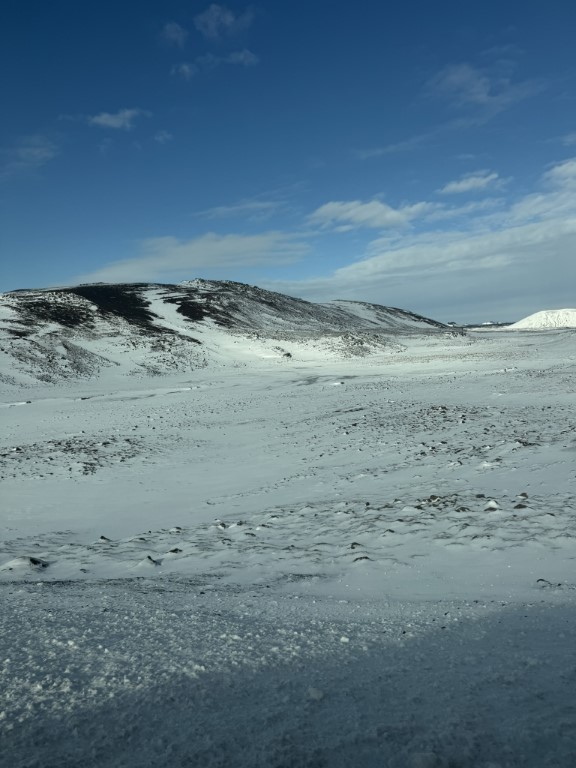
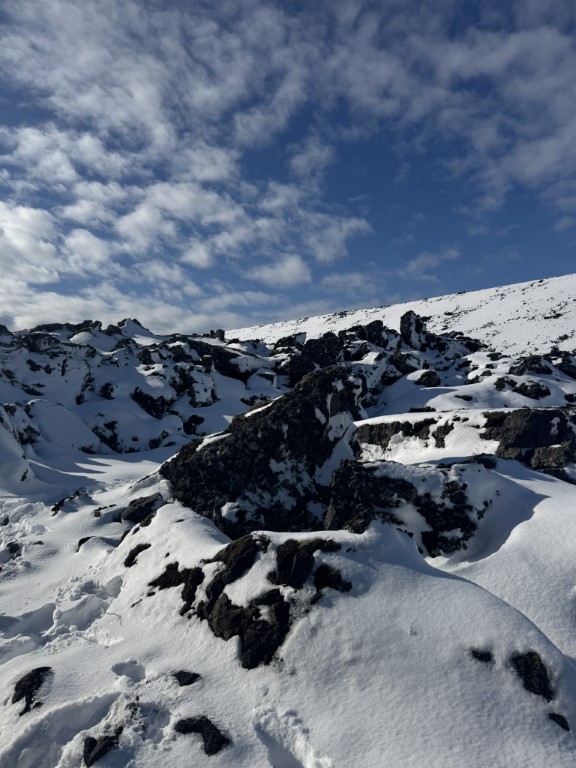
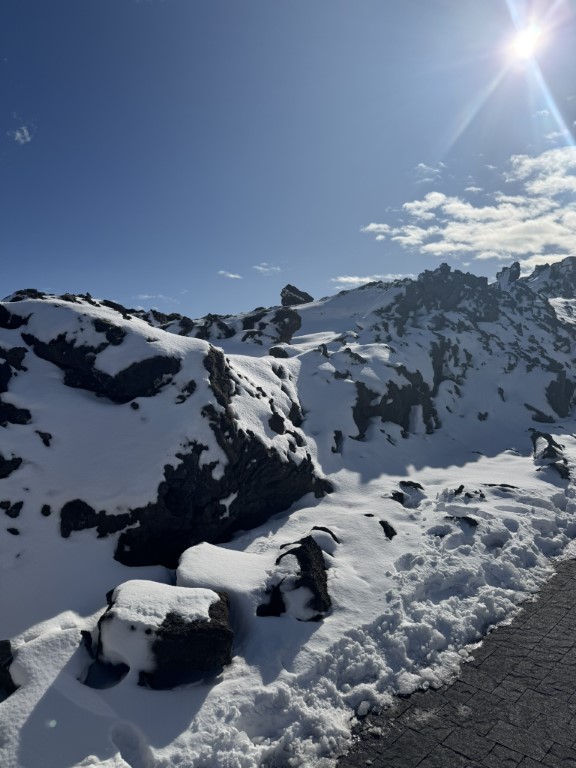
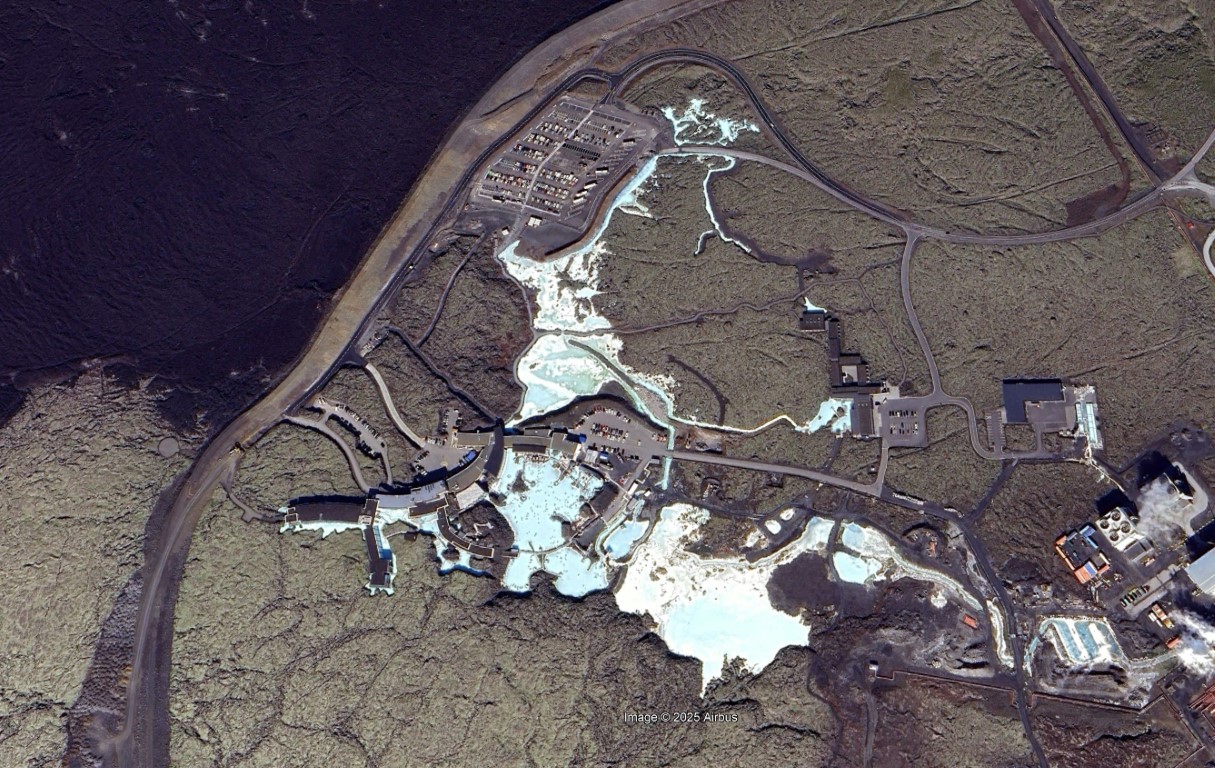
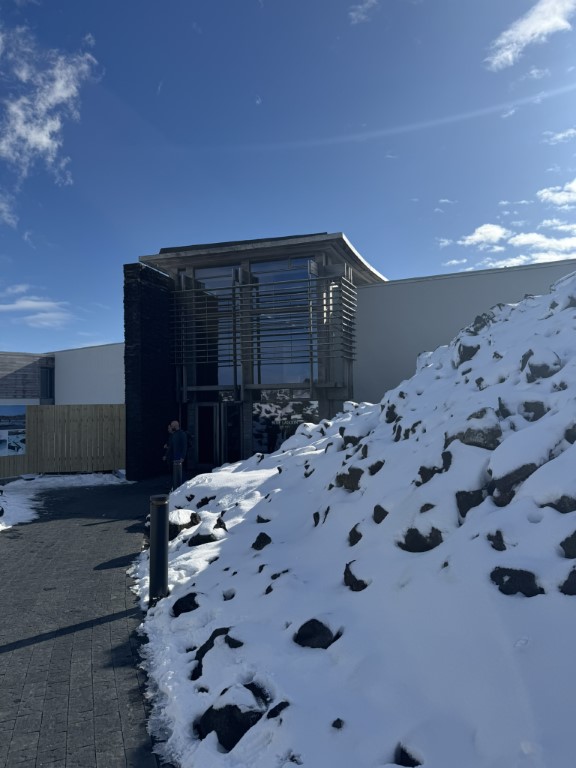
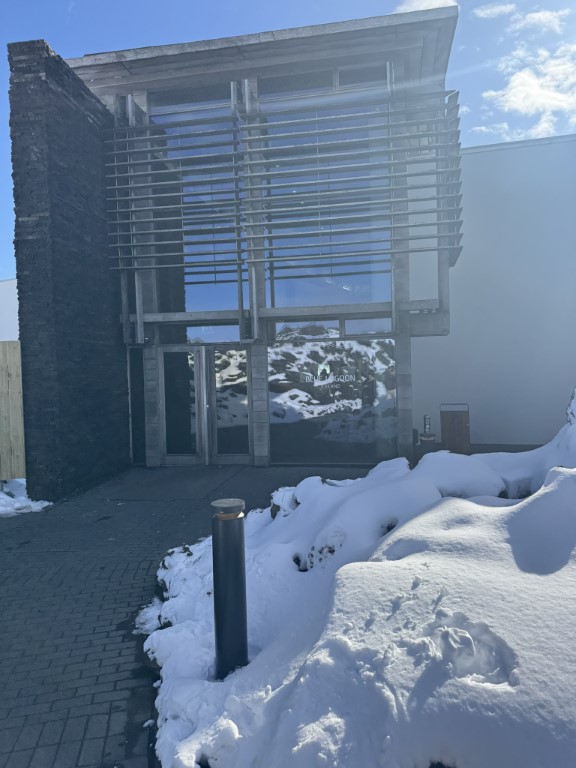
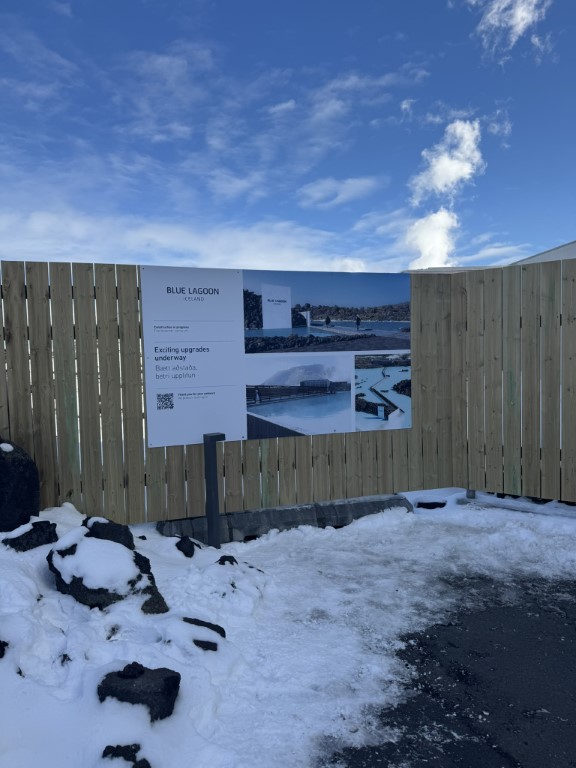
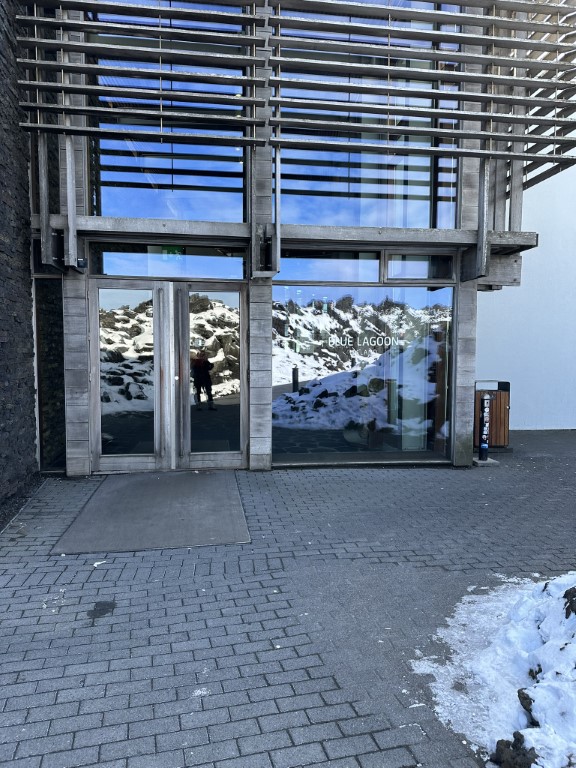
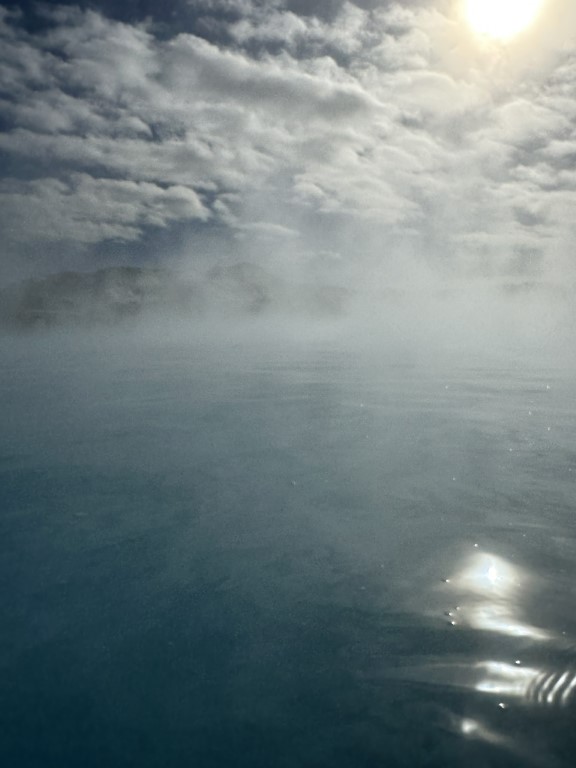
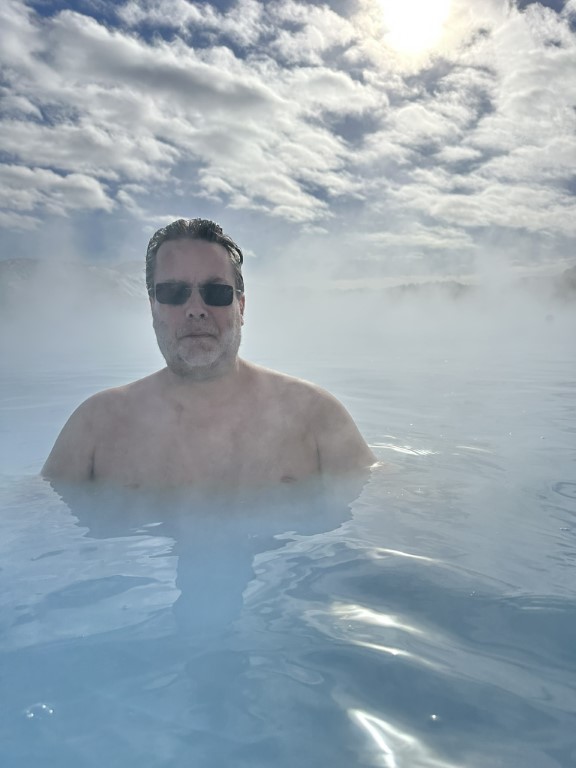
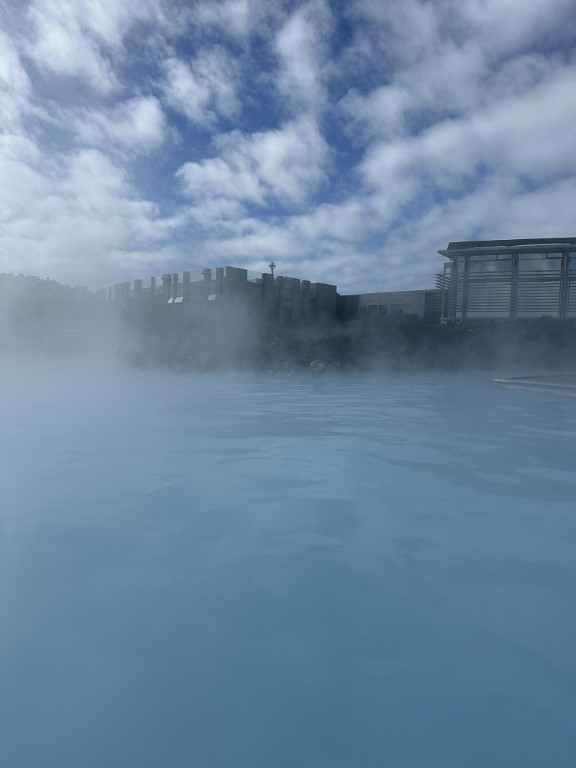
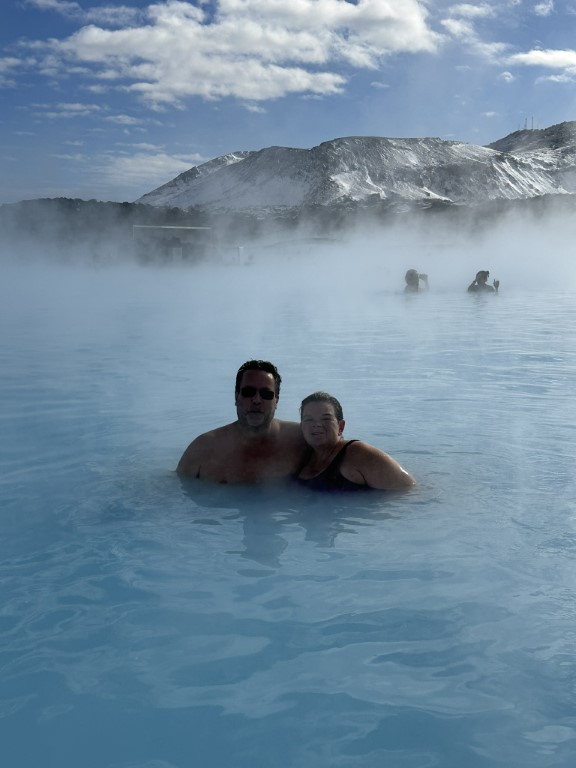
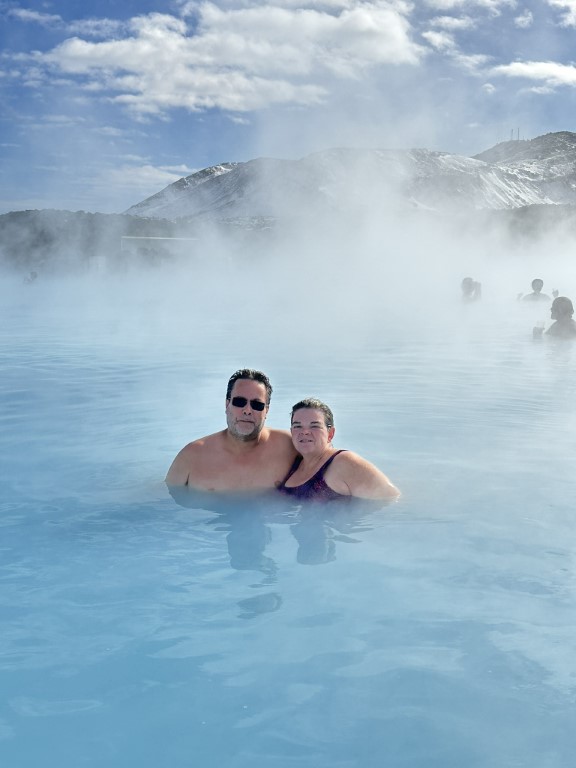
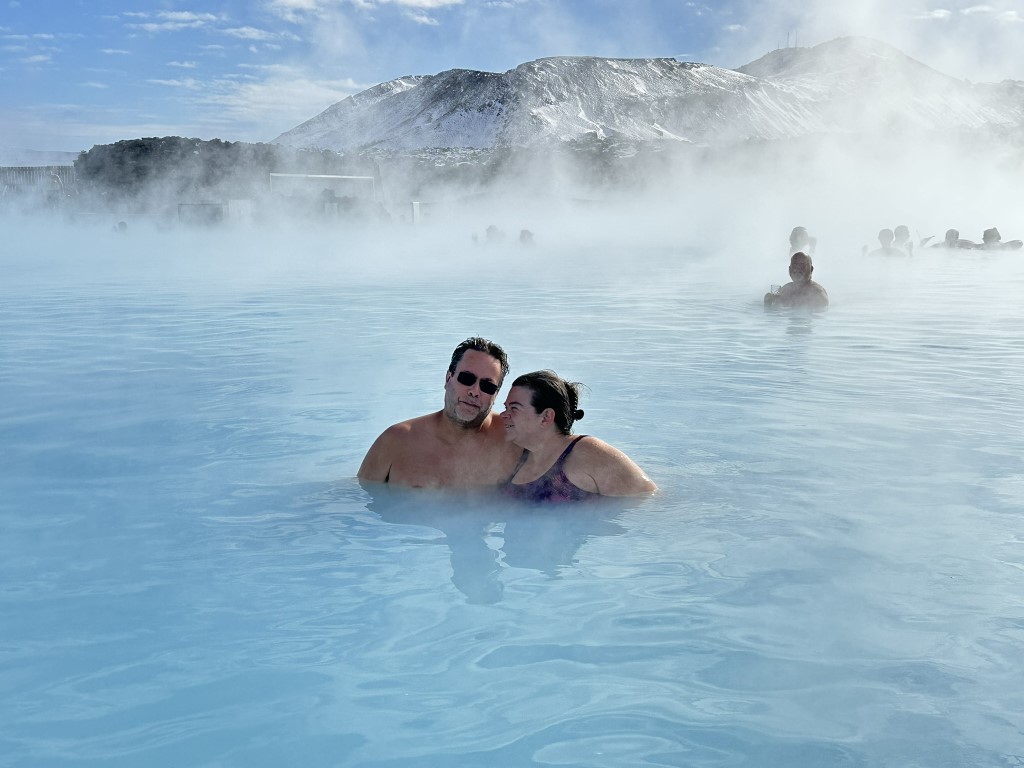
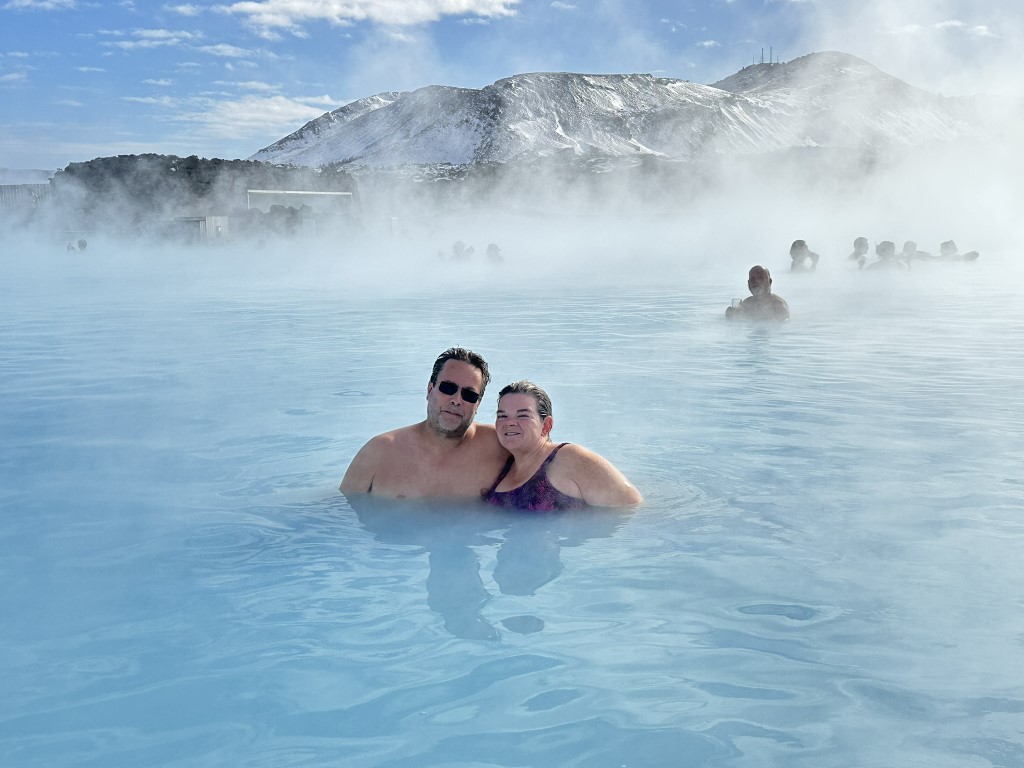
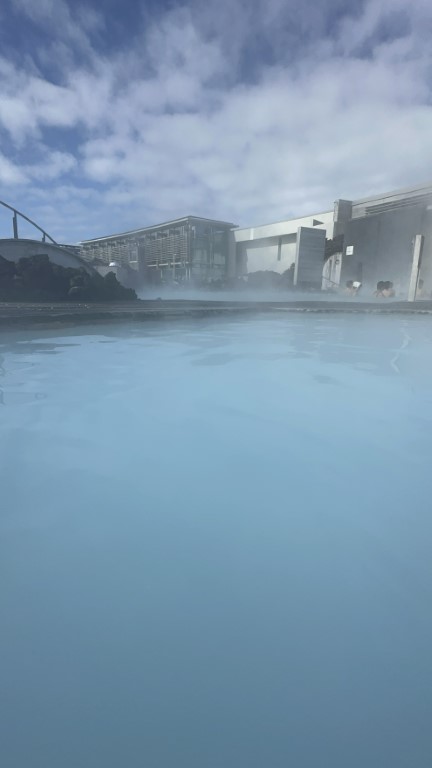
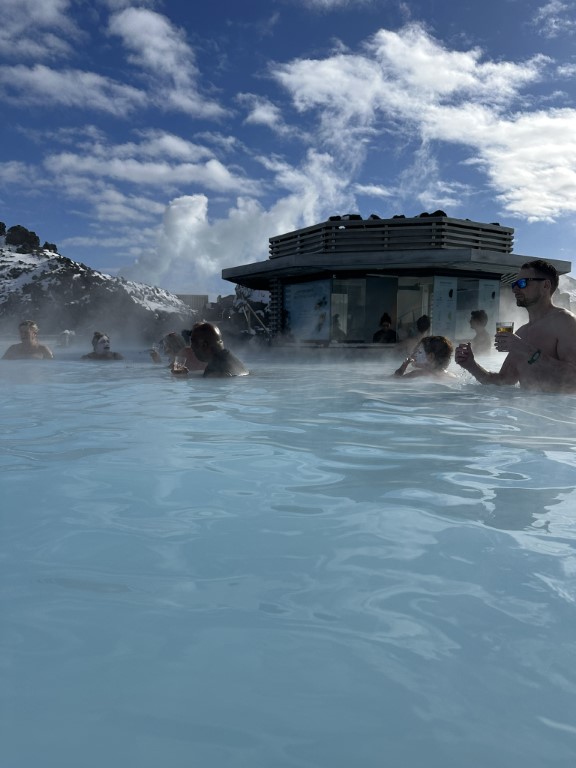
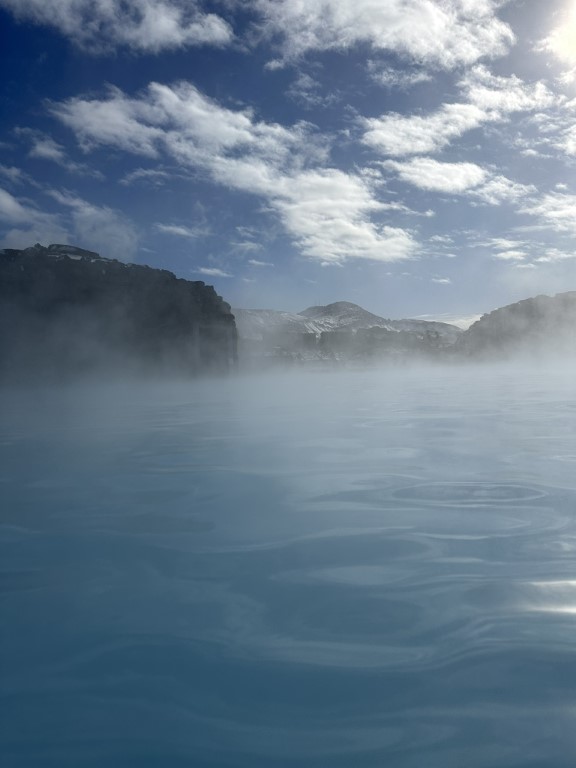
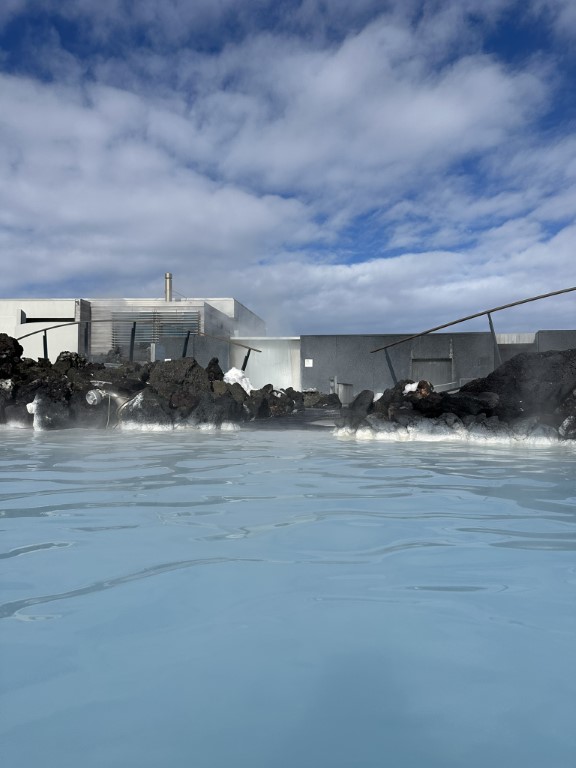
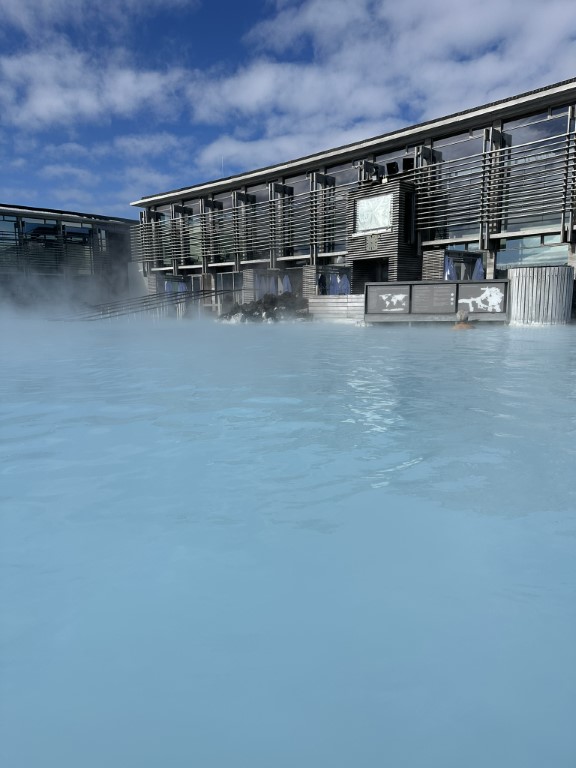
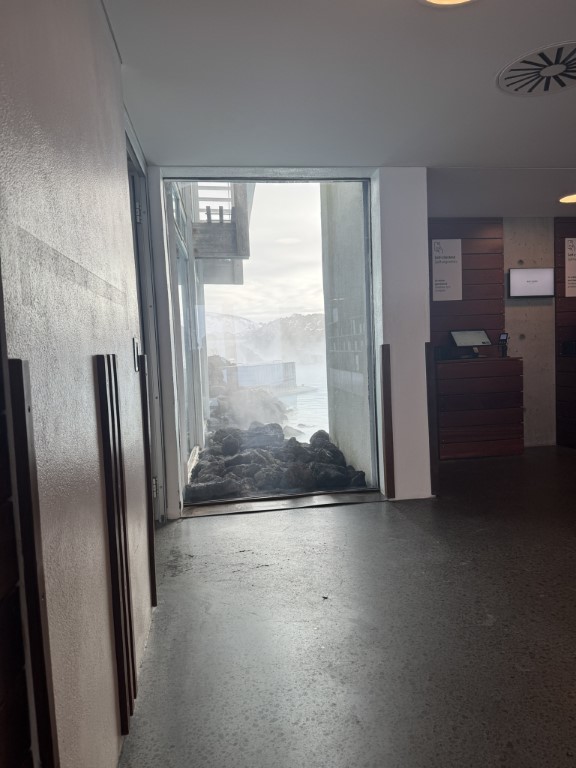
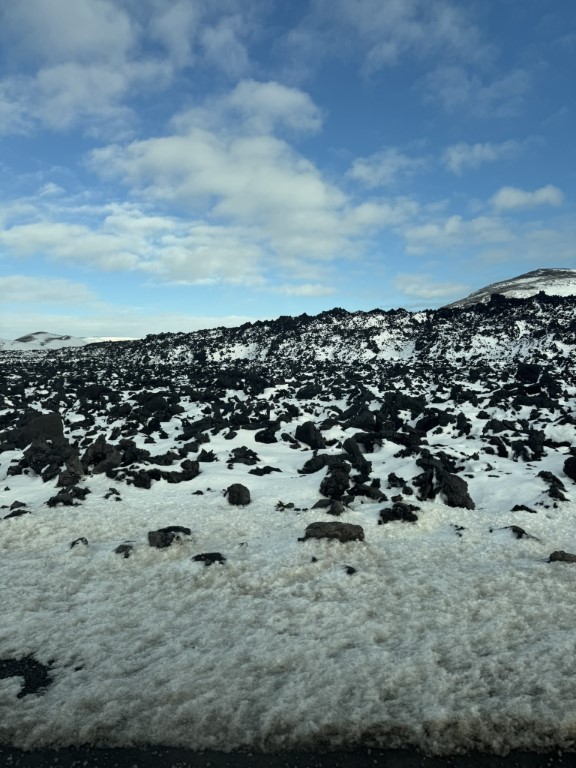
We arrived at the Blue Lagoon after passing through a few of the many roads with signs warning against stopping as they were still hot from the volcano eruption in 2024 and locals warned of tires melting on the roads. We arrived at the new Blue Lagoon parking lot, built after the previous one was covered in lava in 2024. It was a long walk to the entrance but the weather was actually rather nice. We headed to the locker rooms to shower and change and then were able to walk right out down a ramp into the main lagoon. J. R. waited for Janie and then we headed into the central pool before exploring the rest. Janie decided to try the mud masks that were included with our package but J. R. did not. She liked all of them and was going to purchase one for home but the prices were very high and you can buy them on Amazon for the same price. J. R. explored the sauna cave and then we both went and got a beer. J. R. headed out a little early so Janie could swim around for awhile. We had originally booked the Lava Restaurant at the Blue Lagoon but cancelled it the day before because we did not think we would spend four hours at the lagoon. We ended up spending three but the restaurant was very expensive and some reviews said it was overpriced so we did not regret our decision.
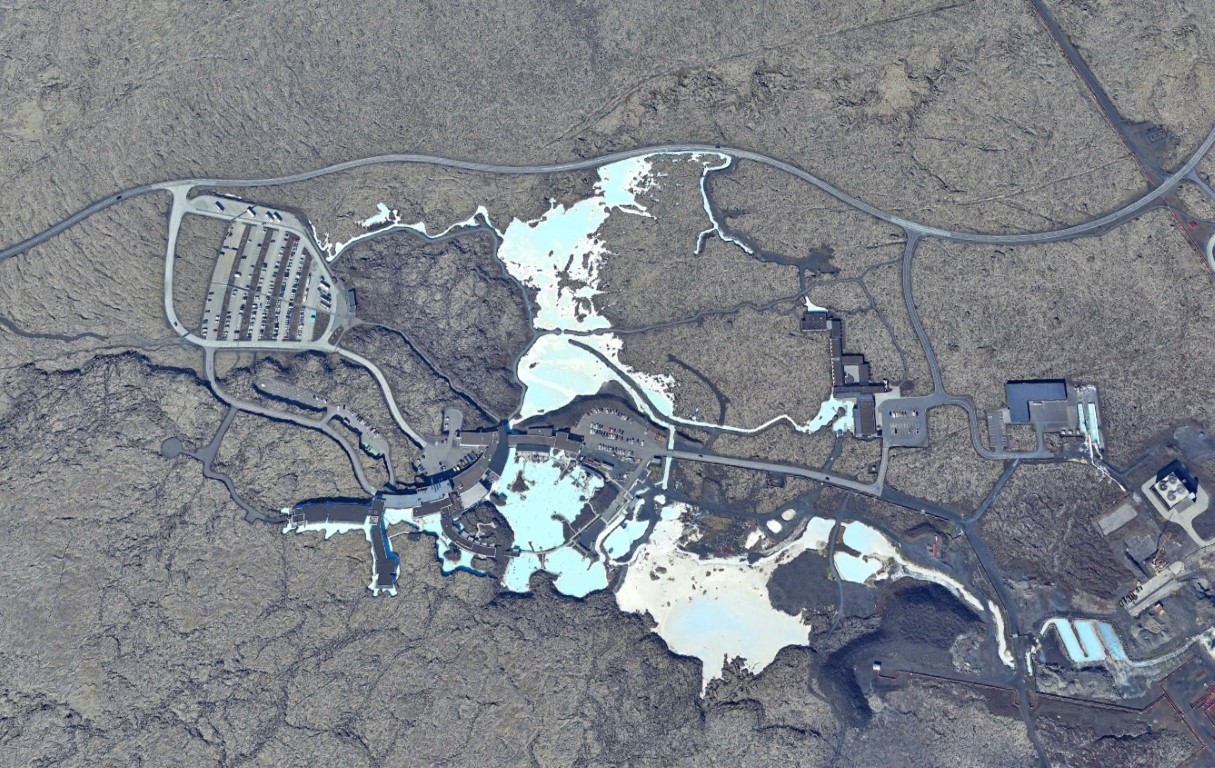
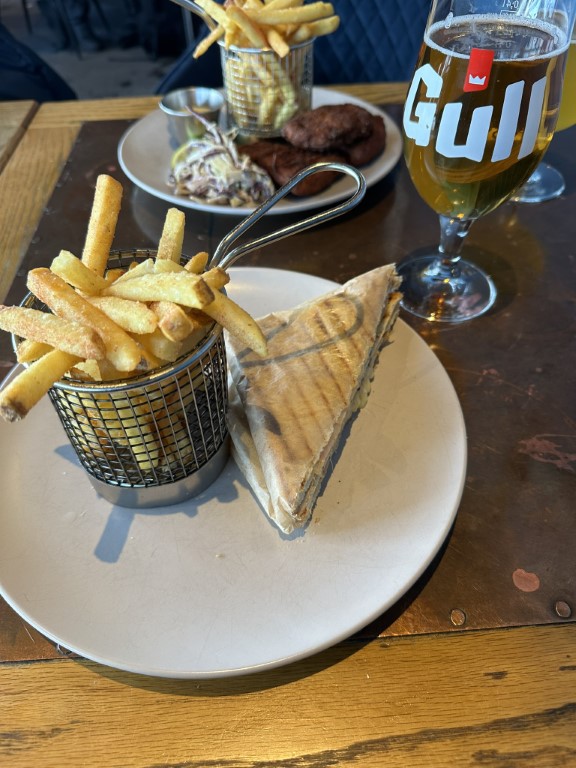
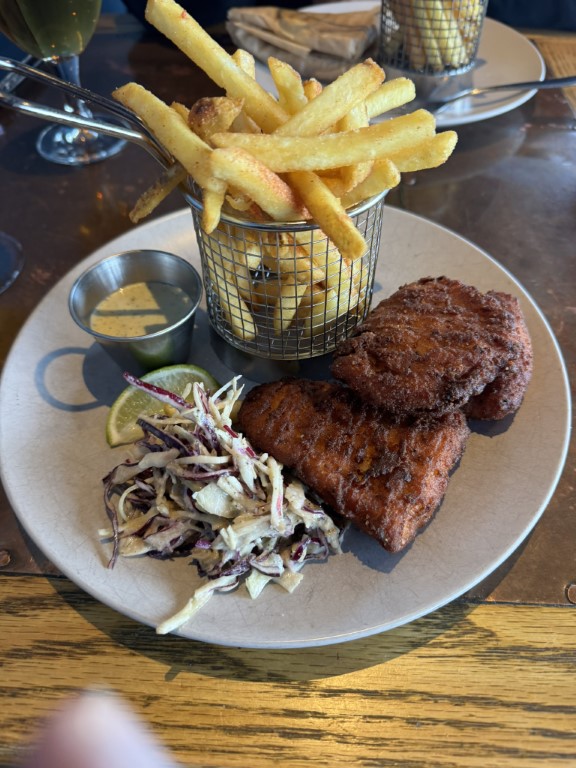
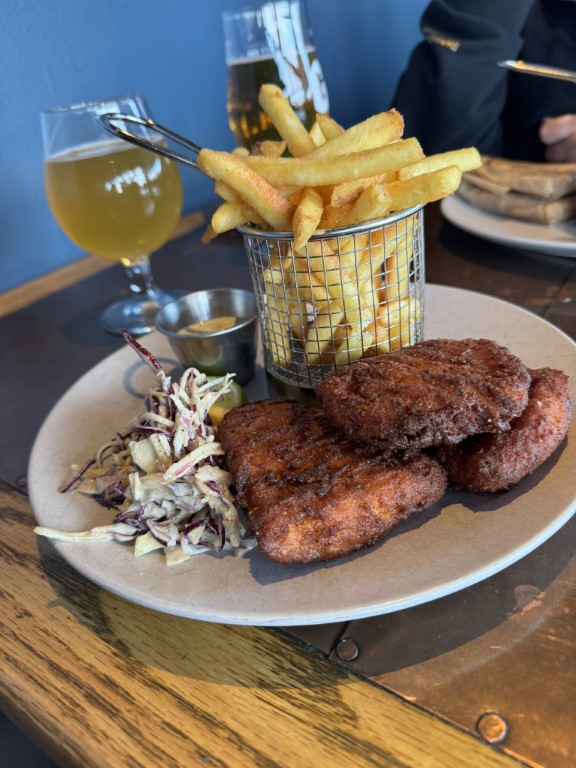
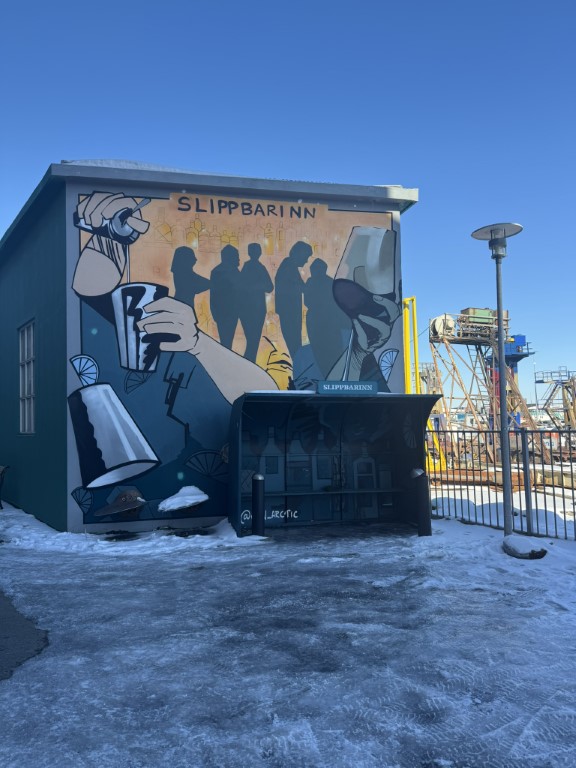
The road out of the lagoon which had been marked as closed on our way in was now showing open and it was completely clear, so our drive back was much easier. We found a tight parking spot in the actual lot near the hotel and after dropping off our swimsuits, walked to the Old Harbour House for dinner. J. R. had fish and chips again with an arctic ale and Janie had a ham and cheese sandwich. We walked back to the hotel and watched some TV before bed.