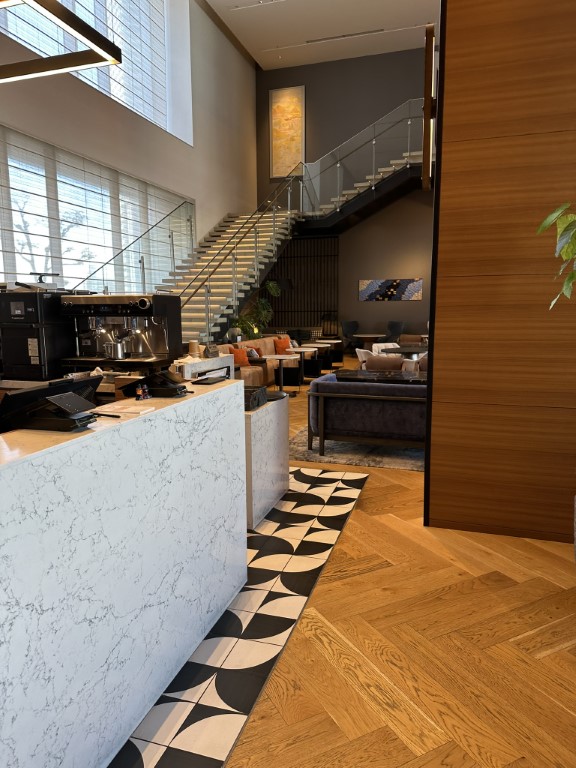
Sheraton Grand Hiroshima Hotel
12-1 Wakakusacho, Higashi Ward, Hiroshima
Steps
16,789
Distance
12.28 KM
Flights Climbed
3
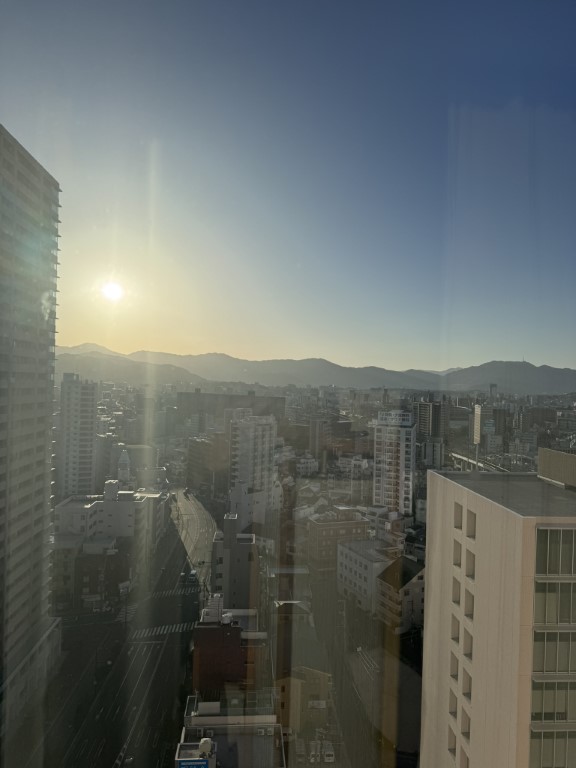
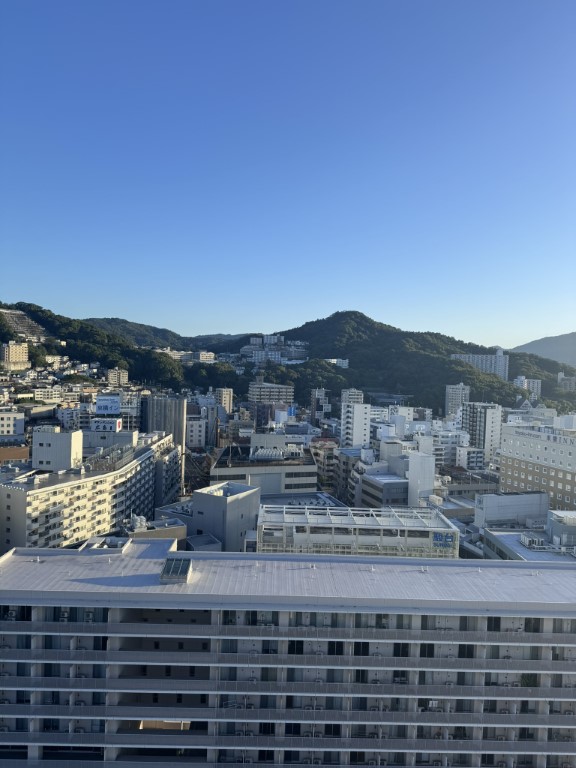
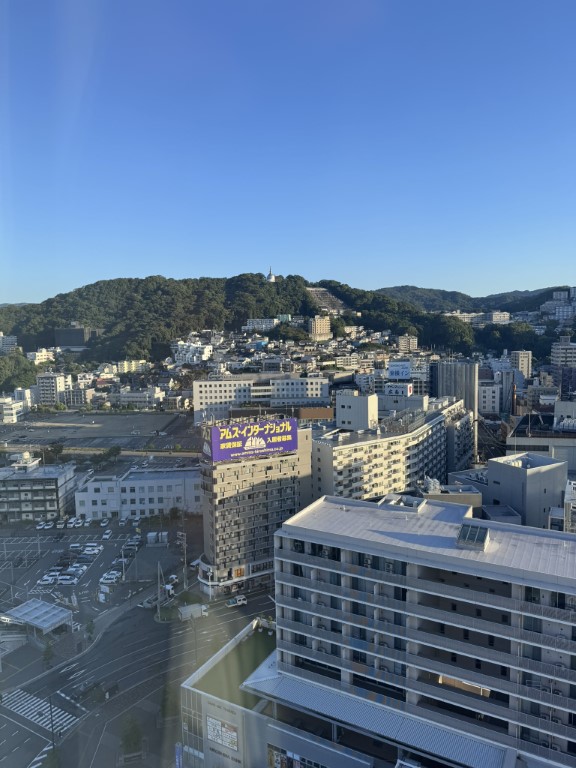
We were greeted with blue skies from the window of the Sheraton Grand Hiroshima Hotel as we awoke once again too early in the morning. We ate the pastries we had bought the day before and did some more luggage rearranging since we would be checking out the next morning to go to Osaka. Then we walked to the train station as Janie was not up for the planned walk after two days of a lot of walking in airports and Hiroshima.
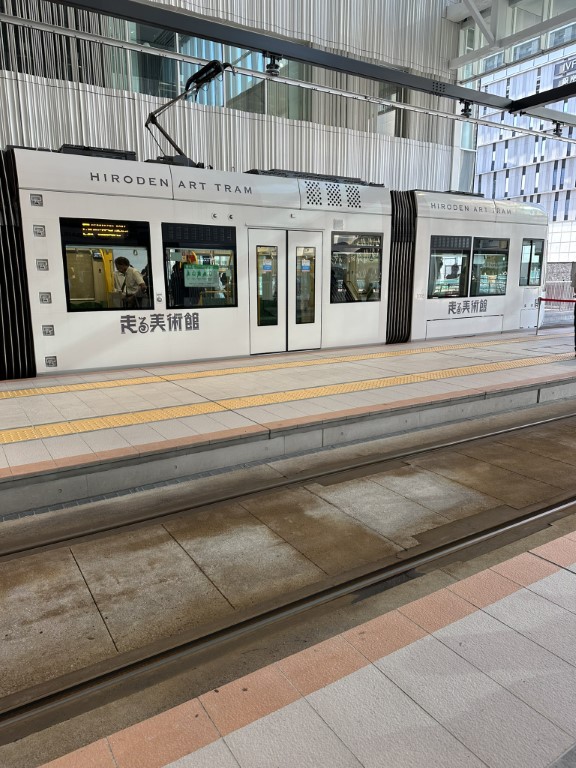
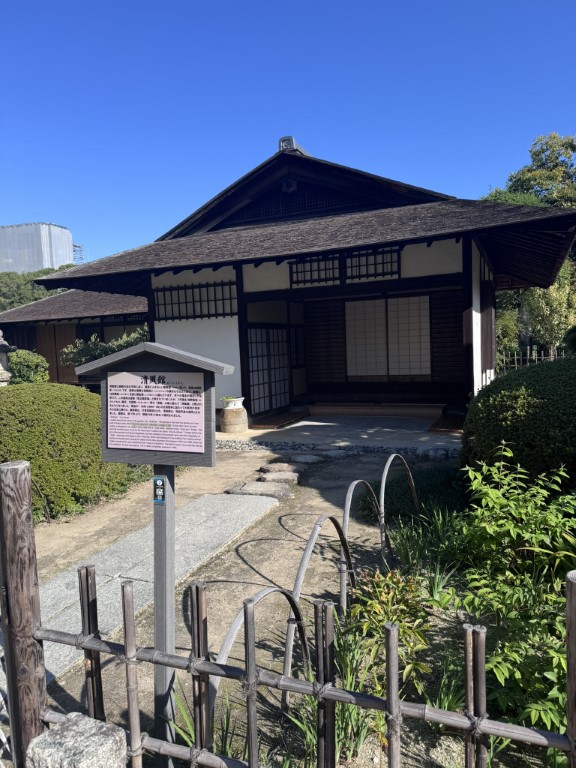
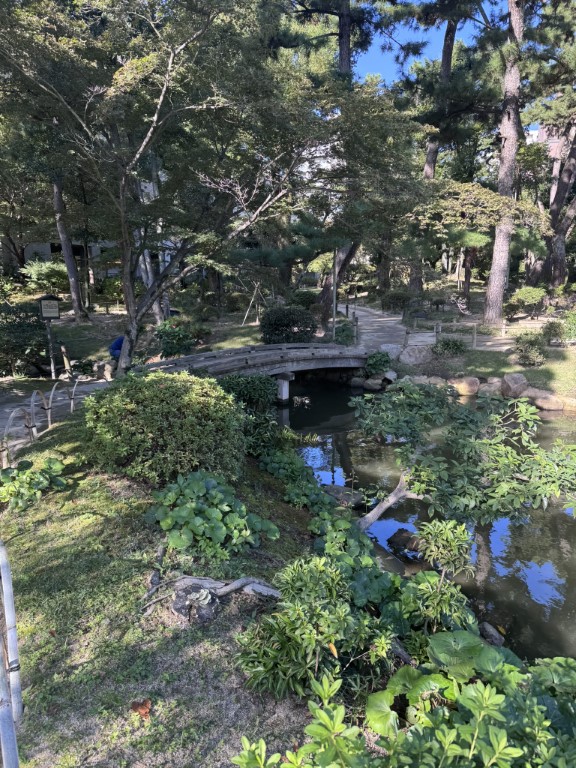
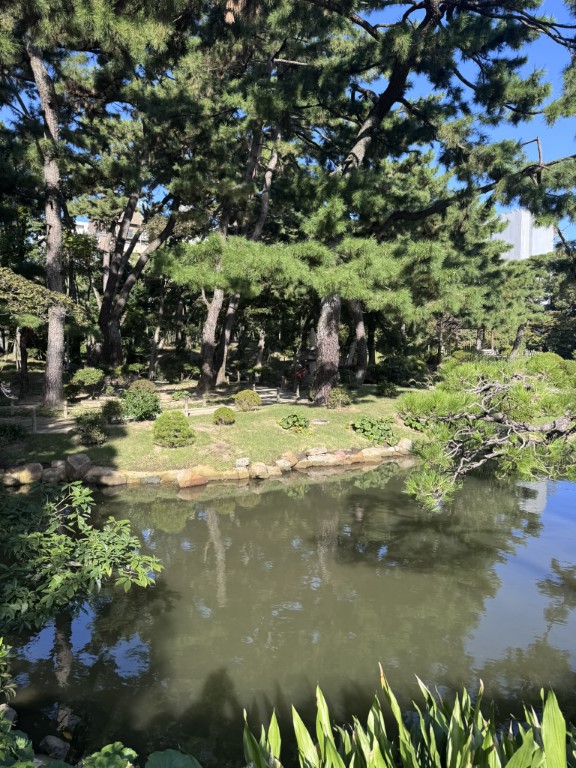
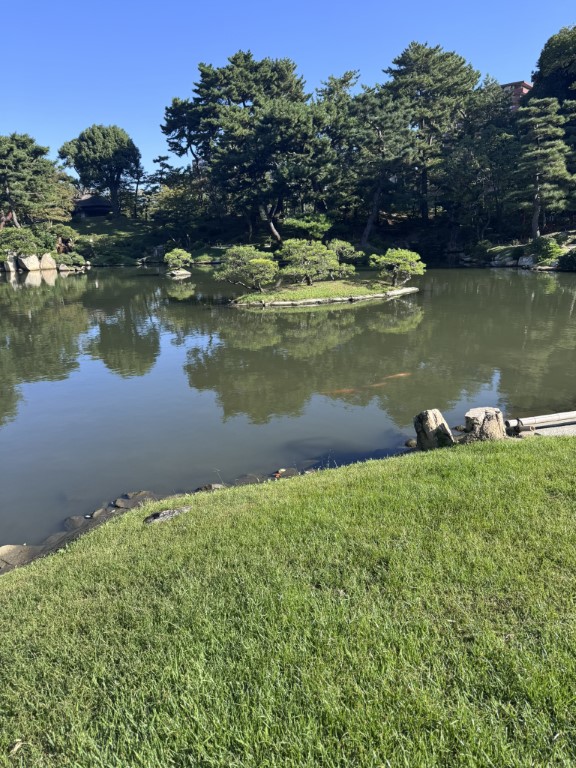
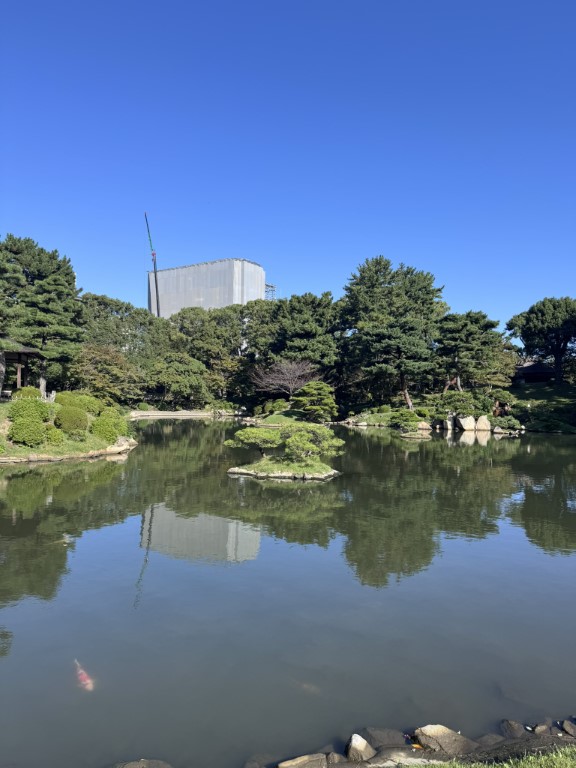
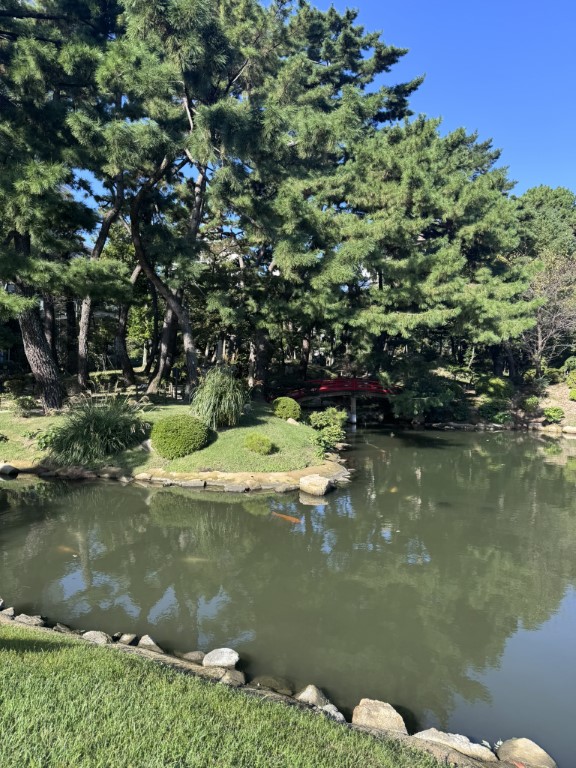
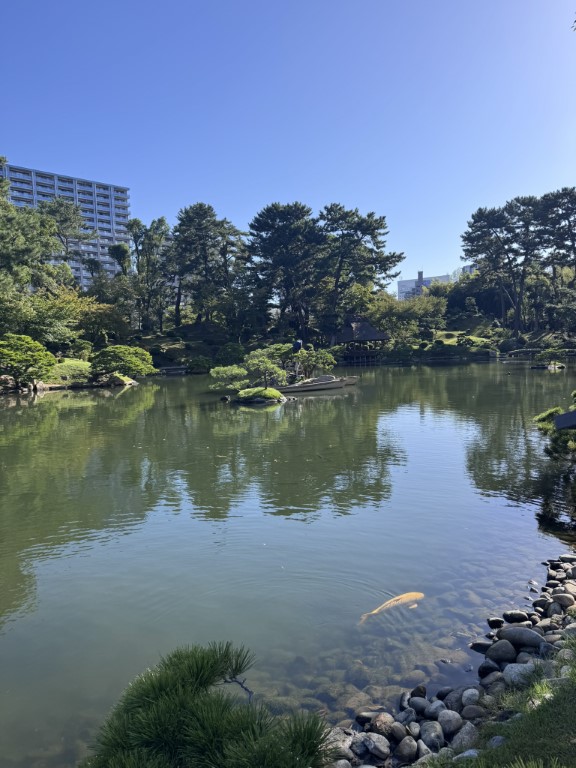
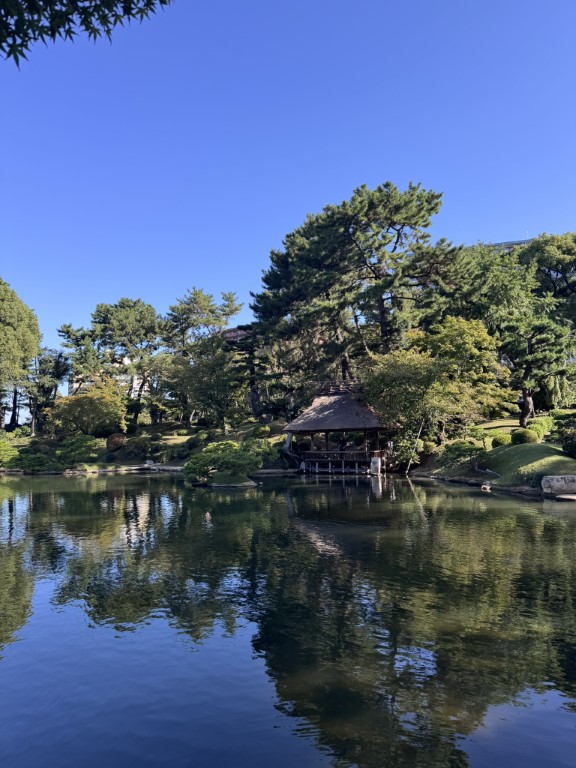
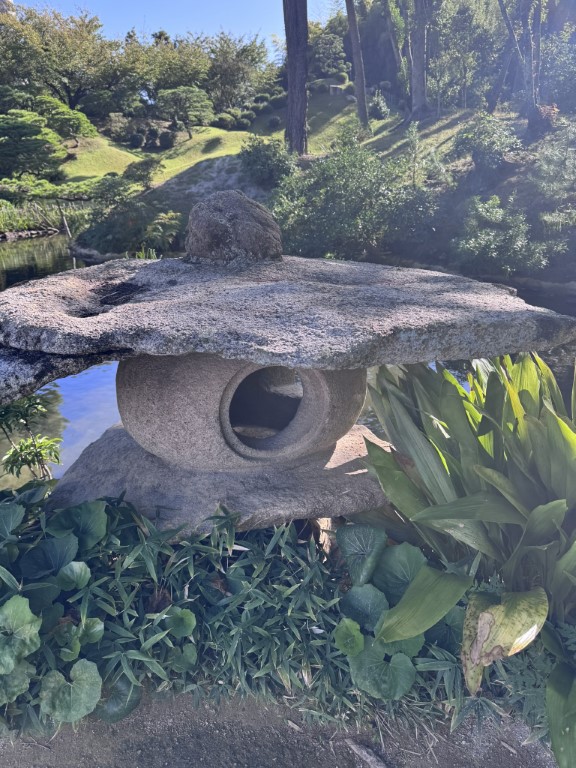
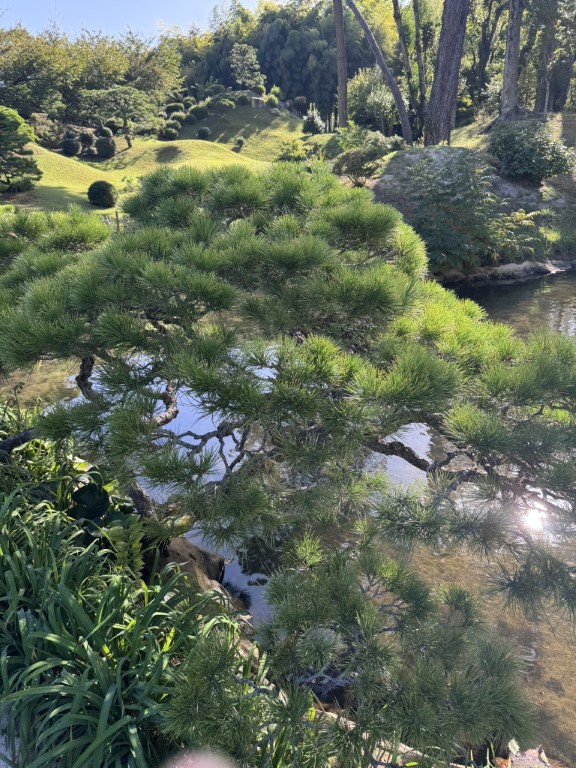
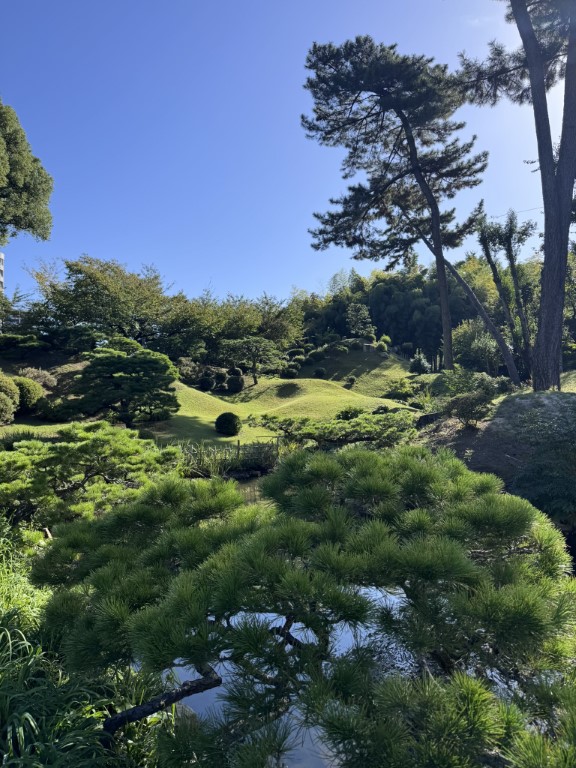
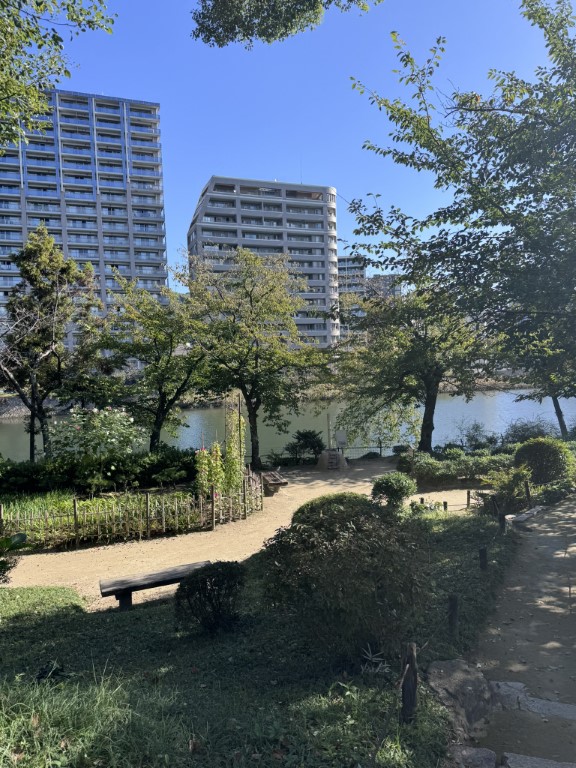
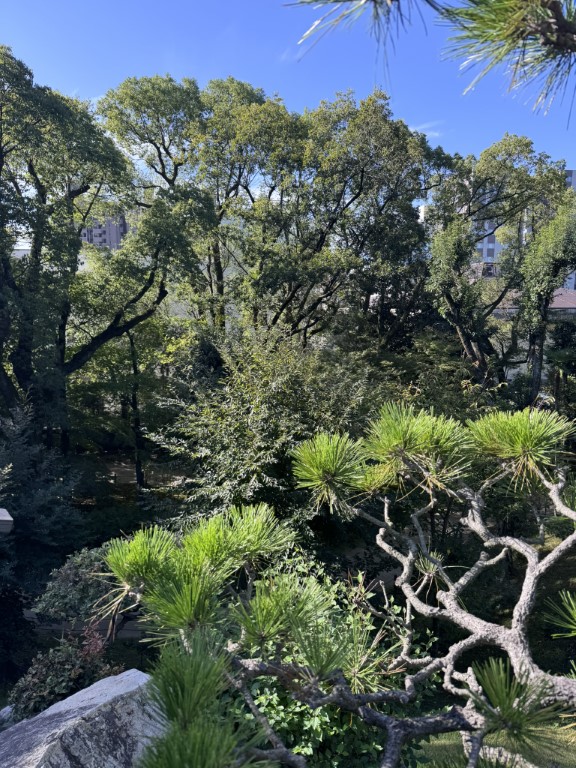
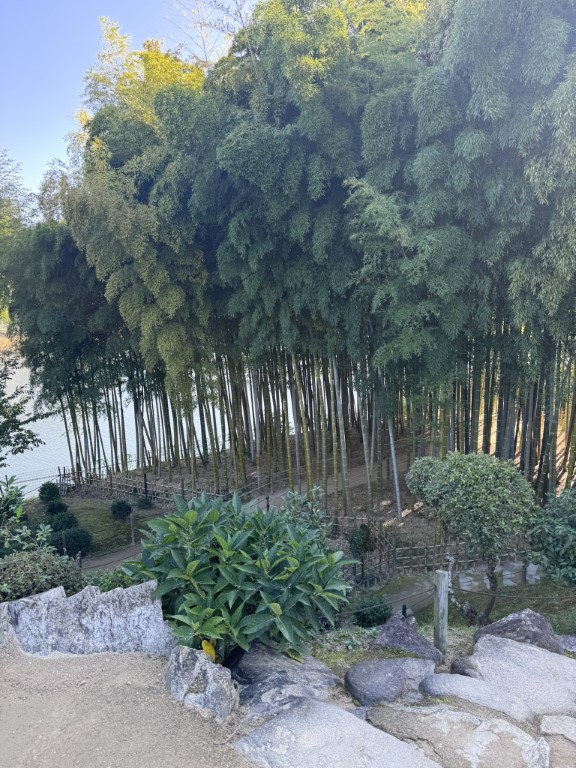
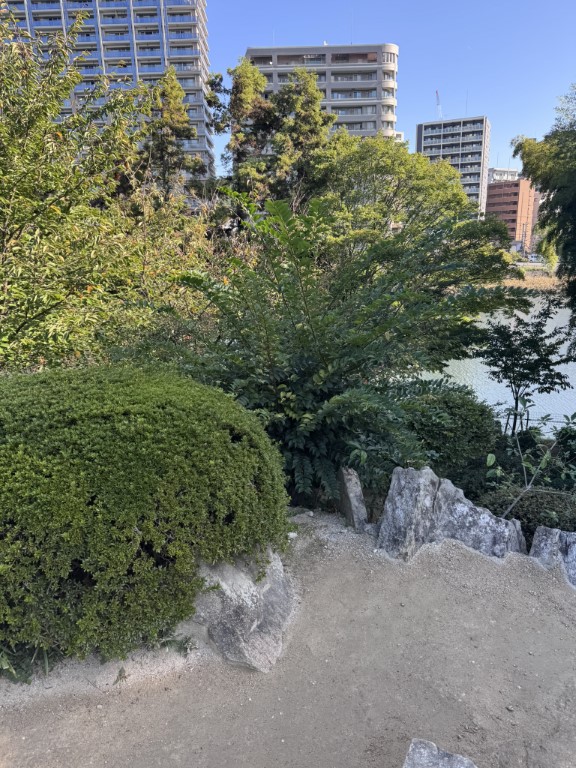
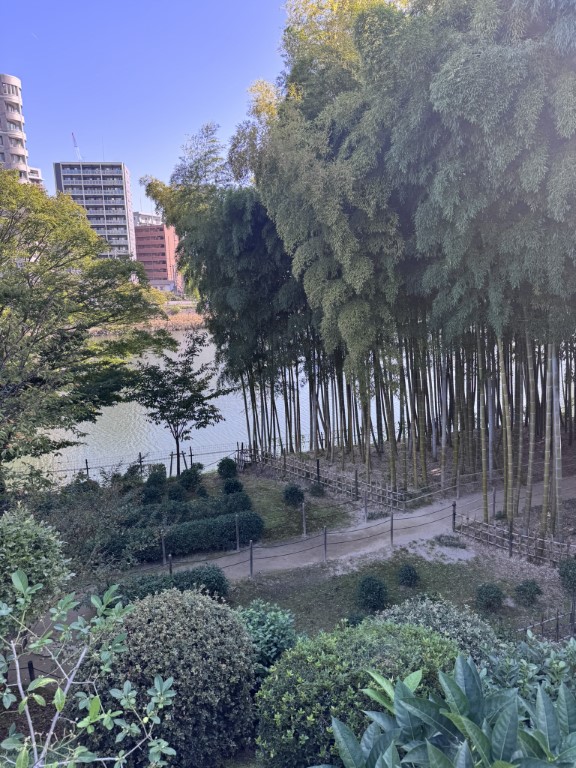
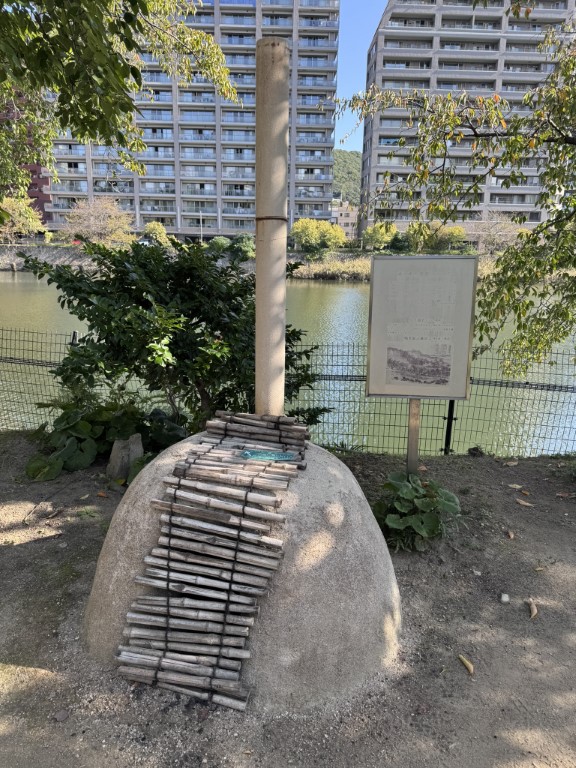
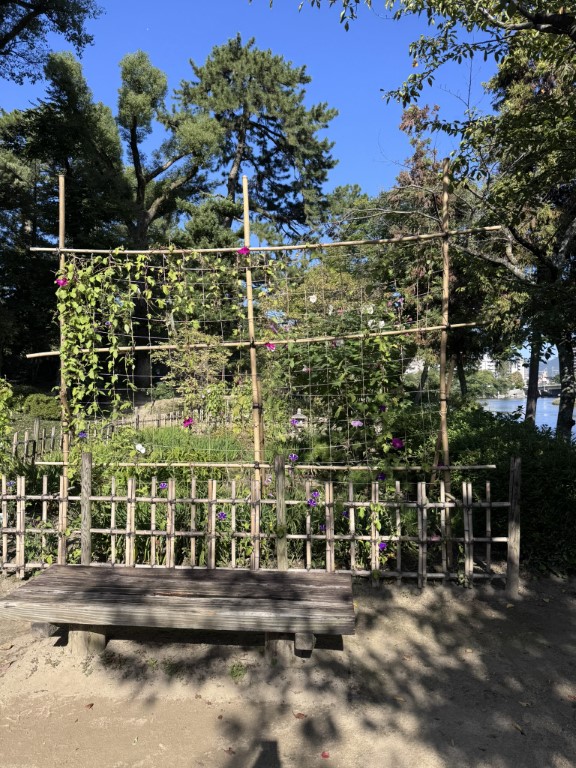
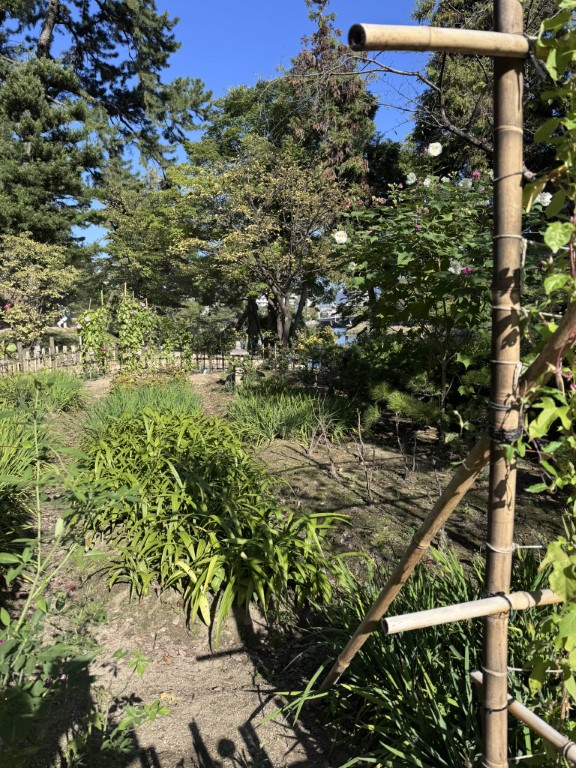
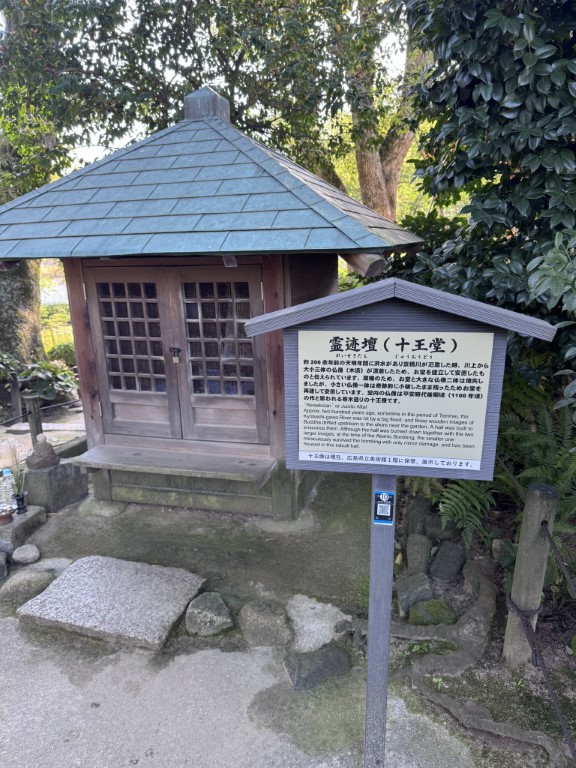
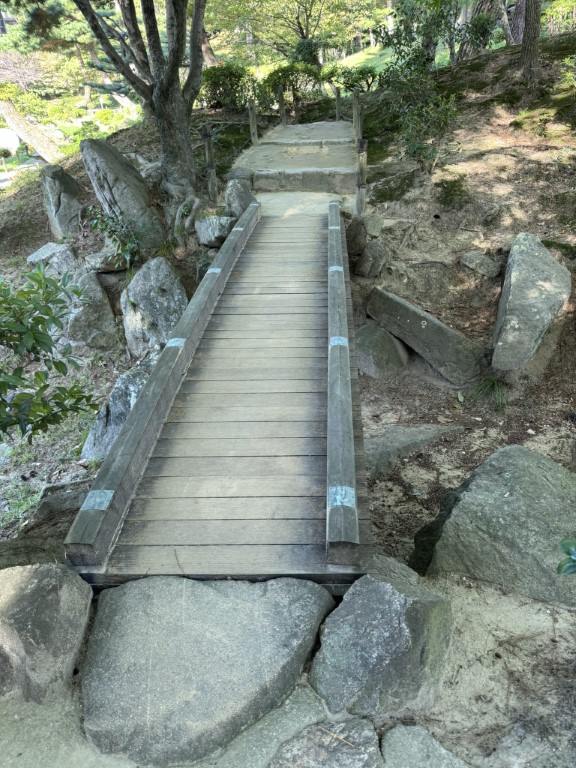
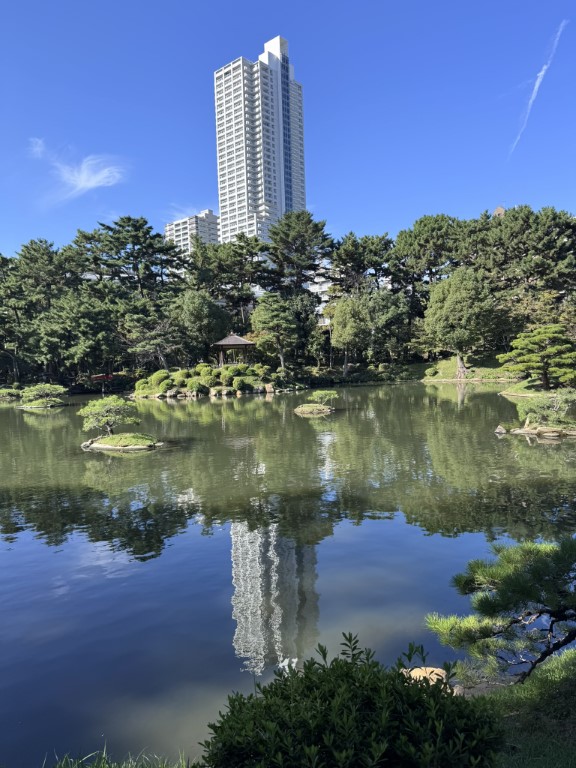
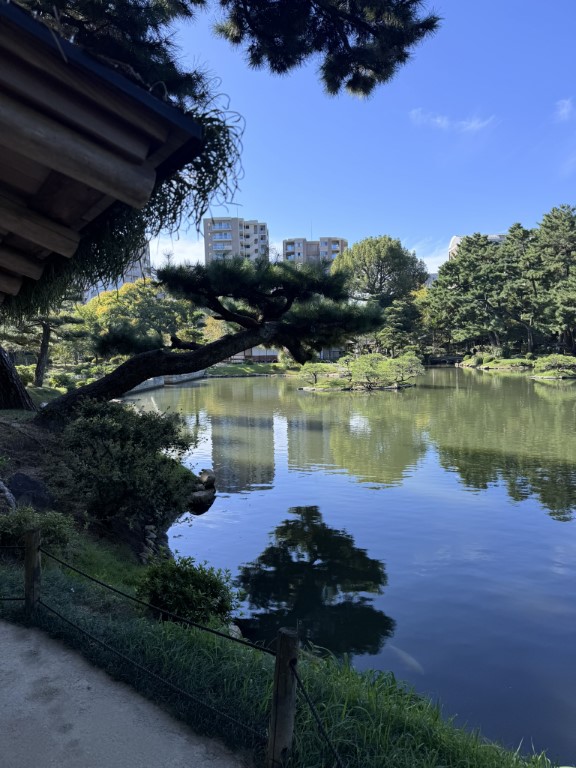
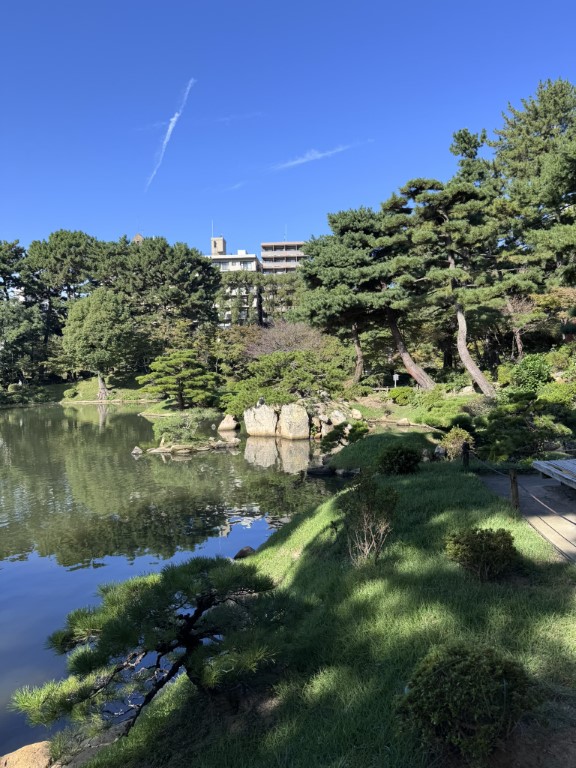
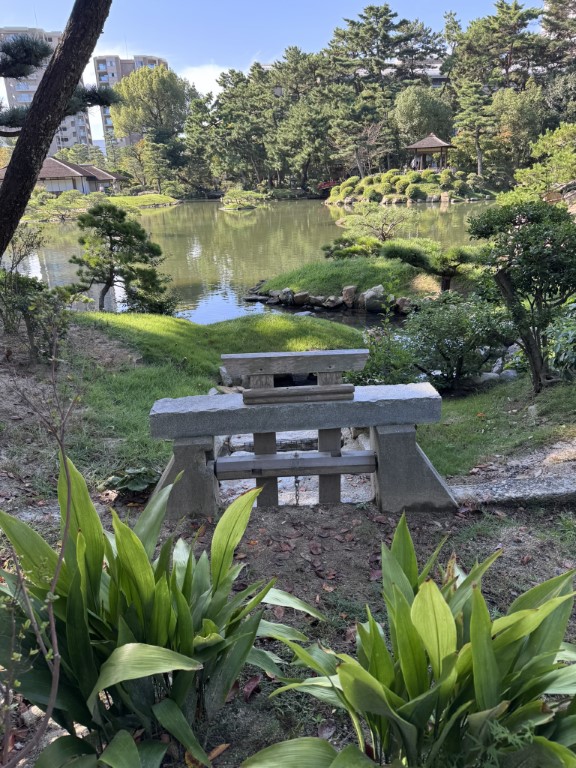
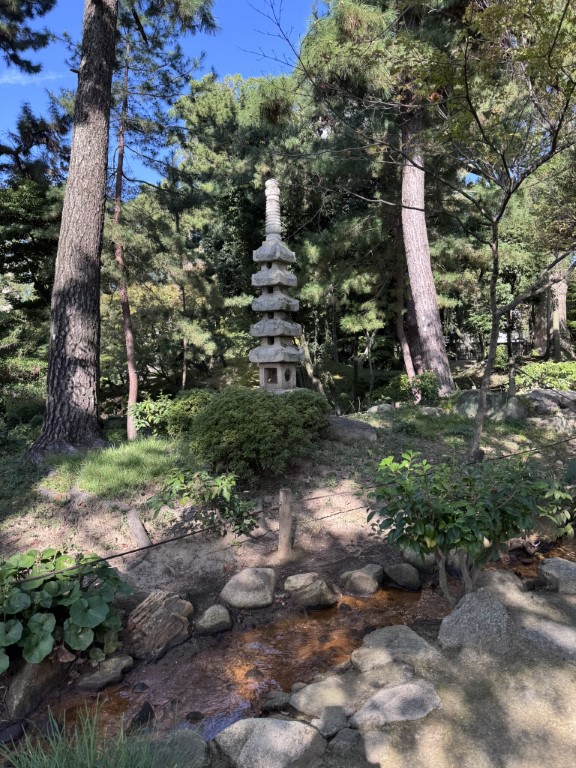
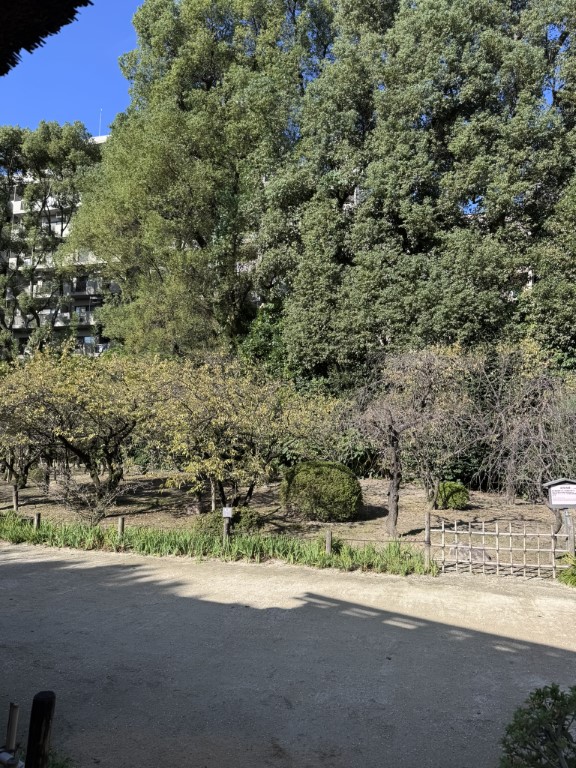
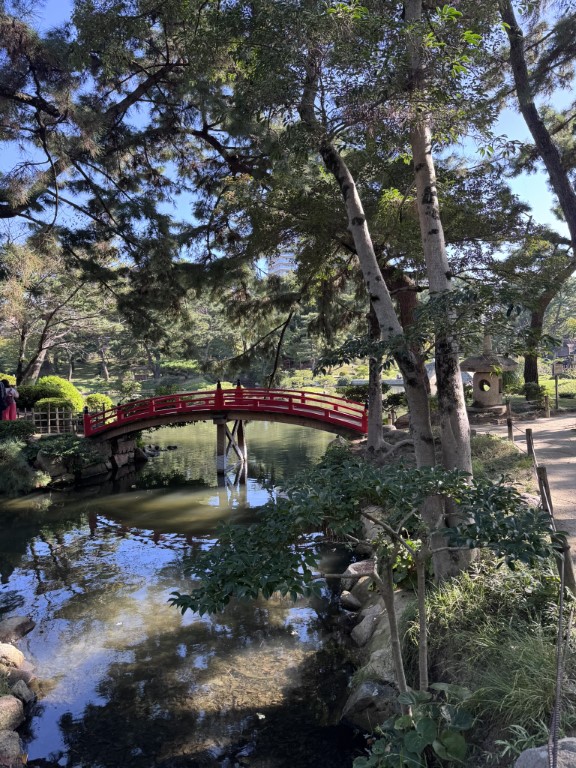
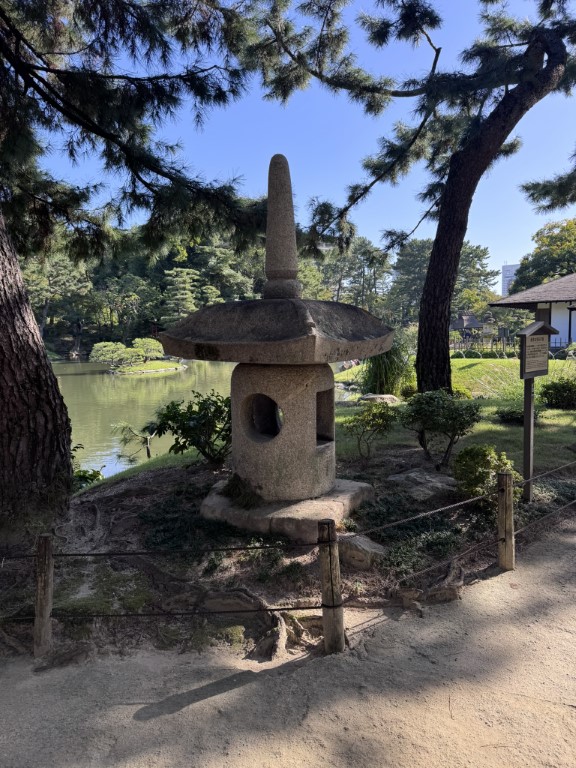
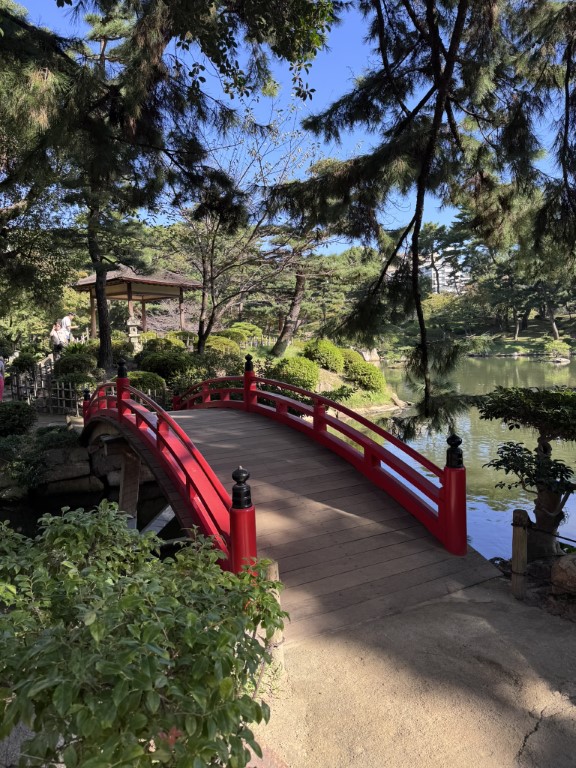
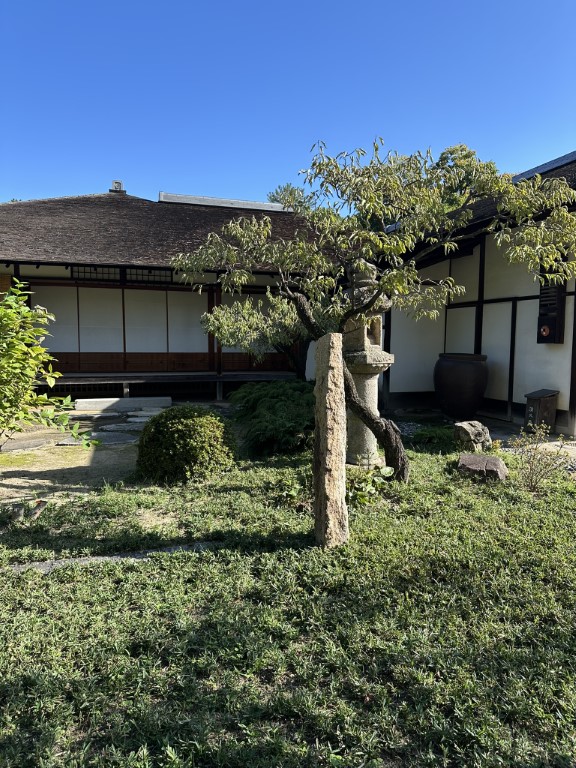
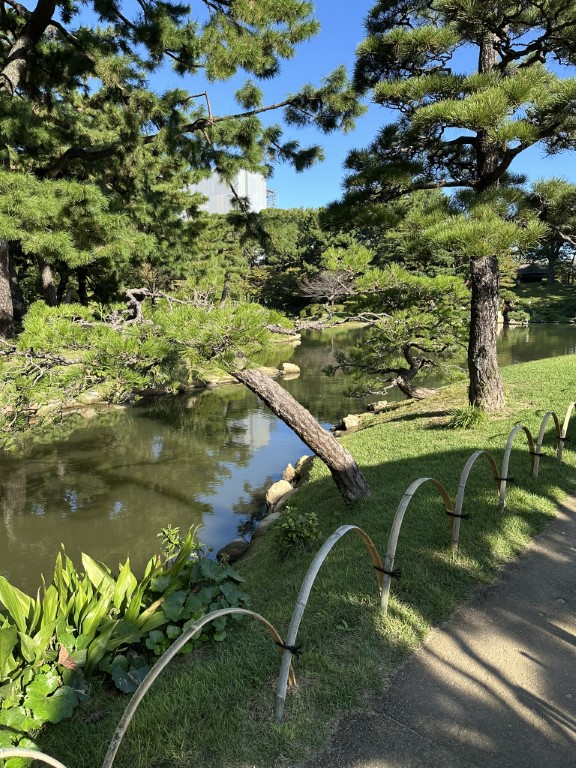
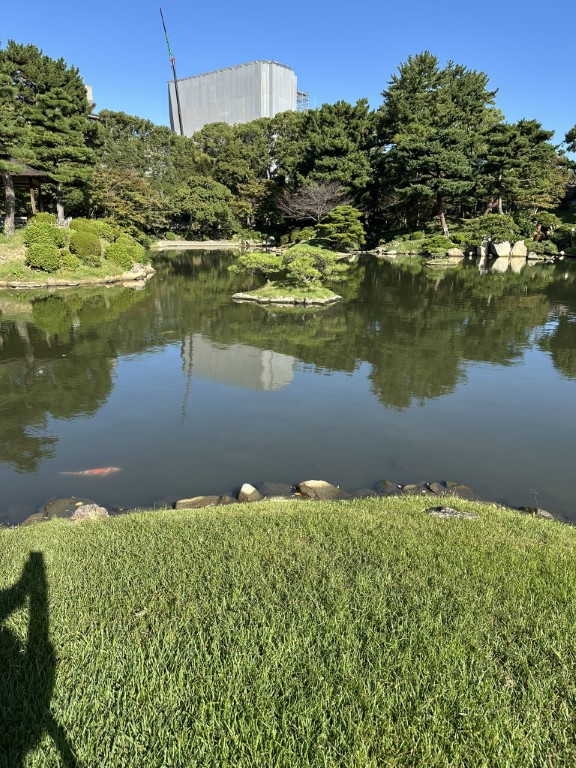
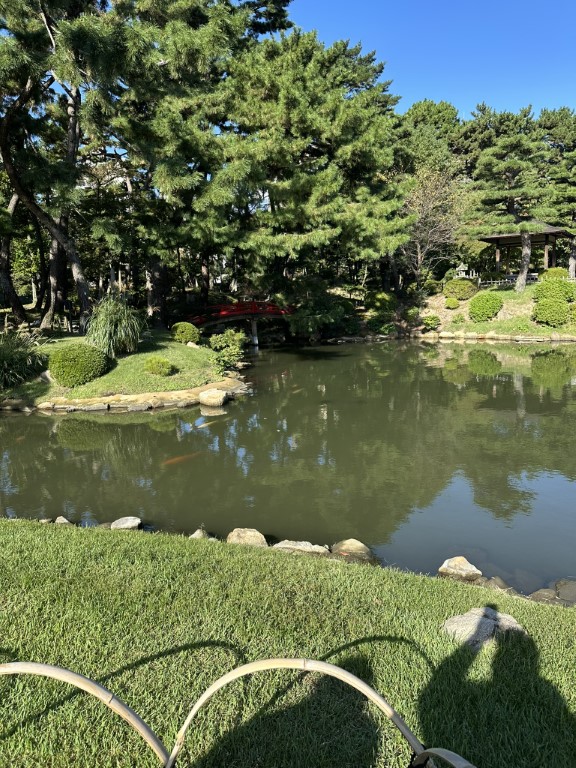
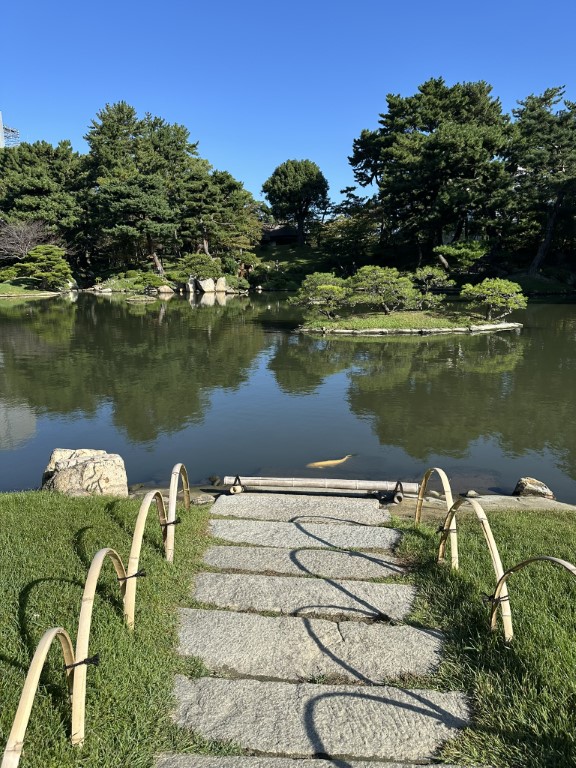
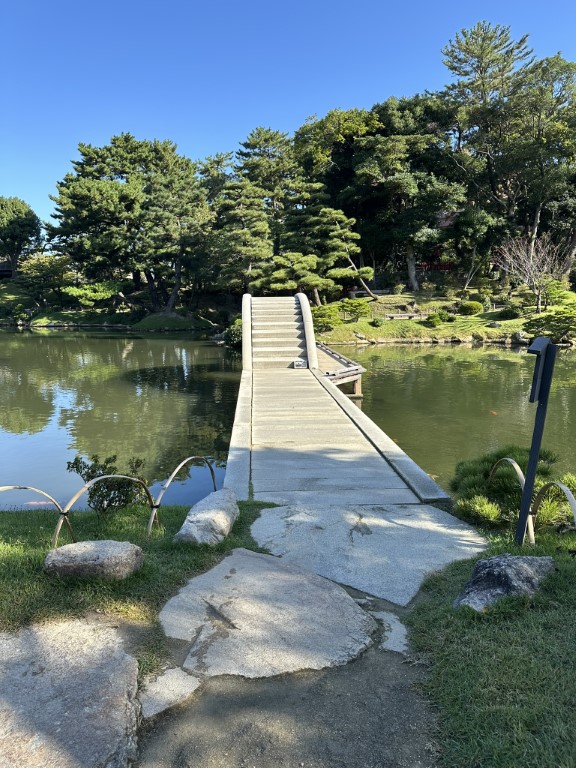
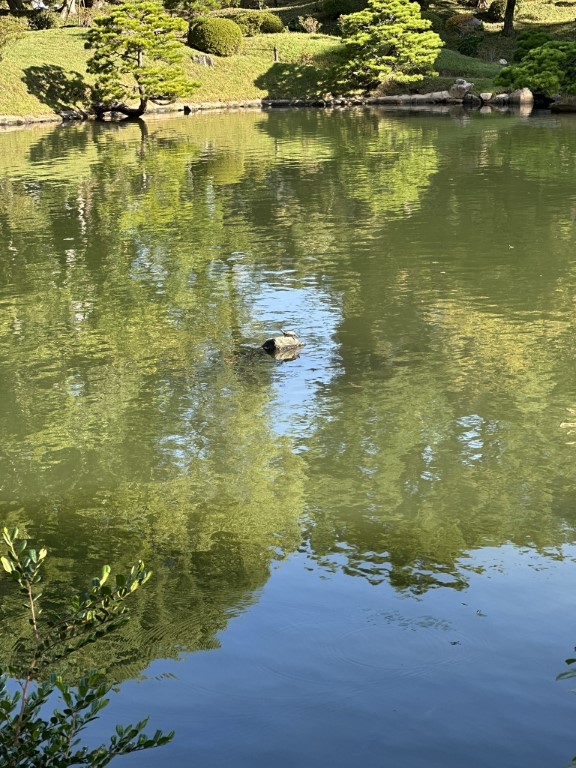
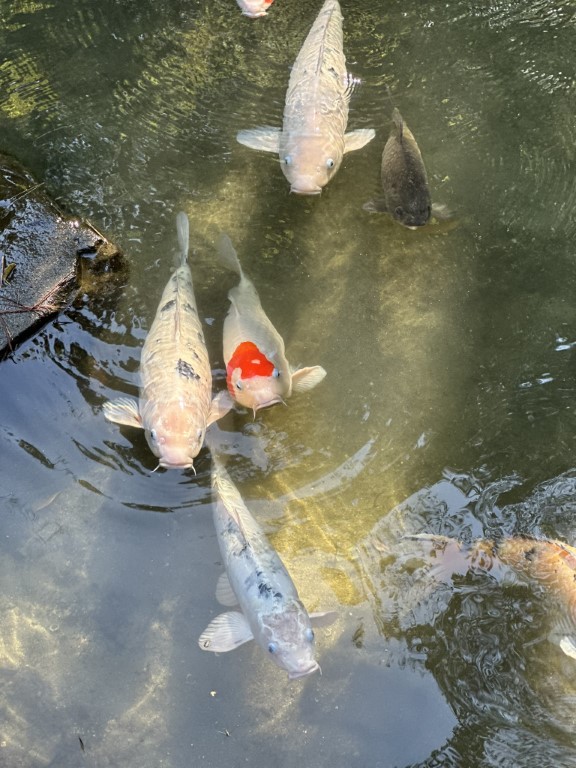
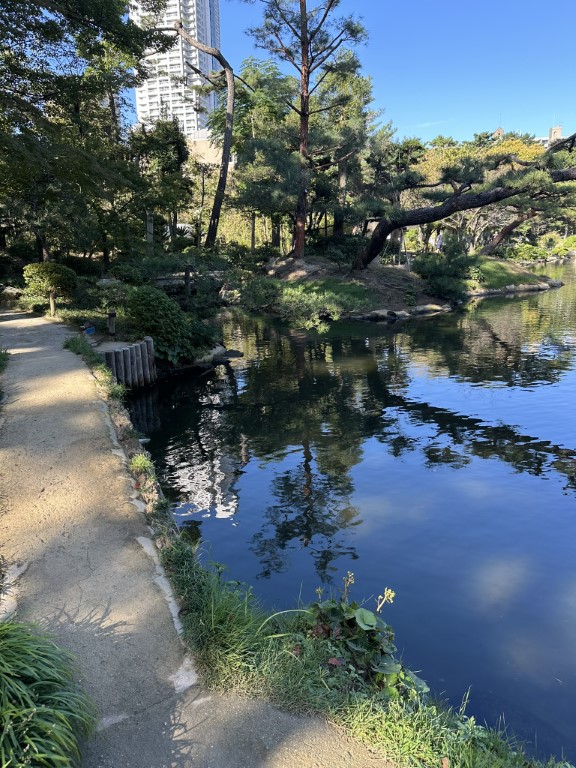
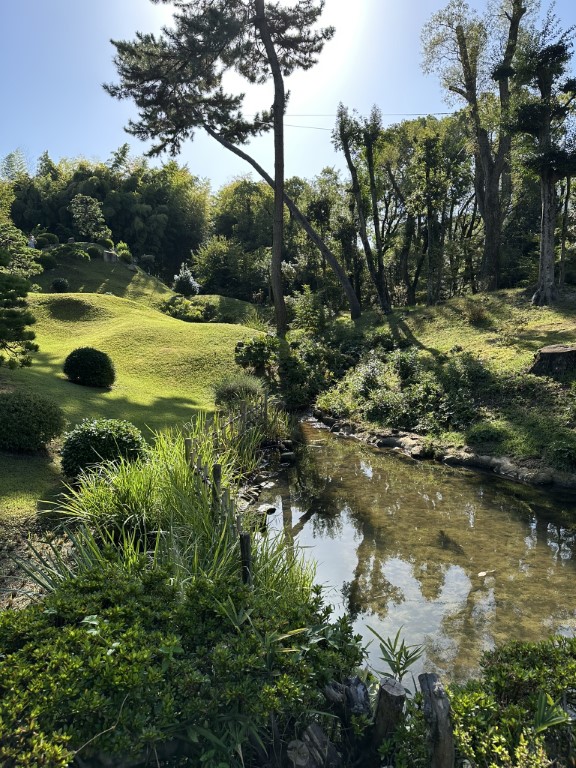
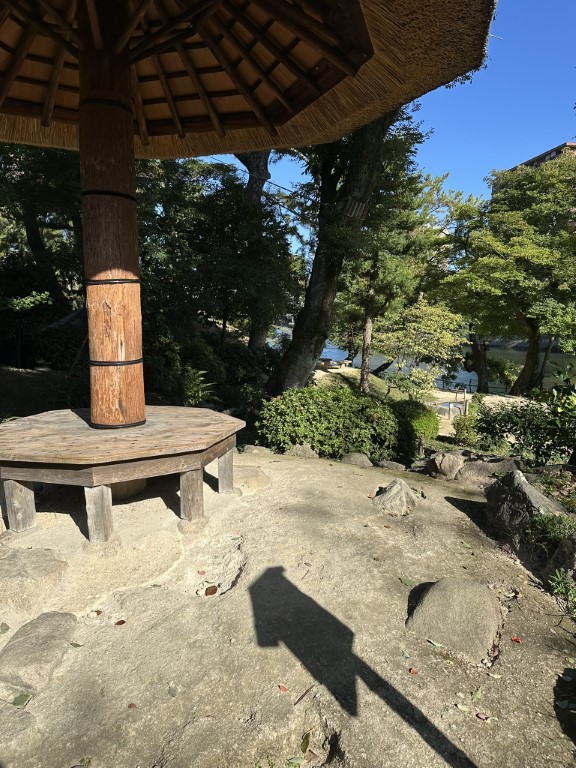
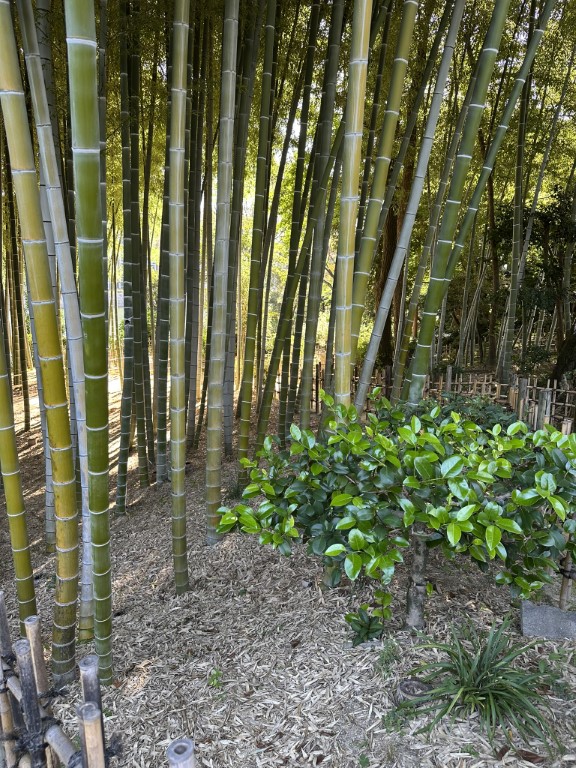
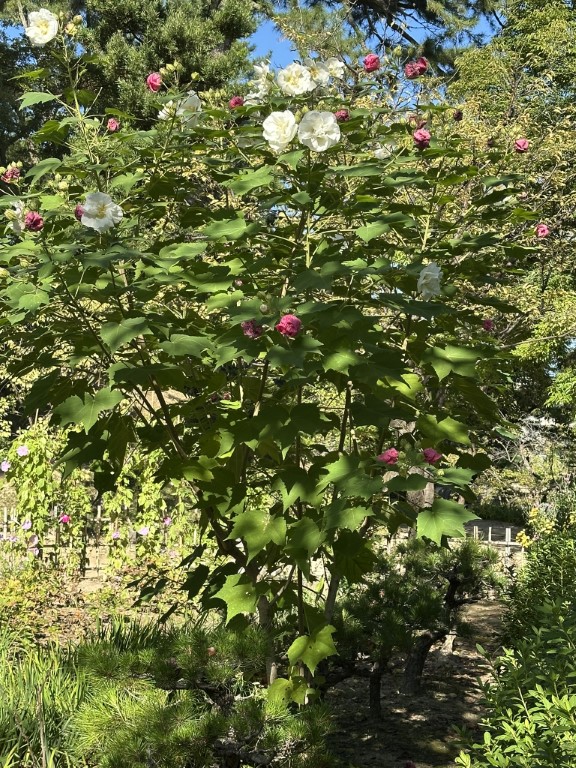
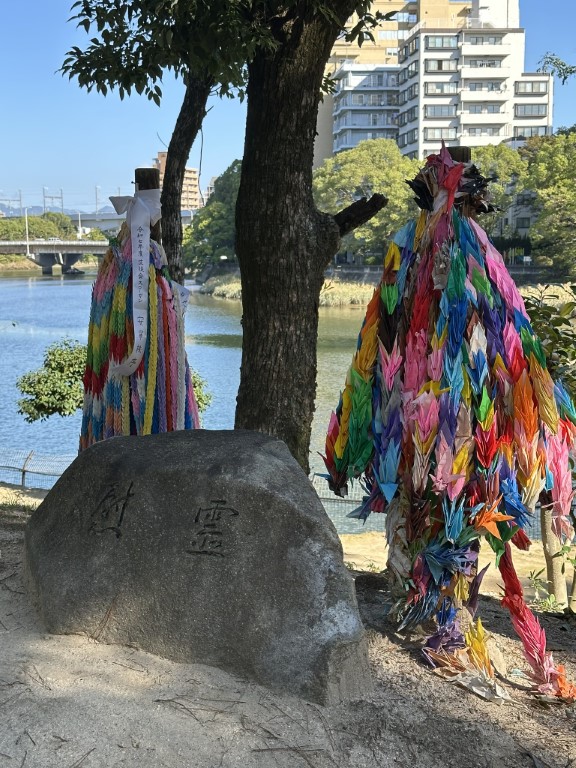
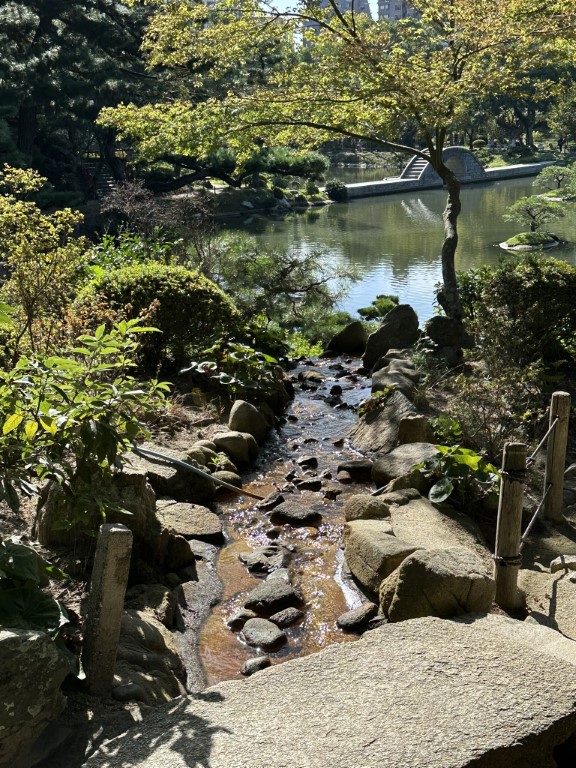
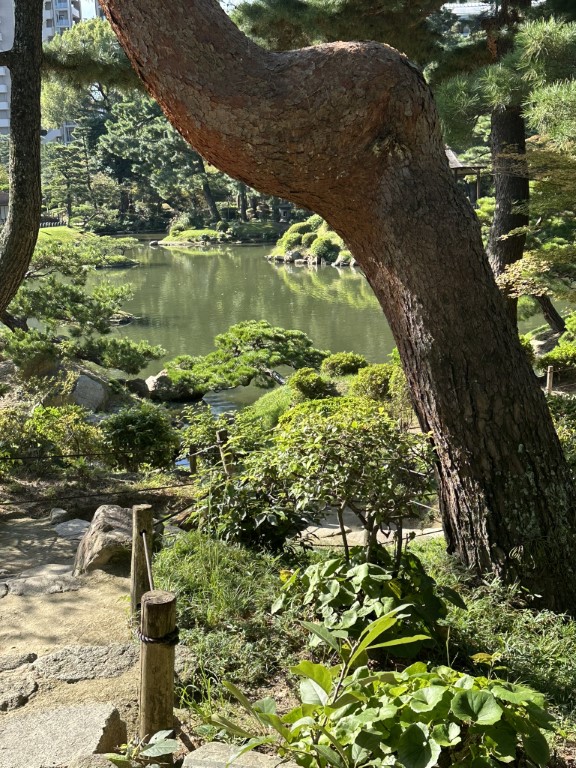
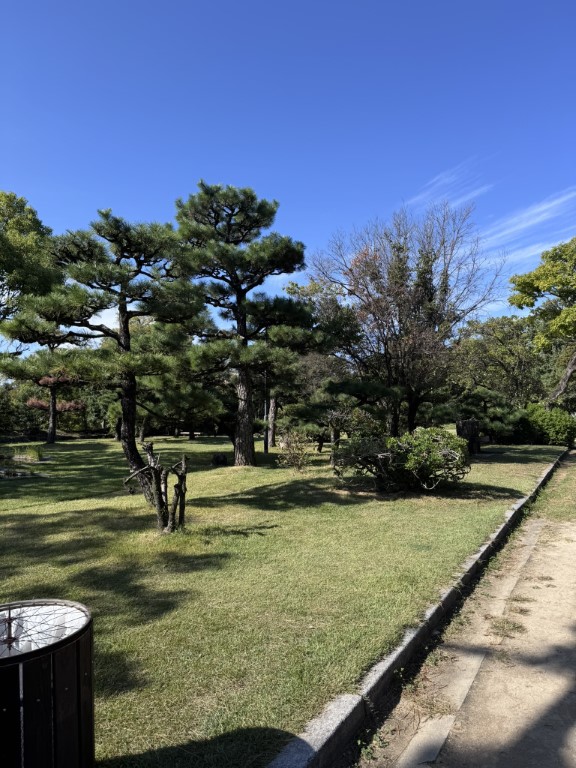
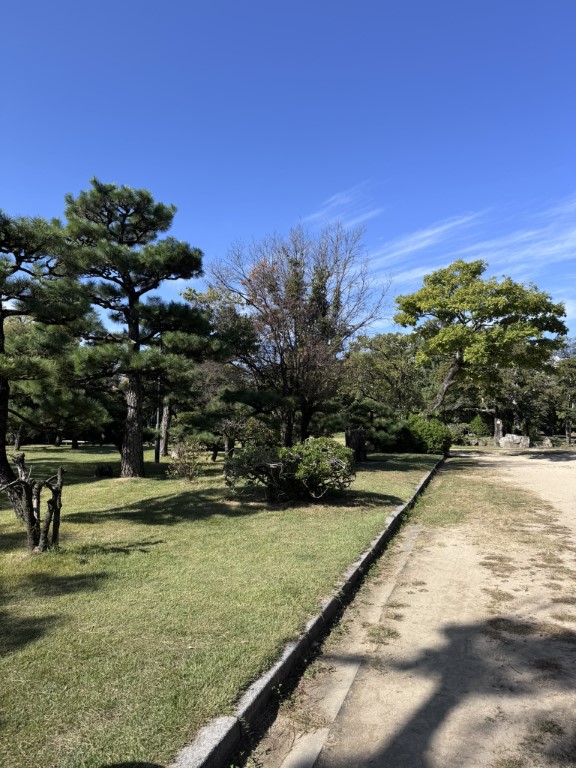
The walk to the tram in Hiroshima Station and the walk from the tram stop to Shukkeien Garden turned out to be not much shorter than the walk would have been from our hotel, another lesson we would learn about public transport in Japan. Shukkeien can be translated into English as "shrunken-scenery garden", which is a good description of the garden. Valleys, mountains and forests are represented in miniature in the garden's landscapes. Through careful cultivation of the land and vegetation, the garden mimics a variety of natural formations and scenic views. Shukkeien dates back to 1620, just after the completion of Hiroshima Castle. The garden displays many features of the traditional aesthetics of Japanese gardens. Around the garden's main pond there are a number of tea houses. The entire garden is connected by a path which winds around the pond at the center which passes through all of the various miniaturized sceneries.
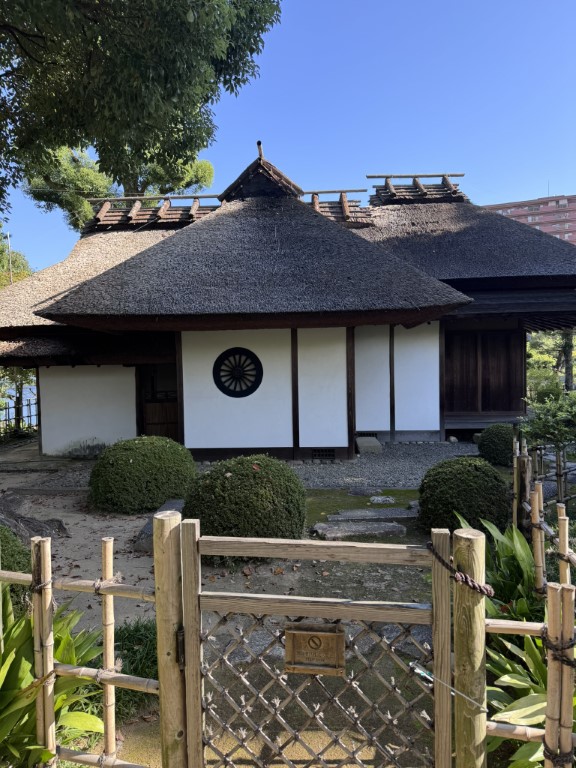
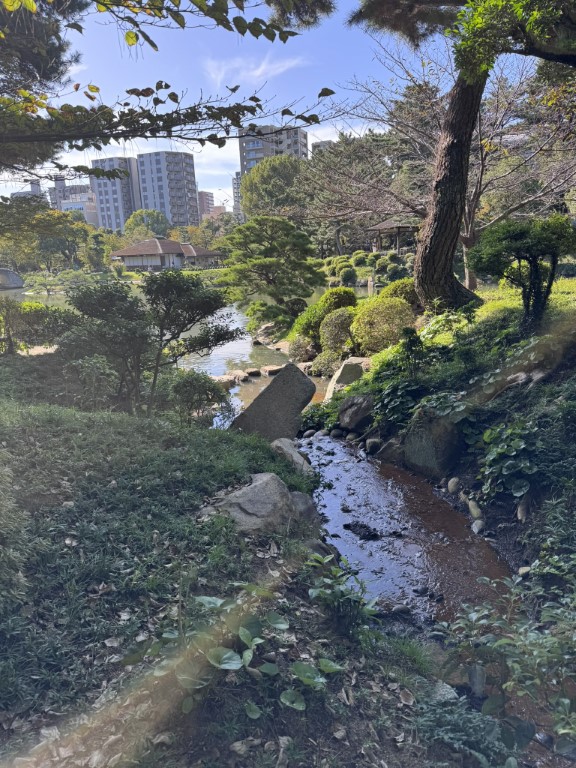
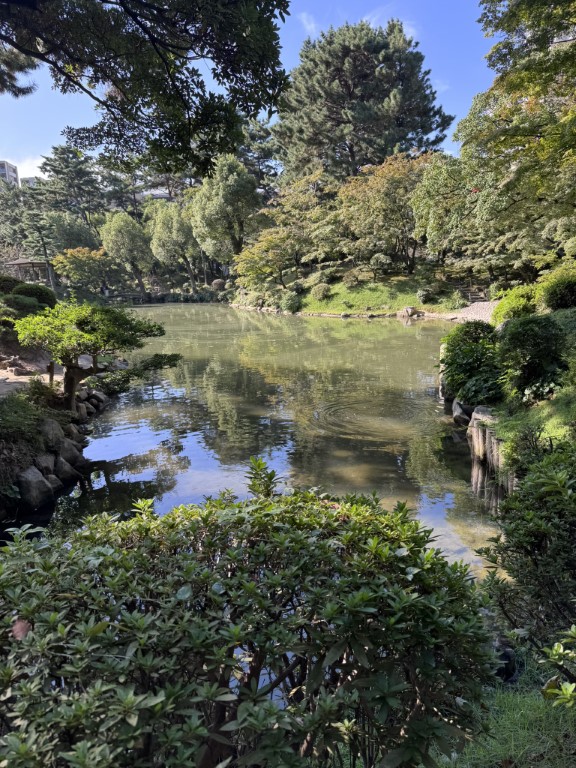
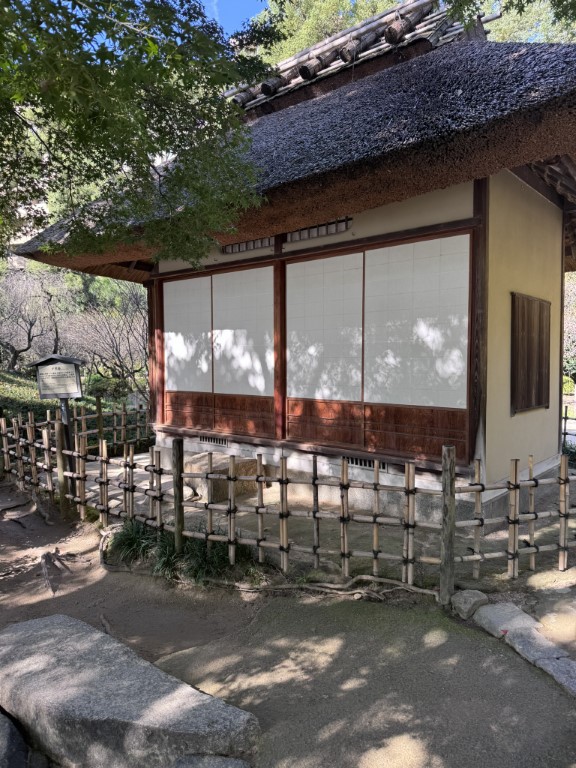
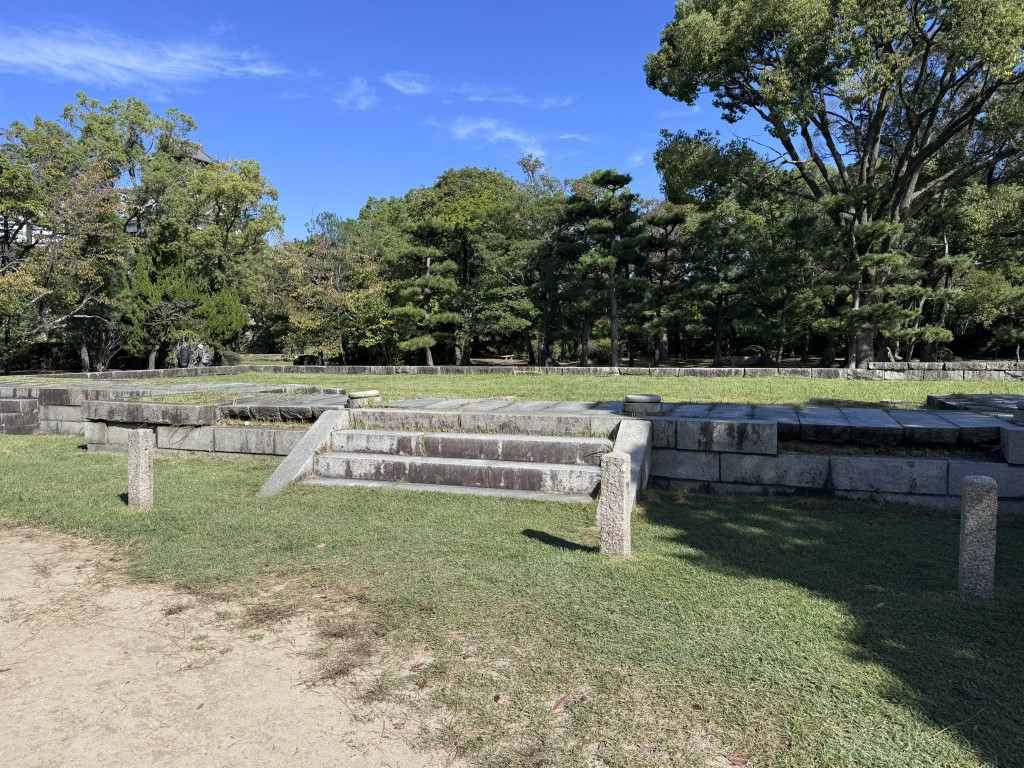
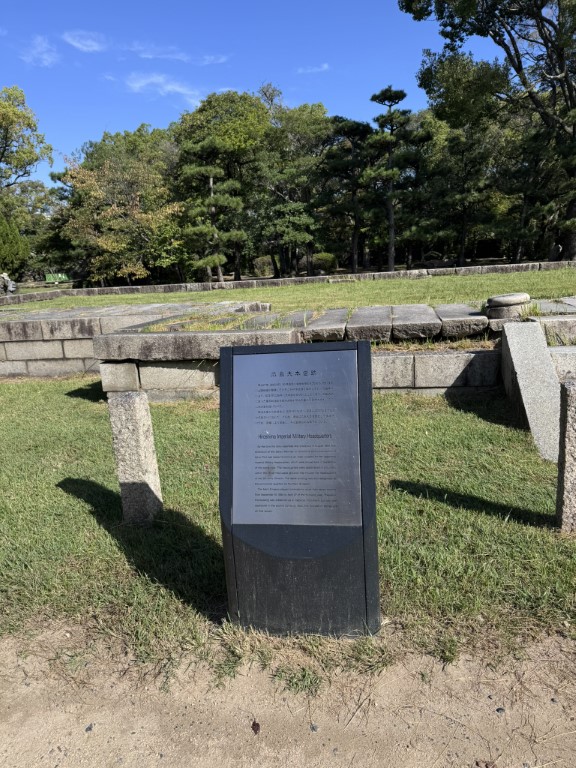
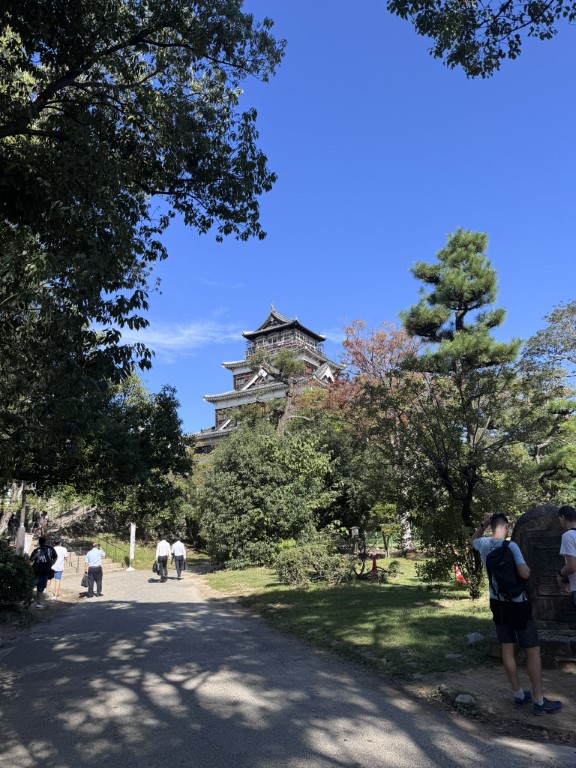
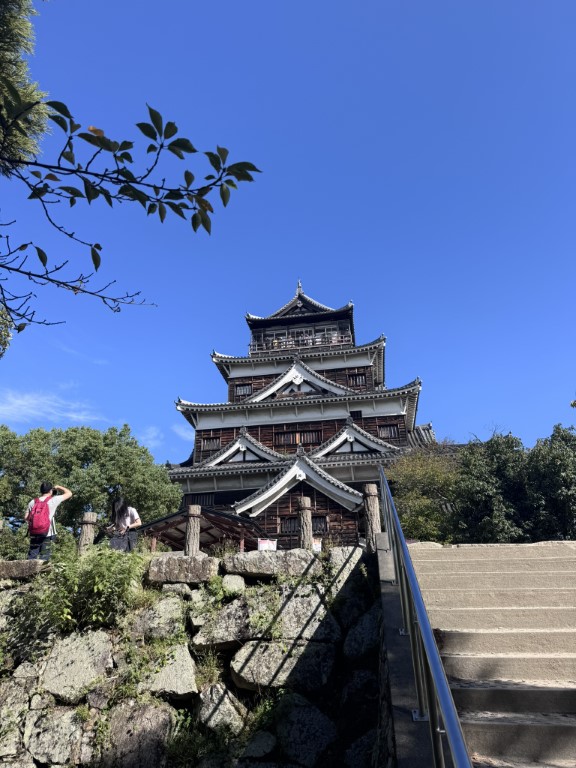
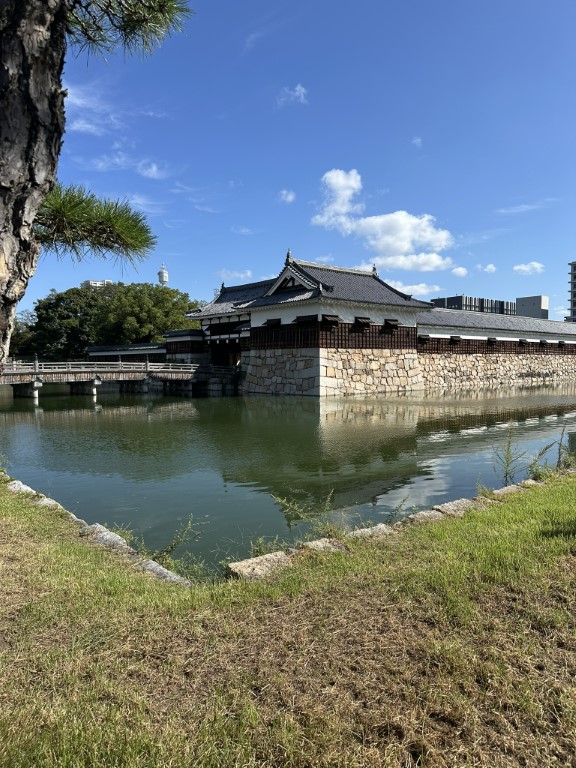
There was no easy public transport to our next stop, Hiroshima Castle, because by the time we got to the tram stop, the castle grounds were just a few minutes away. Of course, this did not take into account the sprawling castle grounds, which meant another 10 minute walk to the castle itself. Hiroshima Castle, also called Carp Castle, is a good example of a castle built on a plain in the center of a city as opposed to hilltop and mountaintop castles. Its main keep is five stories tall, and its grounds are surrounded by a moat. Originally built in 1589 by the powerful feudal lord Mori Terumoto, Hiroshima Castle was an important seat of power in western Japan. While it was spared the demolishment that many other castles met during the Meiji Period, like the rest of the city, Hiroshima Castle was destroyed by the atomic bomb in 1945. Since this was a reconstruction, and with several other castles on our schedule in the coming days, we decided not to go inside.
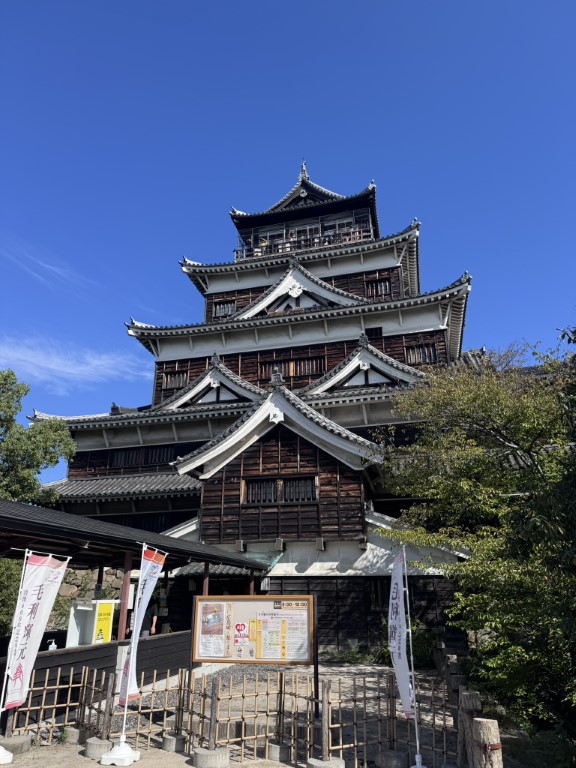
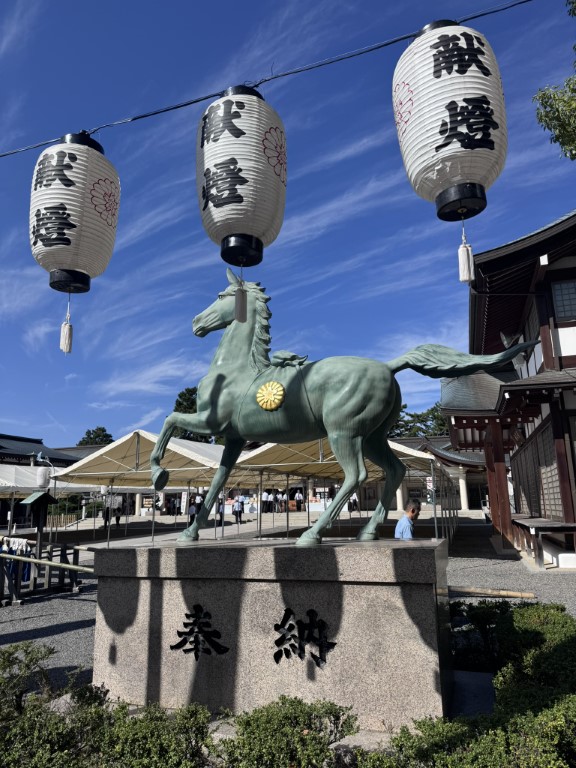
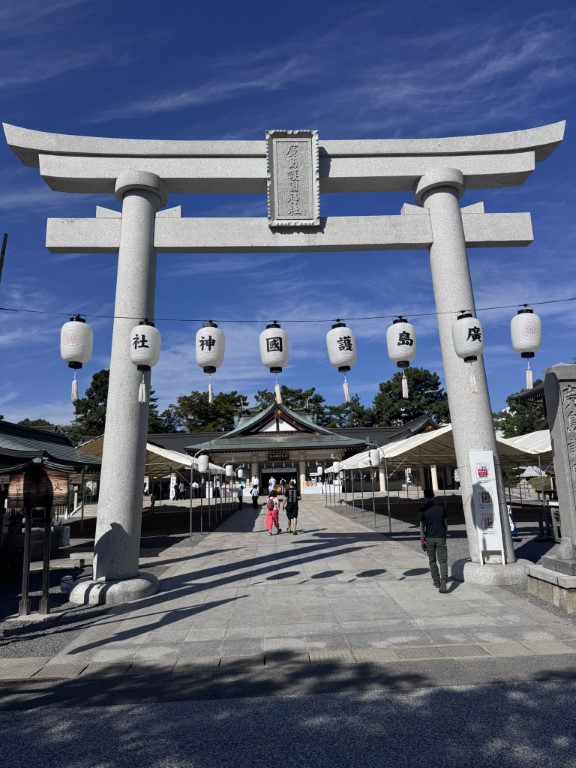
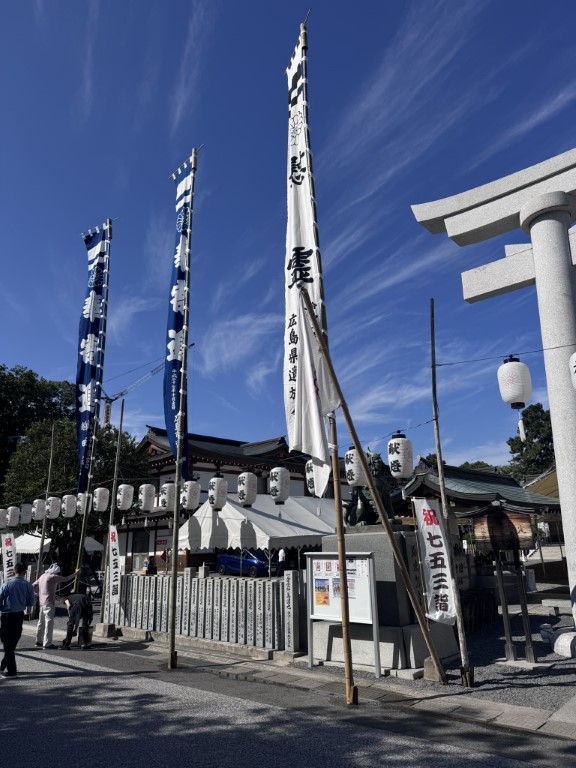
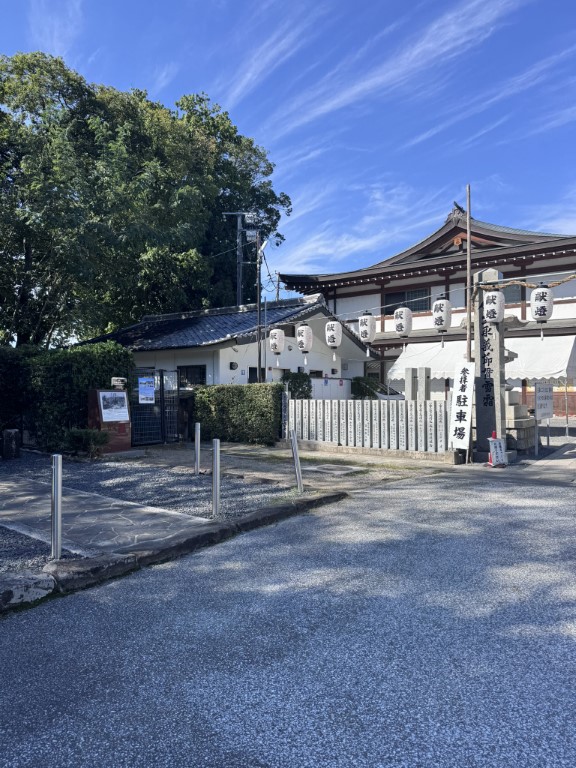
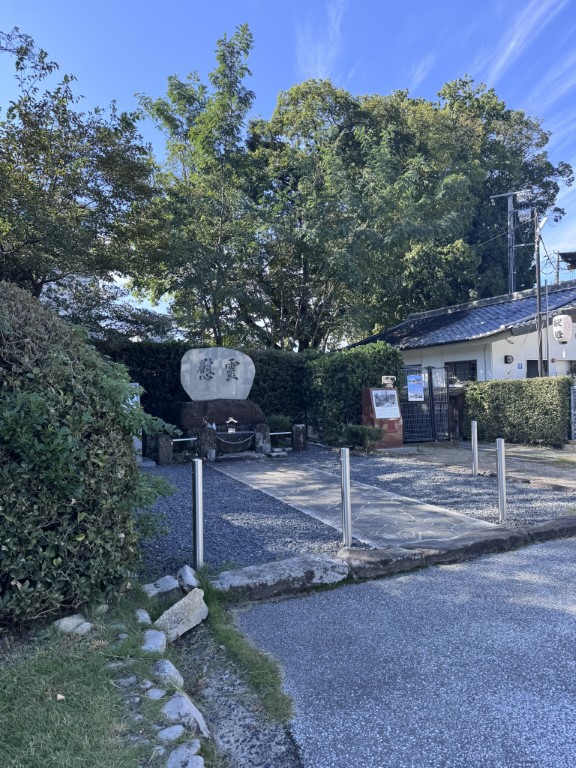
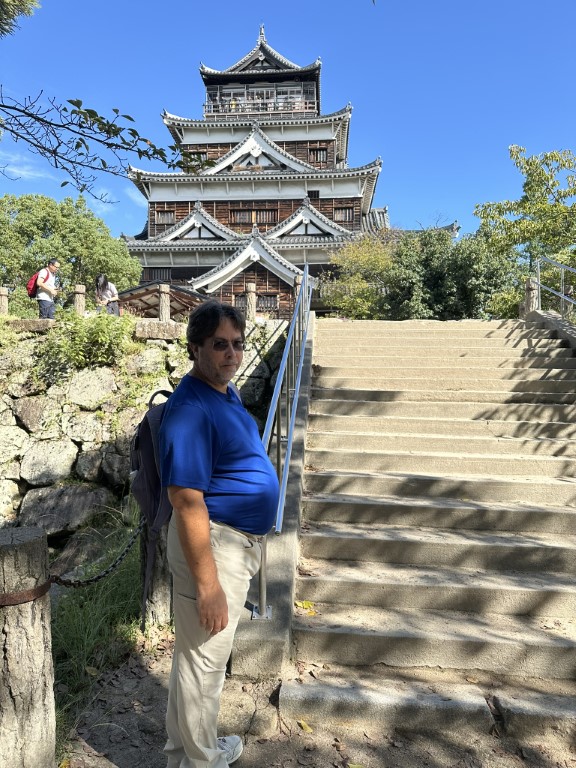
One of the reasons for not going inside Hiroshima Castle was wanting to get an early ferry to Miyajima Island. The walk back to the ferry stop was longer than expected, although we did find an underground shopping center to walk through to get out of the Hiroshima heat. Unfortunately, all of the earlier ferries were sold out and the 11:30 was the first one available. J. R. went to a 7-Eleven to buy some sodas and returned with a couple of candy bars as well, including a local one from Meiji that we both liked. Janie would later fall in love with the dark chocolate version. We sat on a bench near Peace Park and had our drinks and candy before lining up for the ferry. We were glad we lined up early as we were able to get seats next to the window alongside a Canadian couple. The ferry passed slowly through the Honkawa / Motoyasu Rivers in the city for local sightseeing and then out into to Hirosima Bay where it picked up speed.
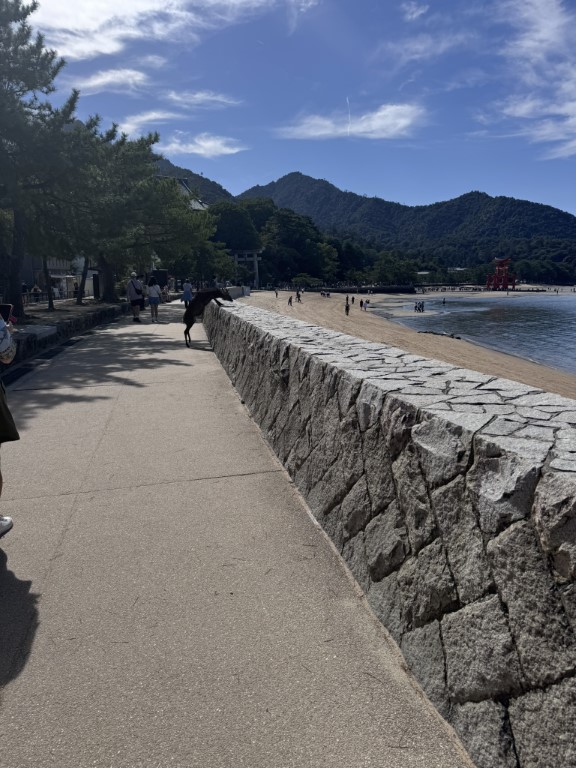
We arrived on Miyajima Island where we were greeted by the local deer as we made our way along the waterfront towards the iconic floating torii gates and the shrine. We had done a lot of research on the island and the shrine but were not prepared for the touristy commercial aspect with all of the shops and stalls we needed to navigate before getting to the shrine.
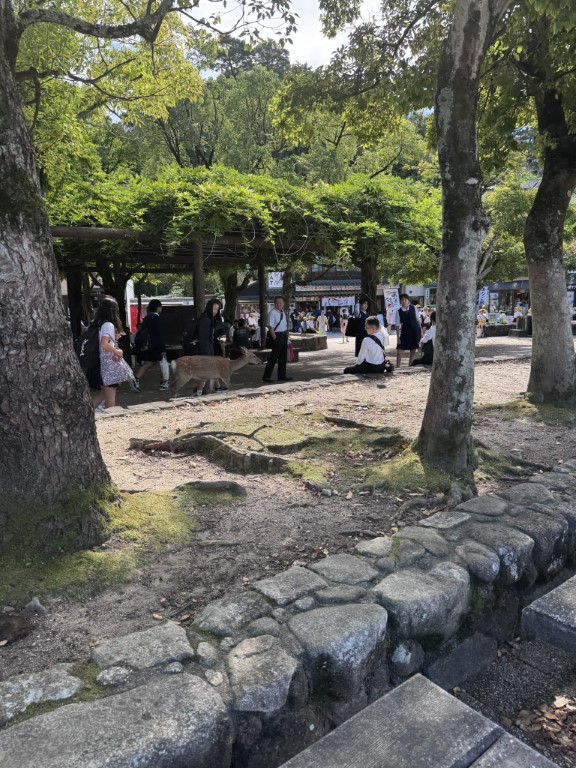
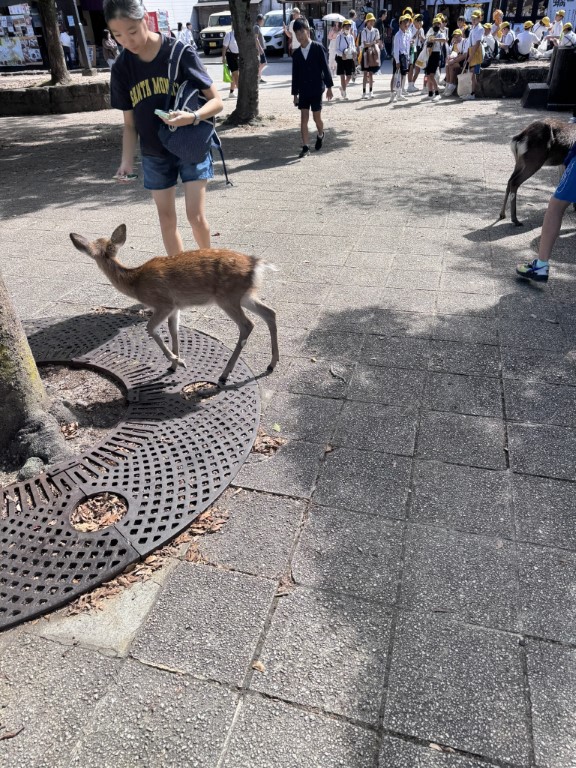
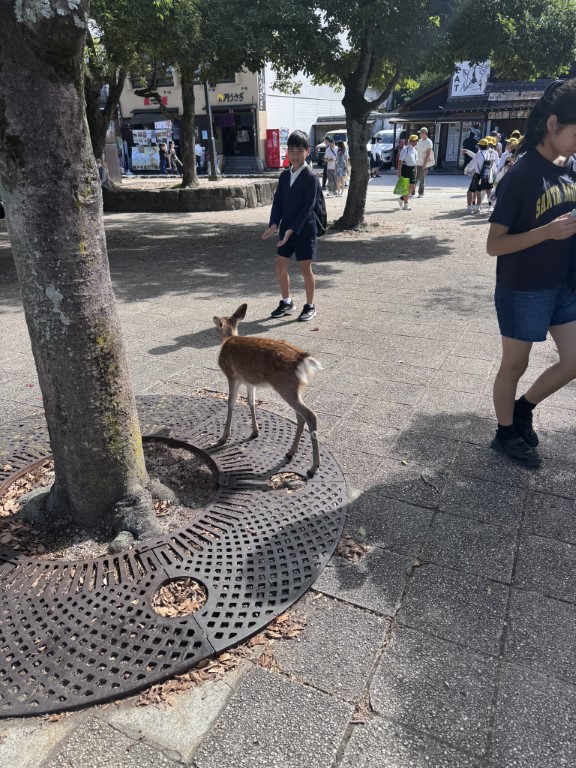
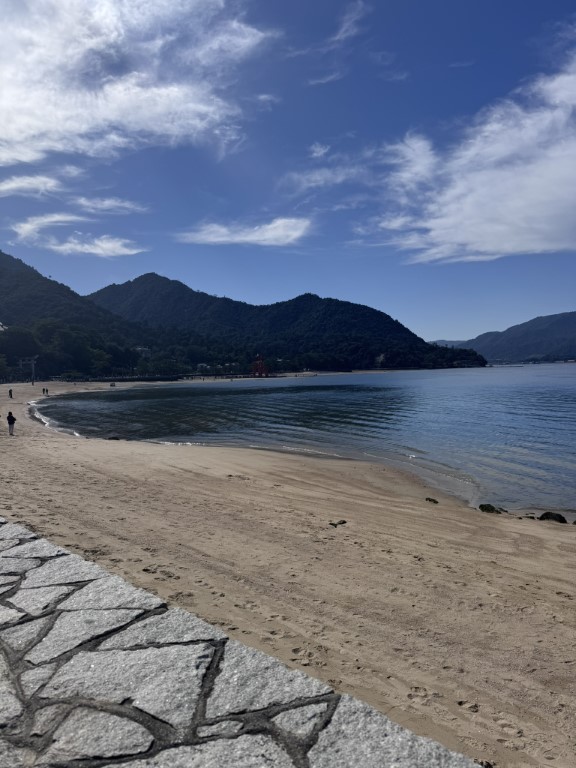
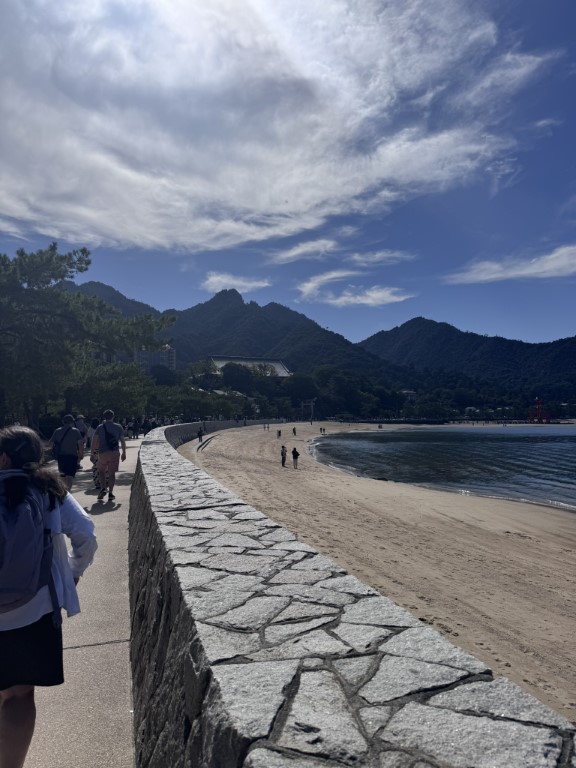
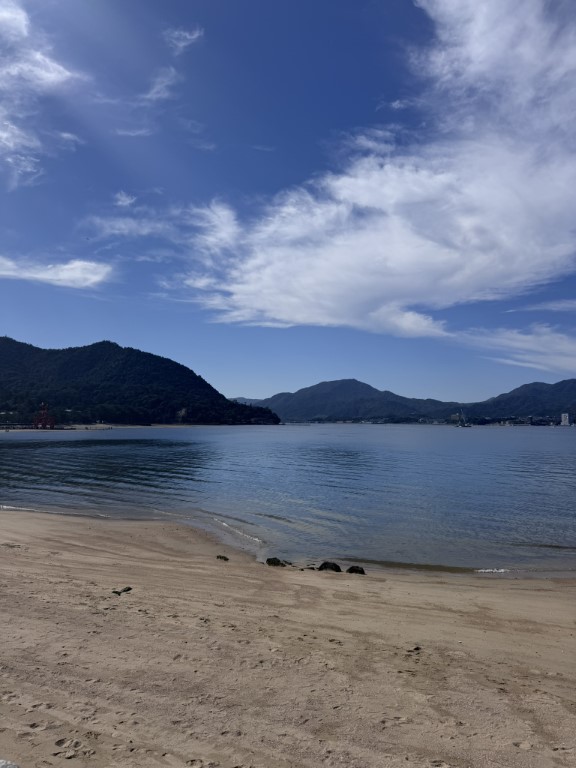
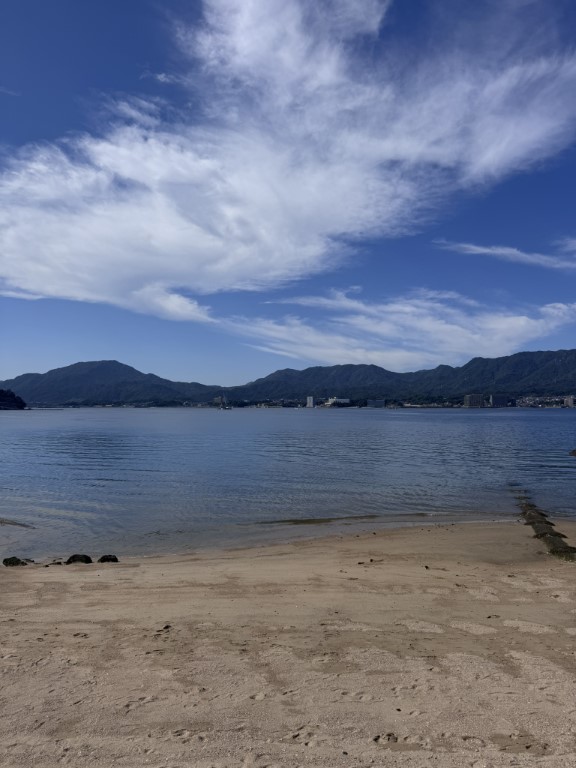
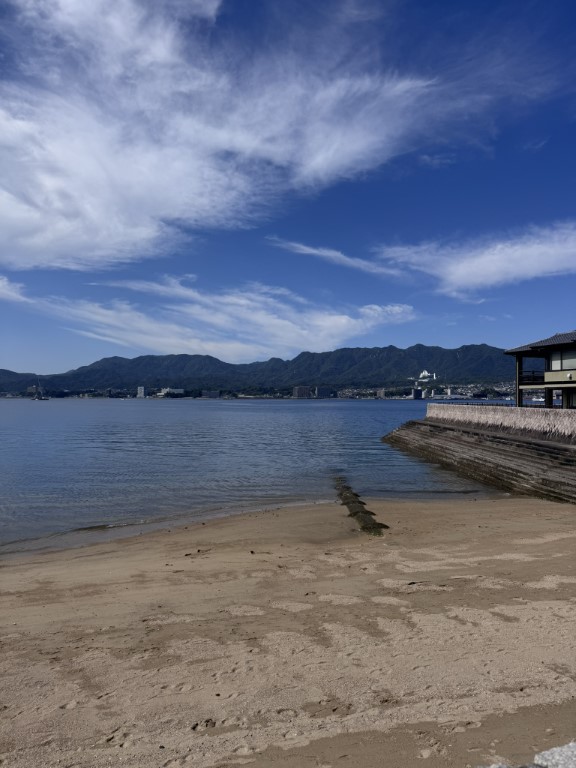
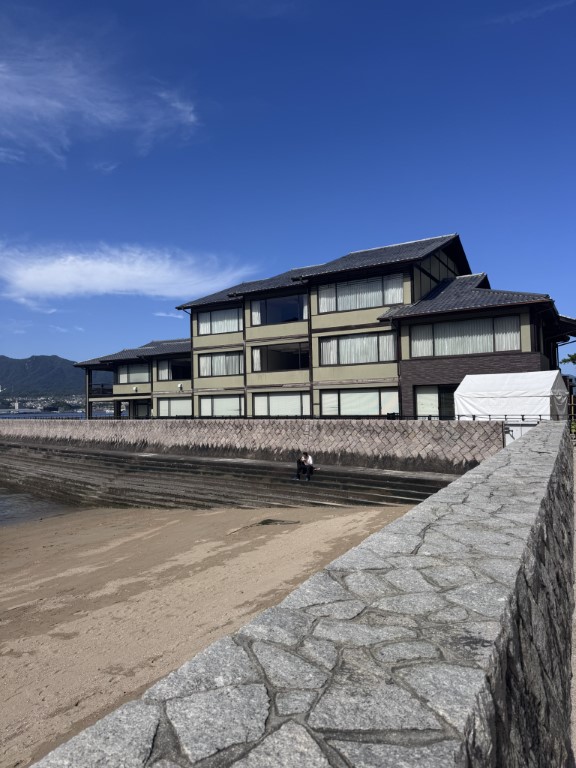
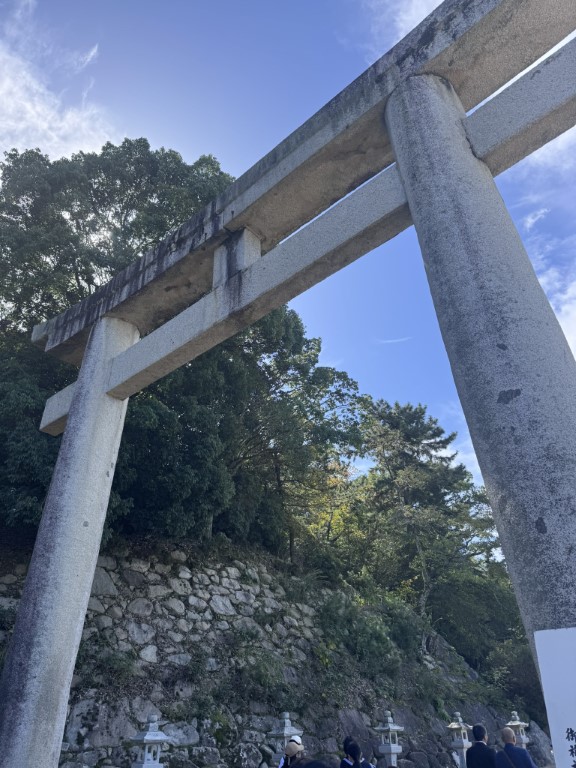
When most people think of Miyajima Island, they think of the famous "floating" torii in Seto Inland Sea, a copy of which can be found at Epcot in Walt Disney World. Many call this "Miyajima" shrine, although that is the name of the island and the actual shrine is Itsukushima Jinja, set on an inlet of the sea. The three deities of Itsukushima Shrine were born when Amaterasu Omikami (goddess of the sun) and her brother Susanoo-no-mikoto made a pledge on the Celestial Plain, using a jewel and a sword. Since ancient times, they have been revered and worshipped as deities that ensure the well-being of the imperial family, guard the nation and protect seafarers. When the deities were looking for the best location to settle, Saeki no Kuramoto, who governed the island, received an oracle. Led by a divine crow from the Celestial Plain, he sailed around the island with the deities and decided to build a shrine where the tide ebbs and flows. According to an ancient record, this took place in 593, the year Empress Suiko ascended the throne. In 1168, Taira no Kiyomori rebuilt it in the shinden-zukuri style, an architectural style in which residences of the nobility were built in those days. As Kiyomori assumed higher posts in the imperial court, not only the Taira clan but many other eminent people visited the shrine, including members of the imperial family and aristocrats. After the Taira regime, the shrine was revered and patronized by the ruling Genji clan and other shoguns of the Muromachi period, and by the Ouchi and Mori clans during the Warring States period.
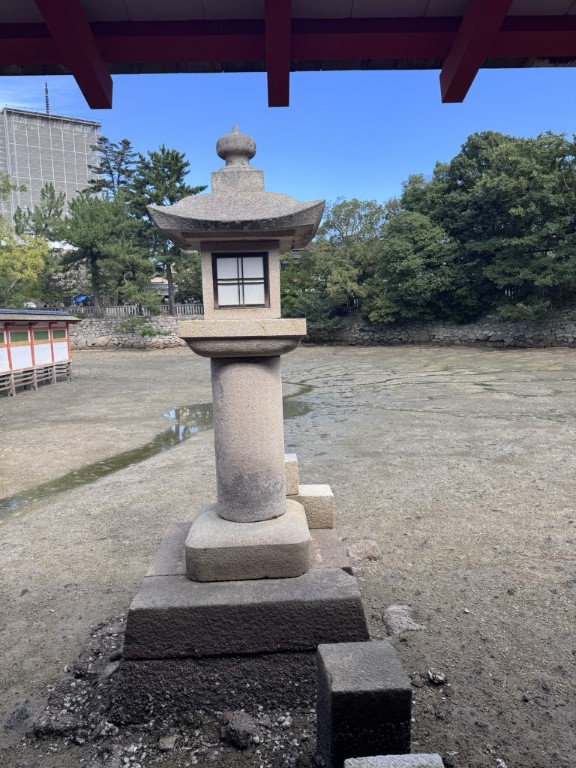
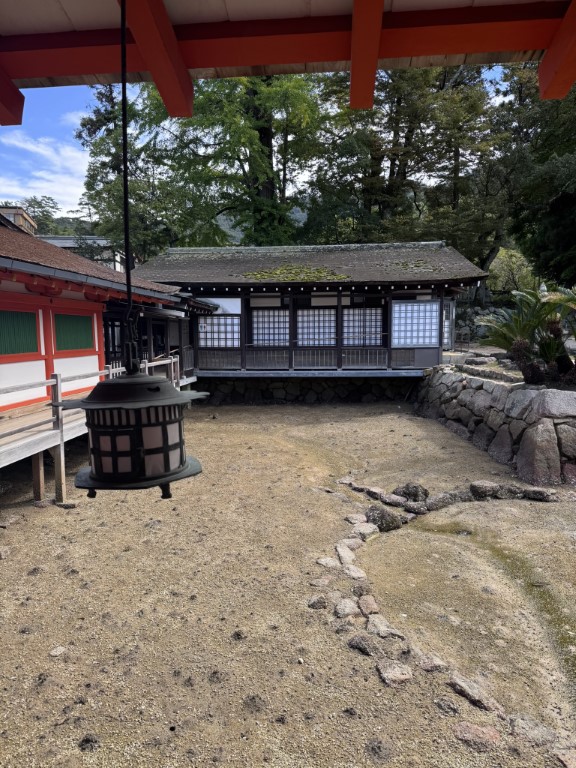
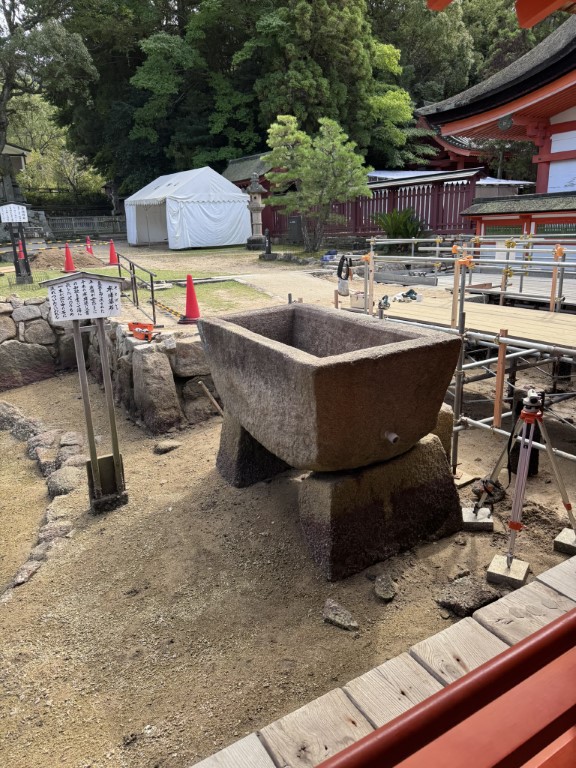
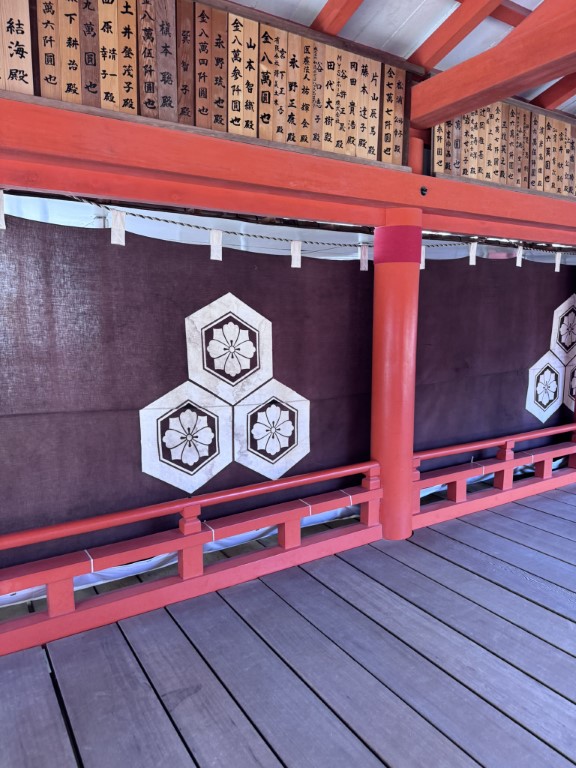
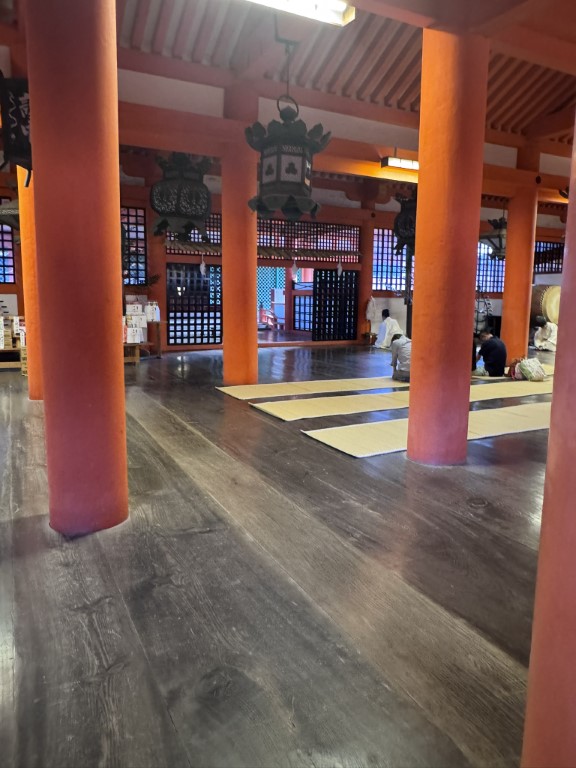
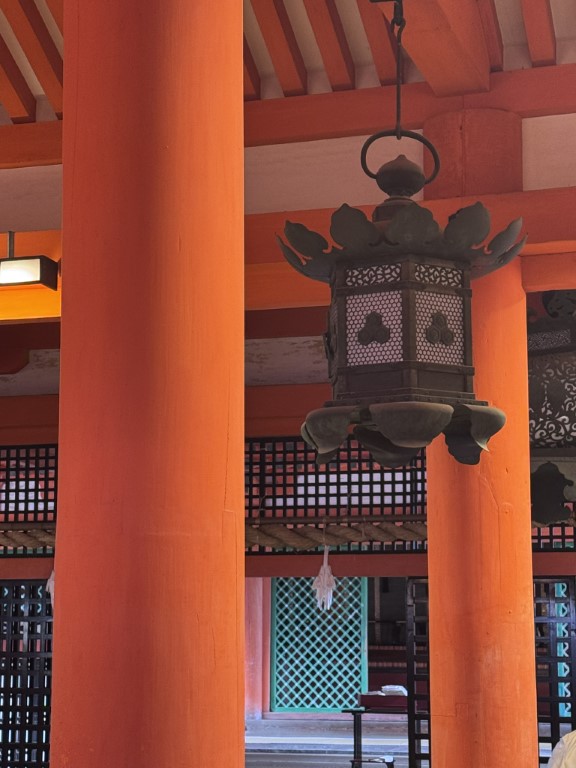
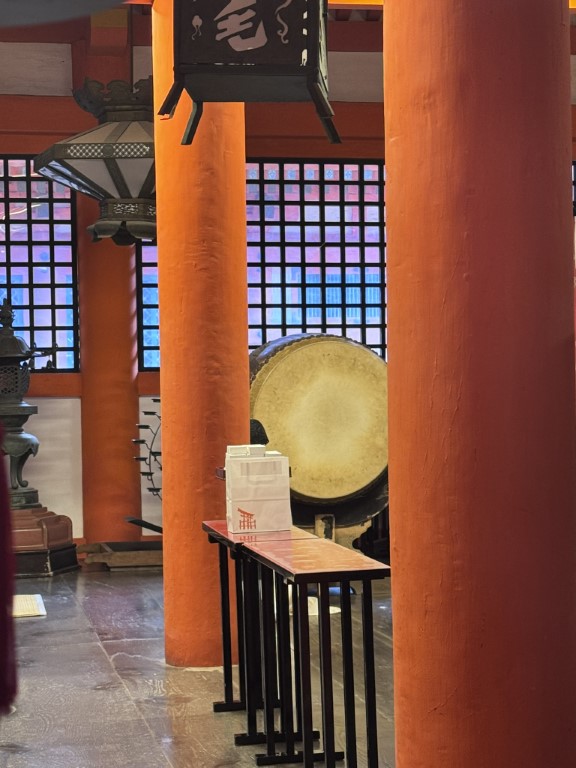
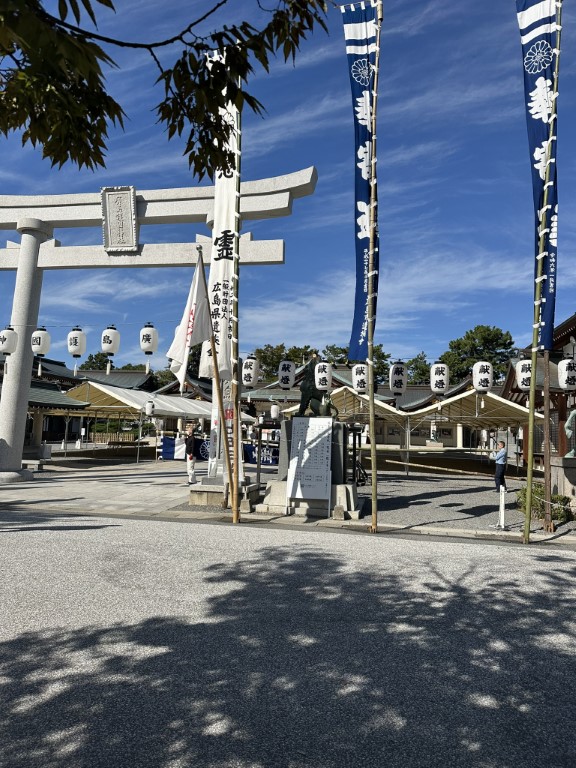
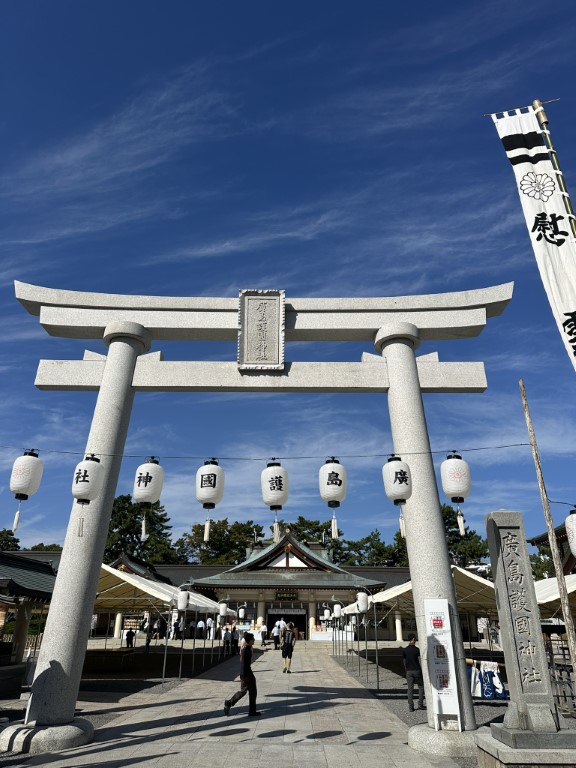
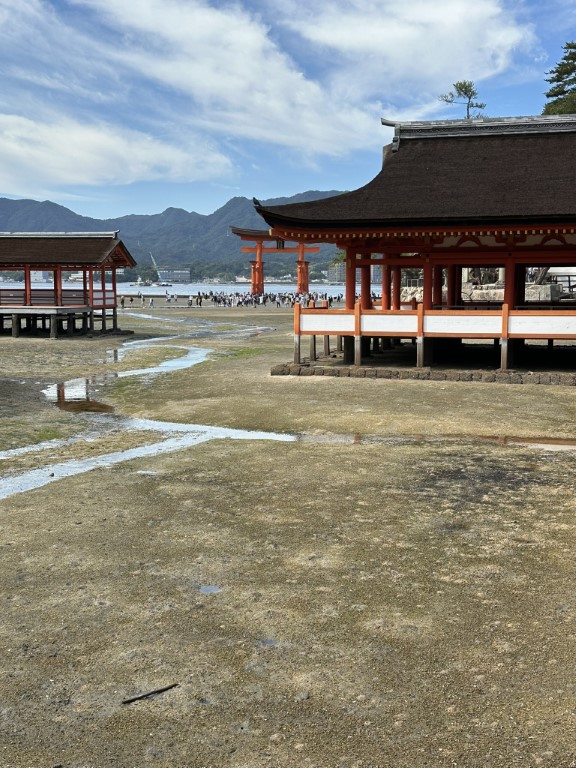
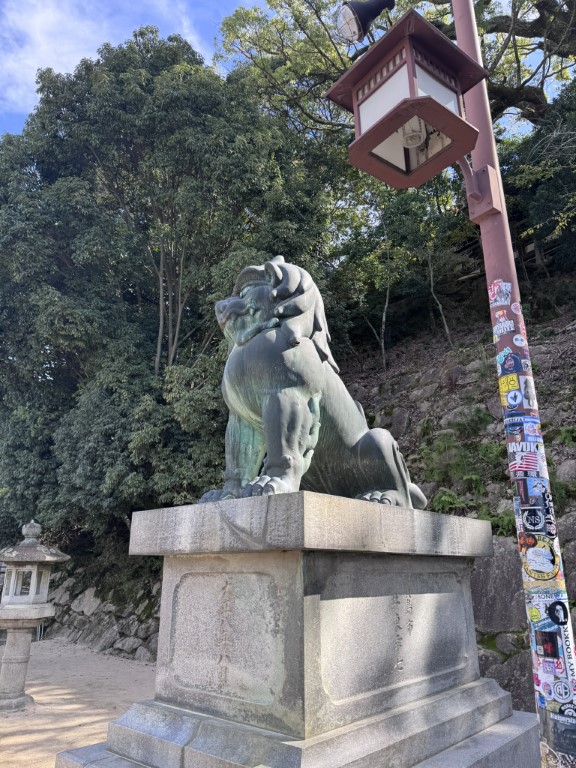
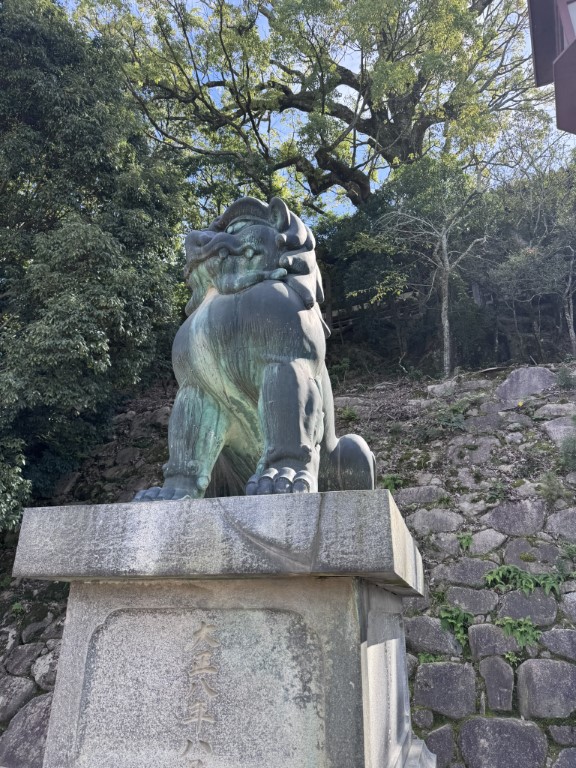
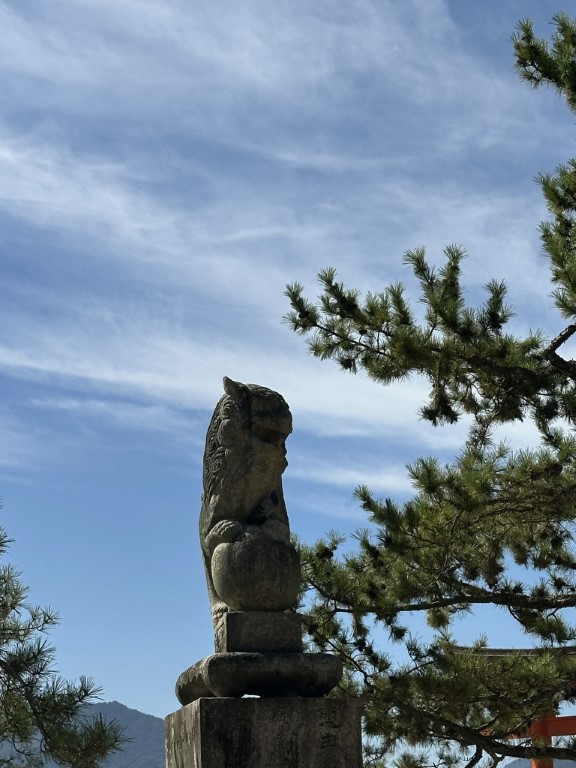
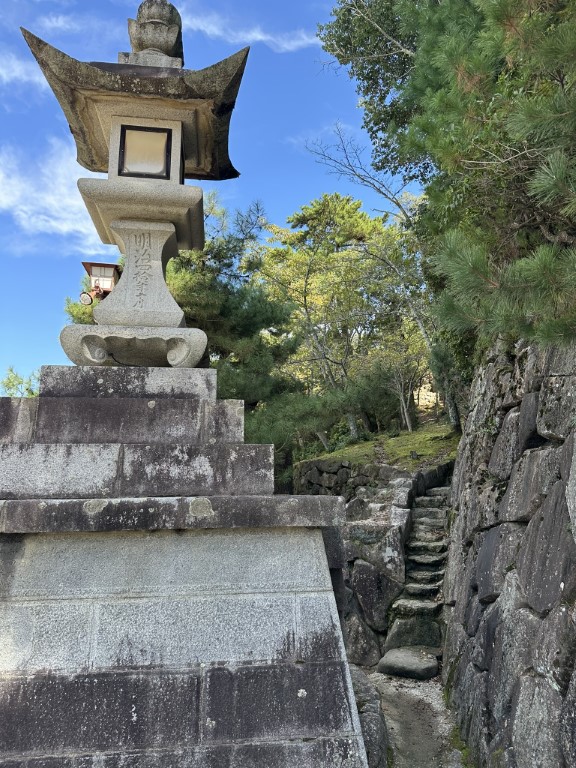
The shrine is actually made up of several shrines. Marodo Shrine is the primary auxiliary shrine near the entrance. Further along is Asayaka, the priests' meeting place. Passing through the East Corridor with its bronze lanterns took us to Haiden, the offering, worship and purification halls. Continuing along the west corridor is Daikoku and Tenjin Shrines and the Noh Stage where ceremonies dedicated to the deities are perfomed.
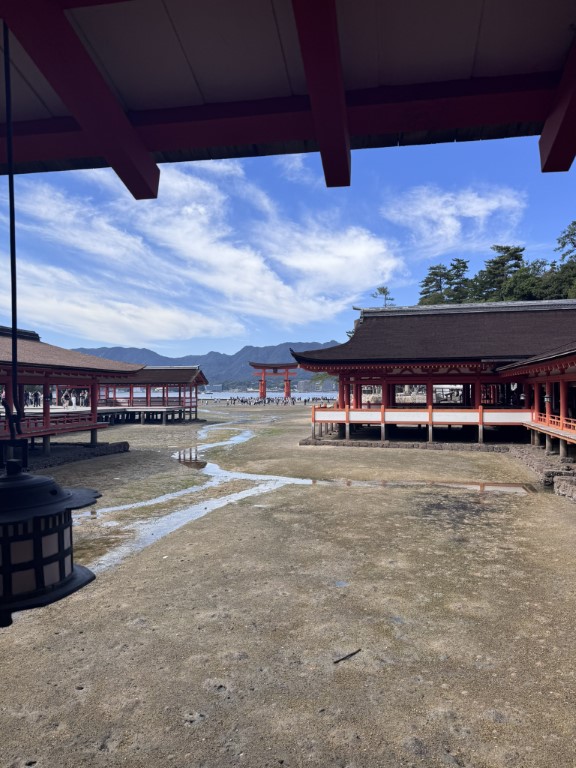
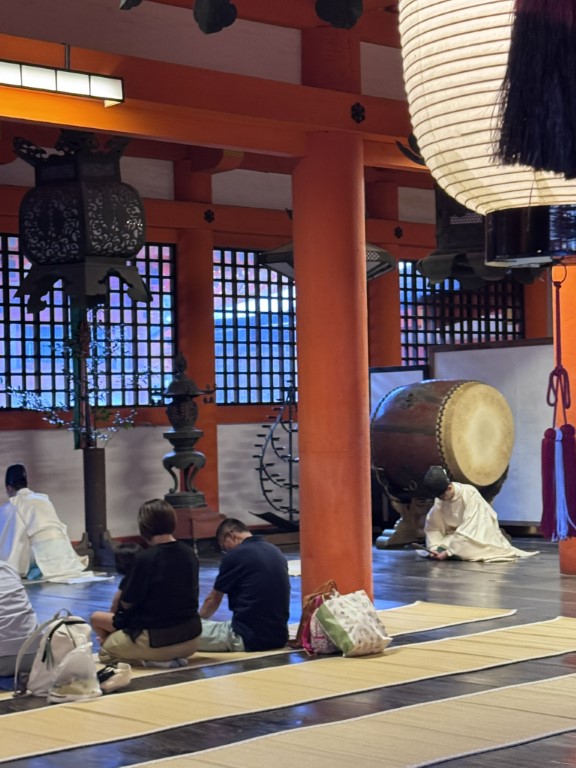
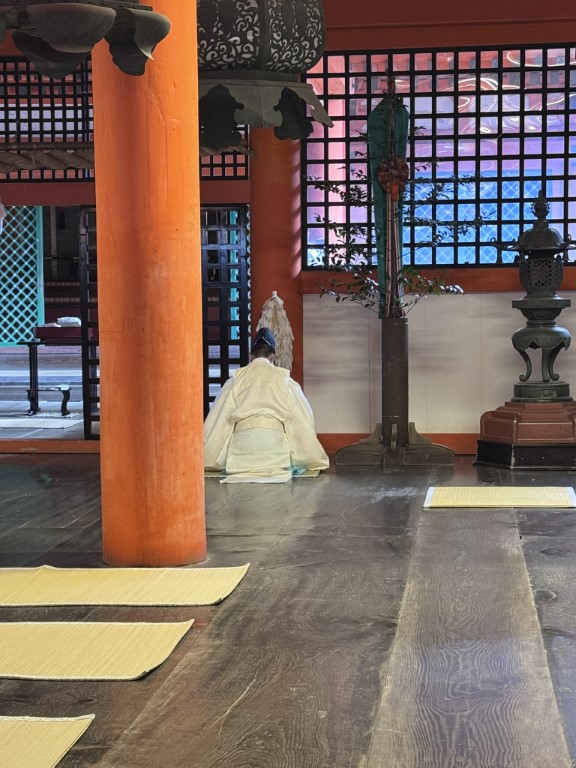
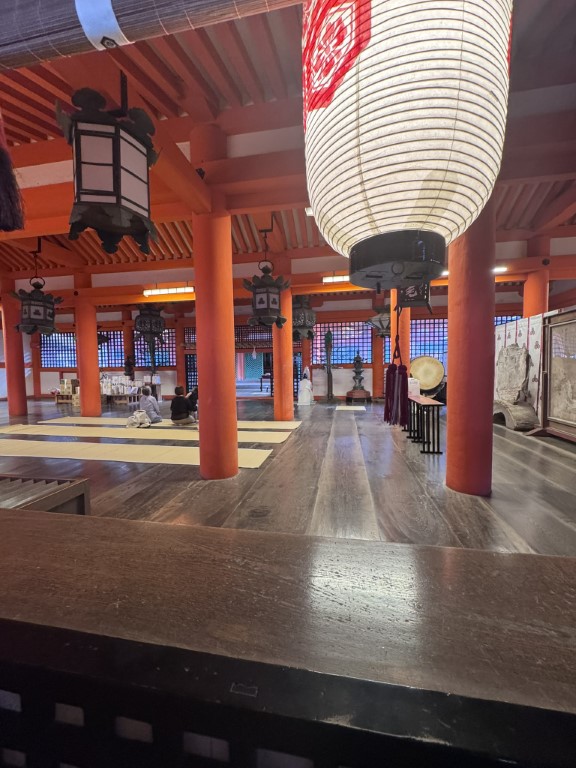
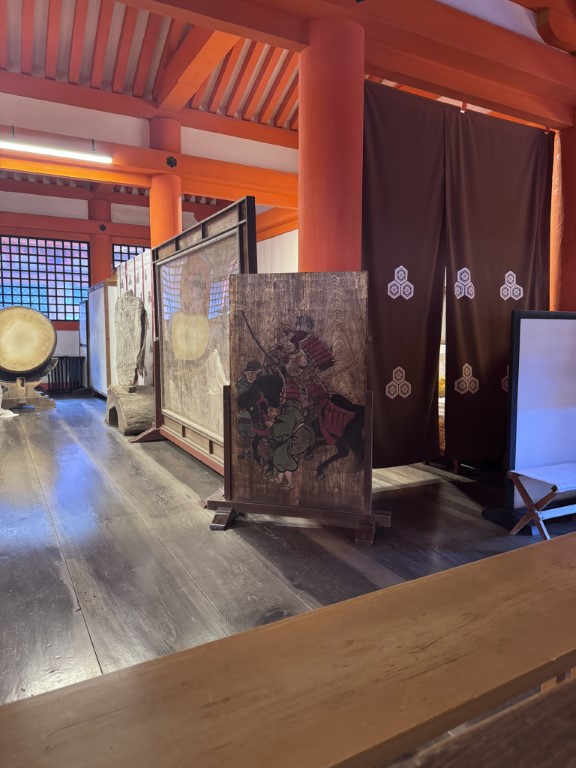
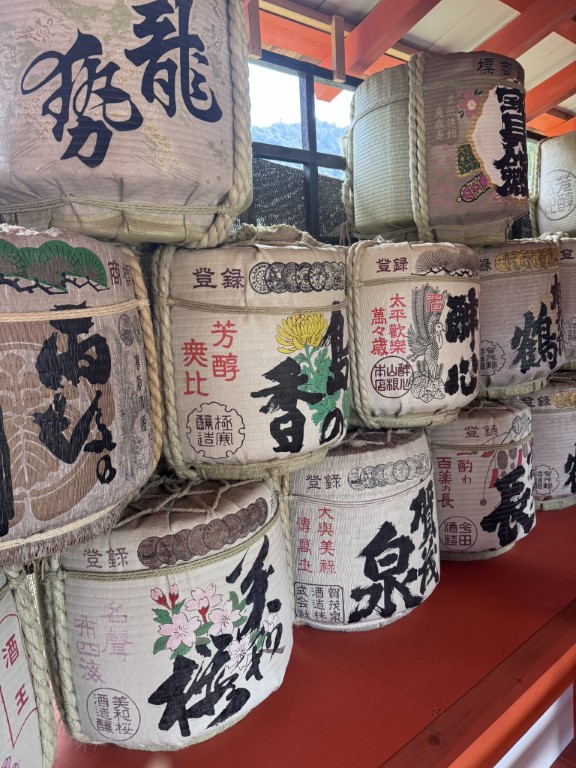
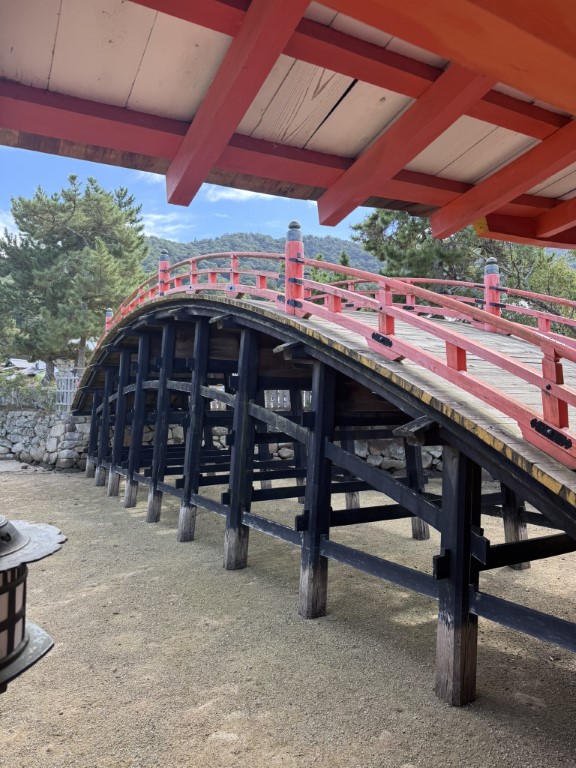
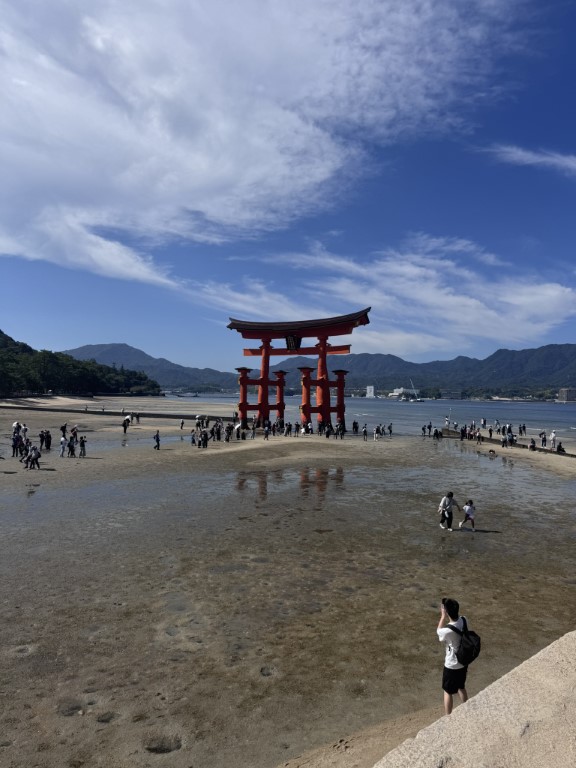
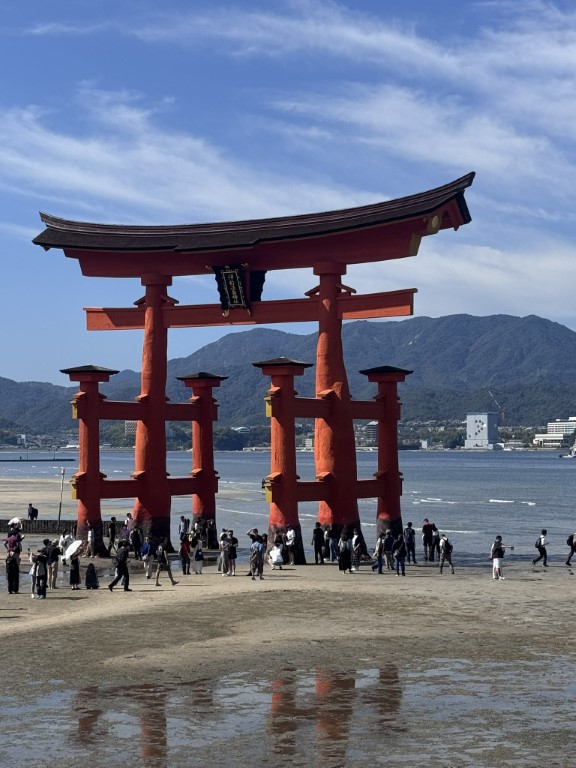
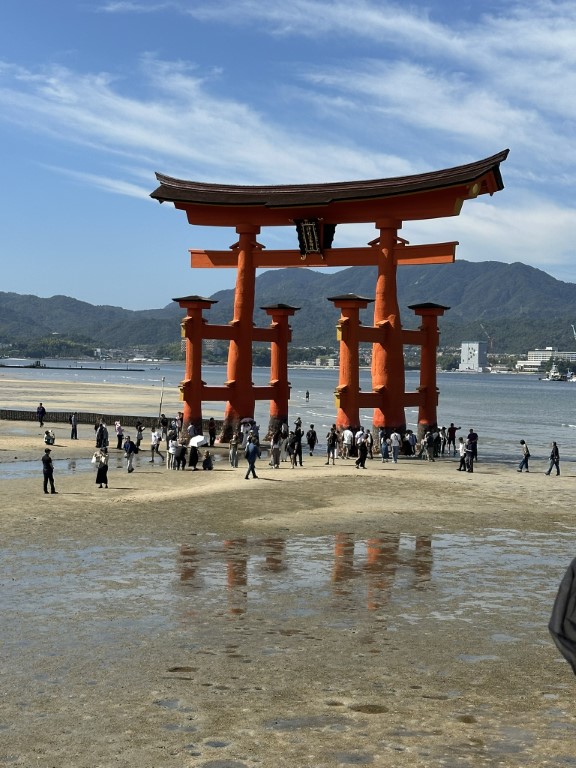
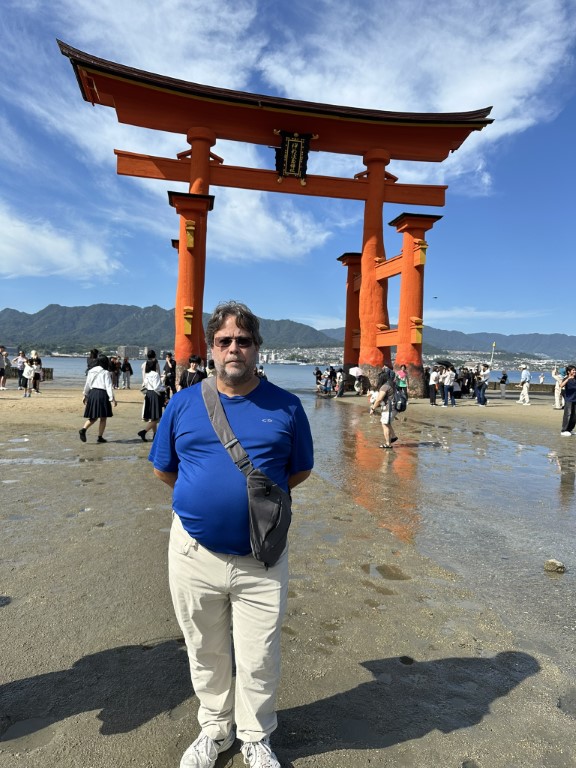
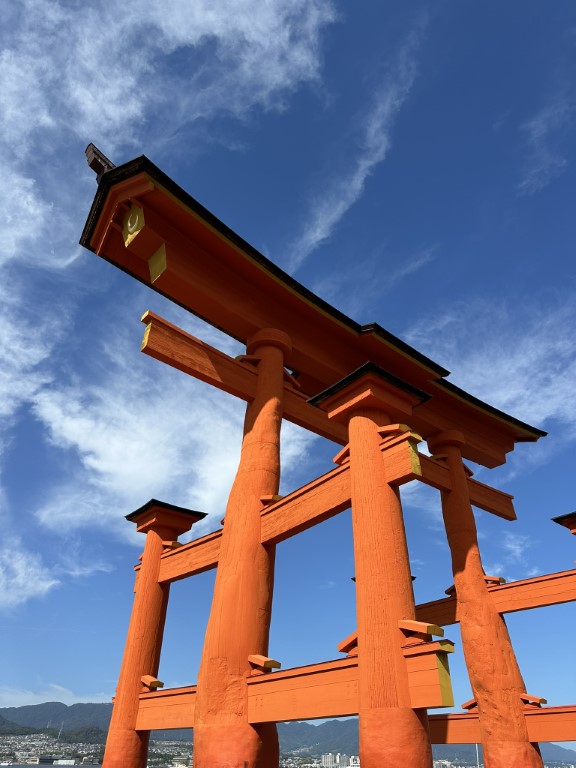
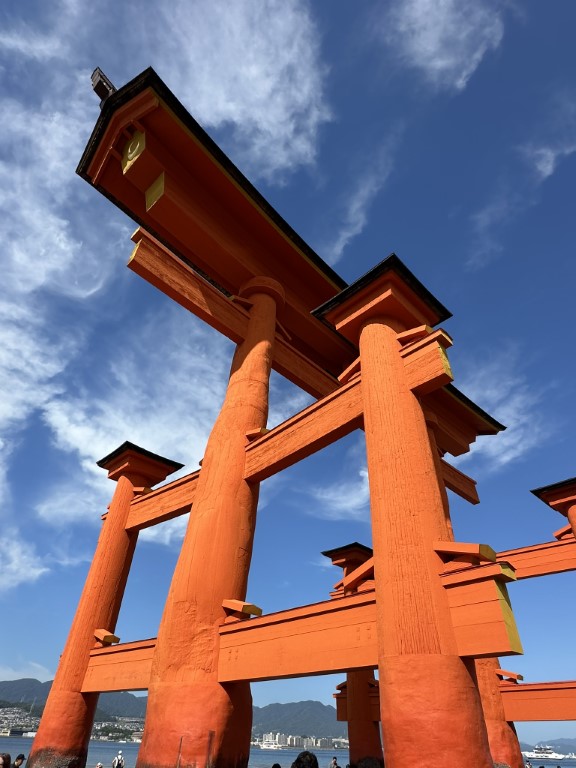
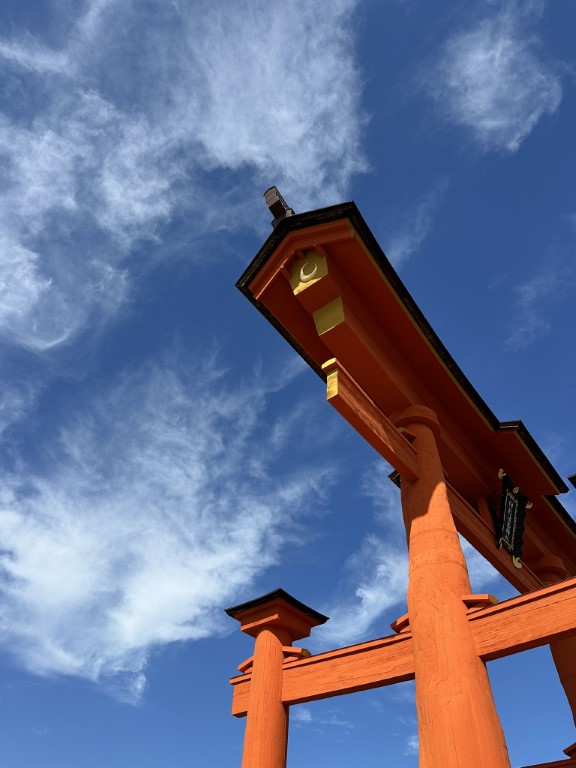
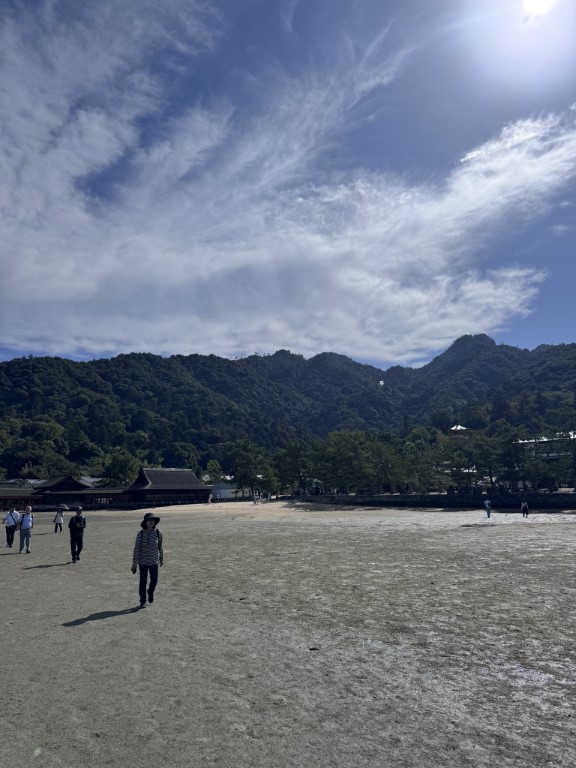
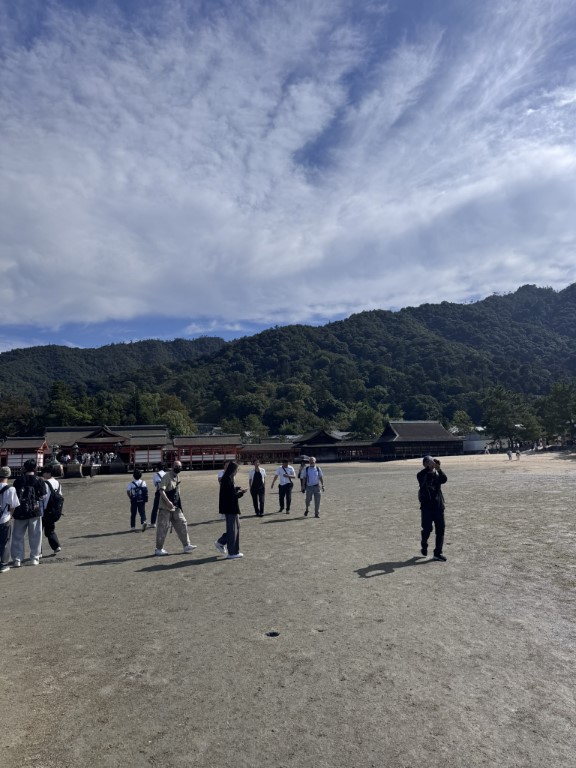
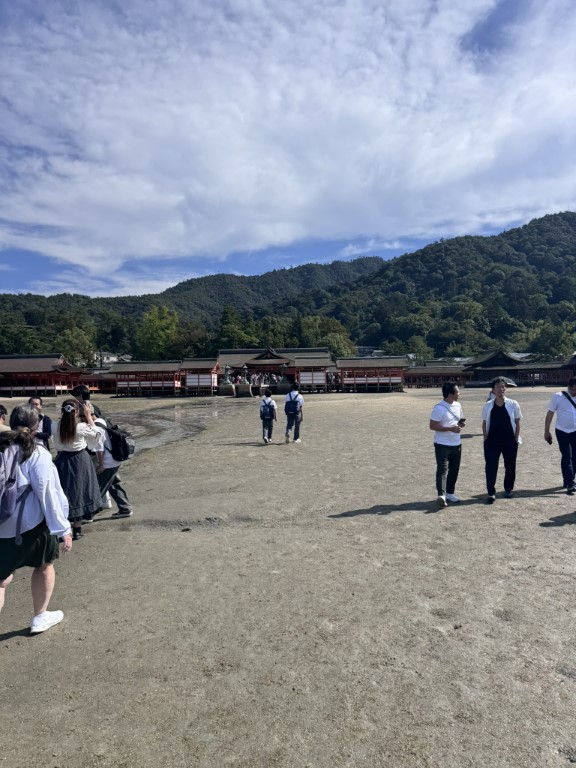
Finally we made it to the so-called "floating" torii, although since we arrived at low tide, we were able to walk right out to it without getting wet. The Otorii is the front gate to the shrine. This version is the fifth, built in 1875. It is 16 meters tall and 24 meters wide. The main wooden pillars are each 3.64 meters in diameter and painted in a bright vermillion color. The bases are not buried in the ground but instead placed on the shore on top of pillars. At high tide, the water covers the lower part of the pillars, making the torii seem to float in the water. We had hoped to be able to see this, but high tides on our day were at 6:53 AM and 19:31 PM, which were before and after the ferries were running. Our Canadian ferry mates were spending a night on the island in a hotel, which we considered, but we had a busy day in Osaka planned the next day so we would have needed to add an additional day to an already long trip.
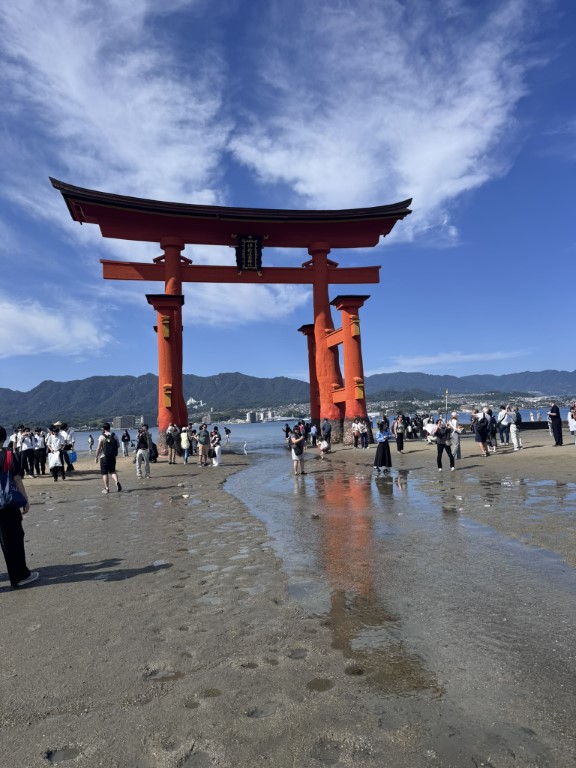
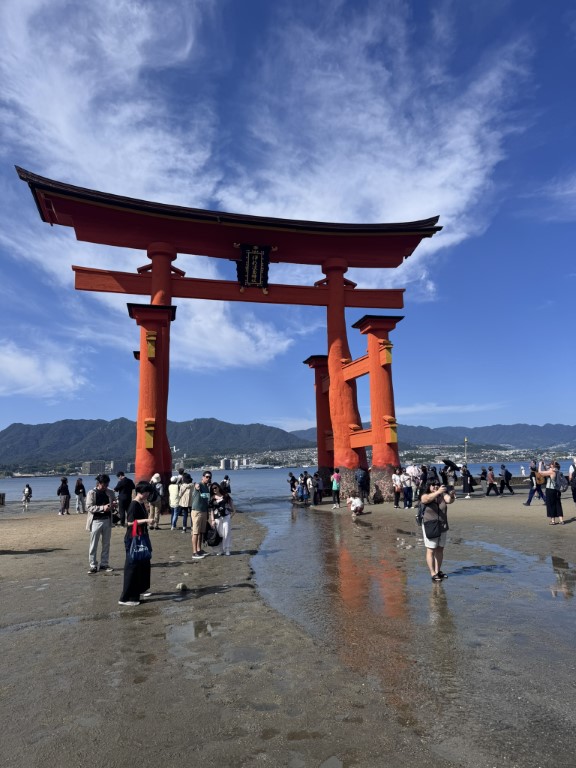
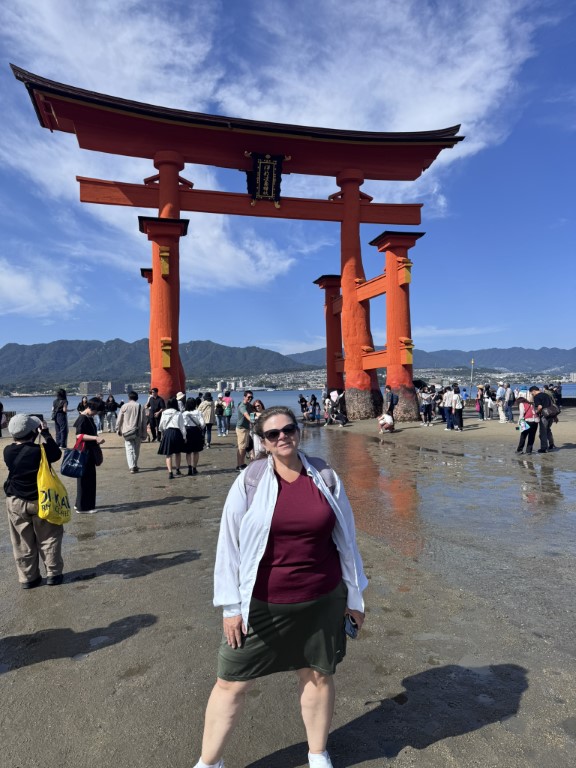
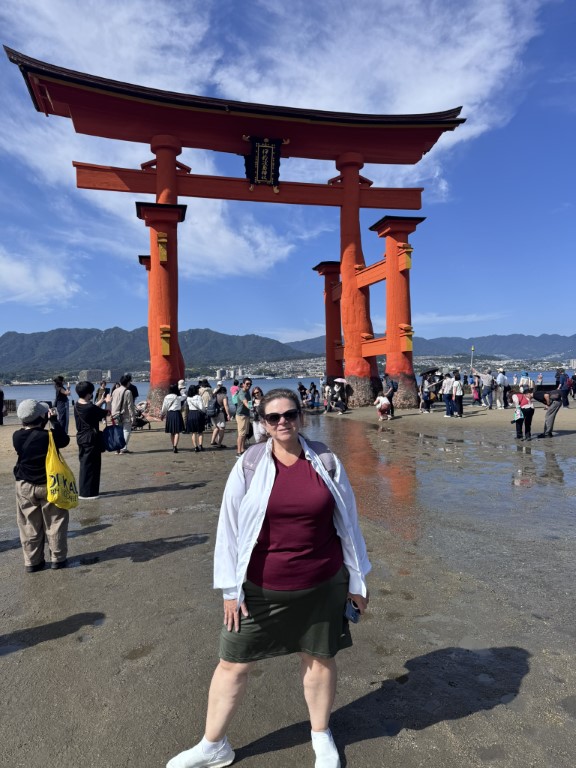
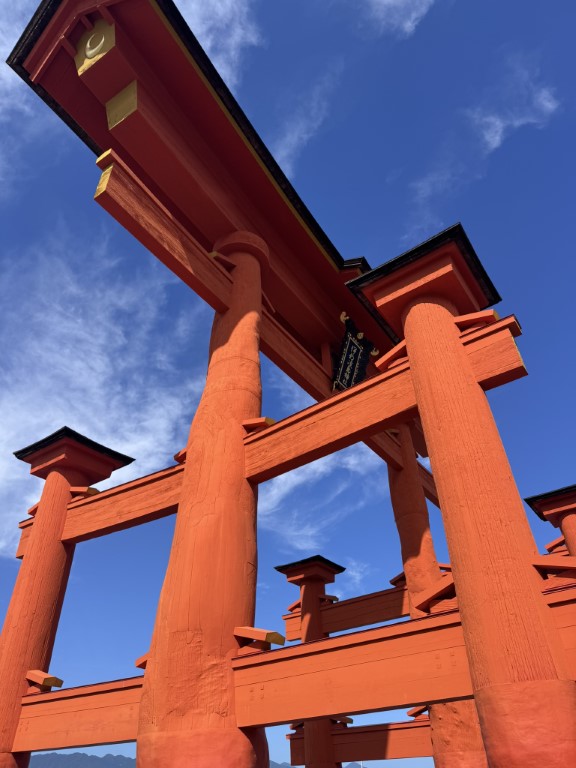
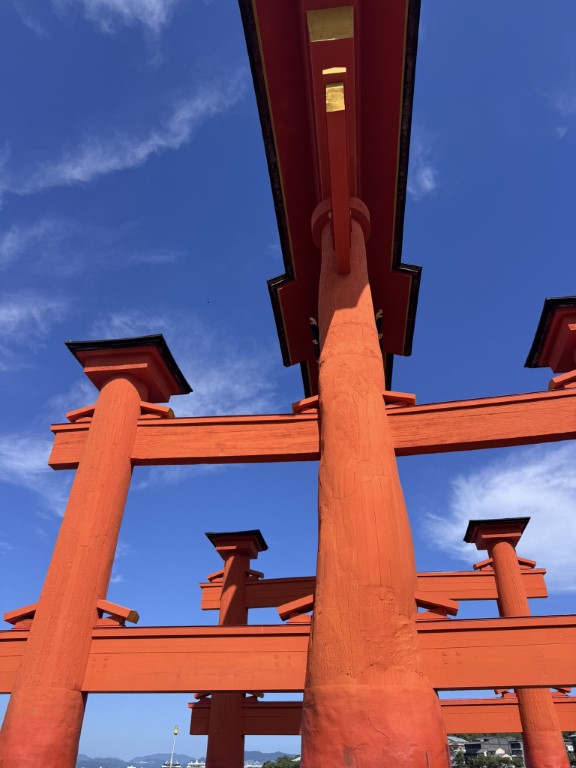
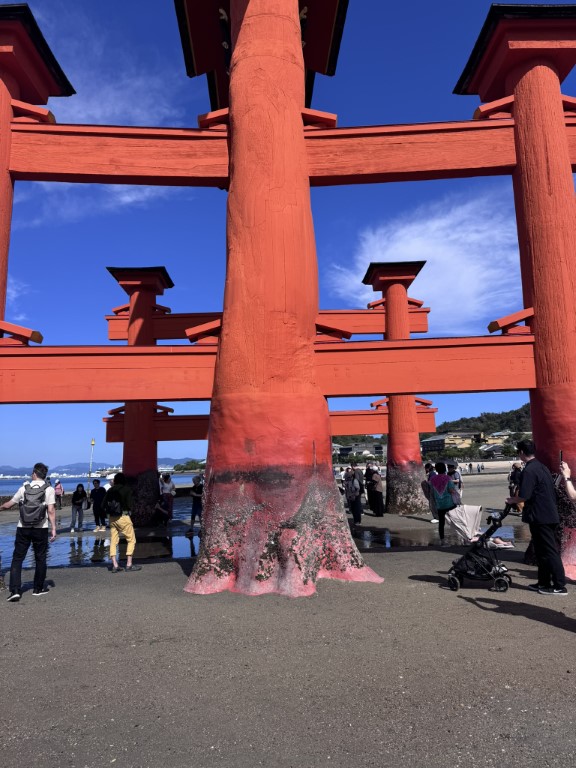
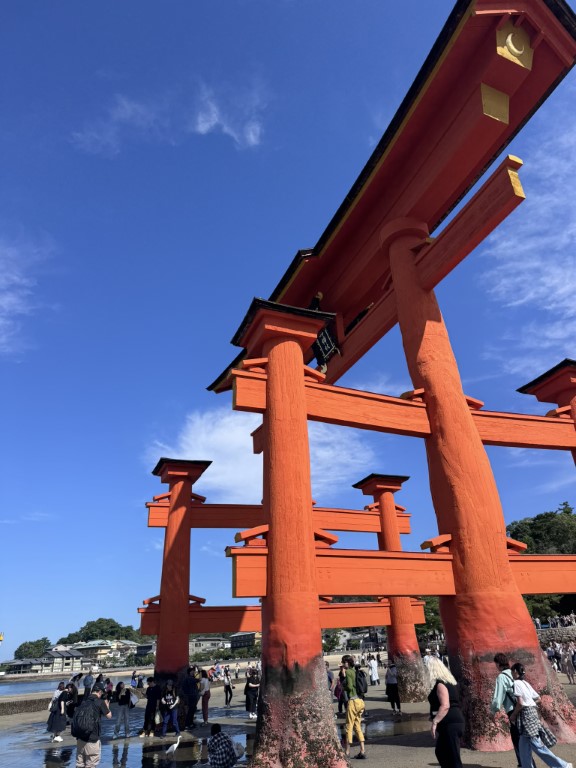
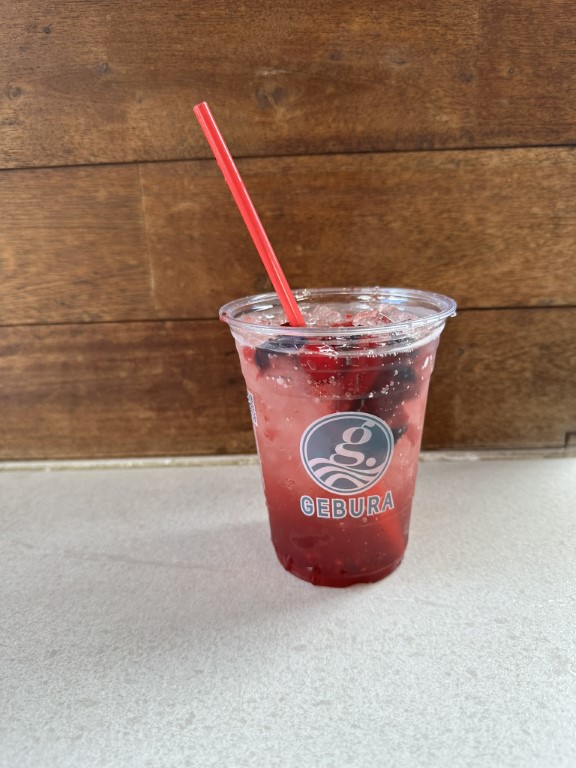
Our original plan had us taking the Mount Misen Ropeway to the Shishi-iwa Observatory. The lines to purchase tickets were long, however, and the estimate was at least a two hour wait, so we decided to skip this. Of course, in order to be sure we could get a return ferry, we had purchased round trip tickets, which meant we had some extra time to explore the shopping area. We were getting a little thirsty and spied a place offering ciders and whiskey. J. R. had a Japanese whiskey and soda while Janie had a fruit cider, which both were quite good, altough a bit overpriced. We didn't see any souvenirs we wanted so we went back to the ferry station to see if we could get on an earlier ferry back, which we did.
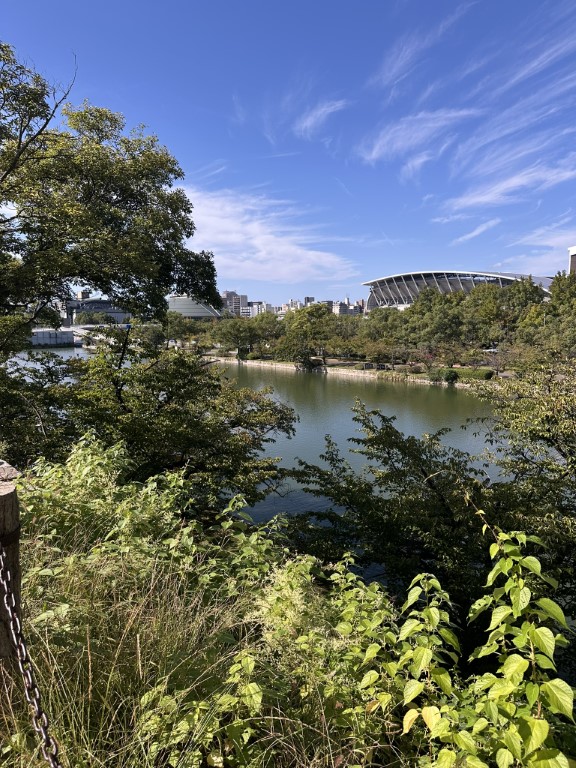
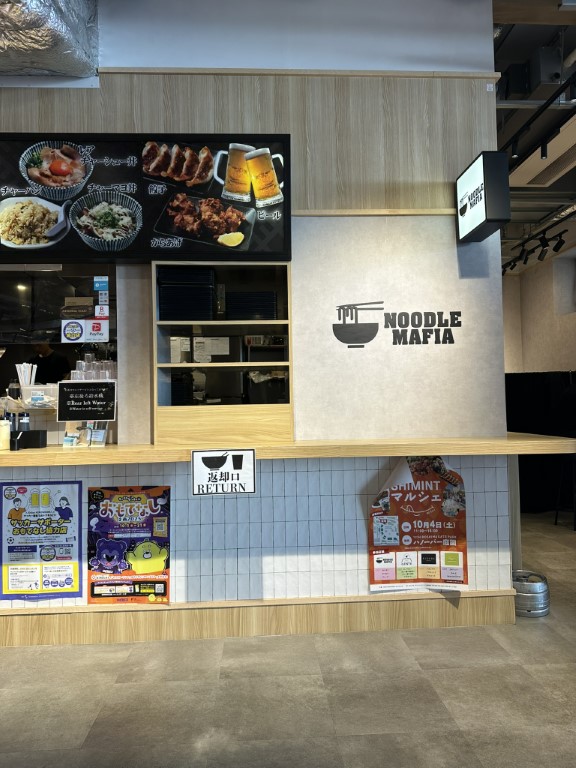
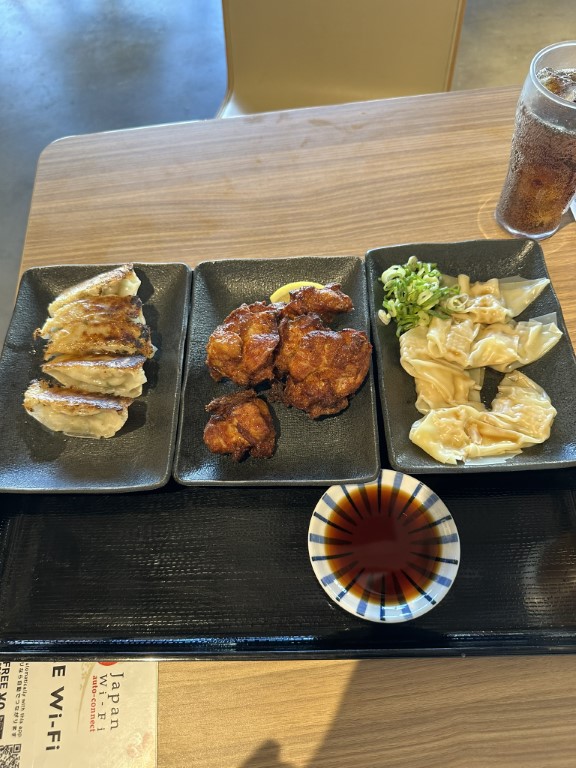
After taking the ferry back, we walked over to the Hiroshima Gate Park, built on the site of a former stadium. We found a small food area and settled on Noodle Mafia for a quick bite to eat. We got some steamed dumplings, gyoza (fried dumplings) and Japanese style fried chicken to split along with some sodas. It was surprisingly good but we should have ordered more food, but we thought we would just get something else at the train station later. Janie looked longingly at the cat cafe but didn't want to climb the stairs and risk J. R.'s cat allergy so we headed to the tram stop and returned to the station. J. R. was not feeling well when we got to the station. He attributed it to a lack of protein in his diet the past few days, having eaten mainly sushi, sashimi and dumplings. He wished he had gotten a burger at Shimauma at Hiroshima Gate Park so we broke our rule on chain restaurants and stopped at Shake Shack to get a more filling, protein-based meal. We returned to the hotel after stopping at the ekie bakery again for some more pastries for the next day and watched some more TV on the Roku.