


DoubleTree by Hilton Kyoto Station
15 Higashikujo Nishiiwamotocho, Minami Ward, Kyoto, 601-8005

605-0075 Kyoto, Higashiyama Ward, Nakanocho
Uoriki | 604-8055 Nakagyo Ward
Konna Monja | 494 Nakauoyacho, Nakagyo Ward, 604-8125
Anji Rokkaku | 604-8134, Nakagyo Ward, Donomaecho, 231
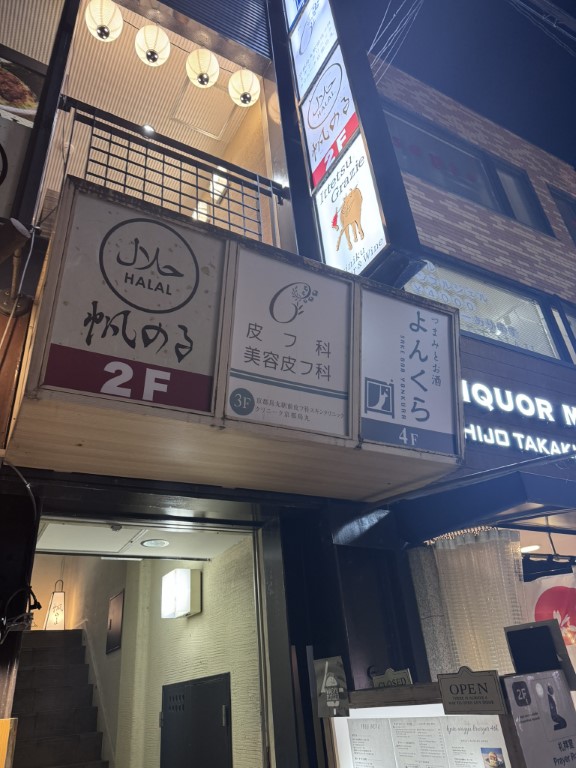
Yonkura | 571 Obiya Cho Kyoto 4F, 604-8124
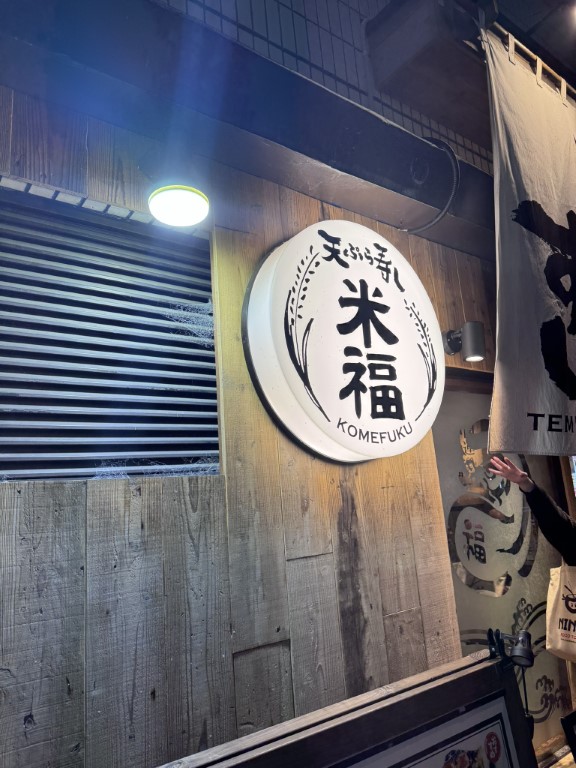
Komefuku | 604-8017, Nakagyo Ward, Zaimokucho, 174
Steps
28,757
Distance
20.84 KM
Flights Climbed
12
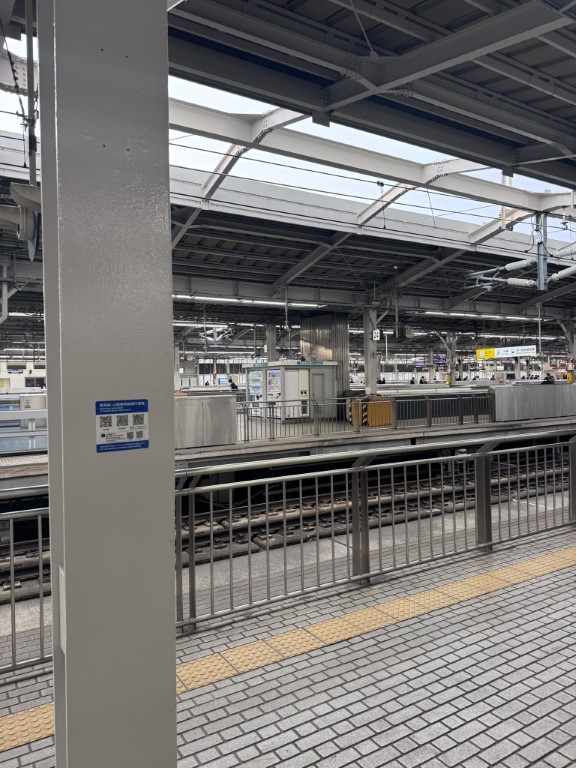
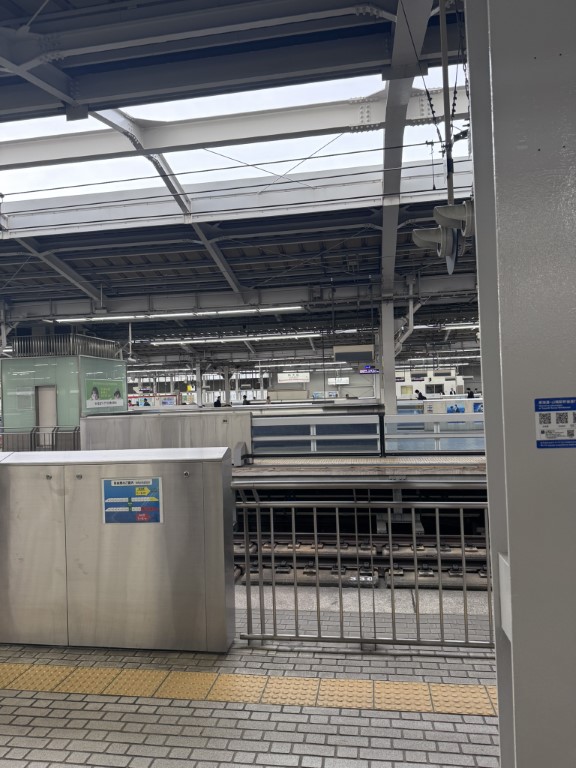
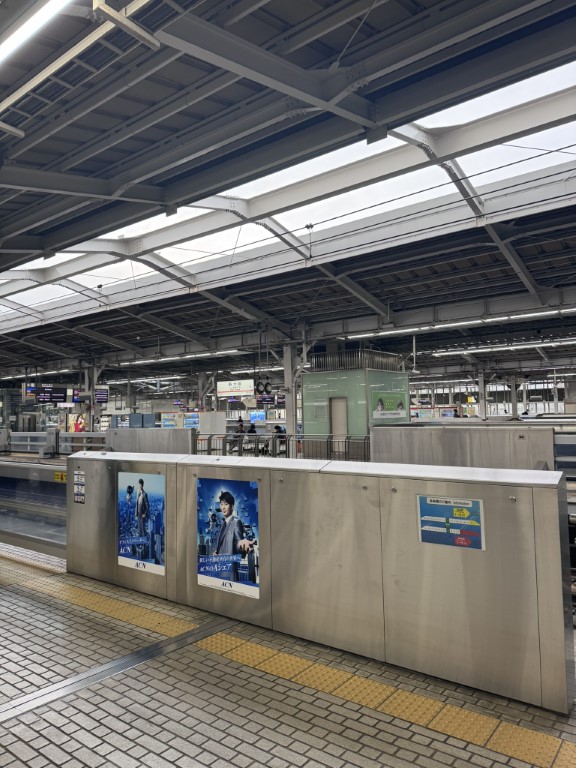
With a 7AM Shinkansen booked to Kyoto, waiting for the hotel shuttle was not an option so we arranged a cab using the Japan Go app. One advantage of this was the cab driver took us directly to the Shinkansen gate, allowing us to avoid the long walk through the station from door 4 with all our luggage. The trip from Osaka to Kyoto was very short and made us wish we had just booked all of our nights in Kyoto and just taken the train back and forth to Osaka for our activities there. The DoubleTree was a bit longer walk from the station than advertised, mainly because of where the exit was on that side of the station. J. R. got us checked in and dropped off our bags and was told we had been upgraded to the Executive Floor, which means we would get the evening happy hour, breakfast, and snacks at night. This happened to us in Germany as well and it seems Hilton Gold status means a lot more overseas than it does in the United States, probably because there are fewer members with status in those countries.
.jpg)
.jpg)
.jpg)
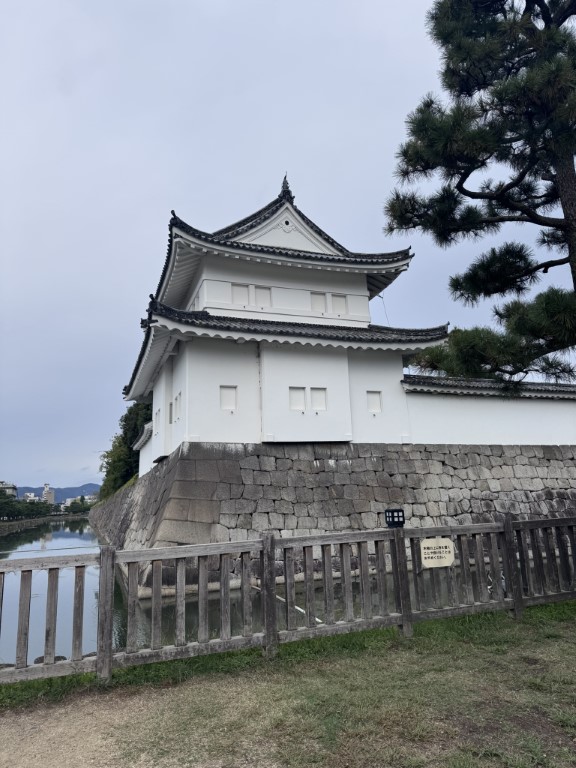
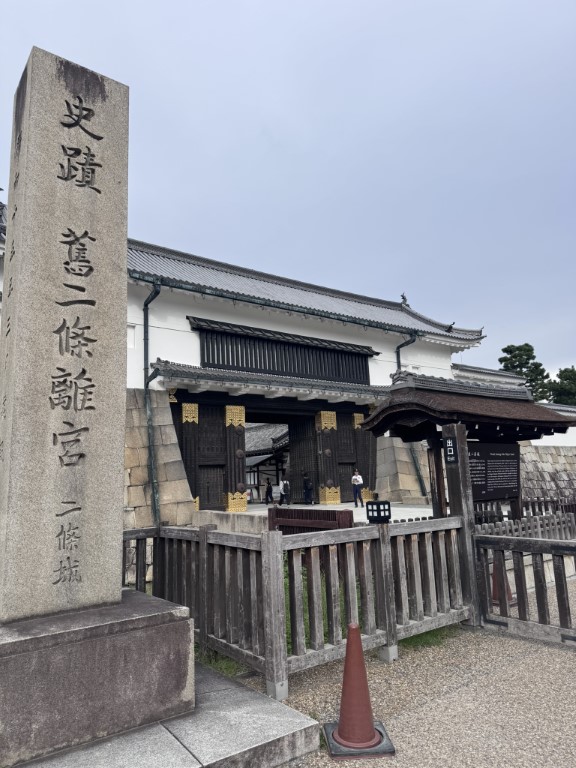
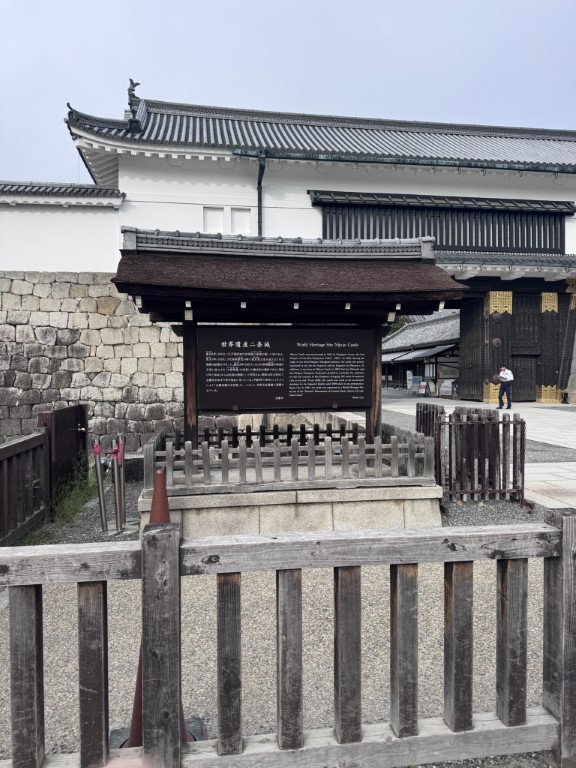
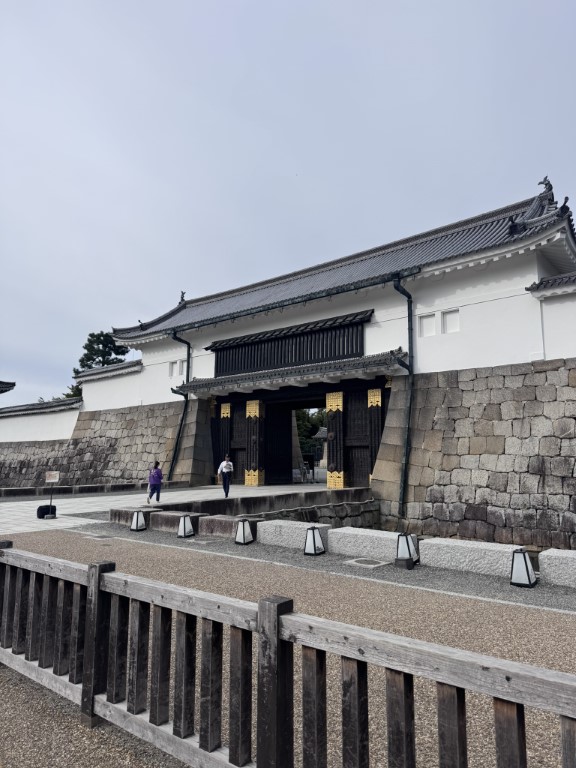
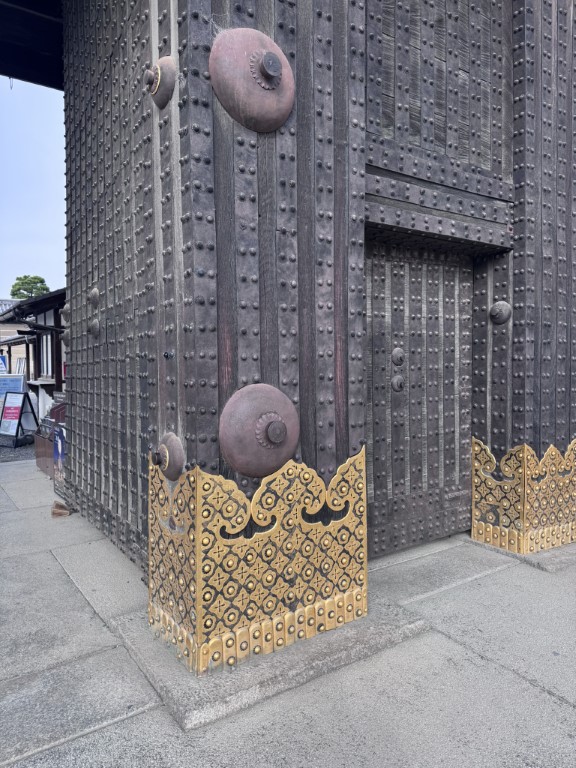
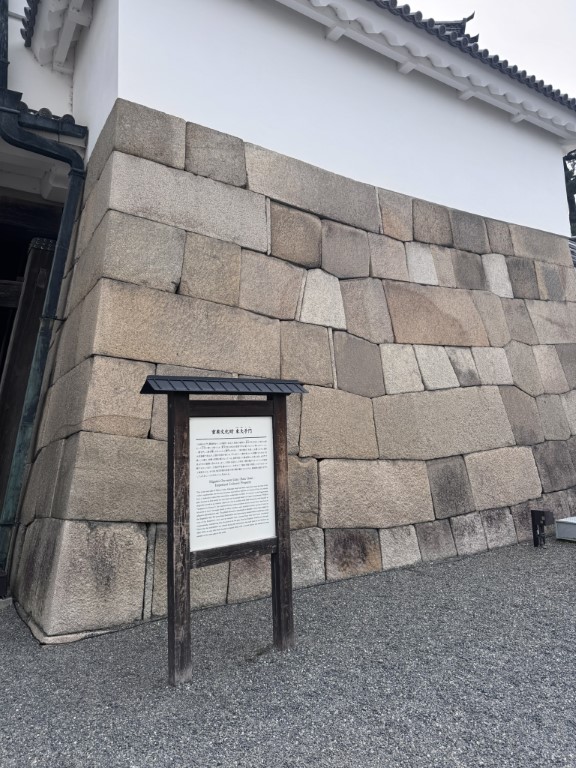
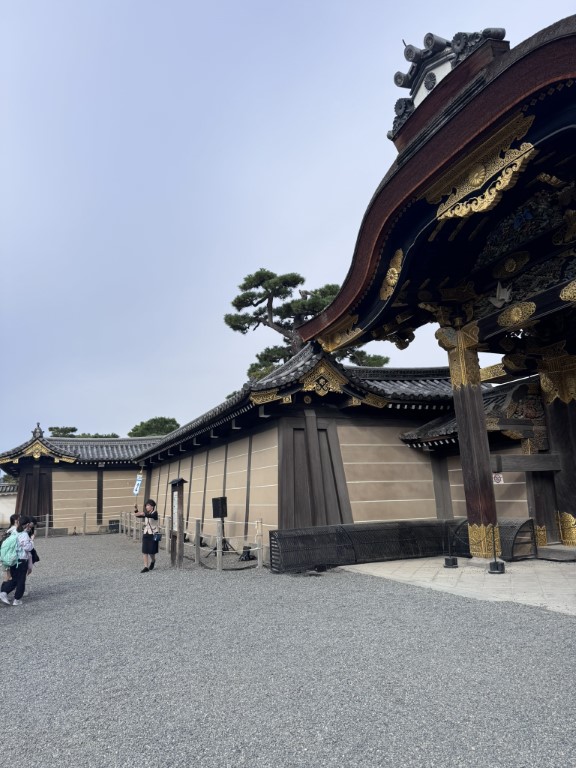
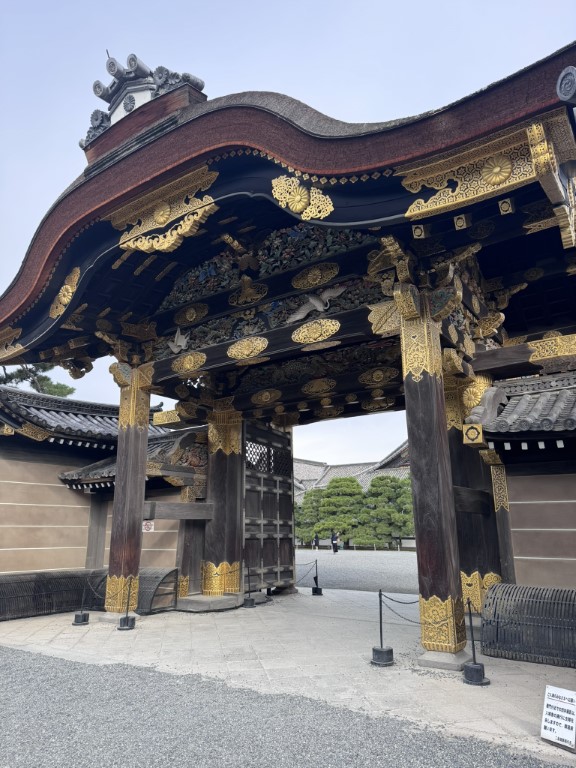
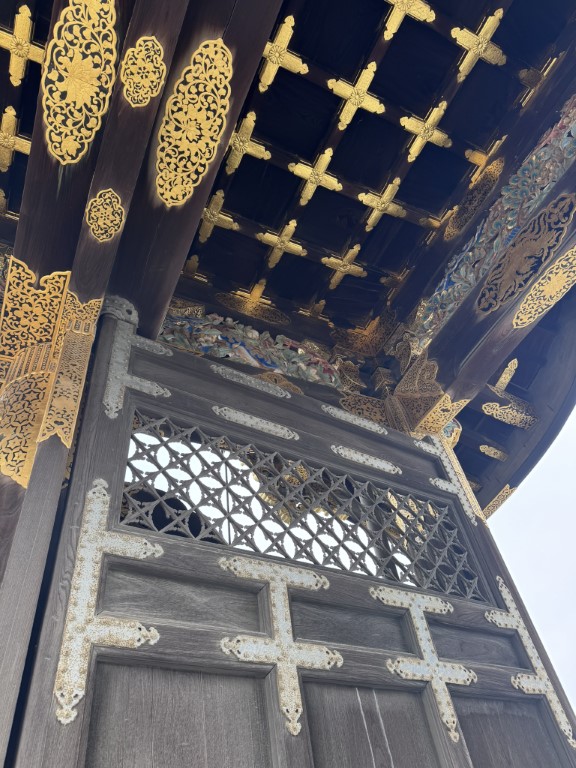
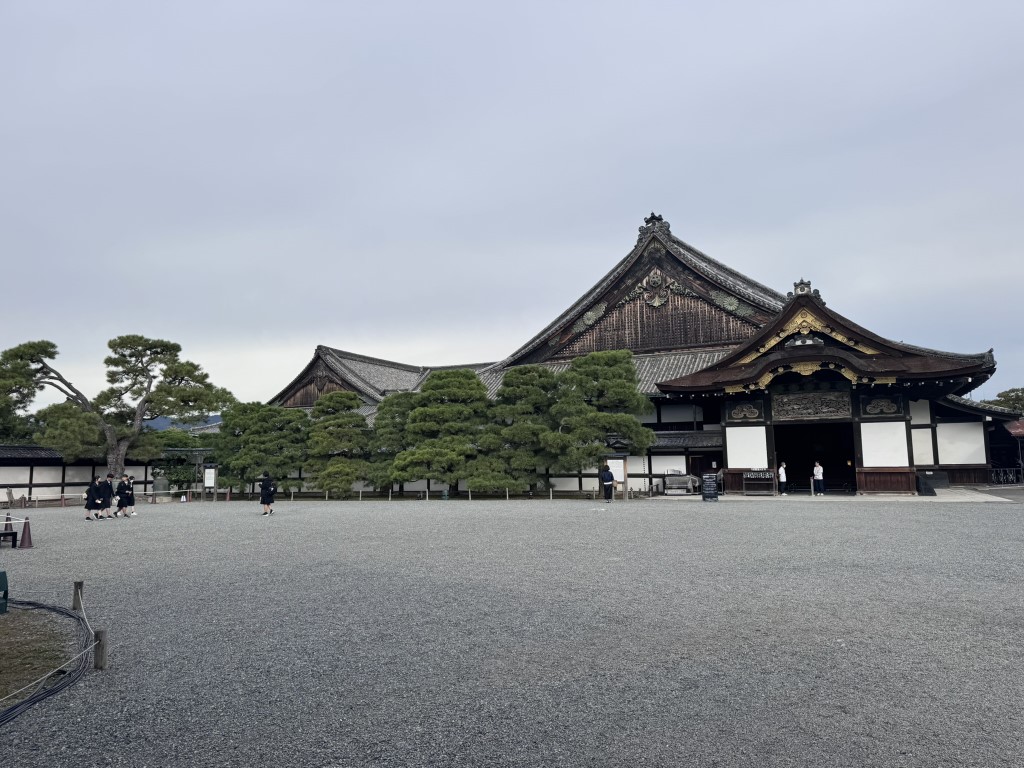
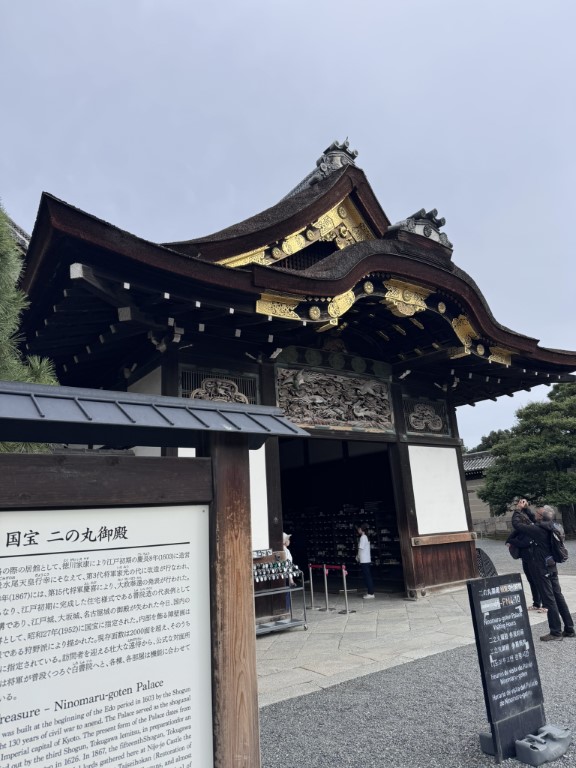
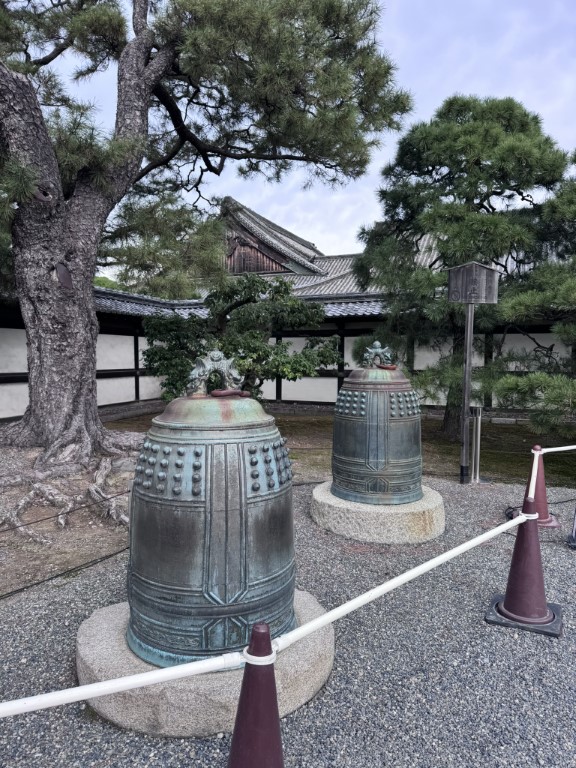
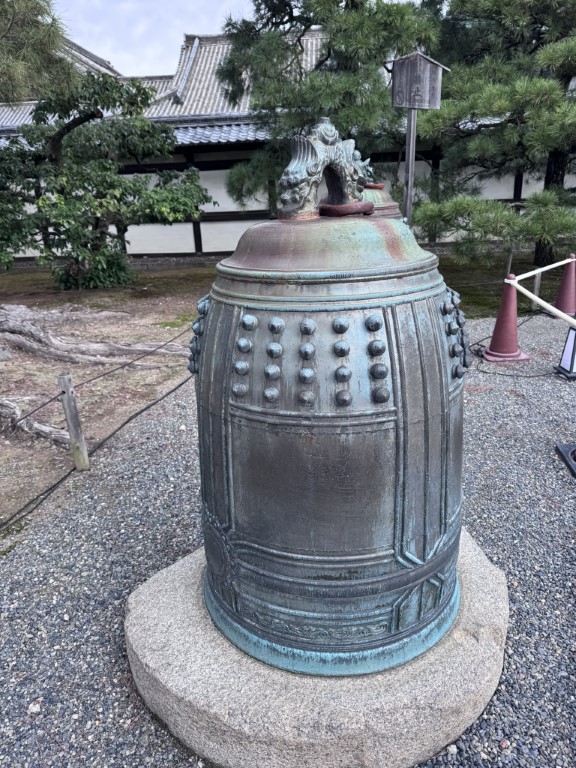
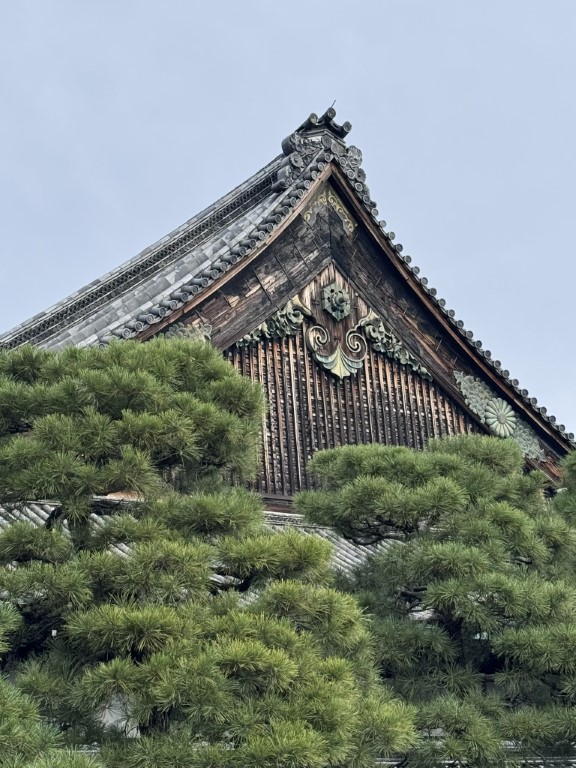
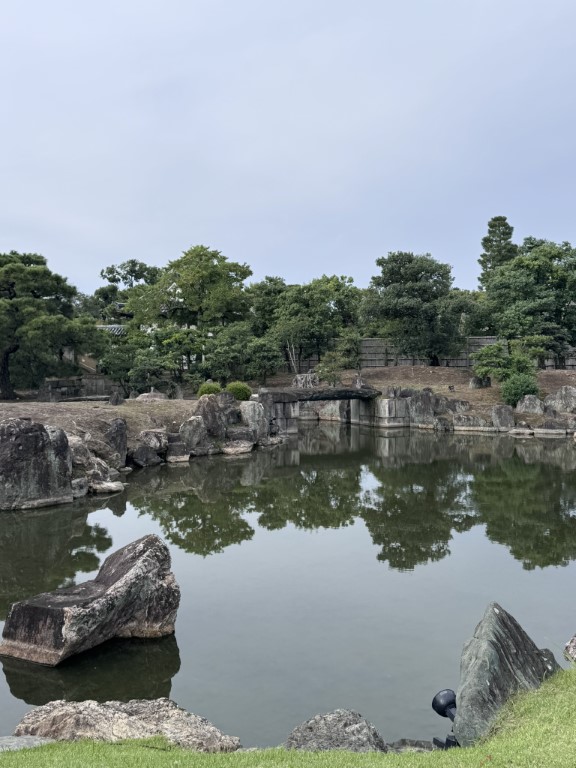
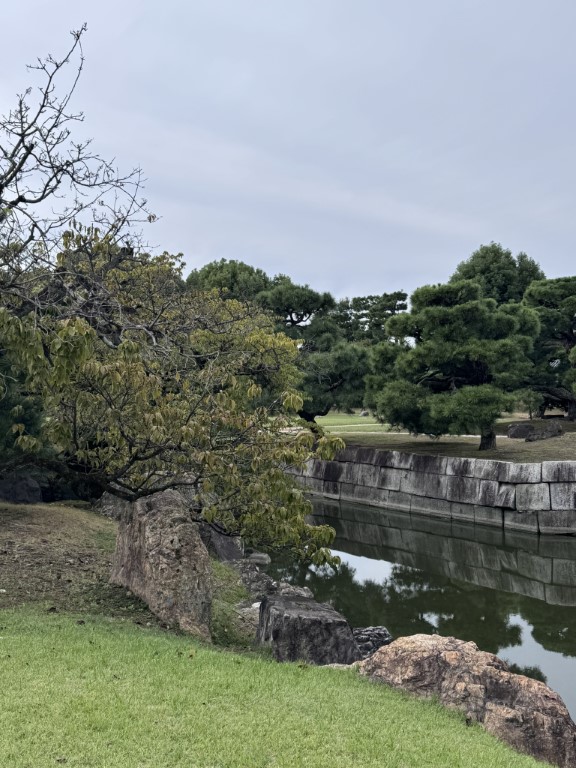
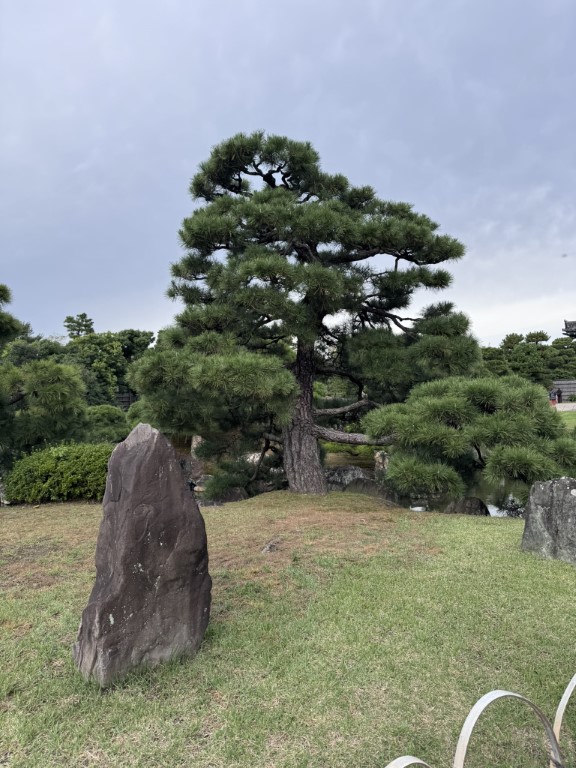
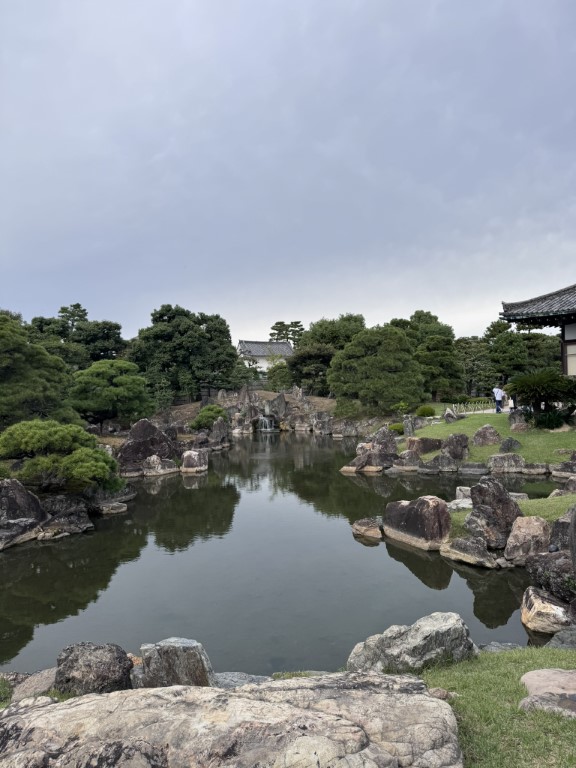
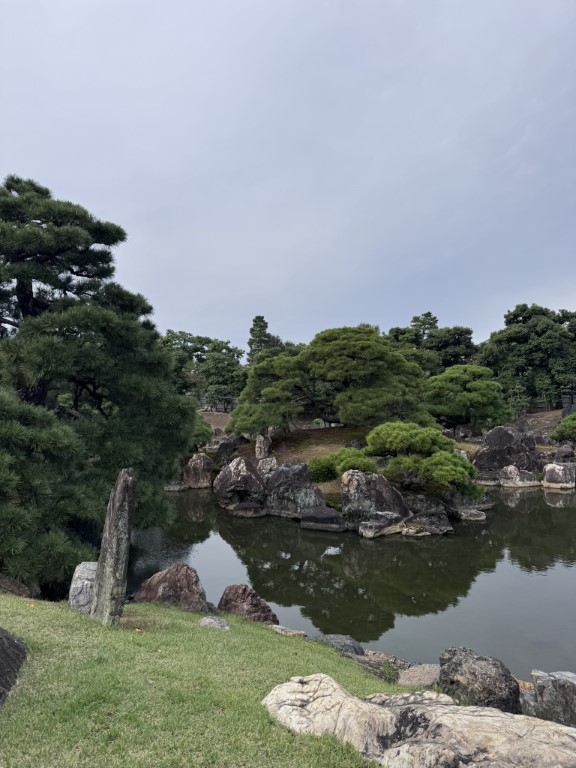
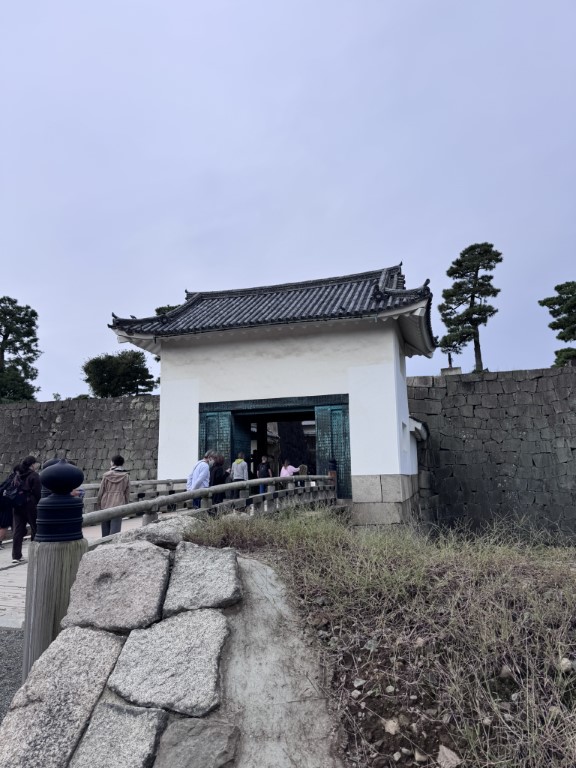
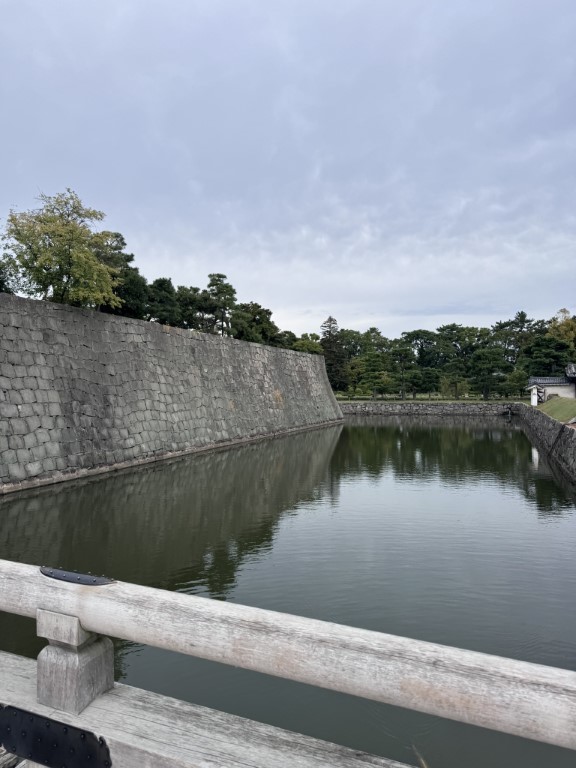
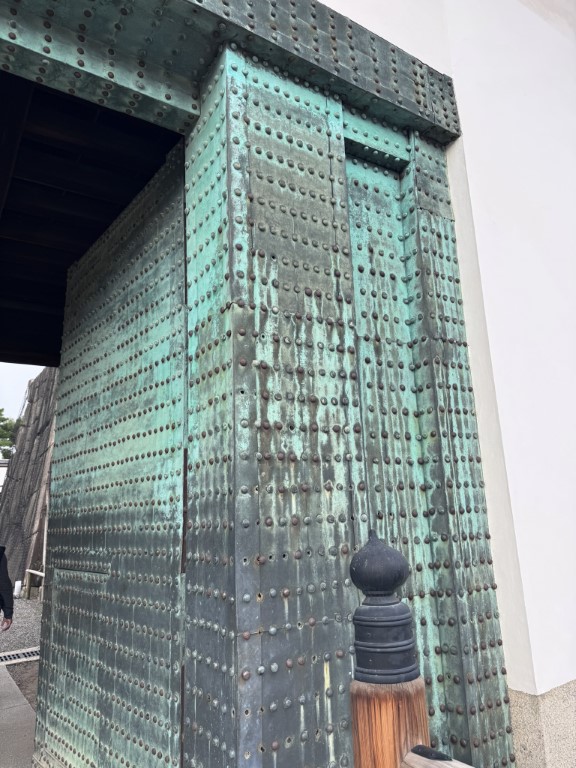
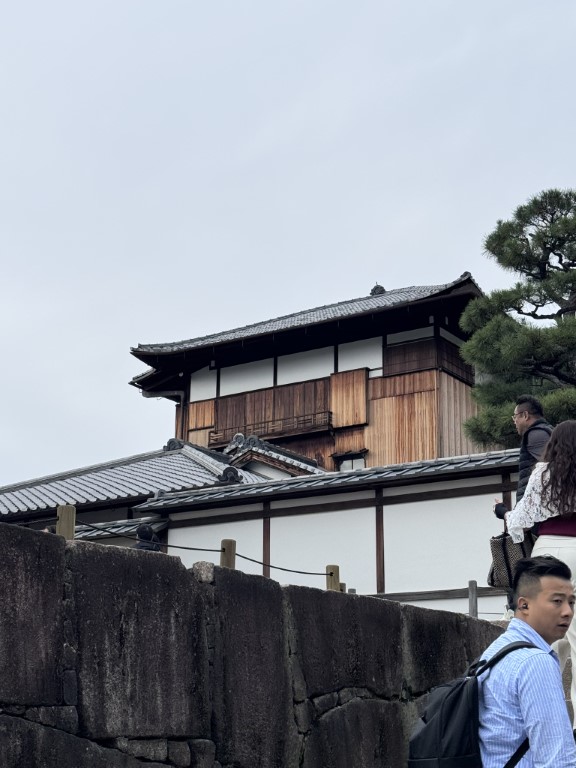
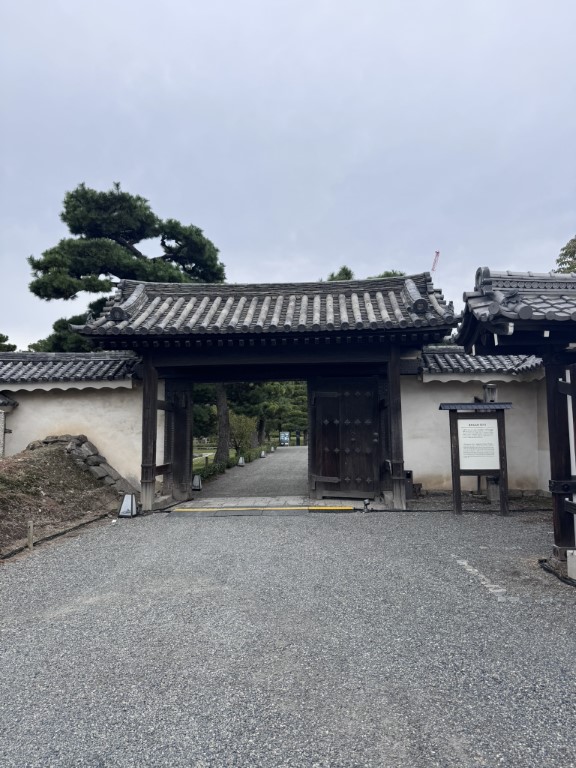
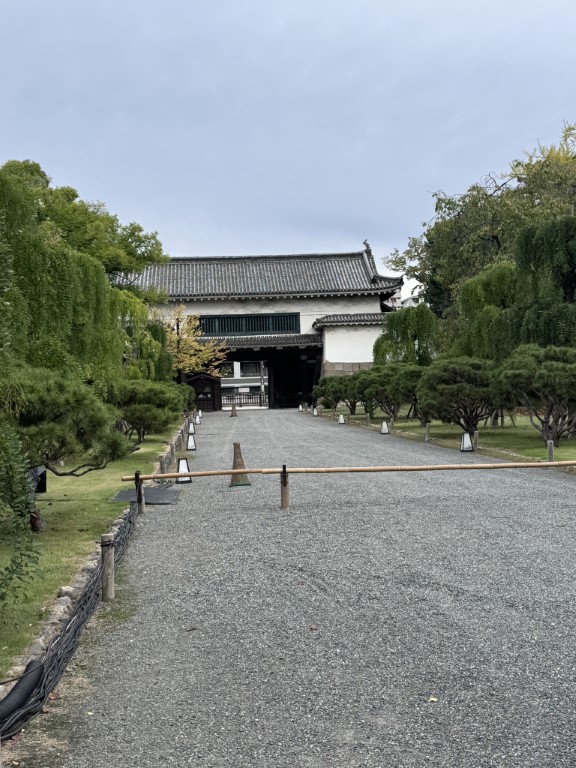
We went back to the station and caught the subway to Karasuma Oike Station and transferred to Nijojo-mae Station to visit Nijo-jo Castle. Nijojo was built in 1603 as the residence of Tokugawa Ieyasu, the first shogun of the Edo Period. His grandson completed the palace buildings 23 years later and added a five story keep. After the Tokugawa Shogunate, Nijo was used as an imperial palace before being donated to the city and opened up to the public. Its palace buildings are the best surviving examples of castle architecture of the feudal era, and the castle is an UNESCO World Heritage Site. Nijo Castle is divided into three areas: the Honmaru (main circle of defense), the Ninomaru (secondary circle of defense) and some gardens around them. The entire castle grounds and the Honmaru are surrounded by stone walls and moats. We were a little early so we sat outside until it was time to enter. The Ninomaru Palace served as the residence and office of the shogun during his visits to Kyoto. Surviving in its original form, the palace consists of multiple separate buildings that are connected with each other by corridors with so called nightingale floors, as they squeak when stepped upon as a security measure against intruders. The palace rooms are tatami mat covered and feature decorated ceilings and beautifully painted sliding doors (fusuma). The tour route passes by multiple waiting and audience rooms. Only the highest ranked visitors were allowed all the way into the main audience room where the shogun would sit on an elevated floor, flanked by bodyguards hidden behind doors. Lower ranked visitors would be allowed only as far as the adjoining rooms without direct view of the shogun. The innermost rooms consisted of offices and living chambers, the latter of which were only accessible to the shogun and his female attendants. Honmaru Palace was not open on the day we visited.
.jpg)
.jpg)
.jpg)
.jpg)
.jpg)
.jpg)
.jpg)
.jpg)
.jpg)
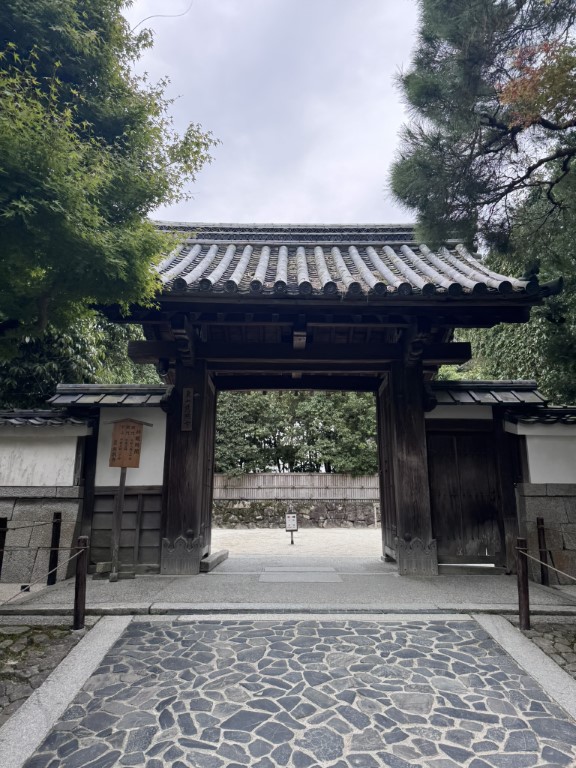
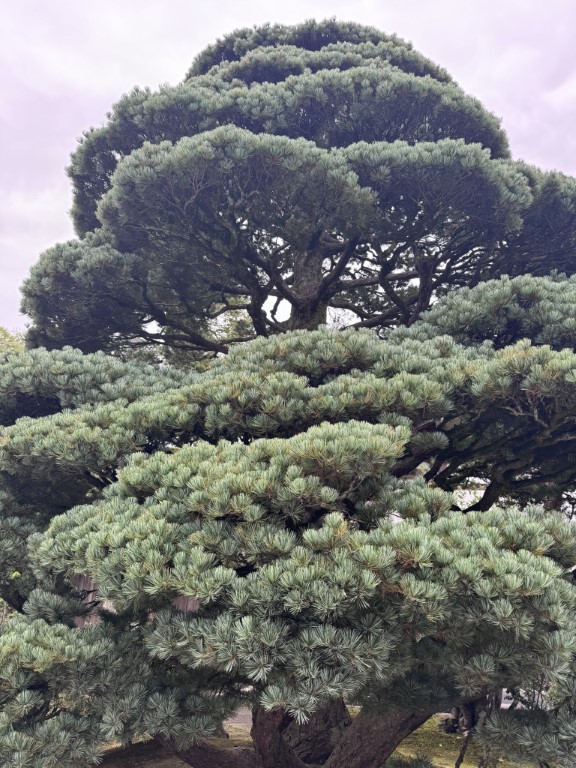
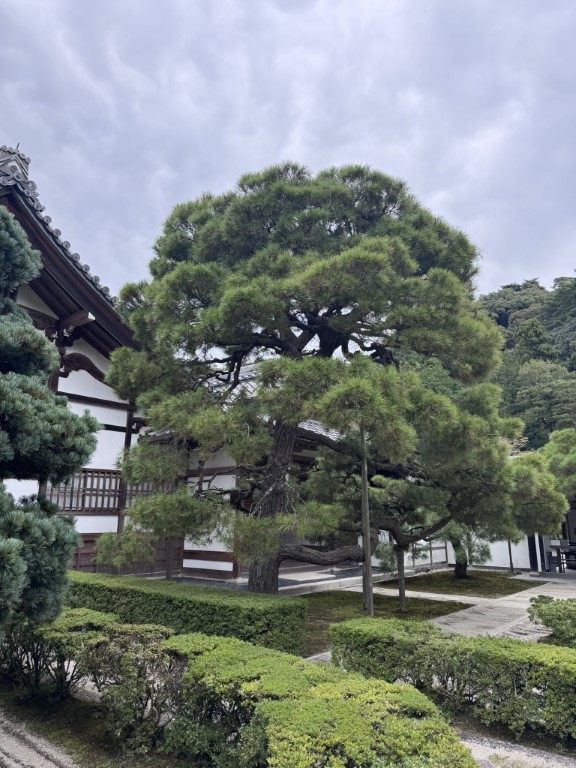
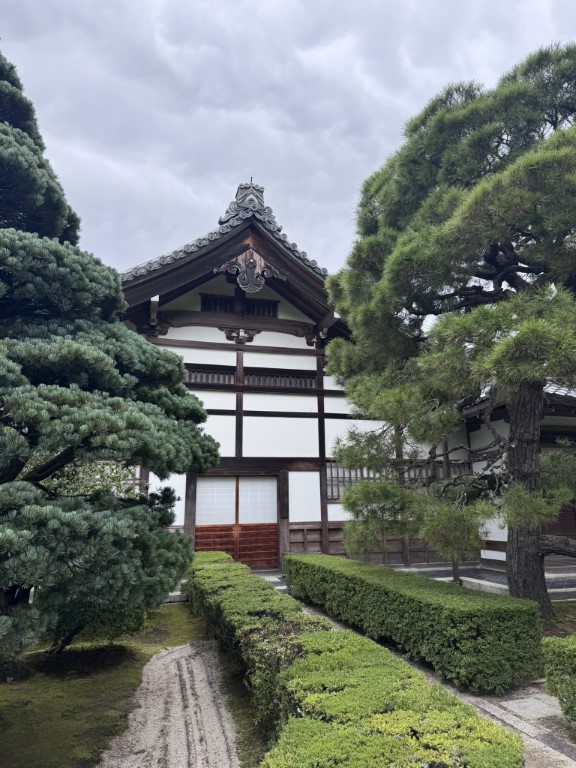
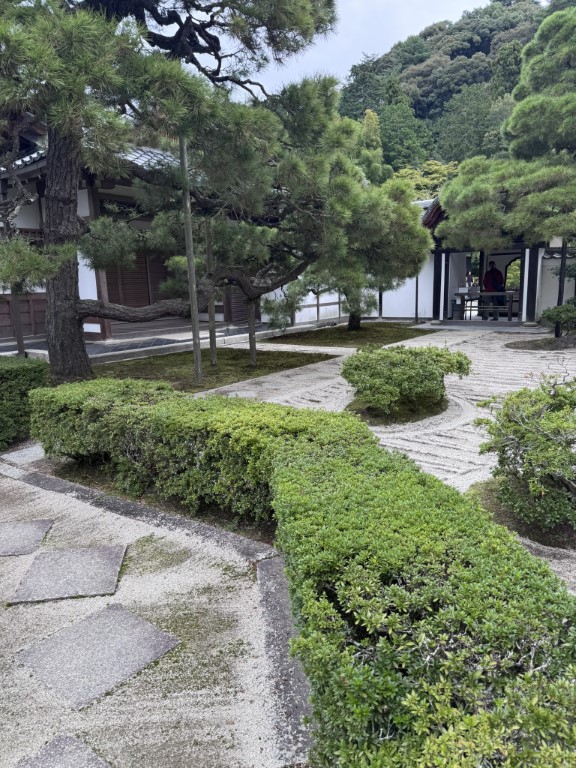
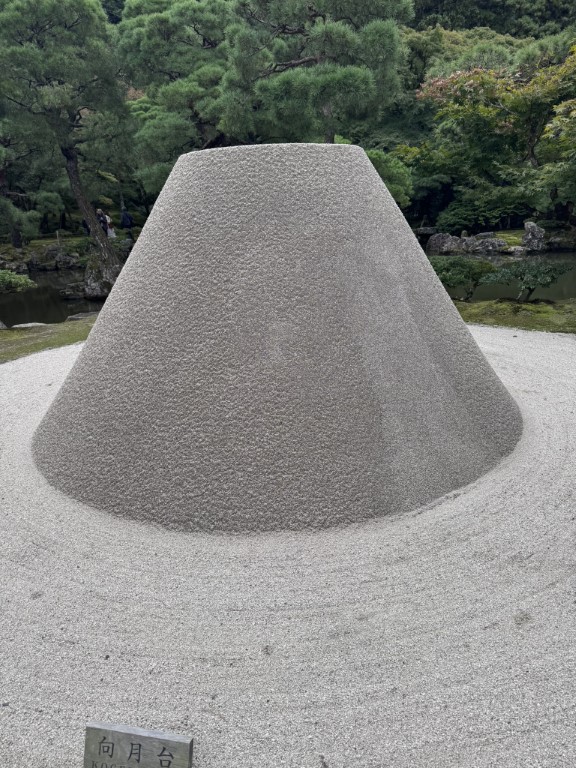
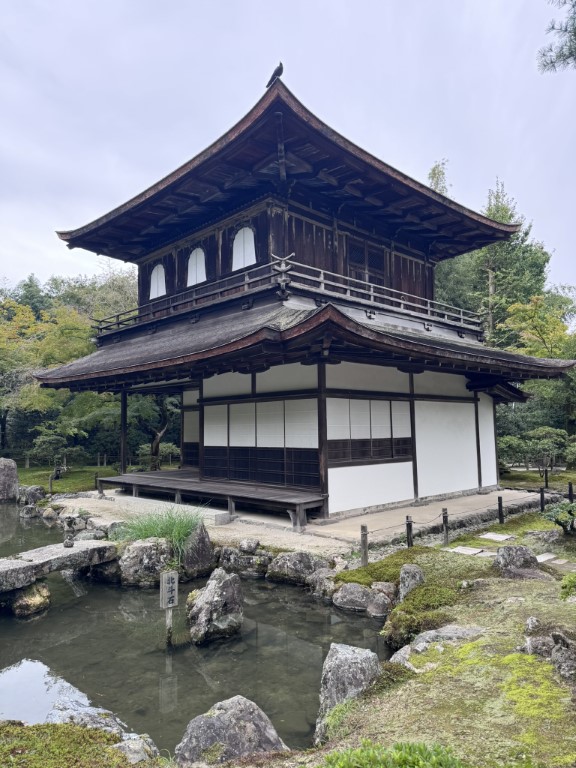
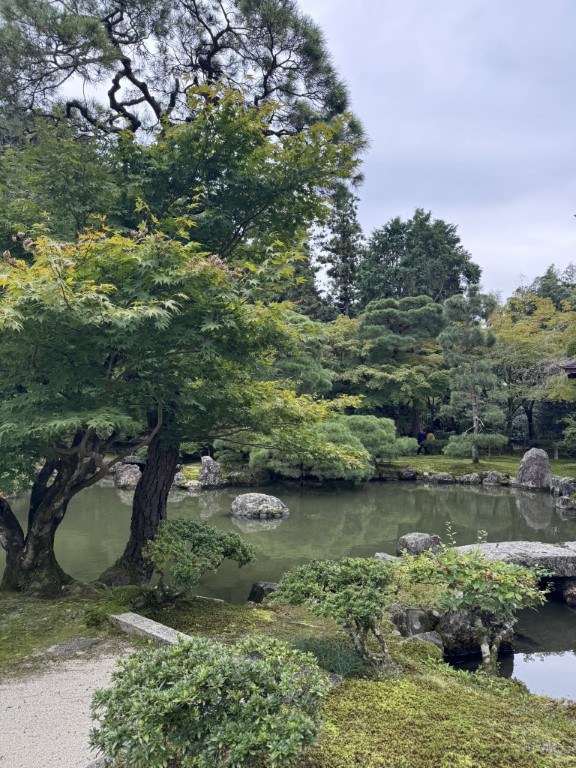
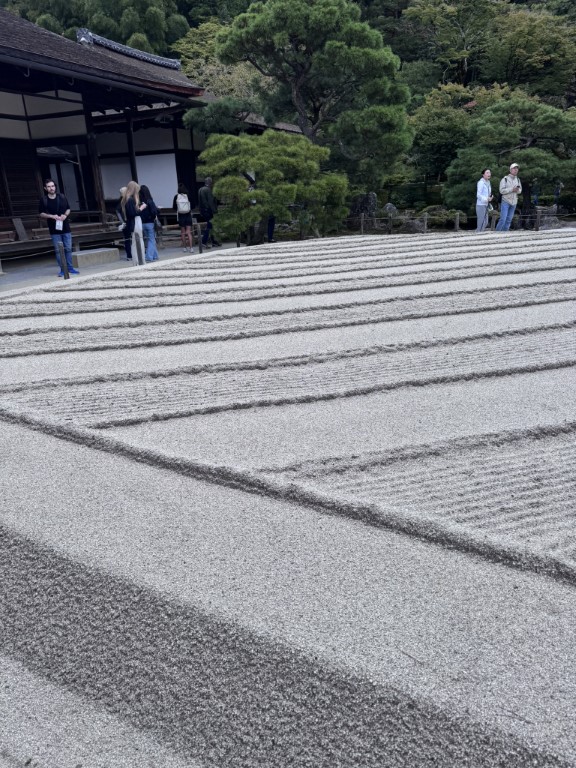
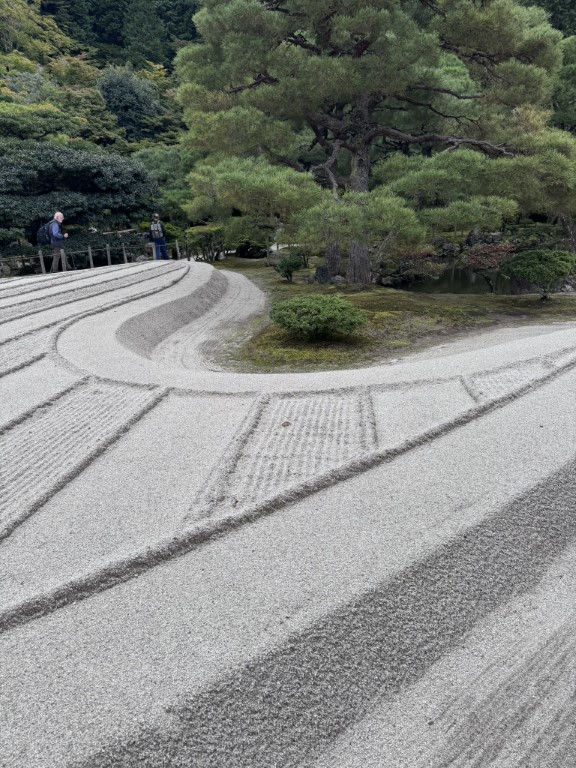
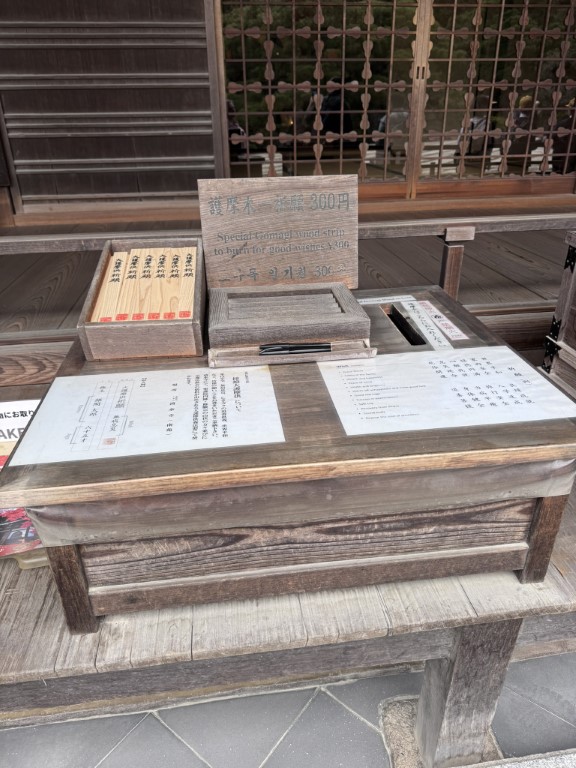
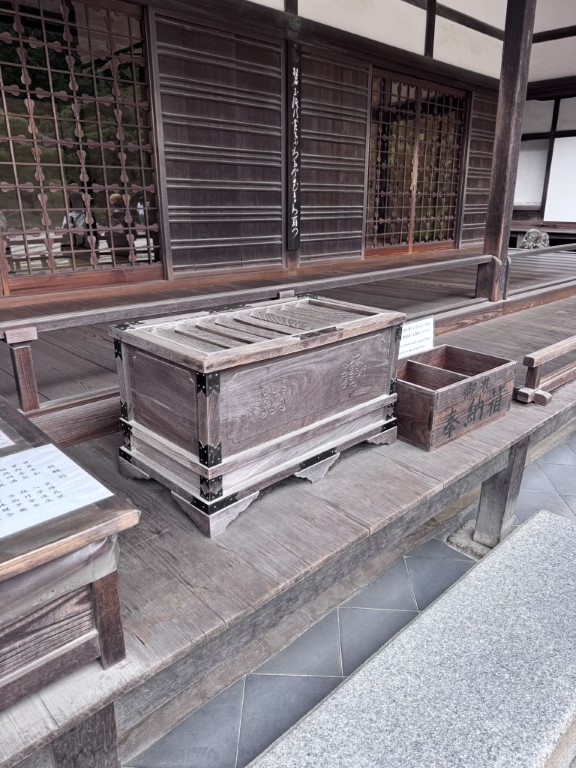
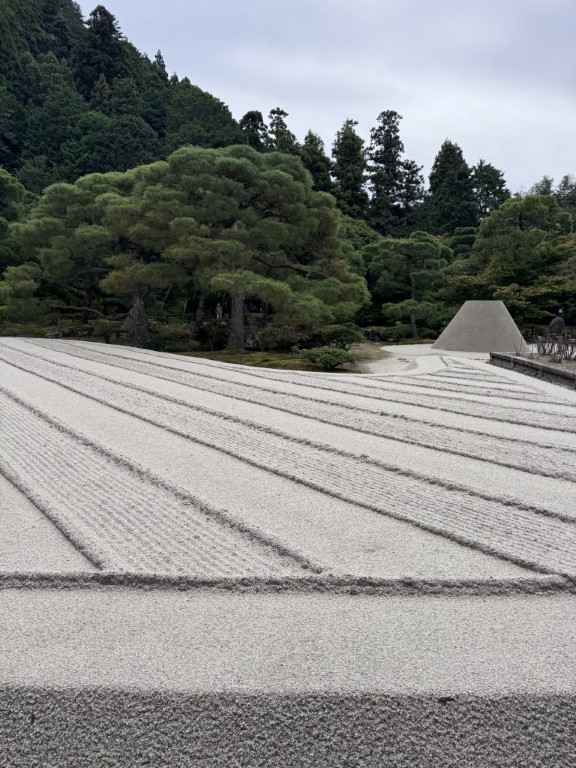
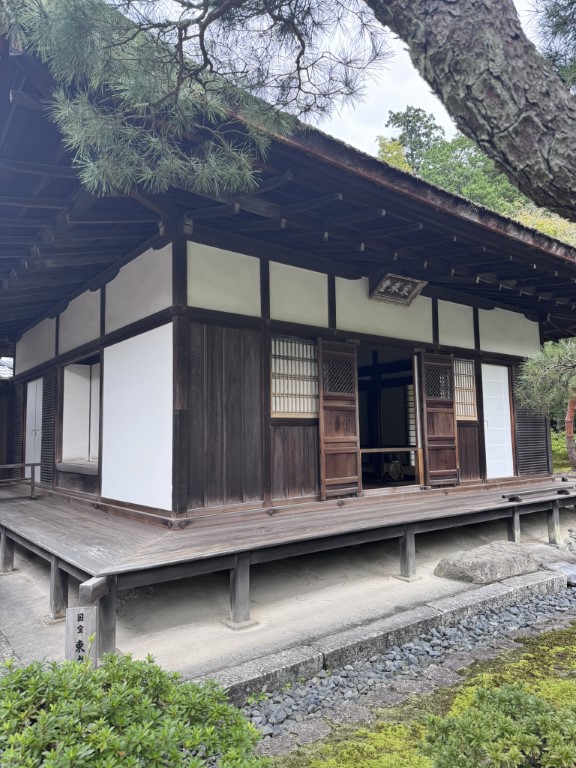
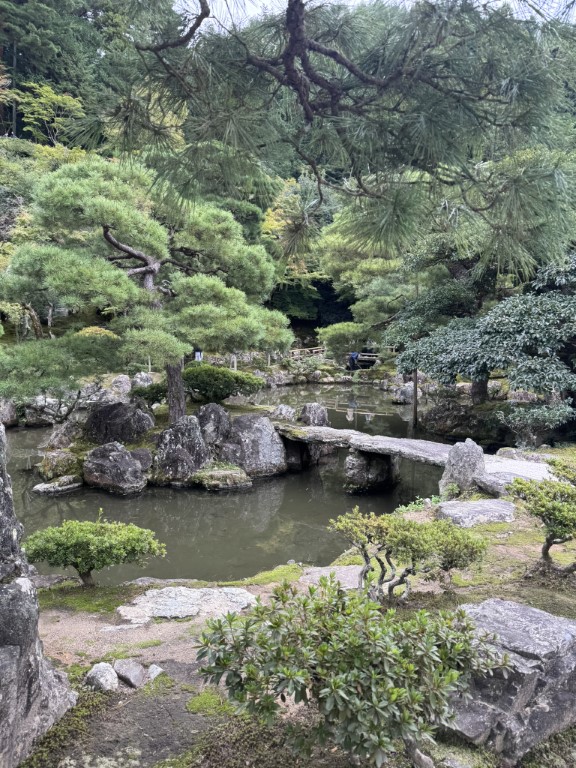
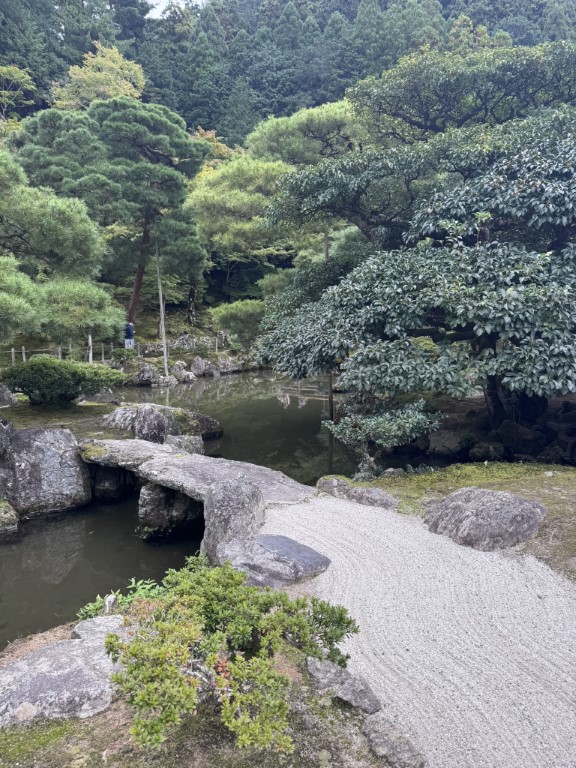
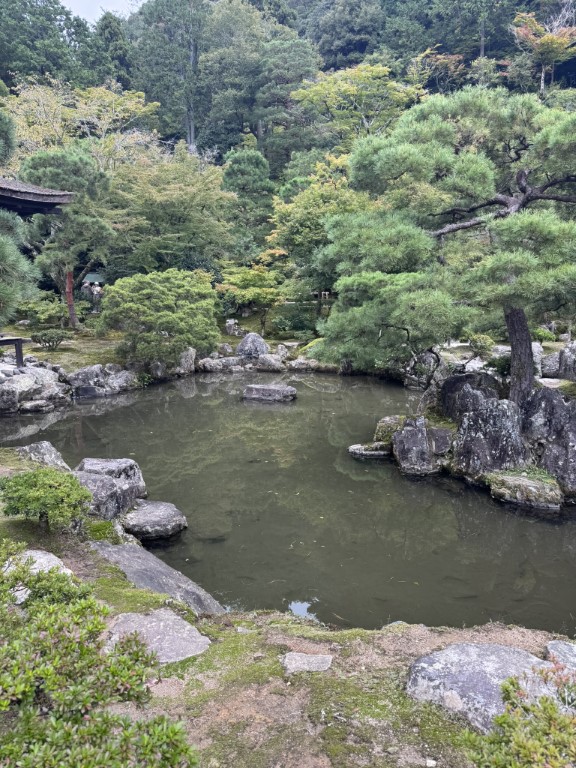
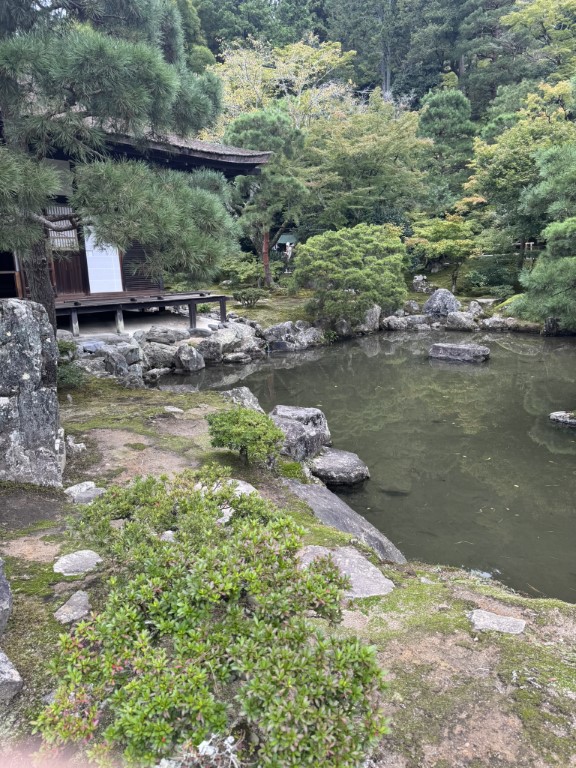
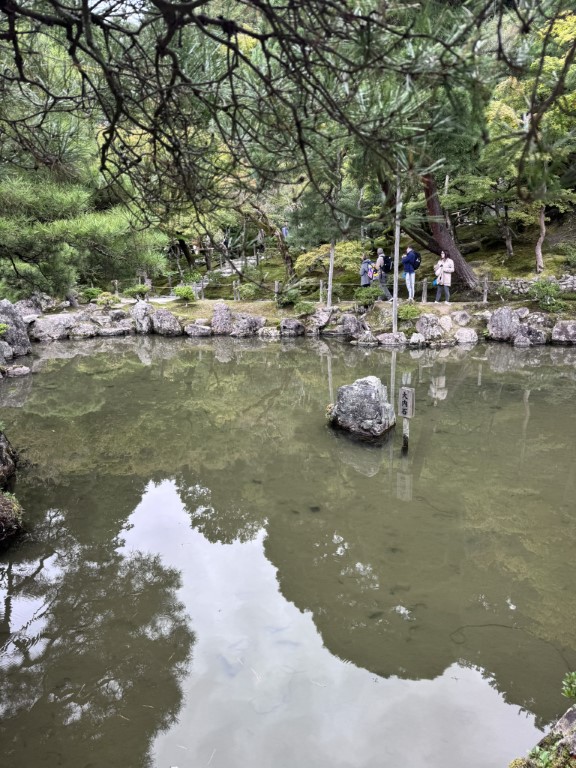
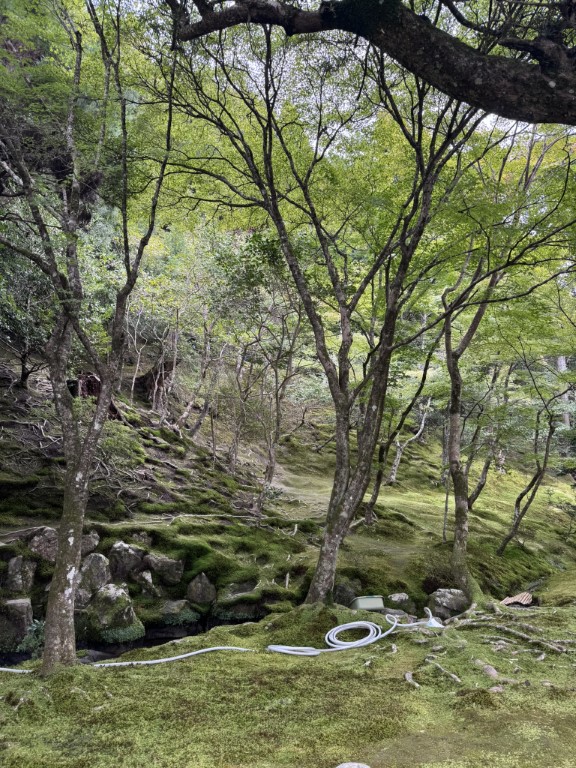
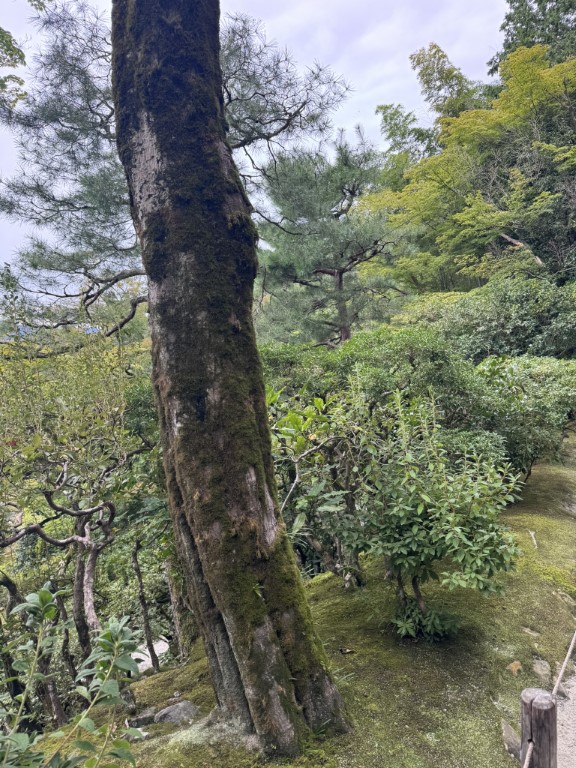
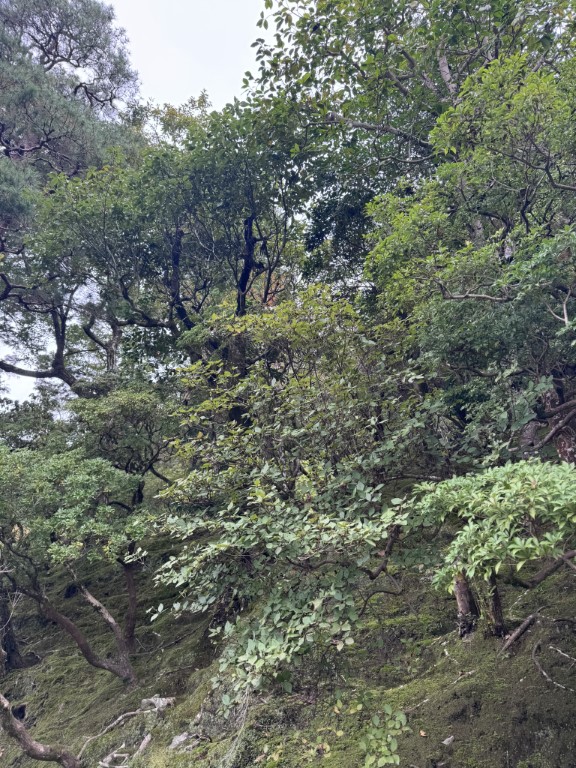
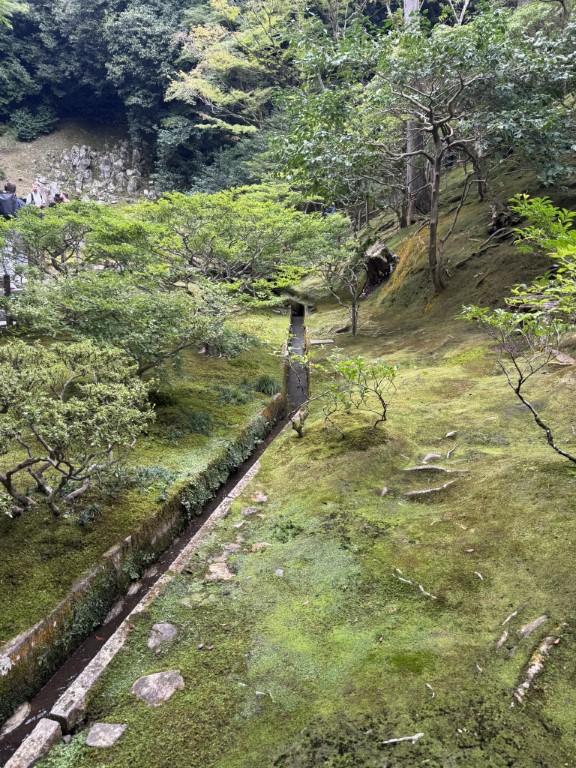
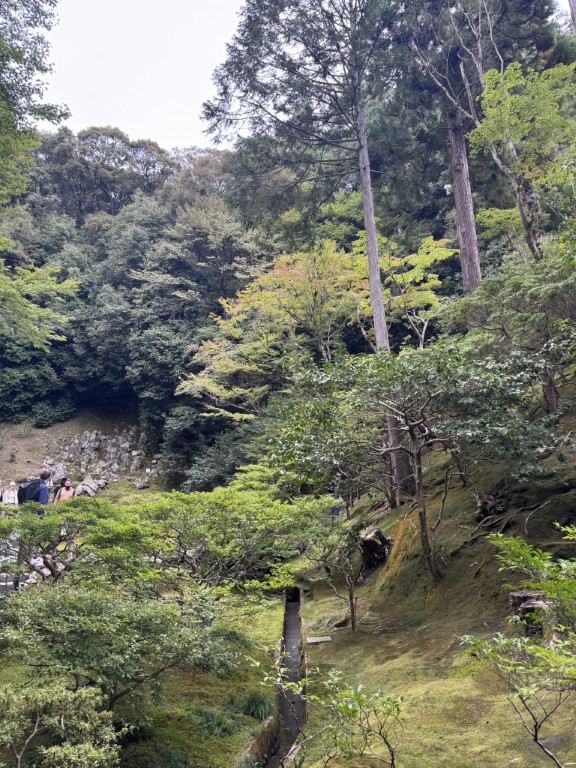
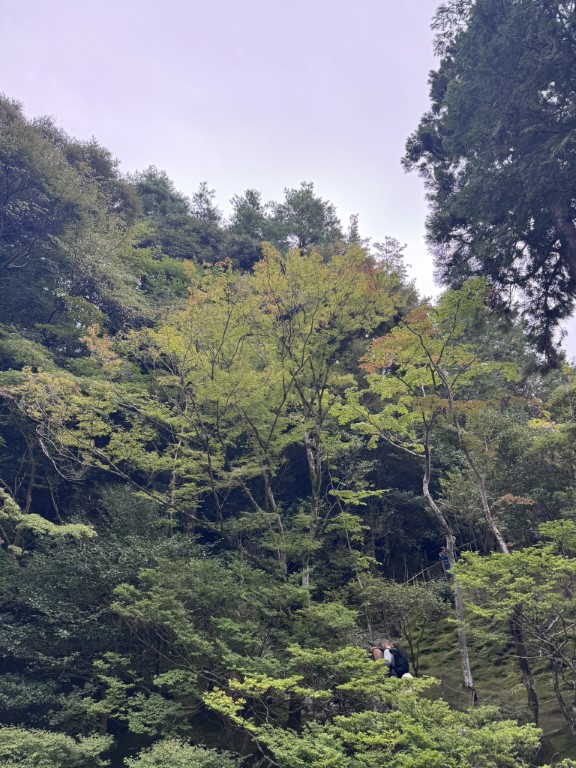
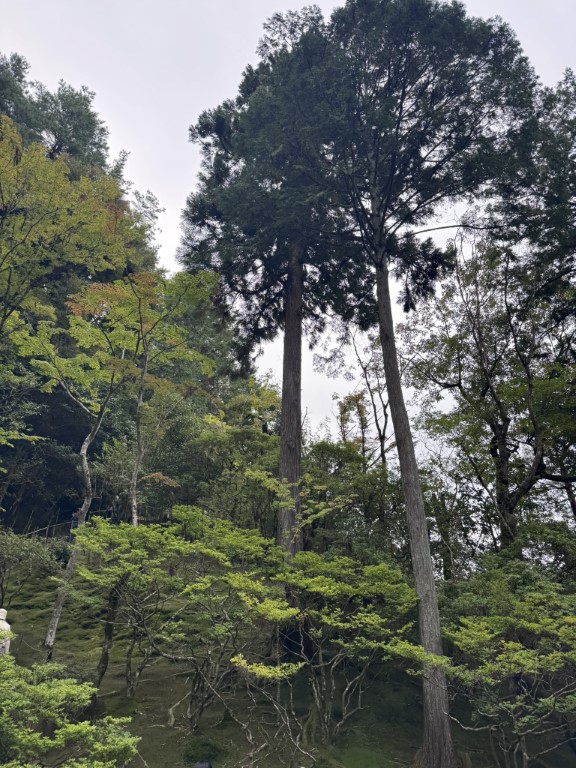
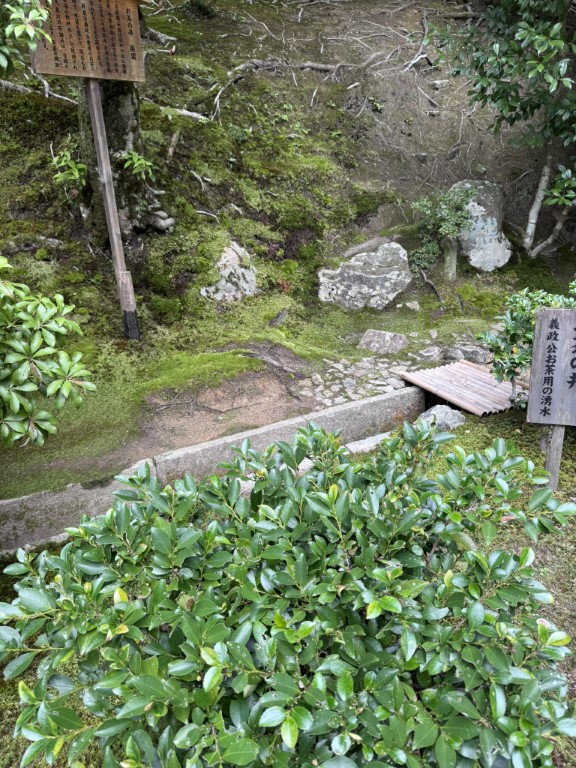
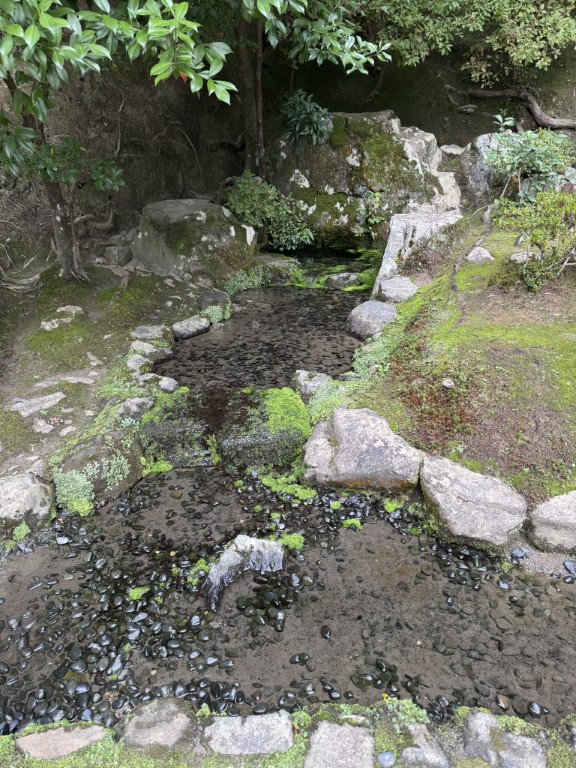
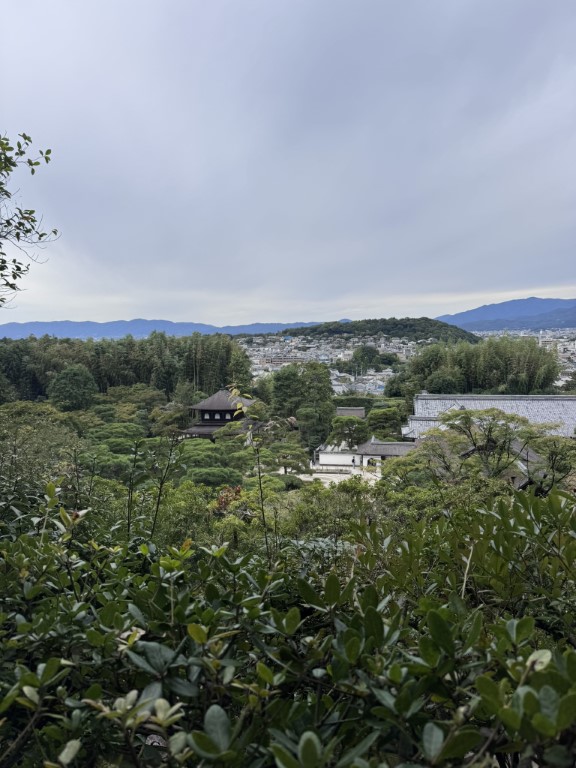
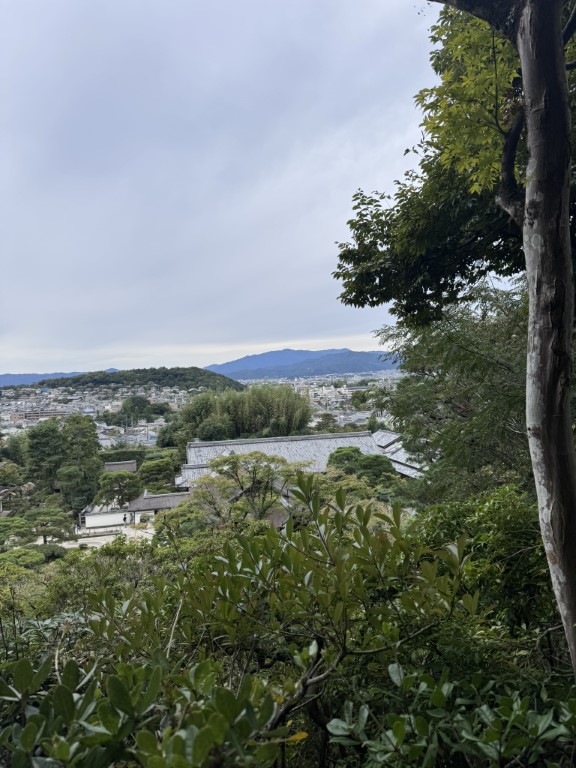
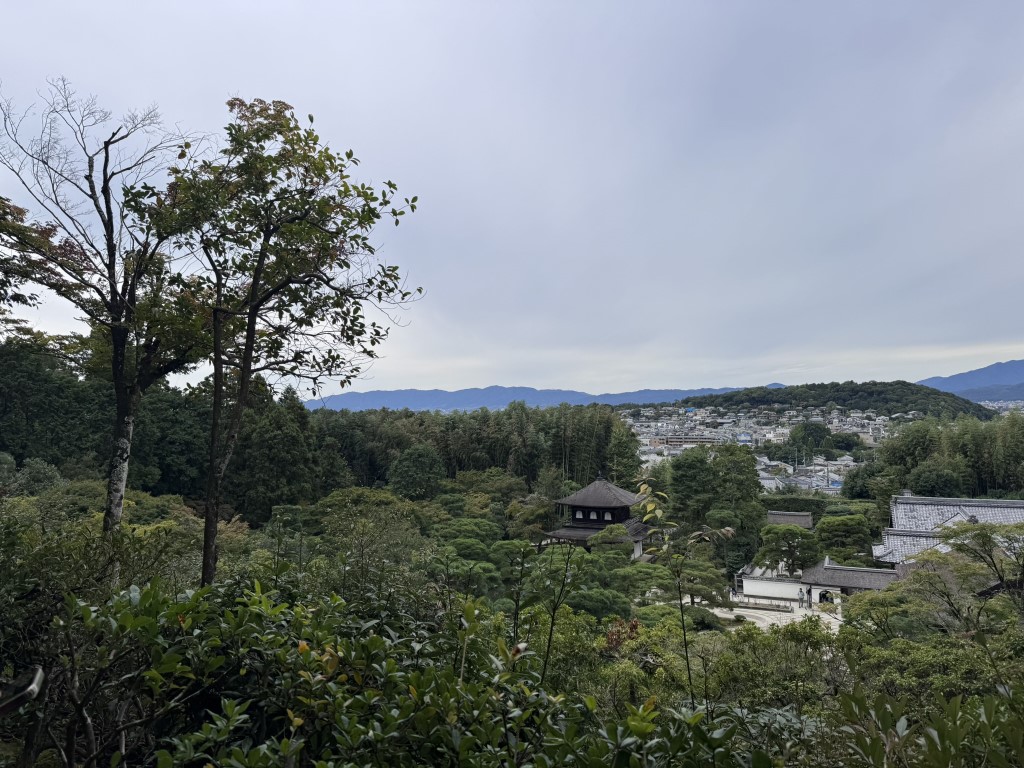
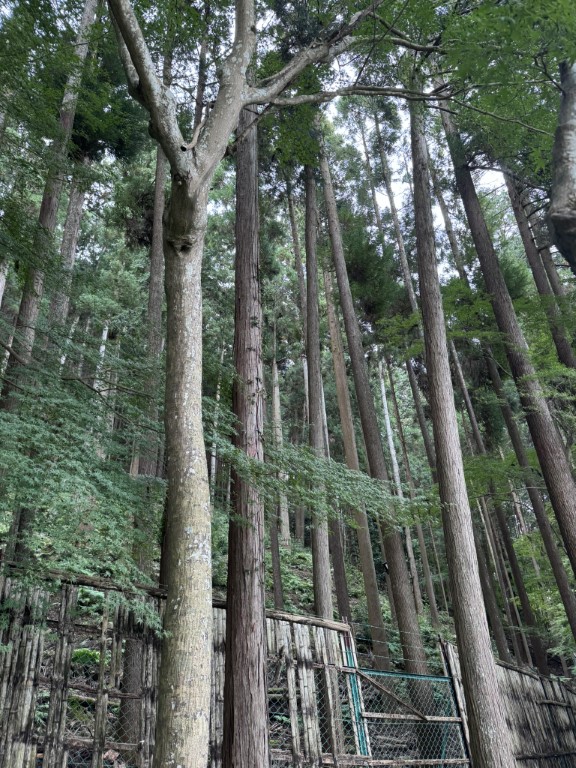
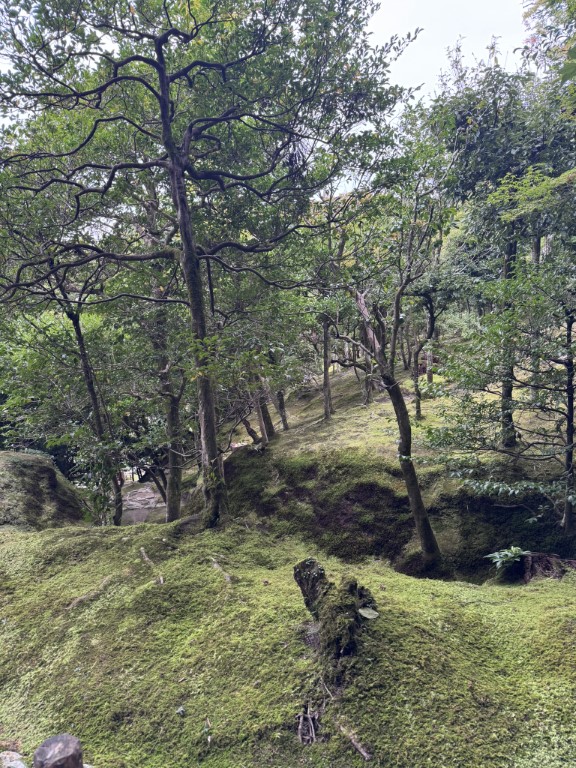
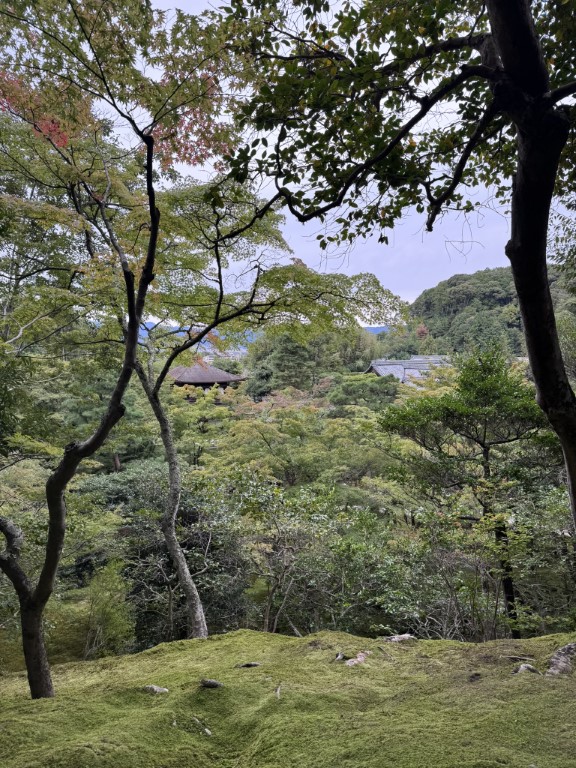
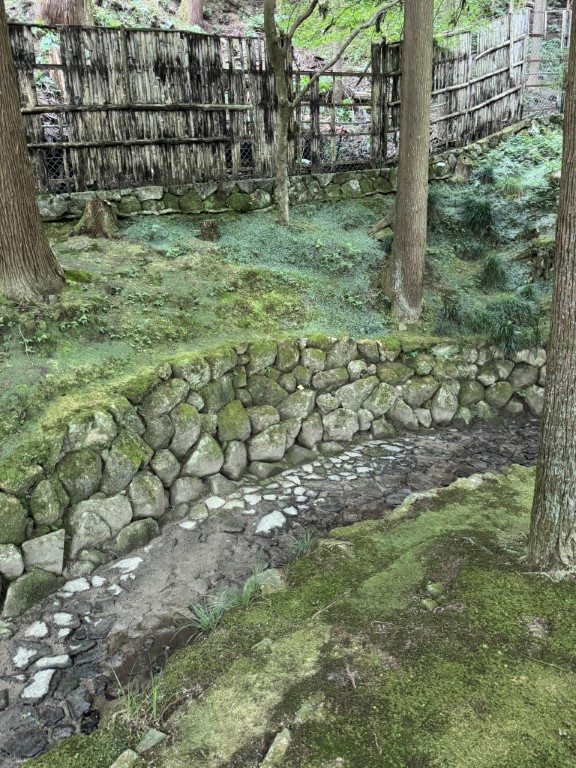
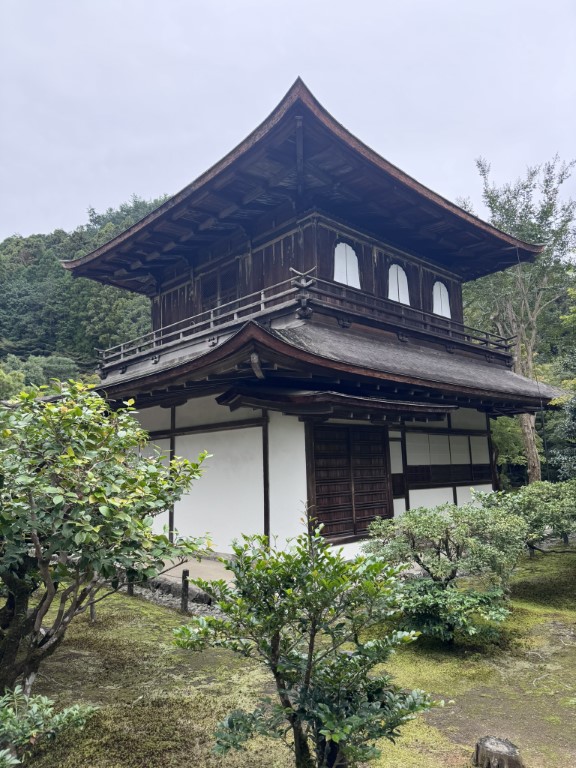
After Nijo-ji, we went back to the subway so we could catch a public bus to take us to Ginkakuji, the Silver Pavilion, a Zen temple along Kyoto's eastern mountains. In 1482, shogun Ashikaga Yoshimasa built his retirement villa on the grounds of today's temple, modeled after Kinkakuji (Golden Pavilion), his grandfather's retirement villa. The villa was converted into a Zen temple after Yoshimasa's death in 1490. Despite its name, the Silver Pavilion was never covered in silver. It is believed the name arose as a nickname more than a century after the building's construction to contrast it with the Golden Pavilion since moon light reflecting on the building's dark black lacquer exterior gave it a silvery appearance. The pavilion is one of only two buildings on the grounds of Ginkakuji which have survived intact the many fires and earthquakes of the past centuries, although it has been undergoing periodical renovation works to keep it well preserved.
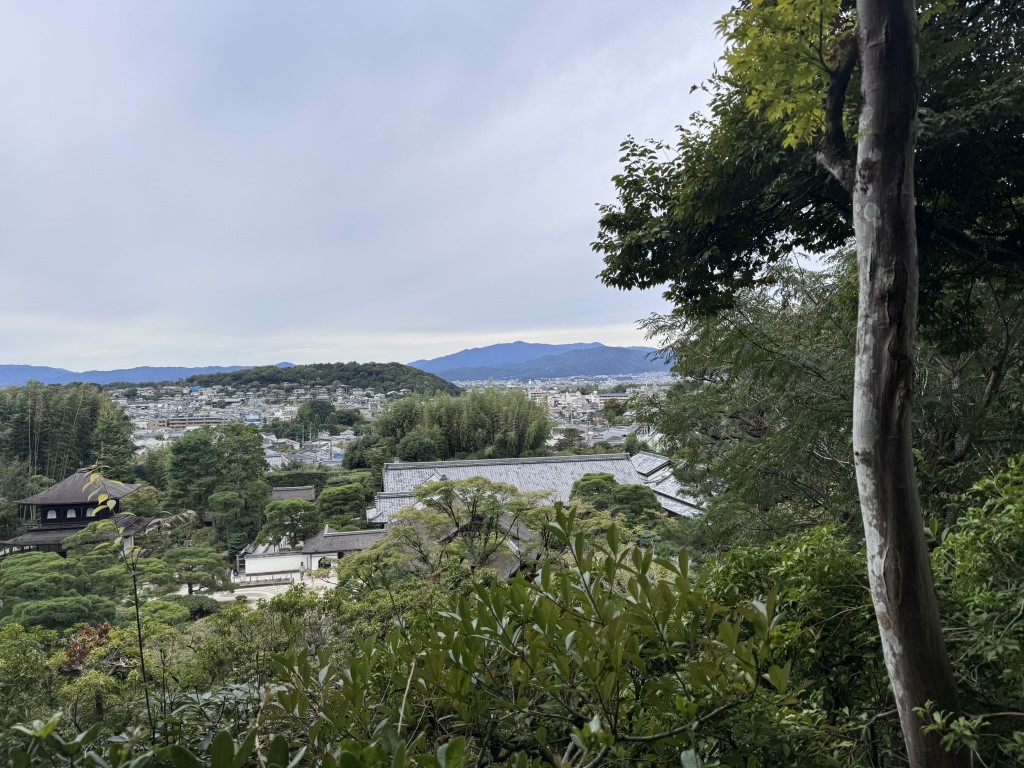
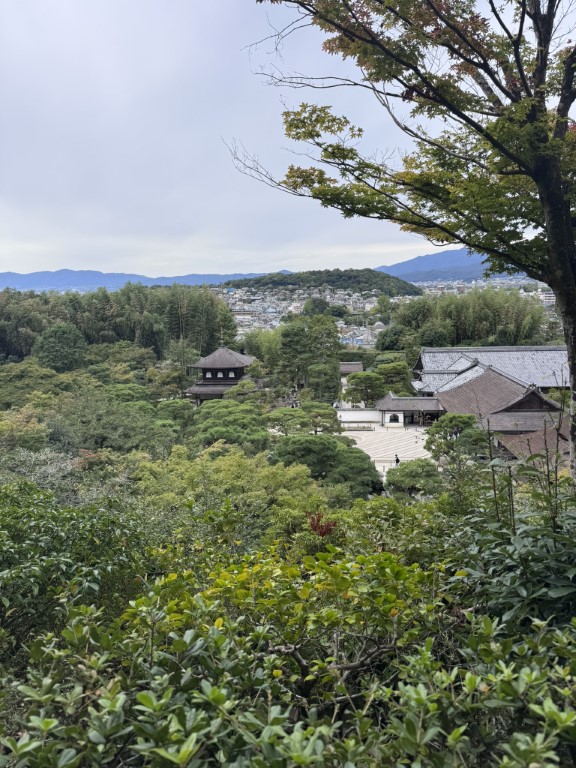
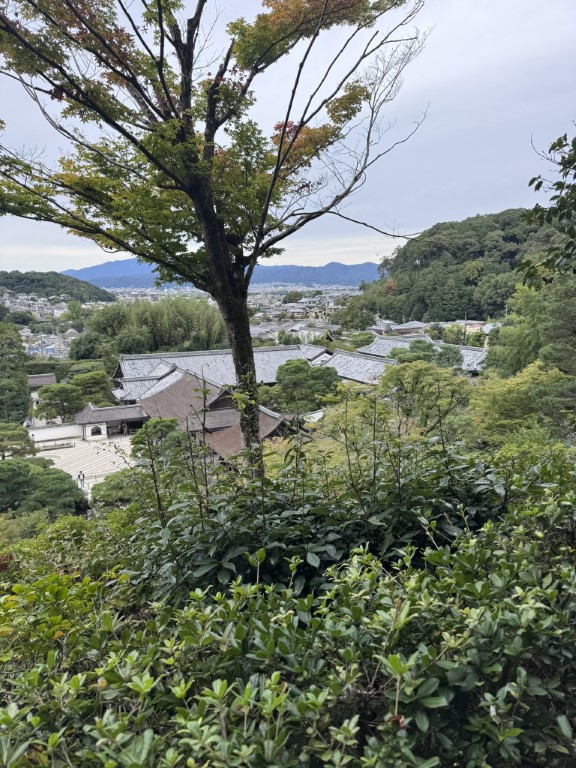
.jpg)
.jpg)
.jpg)
.jpg)
.jpg)
.jpg)
.jpg)
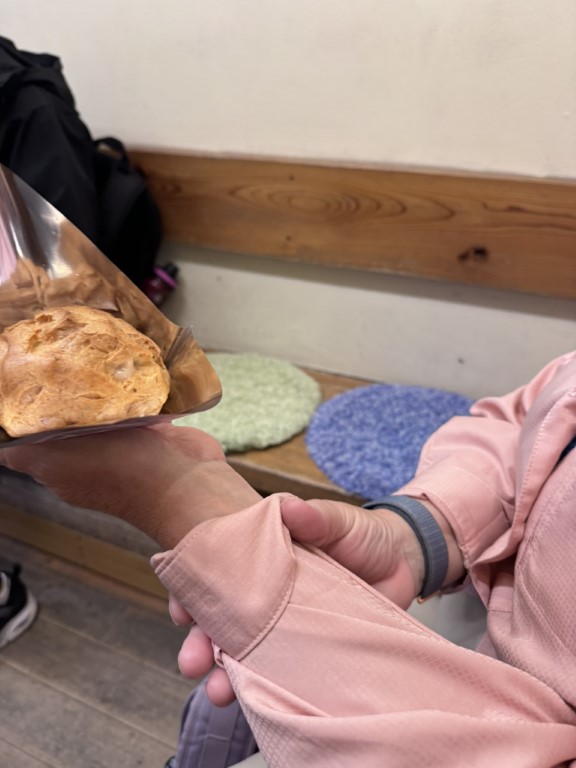
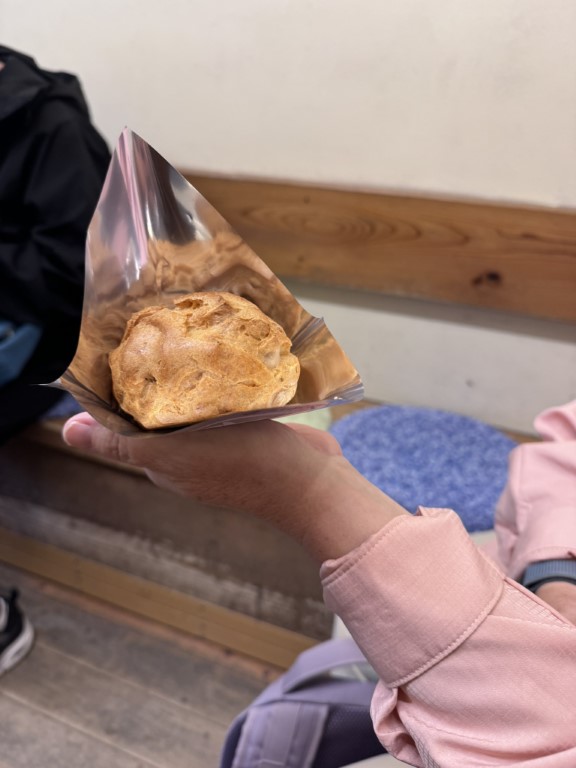
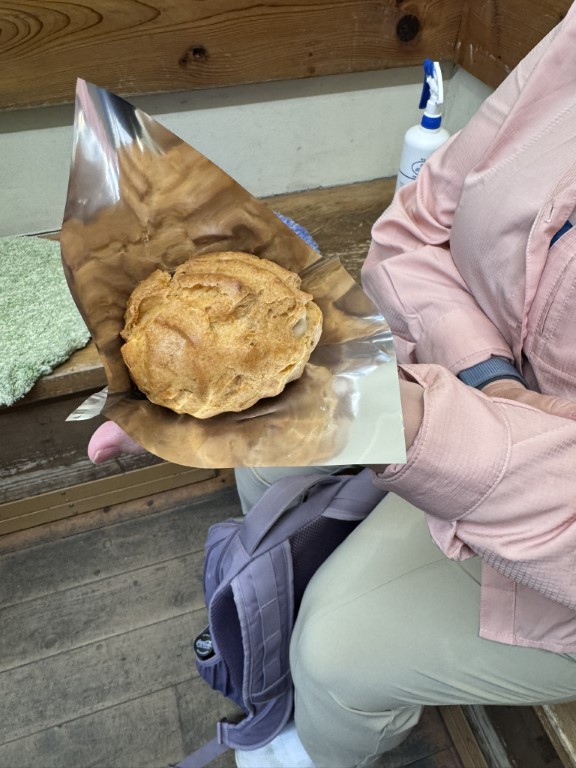
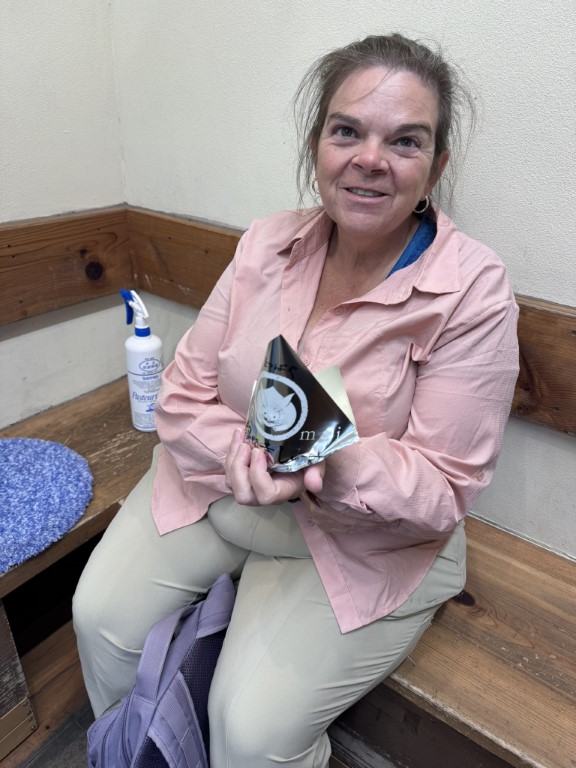
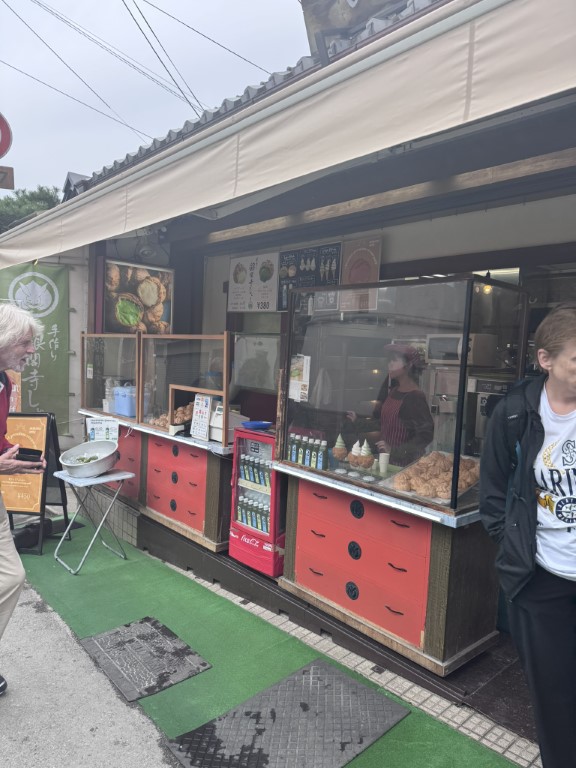
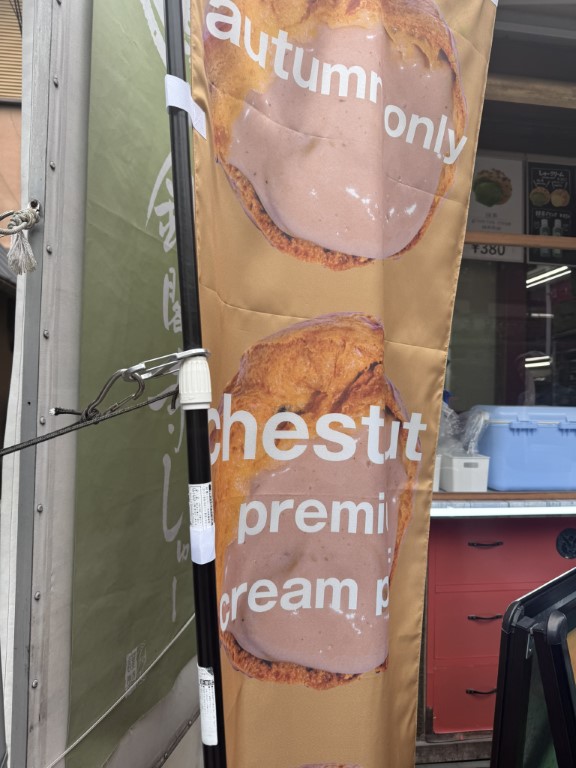
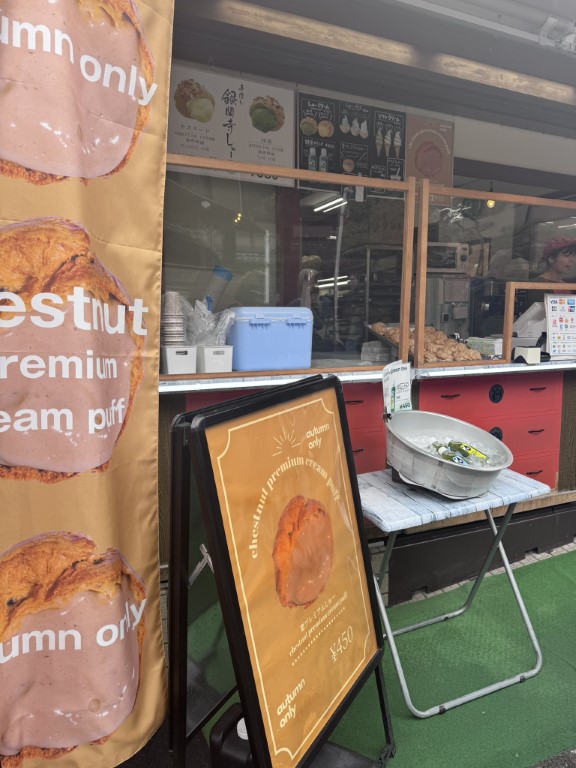
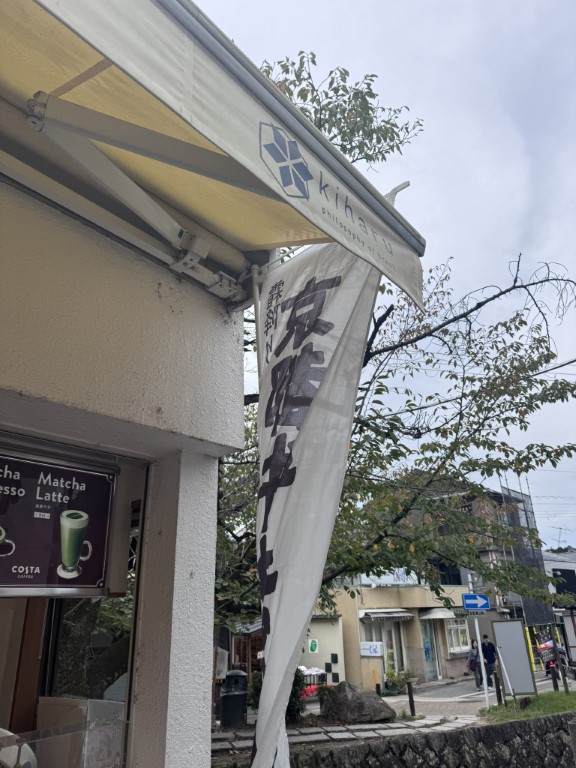
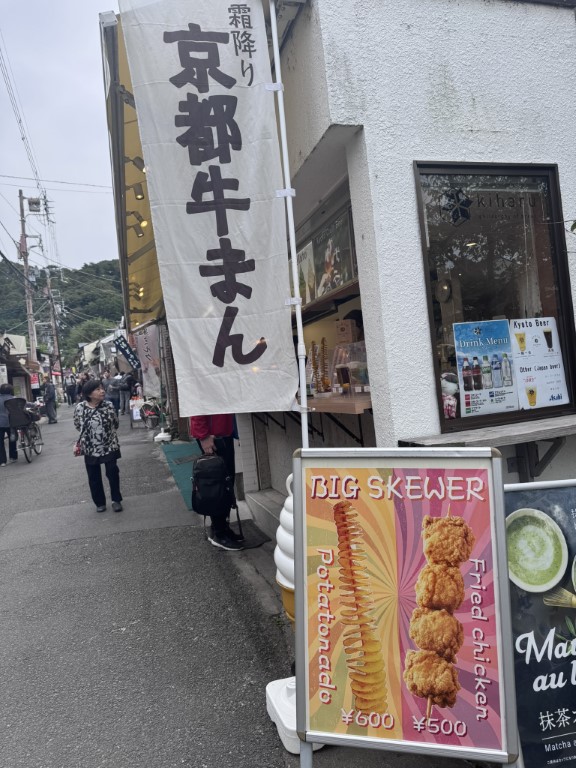
As we left Ginkakuji, we stopped at Sugi Bee Garden where they were offering samples of their honey drink. This was really good and we bought several bottles to take back home with us. We also stopped for a couple of snacks. The first was a chestnut cream pie, which was very good and the second was a fried chicken skewer.
.jpg)
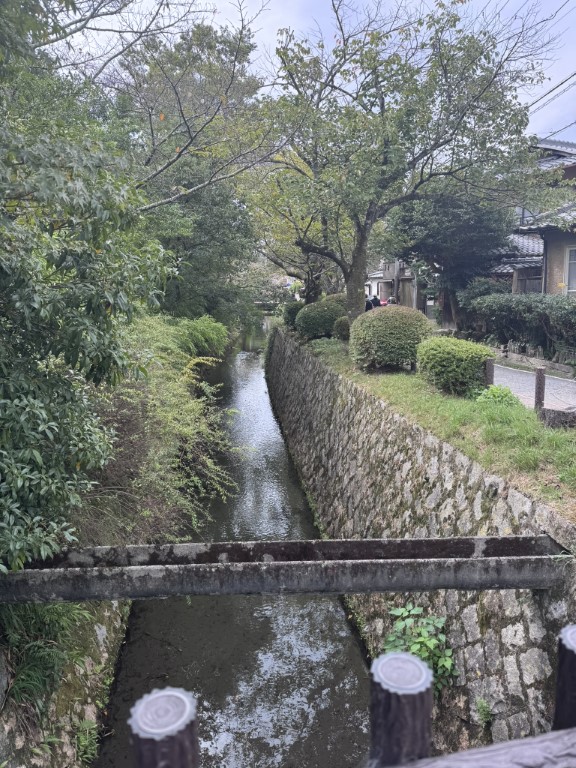
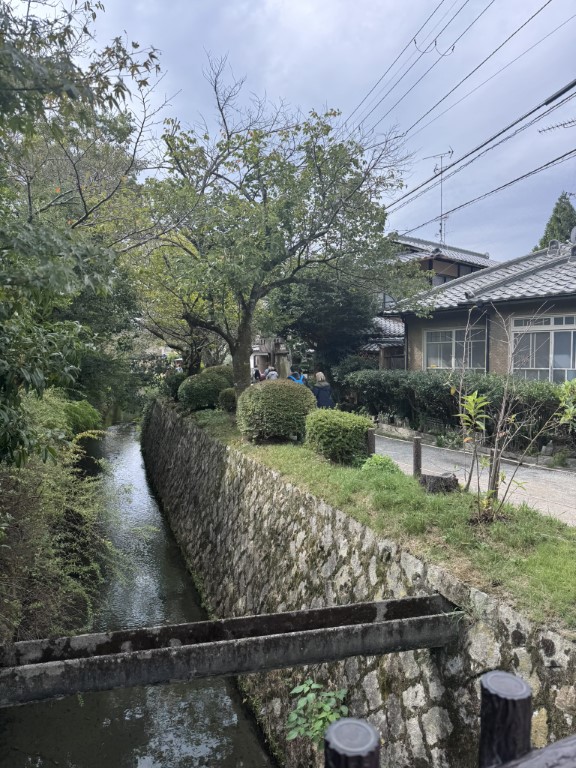
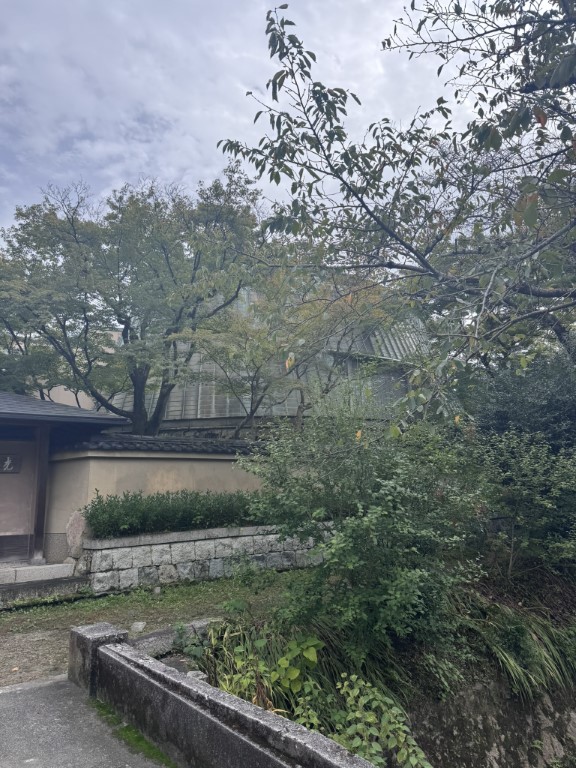
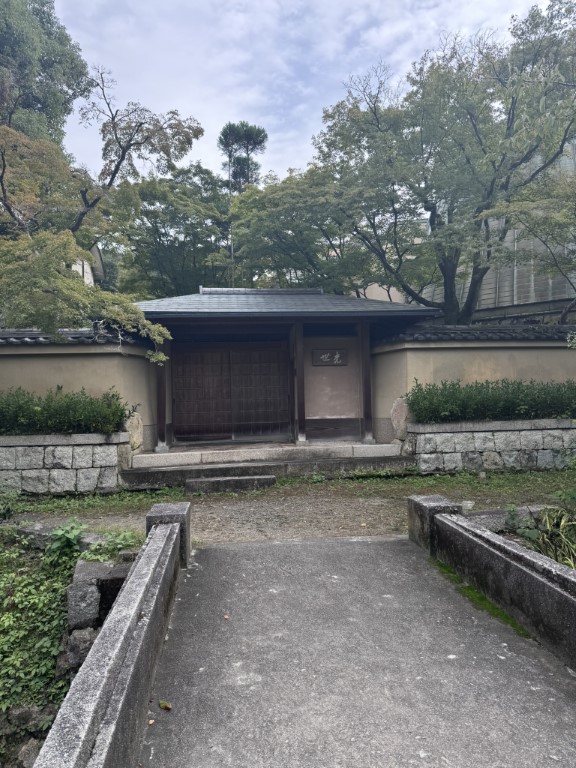
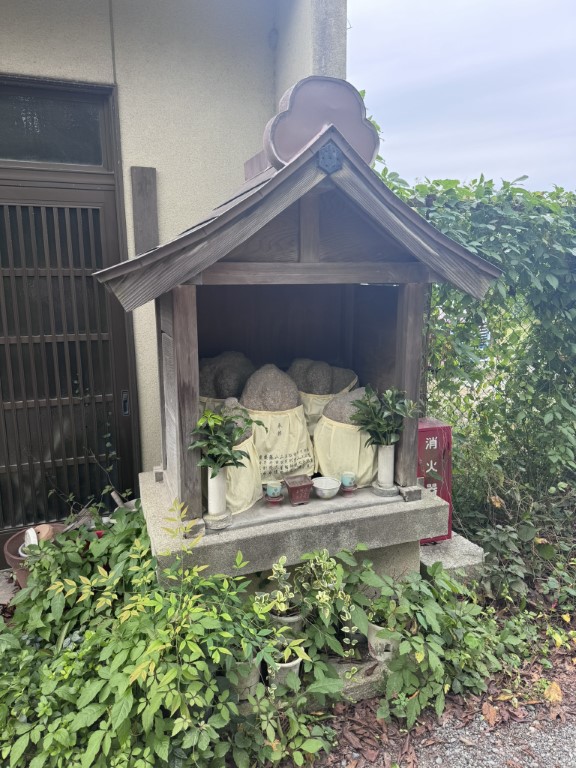
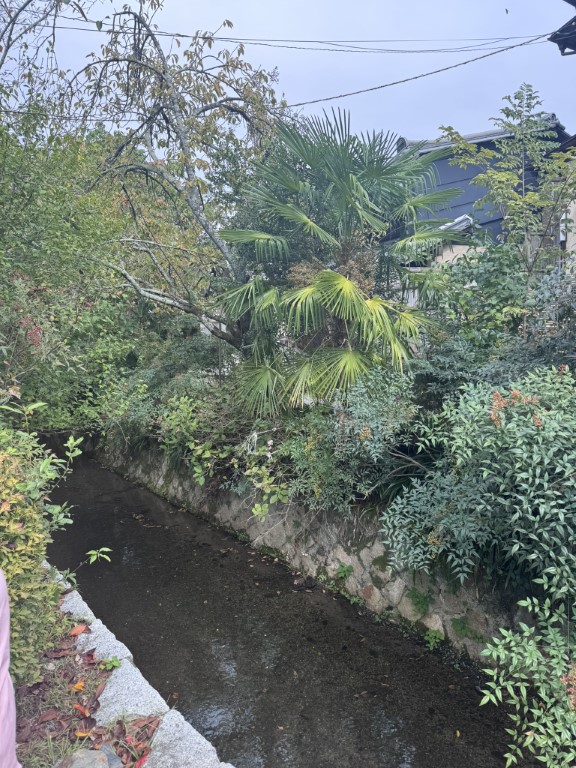
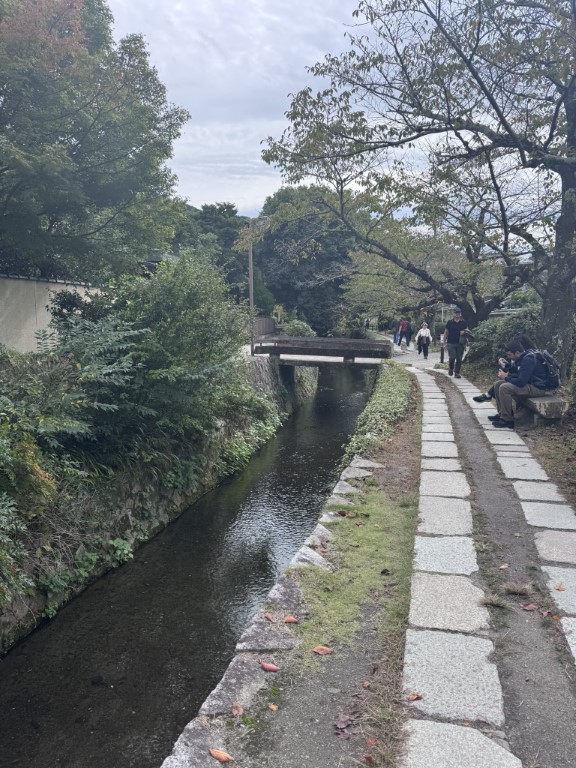
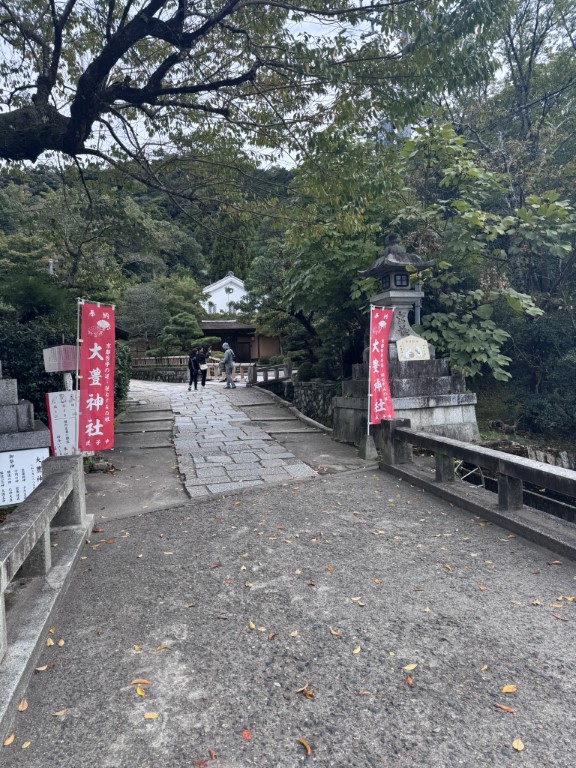
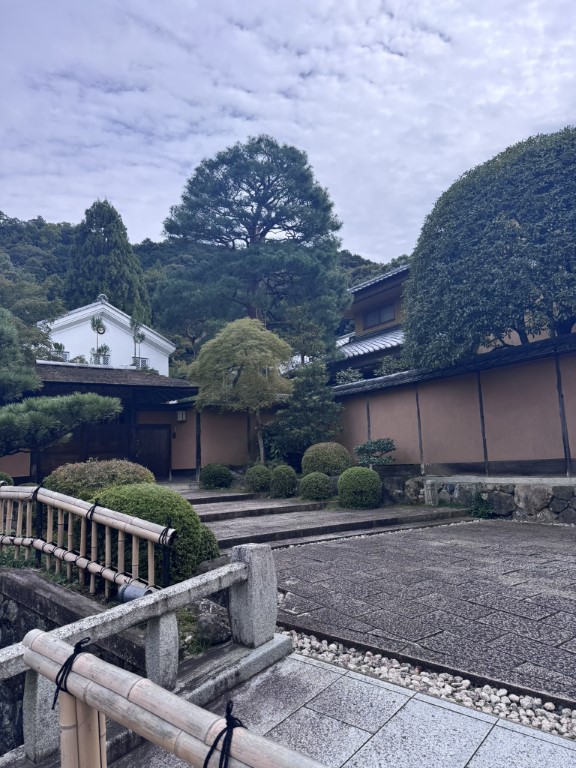
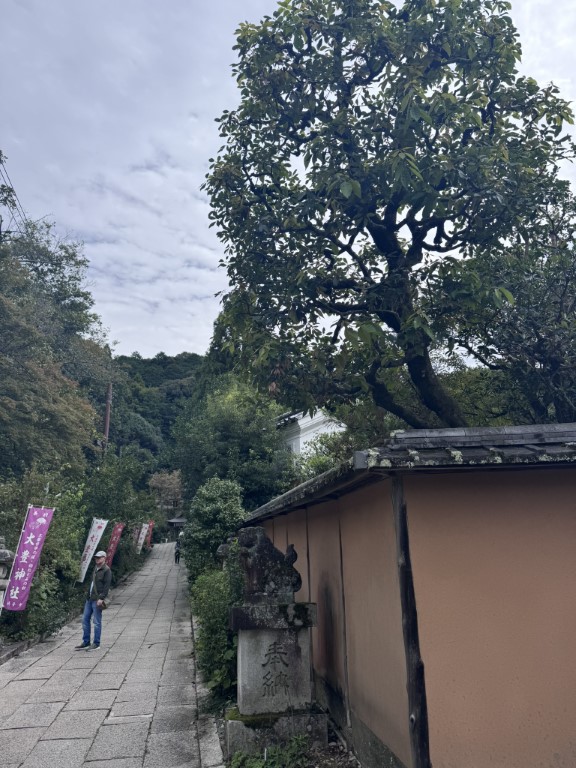
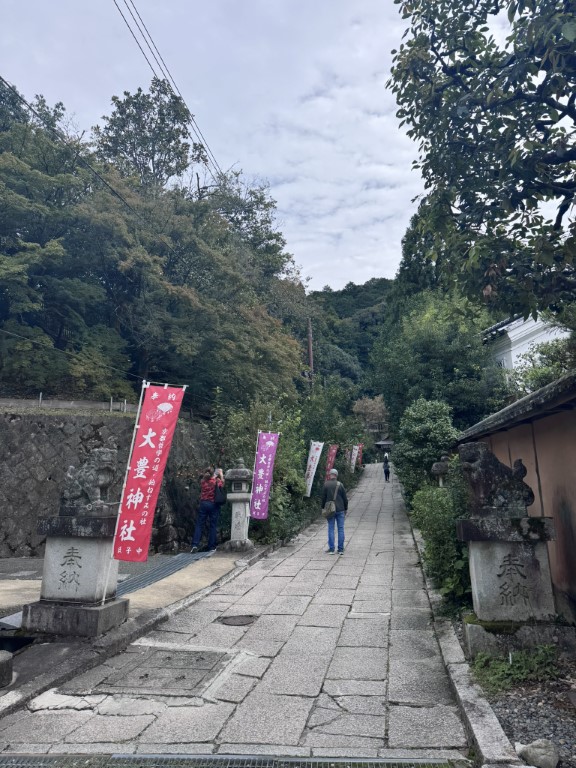
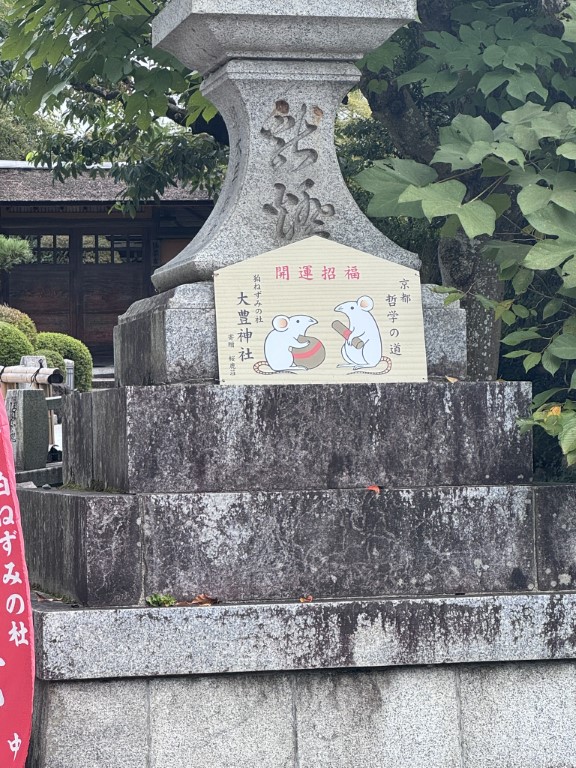
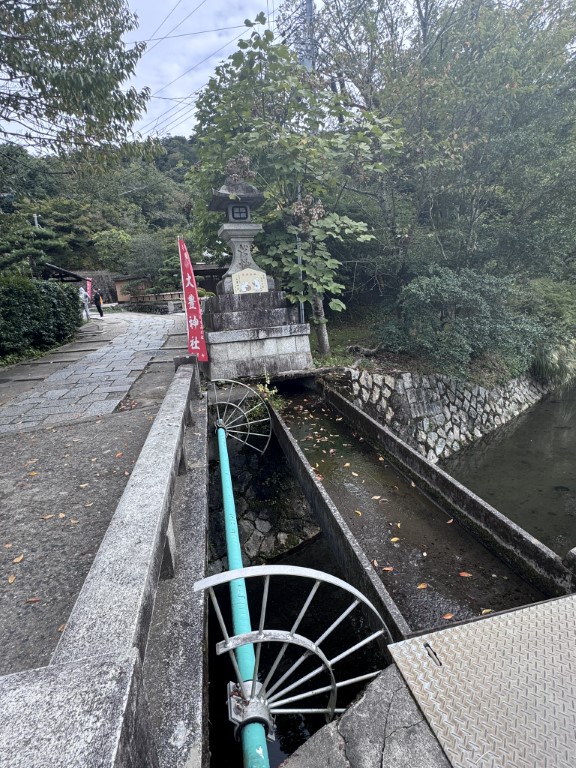
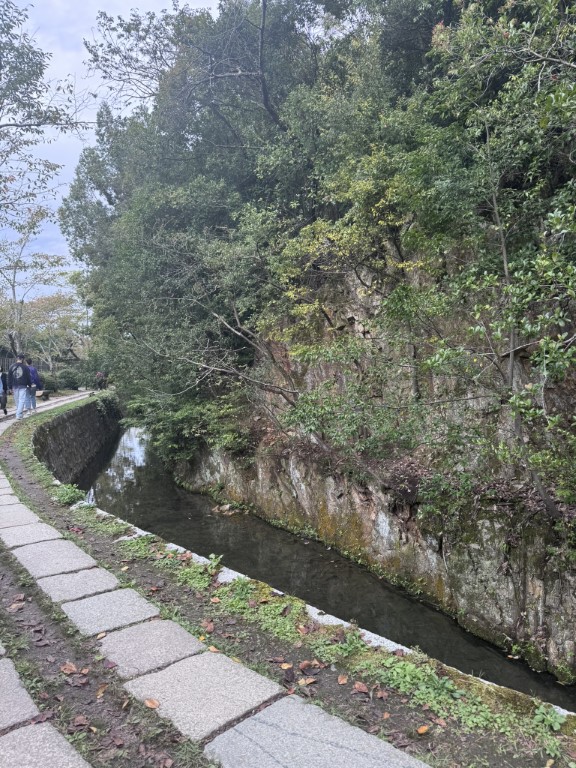
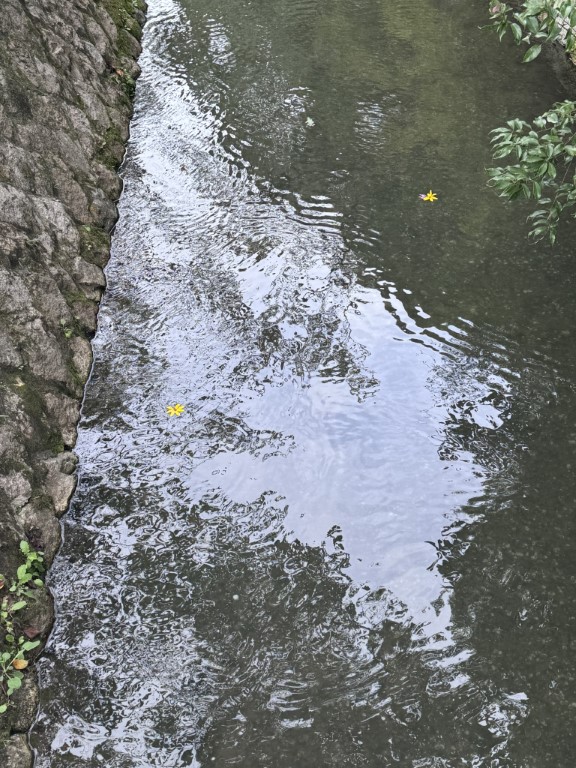
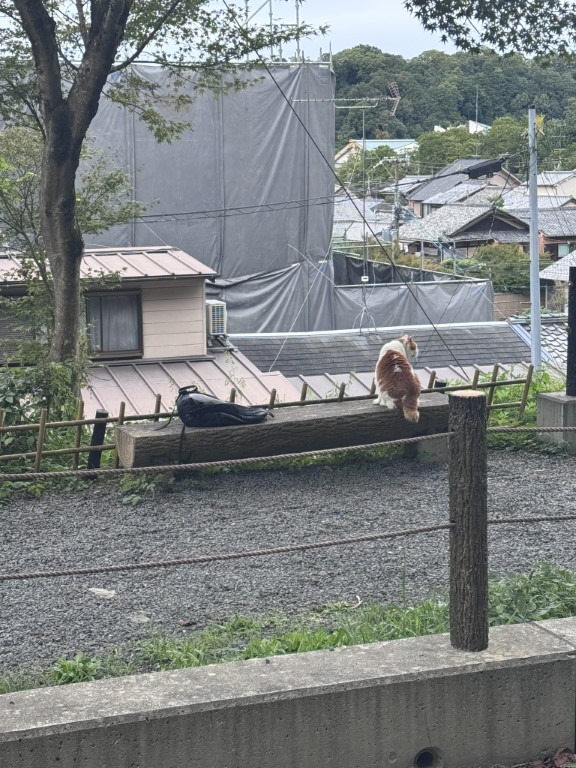
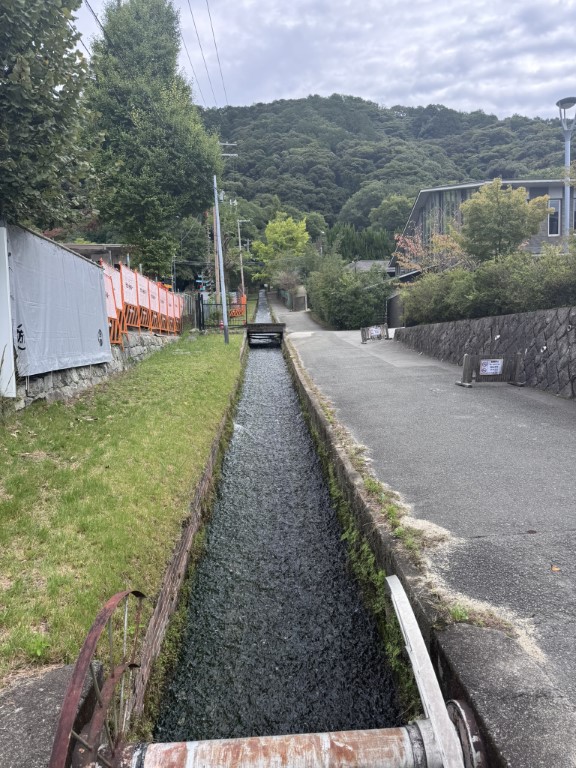
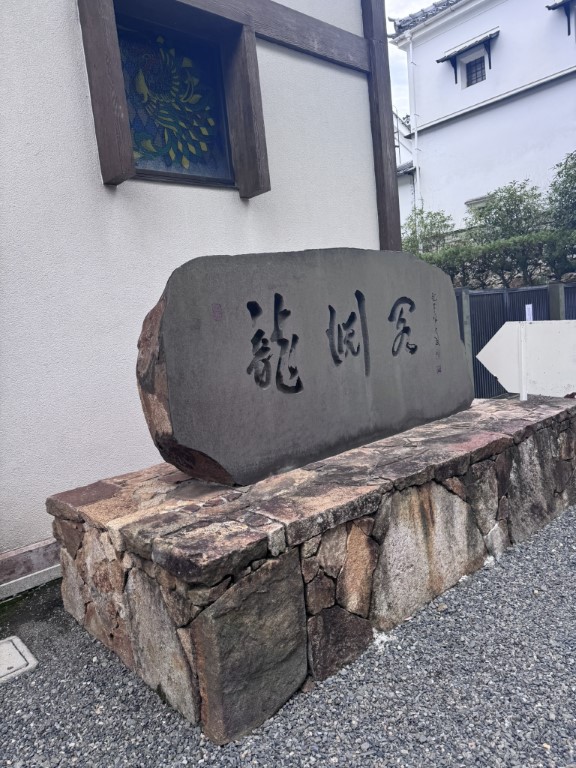
Tetsugaku no michi, or the Philosopher's Path, follows a canal lined by hundreds of cherry trees beginning around Ginkakuji and ending in Nanzenji. The path got its name due to Nishida Kitaro, one of Japan's most famous philosophers, who was said to practice meditation while walking this route on his commute to Kyoto University. Restaurants, cafes, and boutiques can be found along the path, as well as smaller temples and shrines which are a short walk from the canal. The canal that follows the path is part of the Lake Biwa Canal which connects through tunnels to Lake Biwa. The canal was built during the Meiji Period to enhance transportation and provide Kyoto with water. The path was not as relaxing as we had hoped in the beginning due to all of the shops and restaurants and crowds, but these eventually thinned as we walked along the canal.
.jpg)
.jpg)
.jpg)
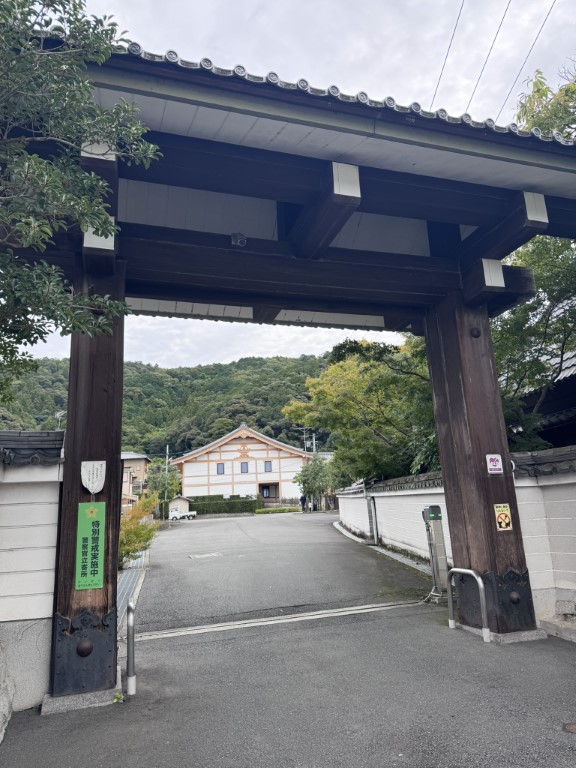
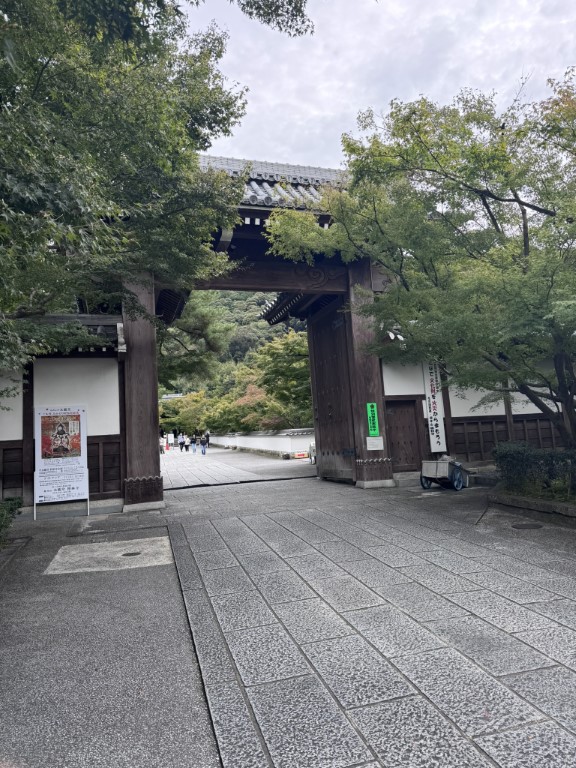
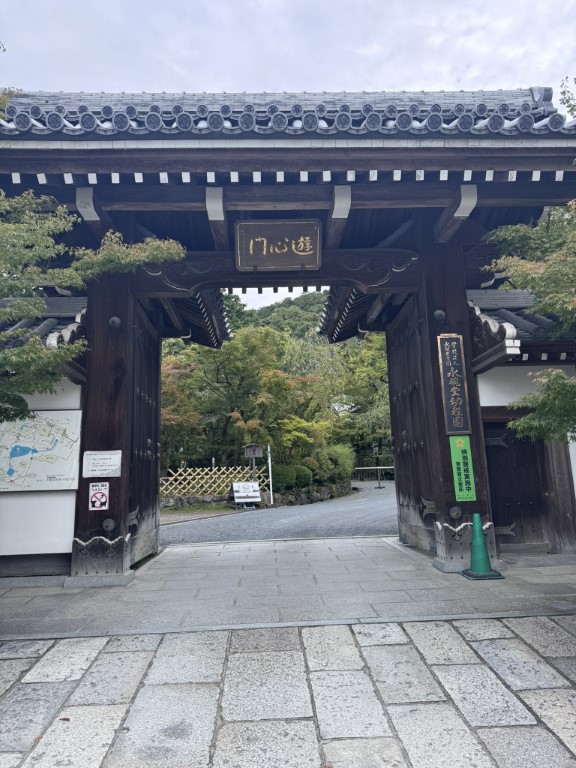
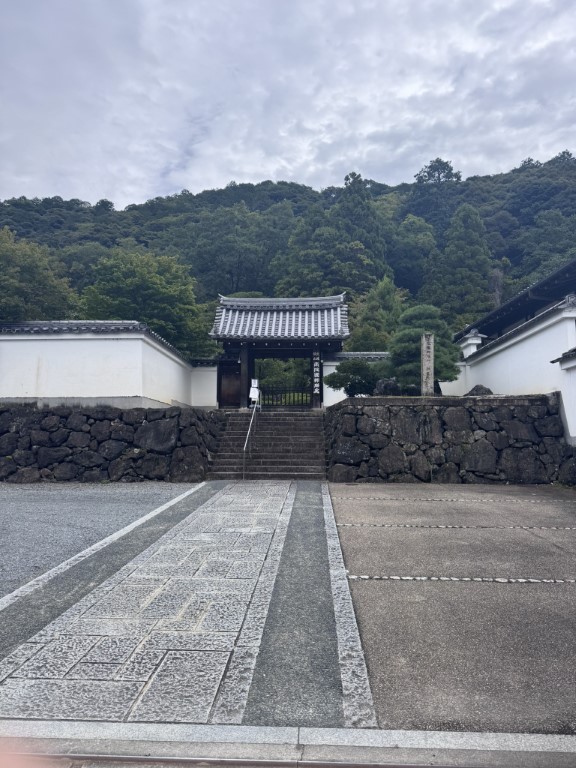
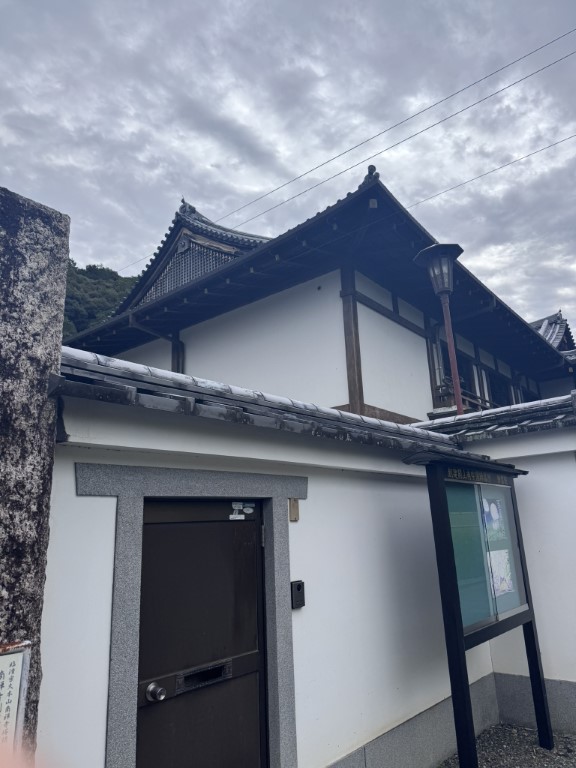
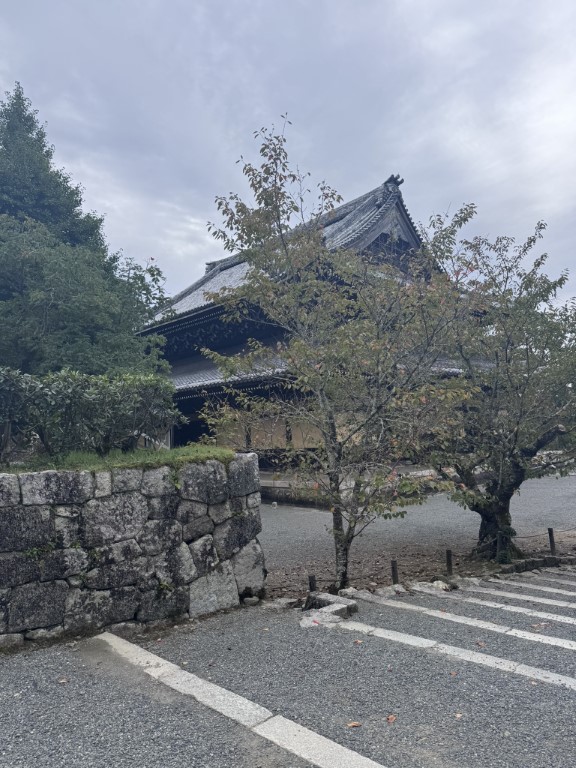
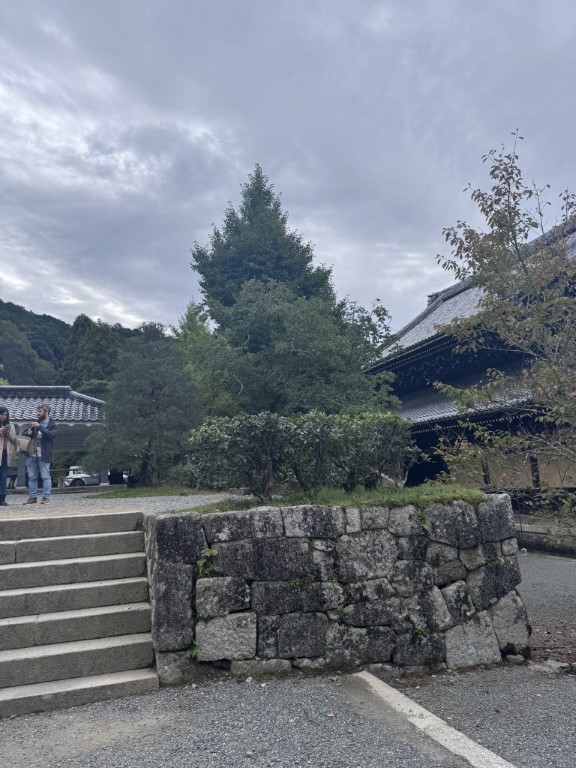
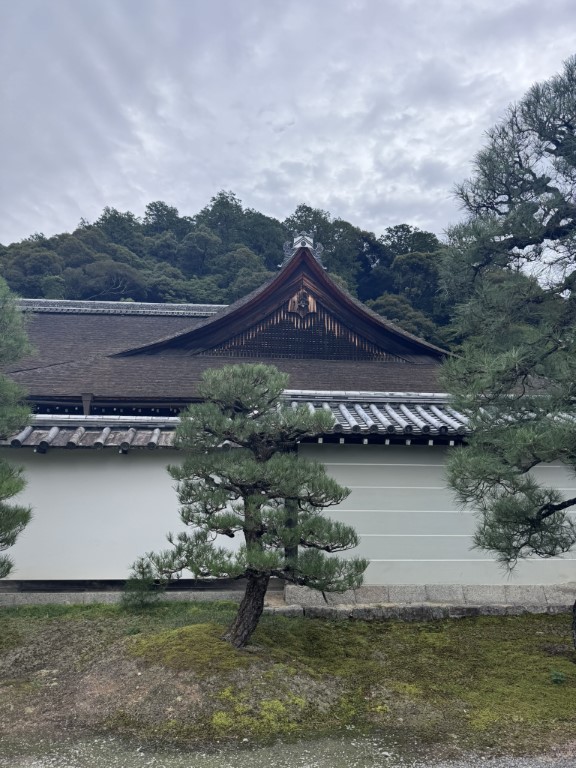
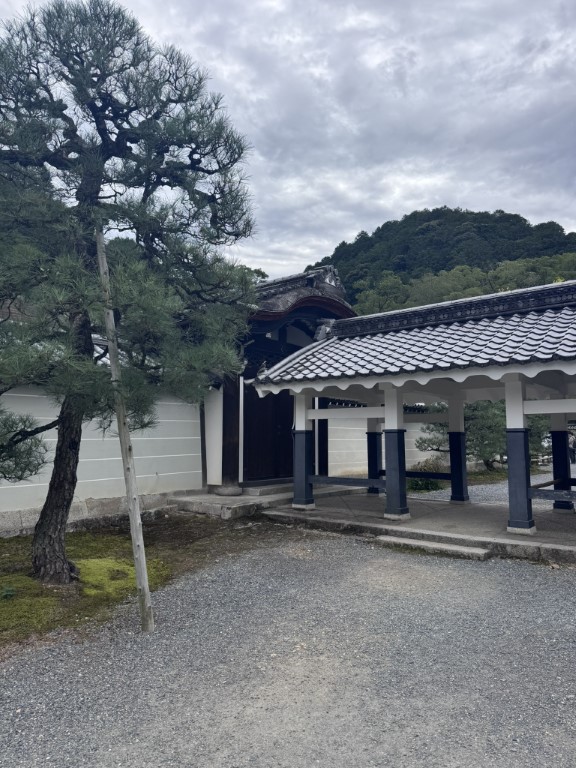
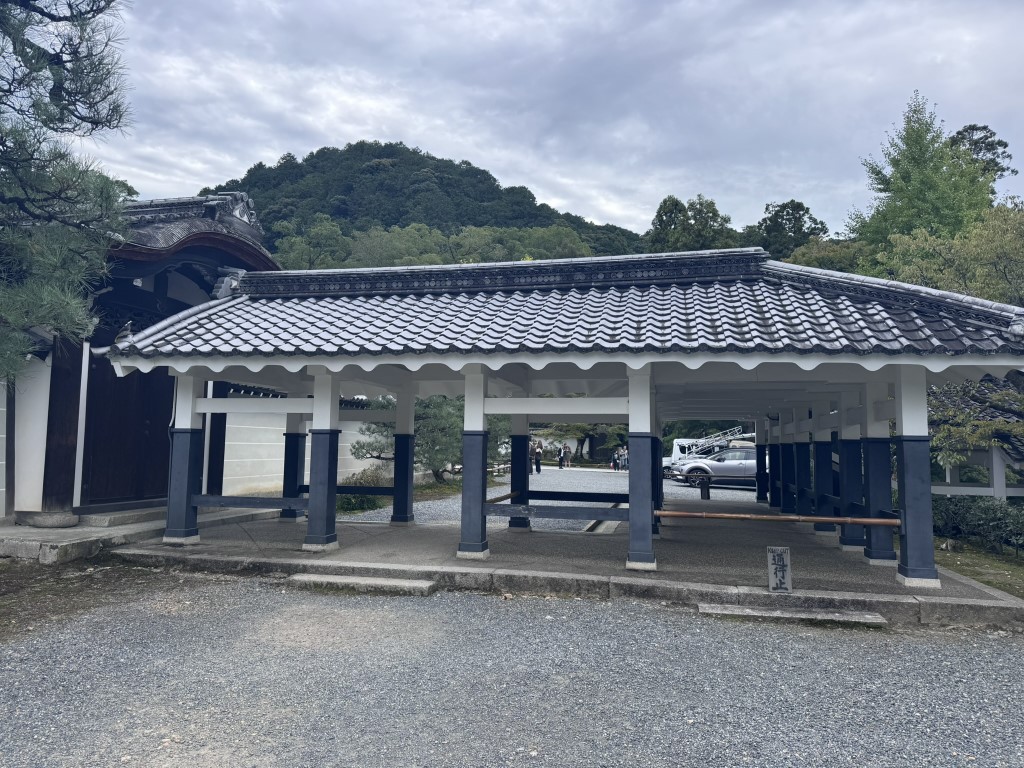
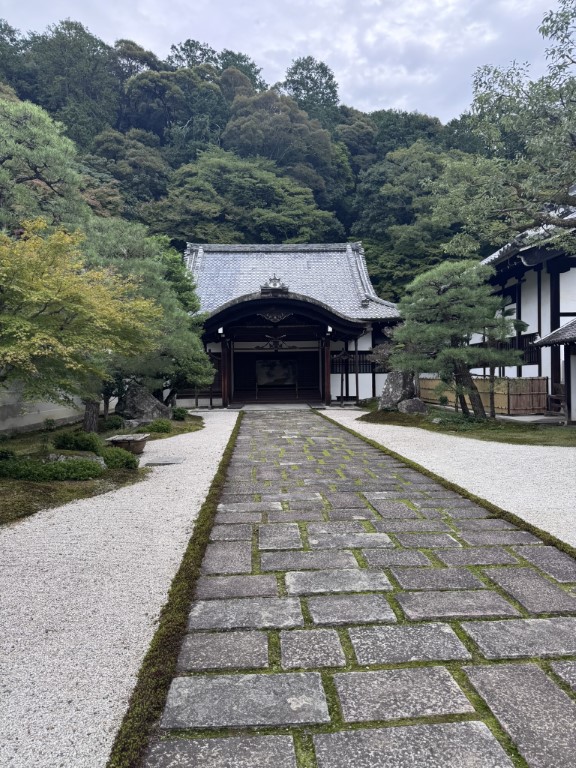
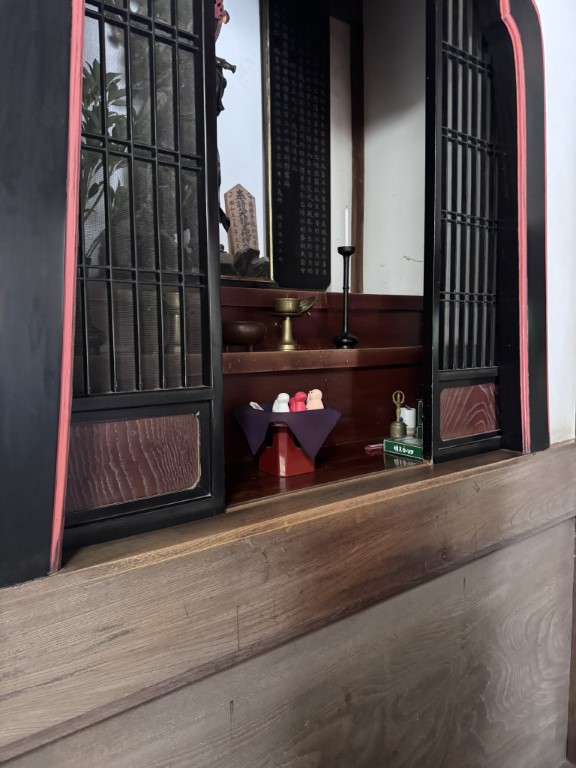
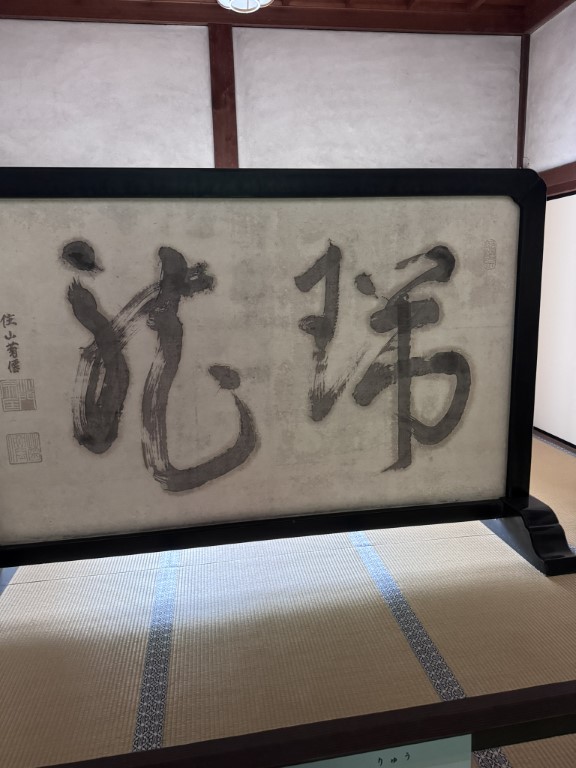
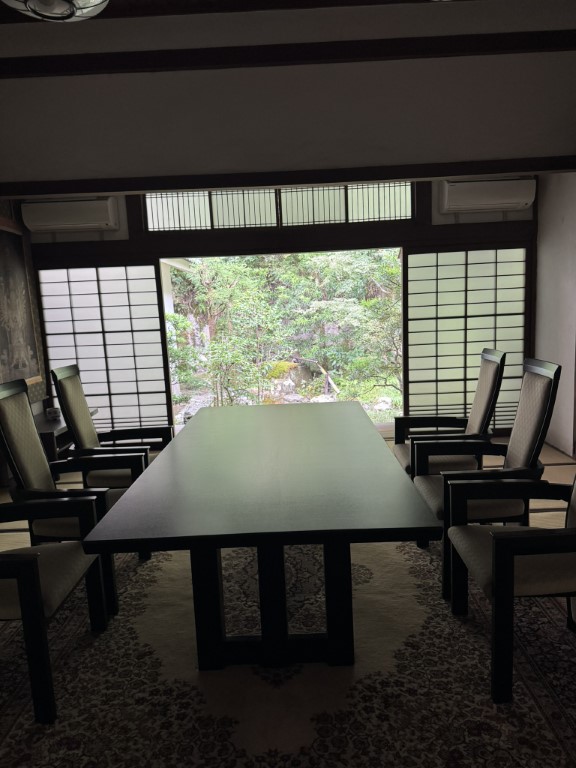
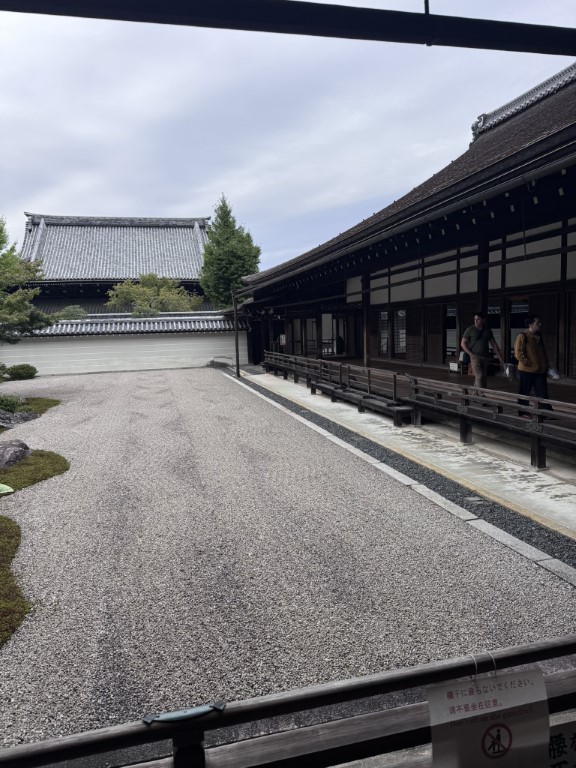
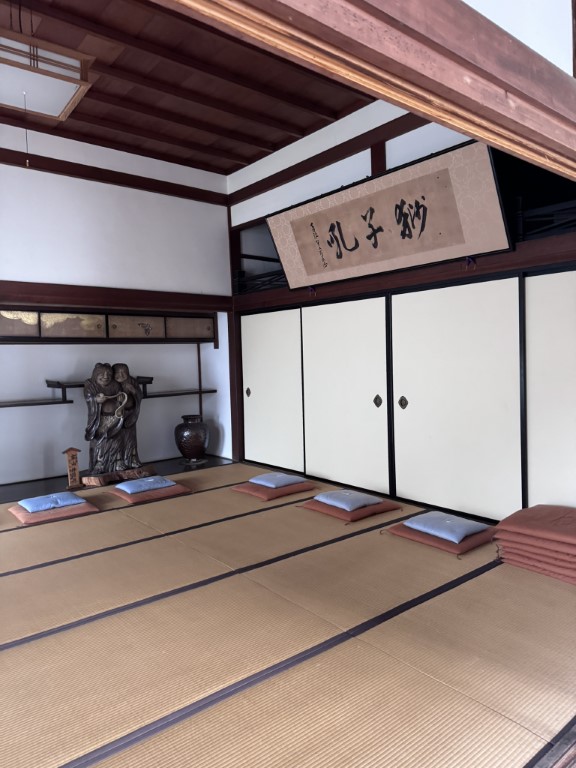
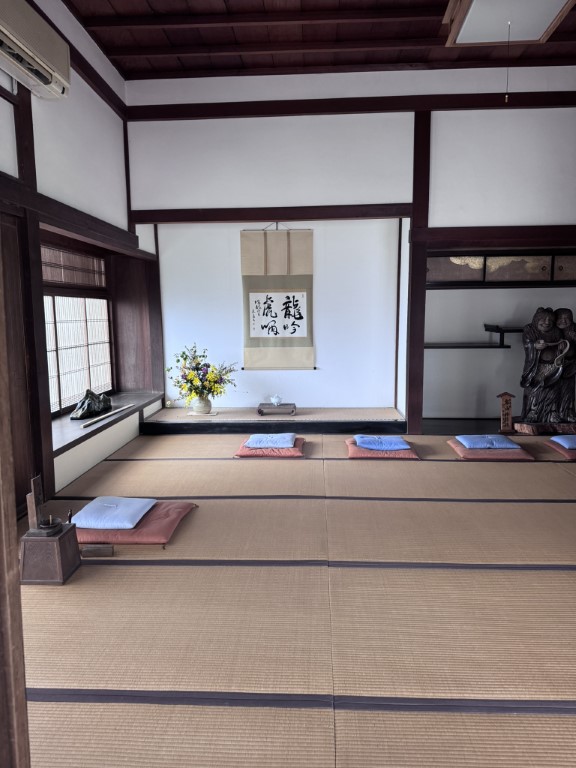
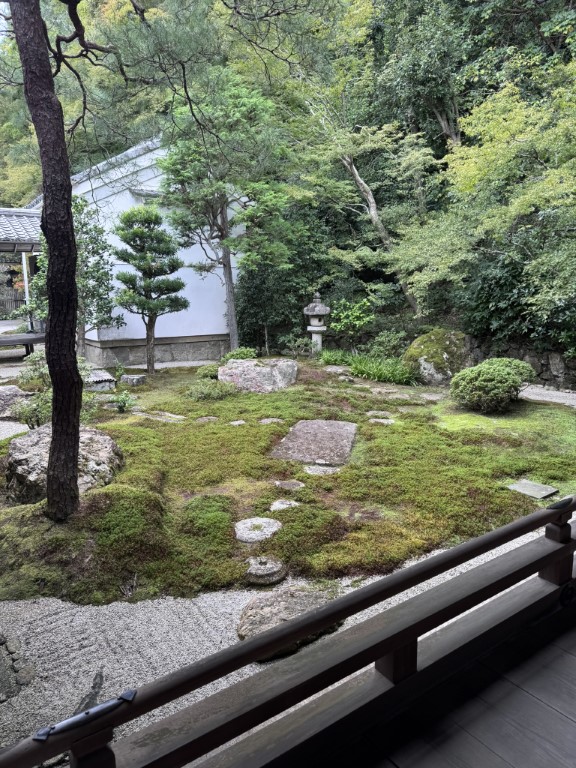
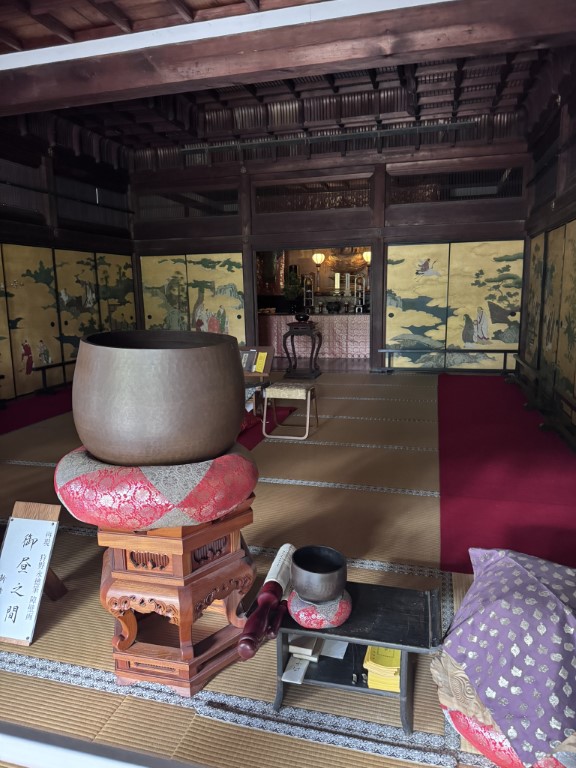
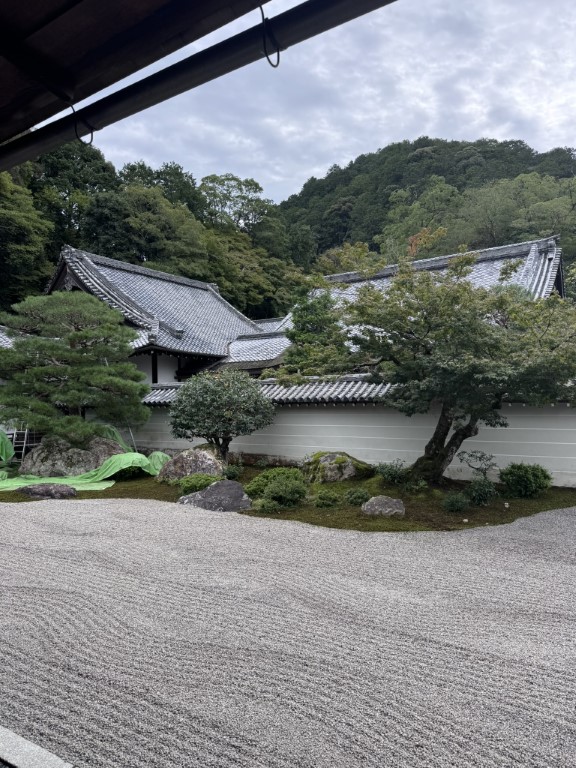
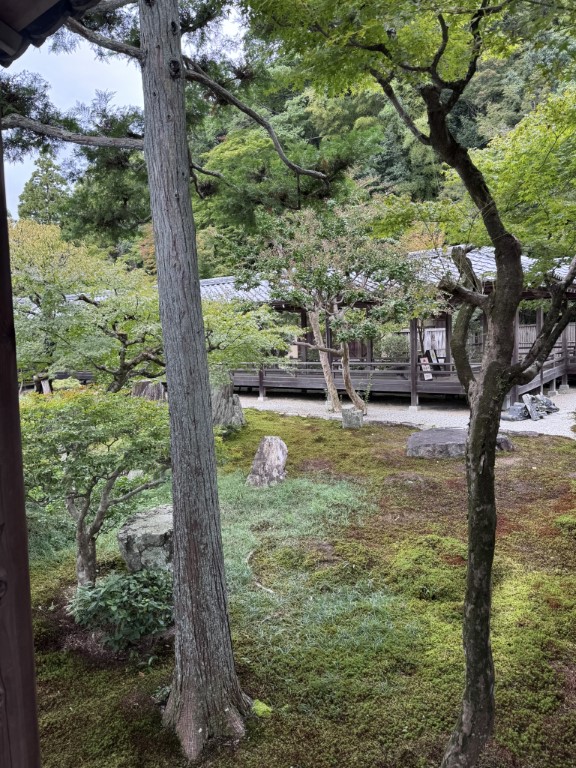
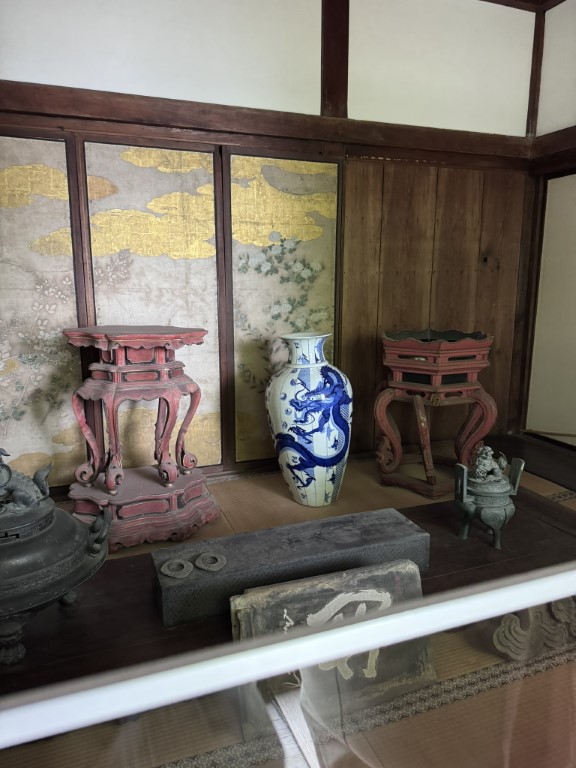
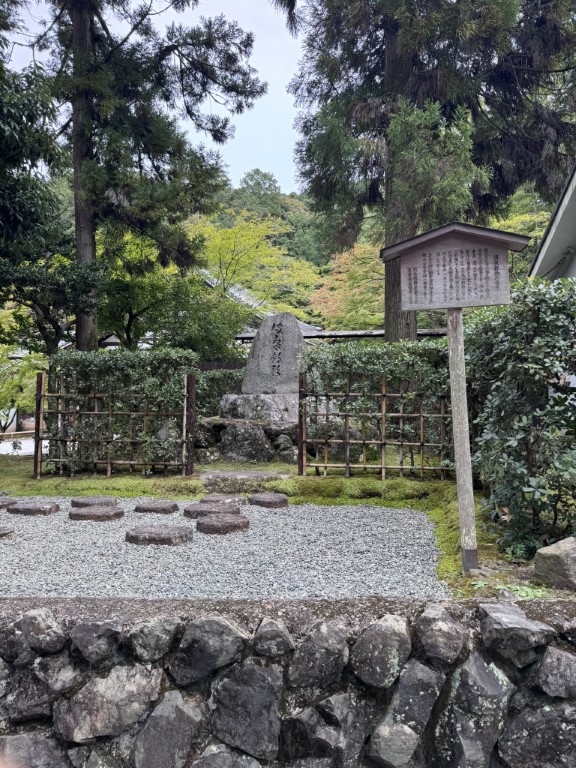
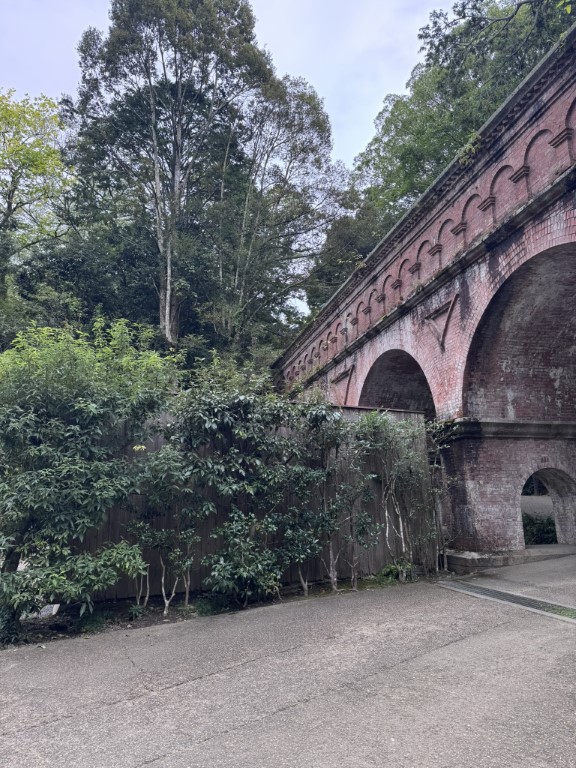
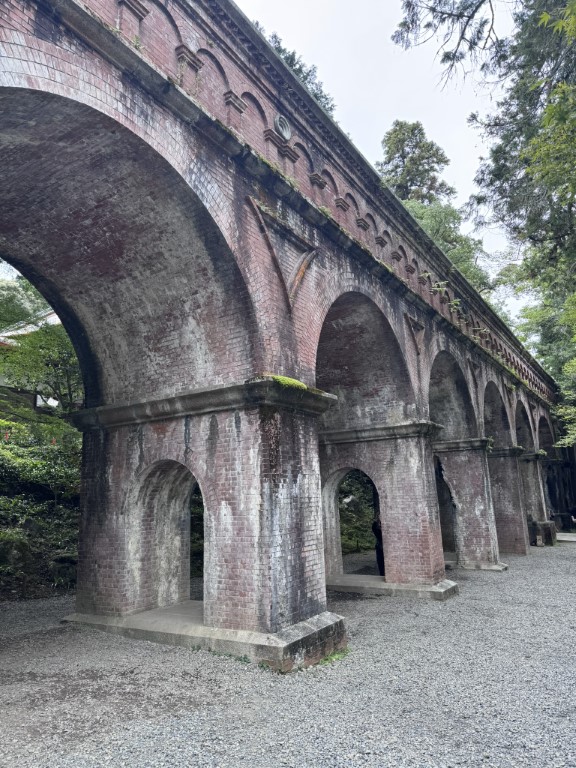
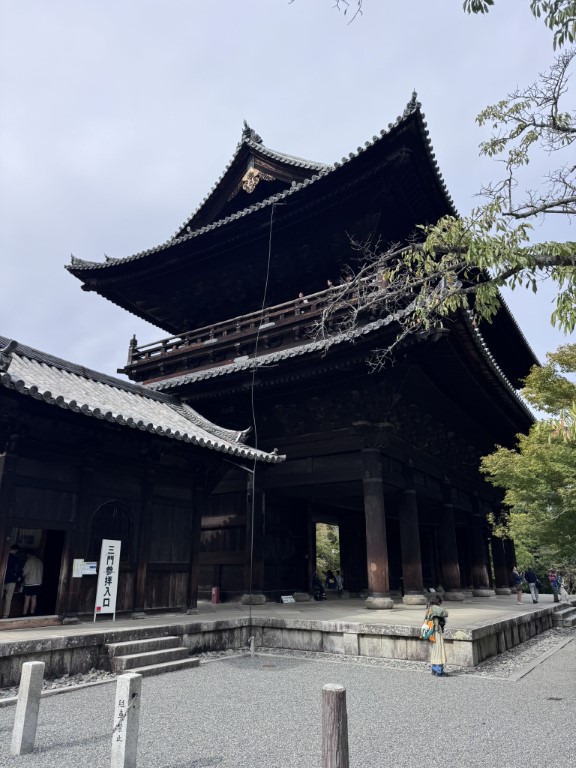
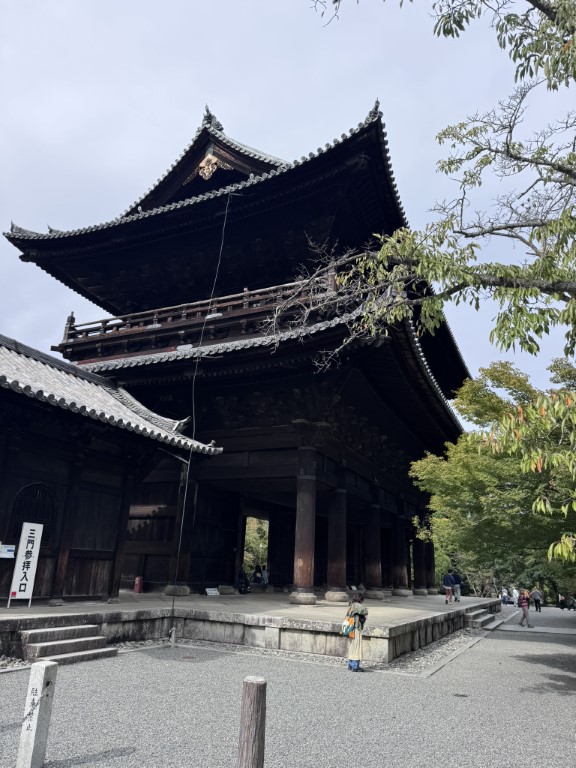
Nanzenji Temple is one of the most important Zen temples in all of Japan. It is the head temple of one of the schools within the Rinzai sect of Japanese Zen Buddhism and includes multiple subtemples, that make the large complex of temple buildings even larger. The history of Nanzenji dates back to the mid 13th century, when the Emperor Kameyama built his retirement villa at the temple's present location and later converted it into a Zen temple. After its founding, Nanzenji grew steadily, but its buildings were all destroyed during the civil wars of the late Muromachi Period (1333-1573) and were rebuilt. Alongside the temple is a beautiful aqueduct, which is part of the canal network.
.jpg)
.jpg)
.jpg)
.jpg)
.jpg)
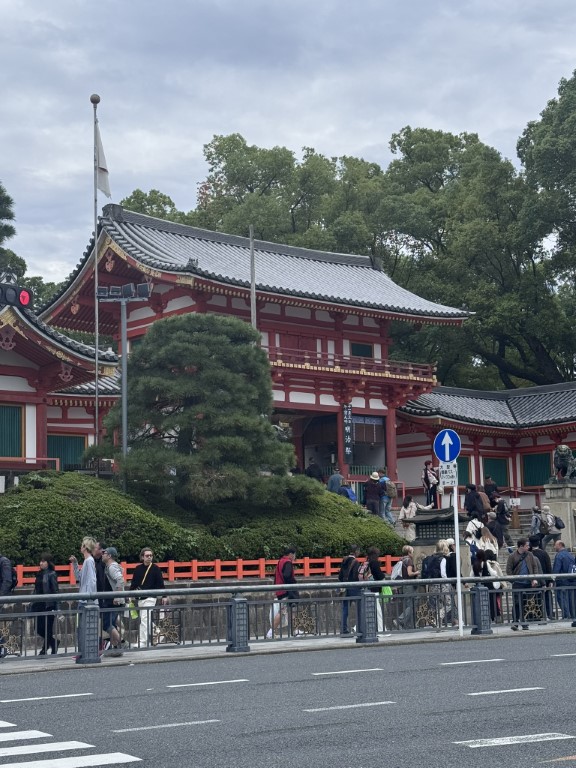
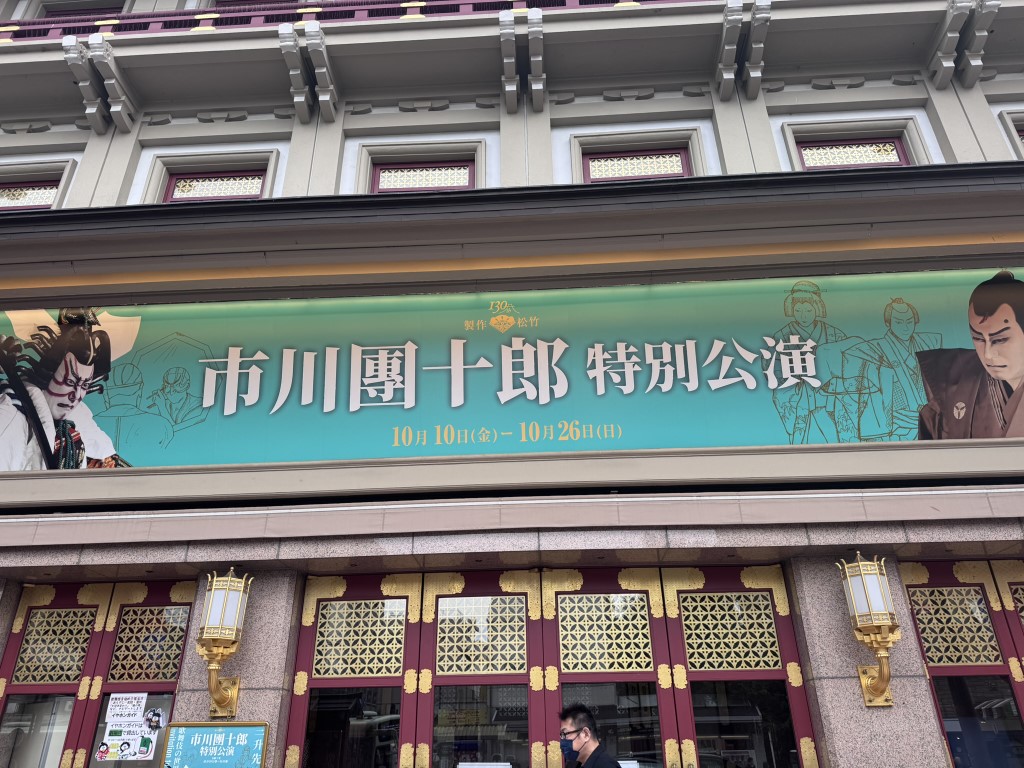
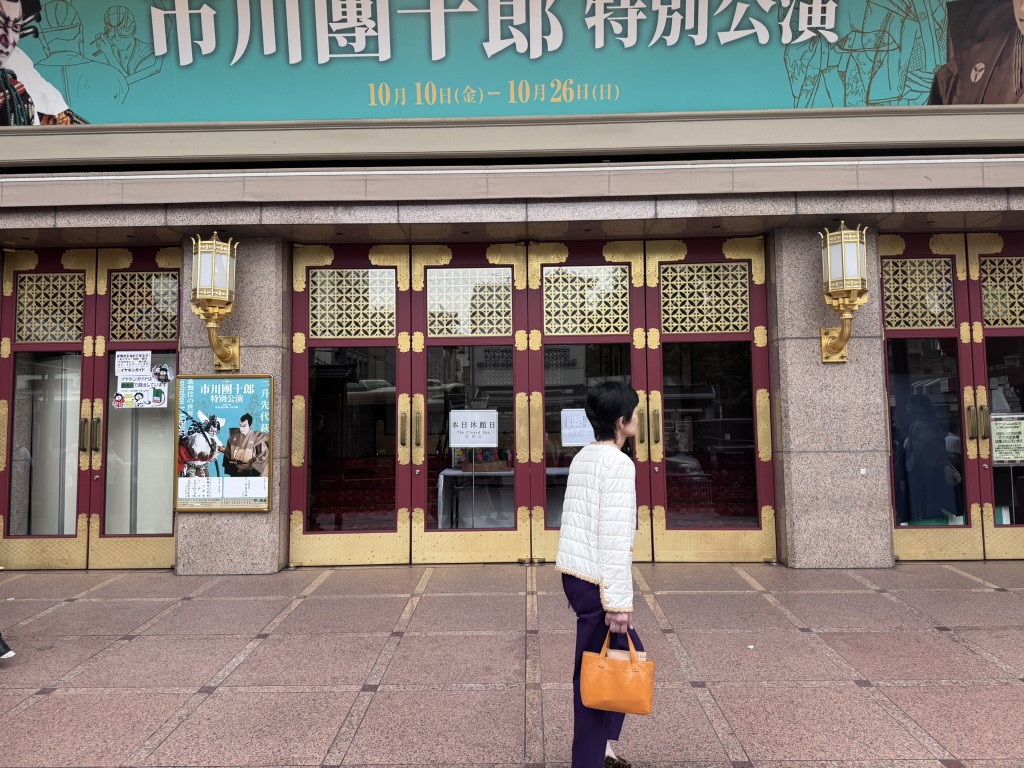
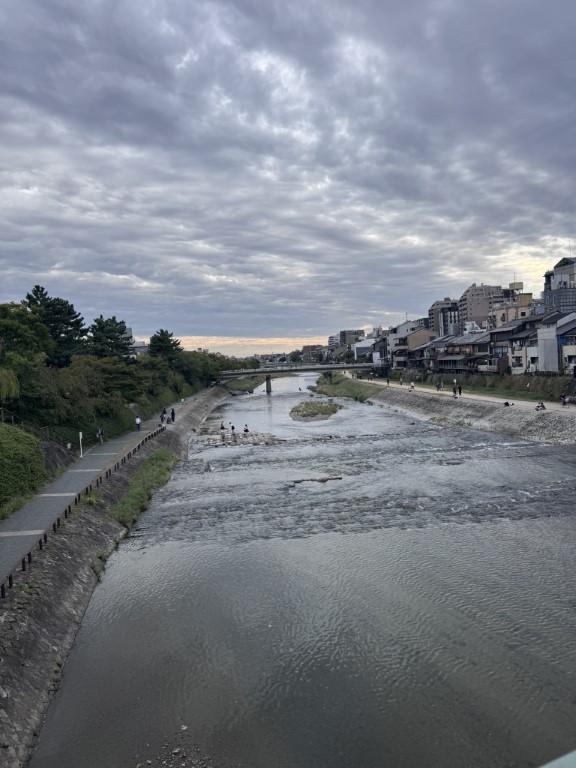
We had done a lot of walking already and had even more ahead of us. We caught a train from near Nanzen-ji to the Gion area. We made a wrong turn and missed the main street at first but finally found Yasaka Shrine, one of the most famous (and crowded) in Kyoto. We didn't feel like fighting the crowds, so instead we walked down the main street of Gion to do some shopping. Janie needed to get off her feet so we stopped off at the Hard Rock Cafe for drinks and snacks. The service was not very good as our waitress seated us, then took the menus away before we could look at them so we had to ask for them again. We were seated next to a quartet from New York or New Jersey who had no place visiting Japan. They complained about all of the food they had eaten and said they never wanted it again and then complained about how their burger was cooked saying the Japanese didn't know how to cook a burger. They also were upset about all the 'junk' shopping and Gion and wanted to go back to the 'shopping area where Ralph Lauren was'. J. R. had a hurricane and Janie had a beer and we split some chicken fingers.
.jpg)
.jpg)
We ended up on what we assumed was the shopping street the Hard Rock quartet had talked about. J. R. was looking for a long-sleeved shirt to replace the one the washer ruined in Osaka but all of the stores were too upscale for what he was looking for. So we ended up hanging around outside our meeting place waiting for our Kyoto Food Night Tour from Ninja Food Tours. We met Leandra outside Abla Creative Boutique and joined up with the others taking the tour.
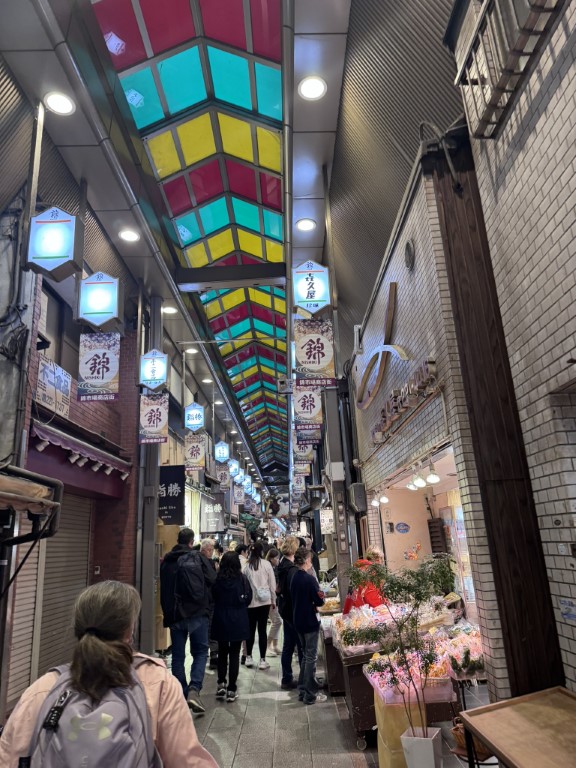
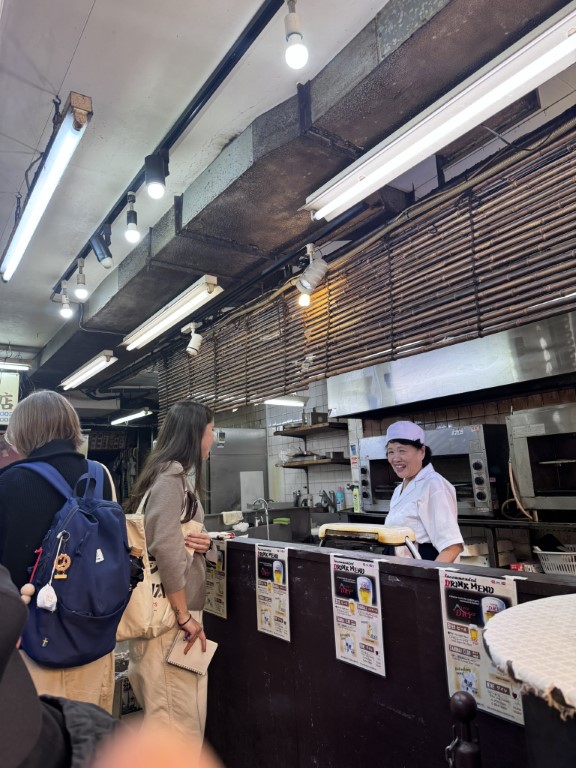
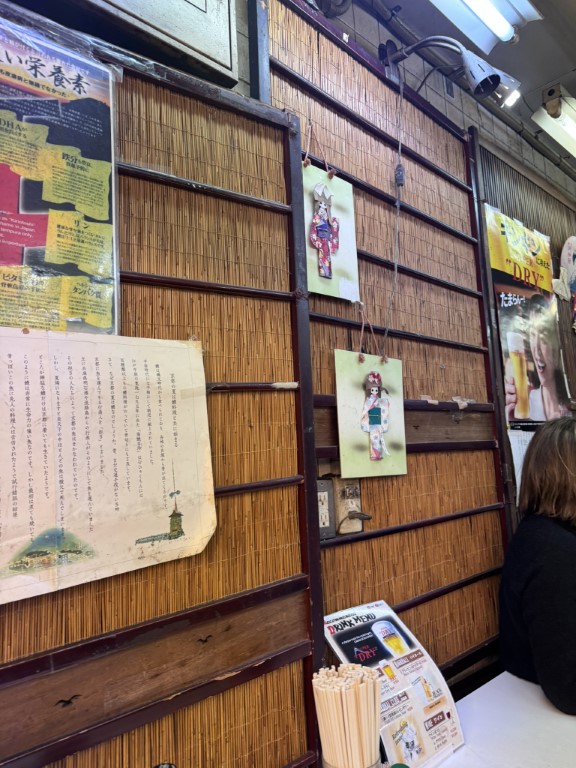
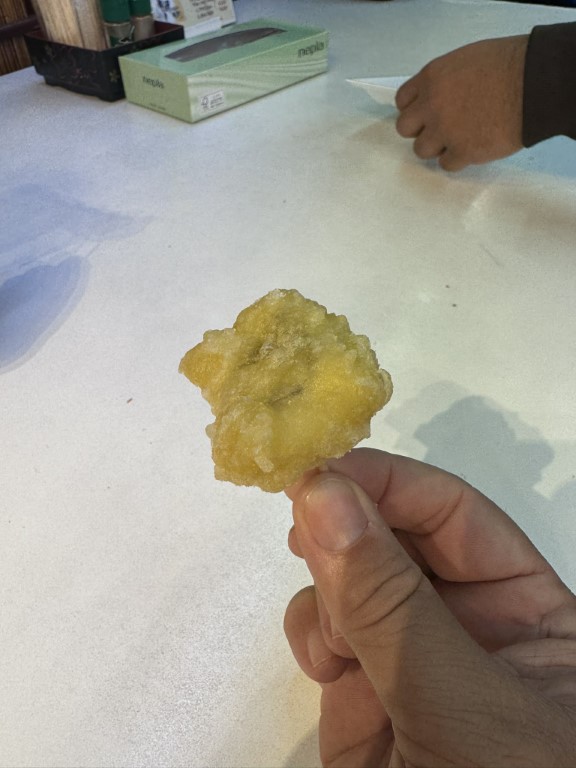
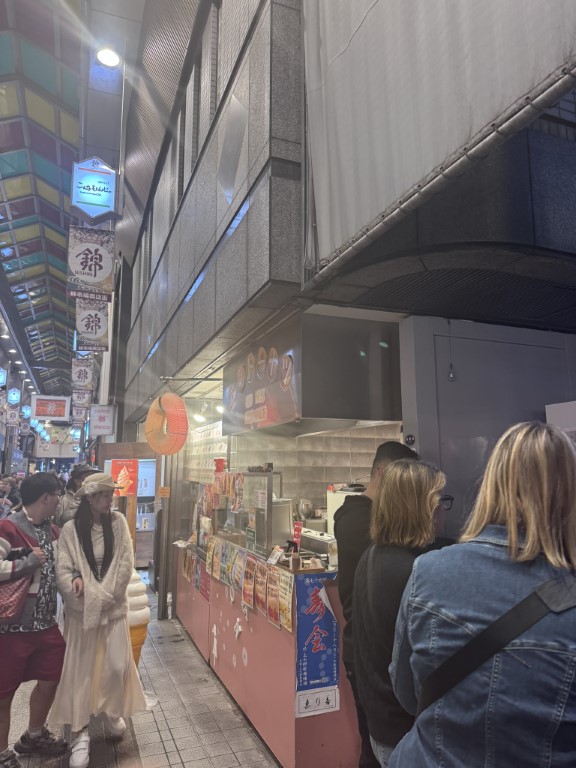
Leandra walked us through Nishiki Market, a narrow, five block shopping street with over 100 shops and restaurants. Known as "Kyoto's Kitchen", this market specializes in all things food, like fresh seafood, produce, knives and cookware. We stopped at Uoriki, a shop specializing in grilled fish since 1919. Their focus is sea bream and hamo (pike conger eel), which we sampled.
.jpg)
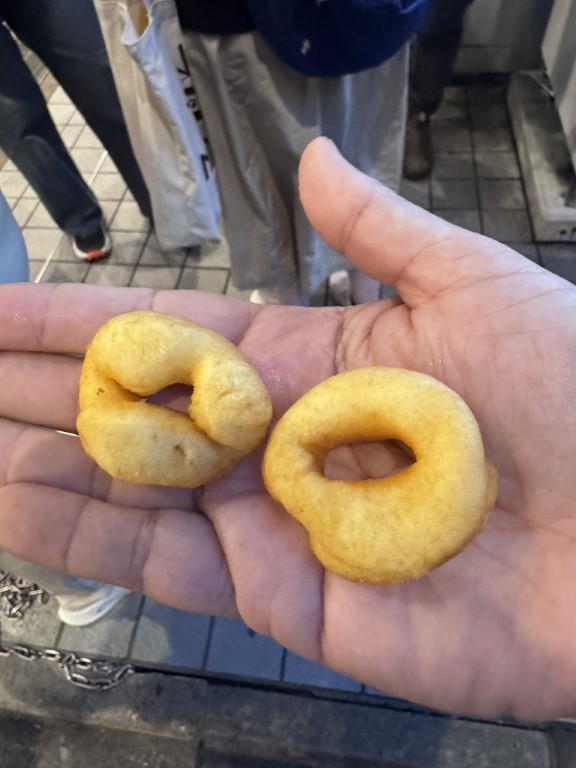
Our next stop in Nishiki Market was Konna Monja where we had donuts made using soy milk.
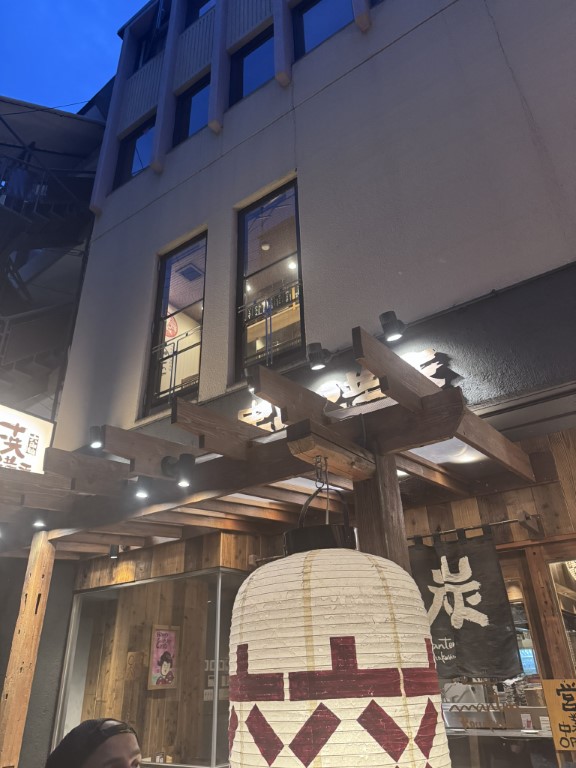
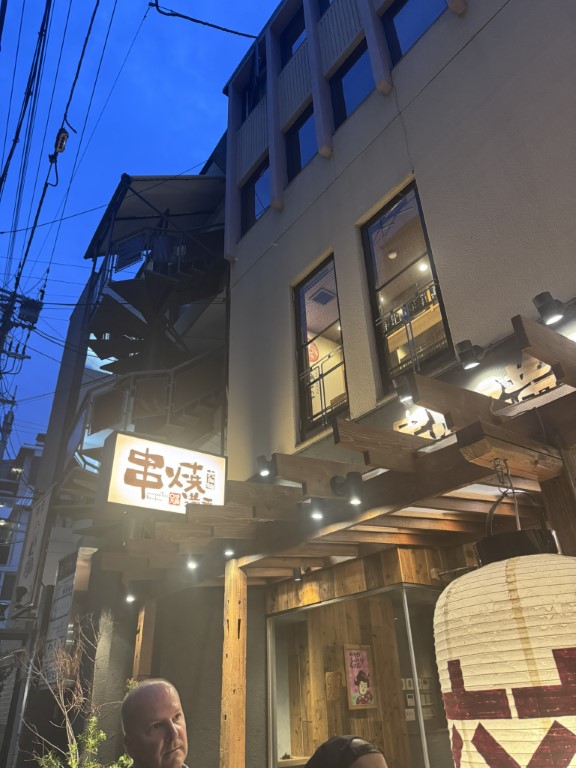
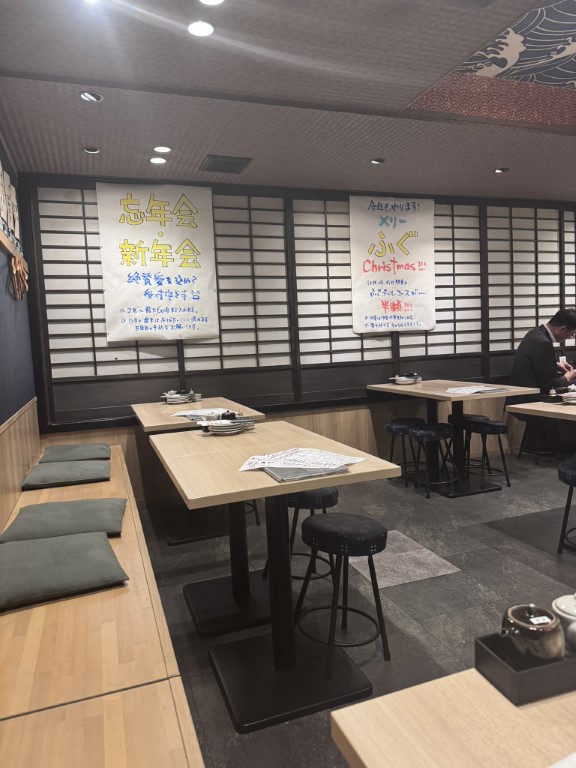
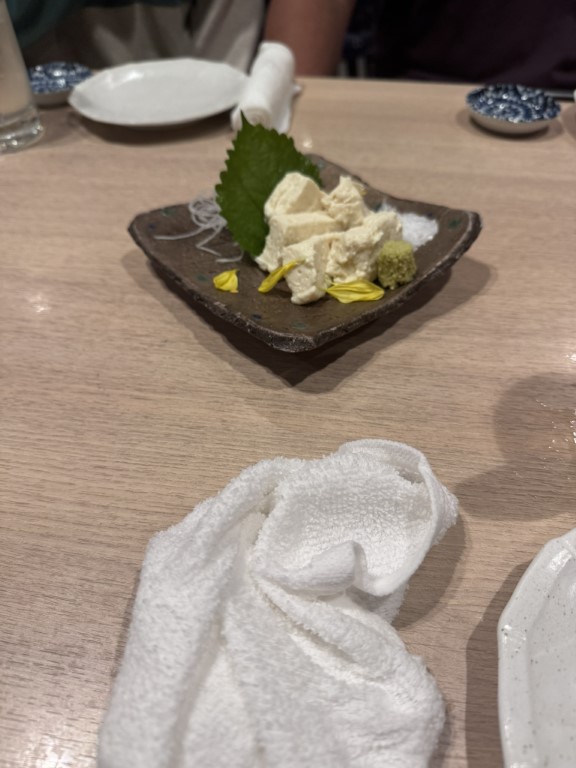
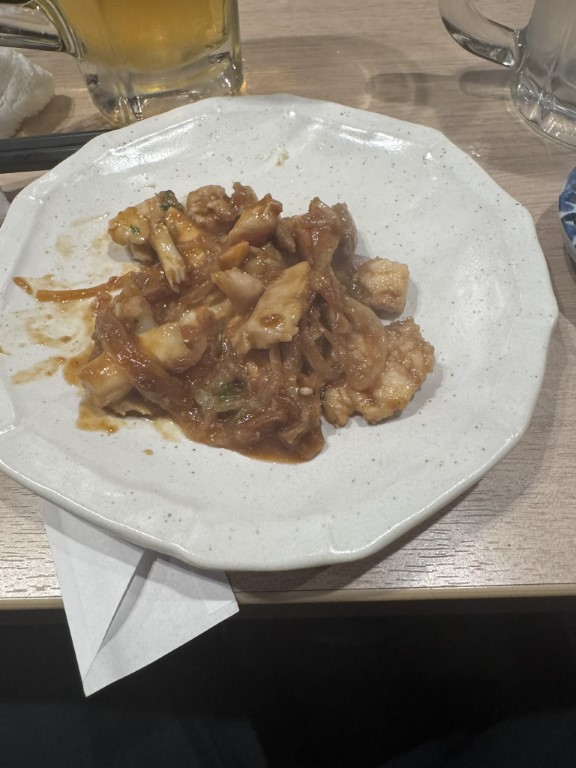
We walked to our next sit-down stop, Anji Rokkaku, an Izakaya close to the Karasuma Oike station in an area known as Pontocho. This restaurant focused on seafood as we sampled Yuba (tofu skin) sashimi, Hoba yaki, chopped seafood grilled with sweet miso, onions and green onions, Kyoto-style mackerel sushi and Deep fried tuna.
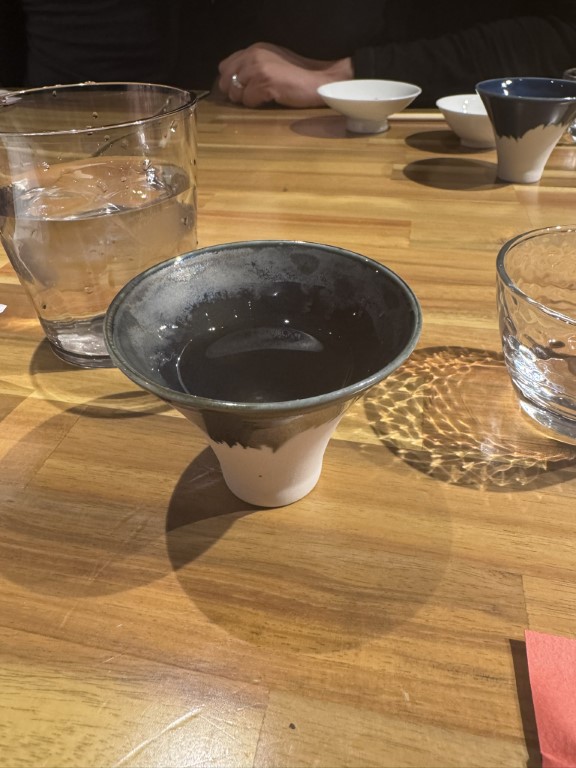
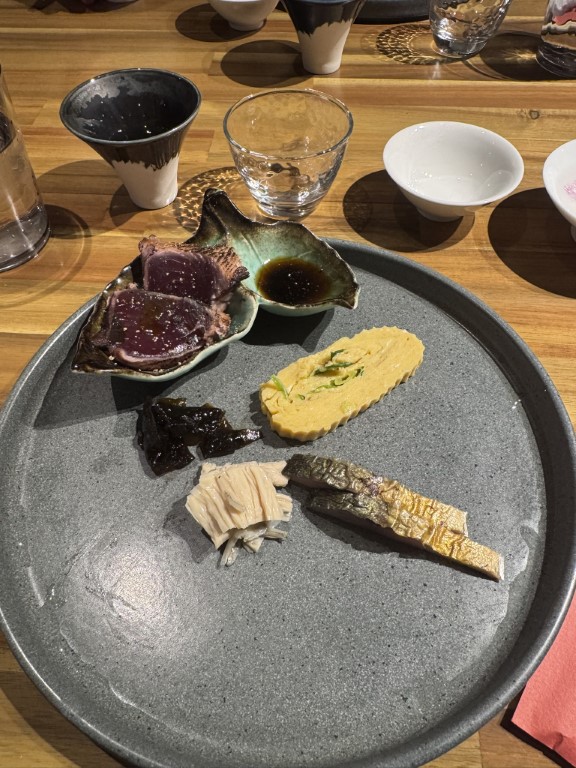
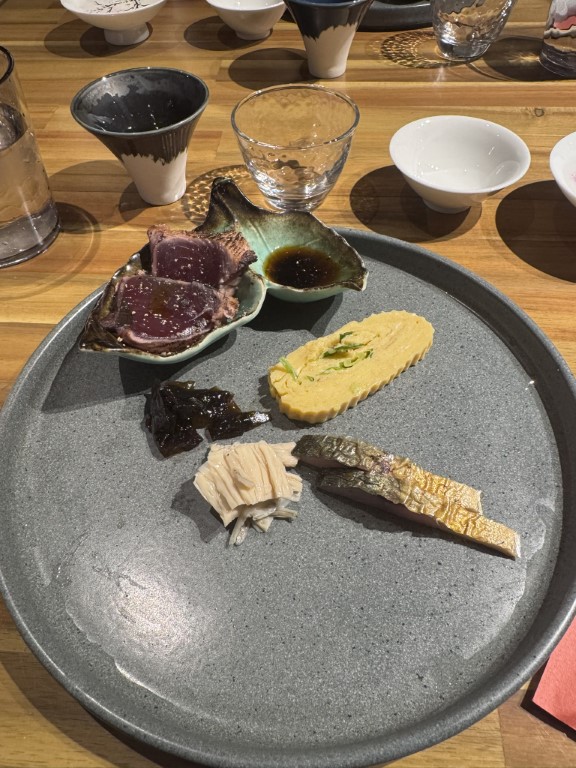
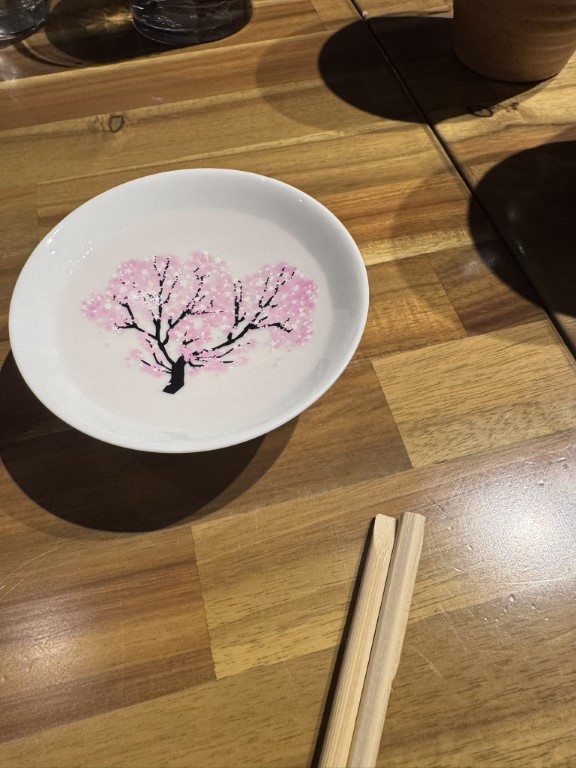
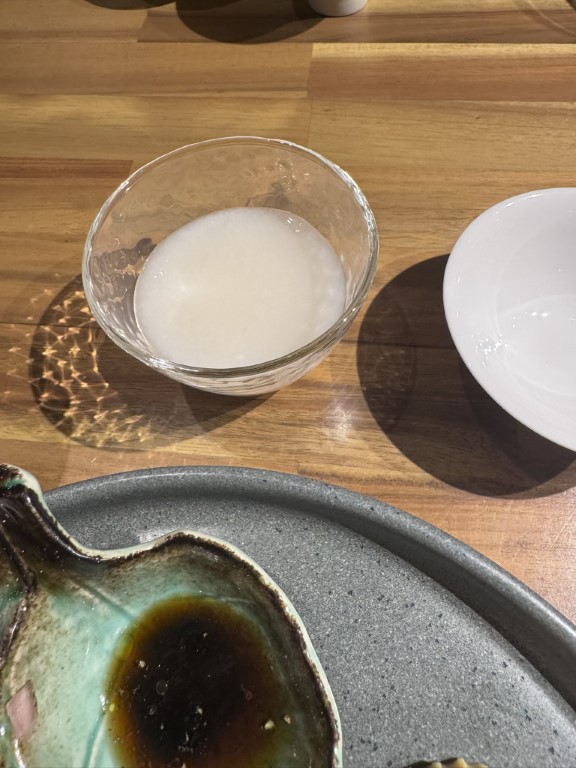
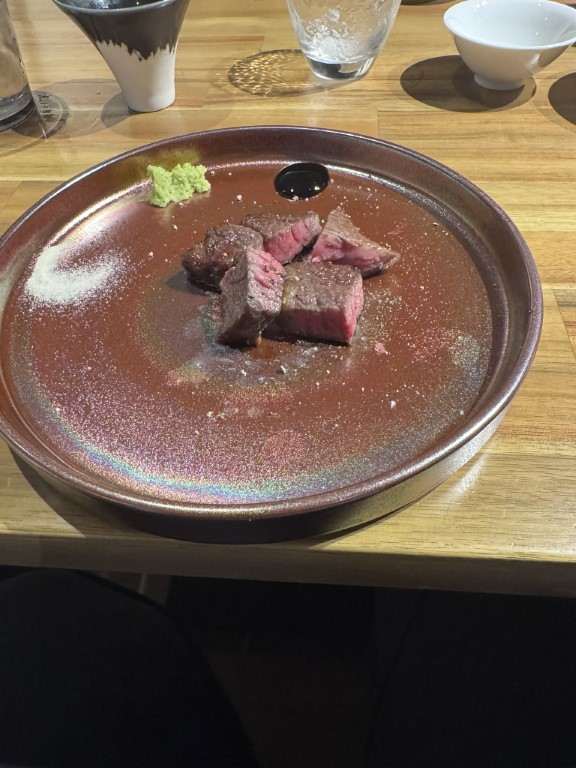
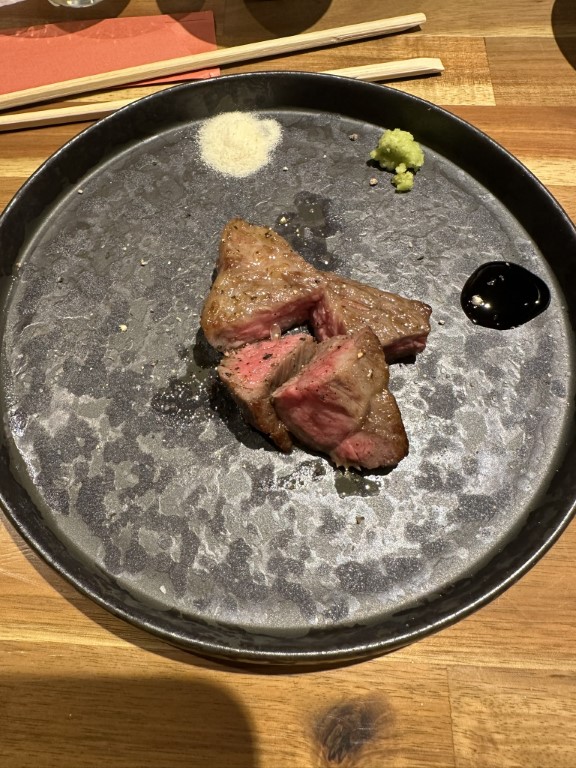
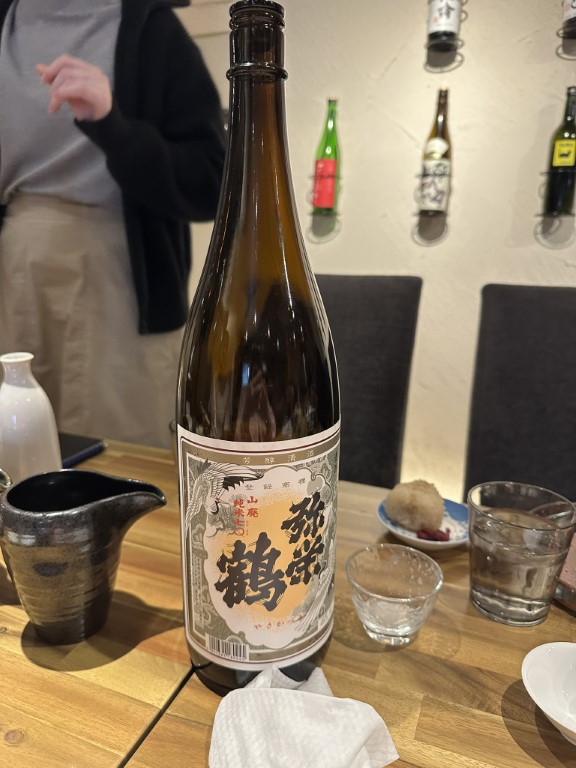
We headed back towards Karasum for our next stop at Yonkura, which focused on Sake and Waygu. We started with an sssorted Appetizer Plate, including Seared Bonito (Katsuo Tataki) with Ponzu, Yuba with Dried Young Sardines & Sansho Pepper, Diced Kelp with Wasabi Flavor, Dashimaki Tamago with Kujo Green Onion and Smoked Mackerel, followed by a grilled soy sauce and dashi rice ball with pickles and wagyu steak (with wasabi, yuzu salt, and balsamic sauce). We also sampled four different kinds of sake and Janie purchased two of the sake bowls that changed color and exposed cherry blossoms with the cold sake.
.jpg)
.jpg)
.jpg)
.jpg)
.jpg)
.jpg)
.jpg)
.jpg)
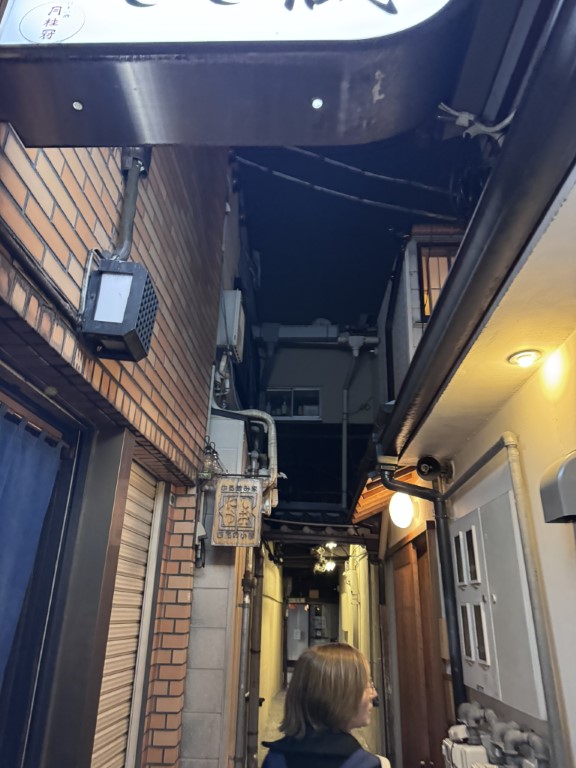
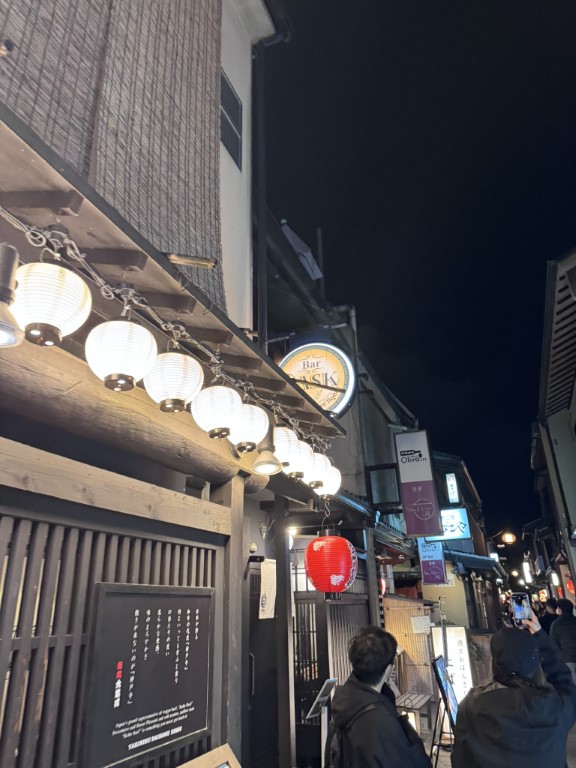
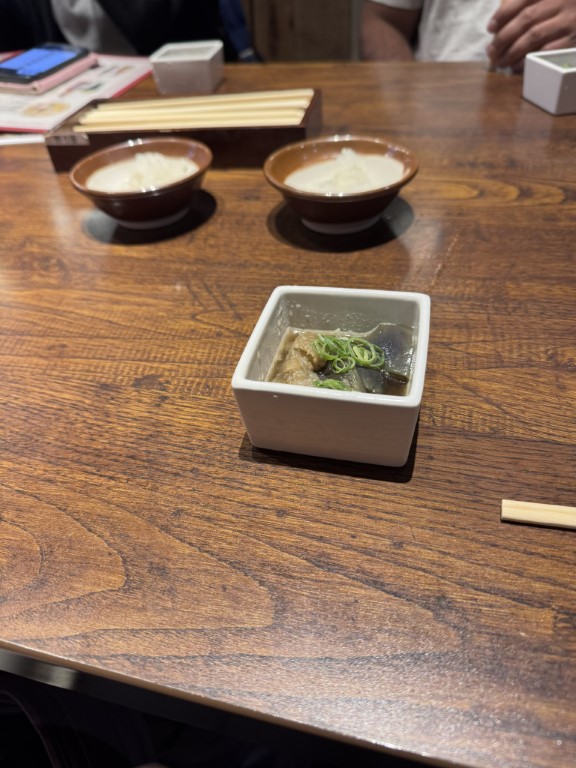
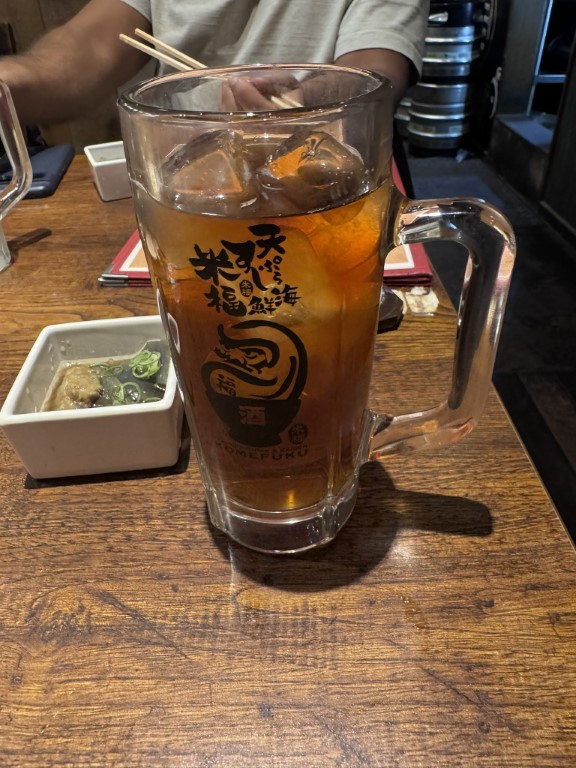
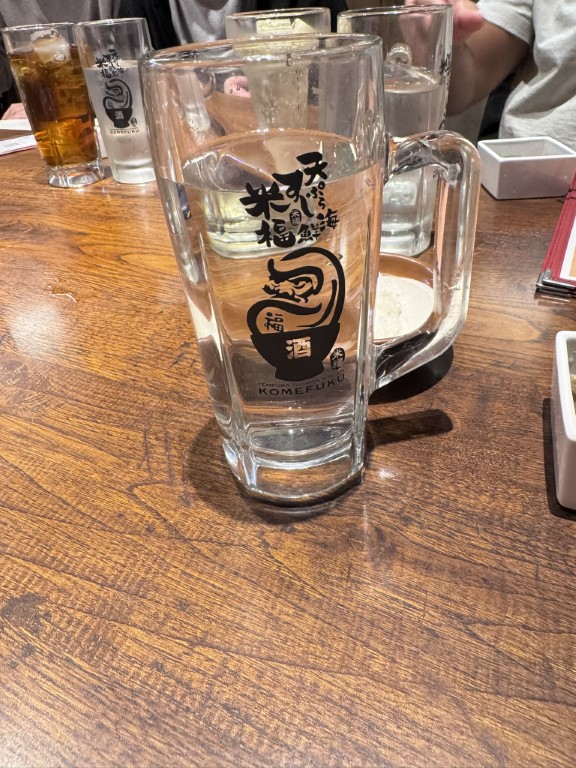
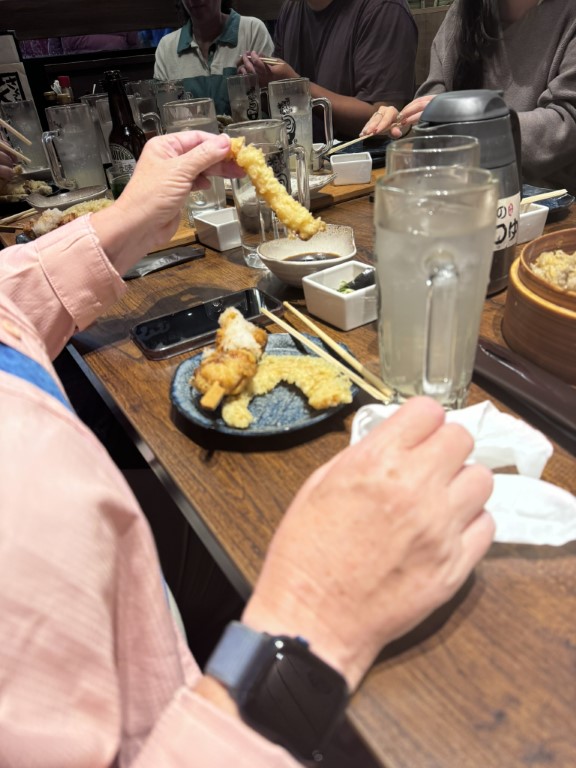
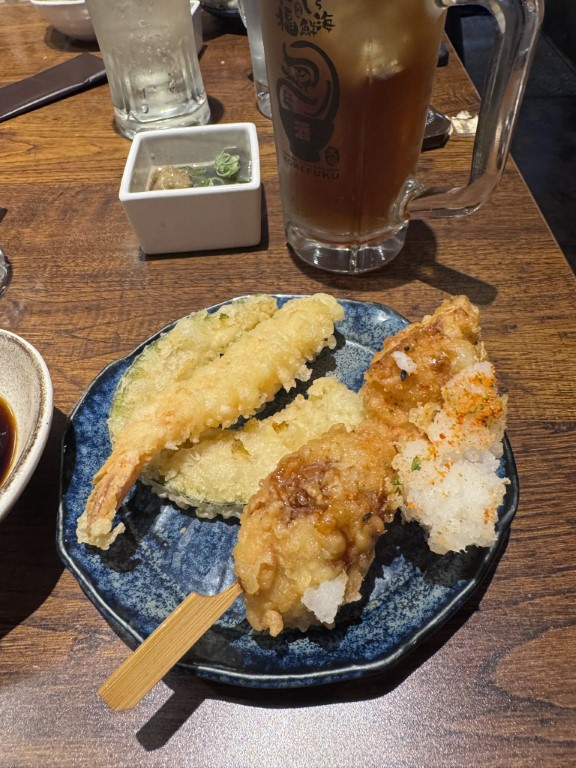
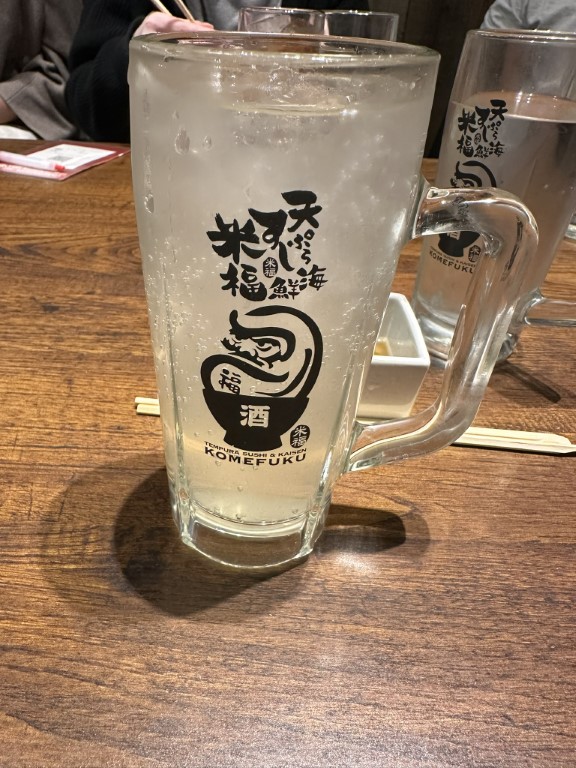
Our last stop was in Kiyamachi. We walked down some small alleys and stopped outside one of the geisha theatres where Leandra gave us an overview of the geisha clubs in this area of Kyoto before arriving at Komefuku, a tempura specialty shop that uses rice bran oil. We were all pretty full already from all the food, so we sampled the tempura chicken, tempura shrimp, tempura Kabocha (Japanese pumpkin), tempura maitake mushrooms and yuzu sorbet.
We ended up near a subway stop and after a change of trains, we were back at Kyoto Station for the short walk to our hotel.
.jpg)
.jpg)
.jpg)