


DoubleTree by Hilton Kyoto Station
15 Higashikujo Nishiiwamotocho, Minami Ward, Kyoto, 601-8005
Steps
15,817
Distance
11.46 KM
Flights Climbed
8
We had booked the "Perfect Kyoto 1-Day Bus Tour" from Japan Panoramic Tours but it was anything but perfect. We had considered canceling it several times but it would be hard to cover all of the locations from the tour using public transit. We should have considered the price of taxis and just paid a little more to spend more time at each site.
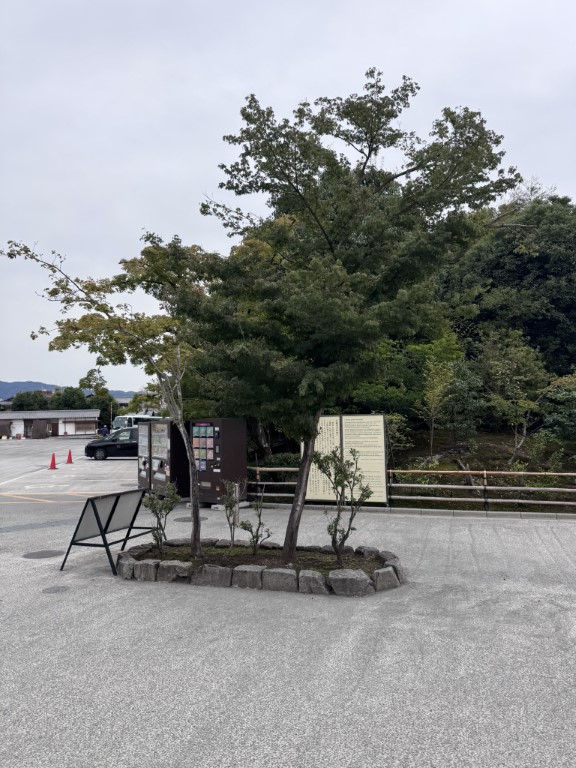
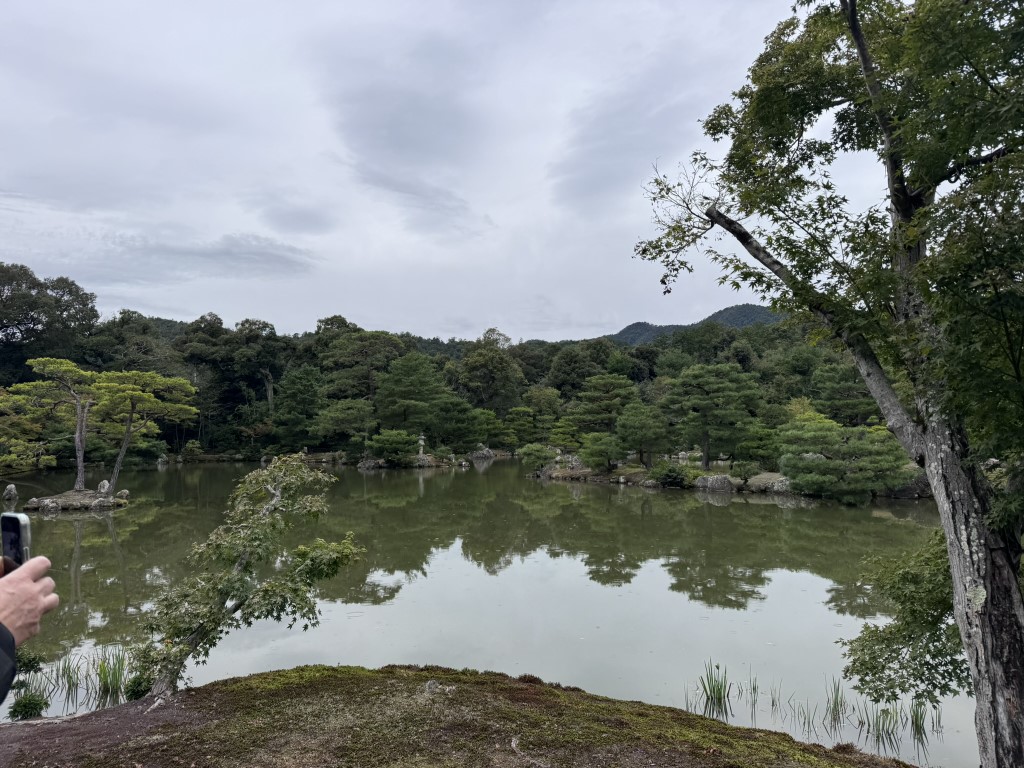
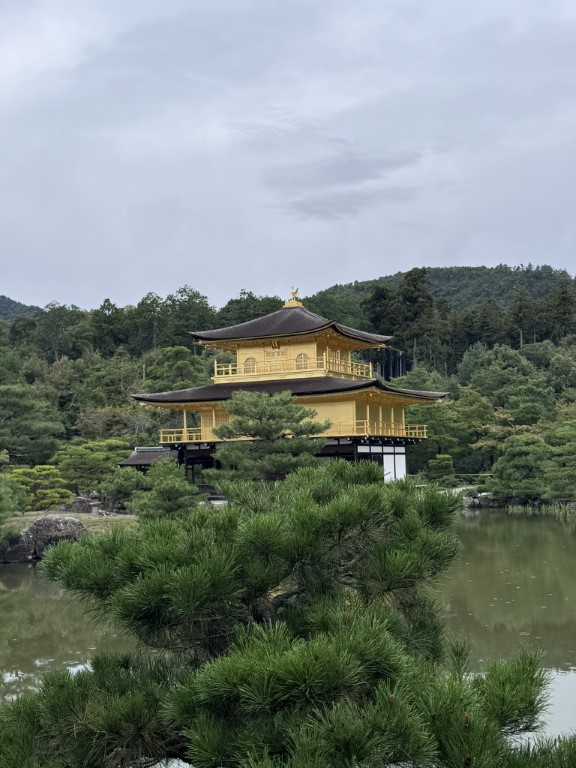
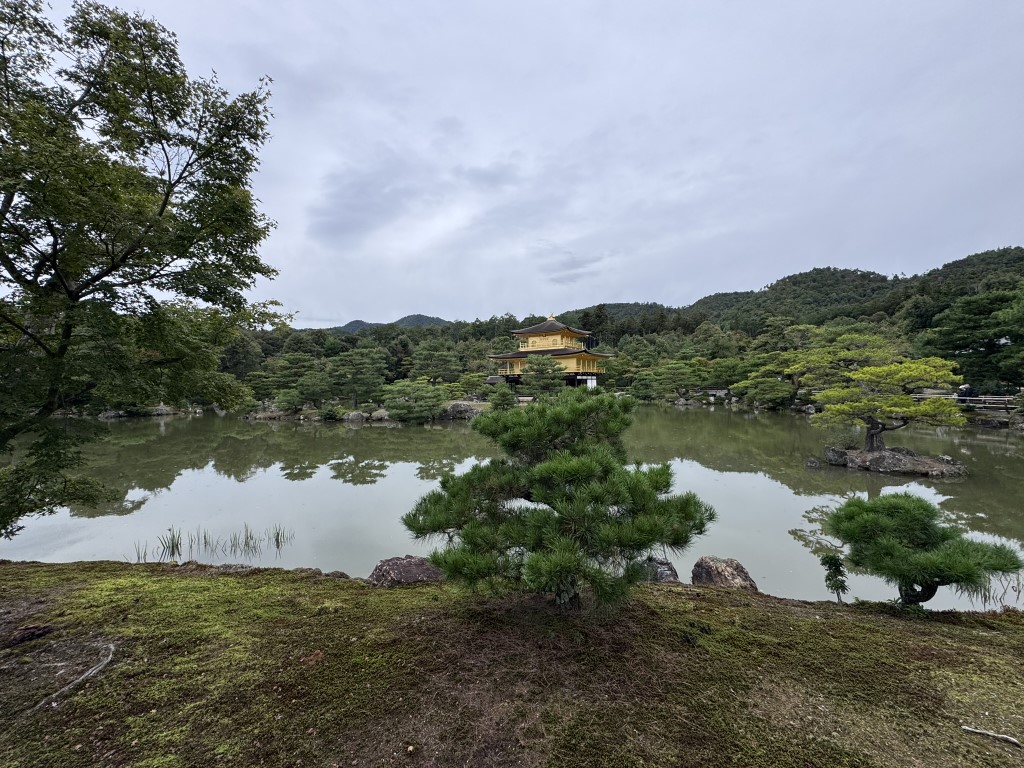
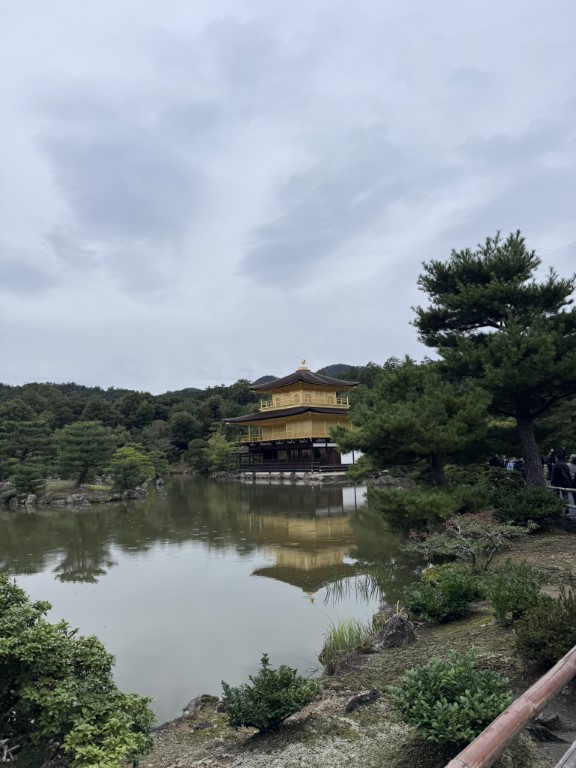
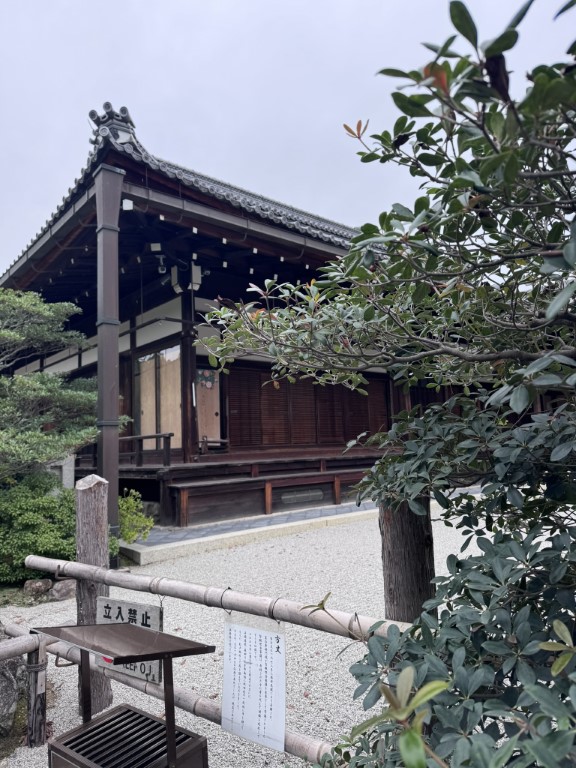
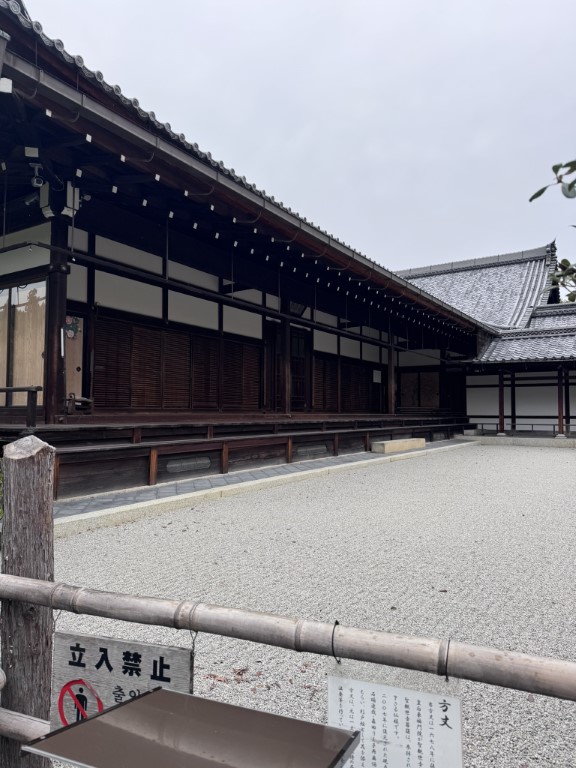
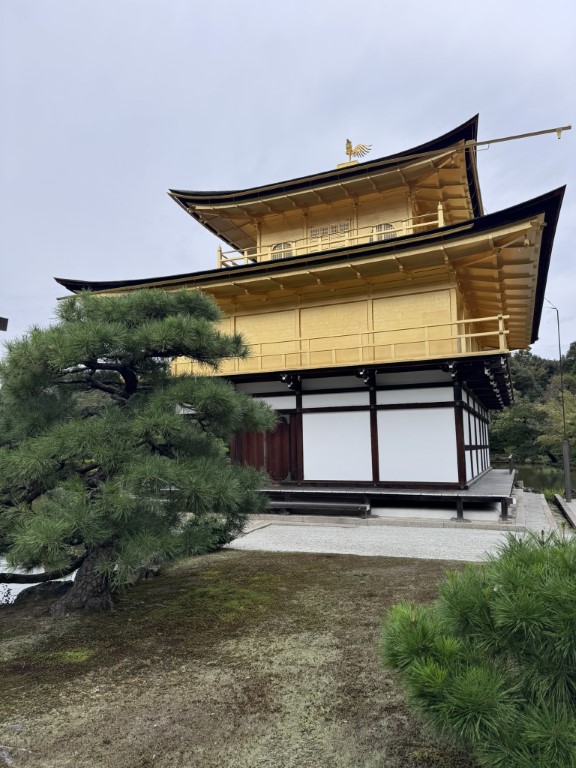
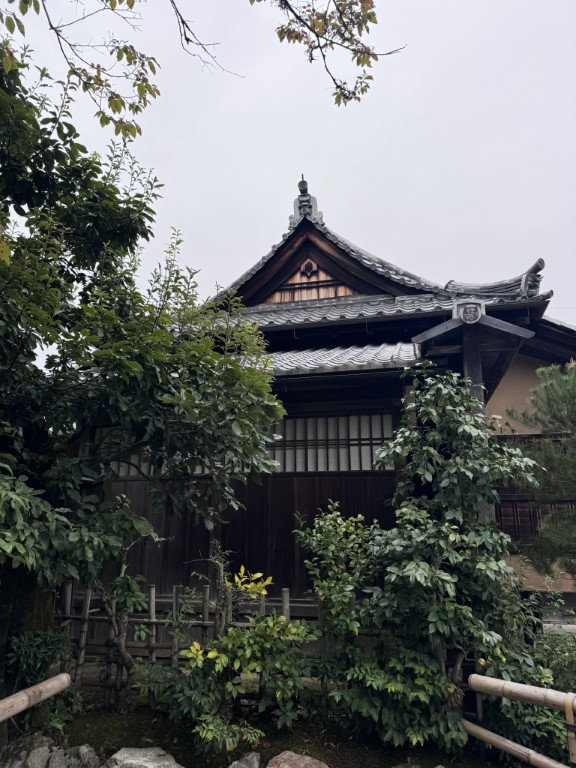
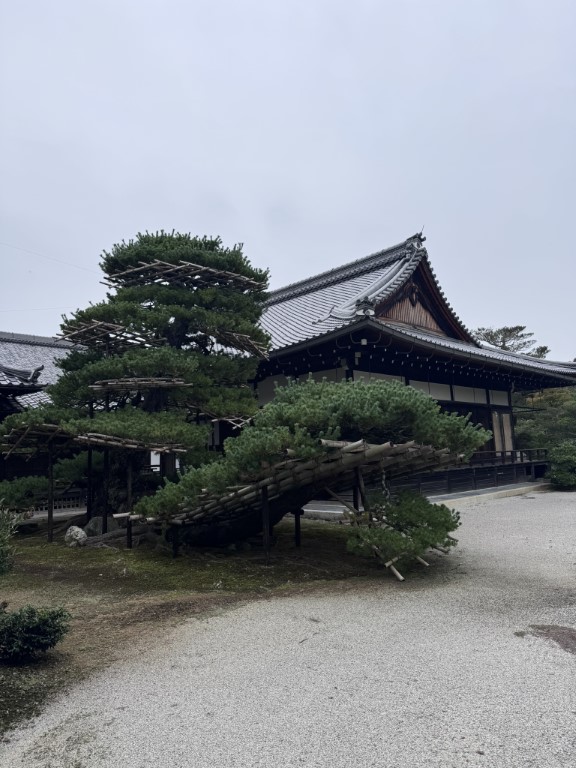
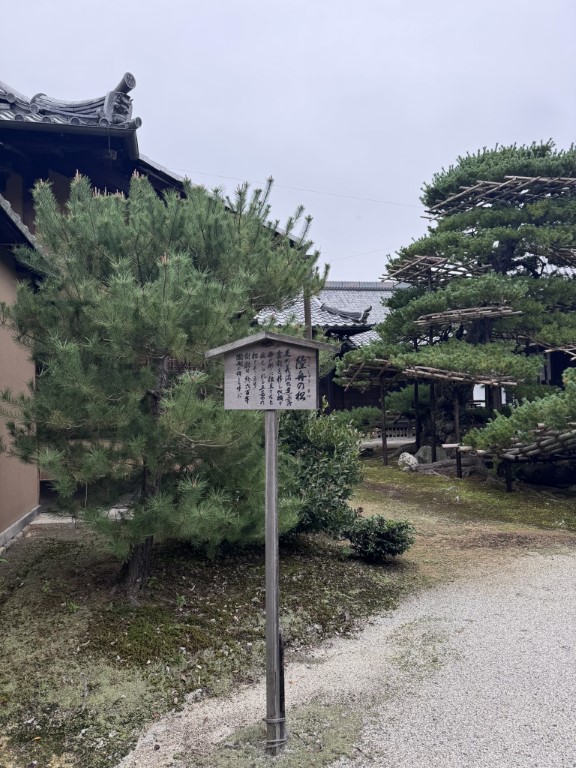
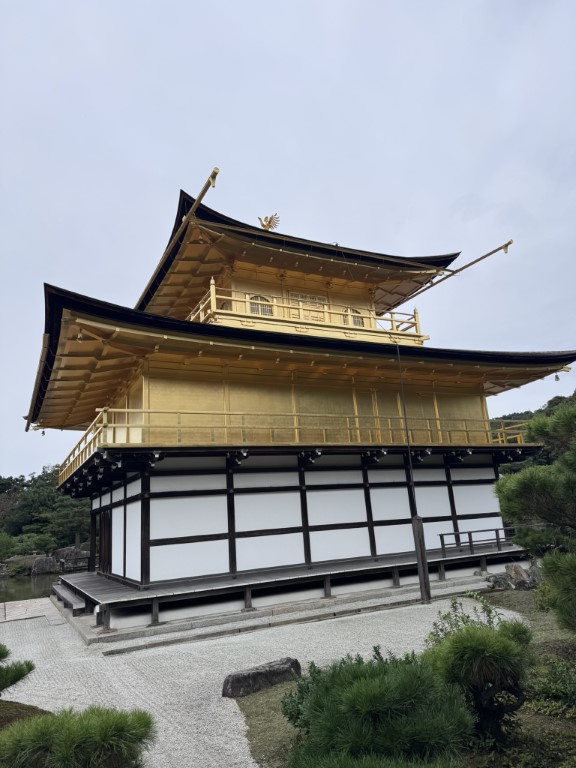
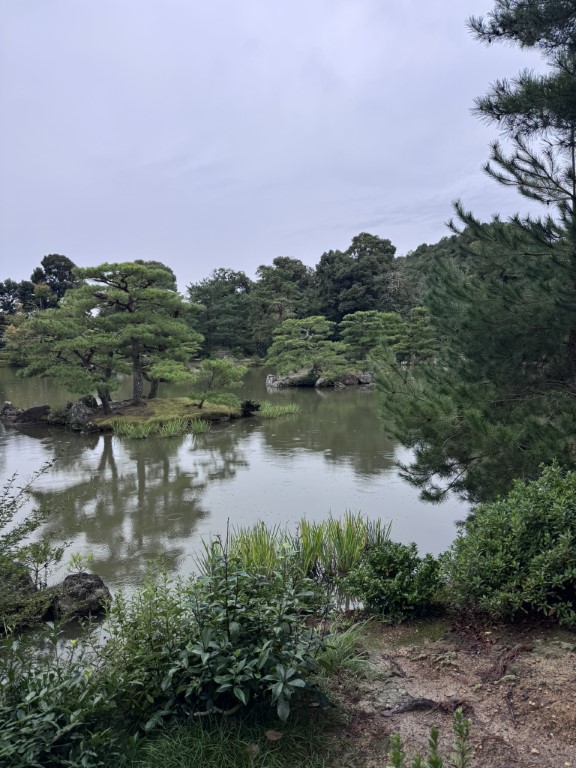
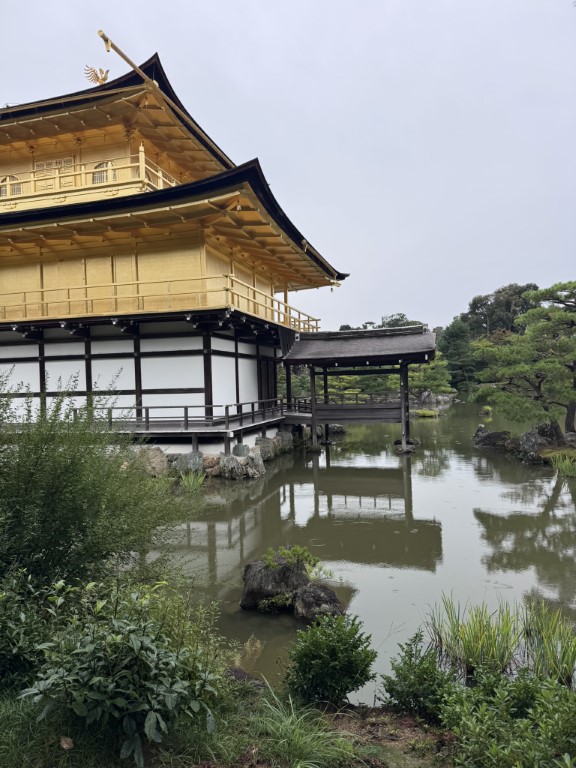
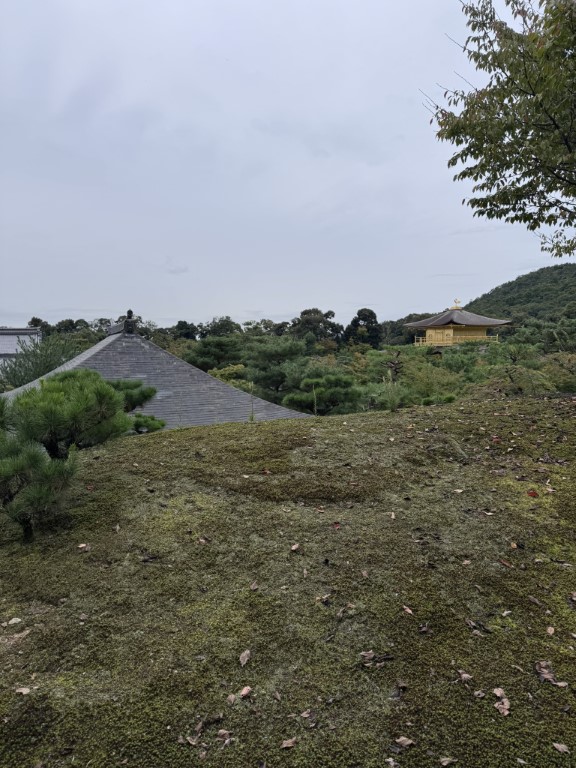
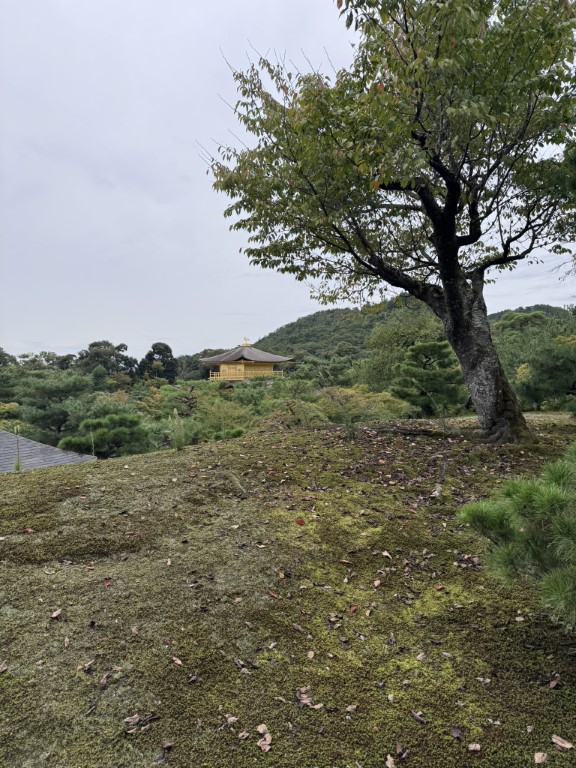
We met in a hotel parking lot across from Kyoto Station and right away saw this tour company was not organized. They explained they would be changing the order of the tour due to an event in town that day and we would be heading first to Kinkaku-ji, the "Golden Pavilion". Kinkakuji is a Zen temple in northern Kyoto whose top two floors are completely covered in gold leaf. Formally known as Rokuonji, the temple was the retirement villa of the shogun Ashikaga Yoshimitsu. Kinkakuji is an impressive structure built overlooking a large pond, and is the only building left of Yoshimitsu's former retirement complex. It has burned down numerous times throughout its history including twice during the Onin War, a civil war that destroyed much of Kyoto; and once again more recently in 1950 when it was set on fire by a fanatic monk. The present structure was rebuilt in 1955. We were only able to view the temple from a distance as the interior is not accessible.
.jpg)
.jpg)
.jpg)
.jpg)
.jpg)
.jpg)
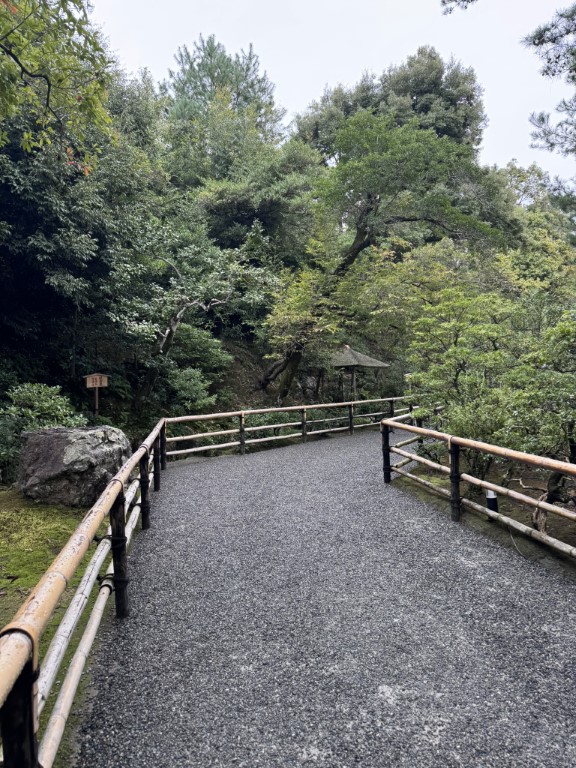
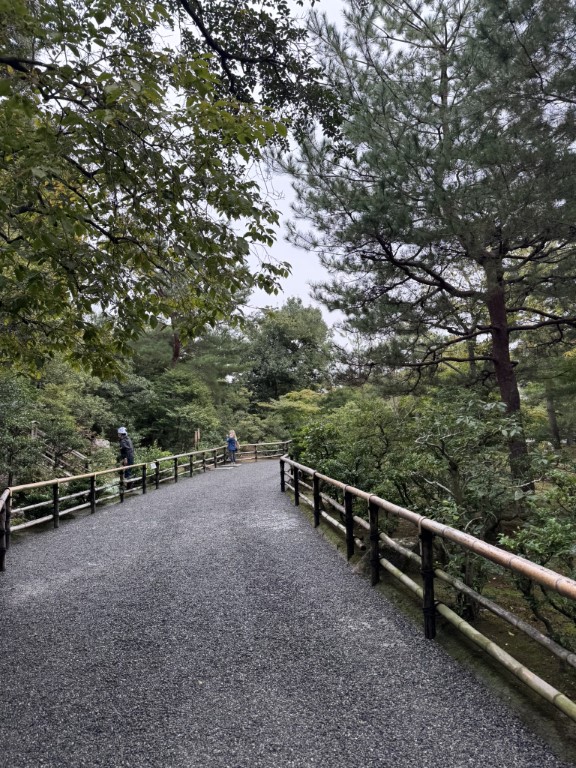
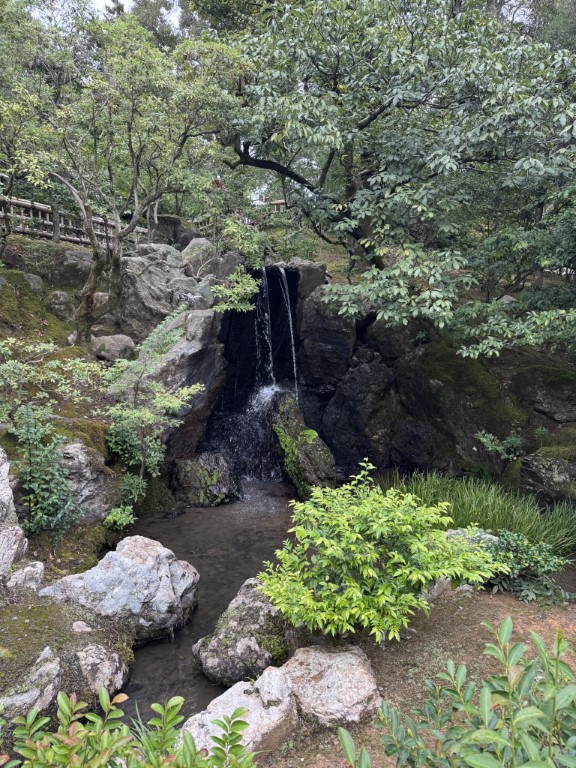
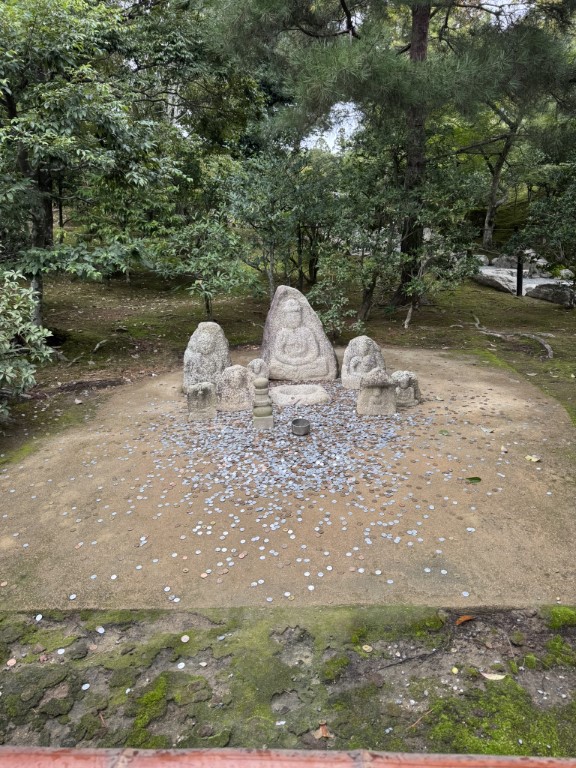
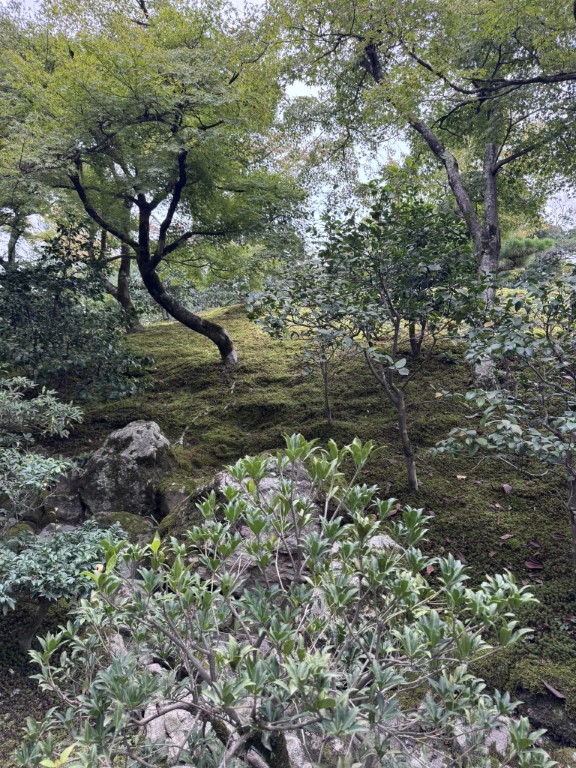
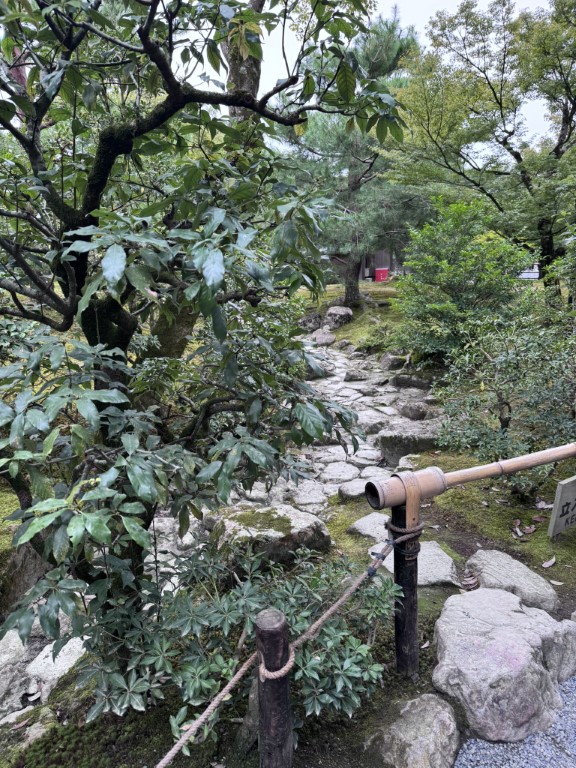
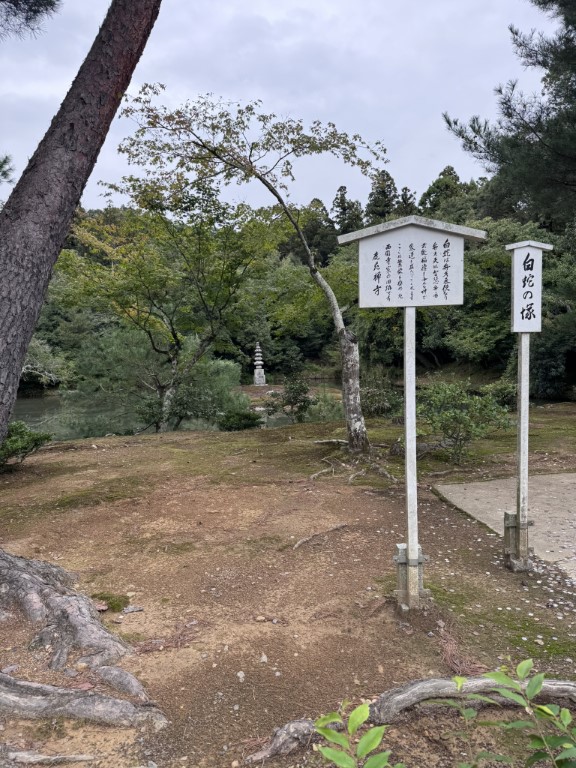
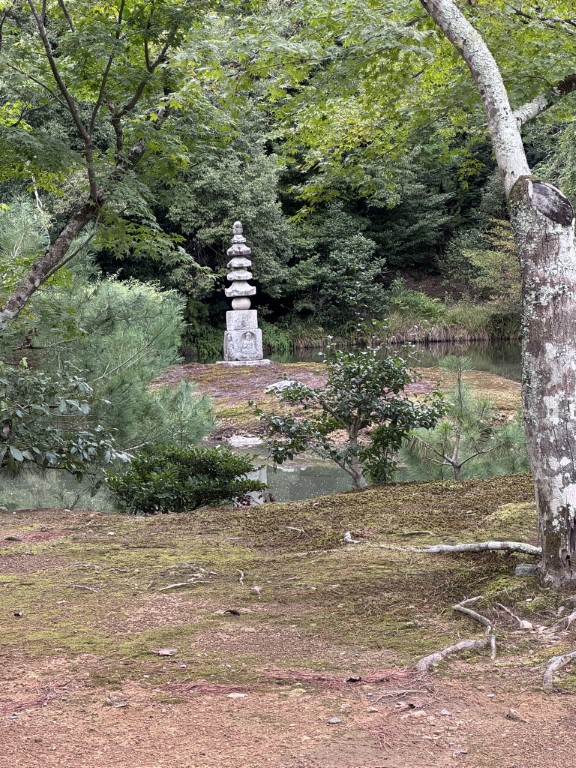
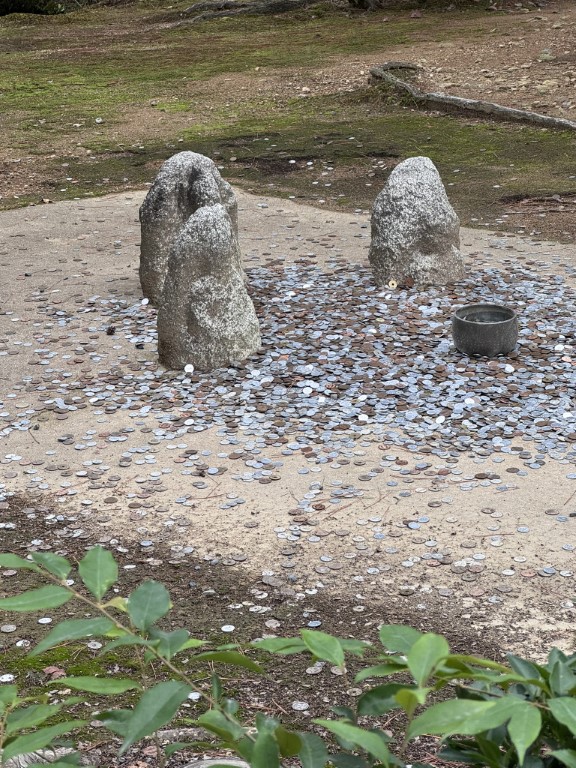
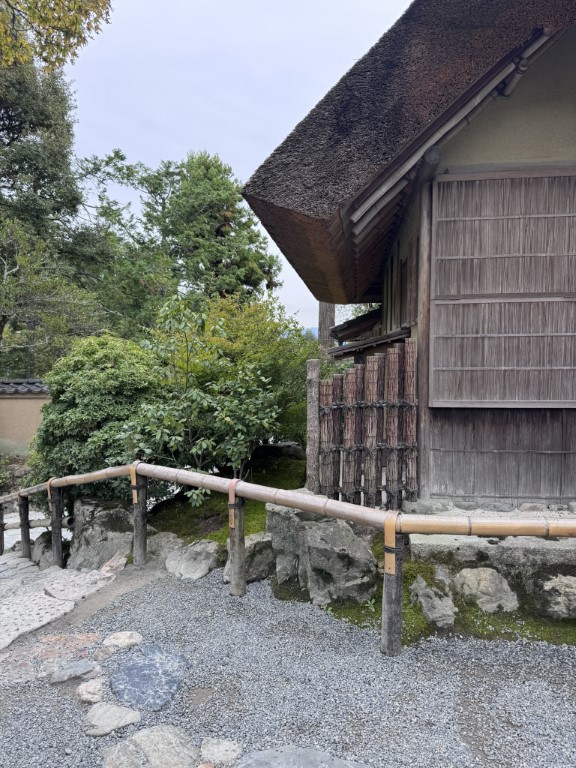
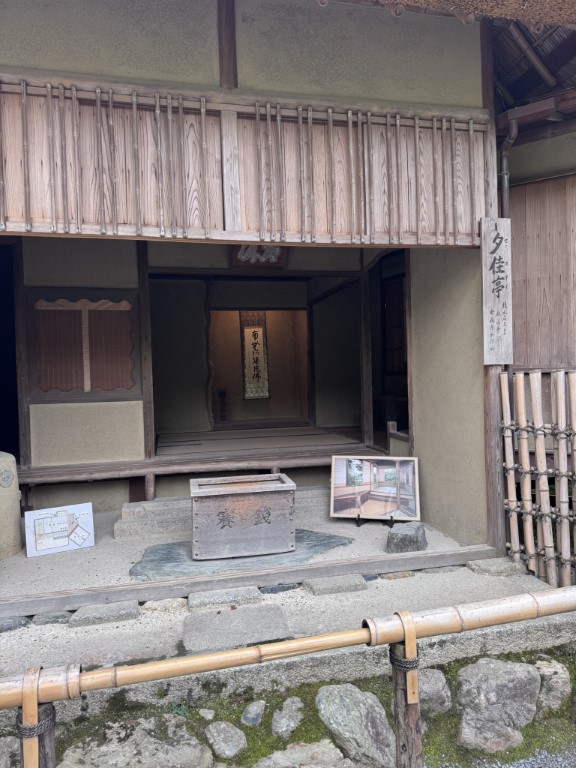
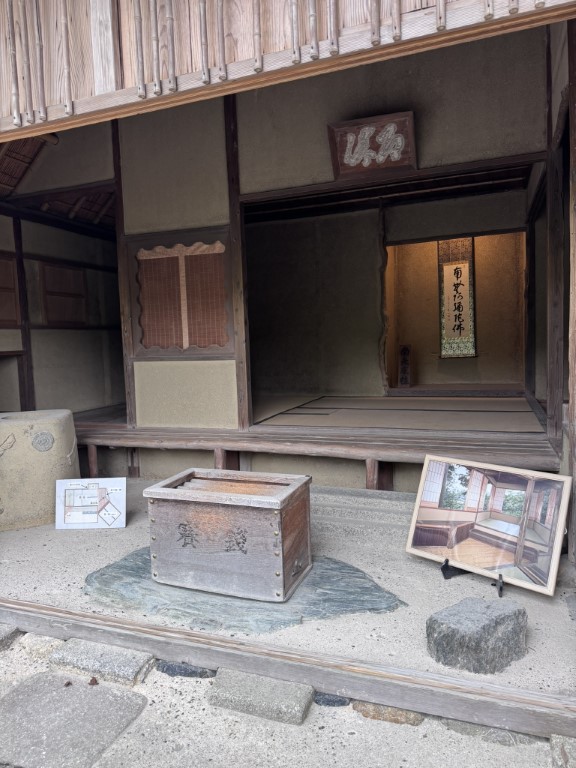
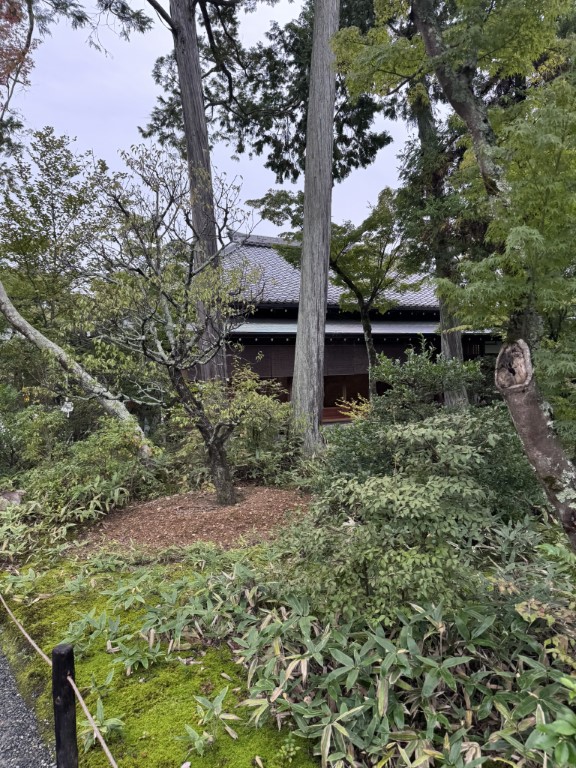
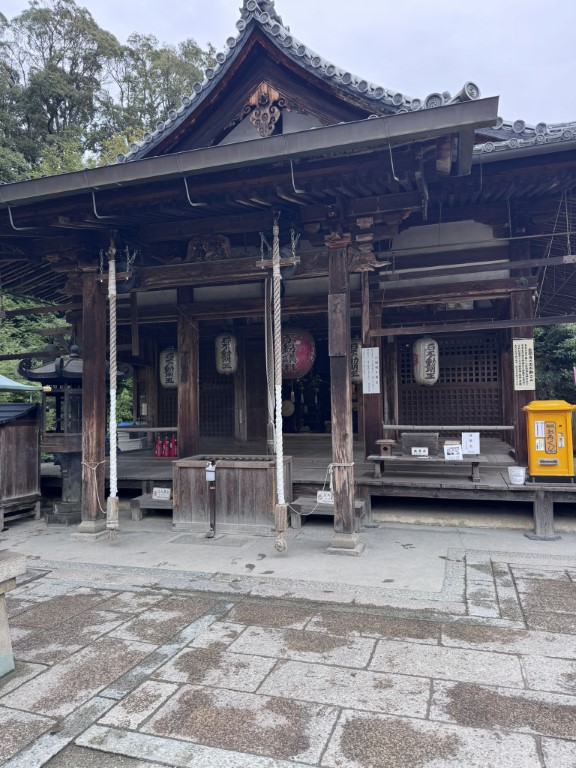
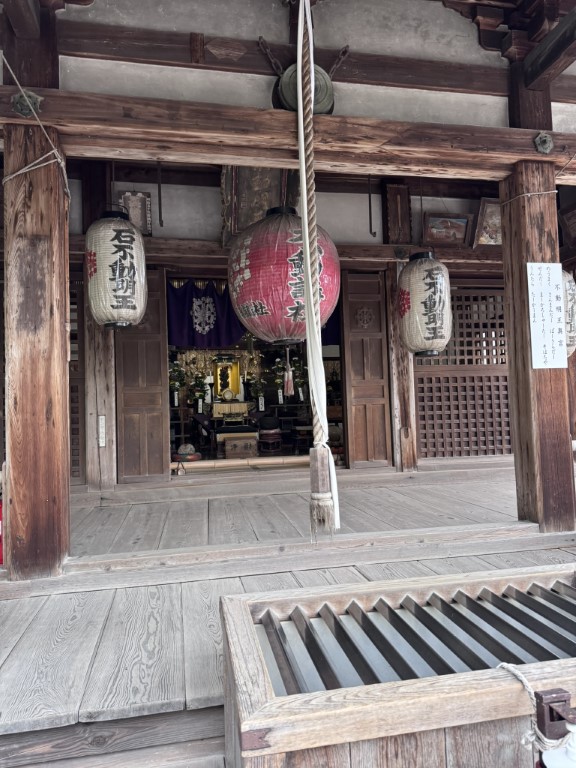
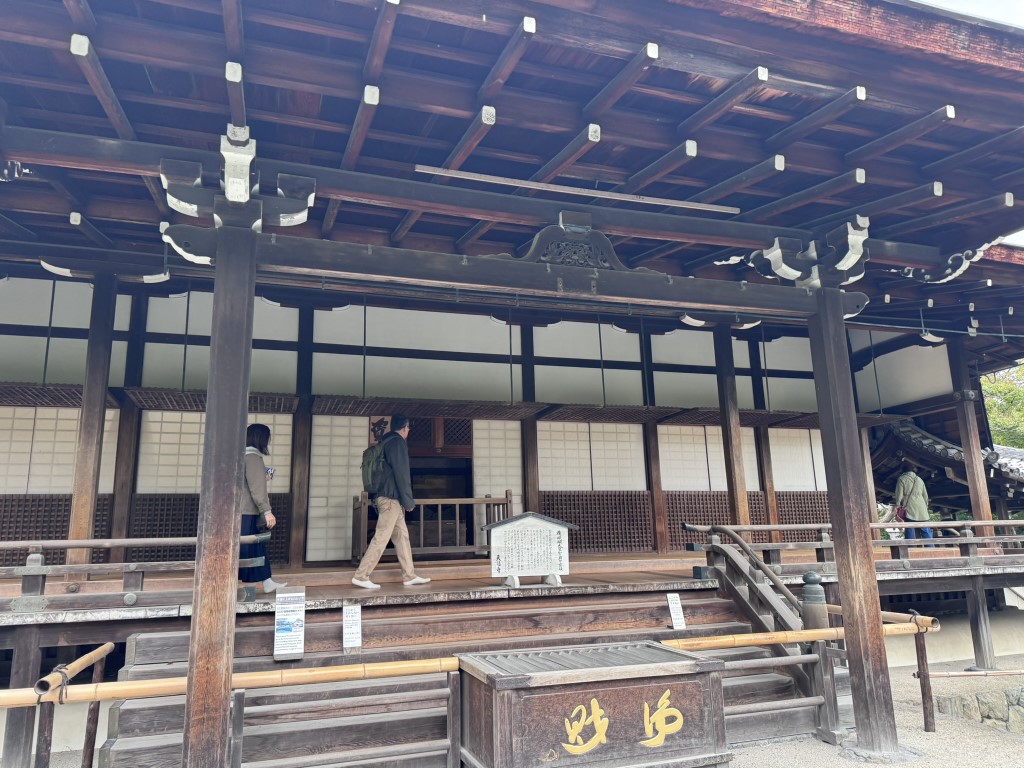
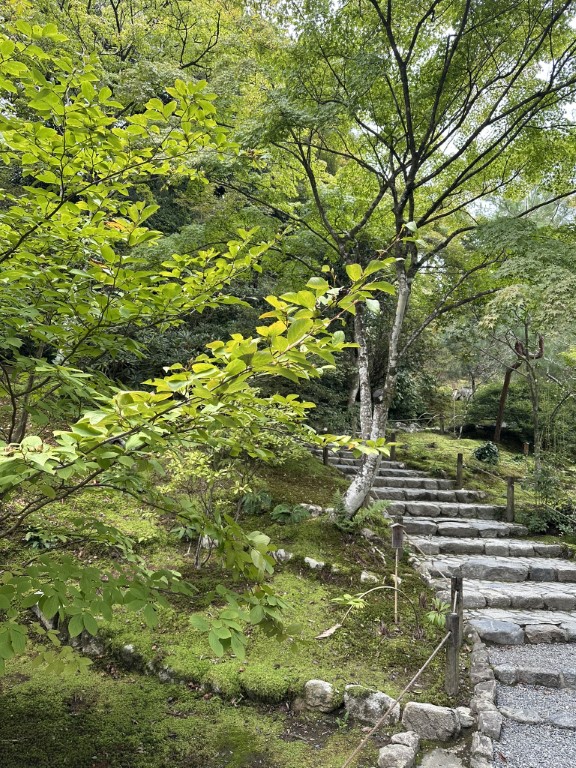
Next we were given far too much time to explore the strolling gardens around the castle which put us behind schedule for the rest of the day.
.jpg)
.jpg)
.jpg)
.jpg)
.jpg)
.jpg)
.jpg)
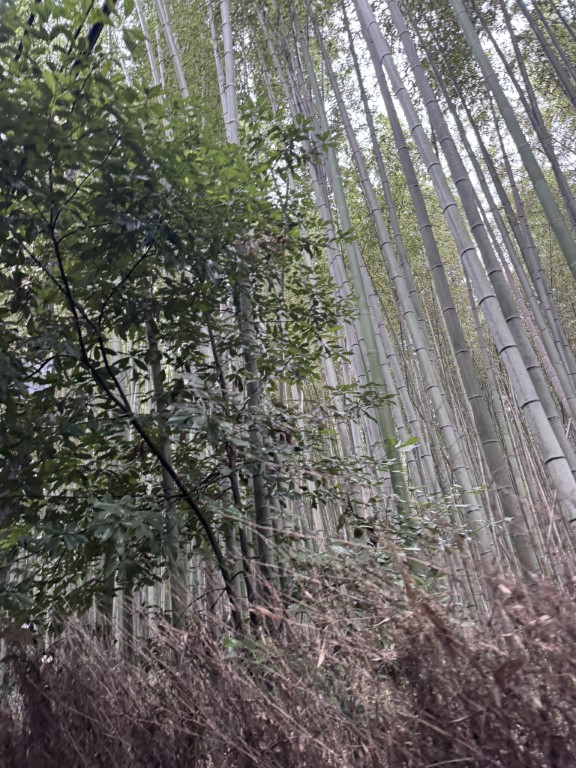
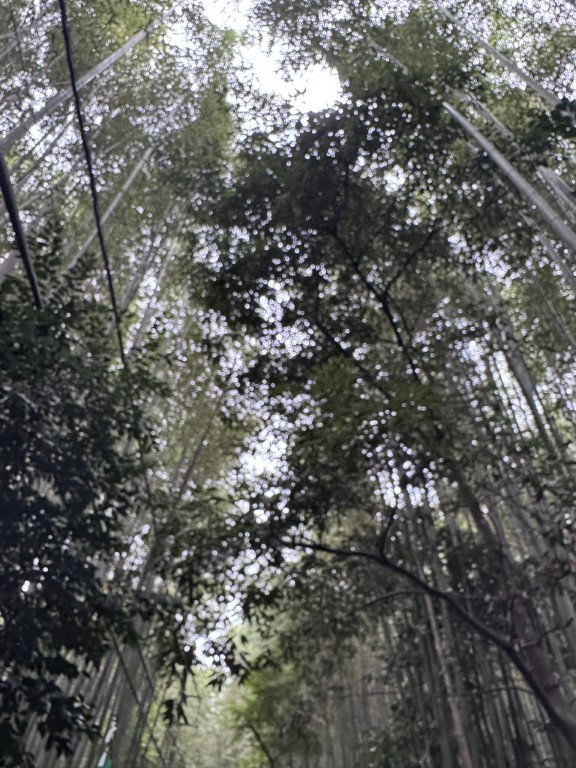
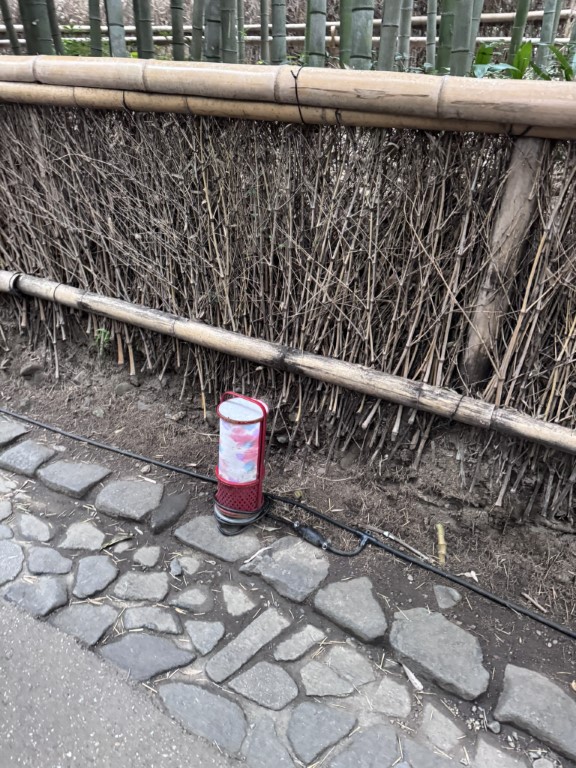
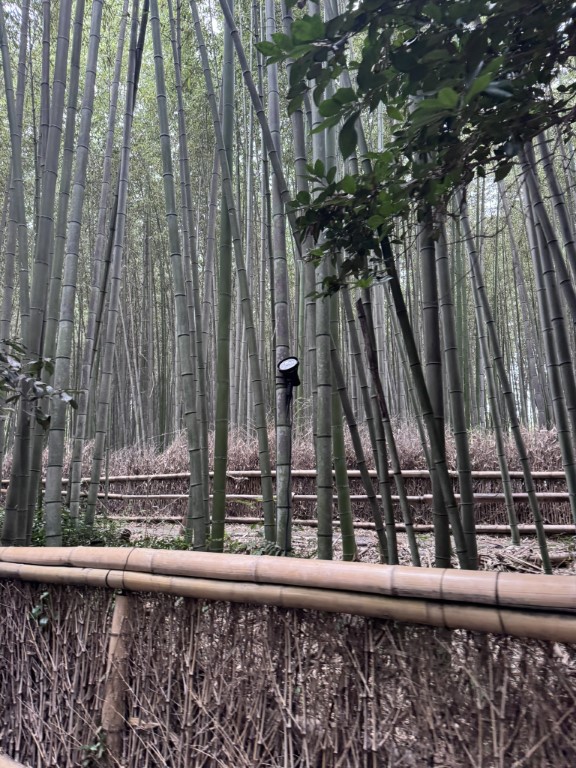
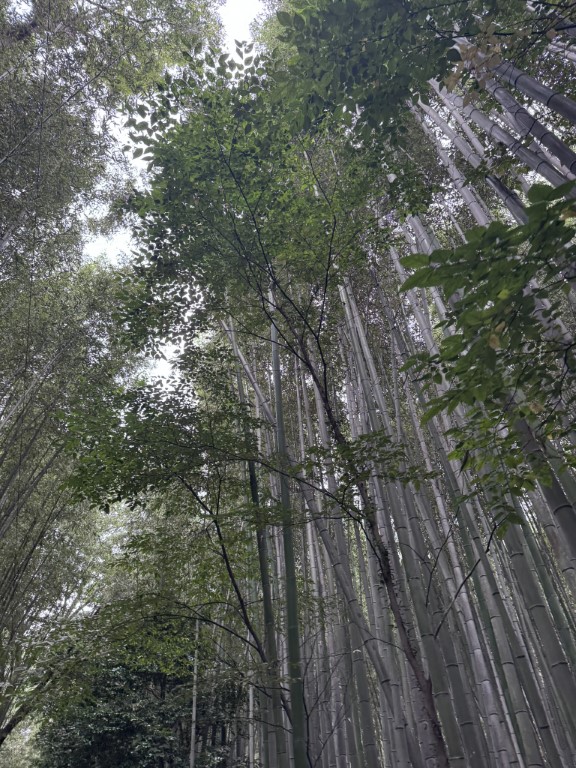
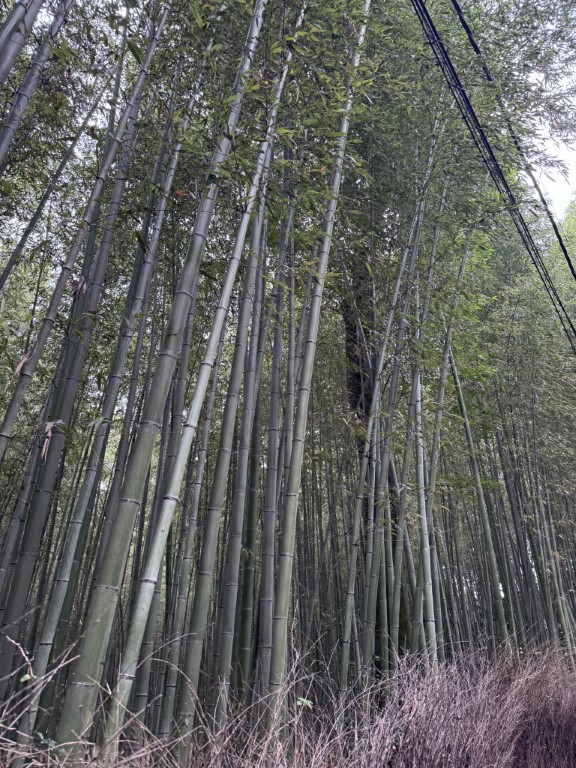
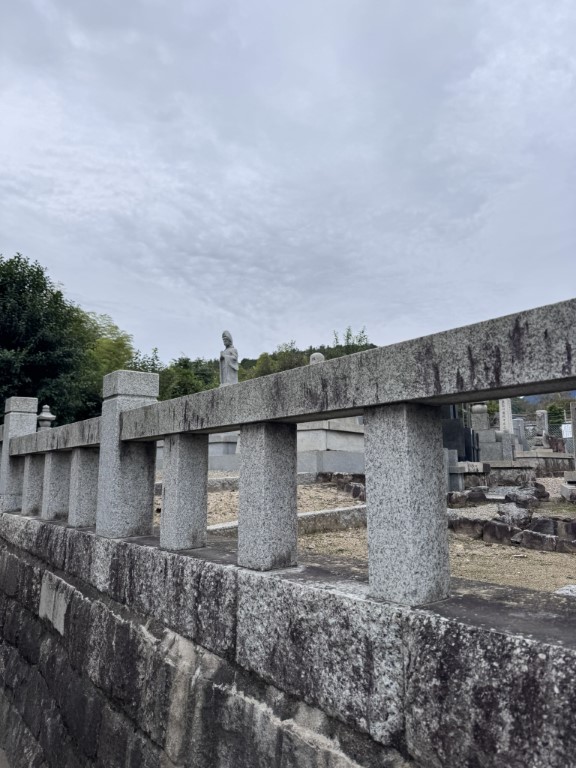
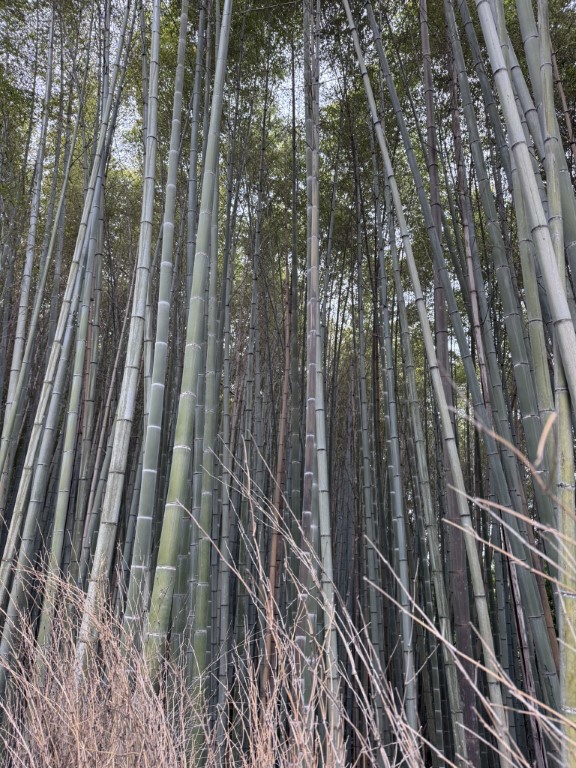
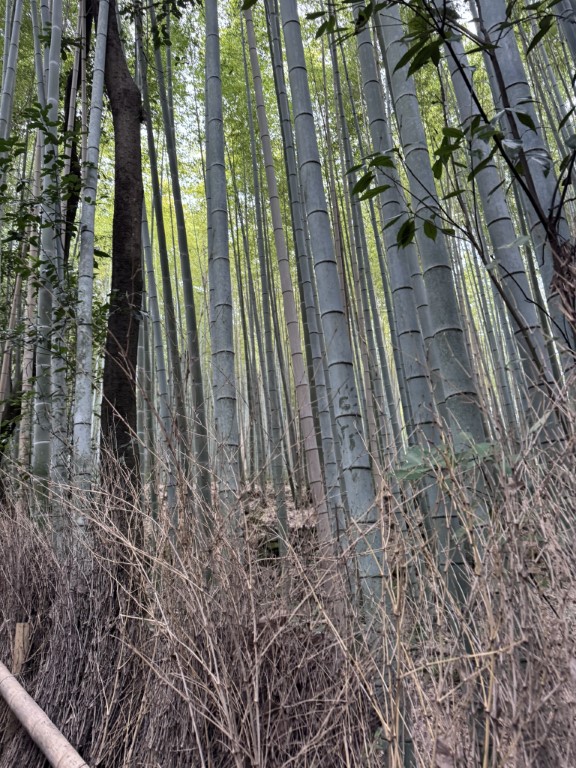
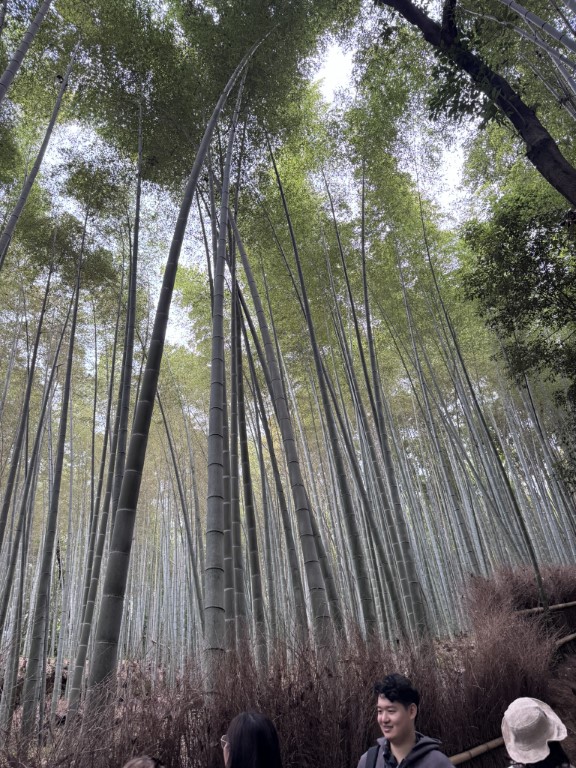
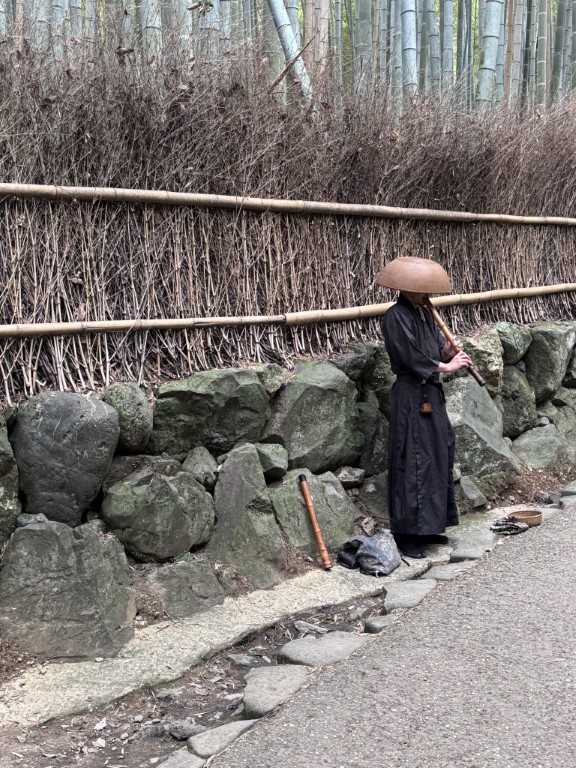
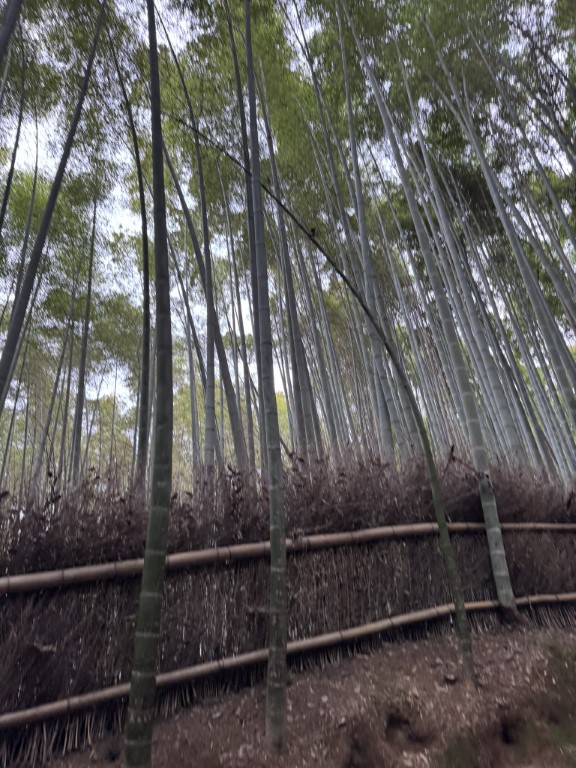
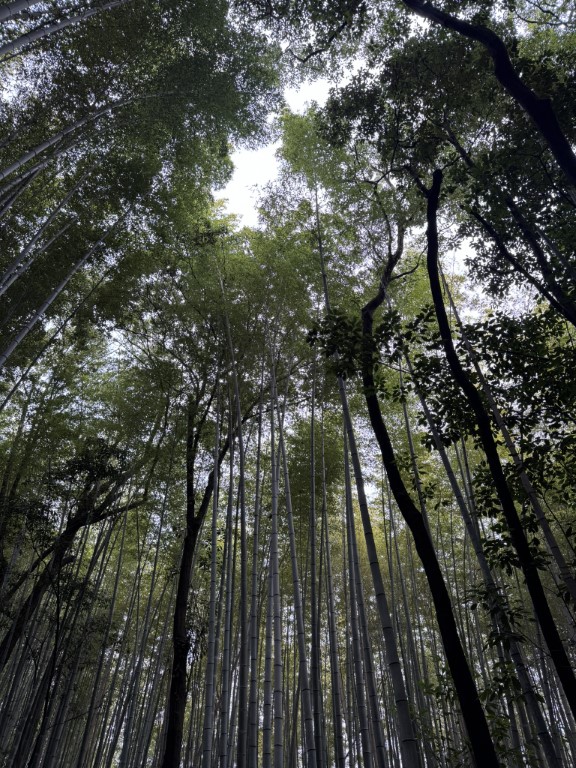
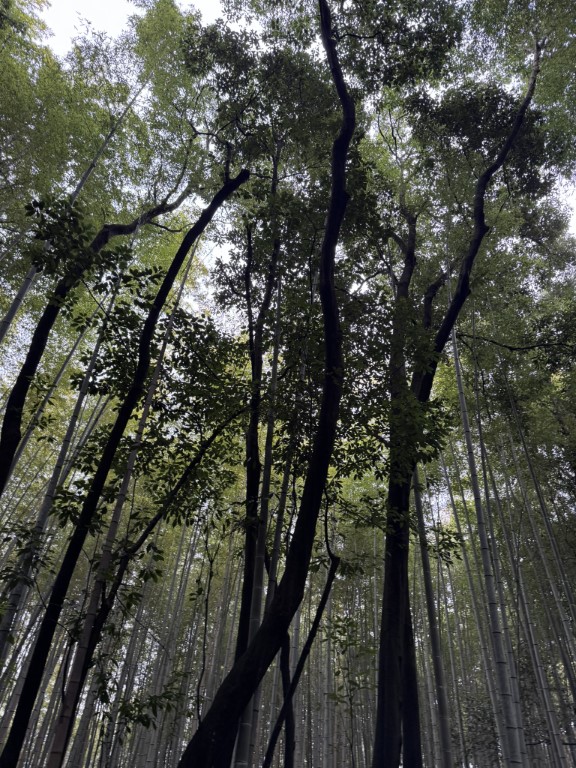
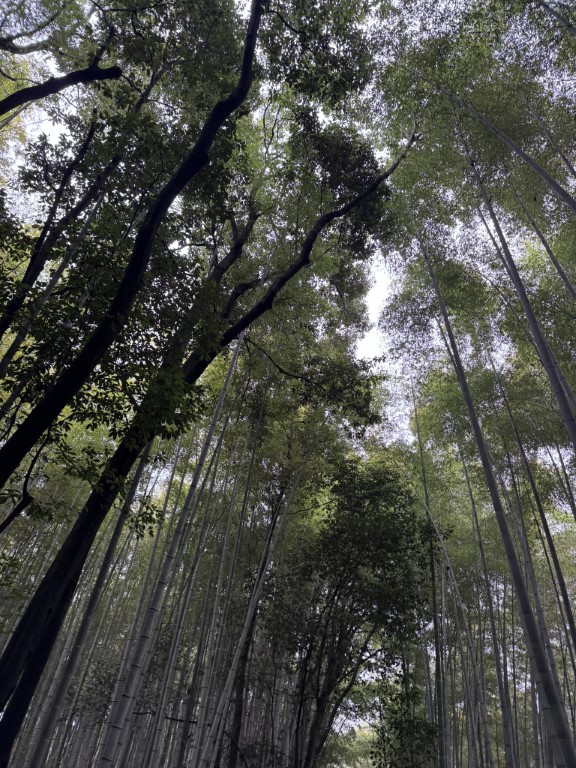
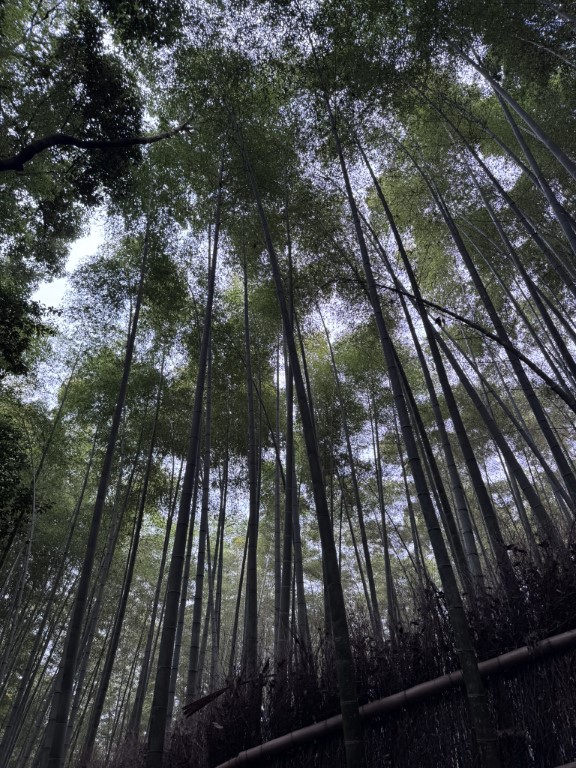
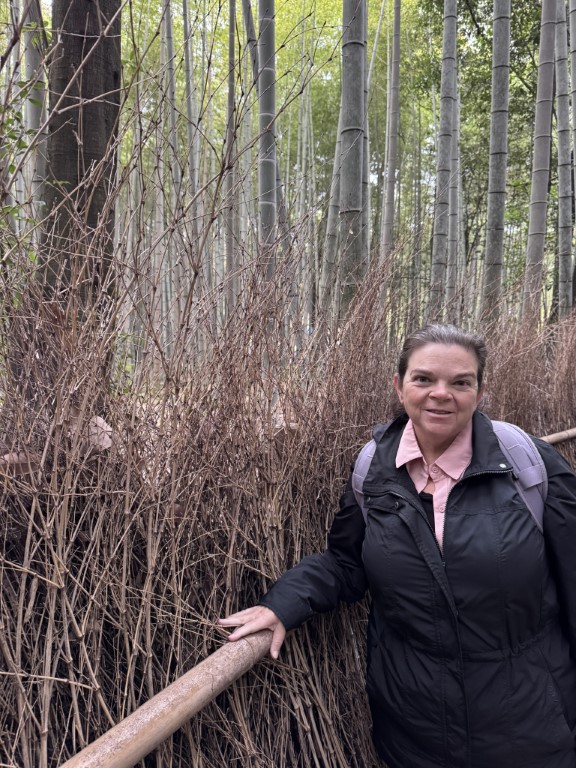
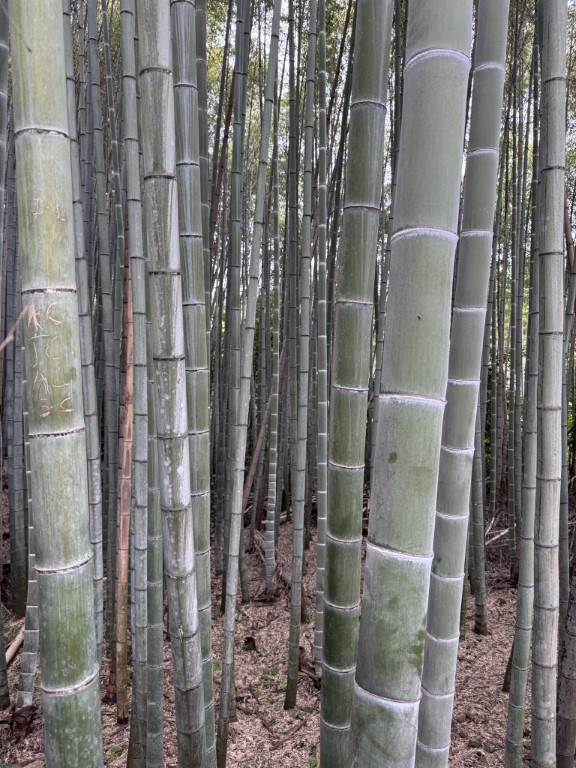
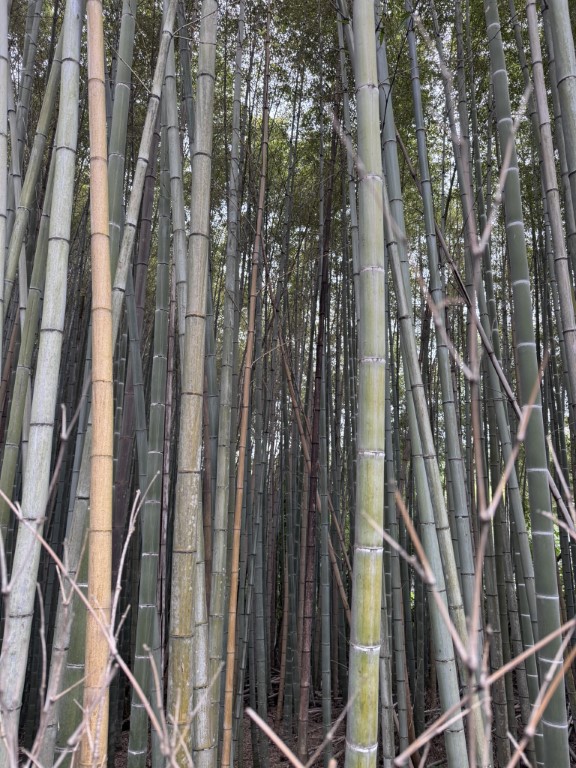
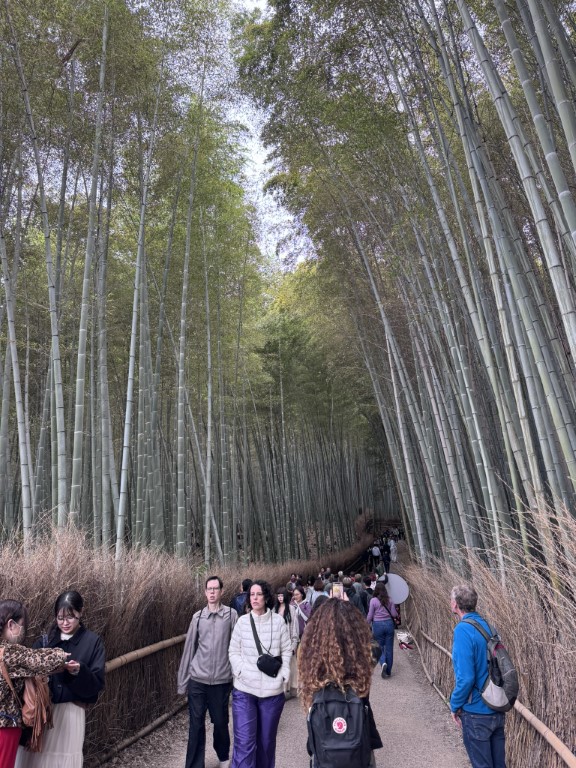
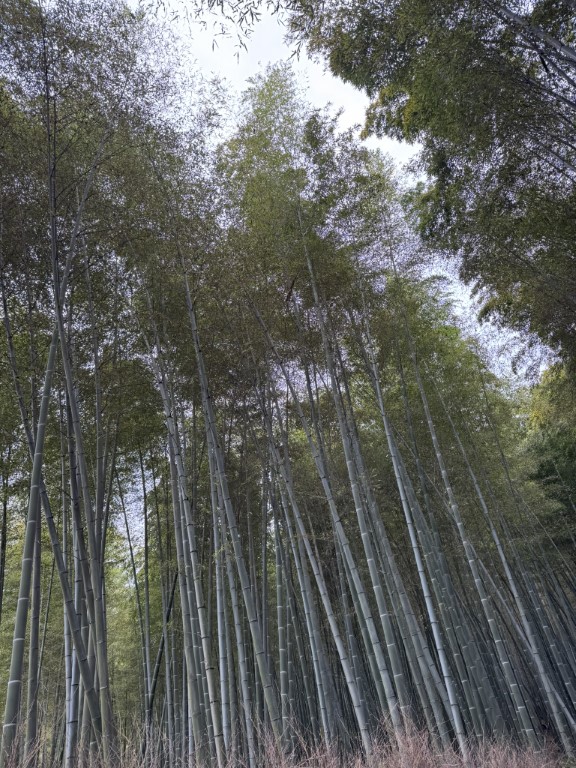
One of the reasons we took this tour was to see the Arashiyama Bamboo Groves. Arashiyama has been a favorite location of imperial and noble villas and temples from the days of classical Japan. Bamboo was a popular element in the gardens of these villas. During the Edo Period, bamboo was cultivated in the area for use in many Japanese crafts, as well as for eating. Due to economic changes in the modern era, many bamboo groves in Arashiyama were abandoned or turned into residential areas. However, the government acted in in 1967 to protect the remaining bamboo groves. By the time the bus got to the grove, it was already crowded and after being walked at a fast pace through the first grove, we were given only 10 minutes to explore on our own even though the tour said we would have 40 minutes. Our guide tried to make an excuse and say the 40 minutes included the time walking from the bus to the grove, but that did not take 30 minutes. So we had little time to see what was one of the primary sites we wanted to see in Kyoto due to mismanagement of time by the tour operator.
.jpg)
.jpg)
.jpg)
.jpg)
.jpg)
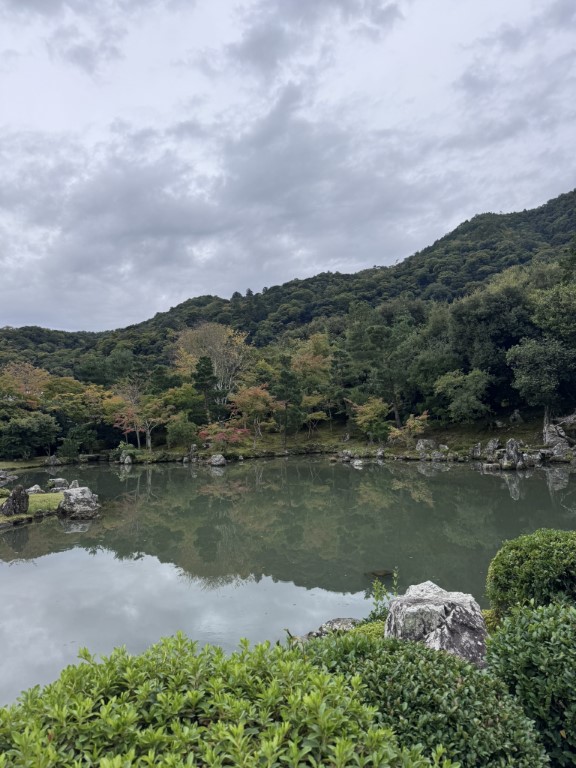
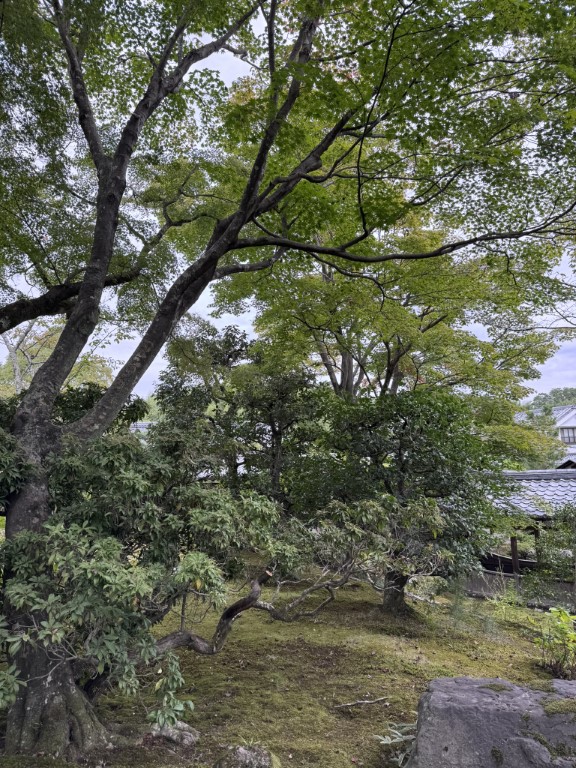
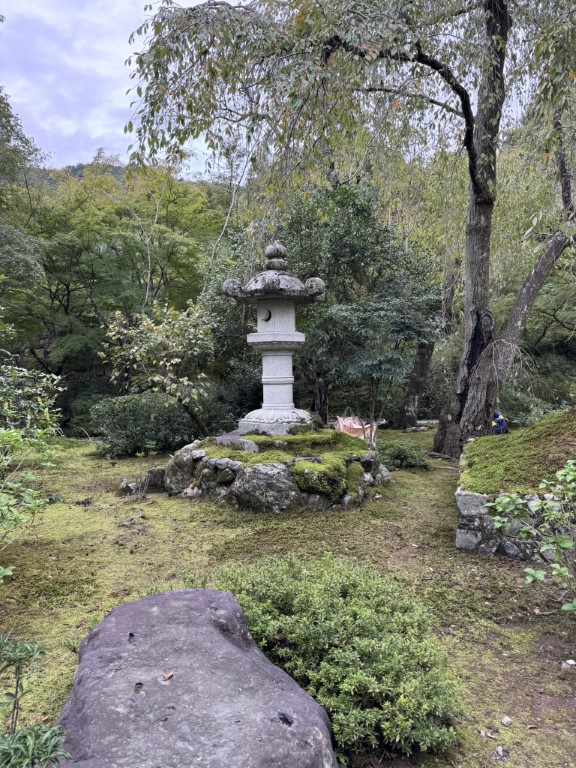
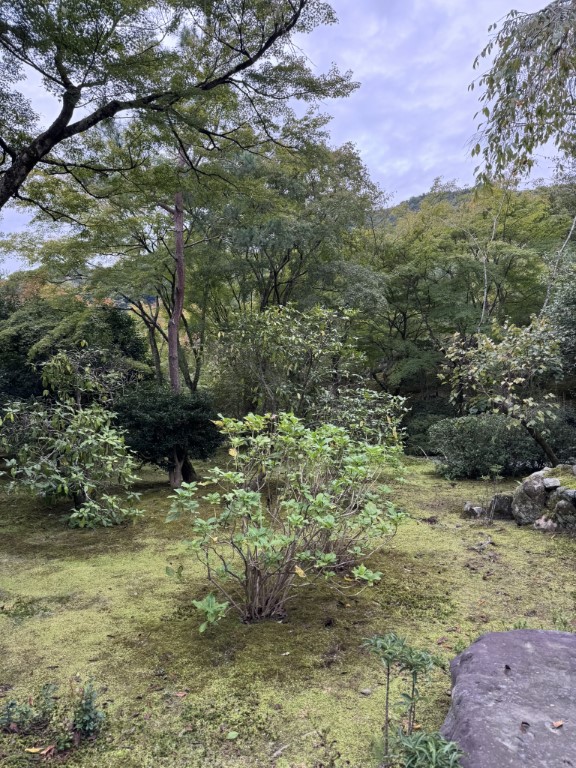
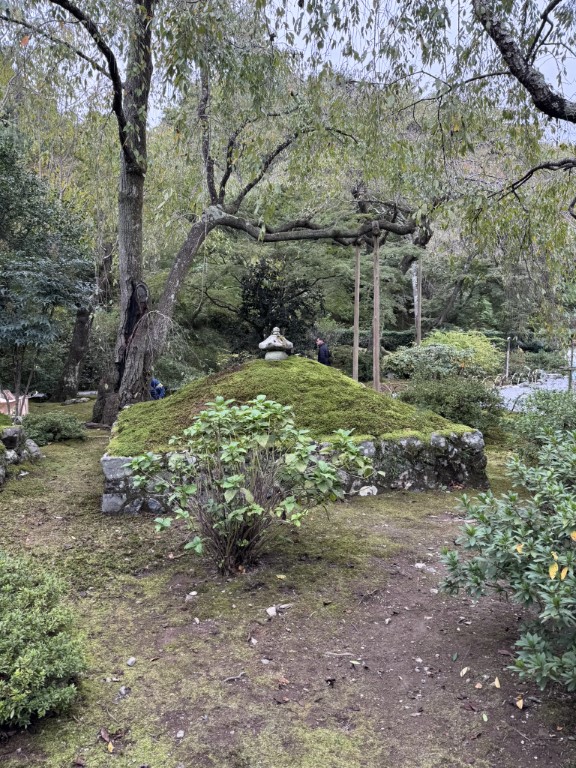
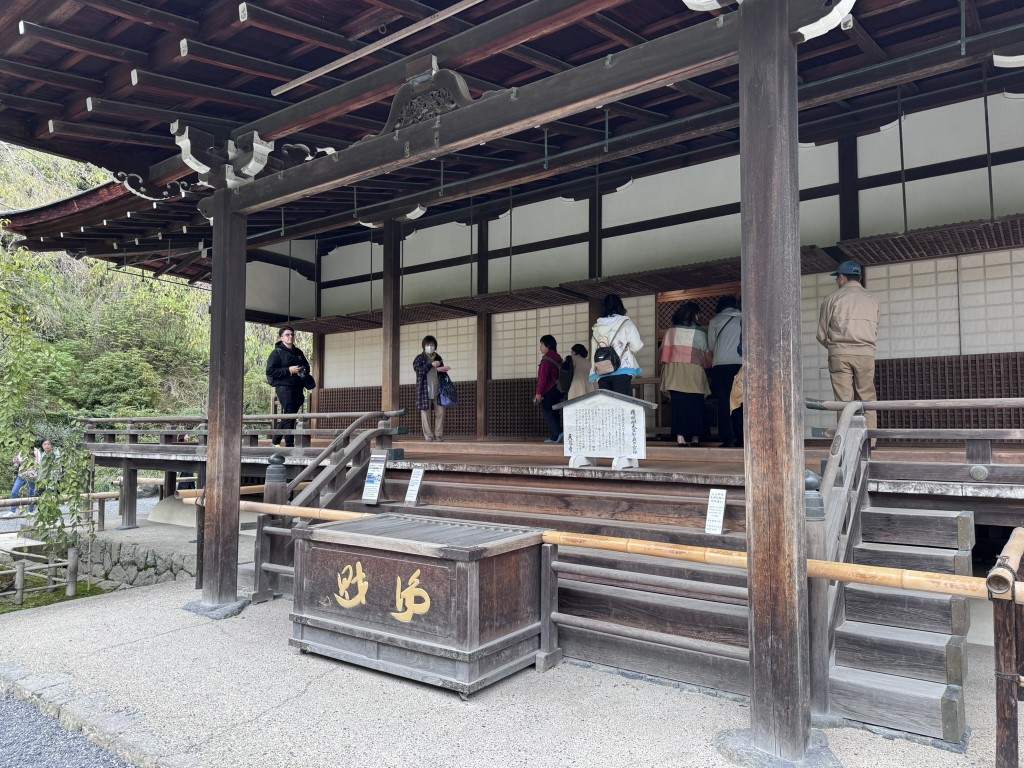
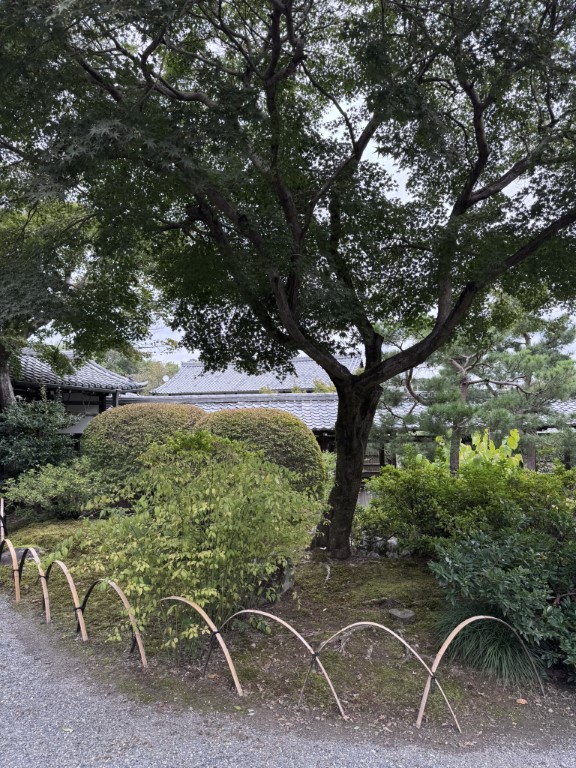
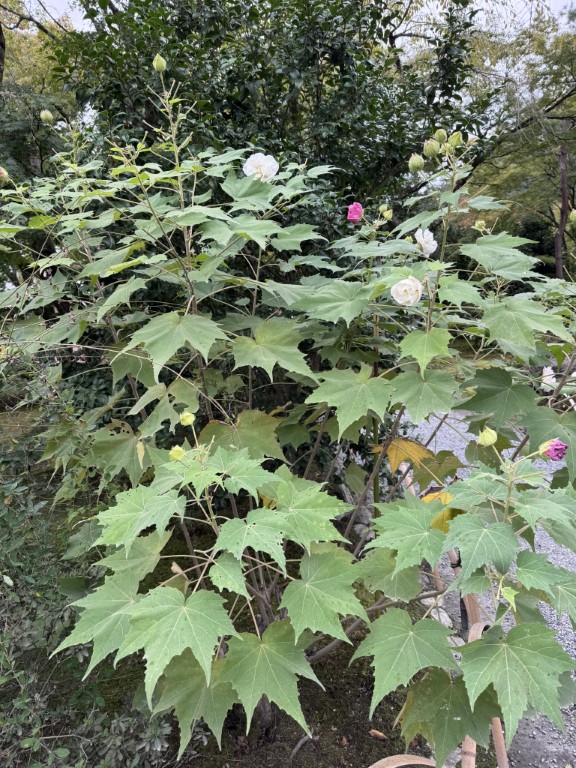
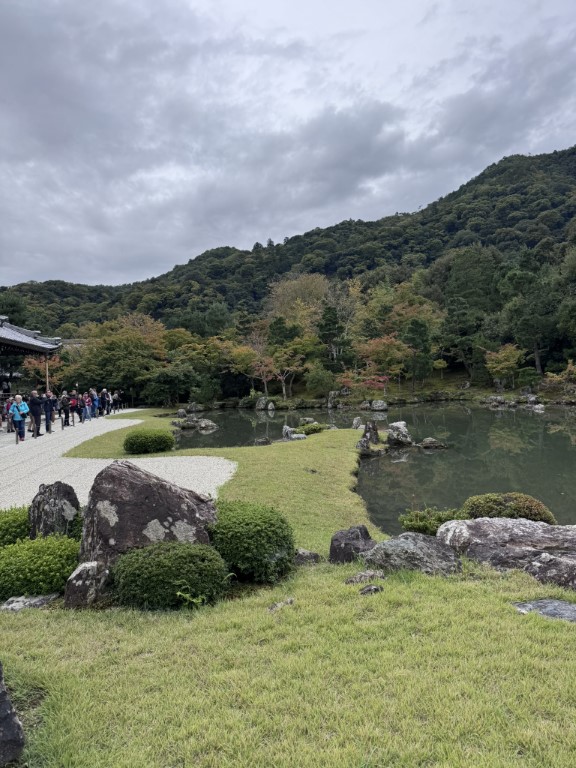
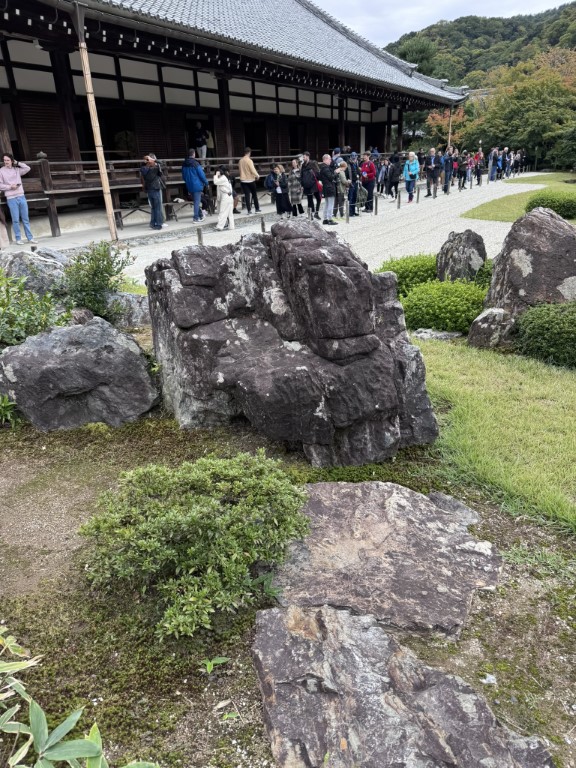
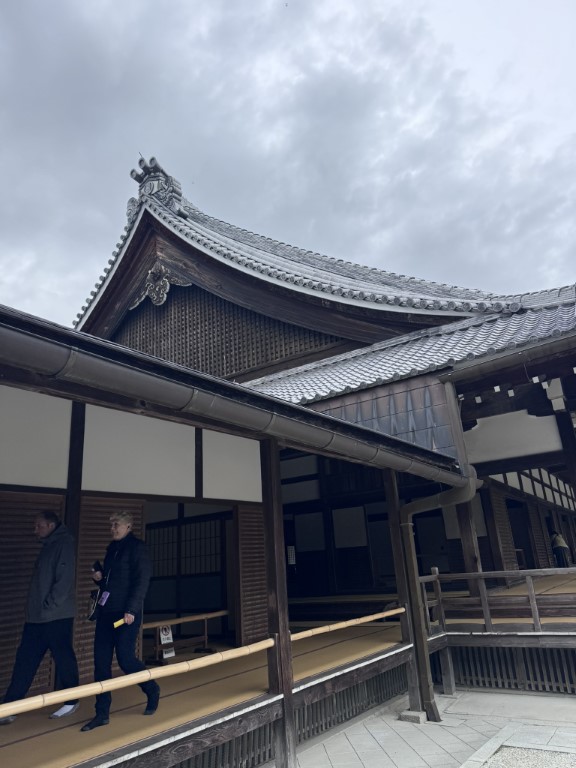
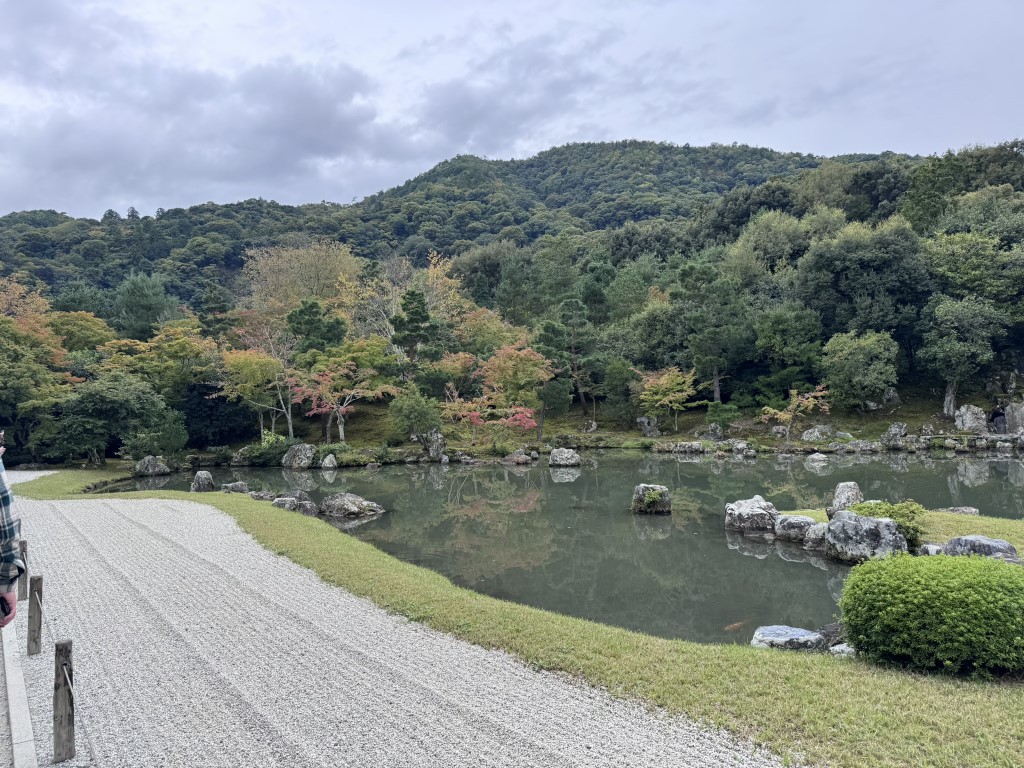
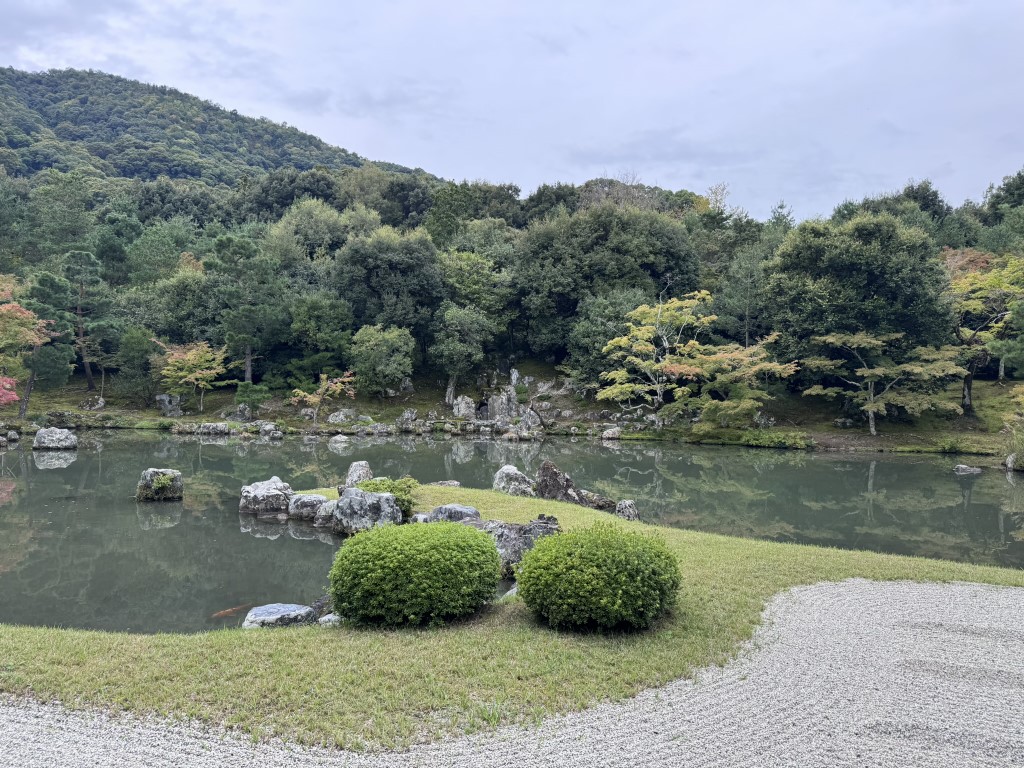
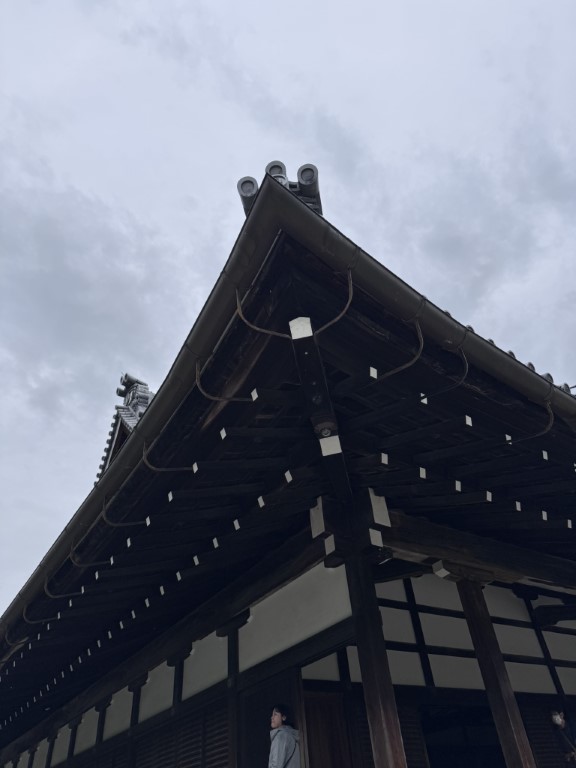
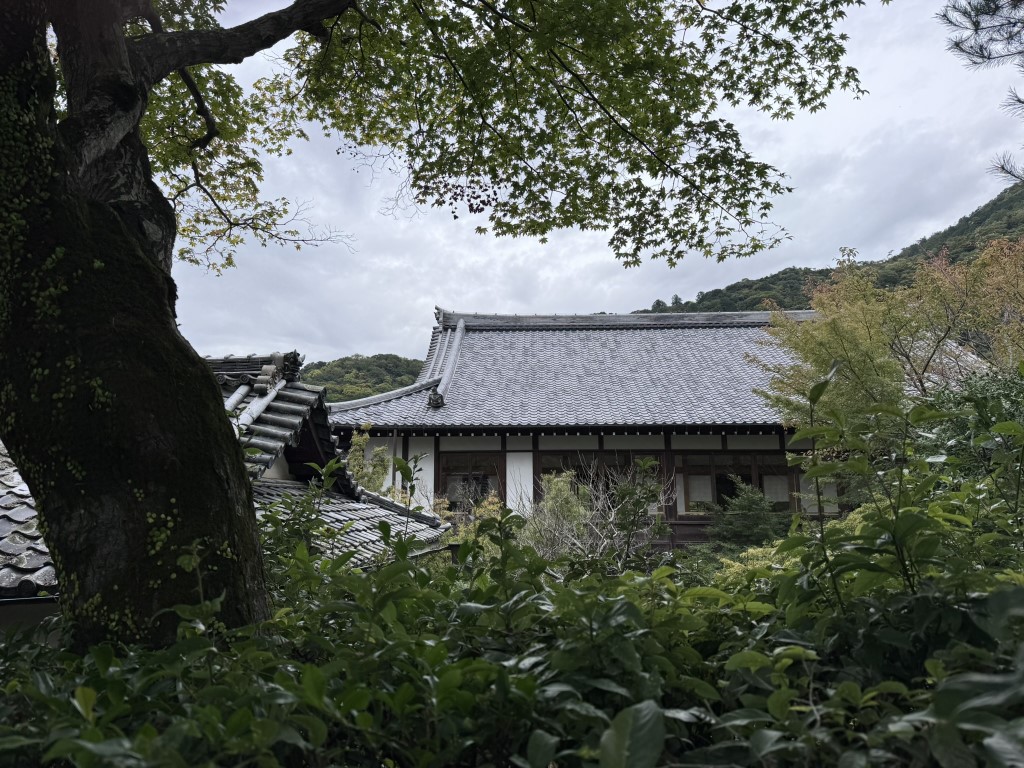
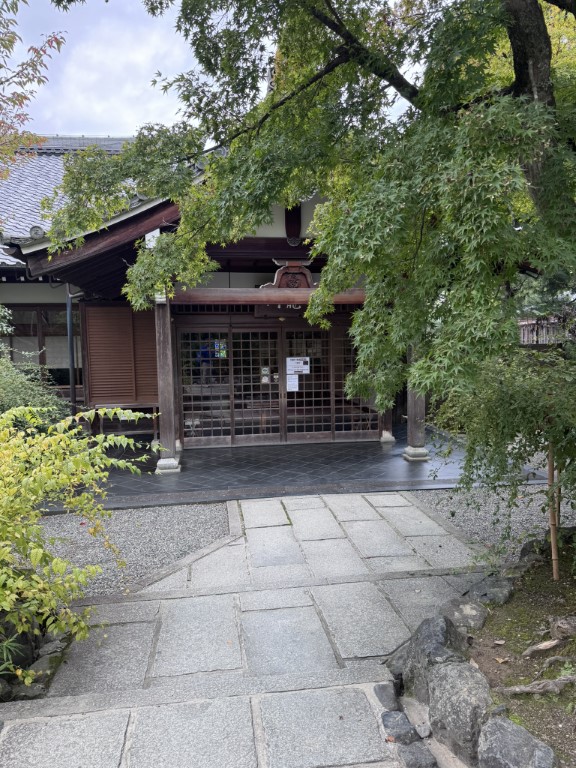
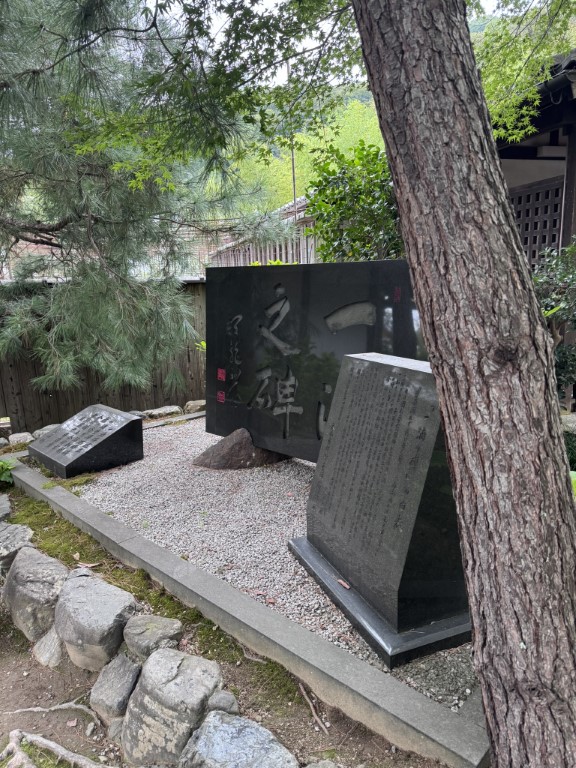
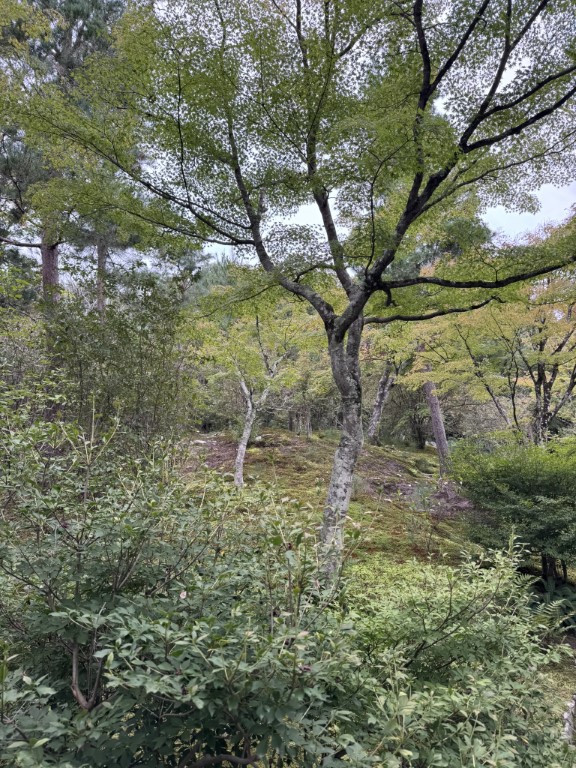
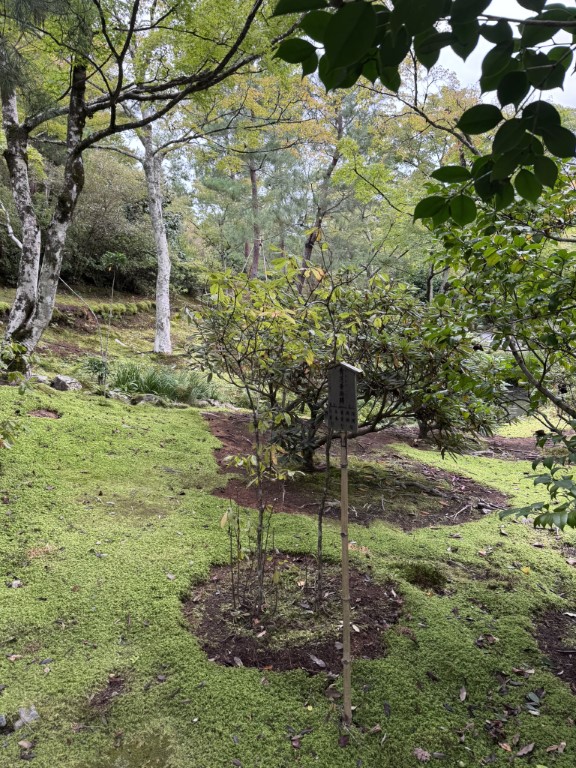
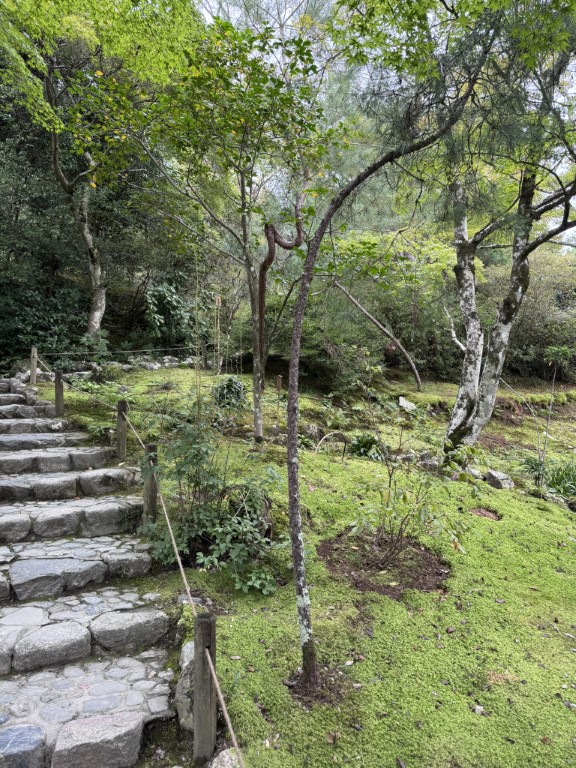
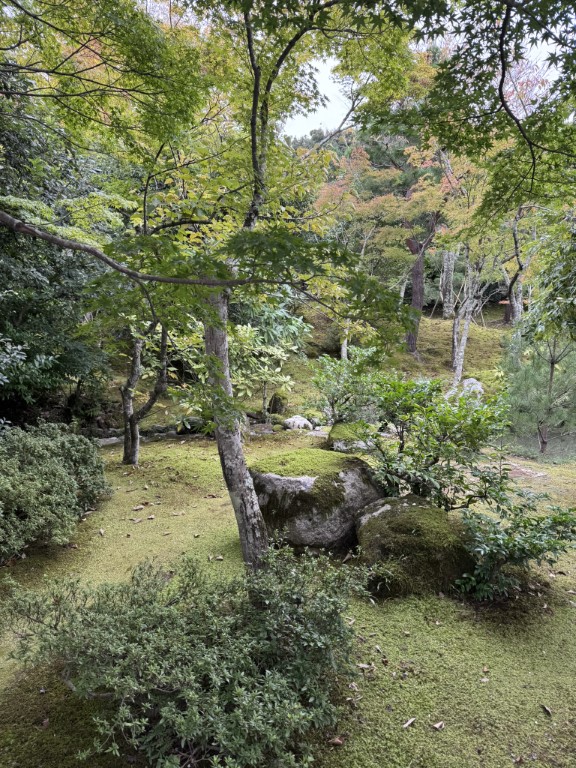
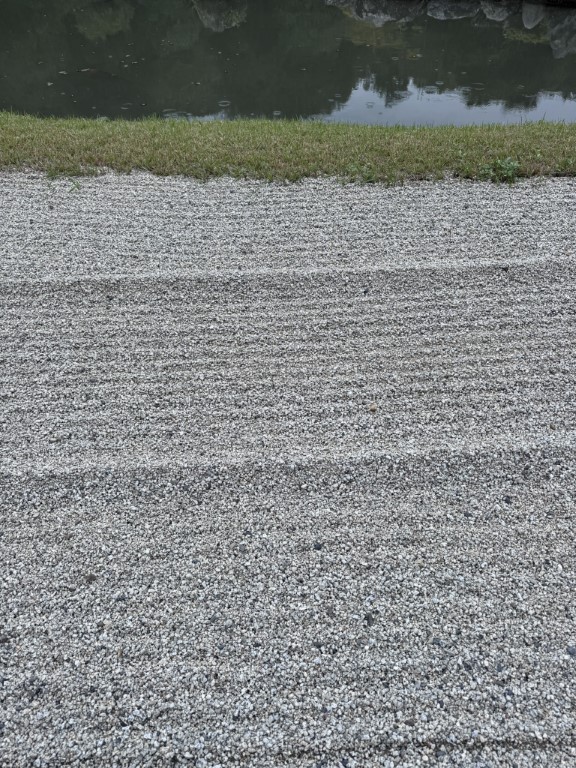
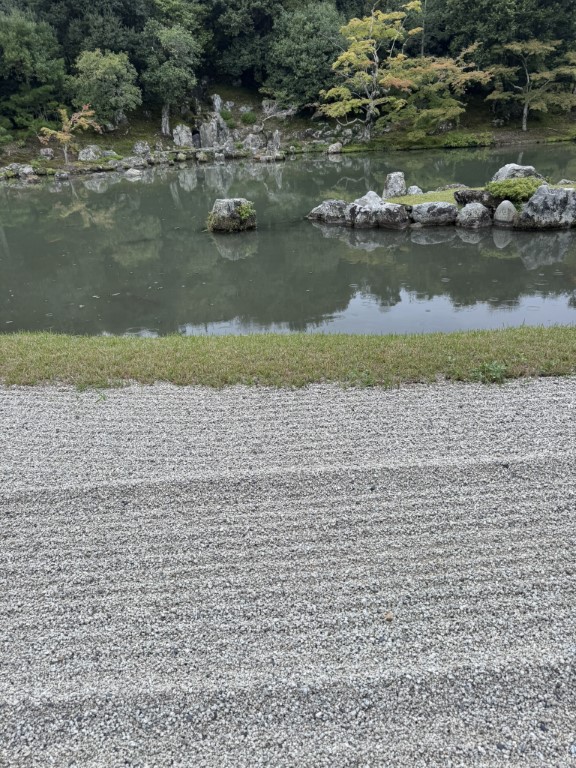
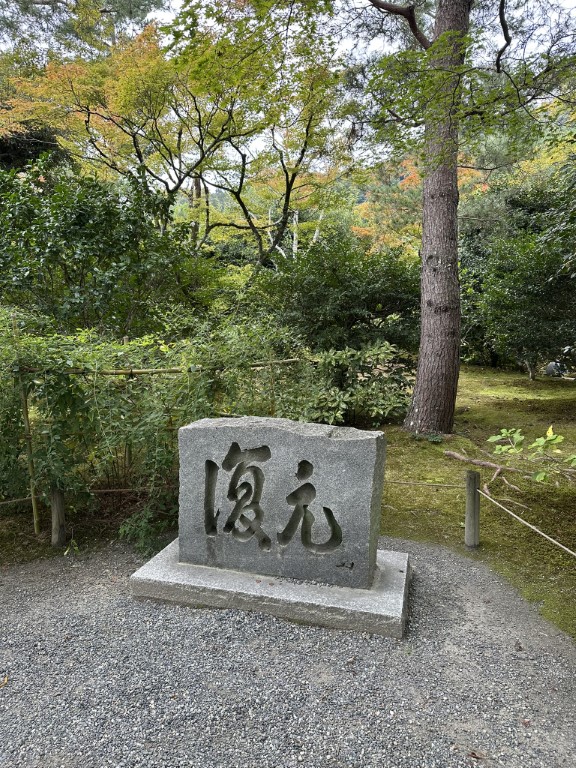
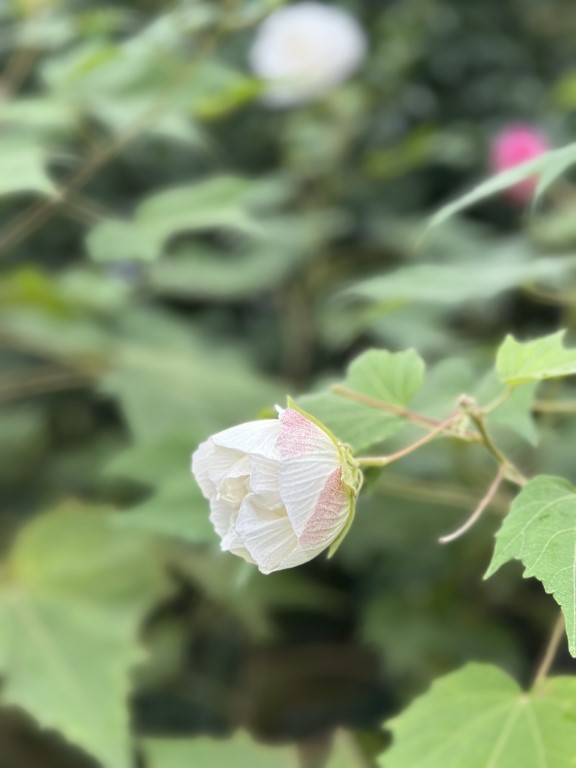
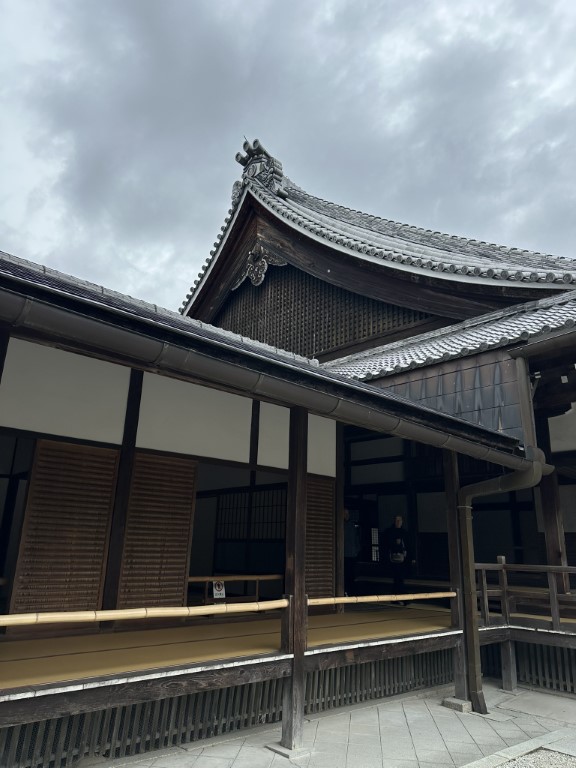
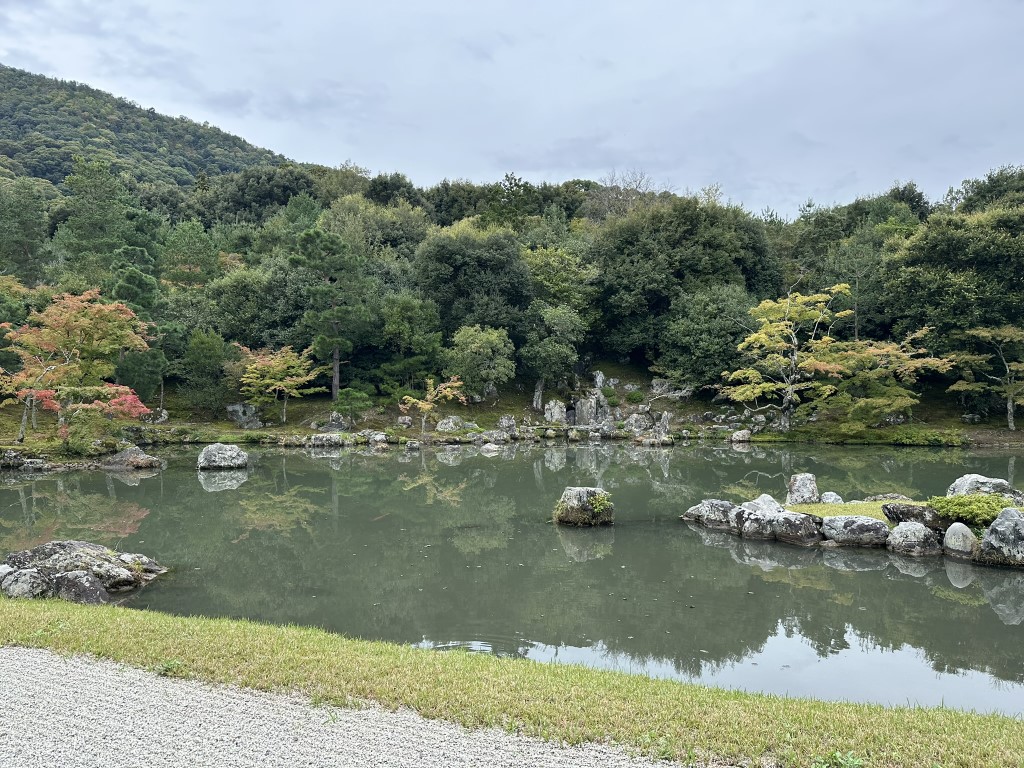
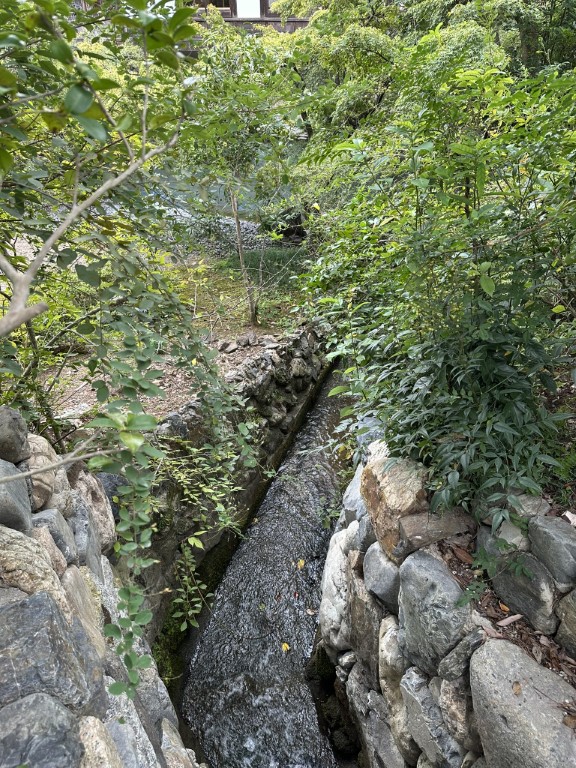
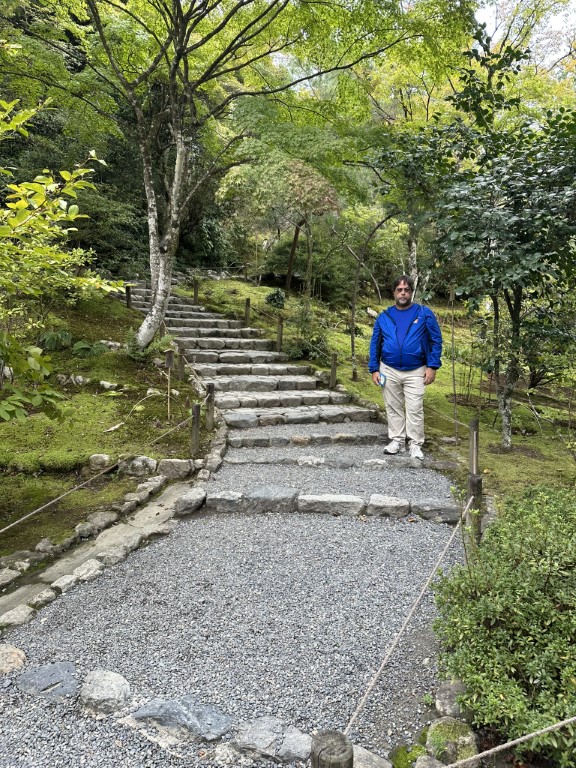
After being rushed out of the bamboo grove, we went to Tenryu-ji Temple, which is the most important temple in Kyoto's Arashiyama district. Tenryuji is the head temple of its own school within the Rinzai Zen sect of Japanese Buddhism. Tenryuji was built in 1339 by the ruling shogun Ashikaga Takauji. Takauji dedicated the temple to Emperor Go-Daigo. The two important historic figures used to be allies until Takauji turned against the emperor in a struggle for supremacy over Japan. By building the temple, Takauji intended to appease the former emperor's spirit. There was not much to see at the temple, and while the gardens were very pretty, there was no need for 20 minutes there at the expense of the bamboo forest.
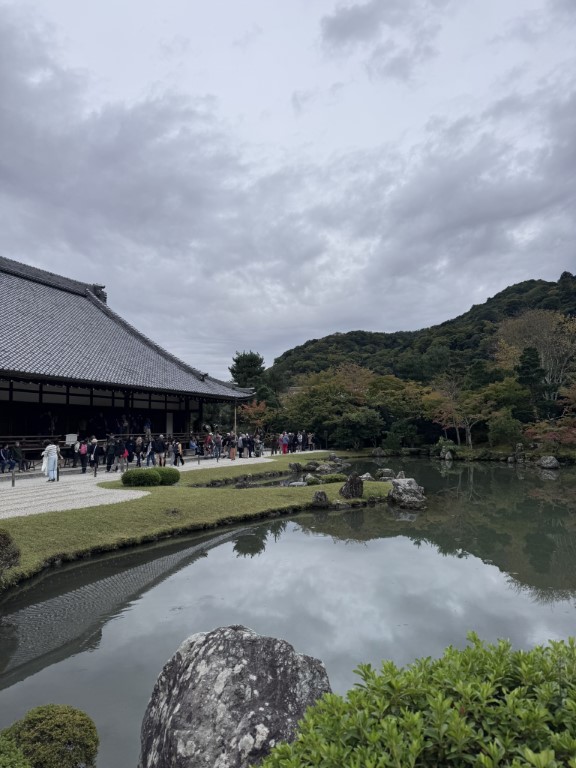
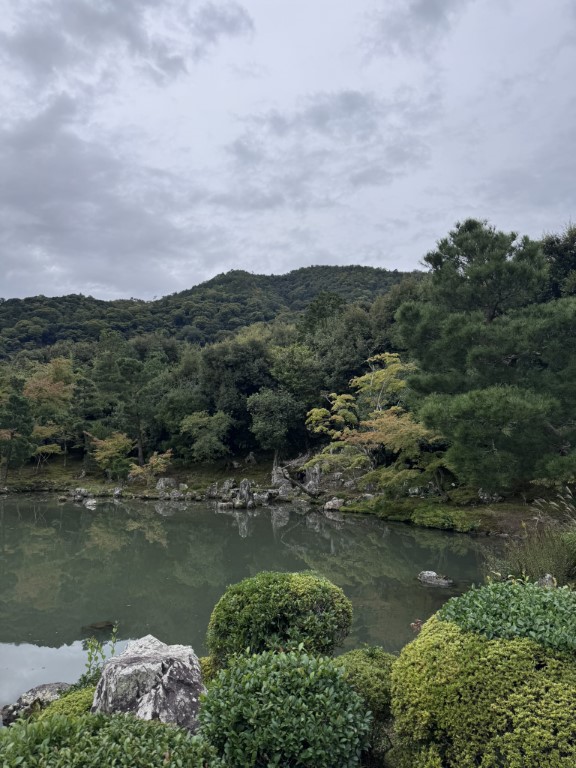
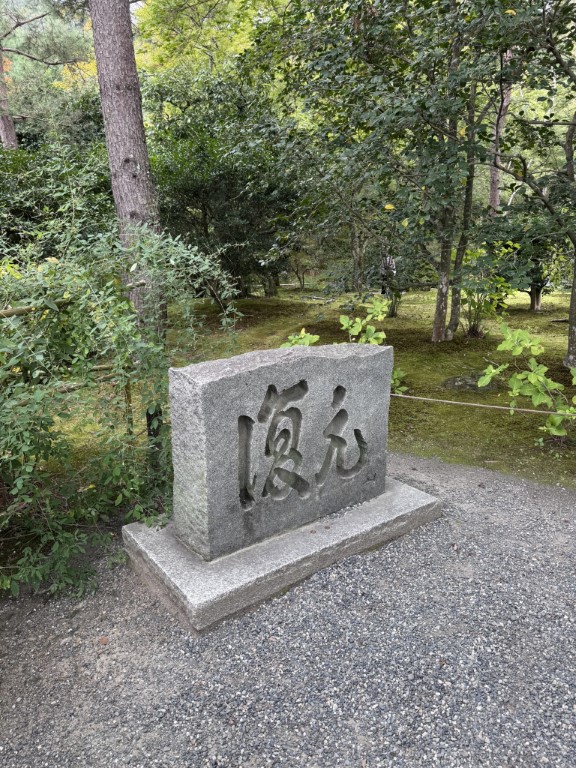
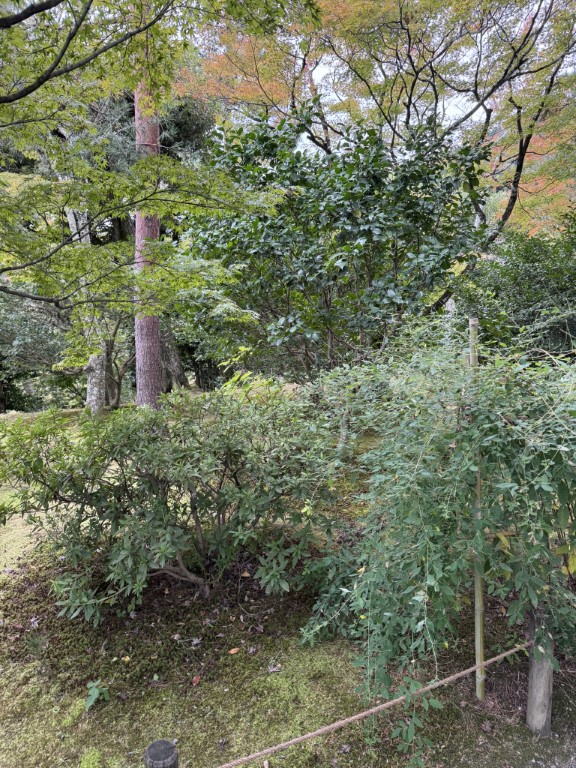
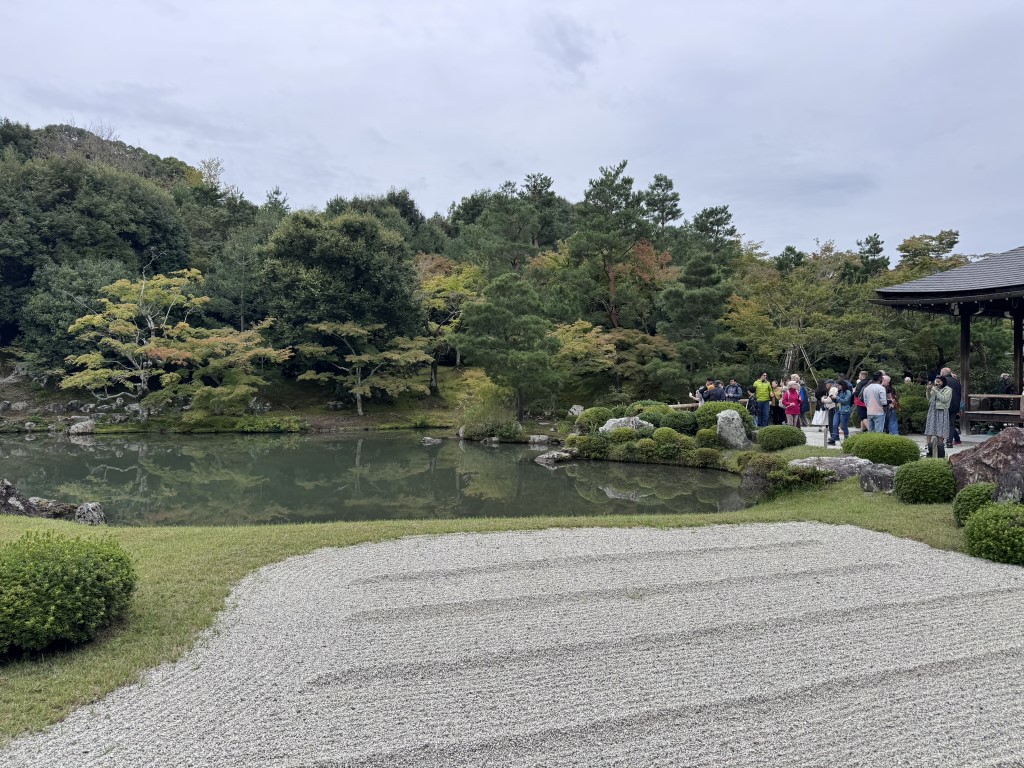
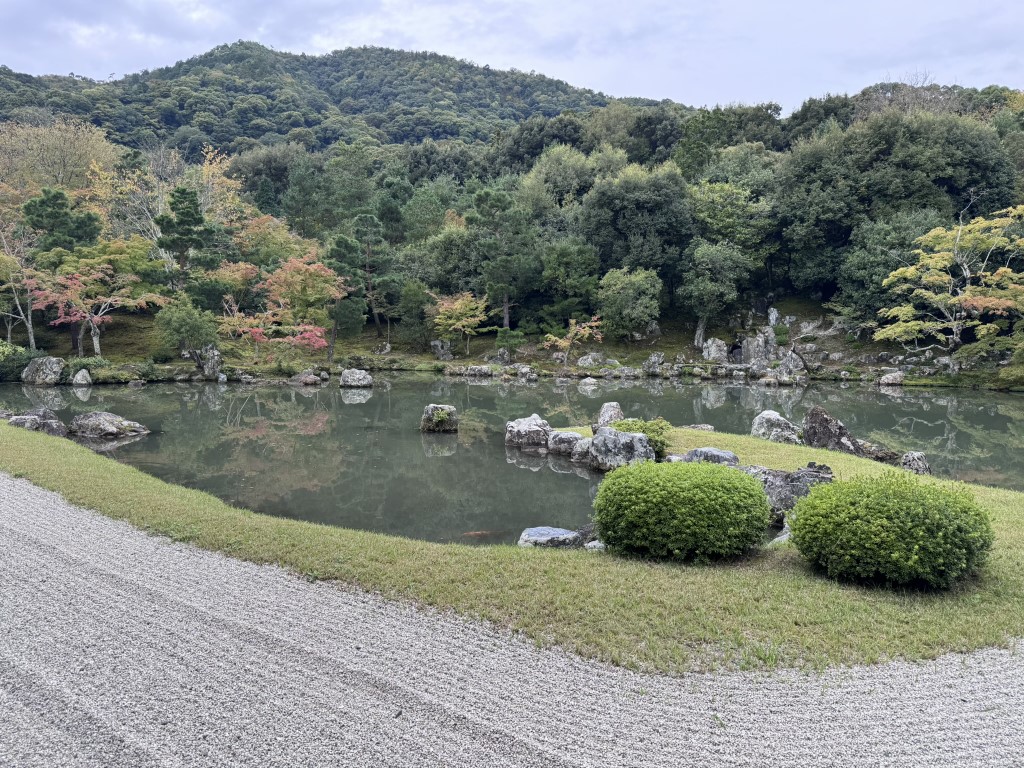
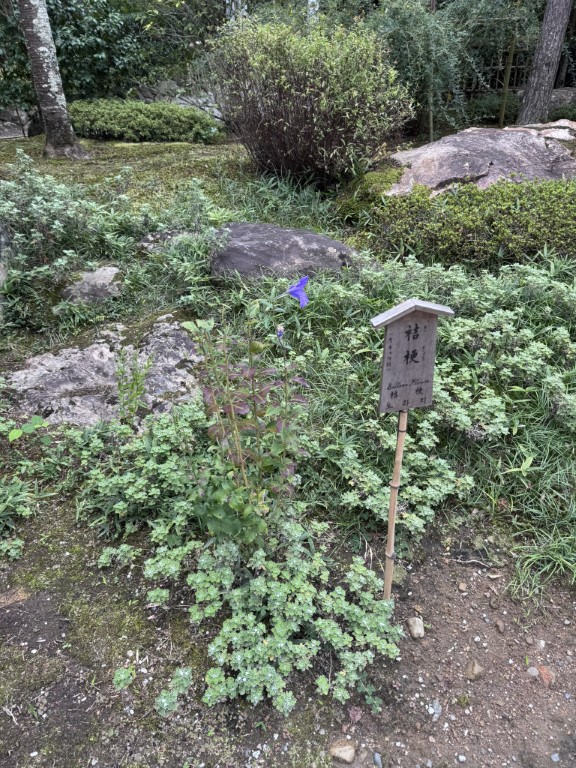
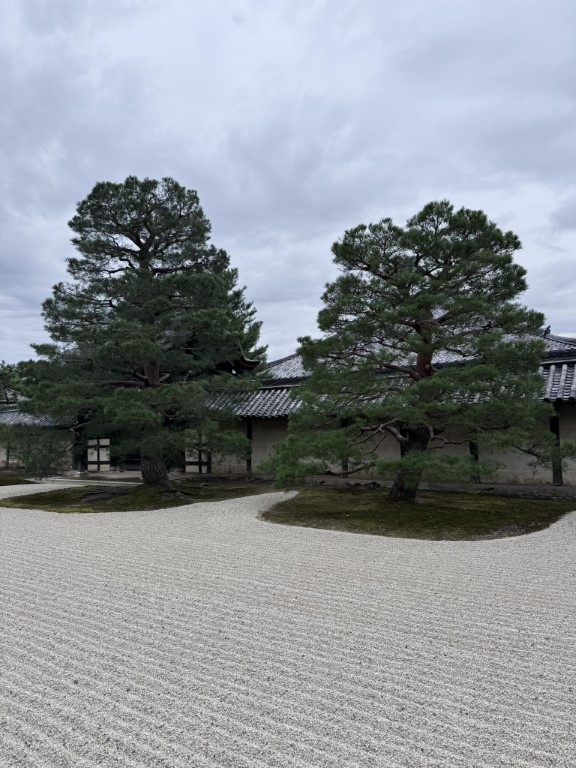
.jpg)
.jpg)
.jpg)
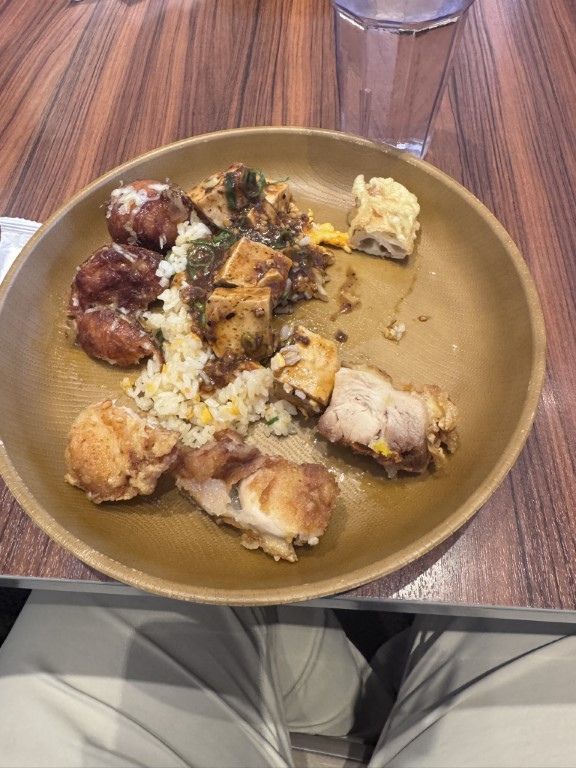
The tour went really awry with lunch. They had promised us "Japanese style buffet lunch with local foods. Enjoy the seasonal buffet along with the superb view from your seat overlooking the Togetsukyo Bridge, the symbol of Arashiyama." We never got to even see Togetsukyo Bridge as they drove us out of Arashiyama to the Aeon shopping mall where we ate at a food court restaurant with no superb view at all. The tour operator simply said "we can change the lunch location due to operational reasons" but it is very significant change to cut out a major attraction and go to a shopping mall. The food was just average.
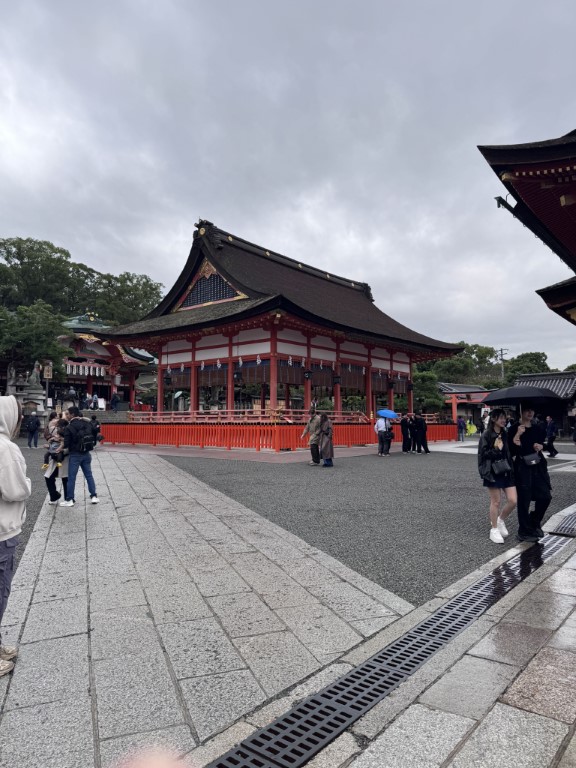
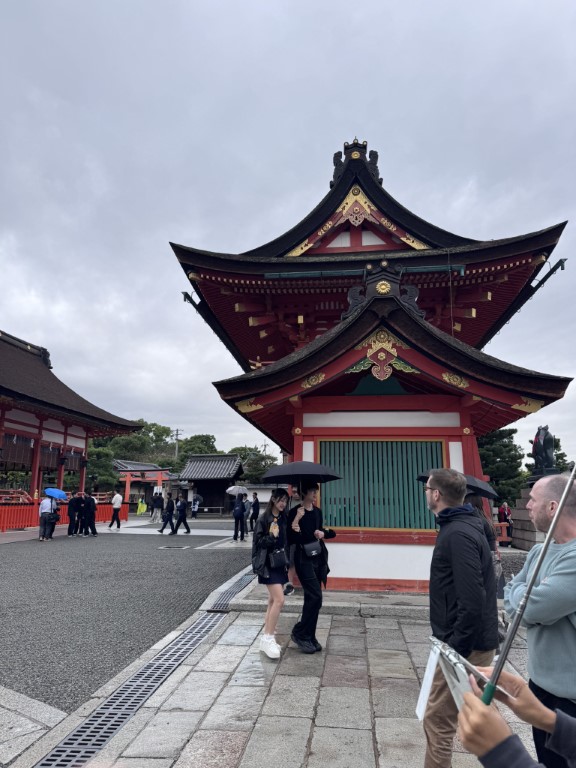
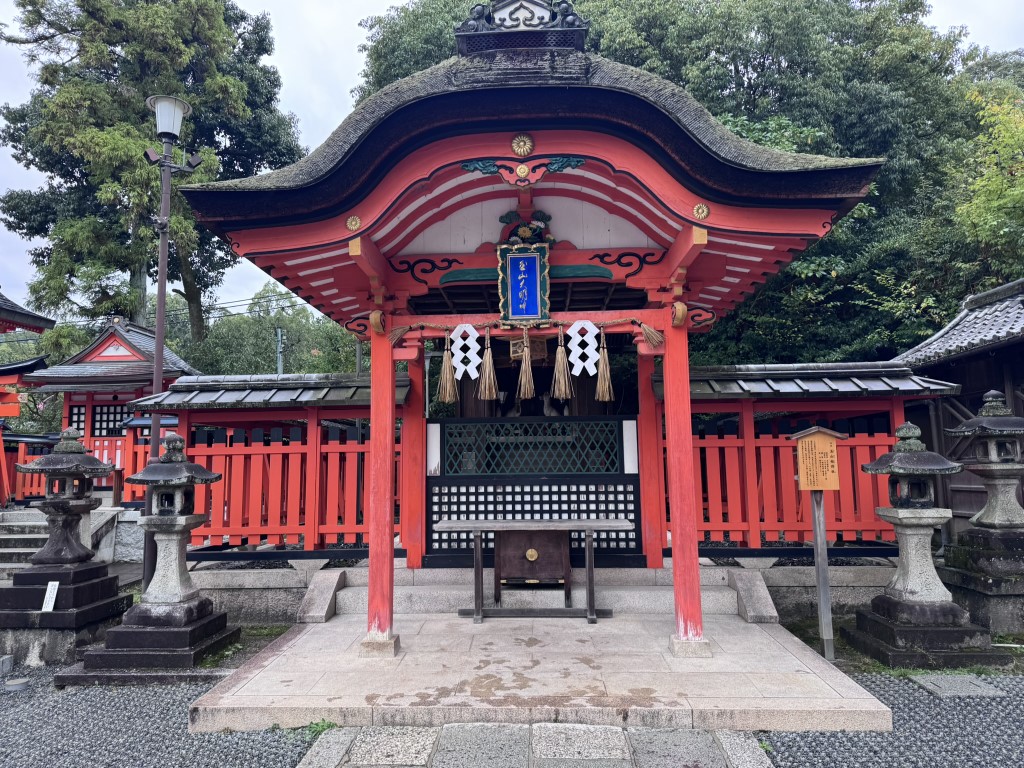
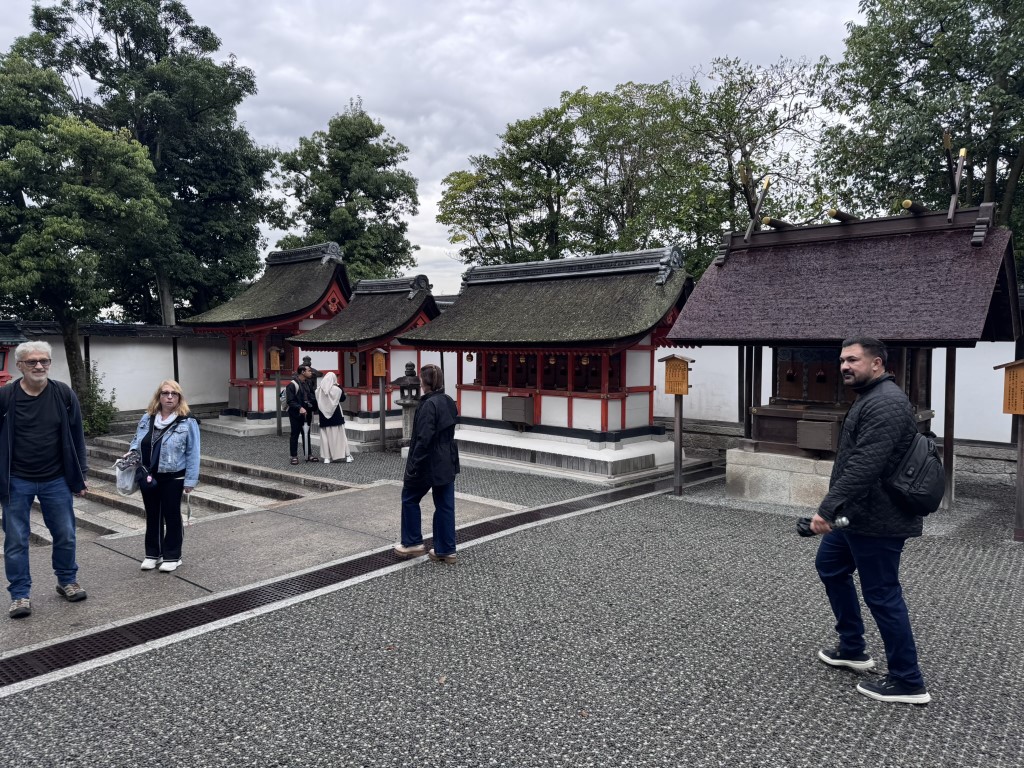
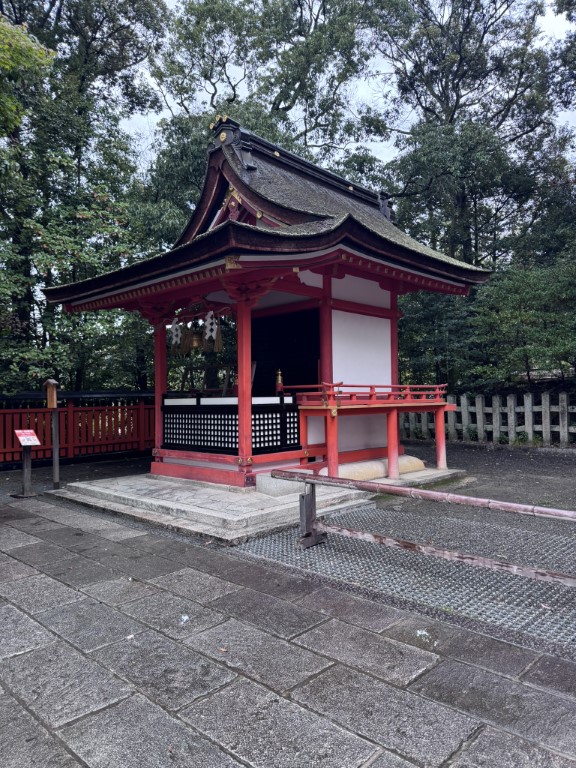
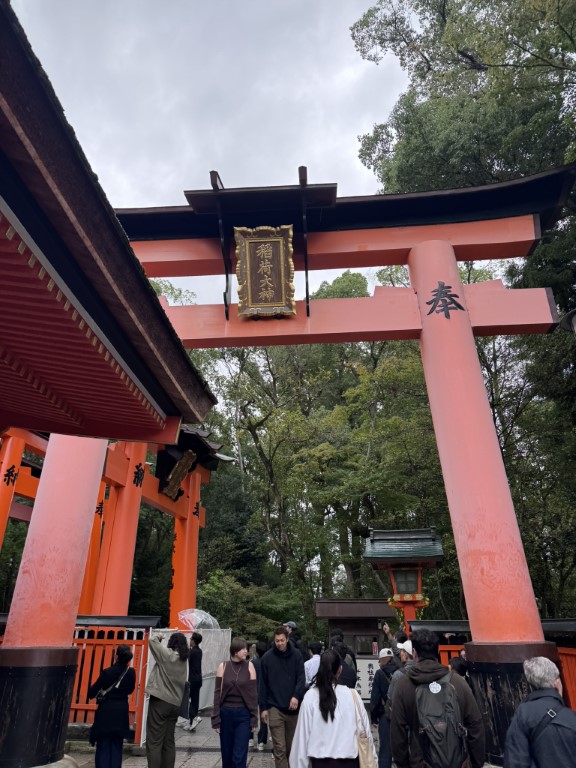
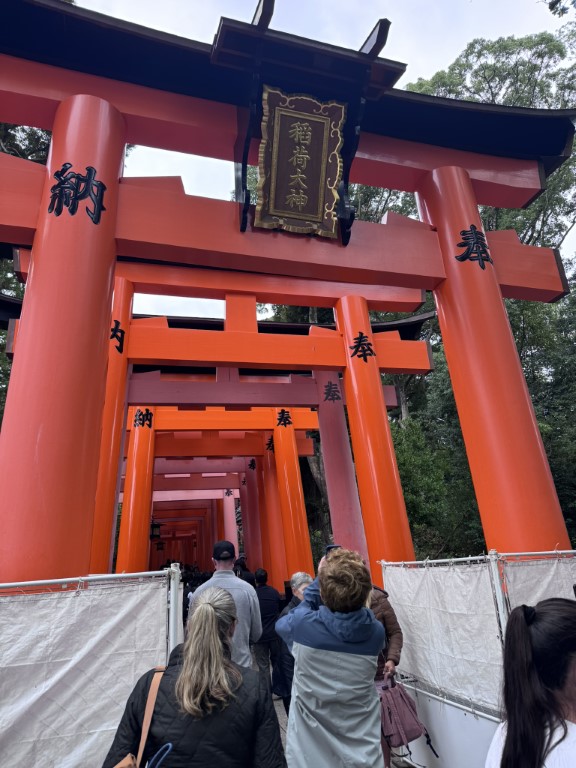
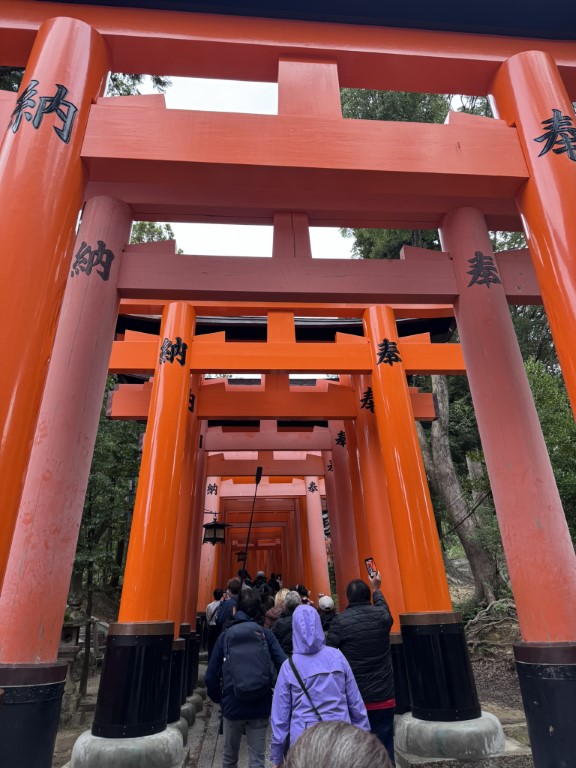
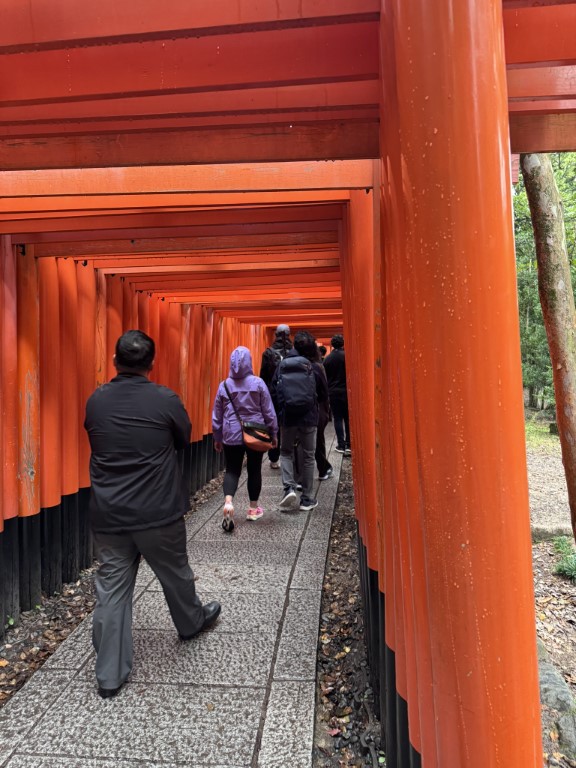
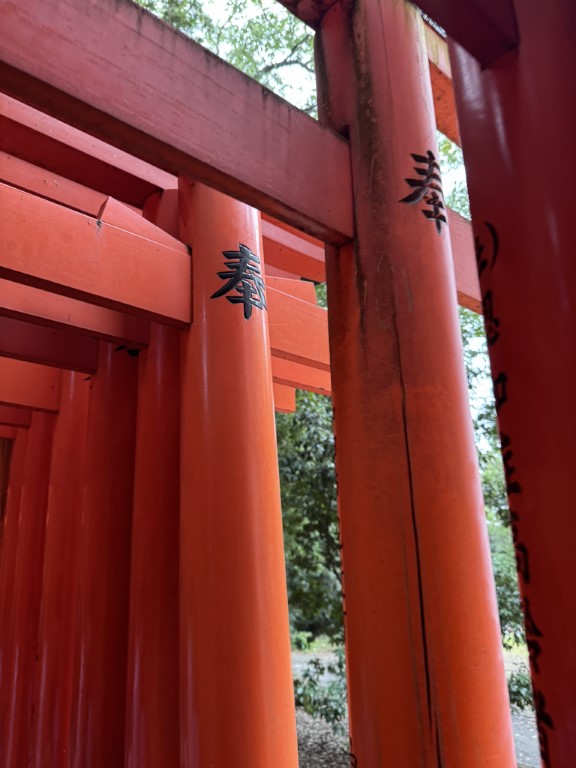
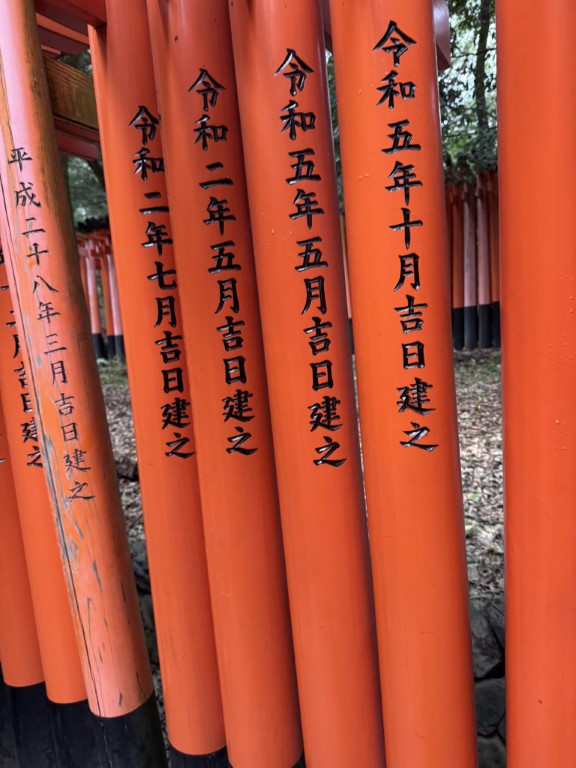
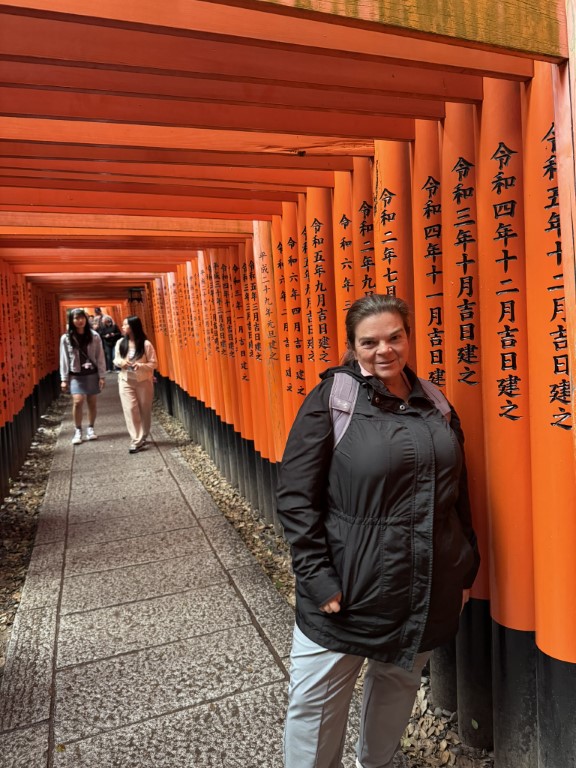
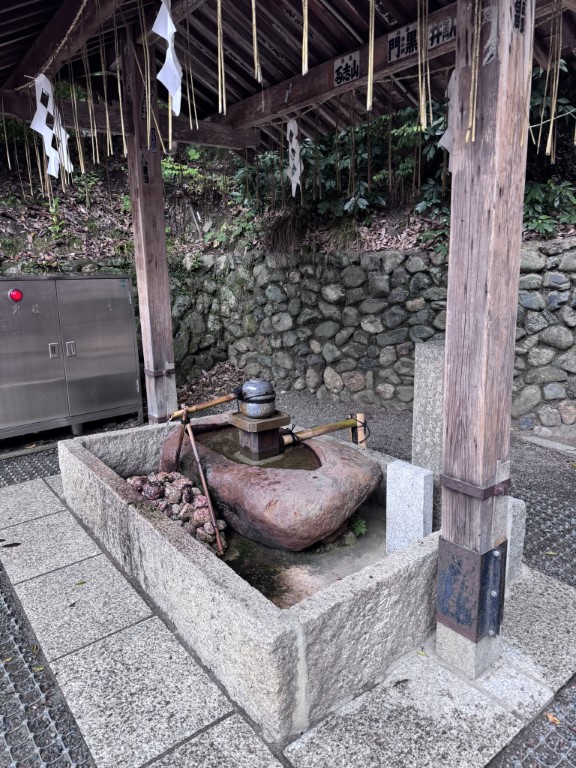
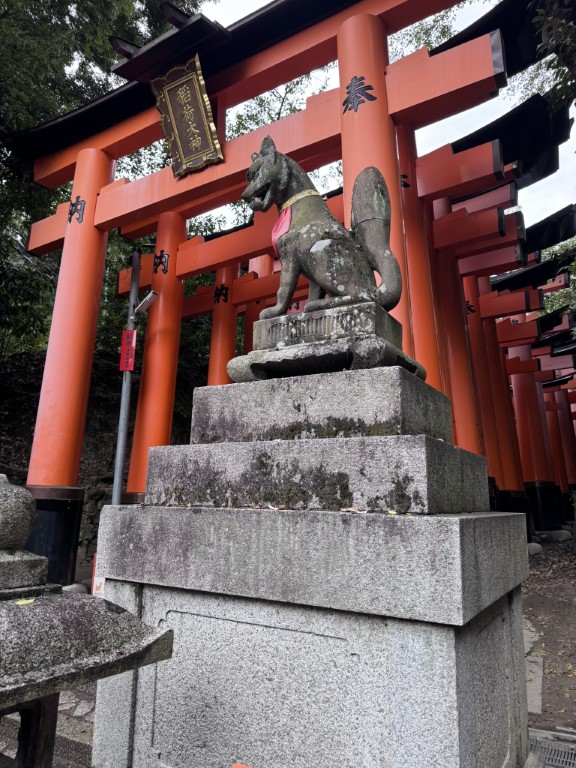
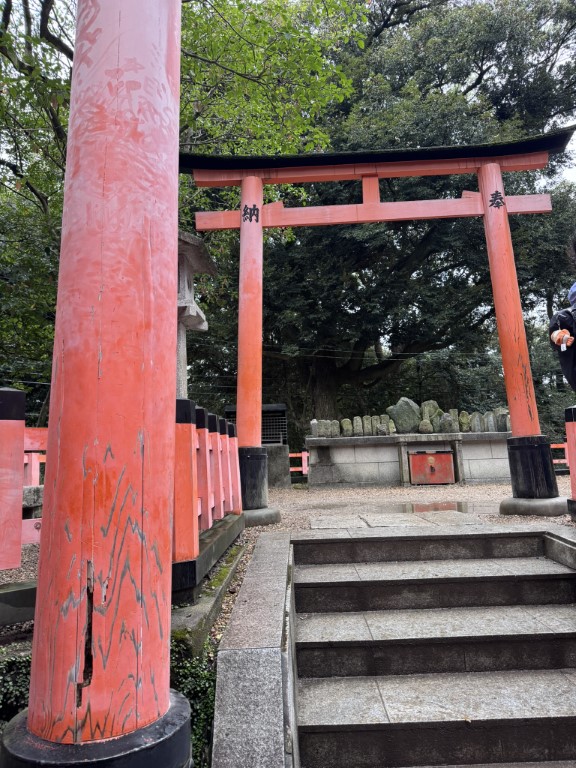
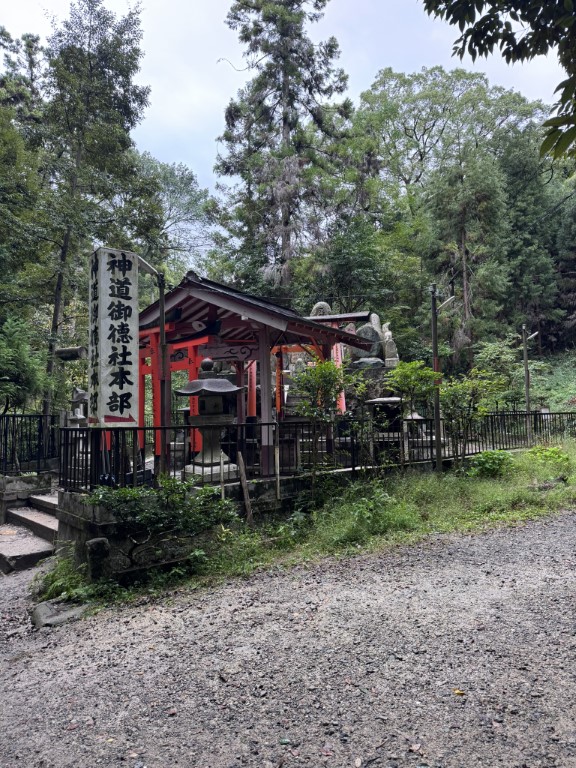
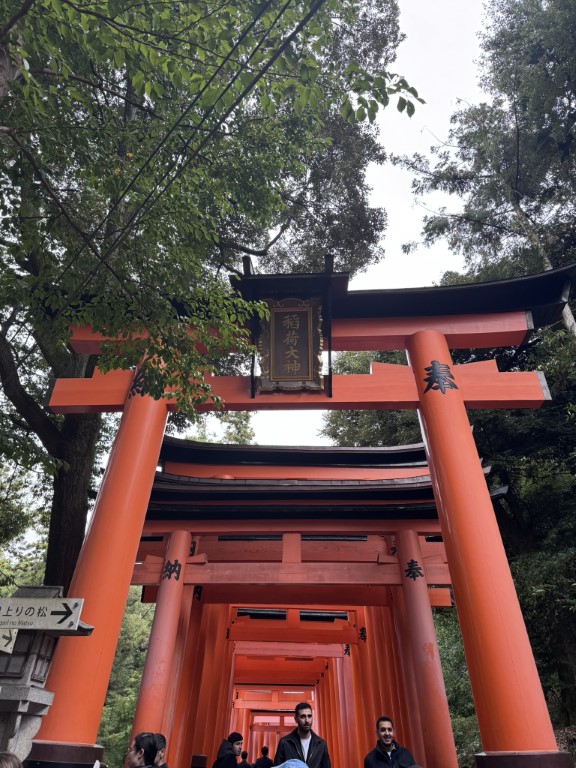
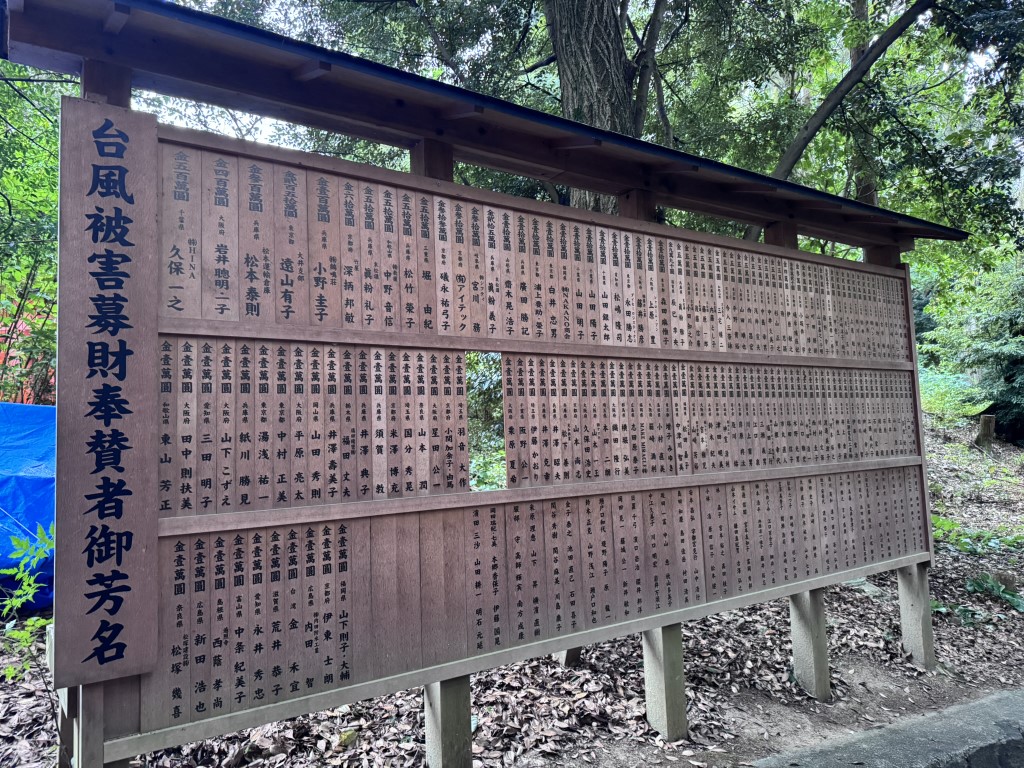
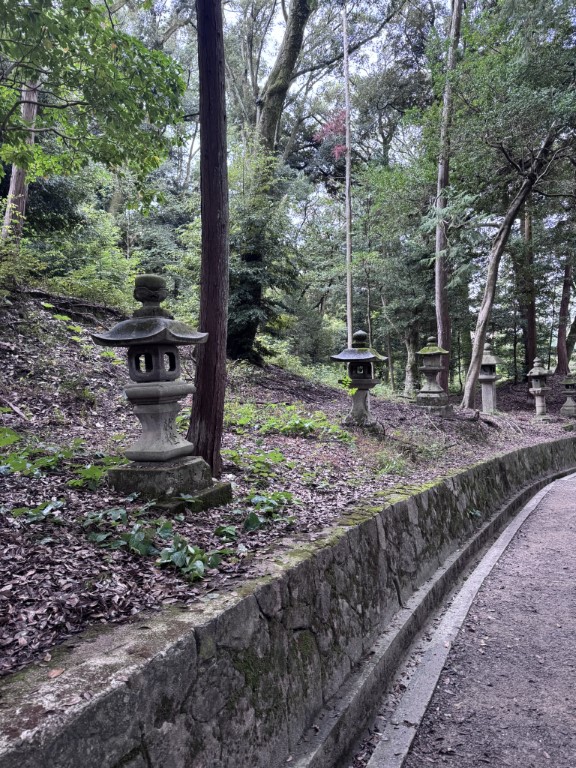
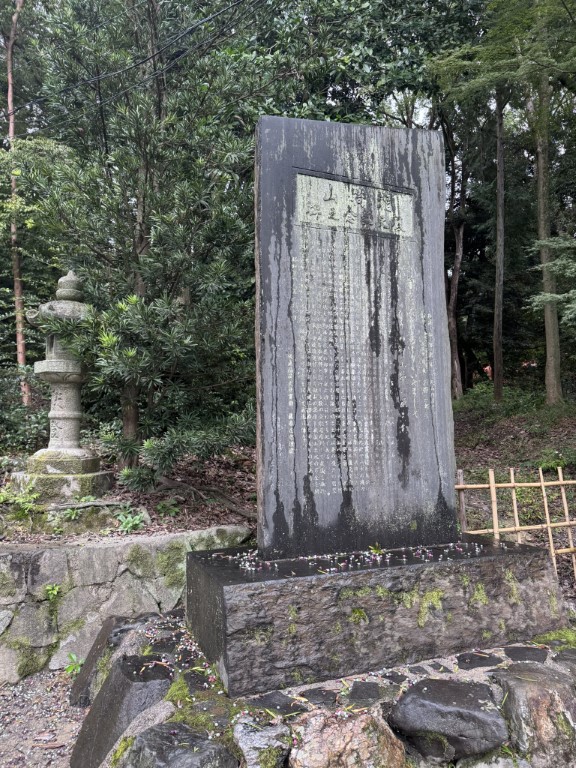
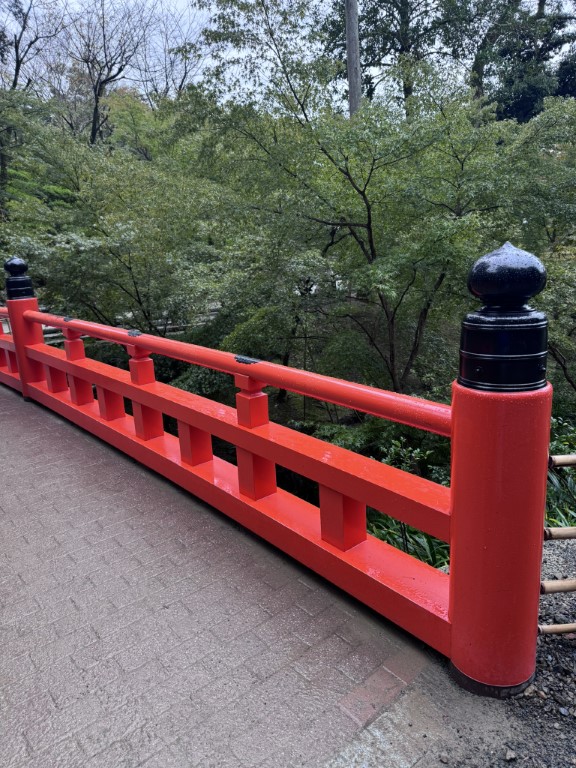
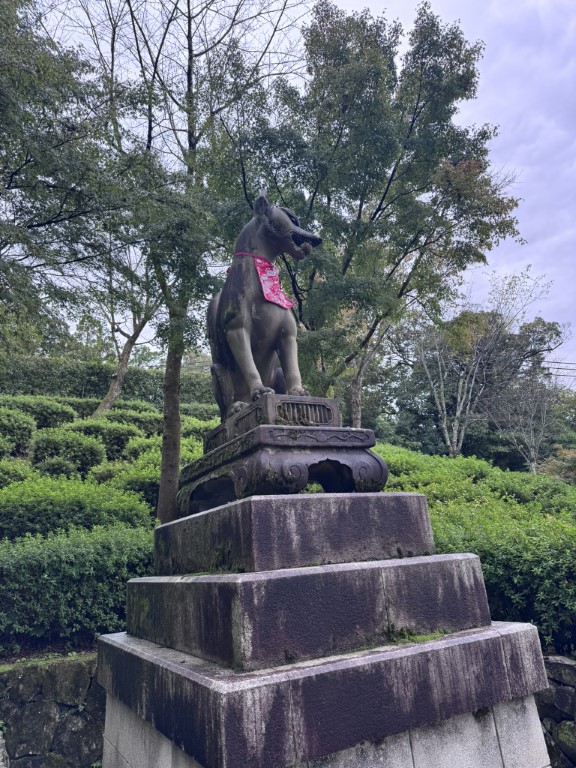
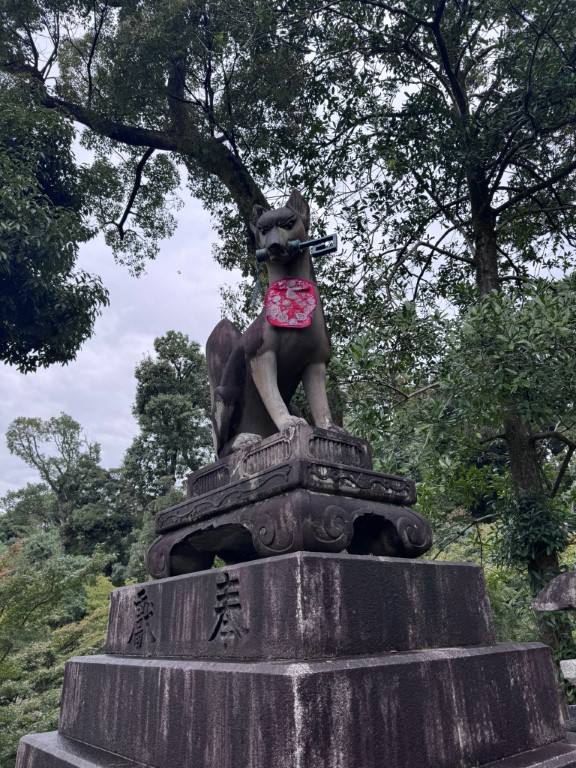
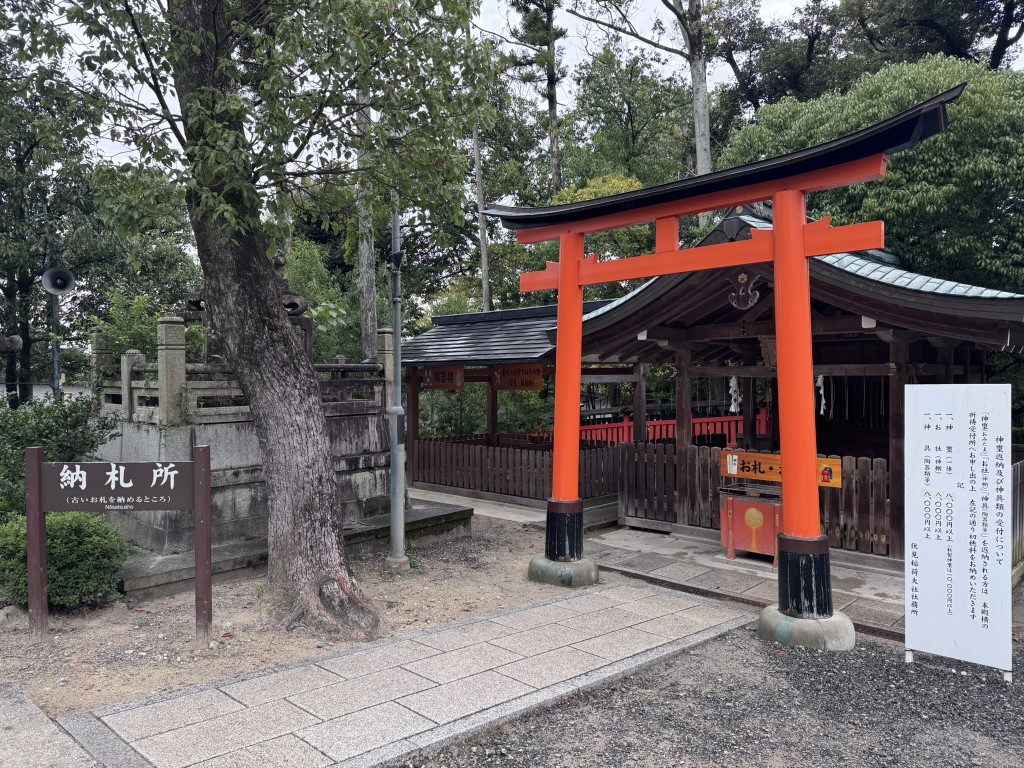
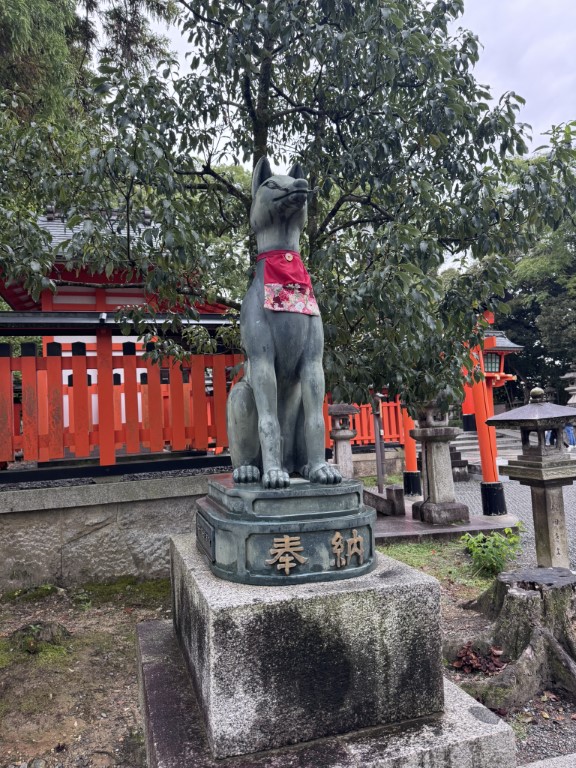
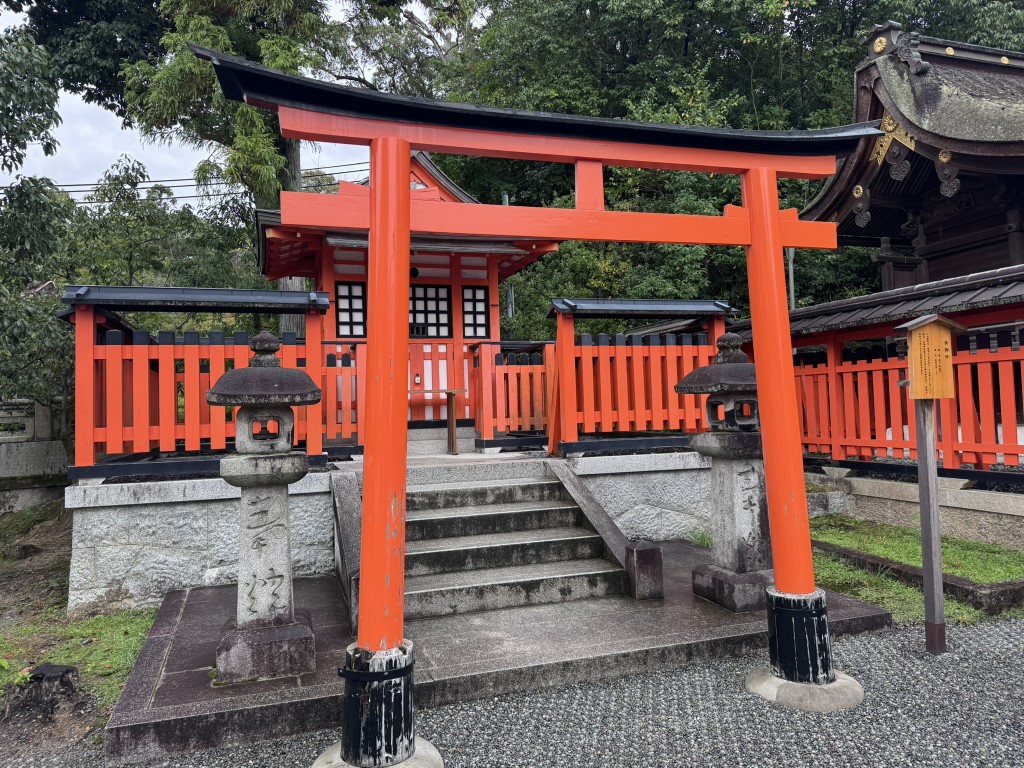
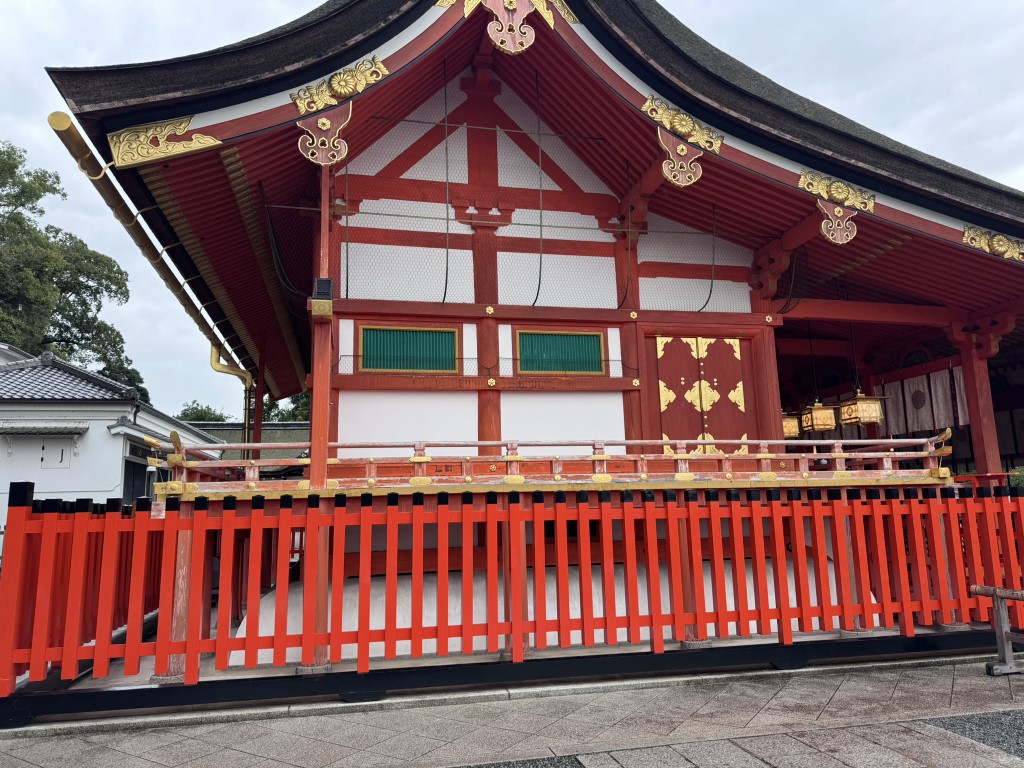
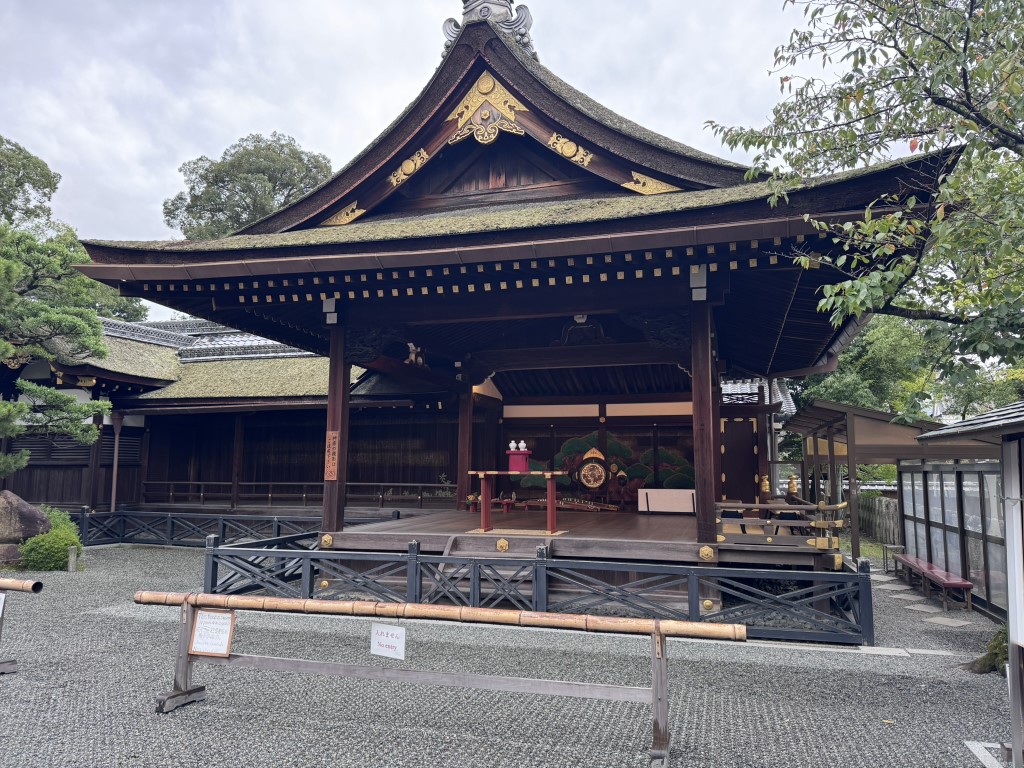
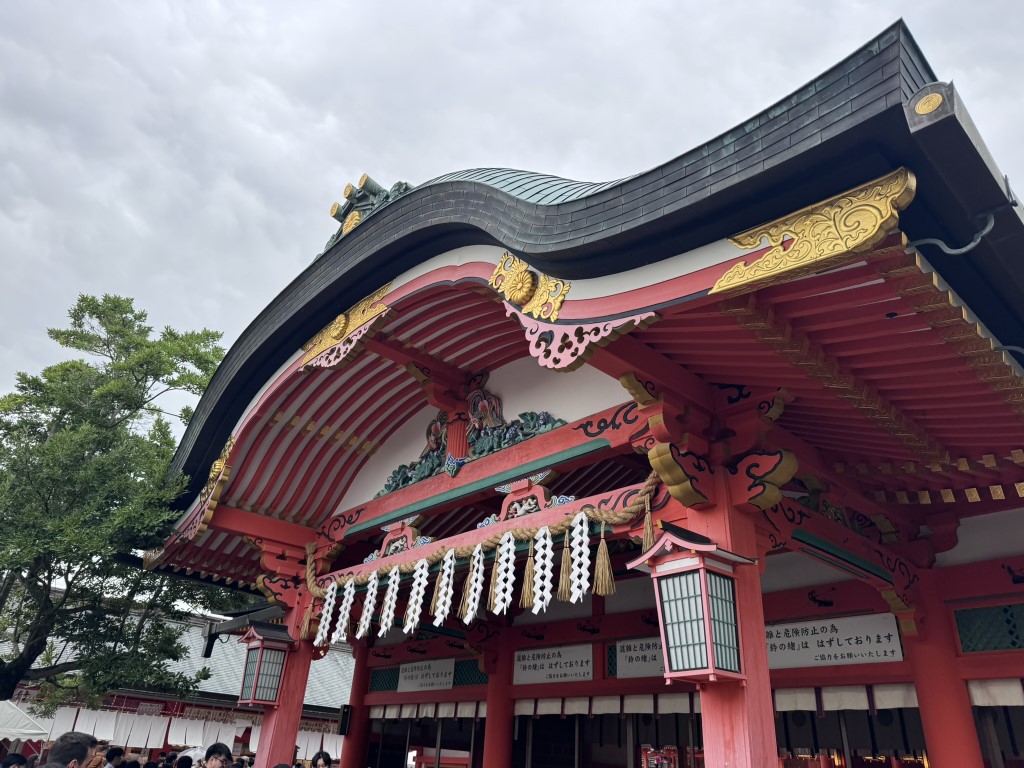
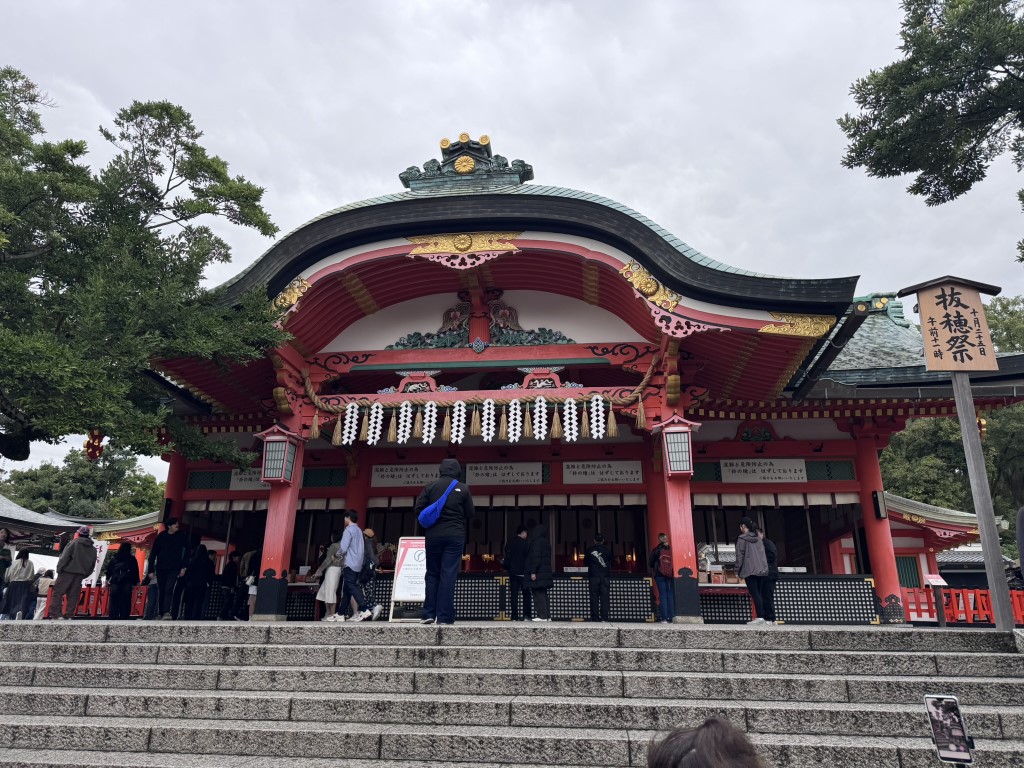
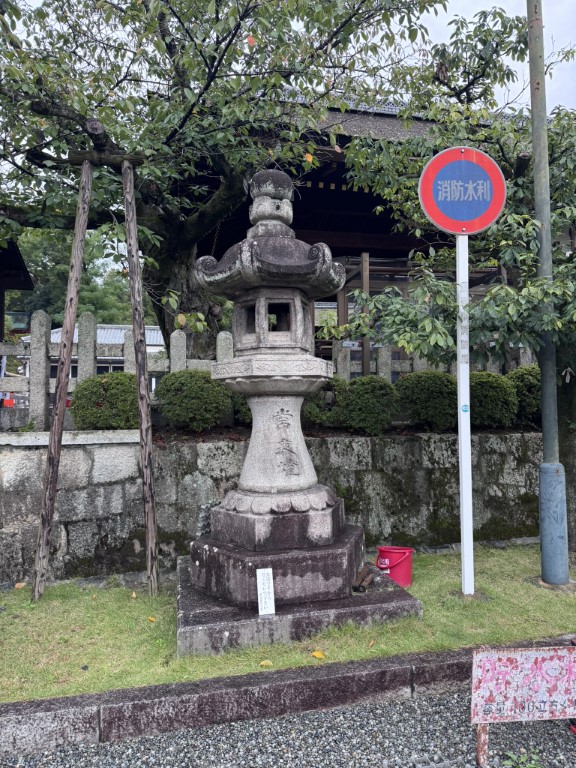
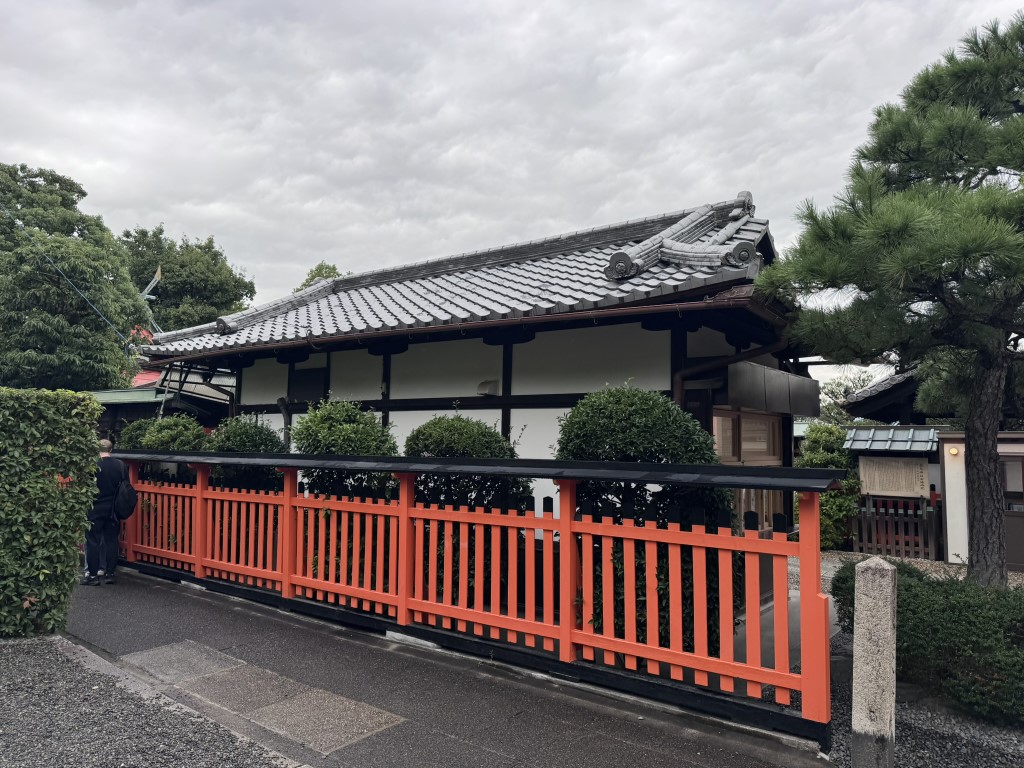
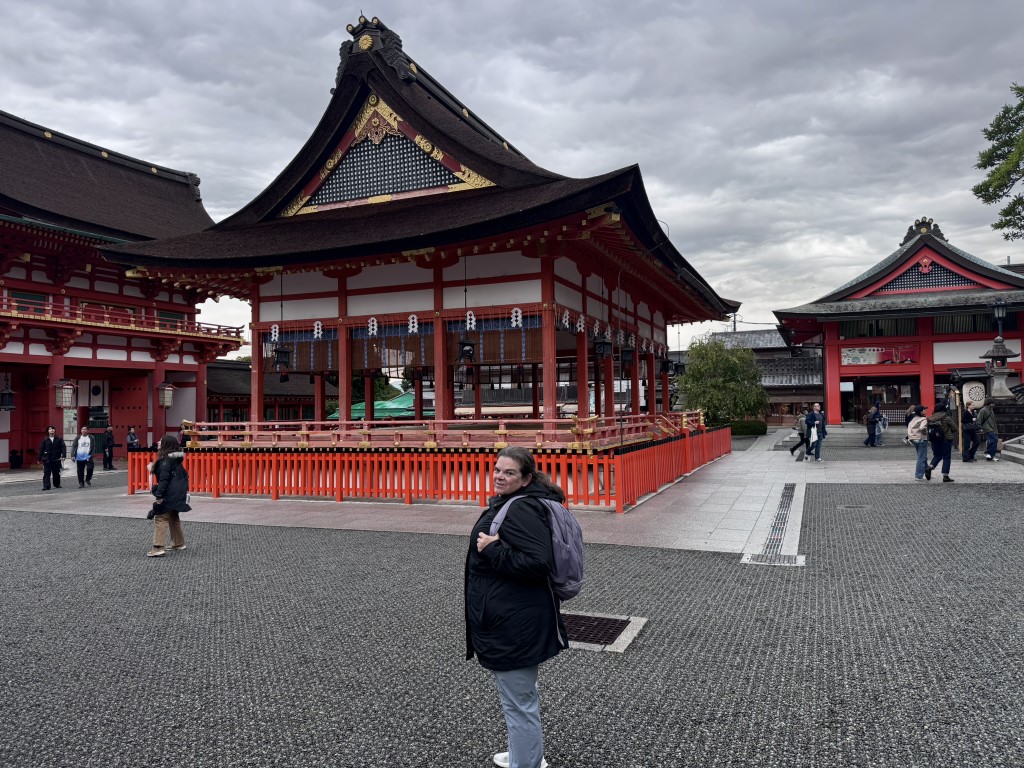
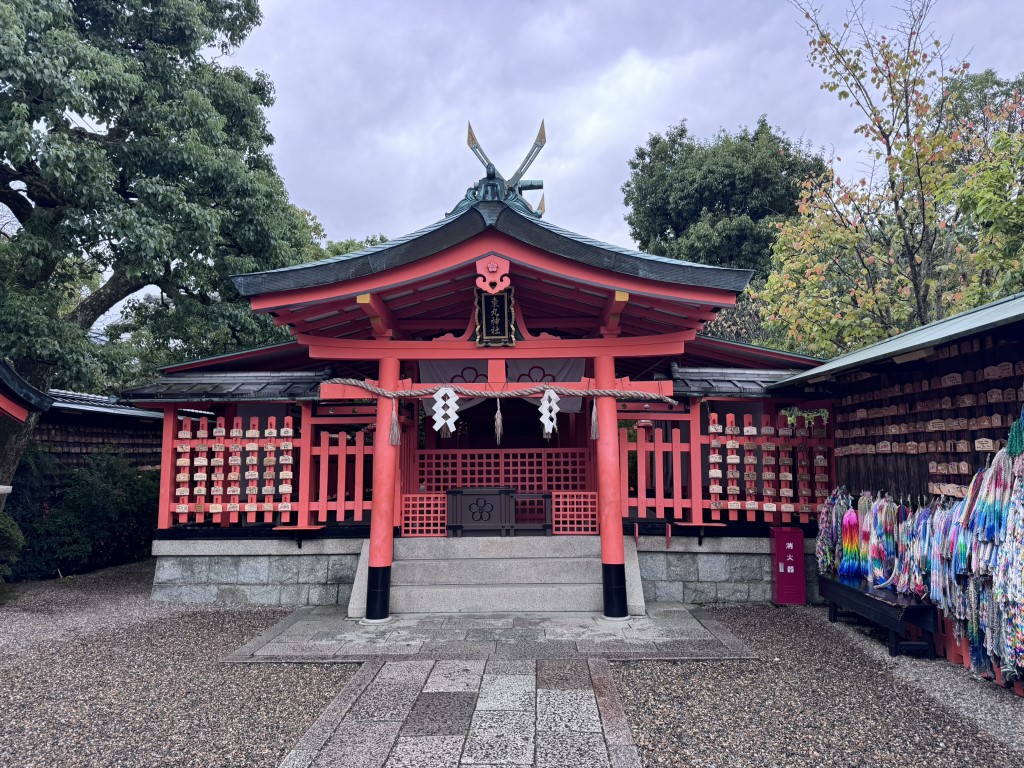
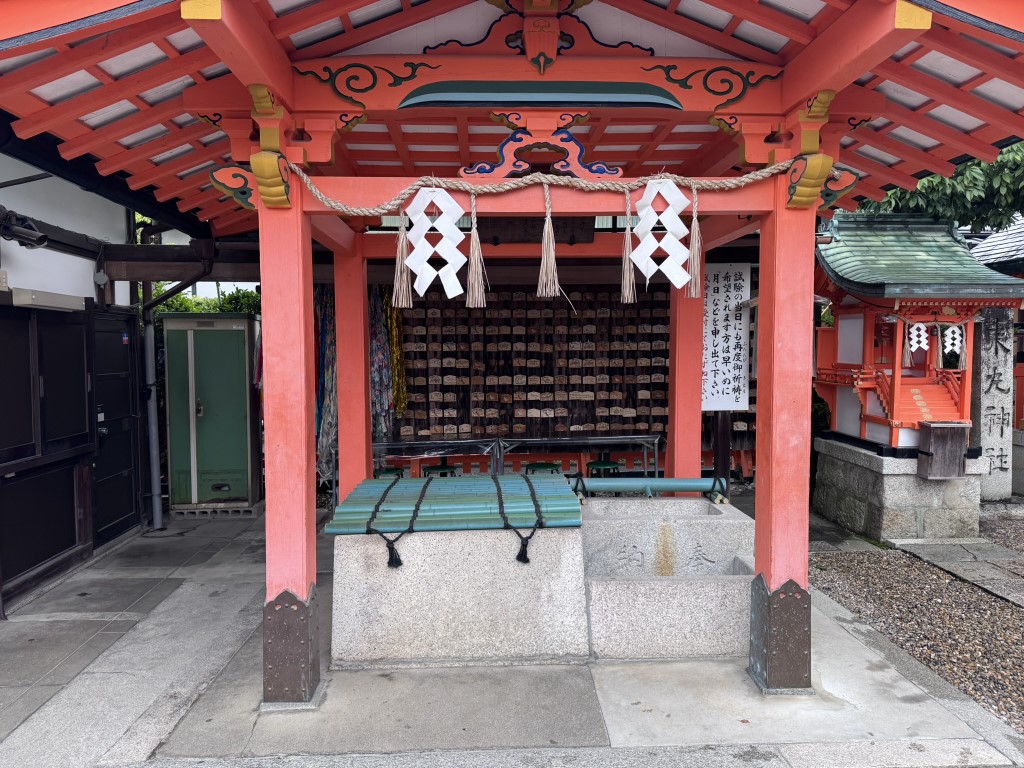
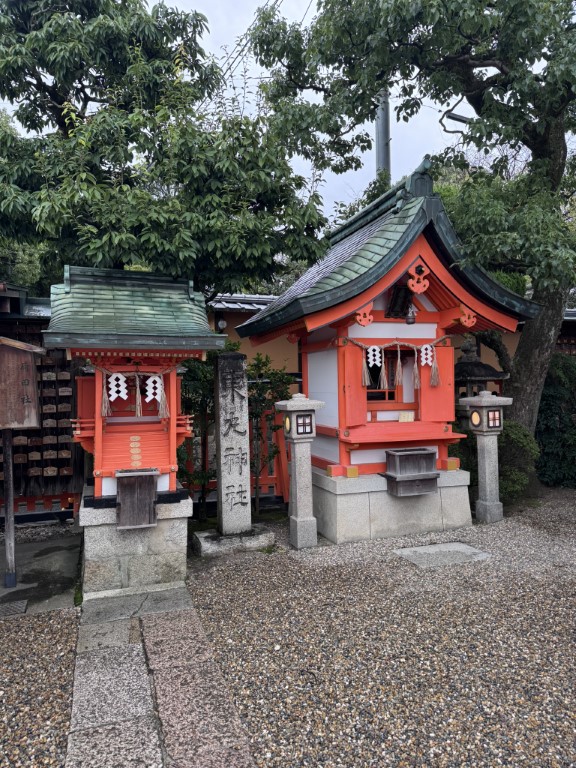
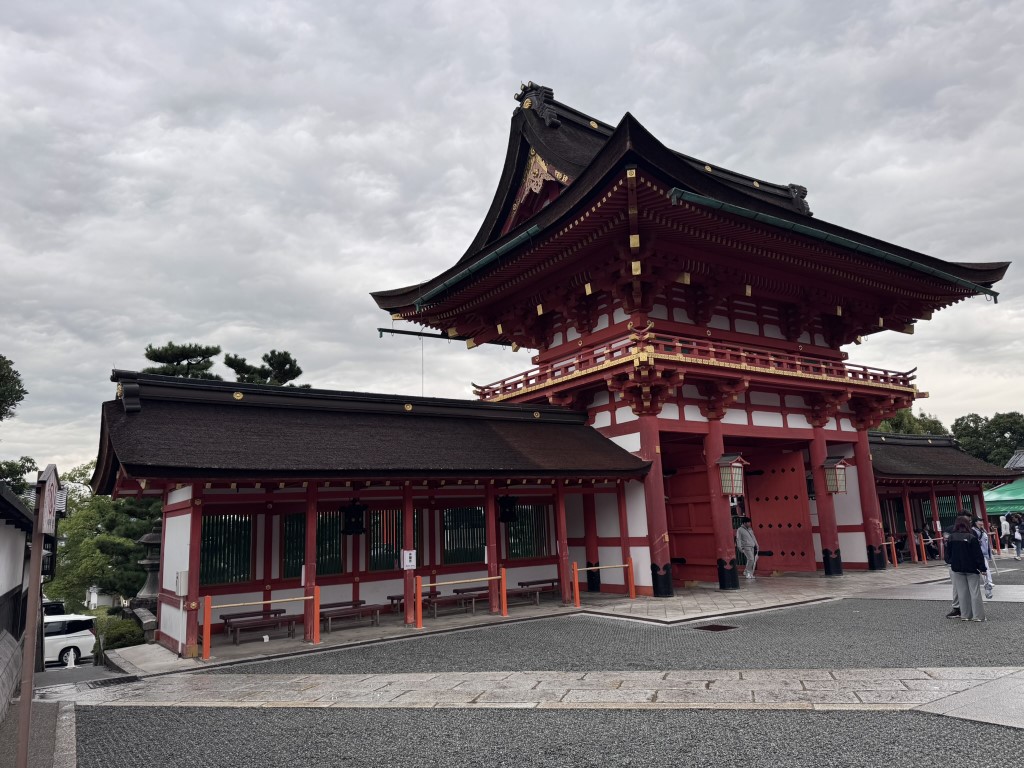
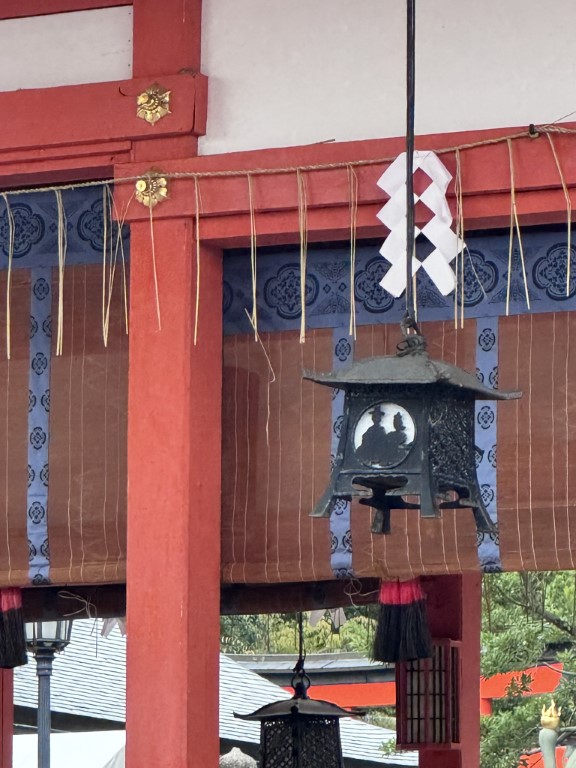
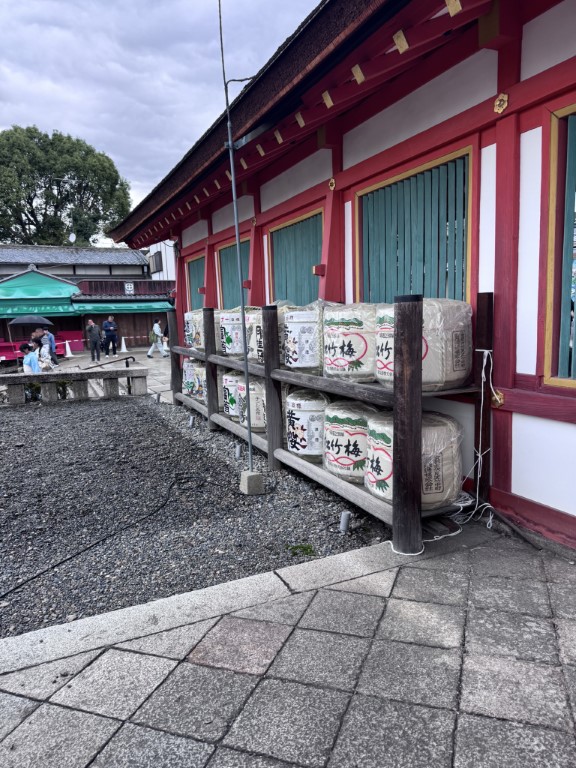
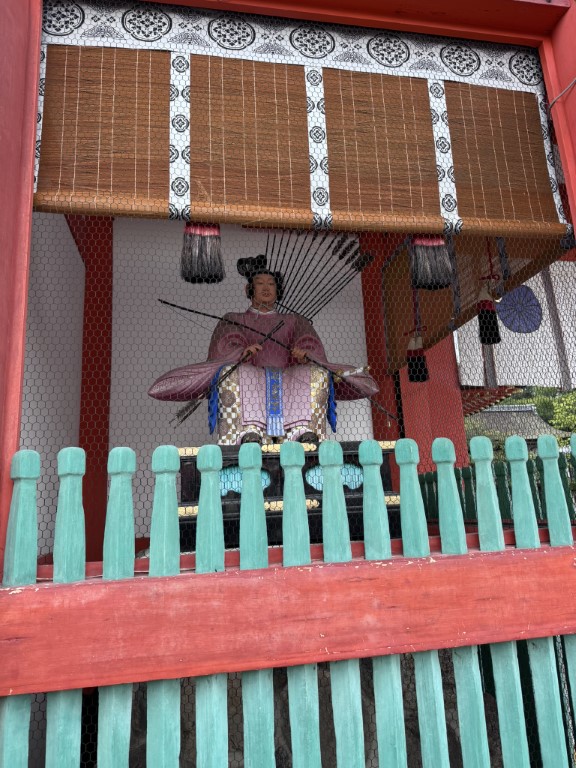
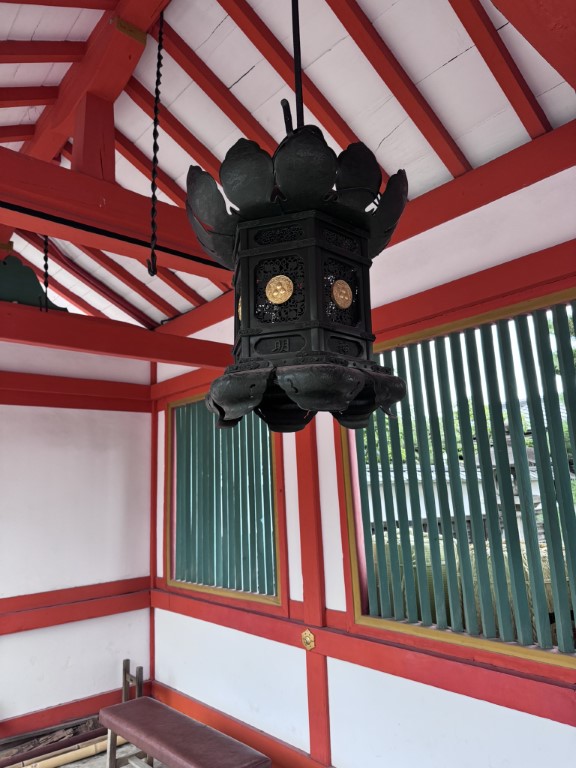
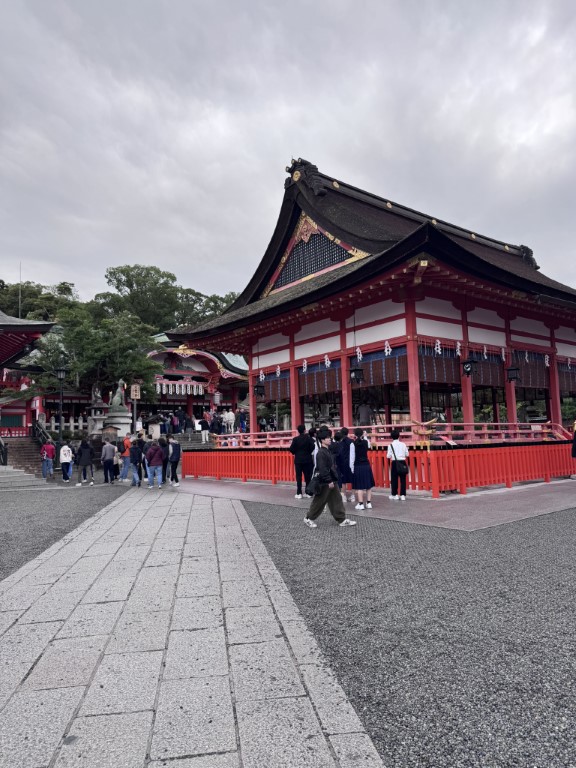
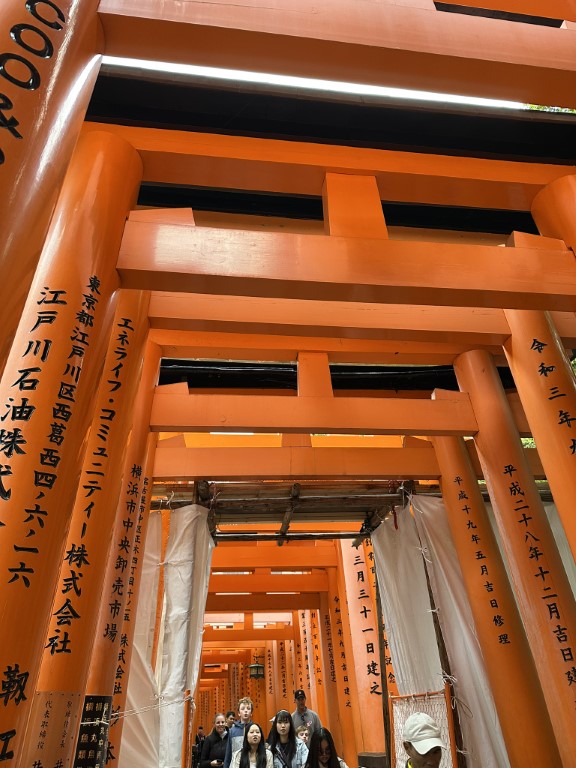
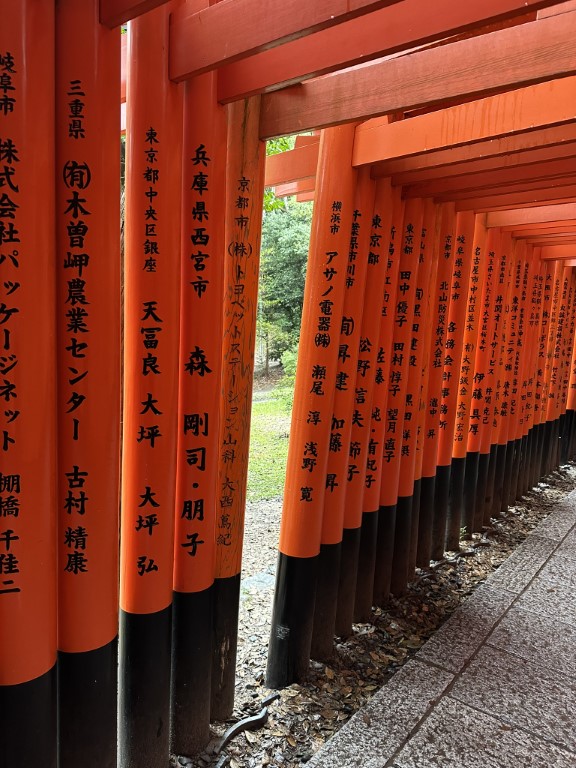
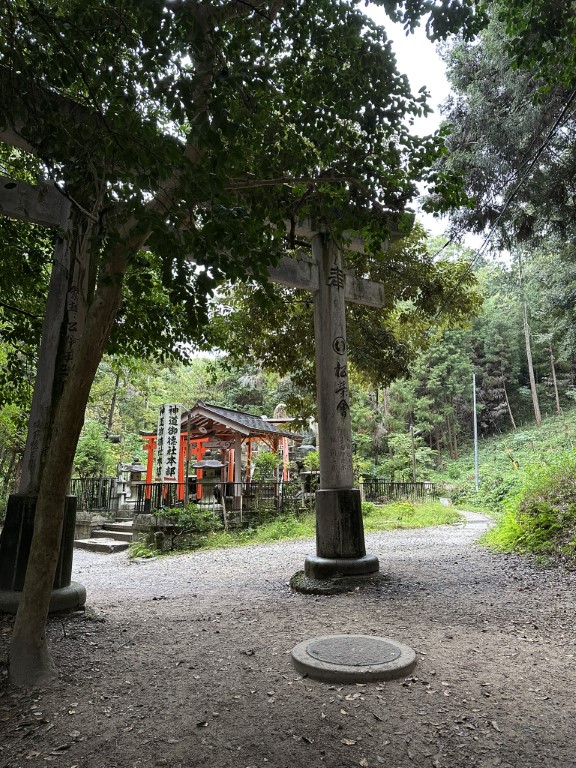
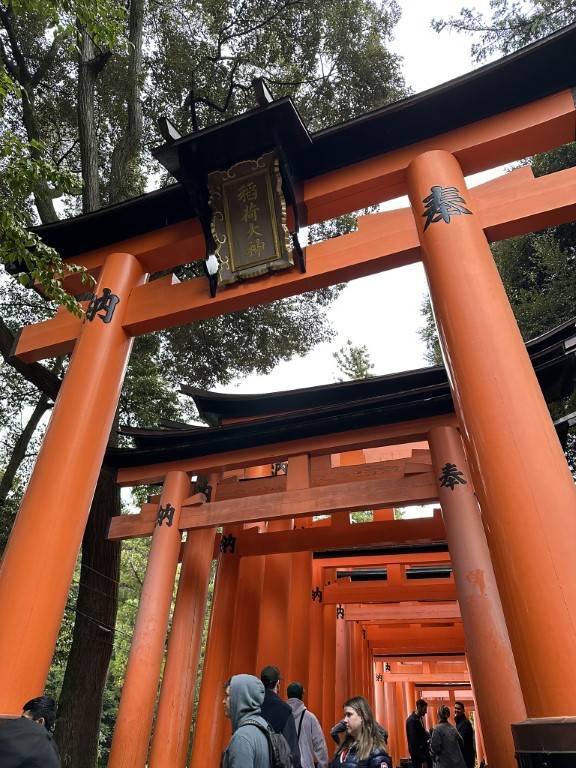
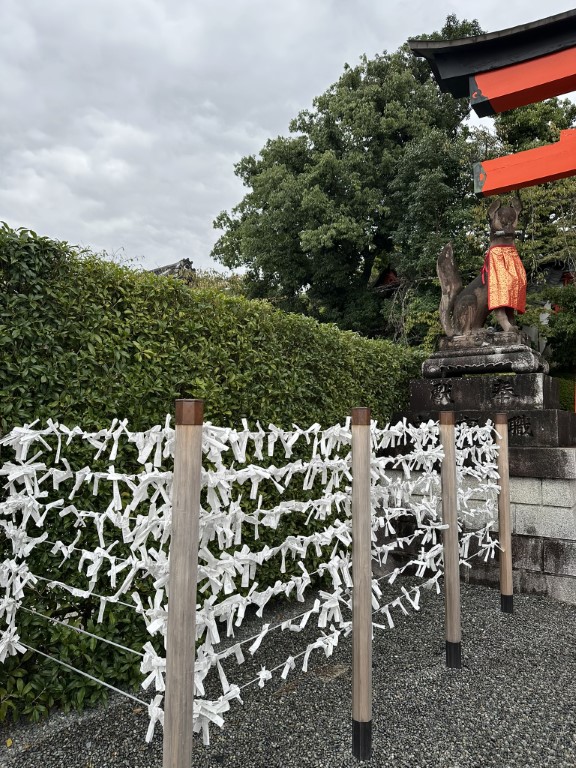
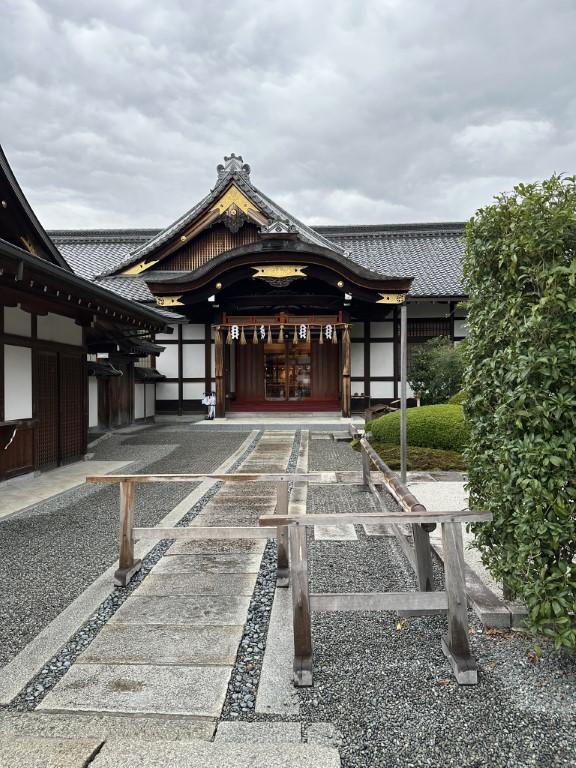
Lunch took way too long and then with traffic, we were very late getting to Fushimi-Inari-Taisha Shrine so instead of getting to explore the entire complex, we only had time to do the lower loop. Fushimi Inari Taisha is famous for its thousands of vermilion torii gates, which straddle a network of trails behind its main buildings. The trails lead into the wooded forest of the sacred Mount Inari, which stands at 233 meters and belongs to the shrine grounds. Fushimi Inari is the most important of several thousands of shrines dedicated to Inari, the Shinto god of rice. The walk through the torii was very crowded and we ended up standing around at the end waiting for our guide because we could did not have enough time to complete the full loop.
.jpg)
.jpg)
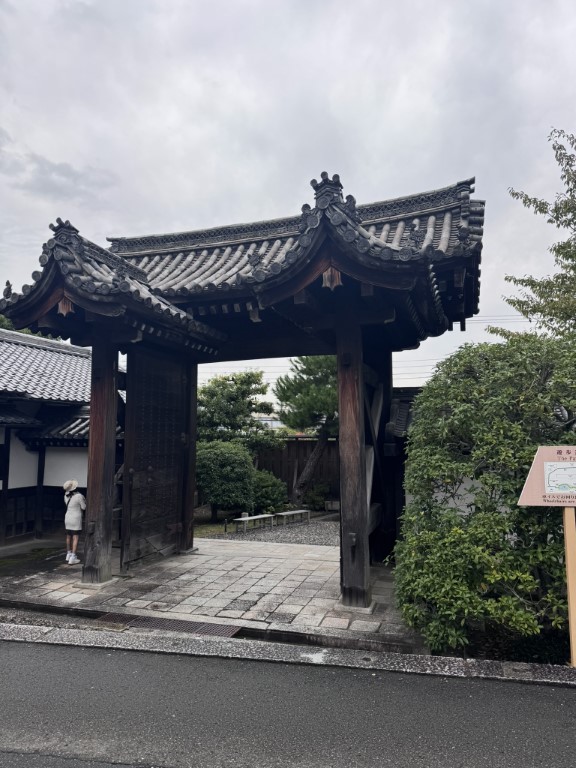
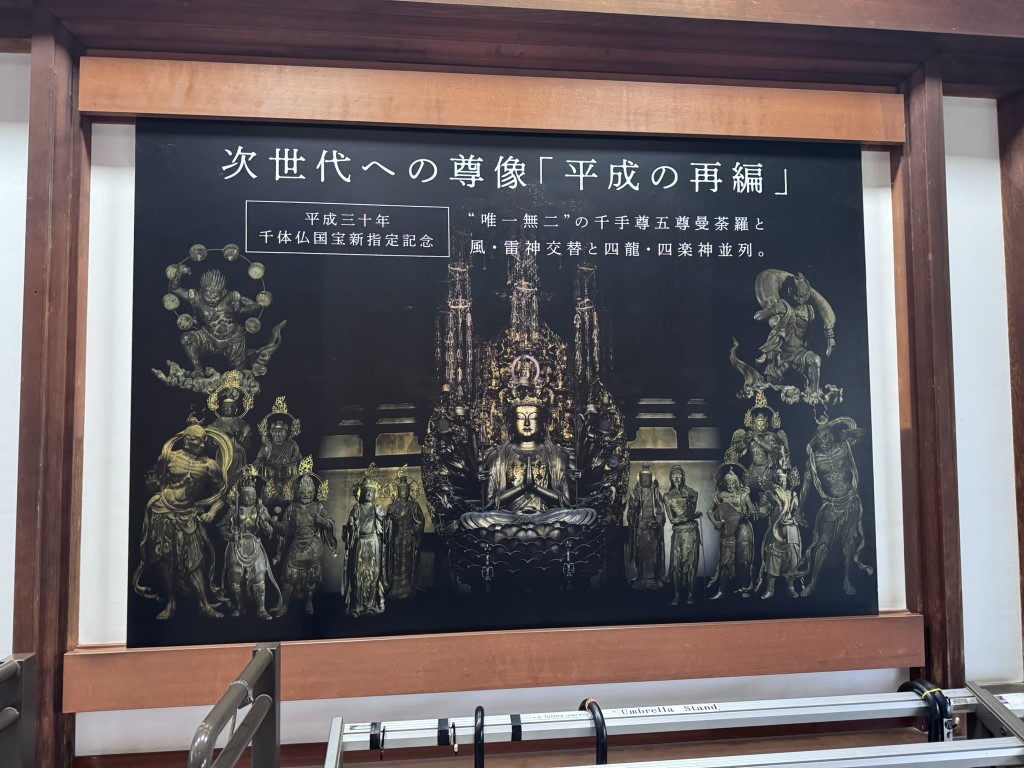
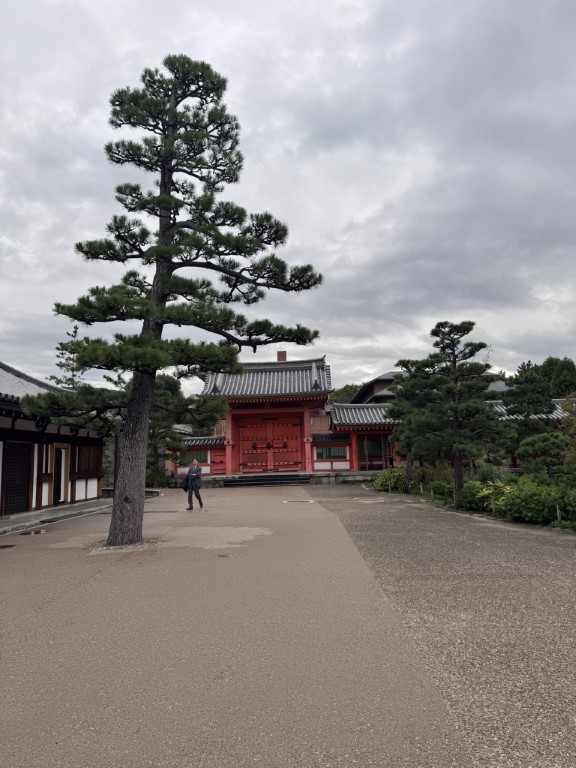
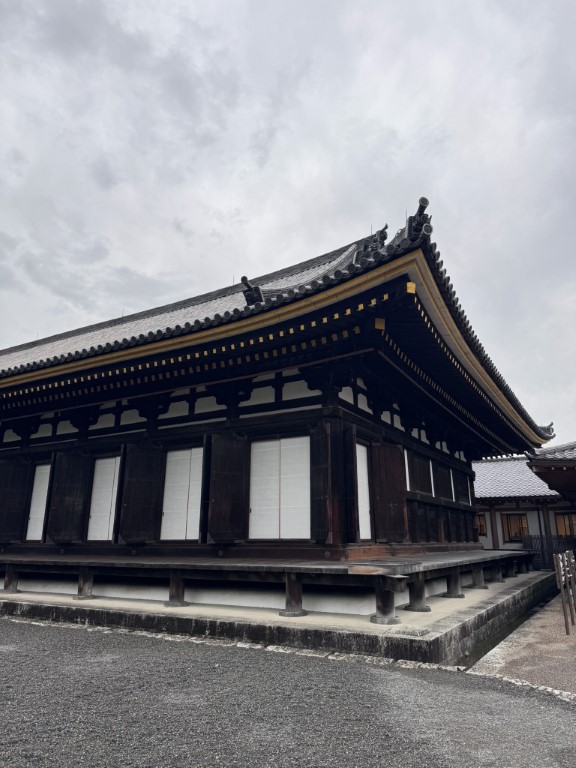
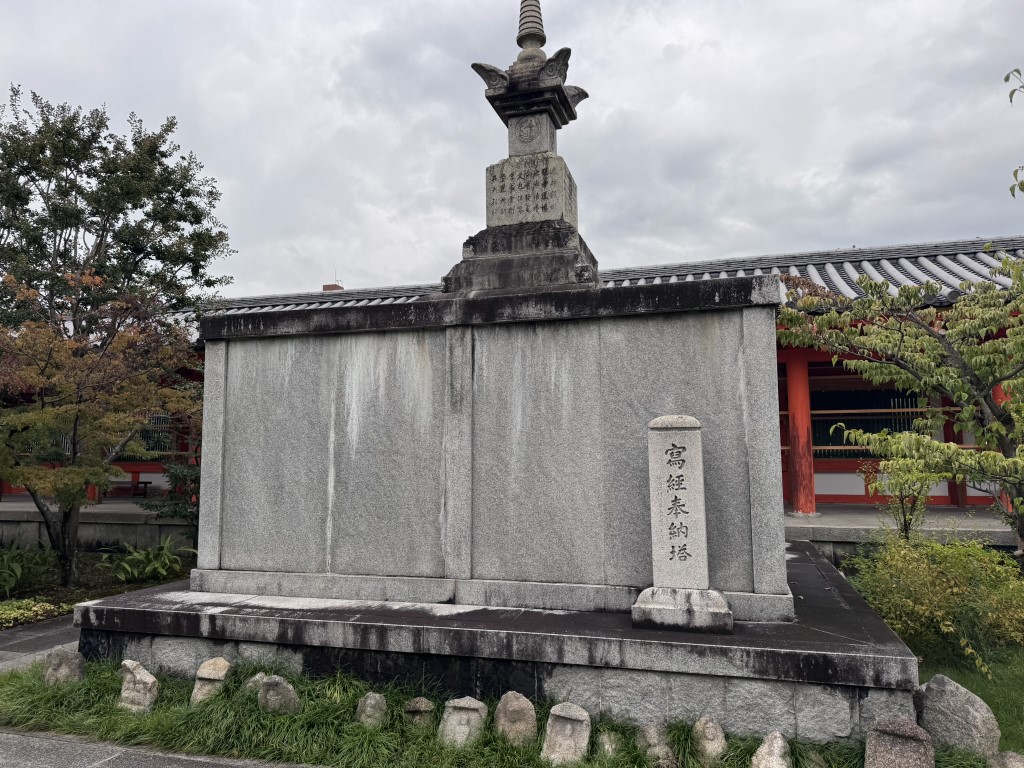
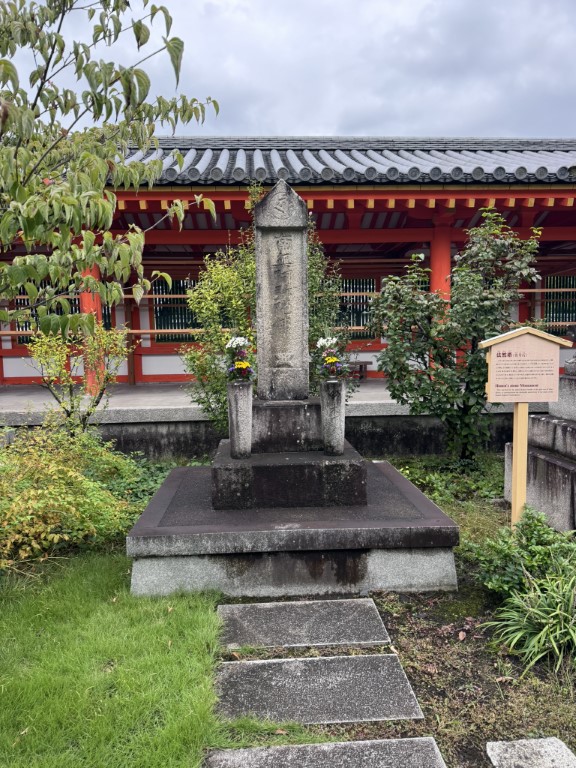
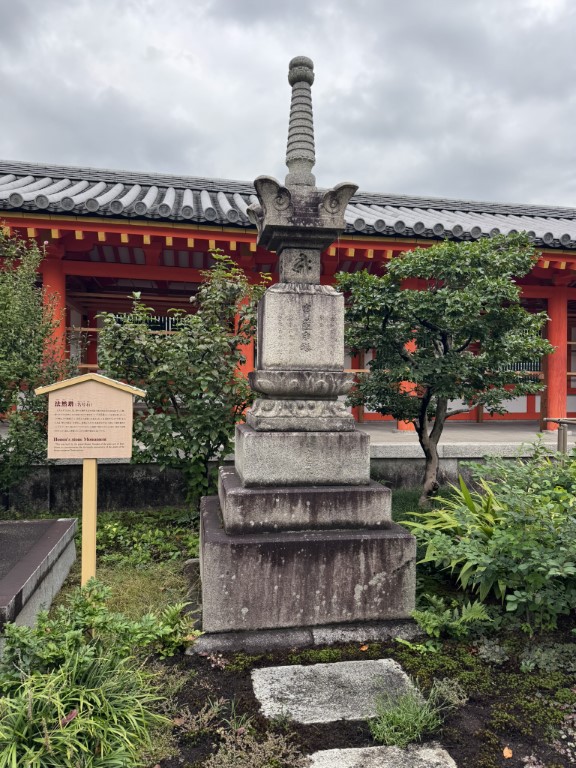
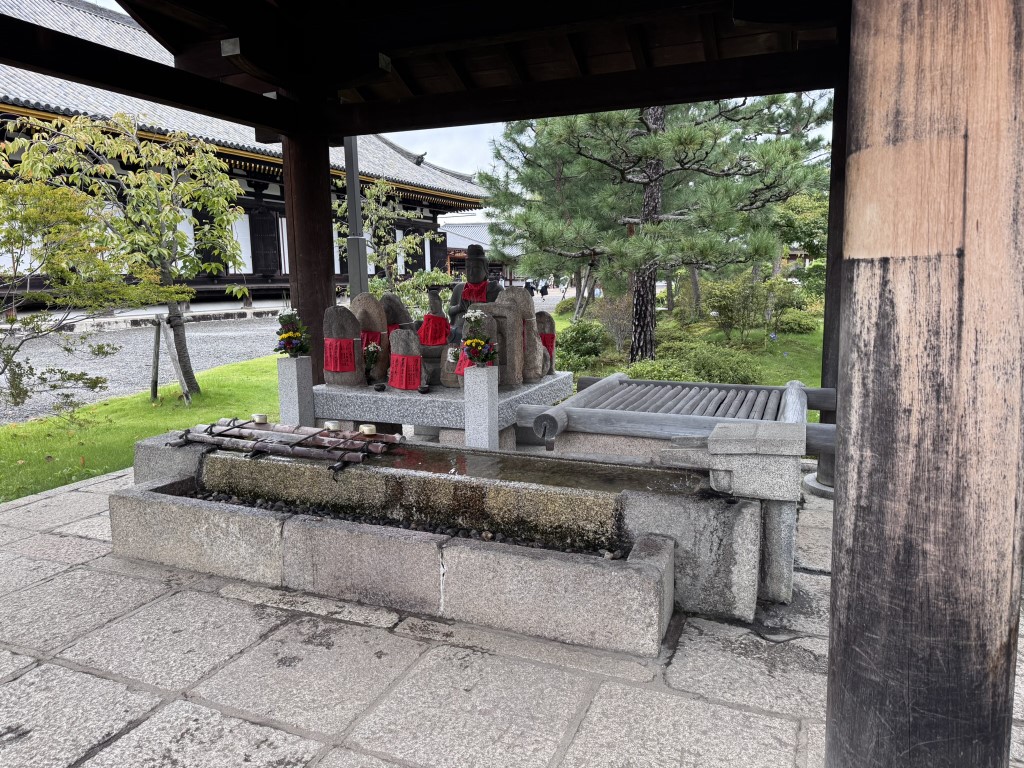
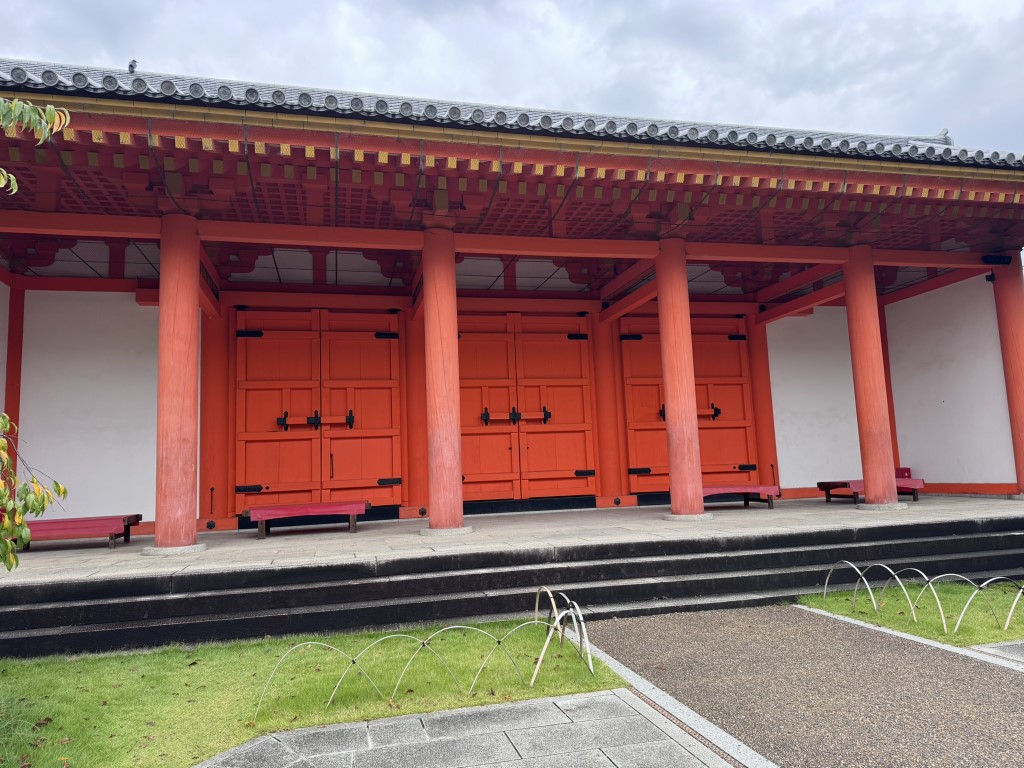
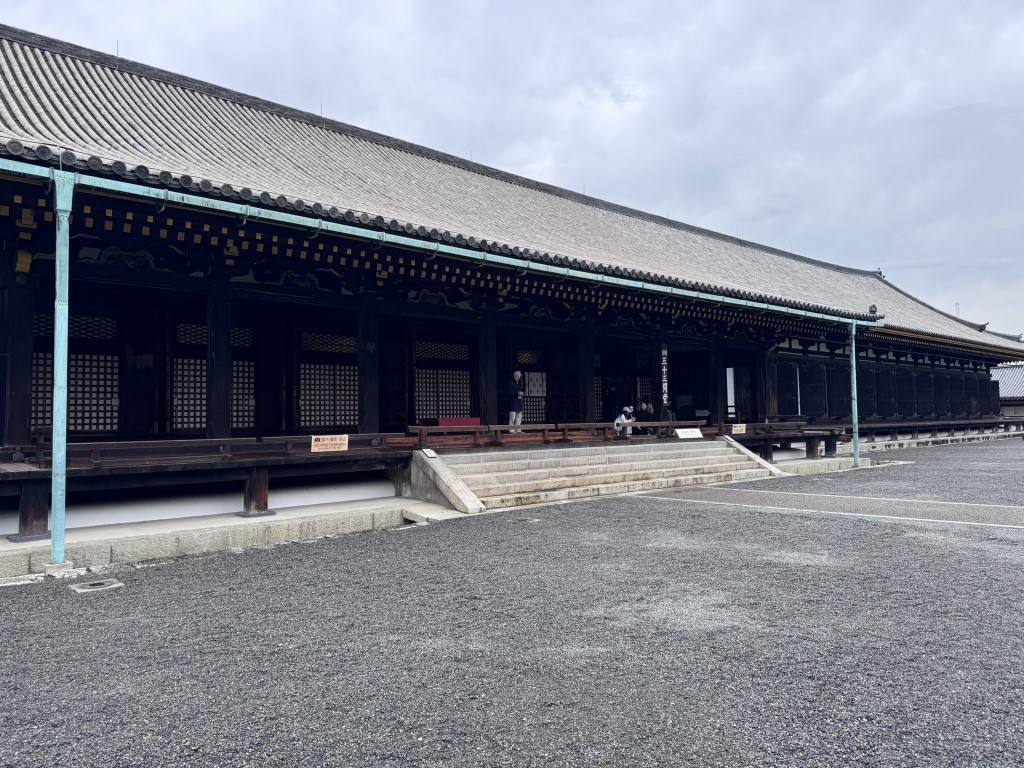
Sanjusangendo is famous for its 1001 statues of Kannon, the goddess of mercy. The temple was founded in 1164 and rebuilt a century later after the original structure had been destroyed in a fire. Measuring 120 meters, the temple hall is Japan's longest wooden structure. In the center of the main hall sits a large, wooden statue of a 1000-armed Kannon (Senju Kannon) that is flanked on each side by 500 statues of human sized 1000-armed Kannon standing in ten rows. We were not allowed to take photos inside the temple, which was unfortunate because it was an incredible sight, so we purchased a souvenir book as we exited. Our experience inside the temple was dampened by an obnoxious family on our tour. At each stop, they raced to try to get to the front near the guide, despite the tight spaces we had to walk through, sometimes pushing people out of the way. Inside the temple, one of their children purposely would step in front of the placards describing the statues to block people from reading it and had to be admonished by other guests not on our tour to move out of the way. This was after we had to listen to them on the bus talking loudly while our guide was trying to explain the sights we were going to visit.
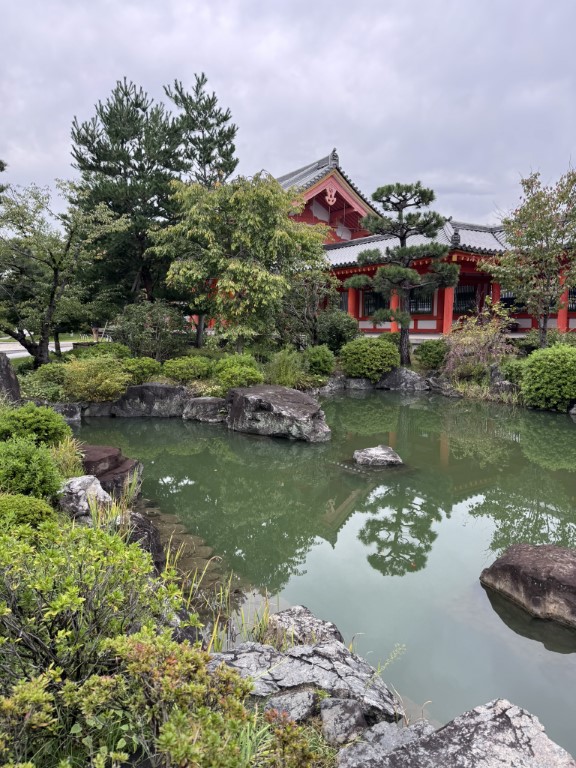
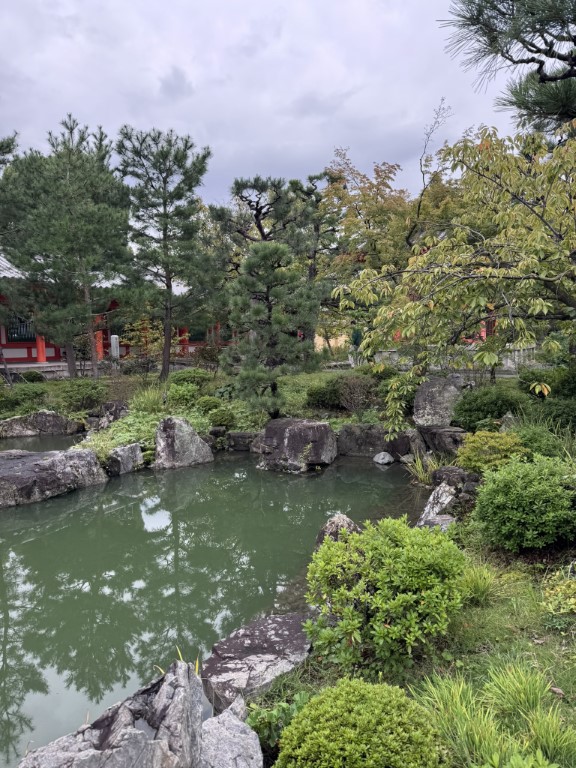
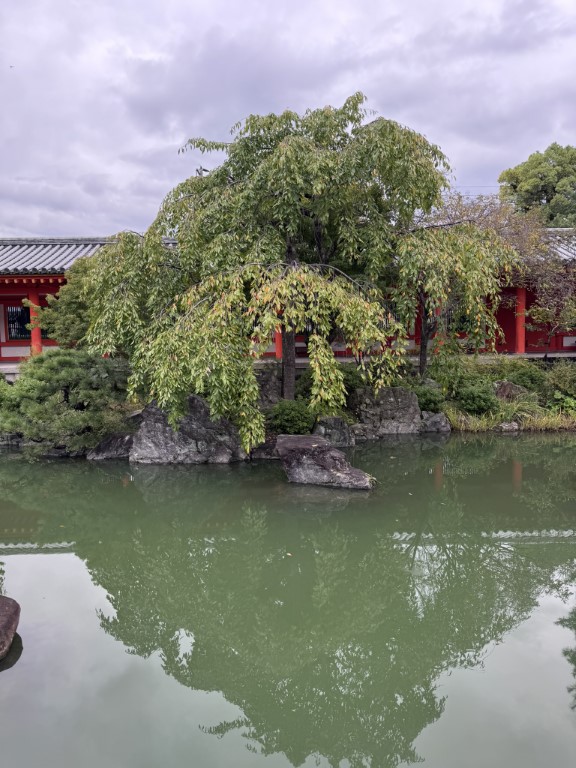
.jpg)
.jpg)
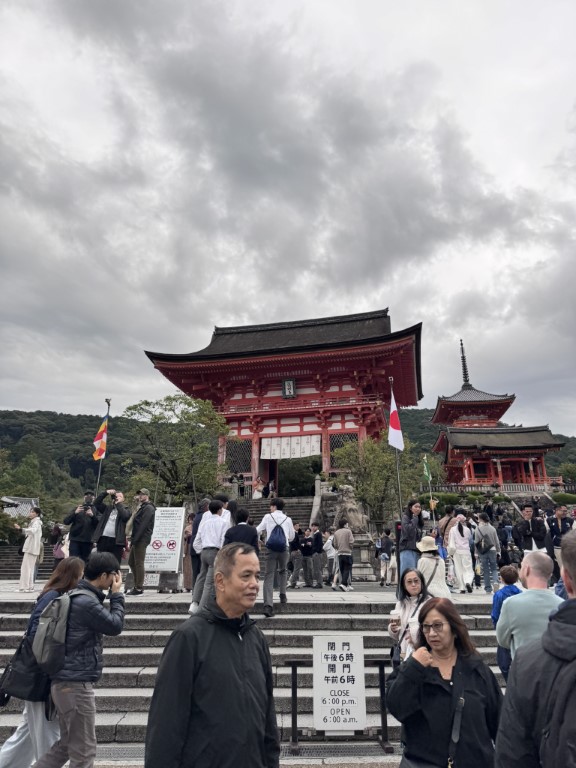
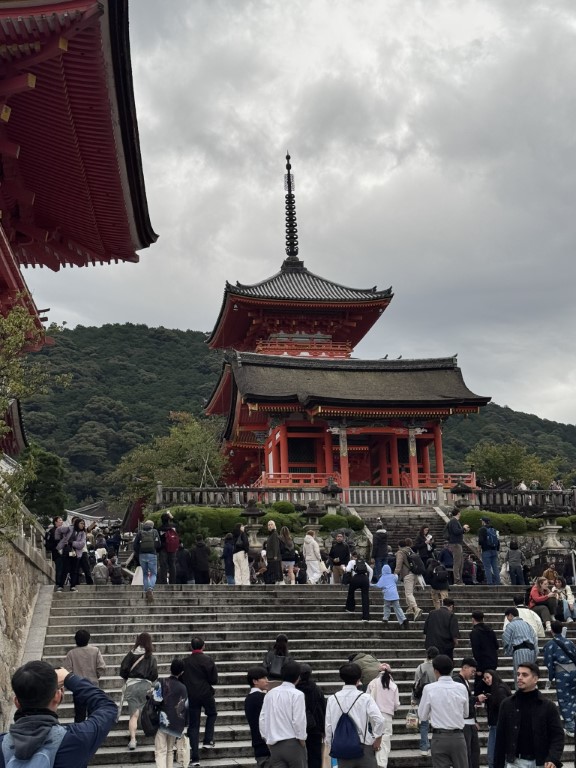
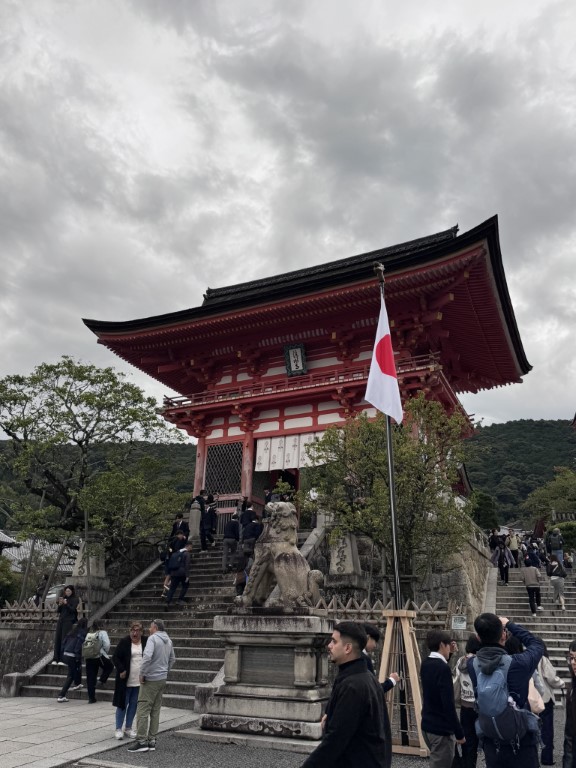
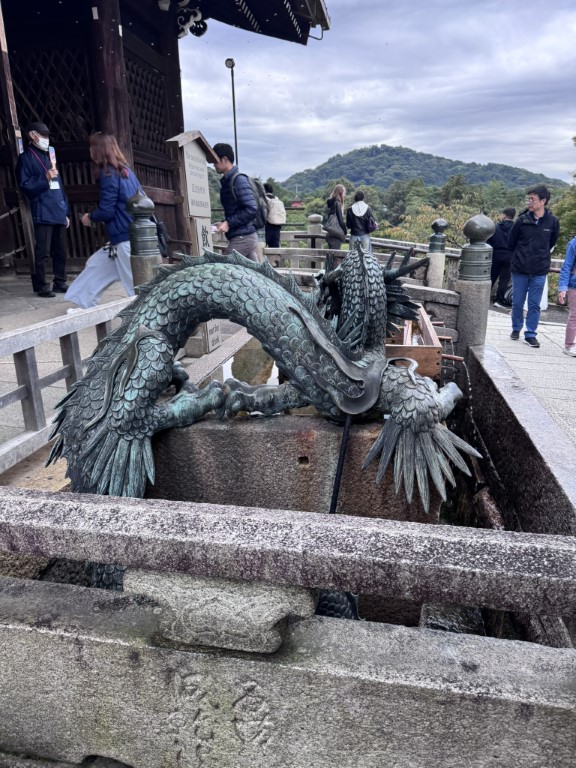
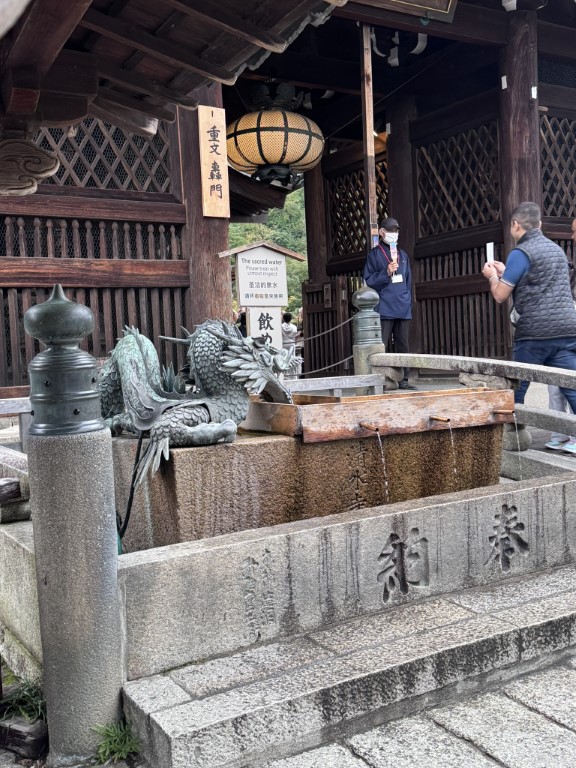
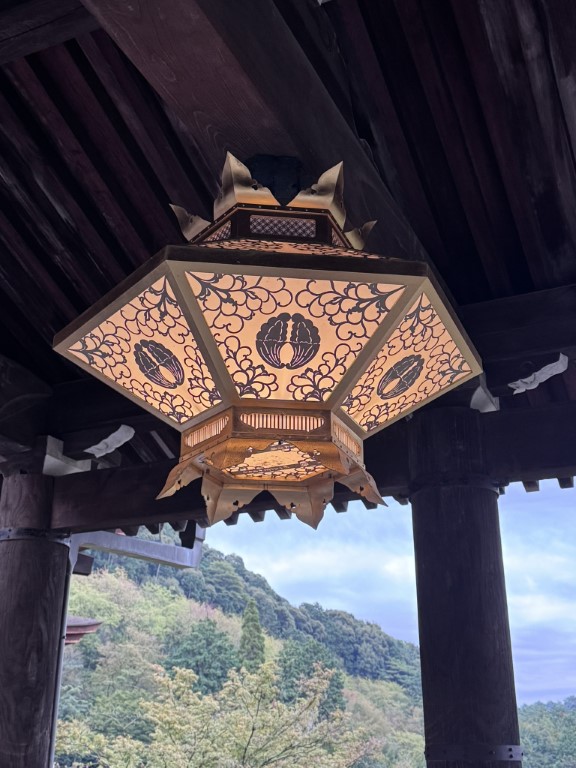
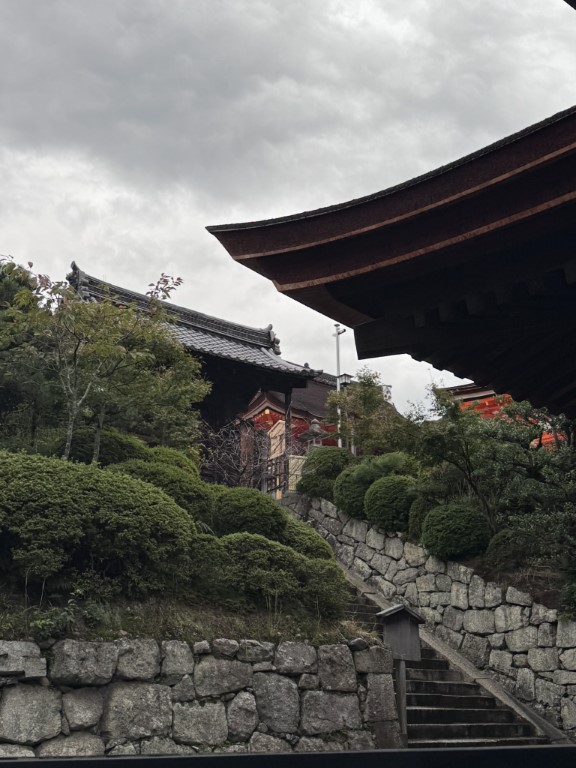
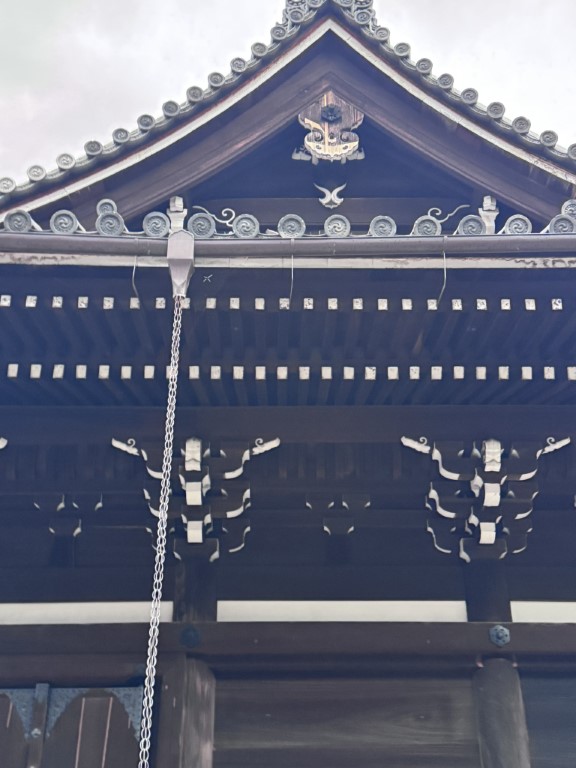
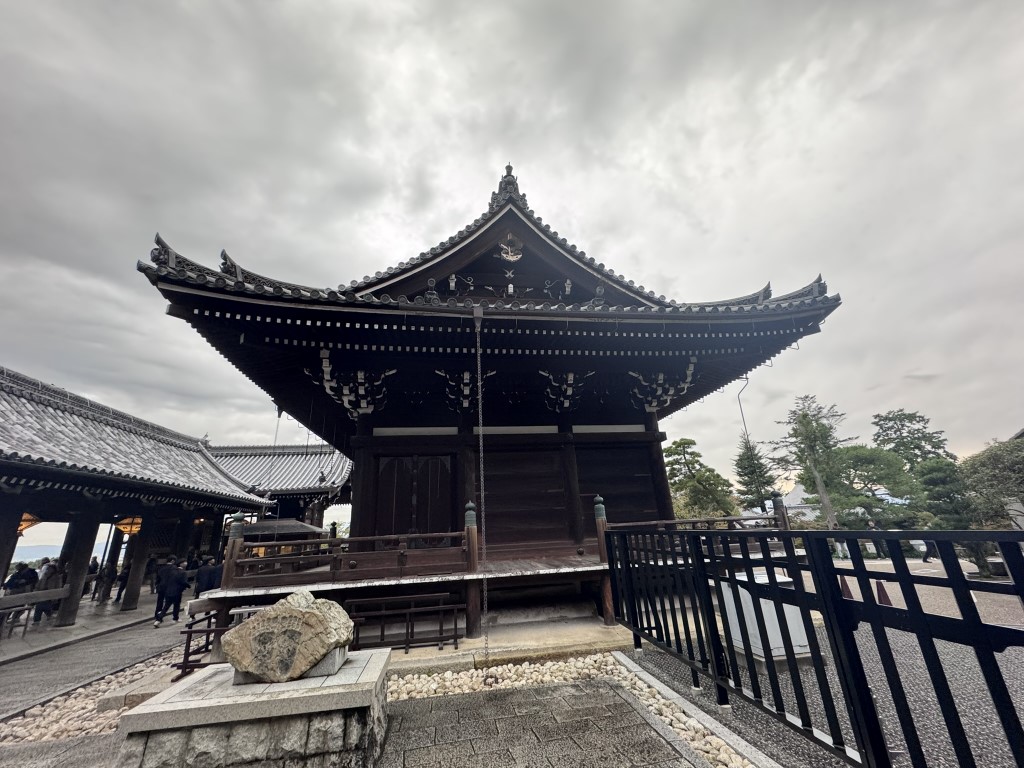
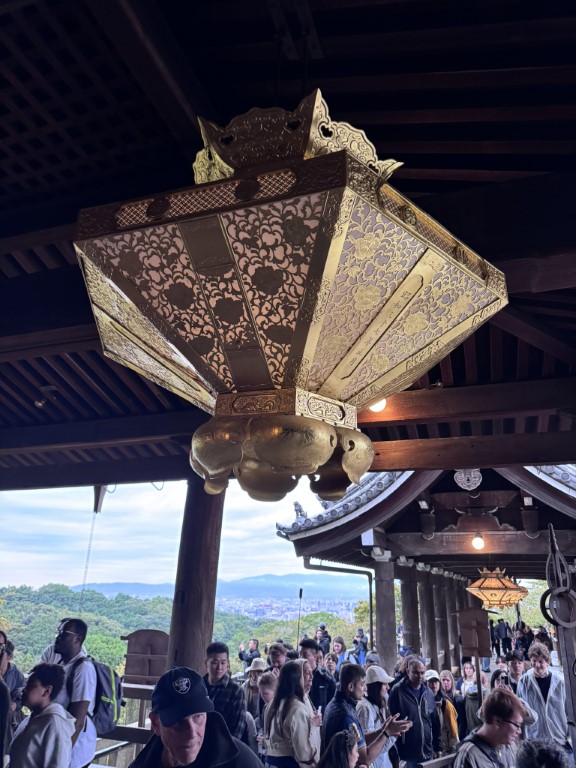
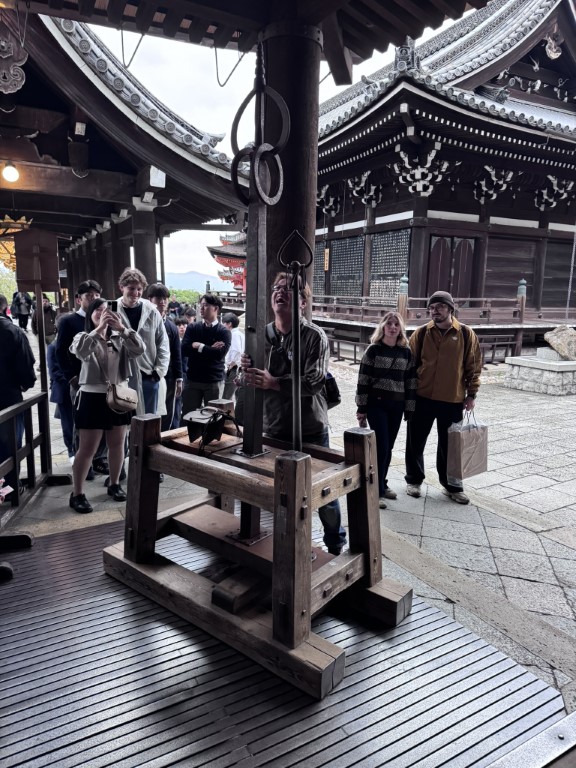
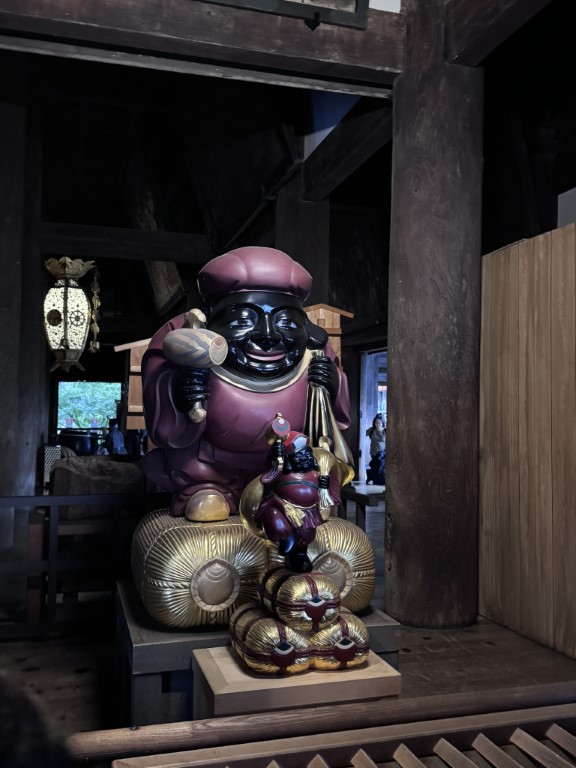
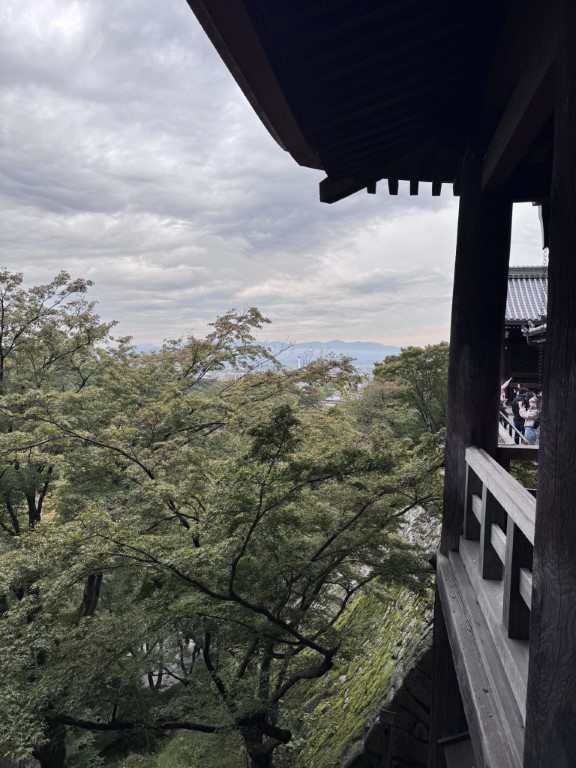
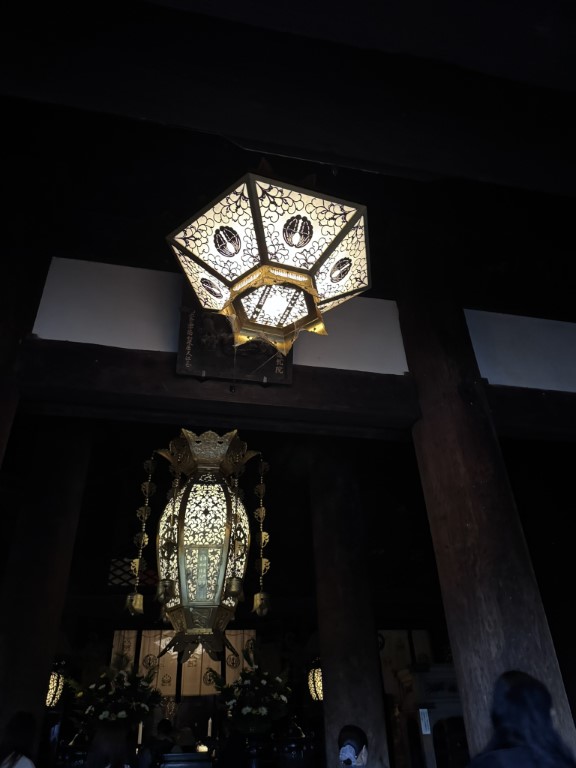
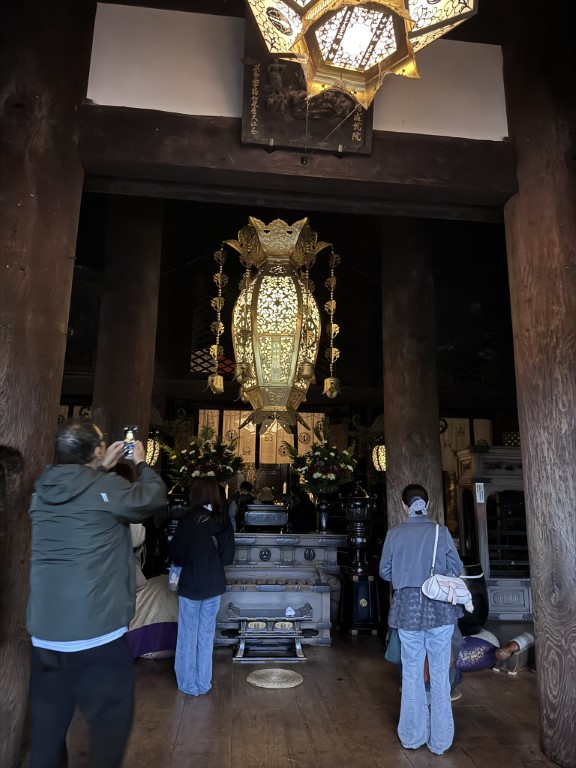
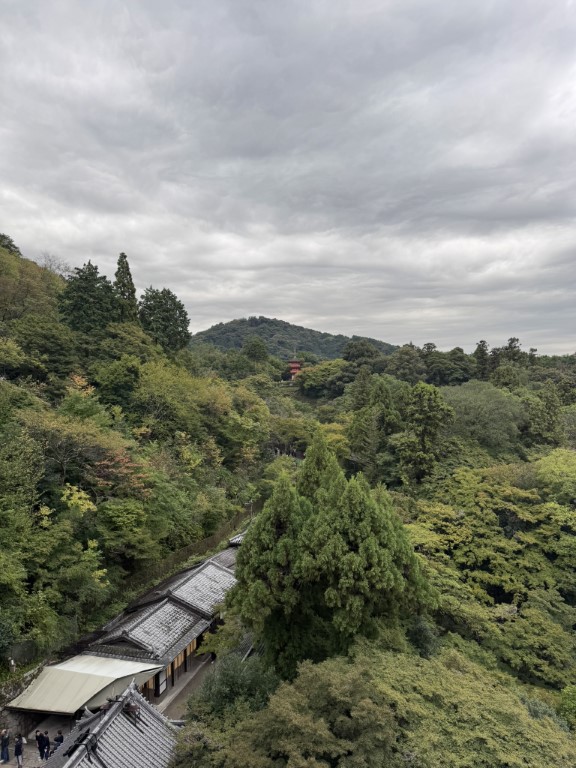
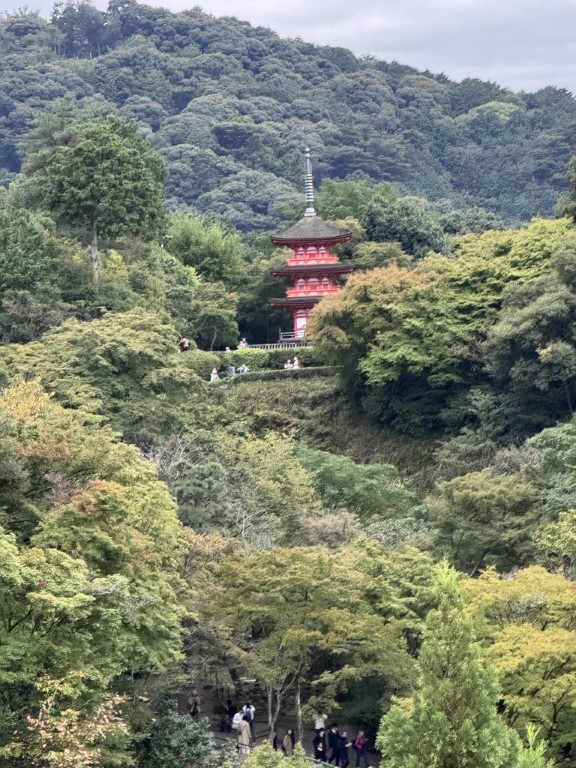
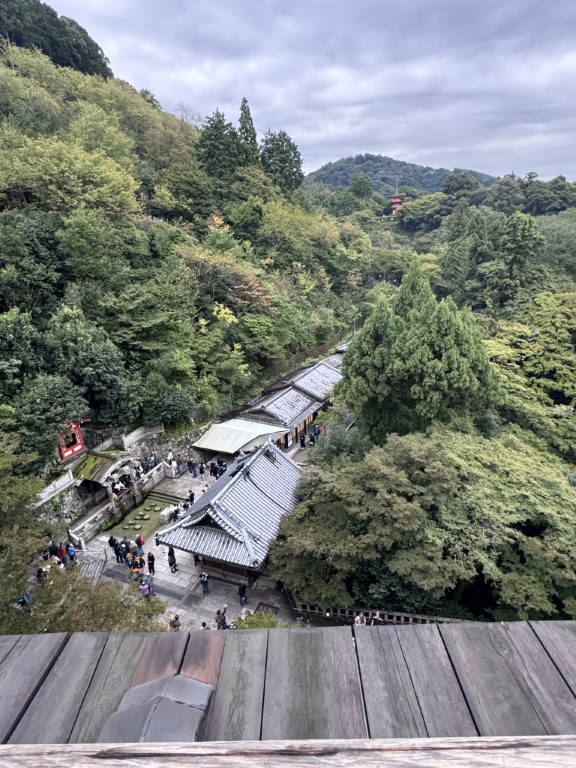
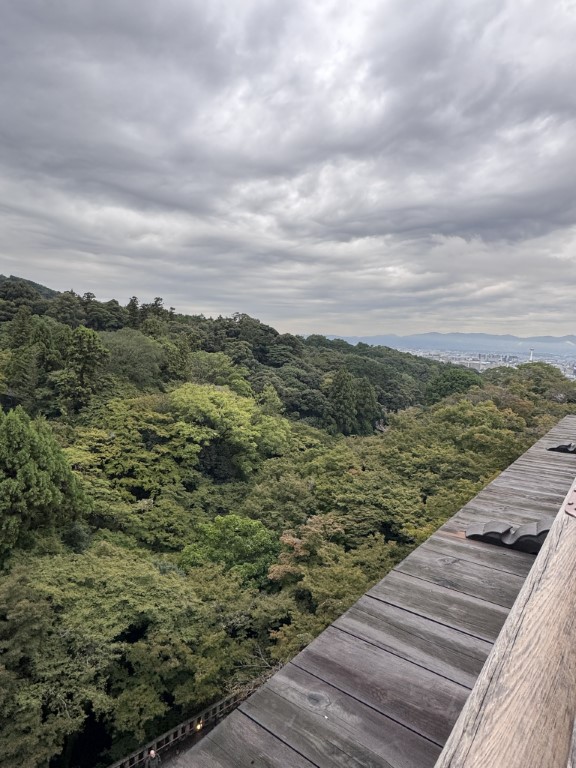
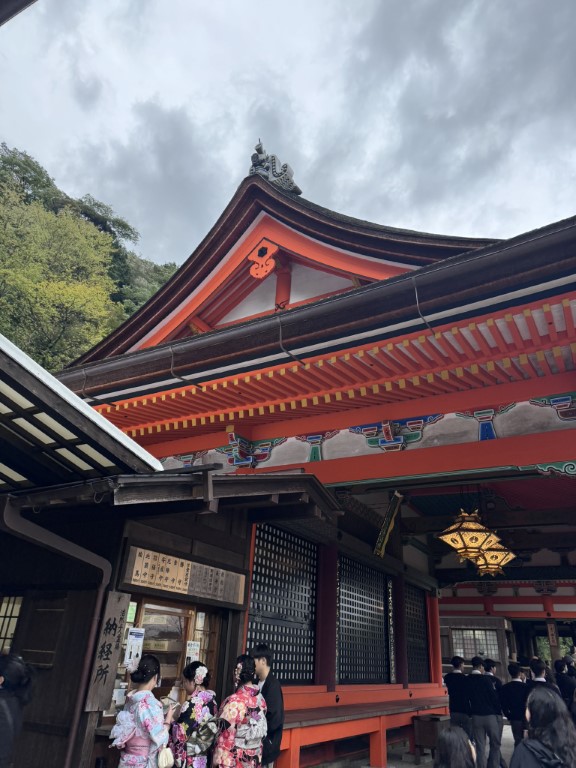
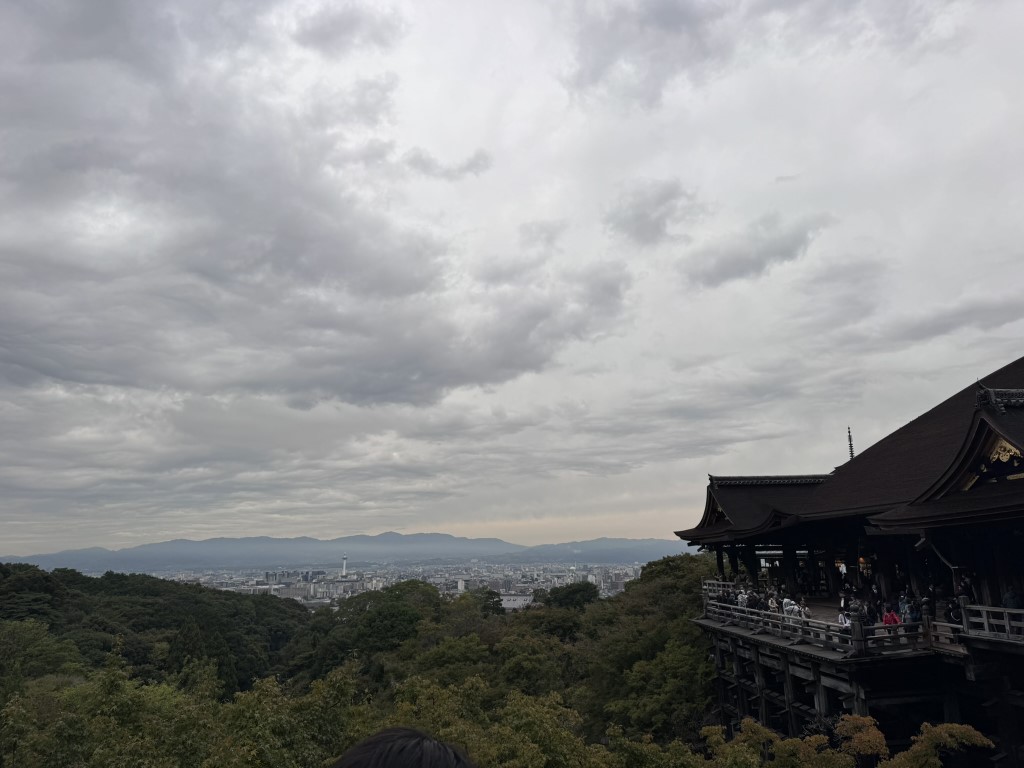
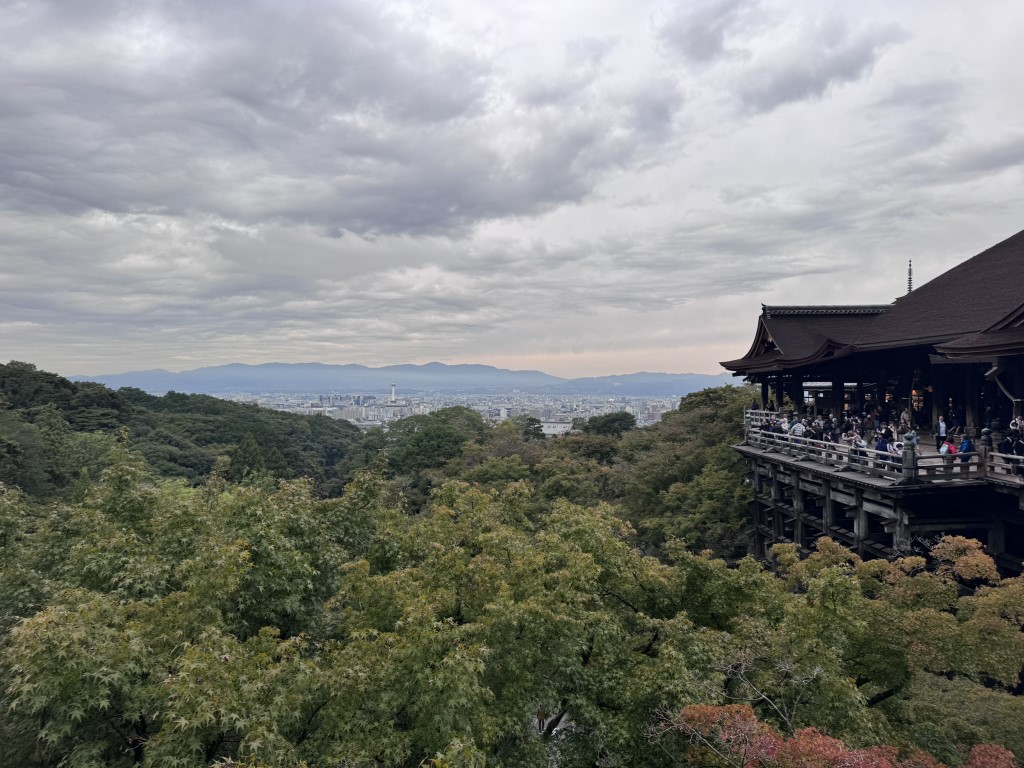
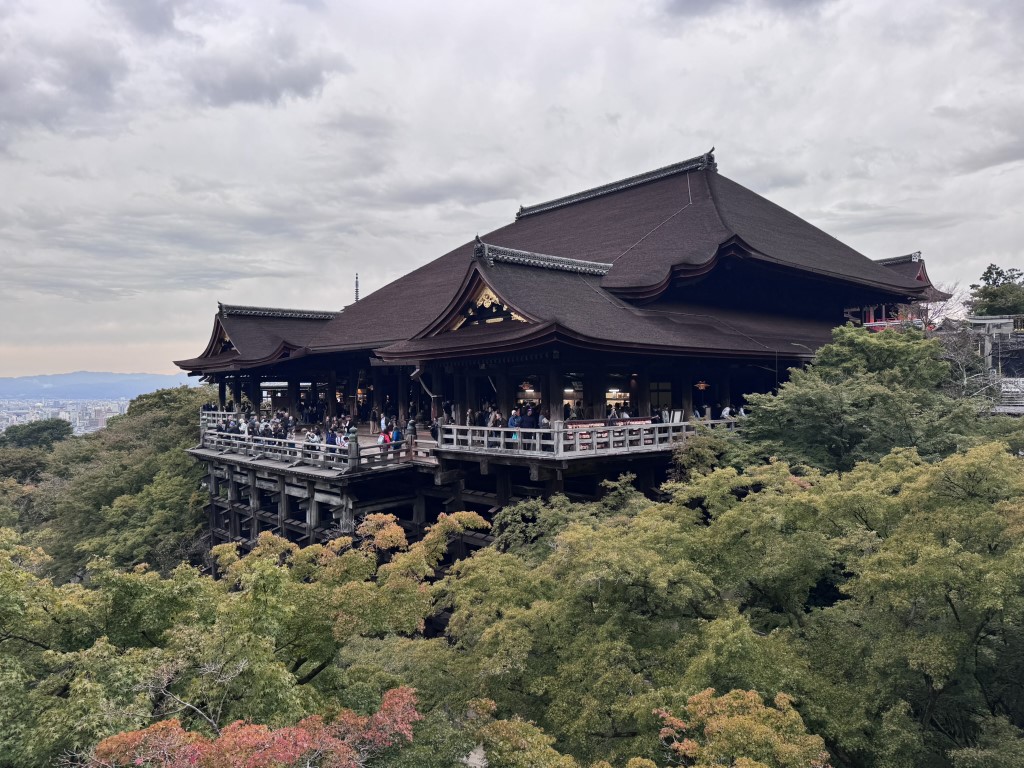
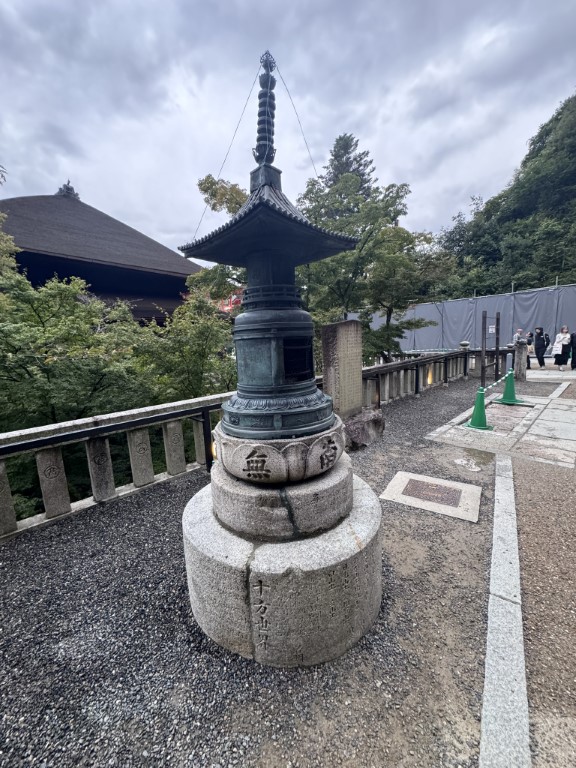
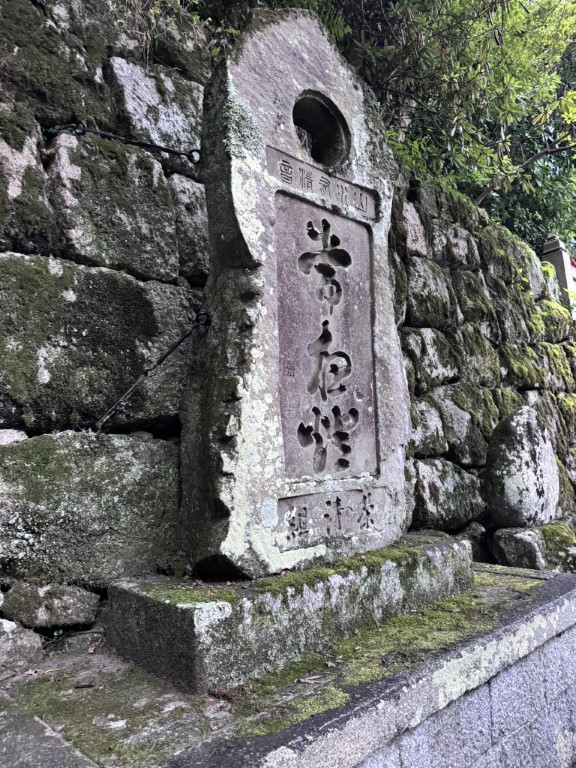
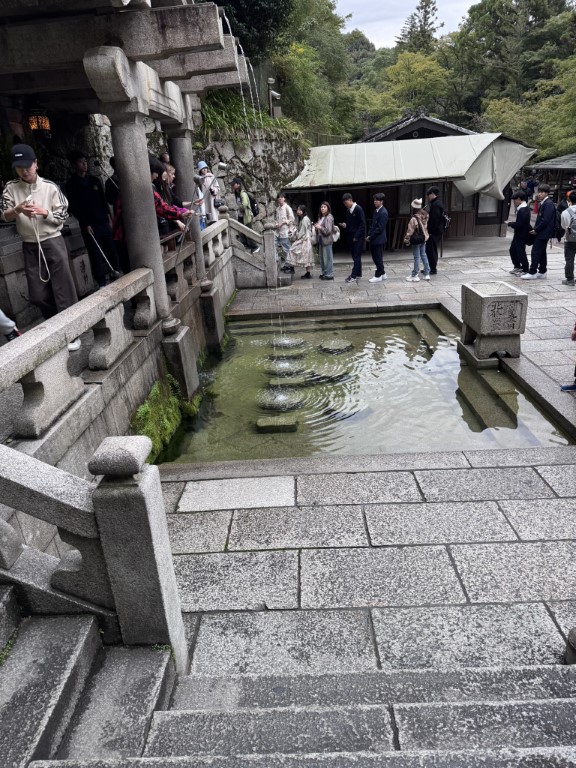
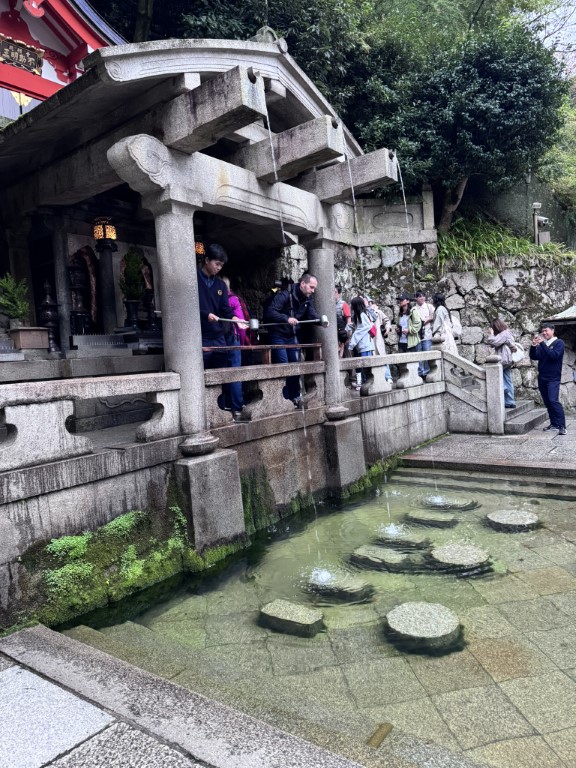
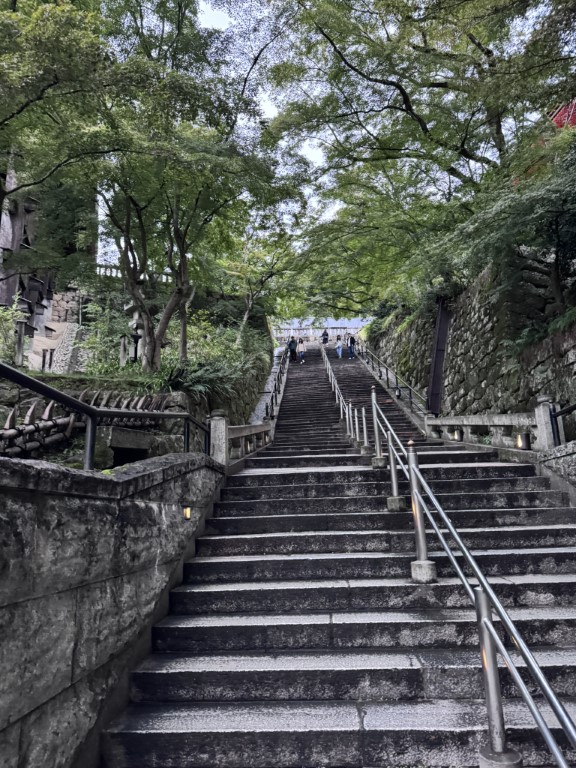
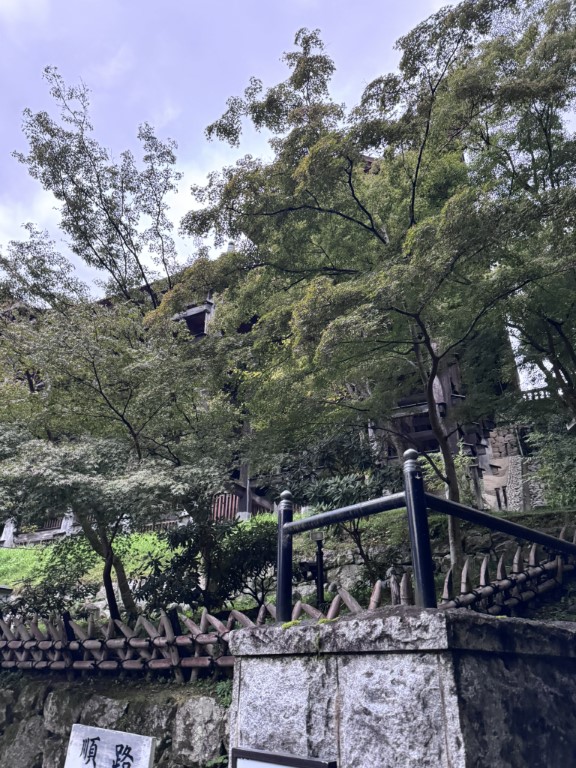
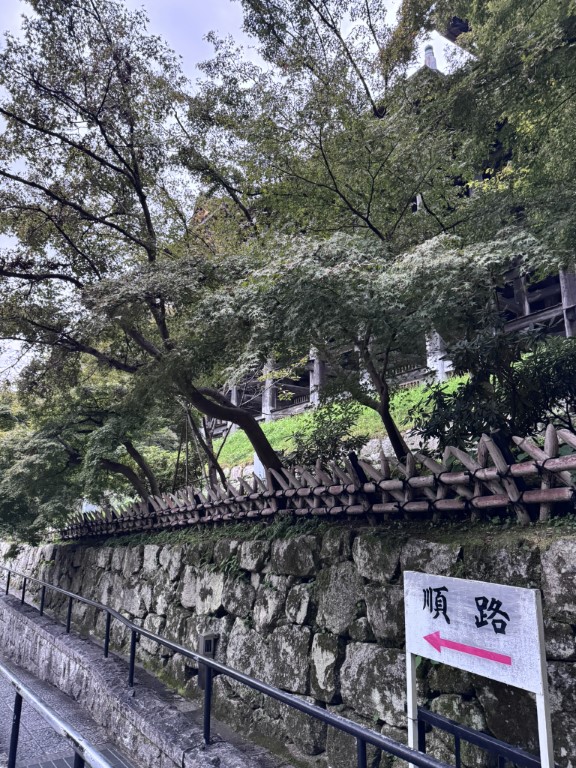
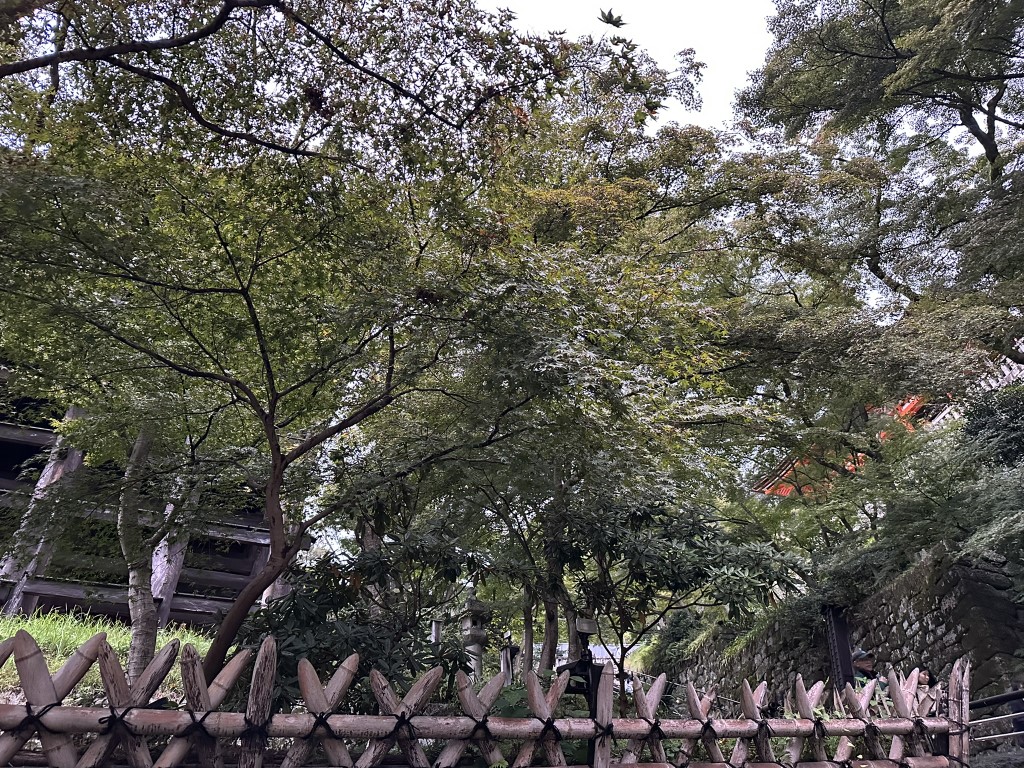
Our final stop was Kiyomizu-dera (Pure Water Temple) Temple, one of the most celebrated temples of Japan. It was founded in 780 on the site of the Otowa Waterfall and derives its name from the fall's waters. The temple was associated with the Hosso sect, one of the oldest schools within Japanese Buddhism. The main hall, which together with the stage was built without use of nails, houses the temple's primary object of worship, a statue of the eleven faced, thousand armed Kannon. We had some great views and were able to participate in the ritual of drinking from the three streams of the Otowa Waterfall for different blessings (longevity, success, or love). Of course, the entire group had to wait around as the obnoxious children decided at the last minute, after we had all gathered, that they wanted to take part in the ritual, despite the guide telling everyone the exact time we would be leaving.
.jpg)
.jpg)
.jpg)
.jpg)
.jpg)
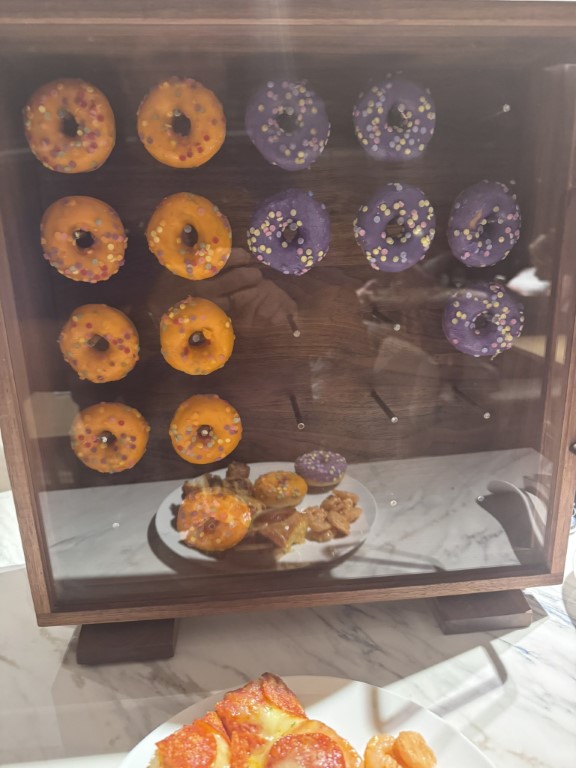
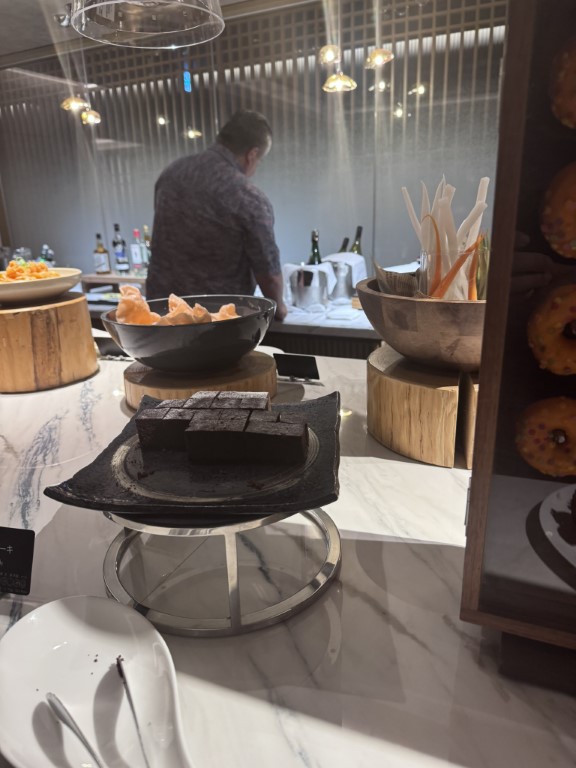
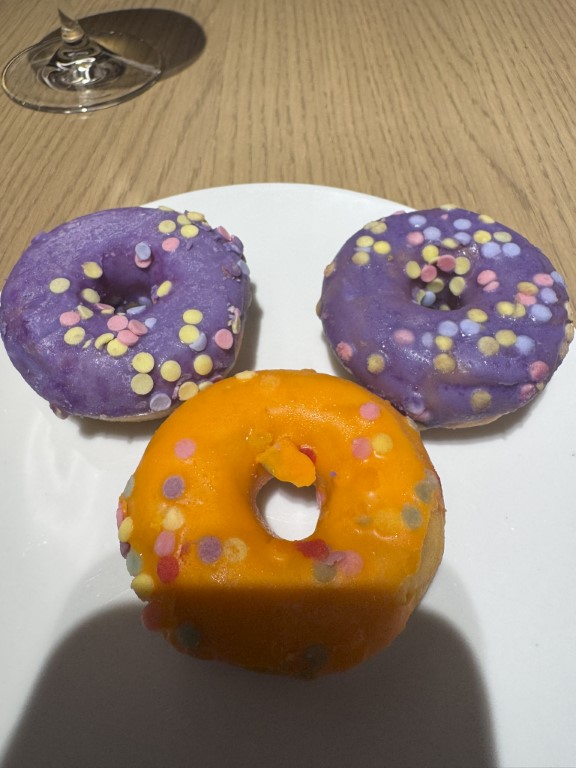
We were happy to get off the bus at Kyoto Station and walked back to our hotel. We had planned to go back out to a British-style pub we saw along the way, but first went to the Executive Lounge to have a drink. We expected only light snacks, but there was a variety of food as well as beer, wine, sake and whiskey and we ate enough in the lounge that we didn't need to go back out for a meal. We headed back to our room to repack for our trip tomorrow to Nagoya, wishing we had arranged another day in Kyoto so we could have skipped the bus tour and spent more time at some of the sights,

.jpg)
.jpg)