




Departs Shin-Osaka Station 08:00
Arrives Himeji Station 08:28
Shinkansen Kodama 854
Departs Himeji Station 16:48
Arrives Shin-Osaka Station 17:25


Holiday Inn & Suites Shin Osaka
1-7-31 Nishi Miyahara, Osaka, 27-532-0004

Steps
15,890
Distance
11.57 KM
Flights Climbed
22
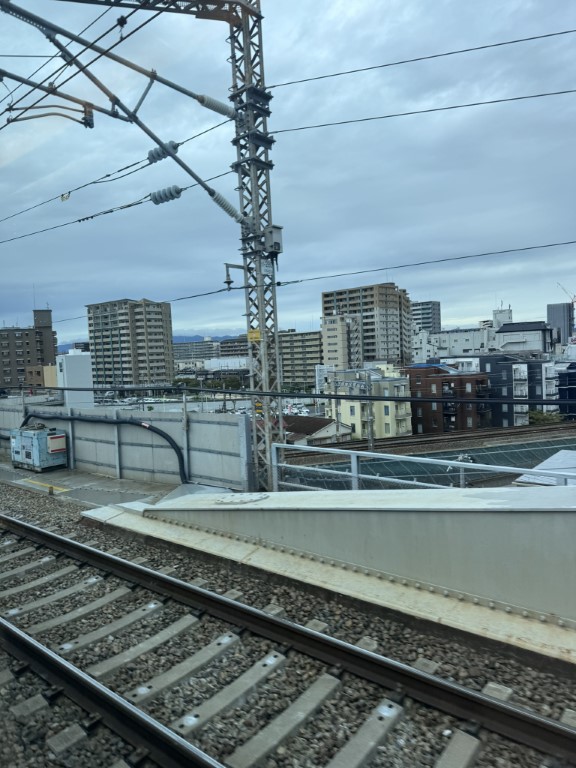
We had a private tour of Himeji booked through Viator today which met at the Himeji Station, so we took the hotel shuttle back to Shin-Osaka station and then the Shinkansen to Himeji, which was much easier without luggage.
.jpg)
.jpg)
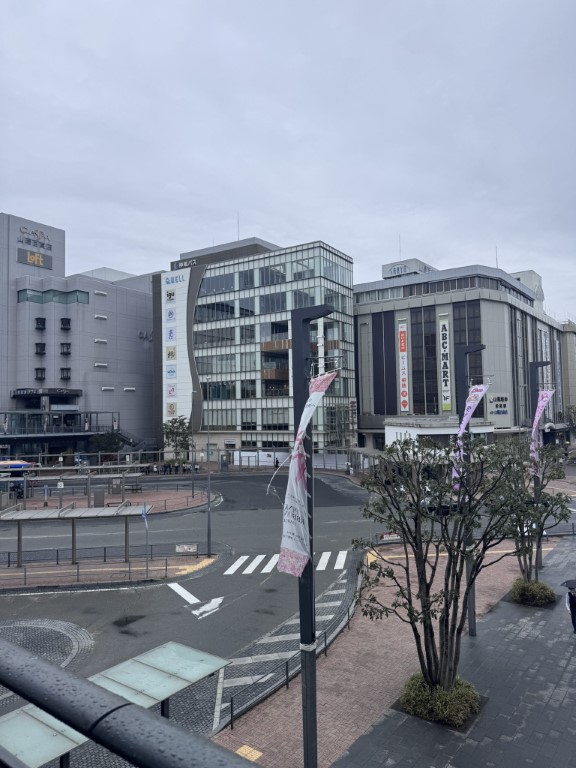
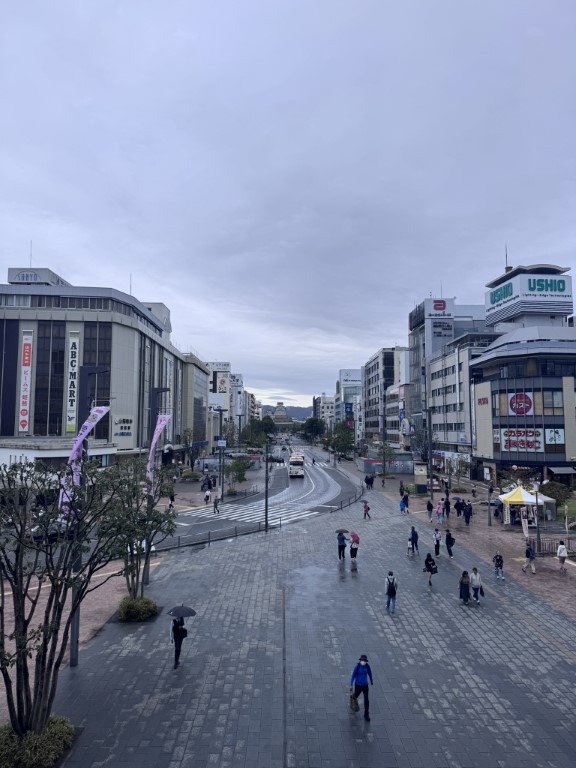
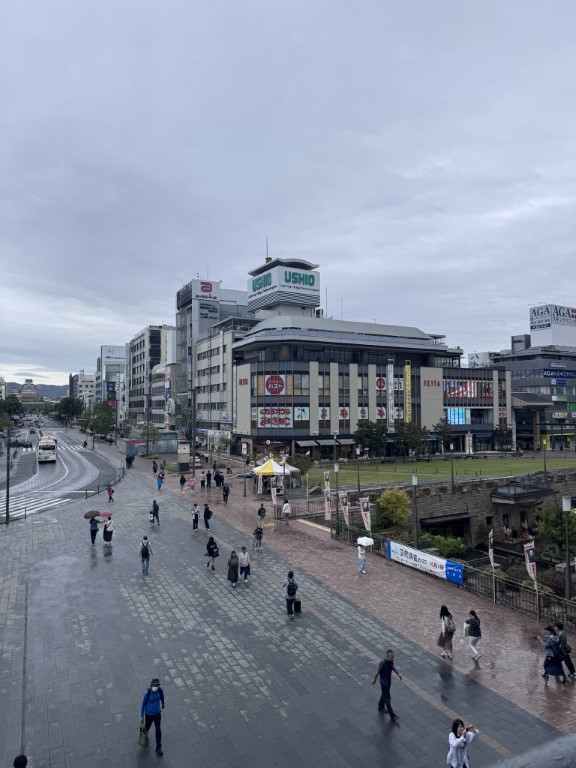
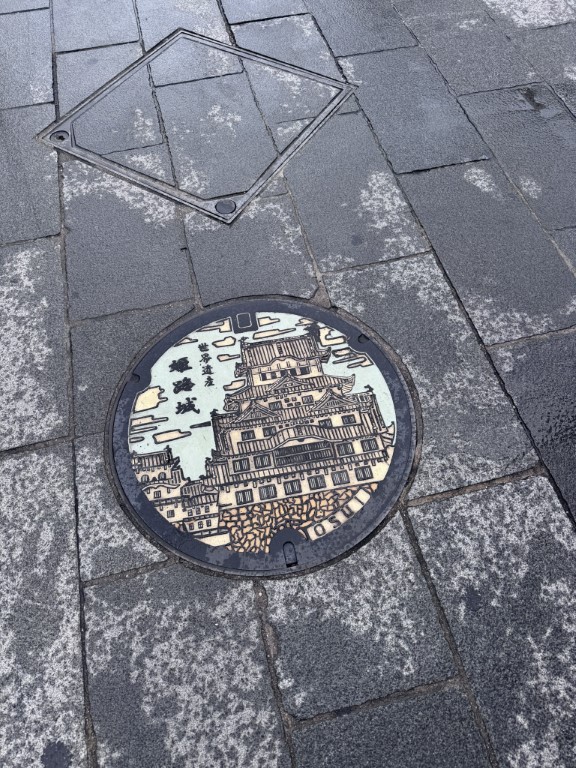
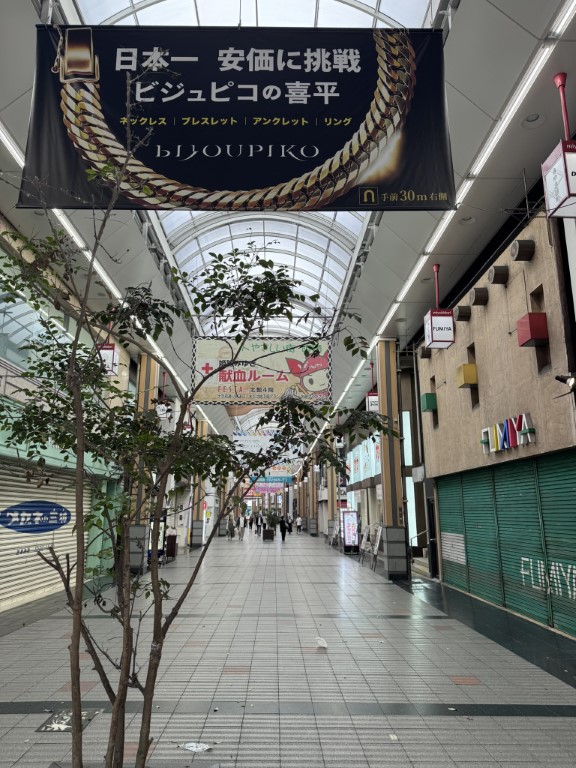
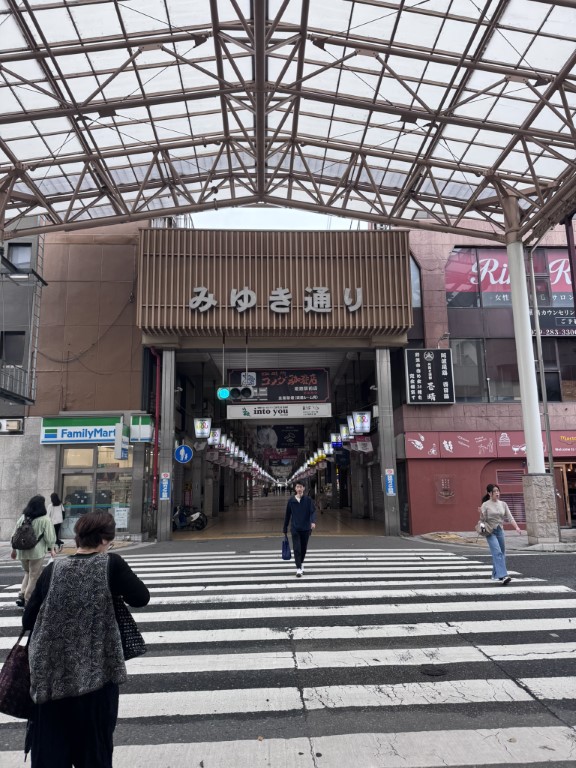
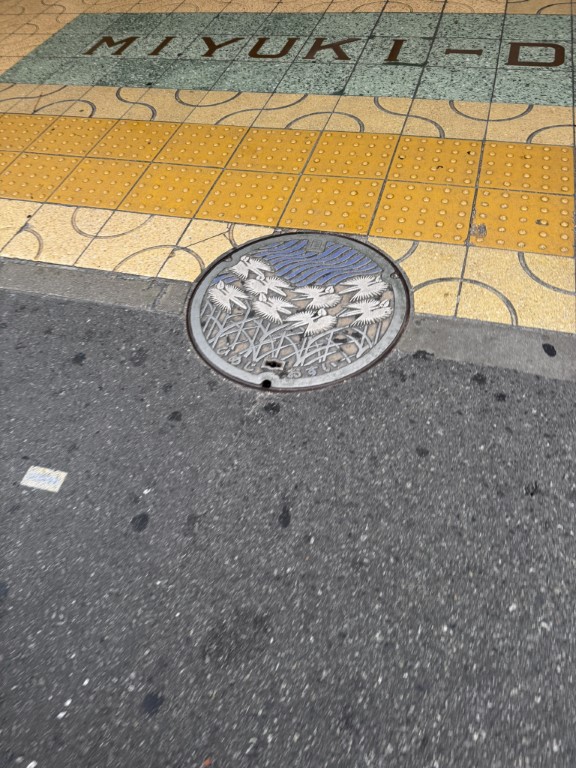
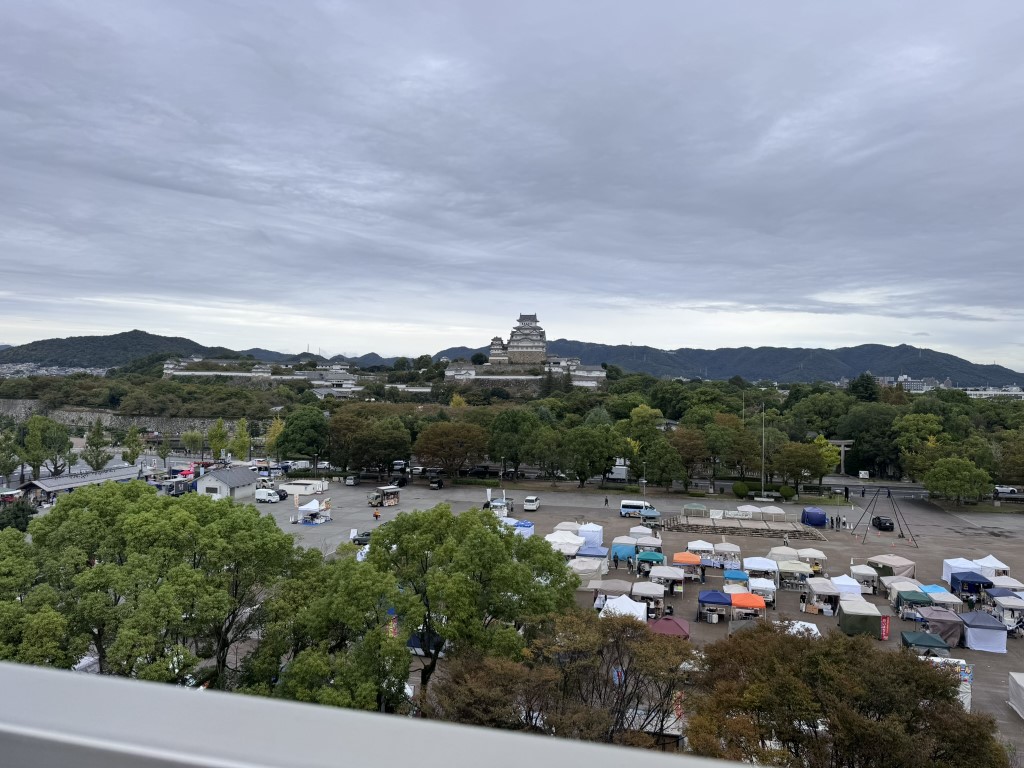
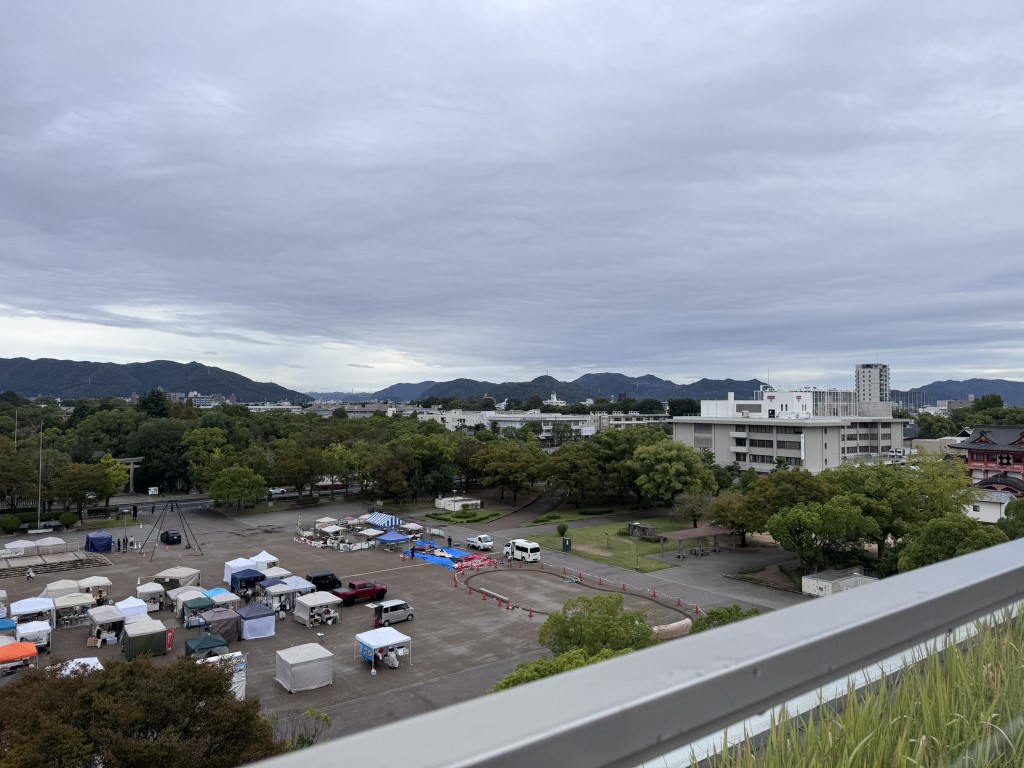
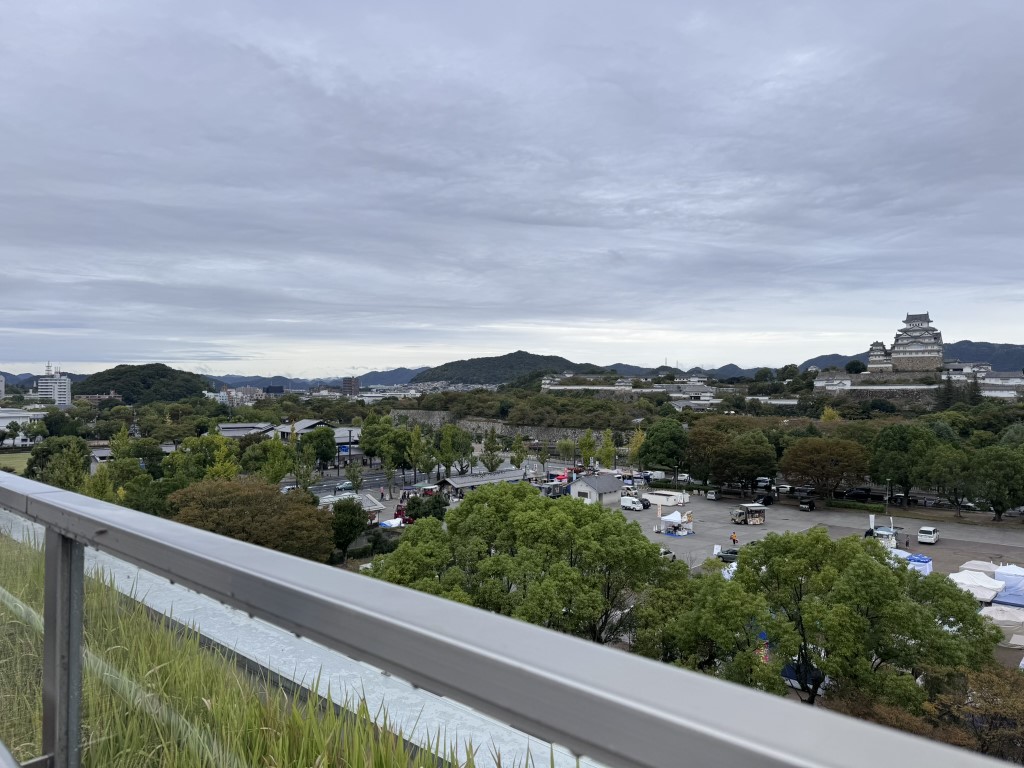
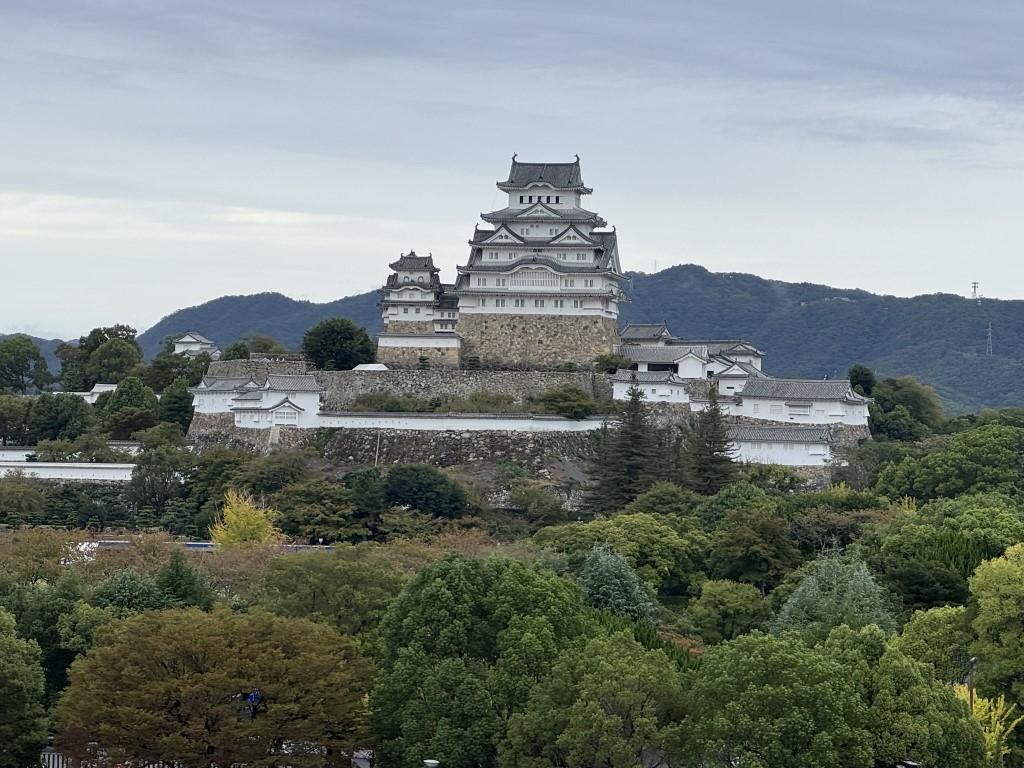
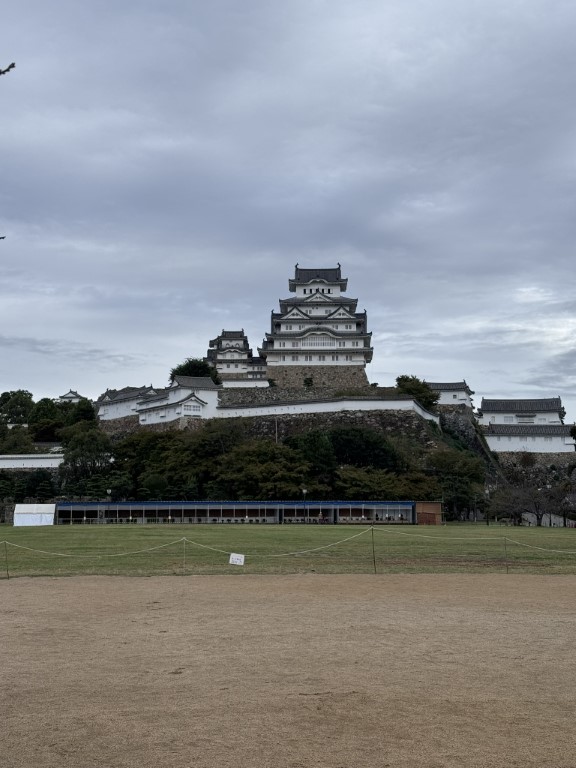
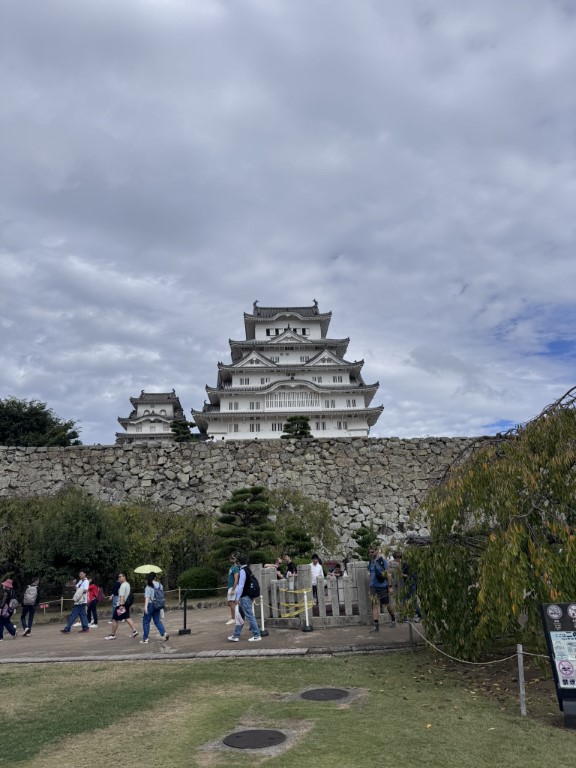
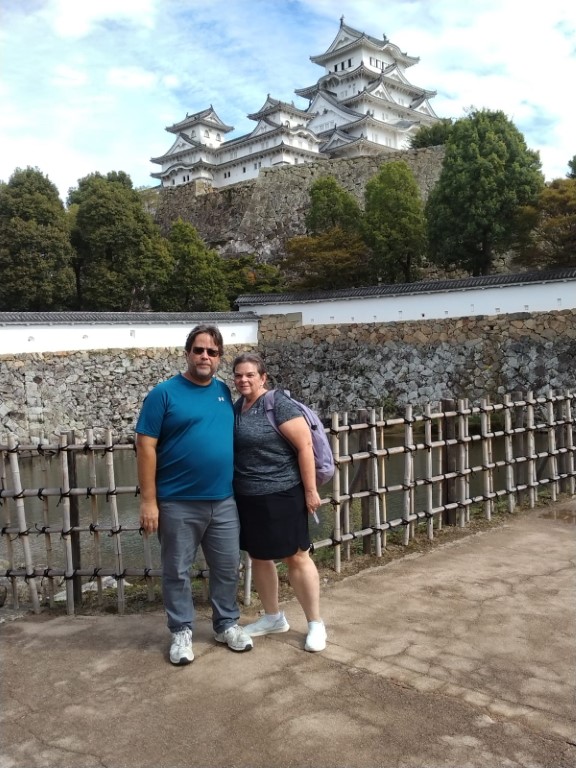
We met our guide, Mutsuko "Nishi" Nishimoto inside Himeji station. We walked to the exterior of the station where we could see the castle in the distance as Nishi explained the plan for the day. As it was drizzling, Nishi led us through the Miyuki-dori shopping street, with its covered walkways as she gave us an overview of Himeji in the feudal days and how it is now. Next we went to the Egret Himeji building, where from the fifth floor observation deck, we were able to get a great view of the castle without any crowds.
.jpg)
.jpg)
.jpg)
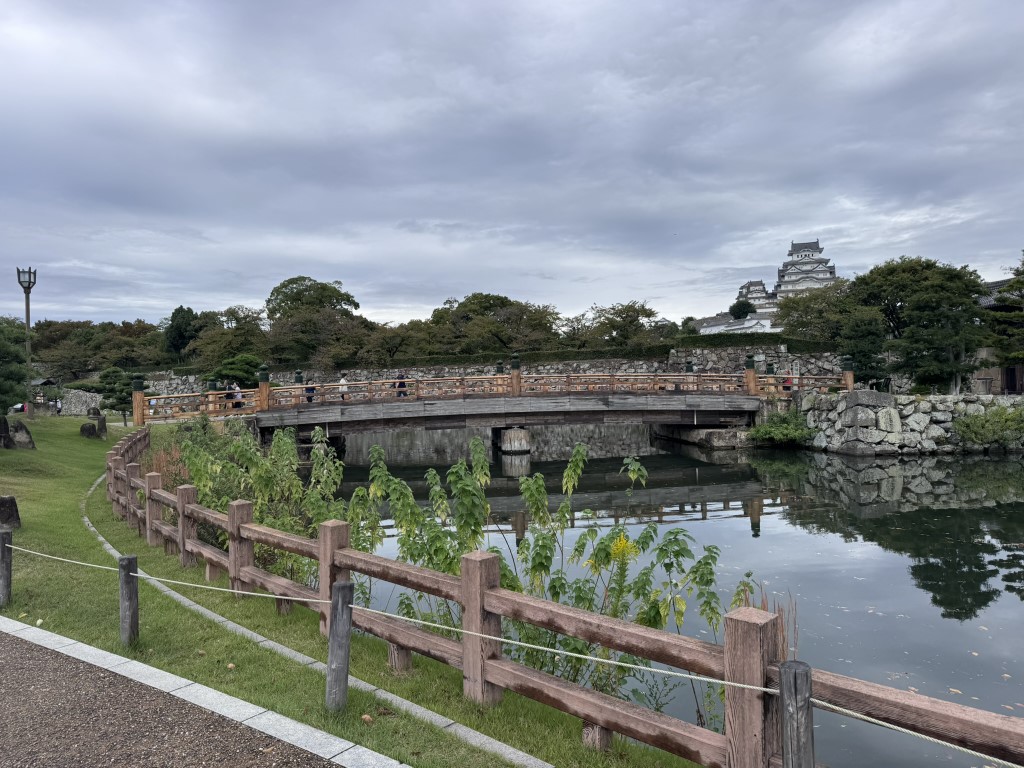
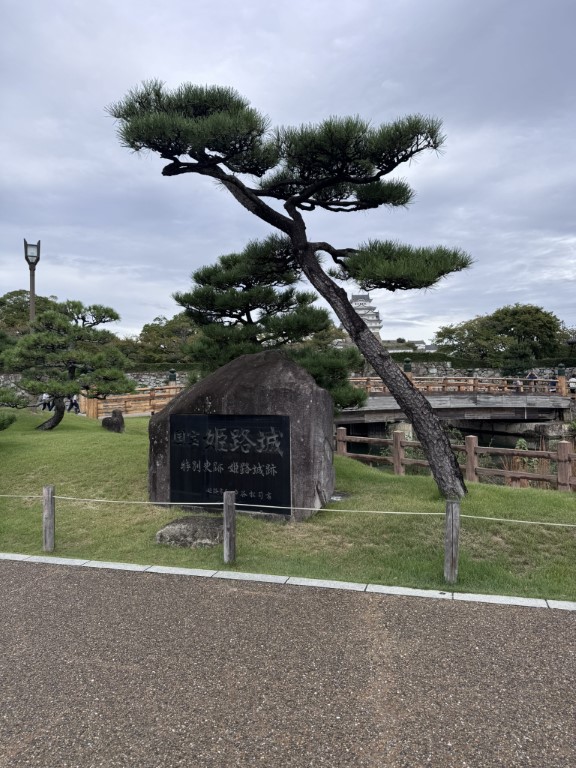
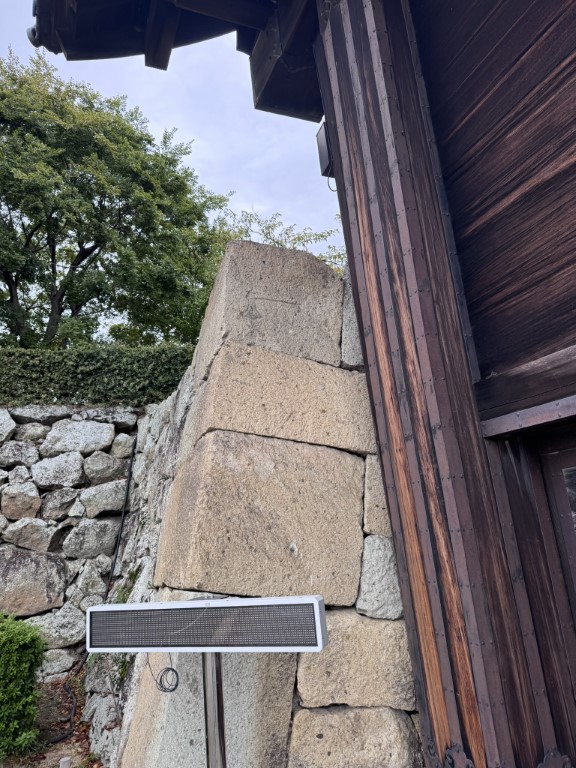
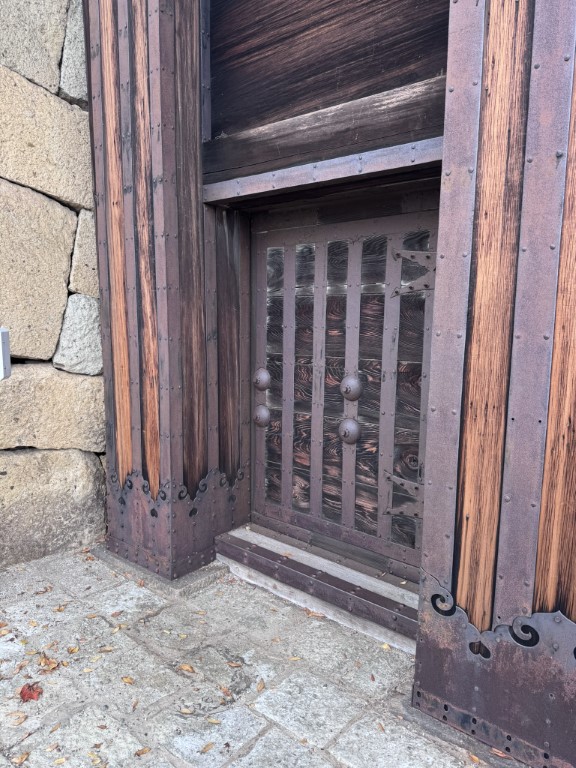
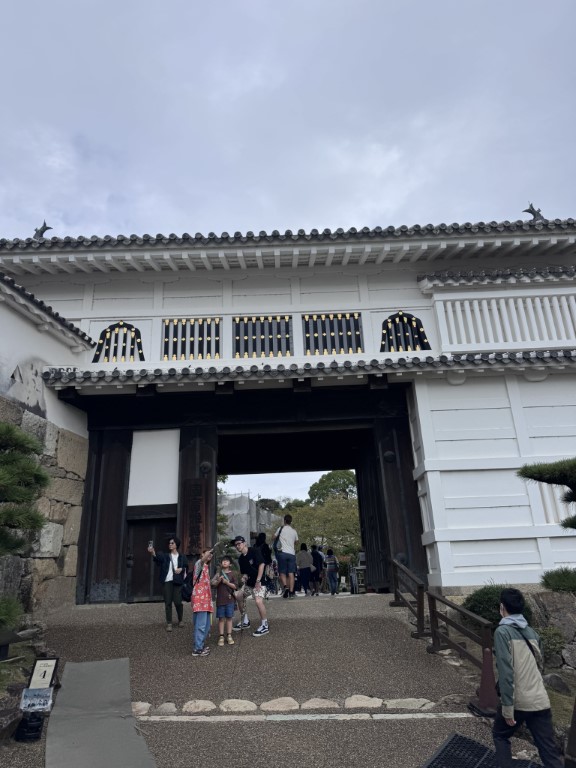
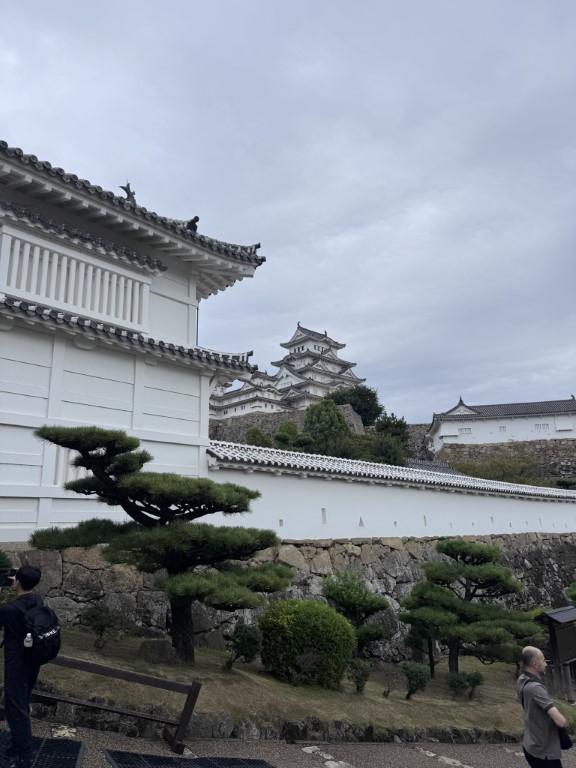
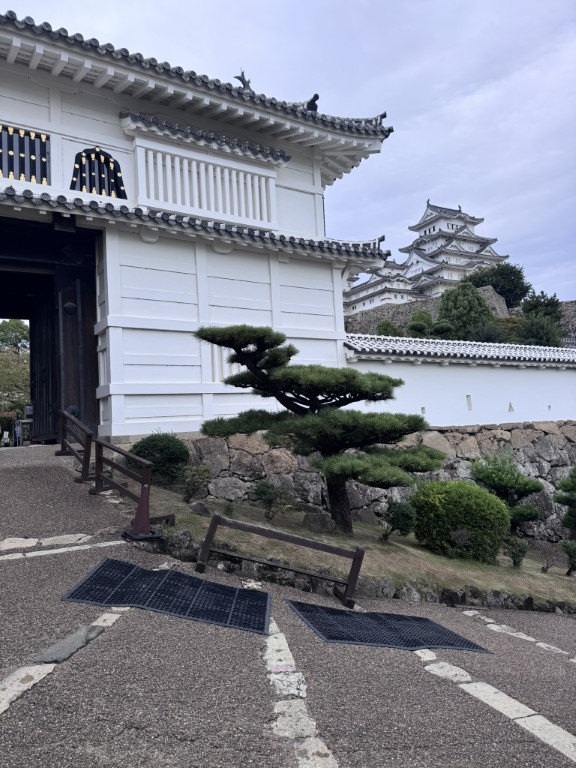
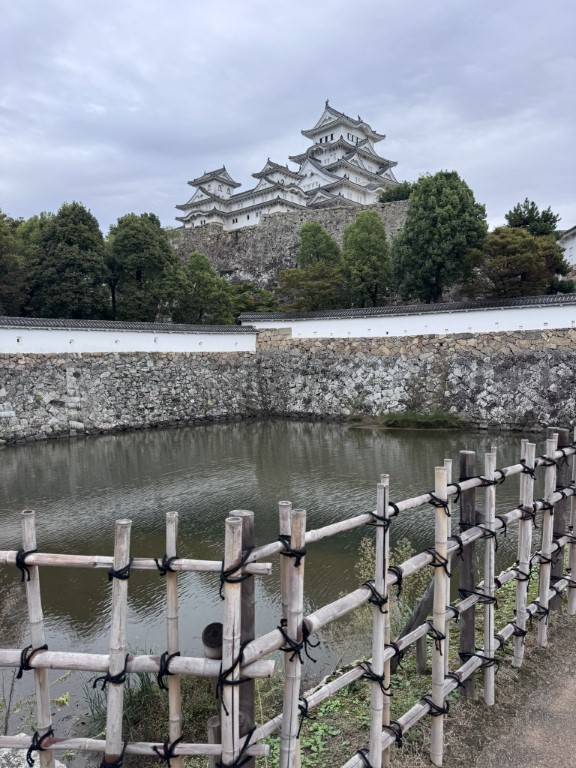
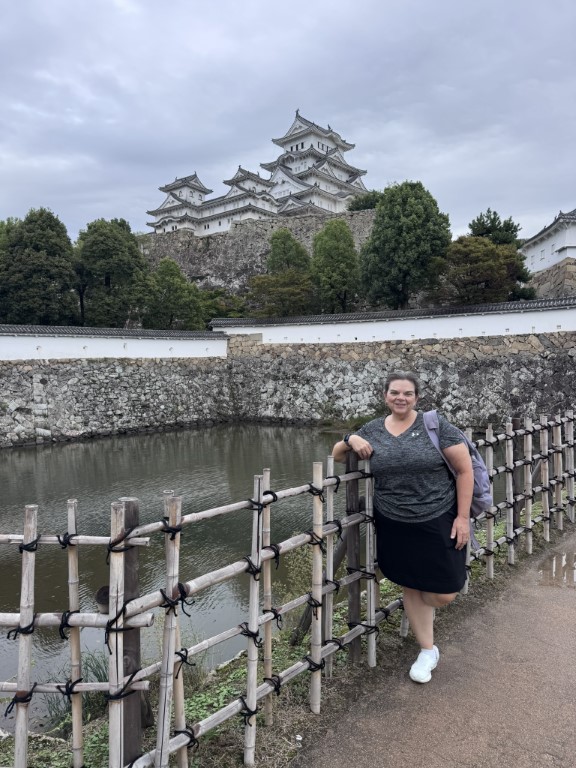
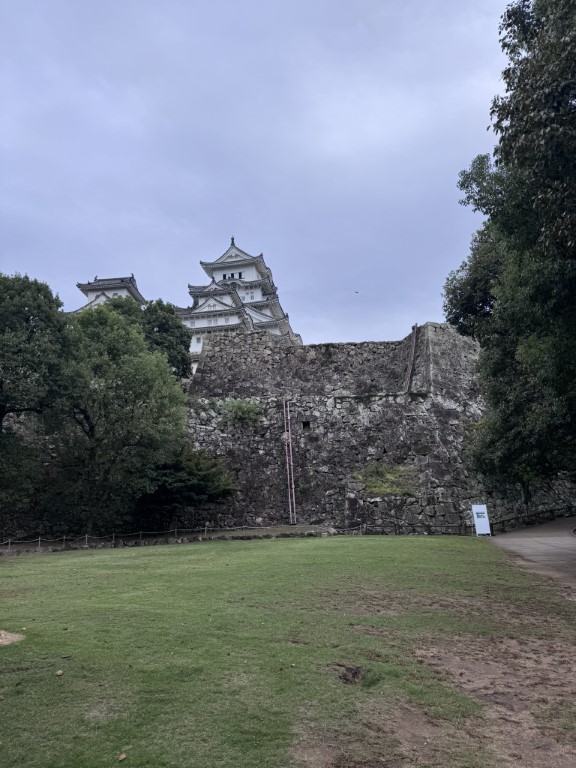
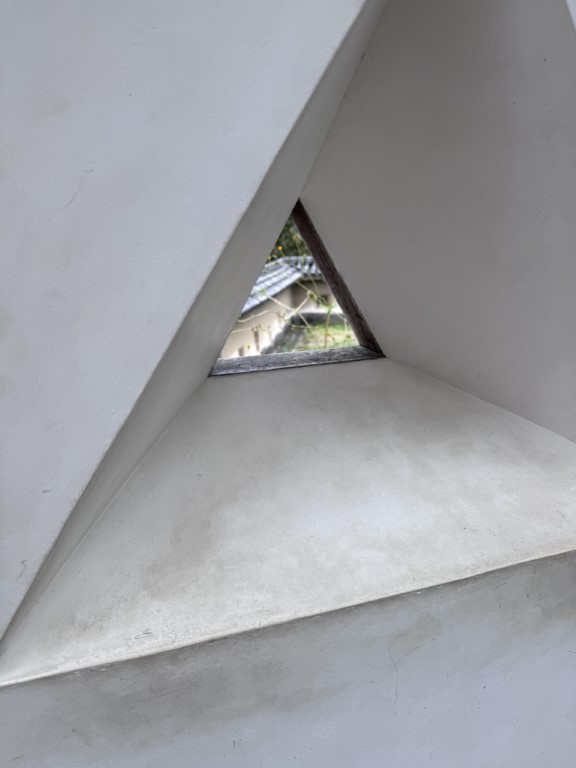
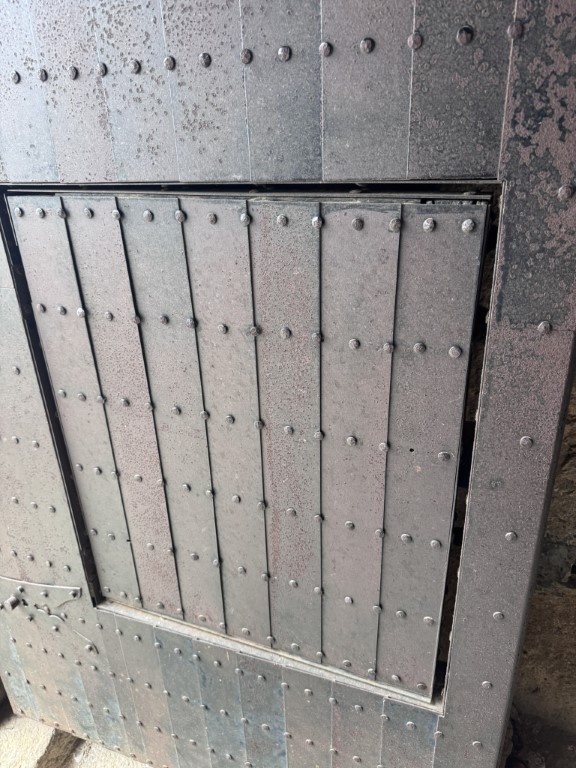
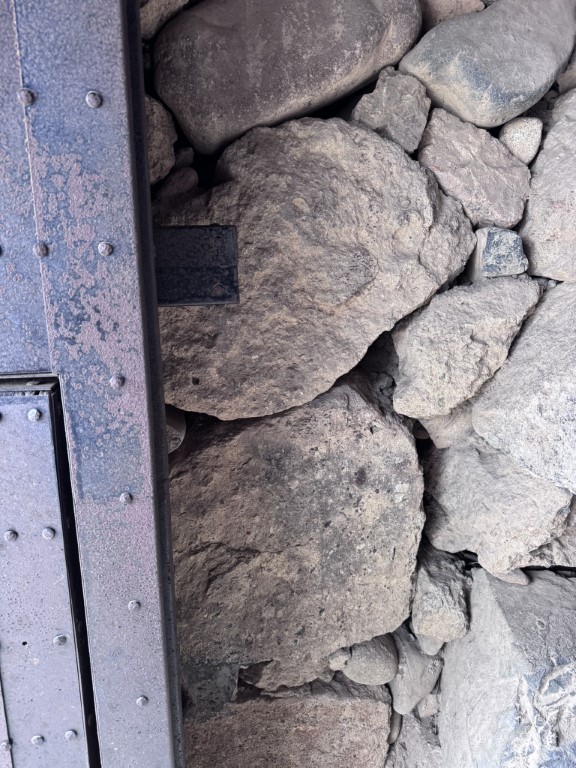
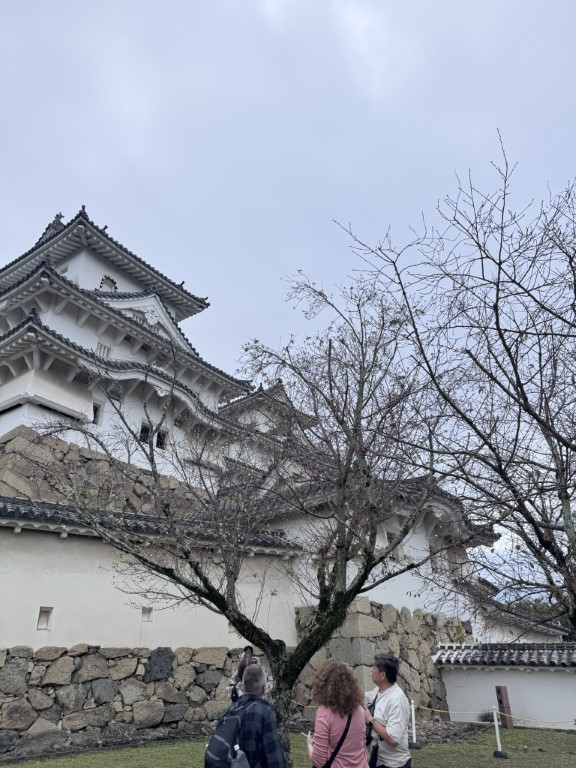
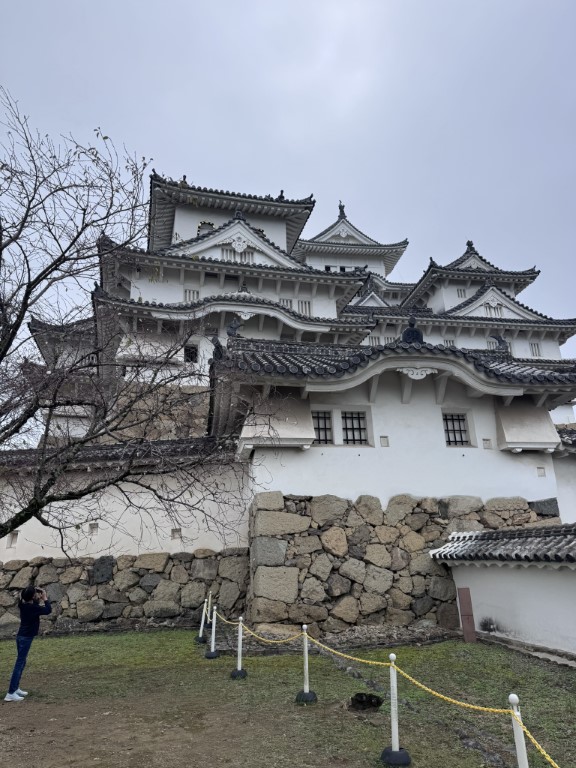
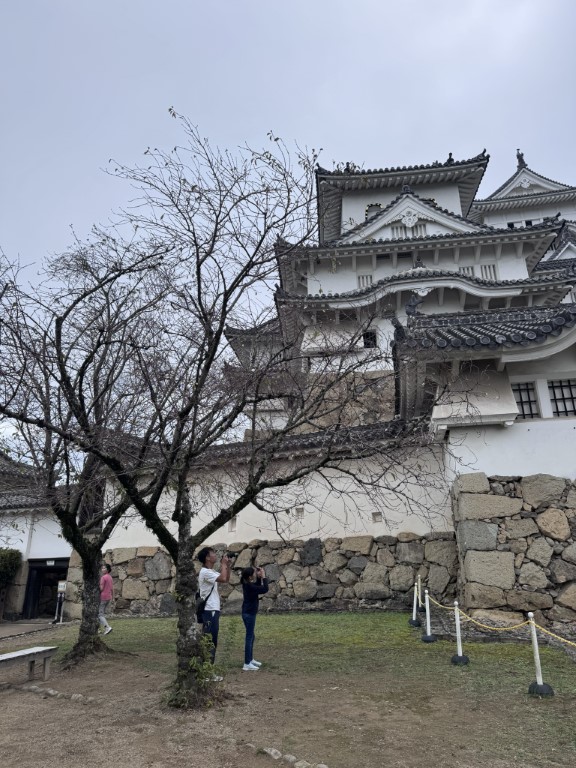
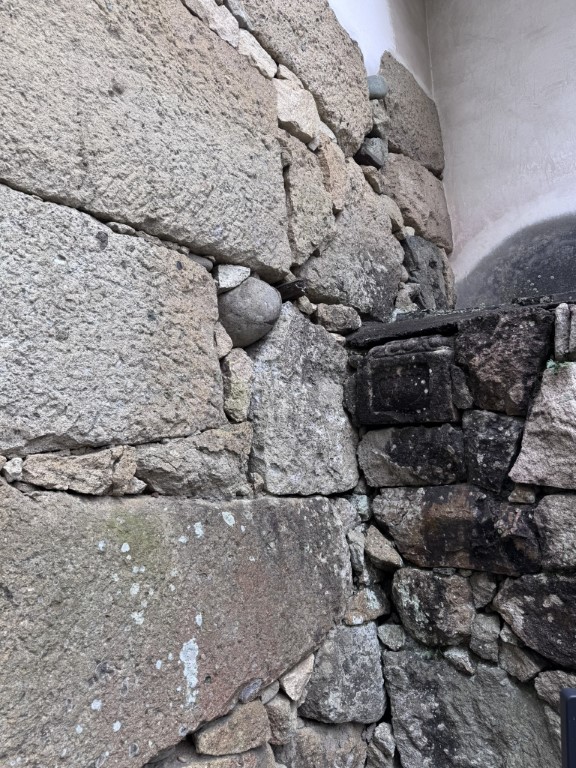
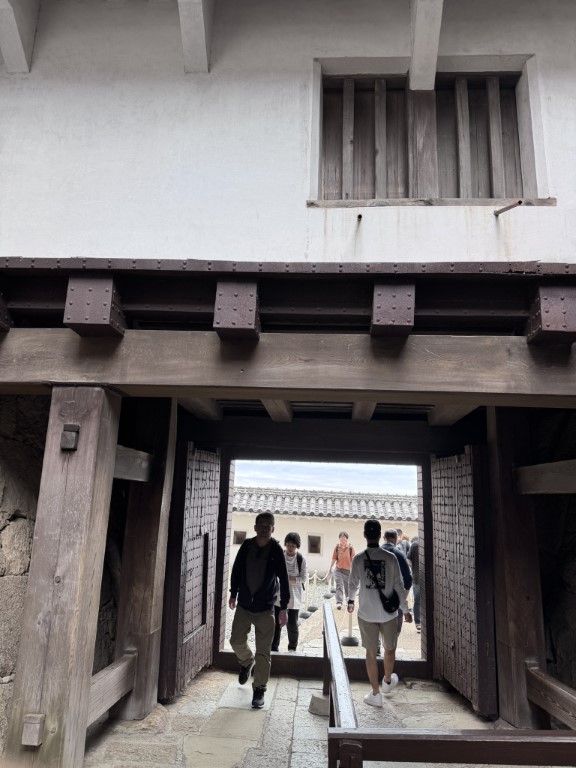
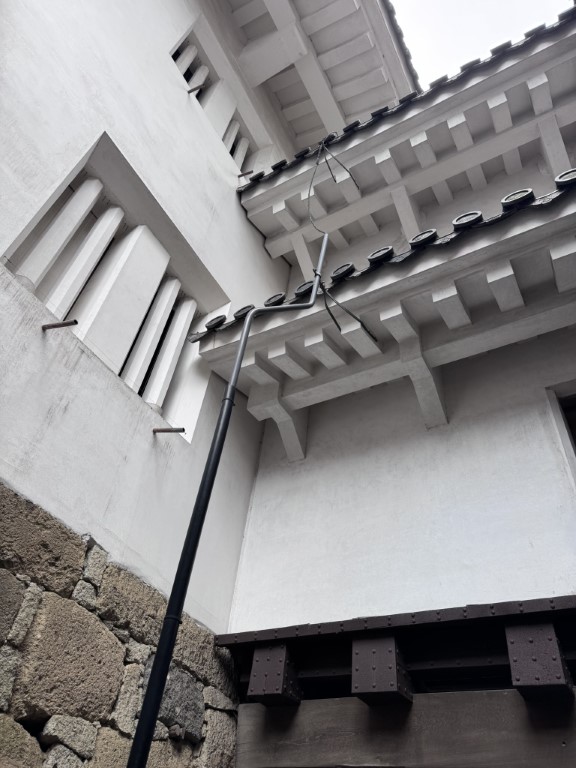
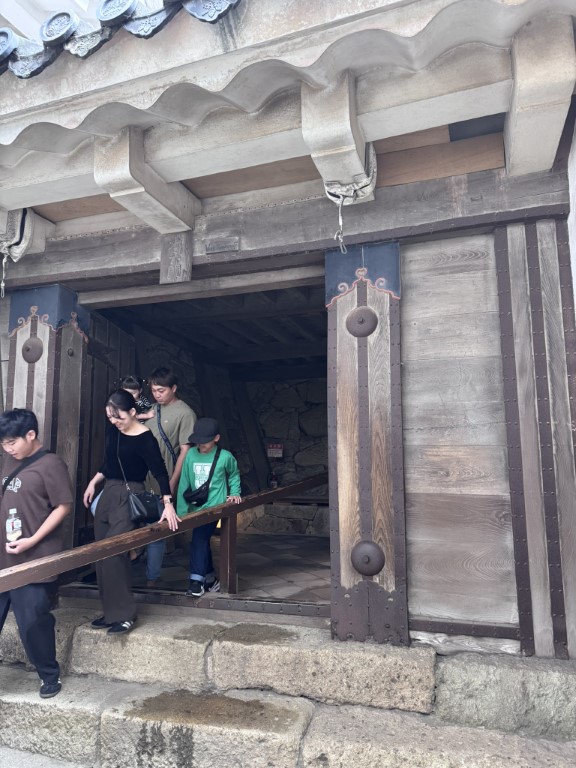
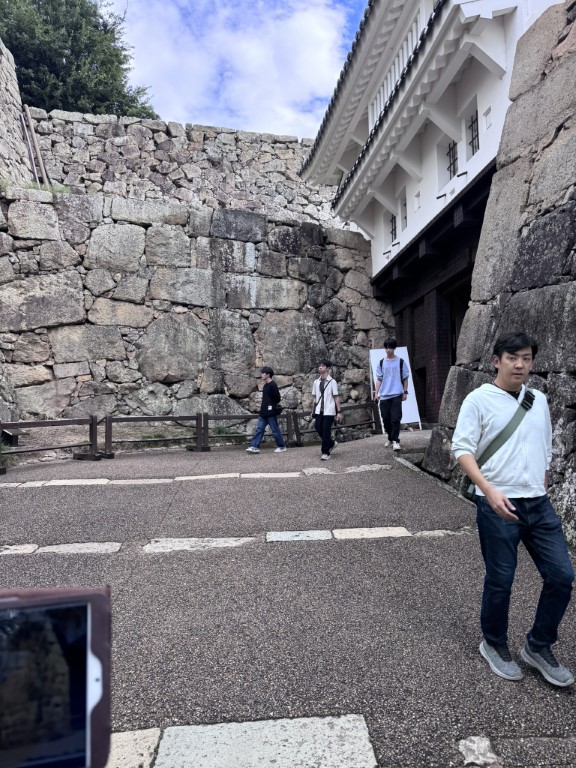
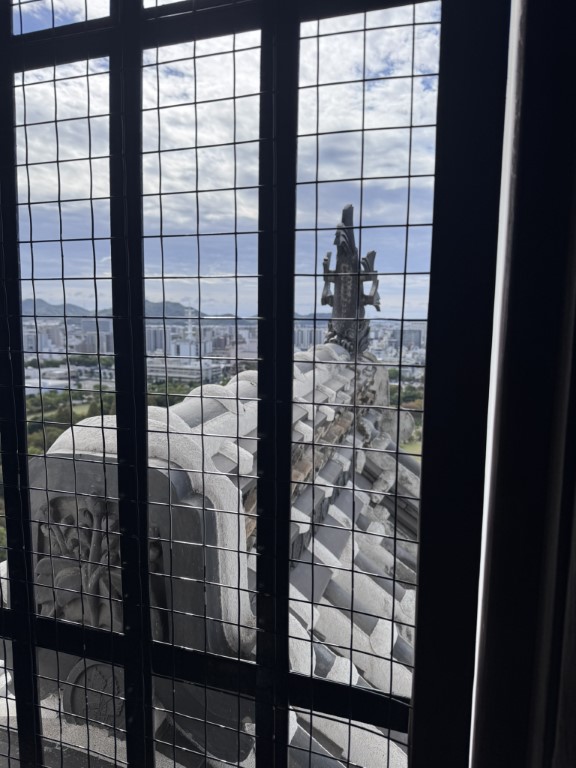
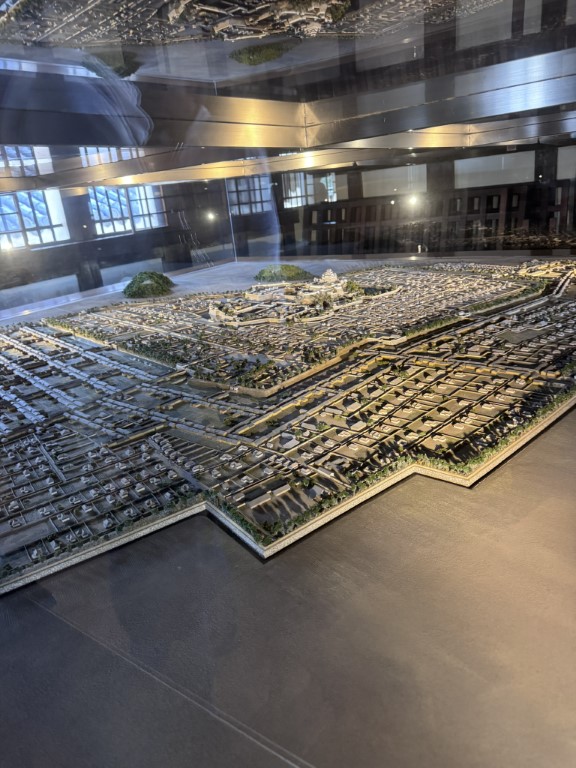
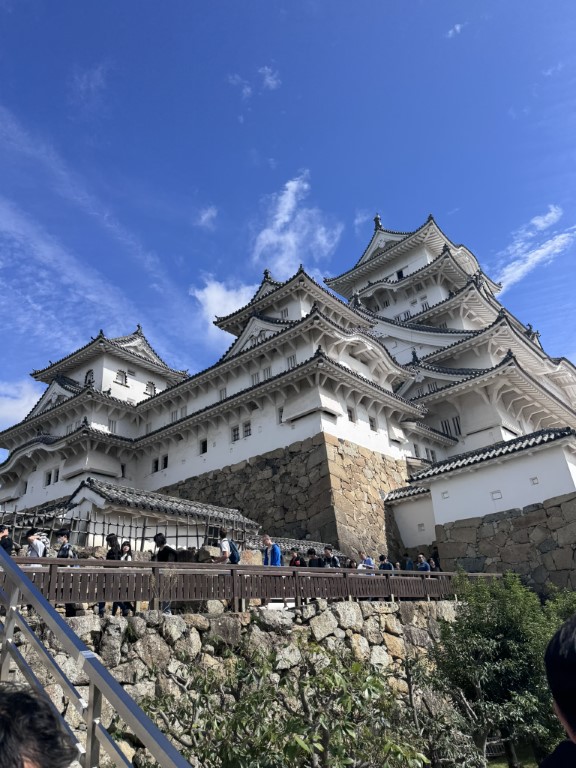
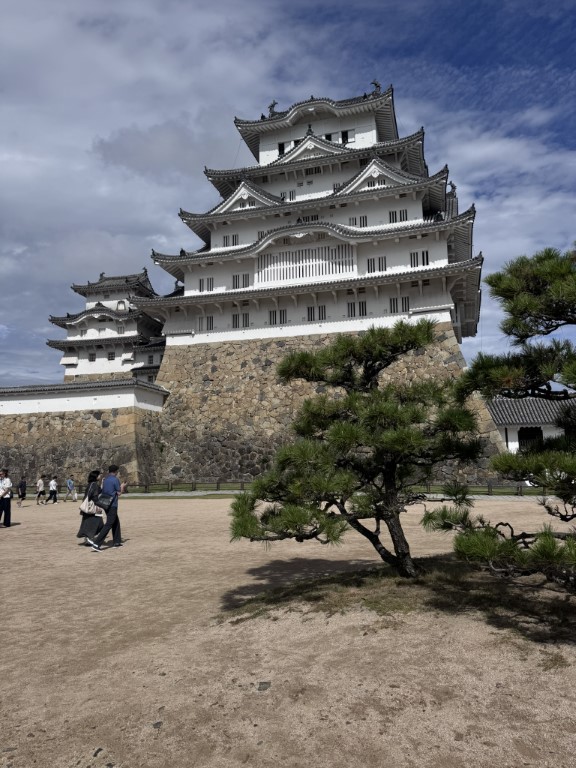
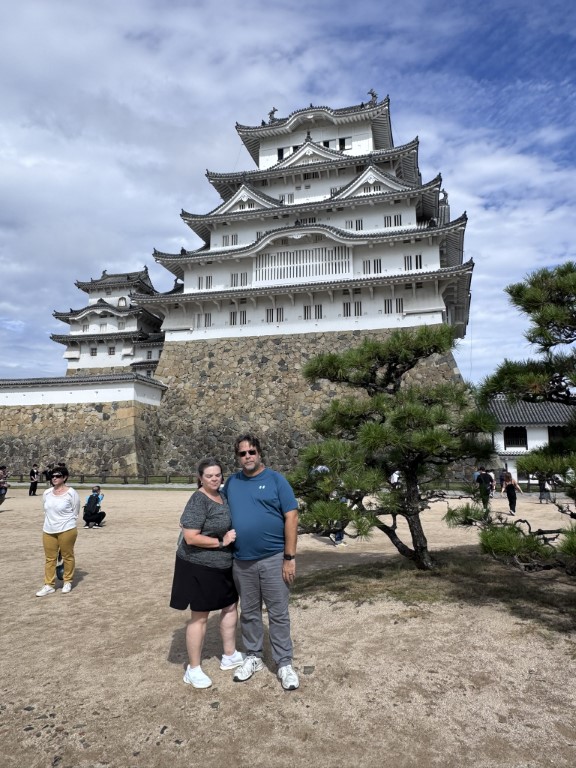
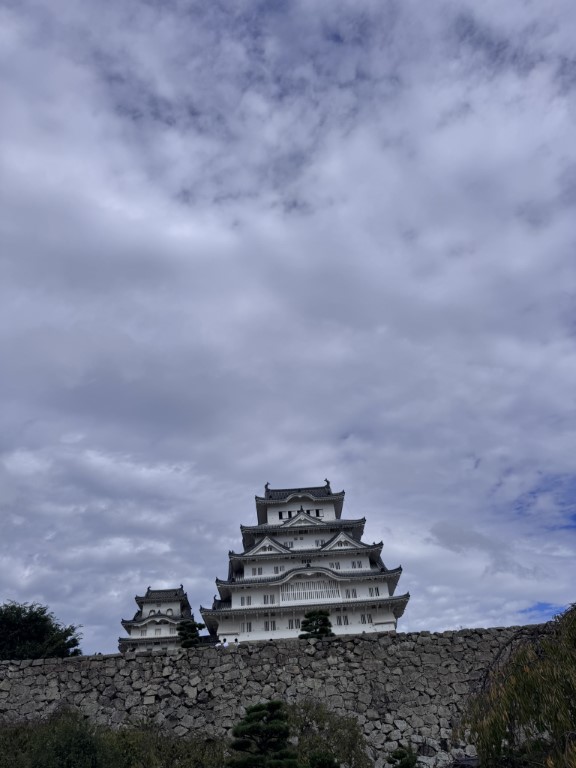
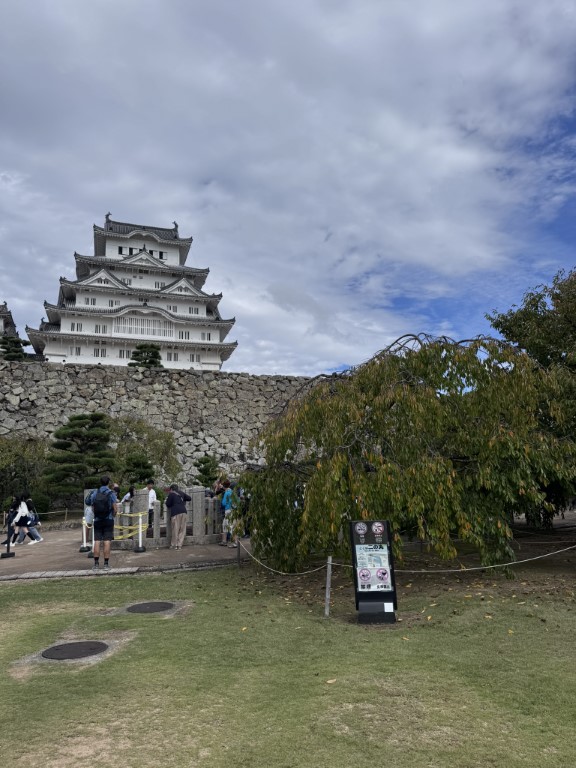
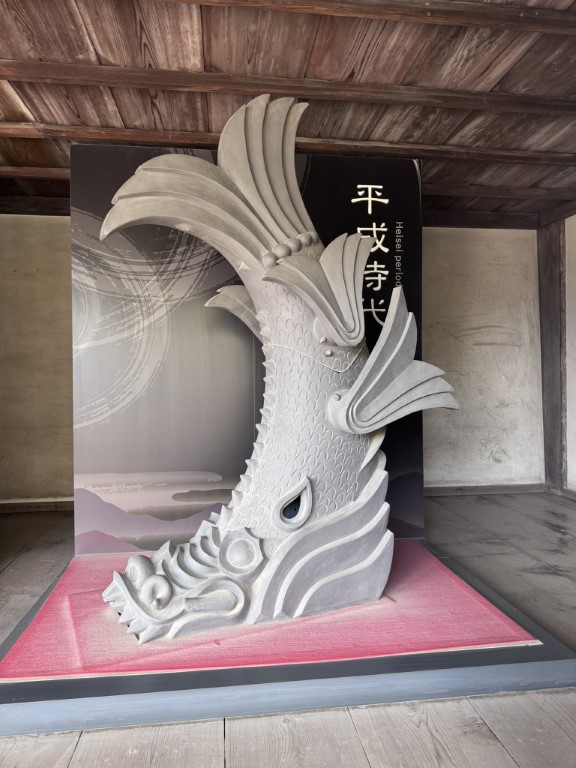
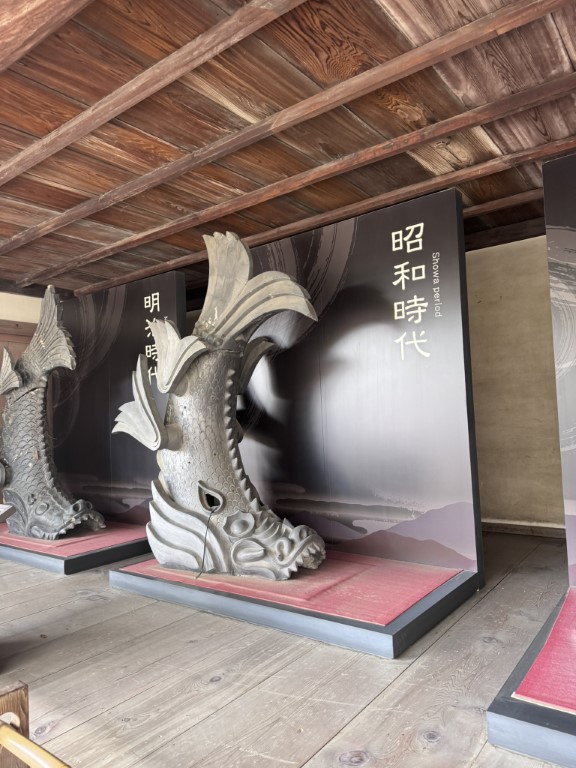
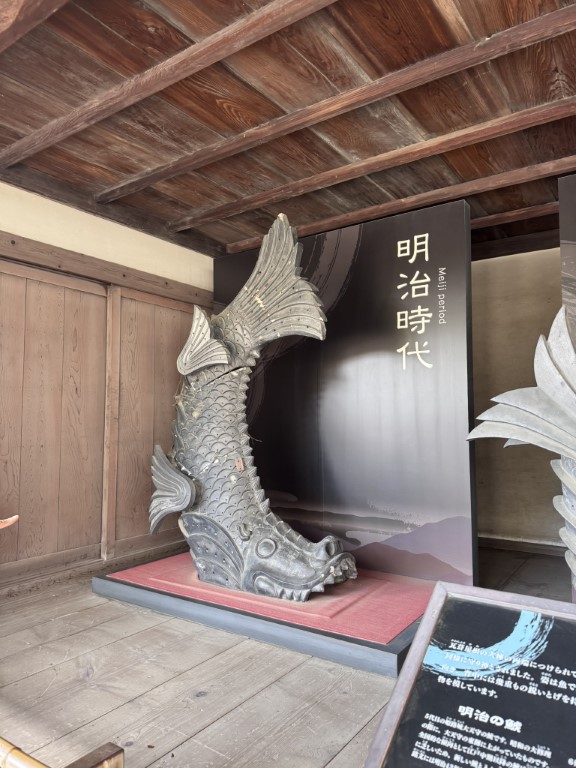
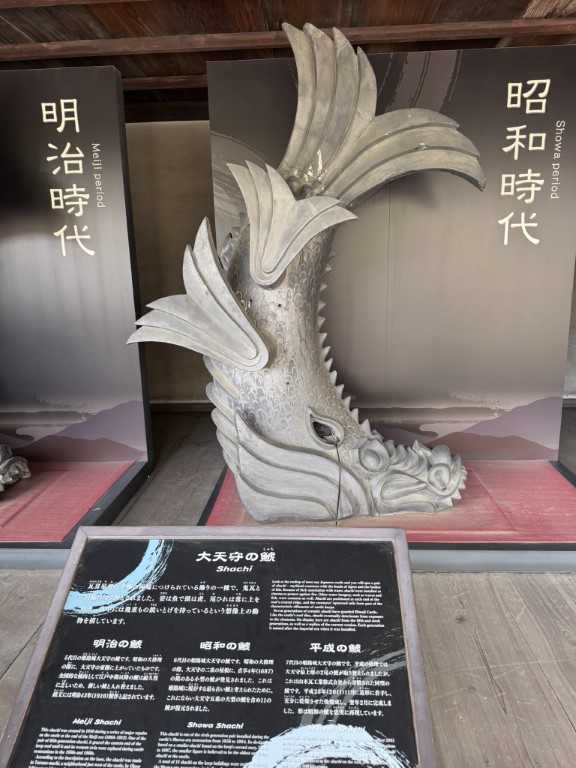
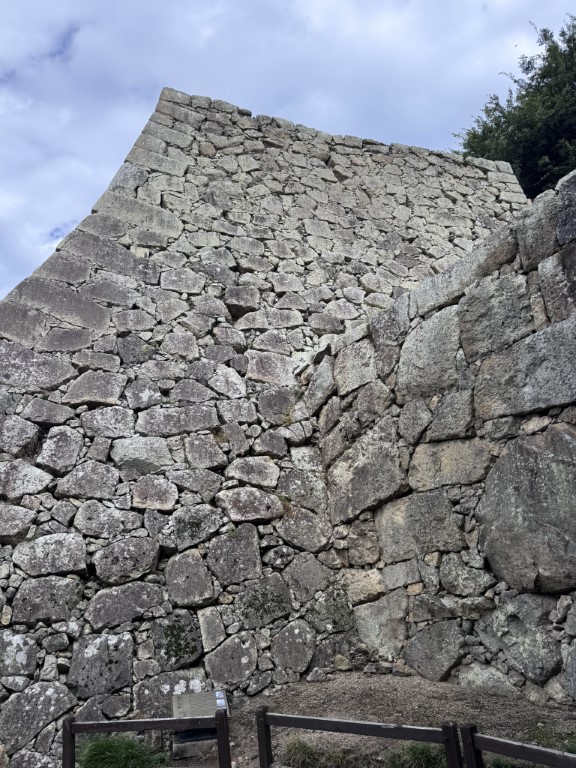
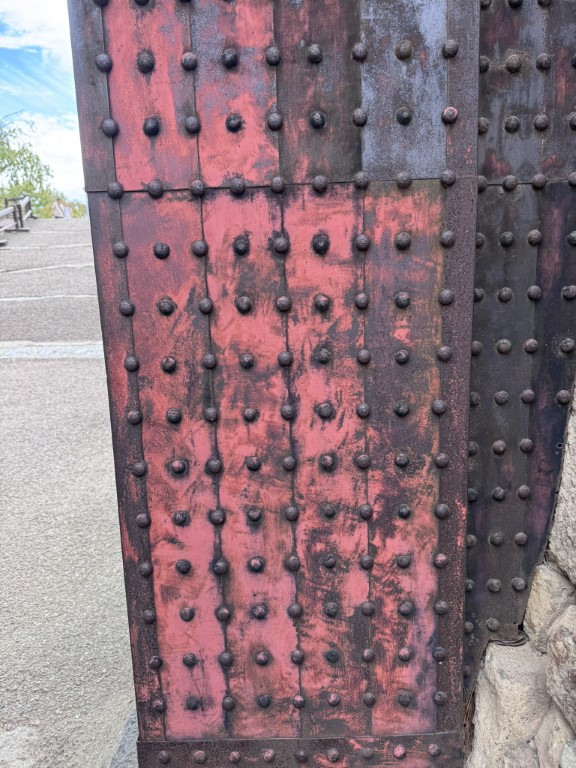
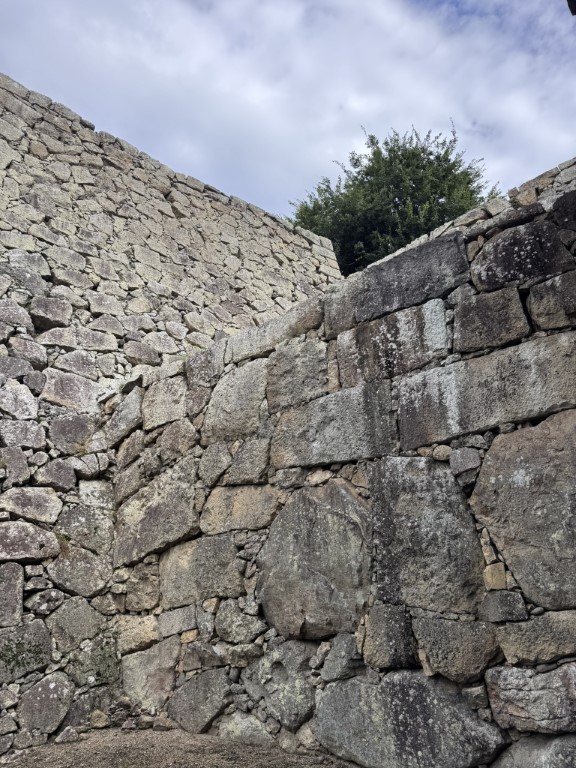
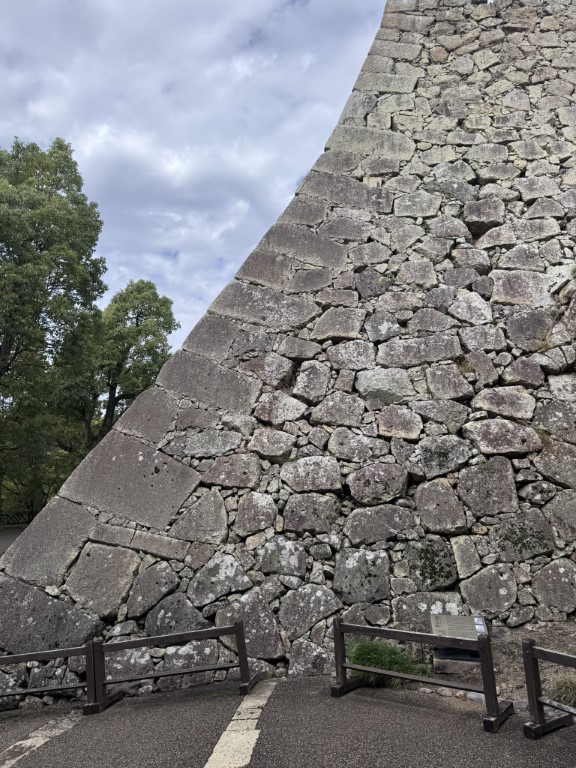
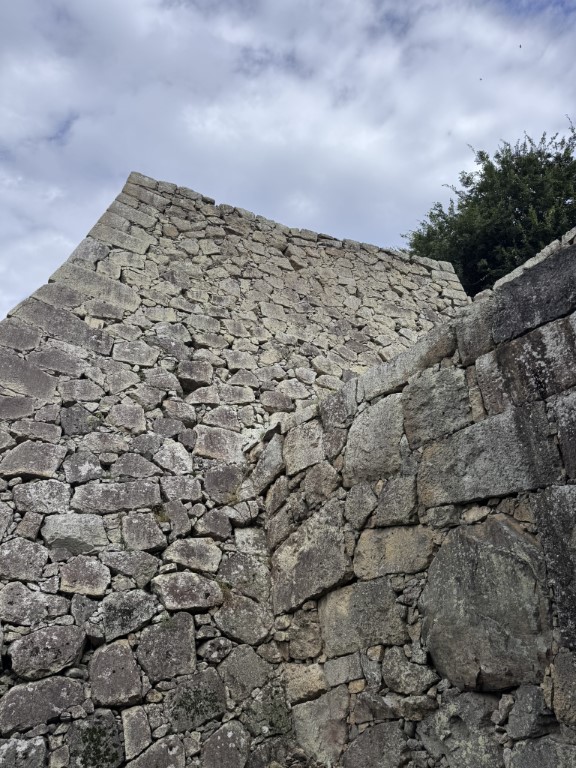
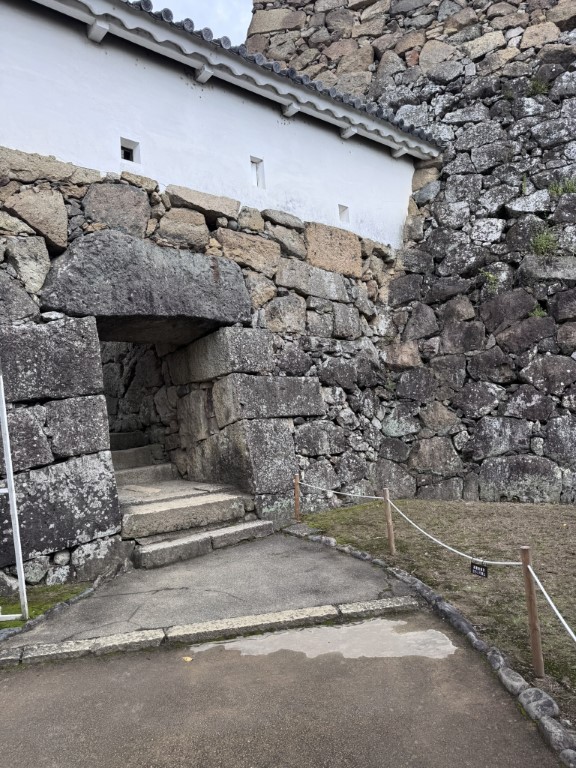
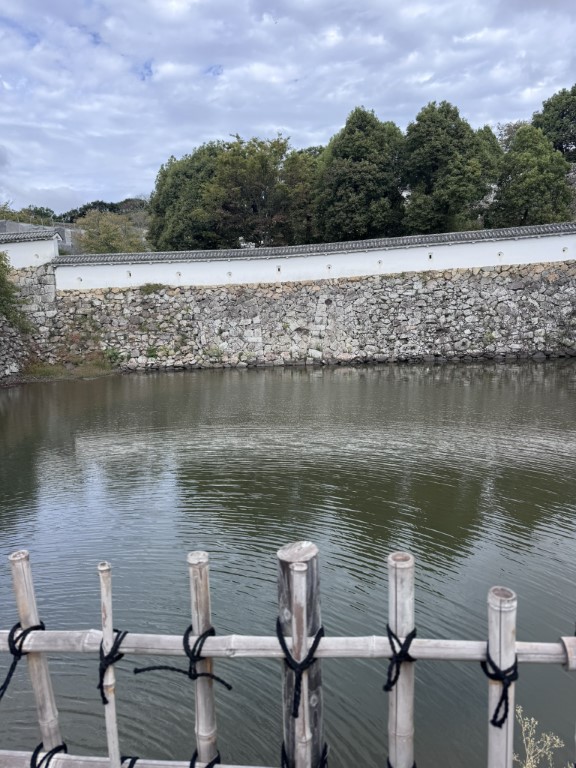
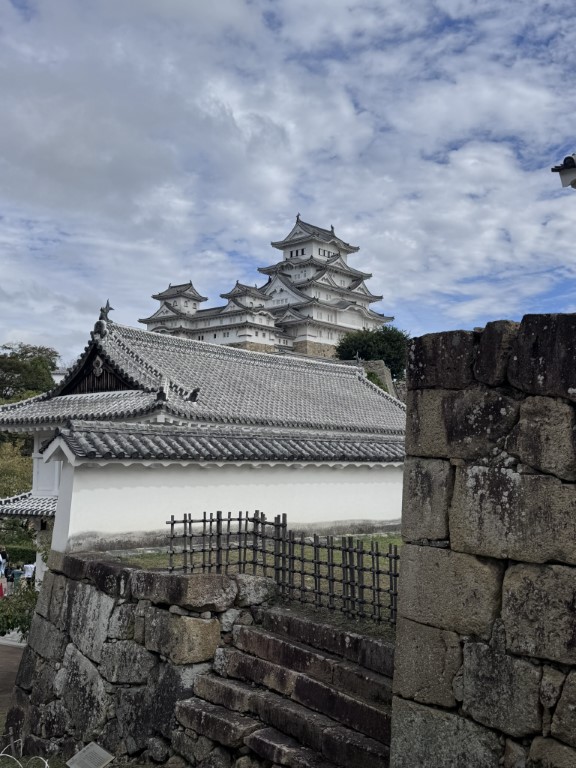
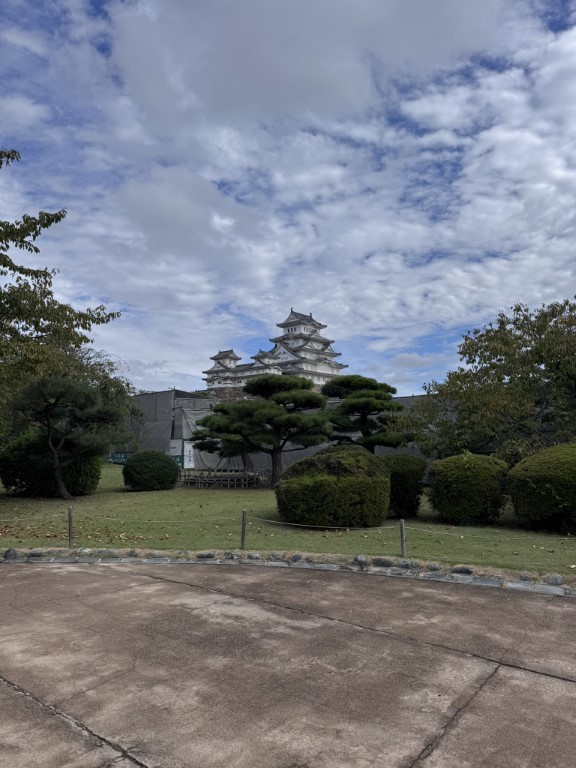
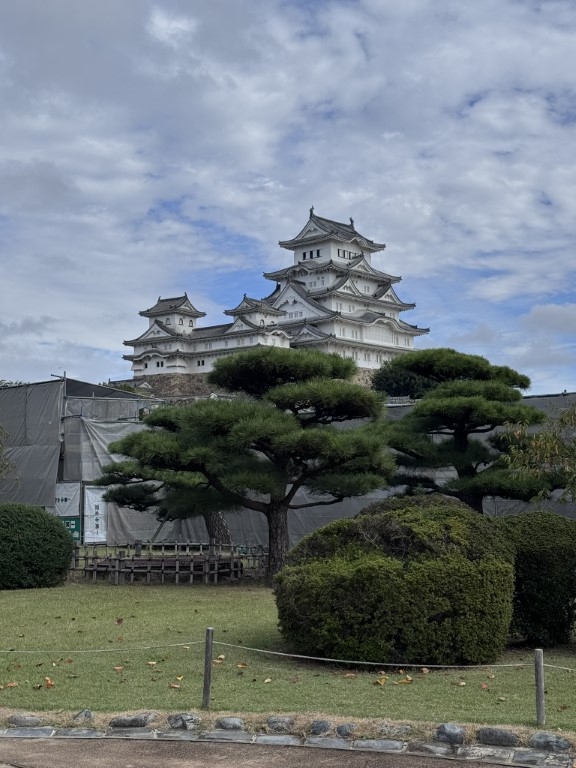
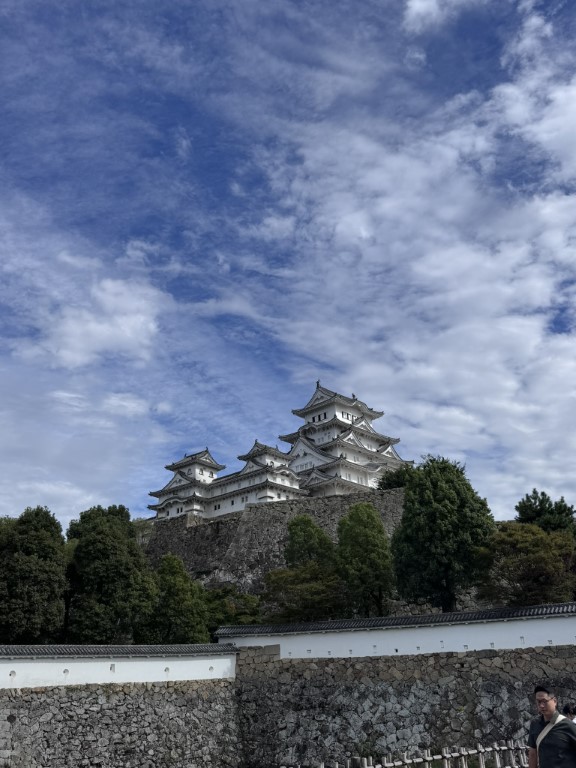
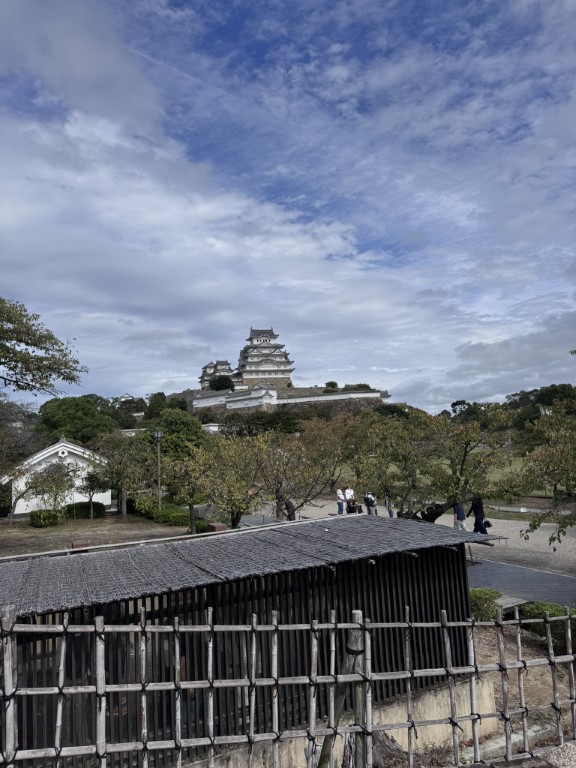
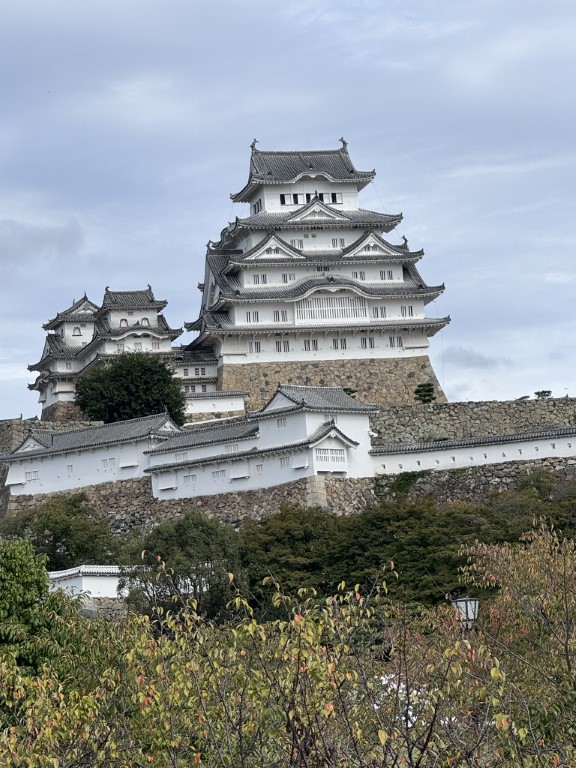
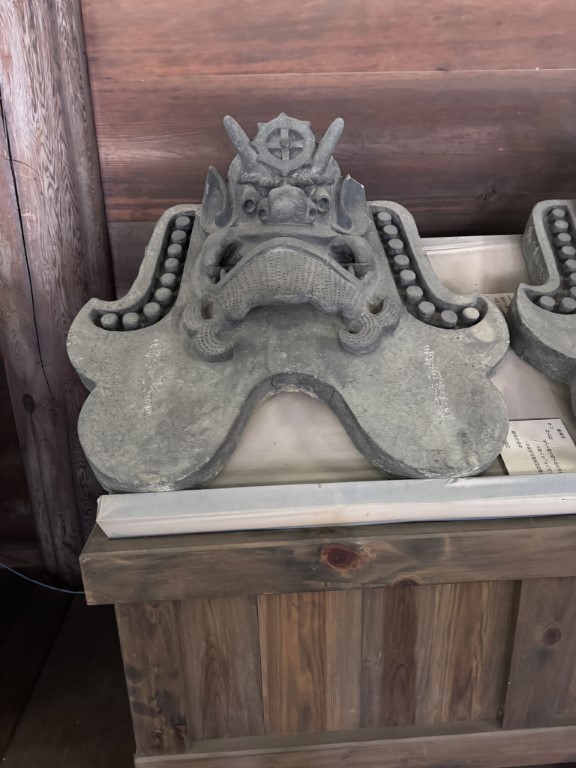
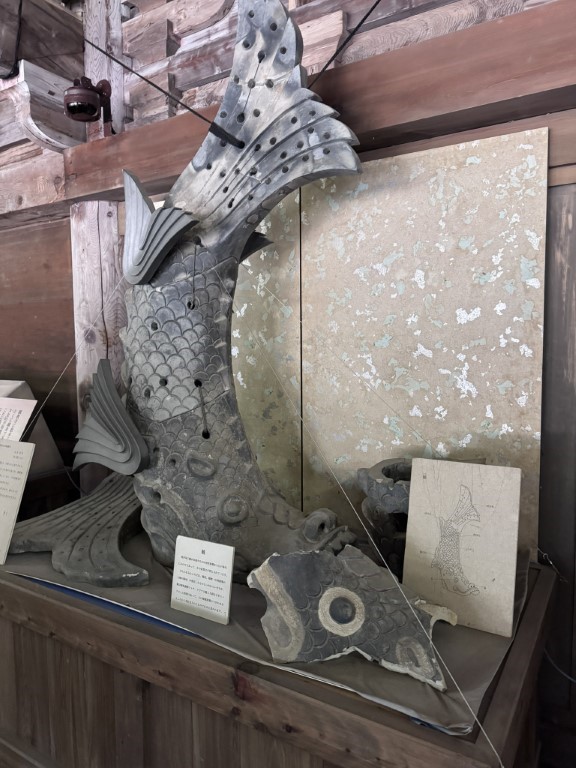
The castle grounds were just a short walk away from the observation deck but the walk up the castle was still a long hike uphill. Nishi explained the castle was built high on the hill overlooking the city with various steep winding paths designed to confuse and tire invading armies. Himeji, or White Heron, Castle was built at a strategic point along the western approach to Kyoto. The first fort built on the site were completed in the 1400s, and gradually enlarged. The current castle complex was completed in 1609. It is made up of over eighty buildings spread across multiple baileys, which are connected by a series of gates and winding paths. Unlike many other Japanese castles, it was never destroyed by war, earthquake or fire and survives as one of the country's twelve original castles, despite the city of Himeji being heaving damaged by bombing raids in 1945. Nishi said it survived basically due to luck as it was handed over to the government after the fall of the shogunate and therefore did not fall to ruin as other castles did. The original fortifications exten beyond the castle grounds to include several neighborhoods protected by moats and earthen embankments. Residents were housed according to social standing: high-ranking samurai lived closer to the center, and merchants and craftsmen lived just beyond the middle moat. The white plaster that gives the castle its nickname was not just decorative but also served to protect the wooden structure from fire, as did the Shachi, mythical fish-like creatures with tiger heads that adorn the roofs of Japanese castles that were believed to protect buildings from fire and natural threats.
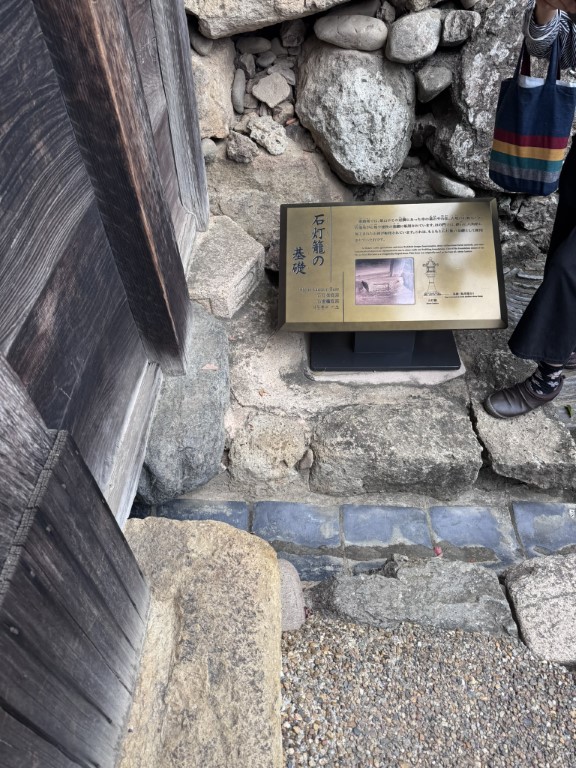
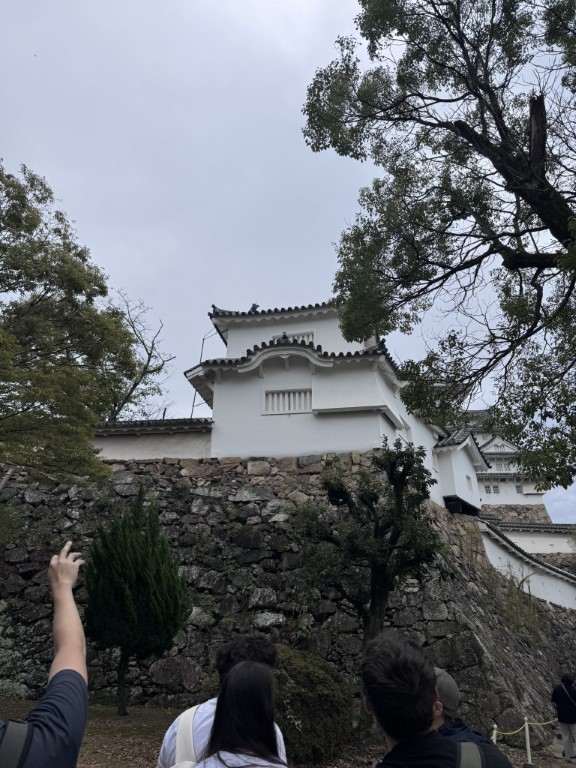
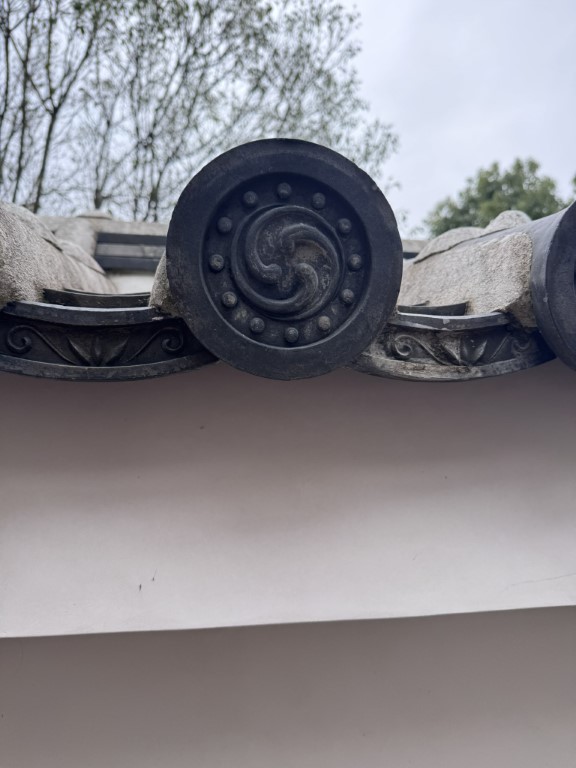
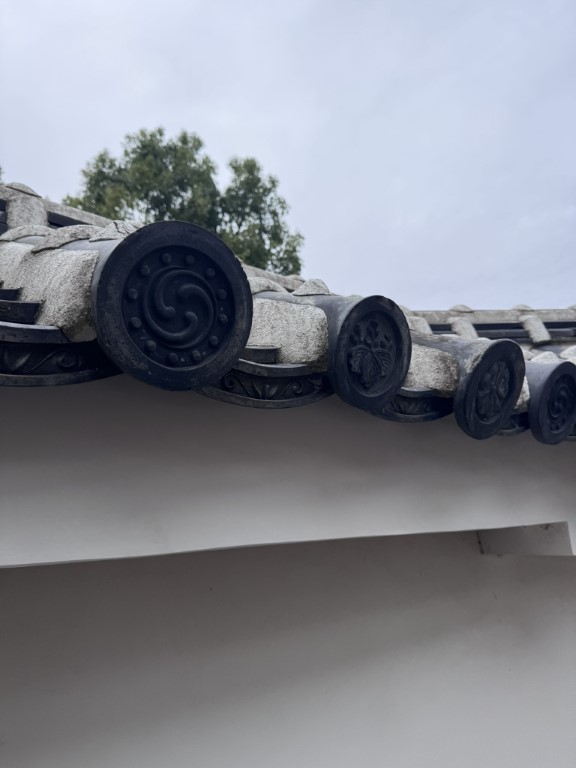
.jpg)
.jpg)
.jpg)
.jpg)
.jpg)
.jpg)
.jpg)
.jpg)
.jpg)
.jpg)
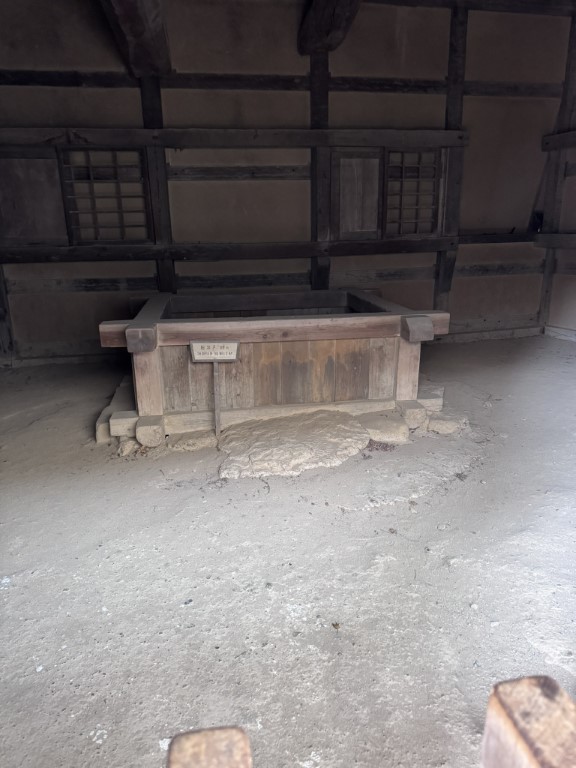
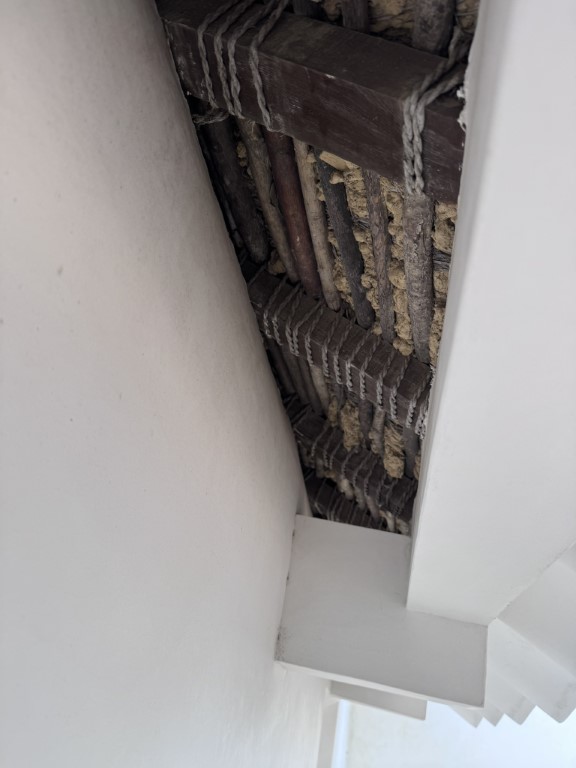
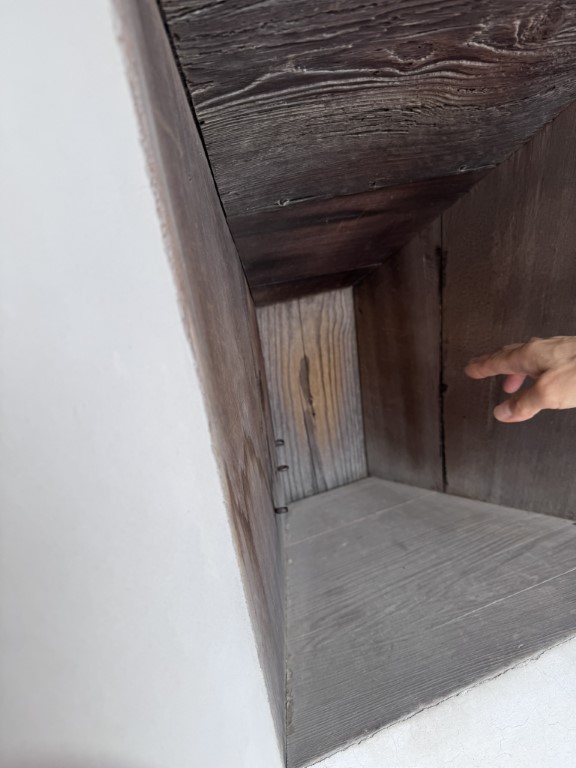
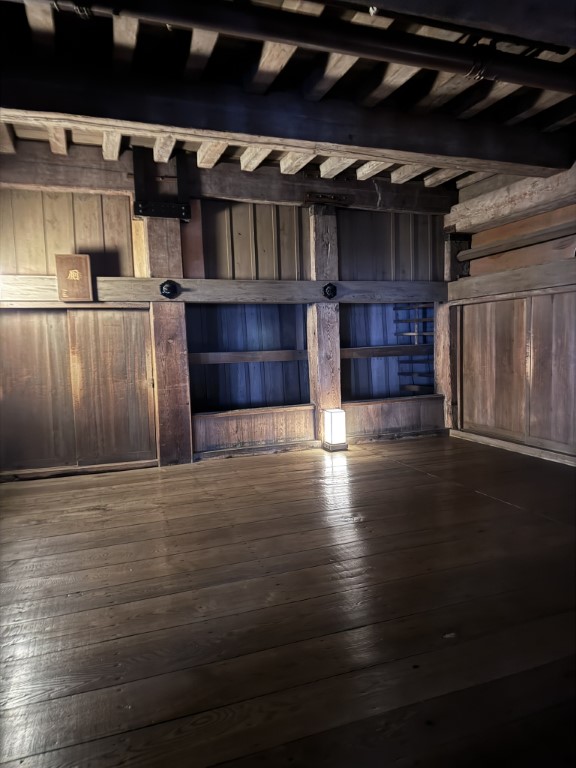
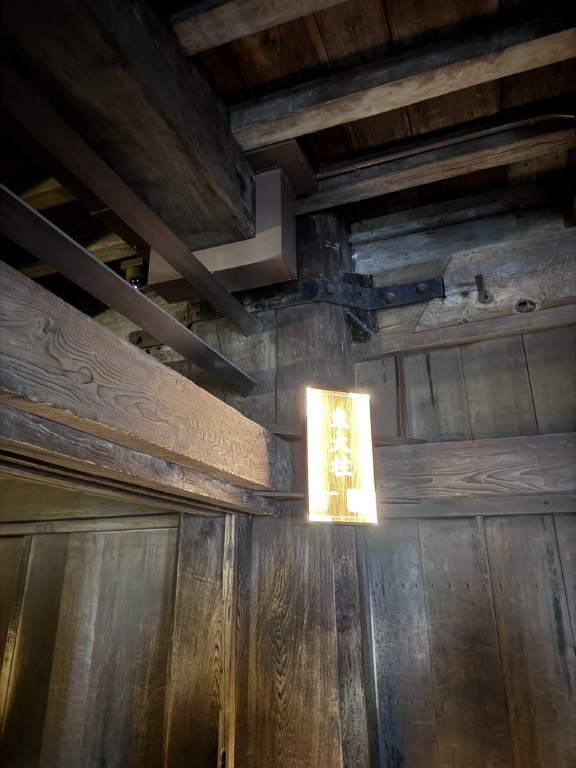
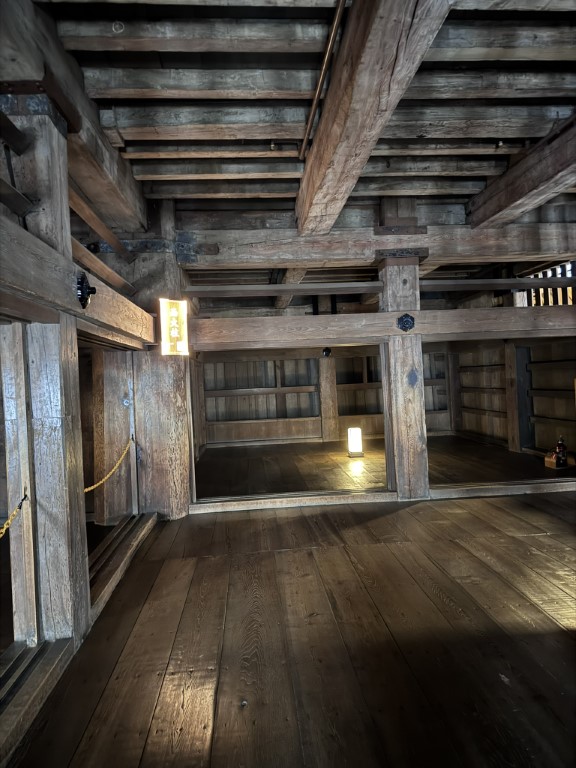
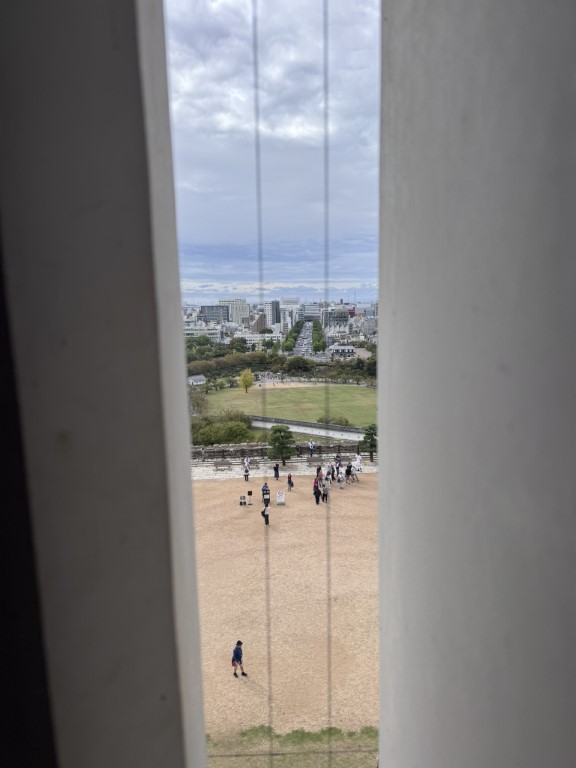
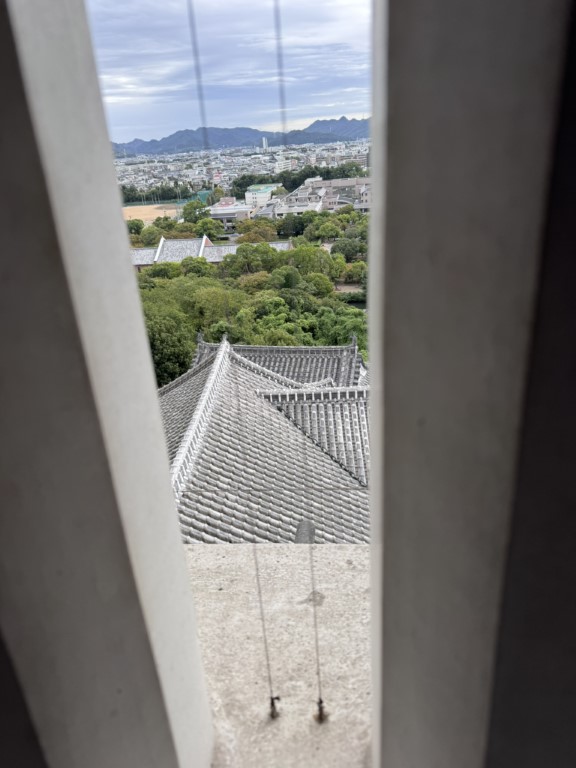
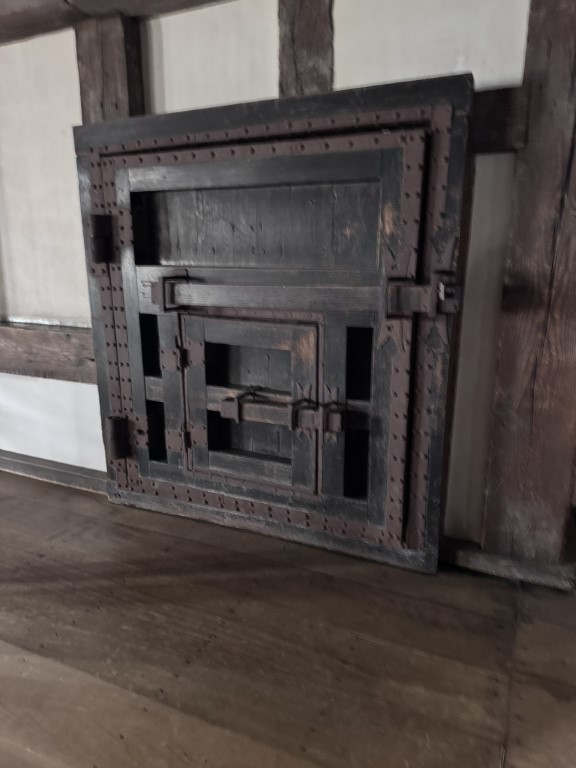
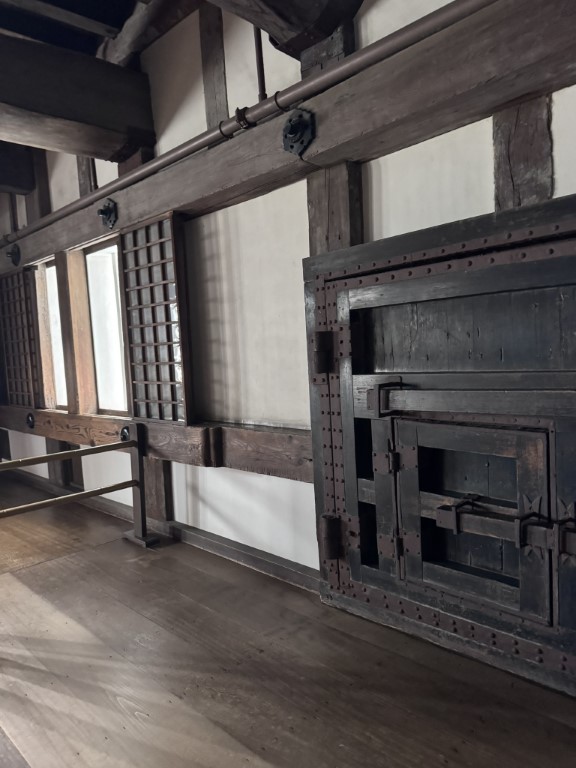
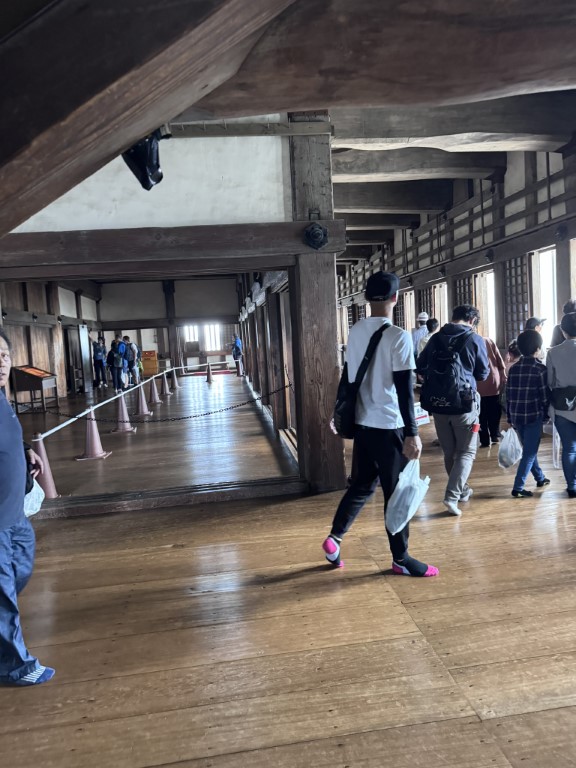
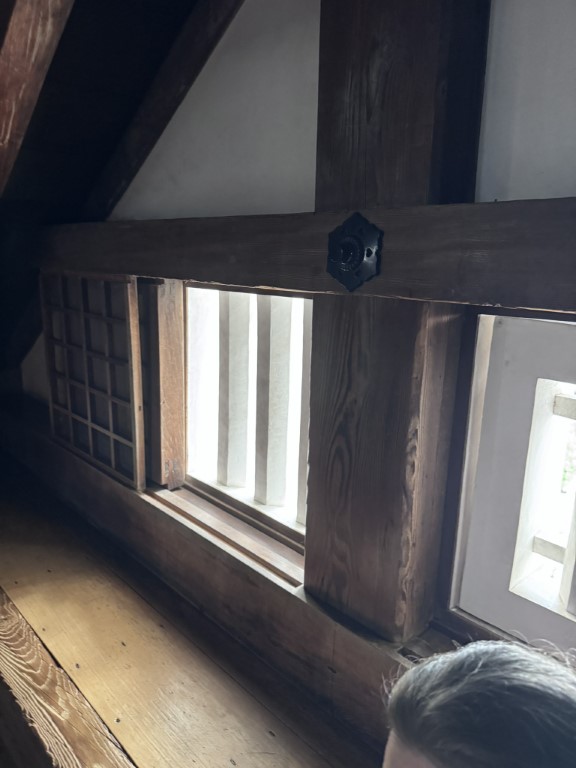
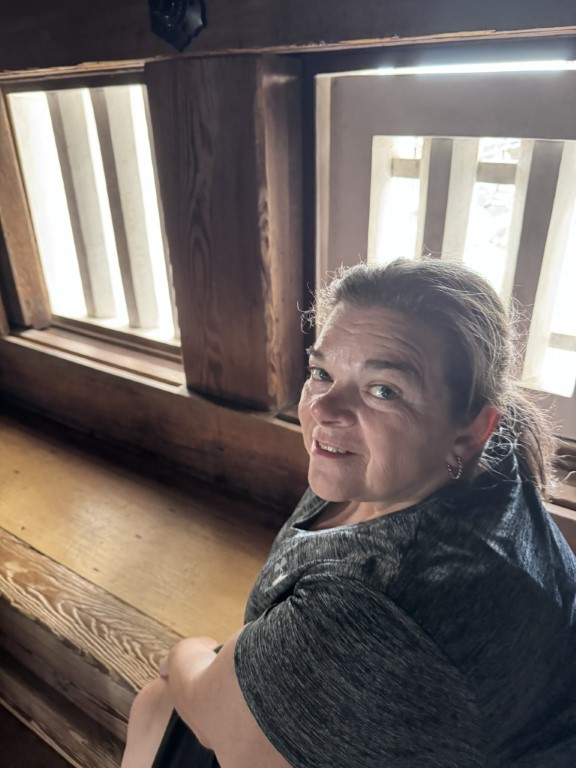
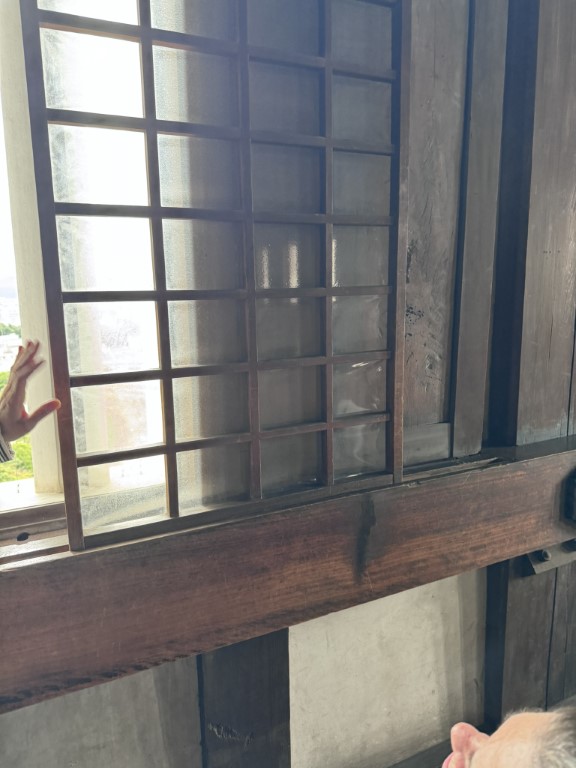
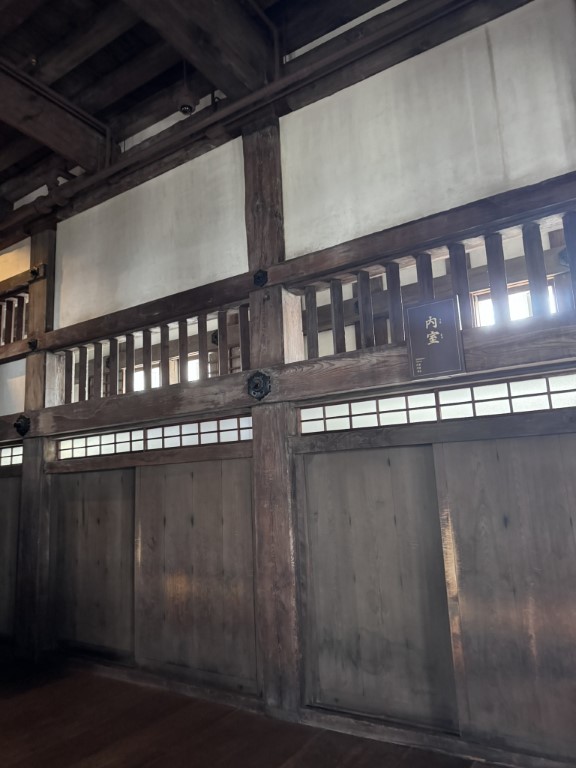
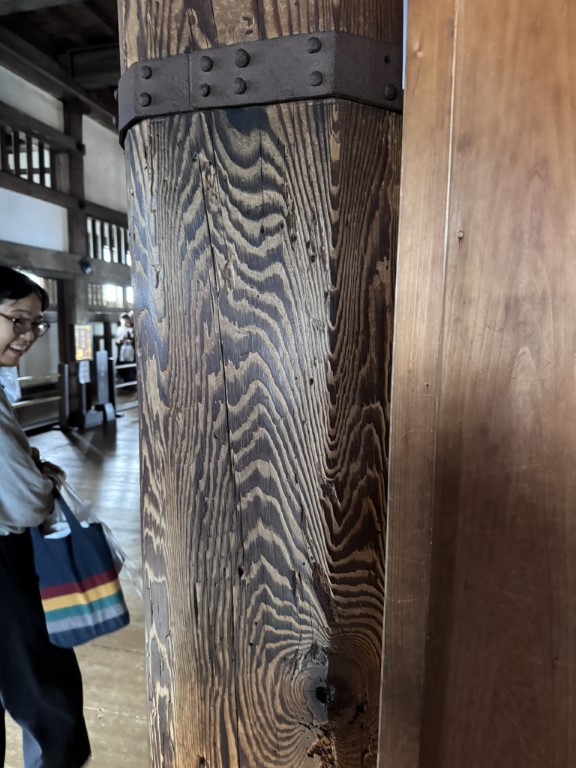
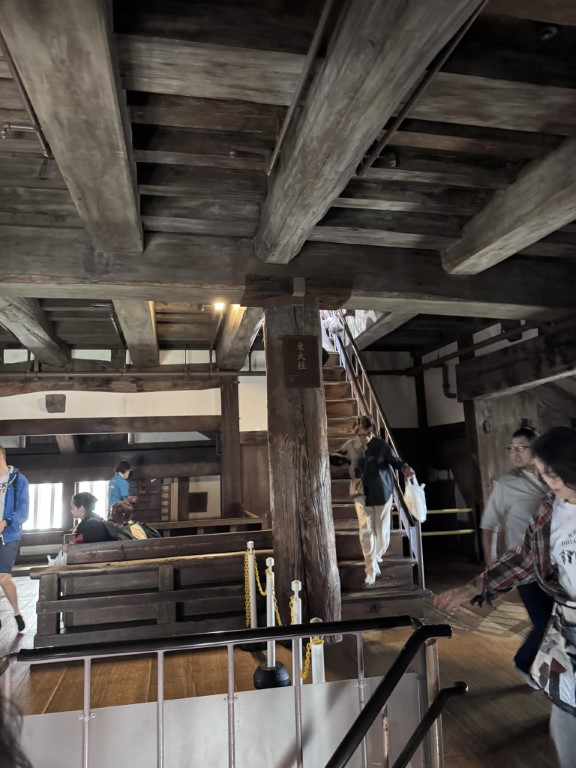
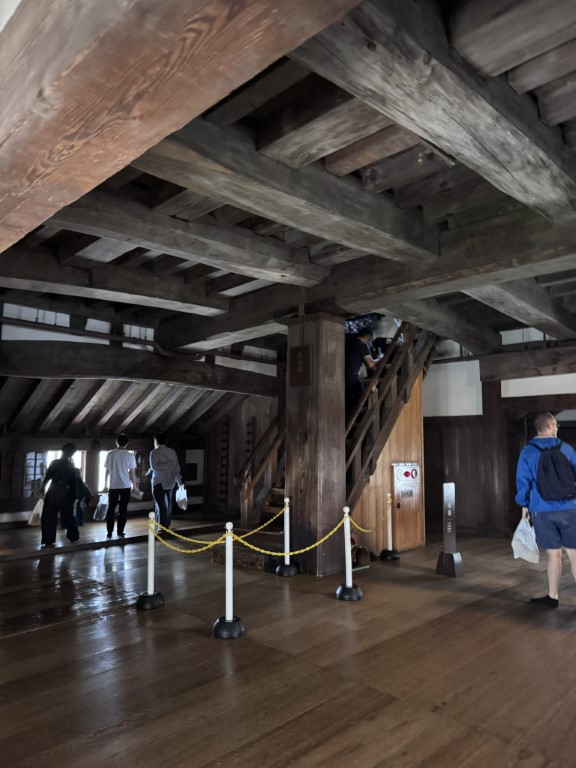
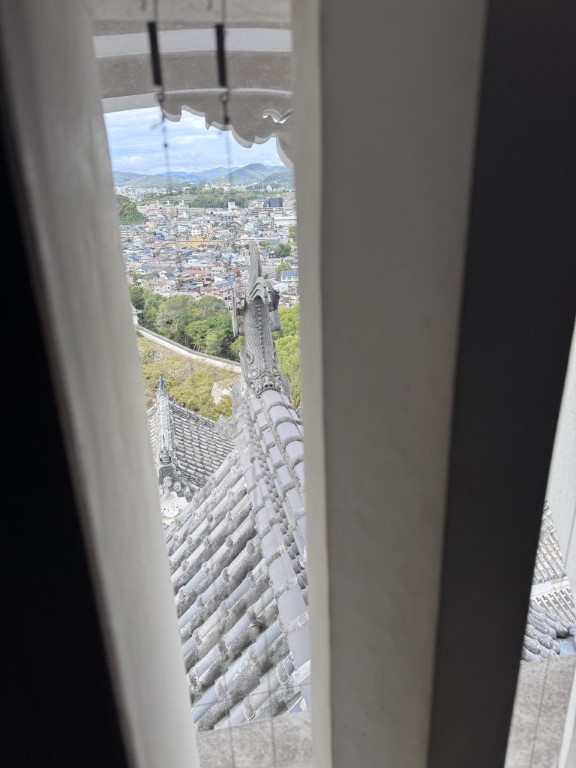
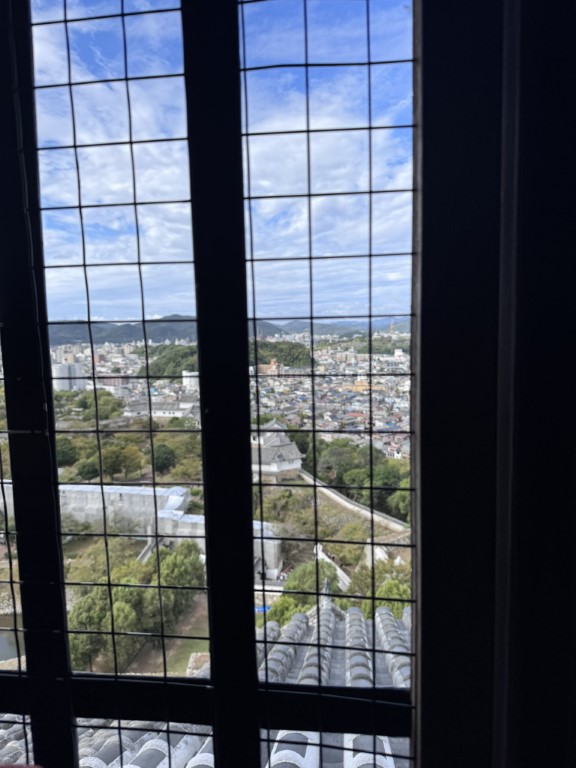
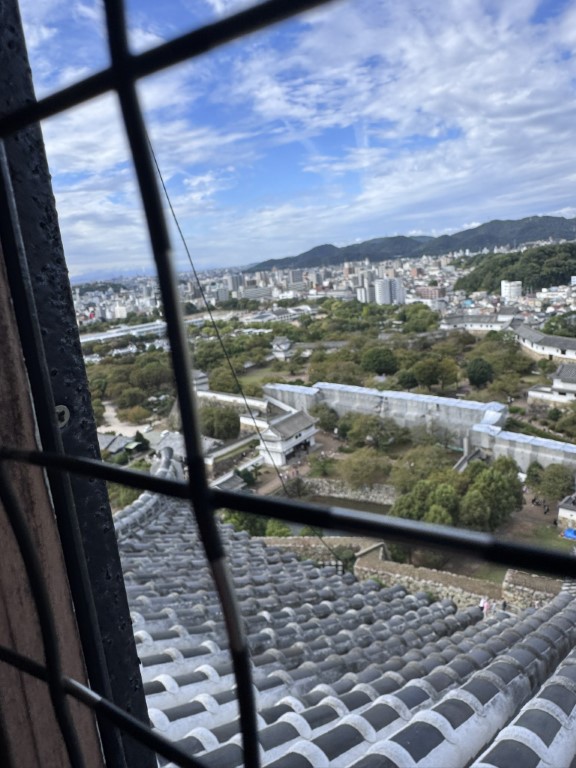
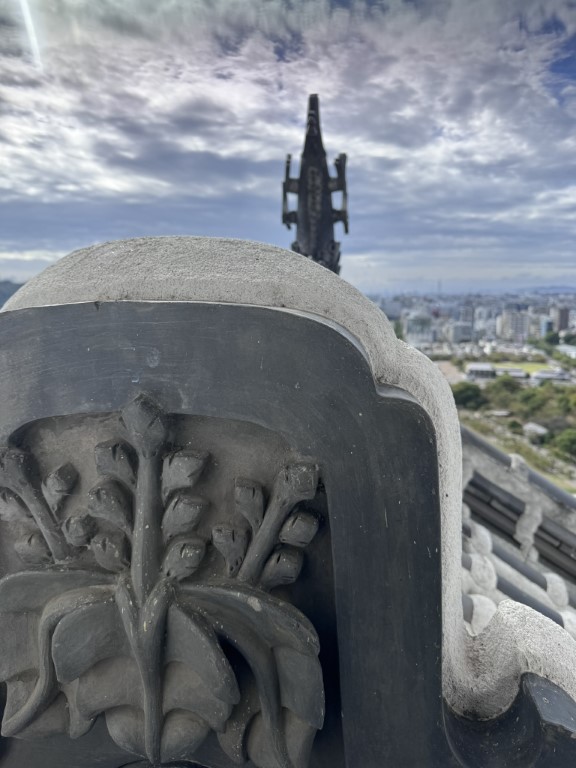
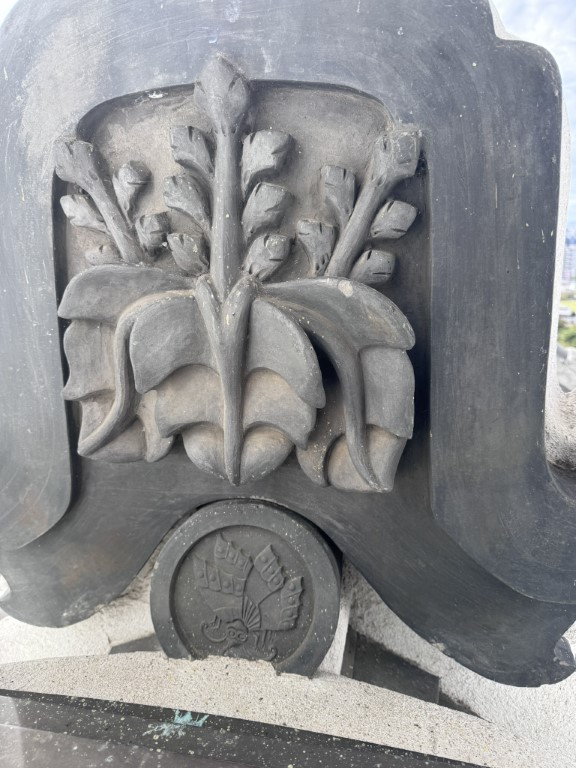
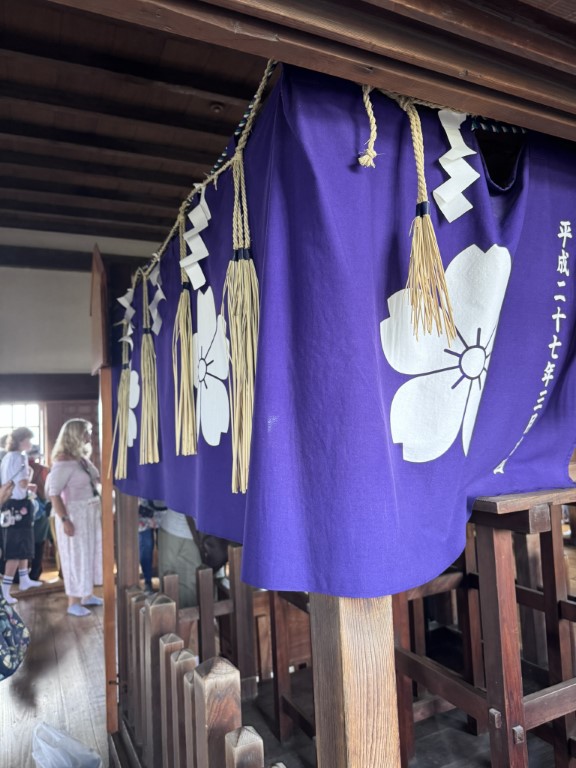
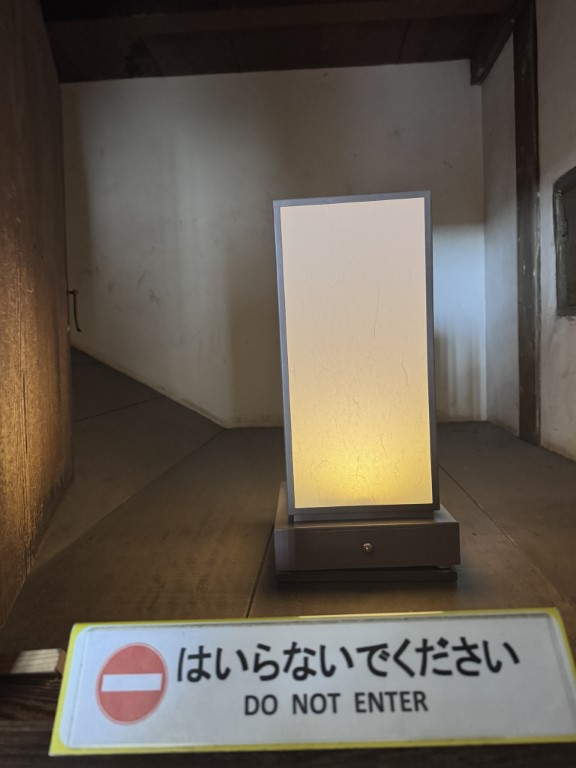
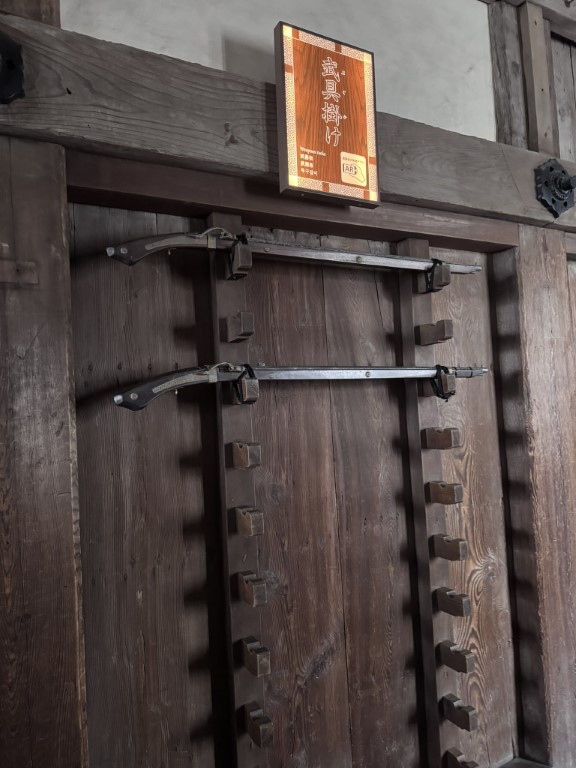
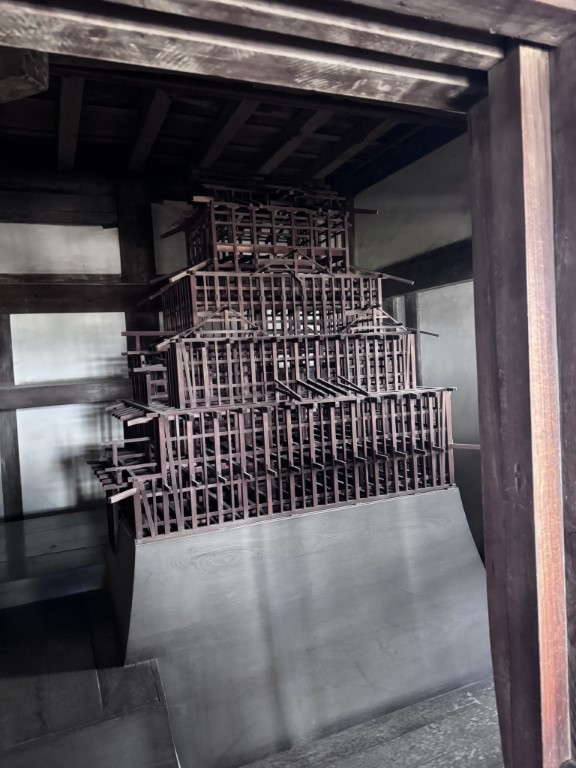
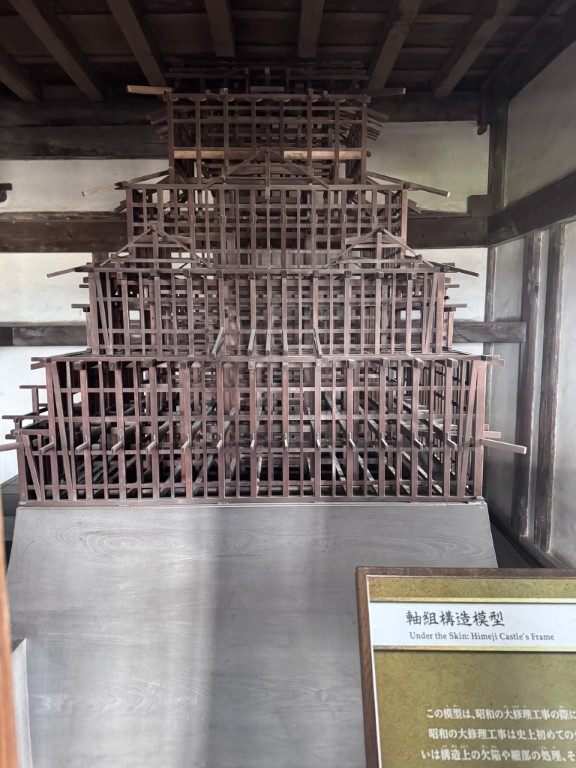
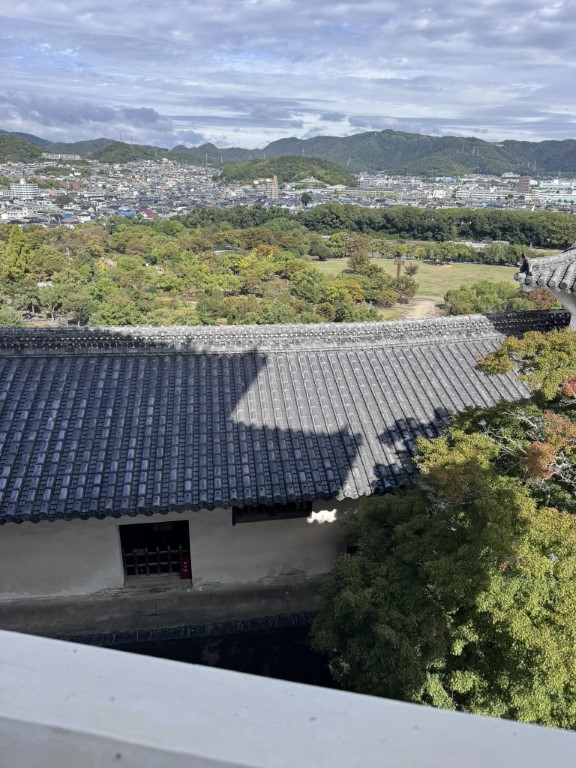
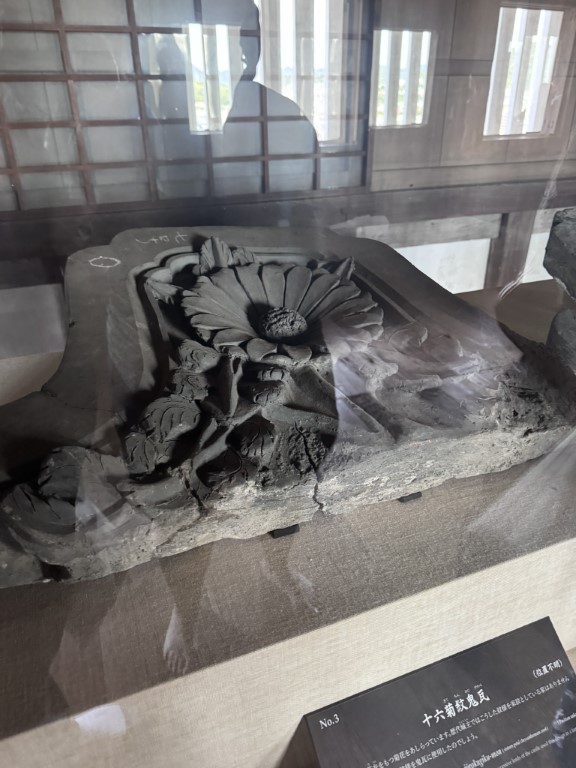
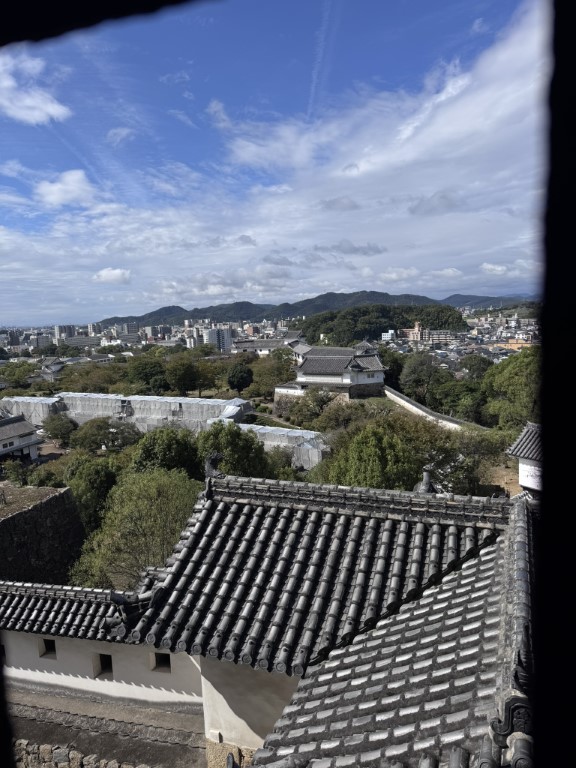
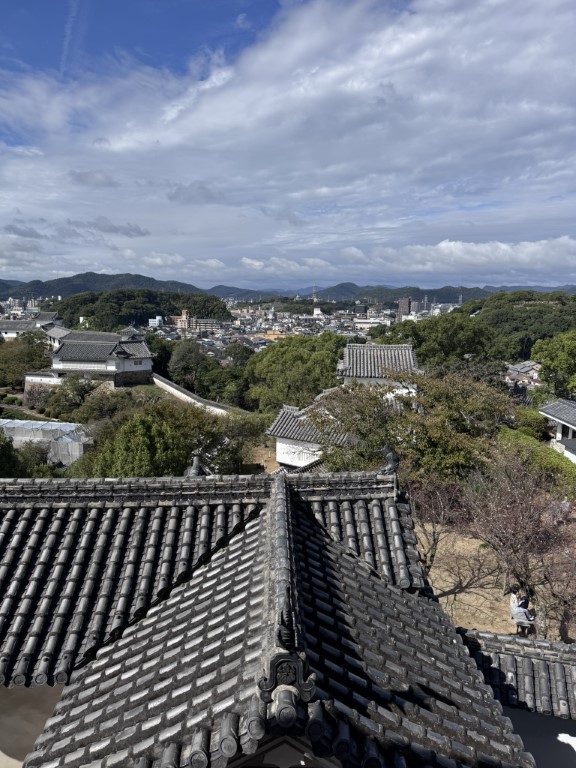
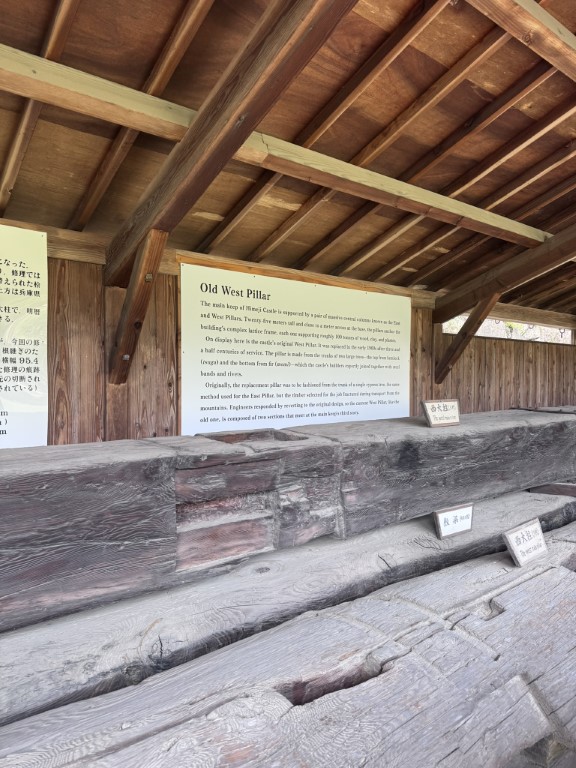
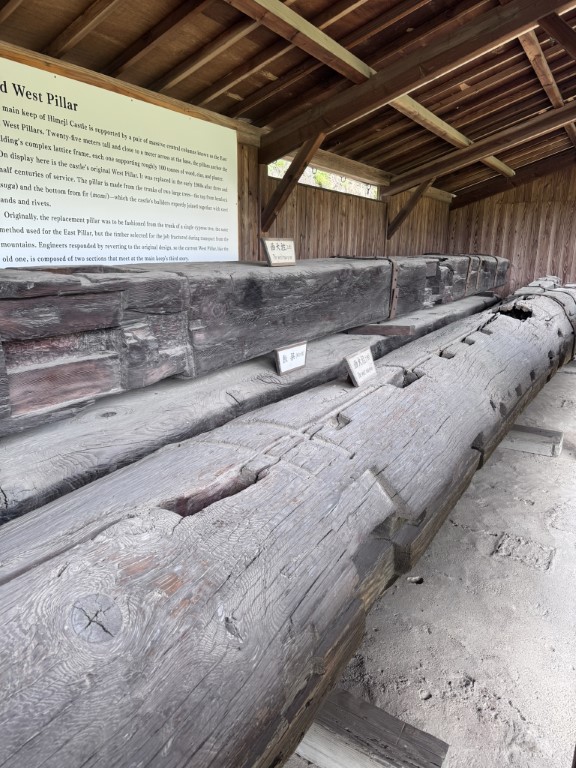
We entered the main keep of the six story building and climbed upwards via a series of steep, narrow staircases. Nishi led us through each of the floors, pausing to explain key features of the original keep such as the two main wooden posts that support the structure. The keep is supported by a lattice of posts and beams rather than by thick outer walls, with the two columns at the center of the structure bearing the heaviest load. One of these is original to the 1600s while the other was replaced during the 1950s renovation where the entire castle was disassembled with each piece marked so that rotting wood could be replaced as it was put back together piece-by-piece. Originally the second pillar was supposed to be replaced by a single tree trunk but the trunk broke during transport from the Kiso mountains and instead two large trunks were joined together using traditional Japanese joinery with no nails or bolts to replace the pillar. After many staircases, we finally reached the topmost floor with its small shrine and panoramic view of the roofs, the maze-like defenses and the city of Himeji.
.jpg)
.jpg)
.jpg)
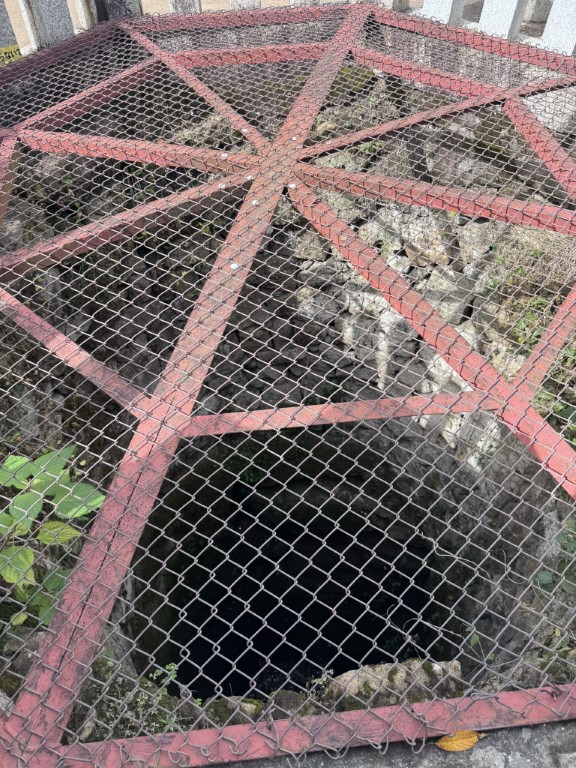
We made our way back down the staircases, which was more difficult for Janie than climbing, since her broken ankle occurred when she missed the bottom stair coming down a staircase, so she was still a bit apprehensive on stairs. We exited the castle and toured some of the grounds, where we saw the original Shachi tiger-fish as well as the original main beam that was replaced during the post-war renovation. Nishi told us some of the legends of the castle along the way as well as showed us where Tanaka's ninja training camp from "You Only Live Twice" were filmed. The castle also featured in a pair of Kurosawa samurai films.
.jpg)
.jpg)
.jpg)
.jpg)
.jpg)
.jpg)
.jpg)
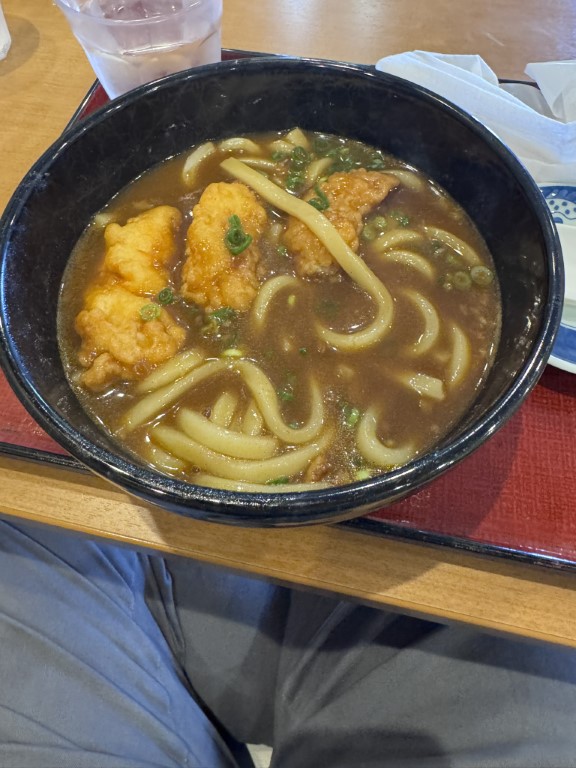
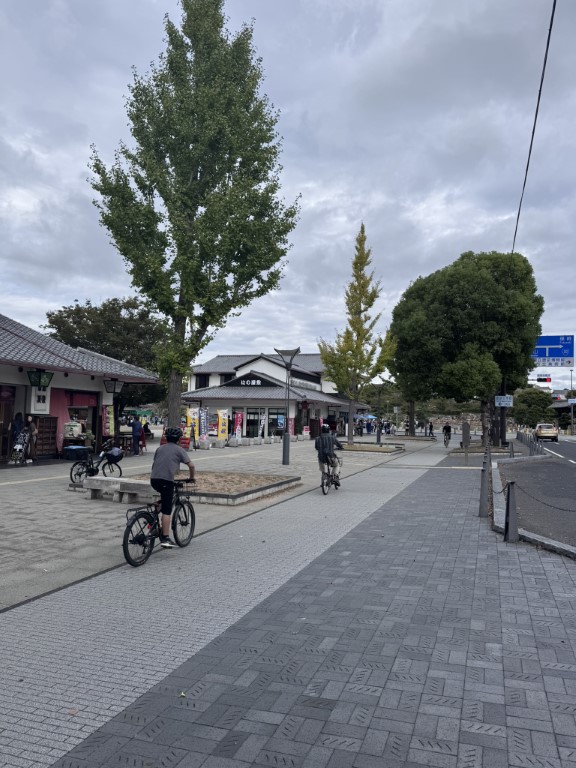
We walked to Himeji Park where lunch awaited us at a local restaurant. We both chose tempura noodle dishes, with J. R.'s being a spicy curry sauce. We sat with Nishi over lunch and talked about her life as a resident of Himeji and told her about where we lived in the United States and our travel plans for the rest of the month. Afterwards we walked to a bus station where we boarded a city bus that would take us to the base of Mount Shosha.
.jpg)
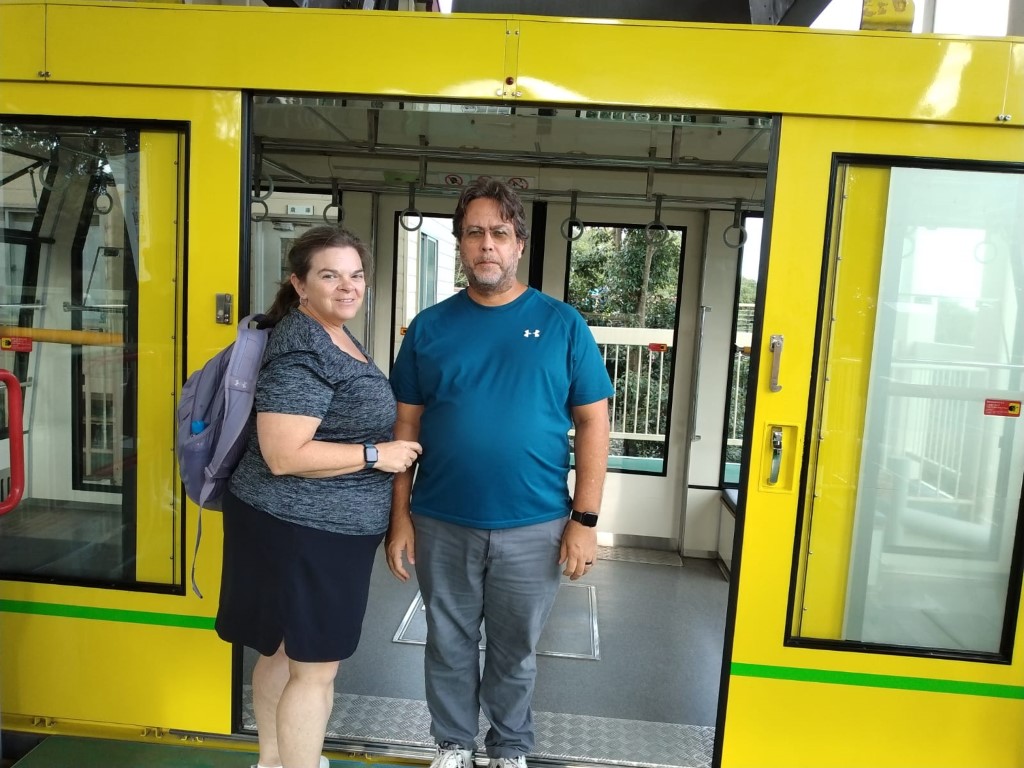
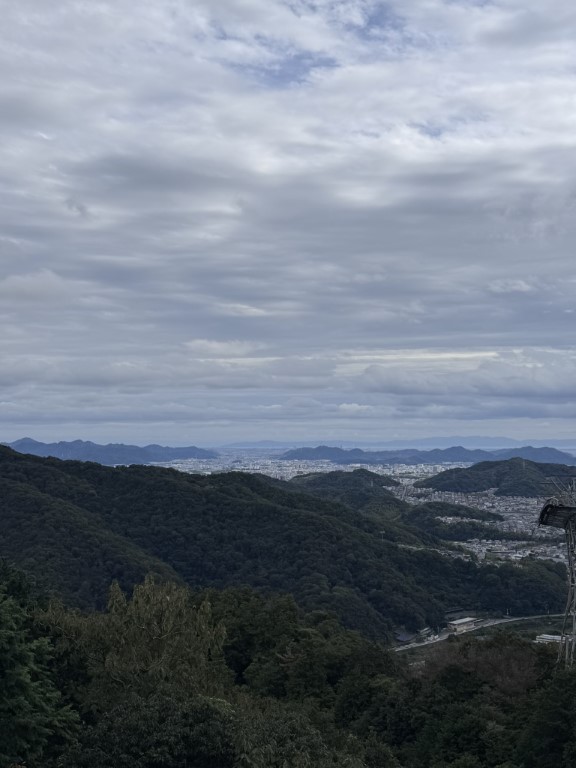
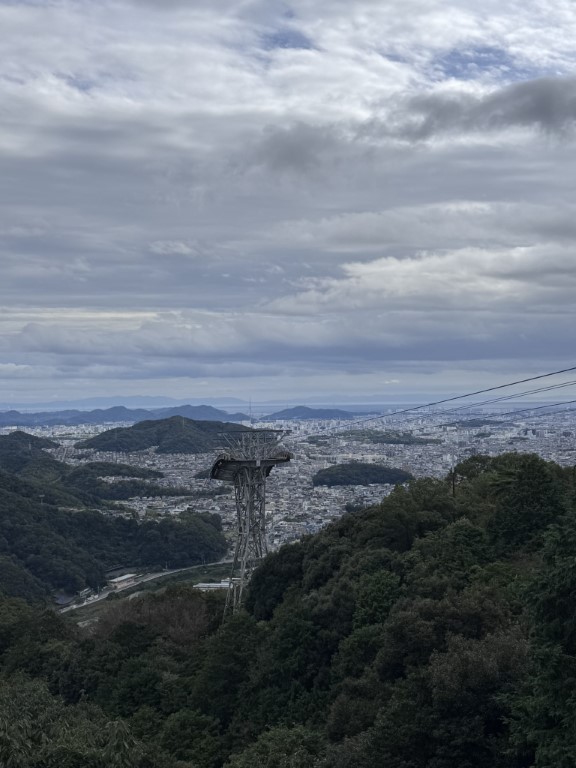
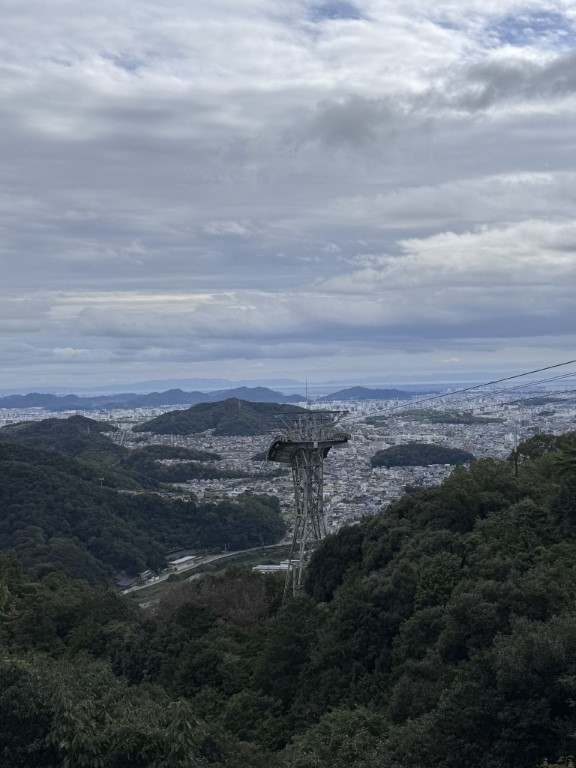
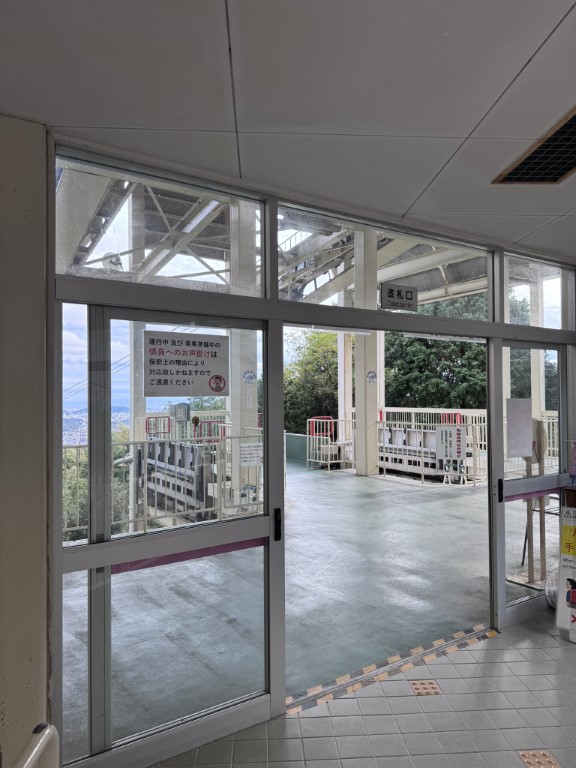
To get to the top of the 371 meter high Mount Shosha and Engyogi Temple, we had to take the Mount Shosha Ropeway, a cable car system. The ropeway was expanded in 1992 and operates with 2 cable cars, capable of carrying a maximum of 60 passengers each. We were packed into the car very tightly on the ride up so we couldn't enjoy much of the view.
.jpg)
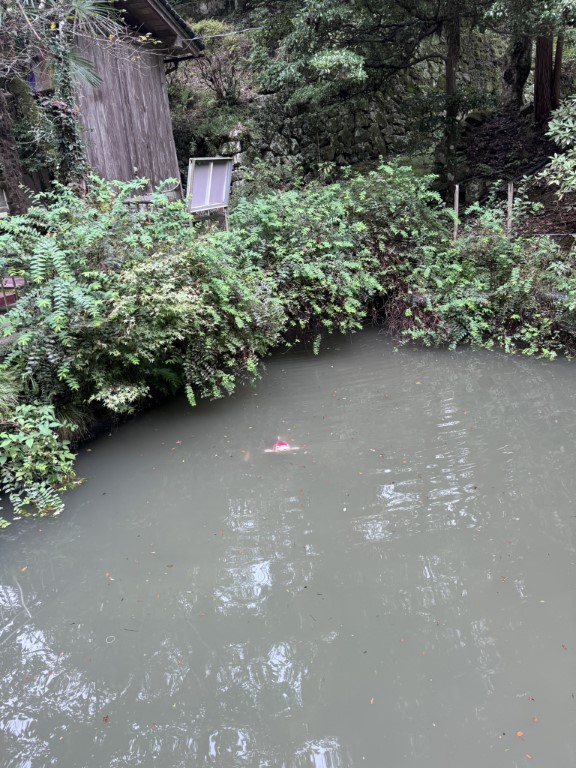
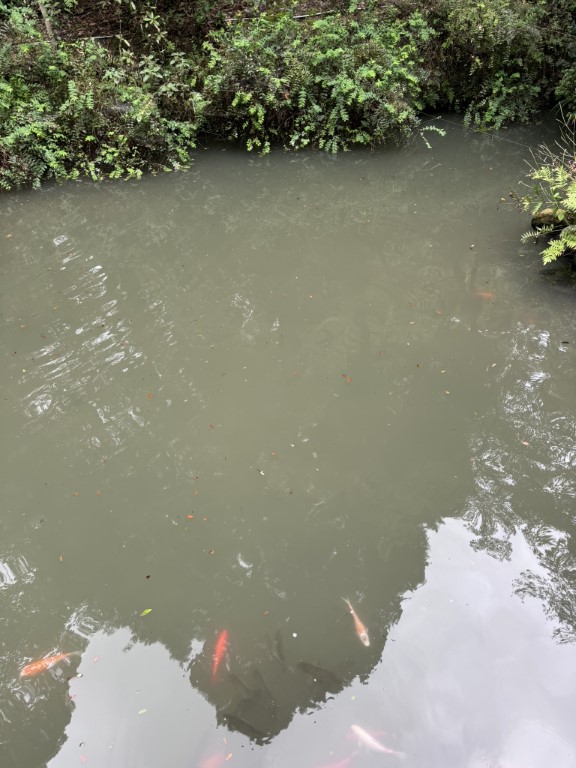
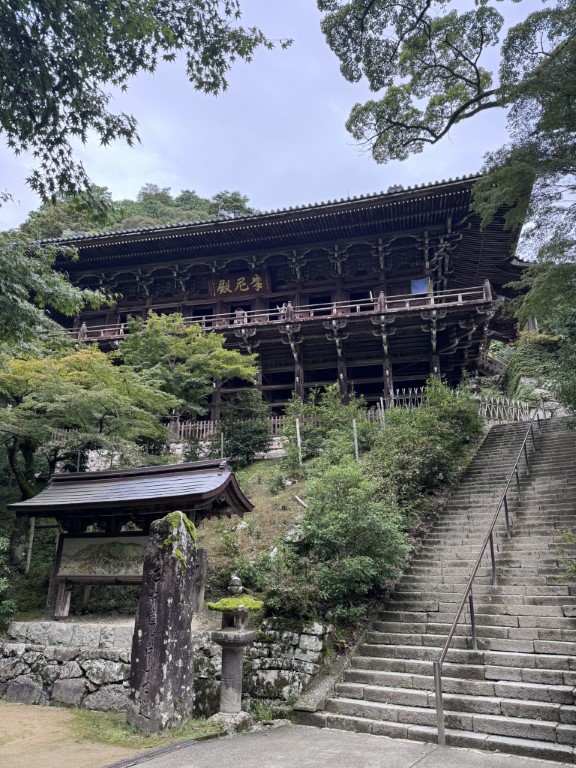
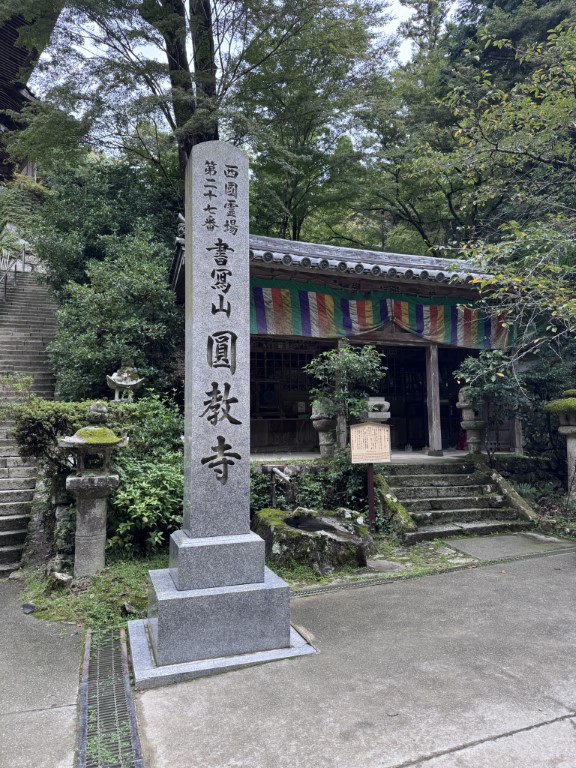
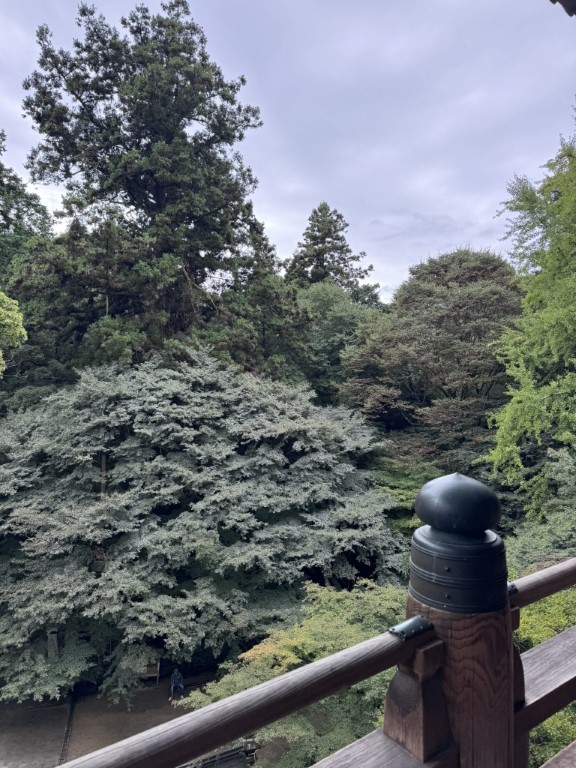
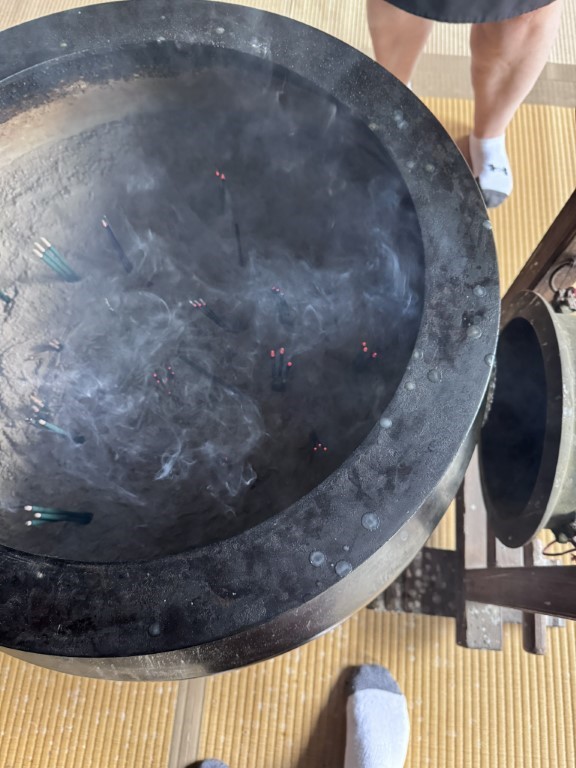
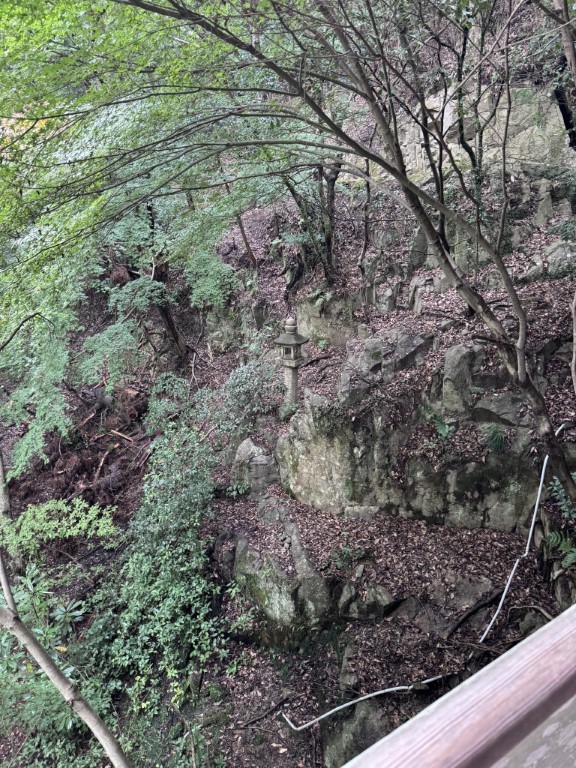
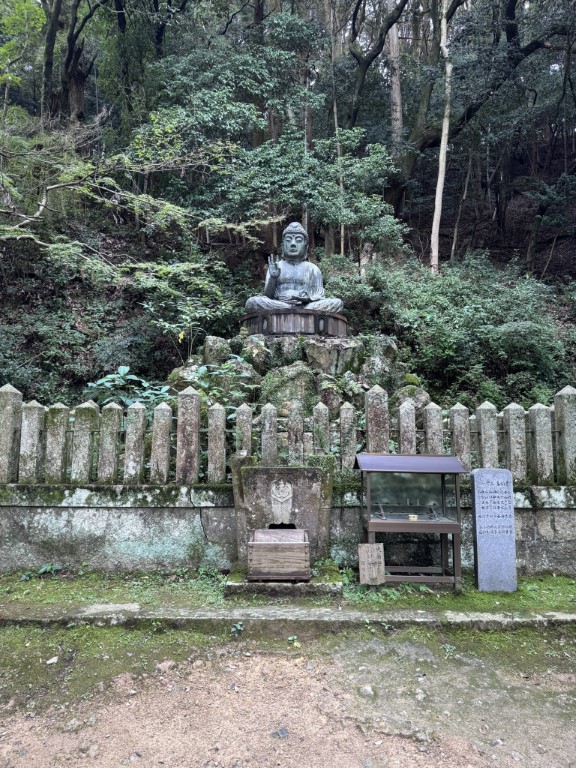
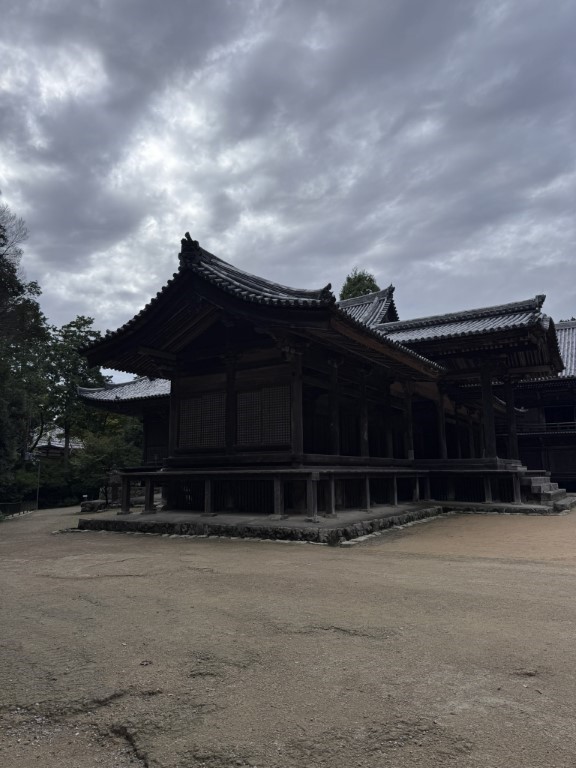
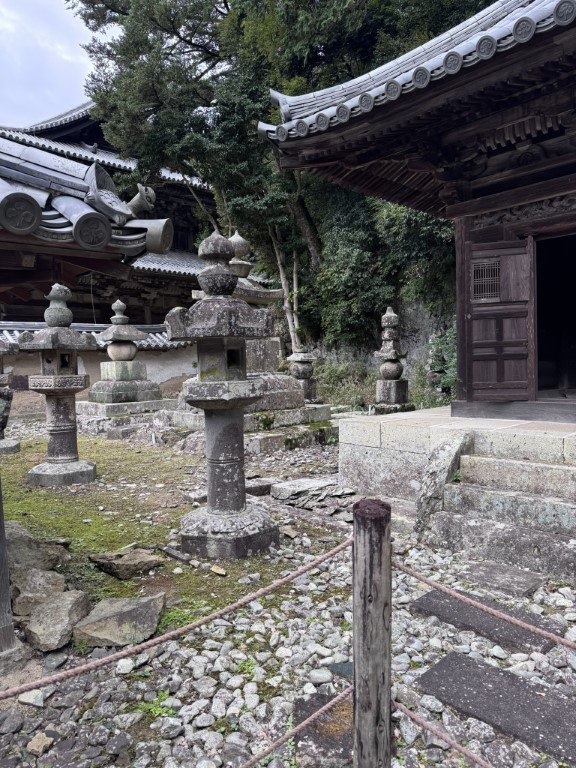
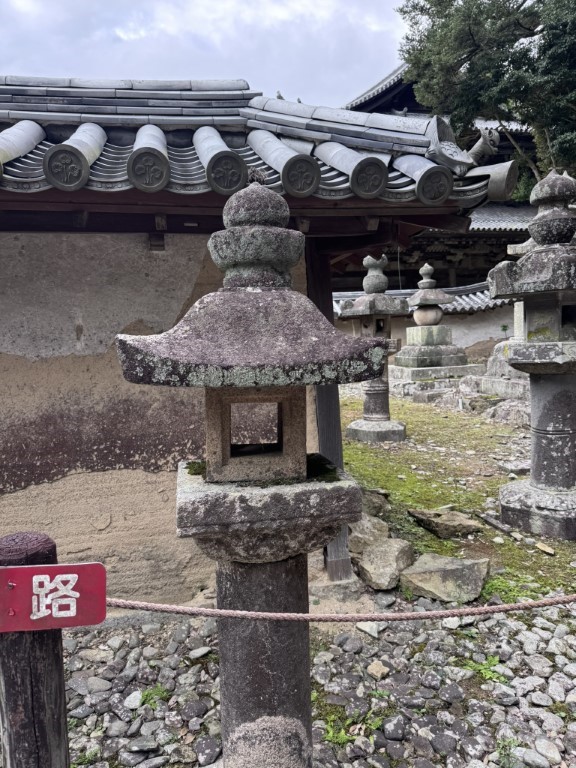
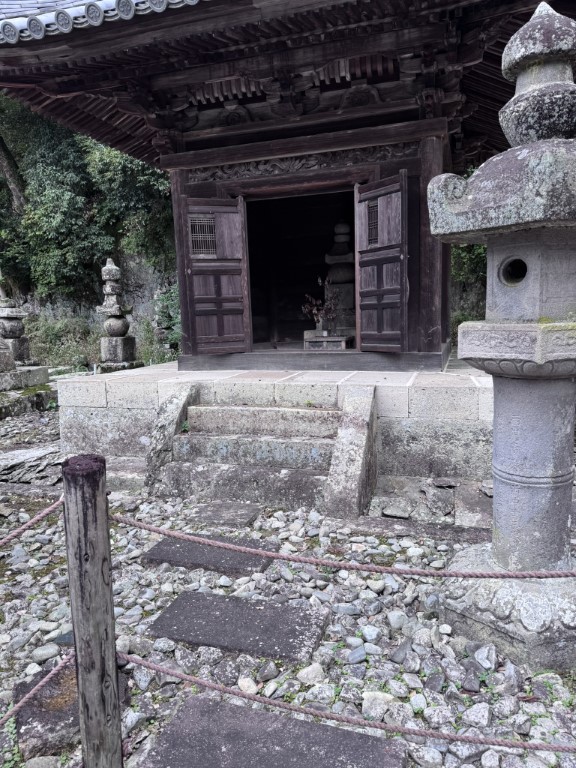
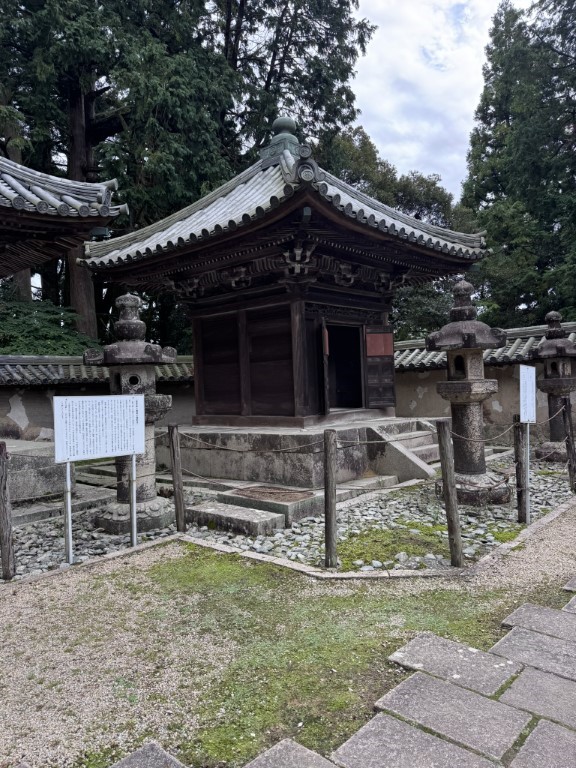
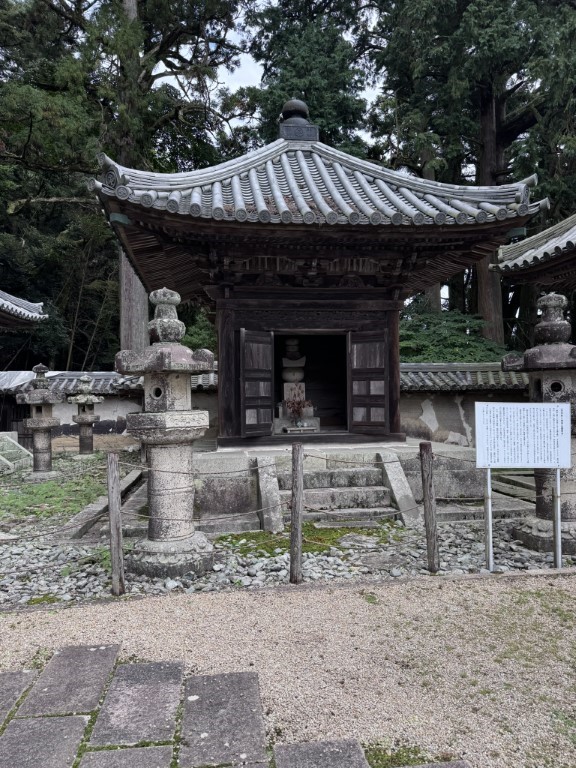
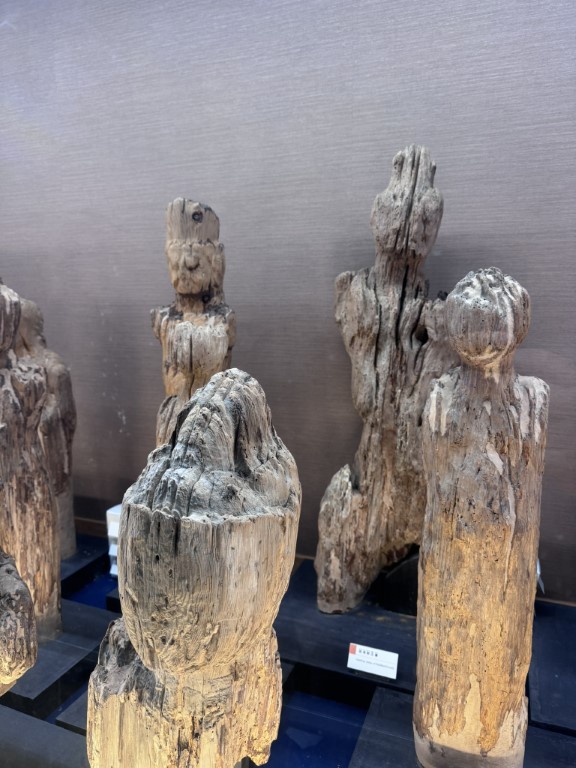
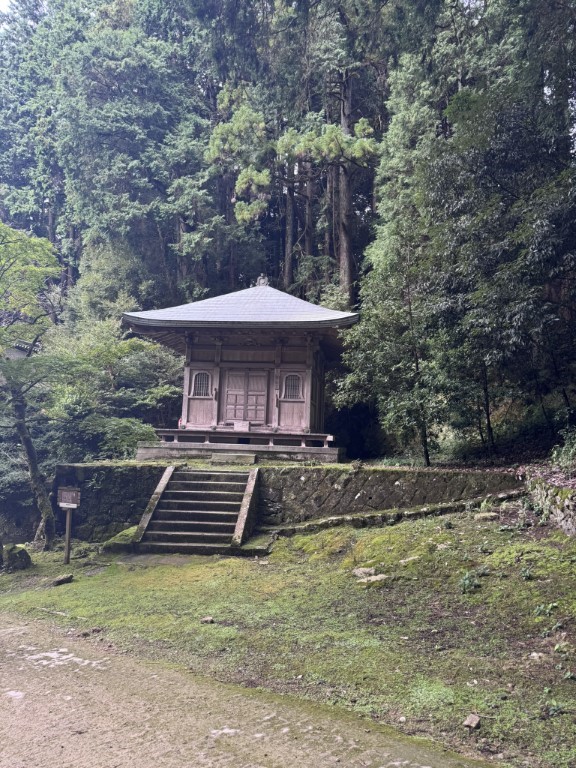
Because of Janie's ankle injury, Nishi suggested we take the bus from ropeway to our first stop at Engyo-ji rather than doing the 15 minute walk. We agreed that it was worth the 1500 yen fare for the three of us. The bus had just left completely full but we were taken instead via a small van with a few other passengers who couldn't fit on the previous bus. After a pretty wild ride through the mountain scenery, we arrived near Temple Maniden. It was on this site that the founding abbot, Shoku, is said to have witnessed a heavenly maiden dancing around a cherry tree while chanting holy poetry. The maiden's verse described Nyoirin Kannon, a six-armed manifestation of the Bodhisattva of Compassion, in the form of a living tree. Inspired by the vision, Shoku carved the cherry tree into a representation of Nyoirin Kannon and erected a tabernacle to protect it. The tabernacle remained shut, hiding the statue, until 1174, when Retired Emperor Goshirakawa demanded to see it. Goshirakawa then gave the hall its present name, "Maniden", which references the jewel at the heart of Buddhist teachings. Although the Maniden has been rebuilt four times, each successive structure was erected on the site where the original cherry tree stood. Inside the Maniden, five sets of thickly lacquered doors stand behind the altar. These tabernacles enshrine the principal image of the hall, along with images of the Four Heavenly Kings (shitenno). The doors are opened only once each year, on January 18, when Engyoji marks the new year with its Festival of Peace and Bounty.
.jpg)
.jpg)
.jpg)
.jpg)
.jpg)
.jpg)
.jpg)
.jpg)
.jpg)
.jpg)
.jpg)
.jpg)
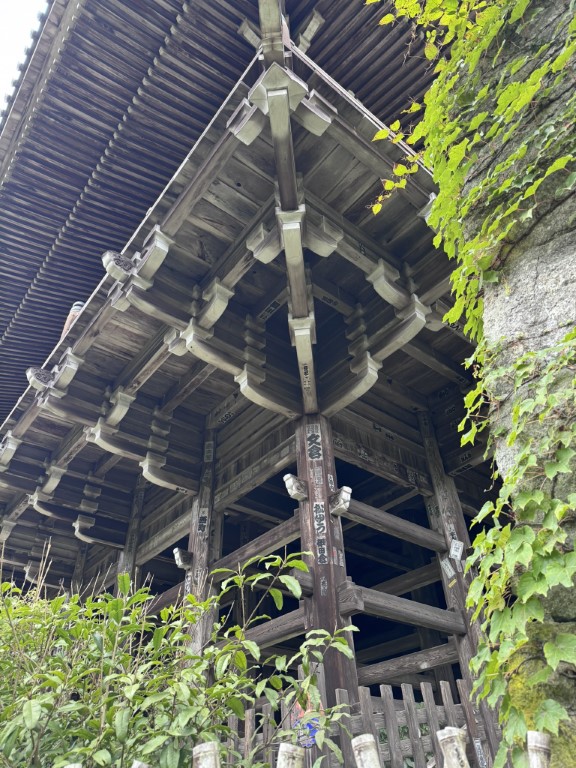
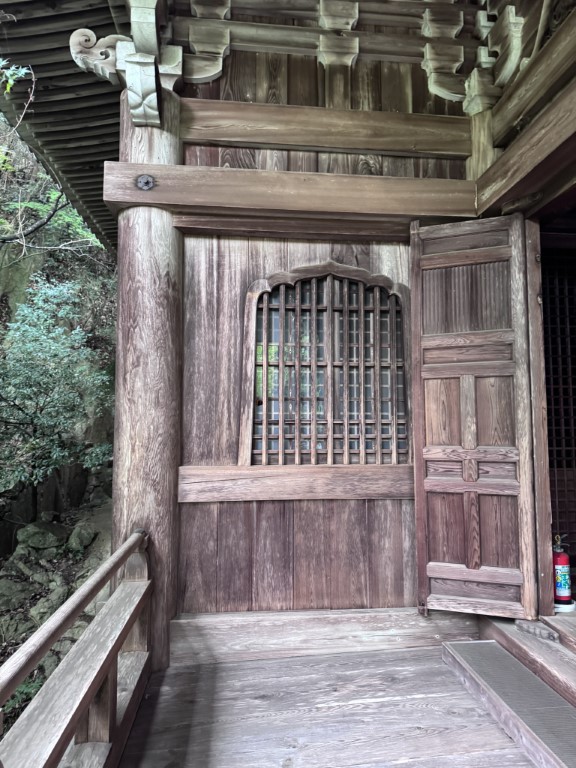
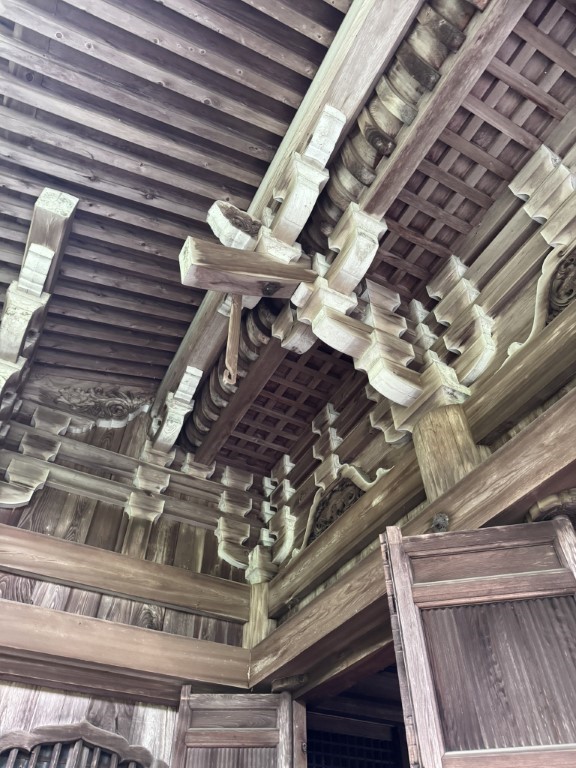
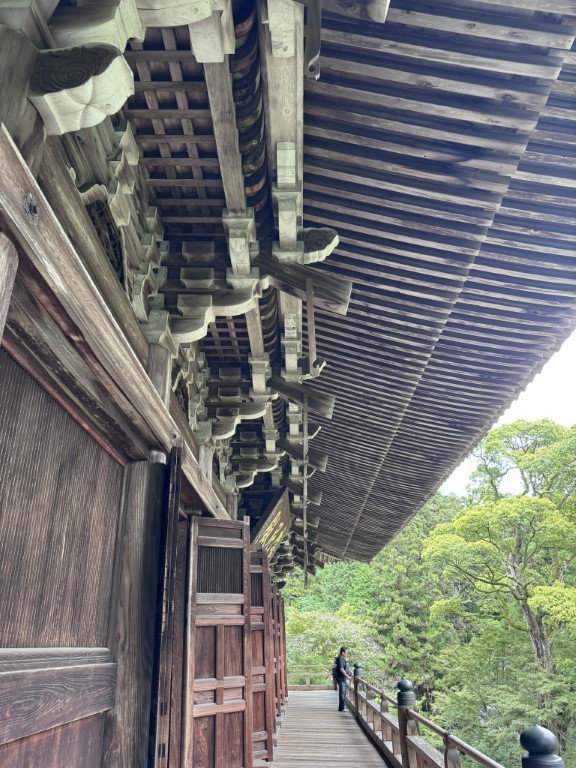
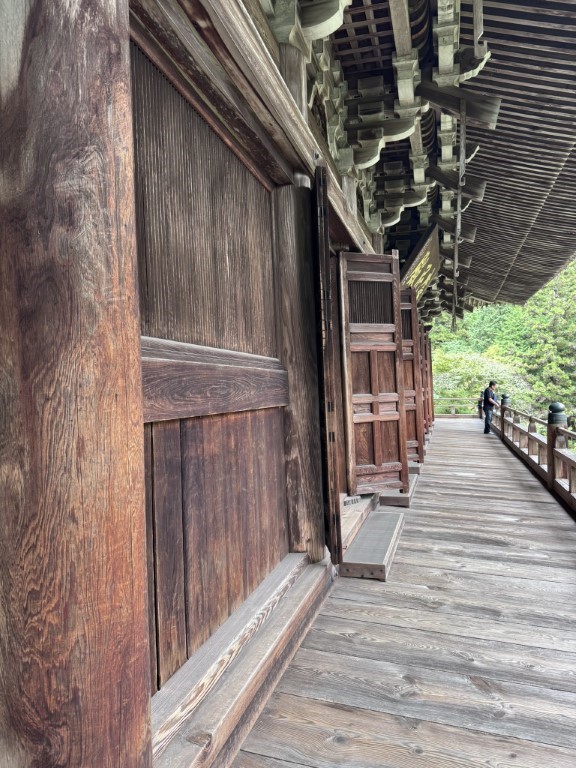
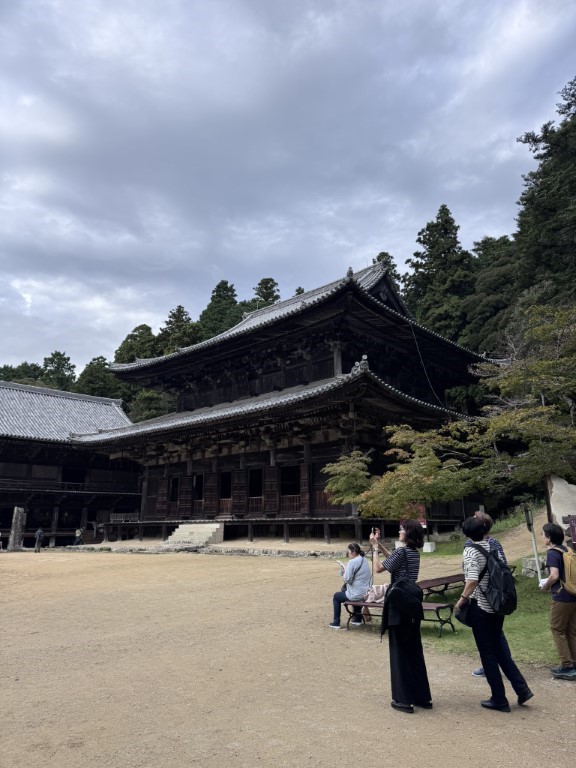
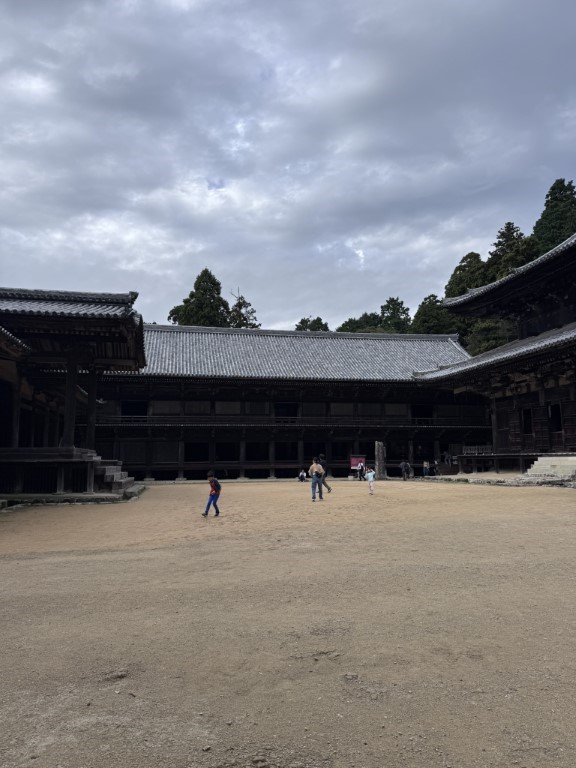
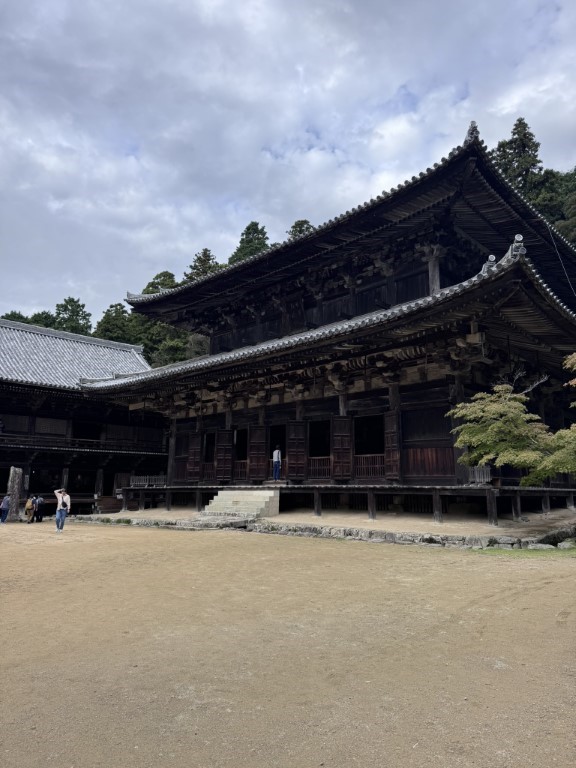
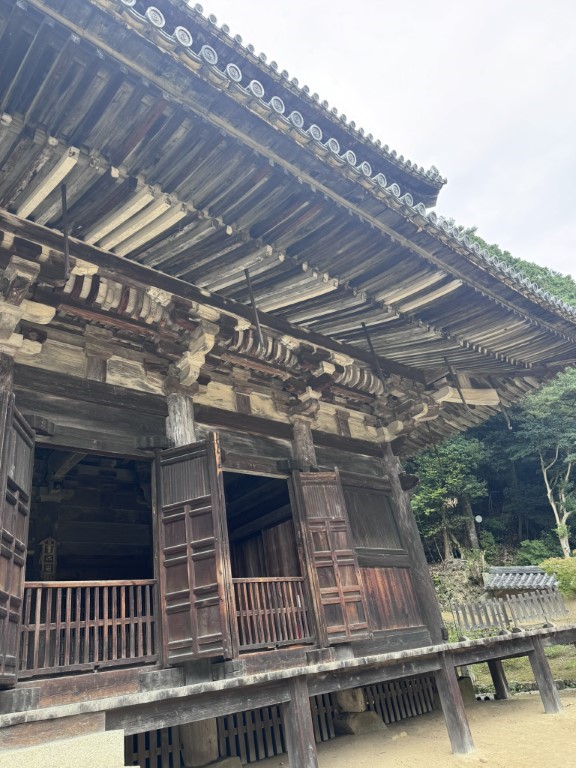
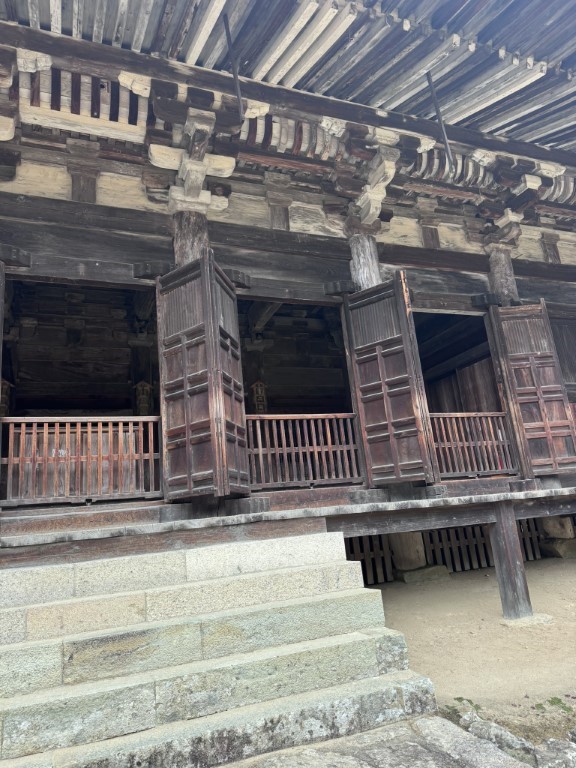
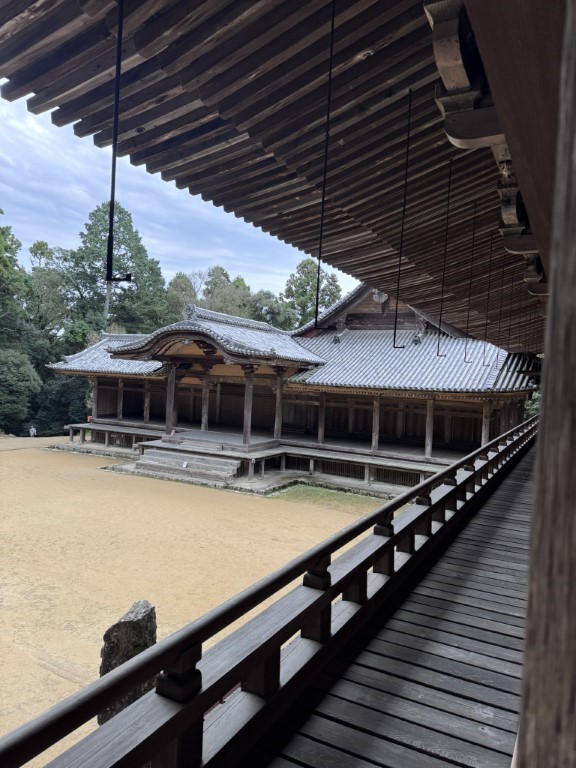
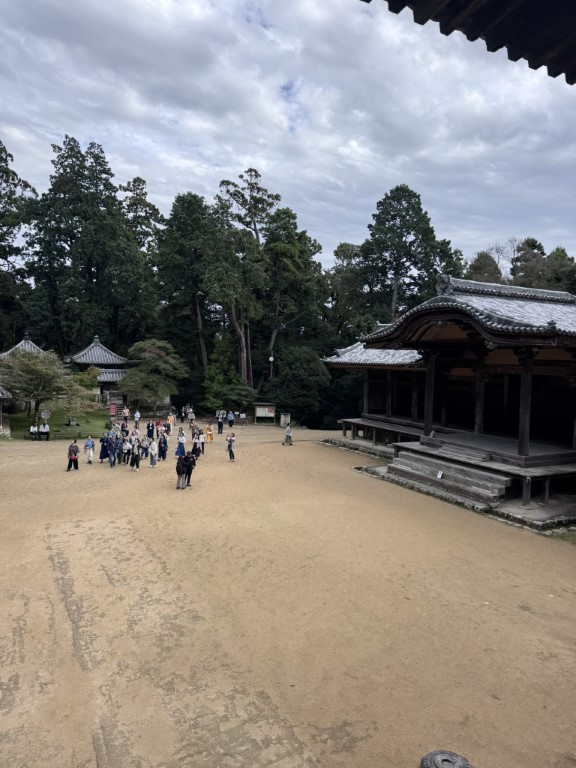
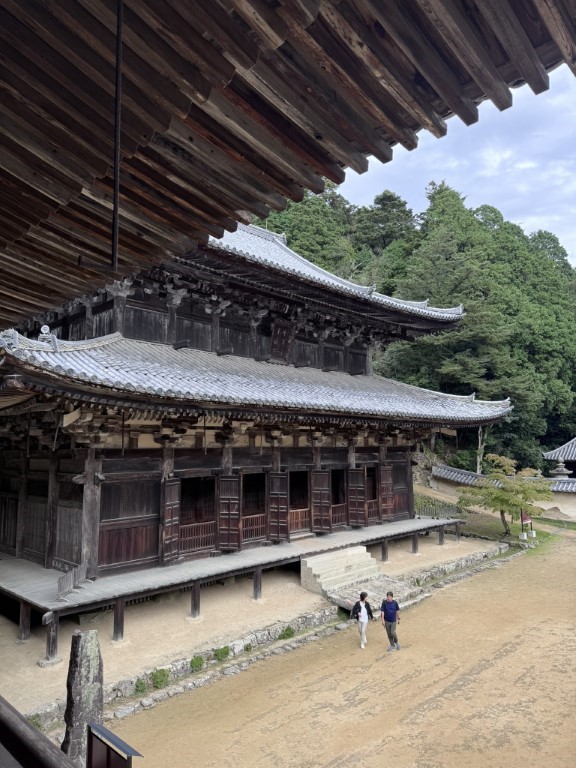
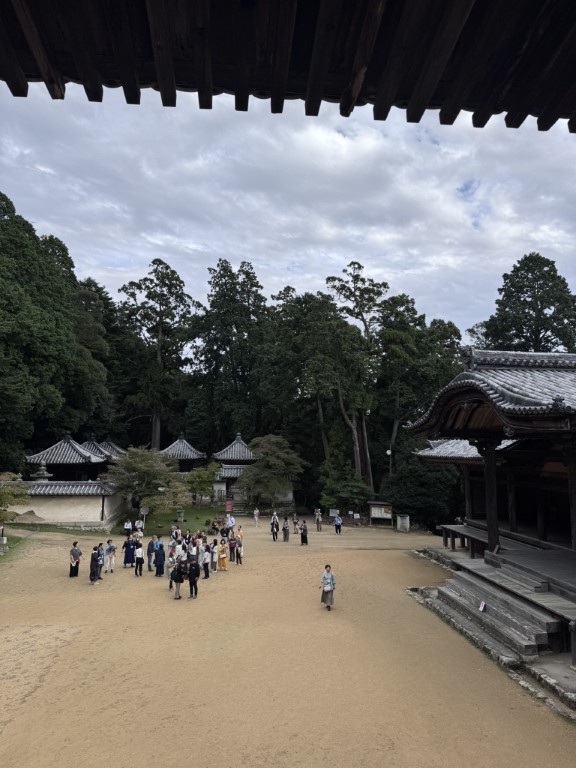
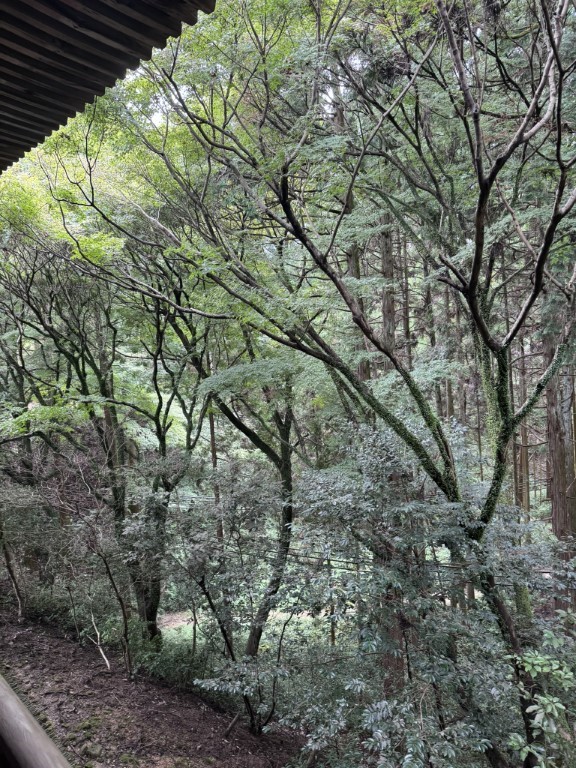
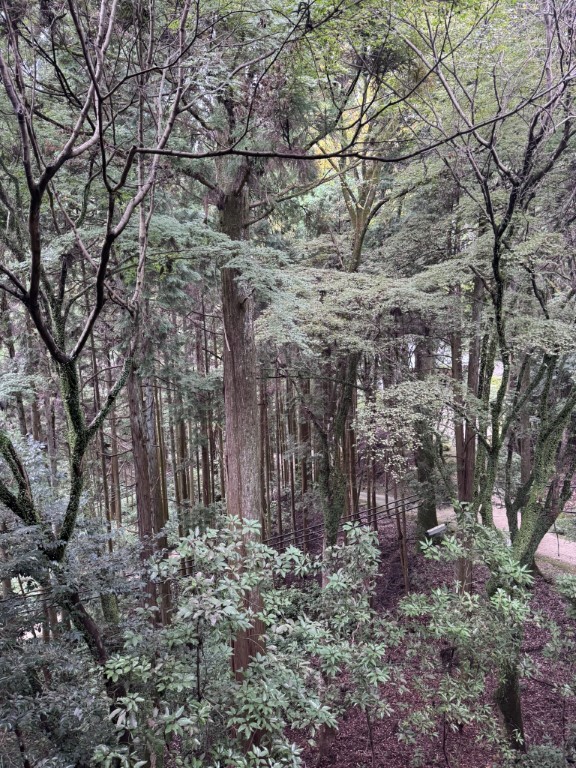
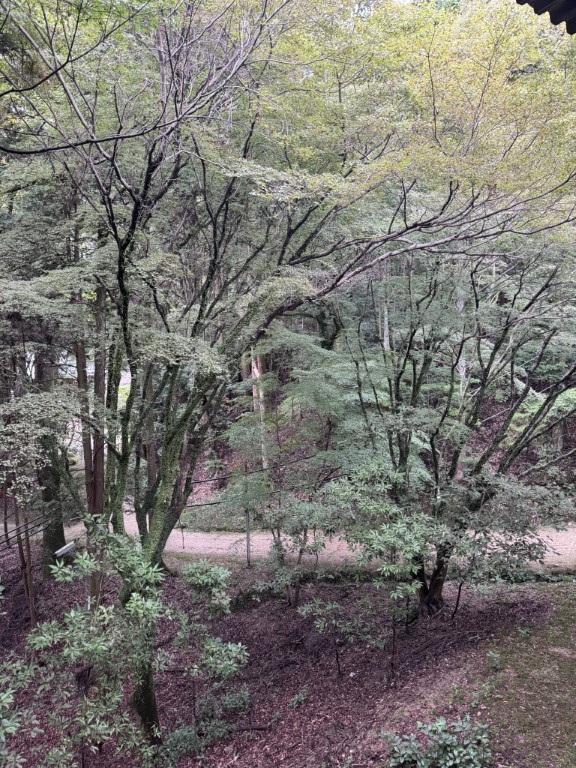
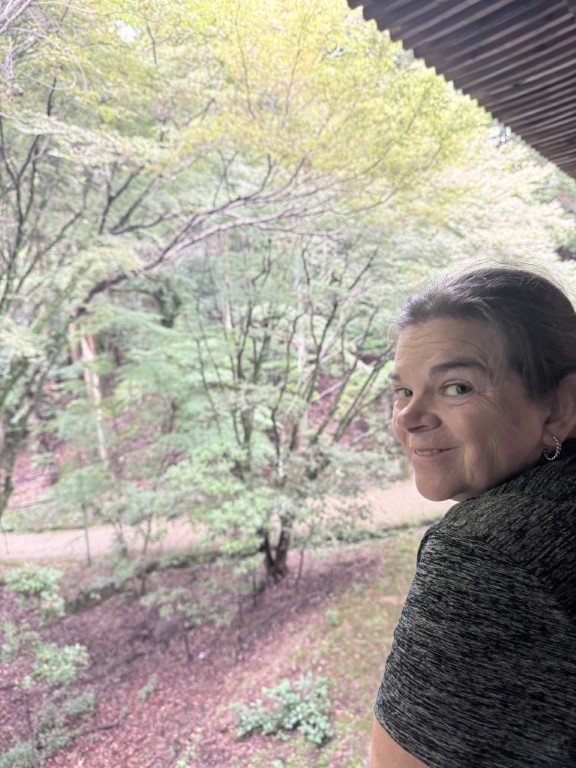
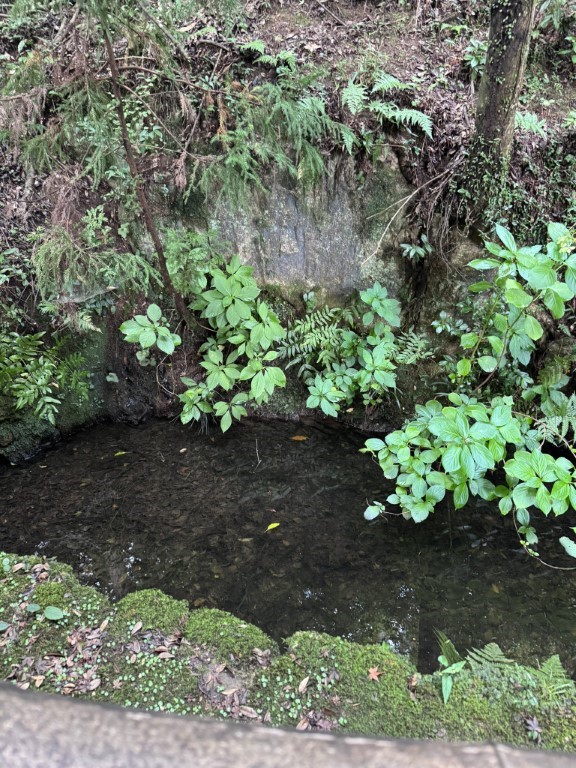
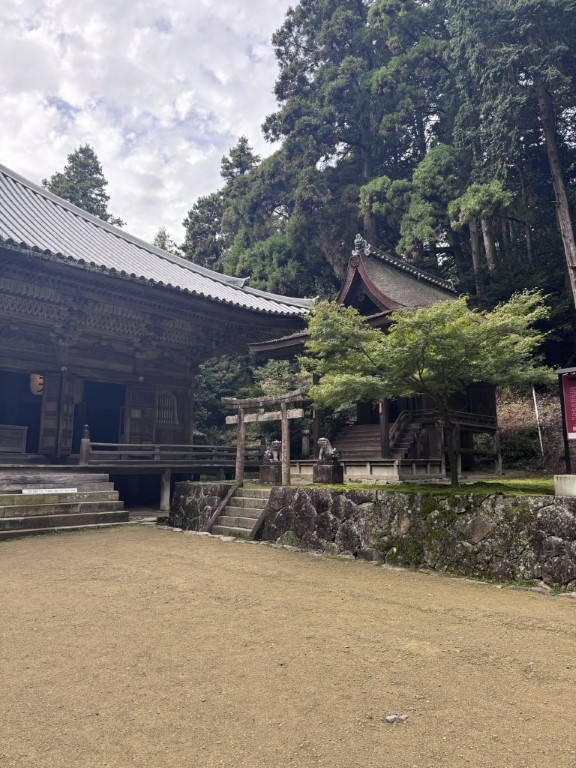
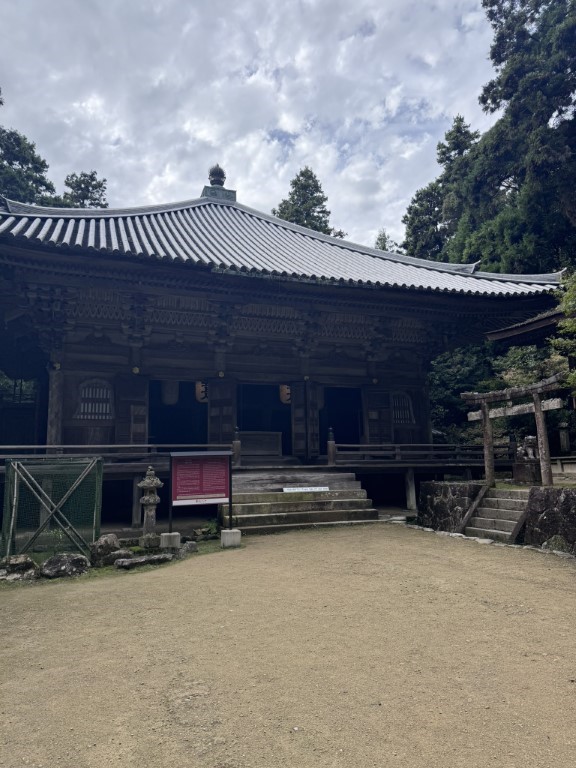
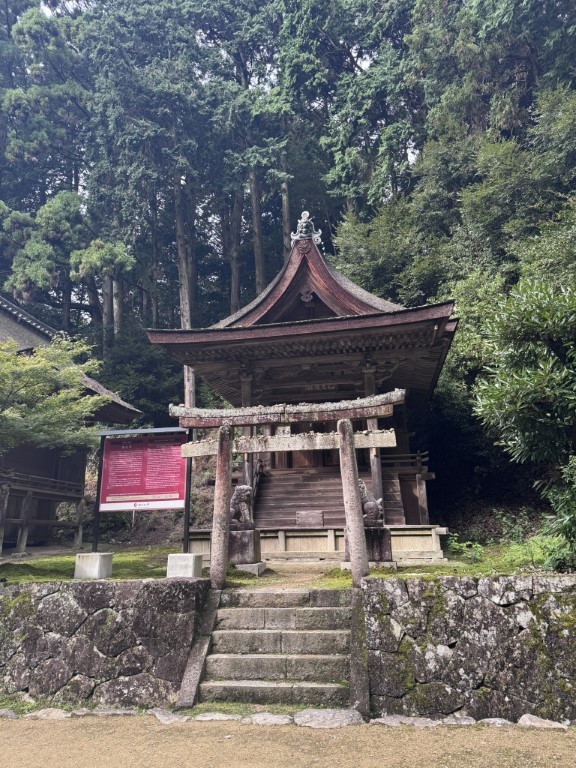
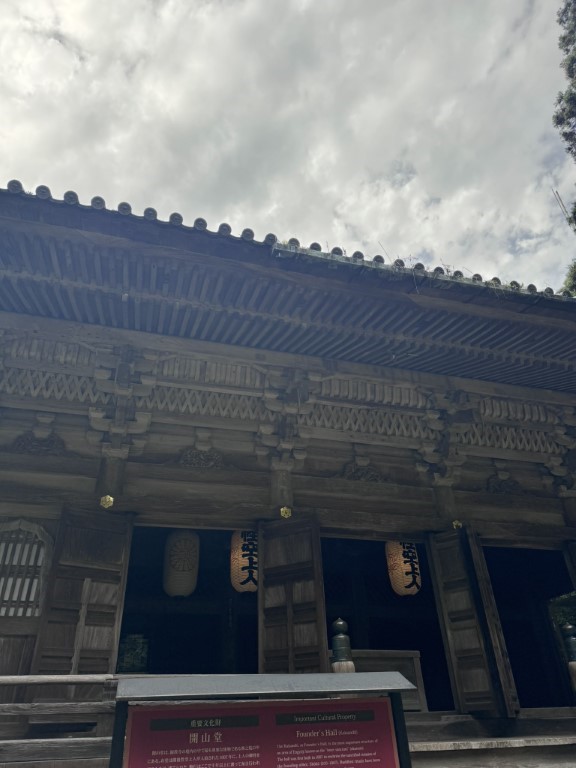
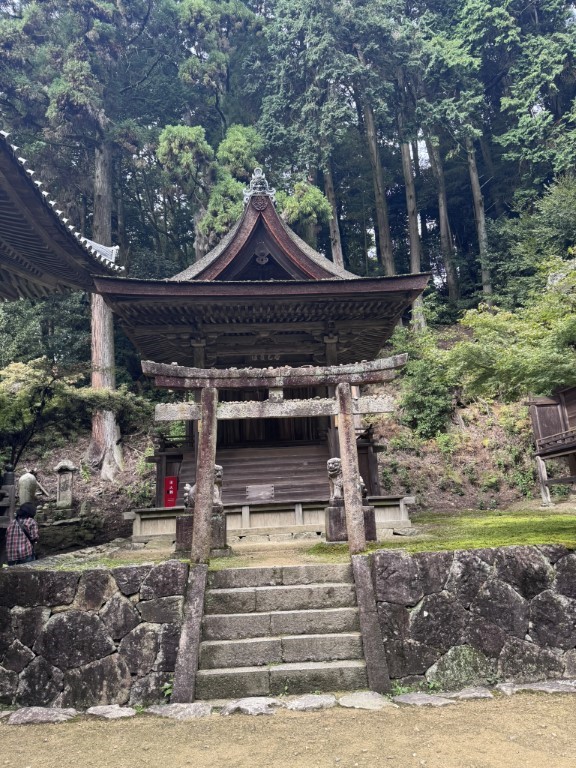
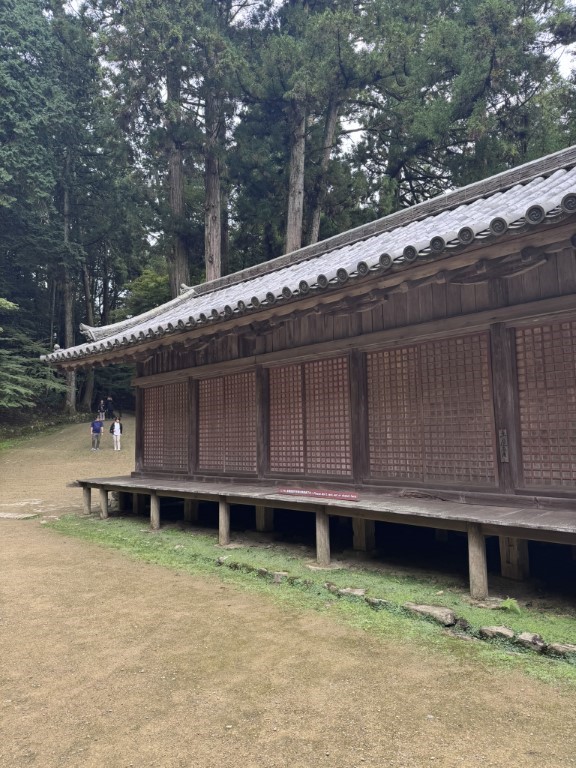
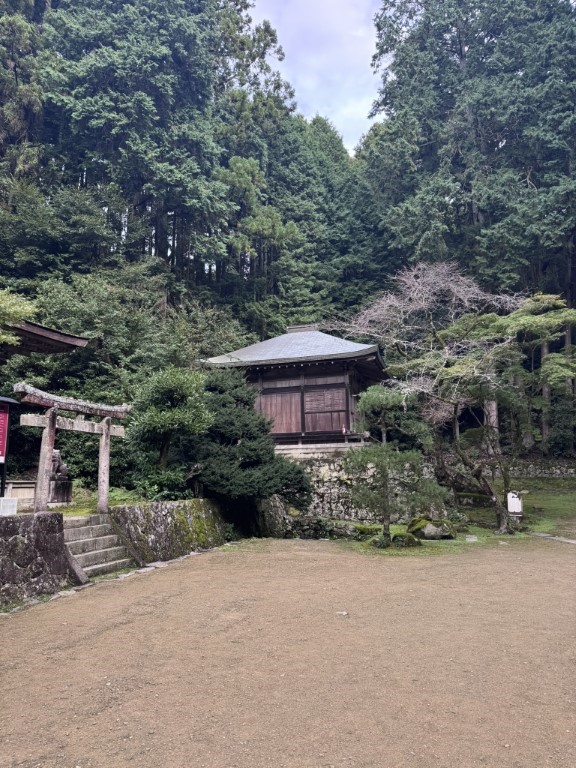
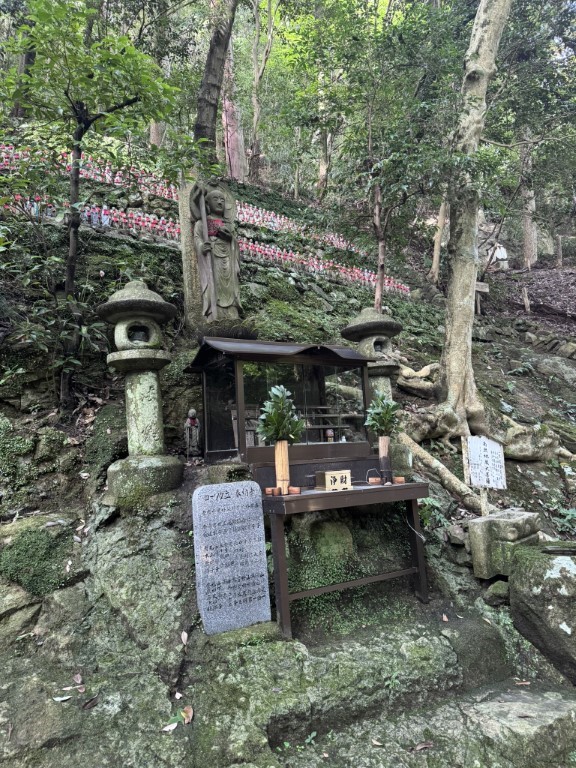
We walked through the forest trails to the Mitsu no Do, a trio of historic wooden halls. The Daikodo (Great Lecture Hall) marks the complex's northern edge, facing the Jogyodo (Circumambulatory Hall) across a broad courtyard of white pebbles. The two-story Jikido (Refectory) in the center, which resembles a long corridor, makes up the western edge of the Three Halls.
The Daikodo is a place for teaching, and is considered one of the most important buildings in the temple complex. Although the original structure was built in the tenth century, the present structure dates to the fifteenth century. Its design, a blend of continental and Japanese stylistic elements, bears traits characteristic of the Tendai sect of Buddhism. The hall's principal image, a statue of Shakyamuni, the historical Buddha, stands in a sunken central chamber. The figure is seated upon a lotus blossom, which itself rests upon a tapered dais that narrows at the center. Shakyamuni is flanked by standing attendants whose hands are similarly poised in a mudra gesture representing the act of teaching.
Linking the Daikodo with the Jogyodo, the Jikido forms the west axis of the Mitsu no Do. Historically, it was a residential space where monks studied, slept, and ate. Construction began in 1174. Natural disasters destroyed the first two halls built here. Work on the current building began in the mid-fifteenth century but it remained unfinished for nearly five centuries. The second story was completed in 1963.
Nishi showed us photos where scenes from "The Last Samurai" were filmed at Engyo-ji and told us about Tom Cruise being brought in by helicopter rather than by the ropeway. We caught the bus back to the ropeway where we waited so we could be the first to board and got good spots near the front to enjoy the scenery. Then we took the public bus which dropped us off right at the train station. We said goodbye to Nishi and bought our Shinkansen tickets for the ride back to Shin-Osaka.
.jpg)
.jpg)
.jpg)
.jpg)
.jpg)
.jpg)
.jpg)
.jpg)
.jpg)
.jpg)
.jpg)
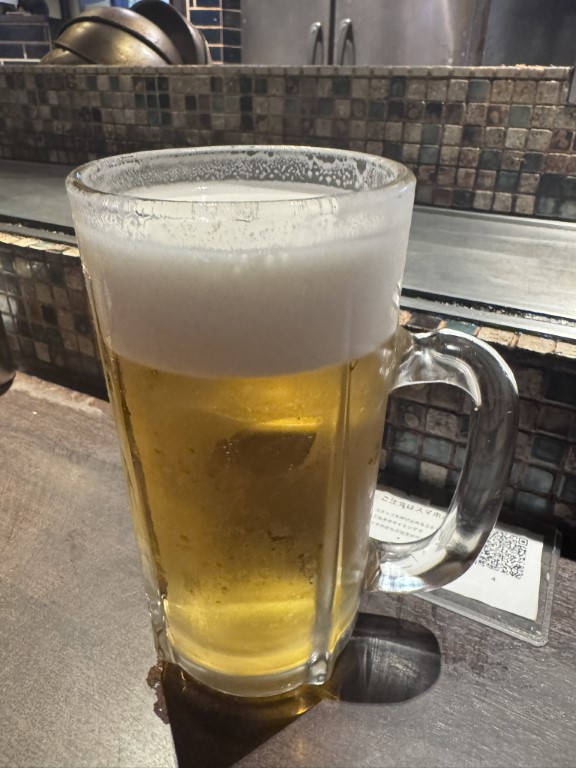
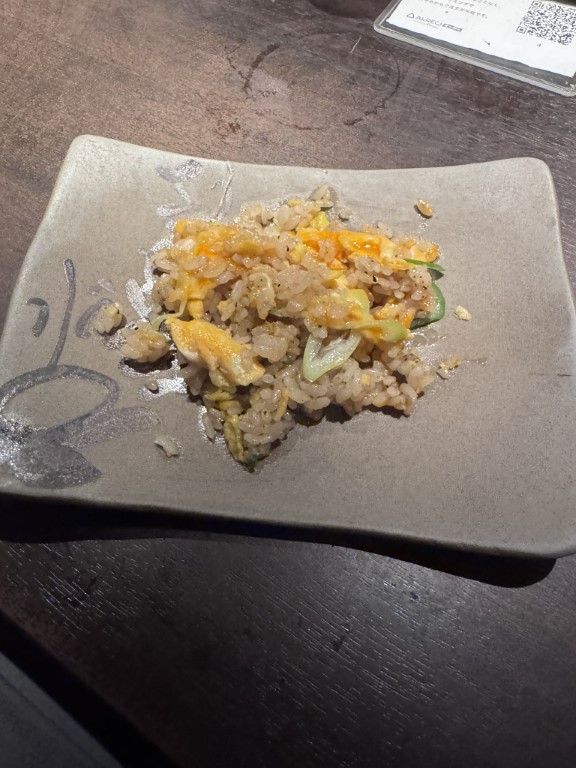
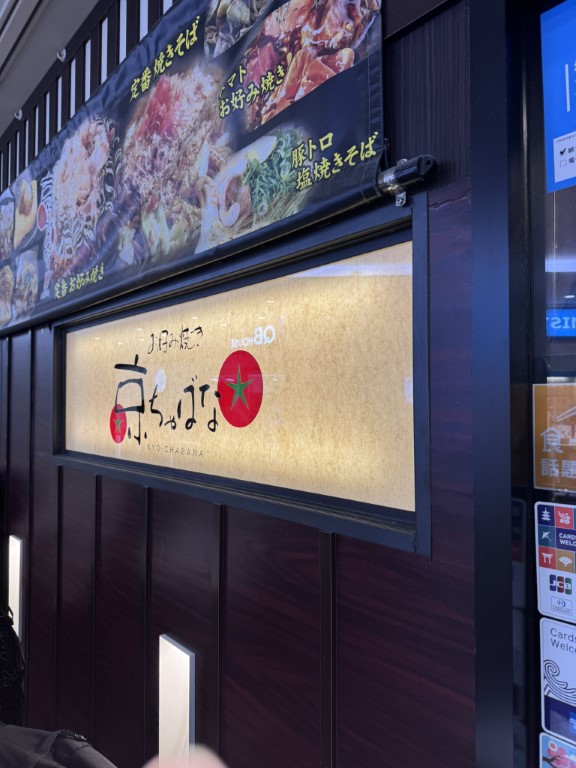
We didn't want to eat at the hotel again tonight so we looked for a place in the train station and settled on Kyo-Chabana because the food looked good. After a short wait, we were seated at the teppan bar and ordered a couple of beers. J. R. regretted not ordering the okonomiyaki, a savory Japanese pancake, as people near us ordered it and it looked good. He thought he would get another chance but we ended up never having it. But the food we did order was excellent. We split a shrimp teppan and a beef teppan and at the last minute, J. R. ordered fried rice and it turned out to be one of the best things we had in Osaka. We caught the shuttle back to the hotel and tried to do some more laundry but the dryer still wouldn't dry the clothes so we had to set them out to dry manually.
.jpg)
.jpg)
.jpg)
.jpg)
.jpg)
