
Noritake Garden, 3 Chome-1-36 Noritakeshinmachi, Nishi Ward, Nagoya, Aichi 451-0051
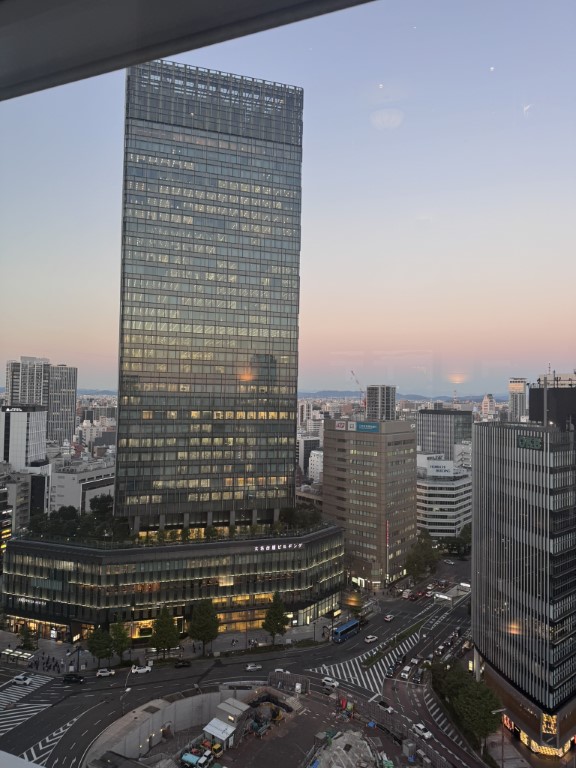
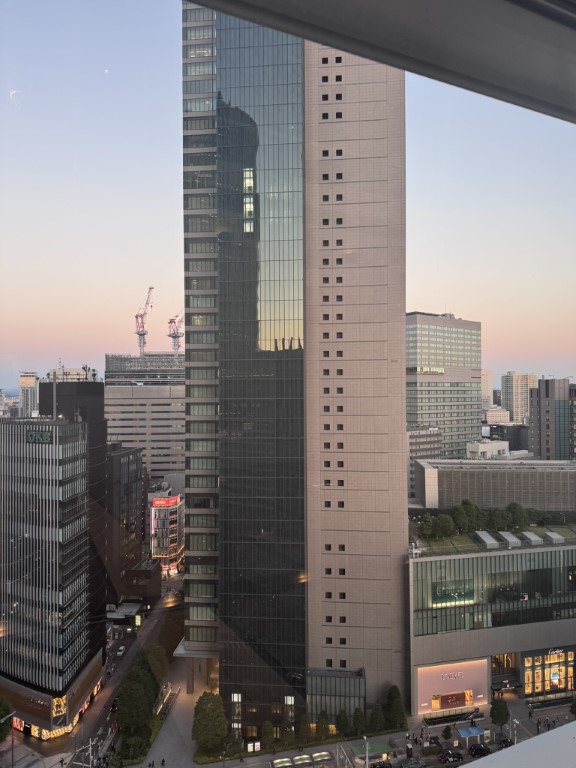
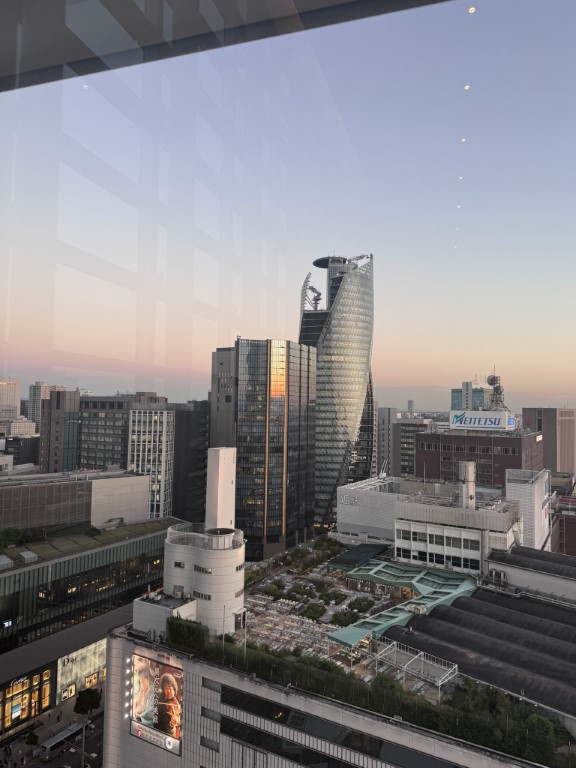
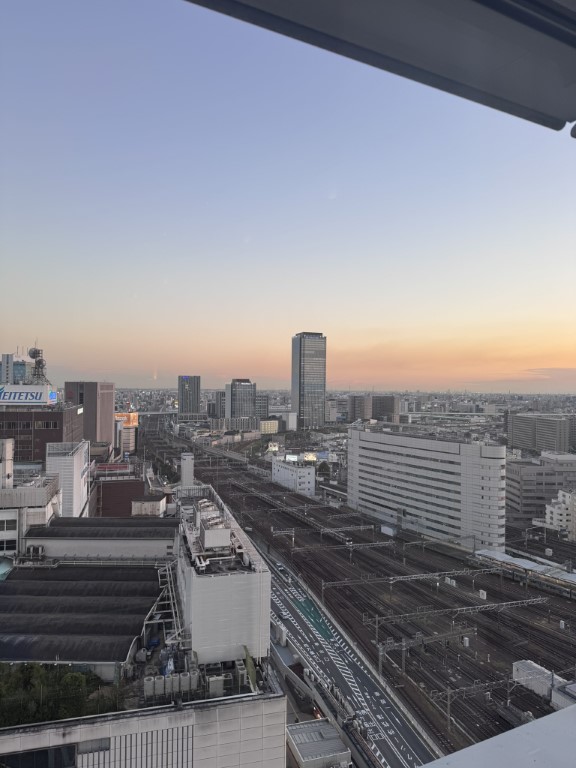
Nagoya Marriott Associa Hotel
1 Chome-1-4 Meieki, Nakamura Ward, Nagoya, Aichi 450-6002
Steps
17,396
Distance
12.59 KM
Flights Climbed
11
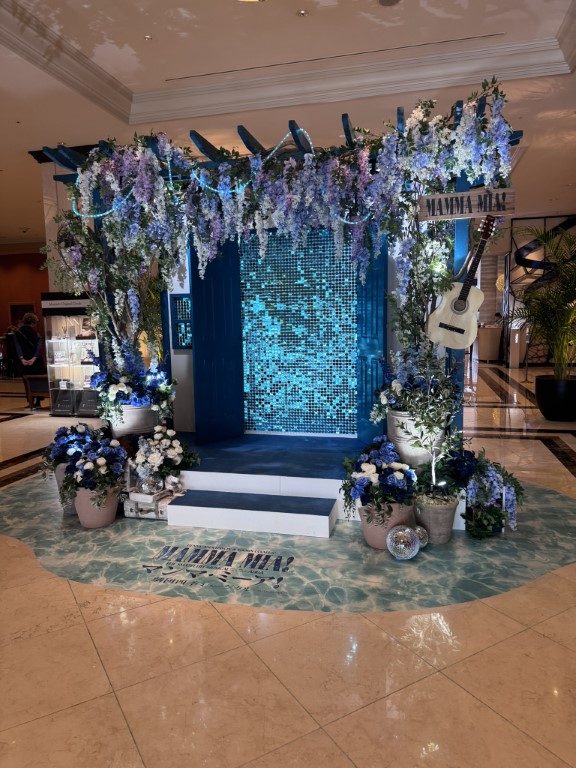
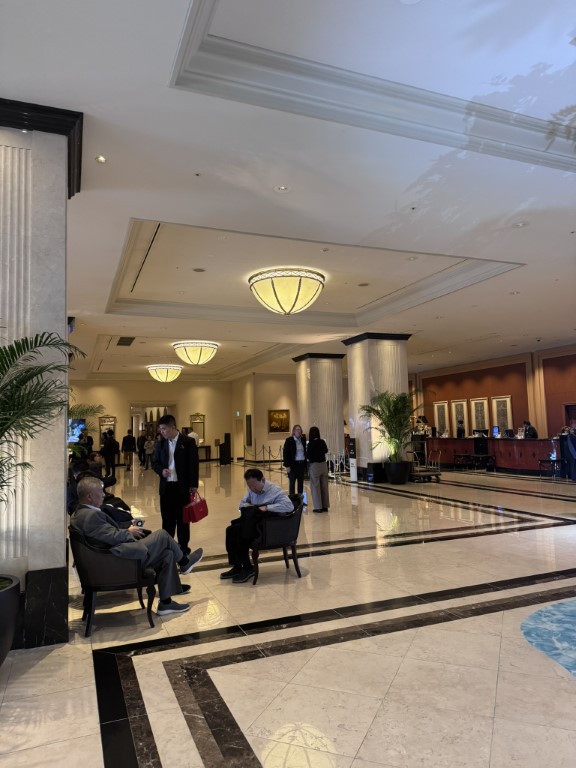
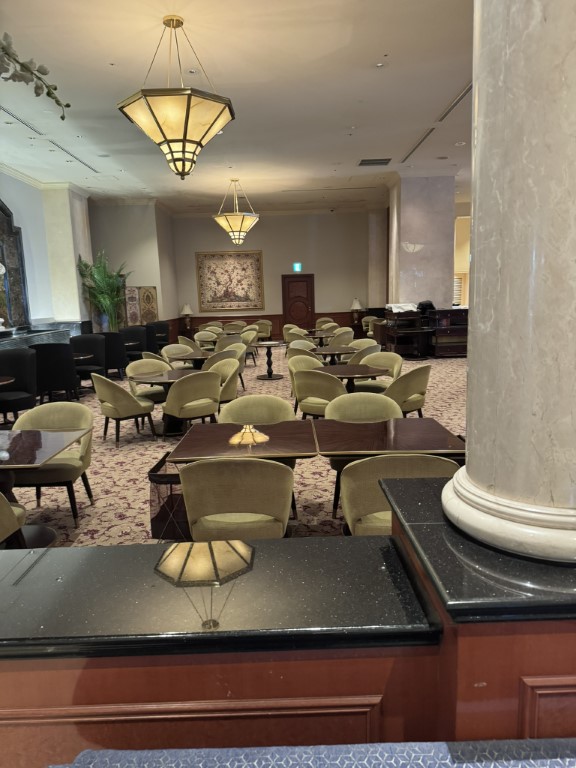
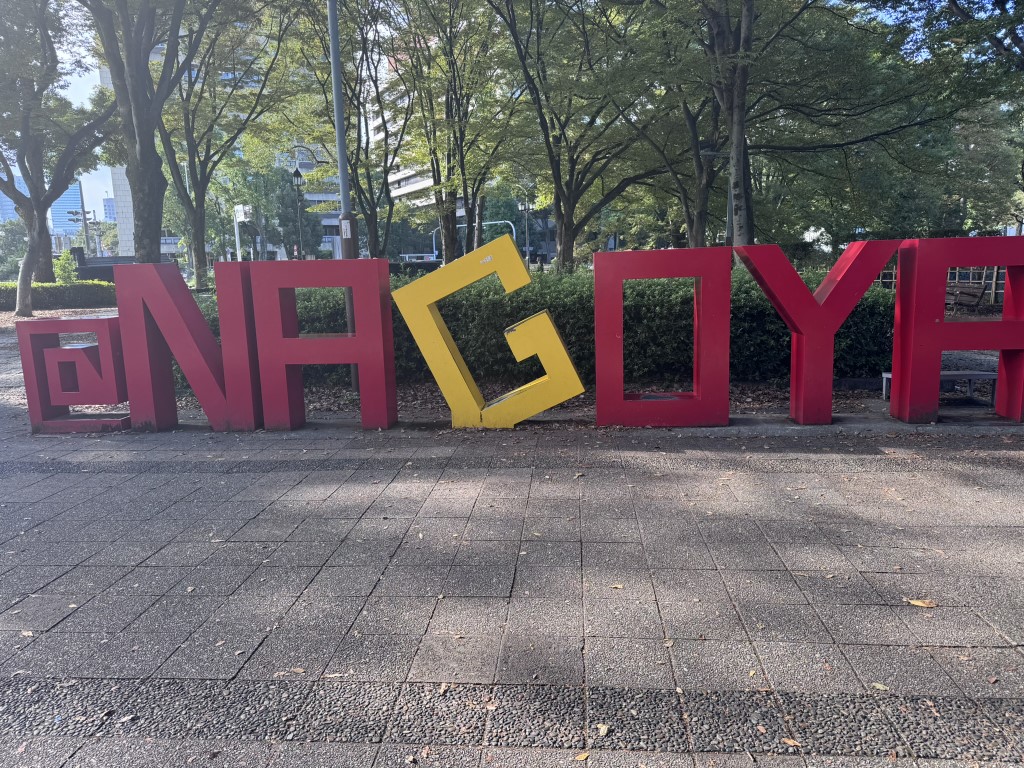
After checking out of the hotel, we walked back to Kyoto Station for another bullet train ride to our next city, Nagoya. This was a later addition to our touring plan, at the expense of an extra night in Kyoto, mainly because we wanted to visit the Noritake Museum. We checked into the Nagoya Marriott Associa and dropped off our luggage and then waited around in the hotel lobby for a little while since we had rearranged our touring plan and the attractions we were going to visit would not open until 09:00.
.jpg)
.jpg)
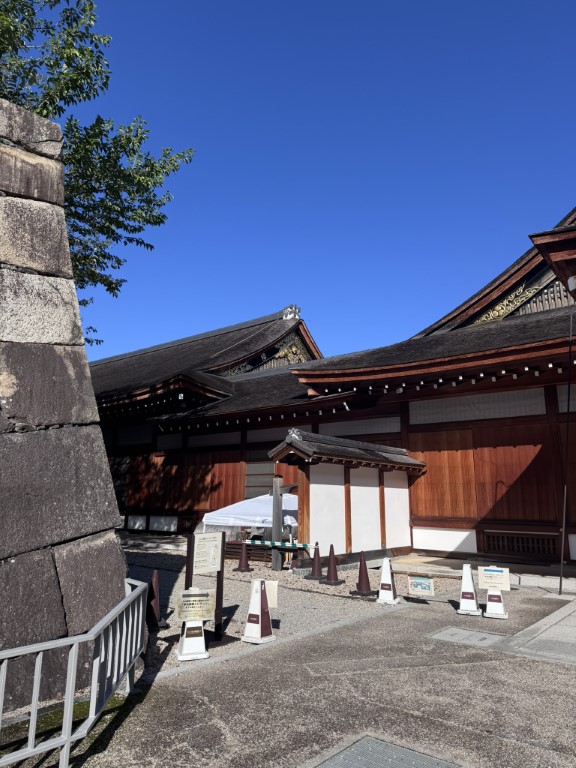
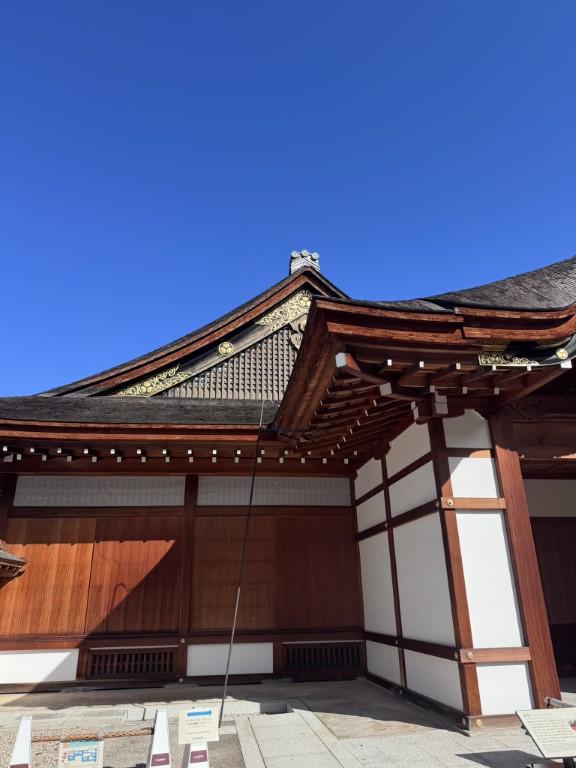
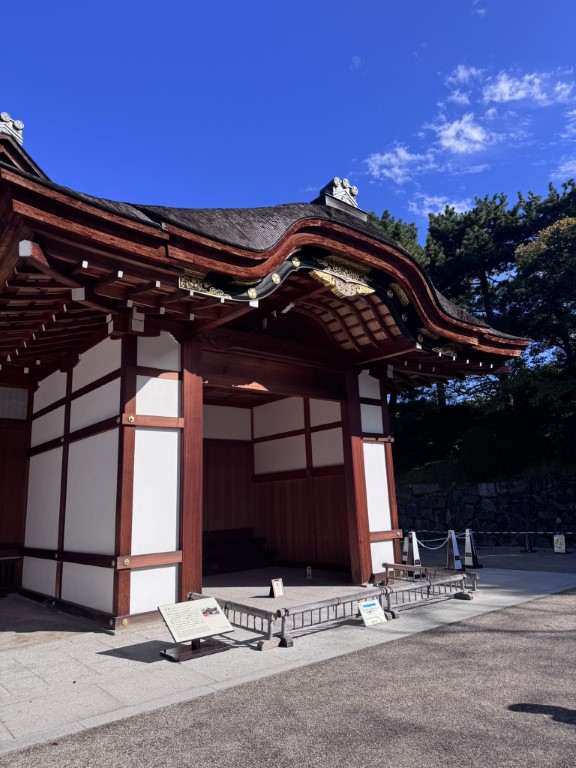
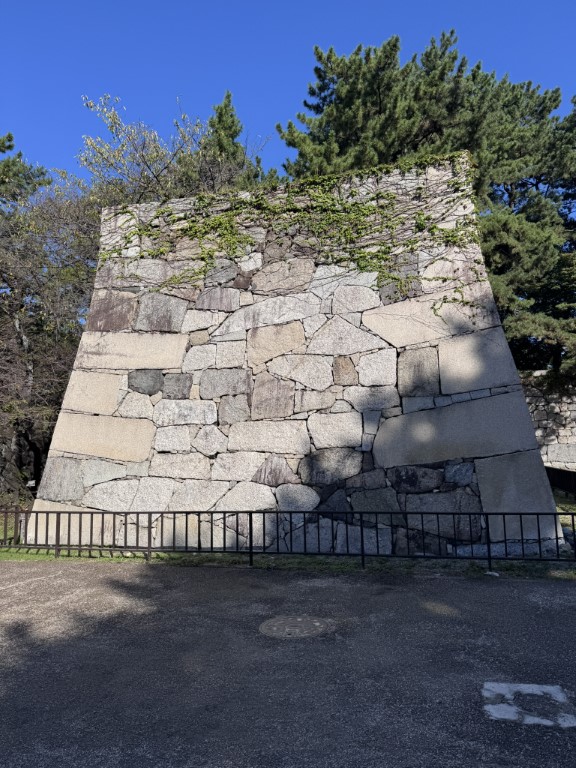
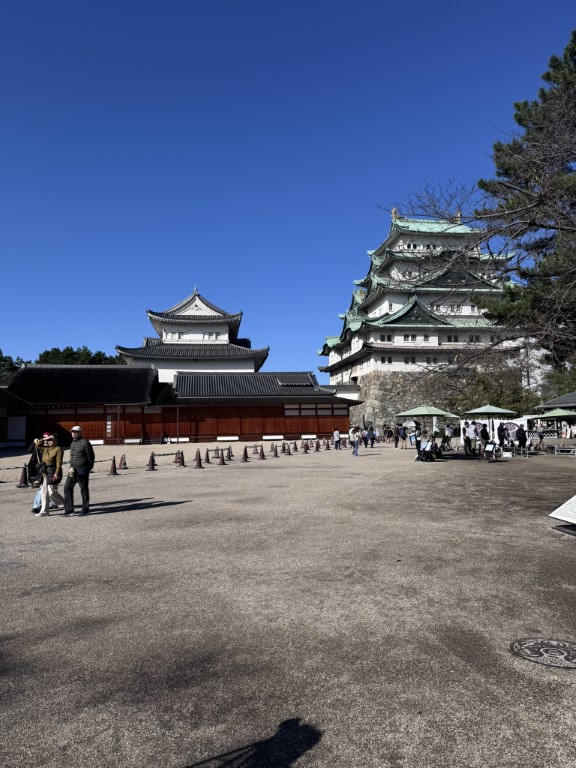
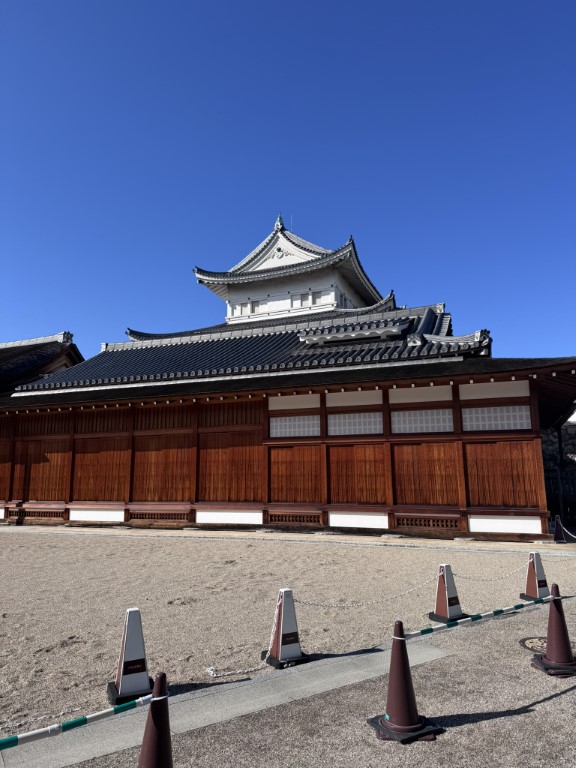
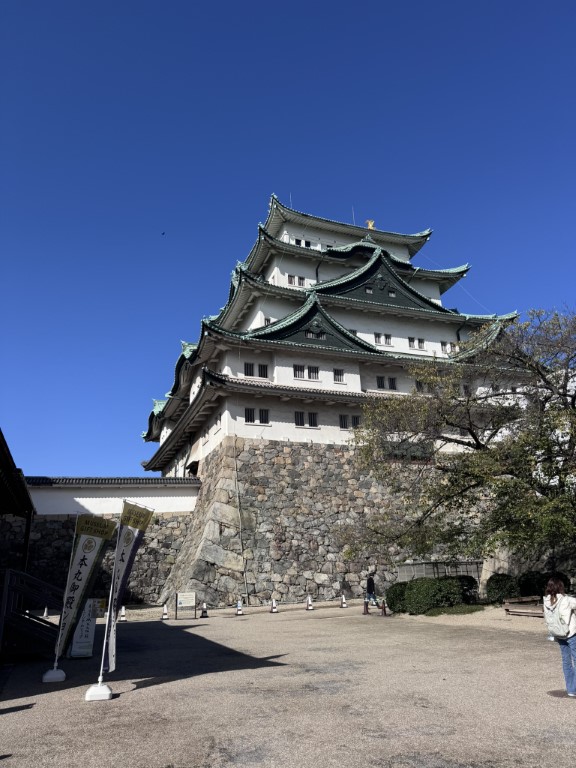
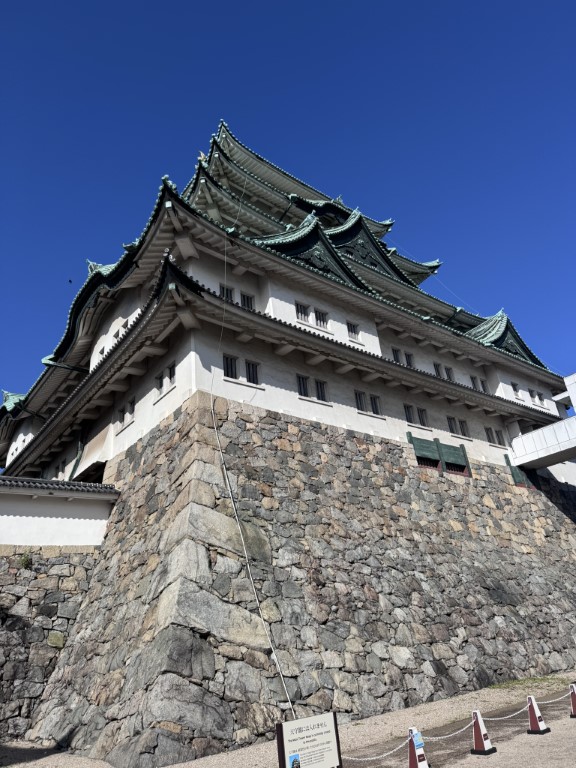
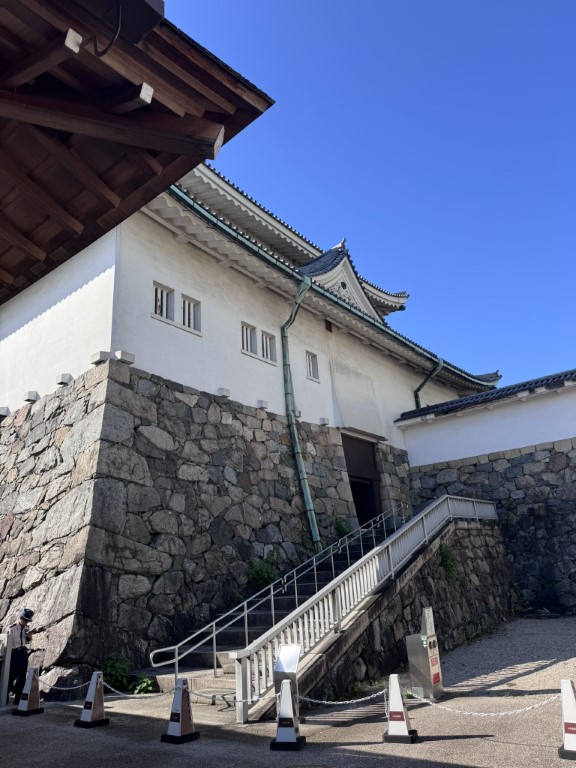
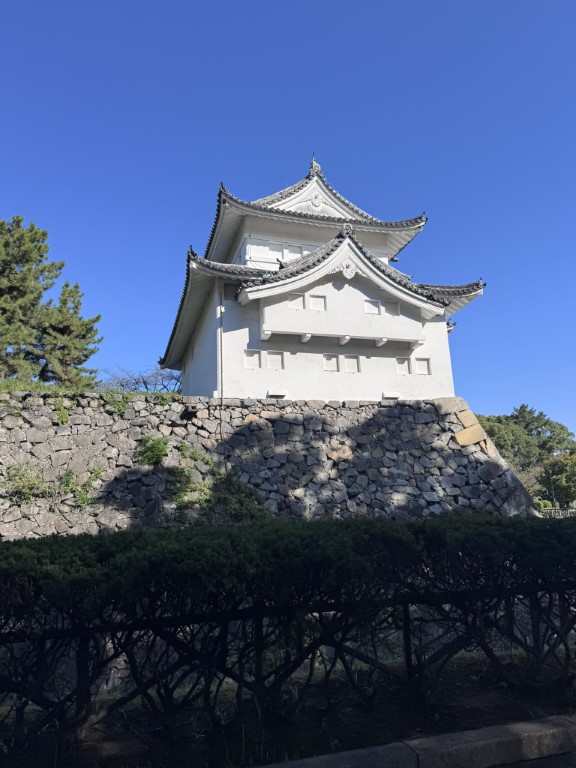
Our first stop was Nagoyajo, or Nagoya Castle, built in the Edo Period as the seat of the Owari branch of the ruling Tokugawa family Most buildings were destroyed in the air raids of 1945. The current reconstruction dates from 1959, but it is not possible to enter the keep because it is not earthquake-resistant. The park around the keep features two circles of moats and impressive walls with corner turrets. The palace (Honmaru Goten) was rebuilt and opened to the public in June 2018 using traditional construction materials and techniques. It contains entrance and reception halls and rooms reserved for the visiting shogun with beautiful, replicated paintings on the sliding doors (fusuma). The interior rooms were very similar to the ones we had see at Nijo-jo Castle in Kyoto.
.jpg)
.jpg)
.jpg)
.jpg)
.jpg)
.jpg)
.jpg)
.jpg)
.jpg)
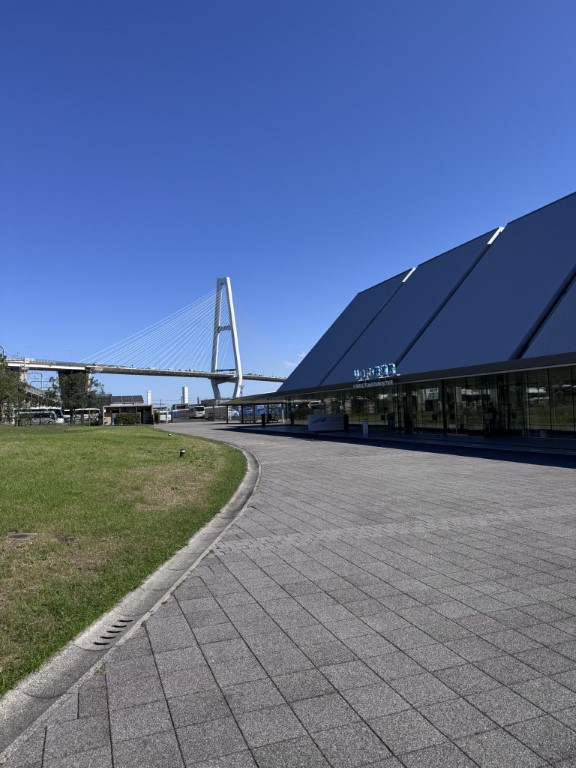
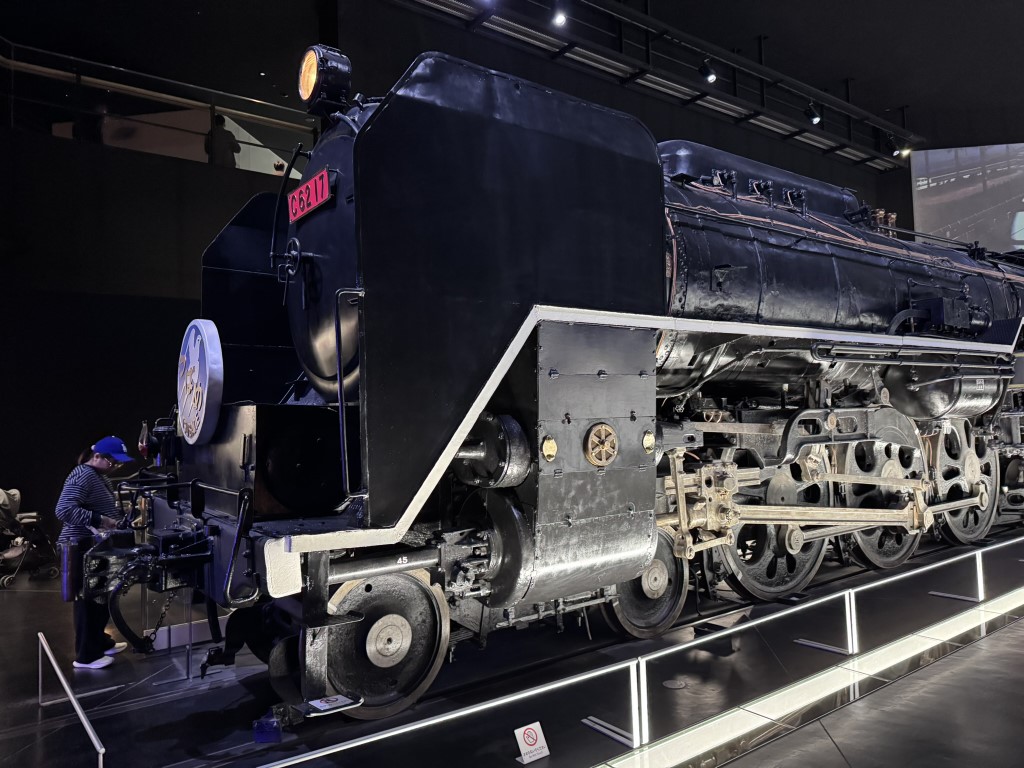
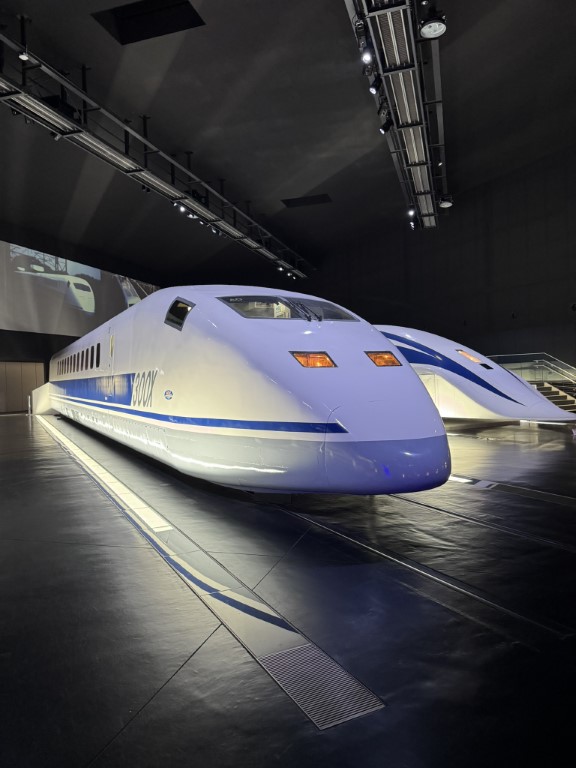
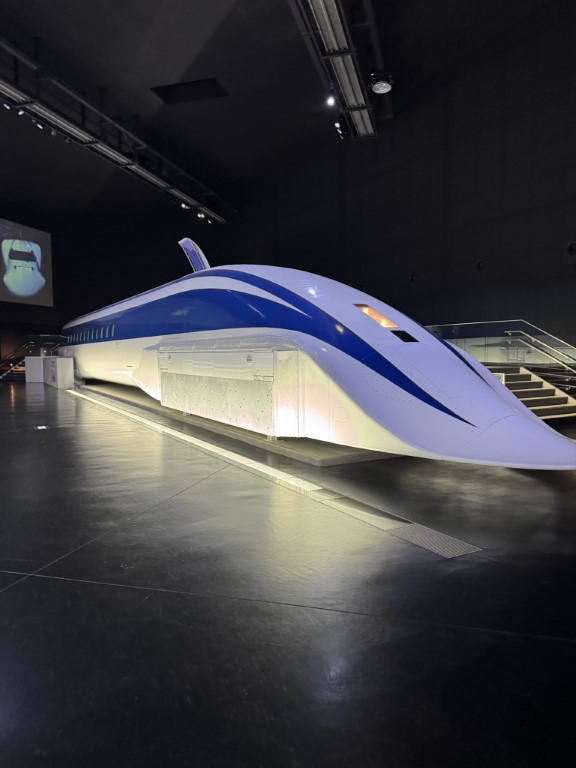
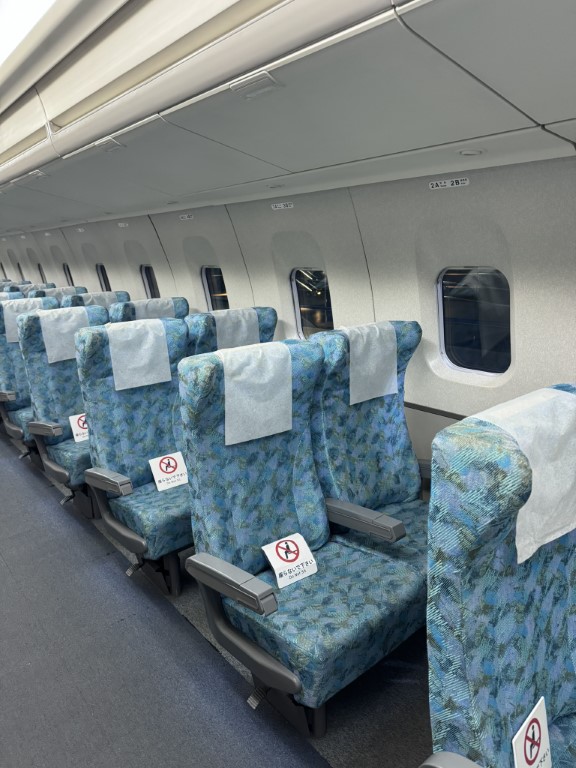
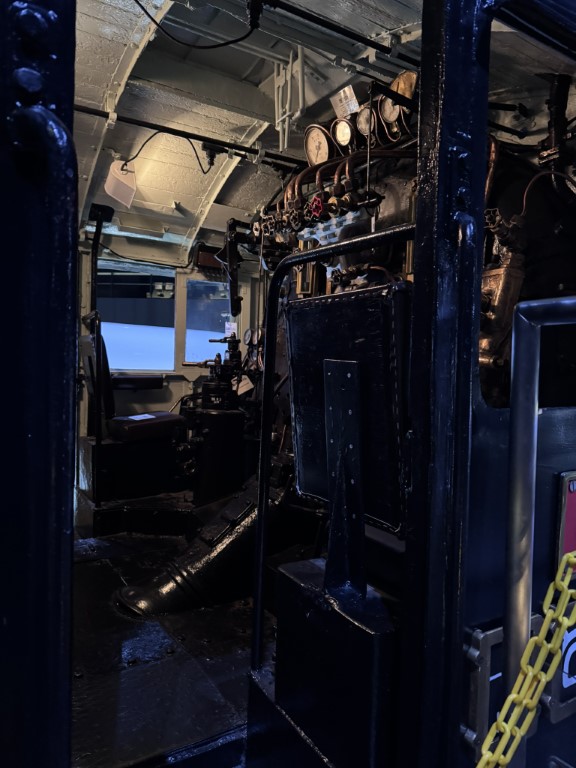
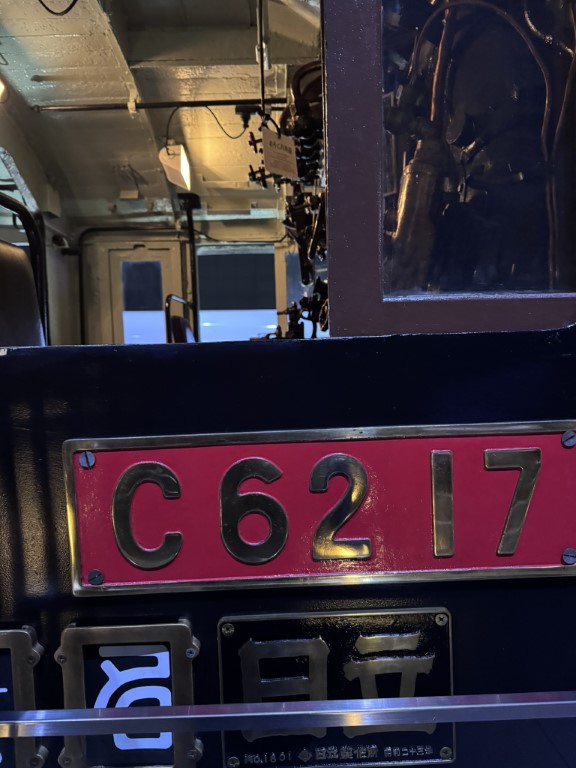
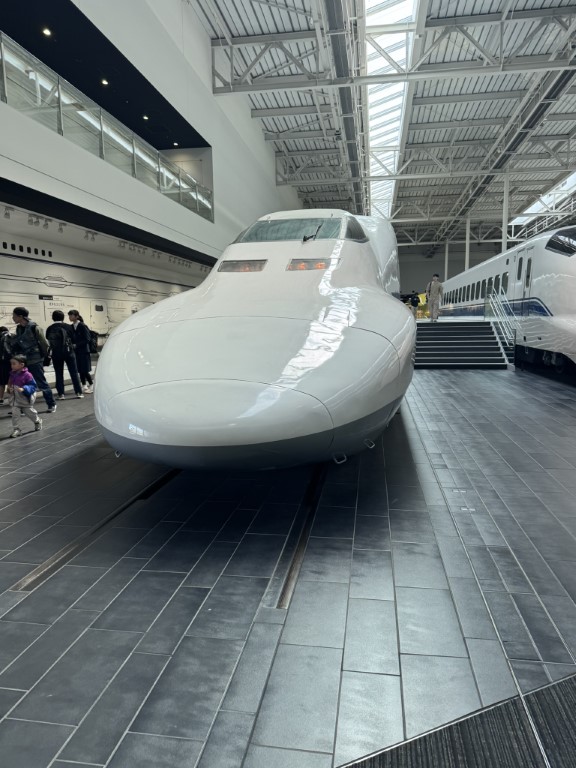
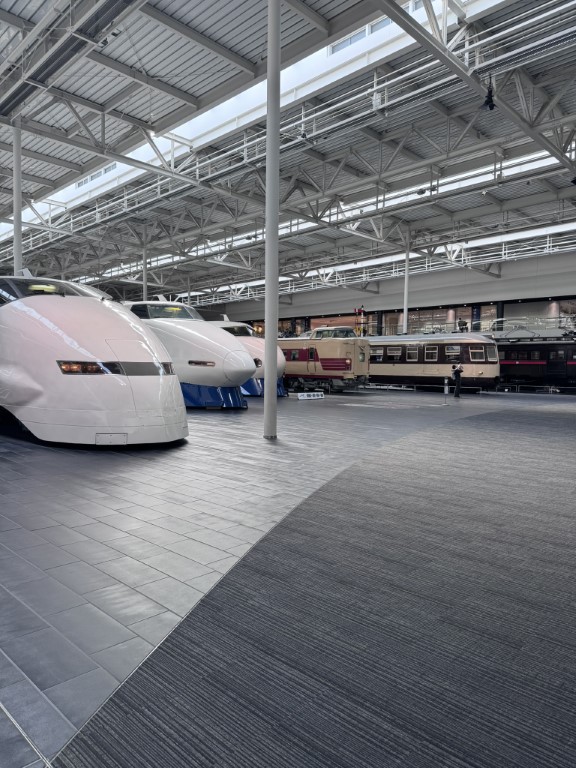
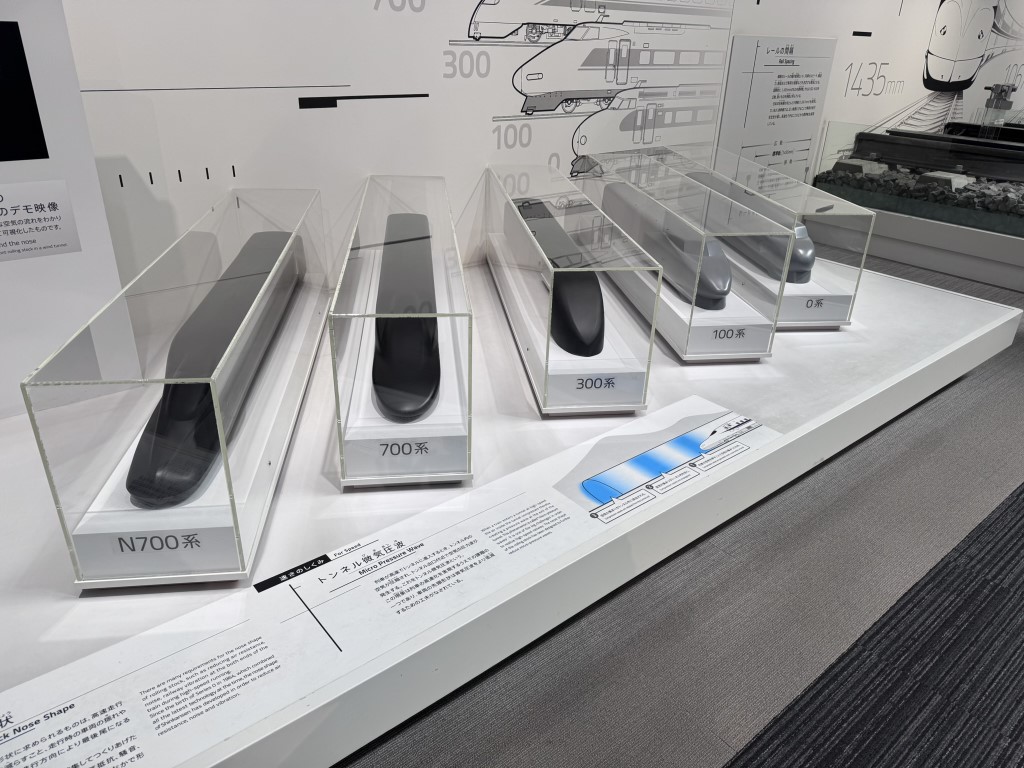
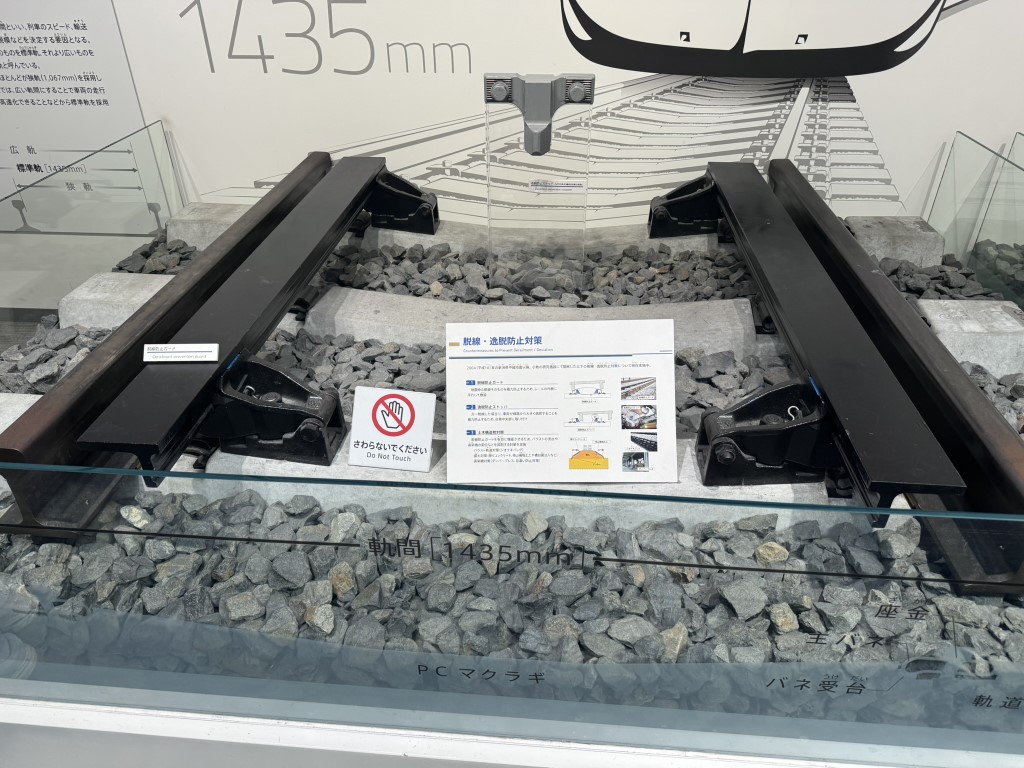
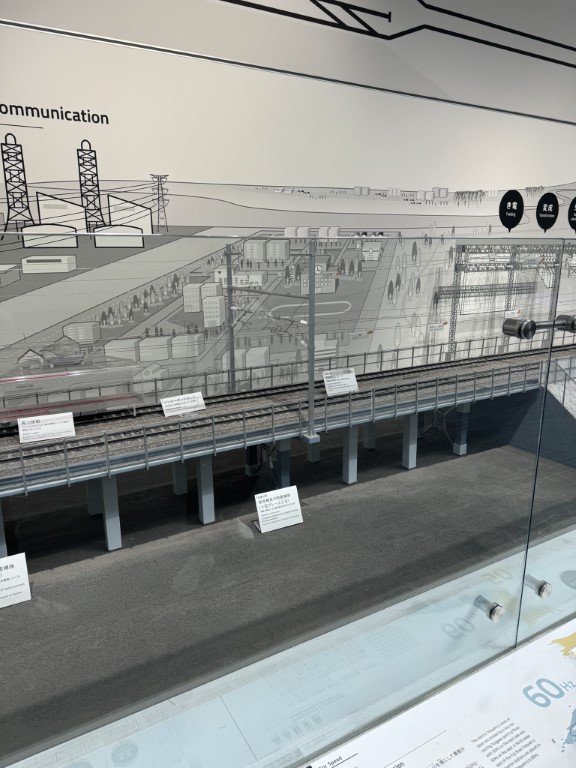
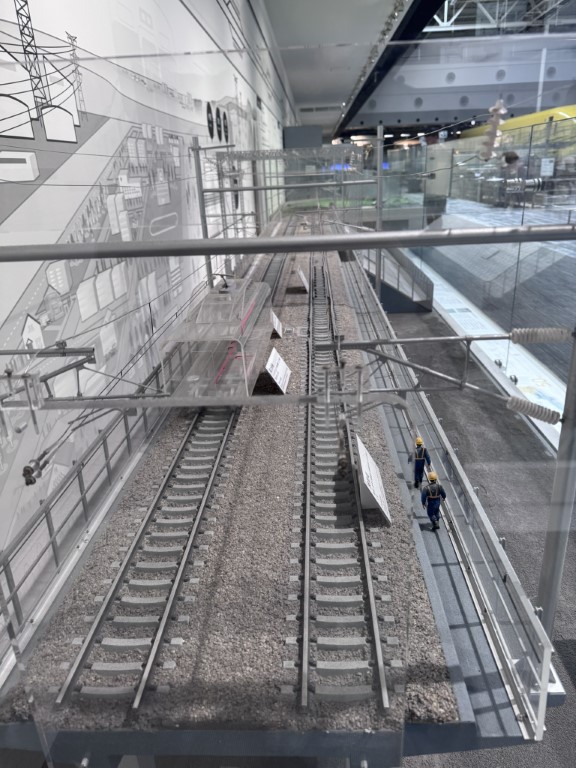
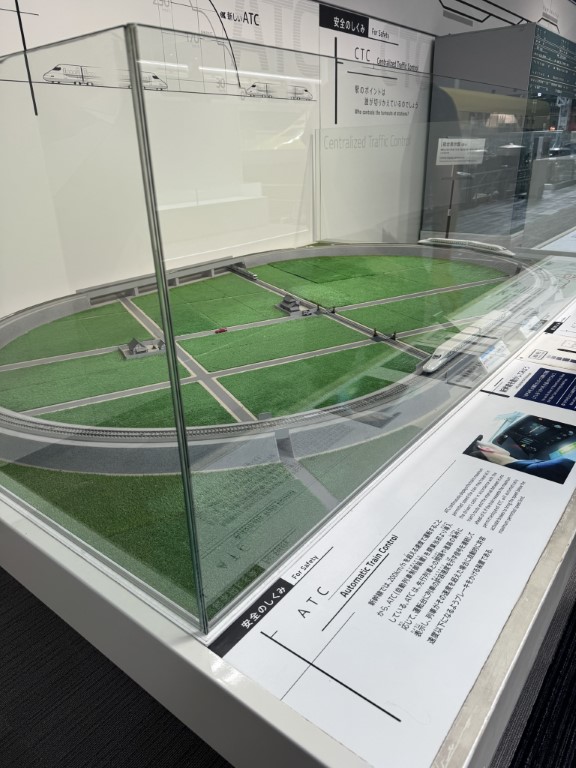
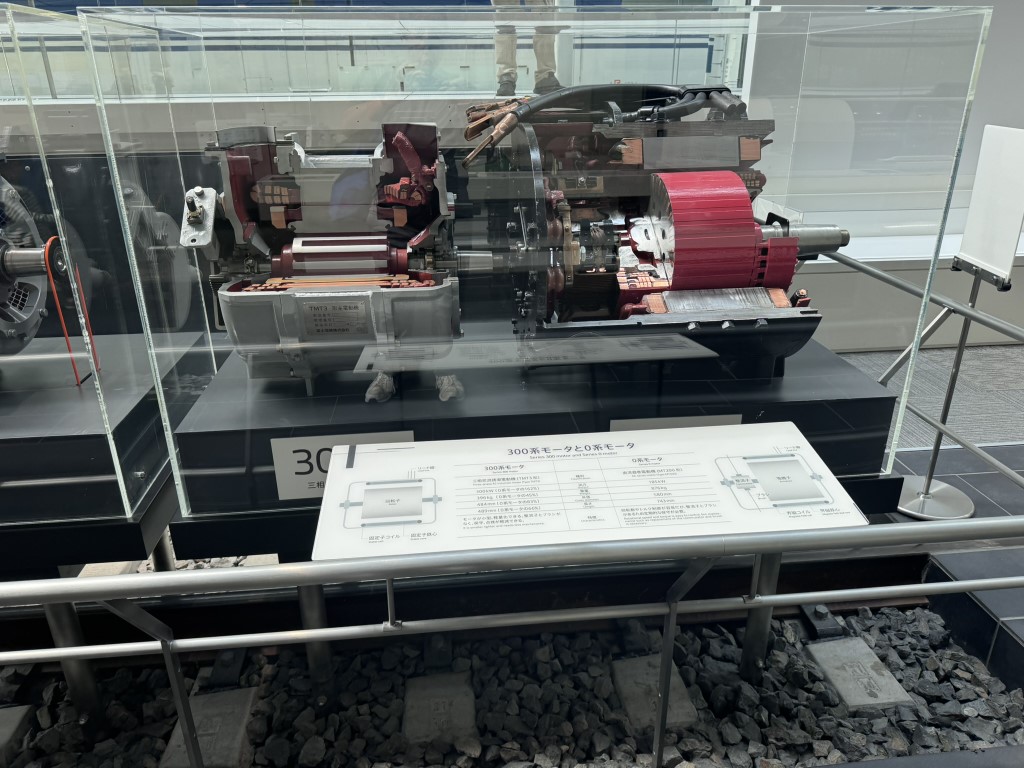
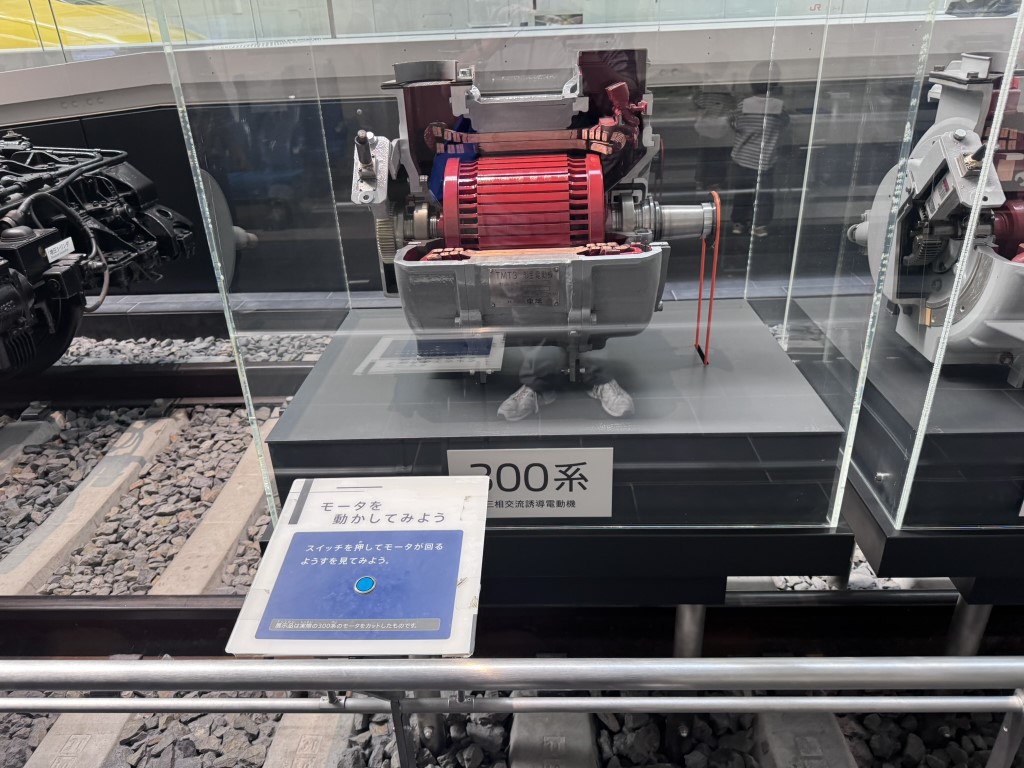
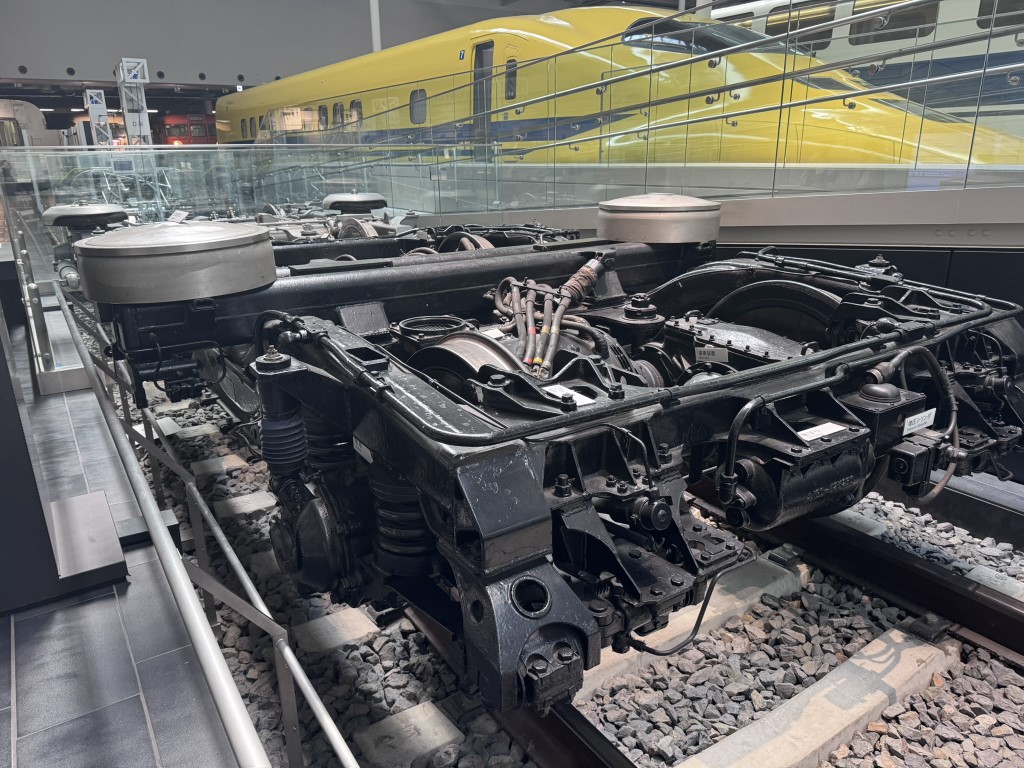
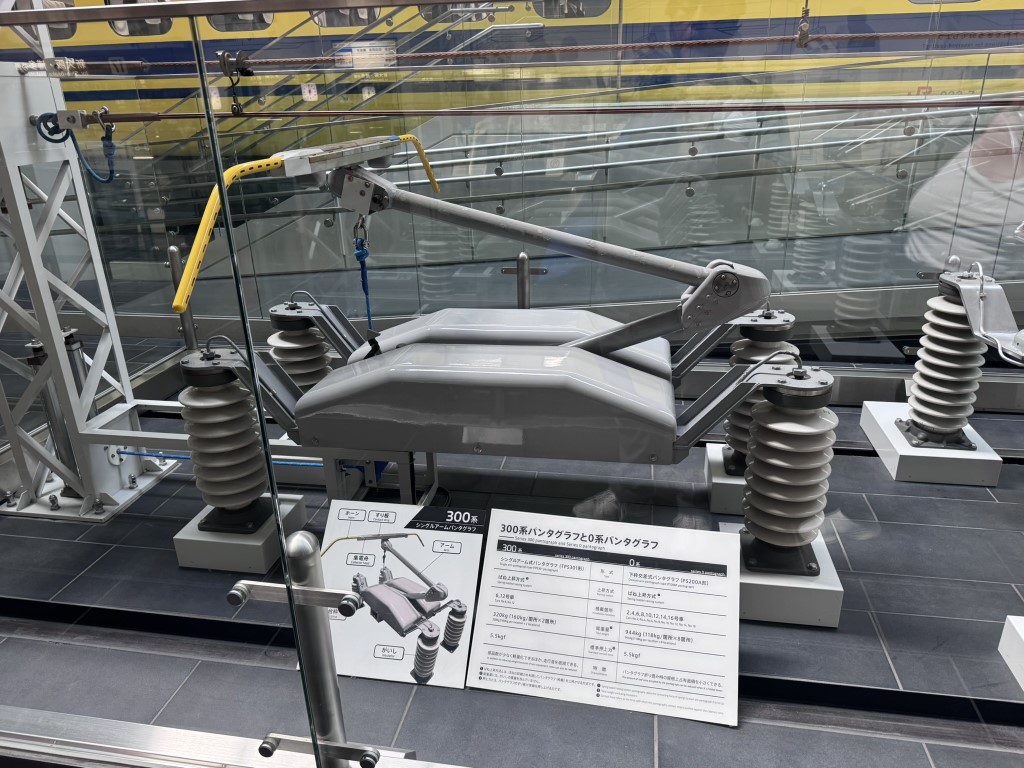
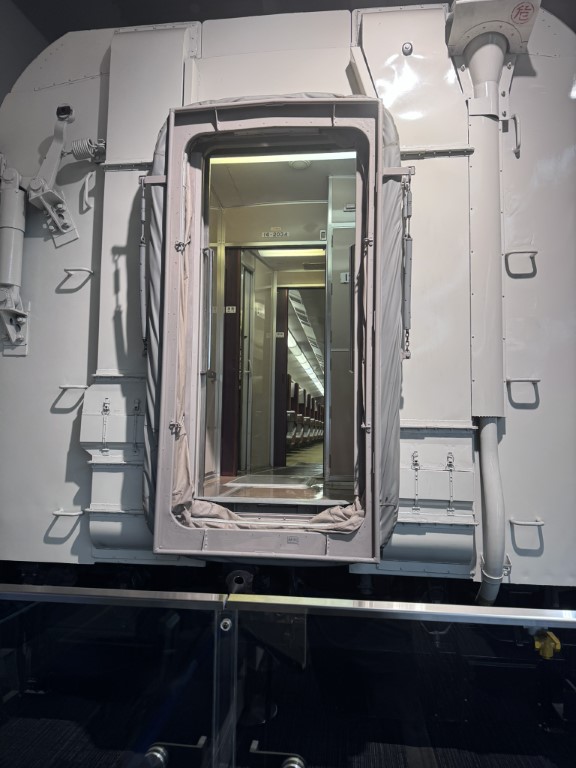
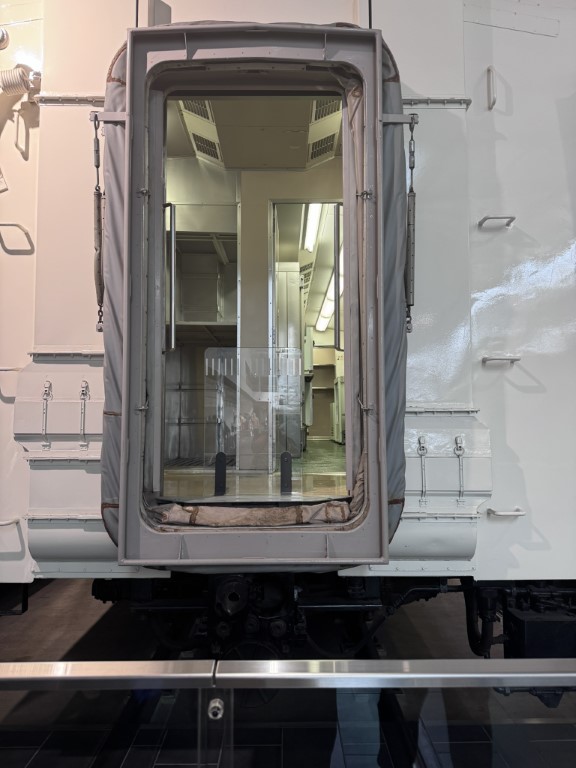
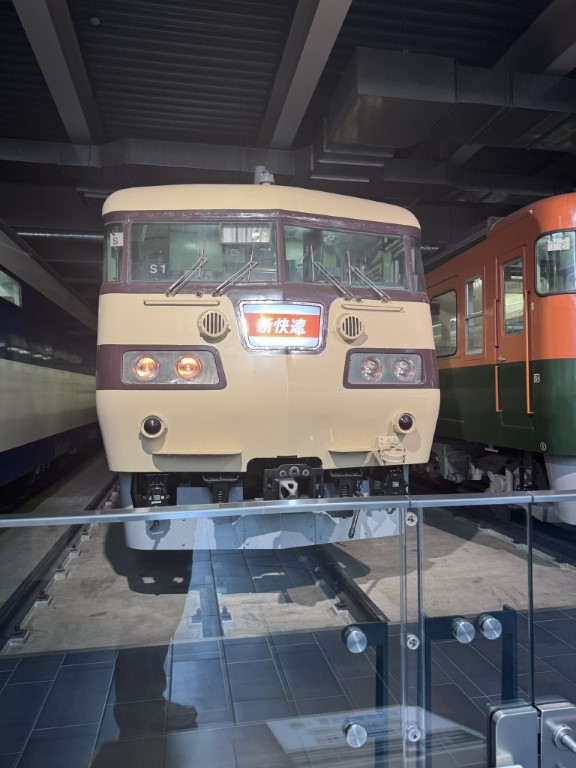
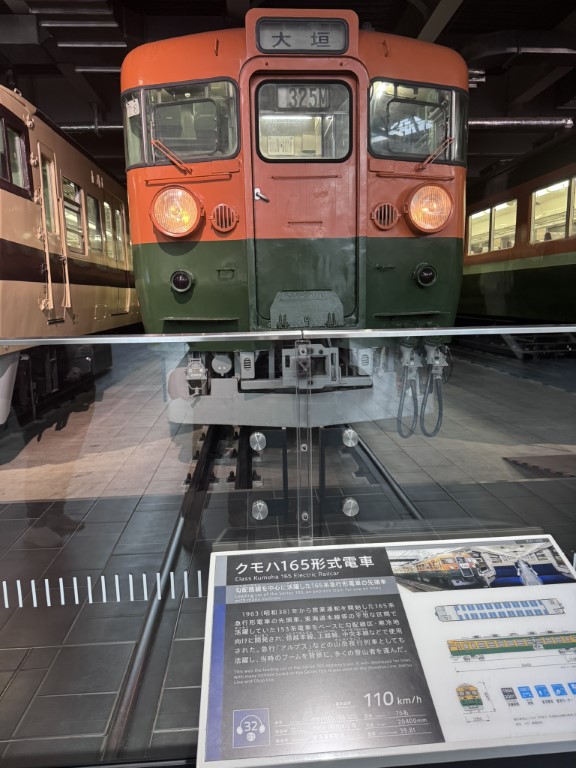
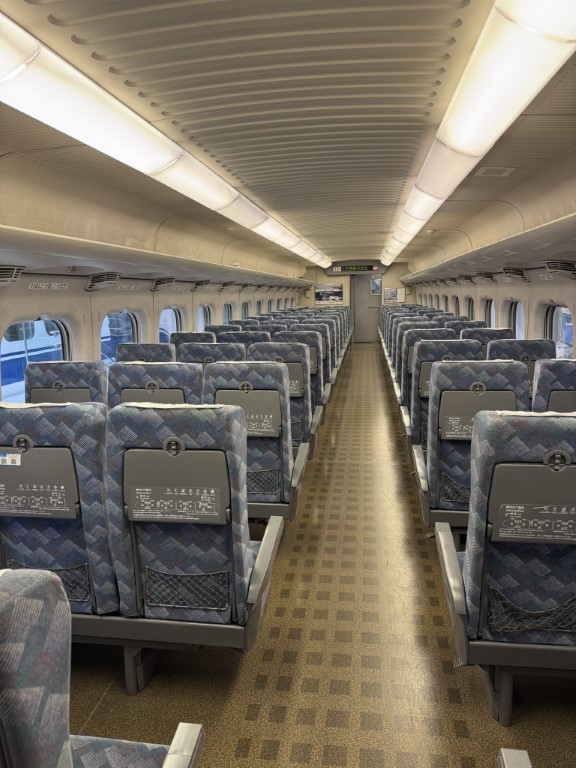
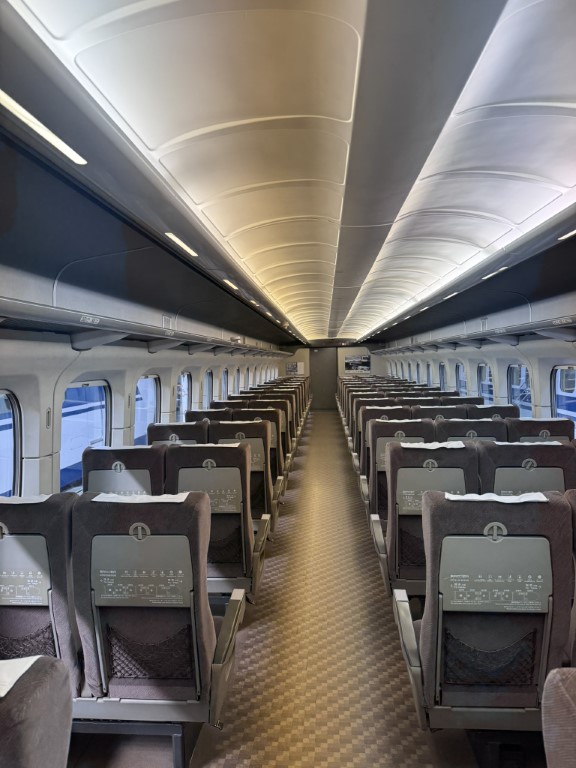
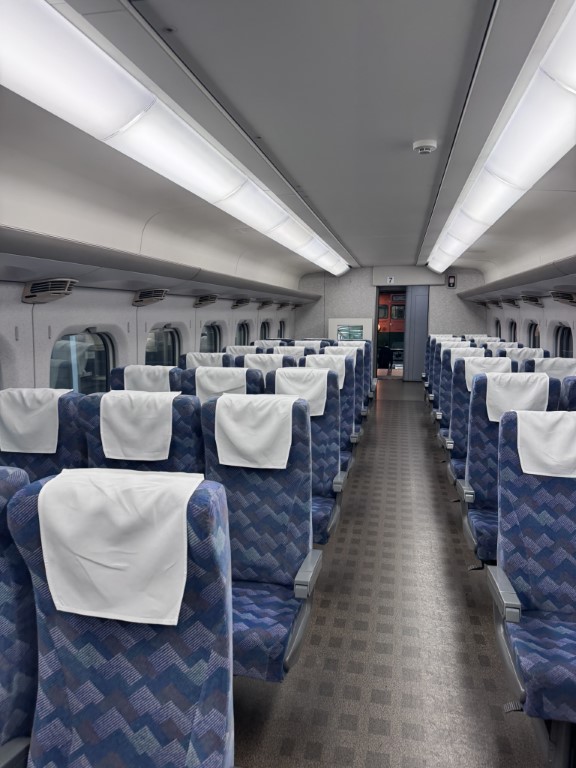
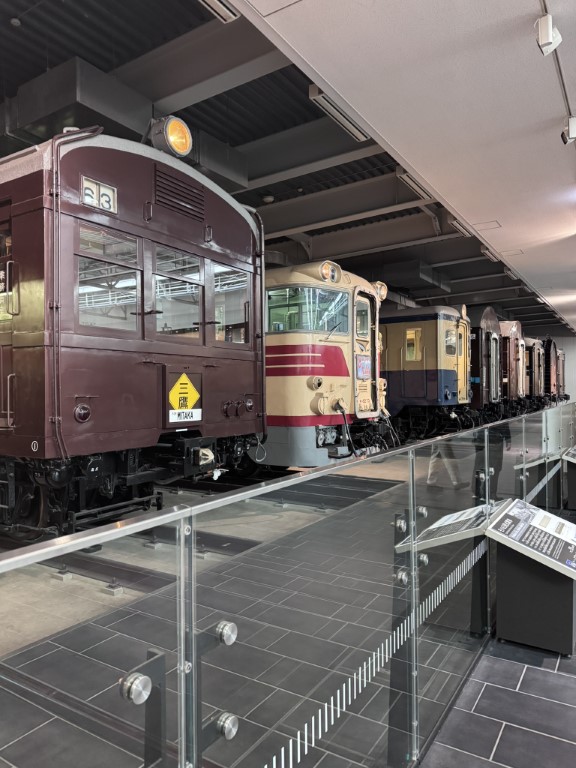
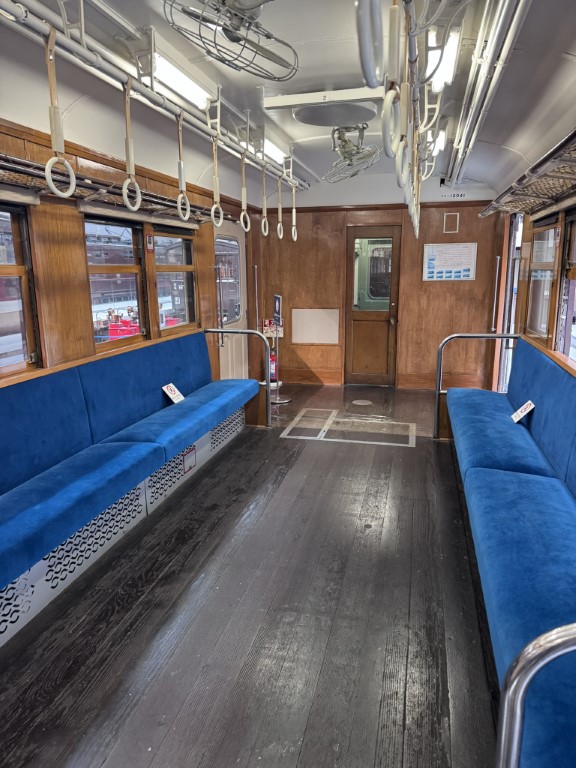
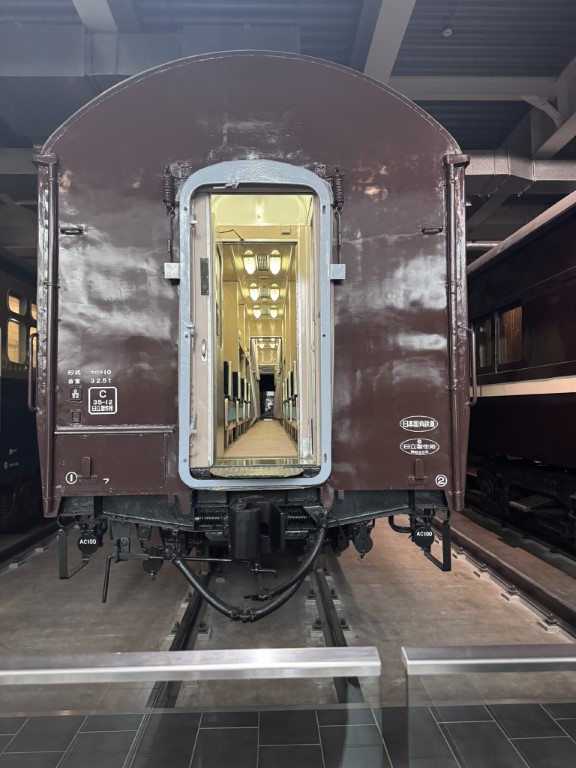
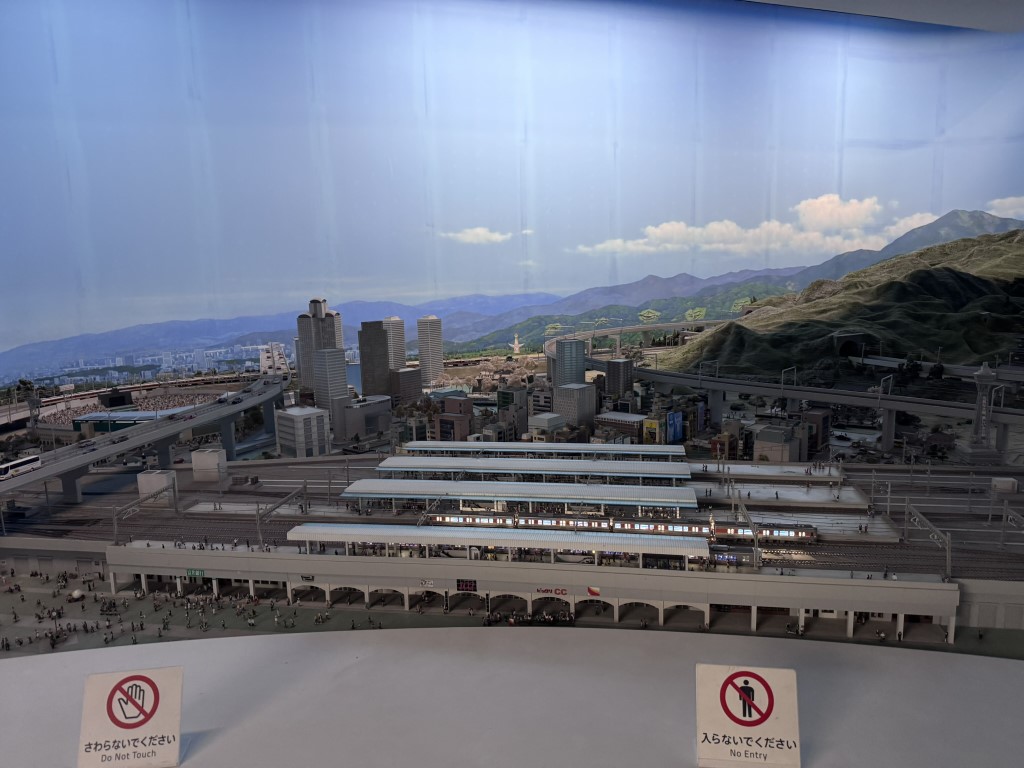
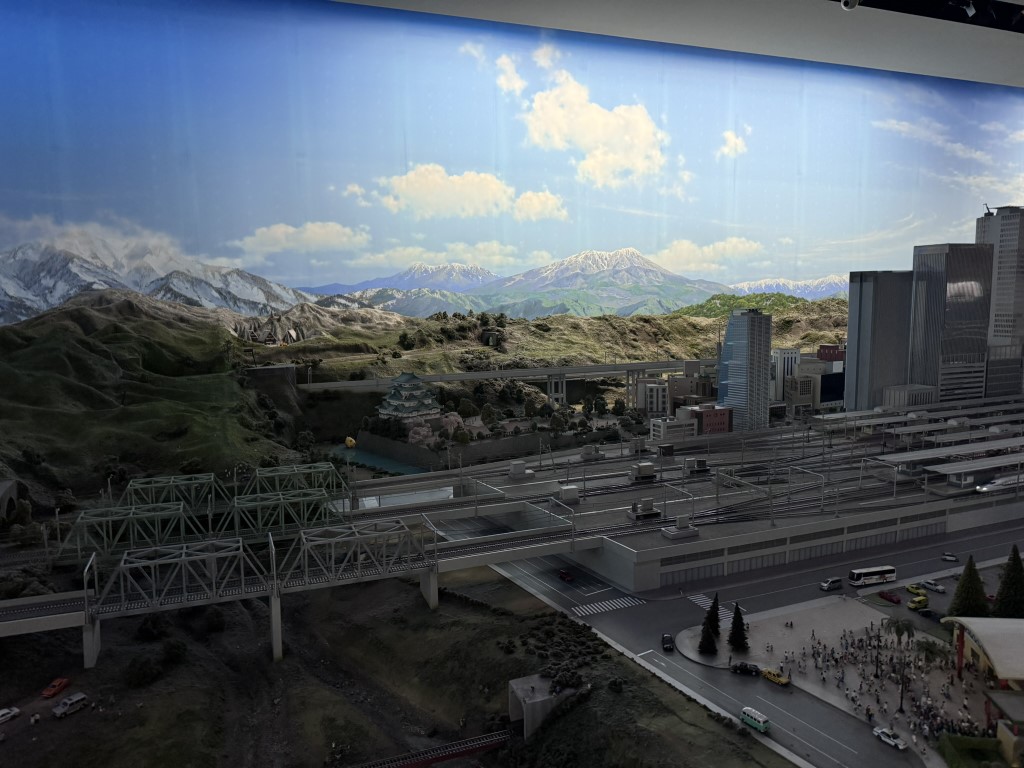
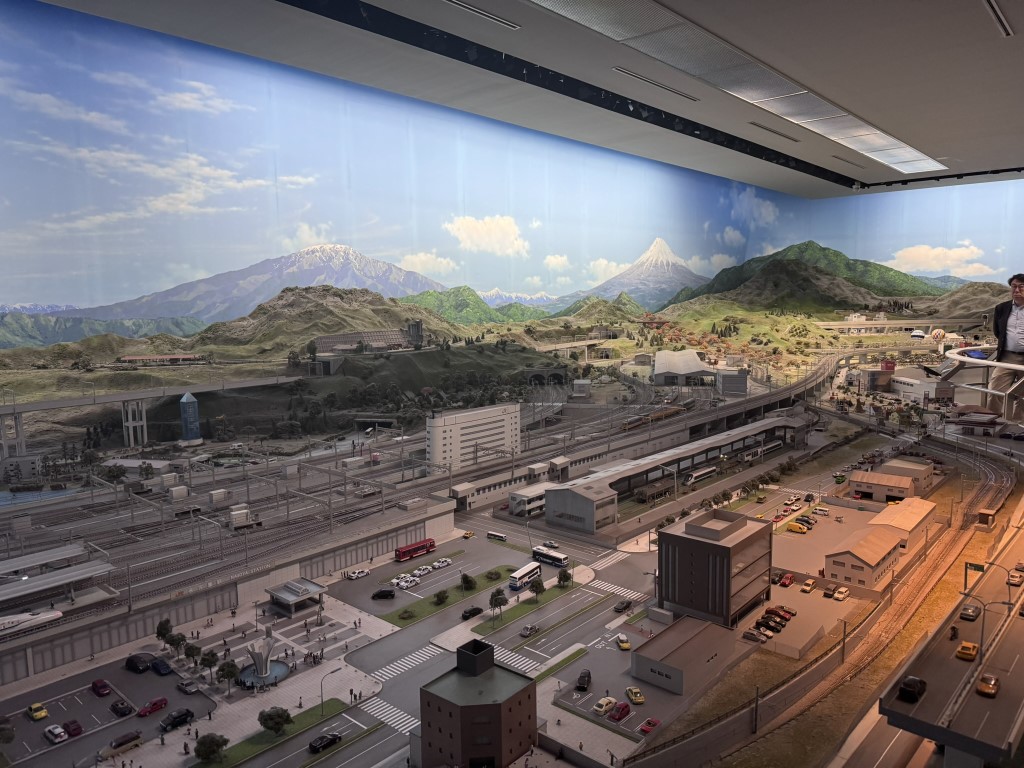
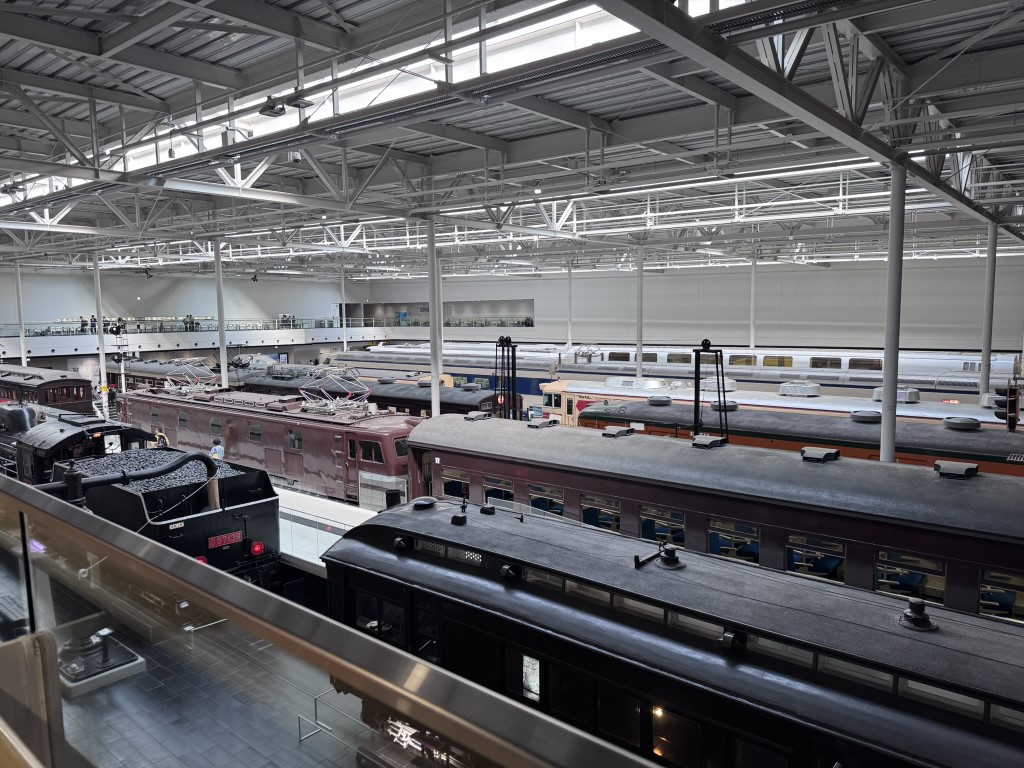
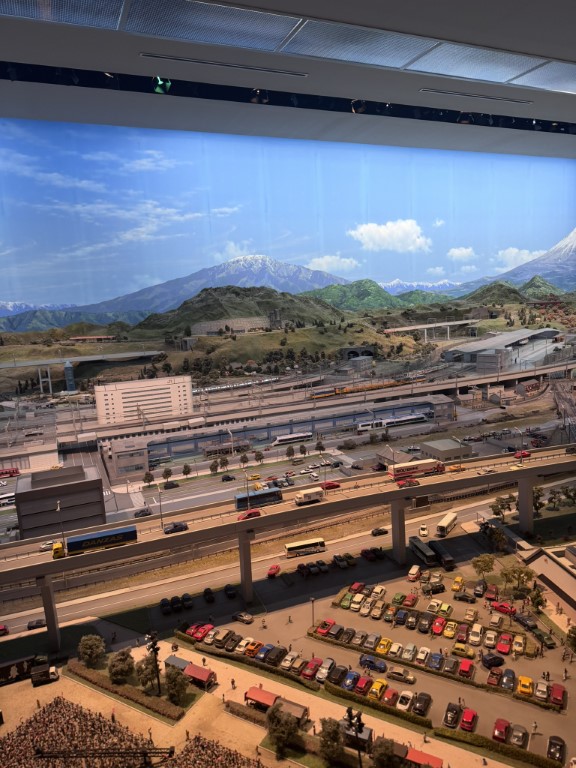
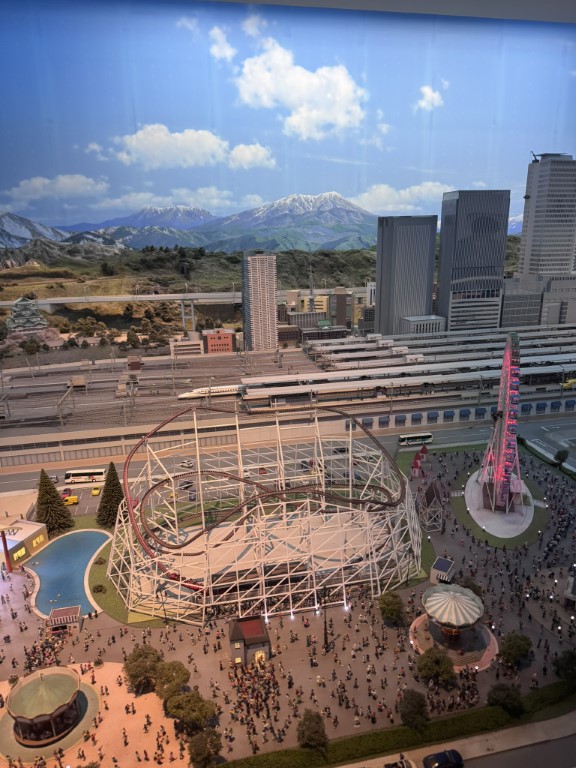
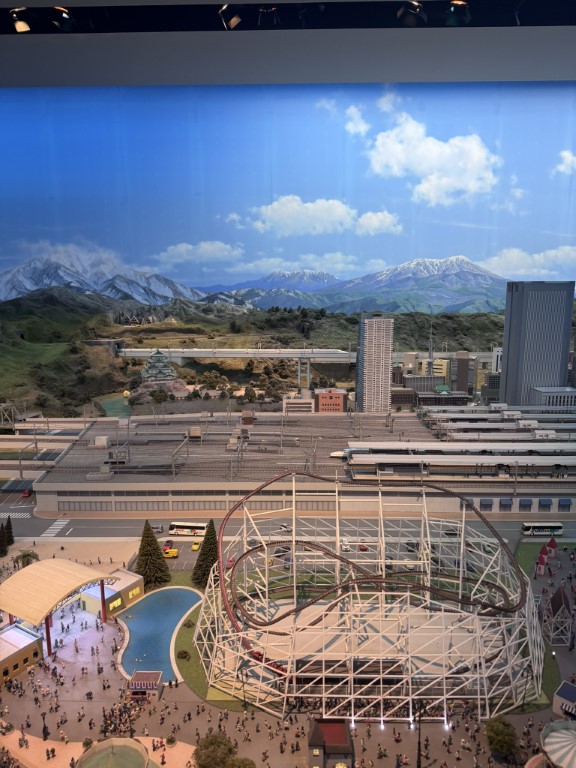
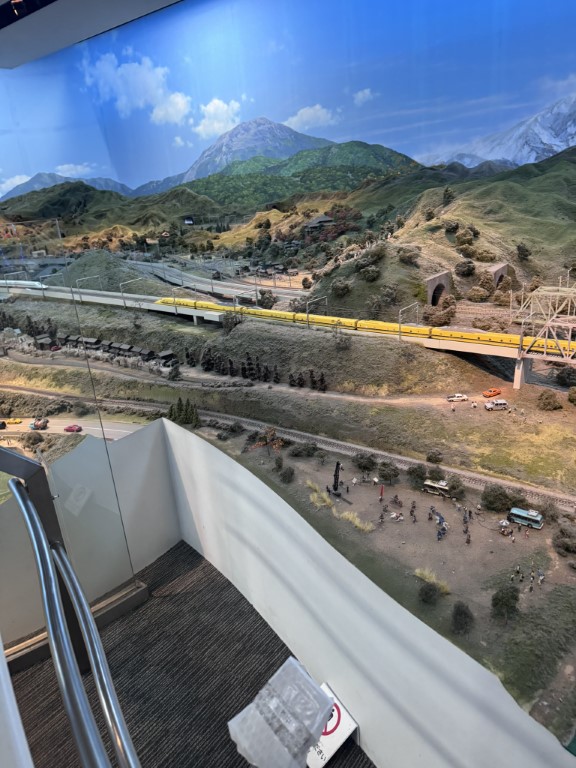
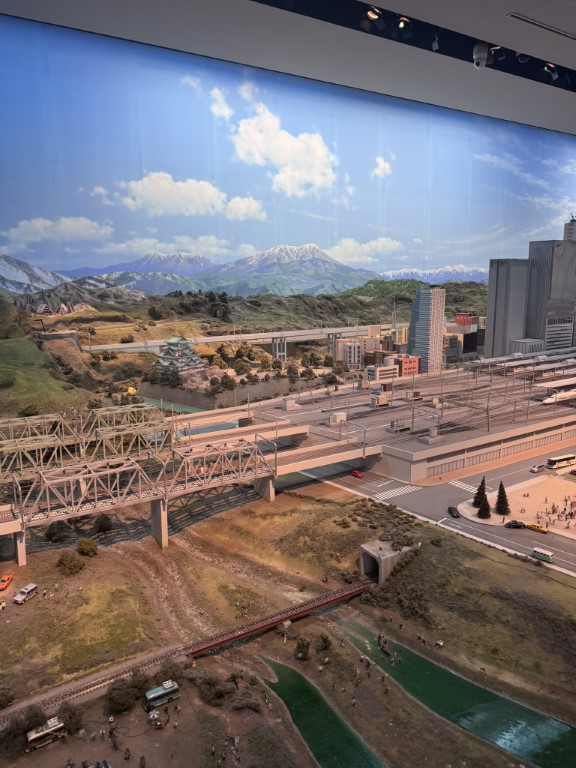
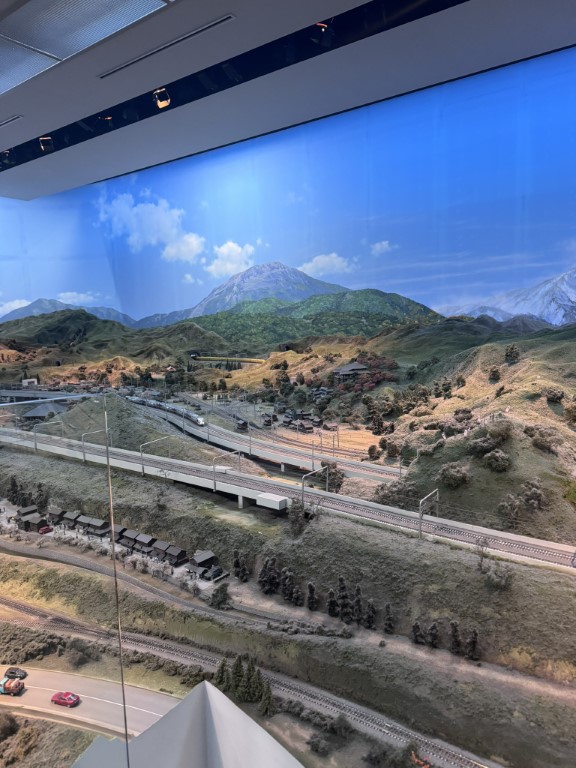
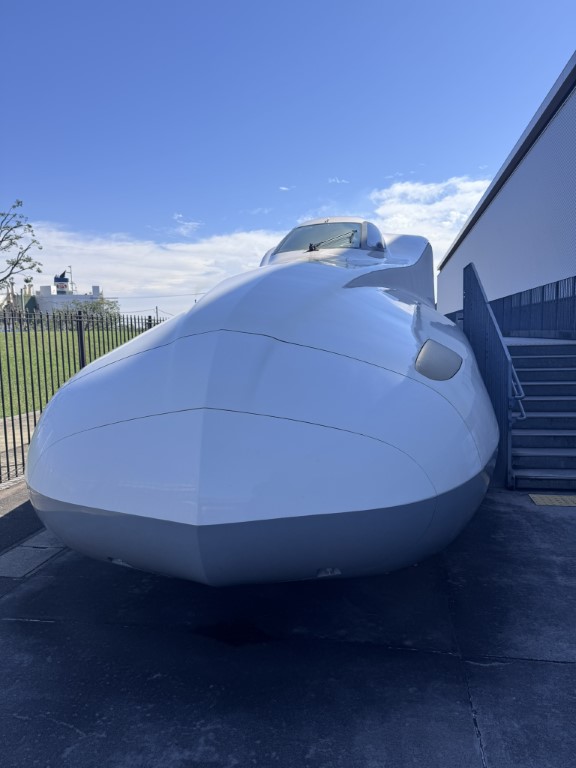
For our next stop, we boarded a crowded local train, which surprised us given the time of day. It also had a significantly large number of small children for a Thursday. We realized why when we got to the end of the line and saw the entrance to Legoland Japan. That was not our attraction for the day, though, as we were heading to the SCMAGLEV and Railway Park, the railway museum of Central Japan Railways (JR Central). The museum provides information on the advances in high speed rail in Japan and displays a number of trains from historic steam locomotives to experimental shinkansen and the latest magnetic levitating trains. We learned a lot about the bullet train system and the planned expansion of maglev between Tokyo and Osaka. There was also an impressive model railway exhibit.
.jpg)
.jpg)
.jpg)
.jpg)
.jpg)
.jpg)
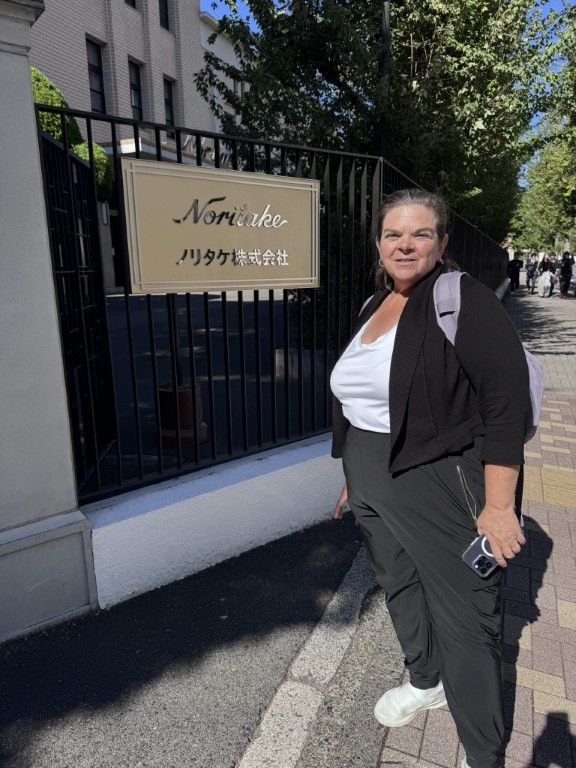
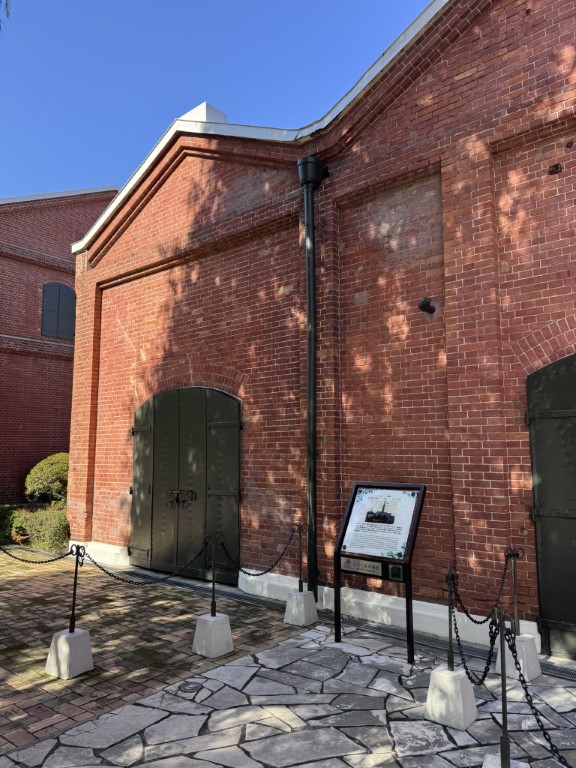
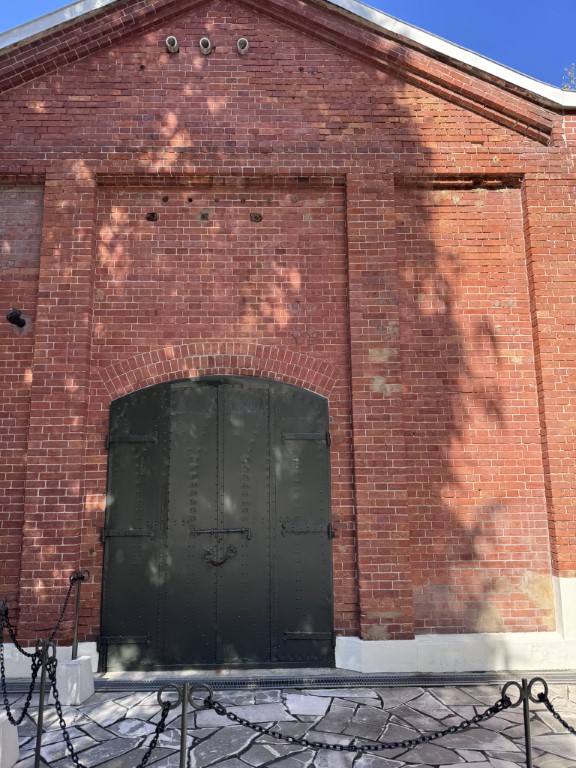
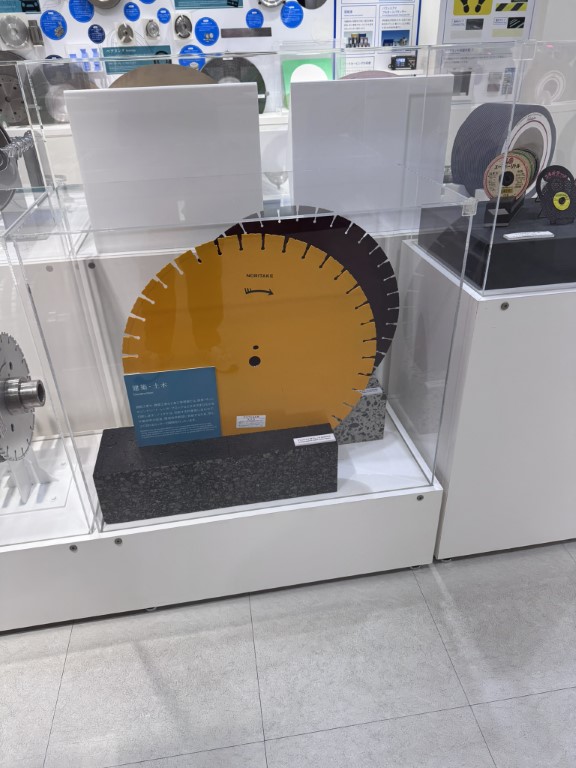
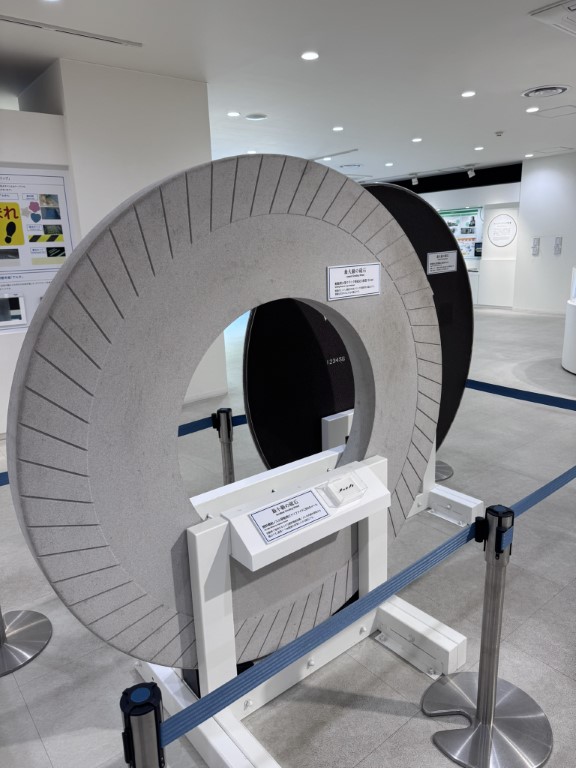
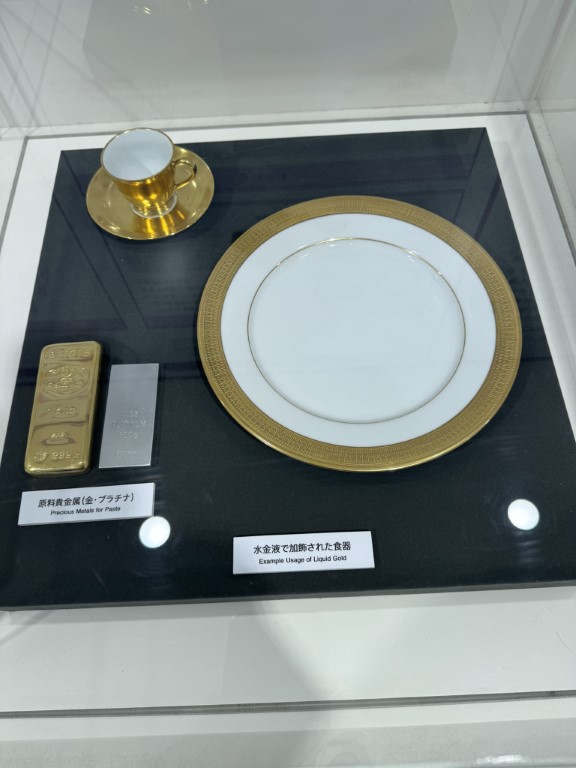
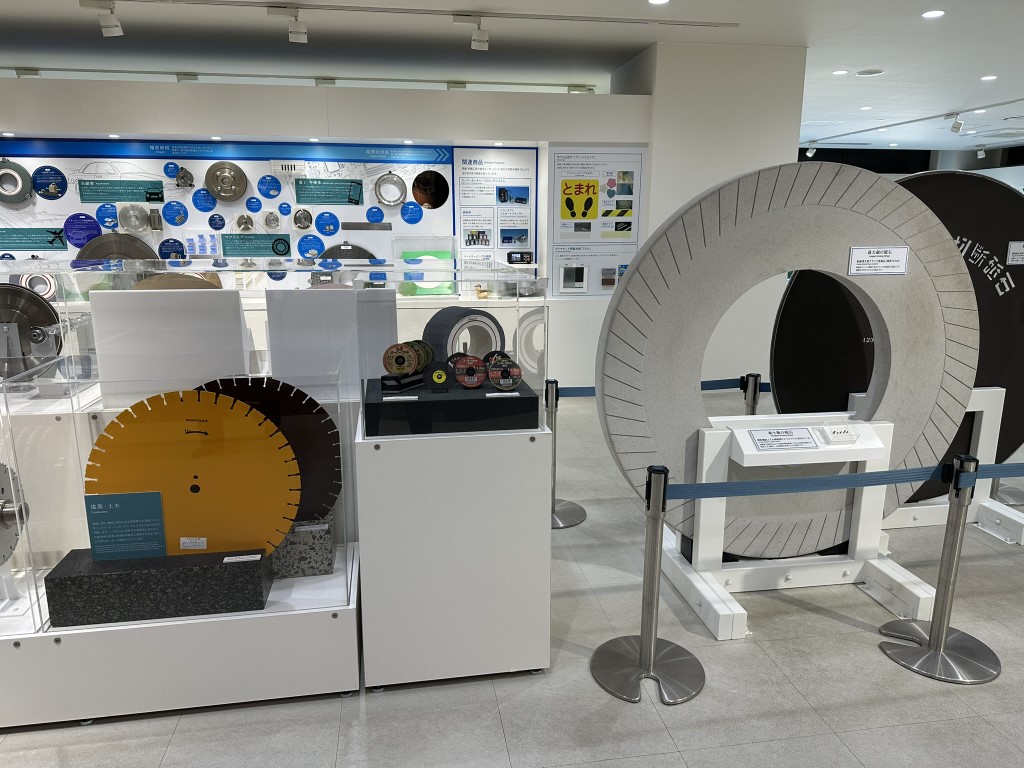
The train back was relatively empty and then we took the subway to Noritake no Mori, Noritake's former factory grounds. The red brick factory building, operated from 1904 until 1975 is symbolic of Japan's western tableware history. The six chimneys are the site of the tunnel kiln for pottery baking built during the factory's renovation in 1933. The flue which channeled smoke released from the kiln to the chimneys can still be seen at the root of the structure. Our first stop was the Welcome Center where we watched a video to learn about the history of the company and checked out the Technology Corner which discusses Noritake's technology and products in a wide variety of industries. The company has expanded beyond tableware as the china business has decreased and now serves many industries with ceramic technology.
We headed next to the Craft Center, a production factory manufacturing bone china. We got an up-close view of Noritake's craftsmanship and traditions through each process from production of bone china clay to decorations.
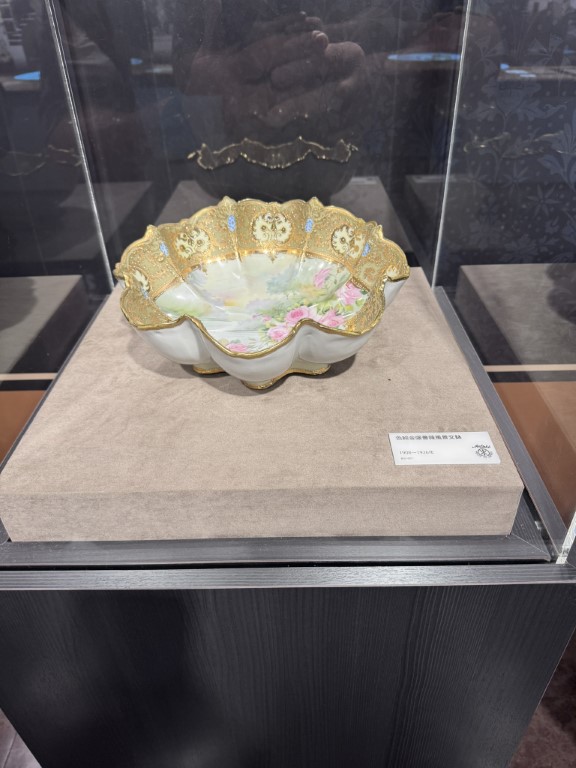
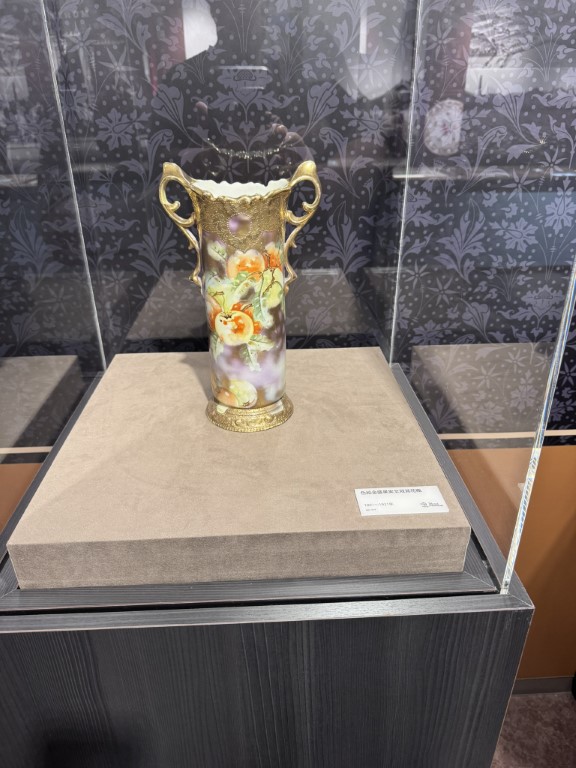
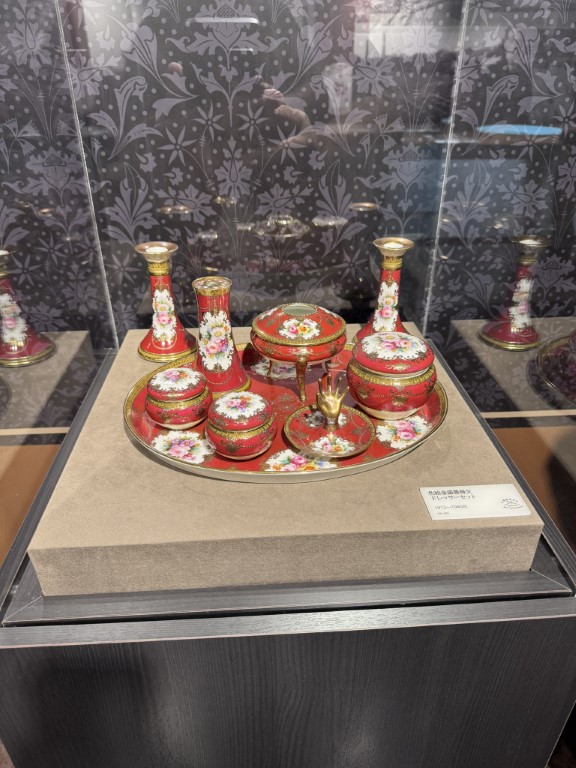
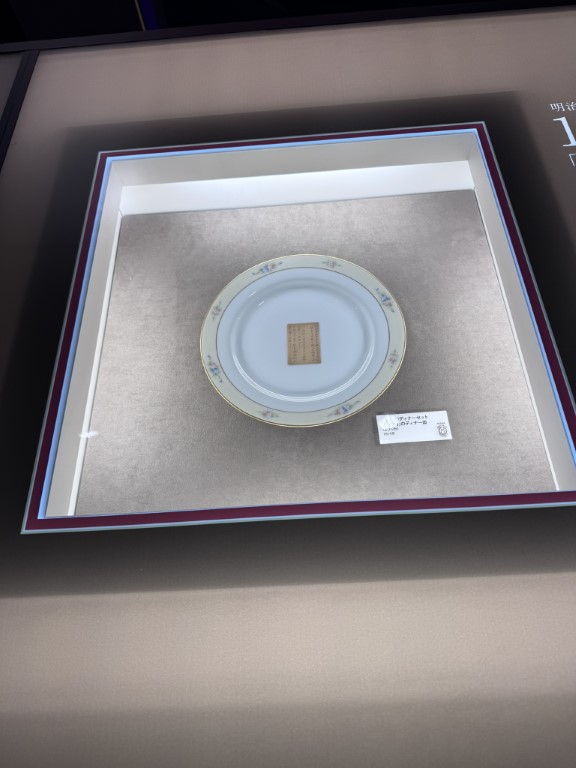
.jpg)
.jpg)
.jpg)
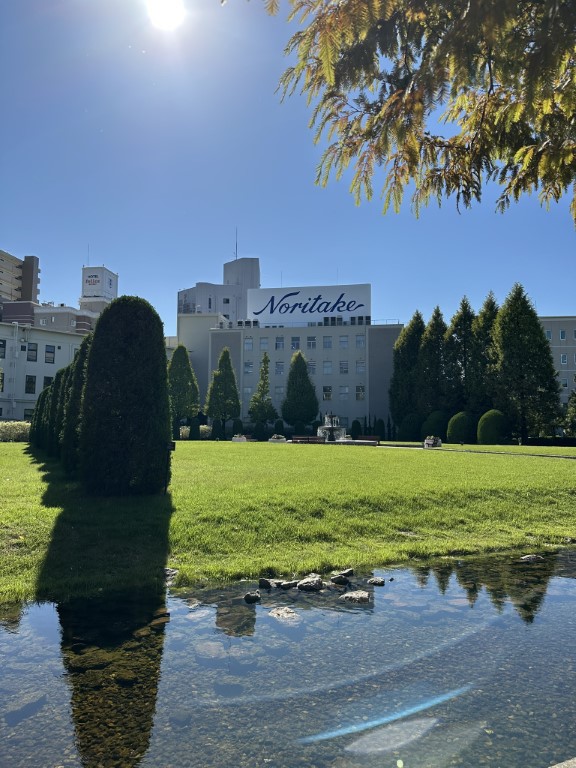
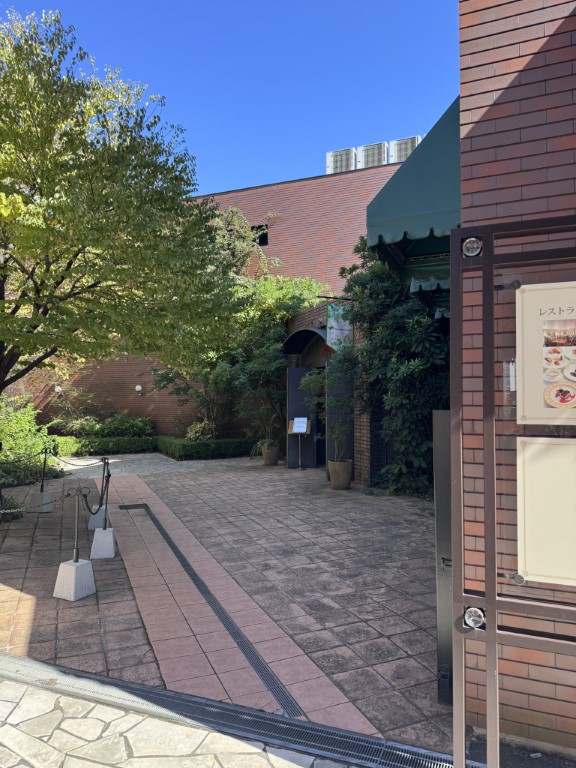
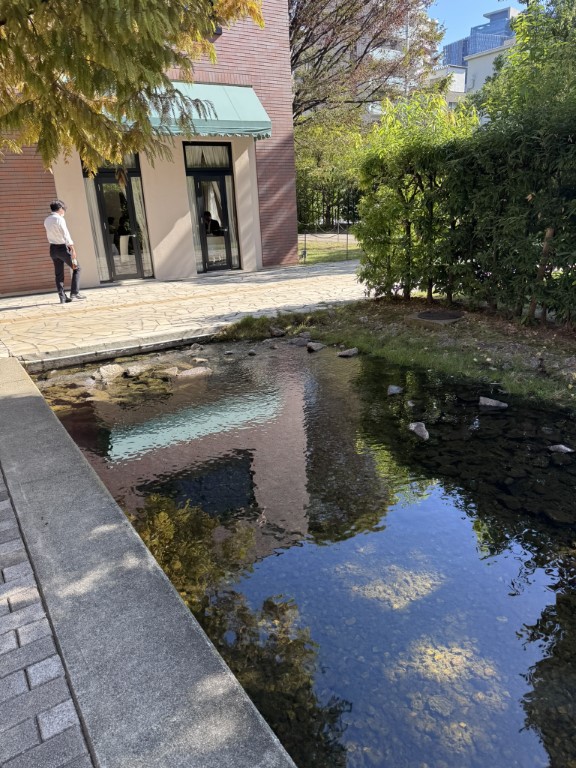
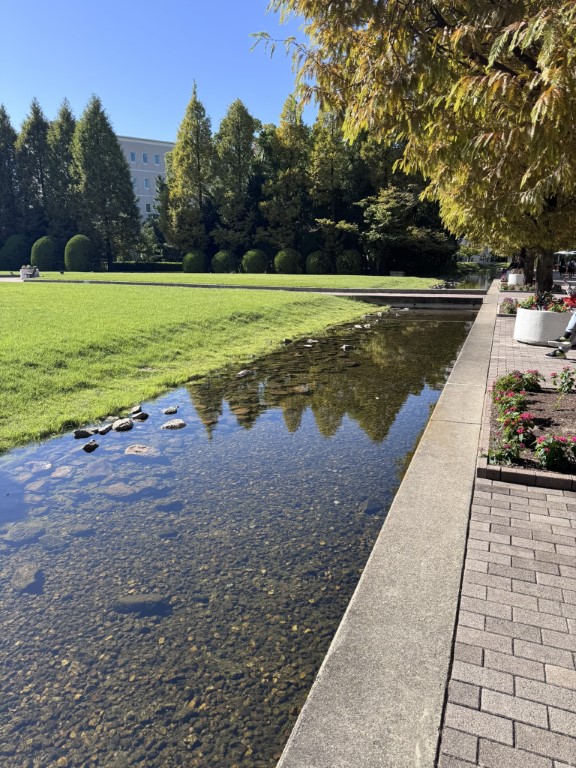
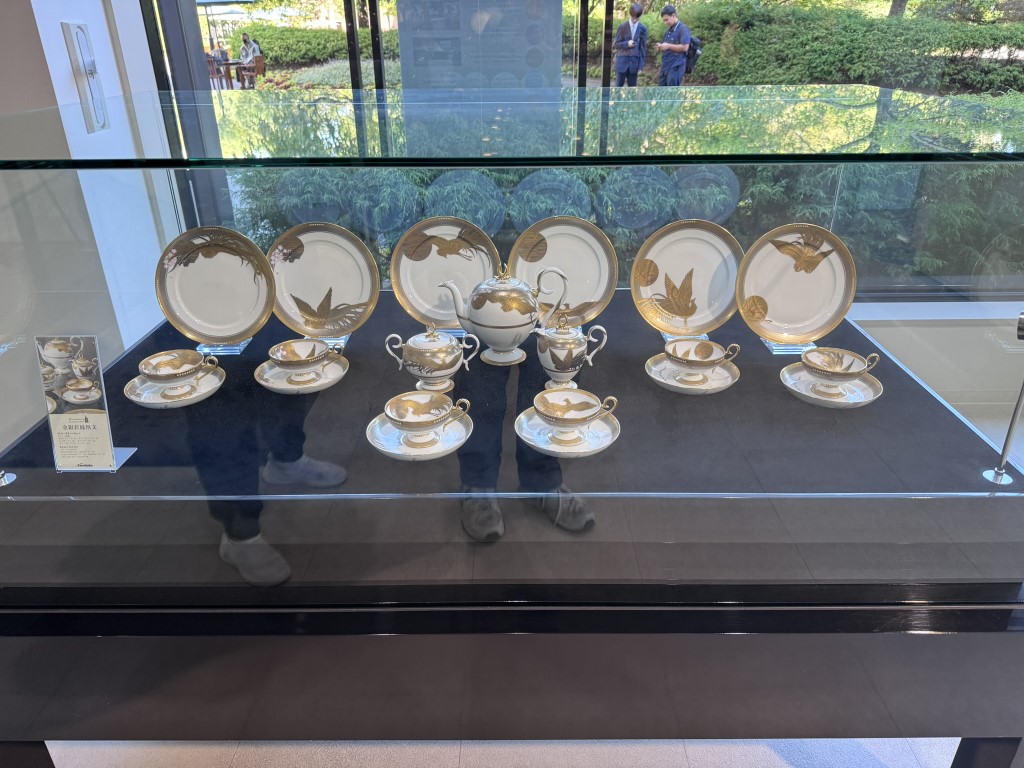
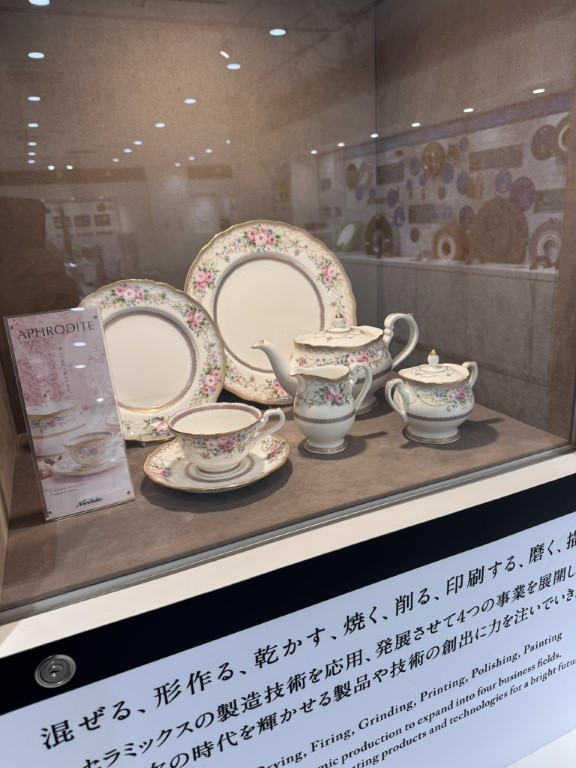
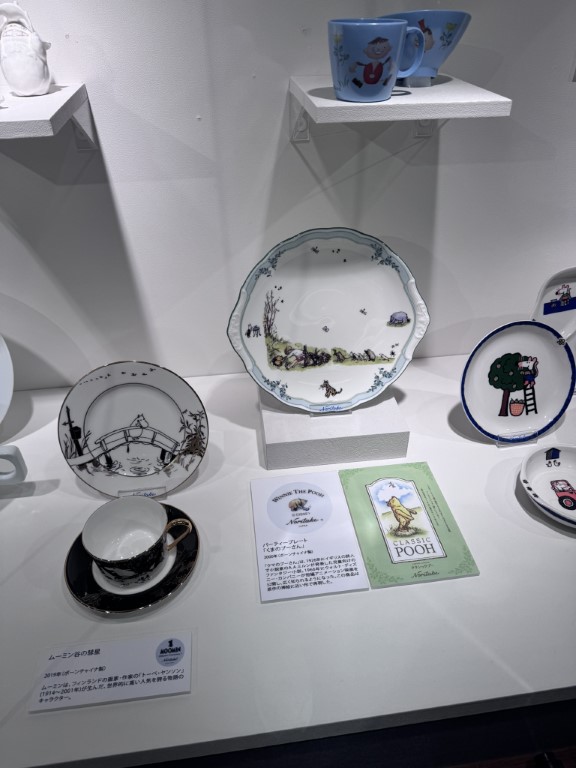
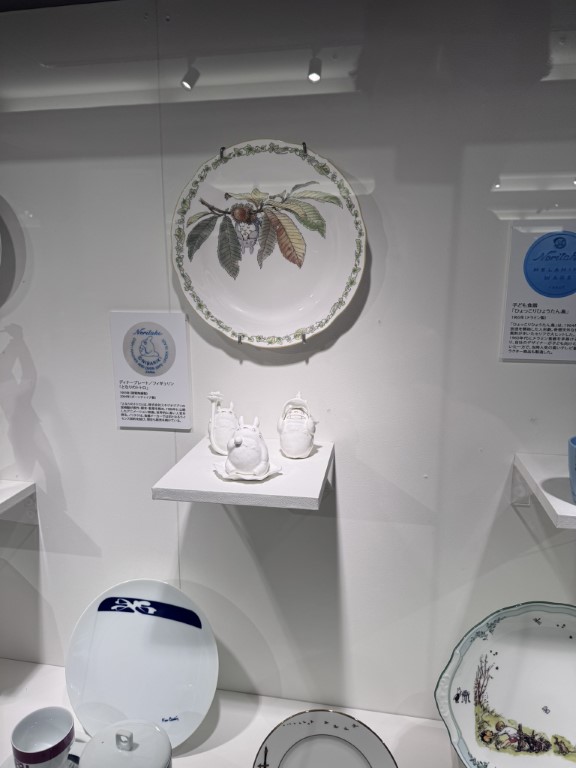
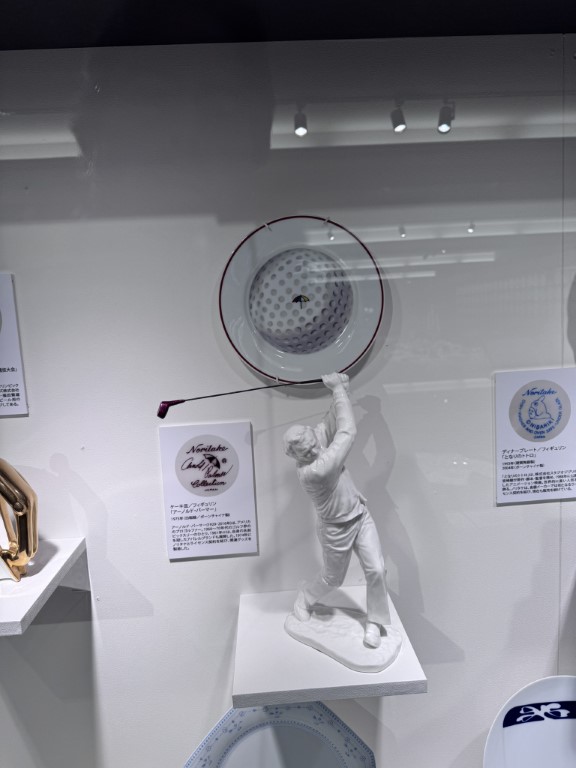
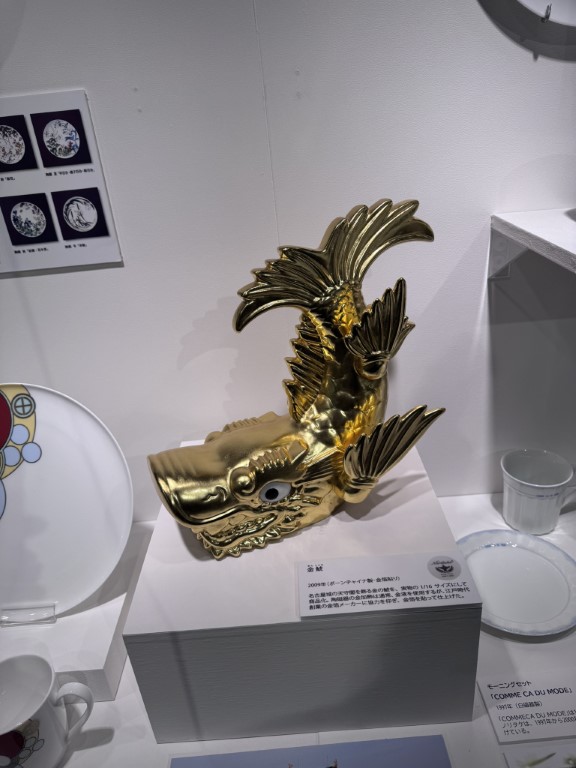
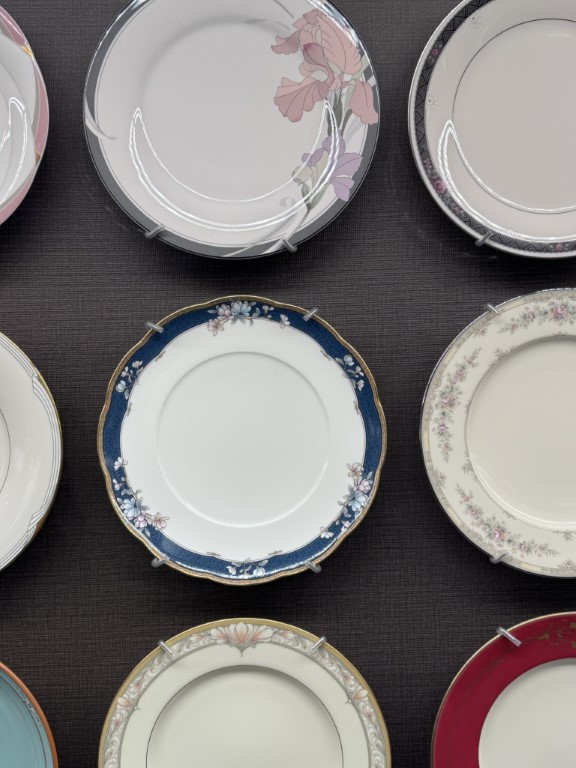
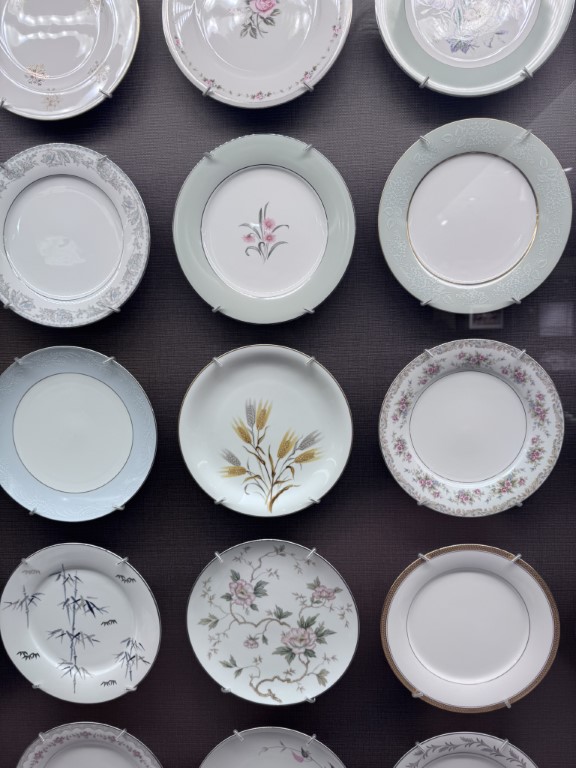
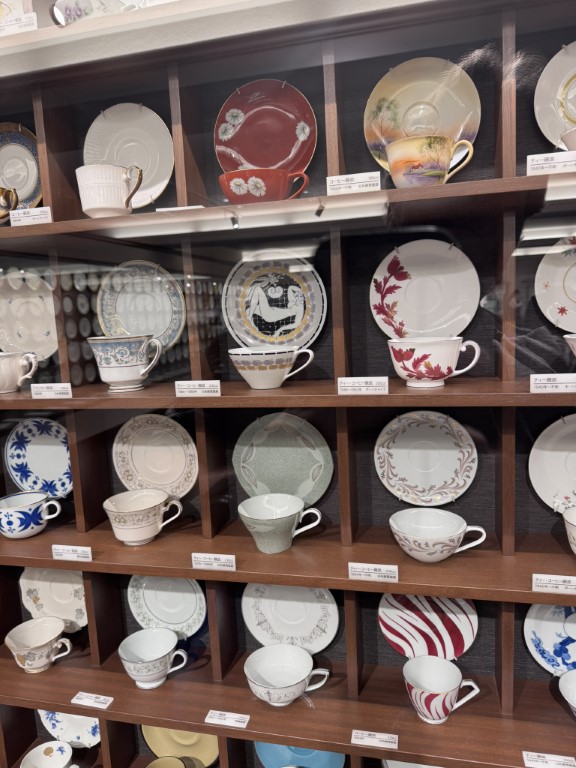
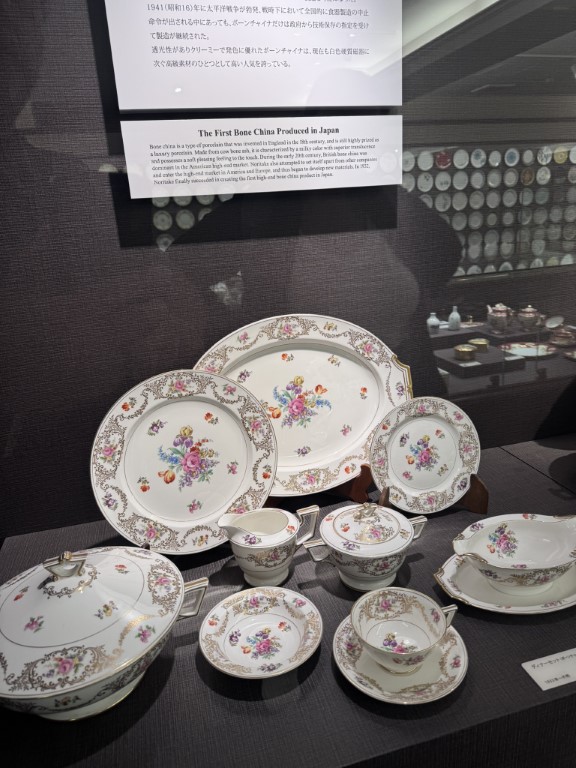
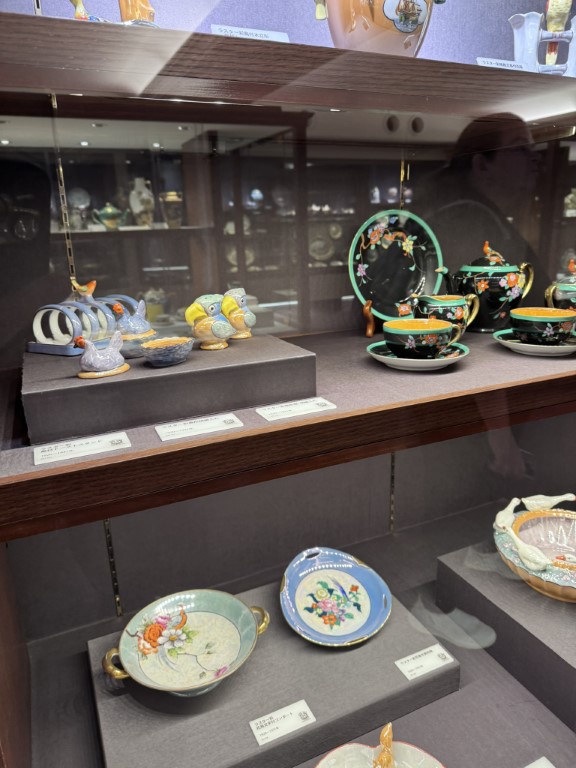
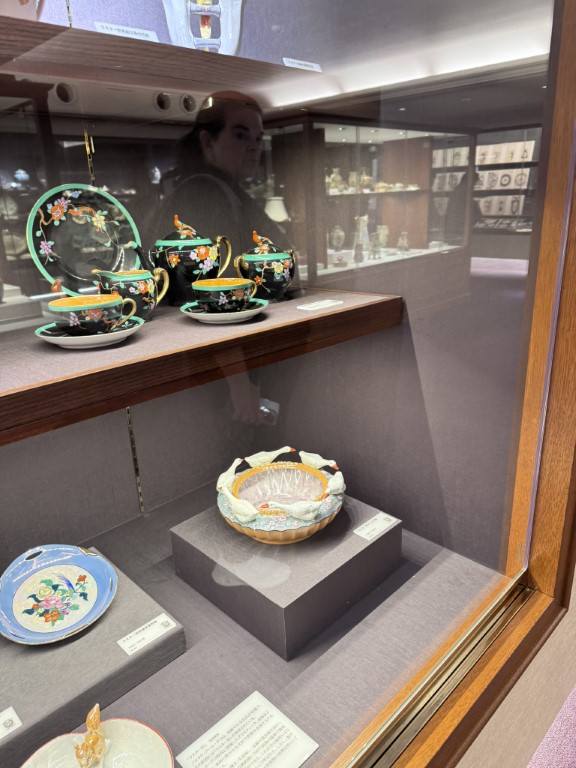
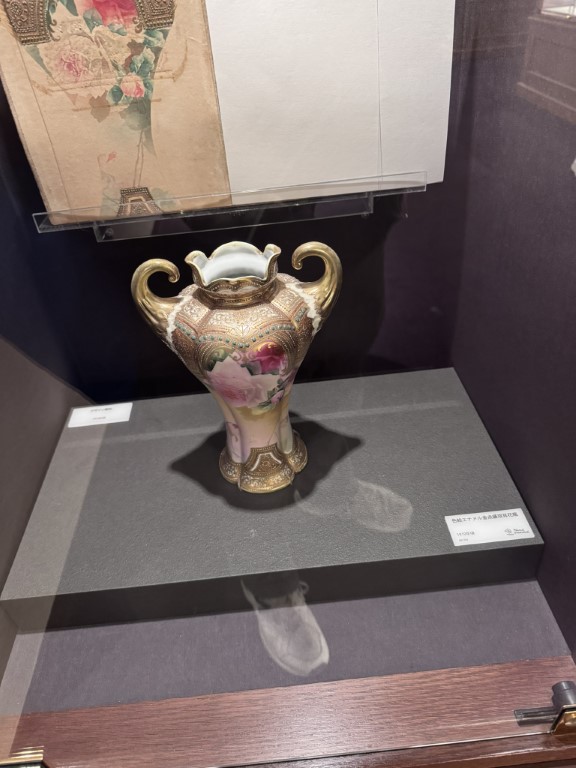
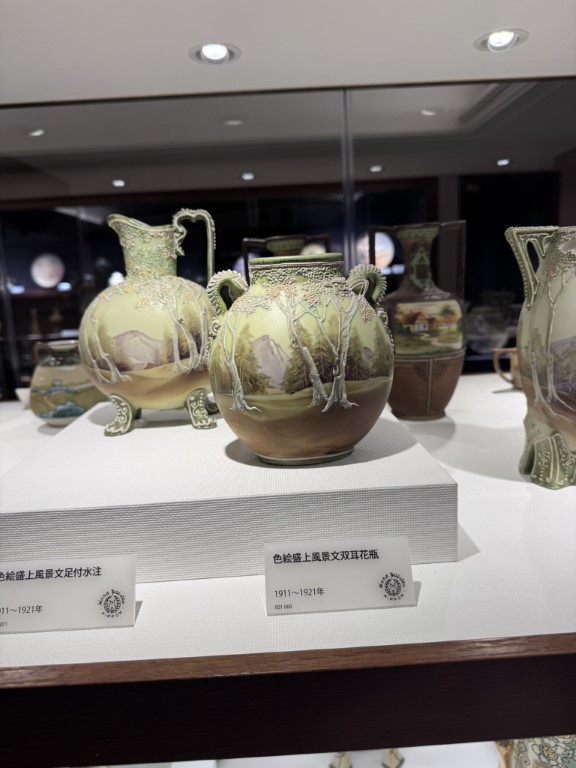
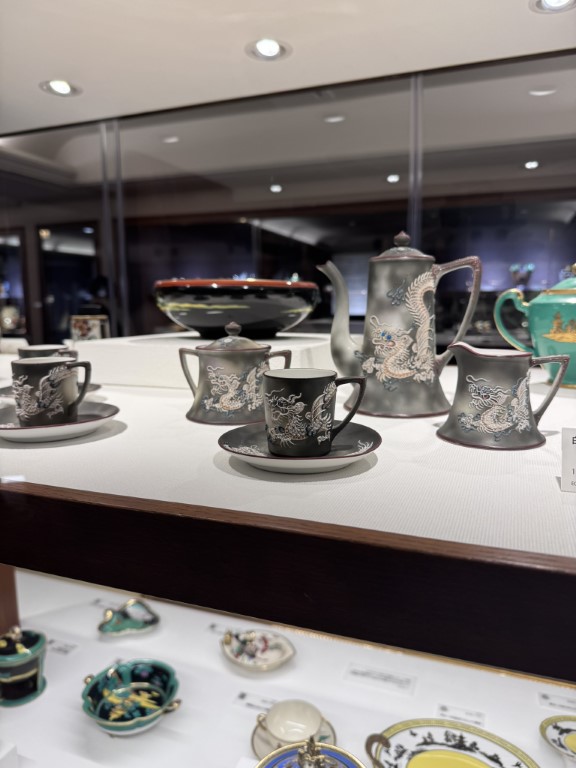
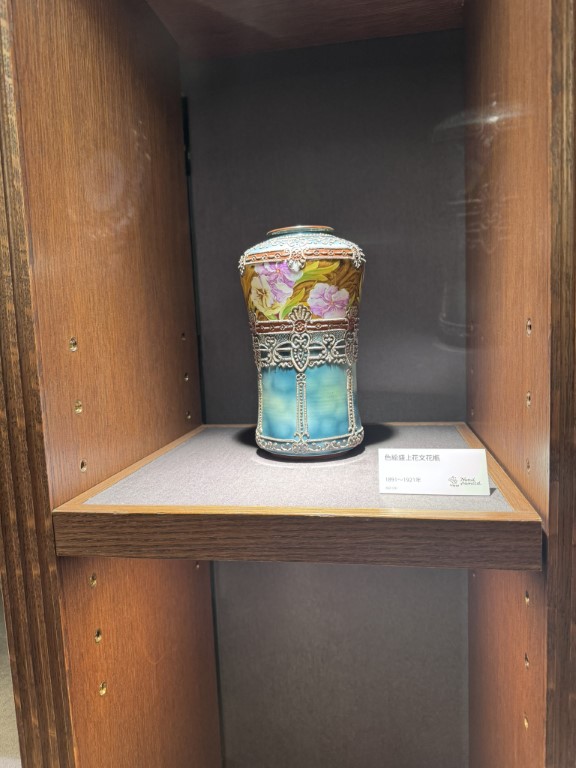
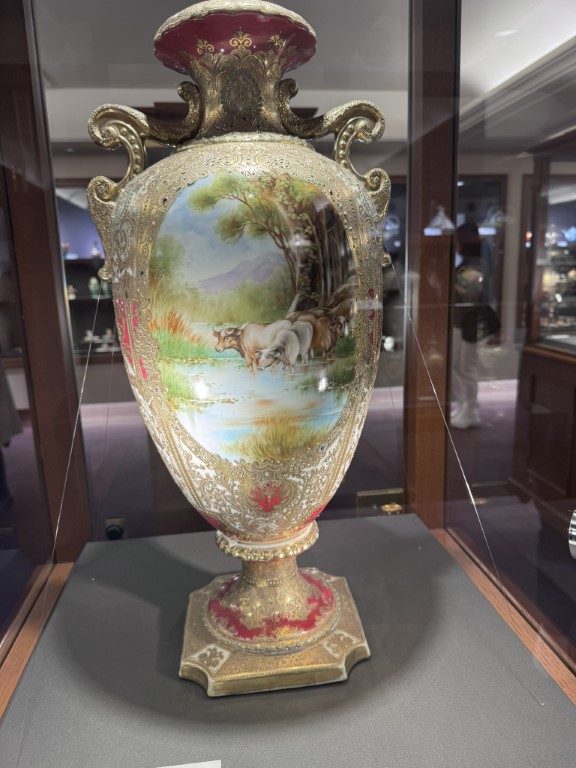
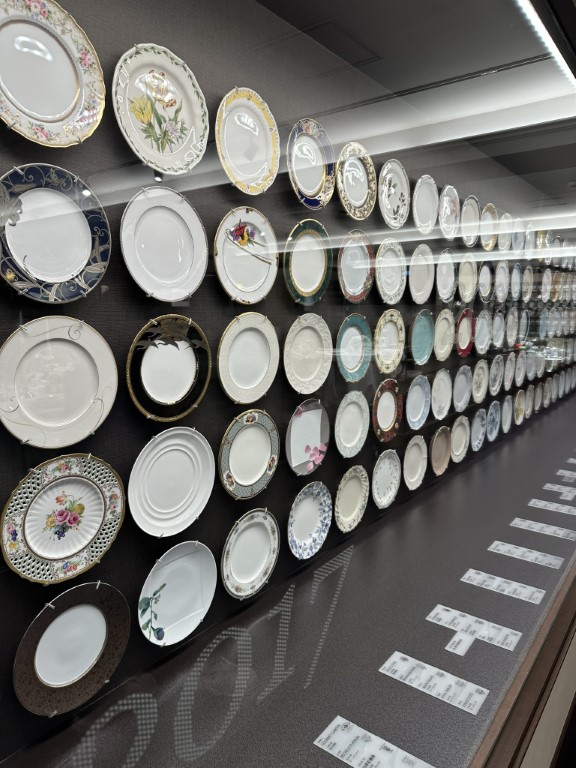
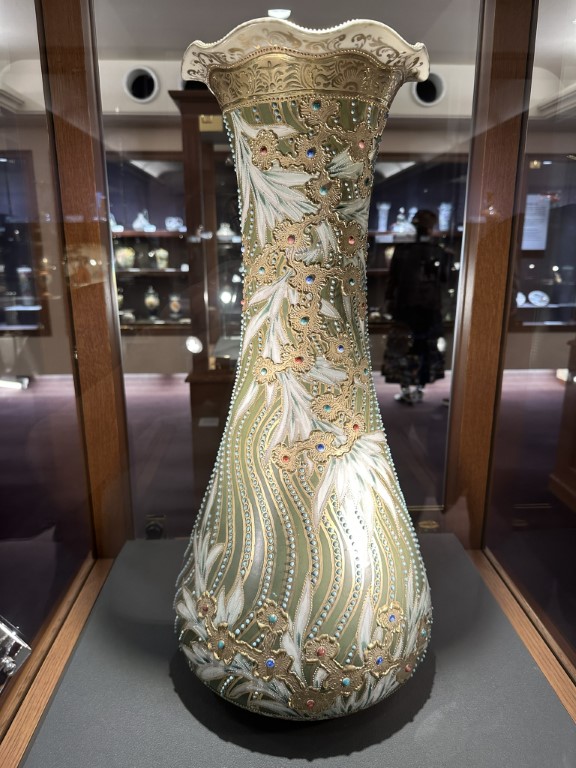
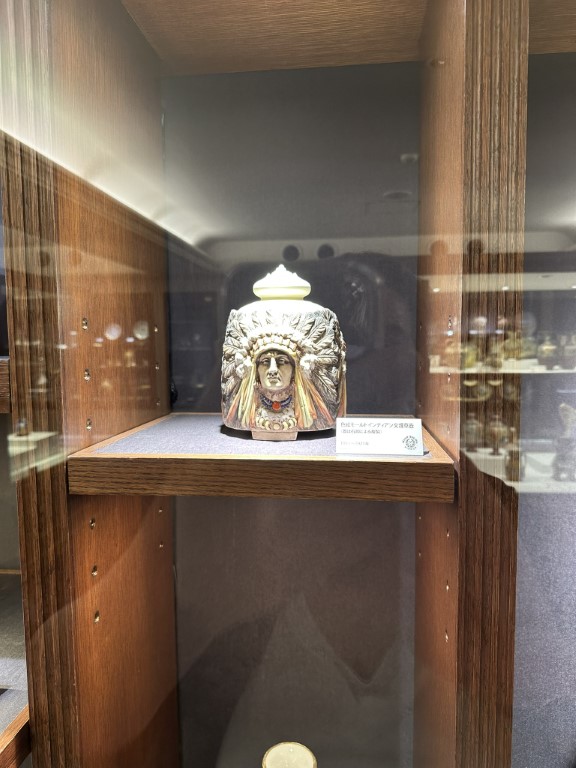
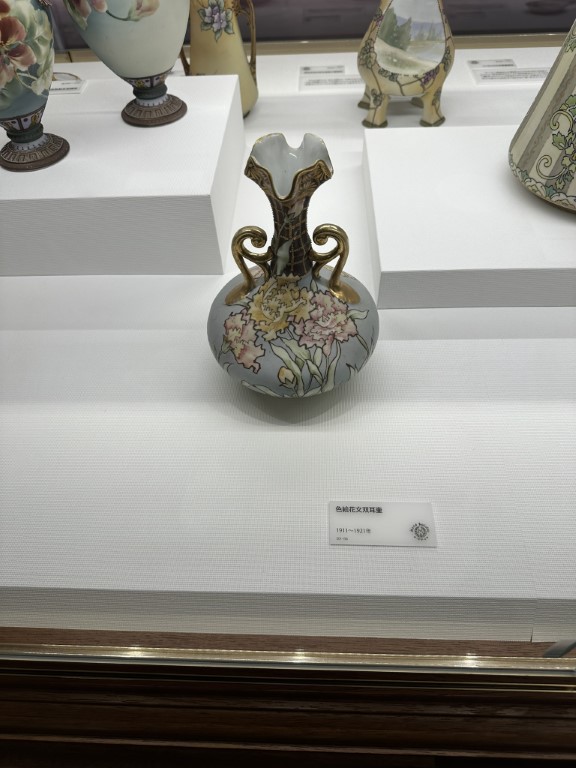
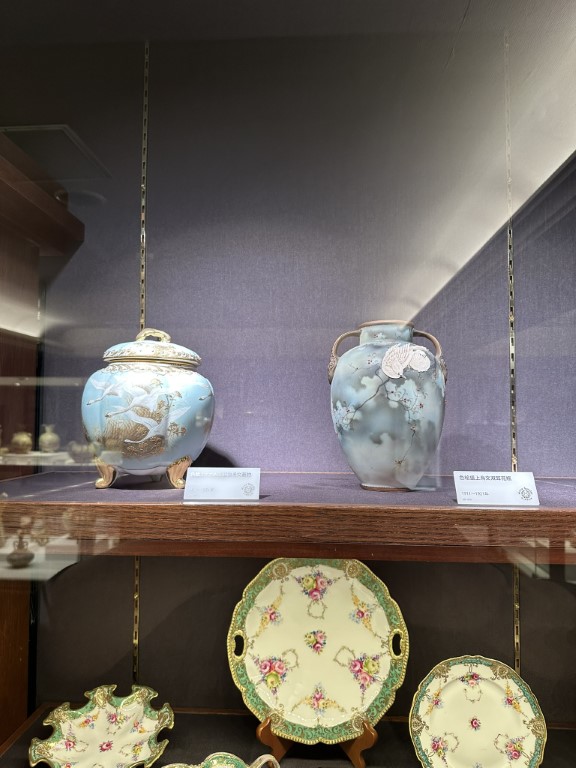
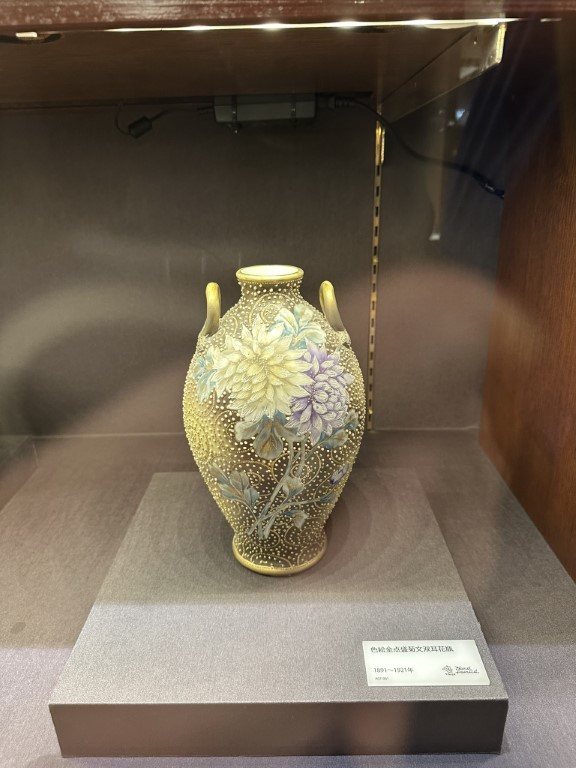
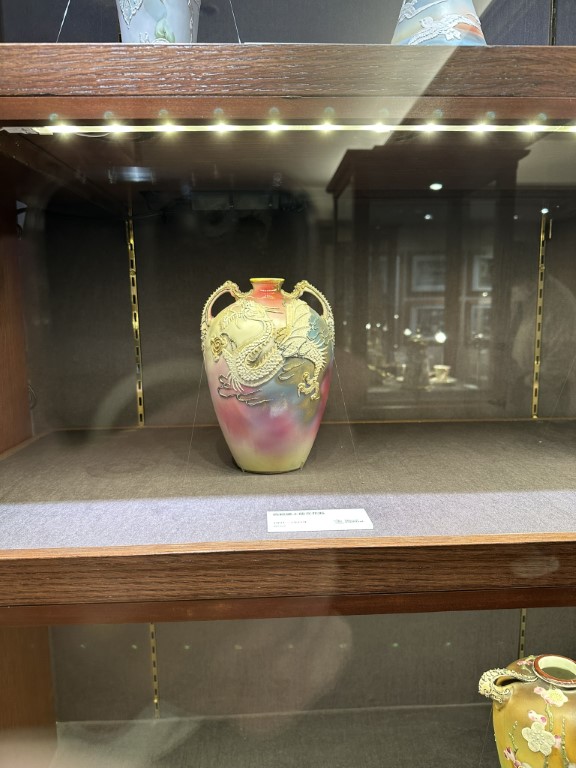
On the upper floors of the Craft Center building is The Noritake museum, which displays exquisite vases and decorative plates made in the Meiji era as well as Western tablewear. We found our china pattern, Noritake Sandhurst, amongst the display of china through the years in one of the displays and still think it is one of the most unique patterns Noritake has created. We visited the gift shop and considered purchasing many items, but we have too much china and glassware already so we showed restraint. We rested for a bit in the garden area overlooking a small stream before our restaurant reservation.
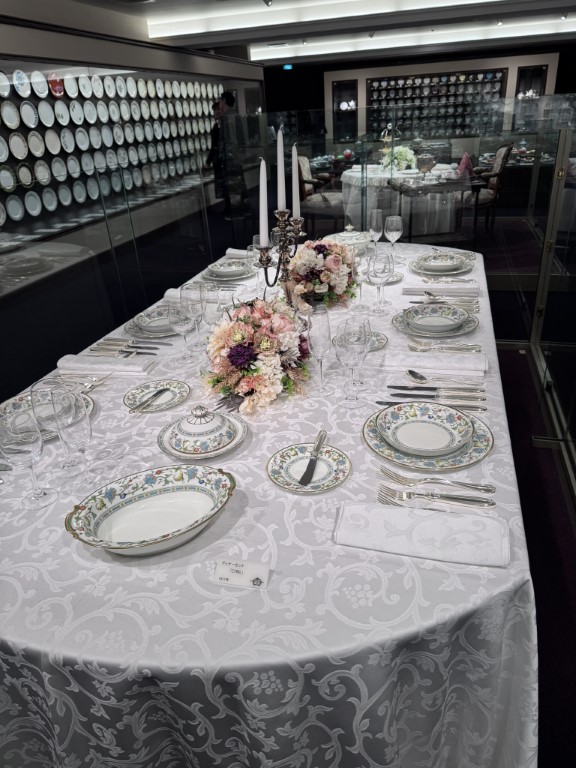
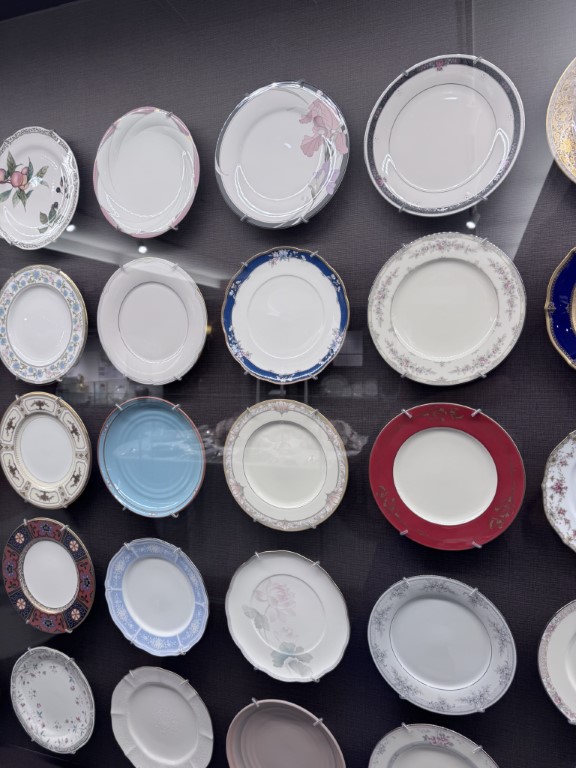
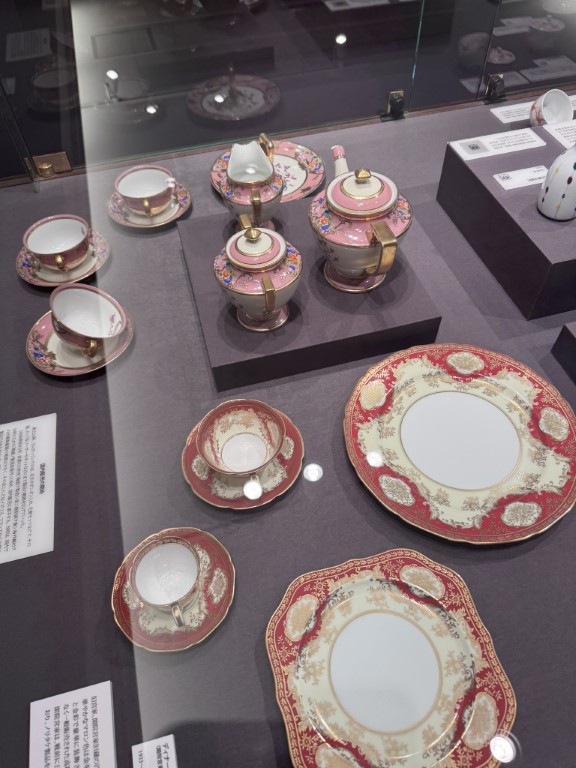
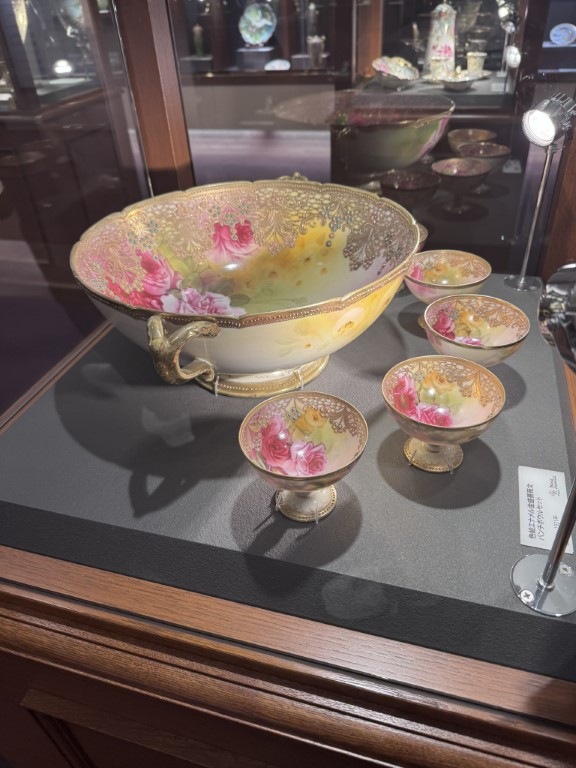
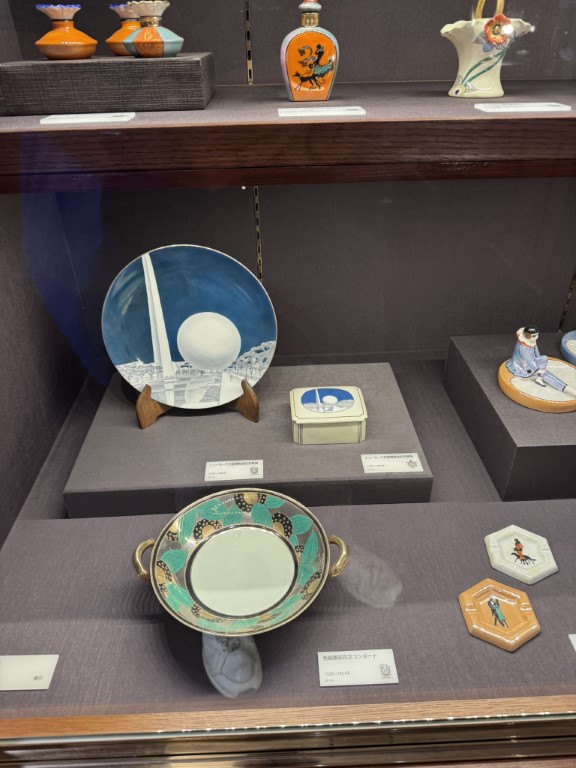
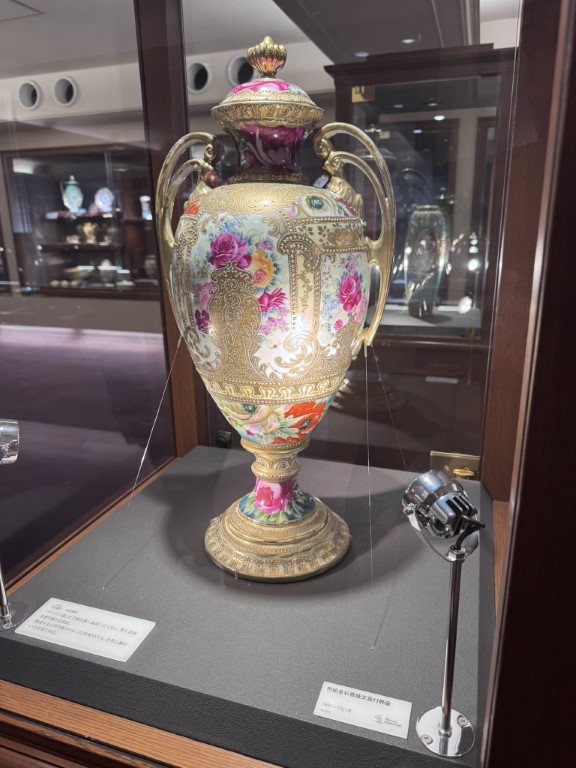
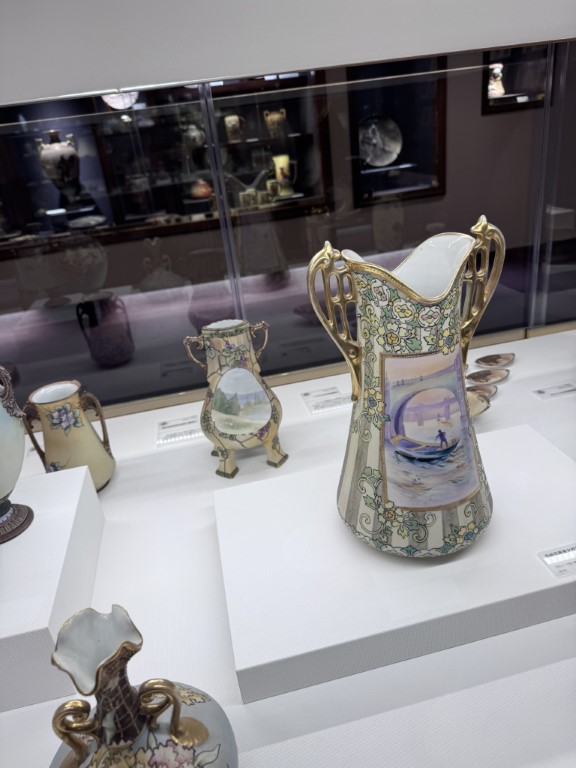
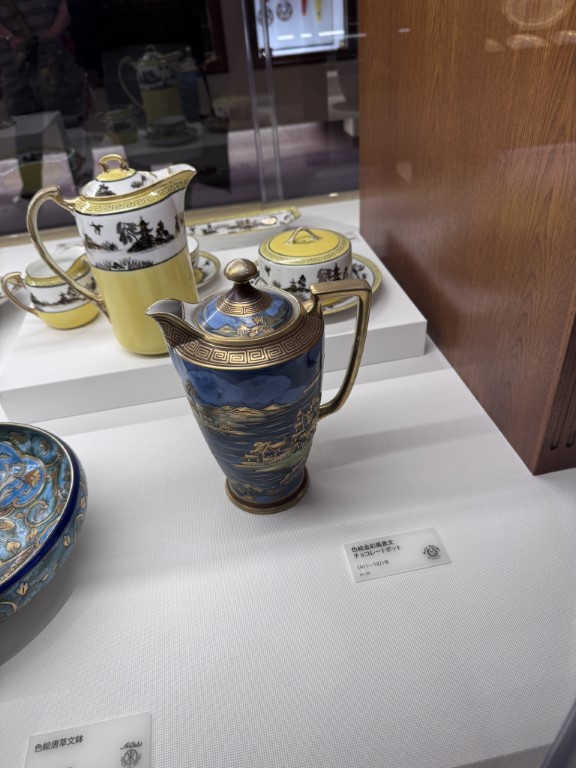
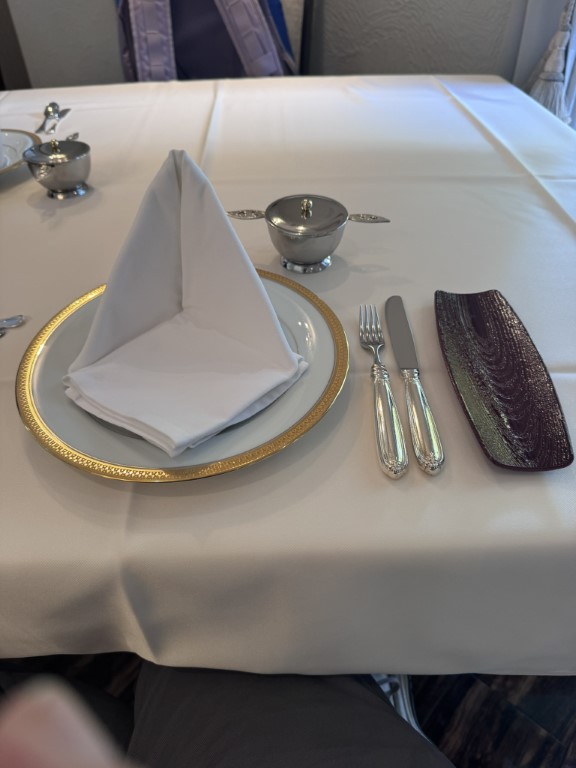
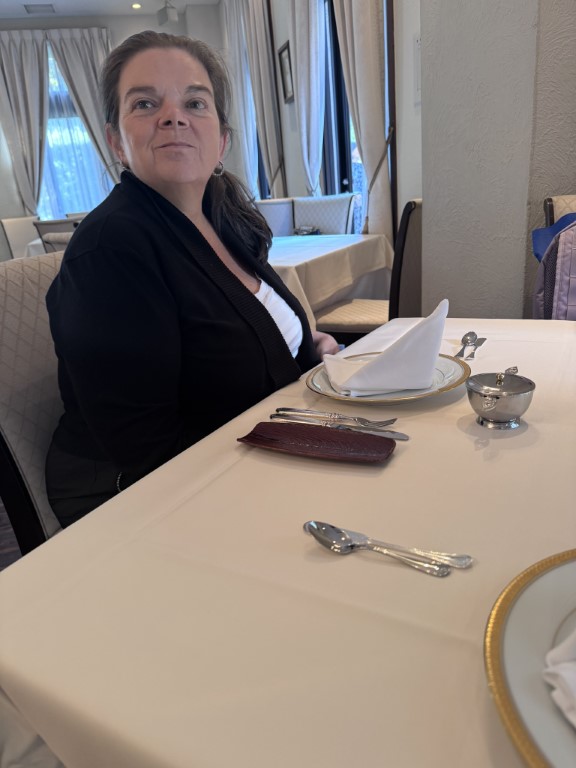
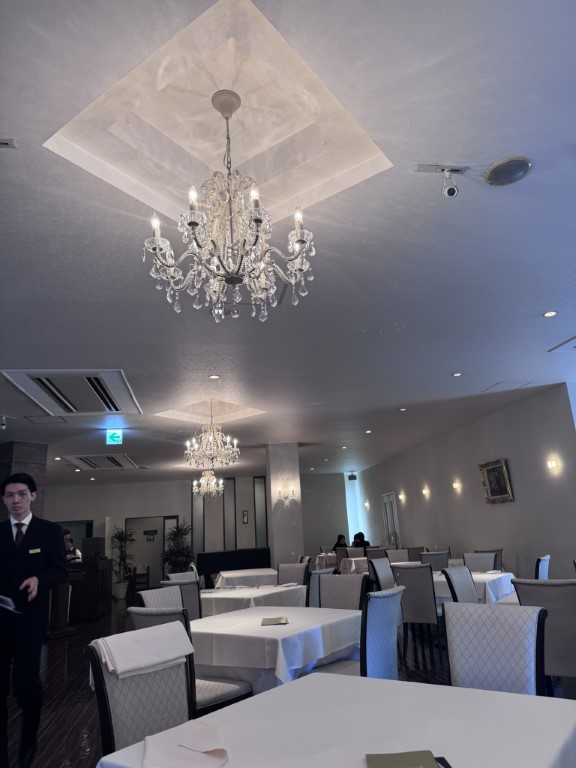
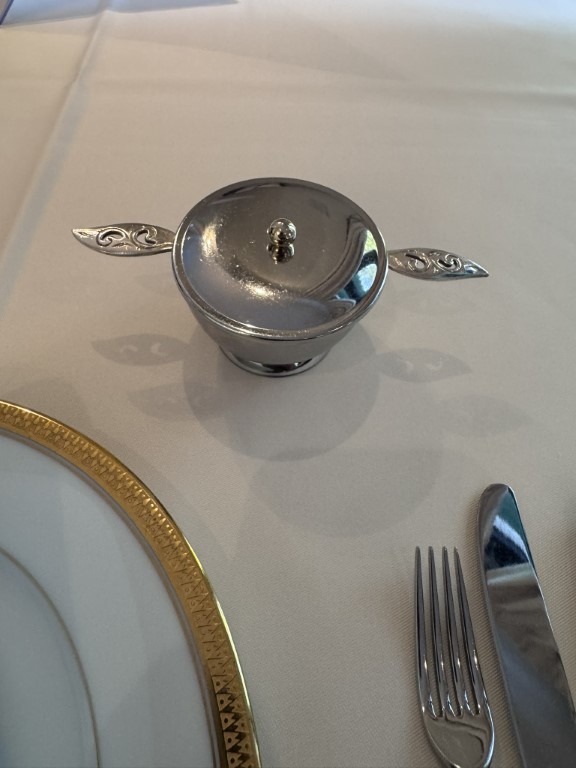
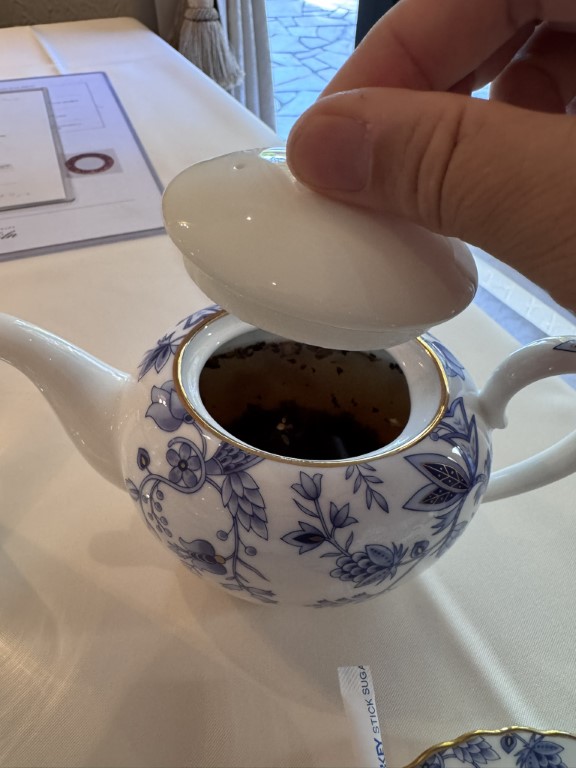
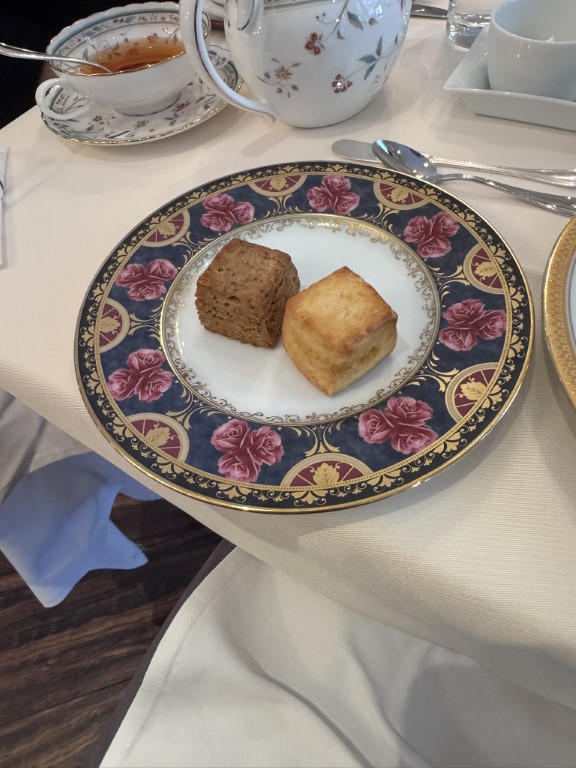
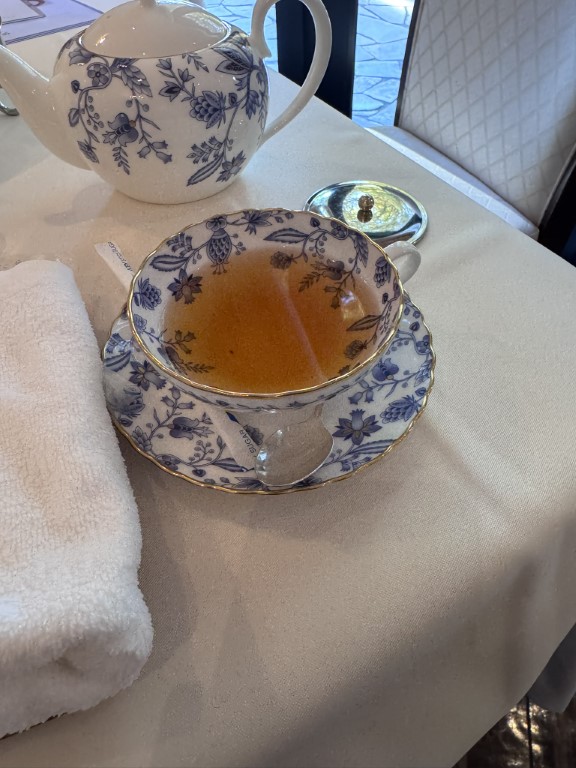
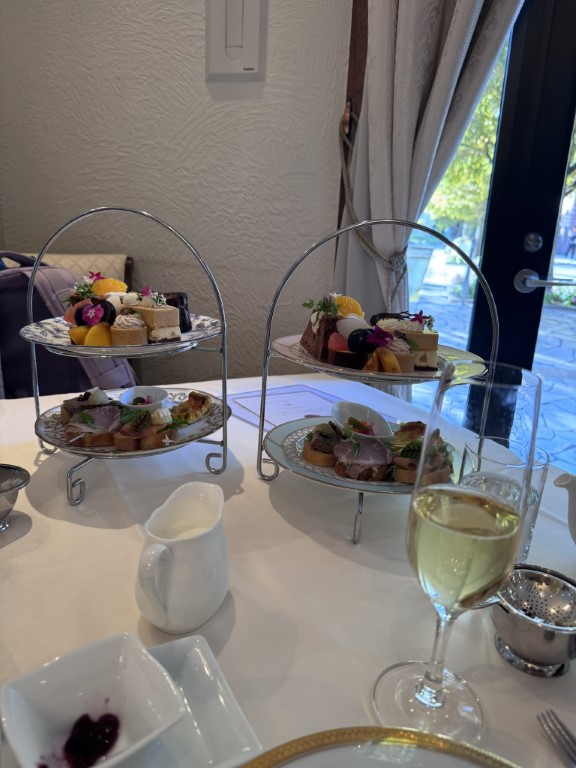
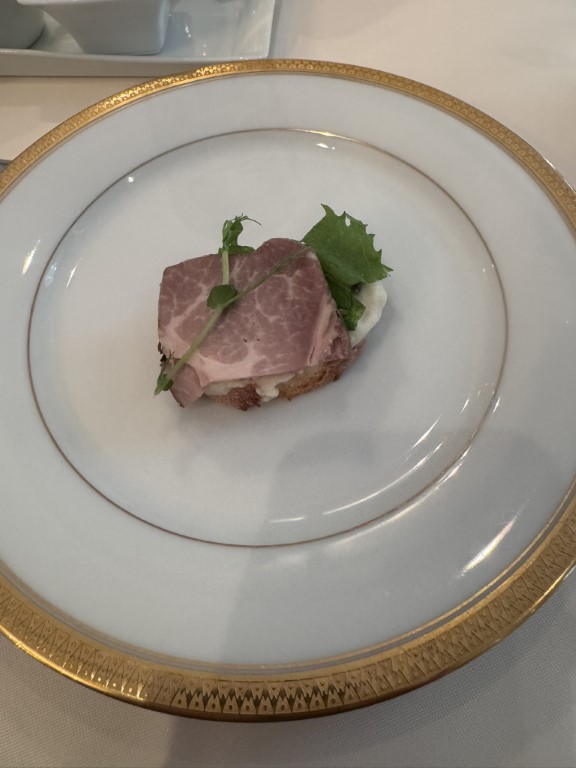
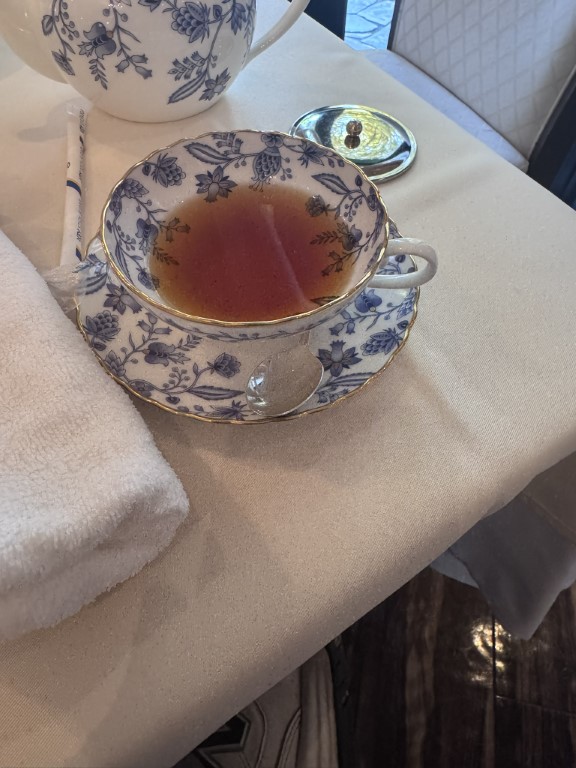
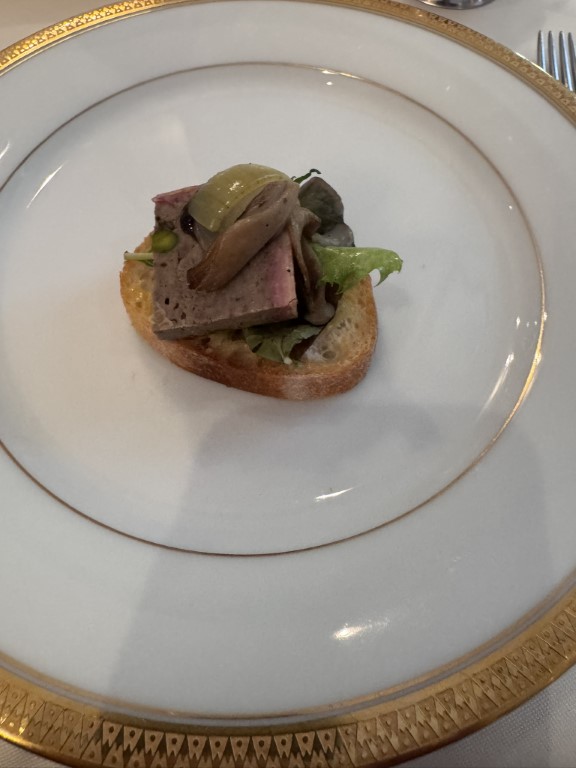
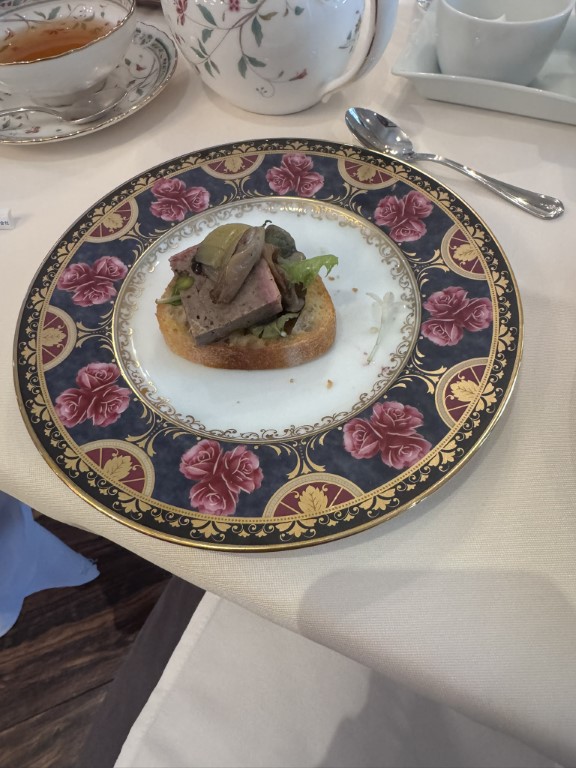
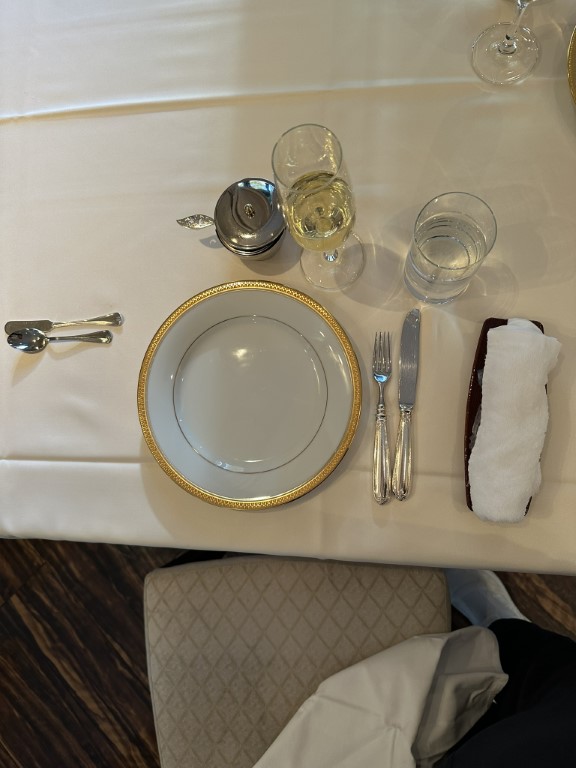
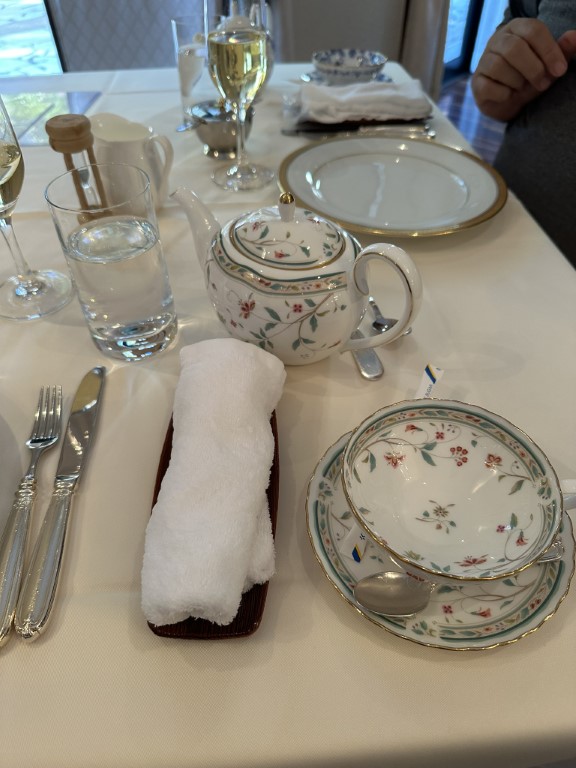
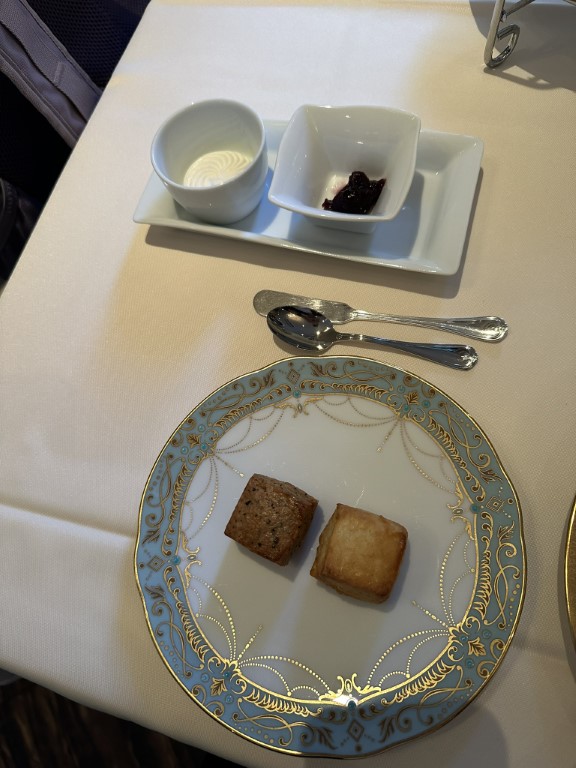
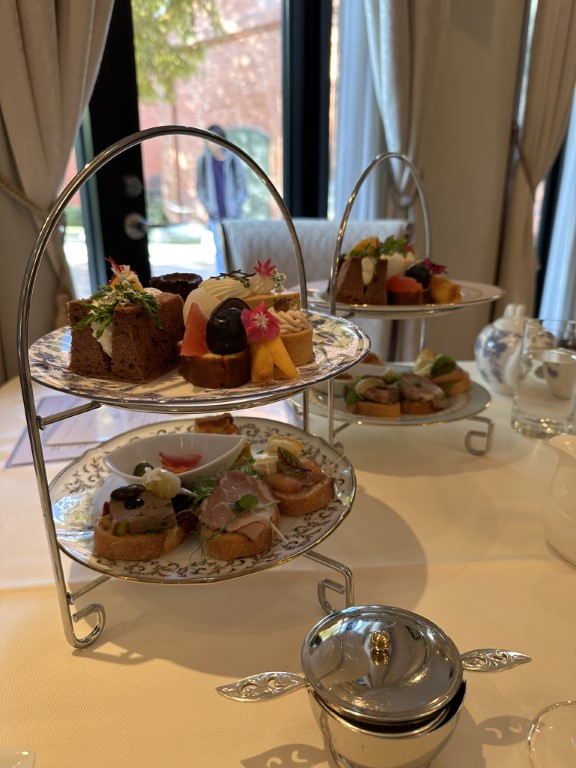
The reason we rearranged our touring for the day was so we could have tea at Restaurant Kiln at Noritake. Service got off to a slow start as our waiter spoke little English and the menu was only in Japanese so we needed to rely on translation apps to determine what to order. We had a similar issue at the hotel as Nagoya is not as popular of a tourist destination as Osaka, Kyoto or Tokyo and so English is less prevalent. We started with a glass of sparkling wine and then ordered our first pots of tea. As they were being prepared, our waiter brought out a tray of sandwiches and pastries. We each got to pick which scone plates we wanted from a selection of four Homage collection Noritake plates. The Homage collection plays tribute to products manufactured by Morimura Gumi and Nippon Toki (Noritake) from the Meiji period to the end of World War II.
J. R. tried the Strawberry Field tea, a black tea with an aroma of tea leaves and strawberries harvested in summer in India. Janie tried the Queen tea, another black tea blended with rich Darjeeling and fruity Ceylon tea. J. R. had a second pot, choosing the Irish whiskey cream, a black tea made with a blend of rich Irish whiskey aromas and cacao berries.
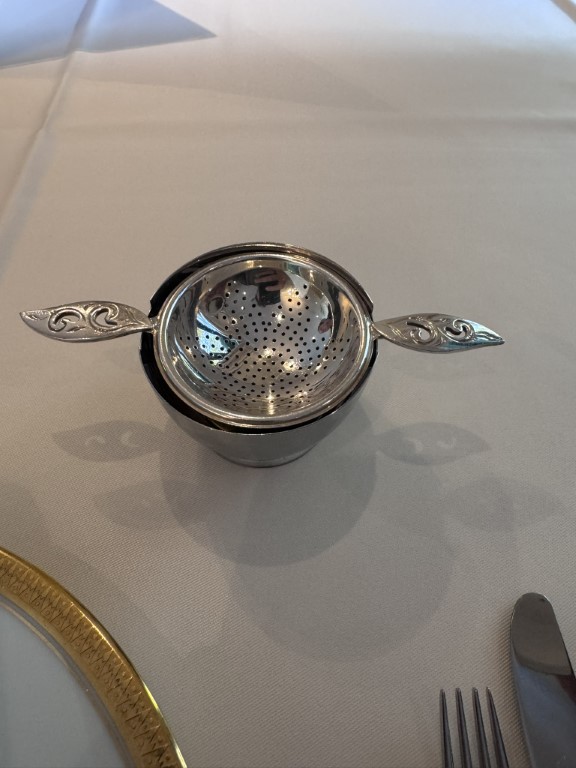
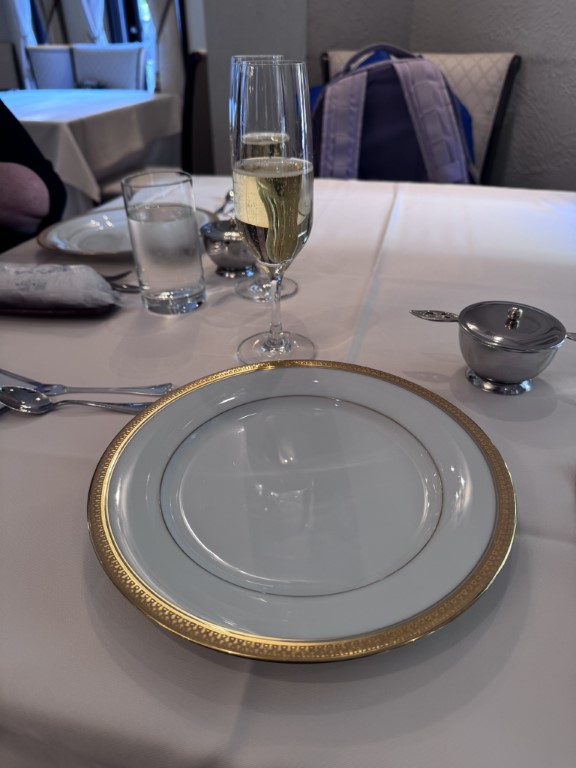
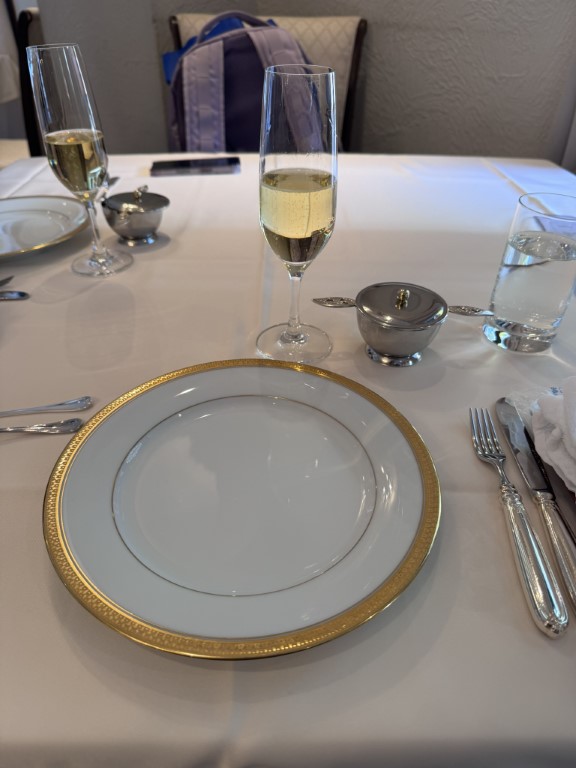
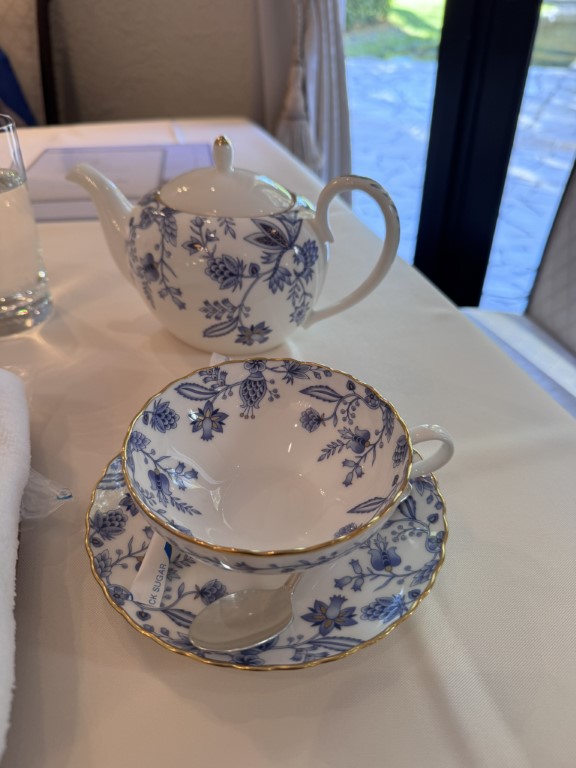
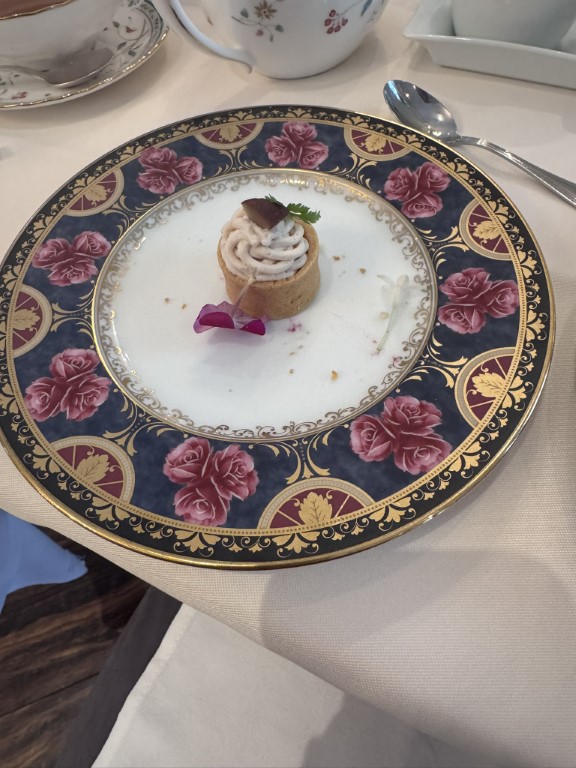
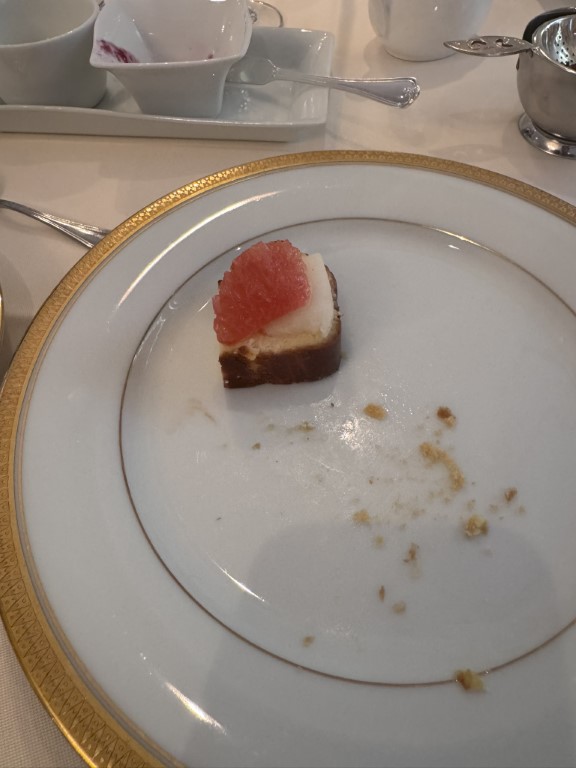
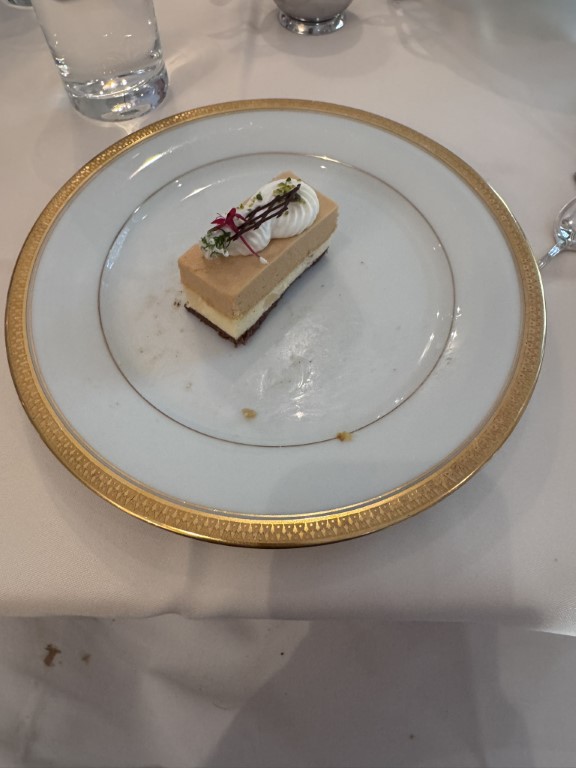
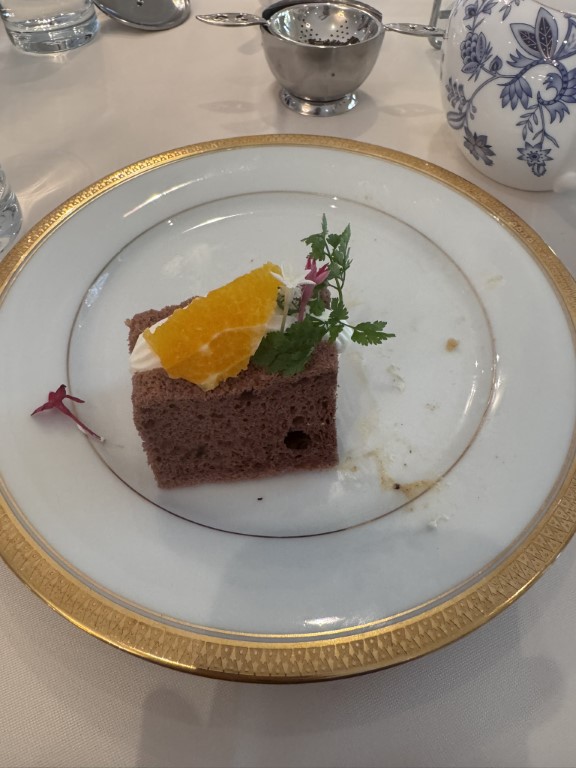
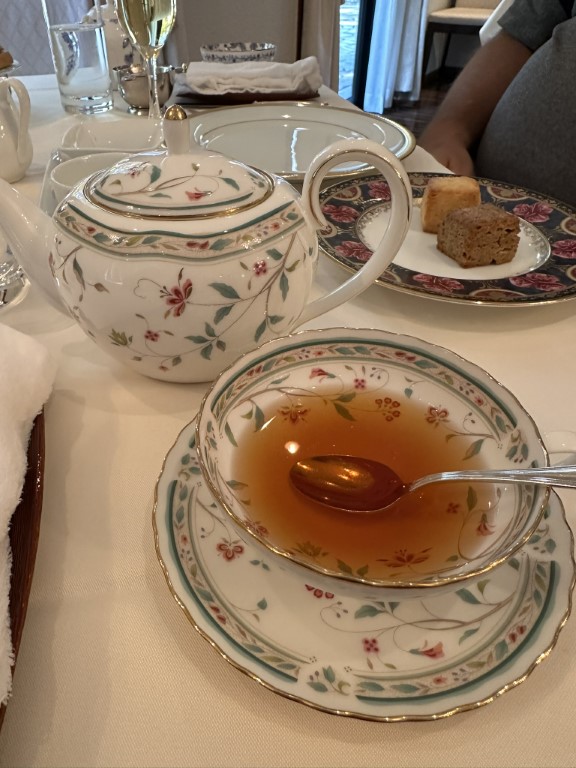
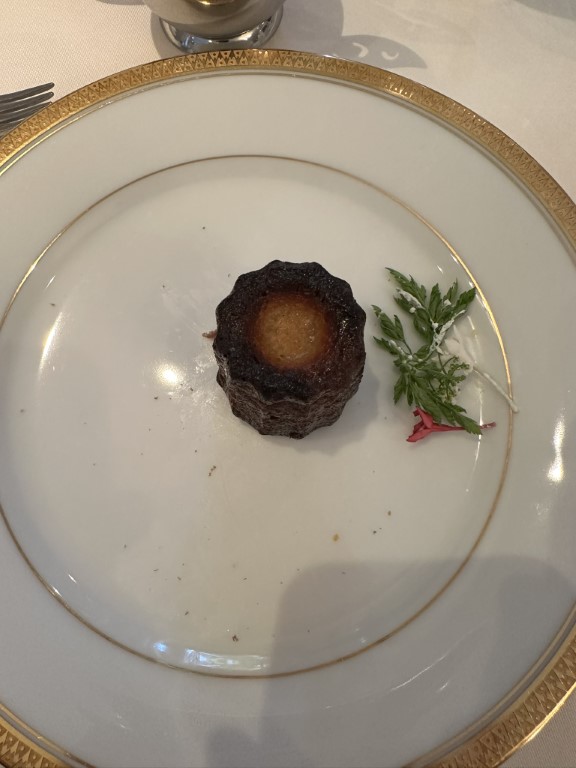
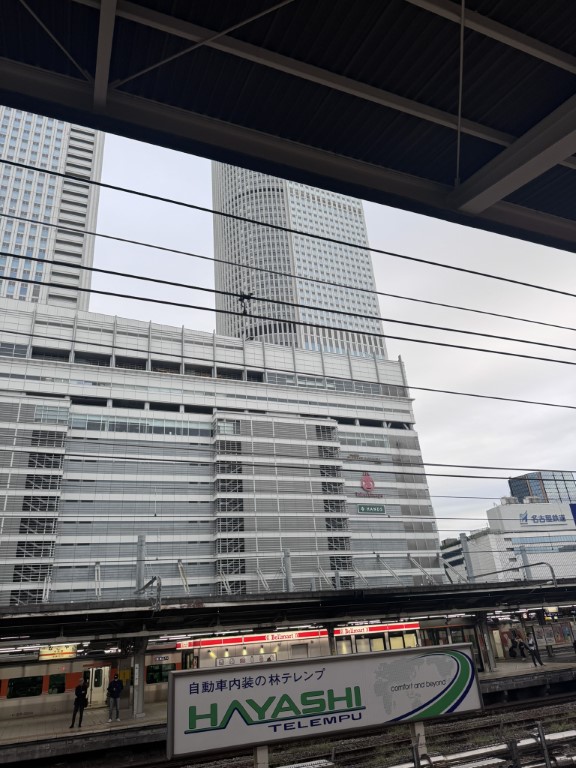
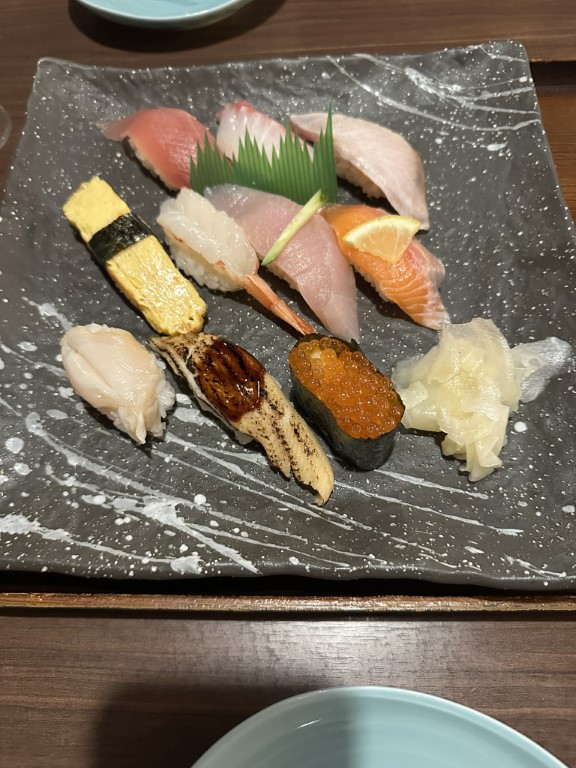
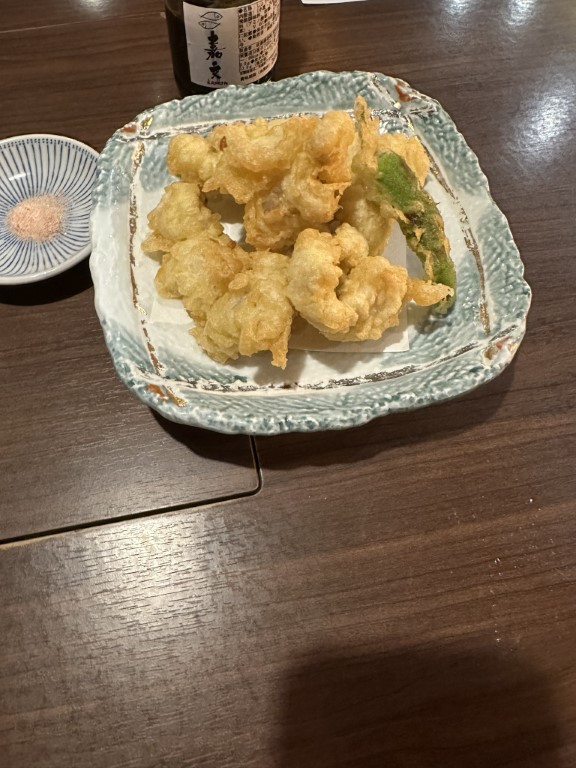
While the tea service was quite excellent, it didn't make for a full meal, so when we finished at Noritake, we found an izakaya in the Nagoya station where we dined on sashimi and nigiri, fried rice and tempura. We made a quick stop at Uniqlo in the train station where we both found some long sleeve merino wool sweaters which would be useful both in Tokyo and our trips to Iceland and Norway next year.