
From Tokyo Mt. Fuji and Hakone Sightseeing Private Day Trip


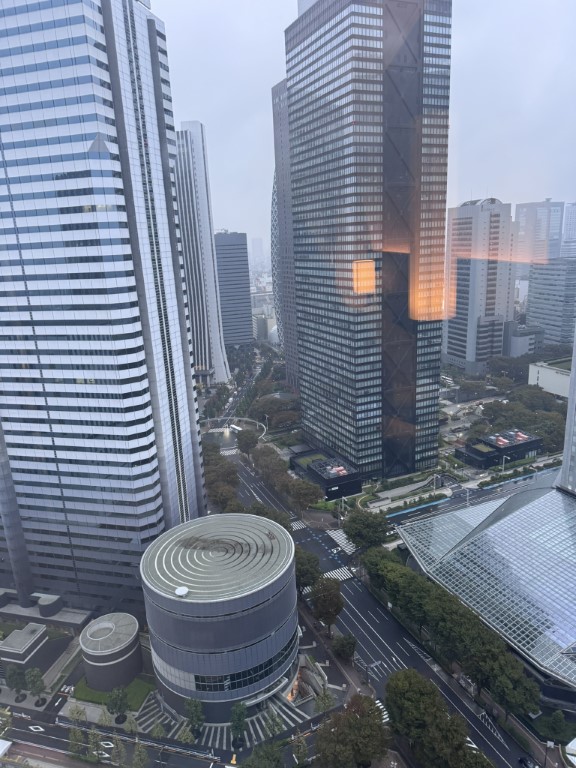
Hilton Tokyo
6-6-2 Nishi-Shinjuku, Shinjuku-Ku, Tokyo 160-0023-0023
Steps
8,983
Distance
6.69 KM
Flights Climbed
28
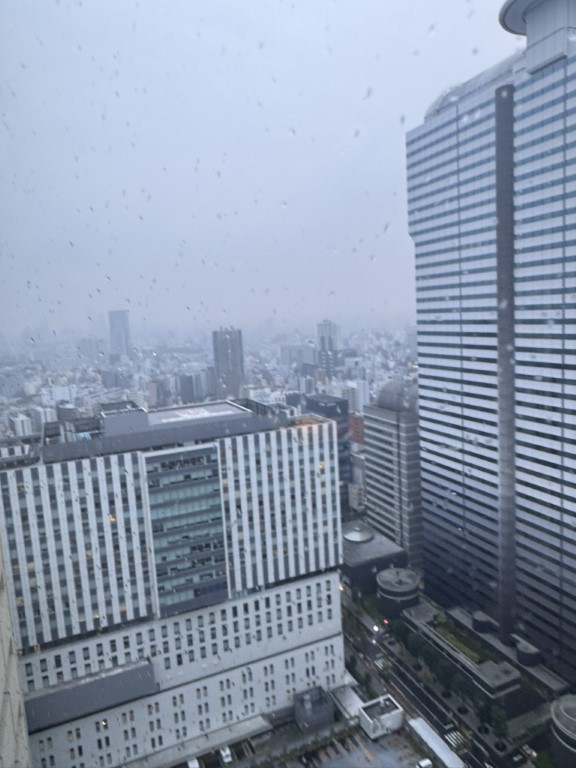
Our guide for the day had called us the day before and asked if we could start a half-hour early at 06:30 due to increased traffic in the Tokyo area. We agreed and so we met him outside the hotel on a rainy, Tokyo morning. He asked us what sites we wanted to see, which threw us a bit because the tour had provided a list of sites and we had chosen the tour based on that list. There was a little language barrier and once we straightened that out, he suggested we skip the Mt. Fuji Panoramic Ropeway and Hakone because due to the weather, the ropeway was likely to be closed most of the morning if not all day and the views from Hakone were not likely to be good and Lake Ashi would be rough. This was a bit disappointing as Hakone was one of the reasons we booked the tour but we decided to take his advice.
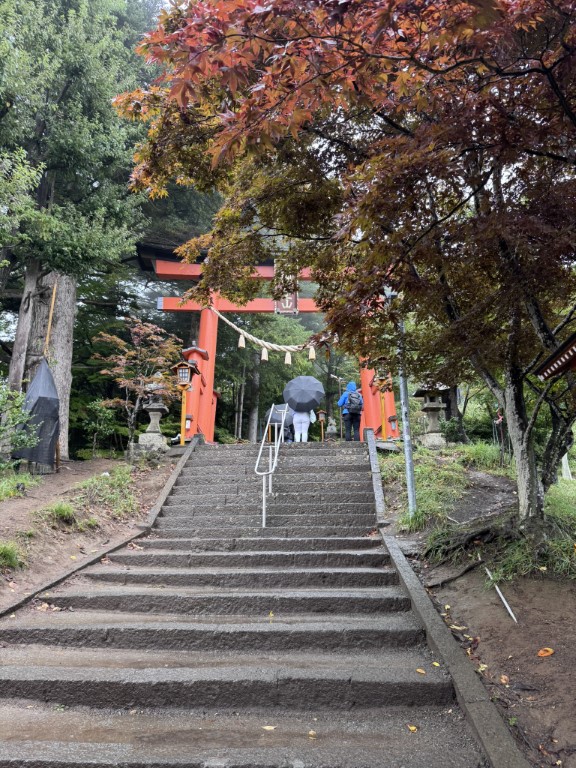
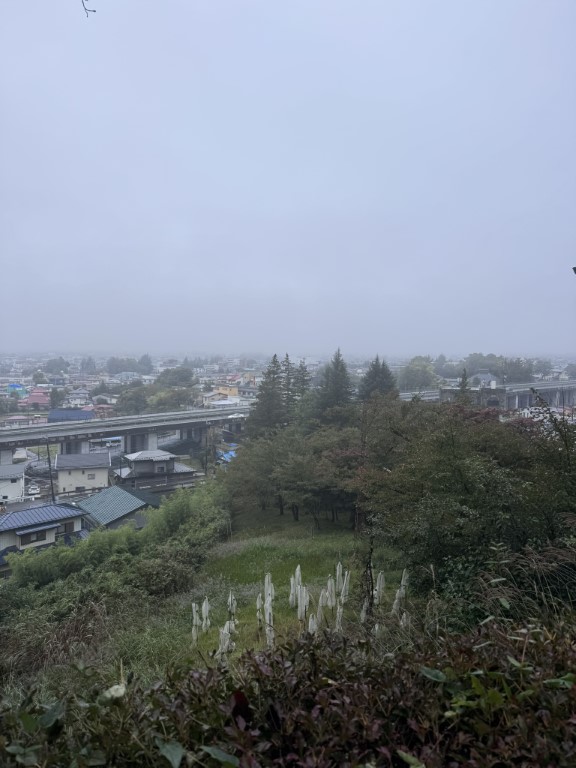
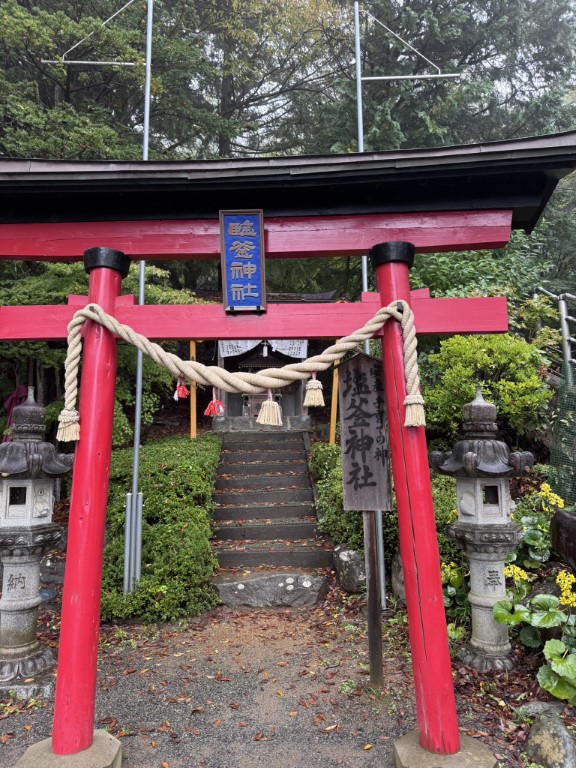
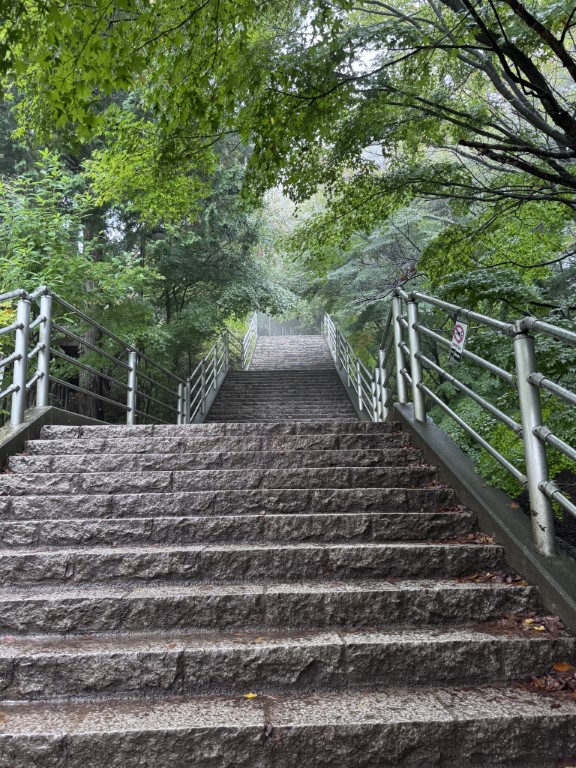
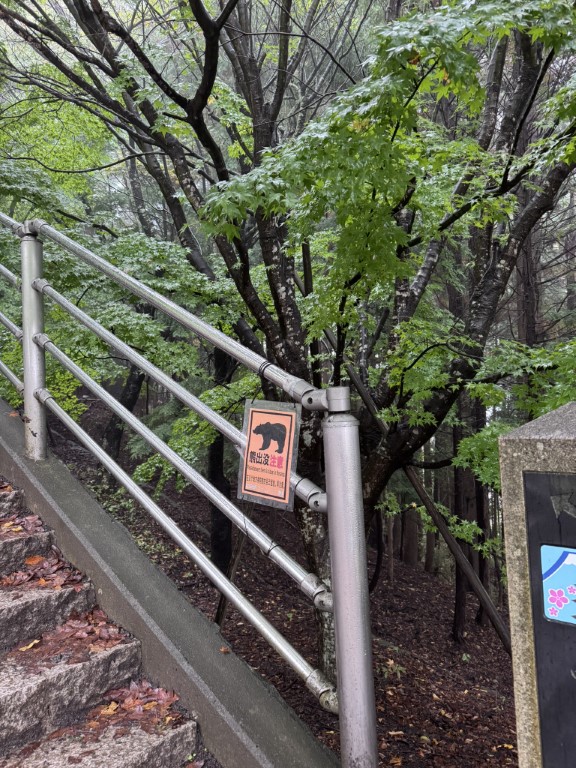
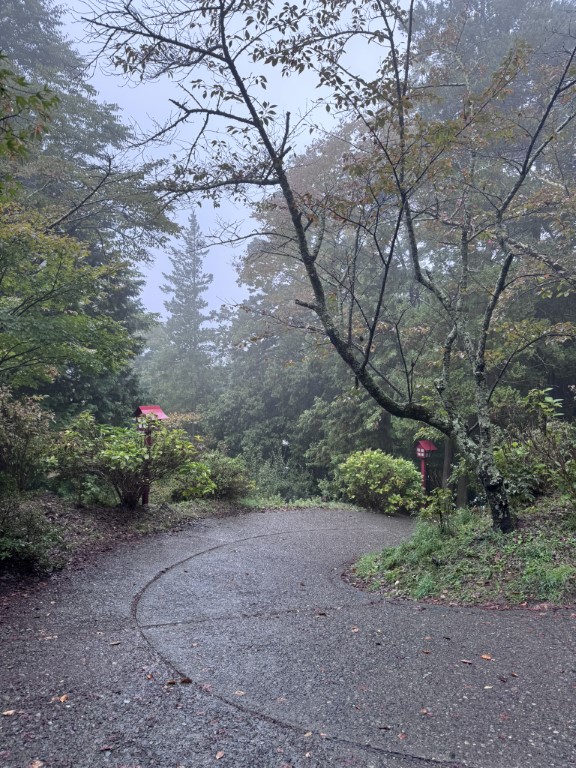
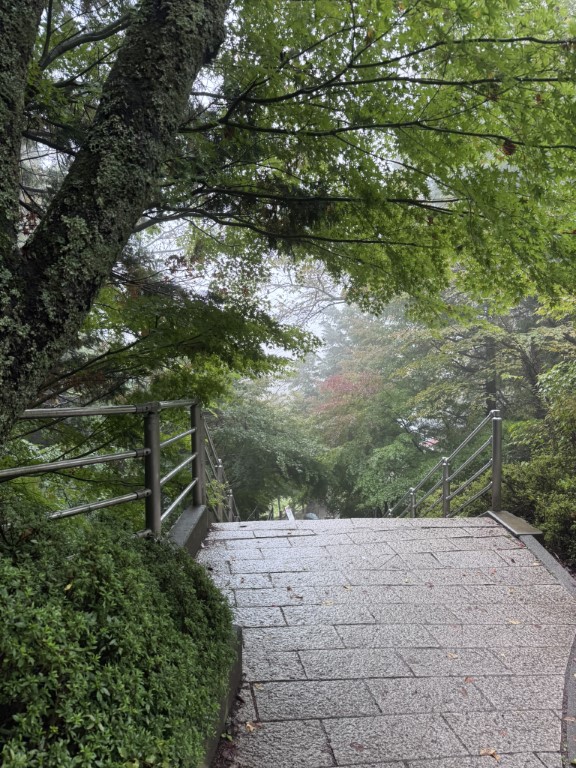
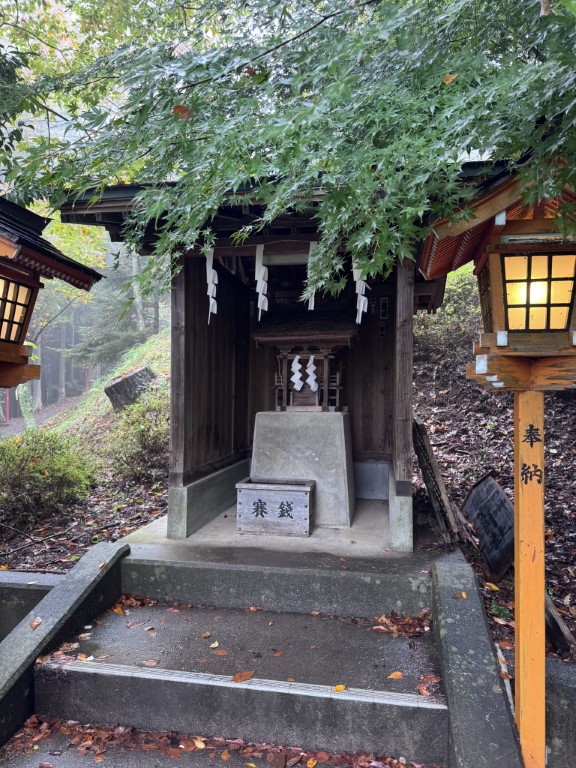
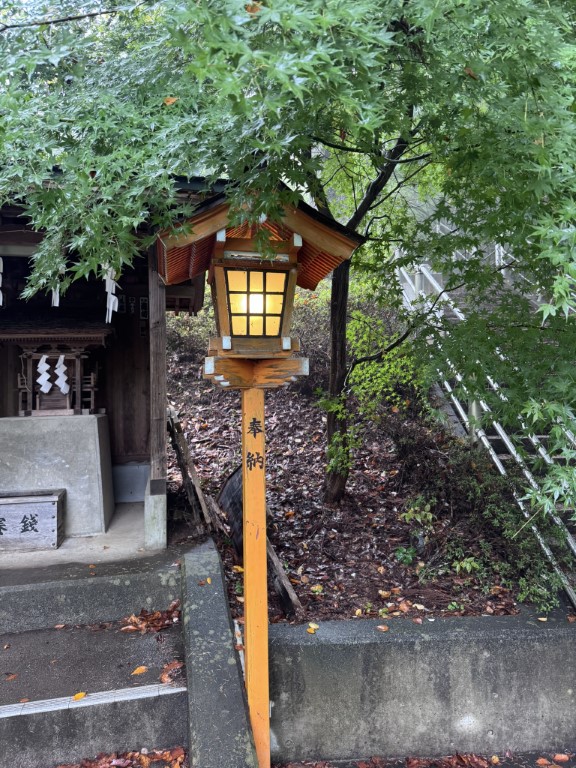
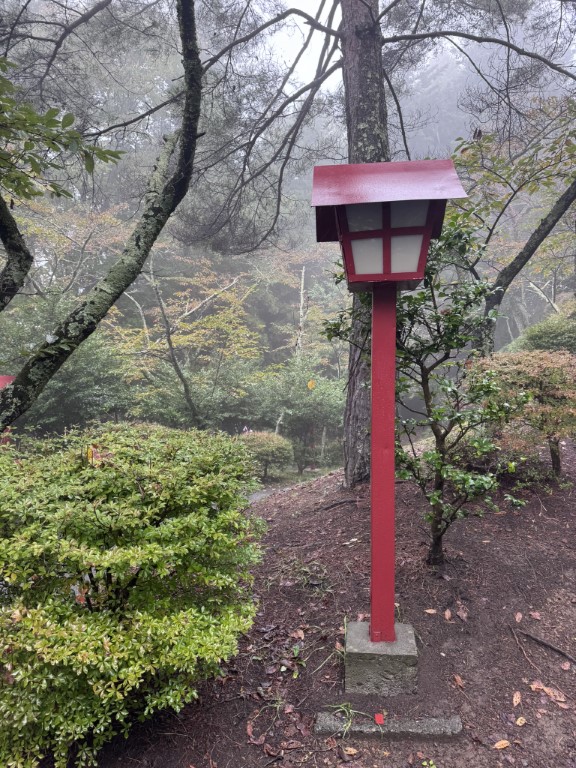
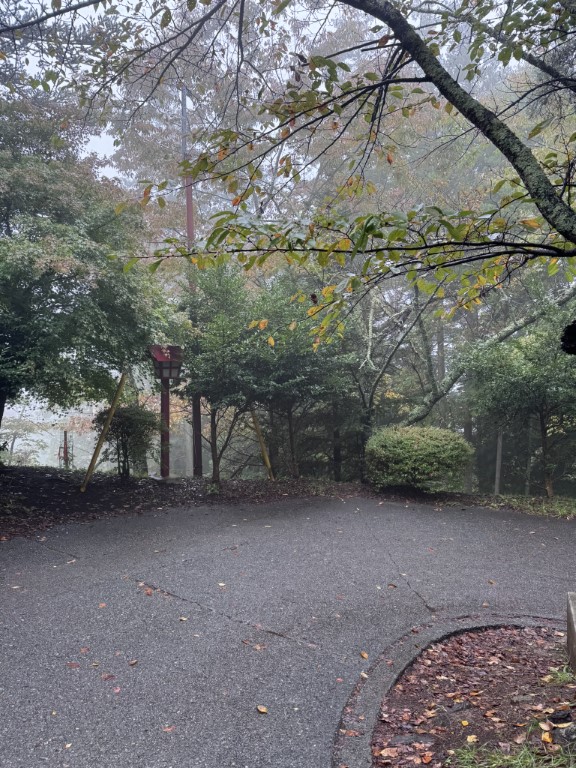
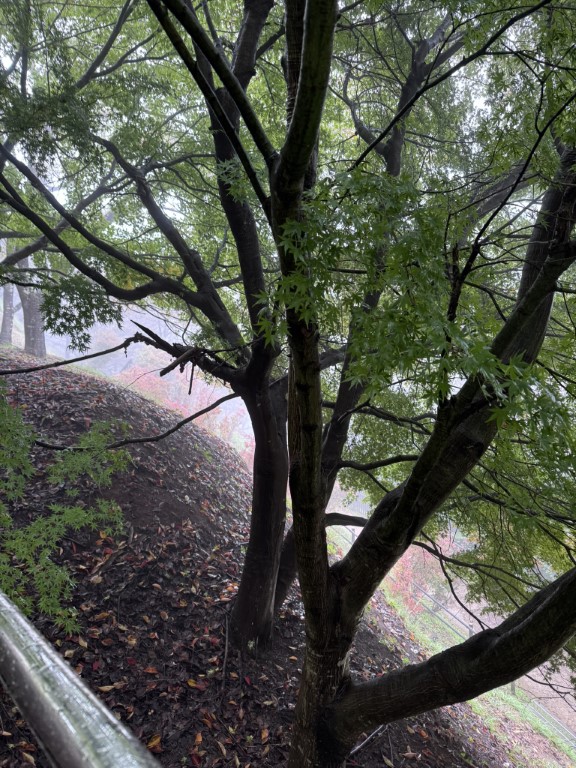
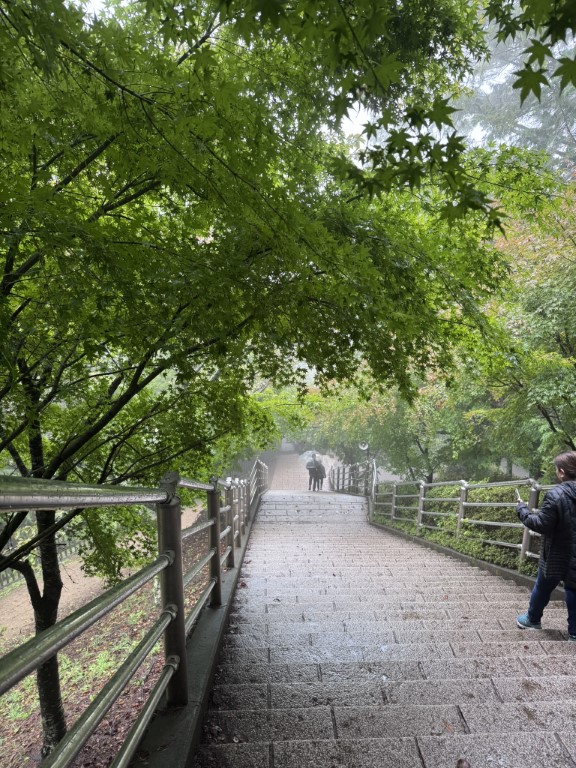
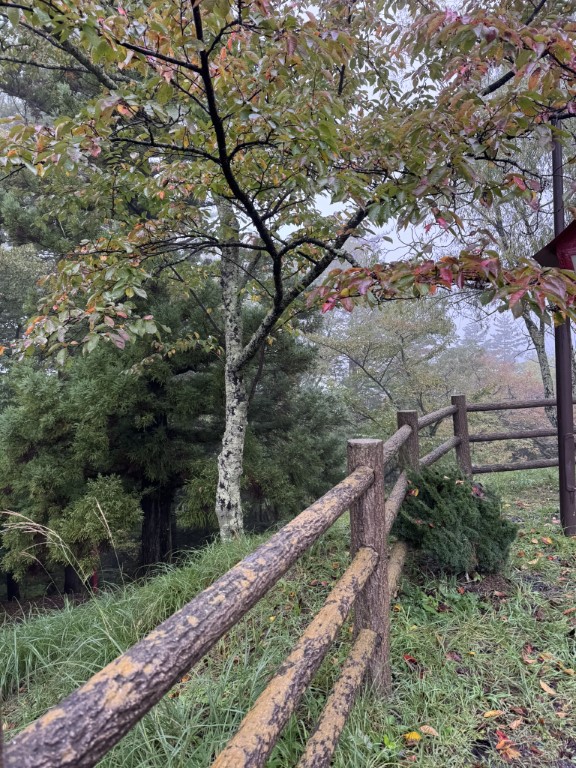
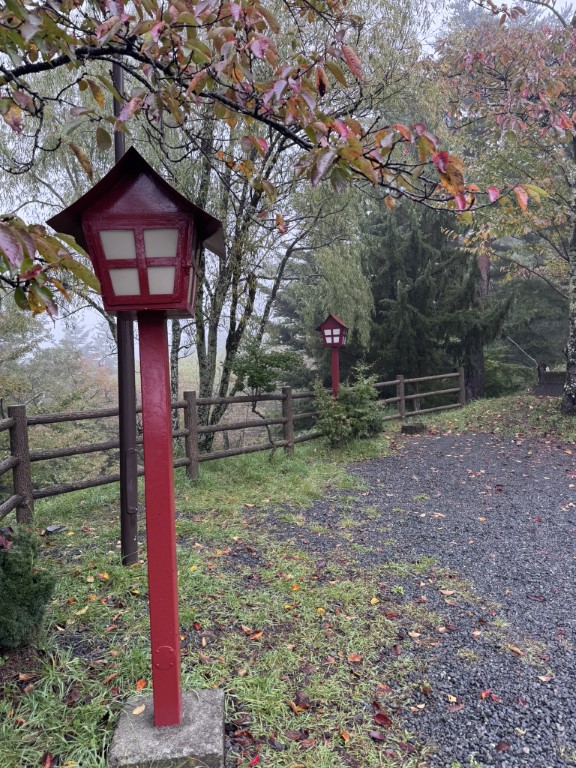
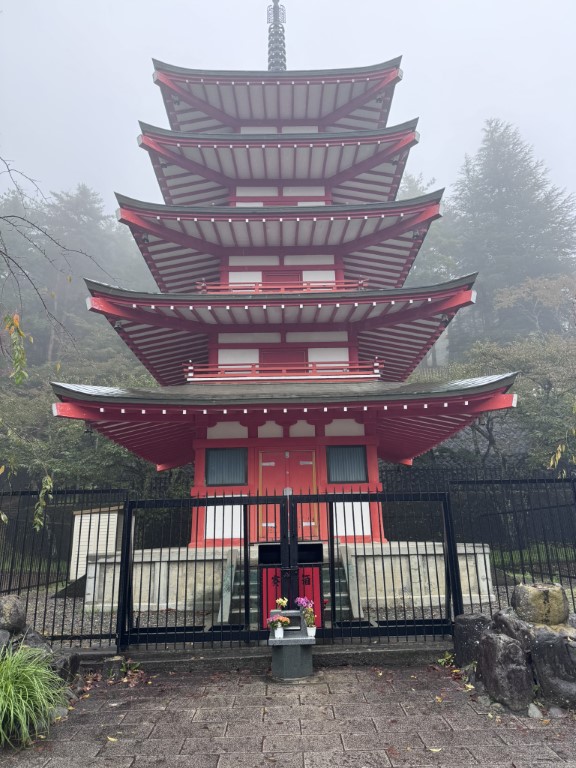
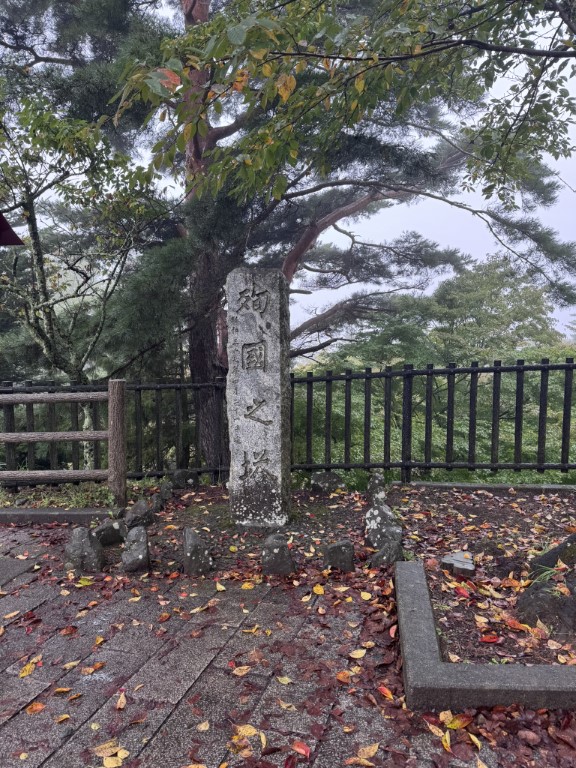
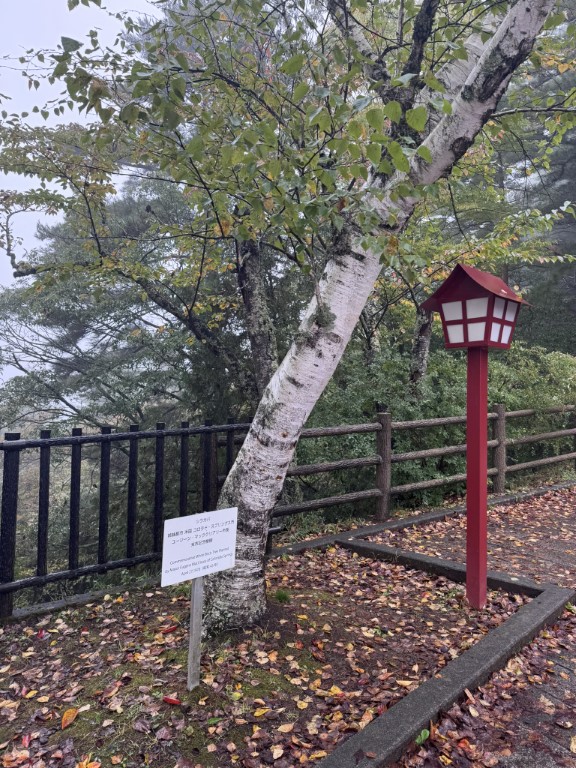
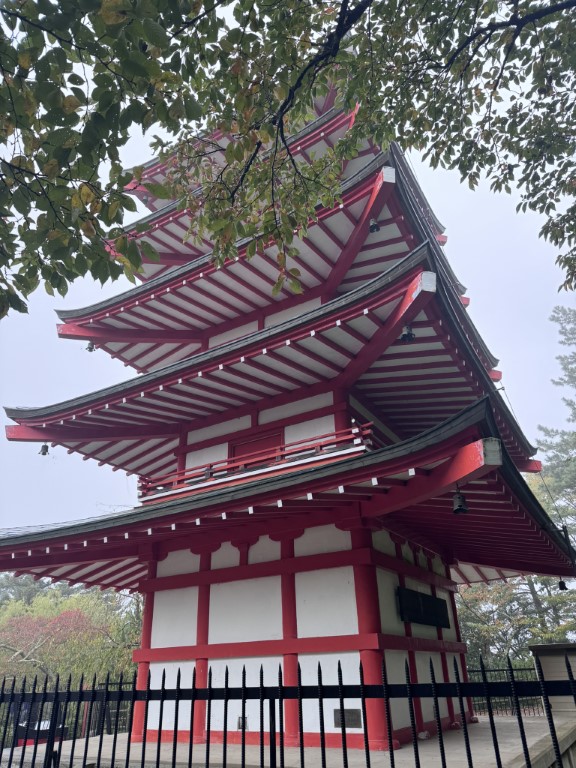
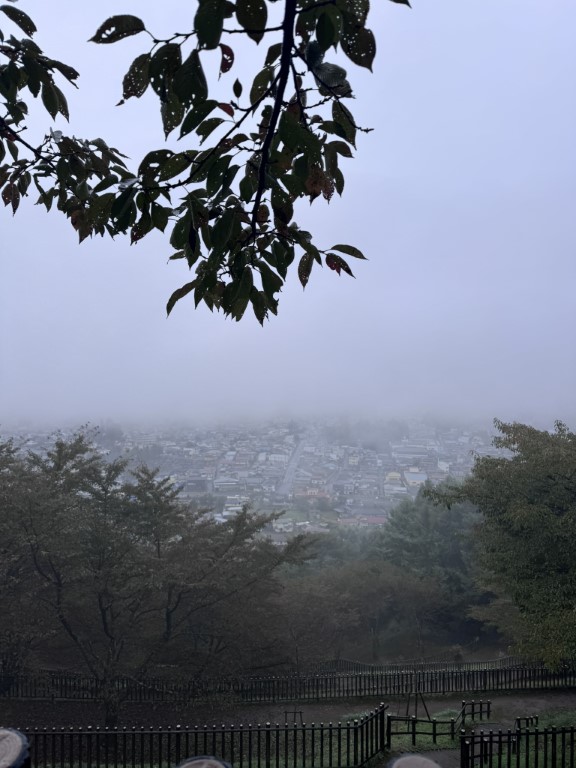
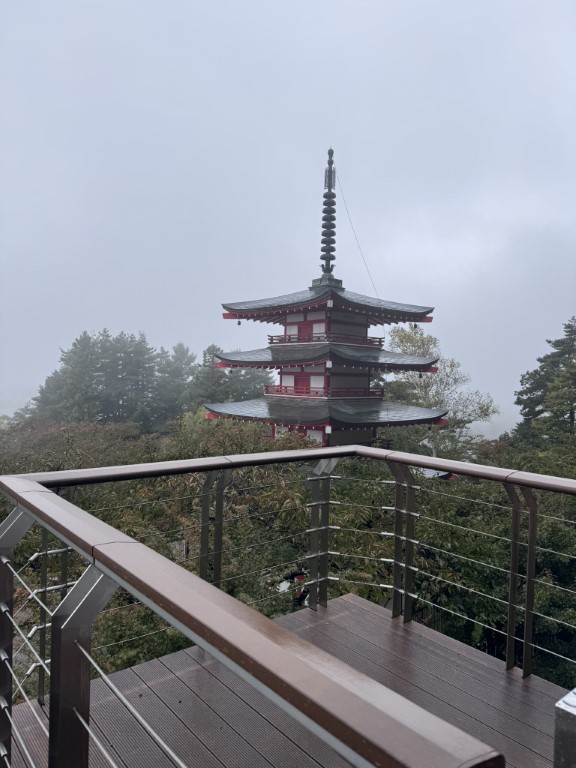
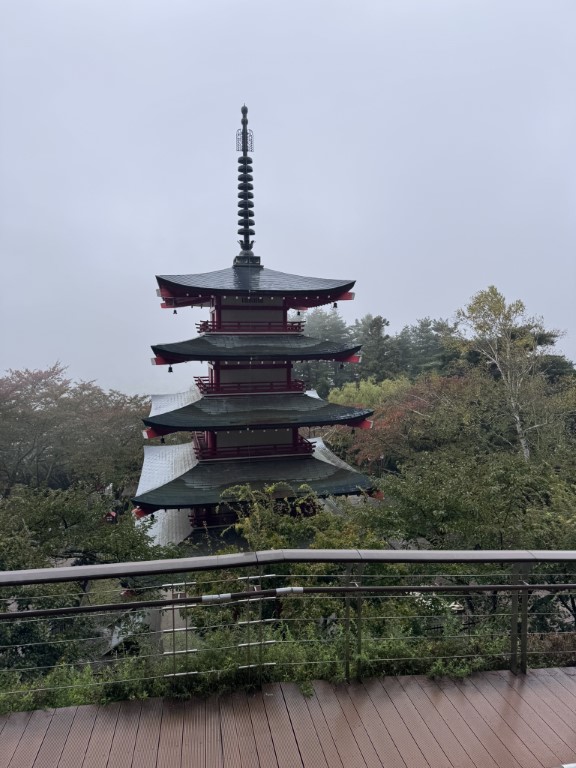
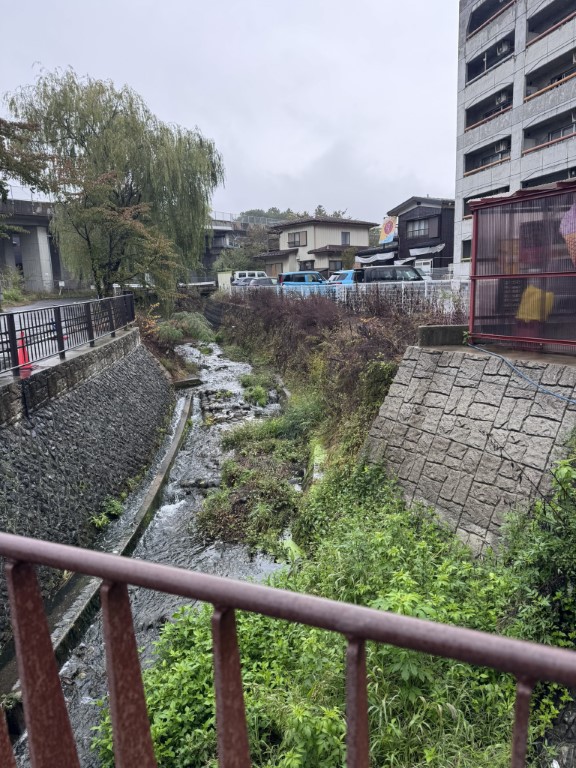
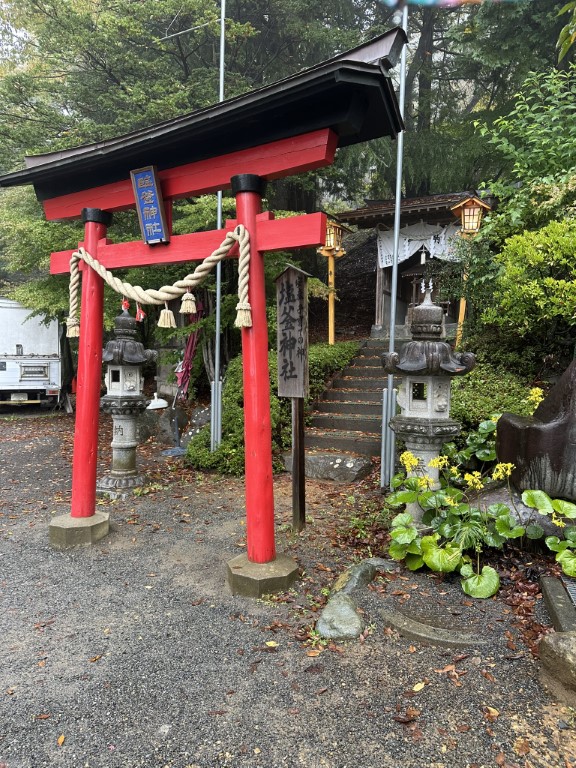
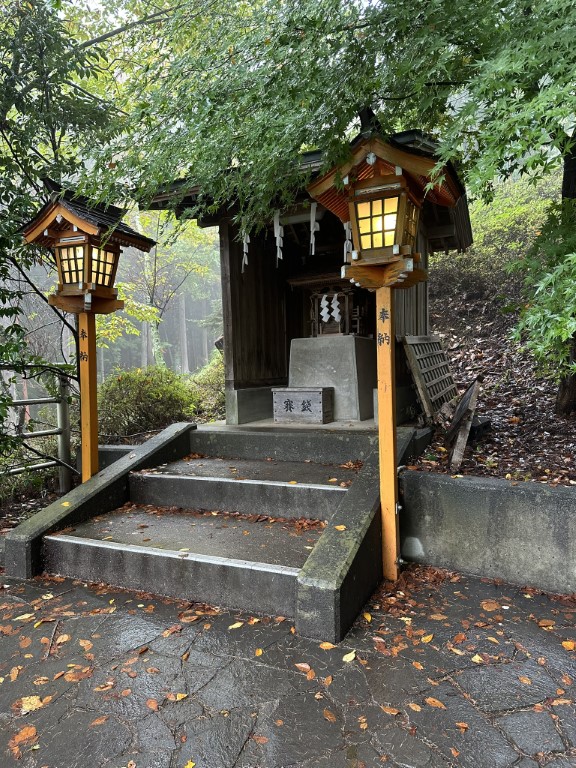
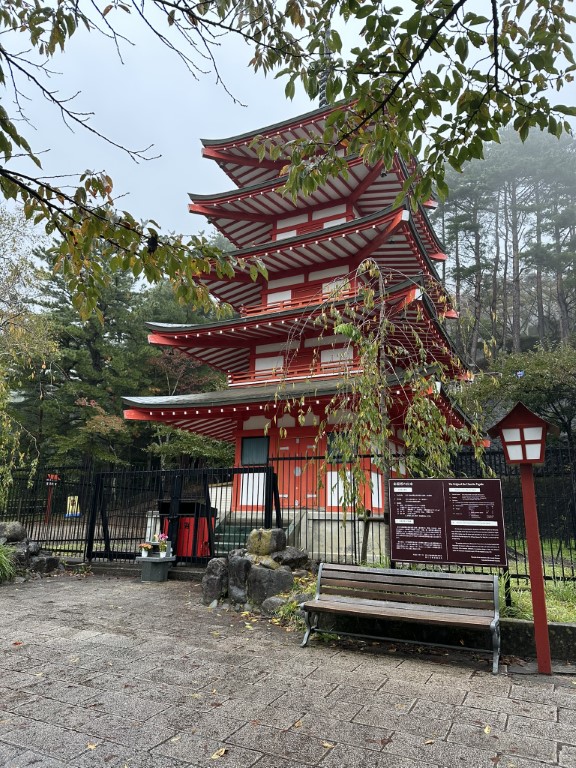
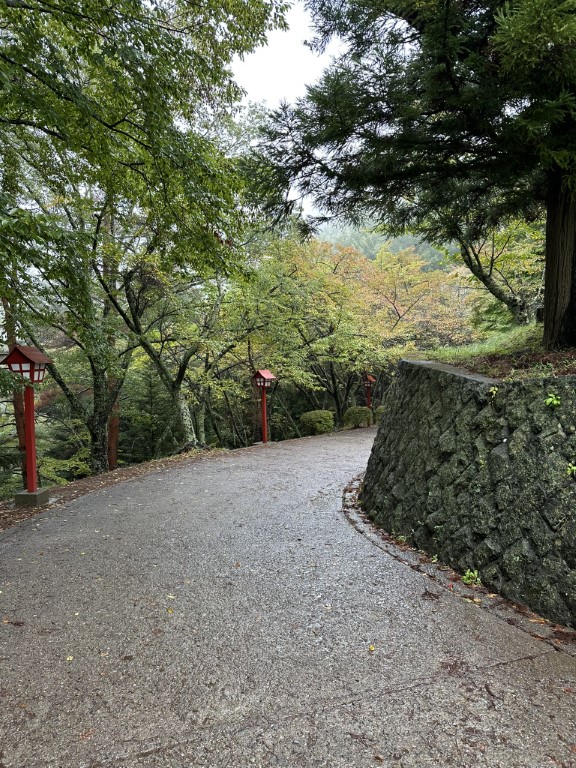
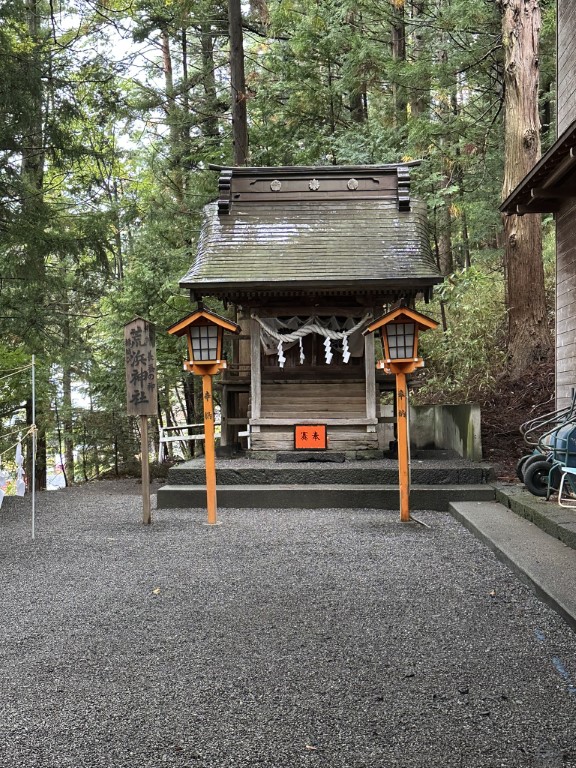
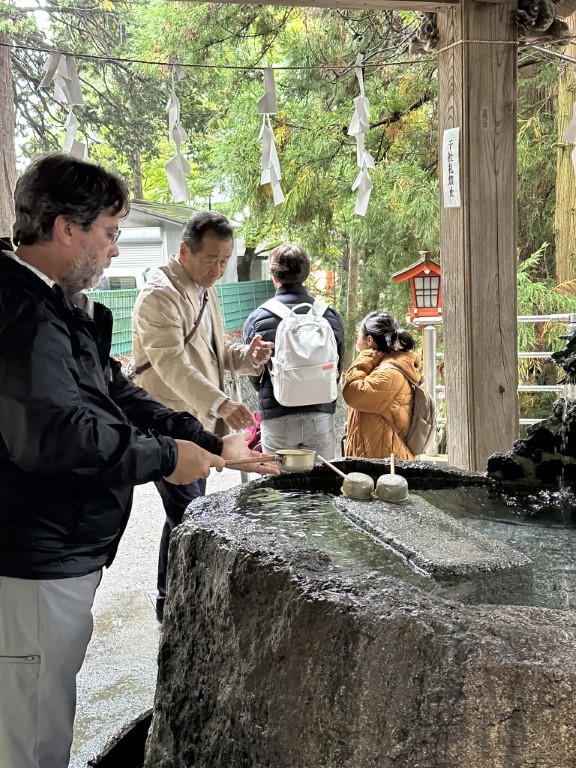
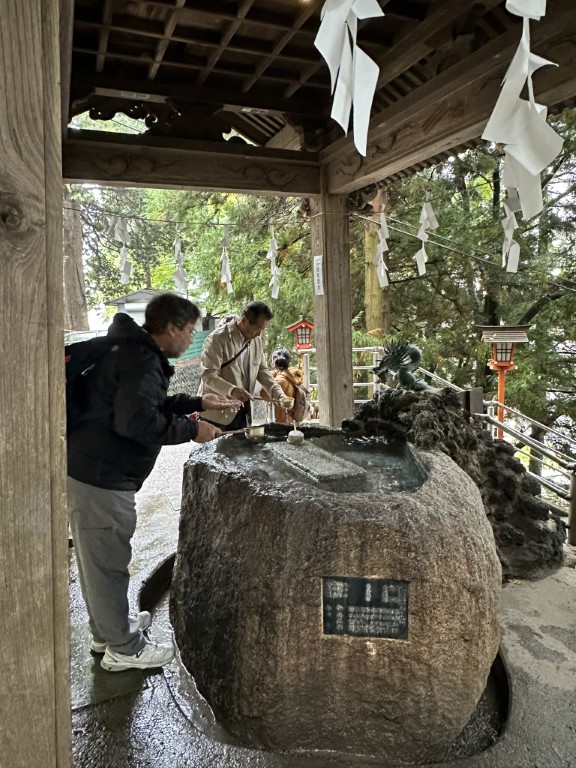
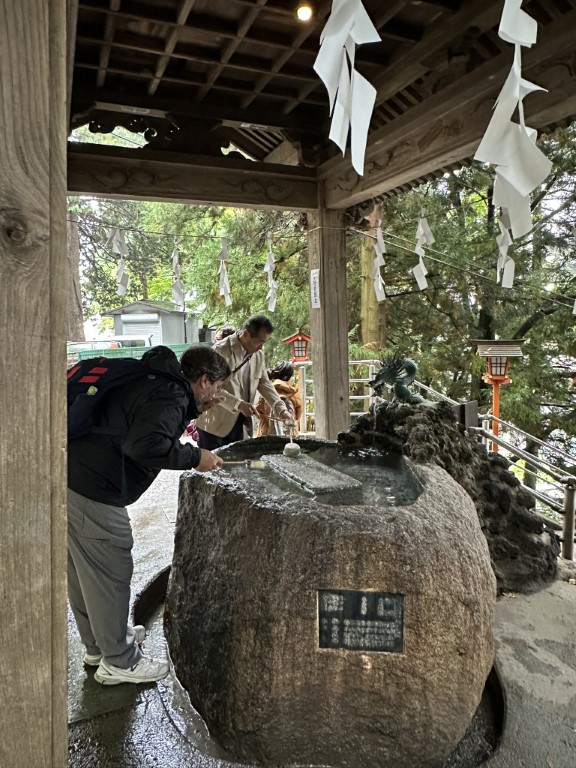
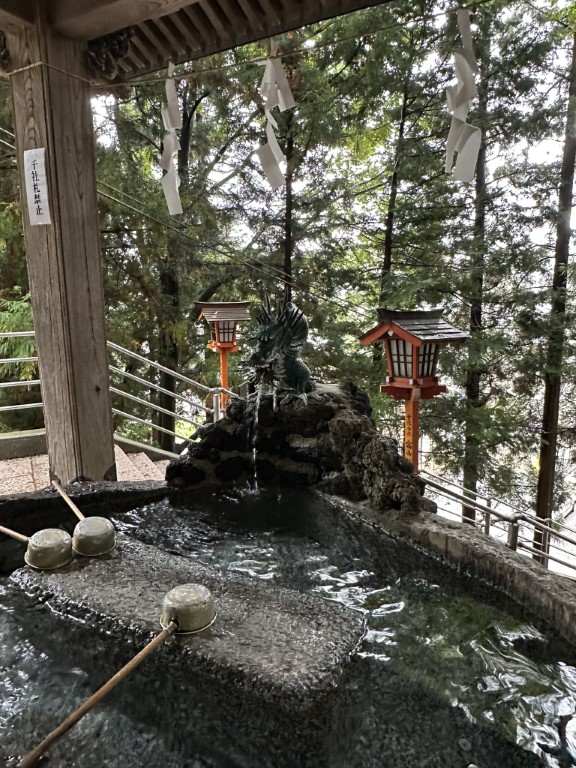
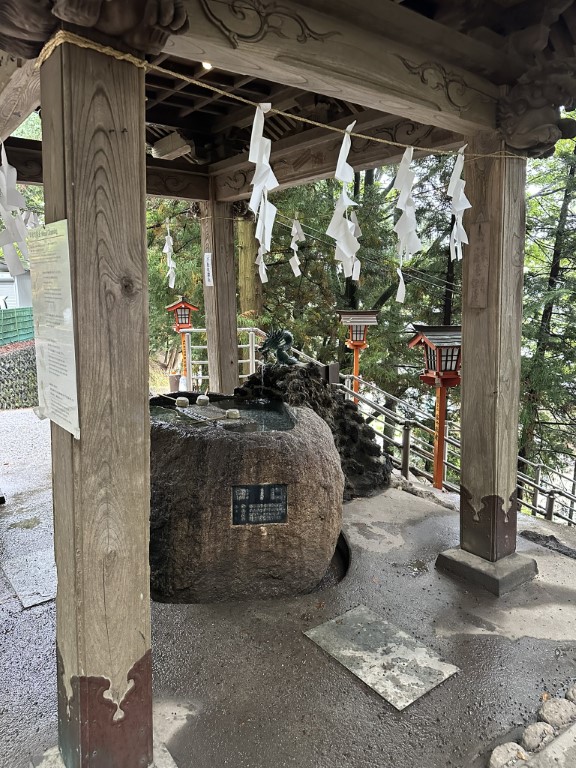
We began what should have been an hour-and-a-half drive to our first stop, Chureito Pagoda, which turned into a two hour drive with the traffic so we were glad we got the earlyt start. Our guide dropped us off in a small village near the pagoda entrance as there was no parking near the entrance. Chureito Pagoda is a five storied pagoda on the mountainside overlooking Fujiyoshida City. The pagoda is part of the Arakura Sengen Shrine and was built as a peace memorial in 1963 nearly 400 steps up the mountain from the shrine's main buildings. The 400 steps were daunting for both us, but especially Janie following her ankle surgery. Luckily, there was also a series of switchback roads, that while steep, did not require climbing all the stairs. J. R. decided to do the stairs and arrived at the top first, winded. Janie called out to him as he was coming down from the observation deck, which didn't provide much of a view due to the clouds and rain and after spending some time at the pagoda, we made the walk down the switchbacks to town and then to our waiting car, which was parked a lot further away than we expected after our long climb.
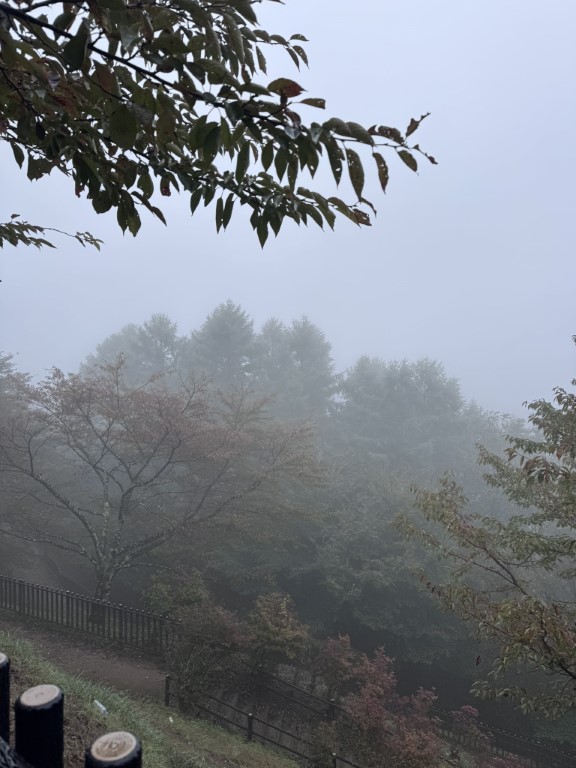
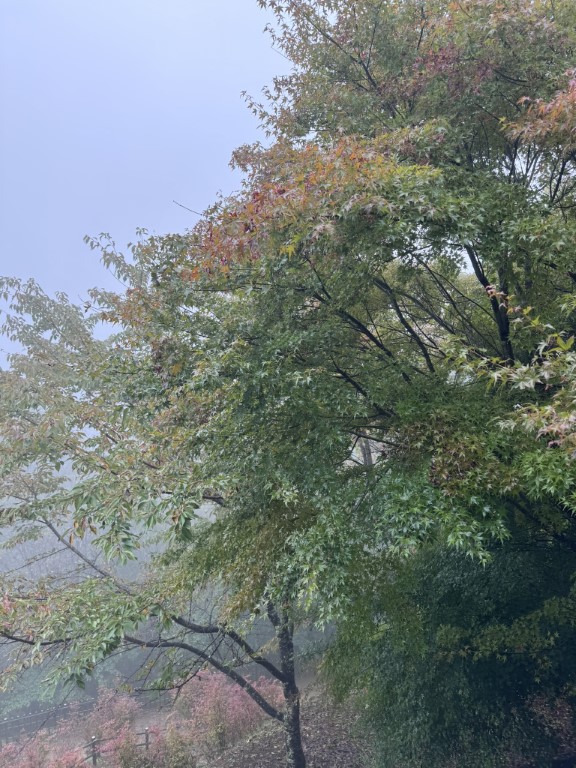
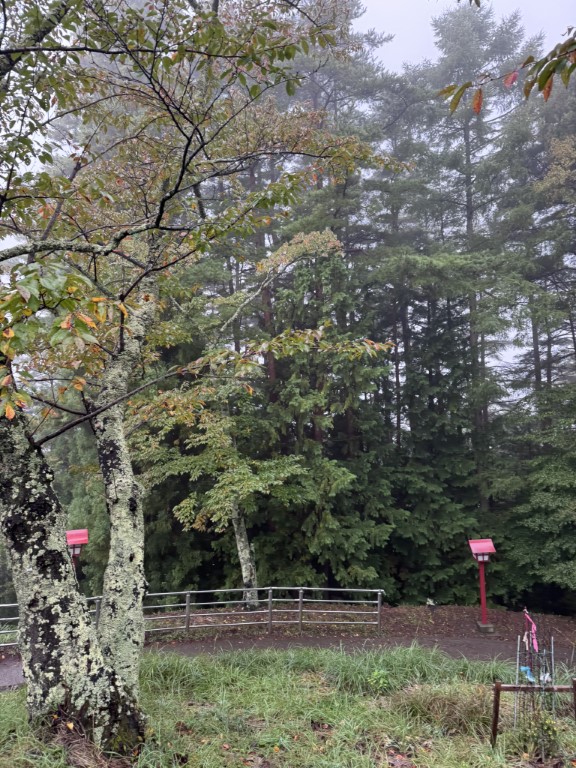
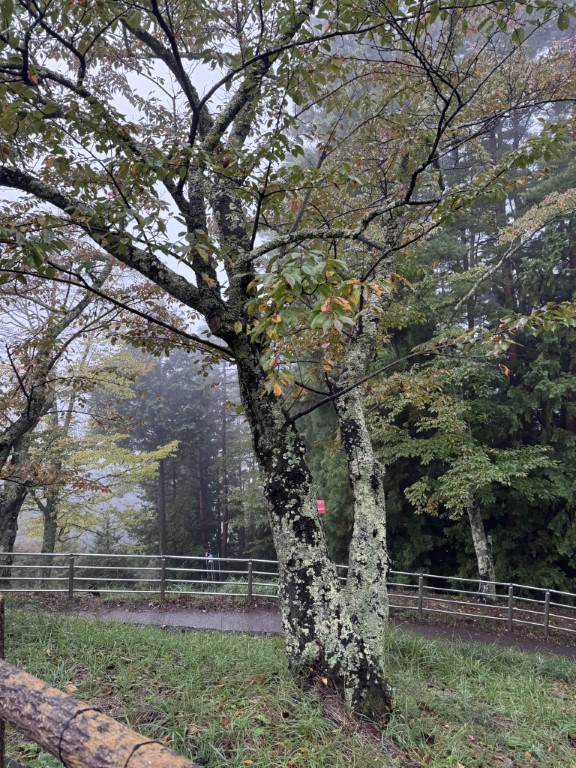
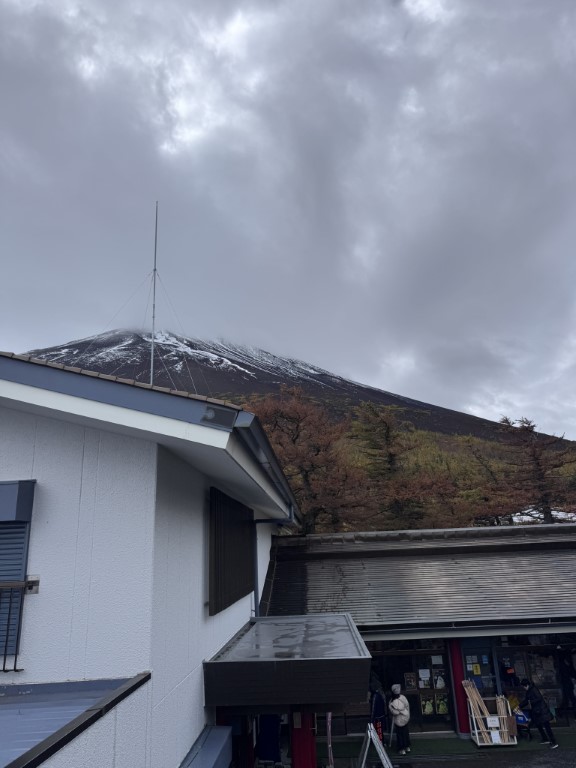
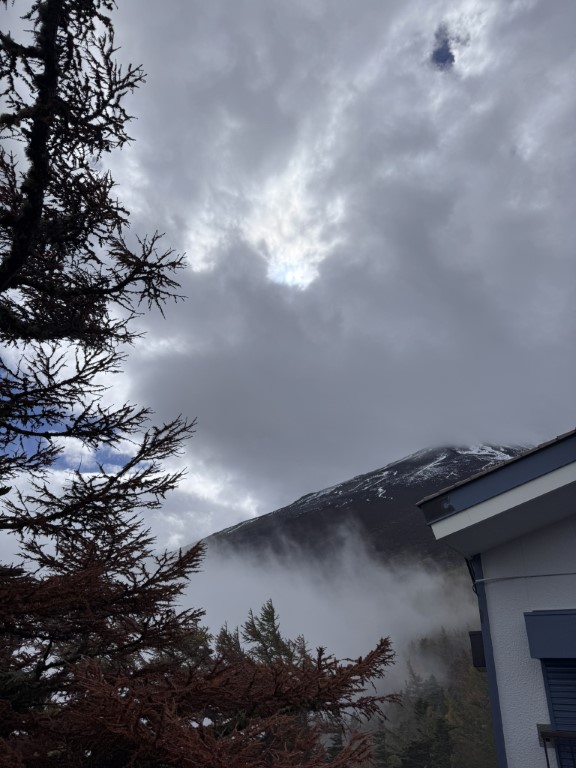
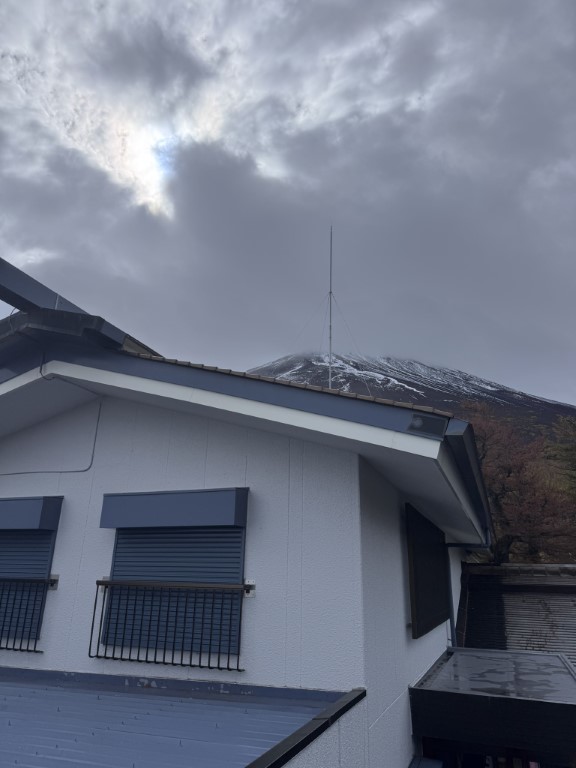
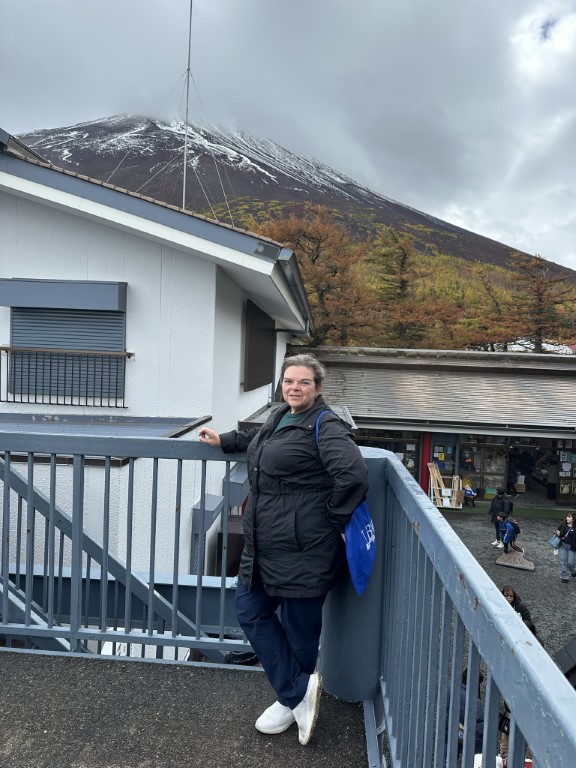
Once back in the car, we had a 45 minute ride from the pagoda to Fuji-Hakone-Izu National Park. With the bad weather, we were not optimistic for any good views of Mt. Fuji, but our driver pulled over into a small parking lot as the skies cleared and we could see the snow, the first of the year, on top of the famous mountain. Mount Fuji is the country's highest peak, rising 3,776 meters above sea level. It is an active stratovolcano known for its perfectly symmetrical cone shape and snow-capped peak.
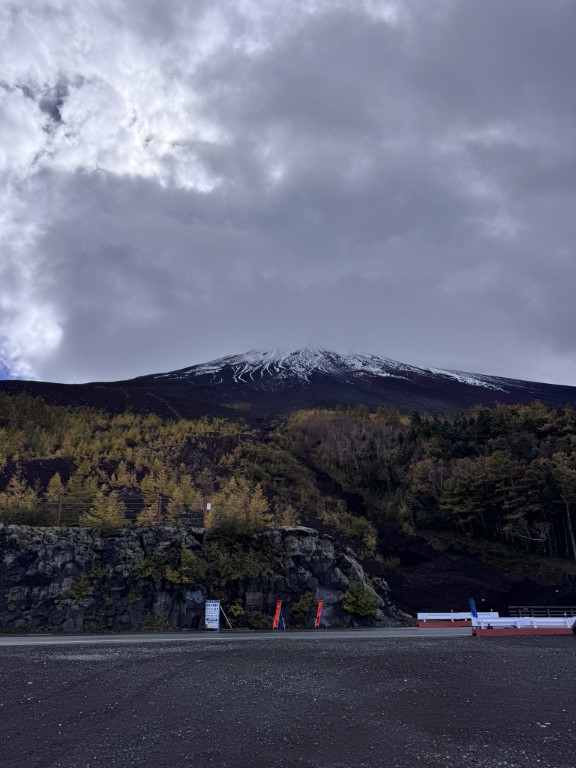
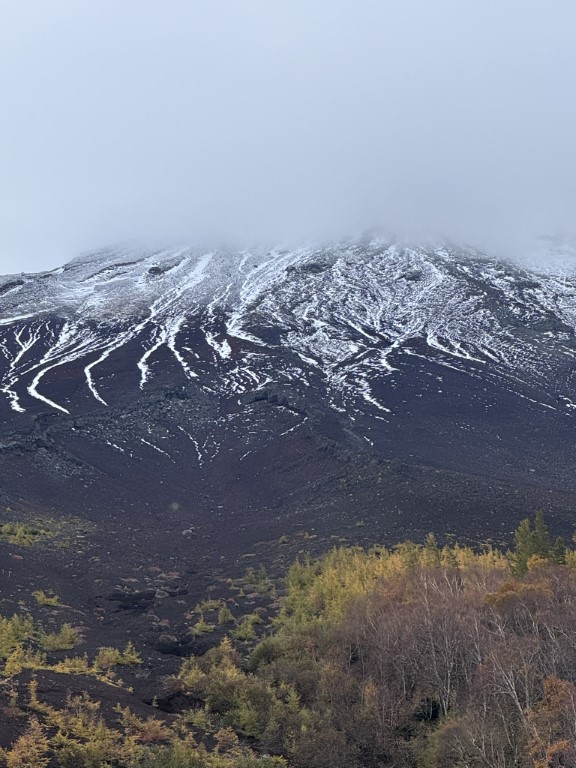
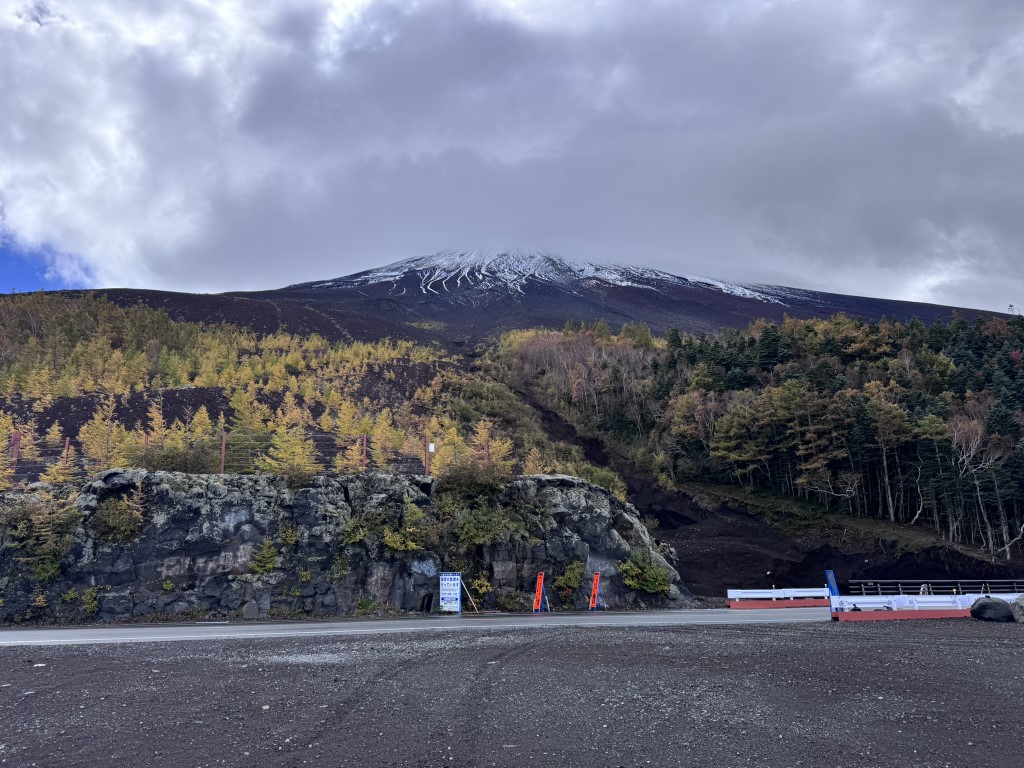
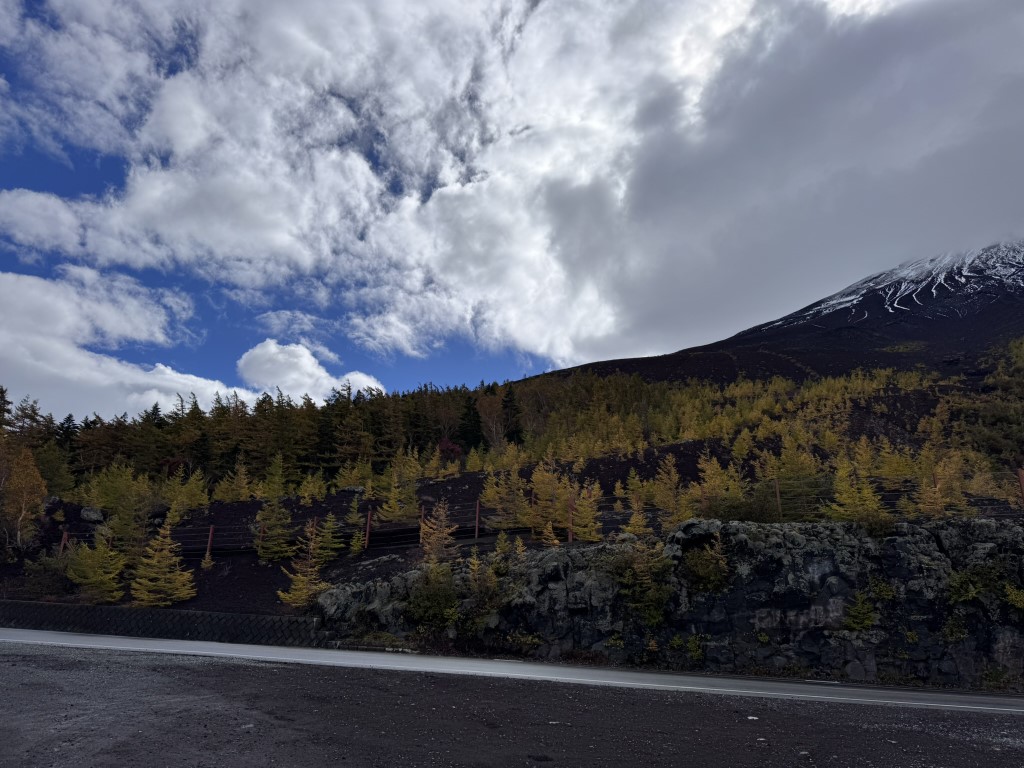
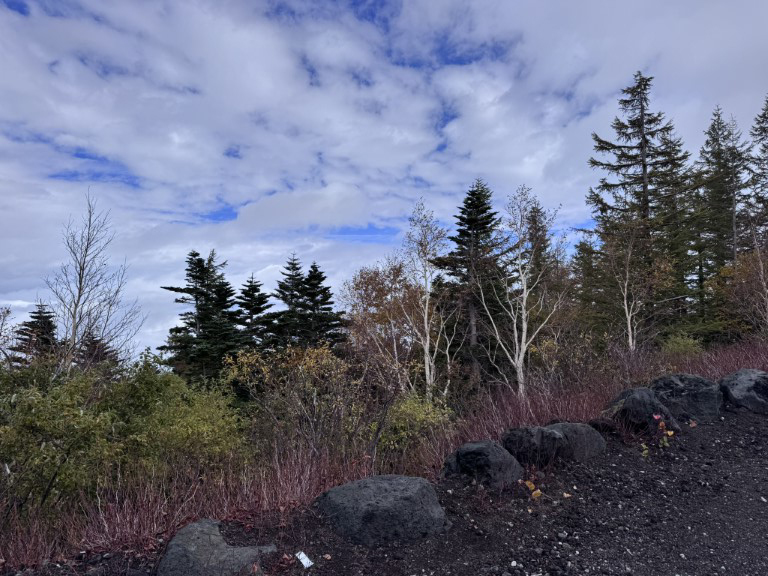
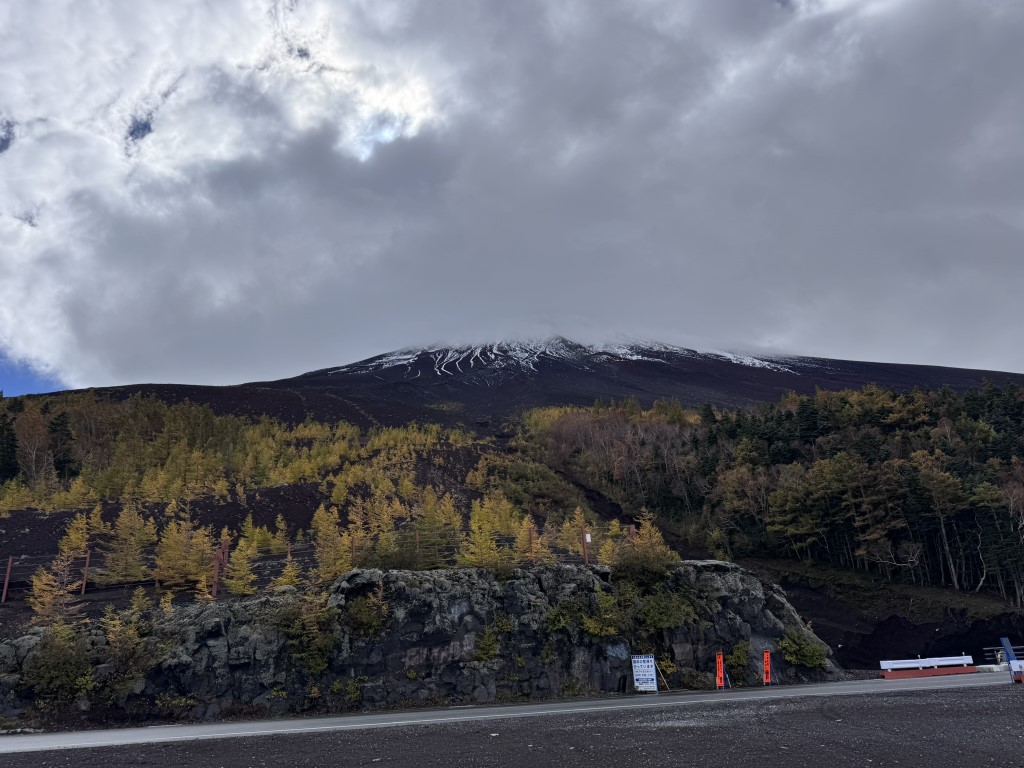
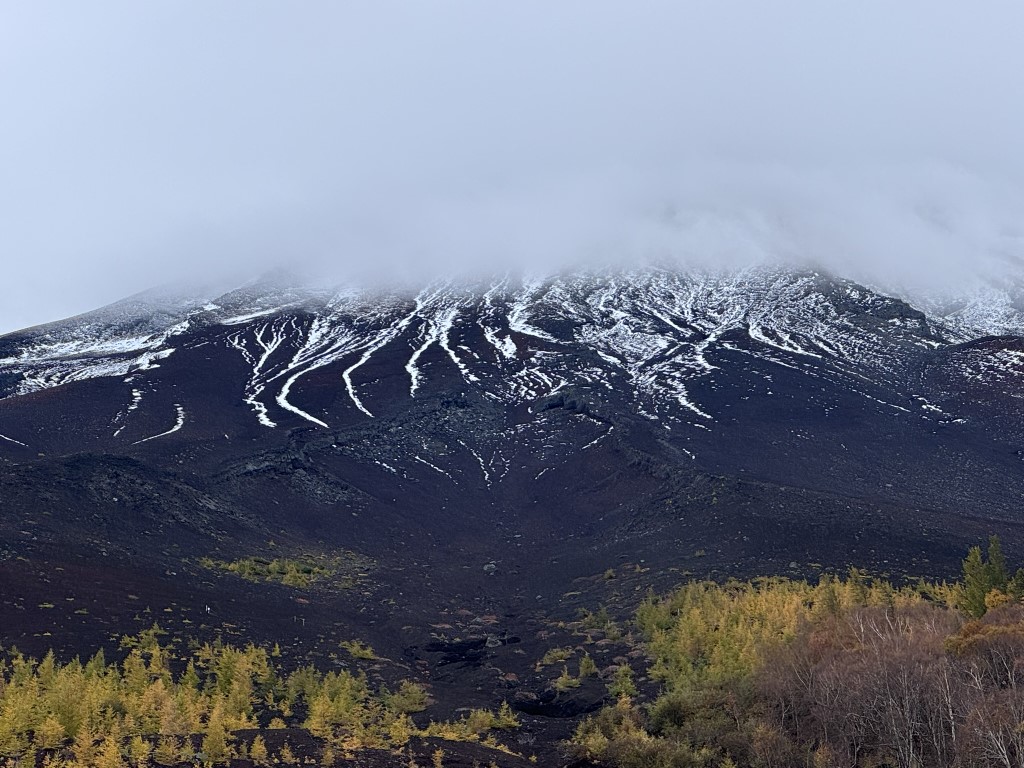
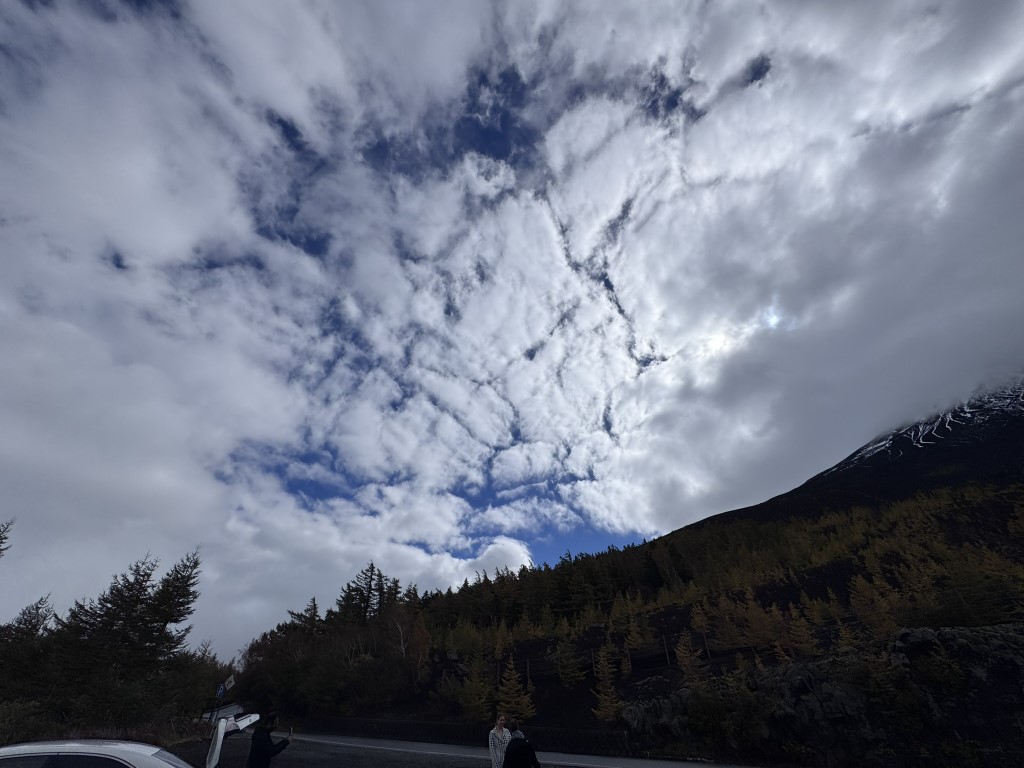
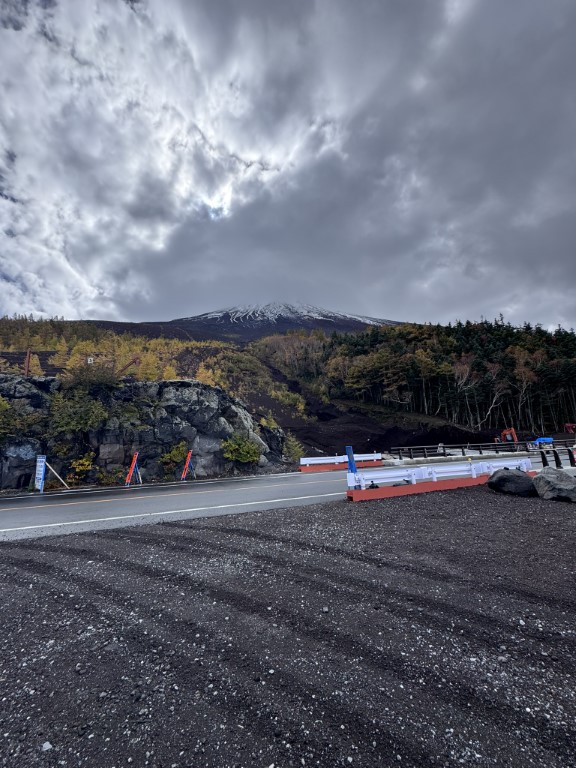
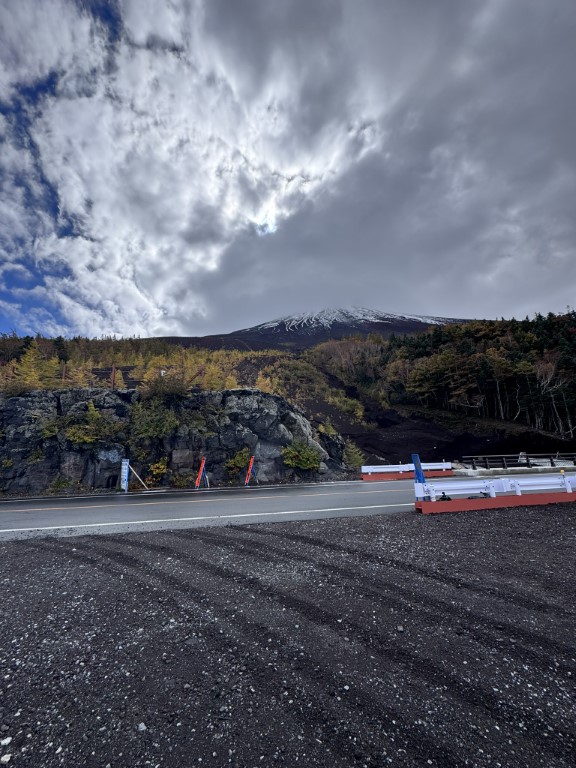
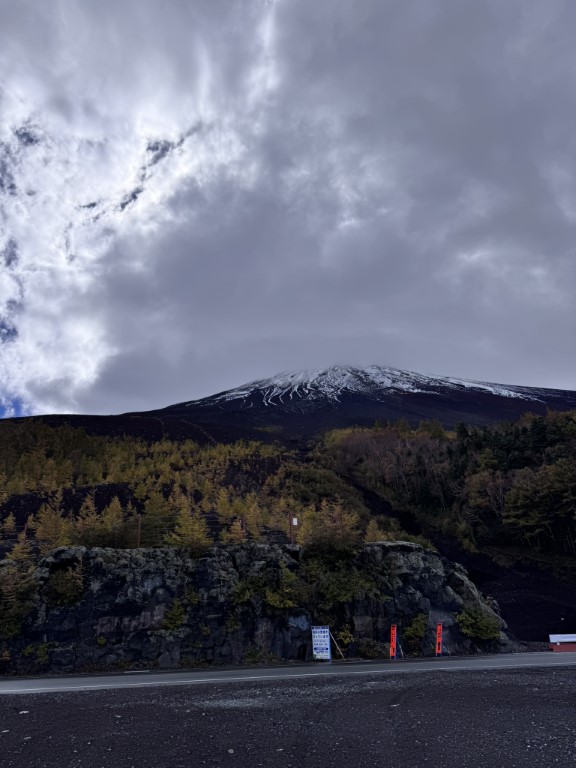
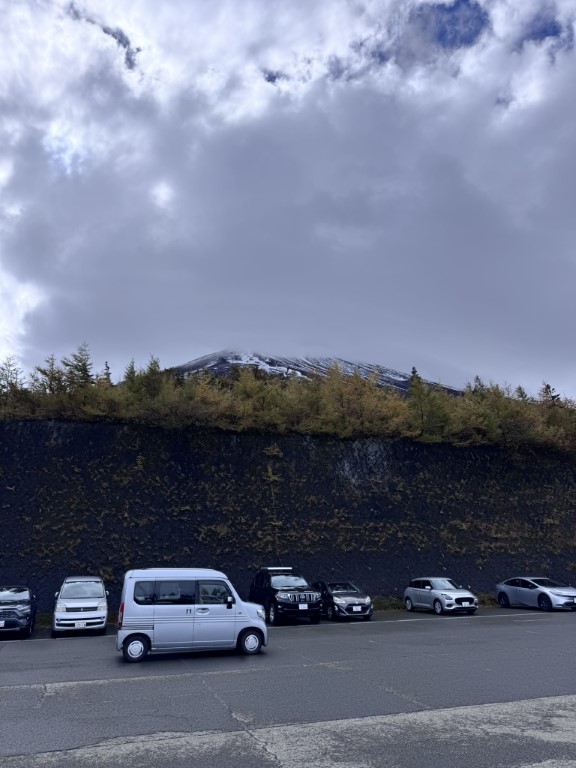
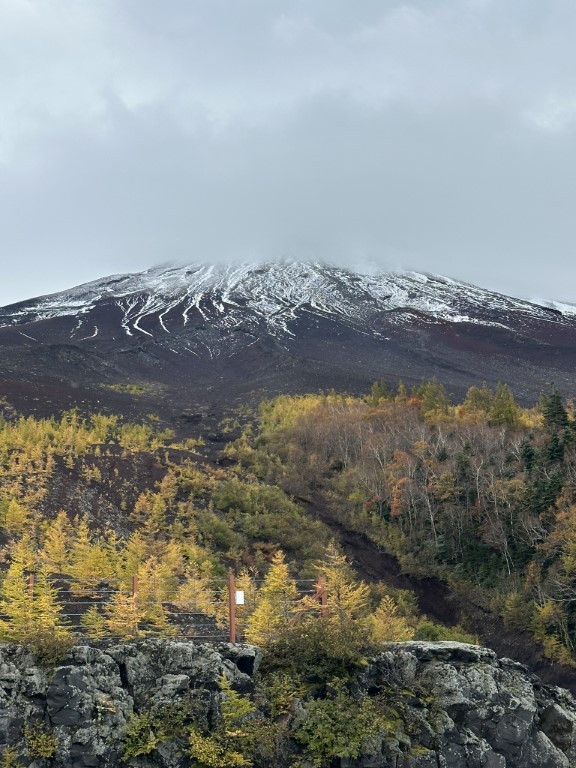
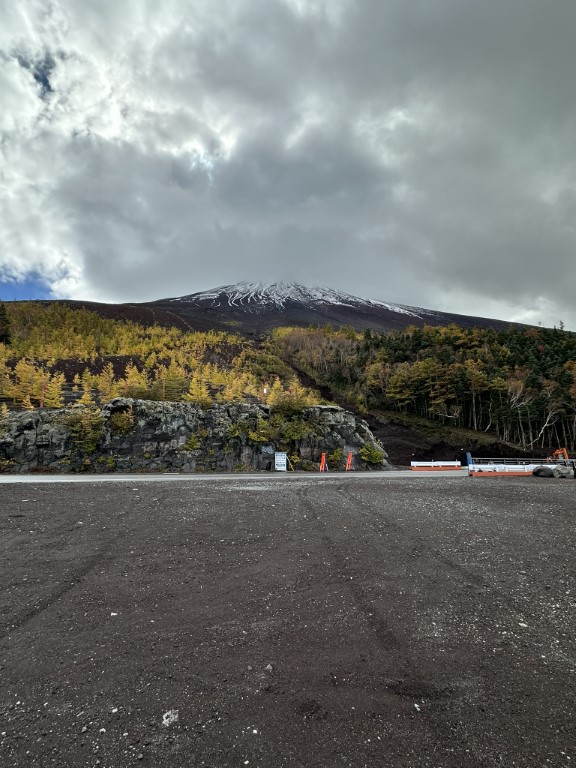
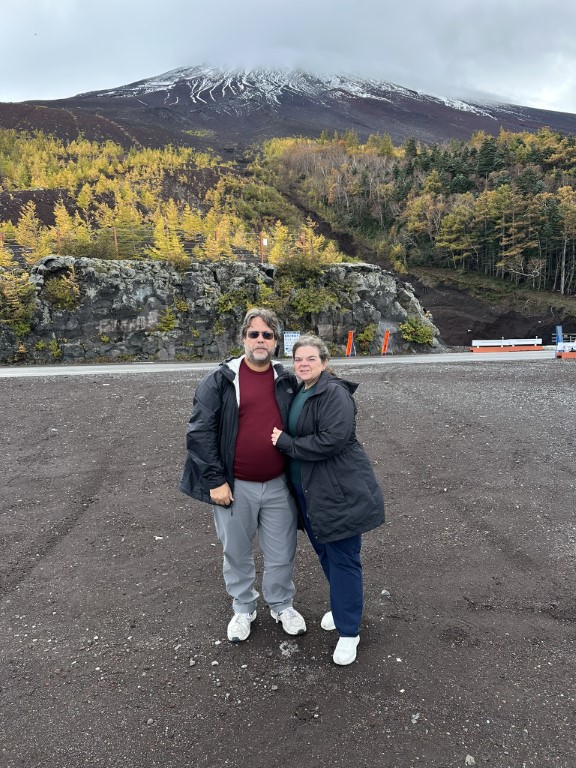
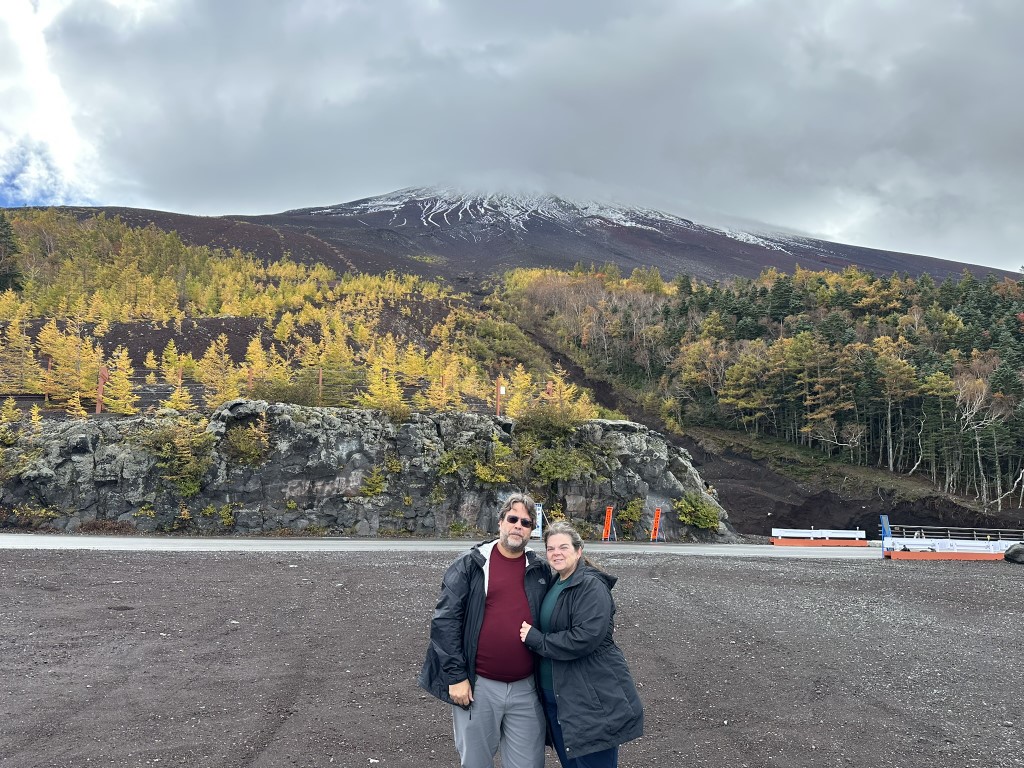
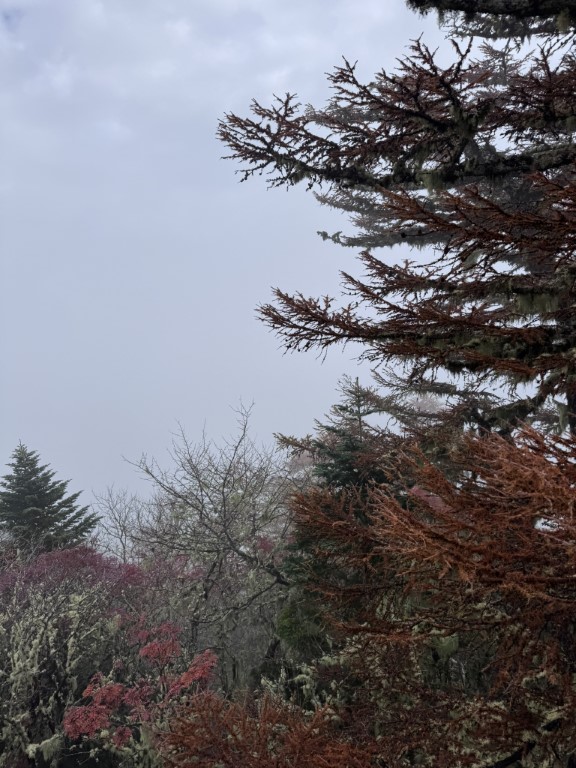
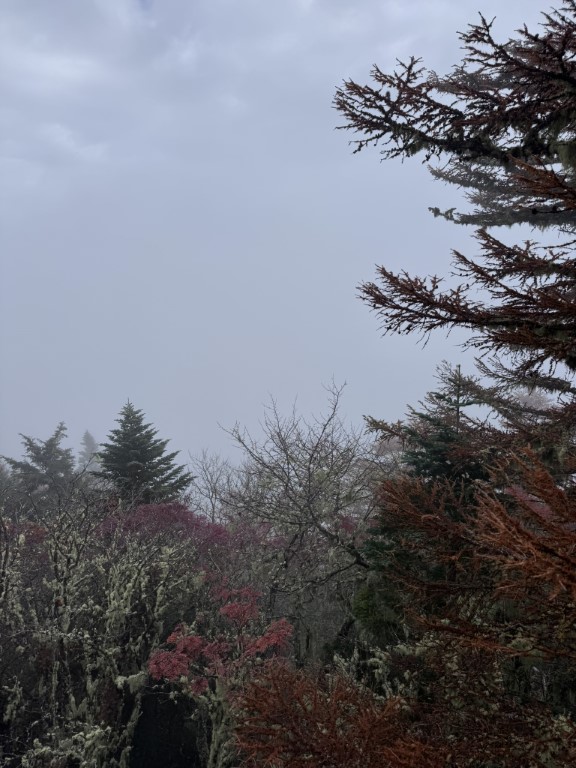
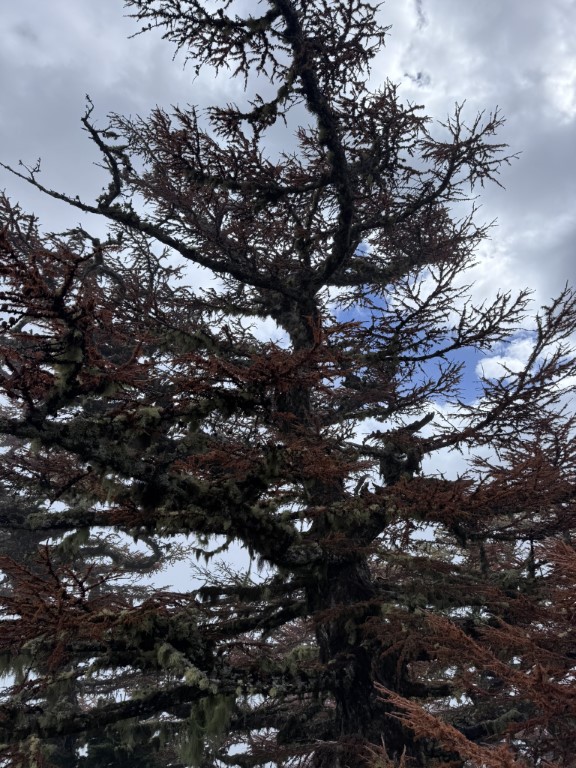
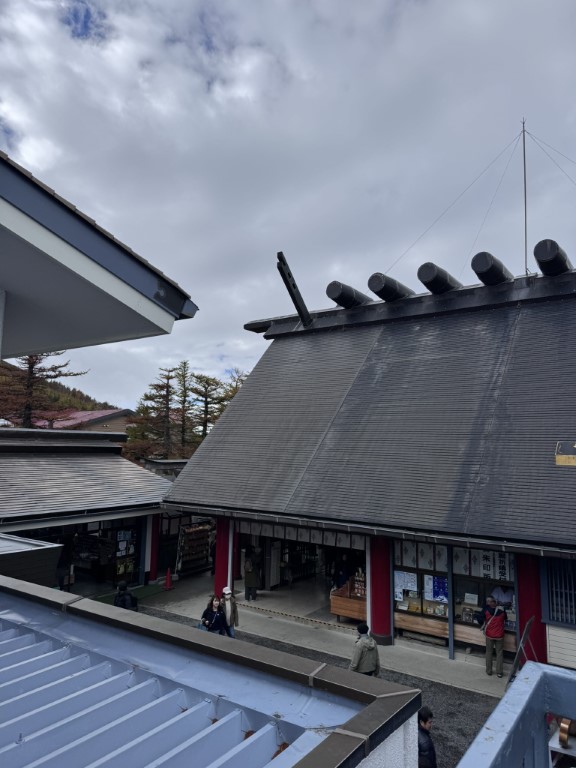
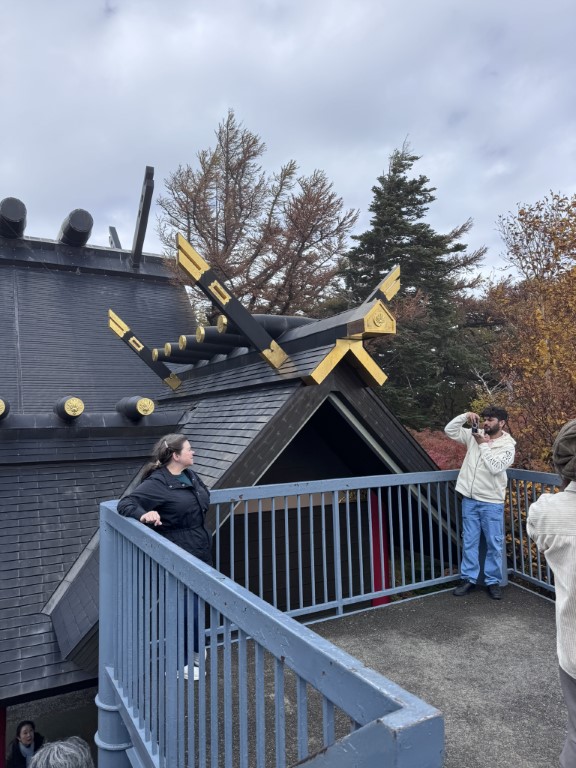
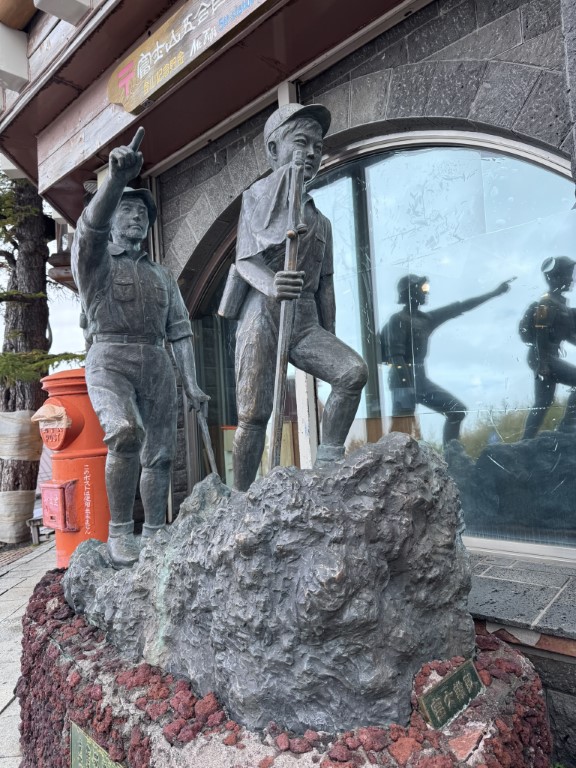
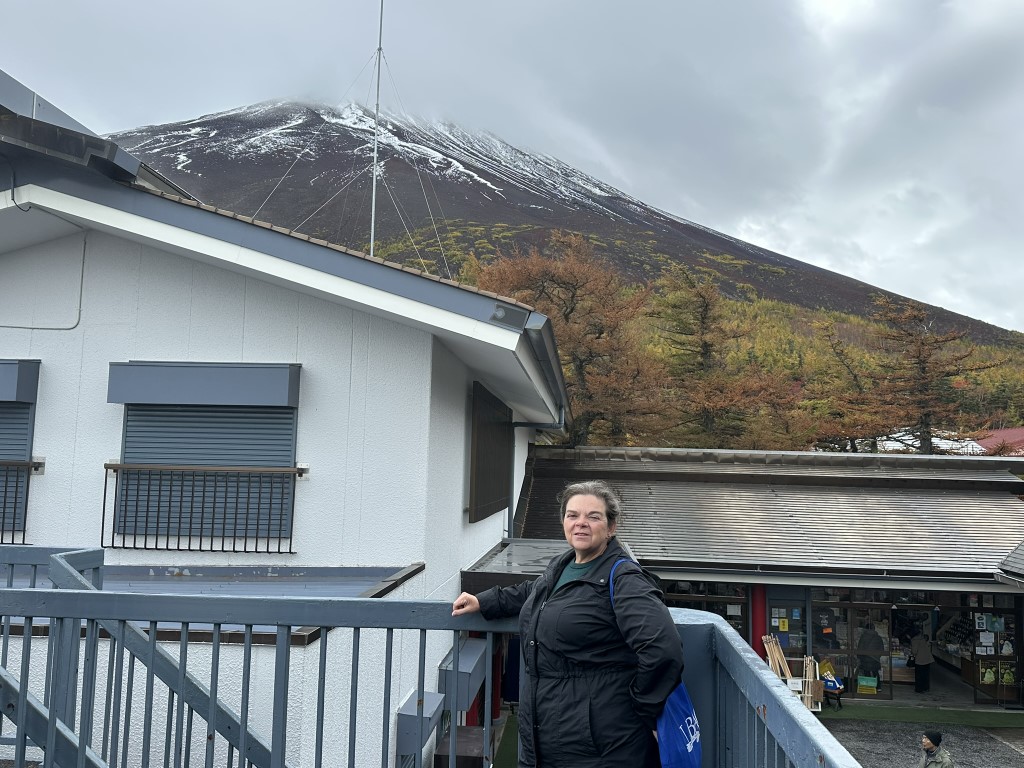
We continued on to 5th Station, the most popular starting point for climbers during the summer climbing season. It is located at an altitude of about 2,300 meters and offers restaurants, shops, and accommodation. We went to the observation deck, which was suprisingly not crowded to get some more view of the mountain and picked up a couple of souvenirs in the shop.
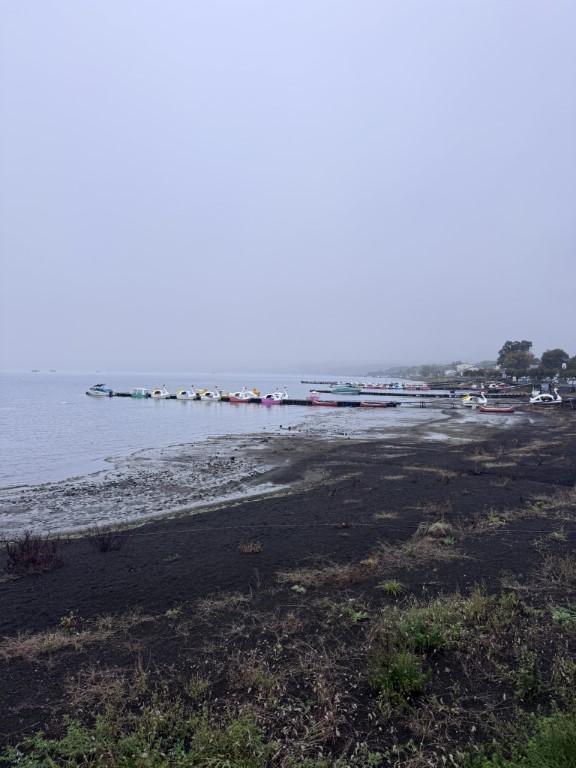
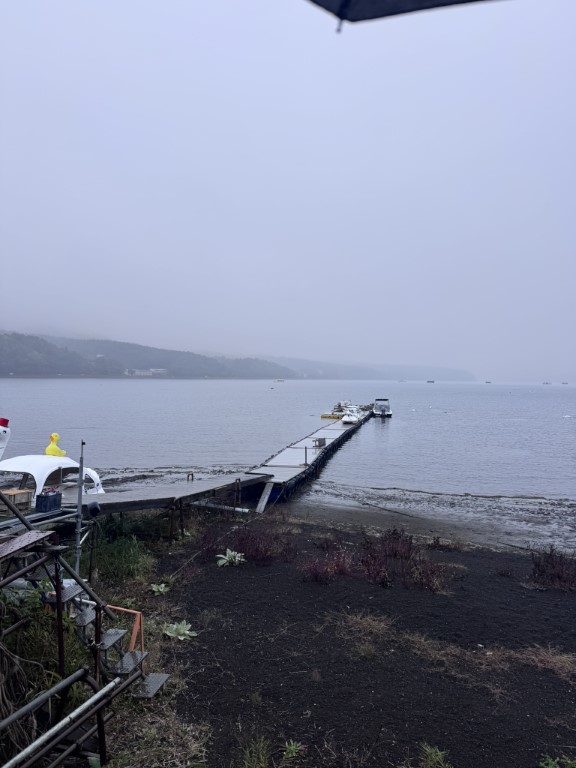
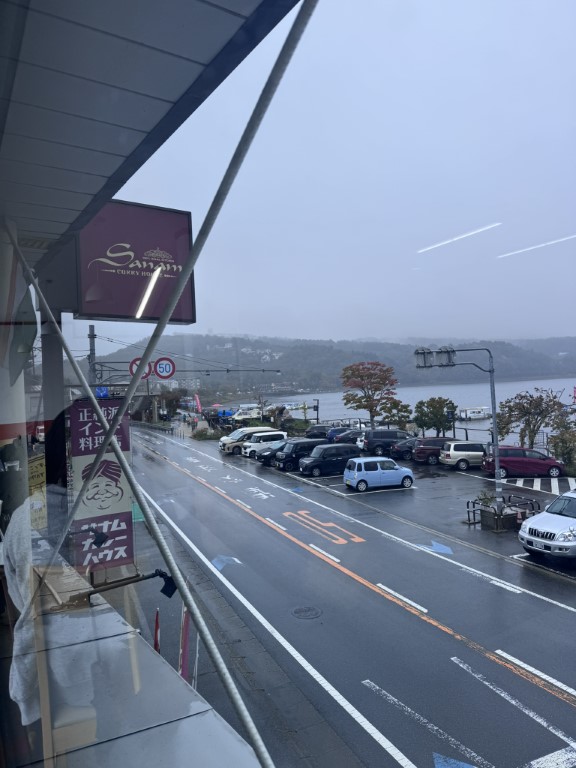
Our driver asked us what kind of food we liked and we told him we enjoyed almost anything. He was Pakistani by birth and said he did not eat much Japanese food, so he suggested a curry house along side Lake Yamanaka. Lake Yamanaka is the largest of the Fuji Five Lakes in surface area and the highest in elevation. It is the third highest lake in Japan, with a mean surface altitude of 3,217 feet. Our driver's suggestion was a good one as we had some great views of the lake from our window seat, although the clouds had started to come in again. The food was excellent. J. R. ordered a curry dish and it came with the largest piece of naan we had ever seen, so we both shared that as Janie ate her less spicy curry.
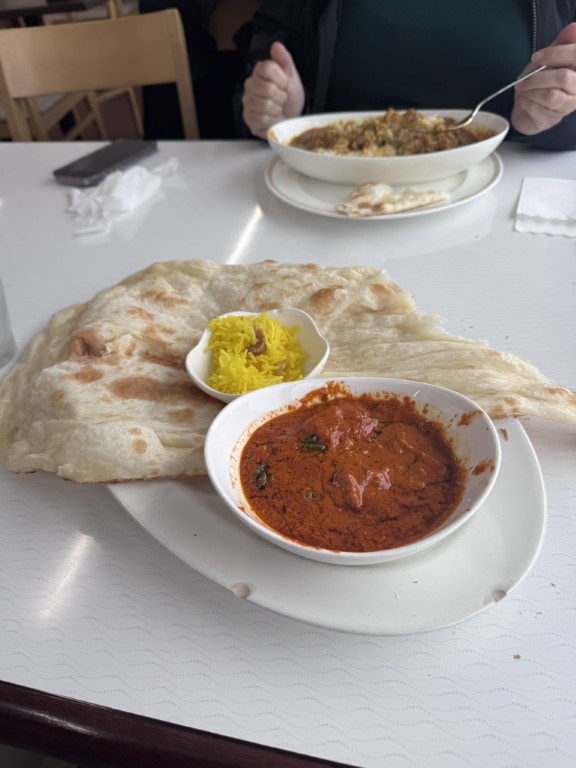
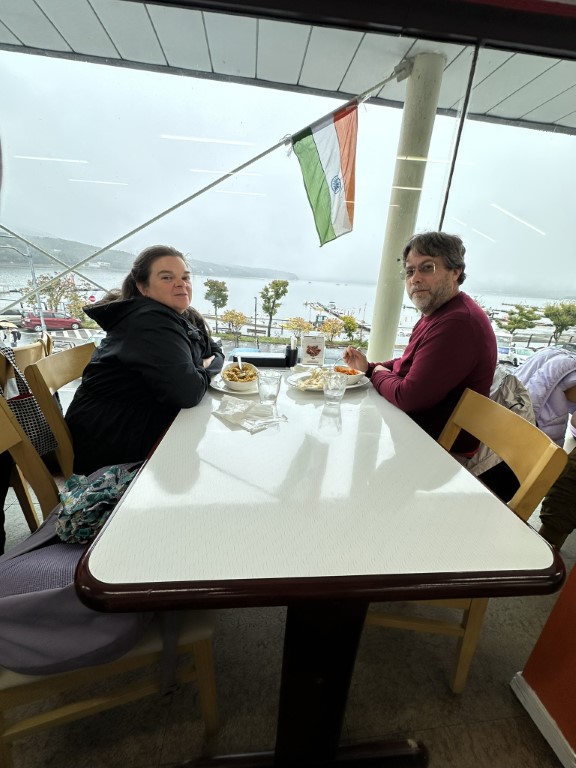
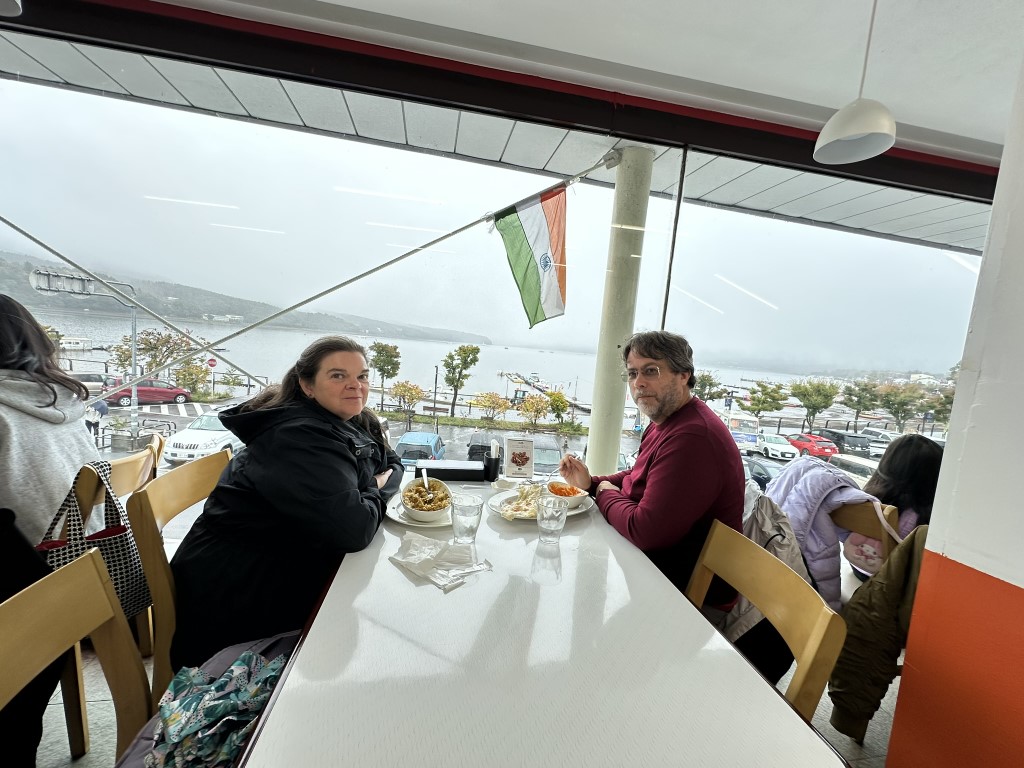
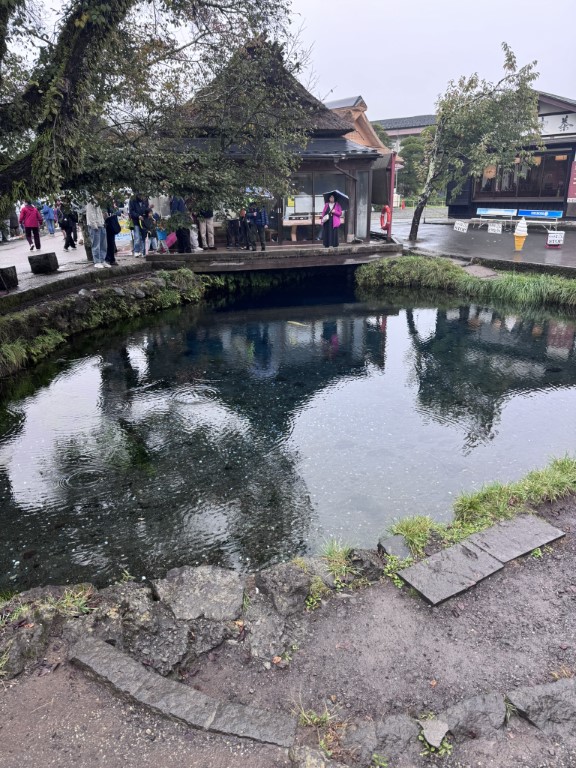
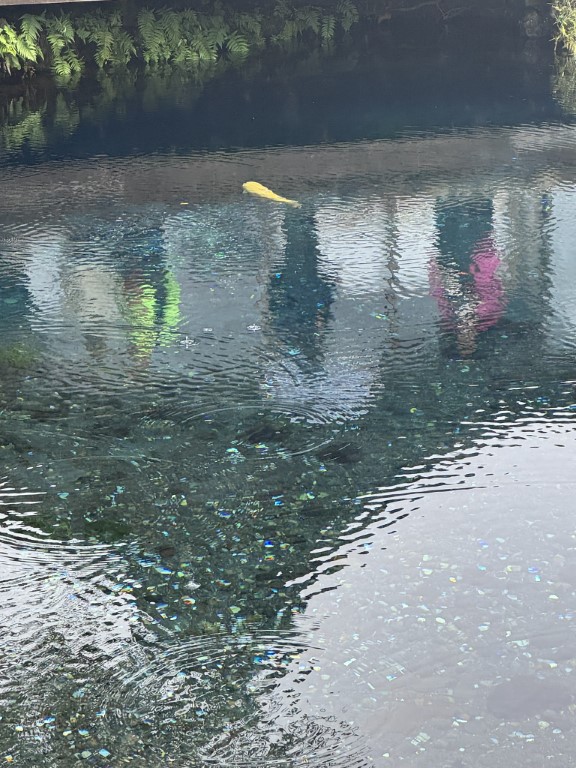
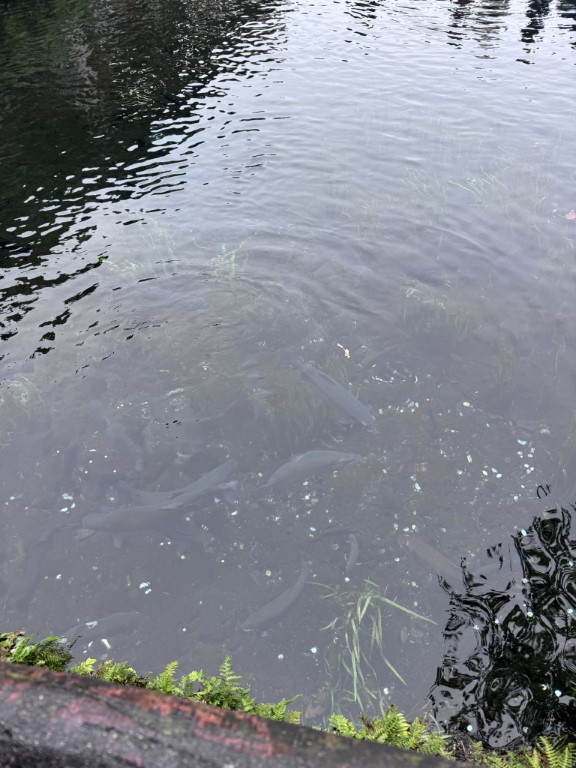
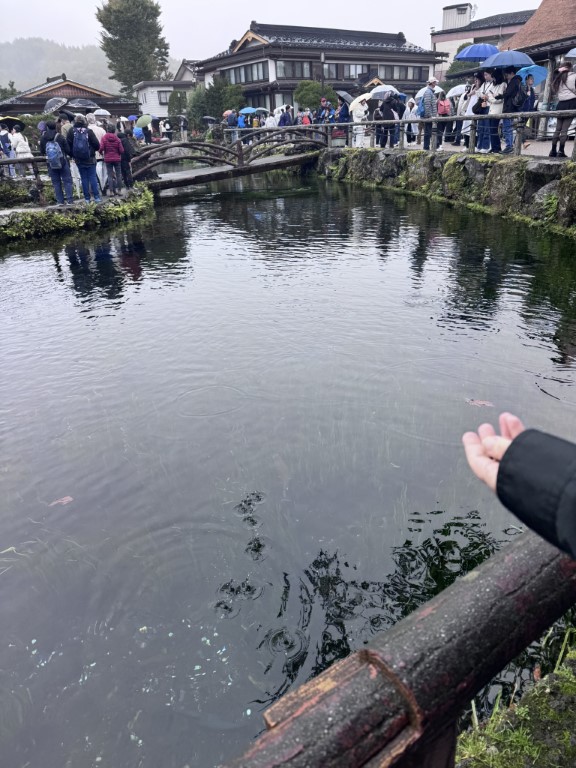
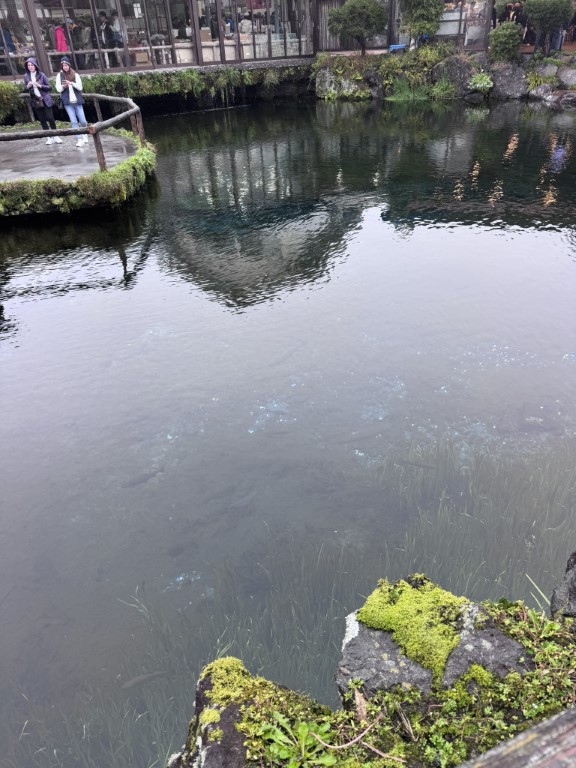
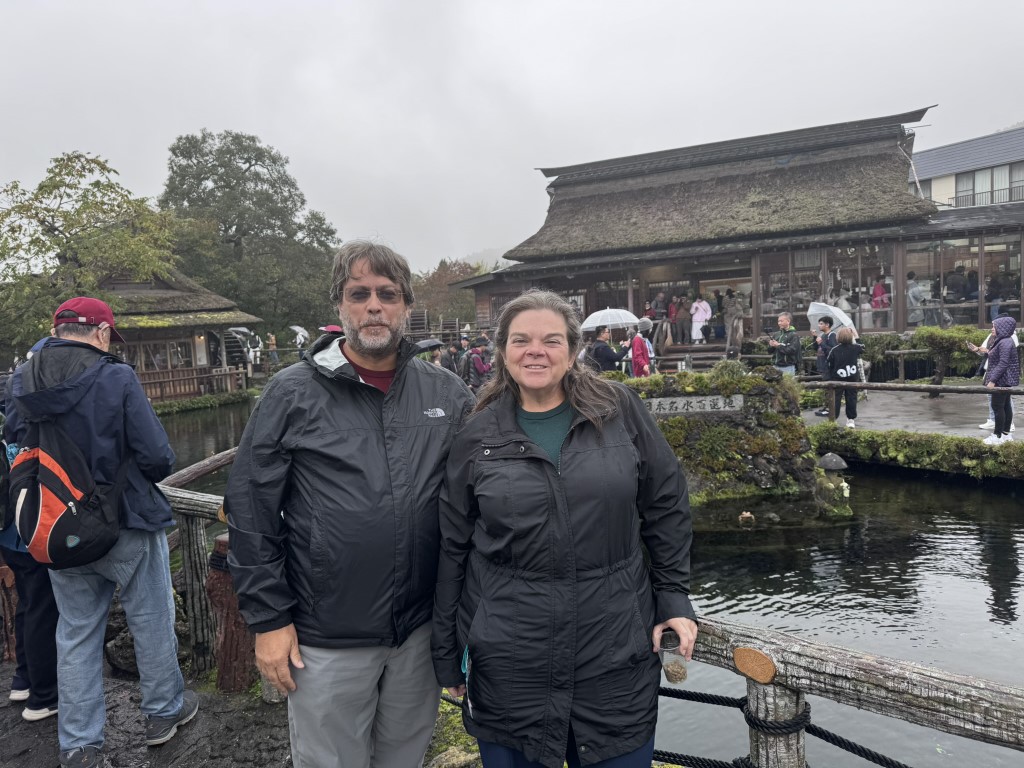
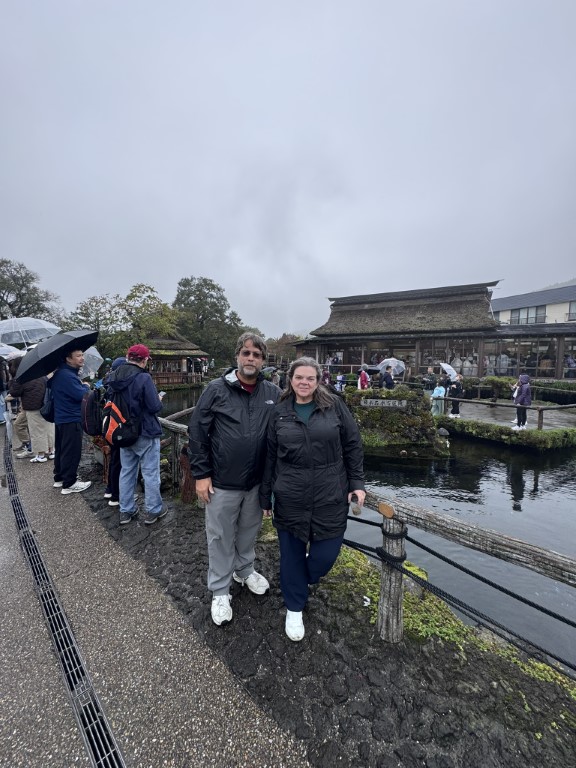
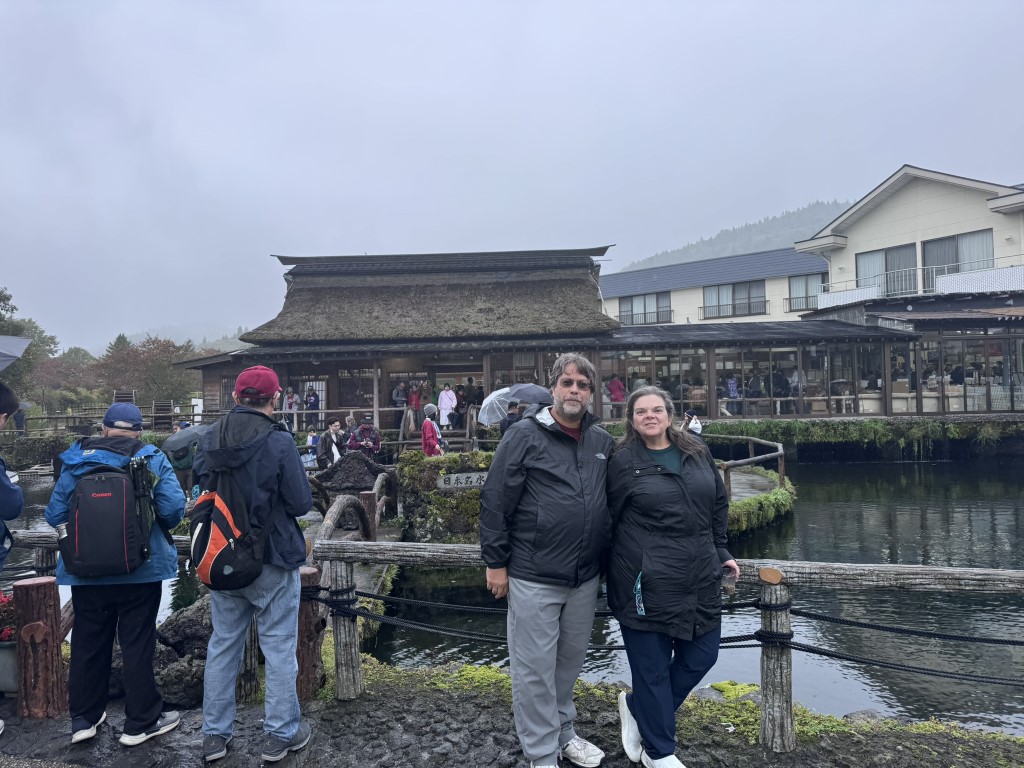
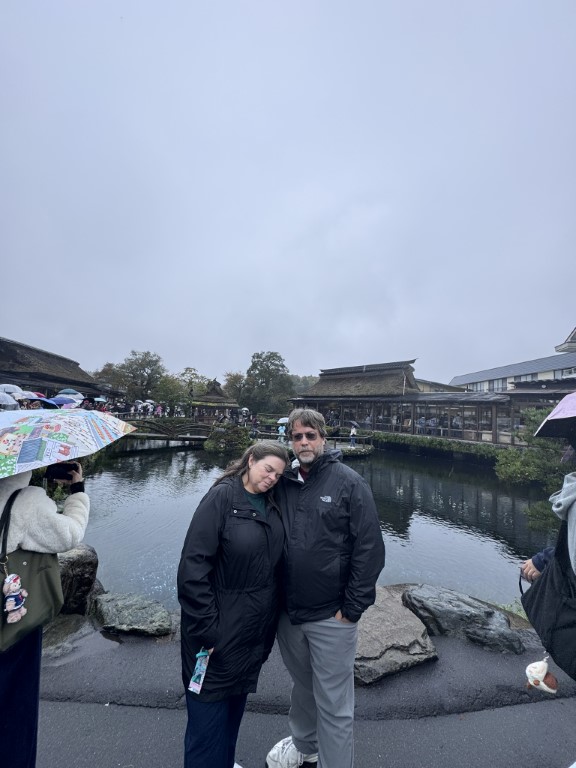
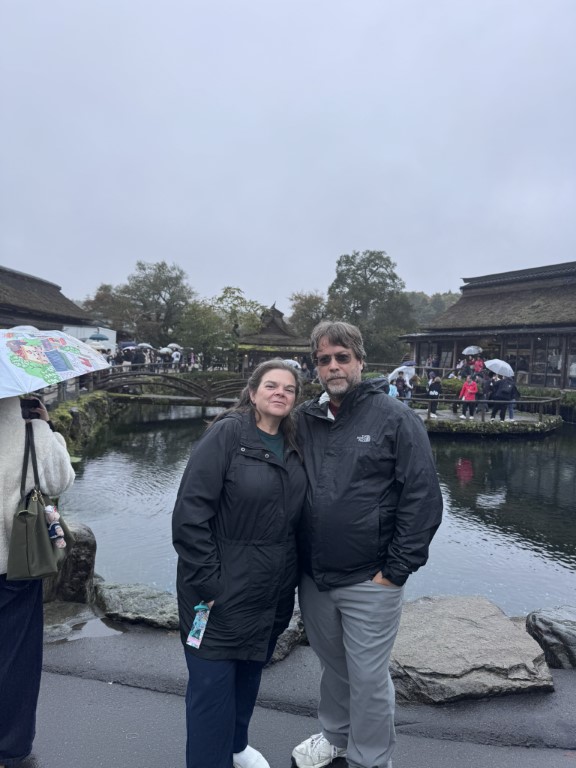
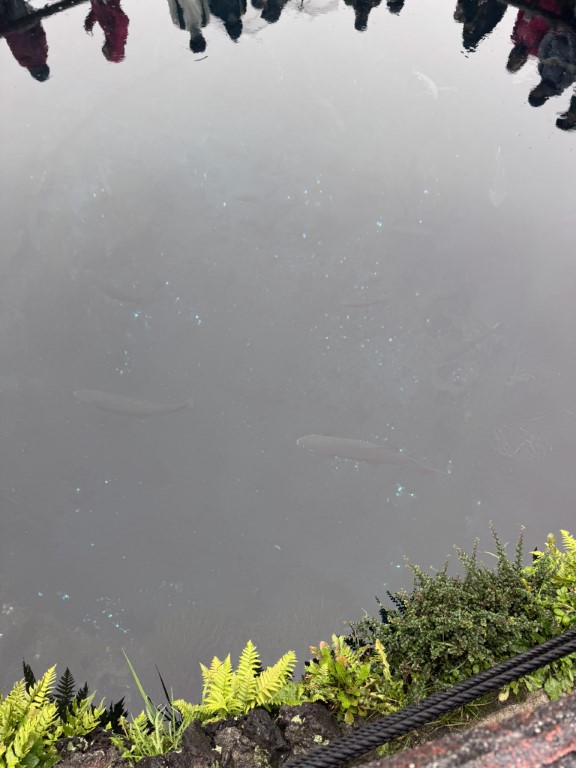
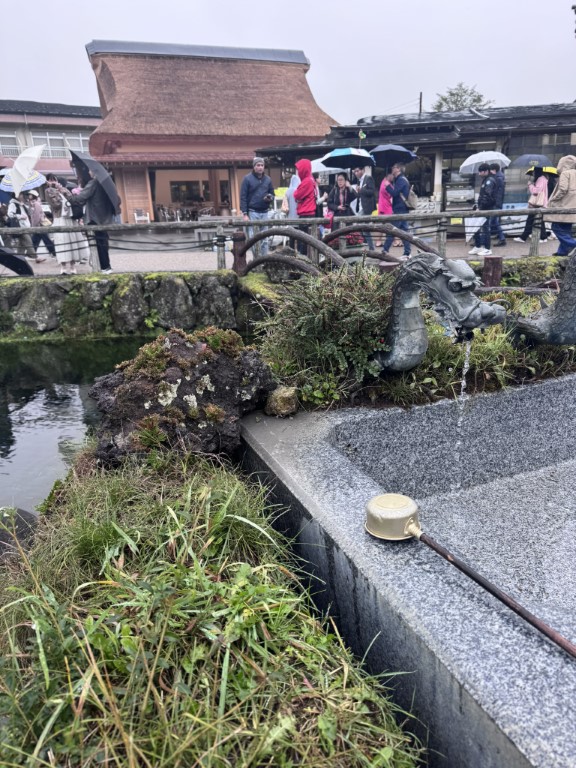
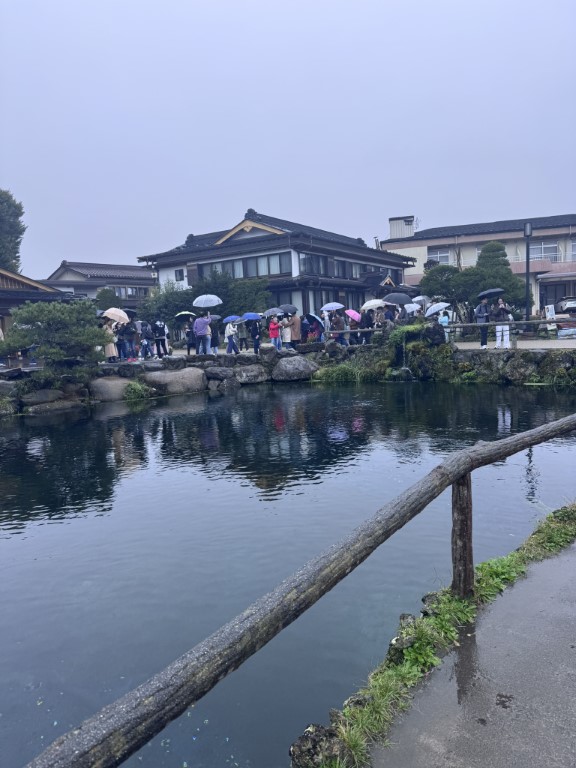
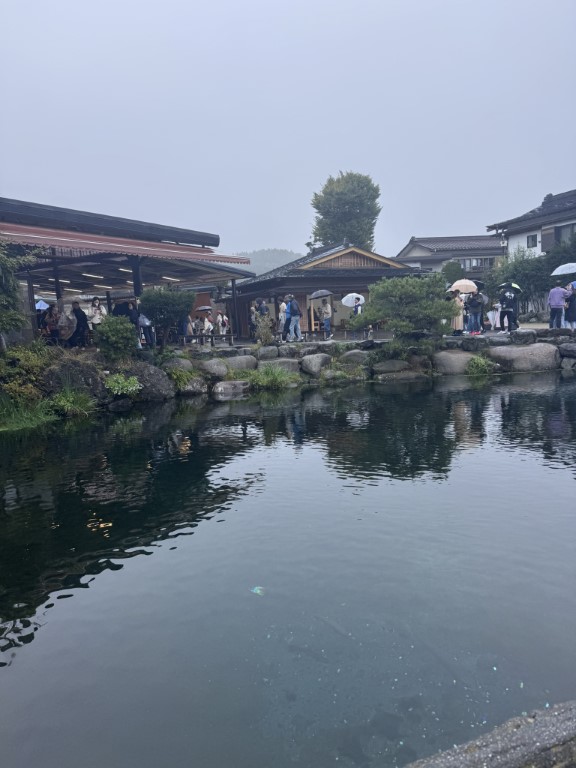
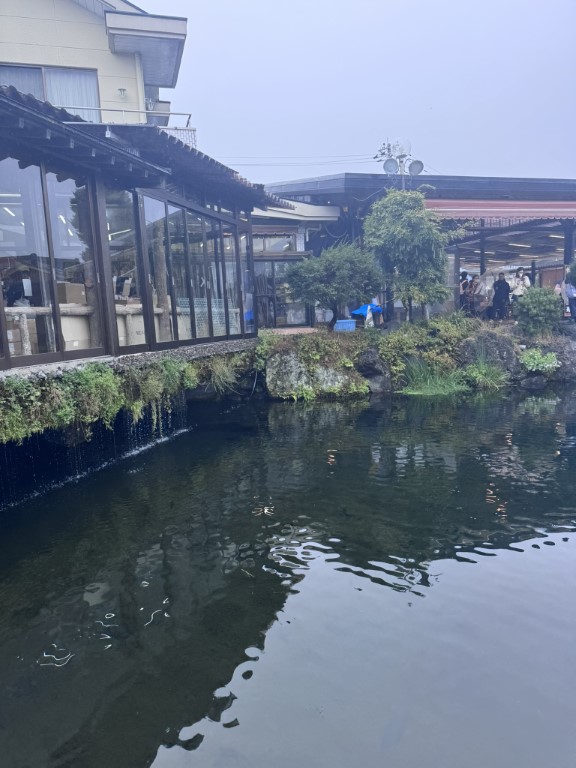
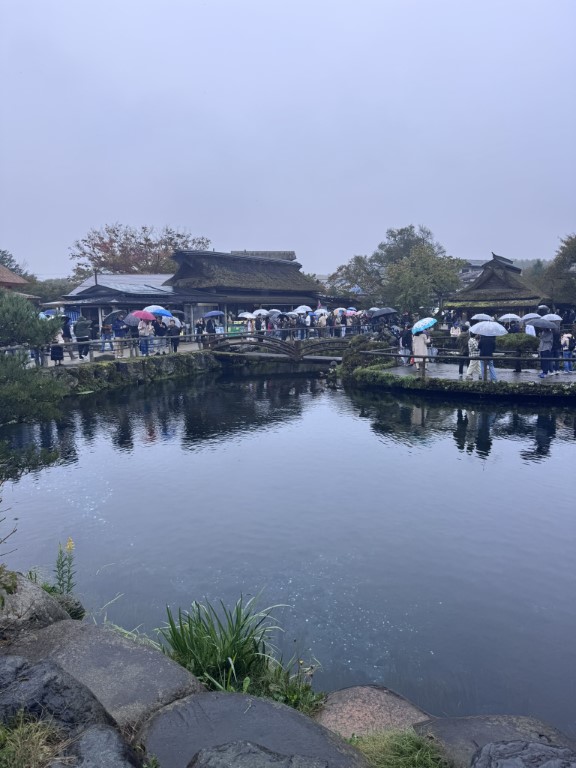
With the rain starting again and the clouds rolling in, we made the final decision to skip Hakone. Our guide suggested we go to Oshino Hakkai, a touristy area with eight ponds on the site of a former sixth lake that dried out several hundred years ago. The eight ponds are fed by snow melt from the slopes of Mount Fuji that filters down the mountain through porous layers of lava for over 80 years, resulting in very clear spring water that is revered by the locals. Next to one pond, people can drink the cool water straight from the source. The ponds are quite deep and have interesting freshwater plant life and large fish. Our guide bought some fish food and Janie fed several of the fish in the ponds. The souvenir shops and food stalls were packed, probably due to the drizzle, so it wasn't quite the picturesque beauty we had hoped for at our original planned stop at Lake Kawaguchiko.
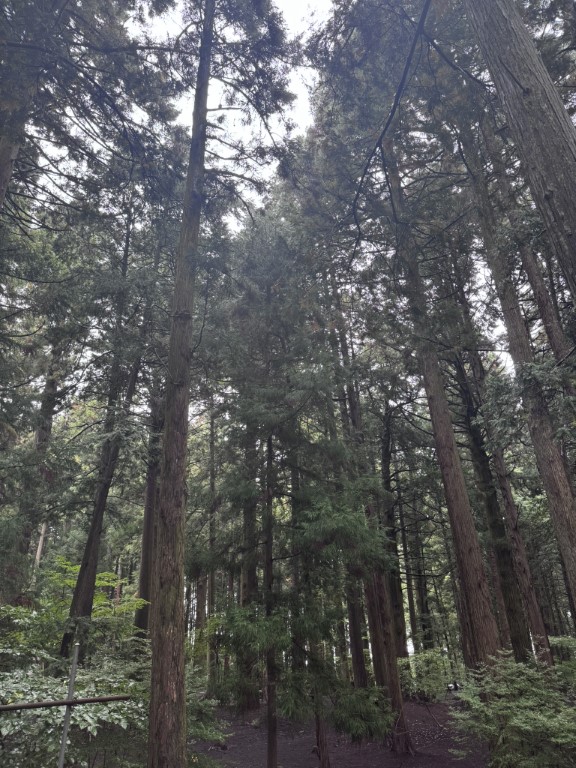
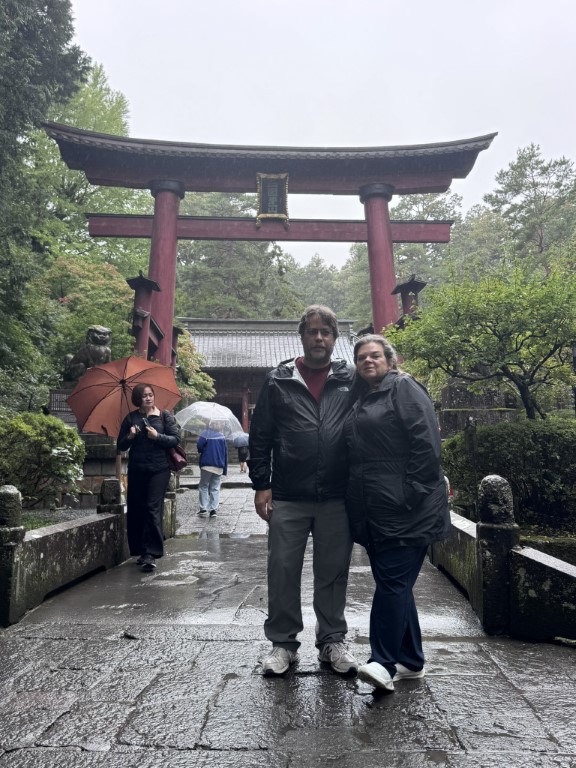
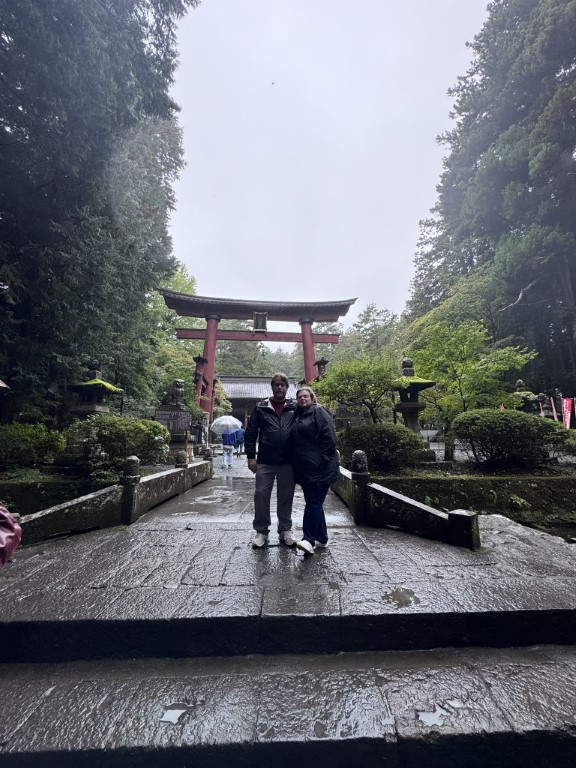
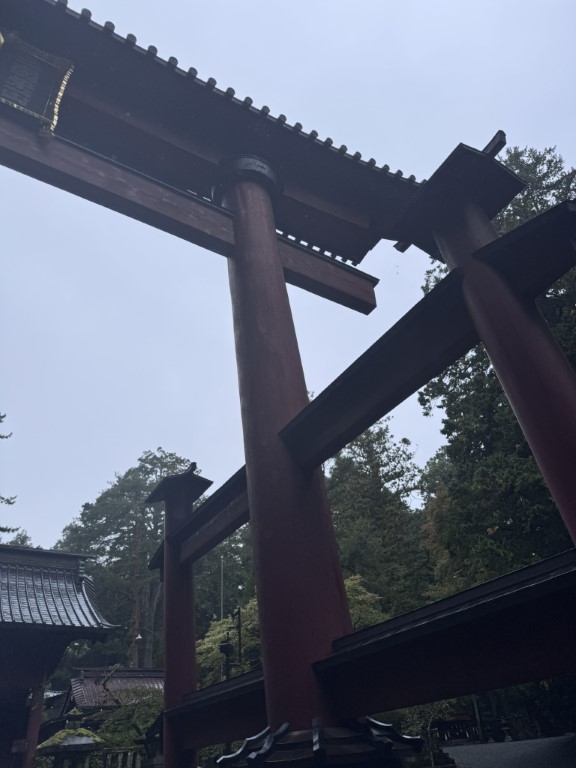
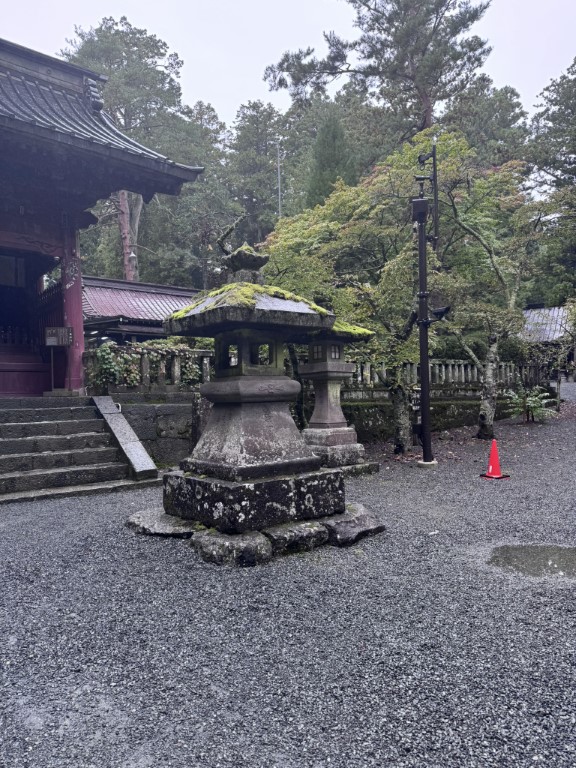
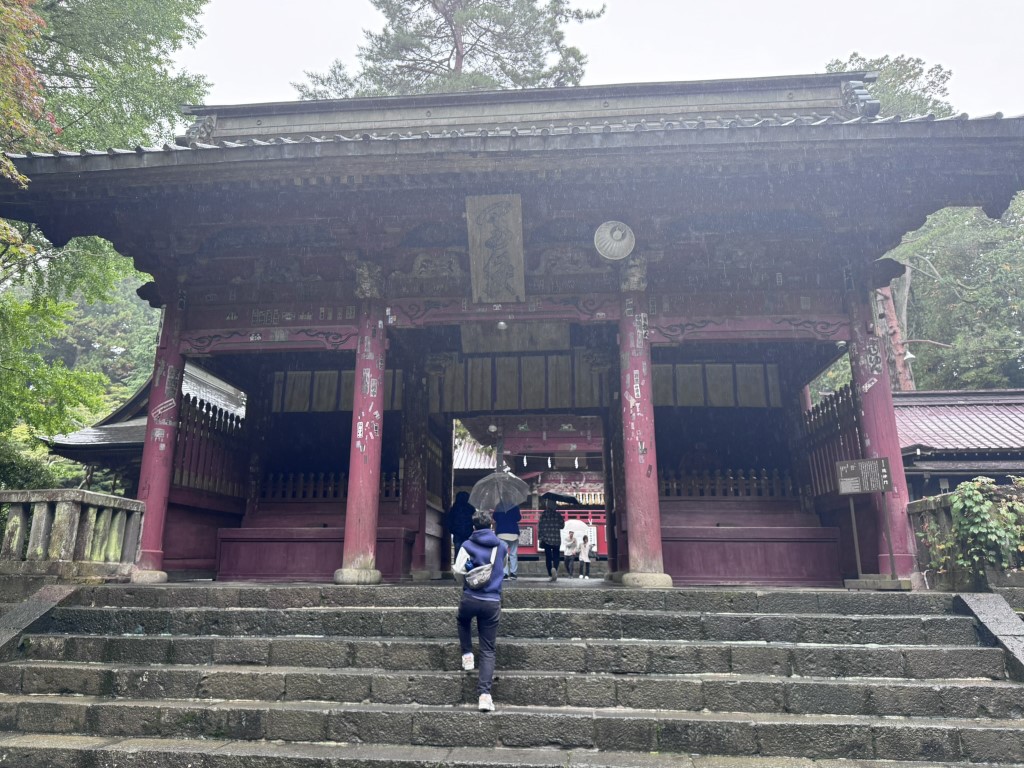
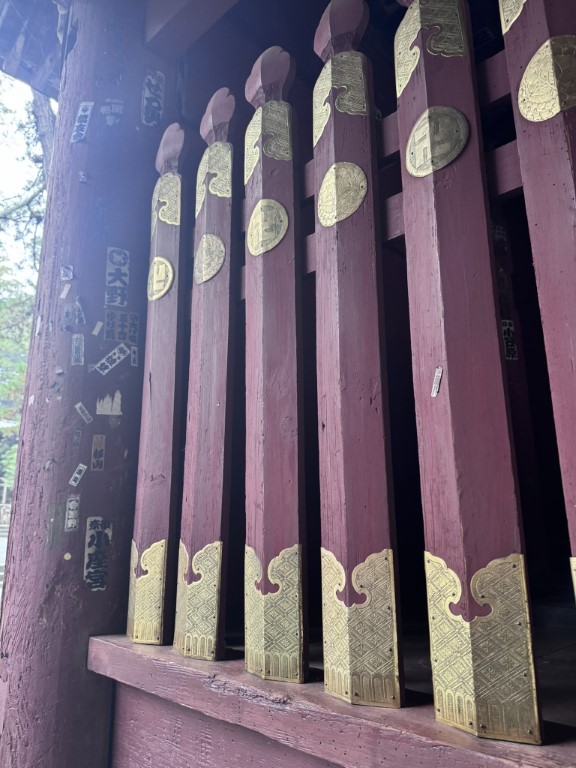
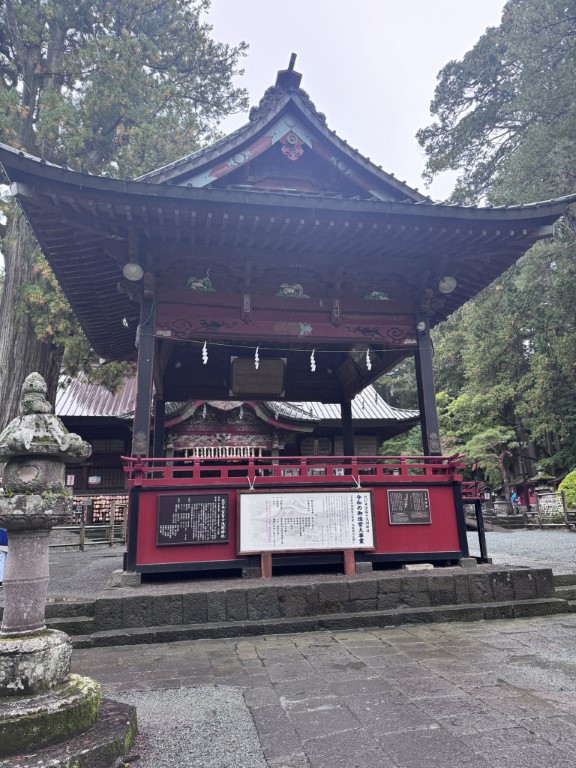
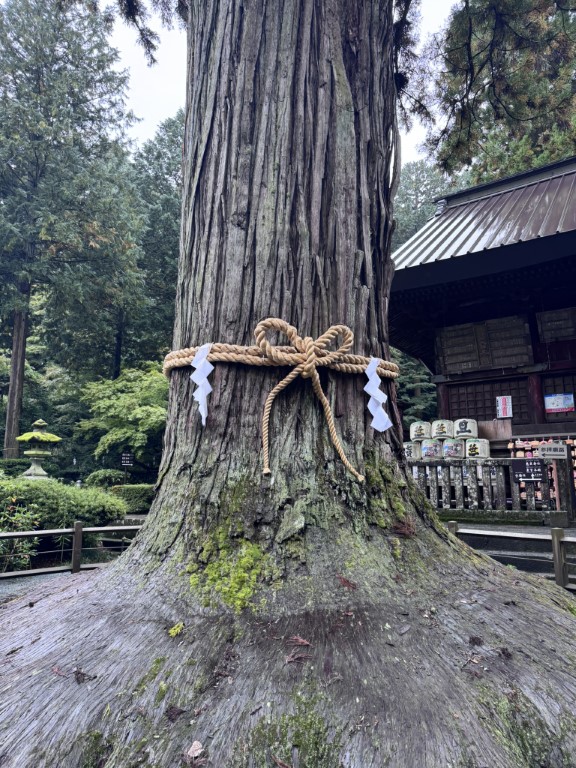
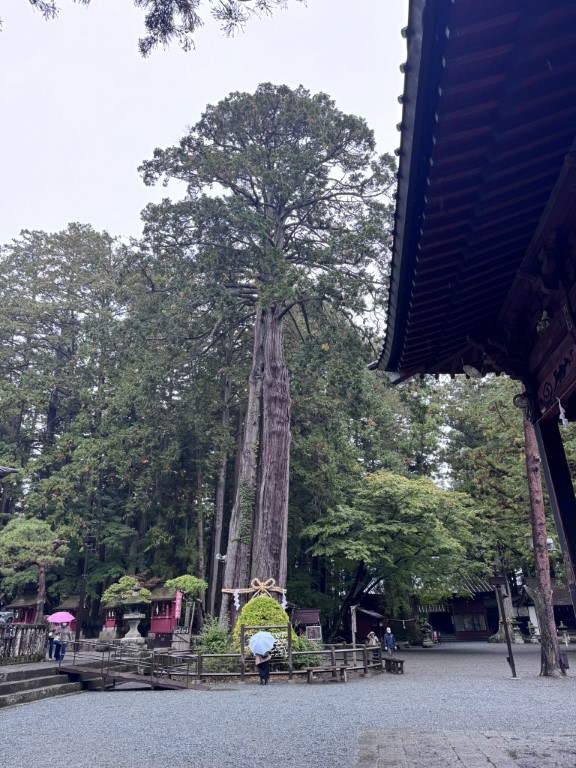
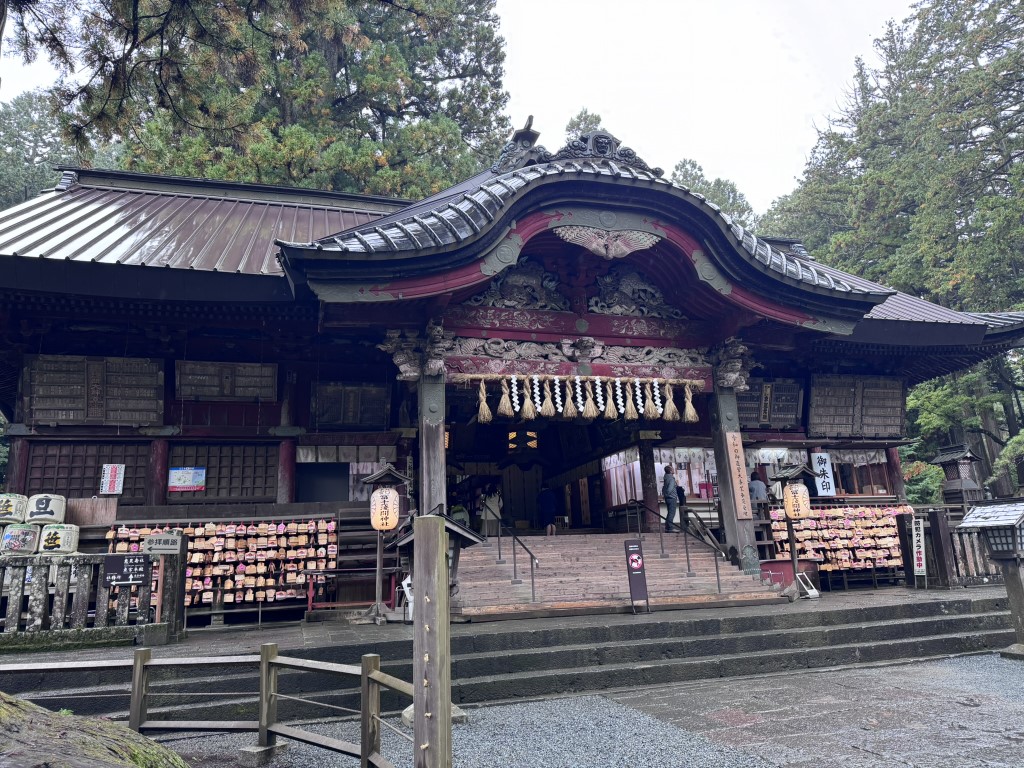
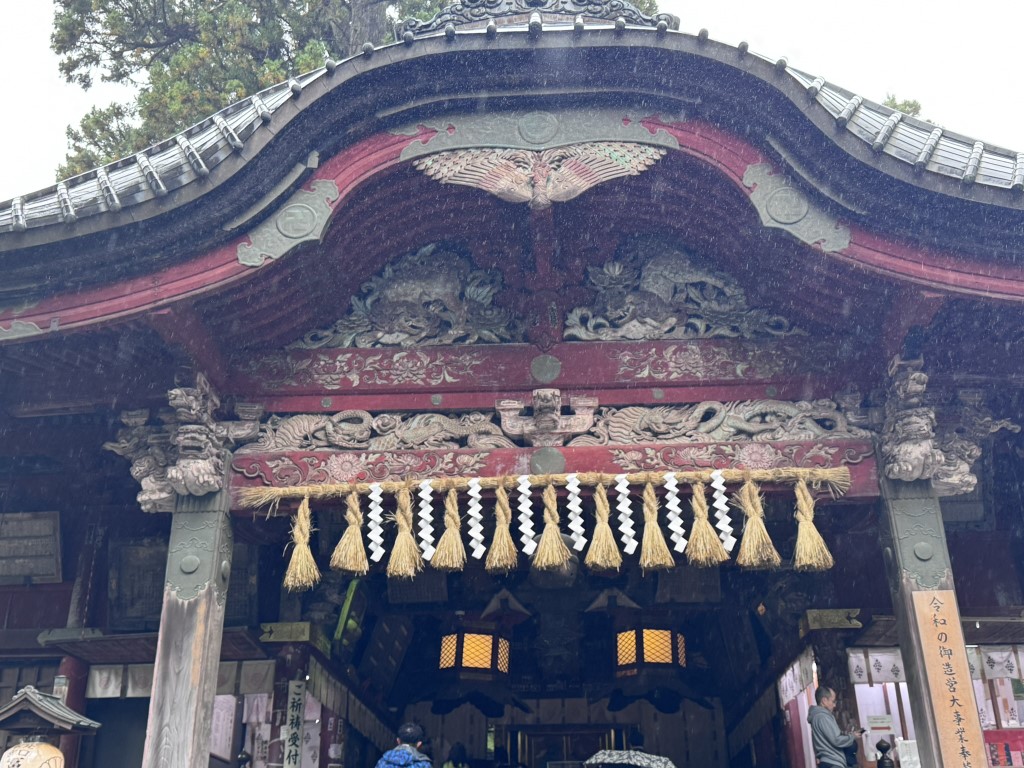
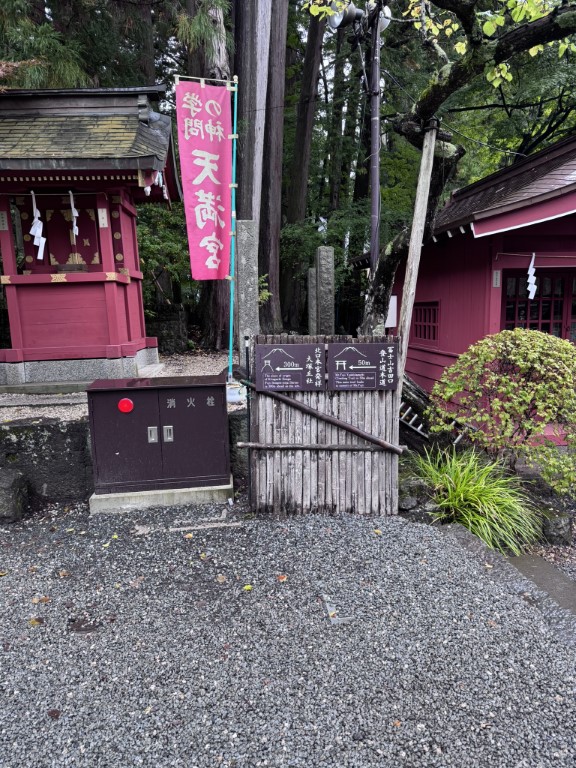
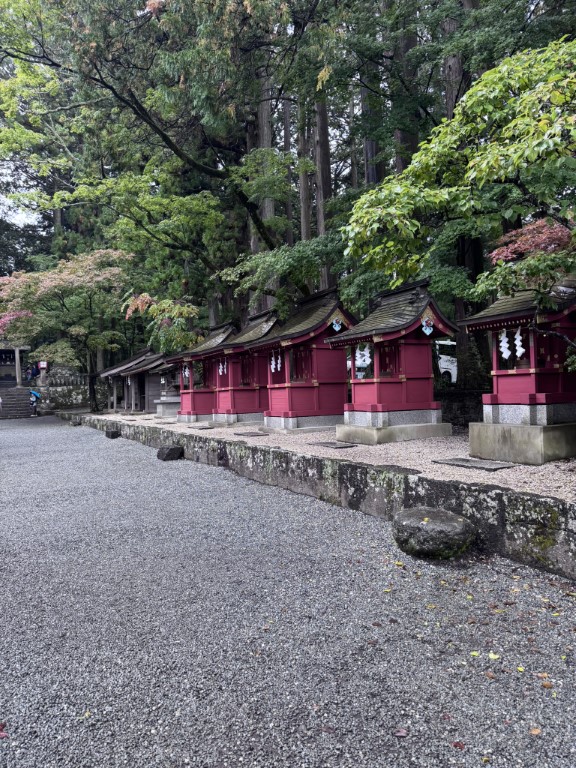
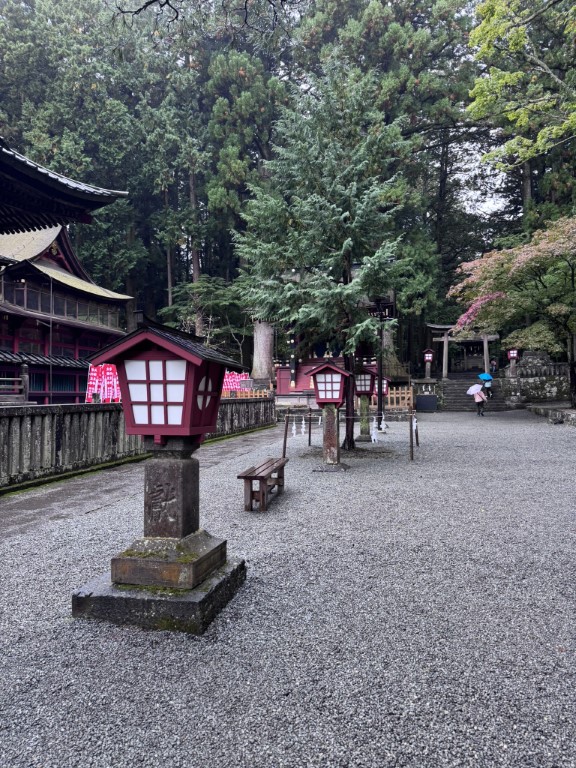
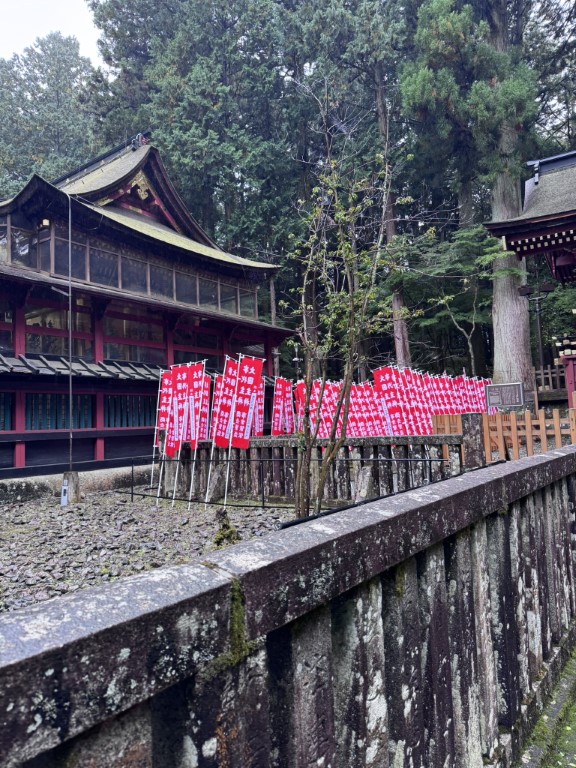
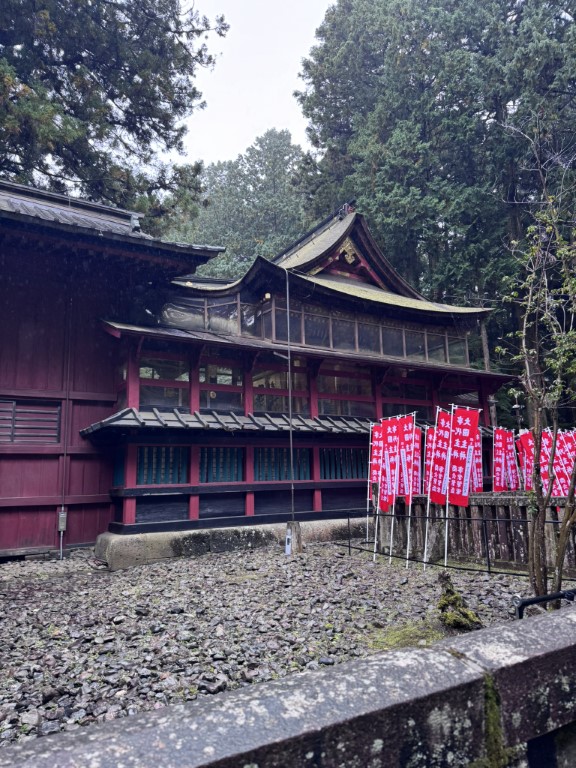
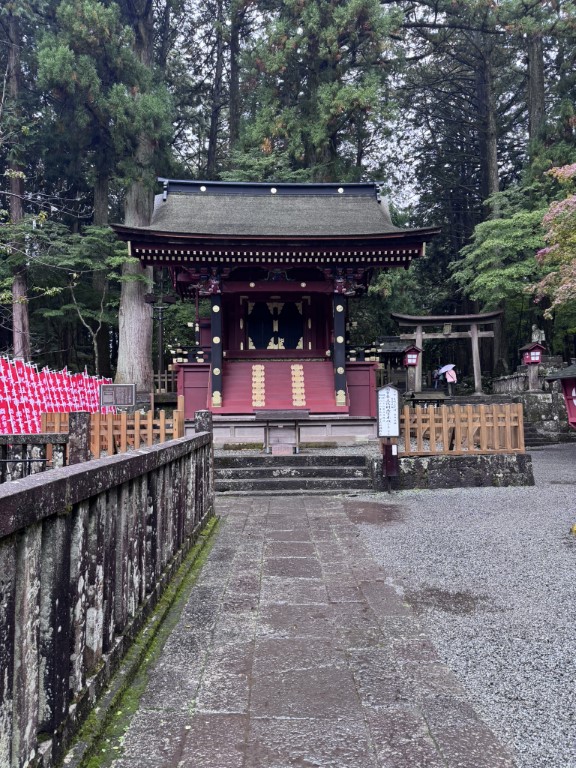
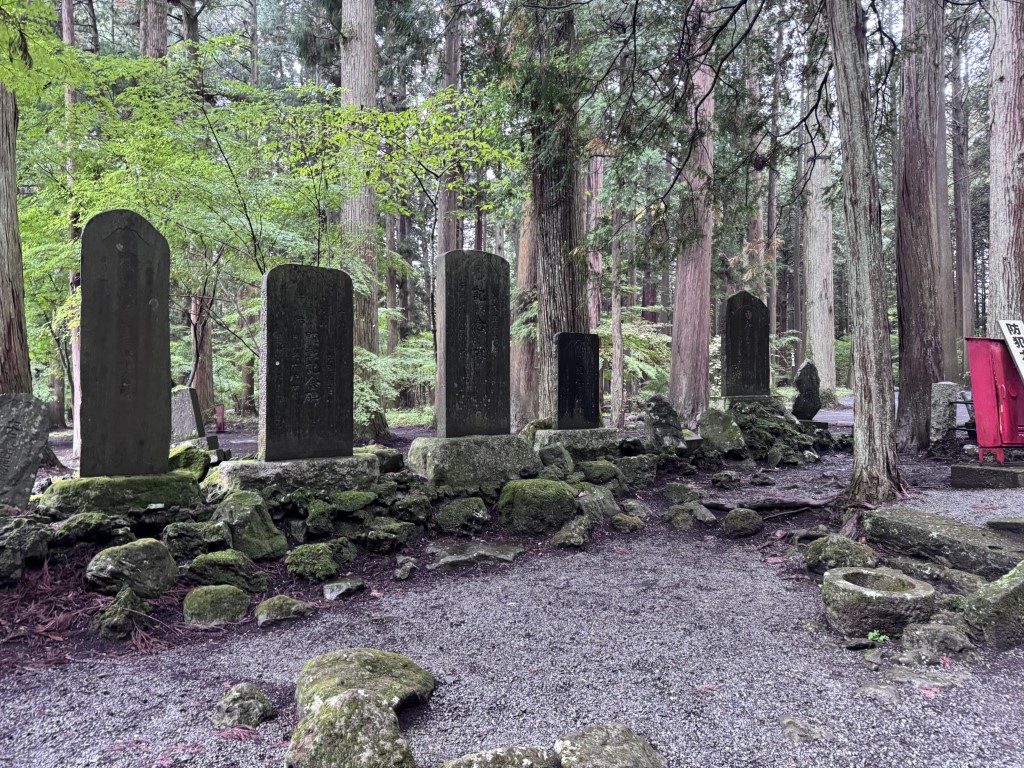
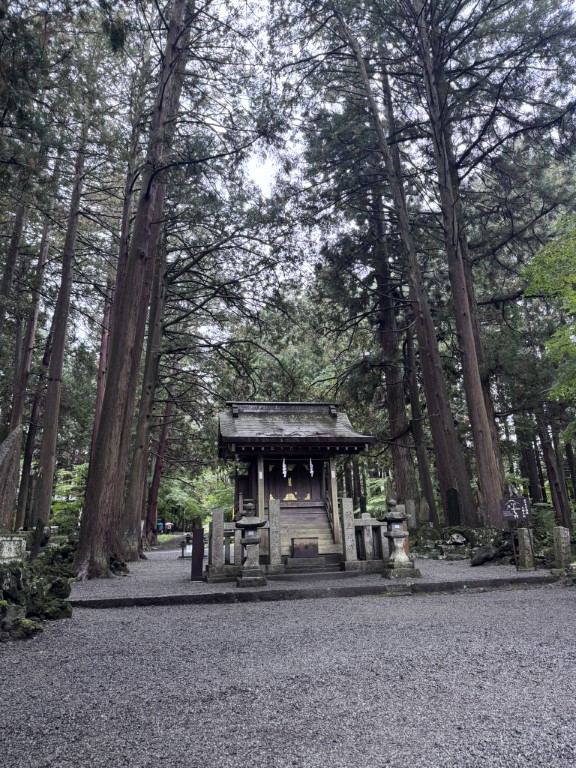
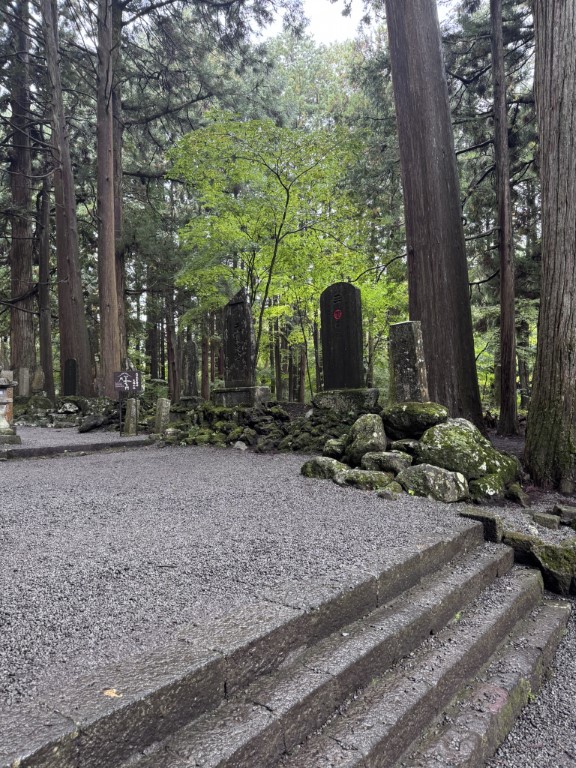
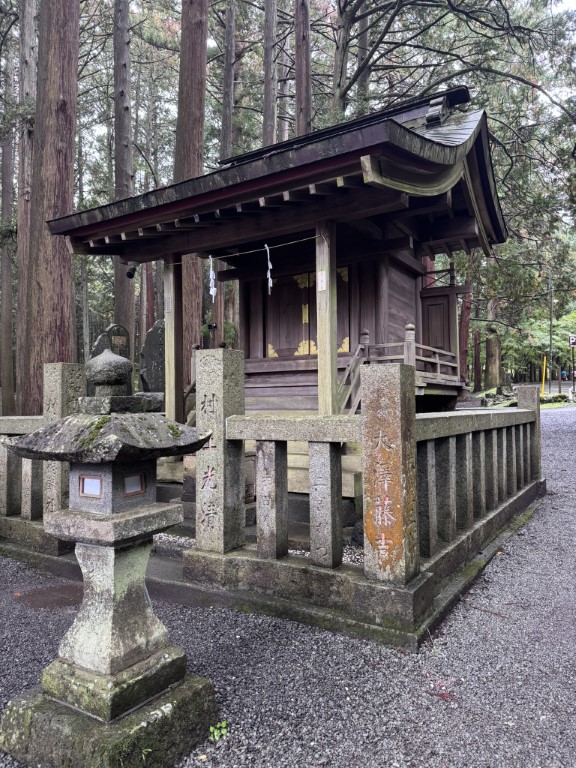
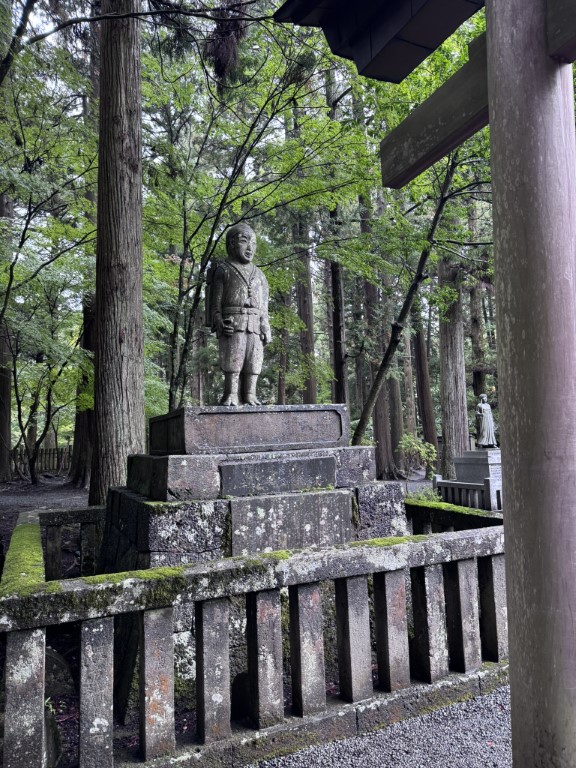
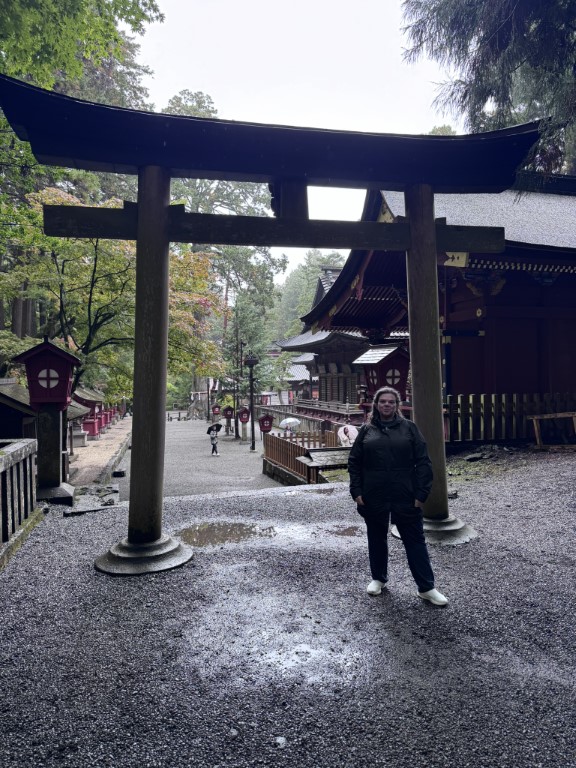
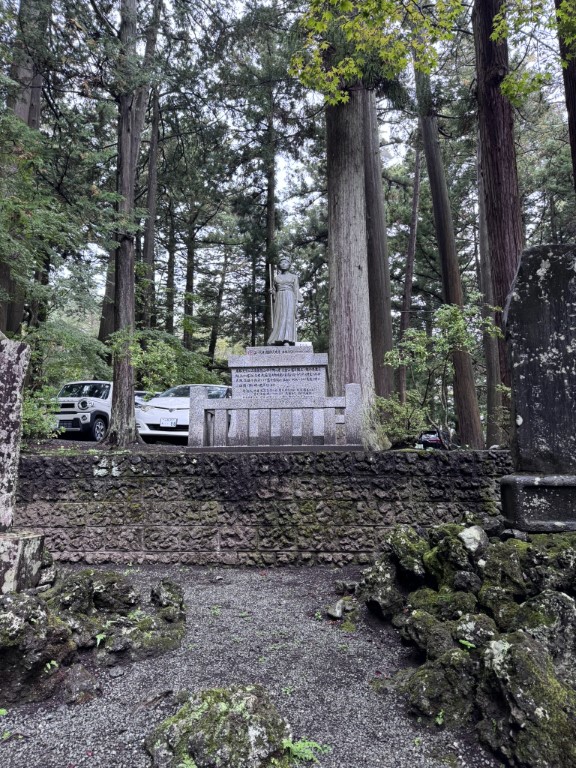
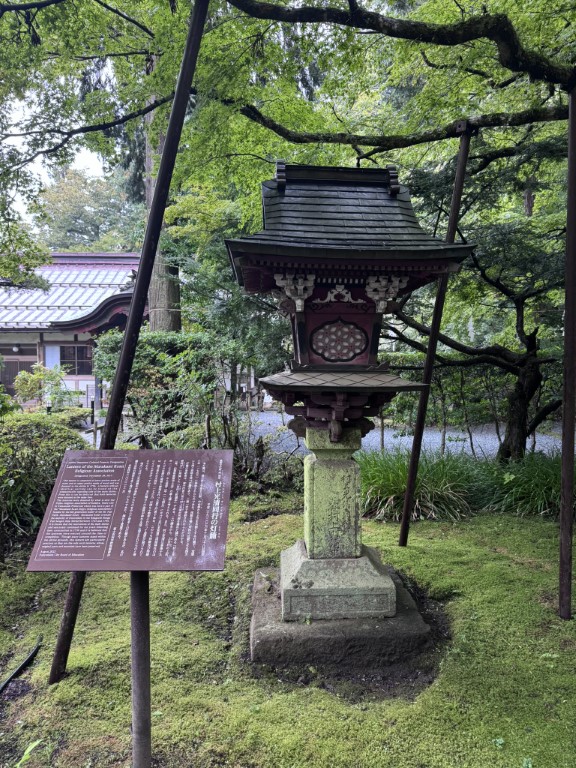
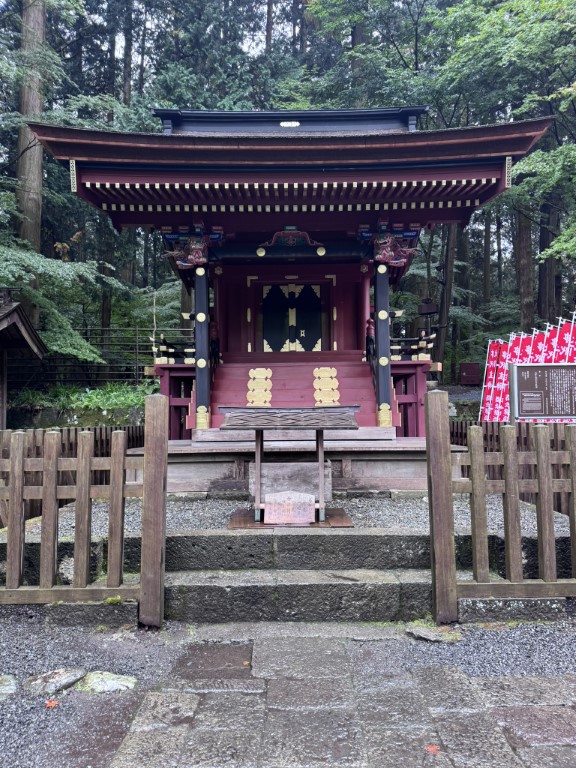
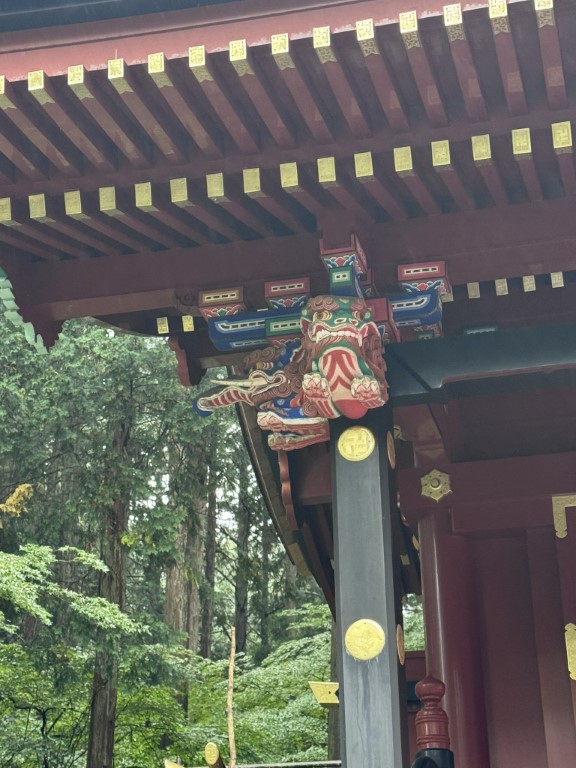
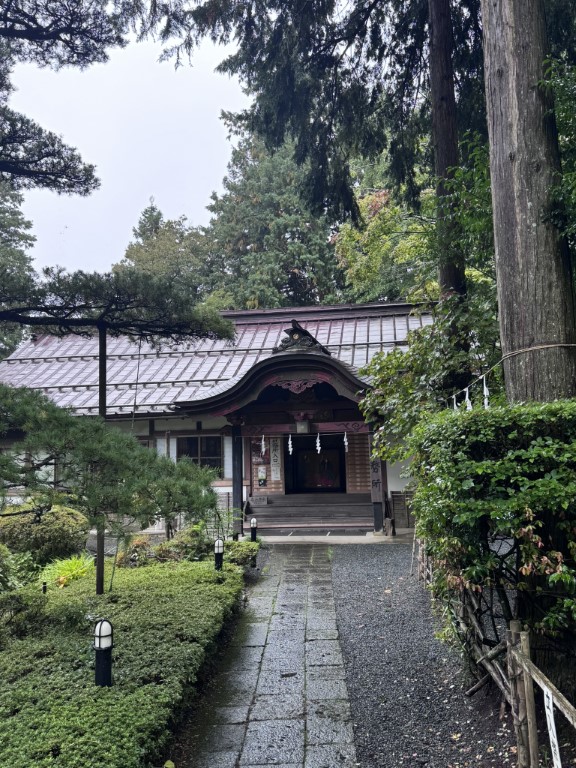
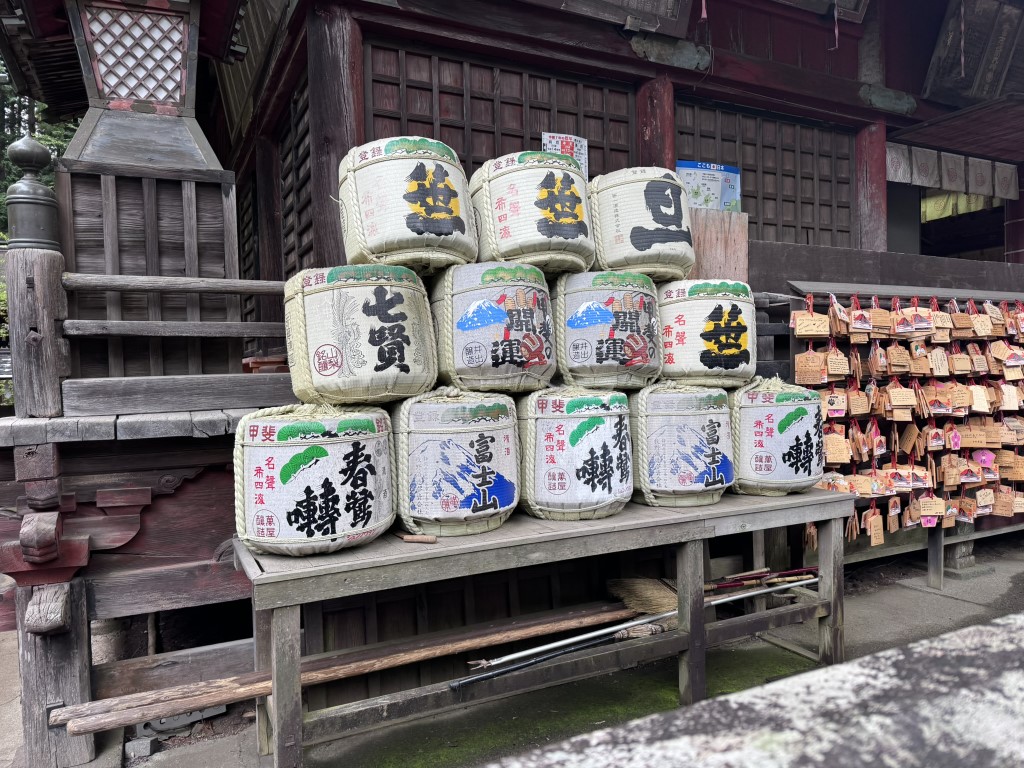
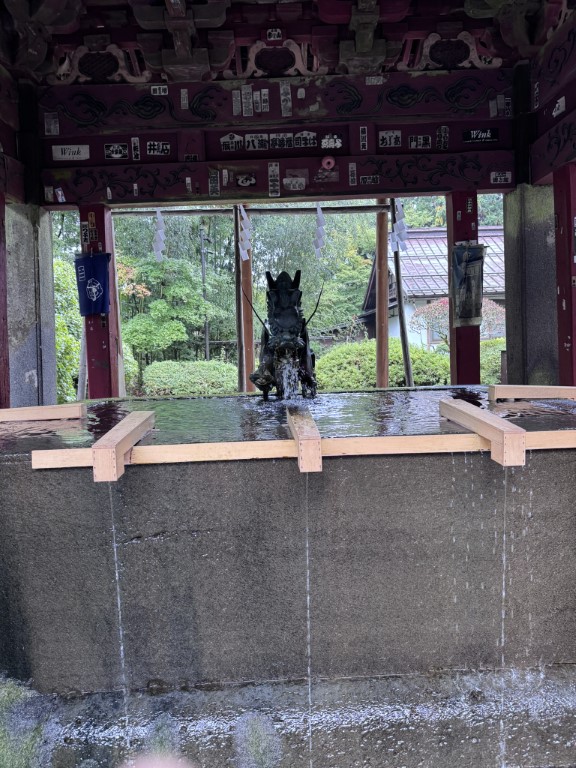
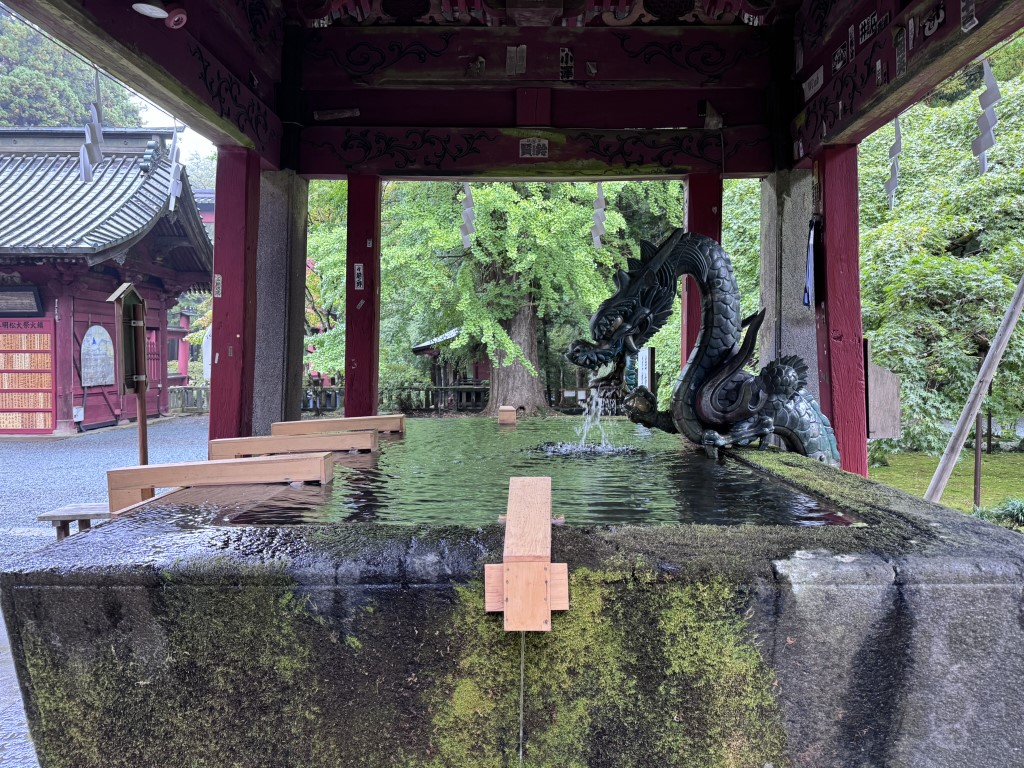
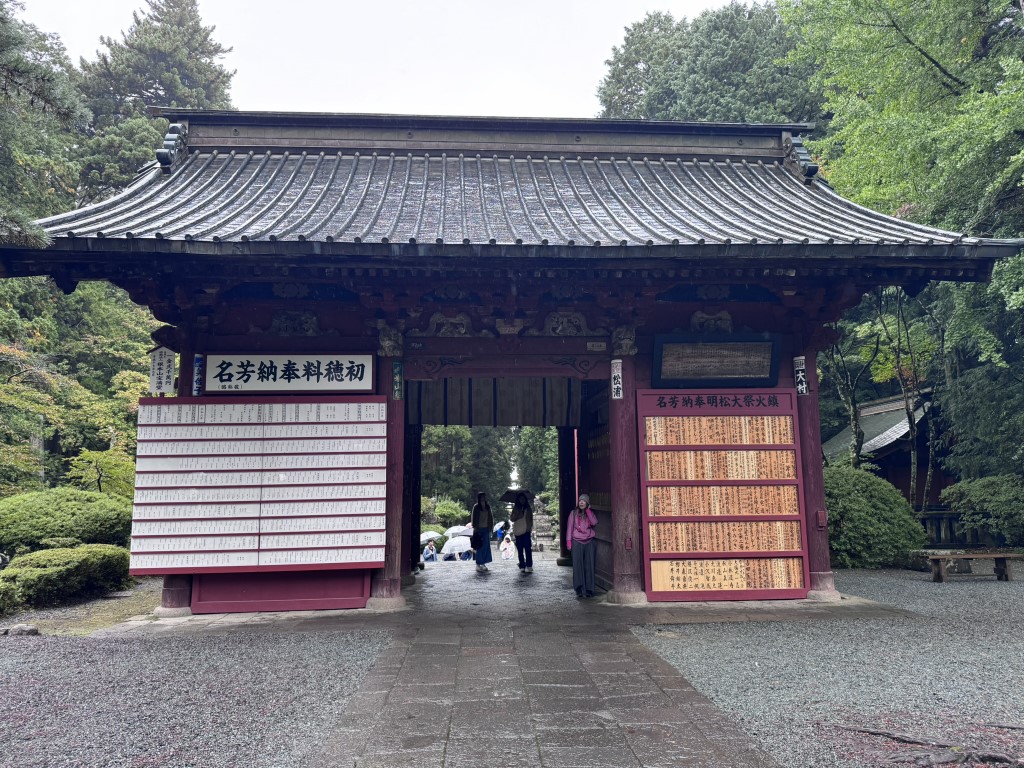
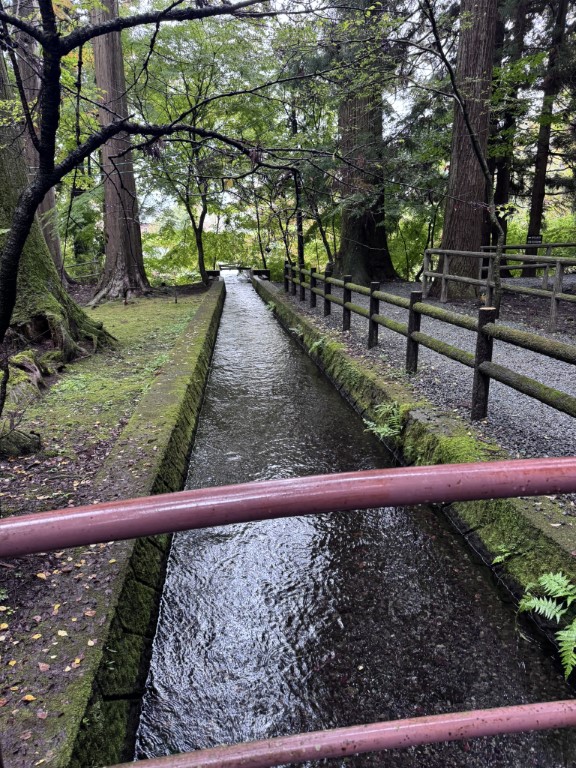
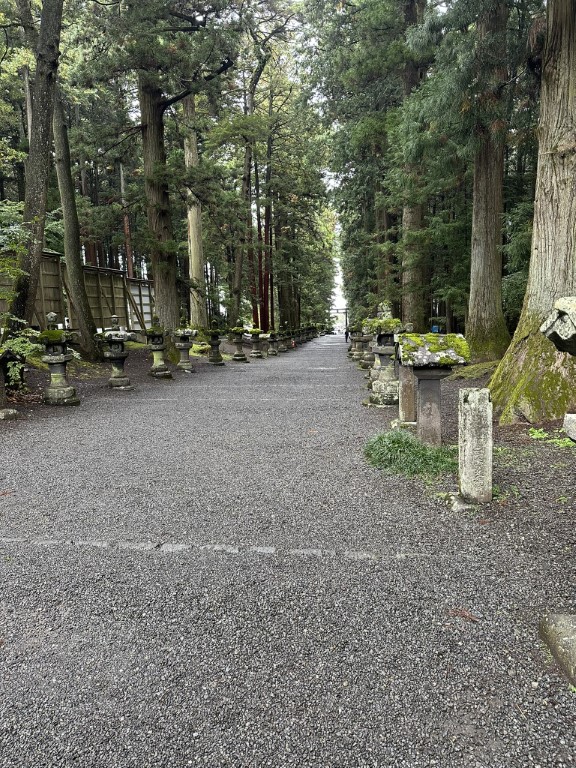
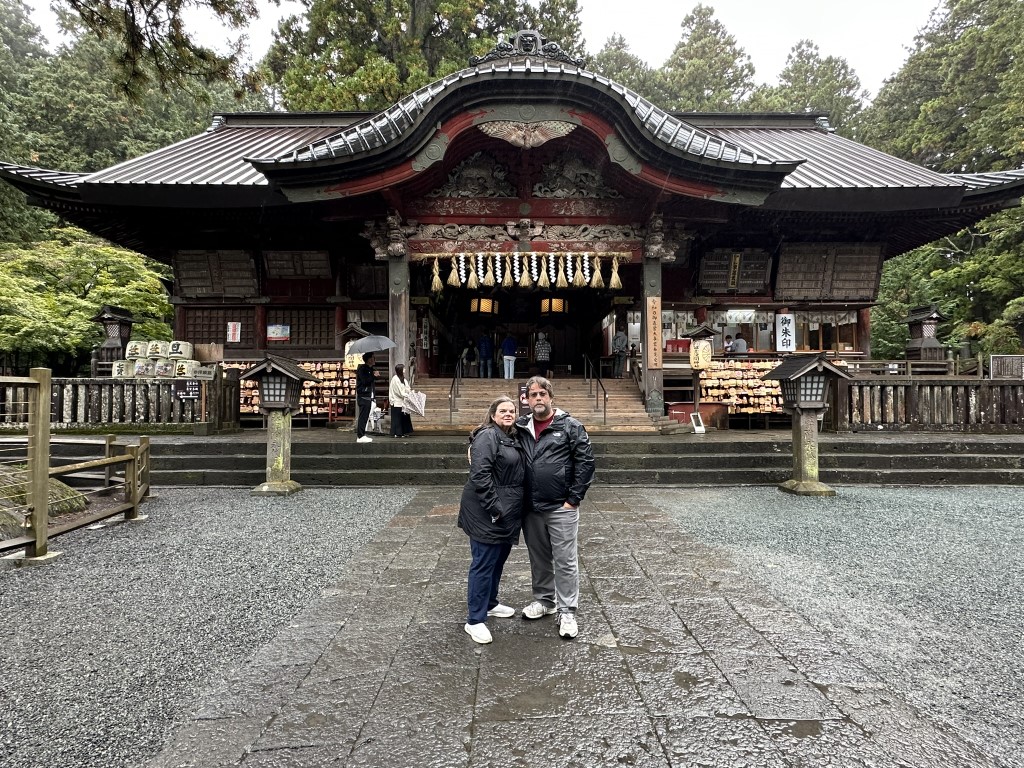
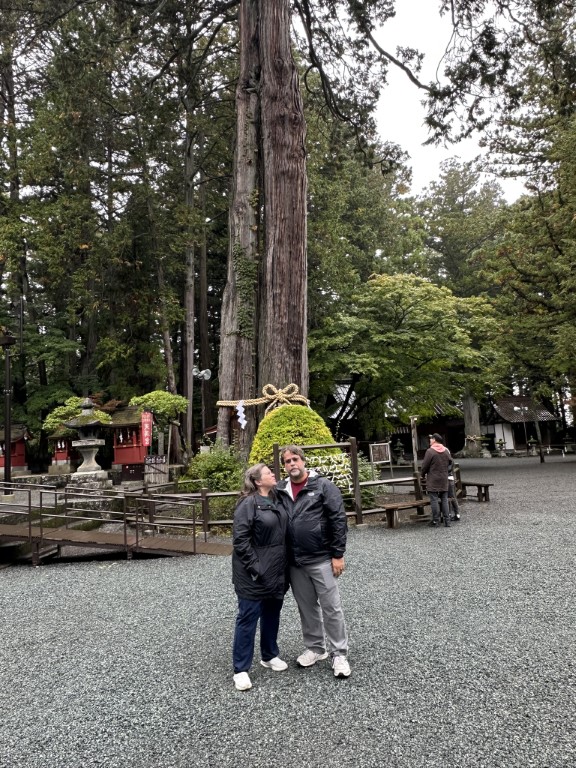
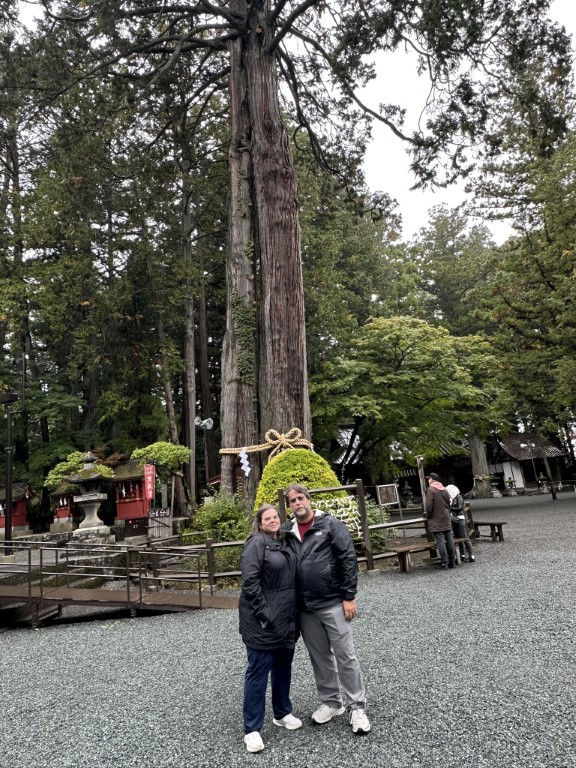
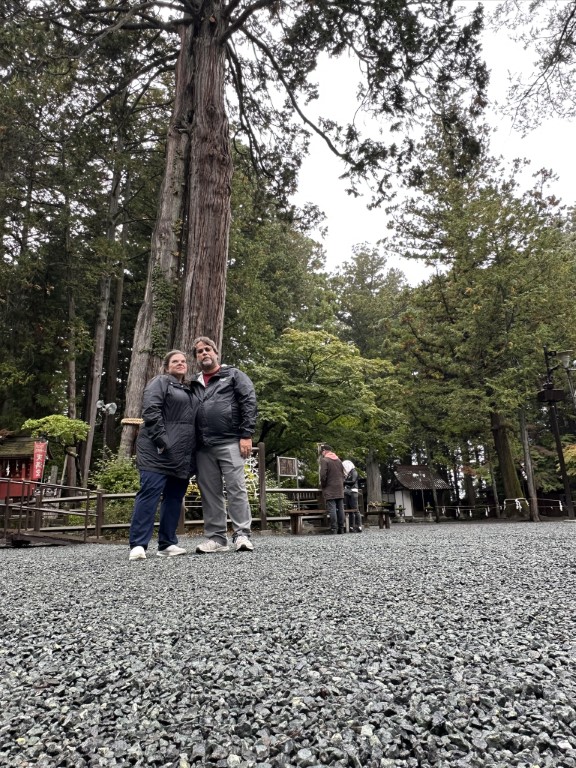
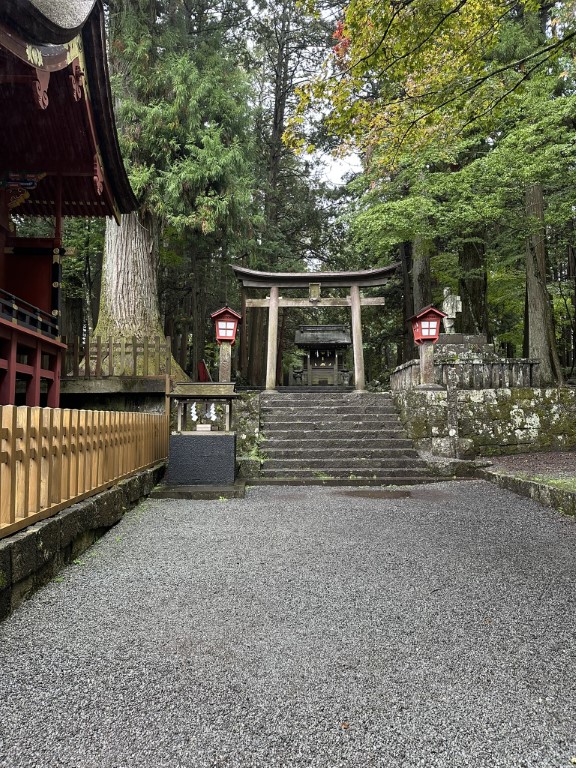
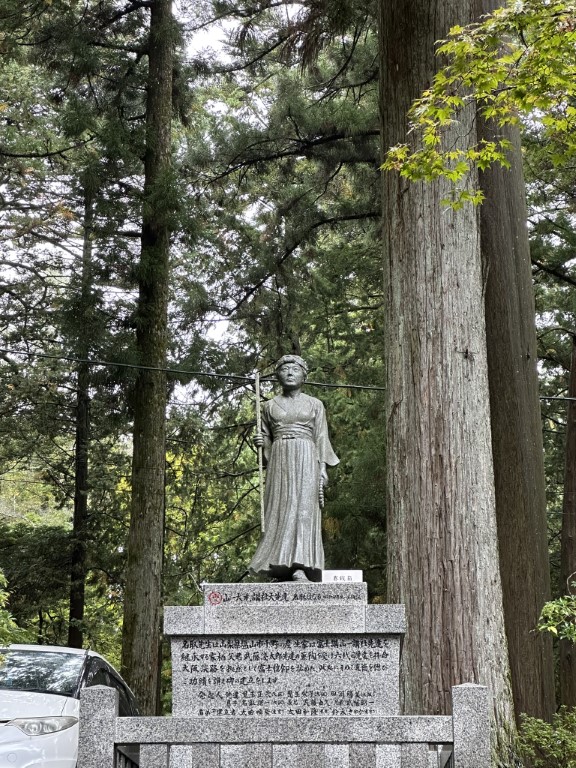
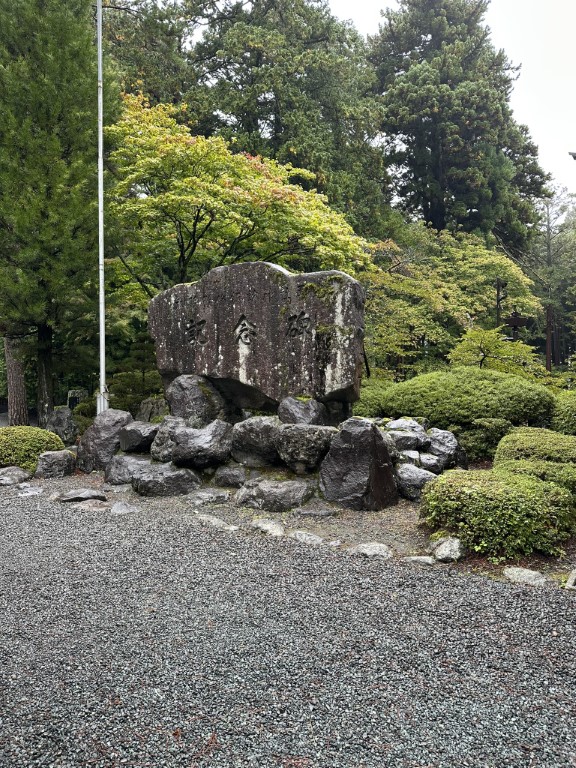
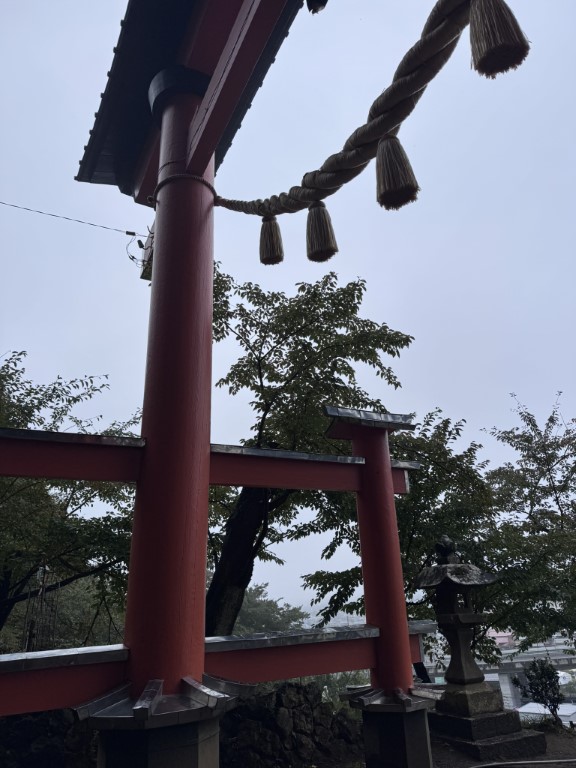
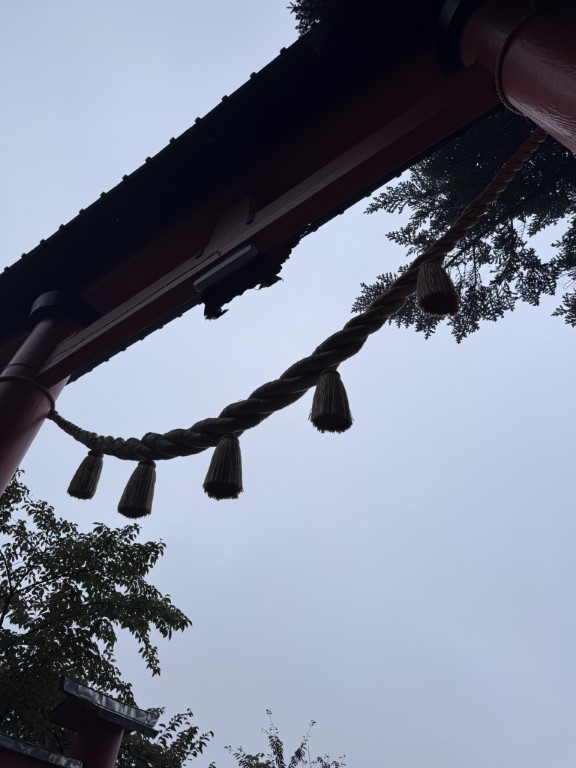
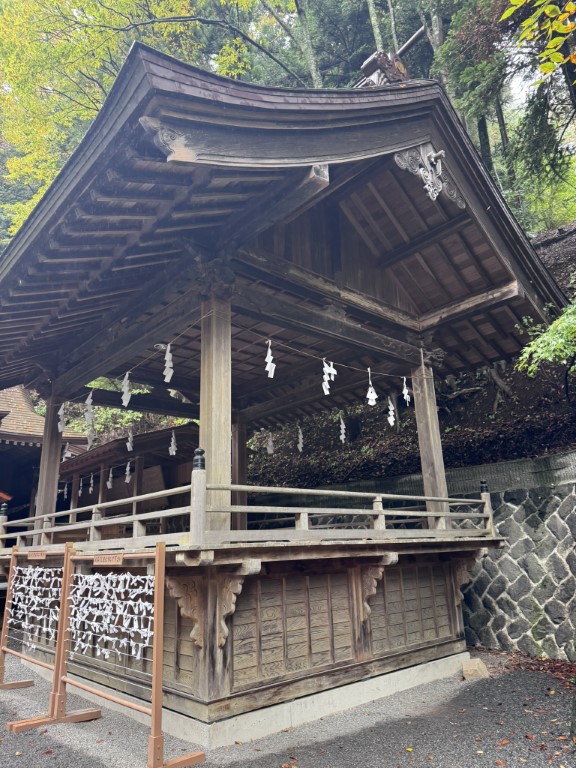
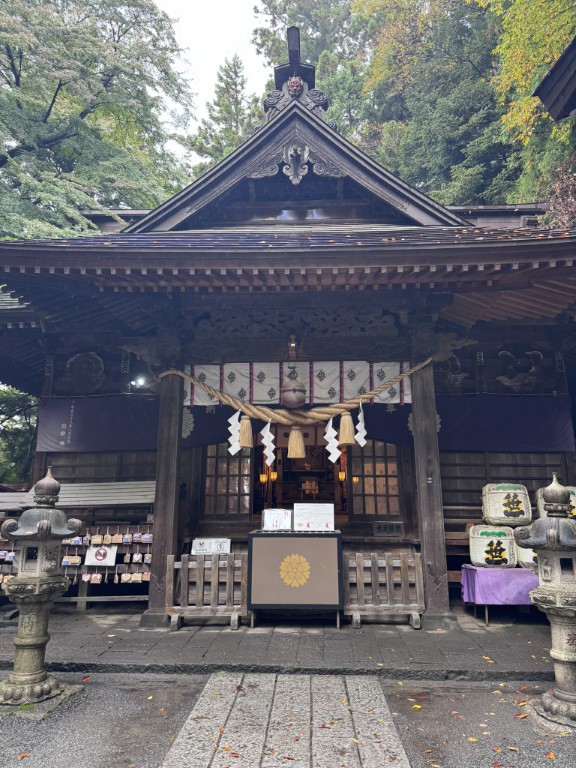
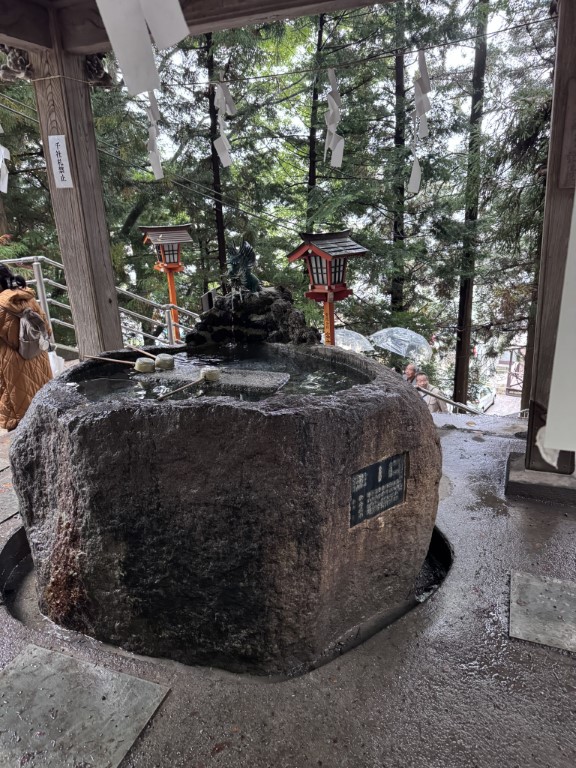
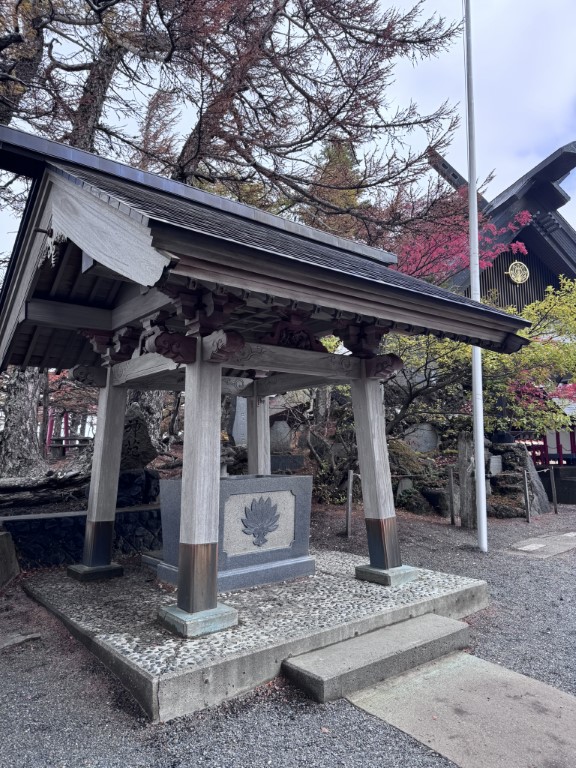
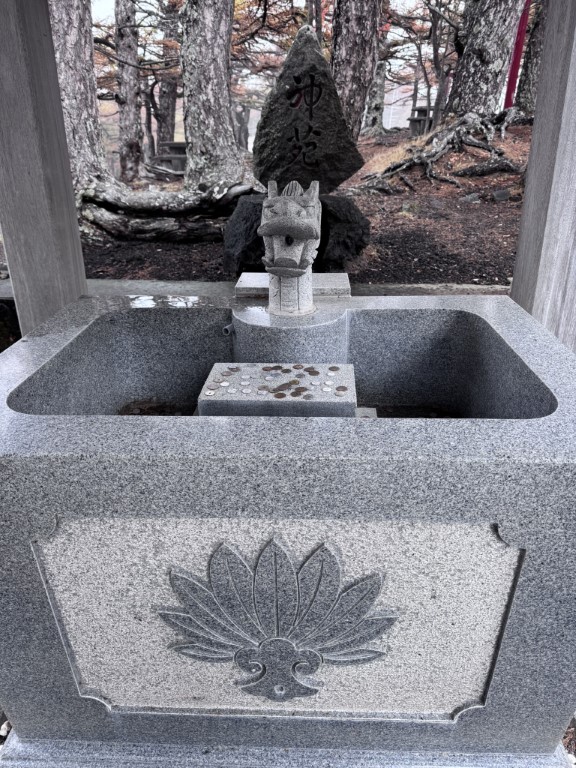
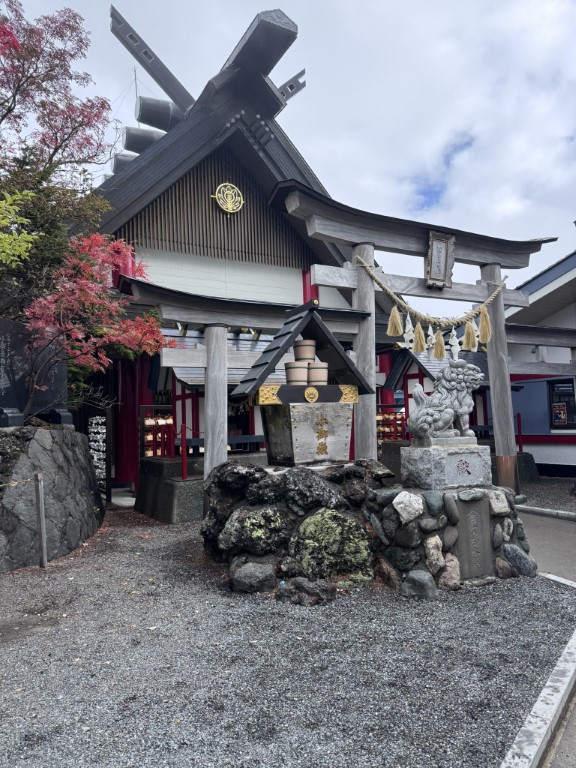
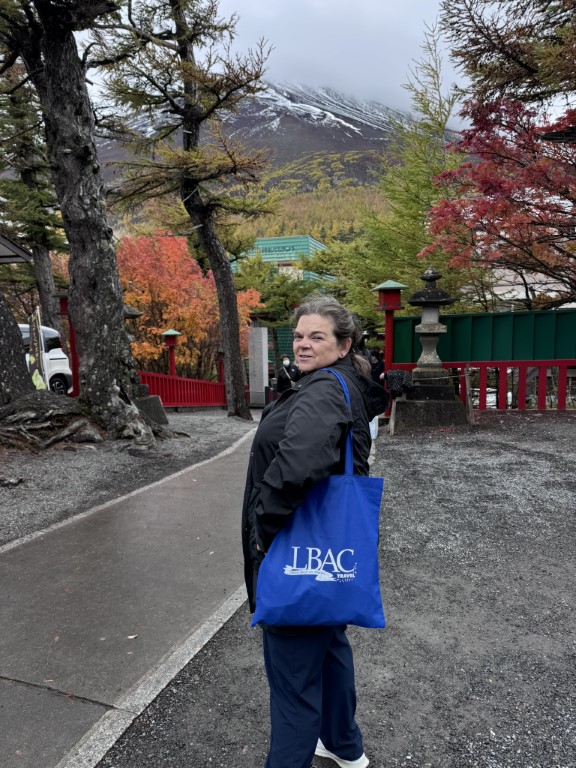
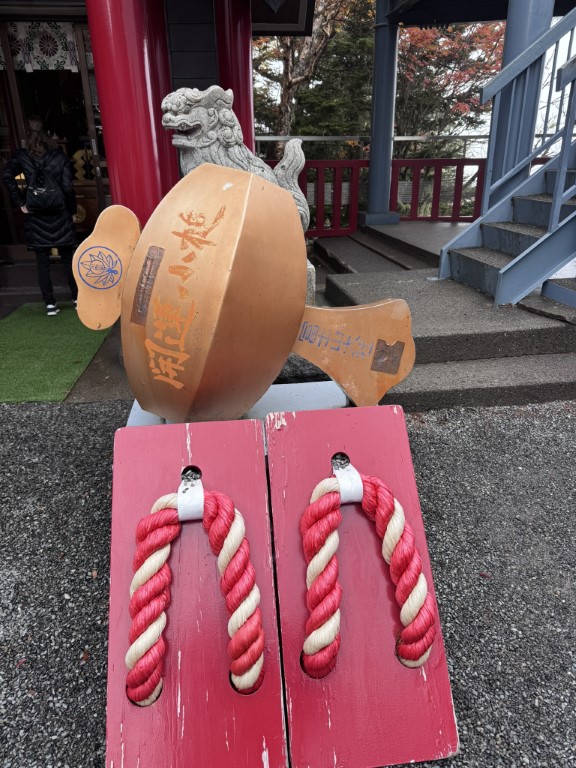
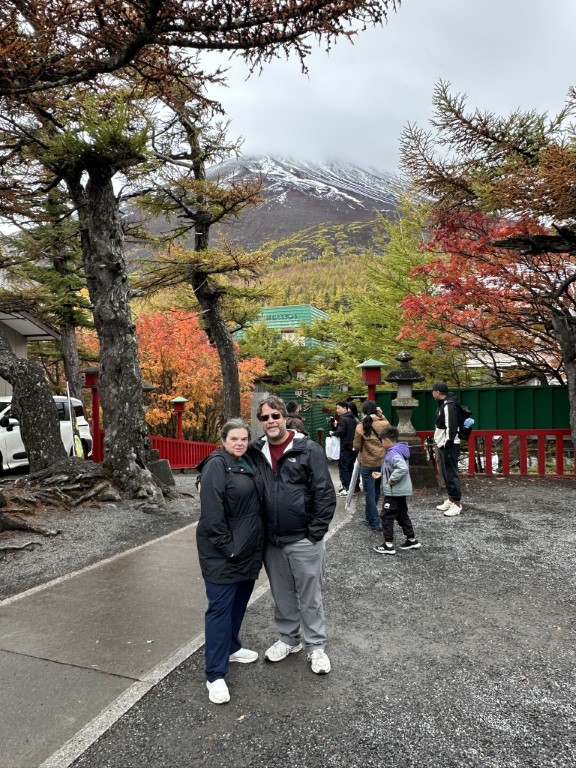
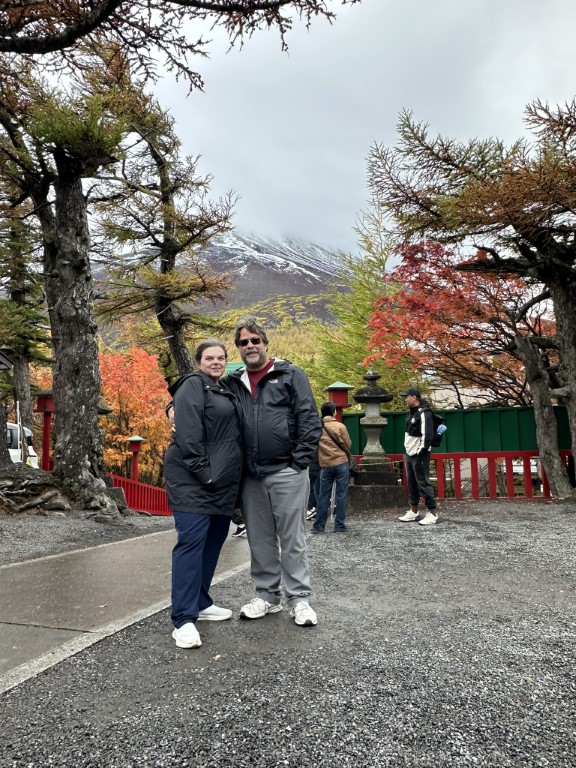
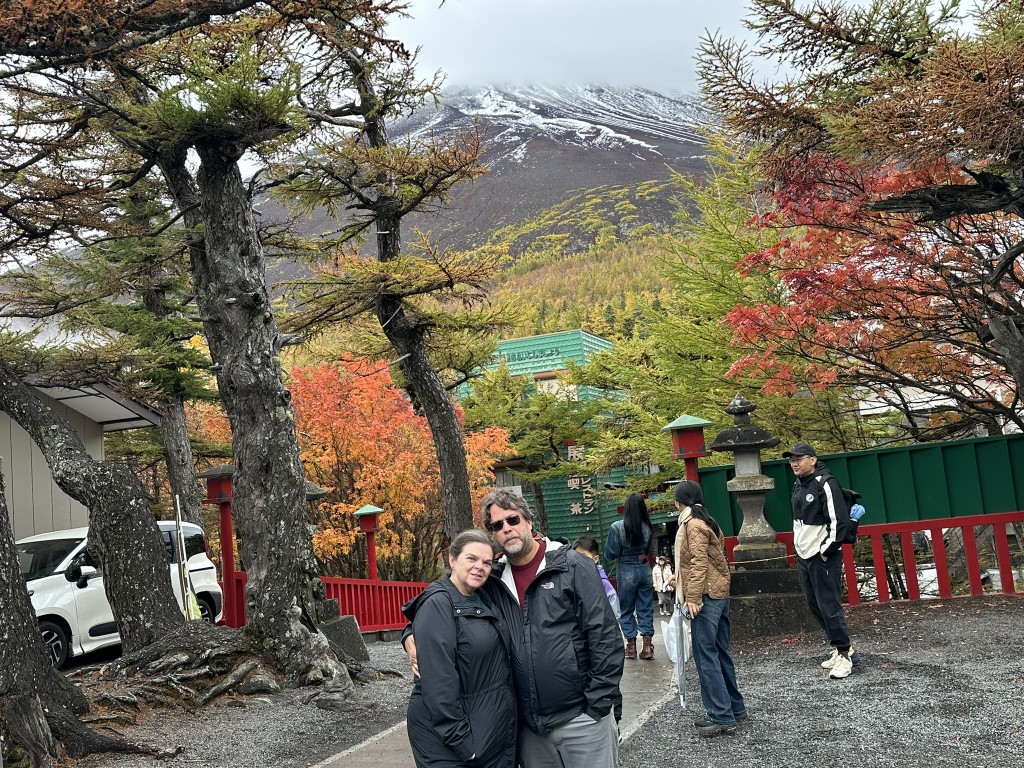
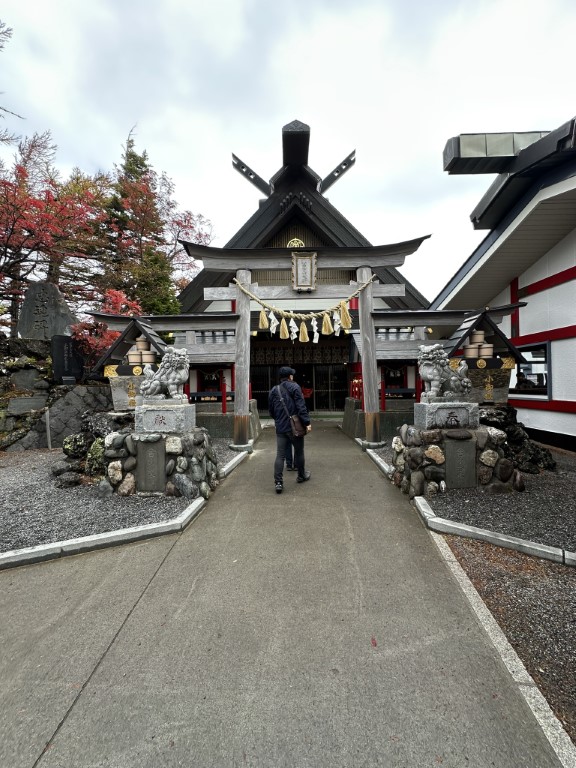
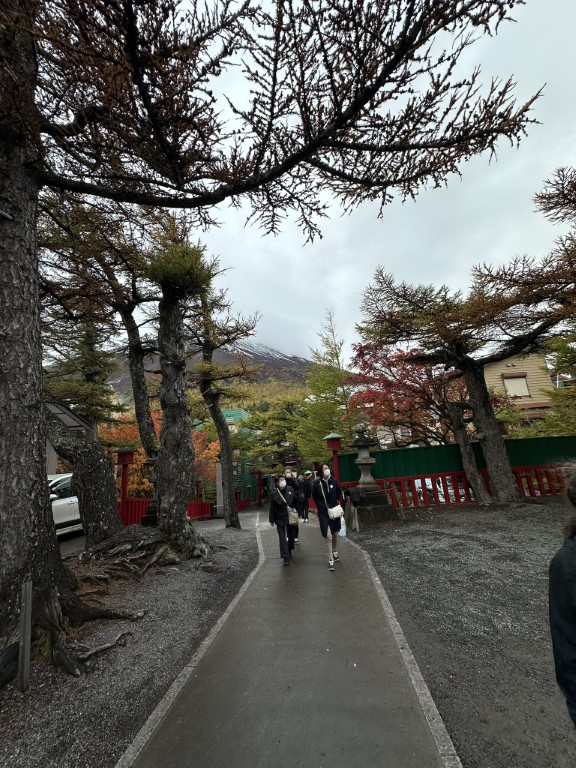
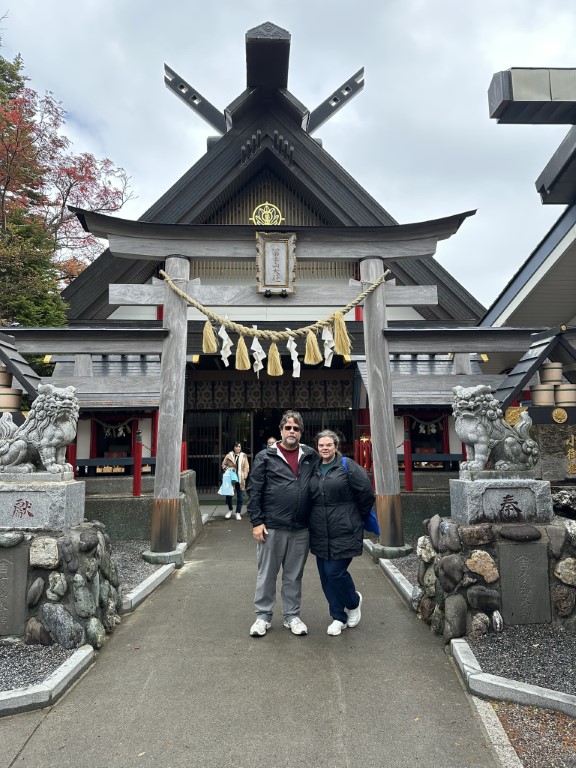
Our final stop was at Kitaguchi Hongu Fuji Sengen Shrine. There are more 1300 Fuji Sengen shrines across Japan, dedicated to Princess Konohanasakuya (cherry blossom princess), the Shinto deity associated with Mount Fuji. Kitaguchi Hongu Fuji Sengen Jinja (North Entrance Fuji Sengen Shrine), is the main shrine on the north side of the mountain. The shrine's red painted buildings include a main hall dating from 1615, a dancing stage and a few auxiliary buildings. Fujiyoshida's Sengen Shrine is a starting point for climbing Mount Fuji from the north and some traditionalist hikers still begin their ascent with a prayer at the shrine before passing through the wooden torii gate in the back of the shrine grounds. Trees around the shrine are said to be thousands of years old, with the most famous being the "married couple", a pair of ancient cypress trees that join together near their base, split, and then join again.
After the shrine, we began the two hour drive back to the Hilton Tokyo where we thanked our driver guide for a fun day and headed to the Executive lounge for some drinks and dinner.