1-32-1 Taito-ku, Asakusa, Taito 111-0032
Tokyo Night Foodie Tour in Shinjuku
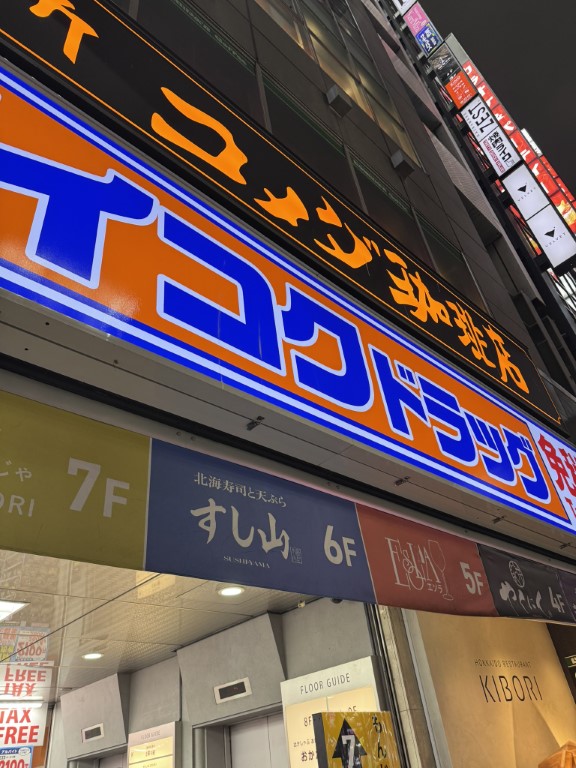
Sushi & Robata Sushiyama | Shinjuku Kibori, 6F, Ceresa Yoei Shinjuku Building, 1-16-3 Kabukicho, Shinjuku-ku
Wagyu Yakiniku | Yakiniku Tetsu, 1-chome-21-2 Kabukicho, Shinjuku-ku

Hilton Tokyo
6-6-2 Nishi-Shinjuku, Shinjuku-Ku, Tokyo 160-0023-0023
Steps
18,399
Distance
13.60 KM
Flights Climbed
9
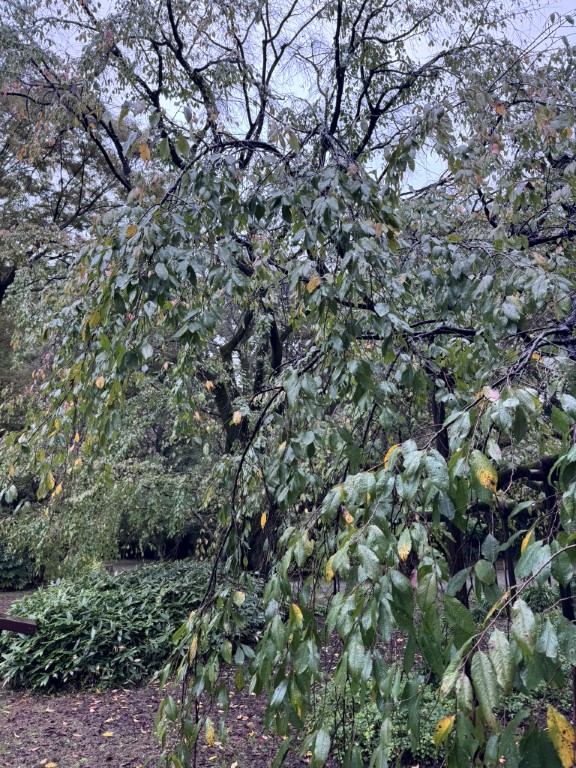
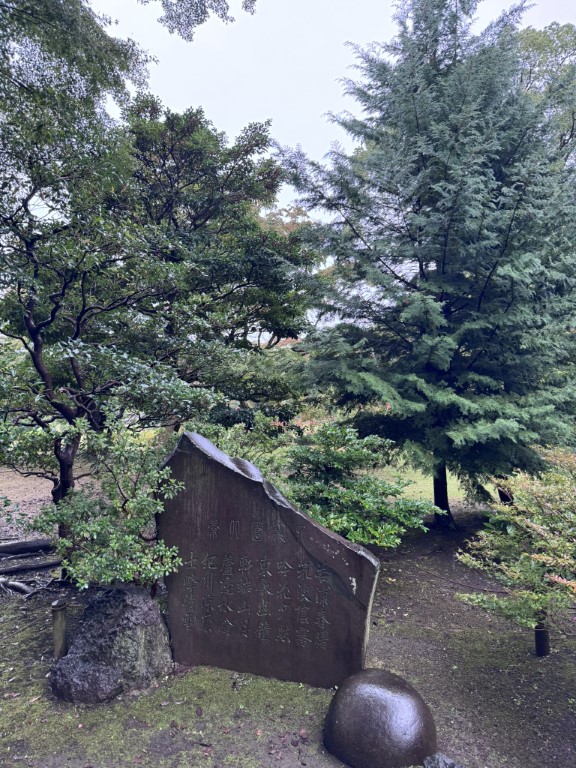
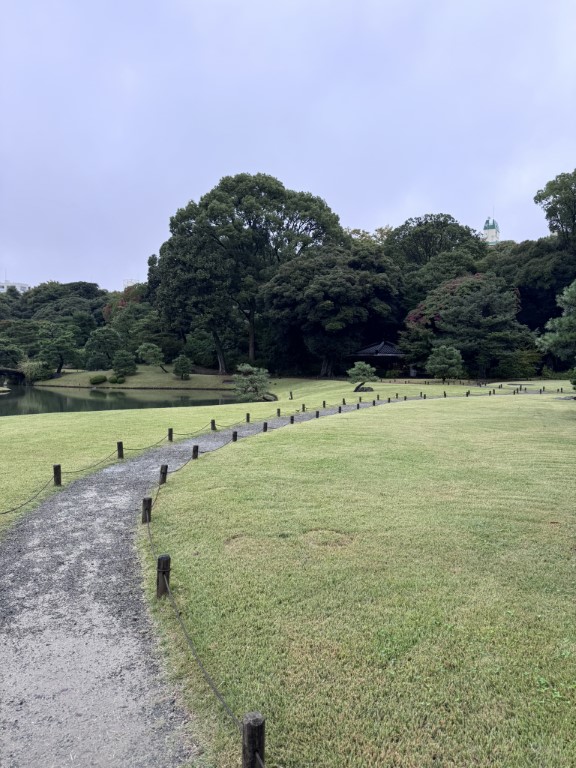
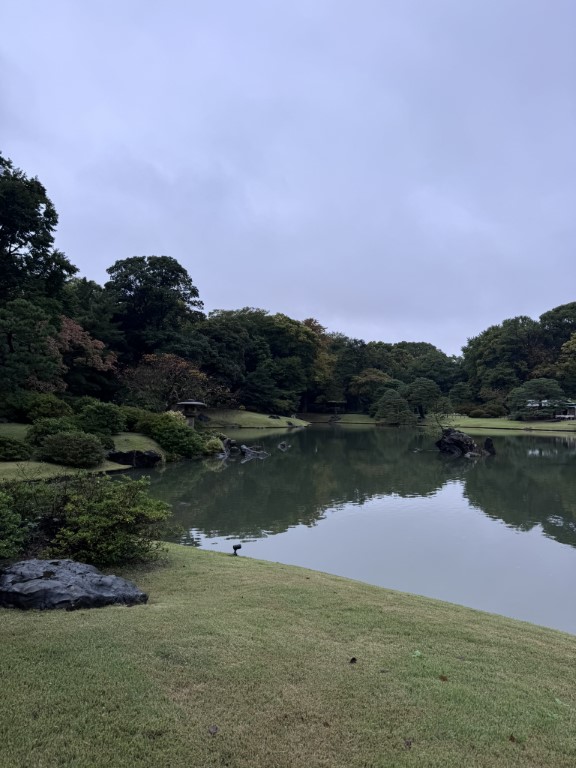
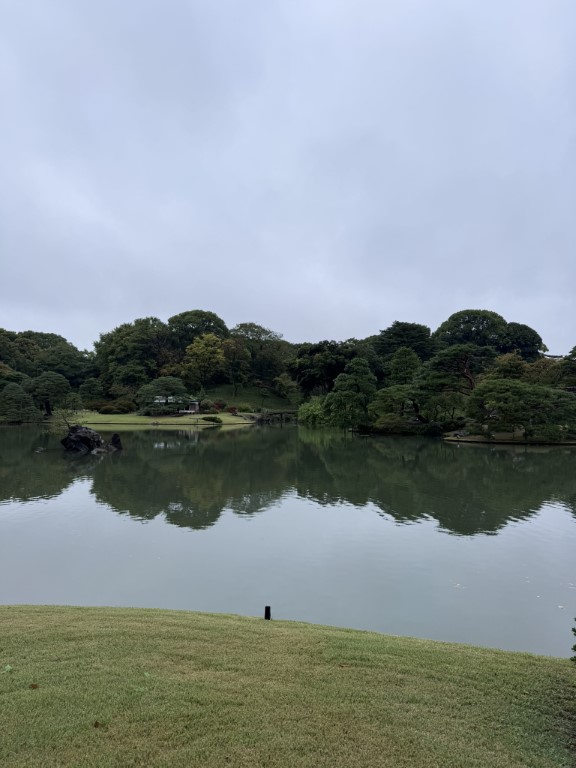
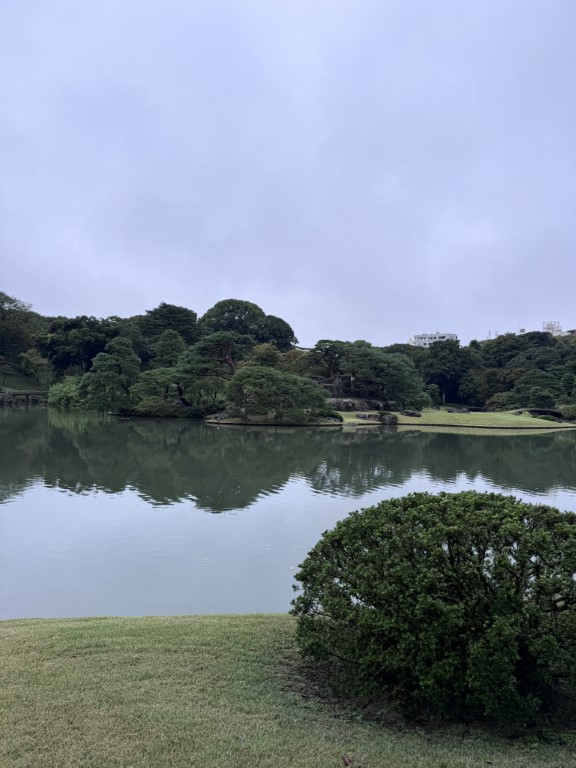
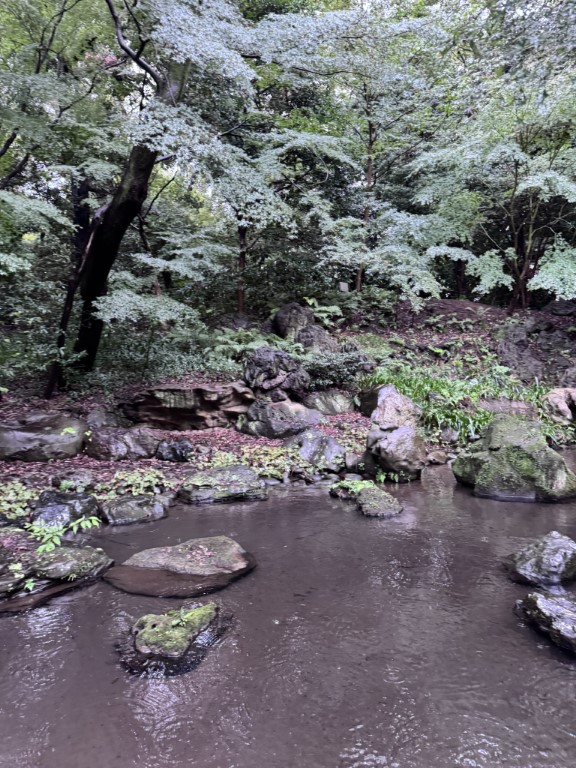
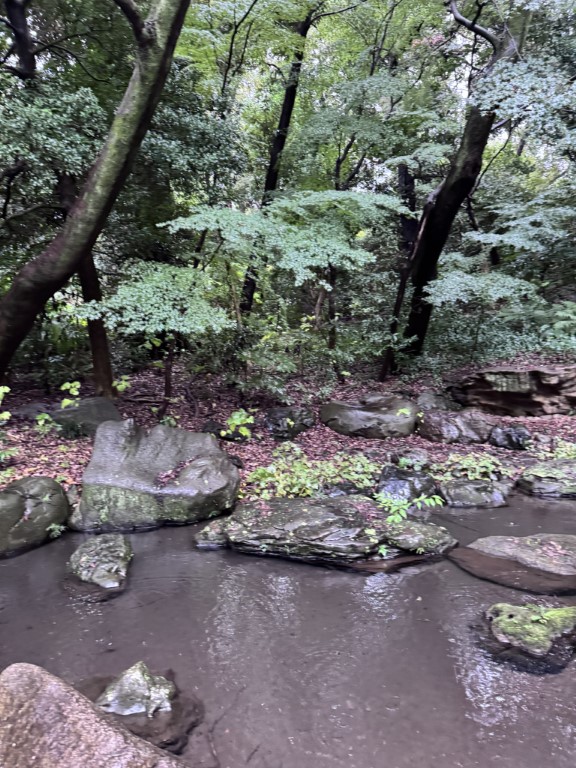
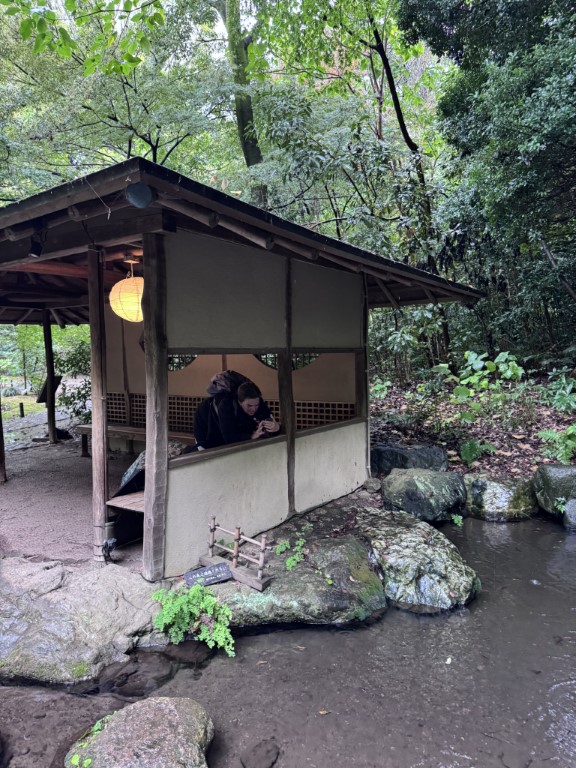
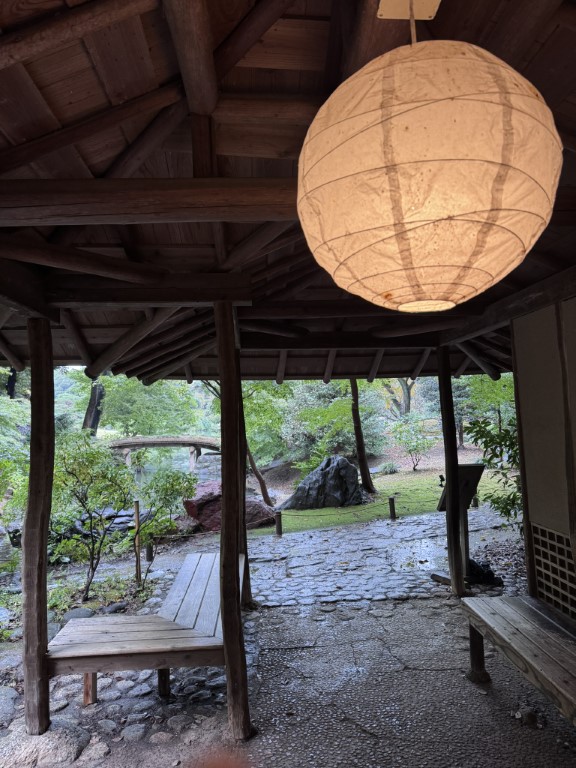
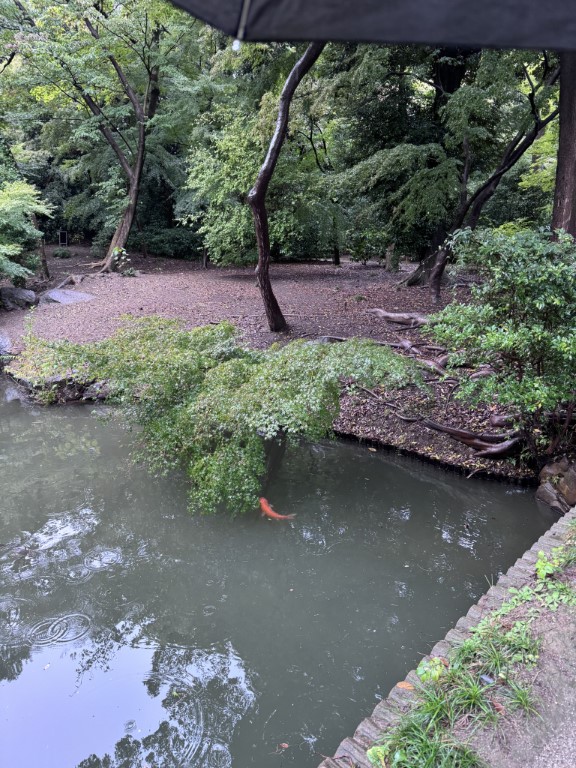
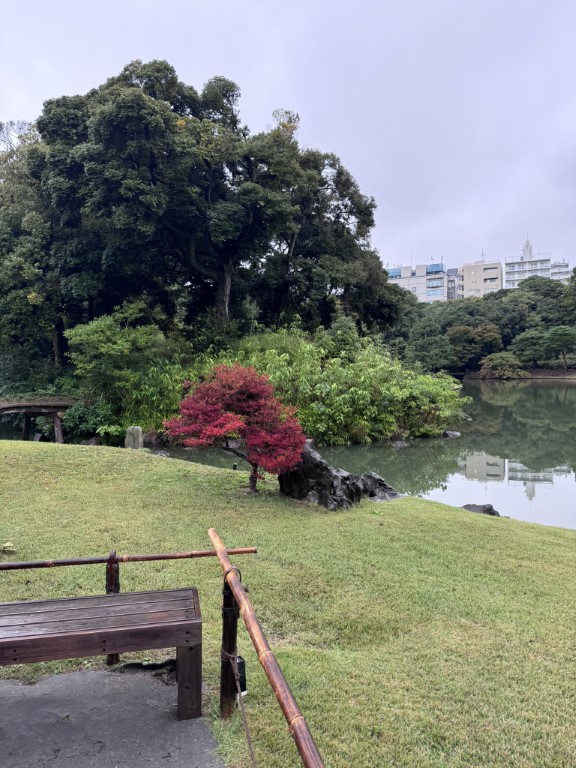
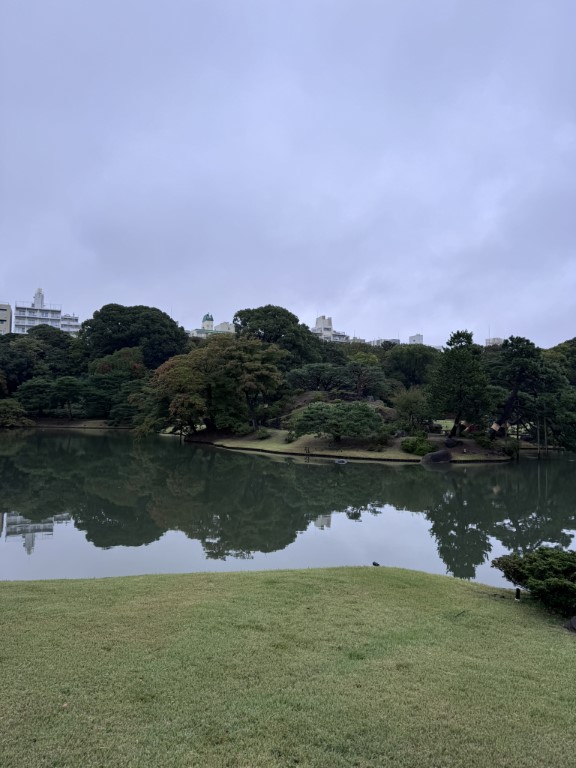
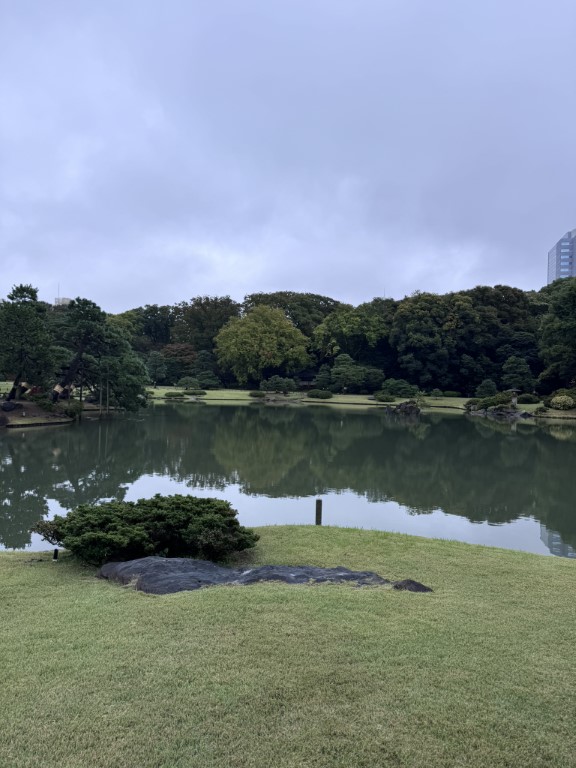
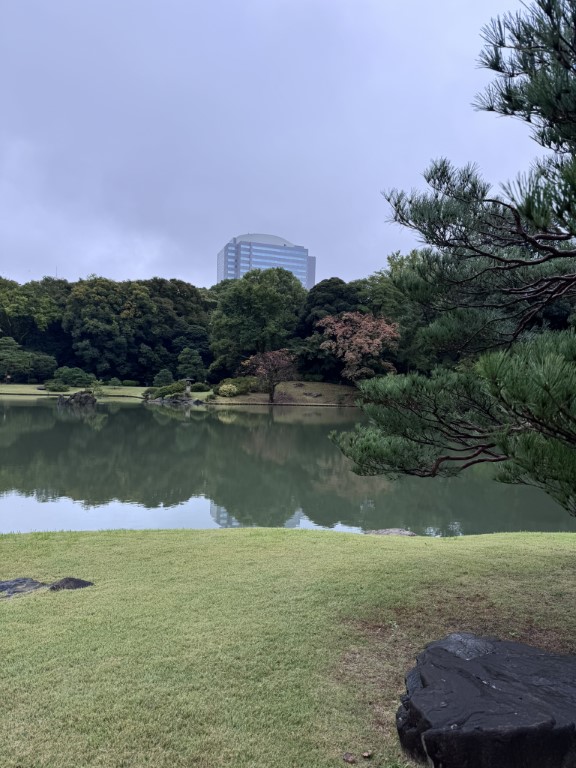
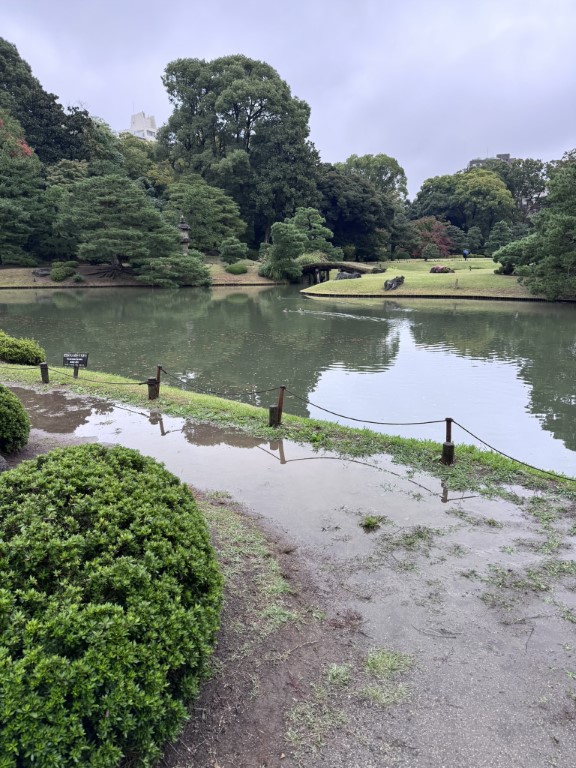
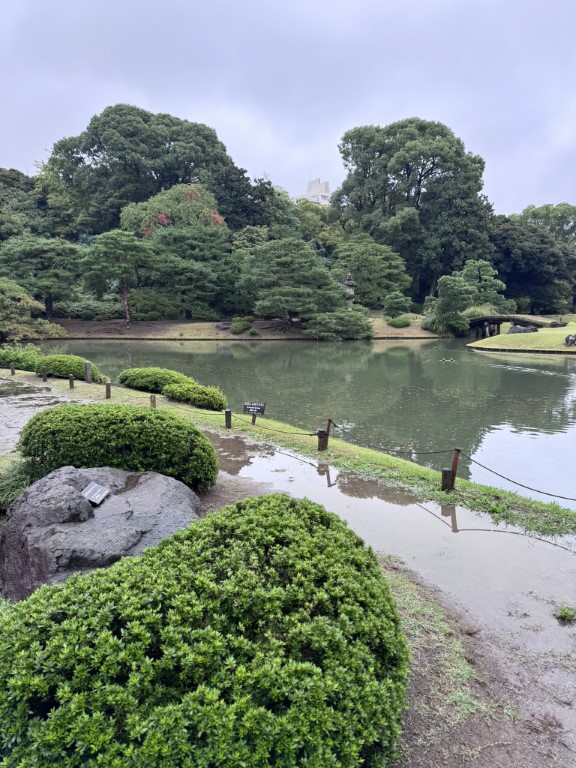
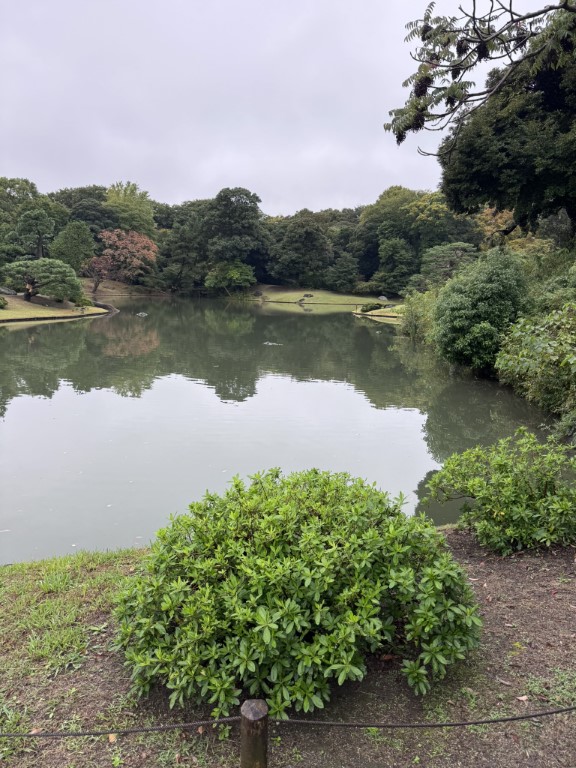
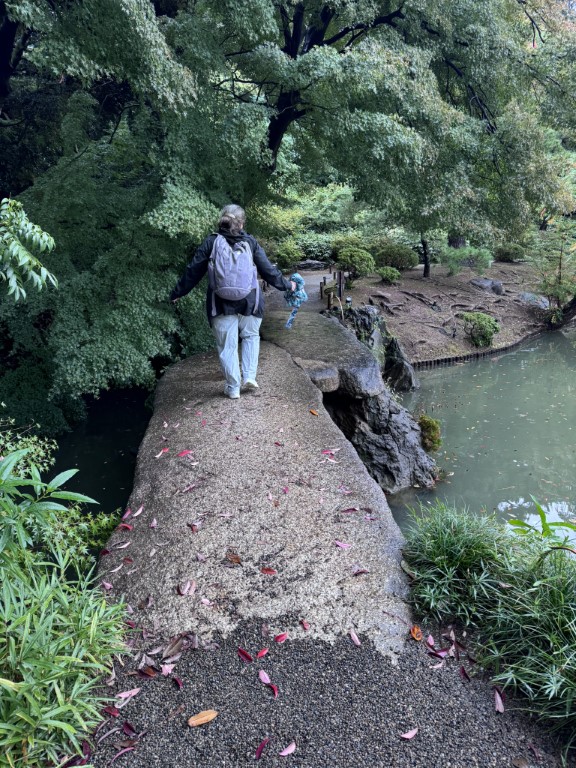
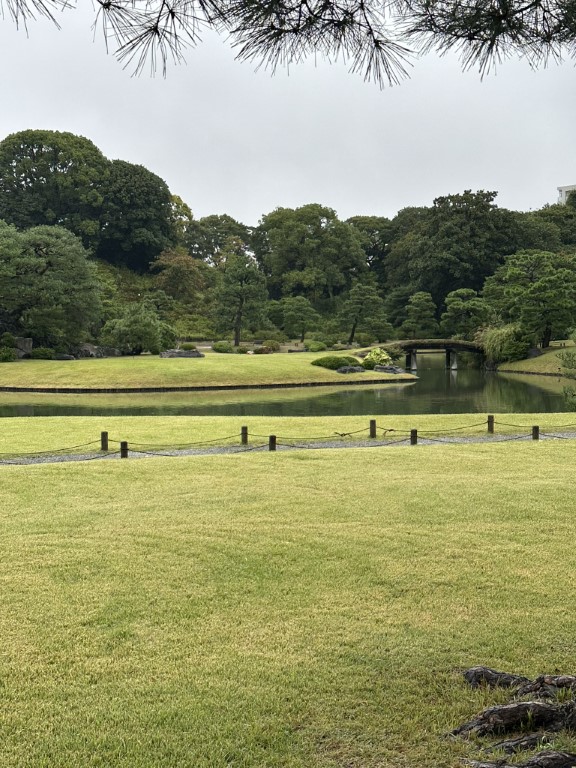
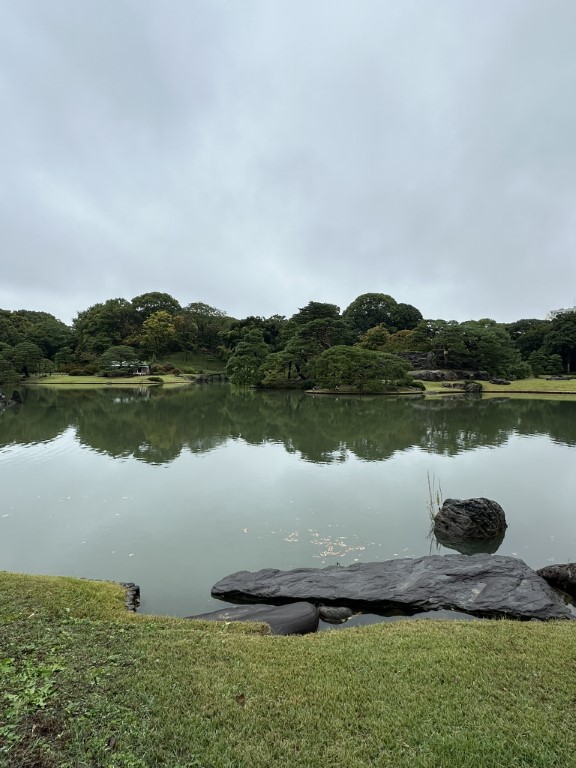
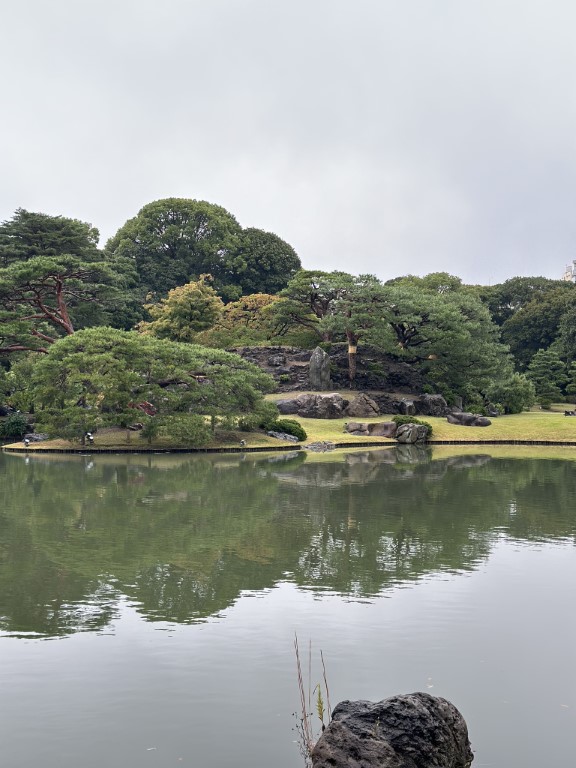
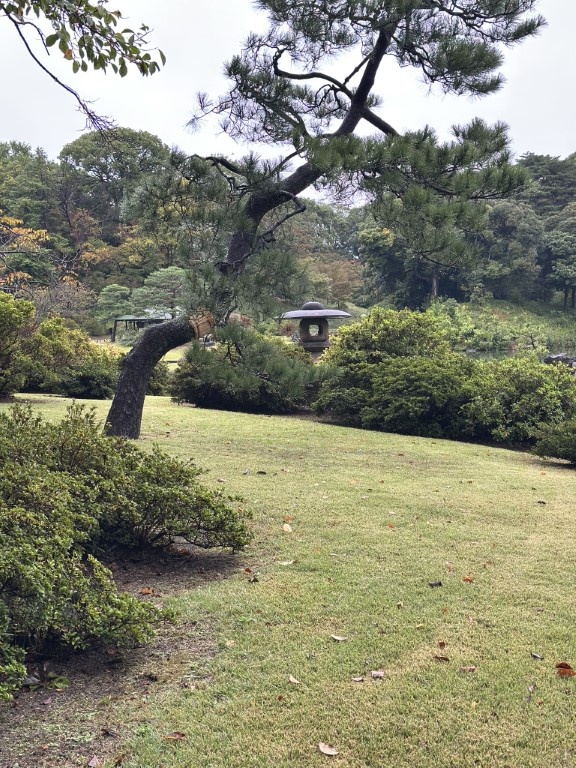
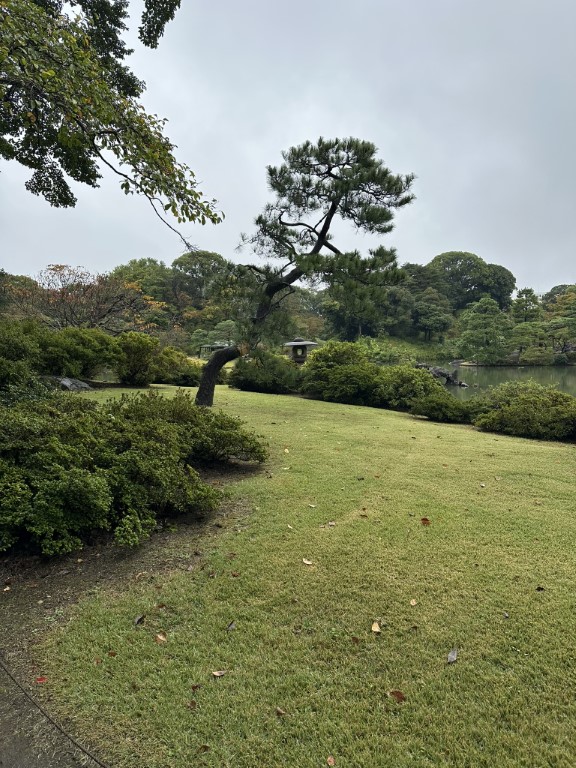
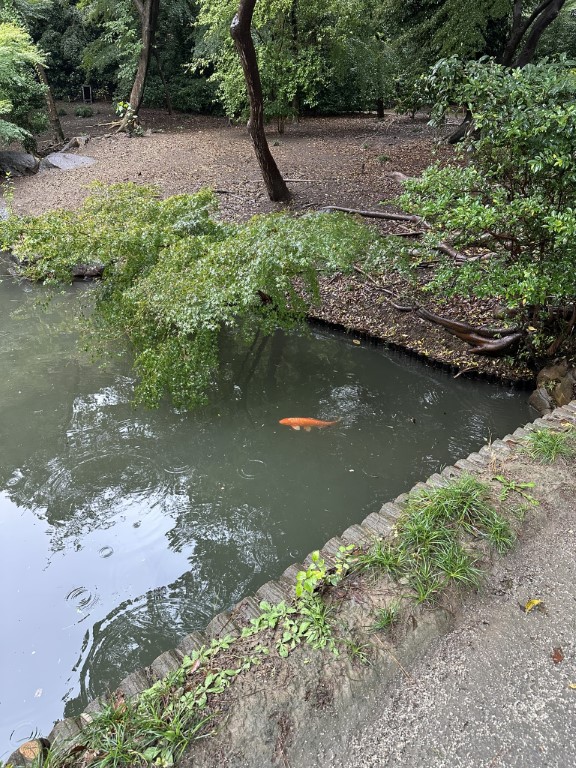
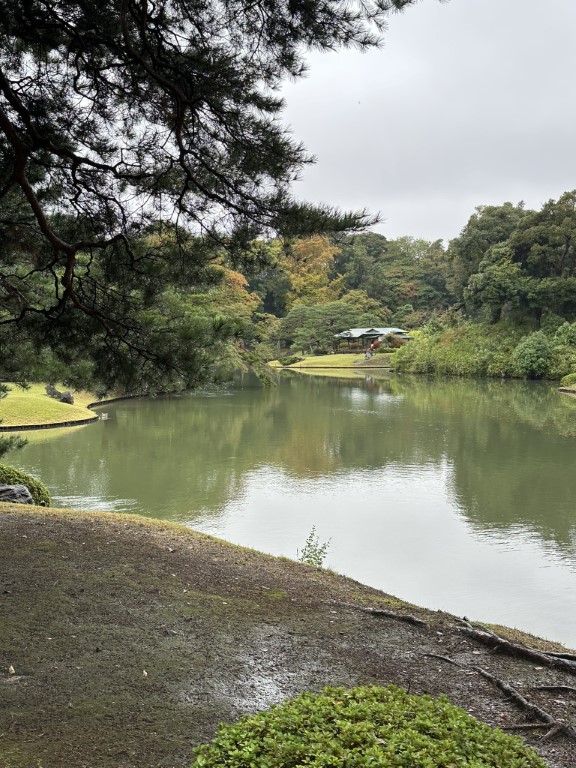
We drastically curtailed our touring plan for the day as Janie's ankle was really hurting. We cut out Koishikawa Korakuen garden, Kiyosumi Garden, Yasukuni Shrine, Tokyo Skytree and the Imperial Palace to focus on a few sites. The first of these was Rikugien (six poems garden), considered among Tokyo's most beautiful Japanese landscape gardens. Built around 1700 for the 5th Tokugawa Shogun, it reproduces in miniature 88 scenes from famous poems. The garden is a good example of an Edo Period strolling garden and features a large central pond surrounded by man-made hills and forested areas, all connected by a network of trails. This was a beautiful garden and would have been more enjoyable without the steady drizzle.
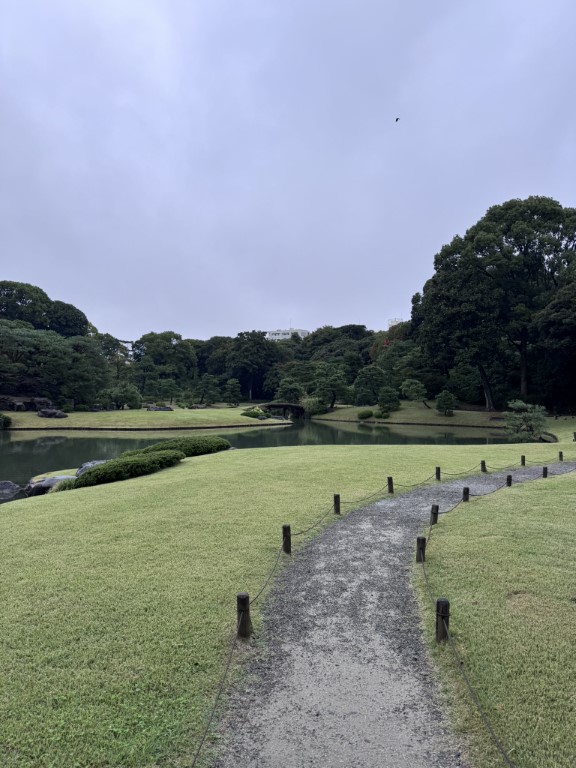
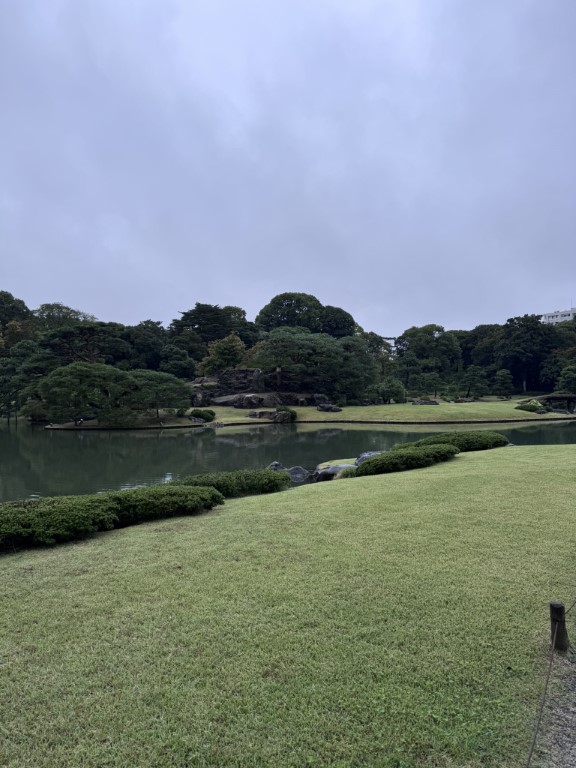
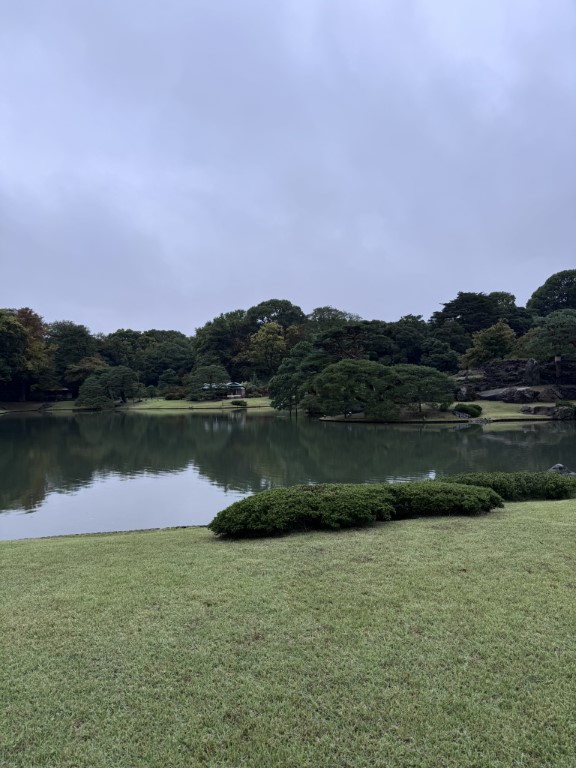
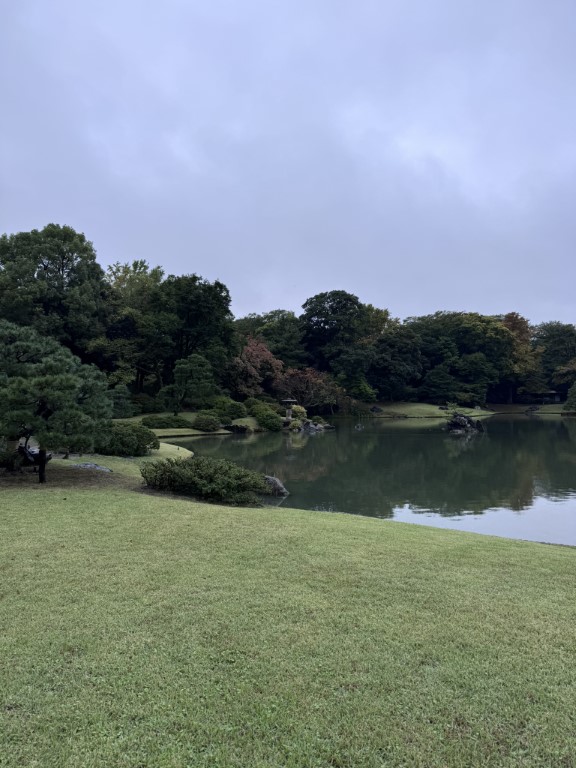
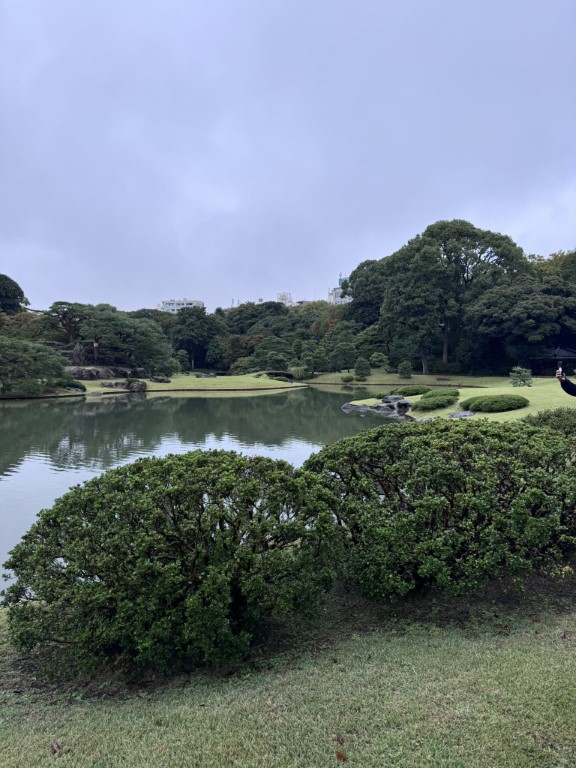
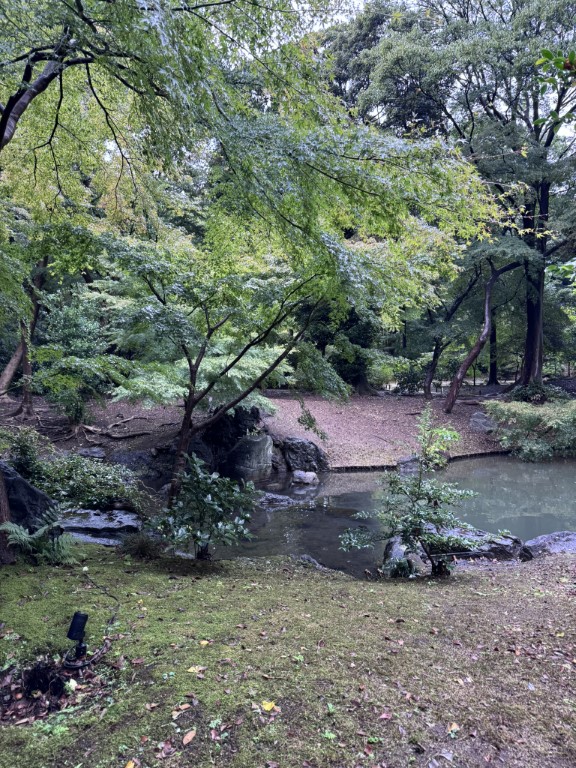
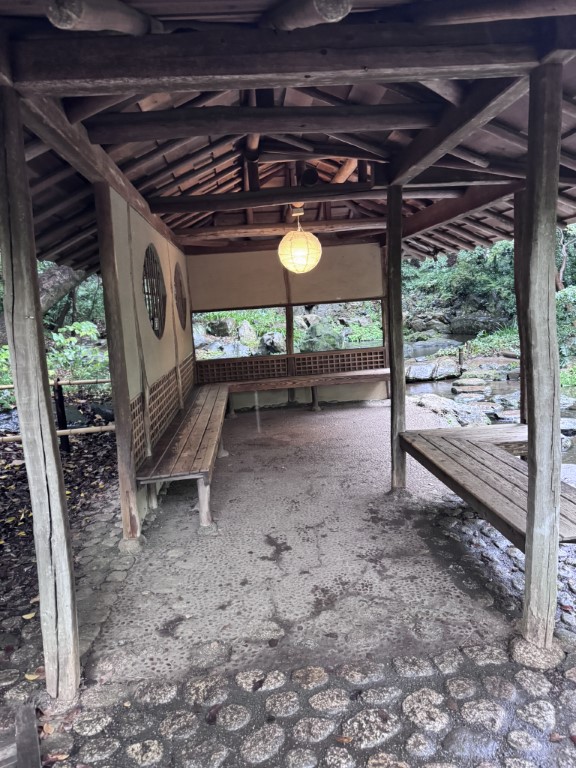
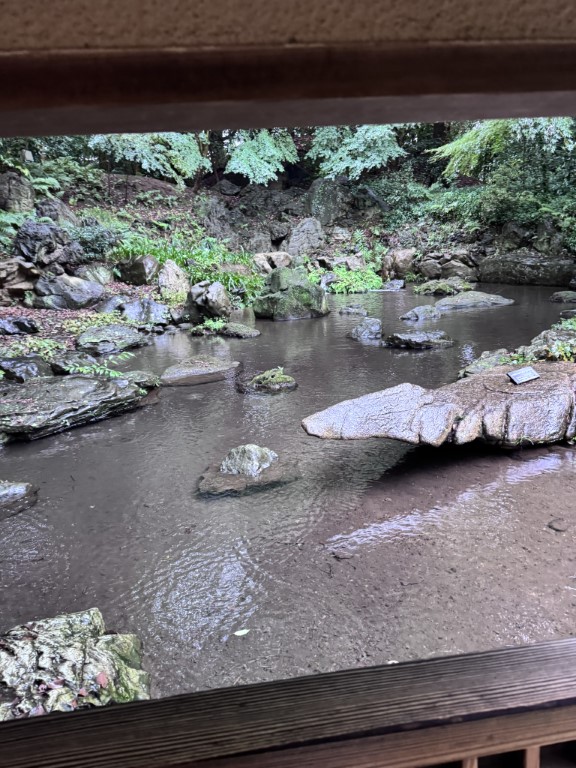
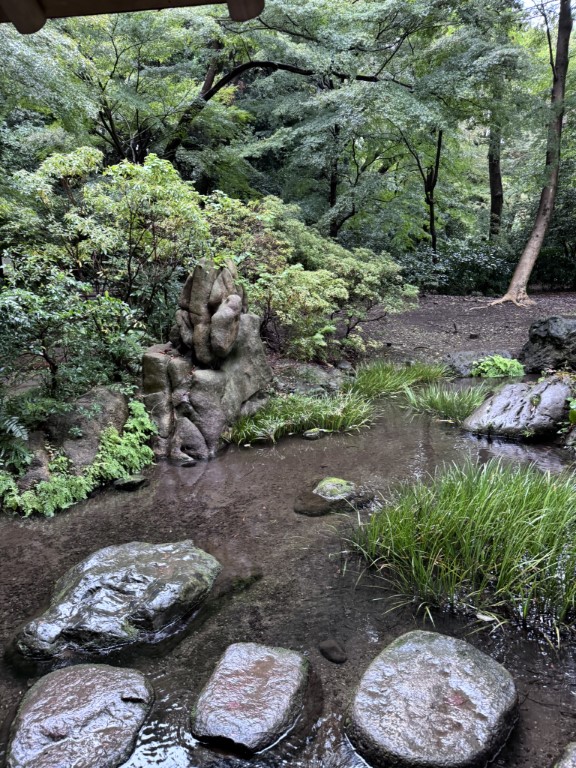
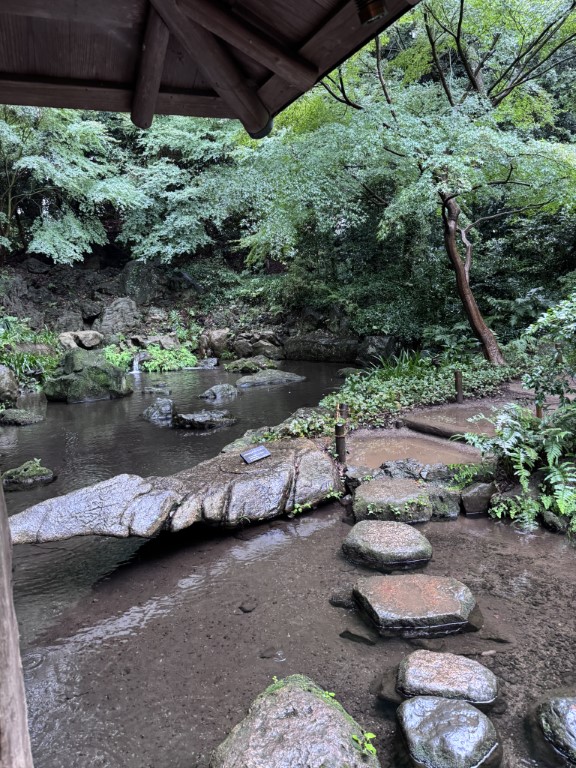
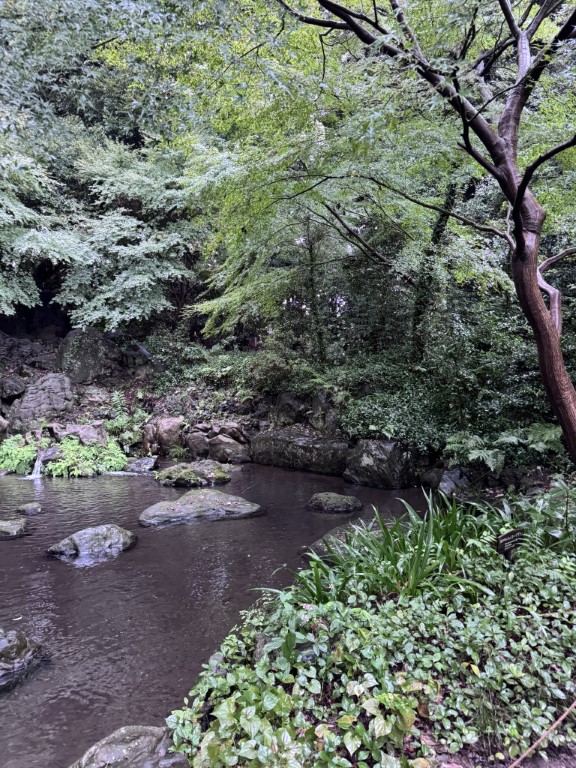
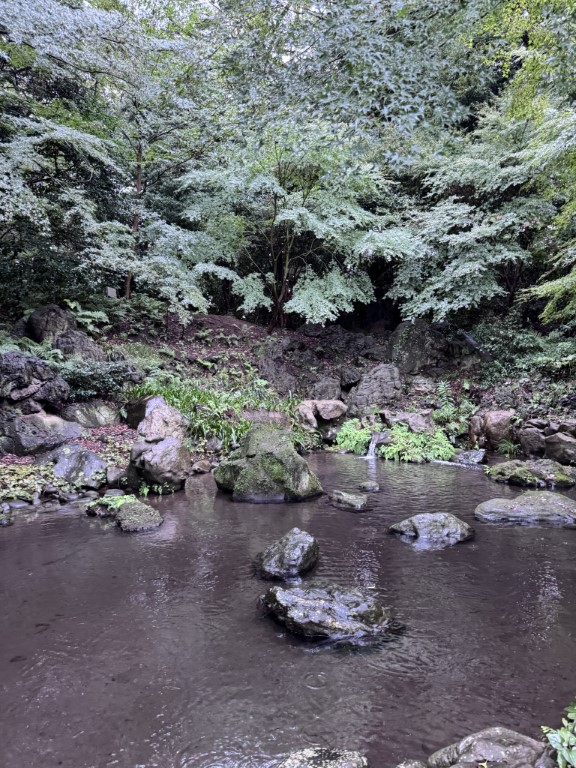
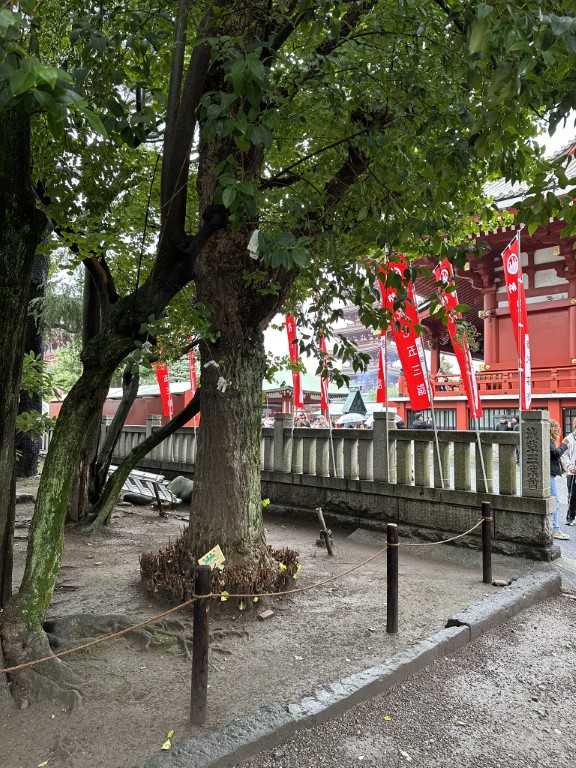
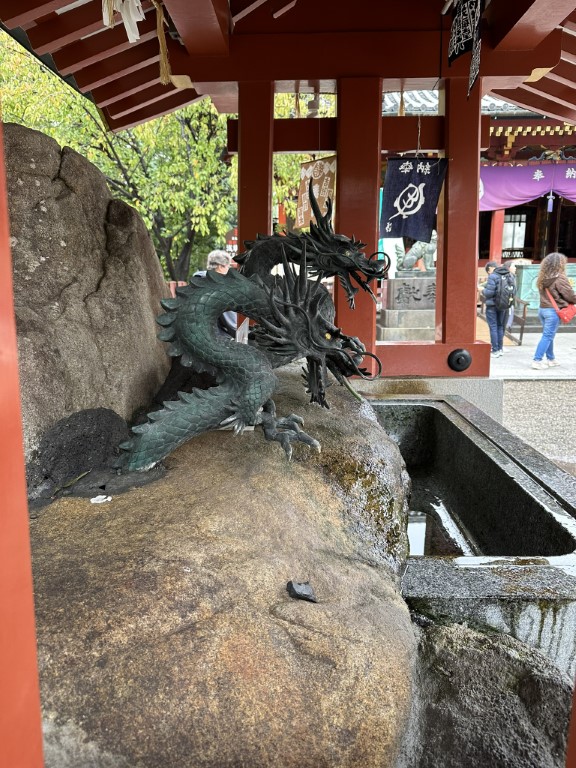
For our only temple of the day, we chose Sensoji (Asakusa Kannon Temple), one of Tokyo's most colorful and popular temples. The legend says that in the year 628, two brothers fished a statue of Kannon, the goddess of mercy, out of the Sumida River, and even though they put the statue back into the river, it always returned to them. Consequently, Sensoji was built nearby for the goddess of Kannon. The temple was completed in 645, making it Tokyo's oldest temple. It also proved to be Japan's most crowded temple as the streets from the train station were packed with people, as were the temple grounds.
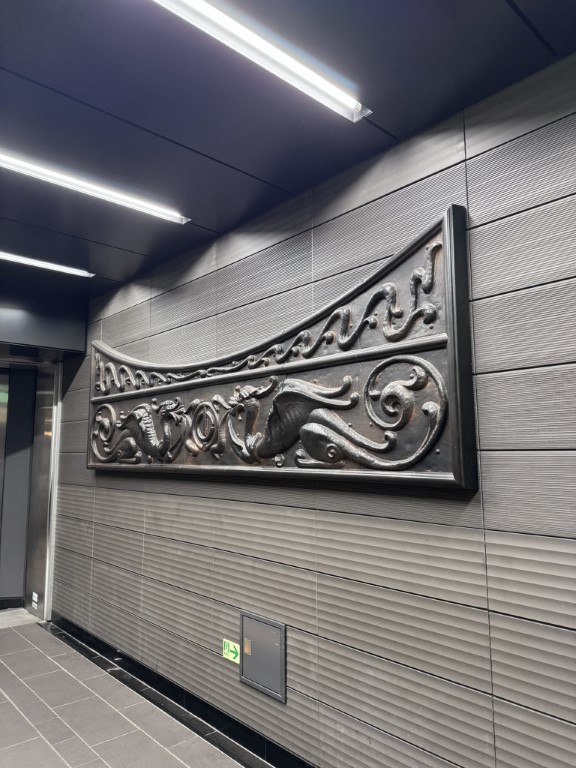
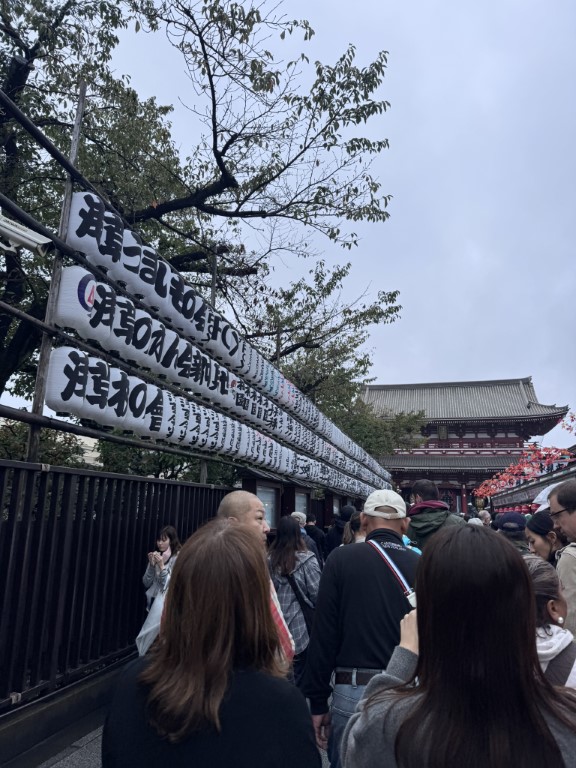
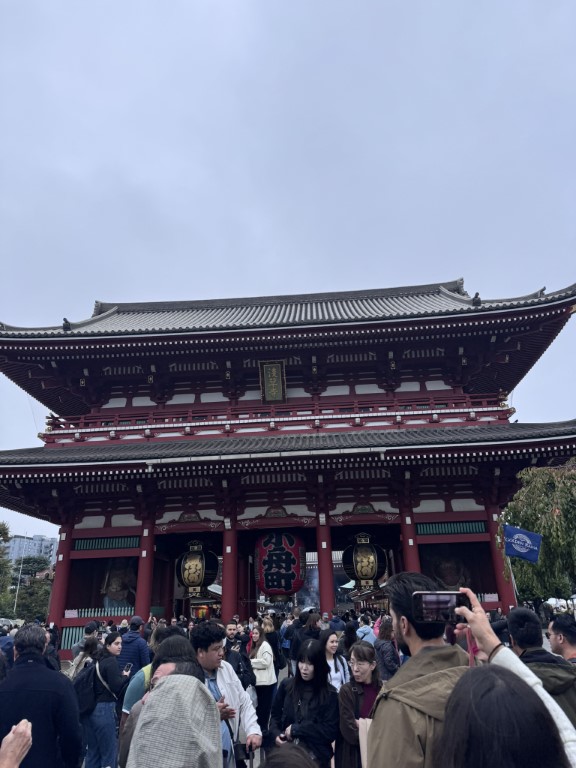
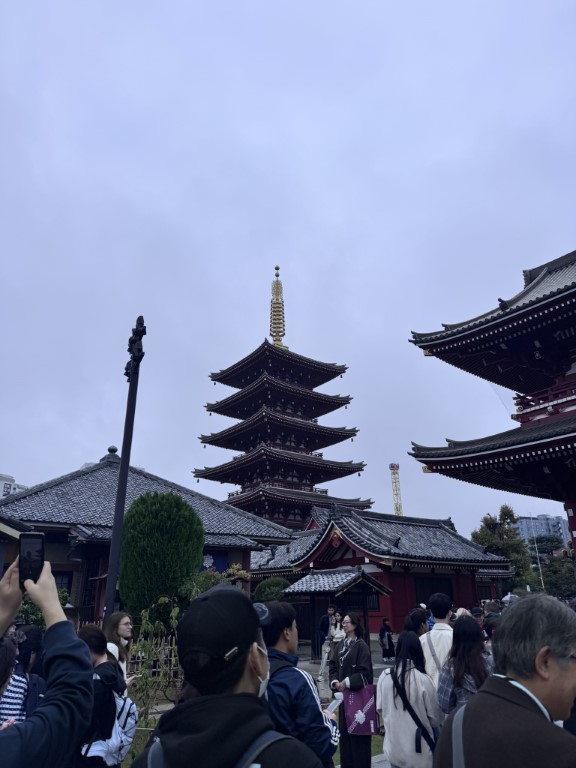
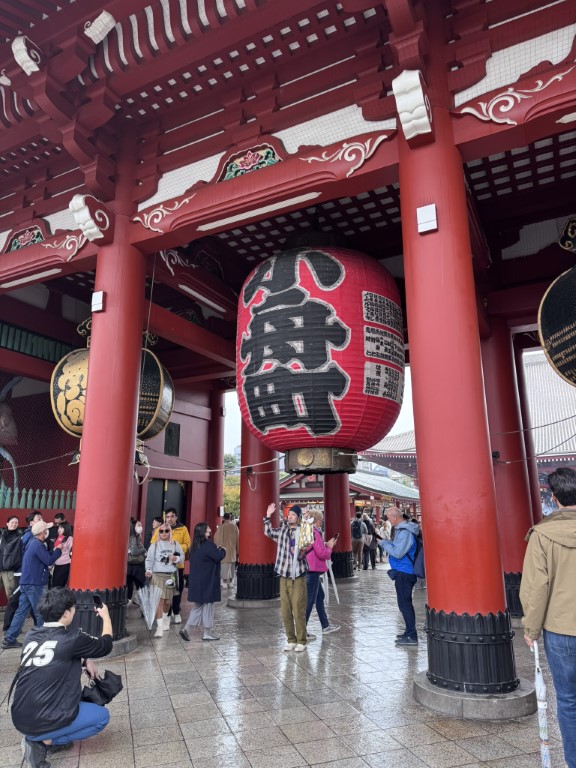
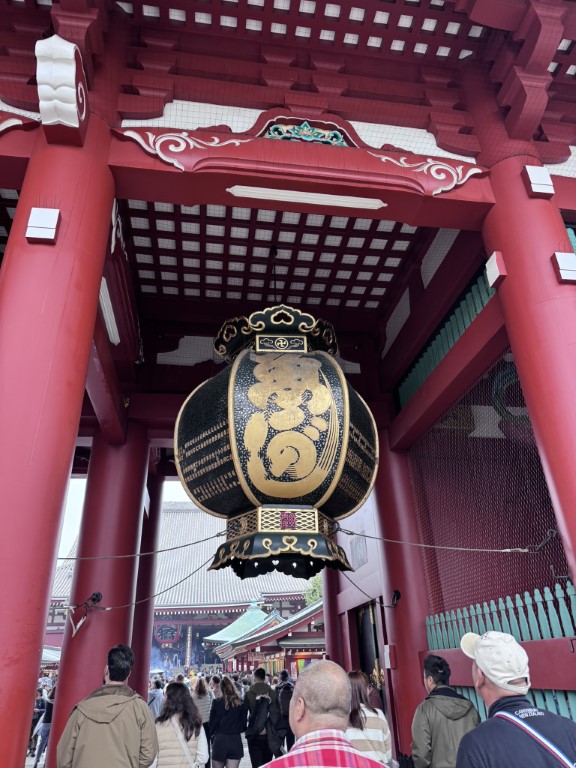
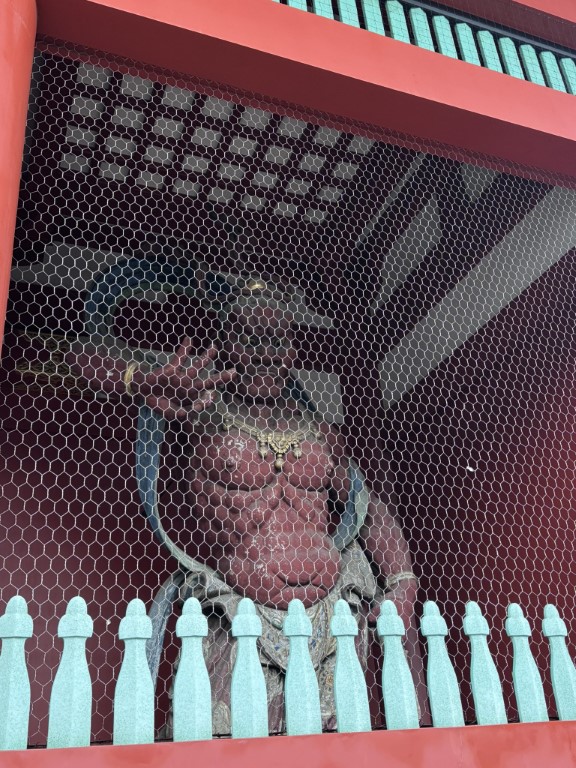
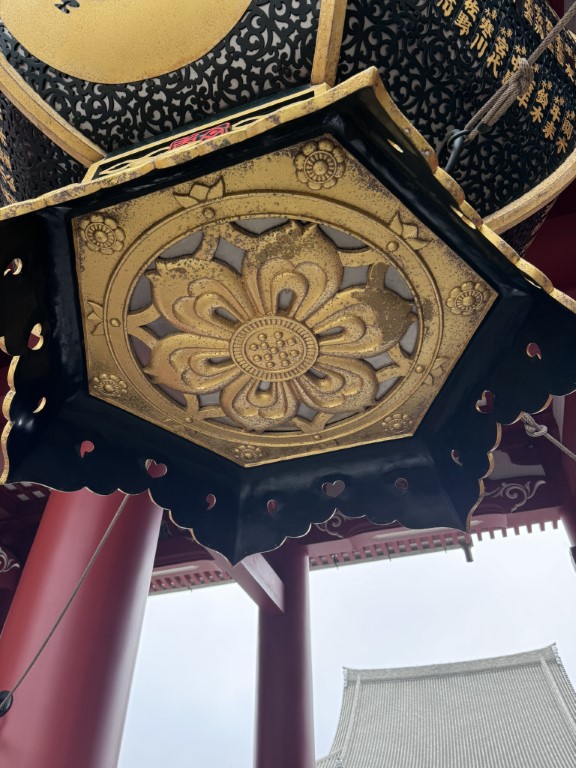
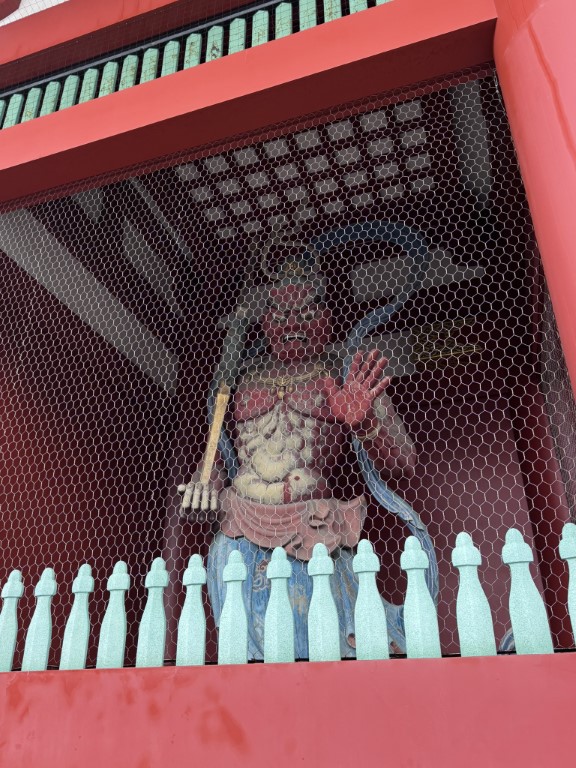
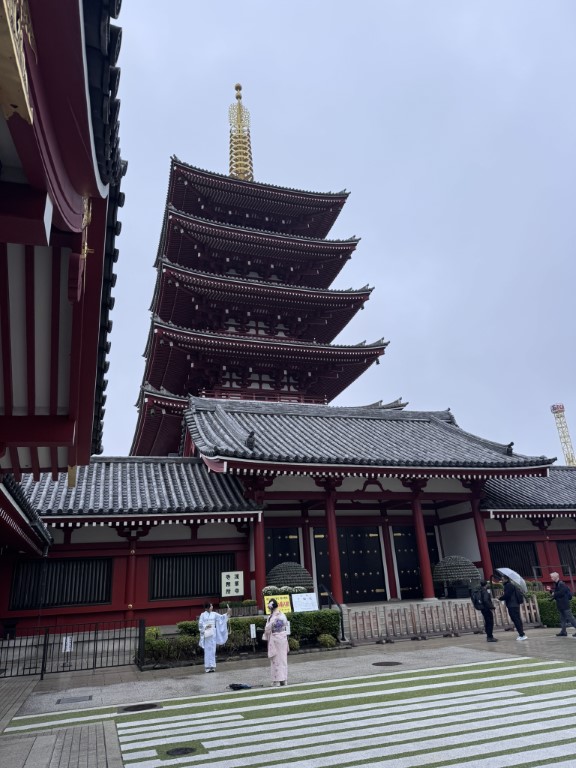
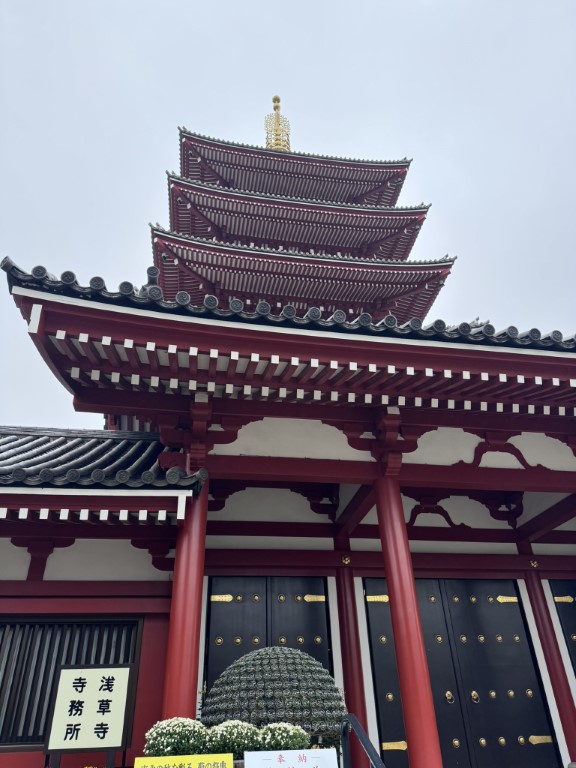
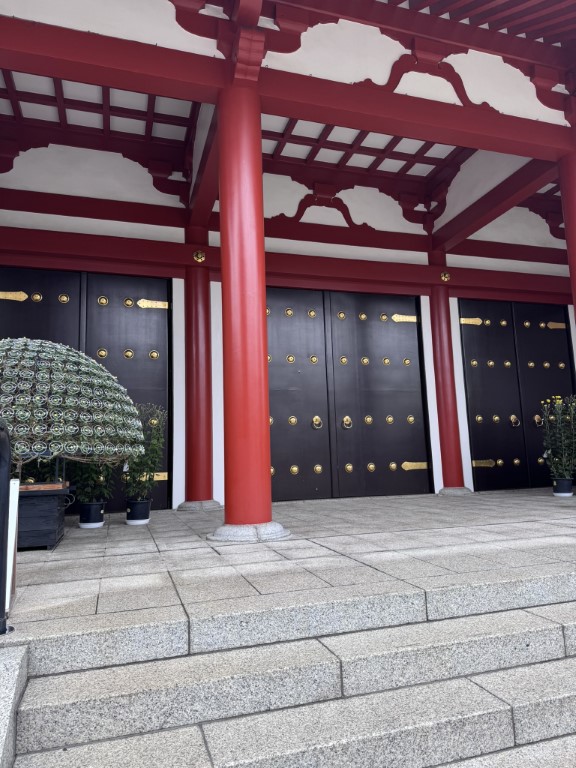
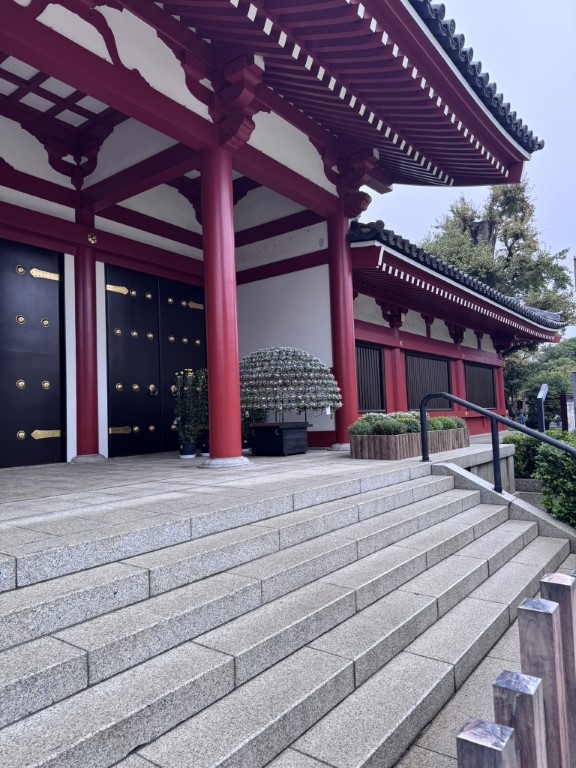
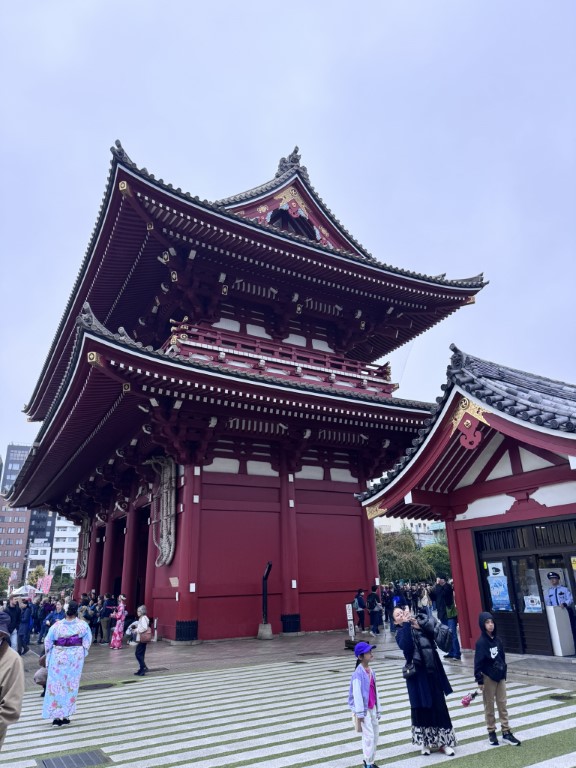
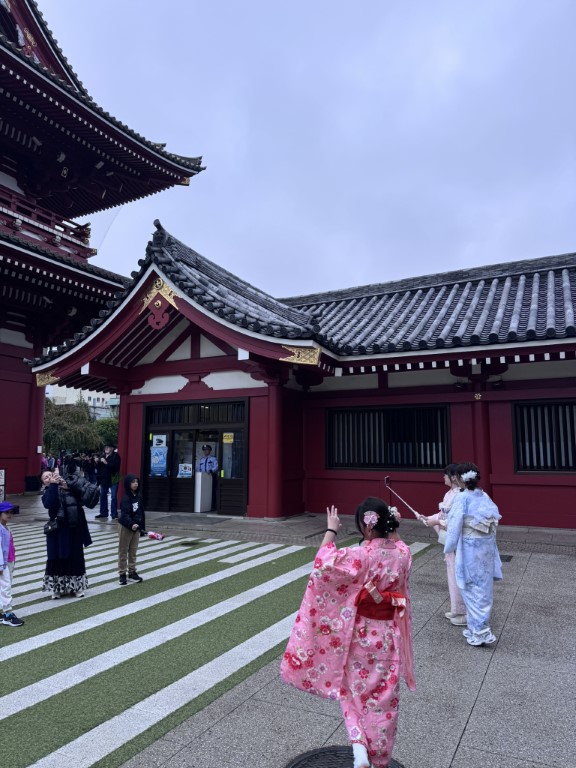
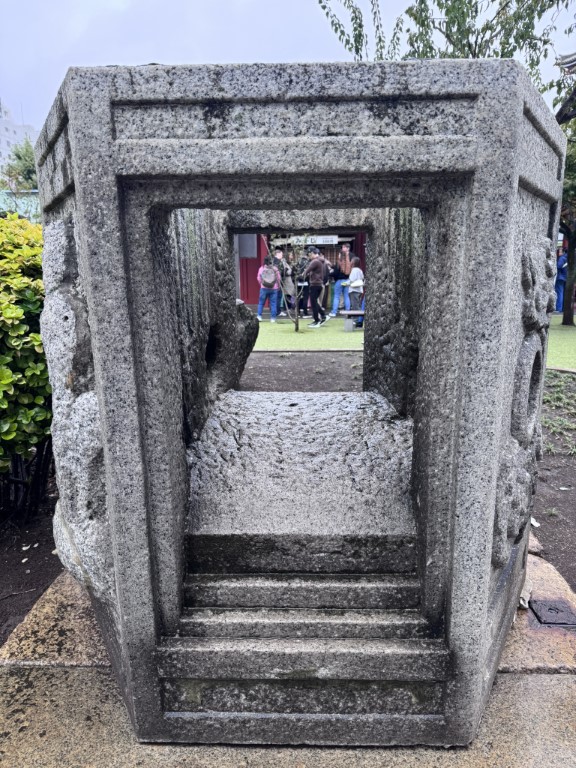
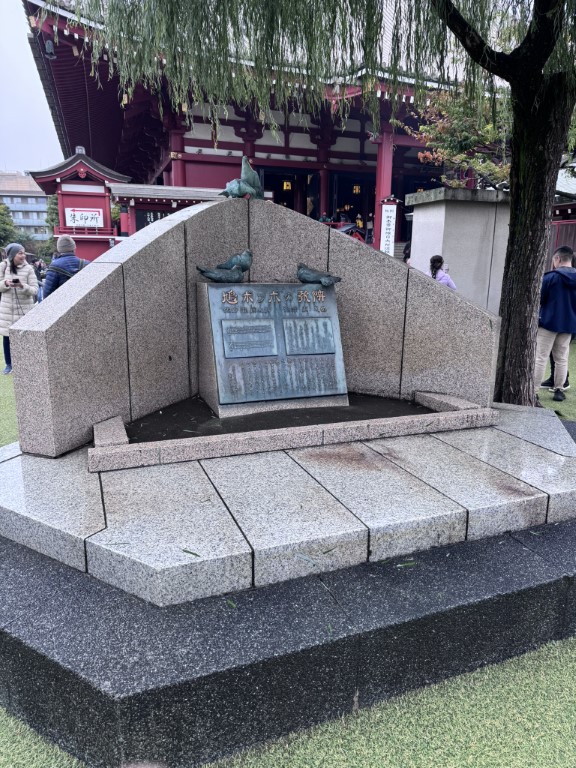
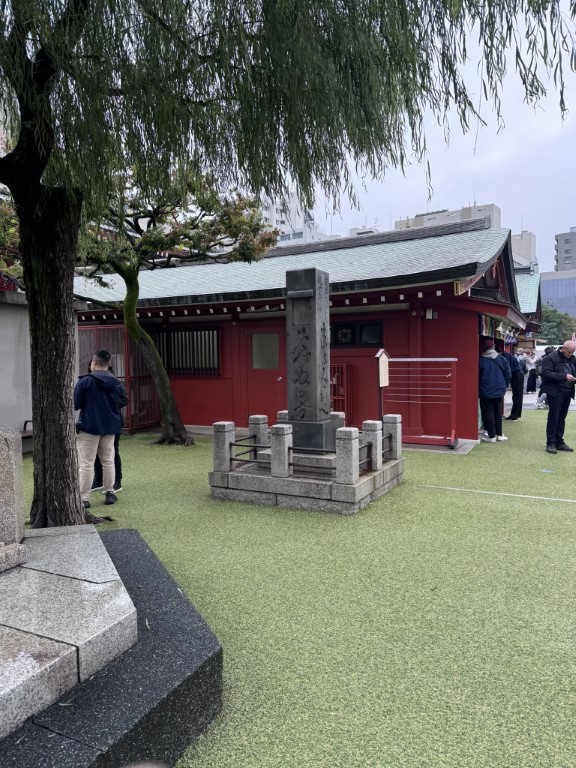
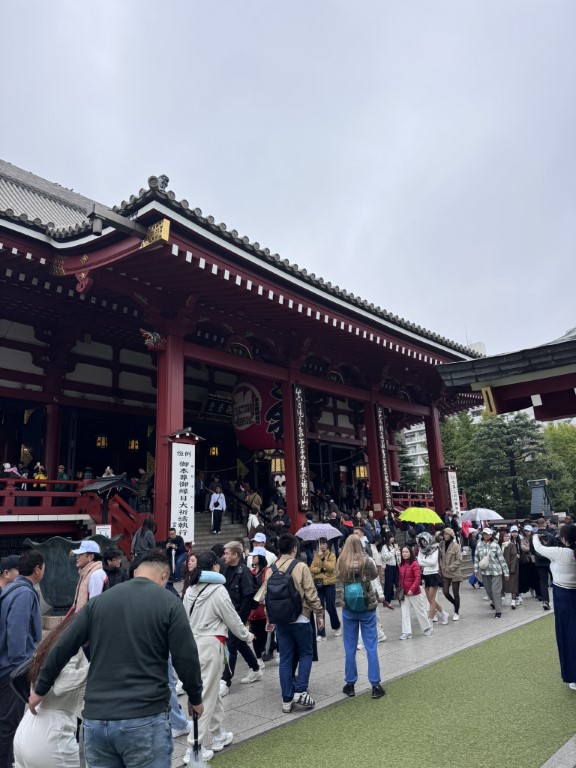
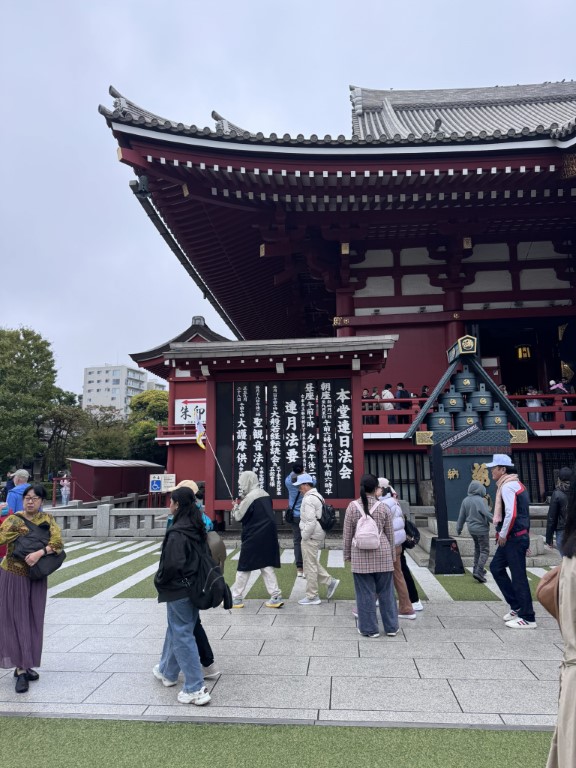
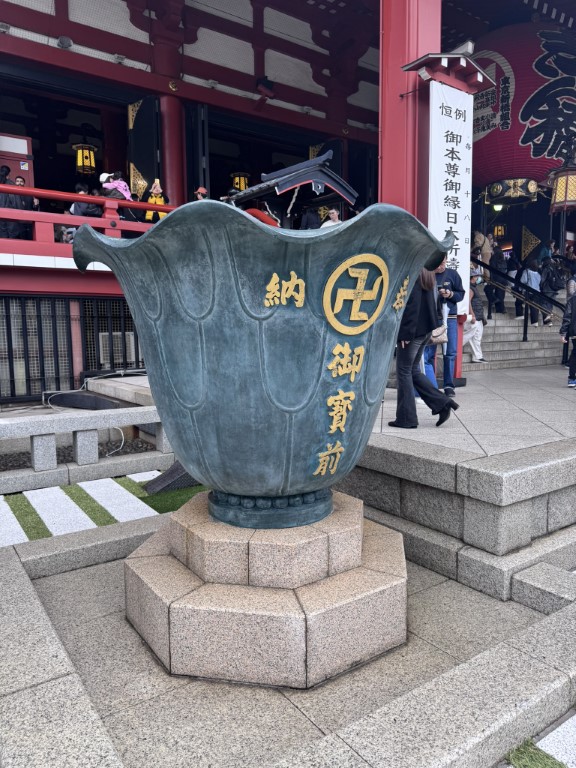
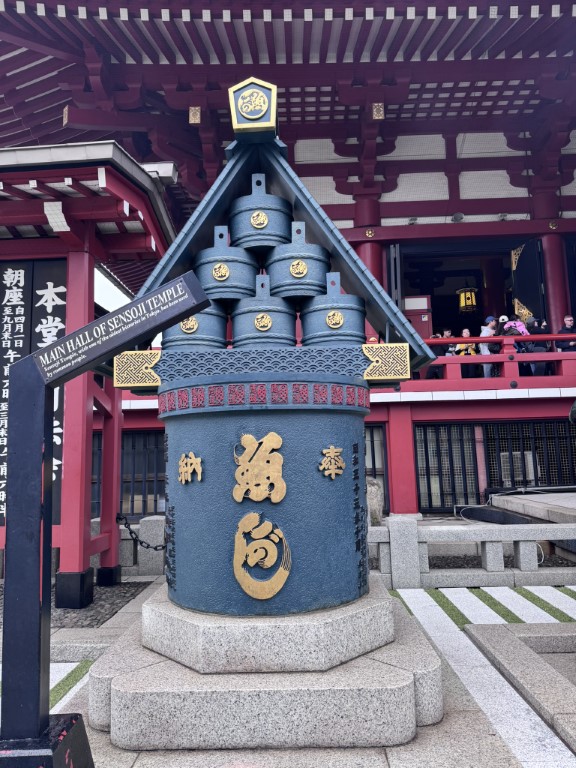
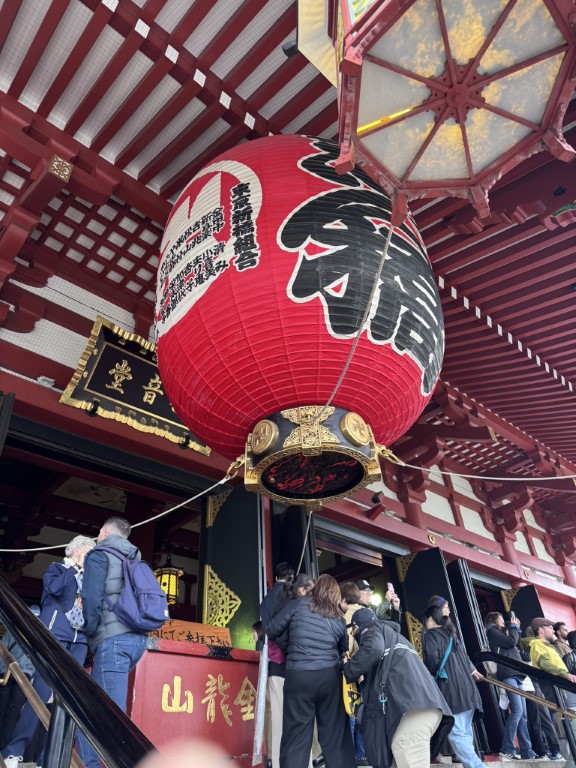
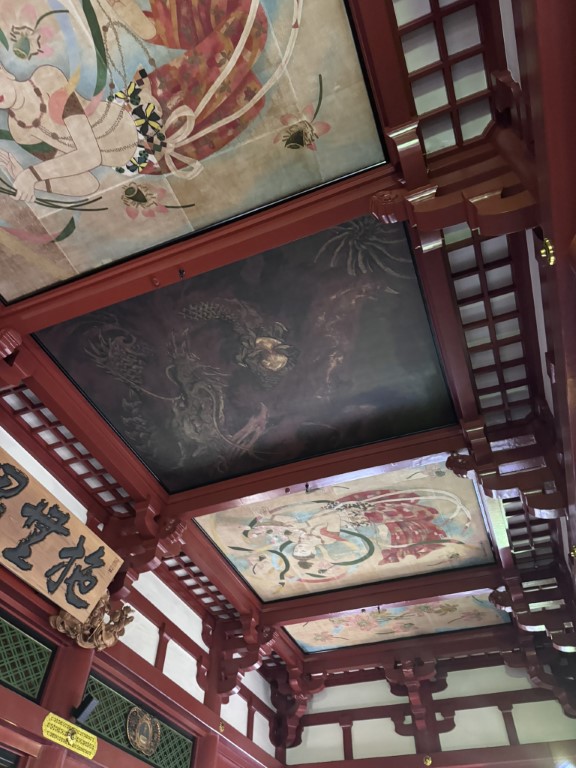
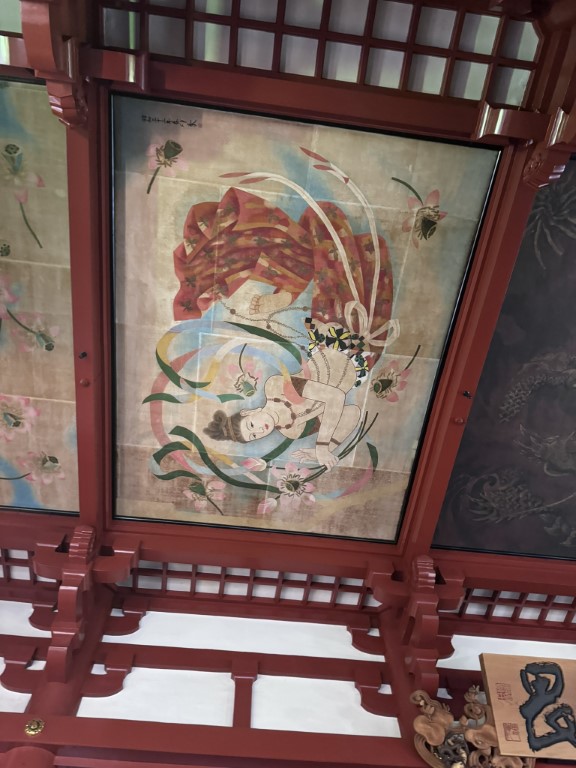
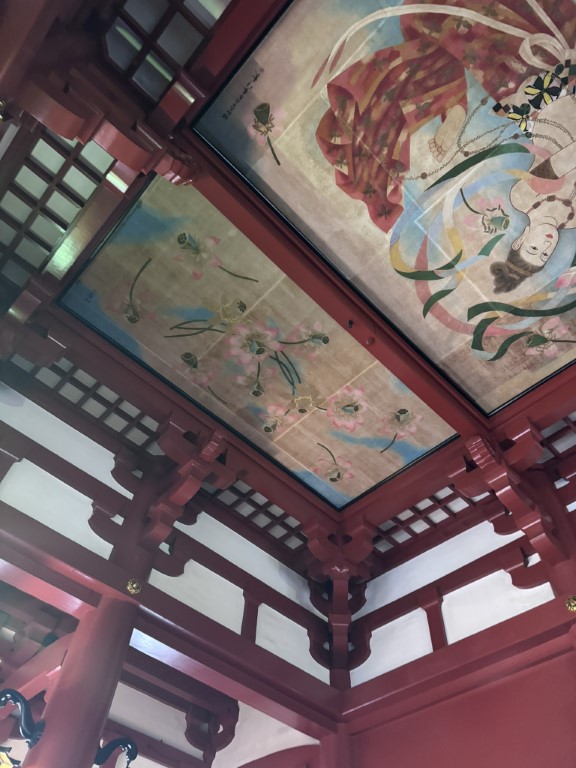
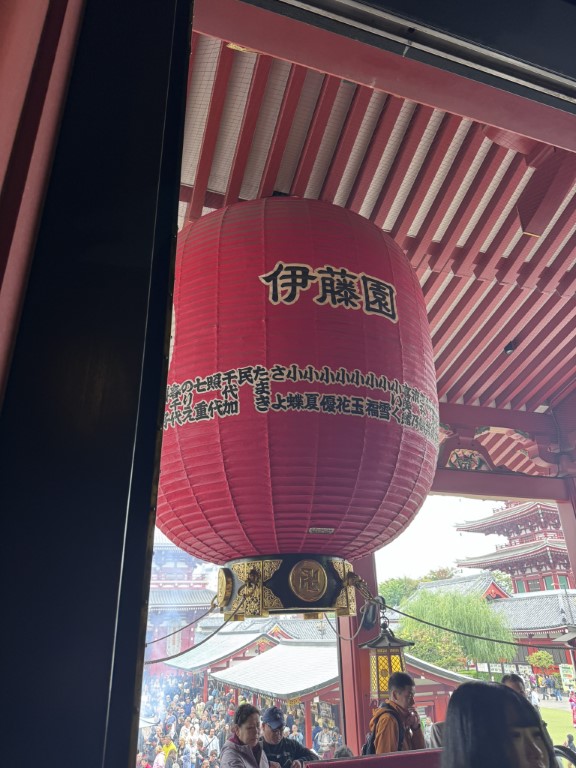
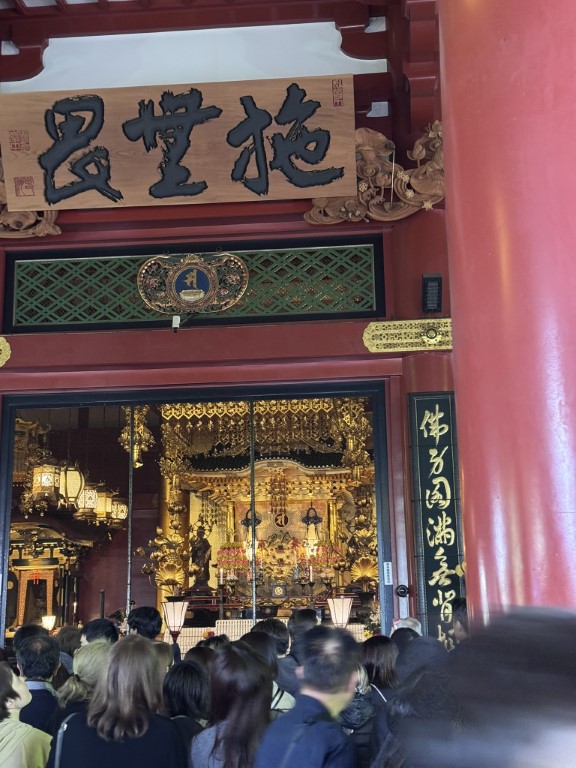
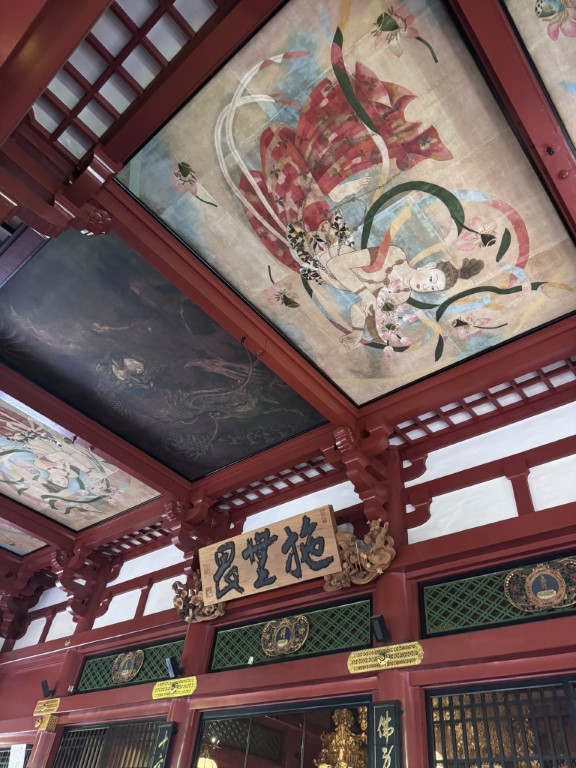
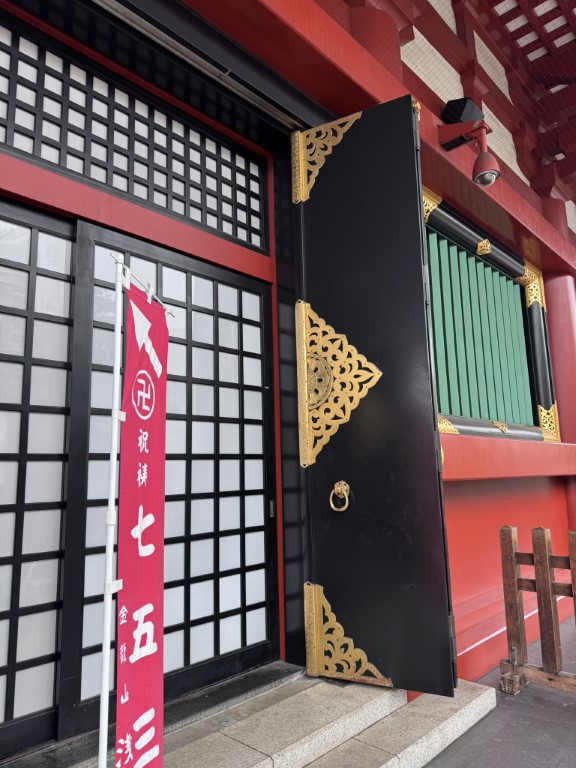
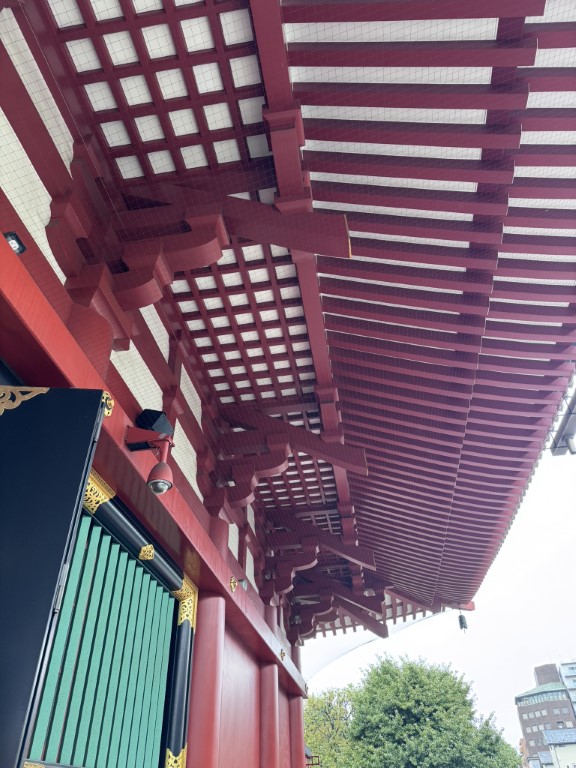
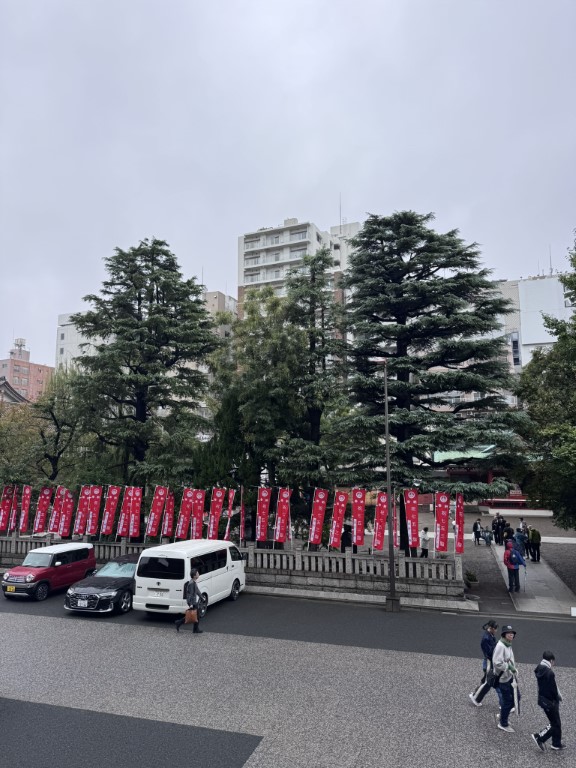
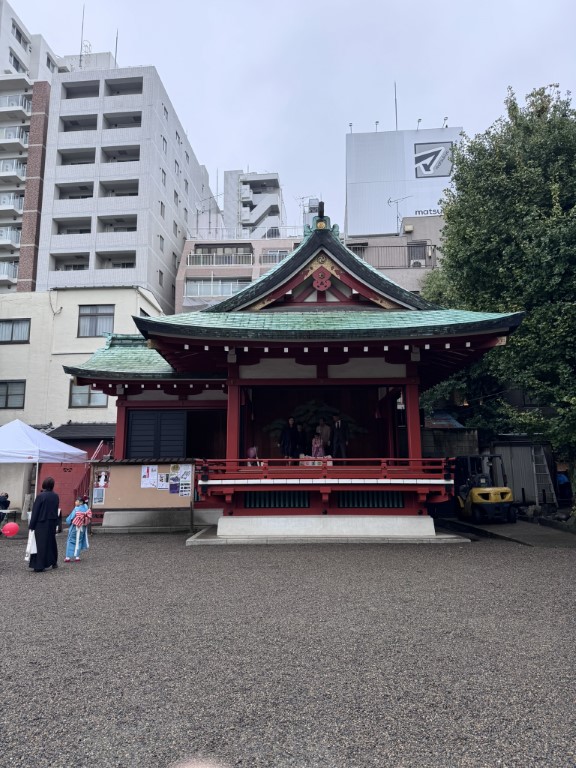
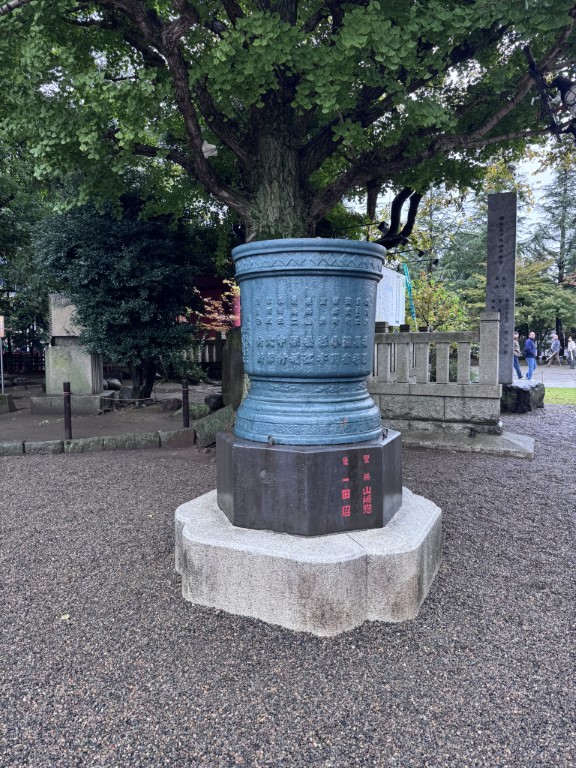
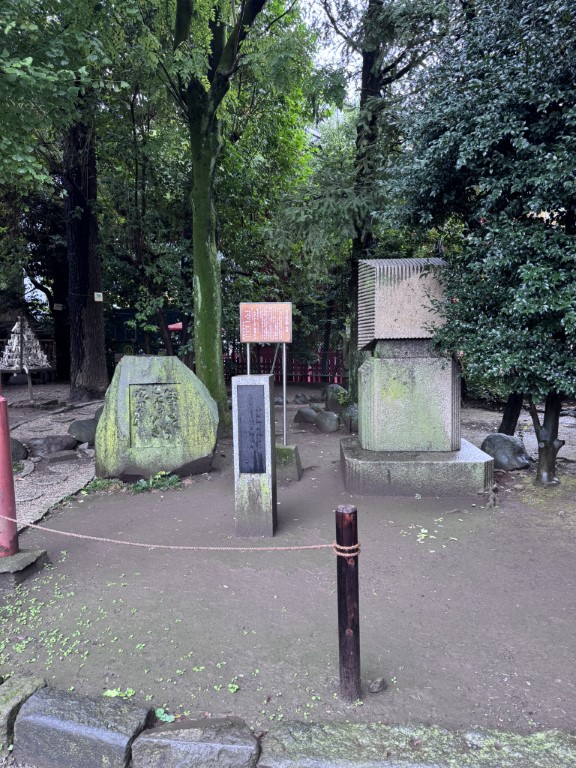
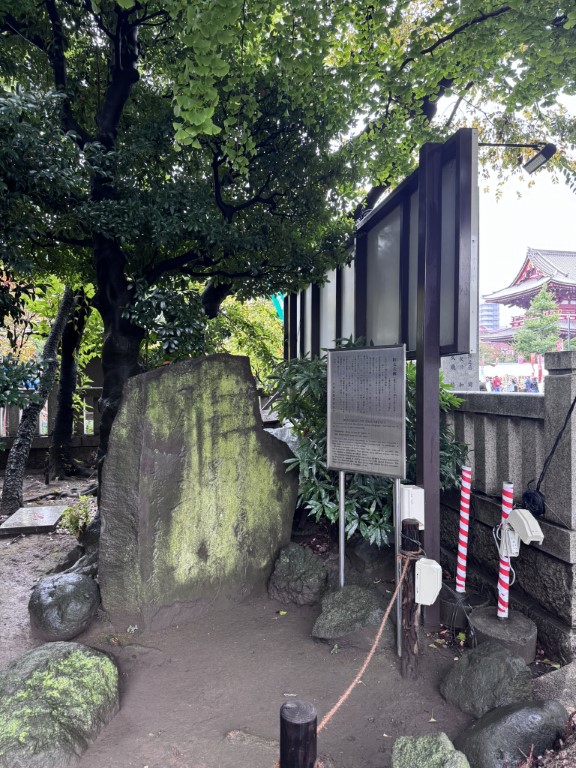
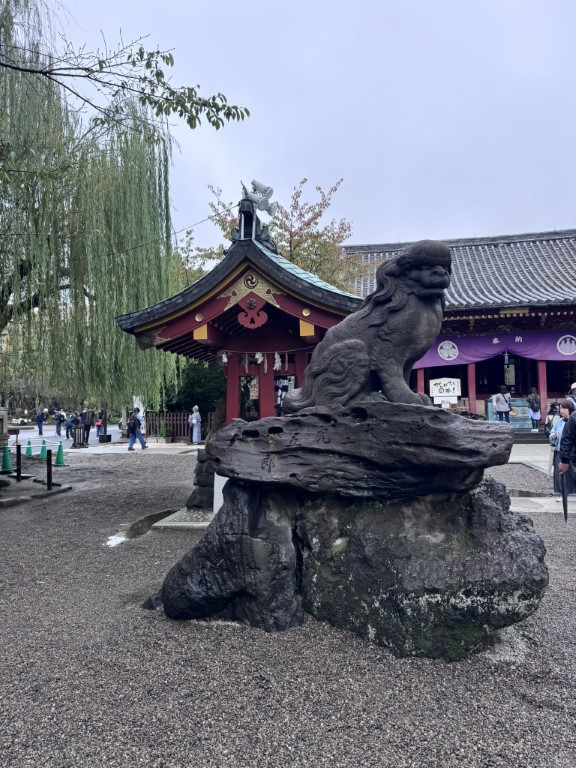
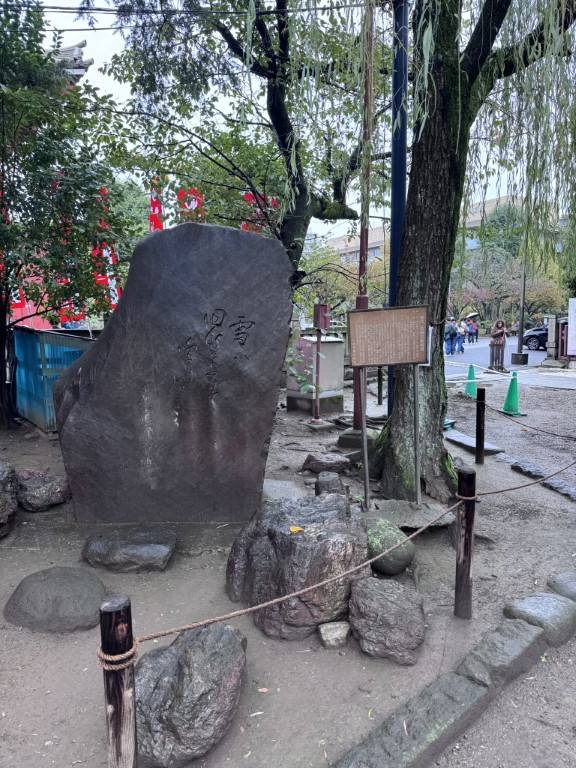
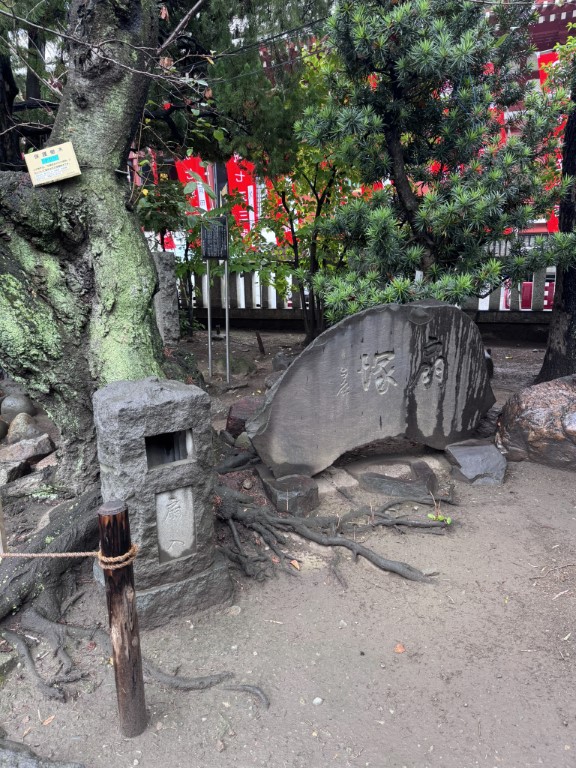
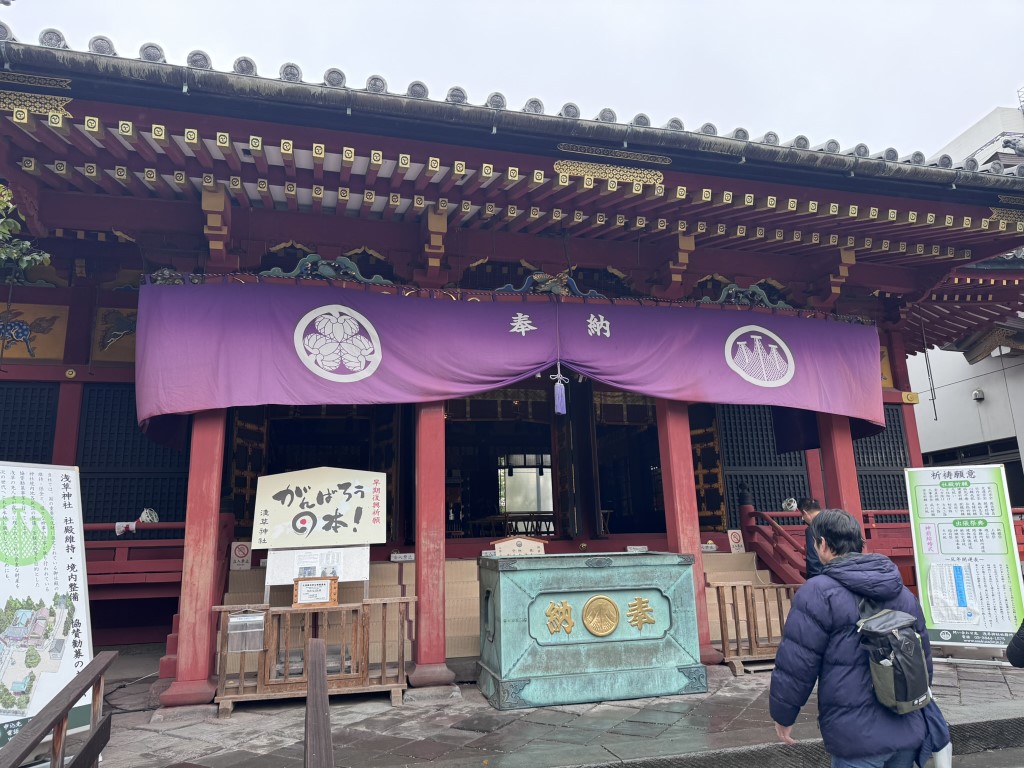
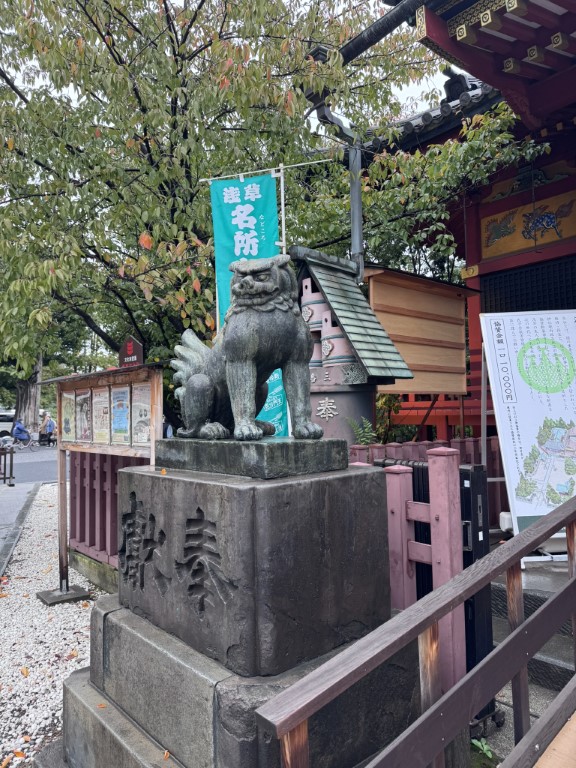
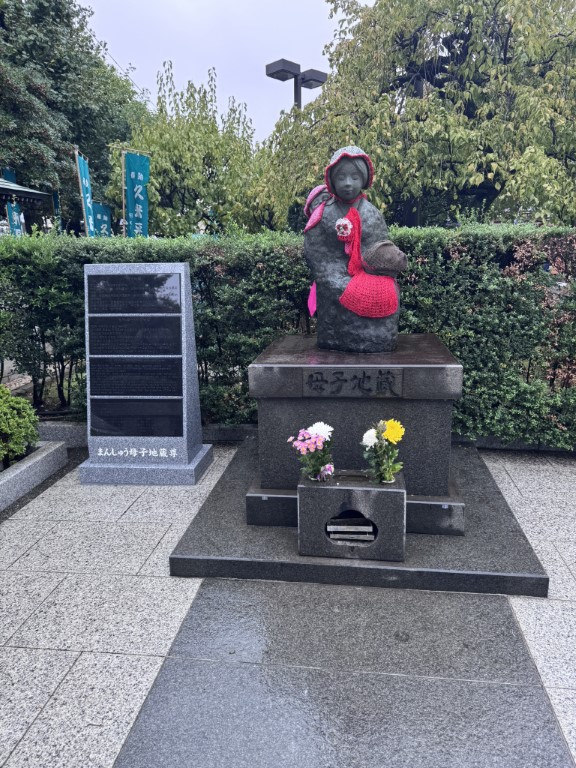
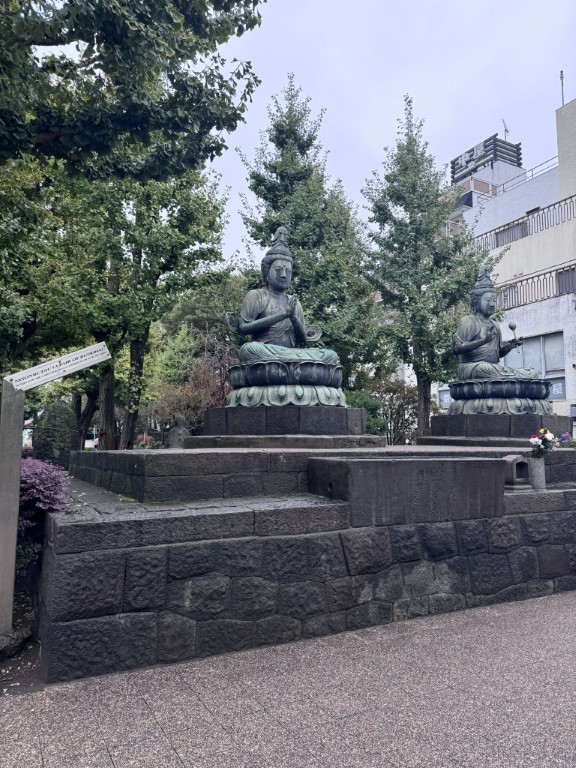
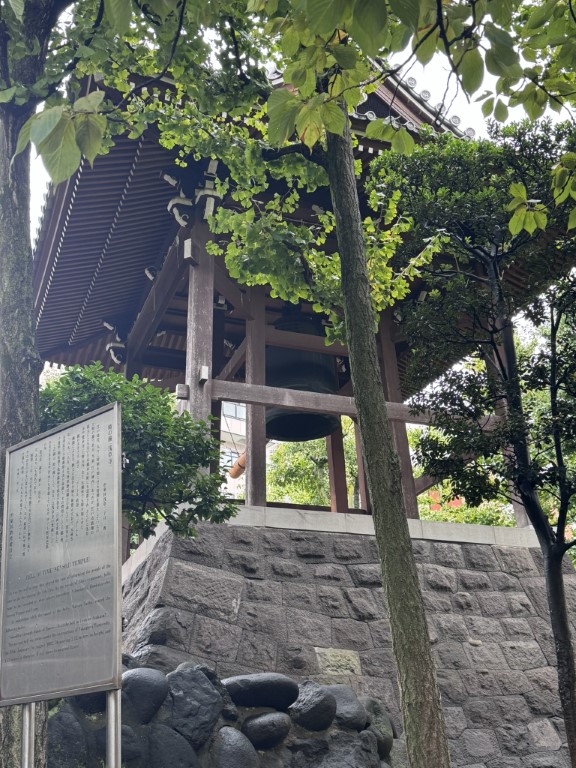
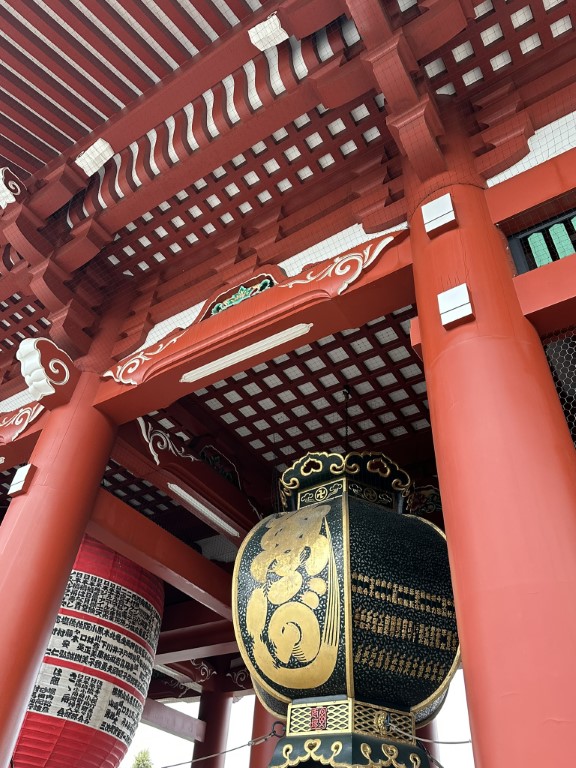
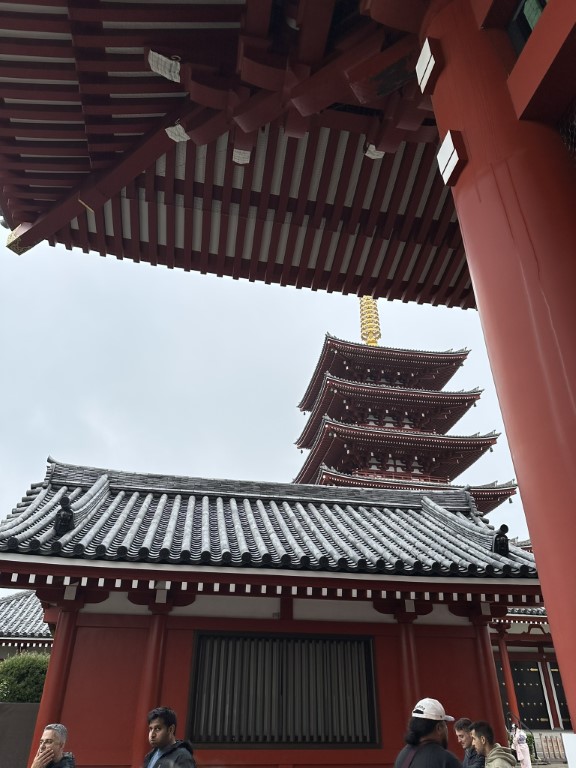
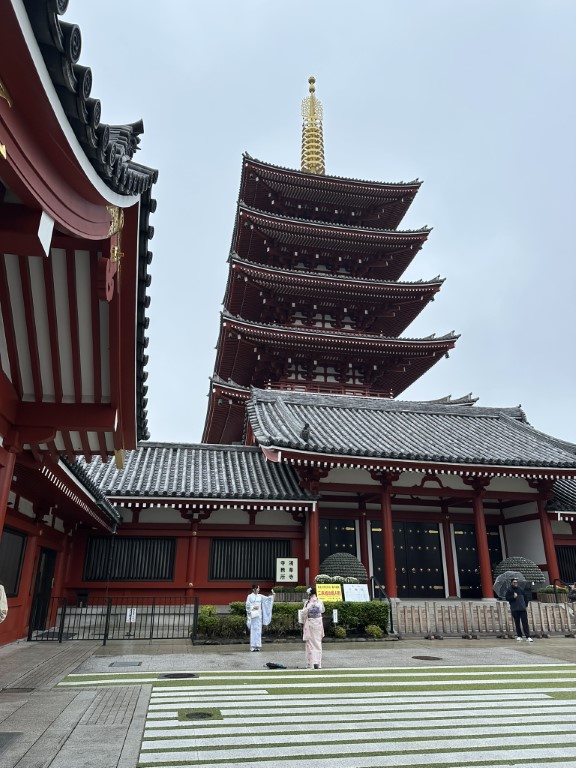
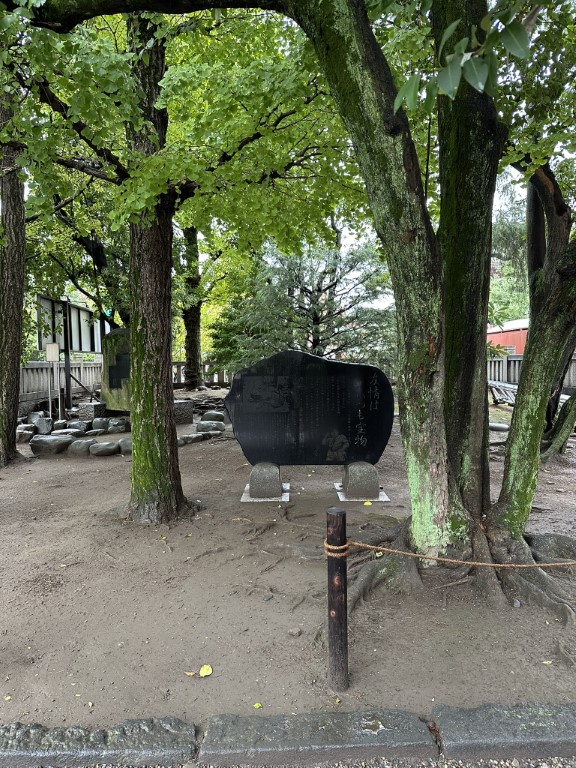
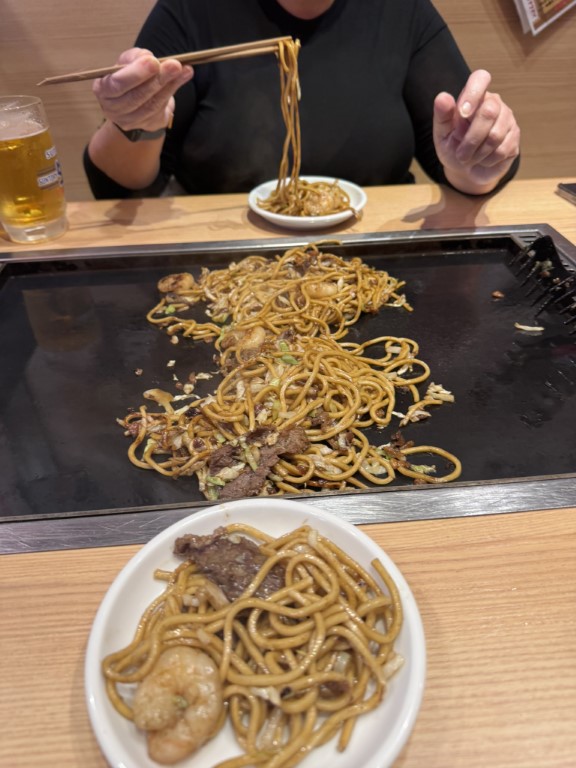
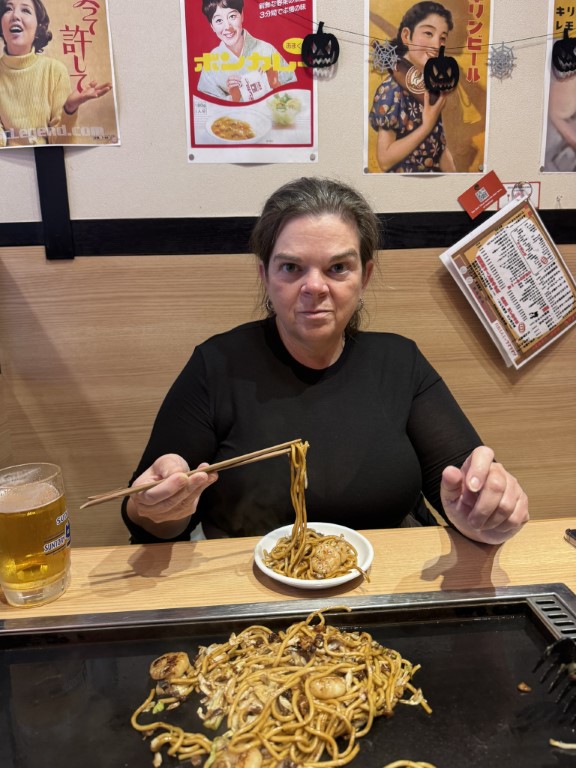
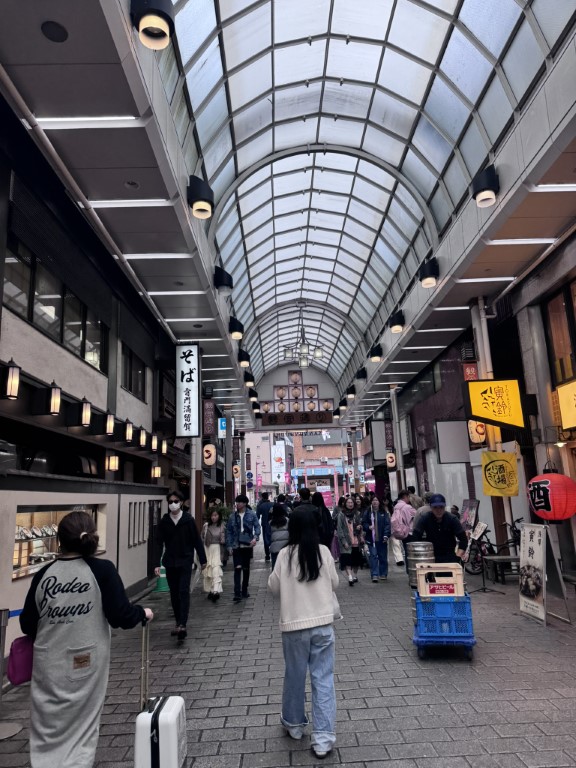
We made our way through the streets back to the subway station, stopping at a small perfume shop where Janie found something she liked and then again for lunch at Asakusa Umaimon Aduma, an izakaya offering teppan. We both ordered noodle dishes with shrimp and pork along with our usual beer and the food was really good.
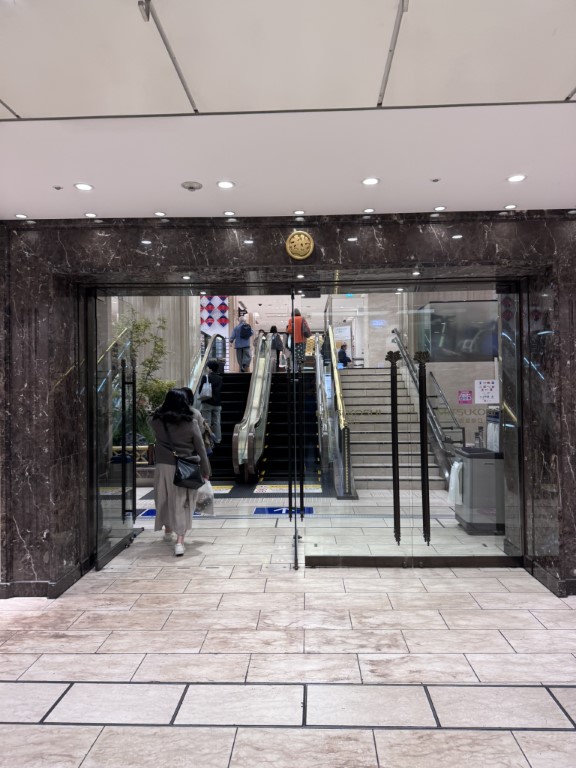
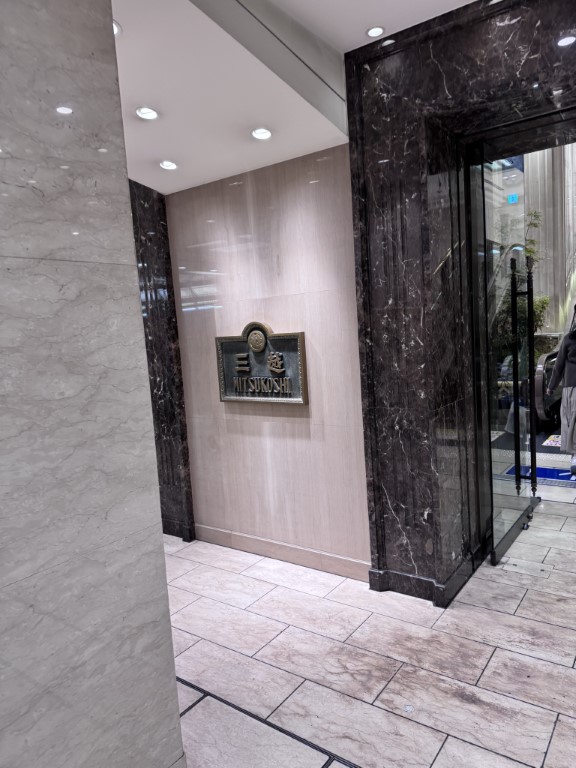
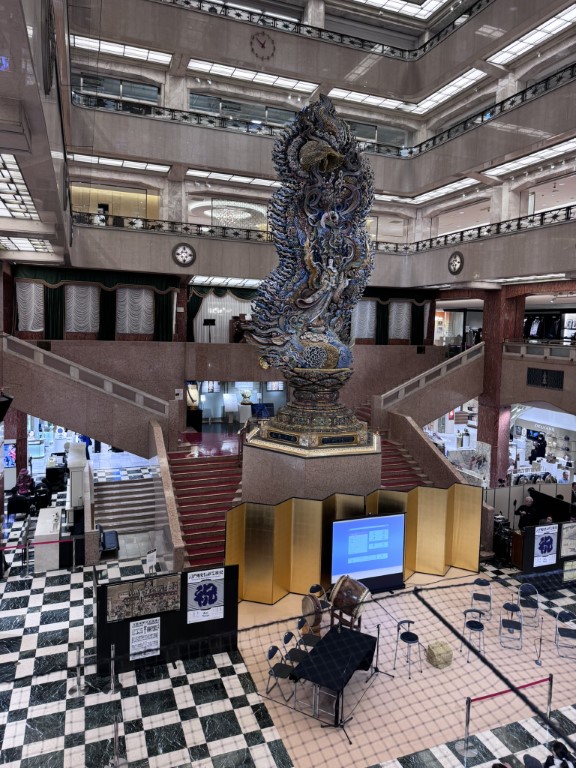
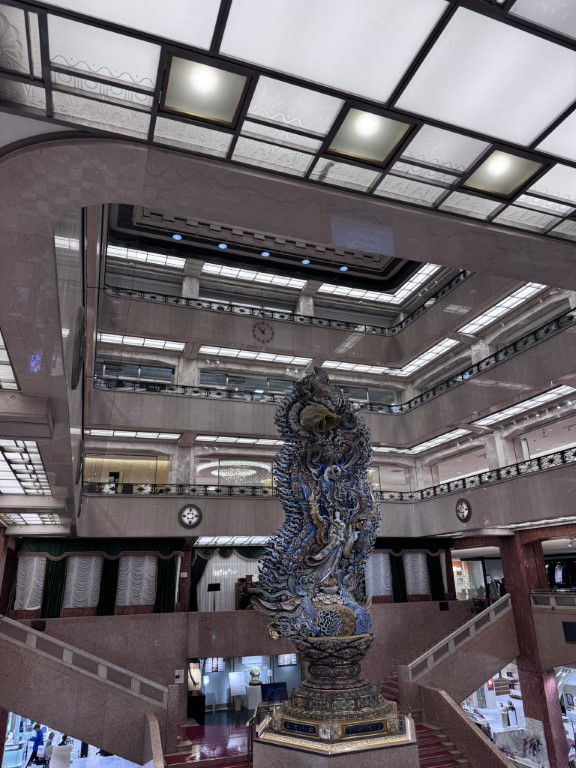
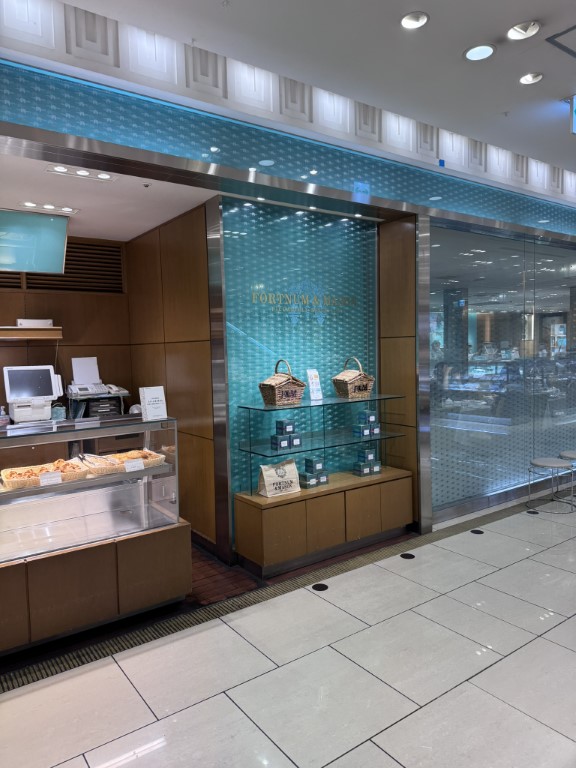
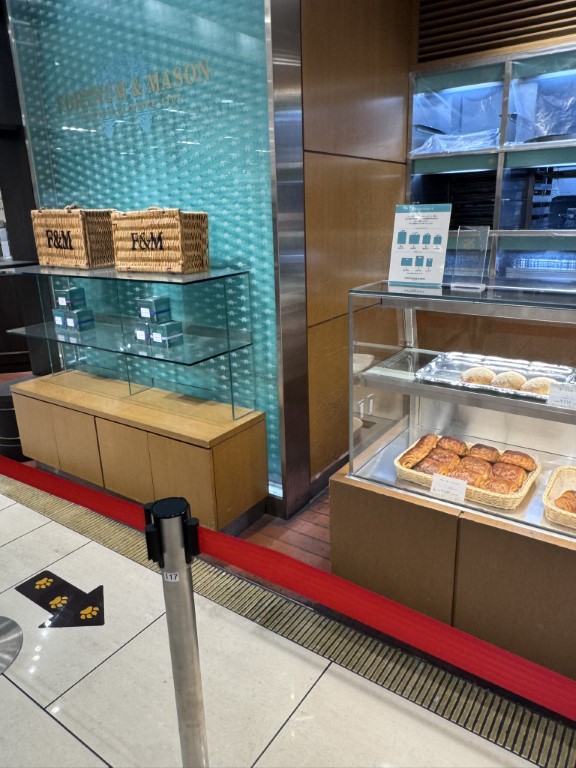
We had to stop at Mitsukoshi department store, having visited their shop at Epcot many times. Mitsukoshi was the first department store in Japan and construction of the current 7-story flagship was completed in 1935 and was designated a historic structure in 1999. We were a little disappointed it was more of a high-end department store without as many Japanese products as we had hoped, but Janie found a sake she liked and bought a bottle to bring home and we taunted Rebecca with pictures of Fordham and Mason, her favorite London tea shop.
One of the reasons we curtailed our plans for the day was we added a night food tour in Shinjuku to our itinerary. We went back to the hotel for a little while to rest before heading to Shinjuku station, which was under heavy construction, making it hard to find the Uniqlo where we were to meet our guide. We did eventually find the store and had some time to do a little more shopping to pick up some additional essentials to reduce the amount of laundry we would need to do on the cruise. We had washed out some stuff in the sink in the hotel but it was taking more time to dry than we expected.
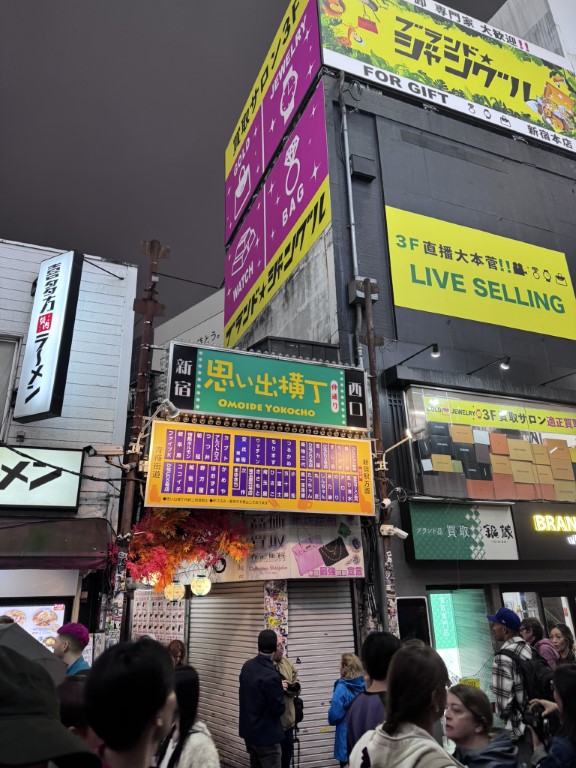
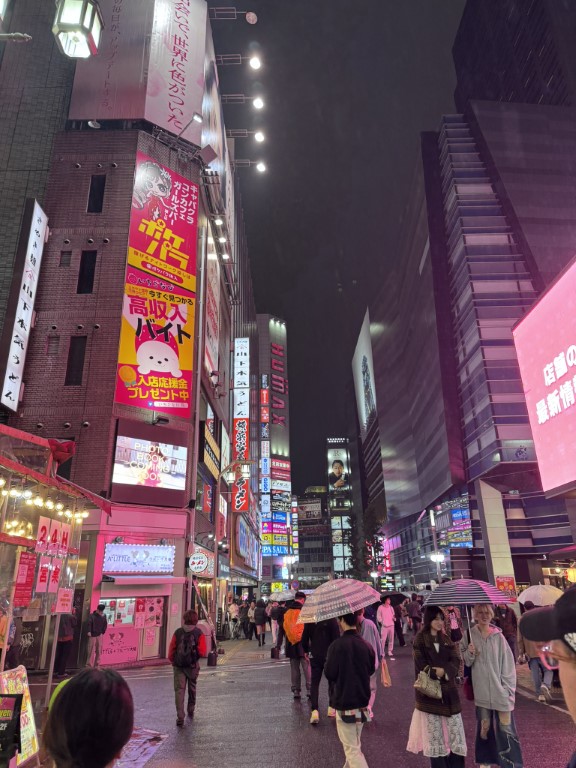
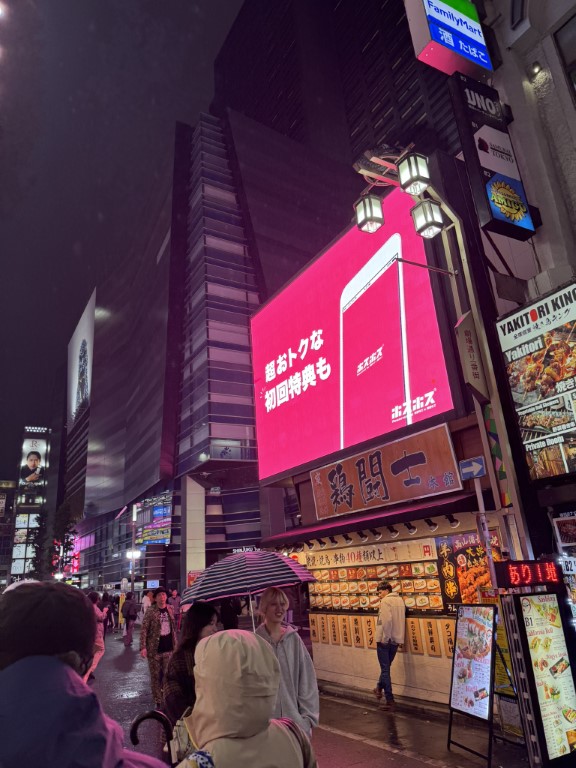
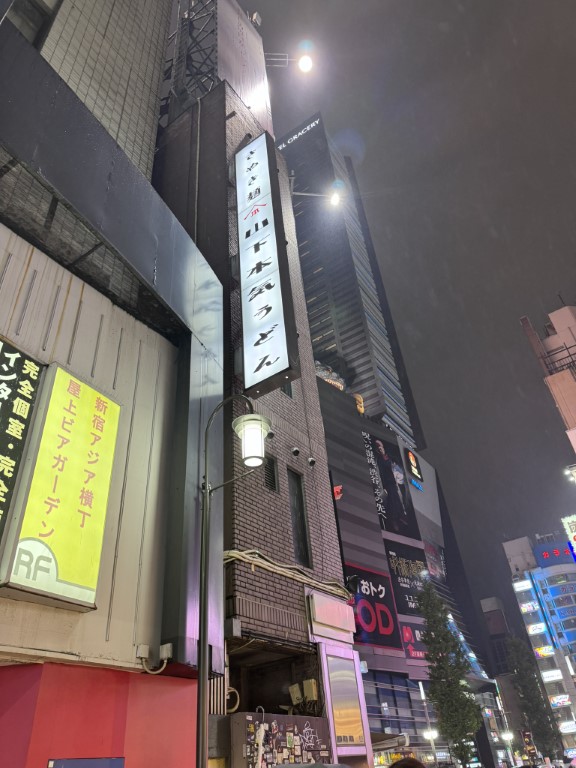
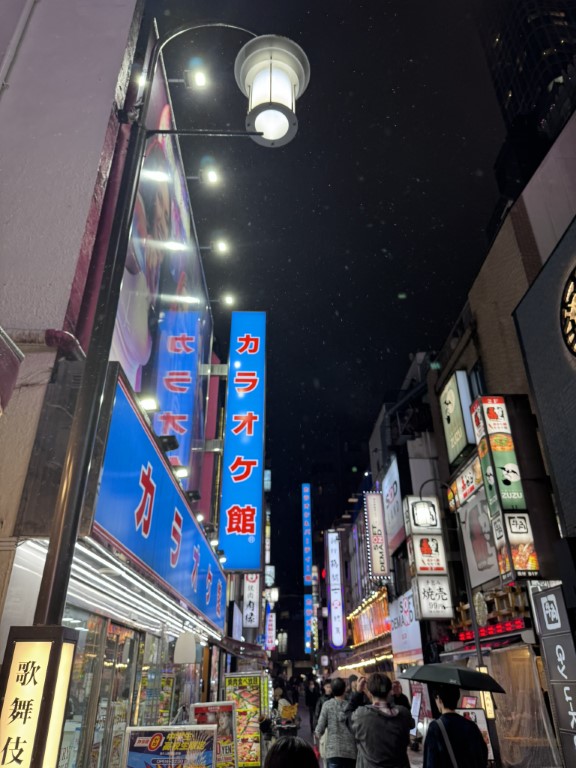
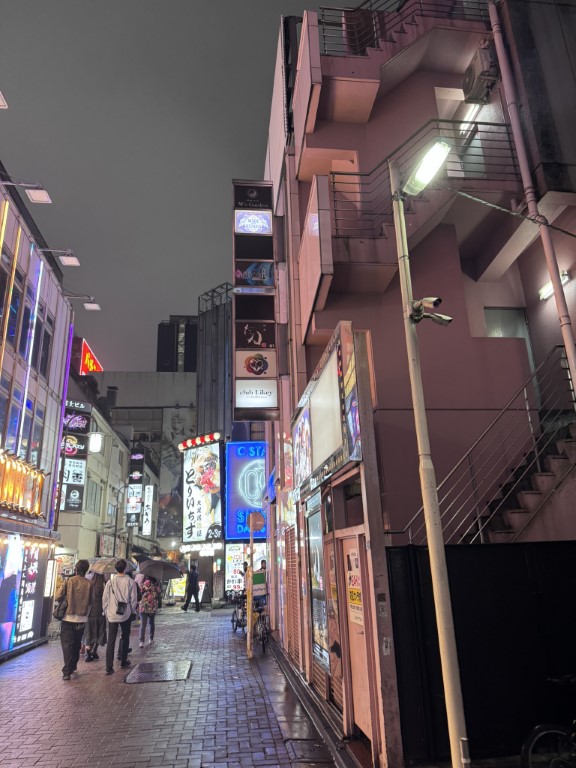
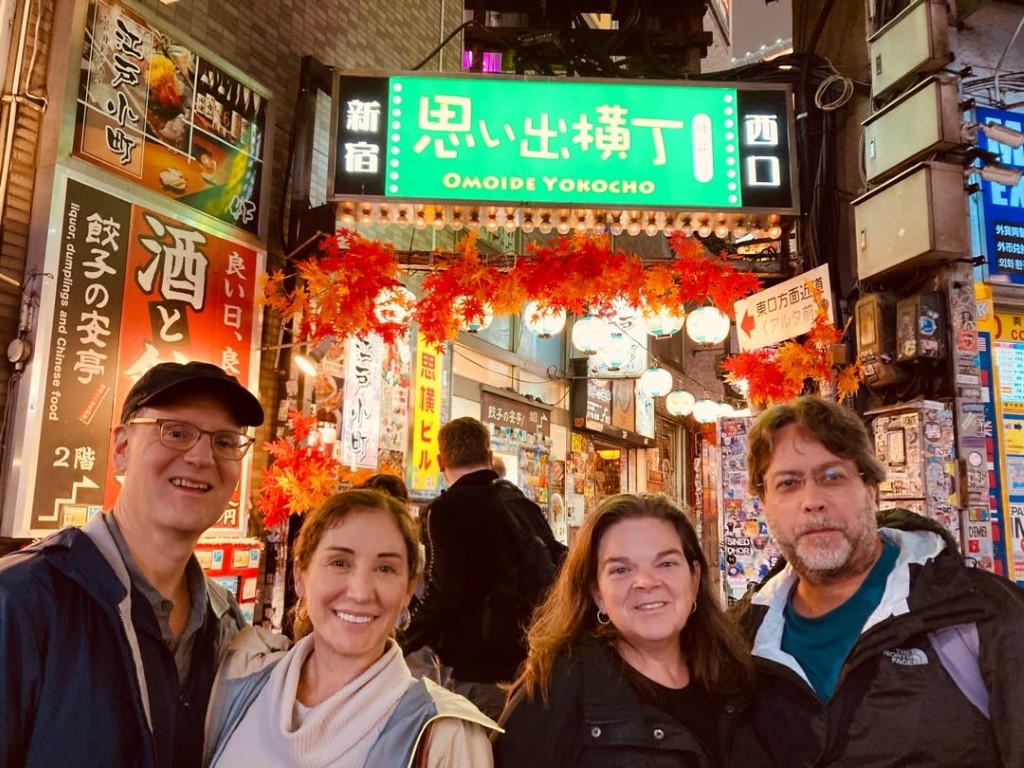
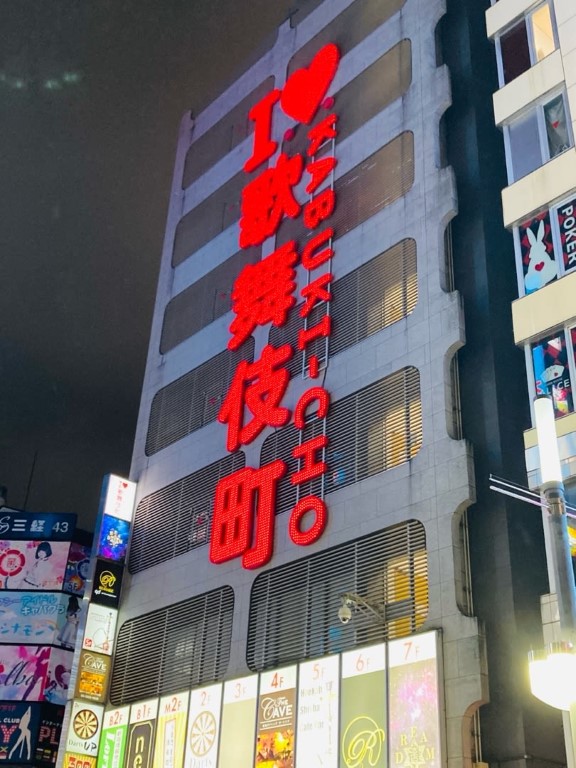
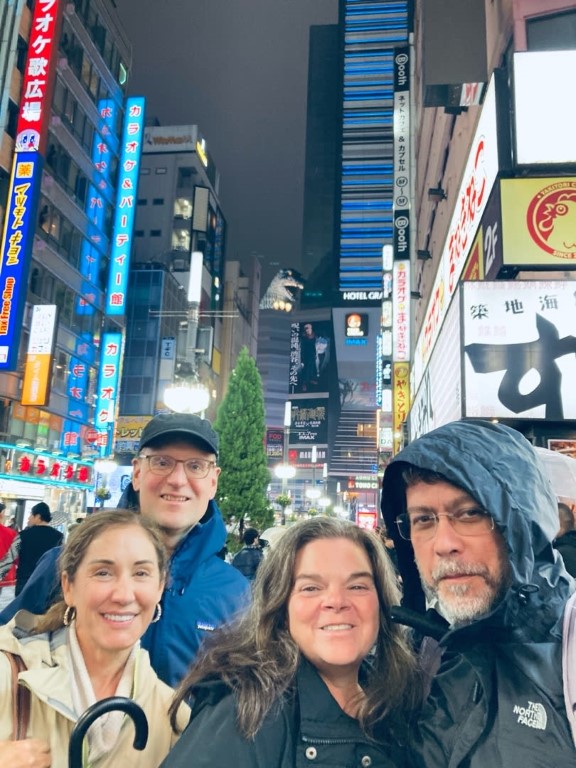
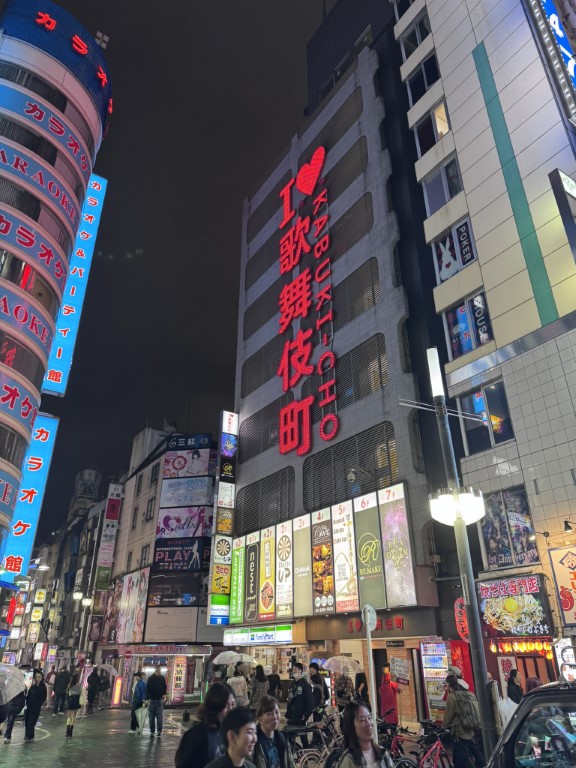
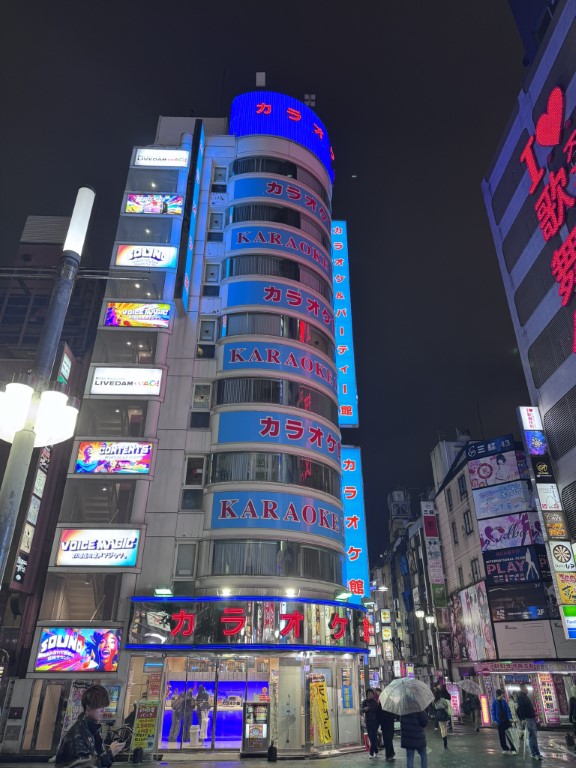
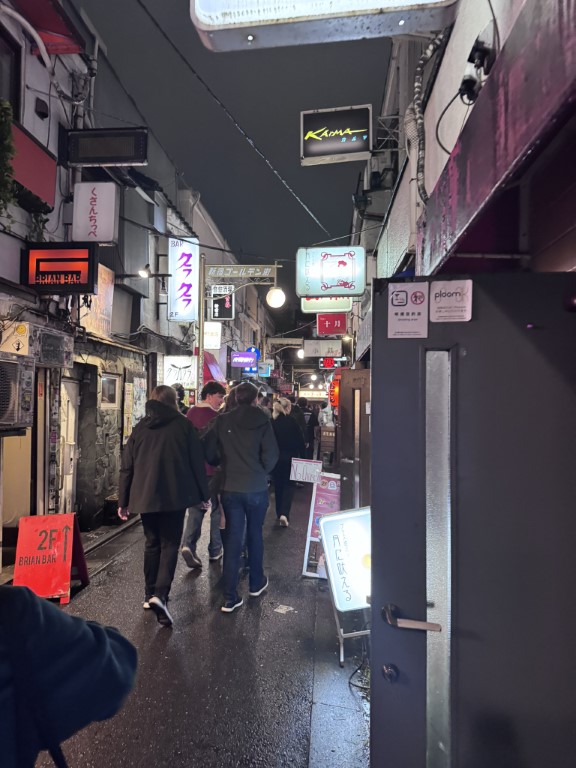
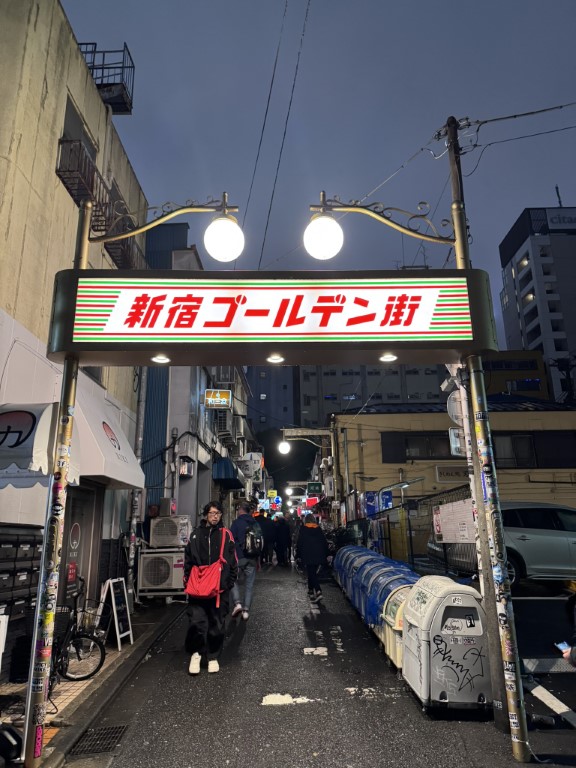
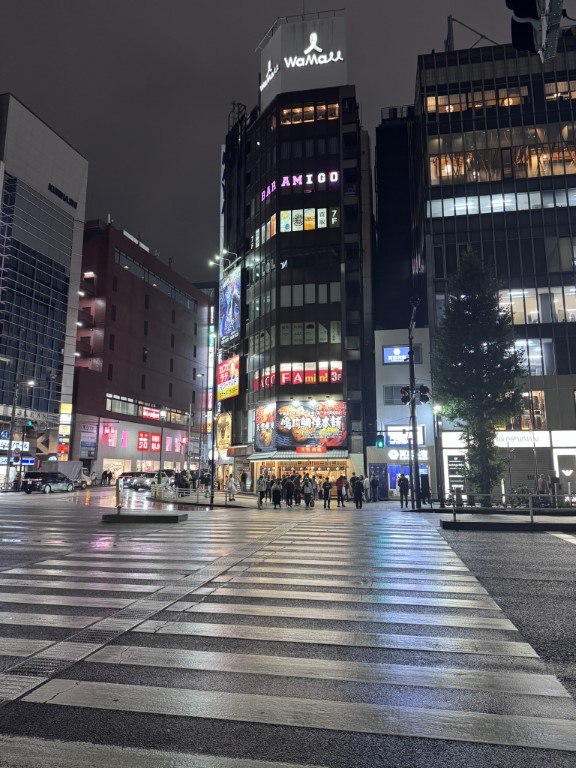
We met our guide and another couple outside the store and she led us through the bright lights of Shinjuku. J. R. was surprised how the area had changed since he had been there in the mid-2000s, when it was lined with pachinko parlors and seedier shops. Our guide explained in recent years there had been a push to upgrade the area, although there were still some seedier areas off the main streets where tourists needed to be aware.
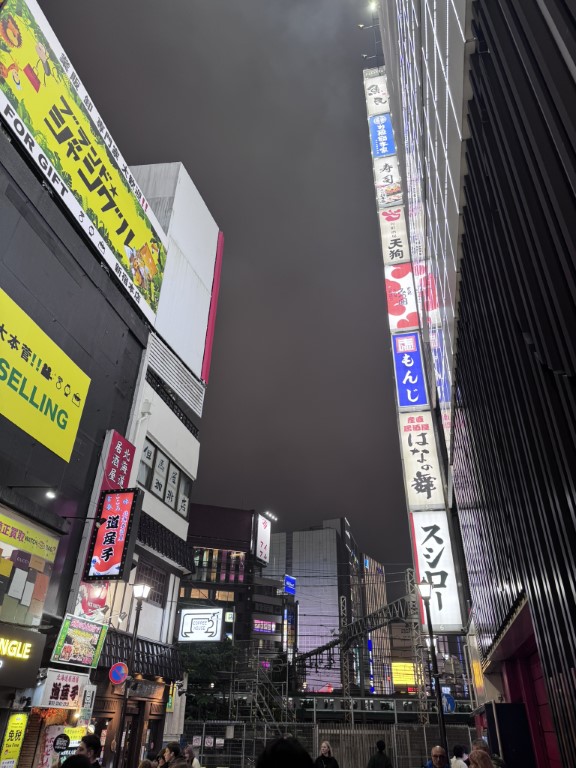
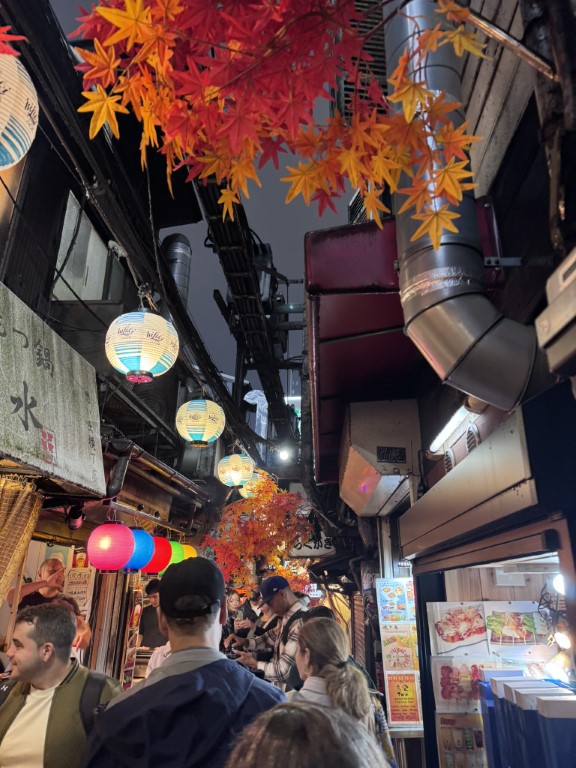
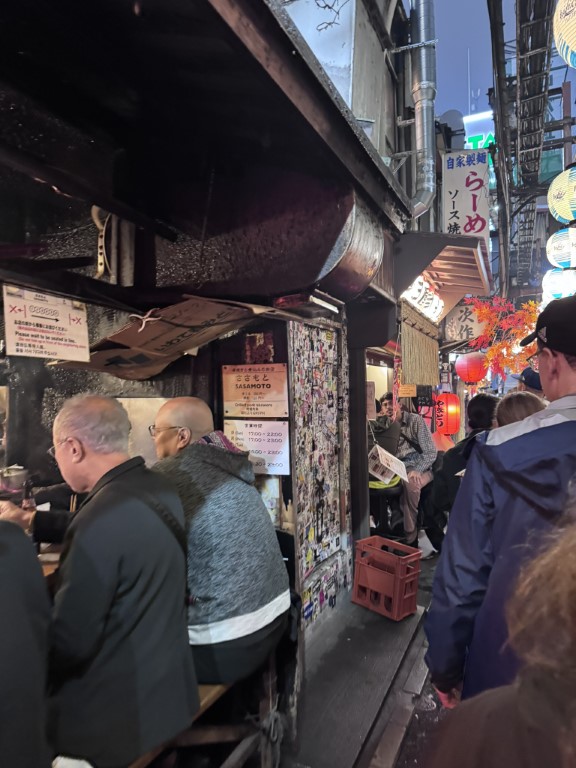
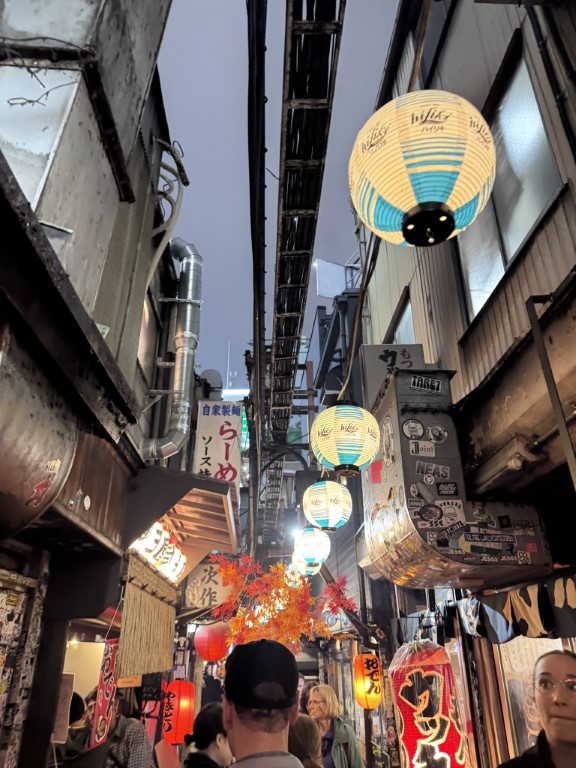
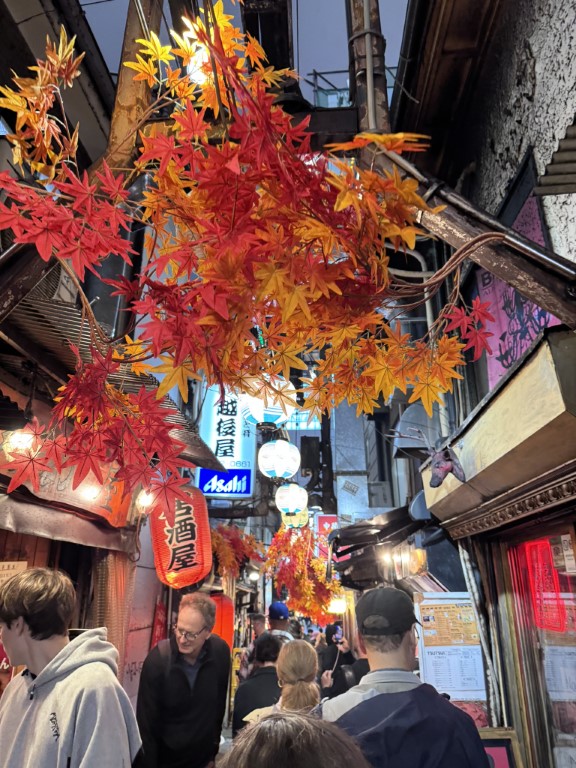
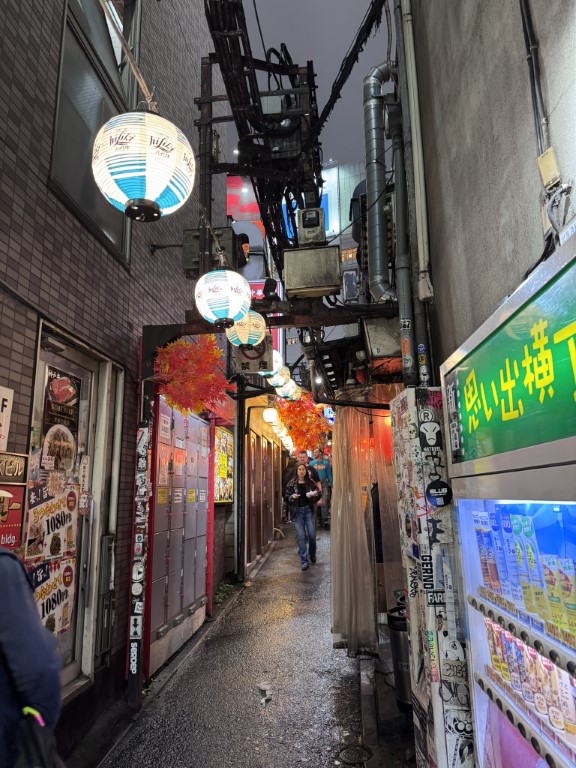
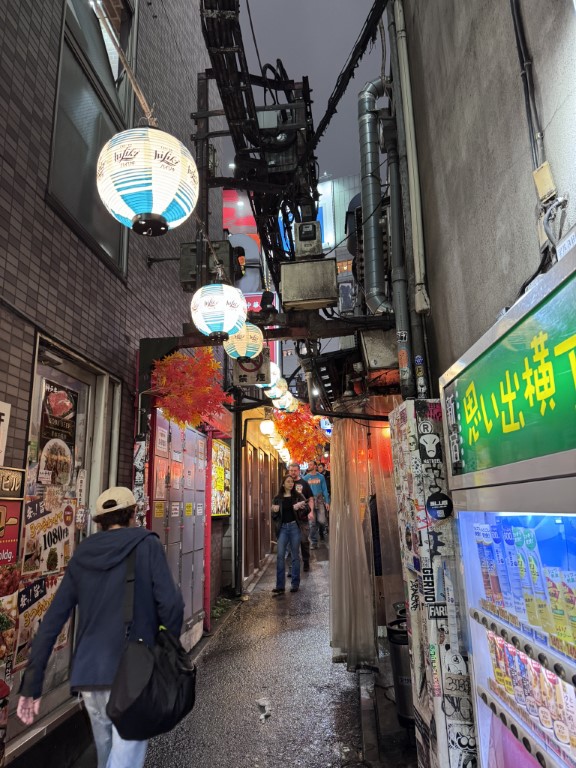
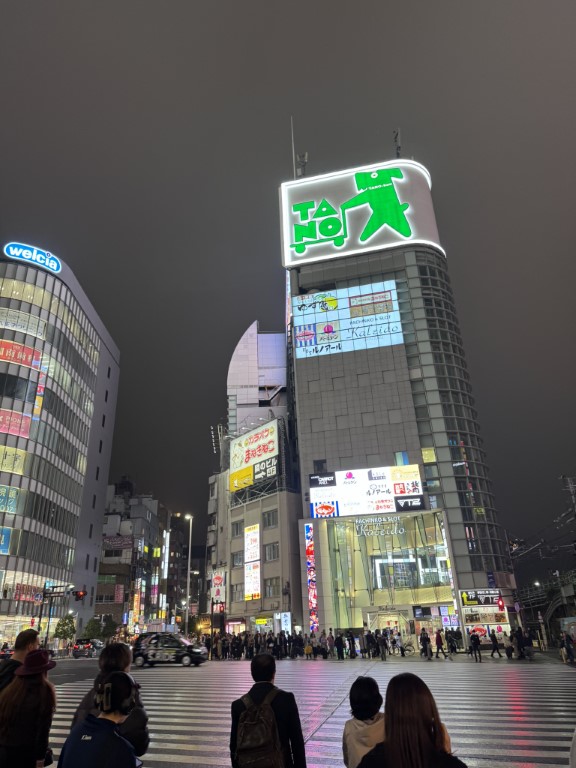
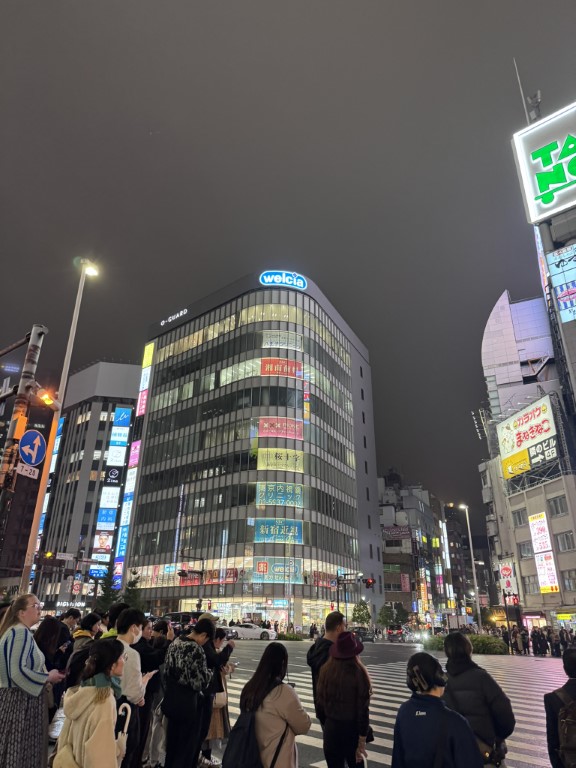
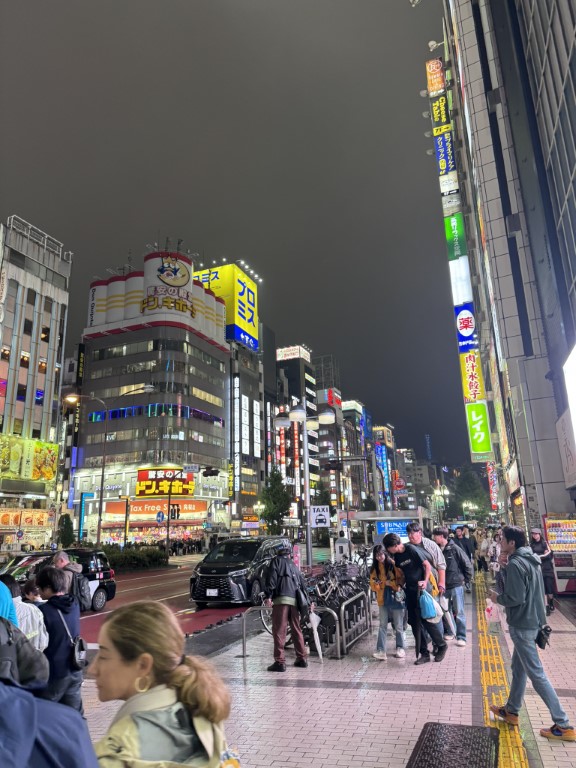
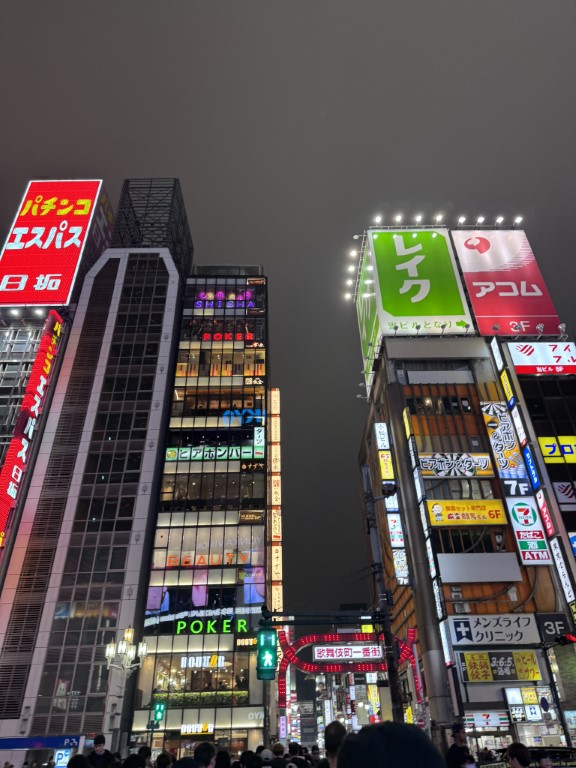
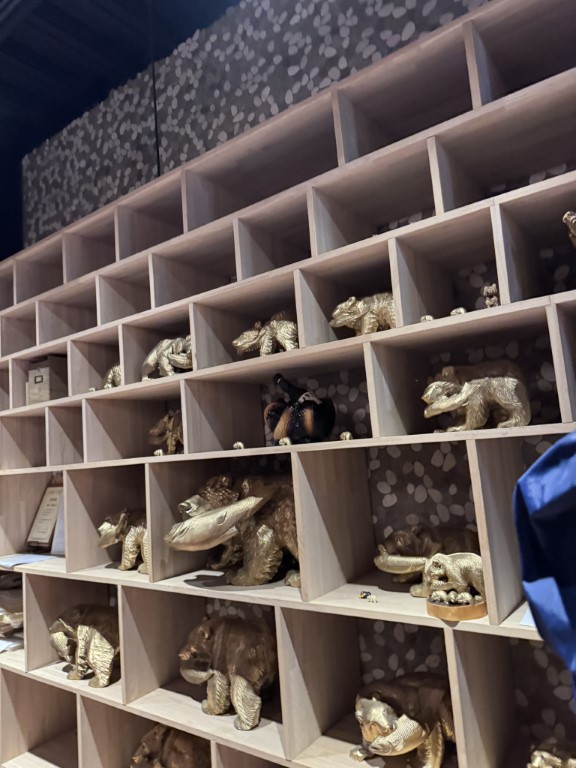
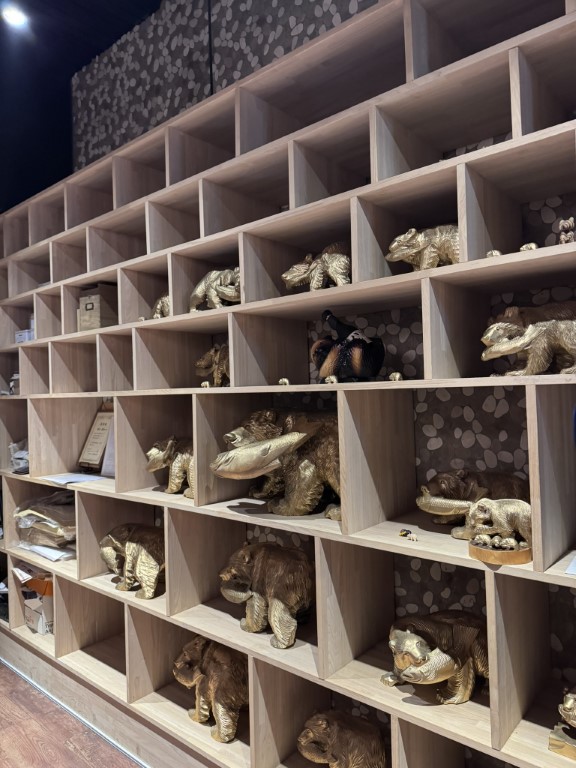
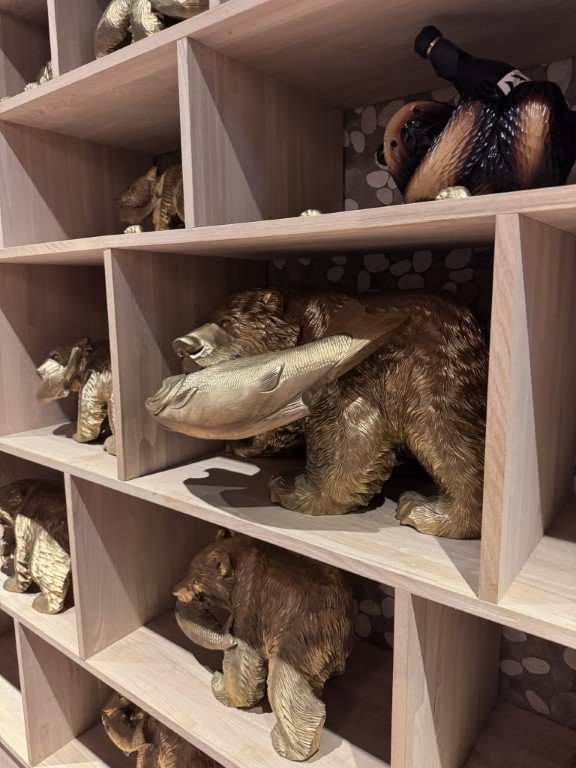
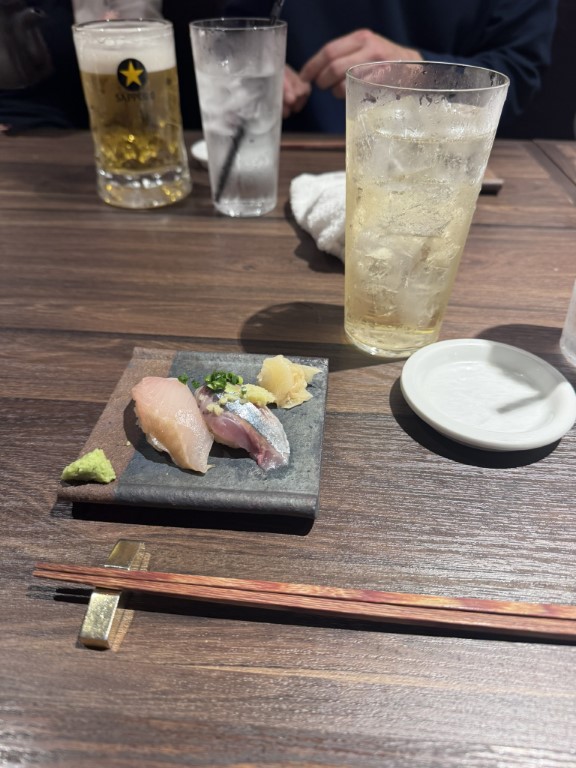
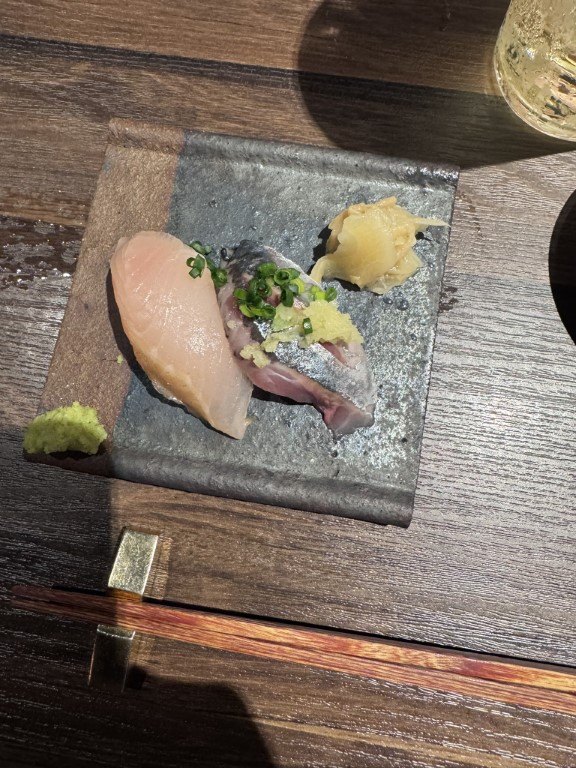
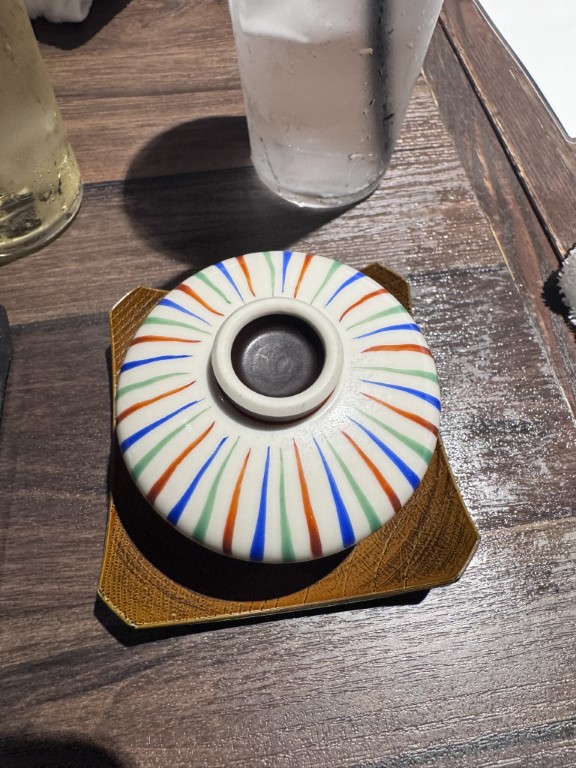
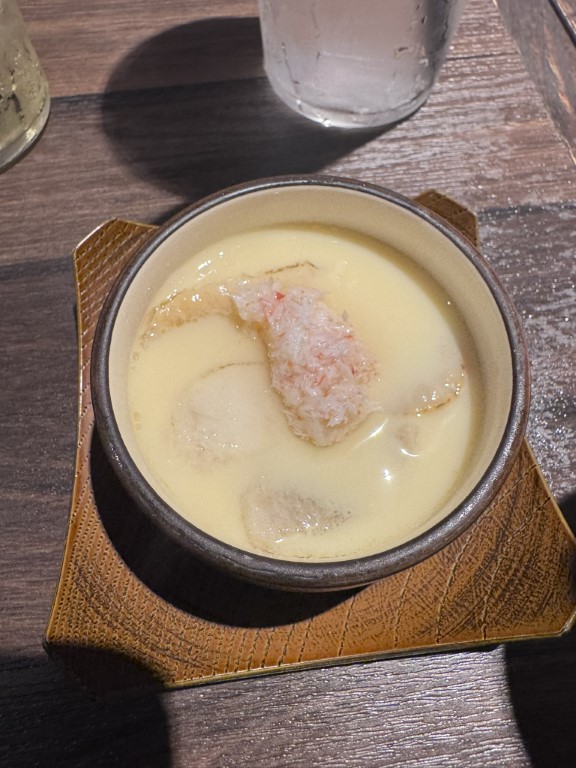
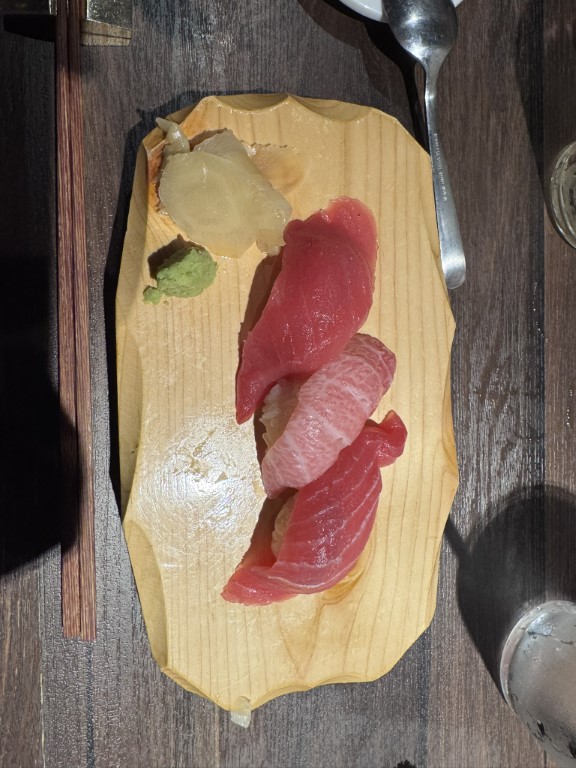
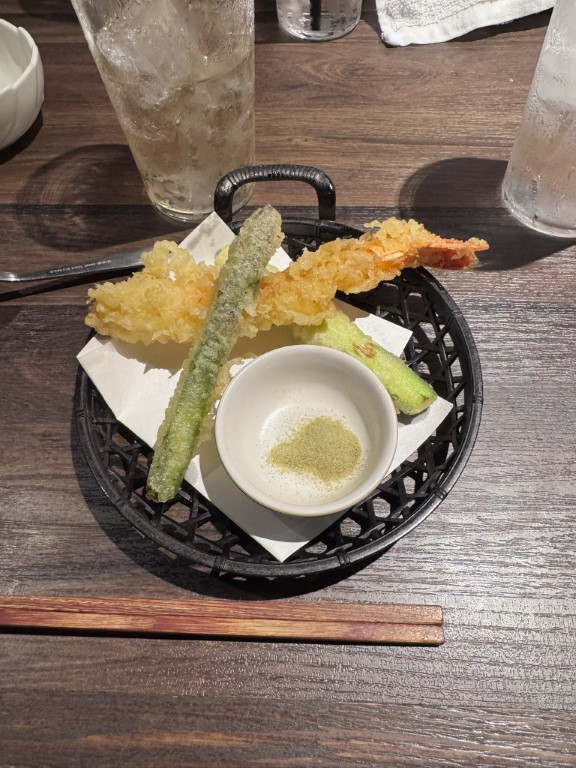
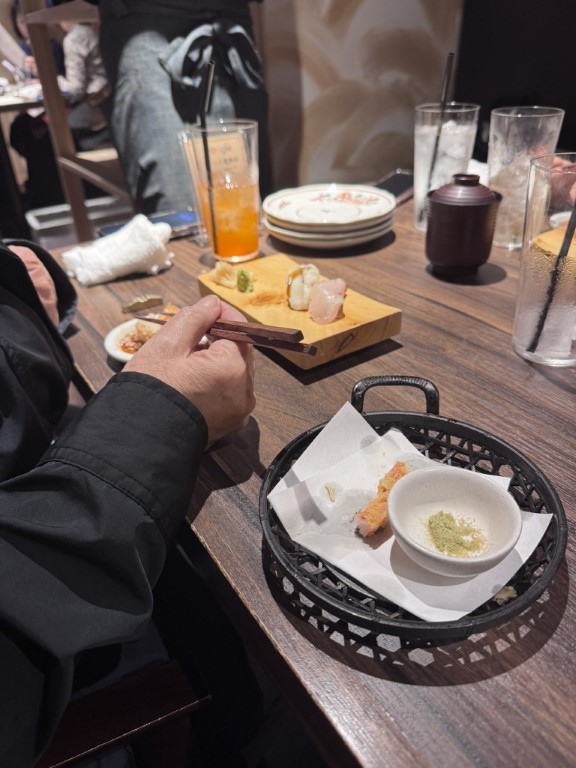
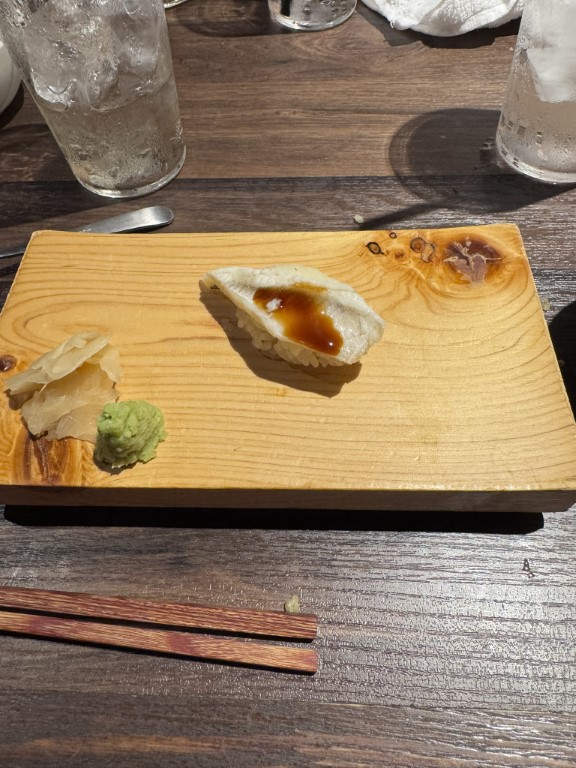
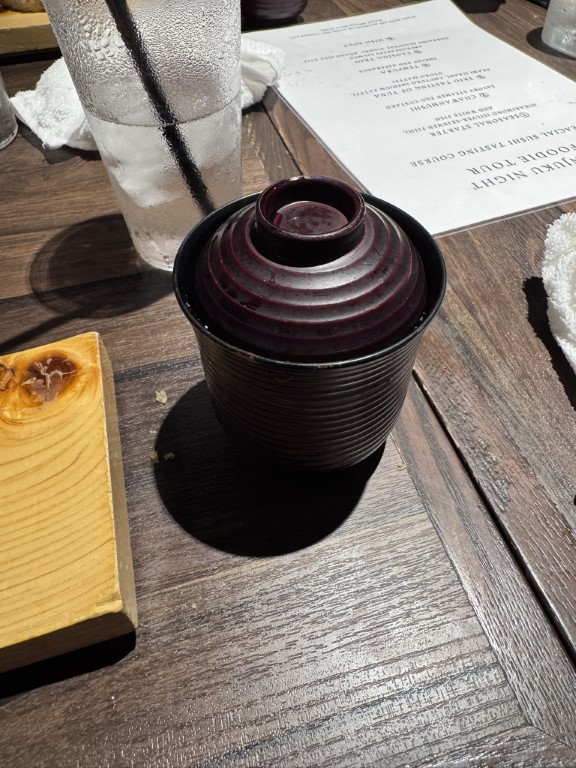
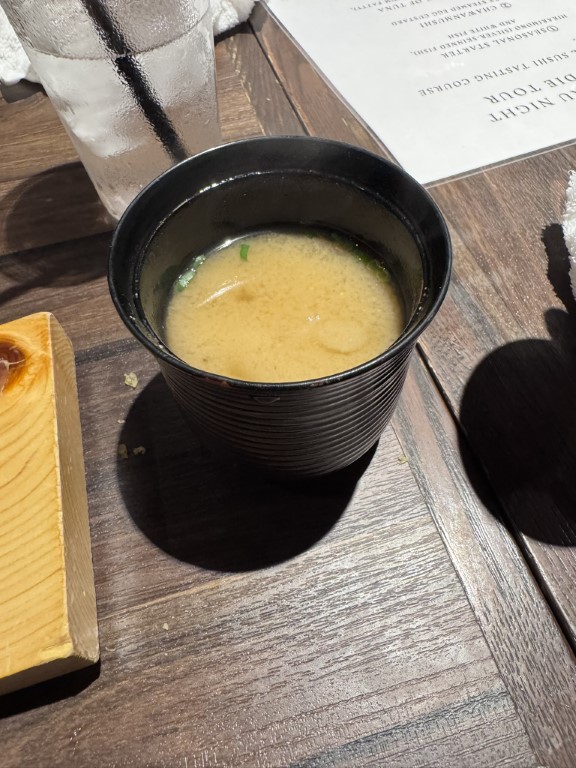
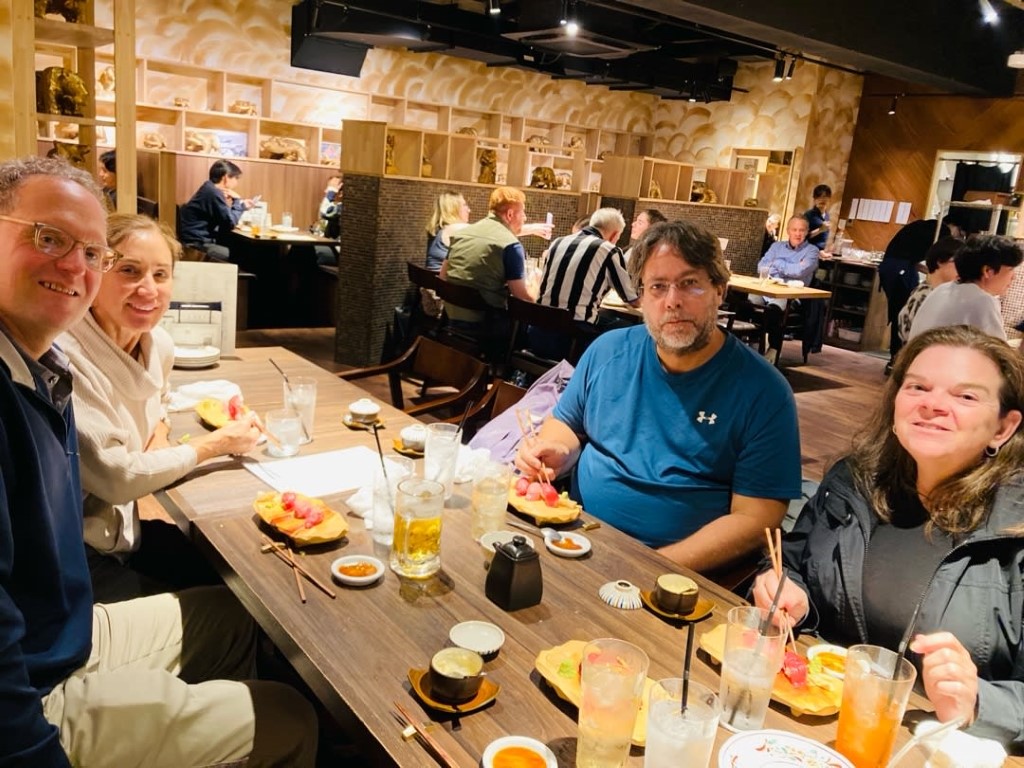
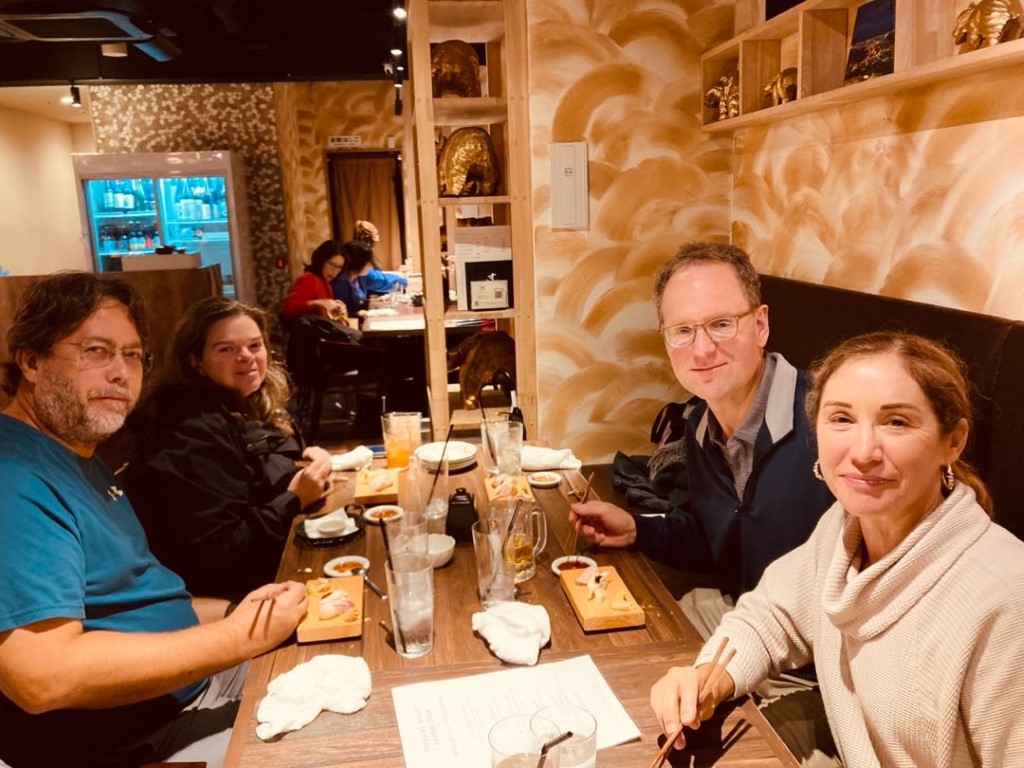
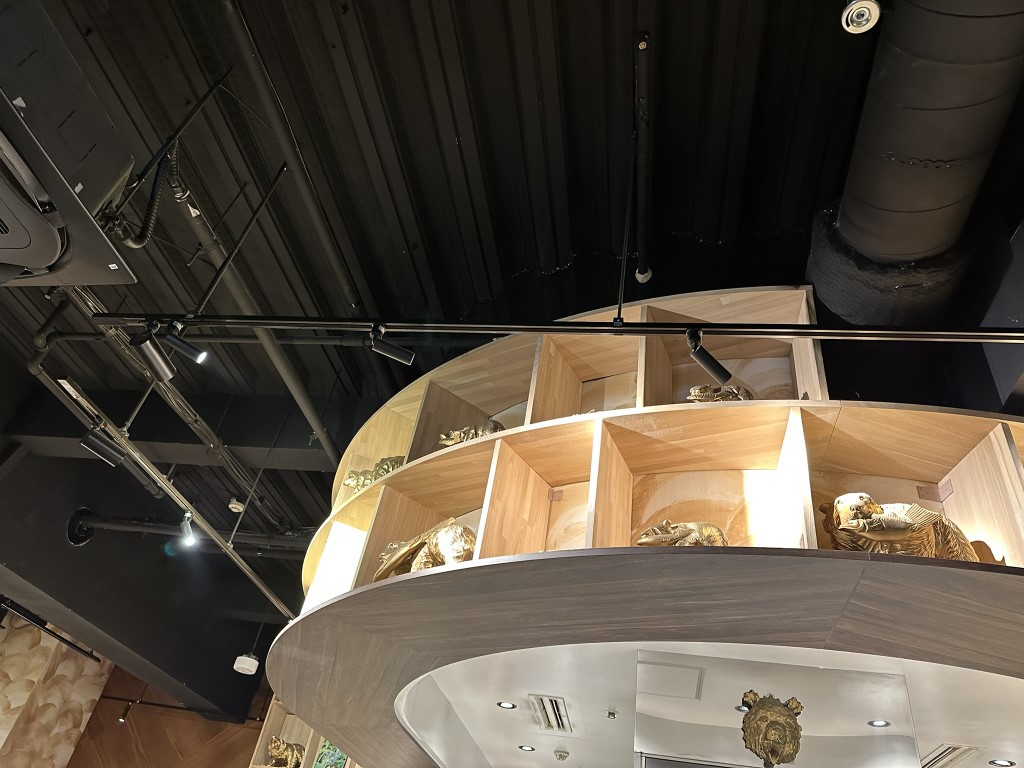
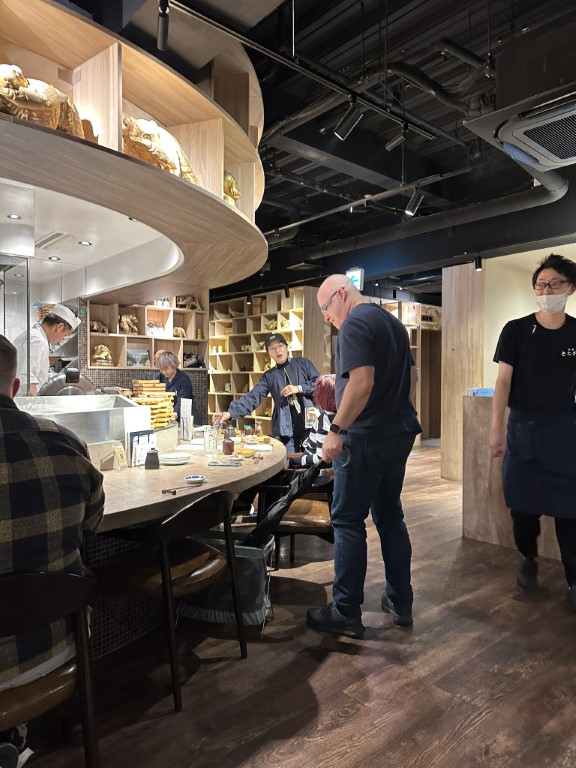
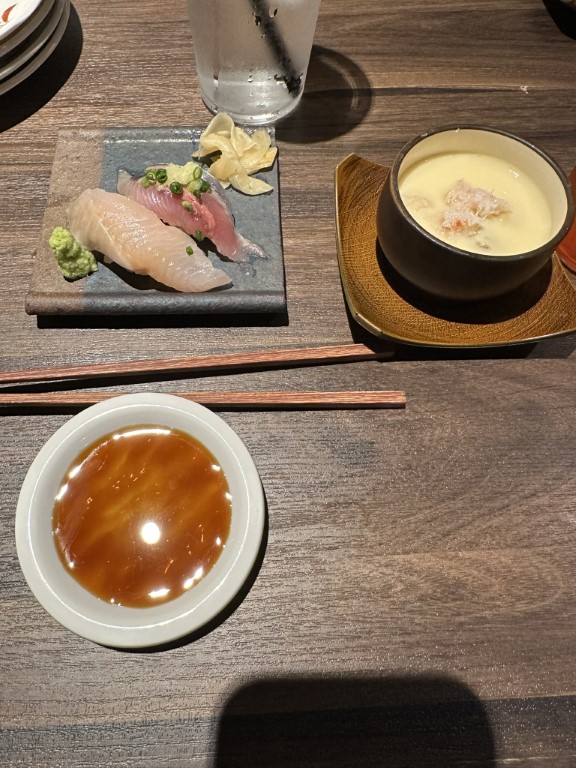
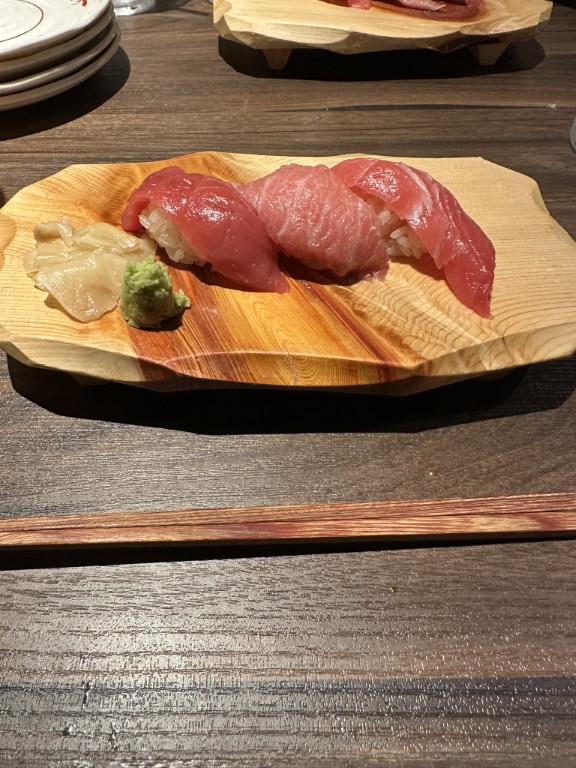
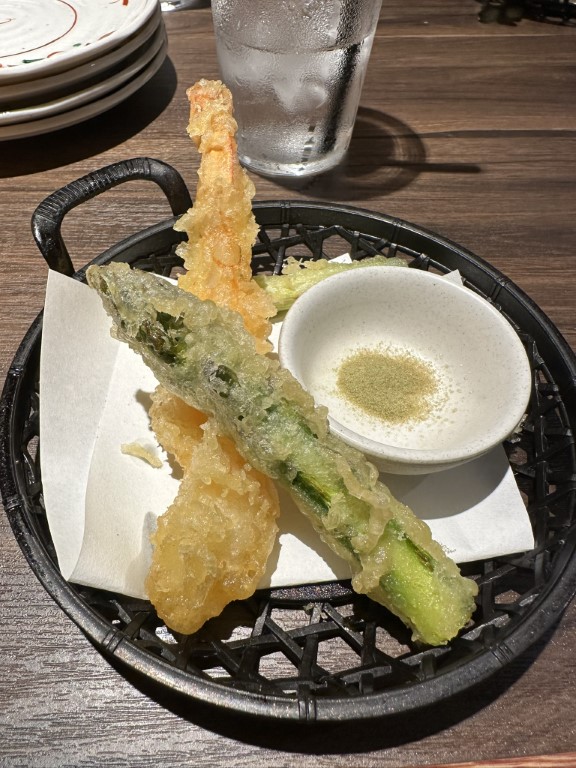
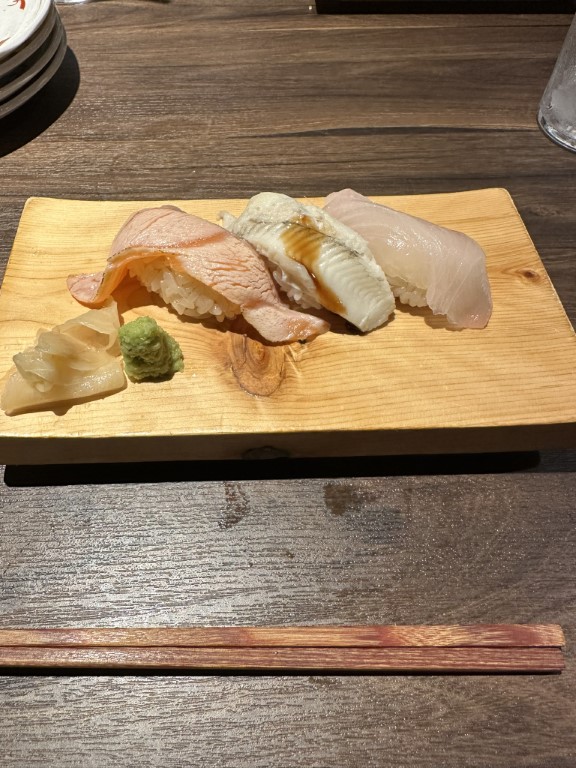
The first stop on our tour was Sushi&Robata Sushiyama Shinjuku Kibori, which unfortunately was on the sixth floor, but Janie was pleased to see there was an elevator. The restaurant was decorated with over 1,000 carved wooden bears and a theme of a "Day Trip Hokkaido" experience. Hokkaido is known for its bears and we wished we had time on this trip to visit there, but we were sort of glad we did not, as it snowed the week we were in Tokyo. We enjoyed a set menu, which included a seasonal starter of hikarimono (silver-skinned fish) and white fish; chawanmusi, a savory steamed egg custard; a trio tasting of akami (lean), chutoro (medium fatty) and toro (fatty) tuna; shrimp and asparagus tempura; a closing trio of aburi (seared) salmon, Hokkaido seasonal nighri and anago (sea eel) along with miso soup.
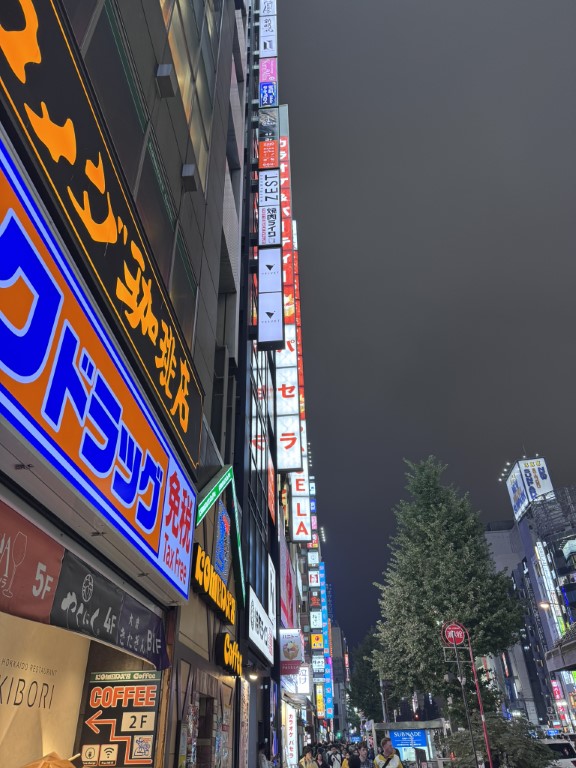
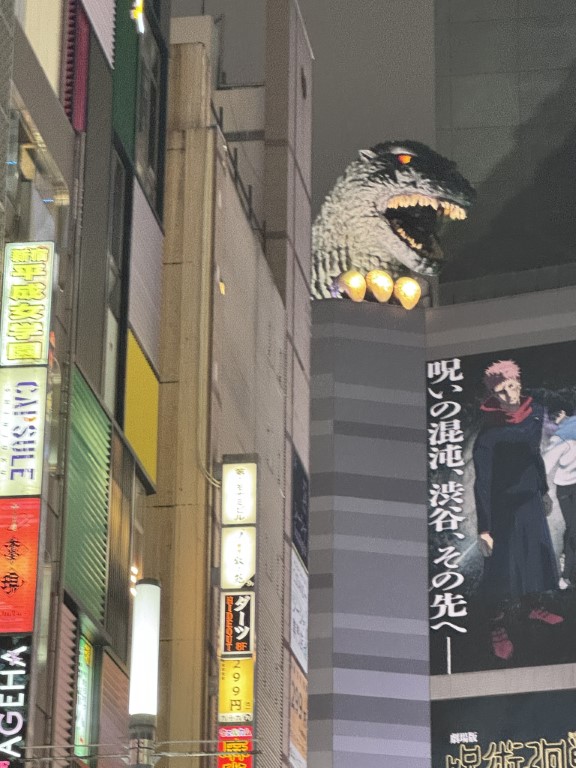
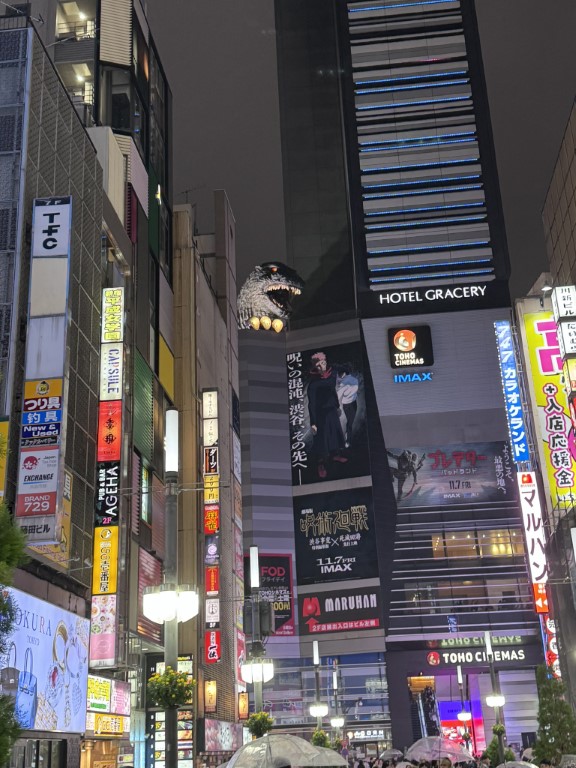
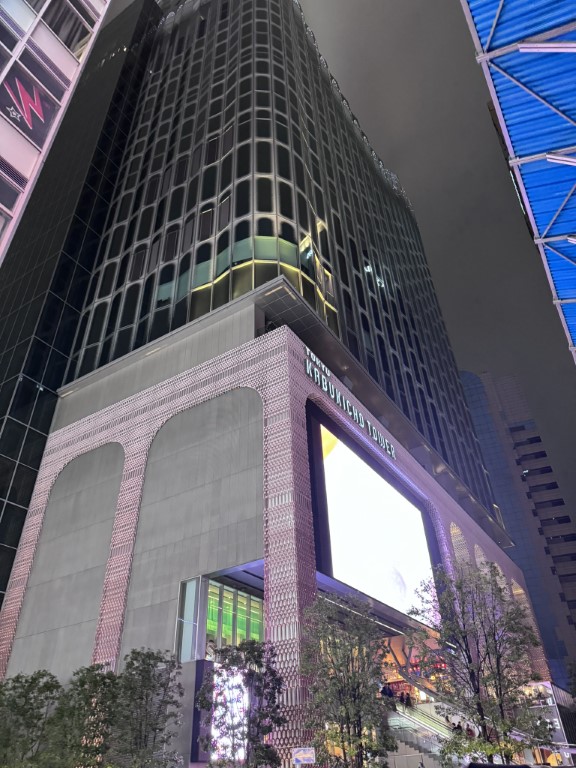
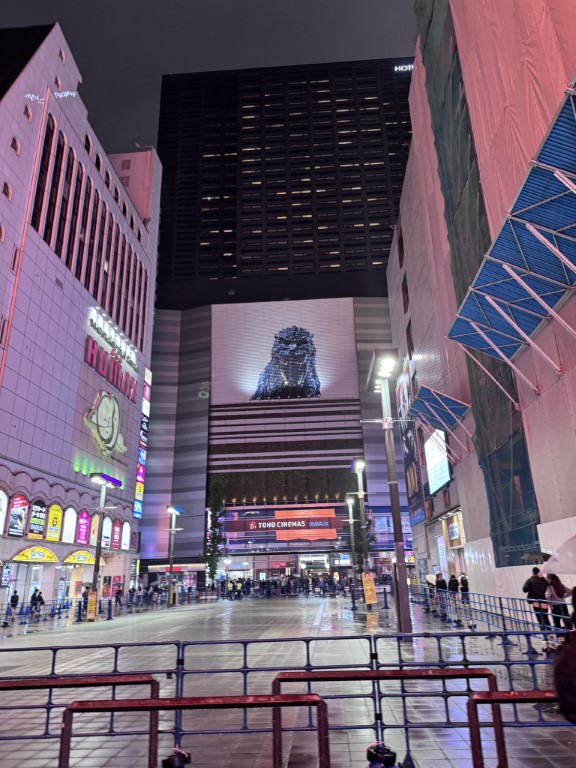
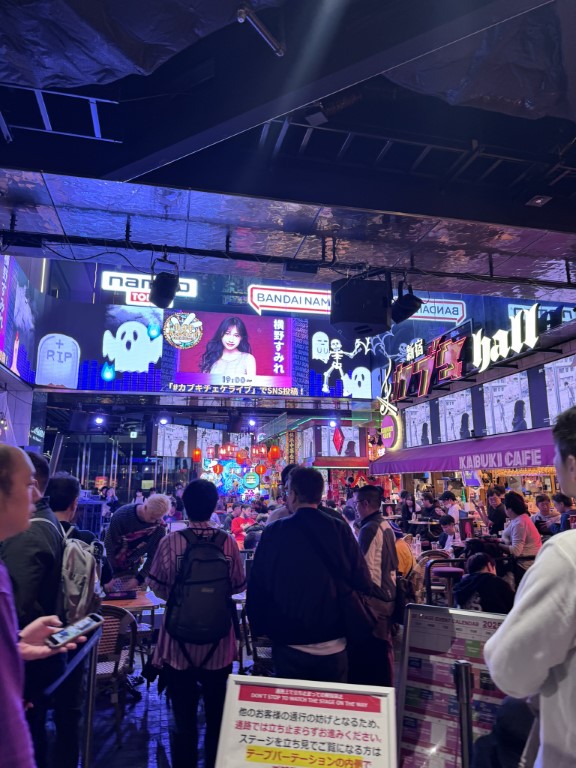
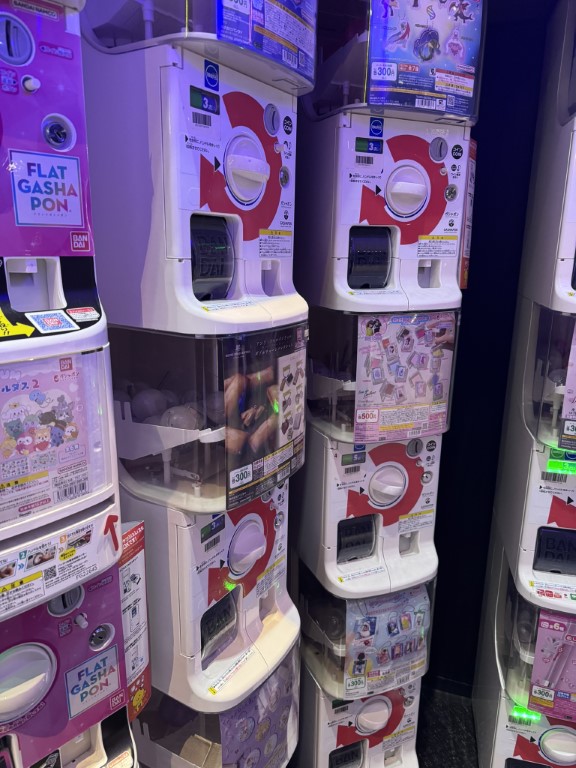
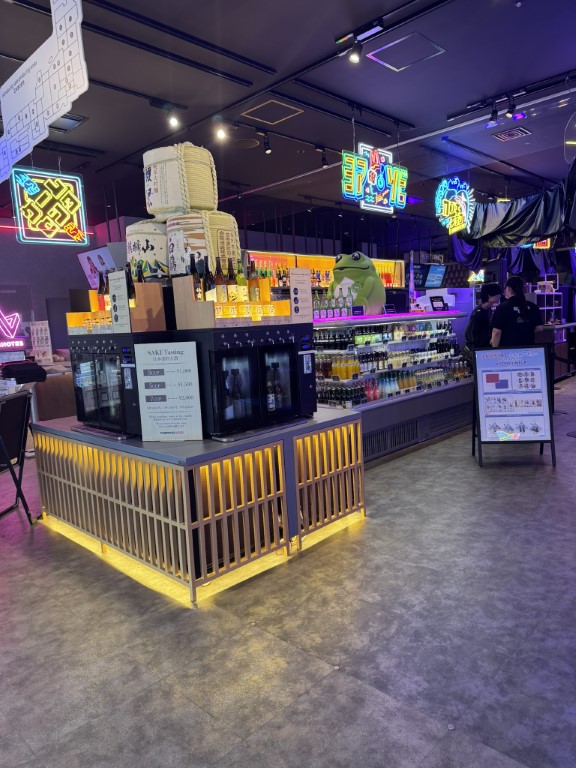
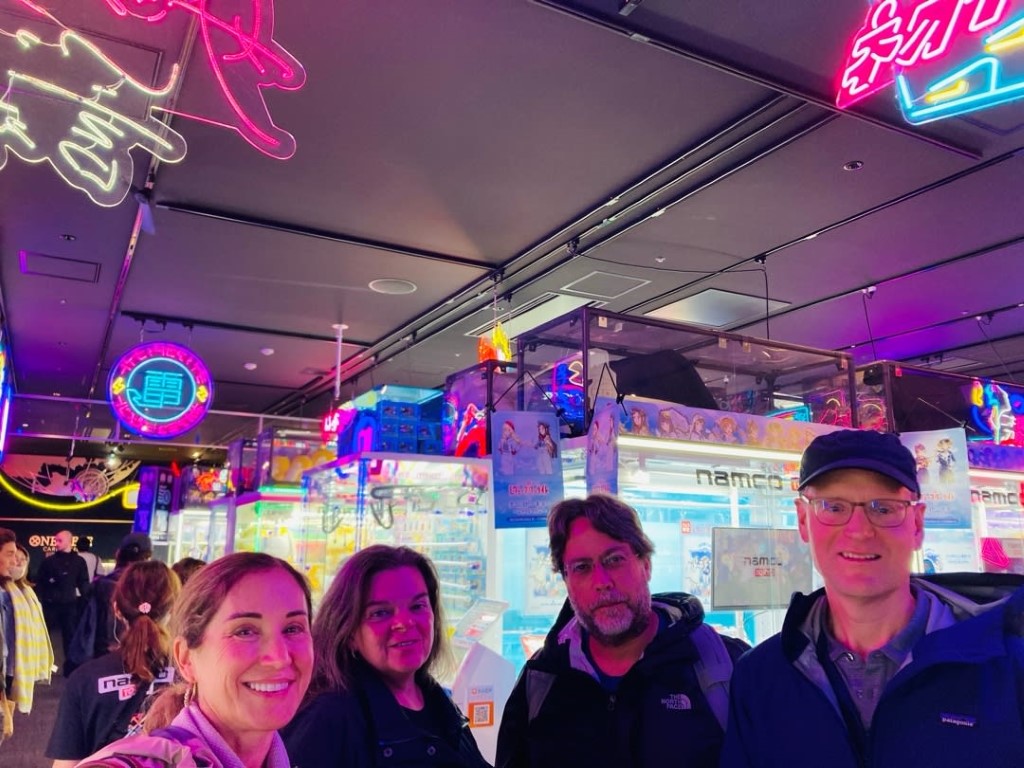
We headed back into the streets of Shinjuku, getting a glimspe of the famed Godzilla head looming over the city before stopping in the Tokyu Kabukicho Tower, opened in 2023. The Shinjuku Kabuki Hall, an entertainment food hall, is located on the second floor. On the tower's third floor, Bandai Namco Amusements runs an amusement centre that features events with anime, manga and video game characters.
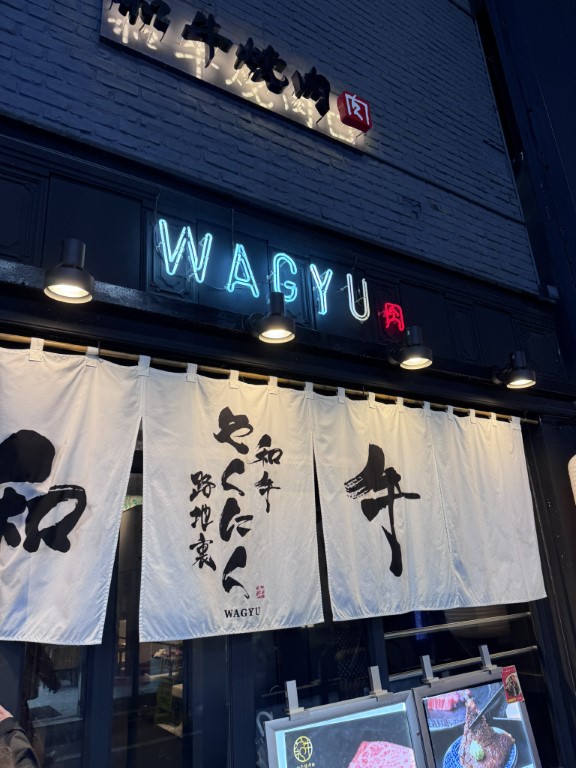
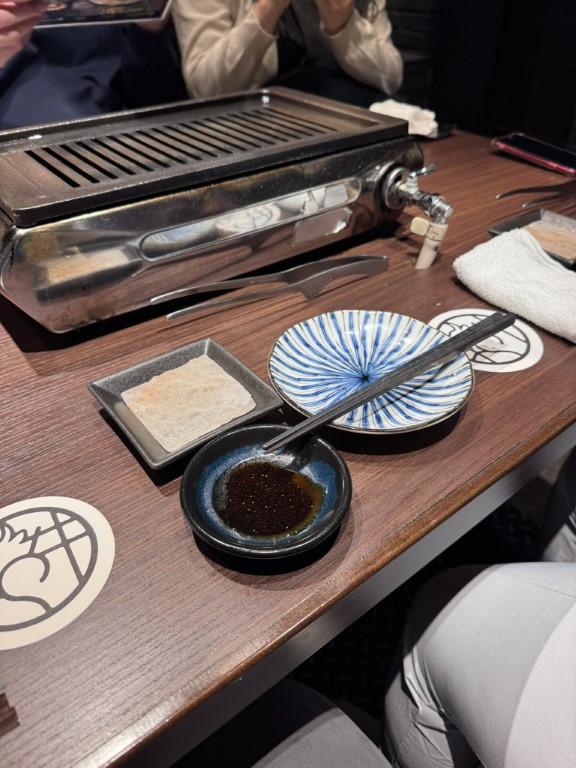
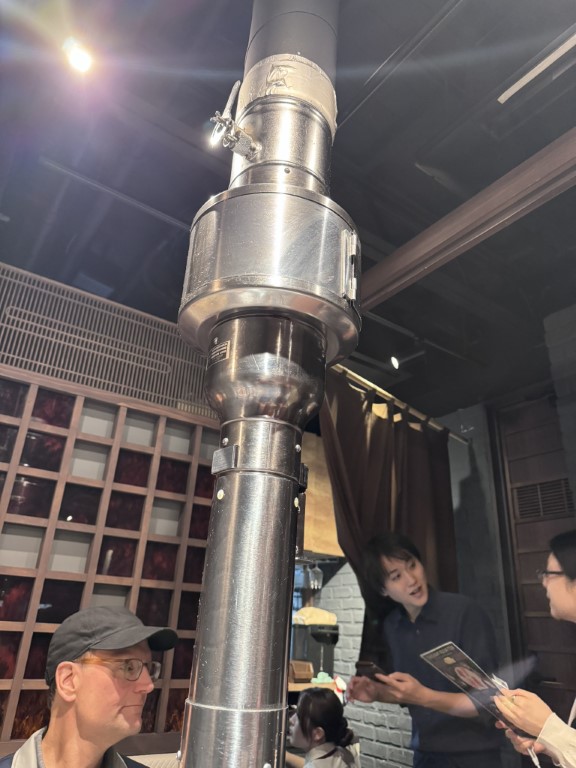
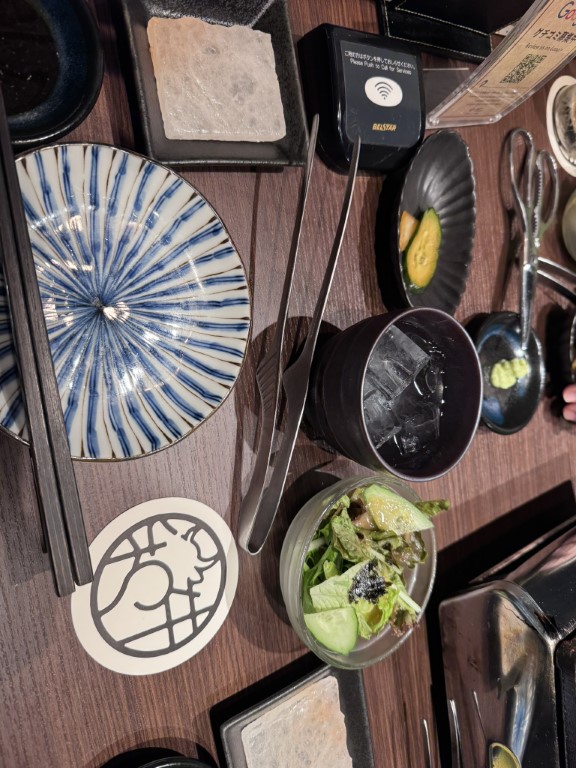
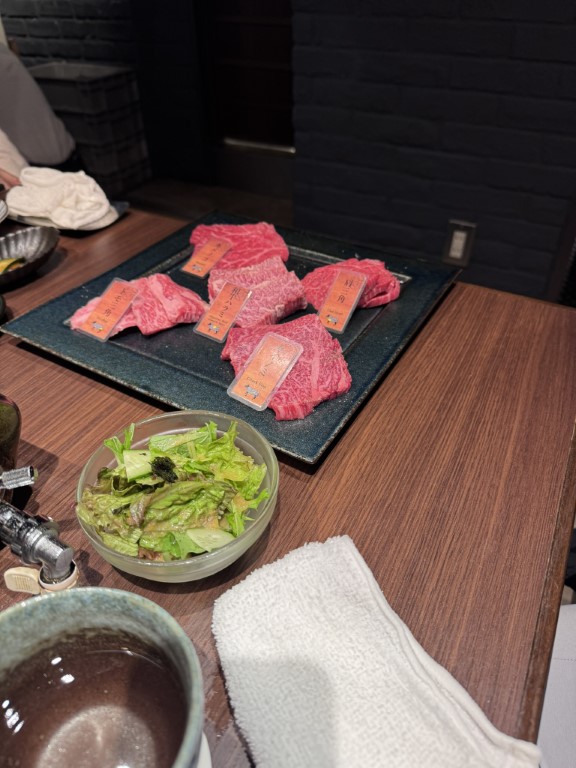
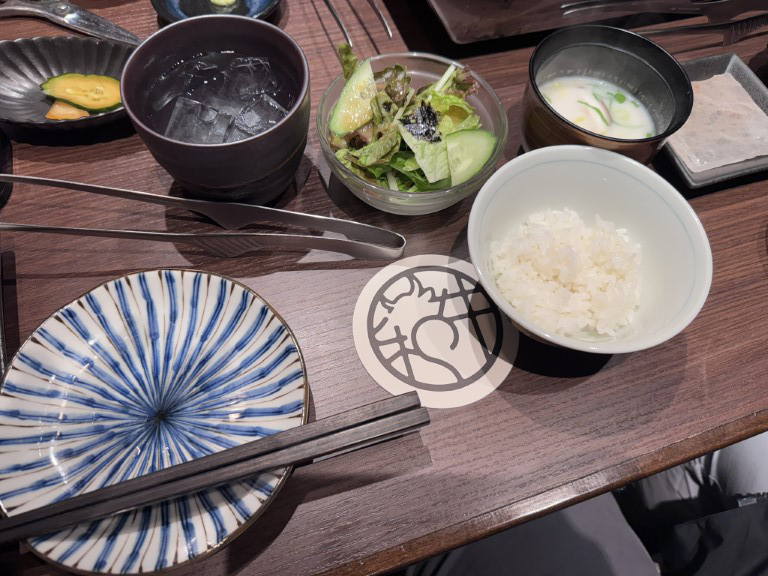
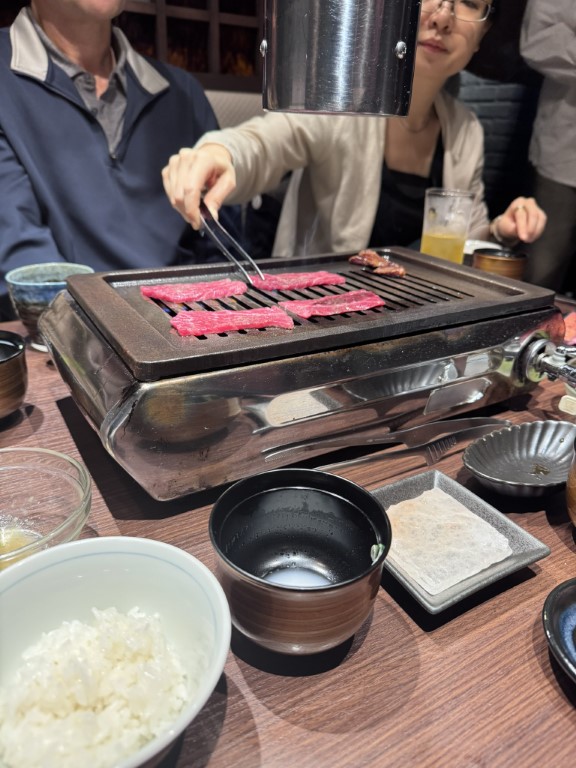
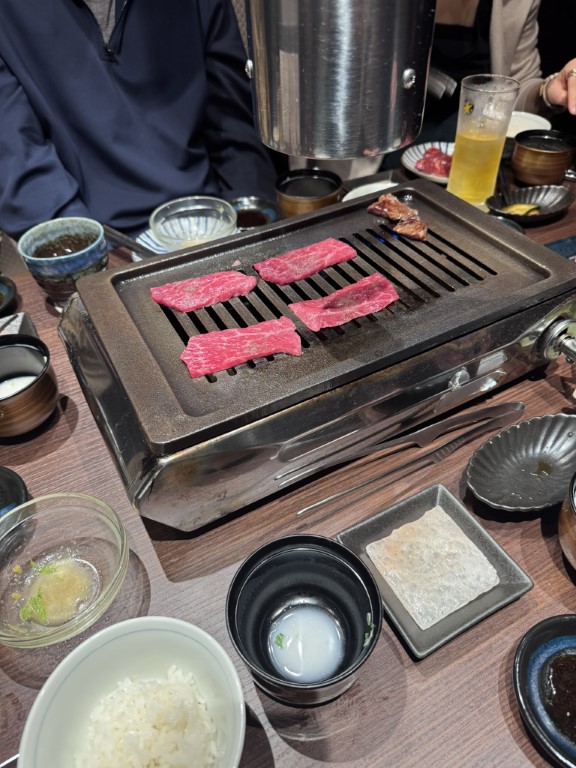
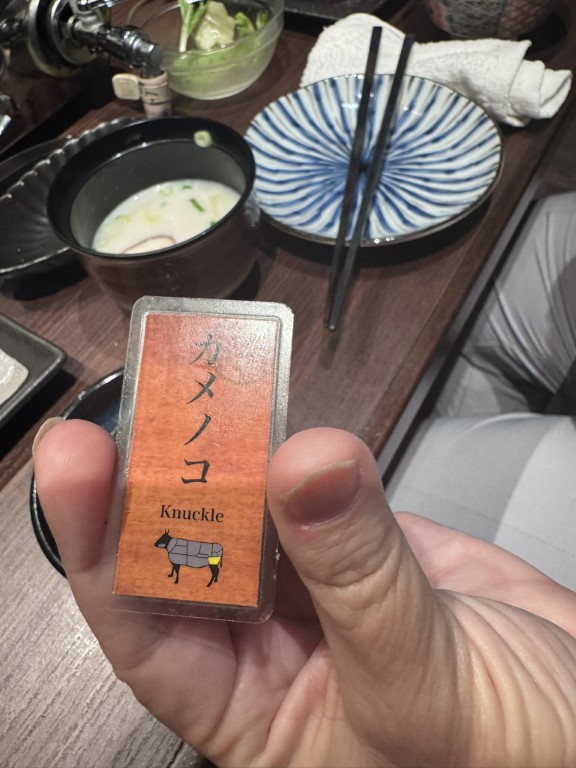
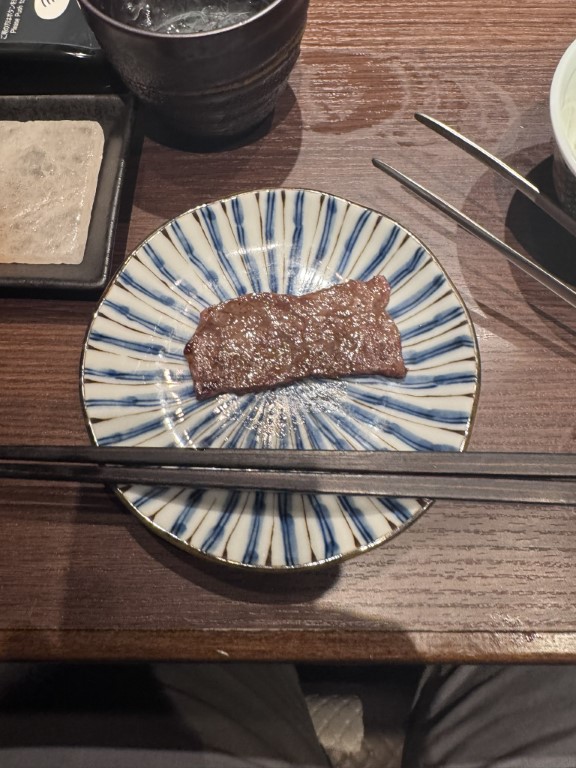
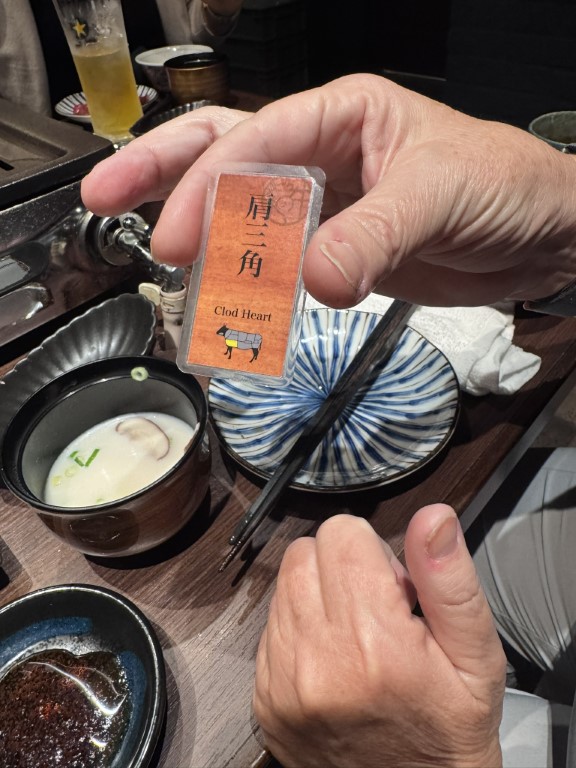
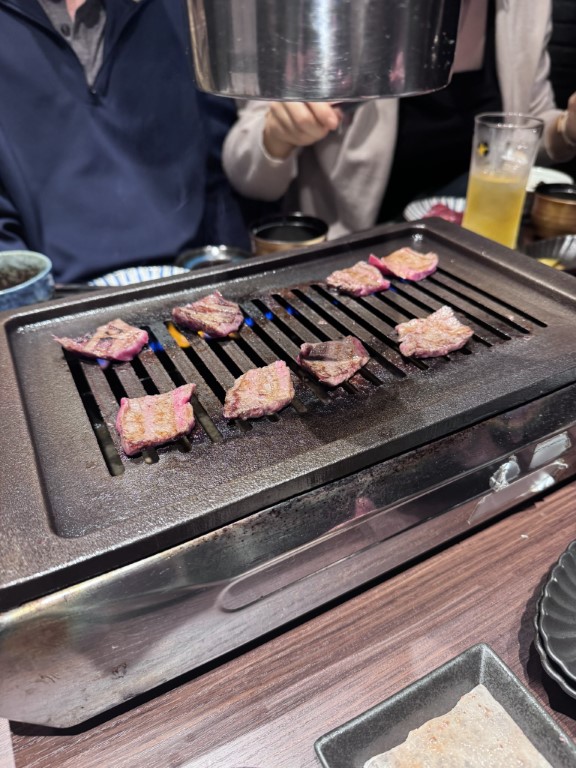
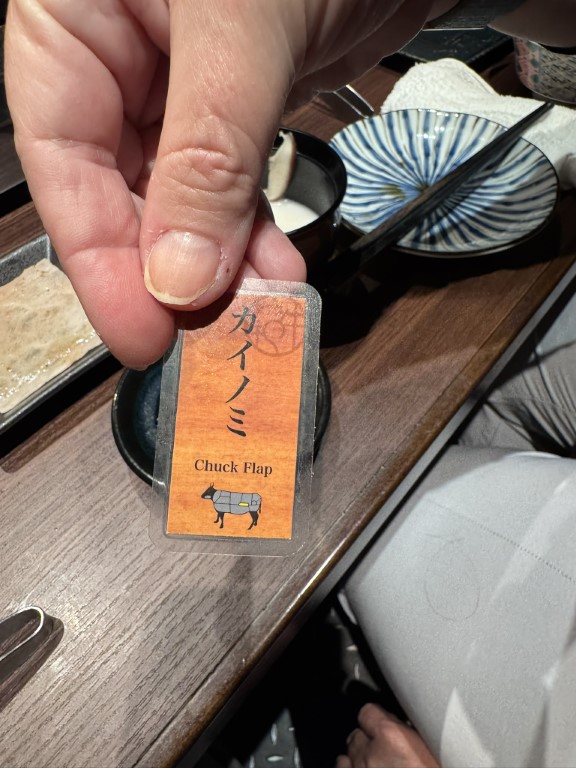
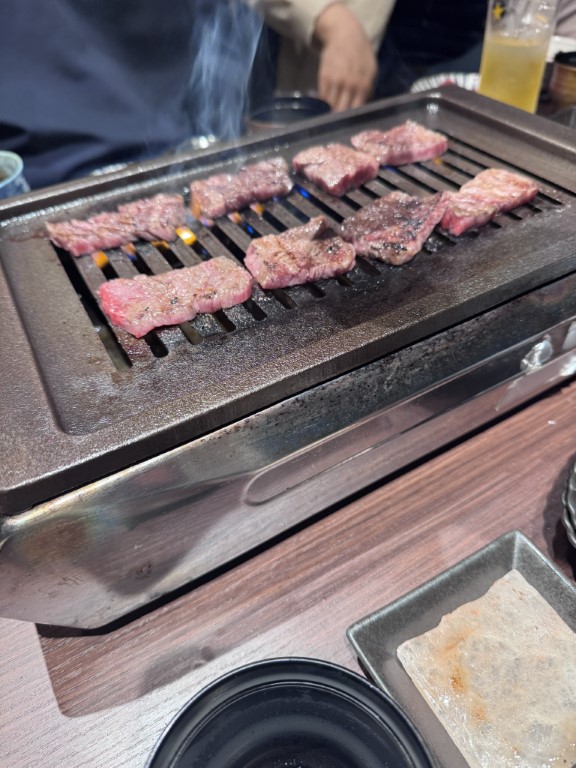
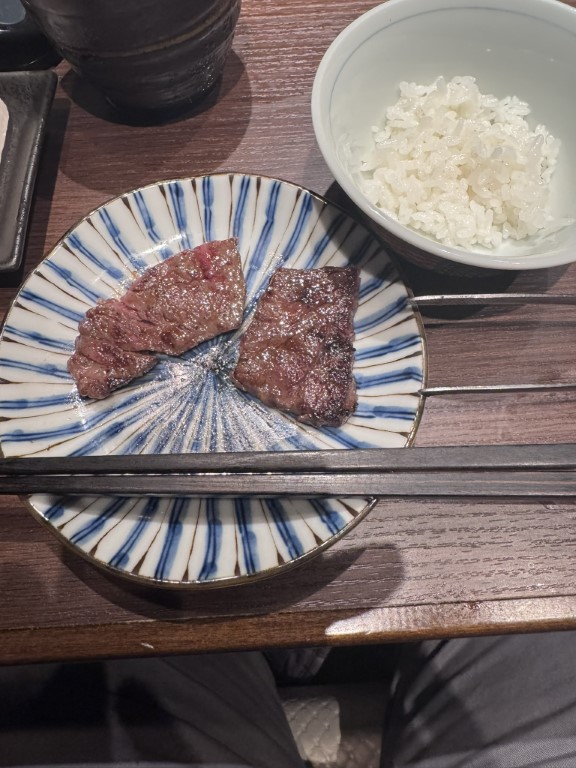
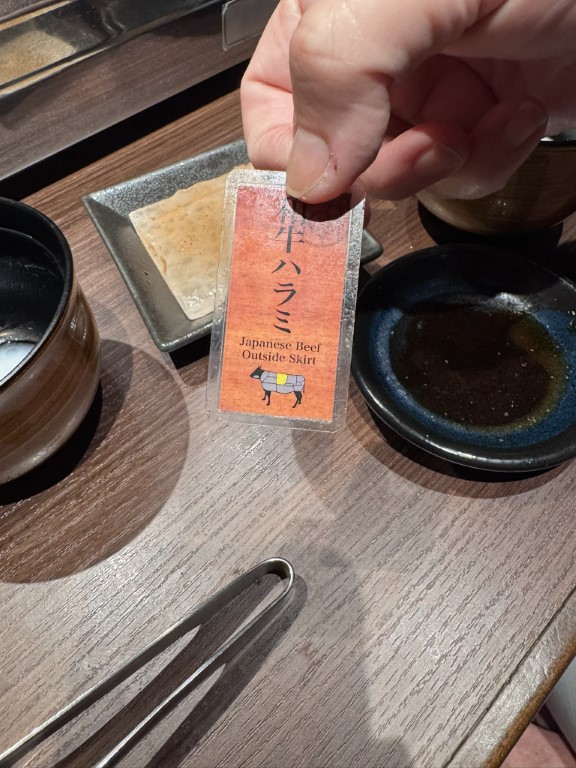
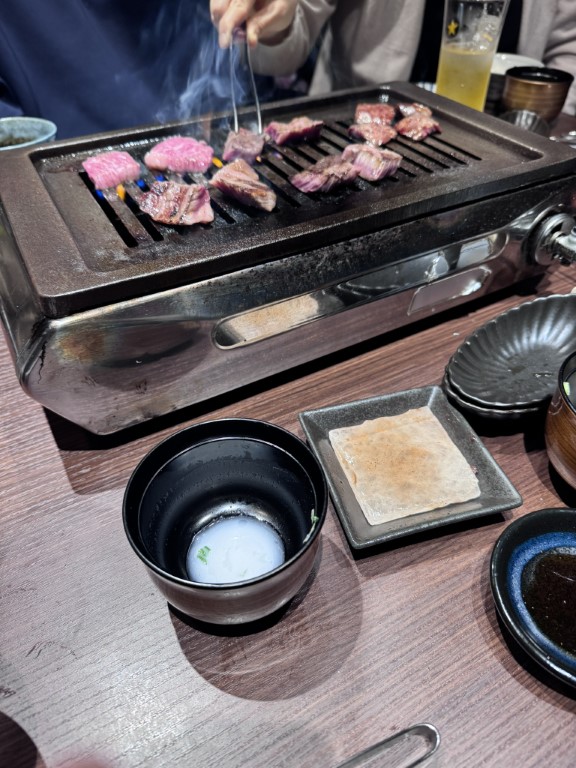
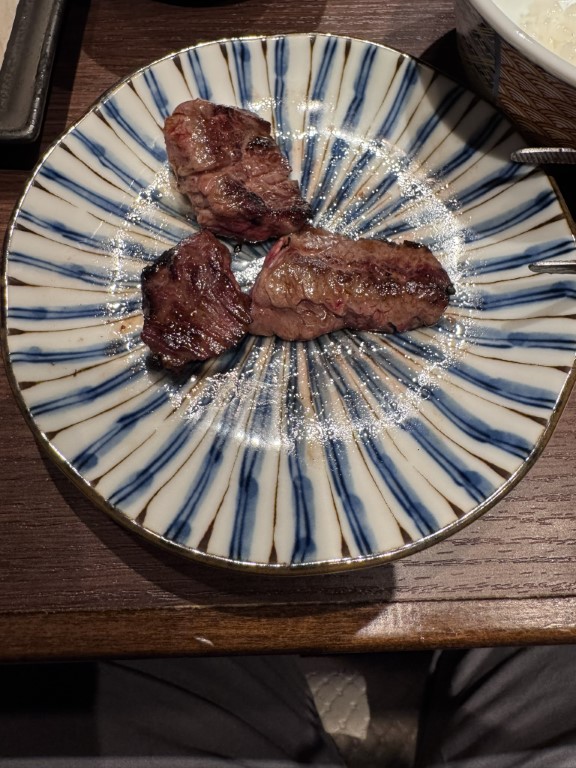
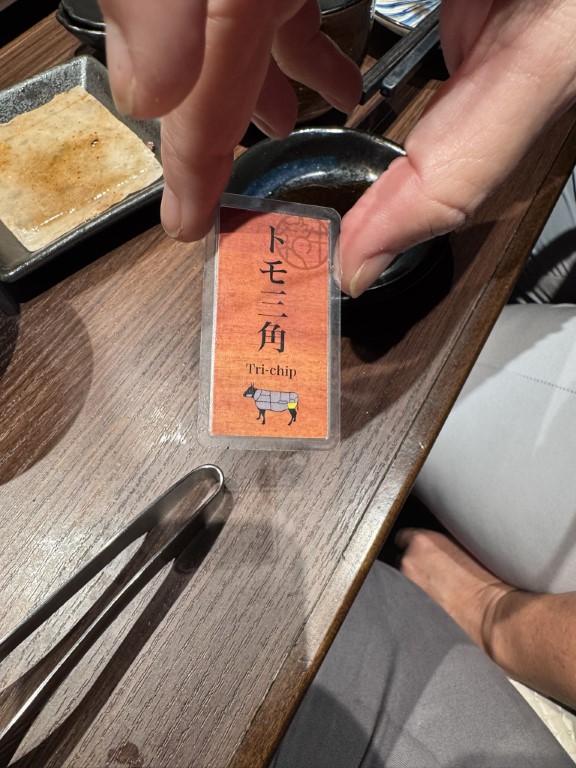
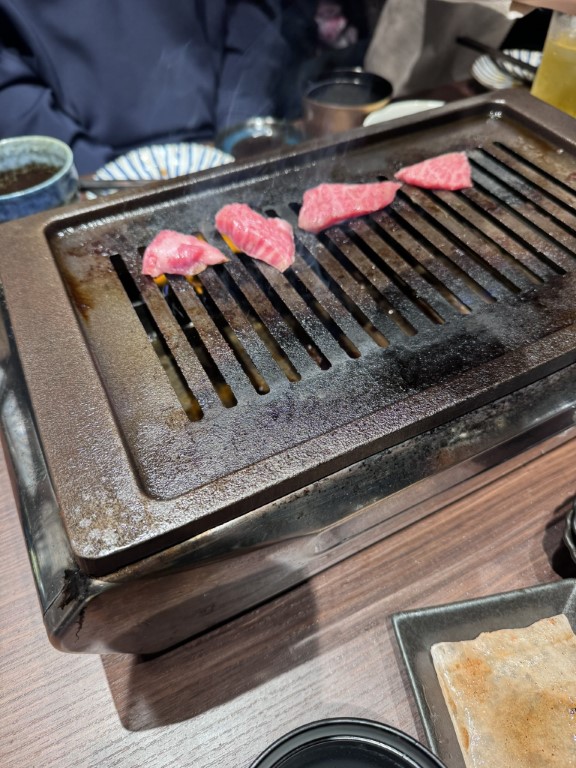
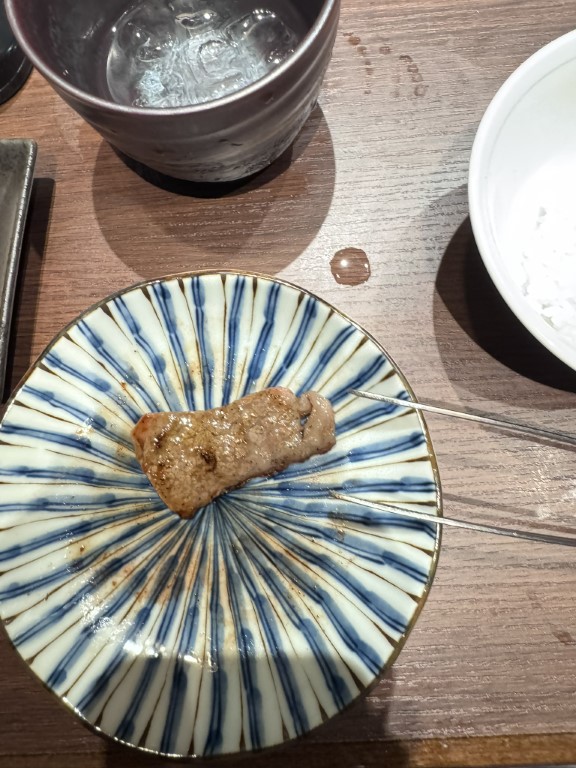
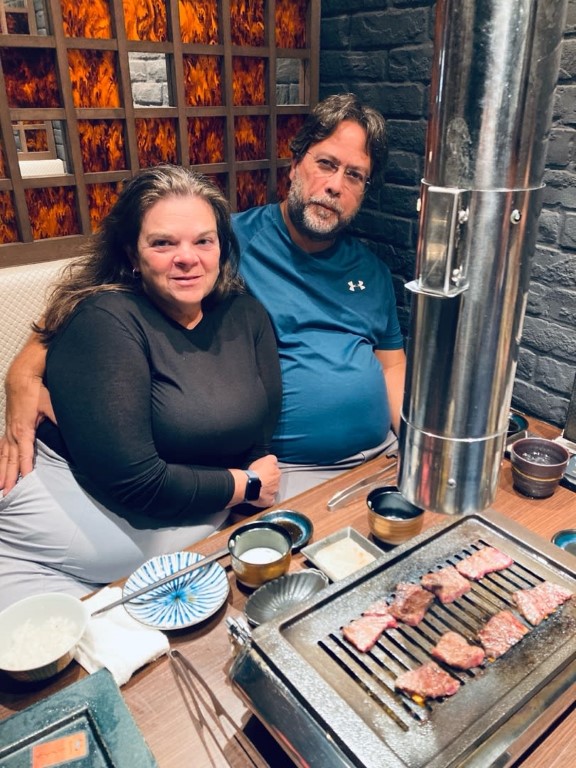
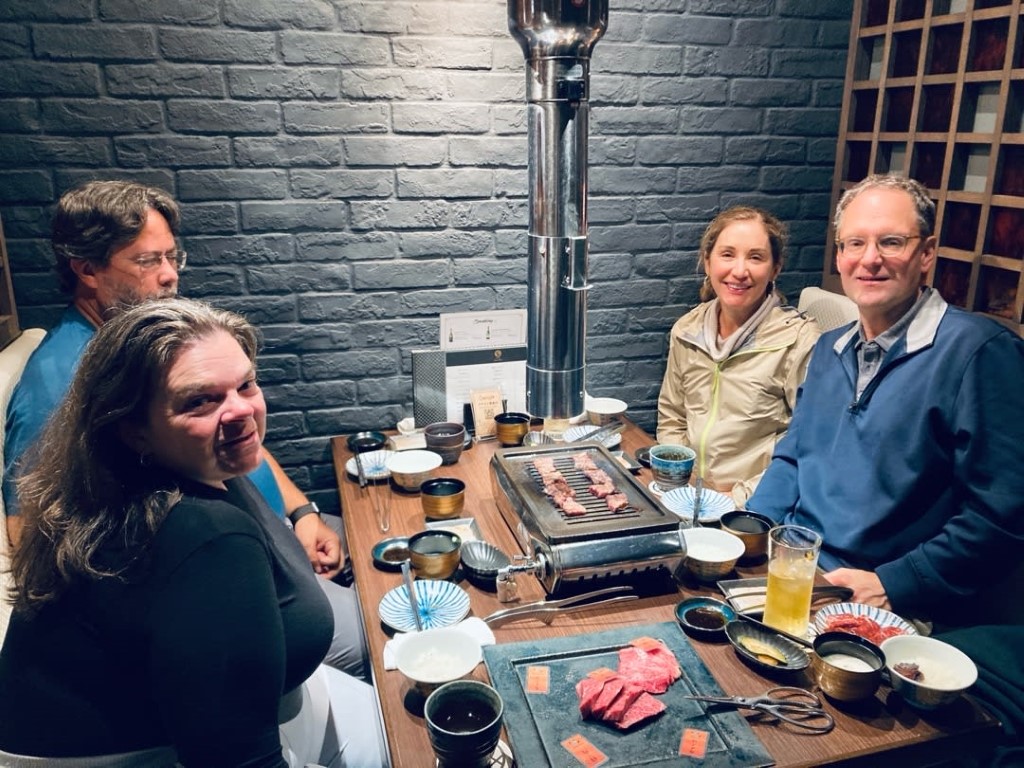
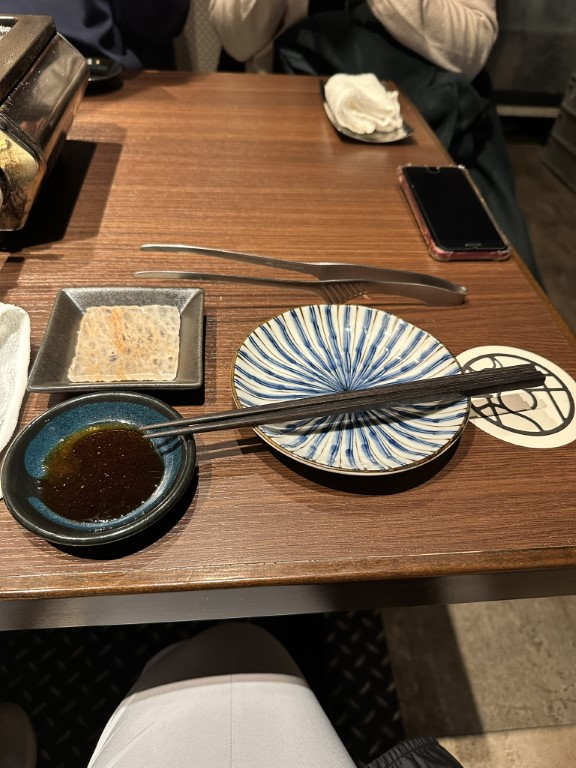
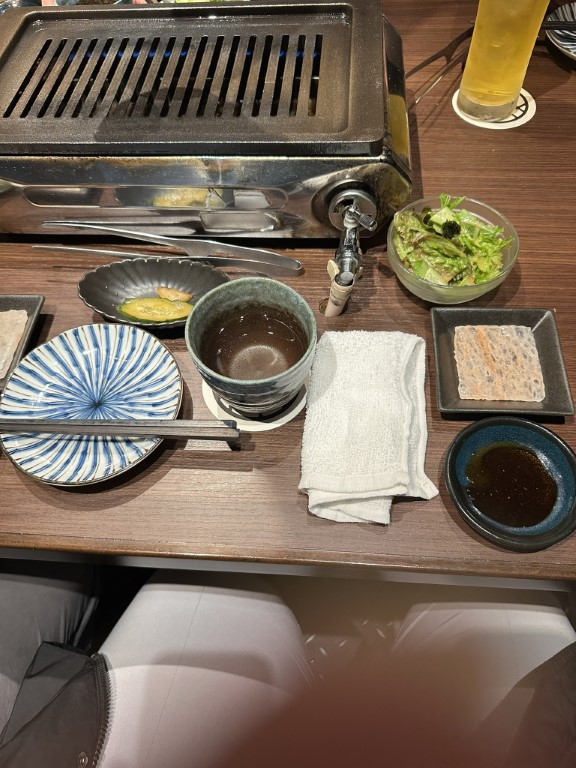
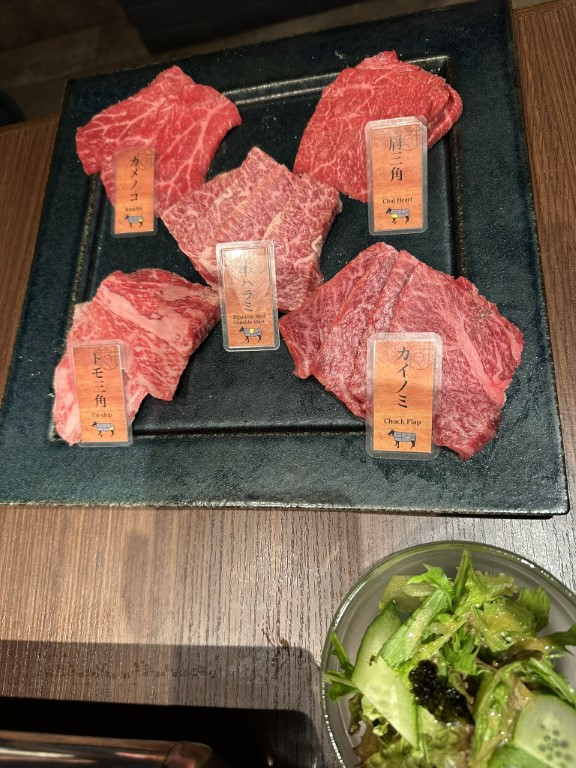
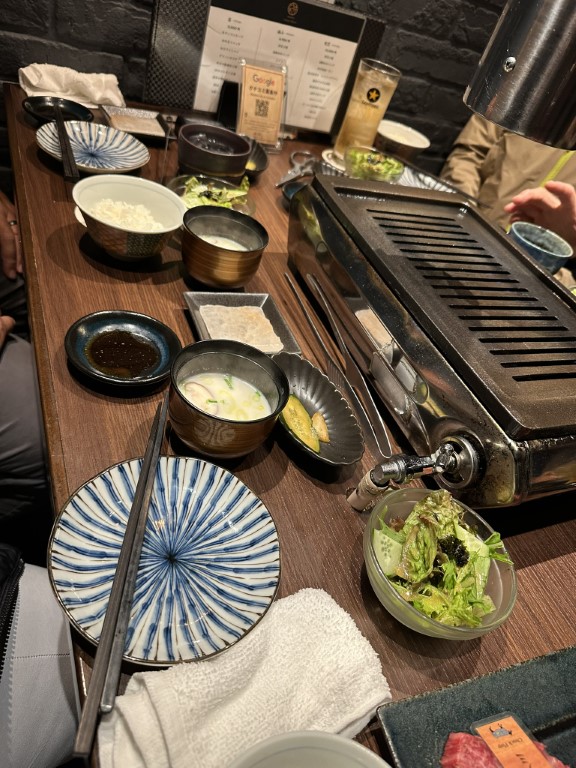
We next headed to the highlight of the evening, a sampling of wagyu beef, cooked to order in front of us by our guide. "Wagyu" simply means "domestic beef" in Japanese. It is considered to be especially tender and buttery due to grain-heavy diet and generic disposition. Our guide told us not to be fooled by the higher priced "Kobe" beef as that simply means it was raised in the Kobe region and is not really any better than any other Japanese beef. We sampled five cuts of wagyu: knuckle, clod heart (shoulder), chuck flap (edge roast), outside skirt and tri-chip (tri-tip) and they all were incredible.
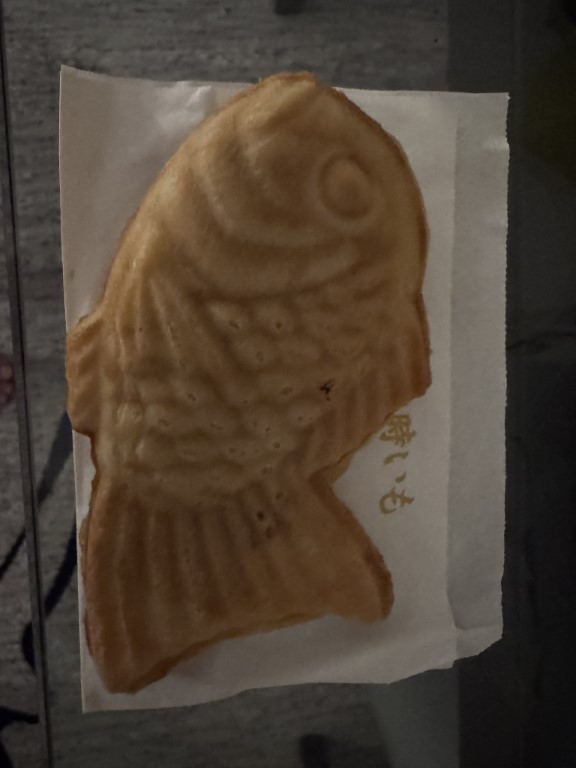
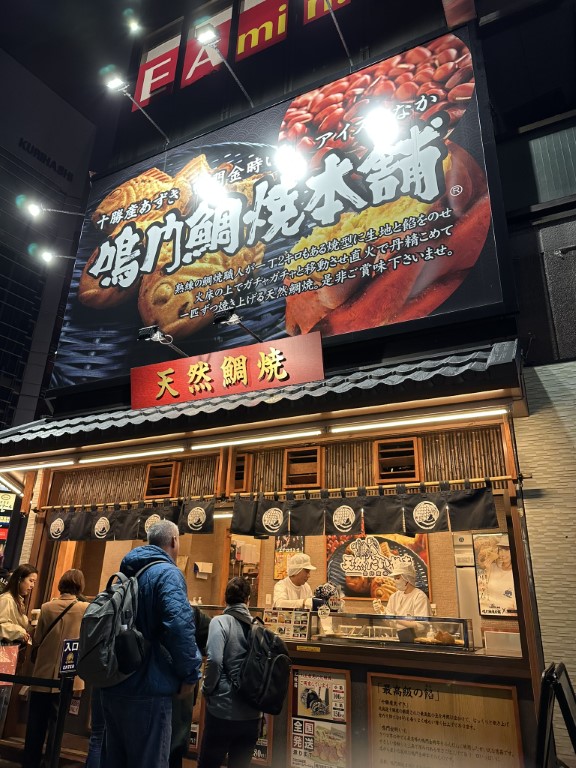
We headed back into the streets of Shinjuku for our last food stop to try taiyaki filled with sweet red bean paste. We were pretty full so we got that to go but were not that impressed with it when we got back to our hotel, although the custard-filled taiyaki was very good.
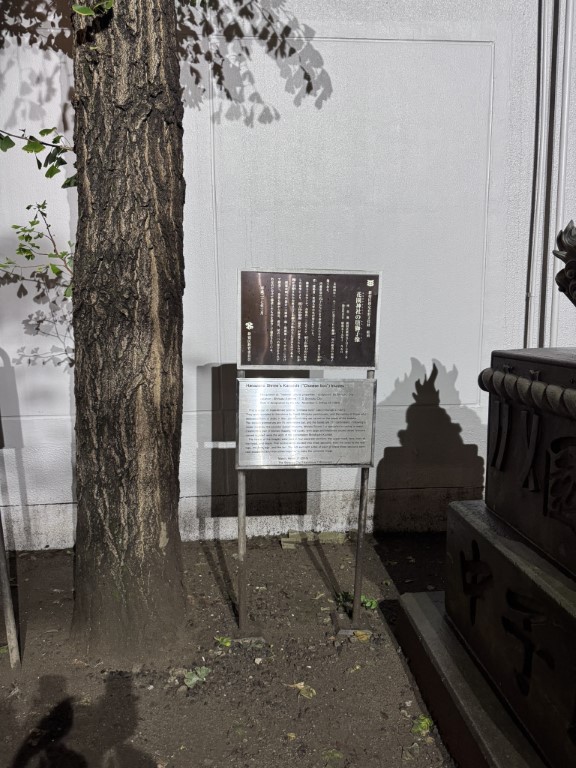
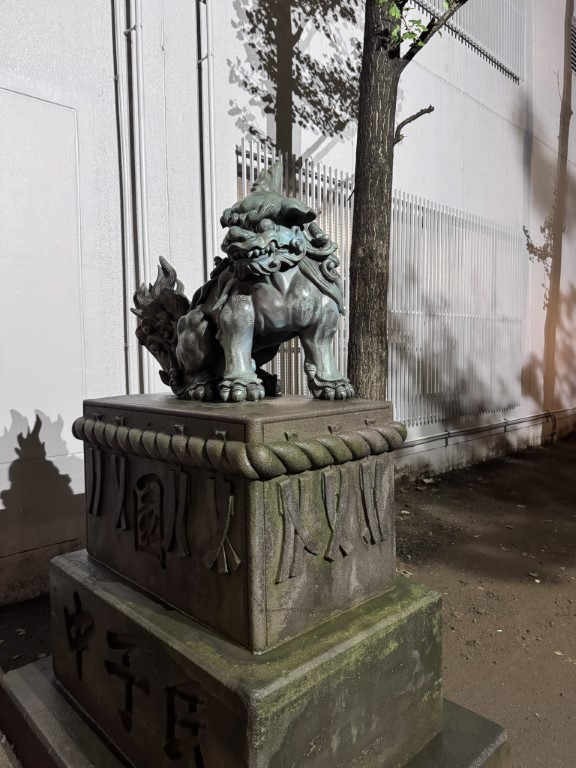
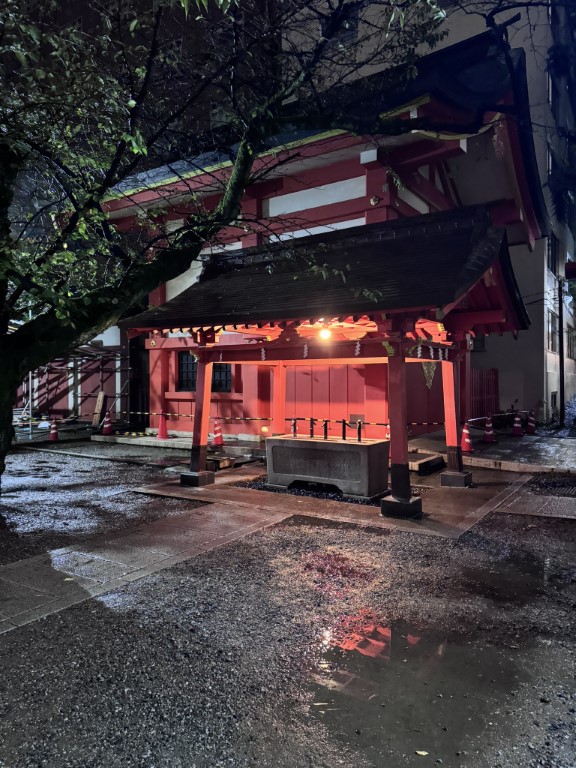
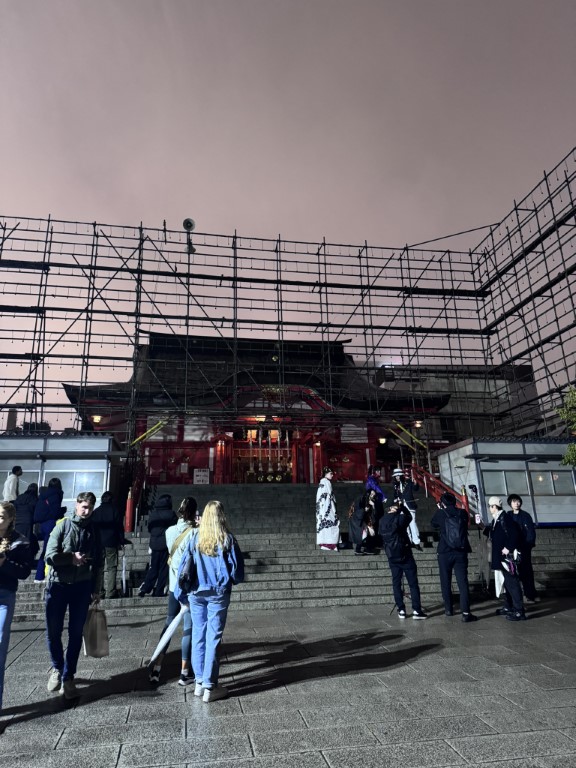
Our final stop was at the Hanazono Shinto Shrine, an ancient Shinto shrine in the heart of Shinjuku. It is considered the most important shrine of Shinjuku, the shrine guarding the area, its inhabitants, merchants, craftsmen and artists. Our guide walked us to the nearby train station where we said farewell and took the subway back towards our hotel.