




Holiday Inn & Suites Shin Osaka
1-7-31 Nishi Miyahara, Osaka
Steps
21,126
Distance
15.43 KM
Flights Climbed
20
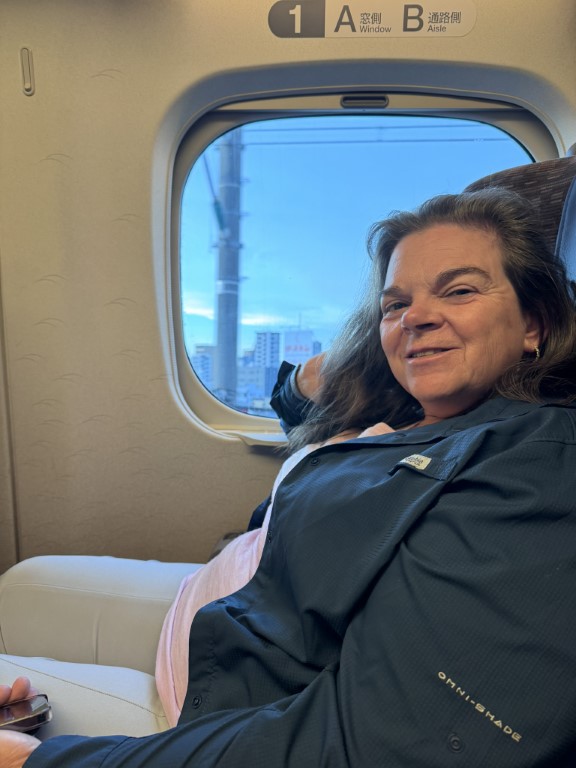
Our first experience on the Shinkansen (bullet train) was our trip from Hiroshima station to Shin-Osaka station. After checking out of the hotel, we got to the station early to make sure our tickets on our phones would work and after having no issues, we sat in the waiting room for awhile before heading down to the platform. J. R. had booked the seats with the luggage area behind them because we didn't want to lift our bags into the overhead bins but the car was empty and the space probably would have been available anyway. We were surprised at the poor Wi-Fi and cellular service, especially since J. R. recalled all the effort DDI and IDO put into cell service on the trains in the 3G cellular days. The green car was probably not worth the extra cost but it provided slightly larger seats, more legroom and a footrest.
We arrived at Shin-Osaka station on time and began the exercise of finding door 4 and the shuttle to our hotel. We chose the Holiday Inn & Suites Shin Osaka because it was touted as walking distance from the station but the area was not walkable. We had to drag out bags down a flight of stairs and then the shuttle arrived at a different location than their directions. The other reason we chose this hotel was because it had a washer/dryer in the unit, but that turned out to be more trouble than it was worth. We should have stayed with the Hilton at Namba Station we originally had booked.
.jpg)
.jpg)
Janie went to the counter to get us checked in and drop off our bags while J. R. claimed two seats in the shuttle waiting area for the next van. We were glad he did as the seats filled up and two people who chose to just sit in the lobby were denied boarding because you had to be sitting in one of the nine chairs to get a seat on the van.
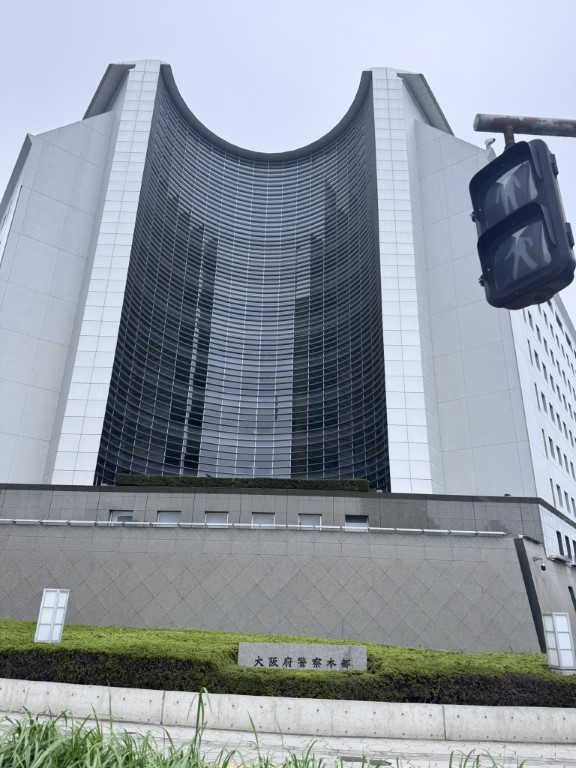
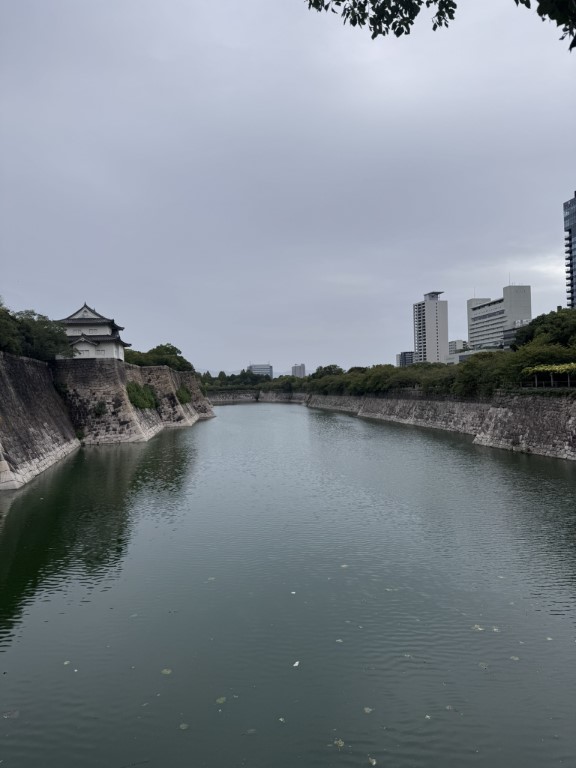
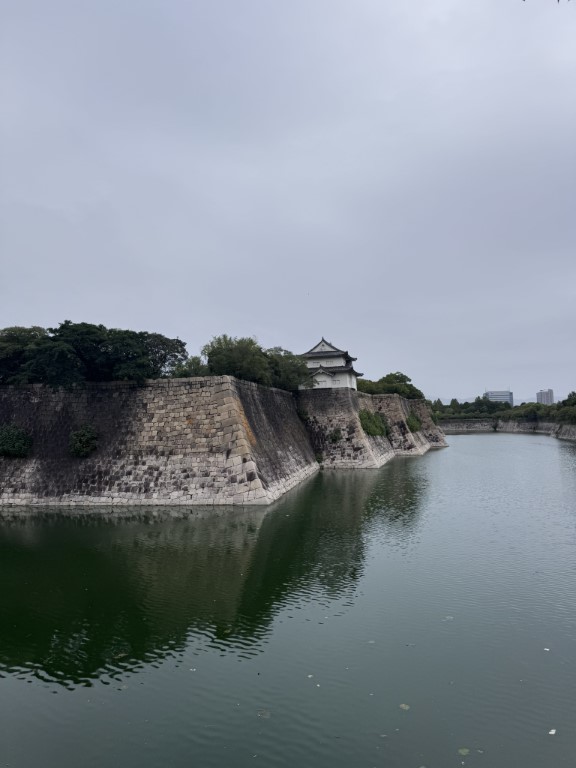
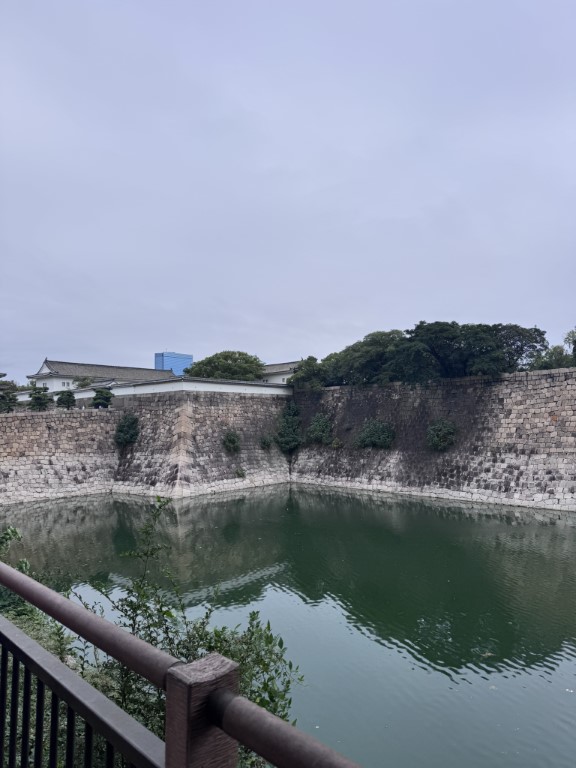
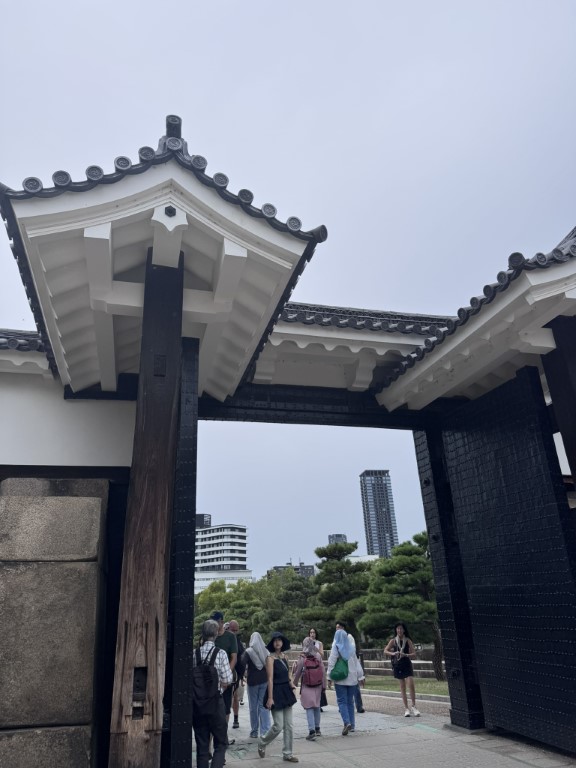
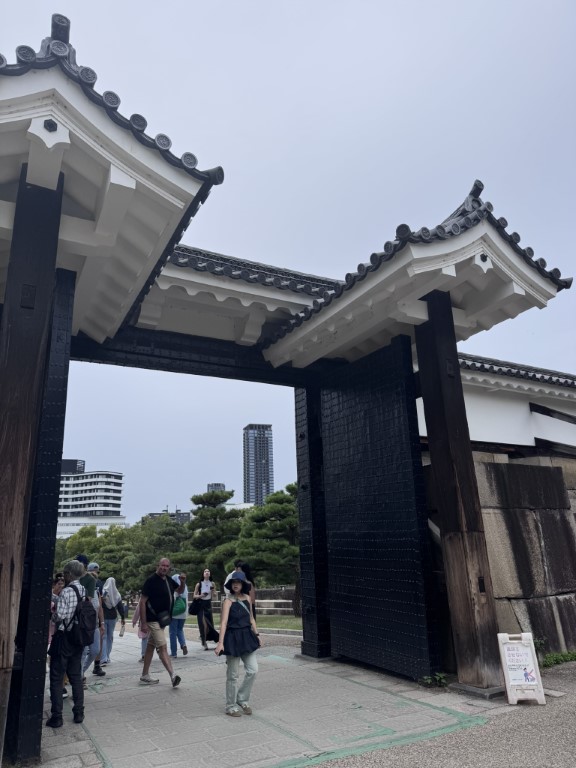
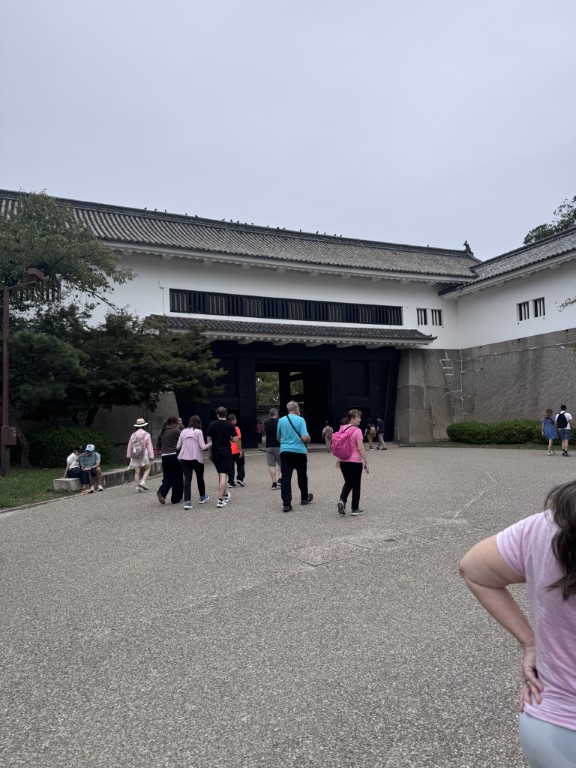
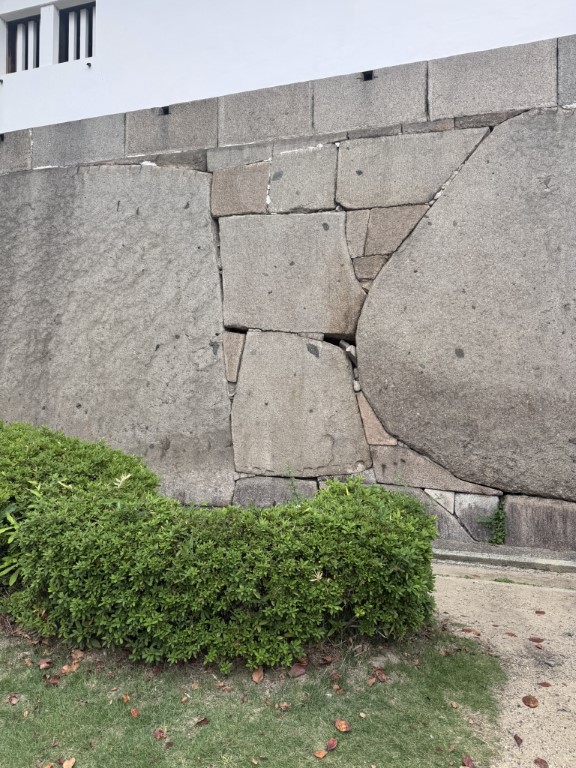
We went back to Shin-Osaka and found an escalator working in a building near the drop off and took the metro to Osaka Castle, which was originally constructed in 1583. Toyotomi Hideyoshi intended the castle to become the center of a new, unified Japan under Toyotomi rule and it was the largest castle at the time. A few years after Hideyoshi's death, Tokugawa troops attacked and destroyed the castle. It was rebuilt in the 1620s, but the main tower was struck by lightening in 1665, burnt down, and was not rebuilt. It was not until 1931 that the present reconstruction of the tower was built. The walk from the metro to the castle grounds was fairly long and it was some distance from the entrance to the castle itself. On the way back, we took the internal tram back to the entrance.
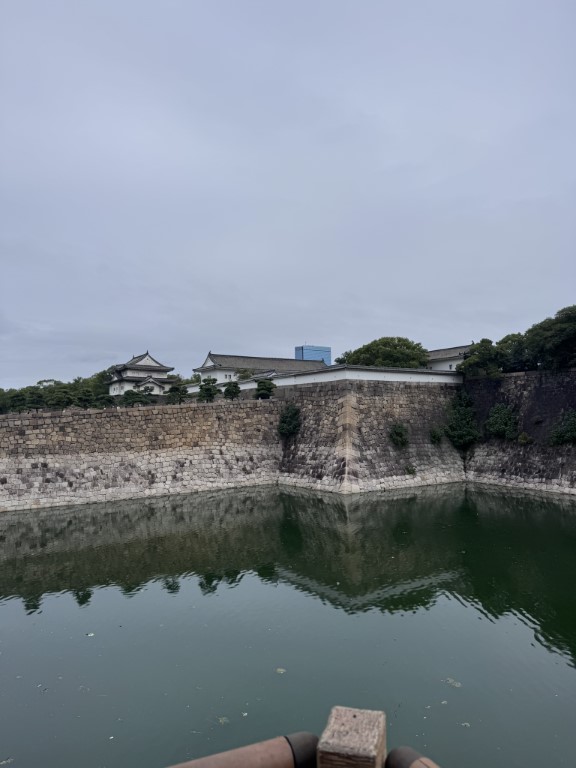
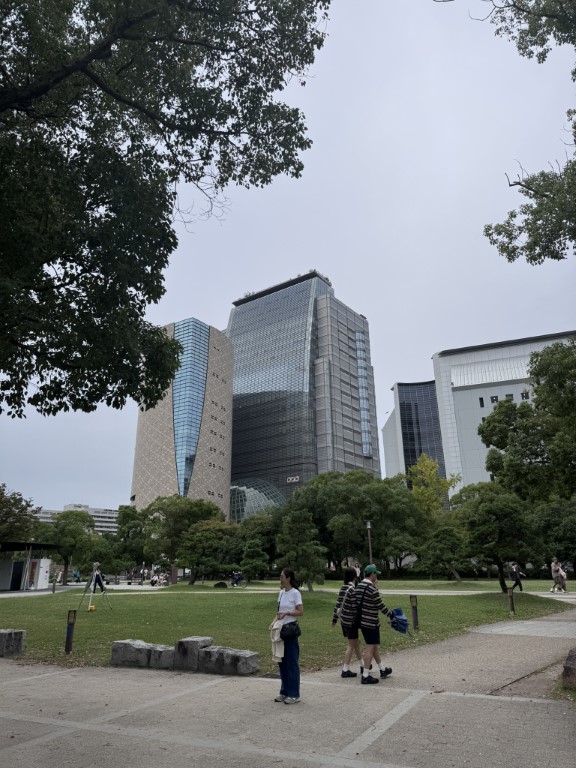
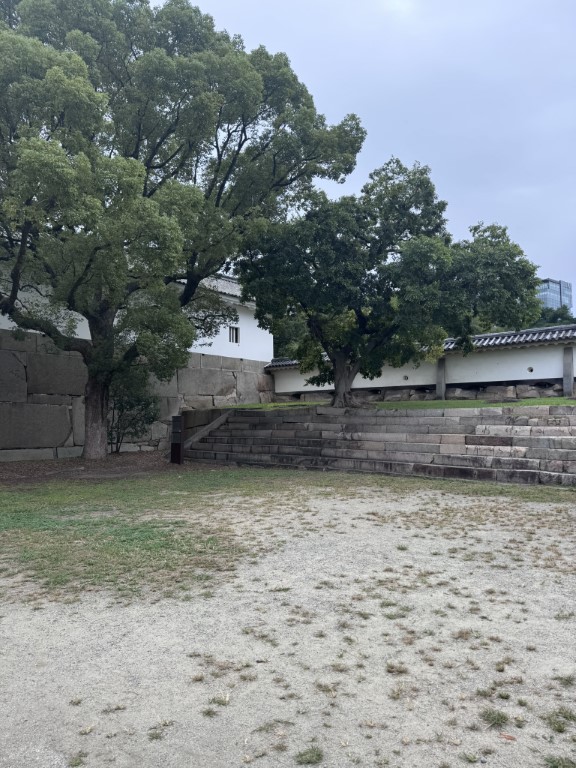
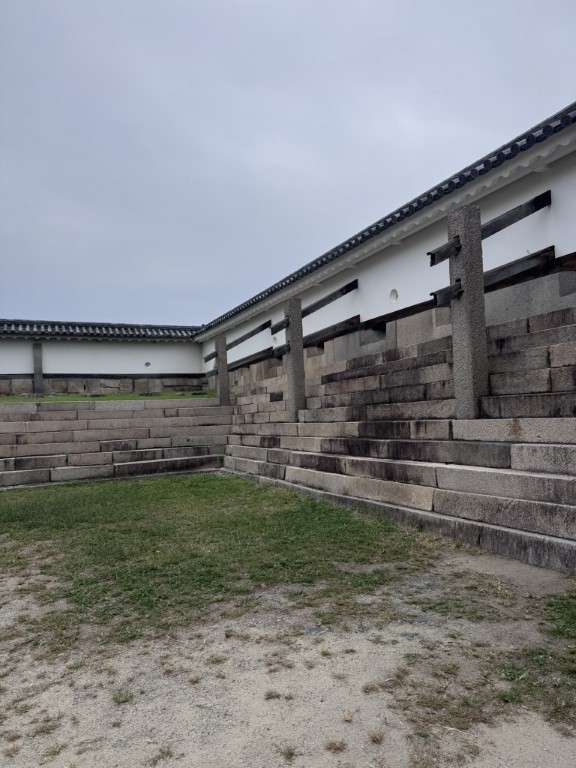
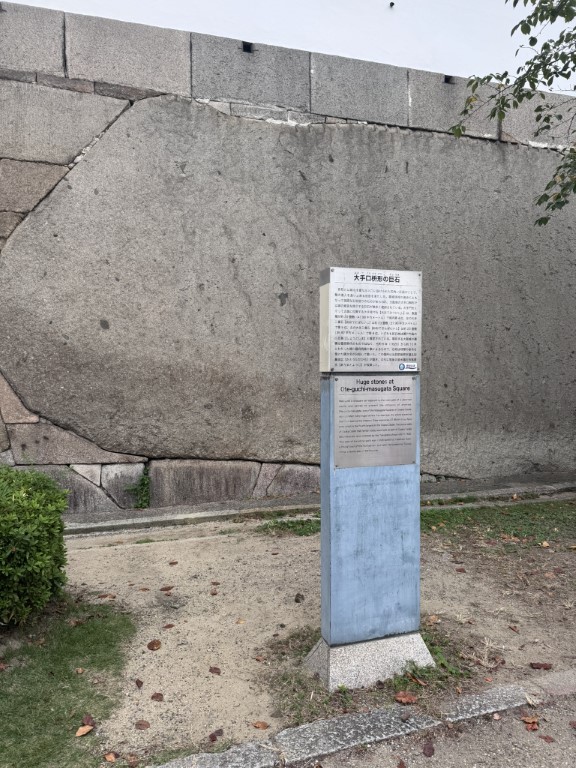
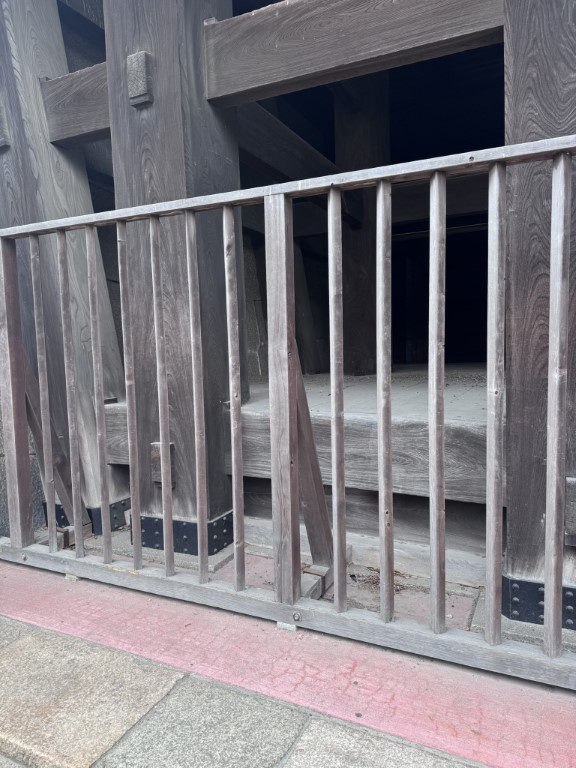
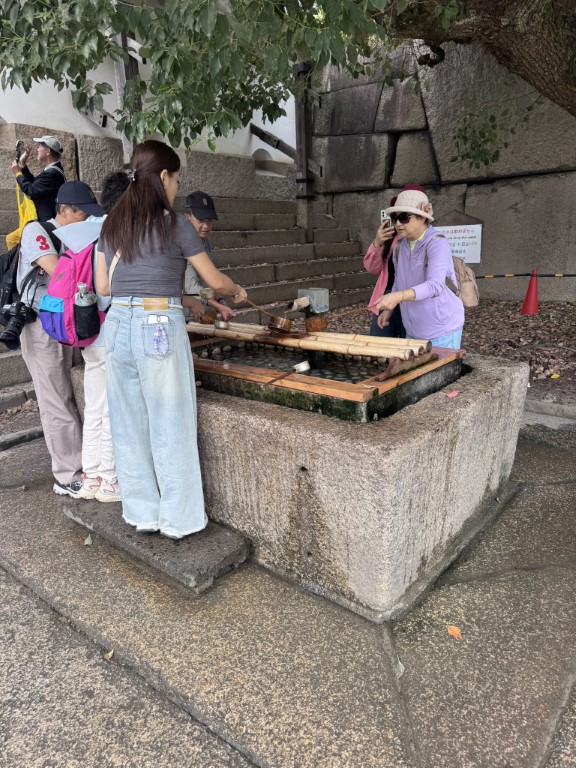
.jpg)
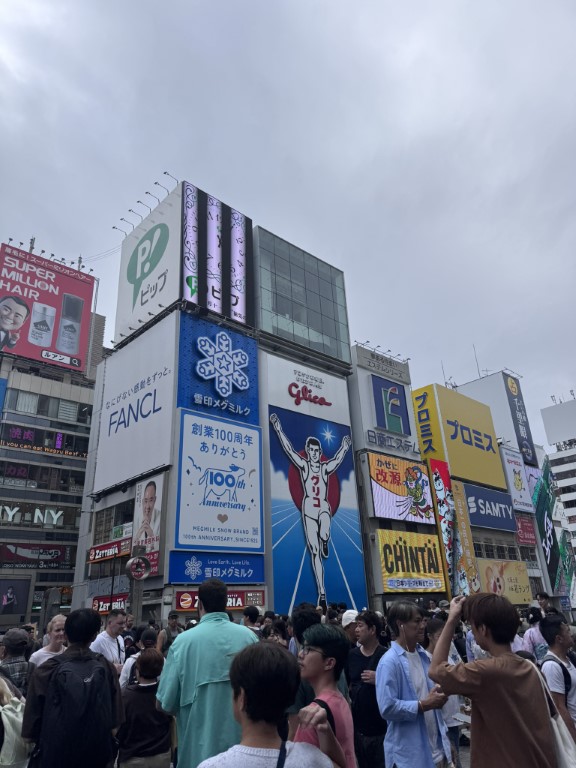
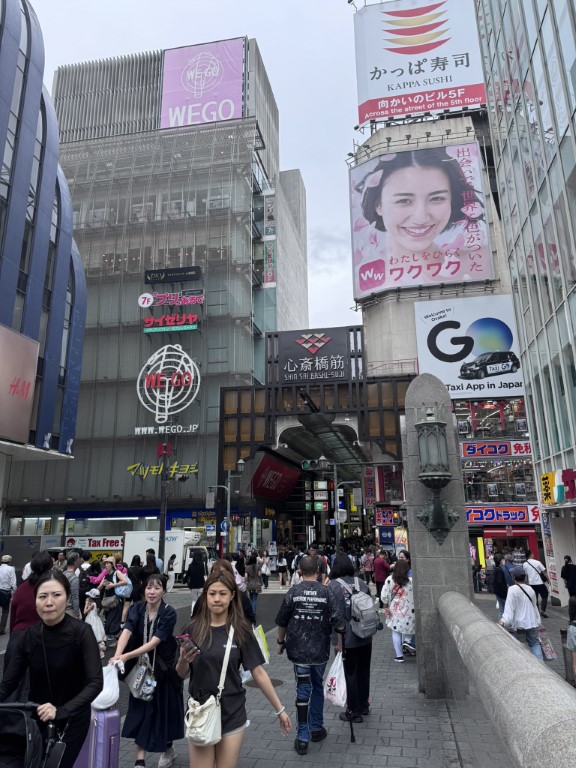
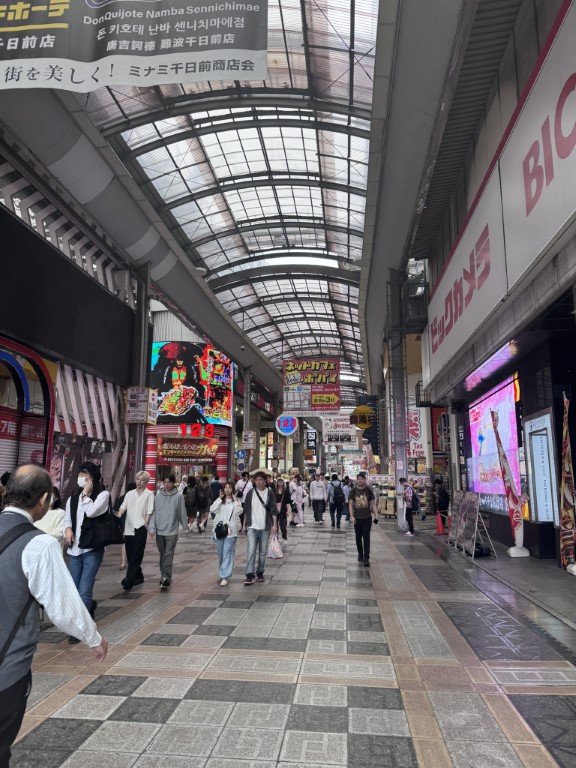
After the castle, we headed to Dotonbori, Osaka's most famous tourist destination, renowned for its neon lights, extravagant signage, and restaurants and bars. The district is named after the Doton Canal, started in 1612 by a local merchant Yasui Doton to connect the Umezu River and the Kizugawa River. Dotonbori is famous for its eye-catching signage and billboards with a giant pufferfish, an octopus, a clown, the Kani Douraku crab all vying for attention and creating an amusement park-like atmosphere. Of all these signs however, the most famous is that of the Glico running man above Ebisubashi Bridge. The first sign was installed in 1935 and the current version dates to 2014.
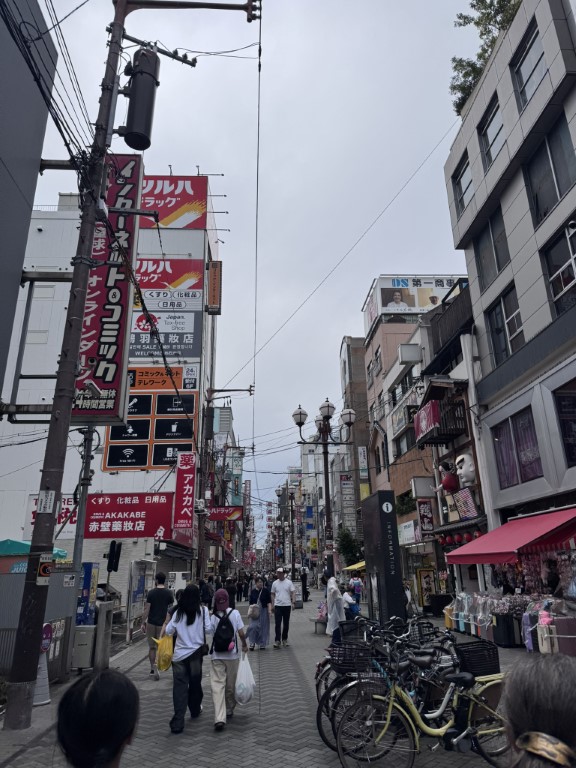
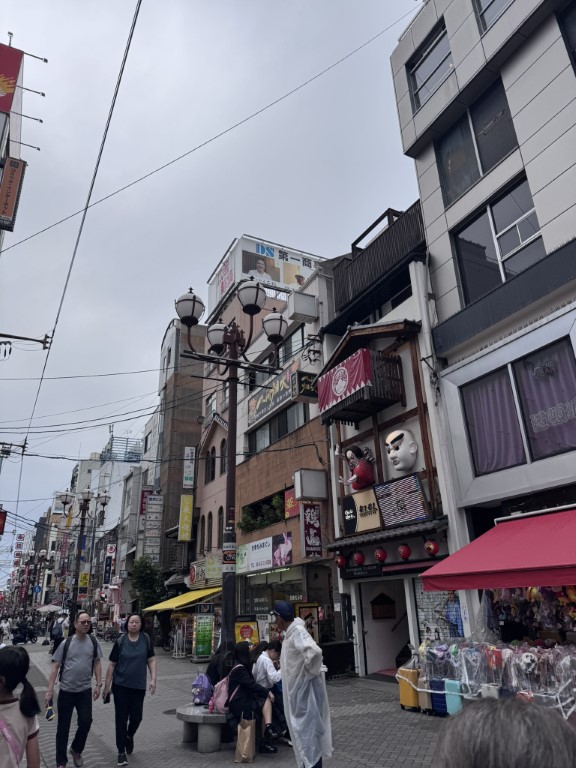
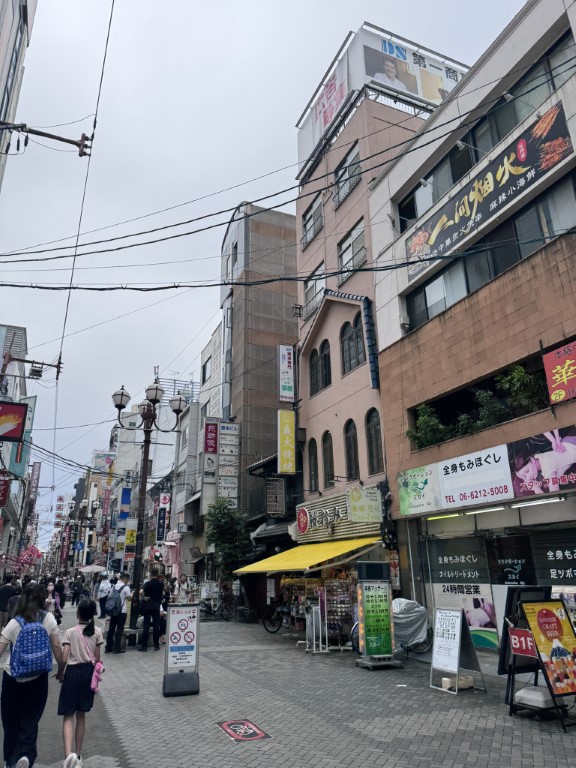
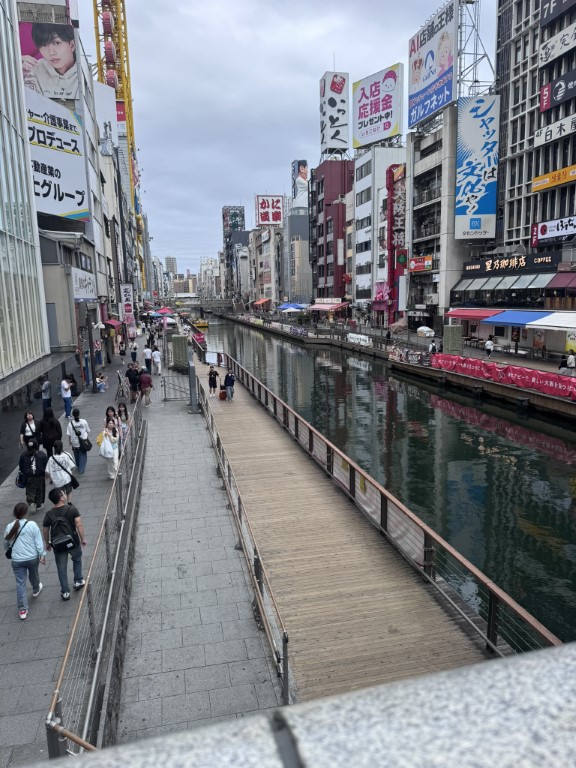
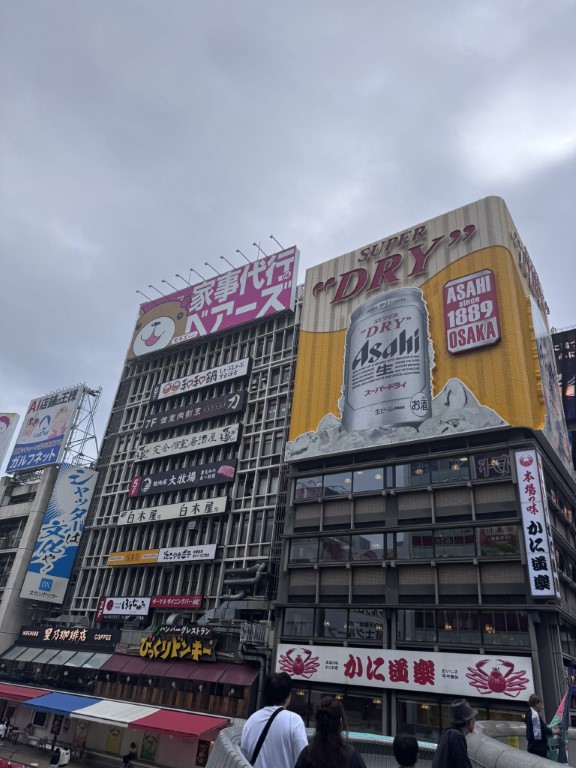
.jpg)
.jpg)
.jpg)
.jpg)
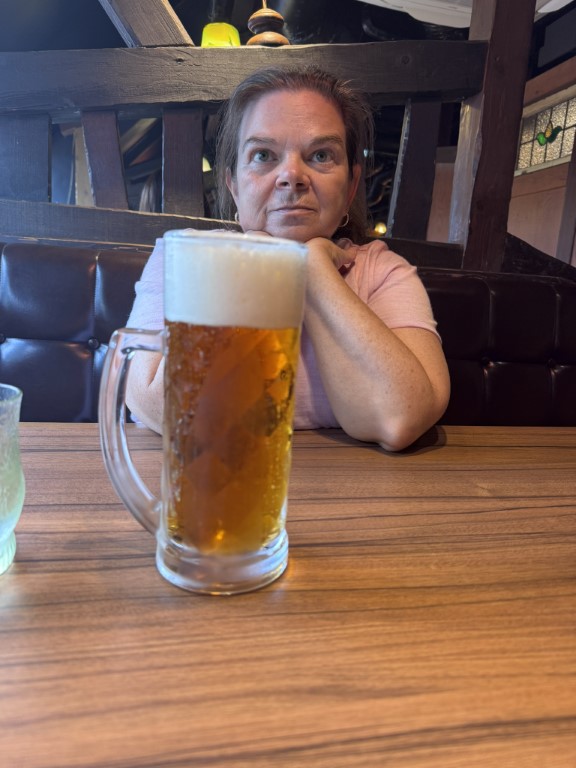
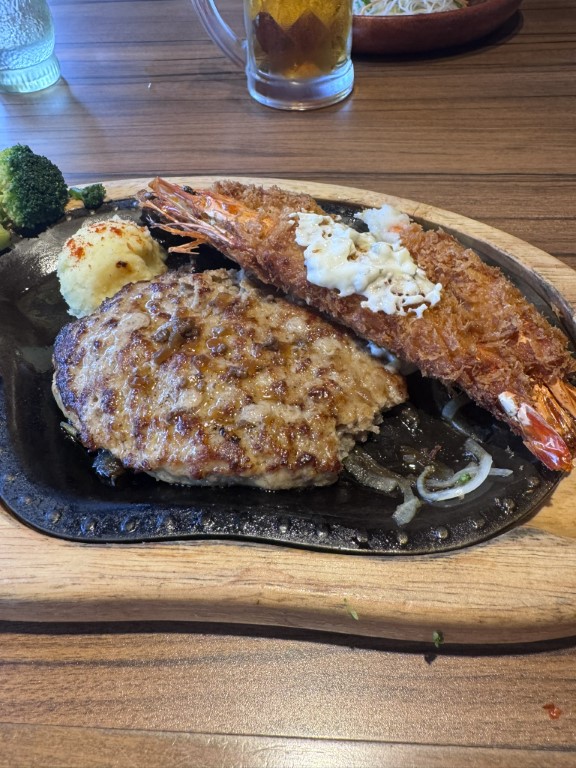
We walked past a number of appealing food stops but finally settled on Bikkuri Donkey, mainly because the lines were shorter than some of the other places. The restaurant, part of a small Japanese chain, specializes in hamburger steaks, salads and rice. It wasn't anything special but the prices were very reasonable and the food was good.
.jpg)
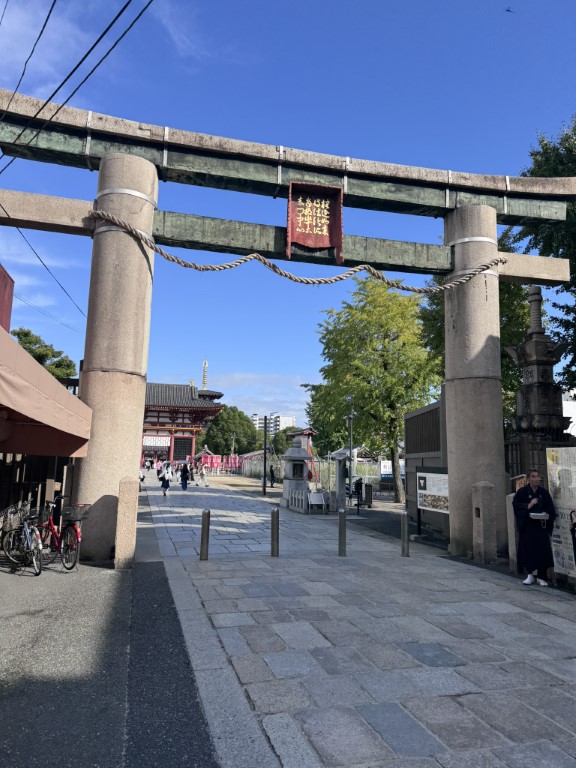
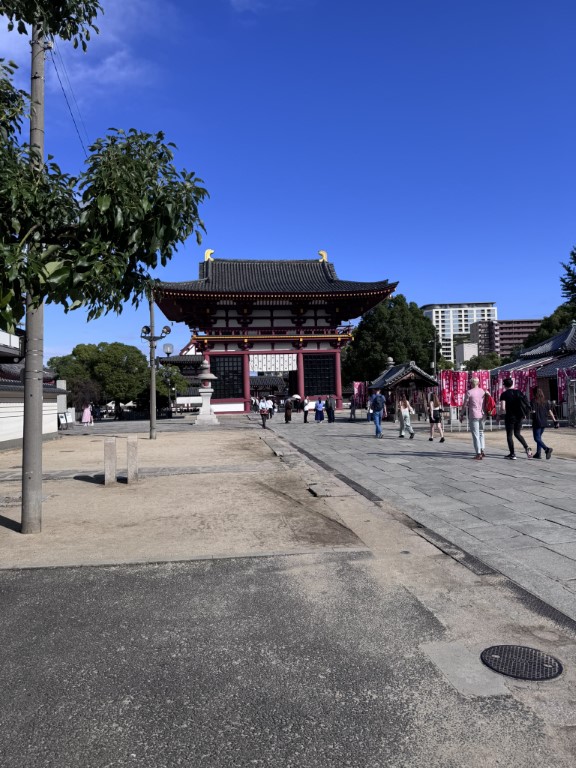
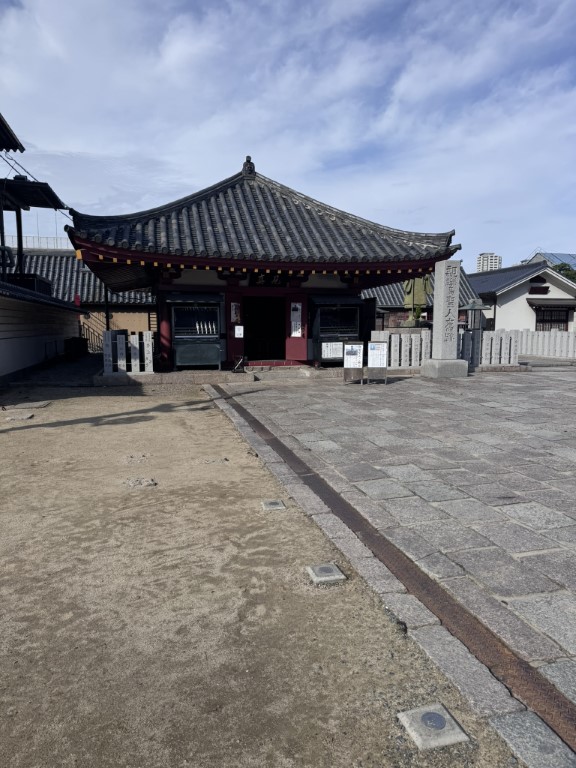
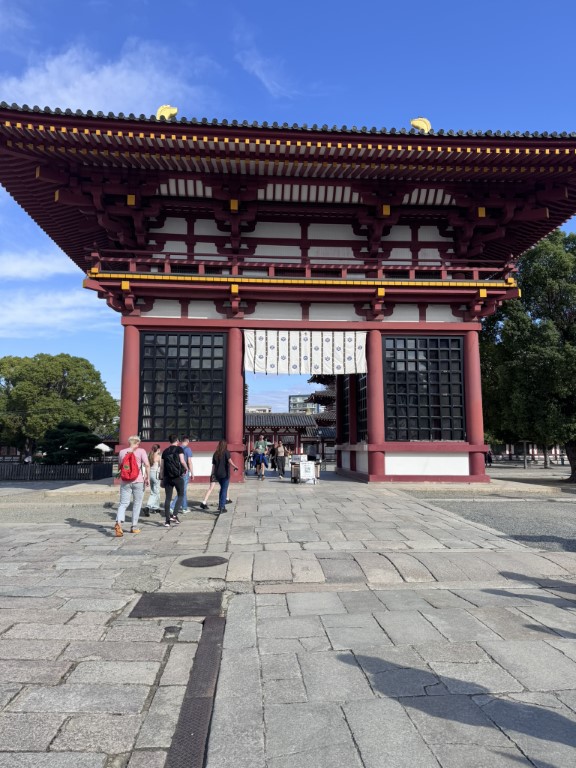
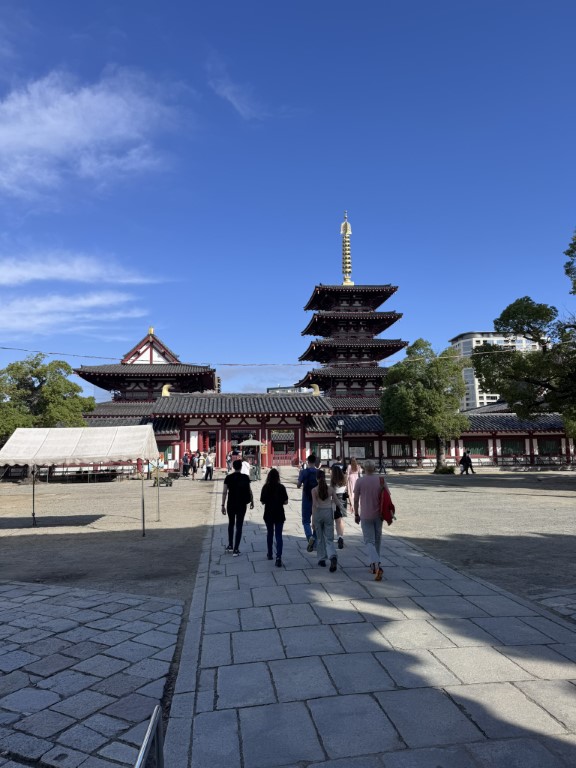
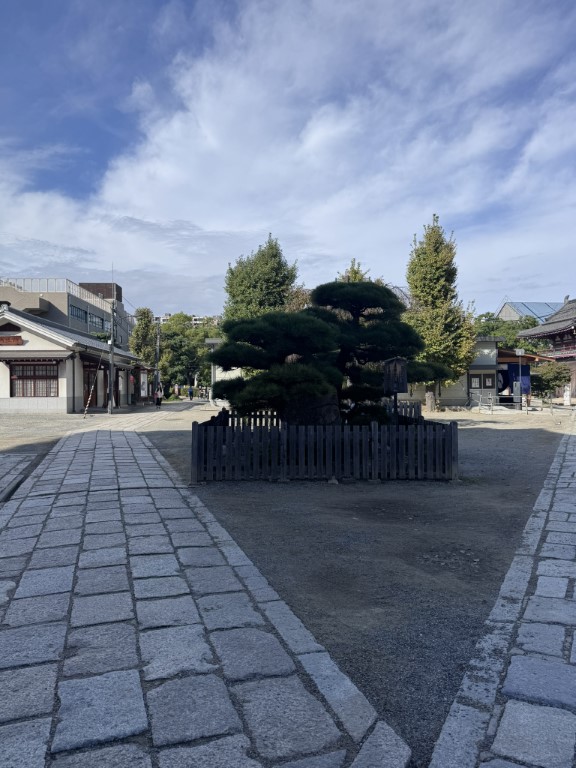
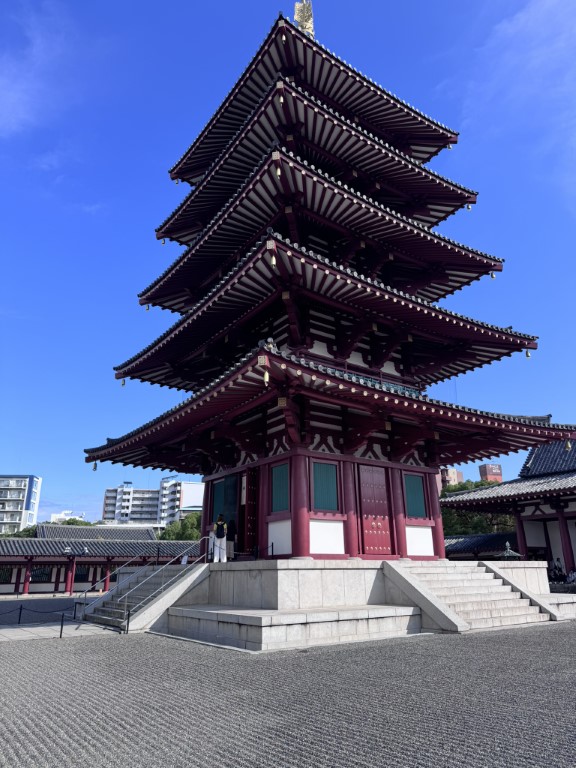
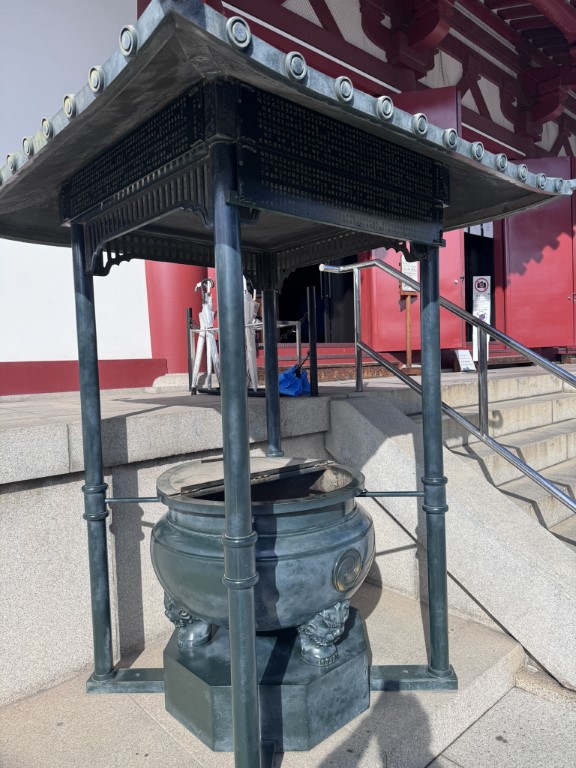
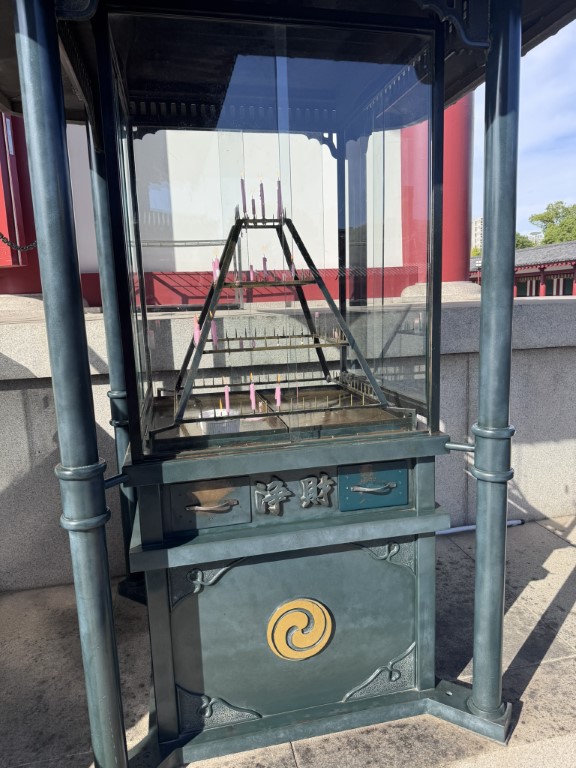
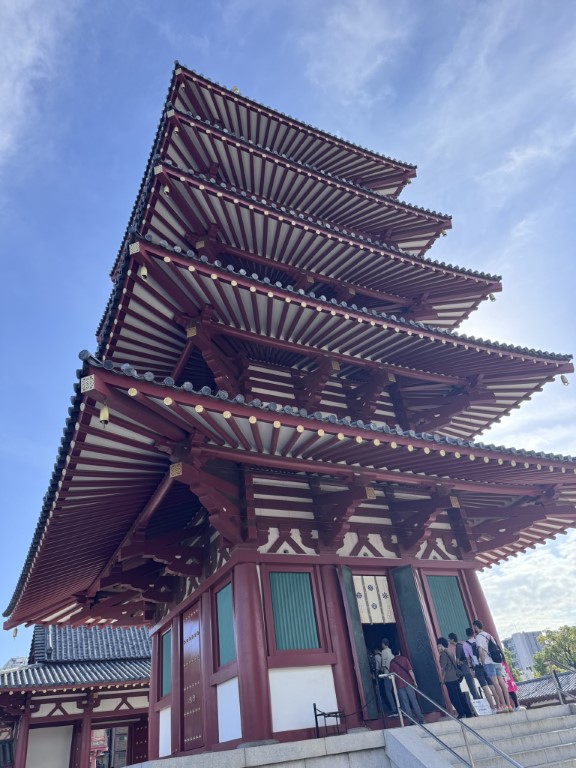
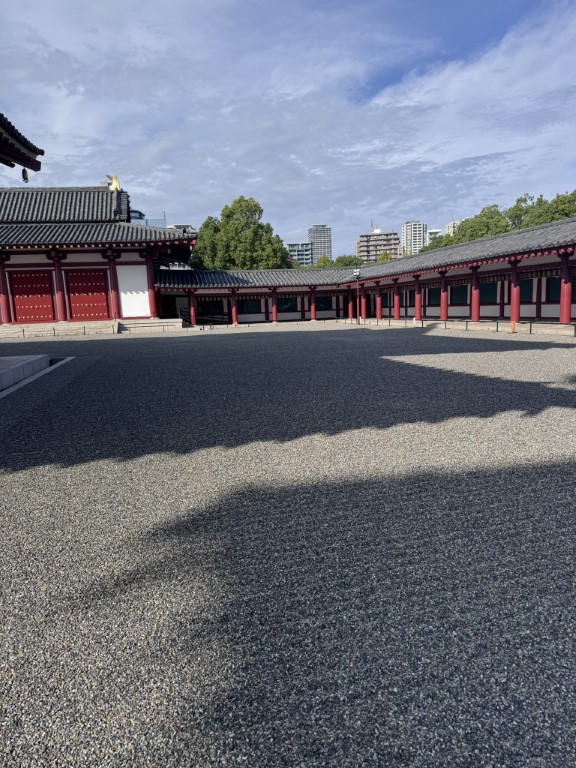
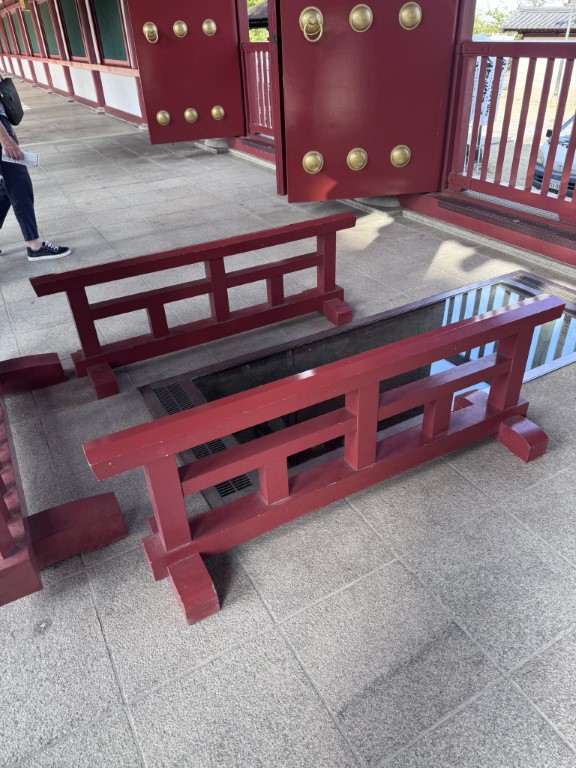
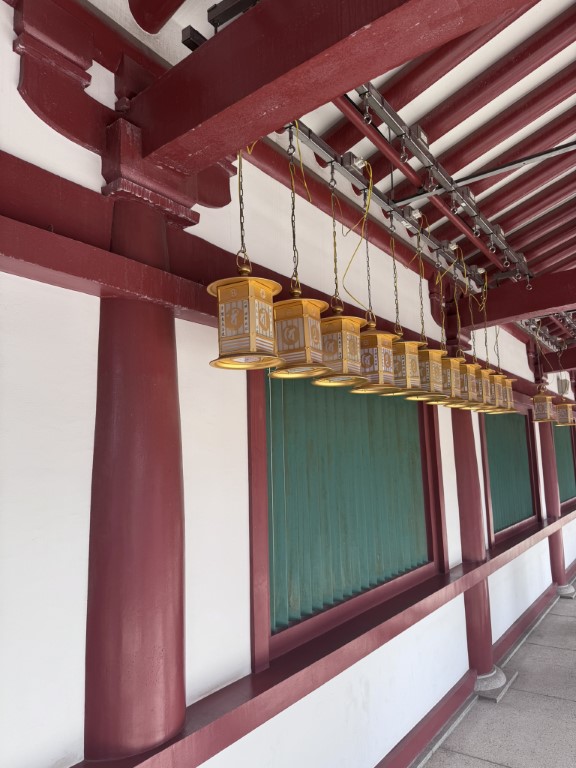
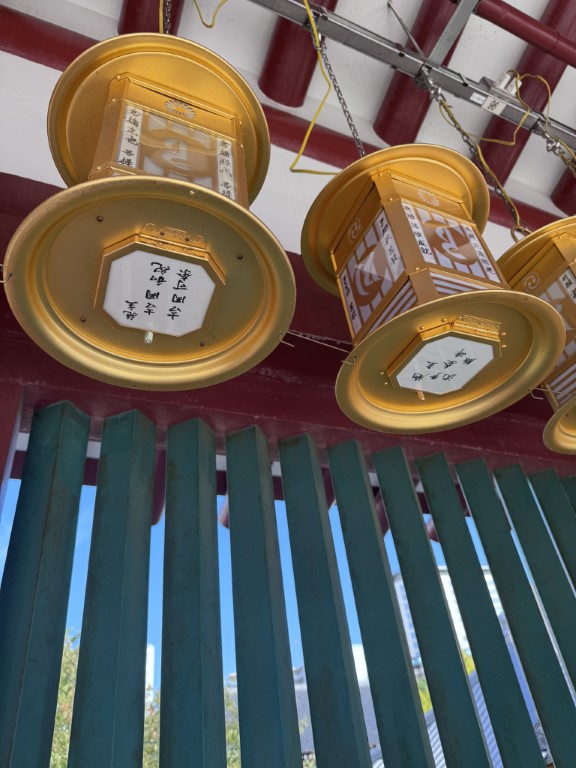
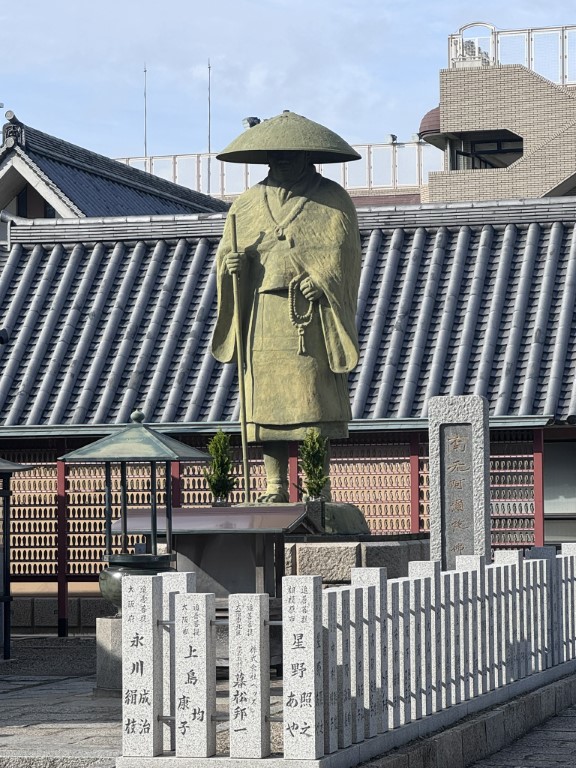
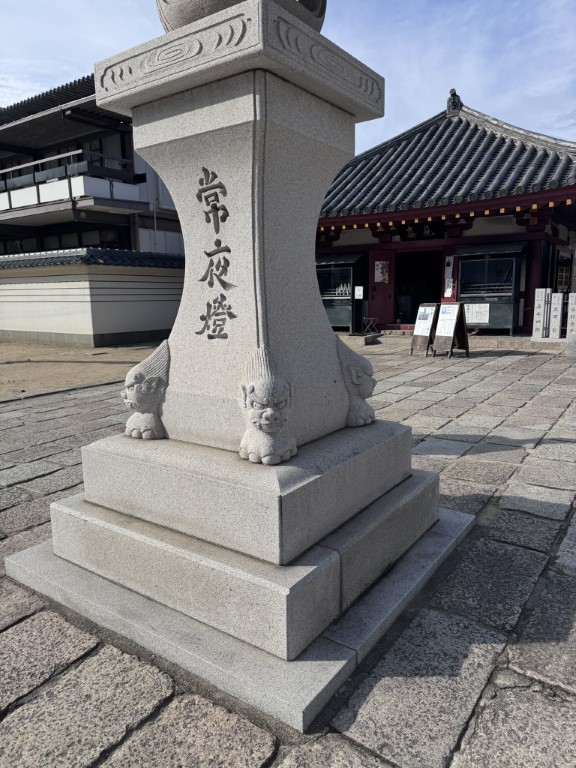
After lunch, we left Dotonbori and headed to Shitennoji Temple, one of the oldest in Japan. It was founded in 593 by Prince Shotoku, who supported the introduction of Buddhism into Japan. Although the temple's buildings burned down several times over the centuries, they were always carefully reconstructed to reflect the original 6th century design.
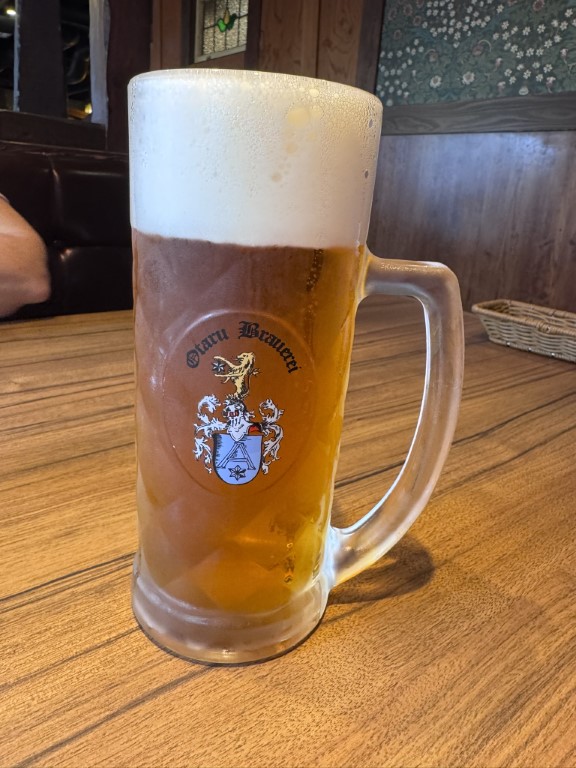
We intended originally to go to Sumiyoshi Taisha, another of Osaka's ancient shrines, but it would have required several changes of subway trains. We also had to skip the Tsutenkaku Tower and its observation deck because Janie was struggling with all of the walking following her surgery. We were going to get dinner at the Umeda Sky Building but after walking to Namba Station and getting off at Osaka Station with the sea of people, Janie was bit a overwhelmed and Umeda Sky was still a bit of a distance away so we just got back on the metro and returned to our hotel and had dinner at the hotel restaurant. J. R. had fish and chips and a beer, which wasn't quite Japanese cuisine, but was very good anyway.
We threw a load of laundry in the washer/dryer, which was hard to understand as there was no English menu. The dryer was horrible and took several runs to complete and the washer ruined J. R.'s brand-new Columbia shirt because the lowest water temperature was 20 degrees and it got caught near one of Janie's flowery dresses.
.jpg)
.jpg)
.jpg)
.jpg)
.jpg)
.jpg)
.jpg)
.jpg)
