






Holiday Inn & Suites Shin Osaka
1-7-31 Nishi Miyahara, Osaka, 27-532-0004
Steps
15,010
Distance
11.00 KM
Flights Climbed
10
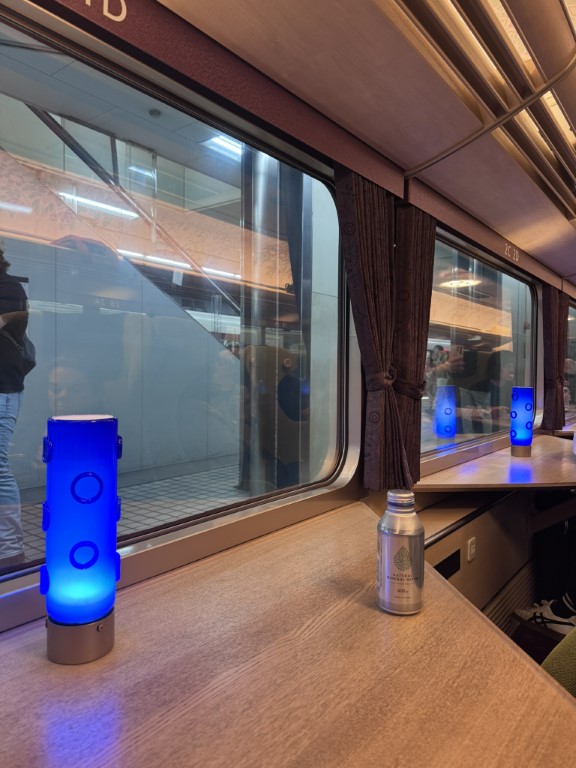
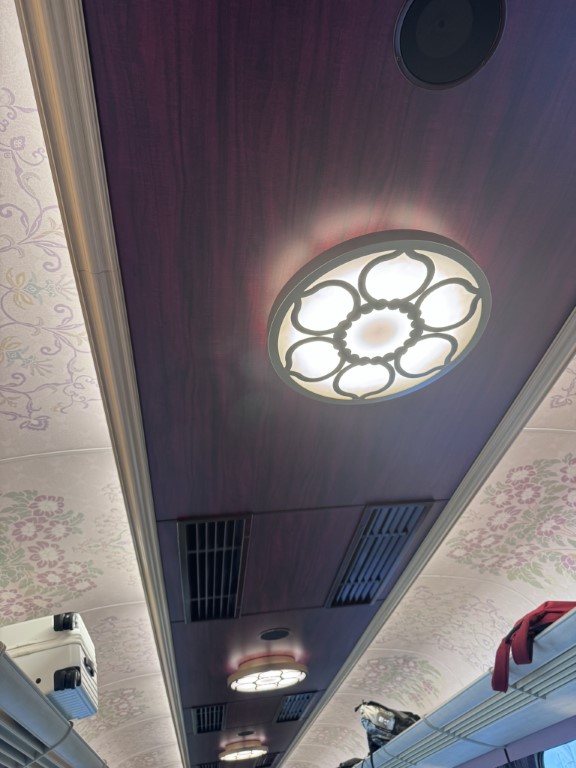
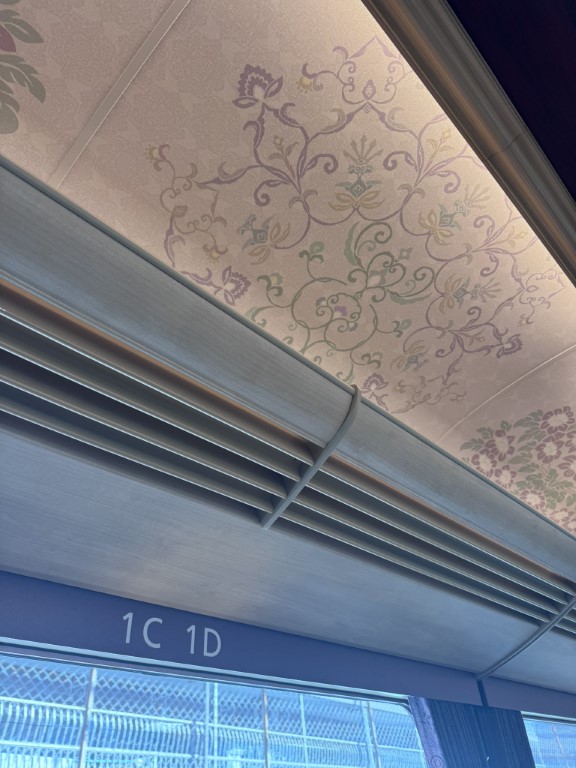
The plan for today was to head to Nara, so this meant the shuttle to Shin-Osaka, then a subway to Namba Station to catch a train to Nara. We struggled to purchase our base tickets because the machines would not accept our American credit cards, but luckily we had enough cash. J. R. bought the Limited Express supplement online but it was unclear how to use it since the machines would not accept it. There was also an accident on the Nara line early in the morning, which meant all of the trains were significantly delayed. But we finally were able to board the Limited Express, which was a really cool old-style train that took us to Nara station.

.jpg)
.jpg)
.jpg)
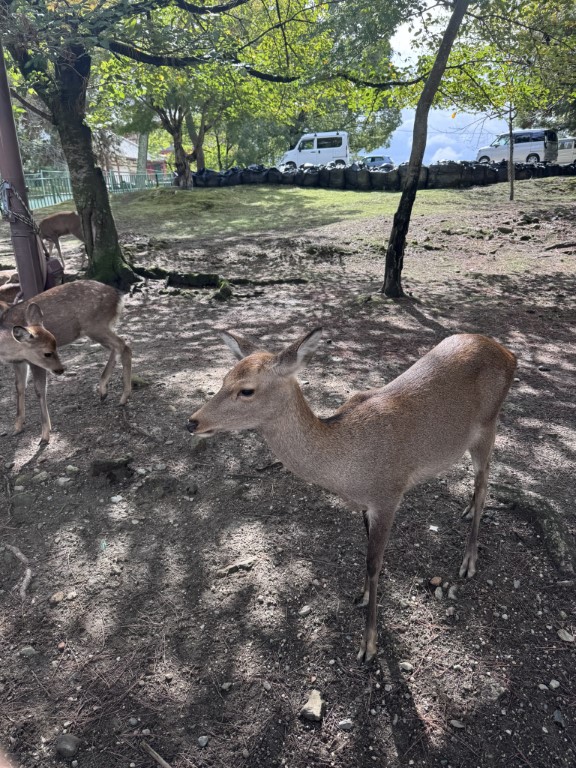
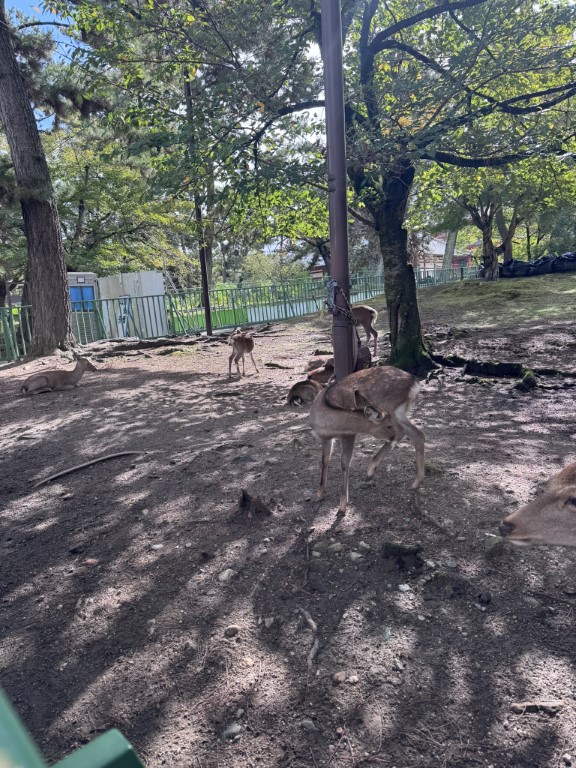
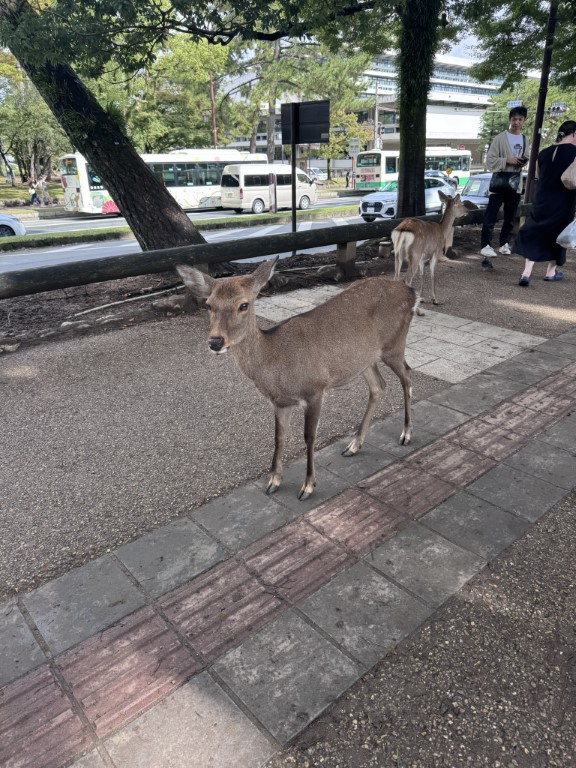
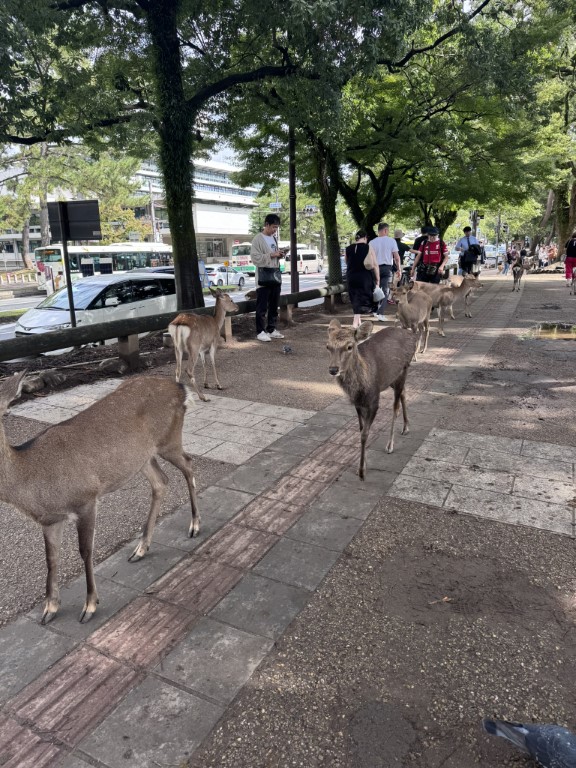
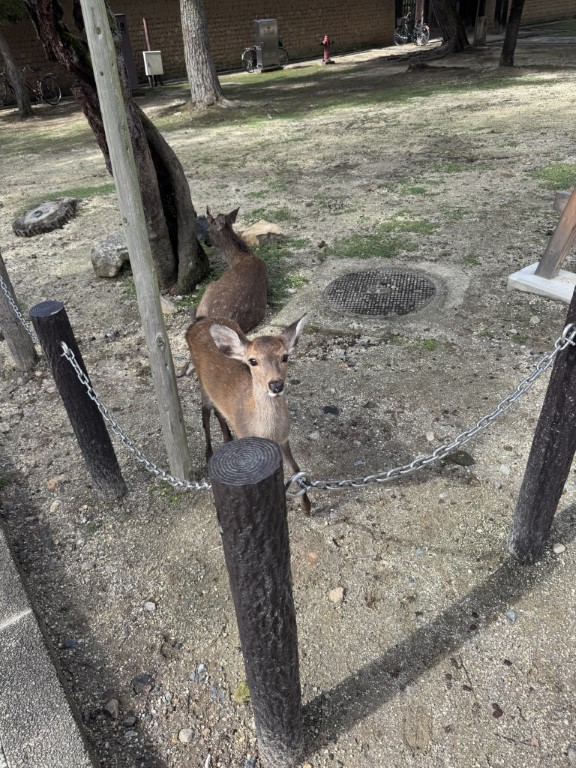
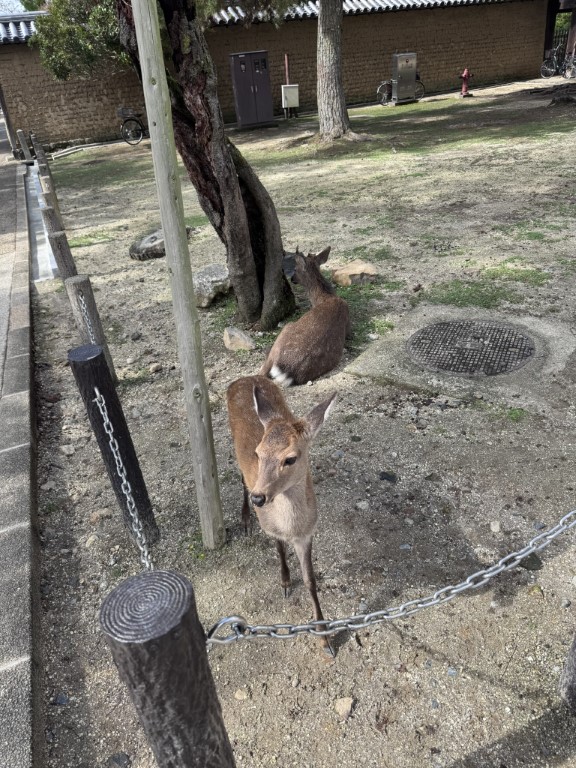
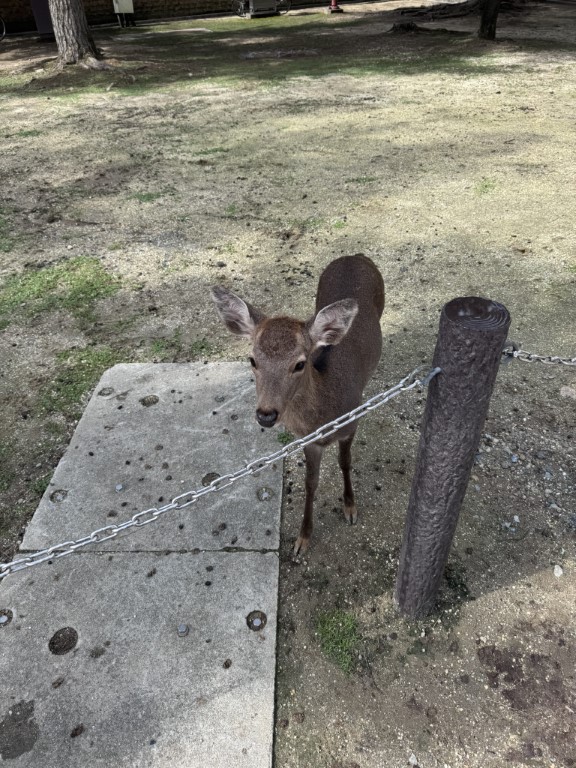
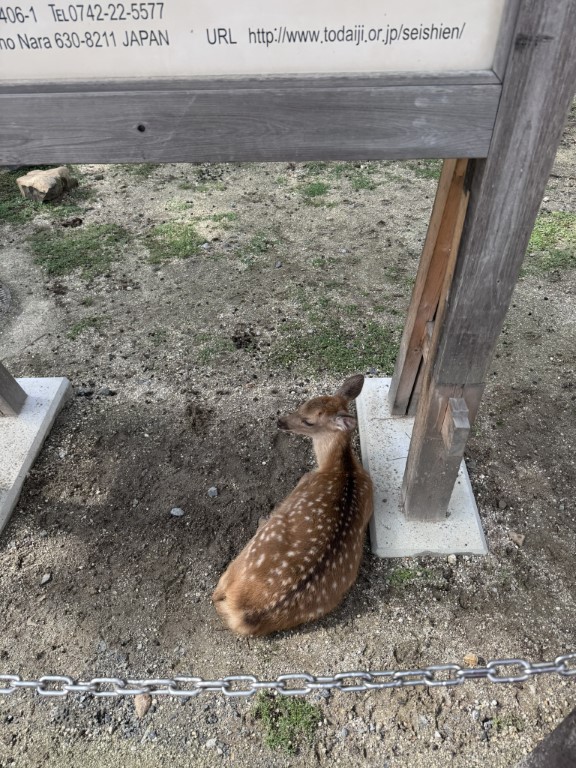
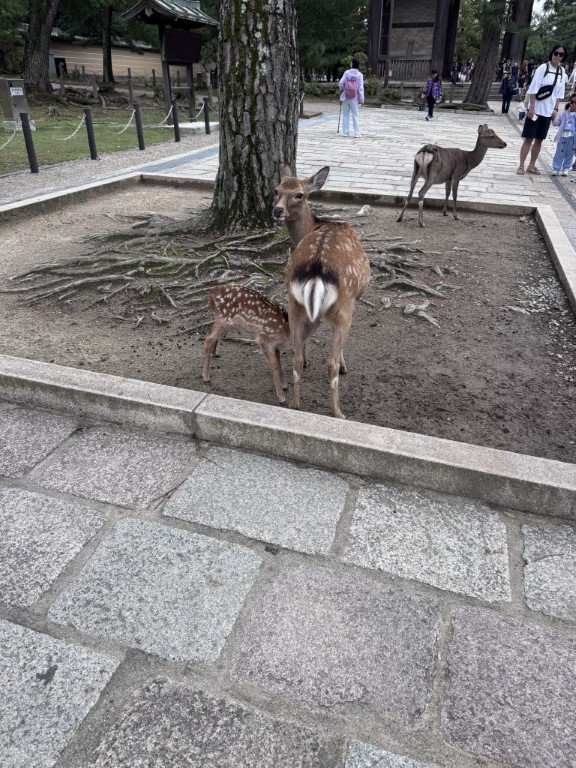
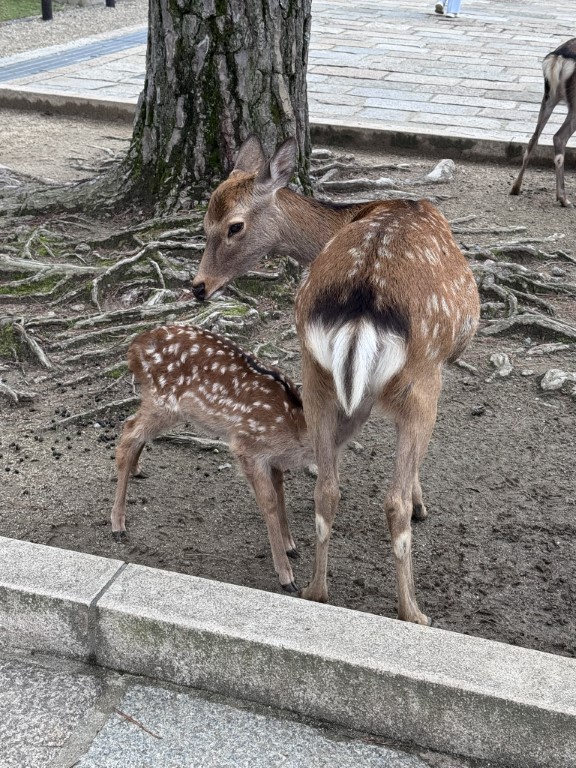
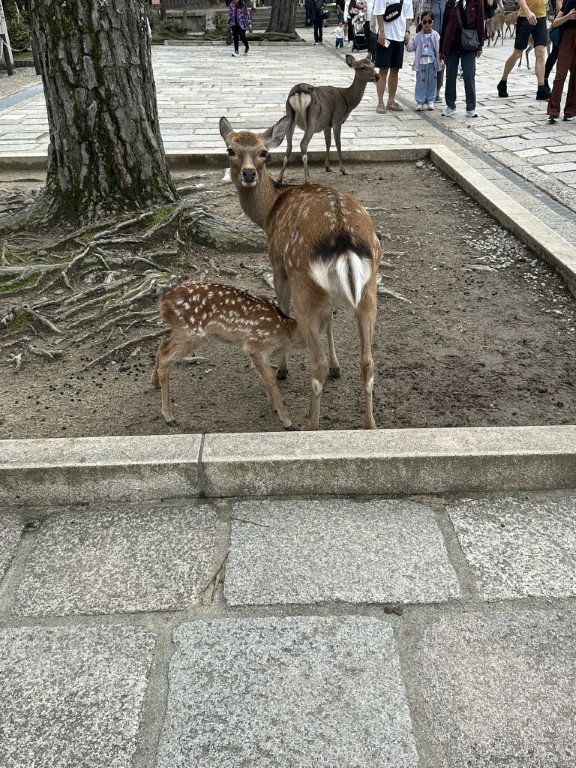
After stopping to pick up some sodas, we walked to Nara Park where we were surrounded by the 'wild' deer that hang out there. Janie bought some deer food from a stall and soon had three deer surrounding her, including an aggressive male who kept biting at her shirt.
.jpg)
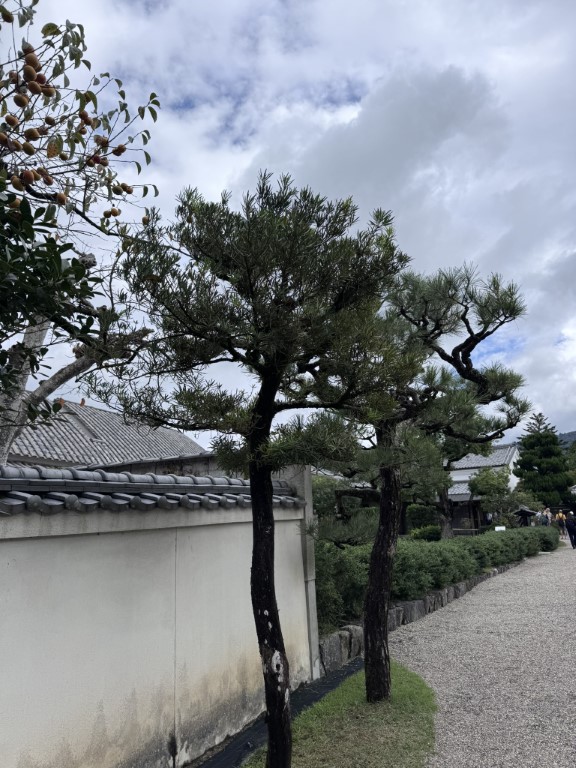
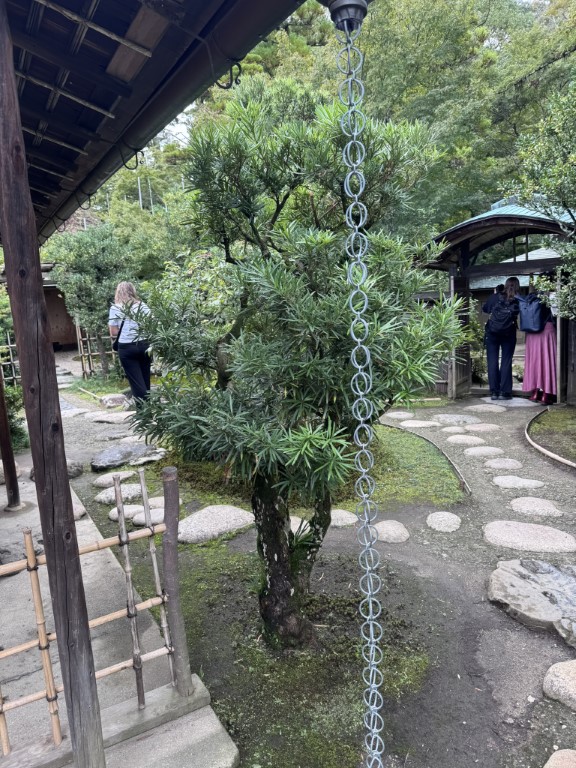
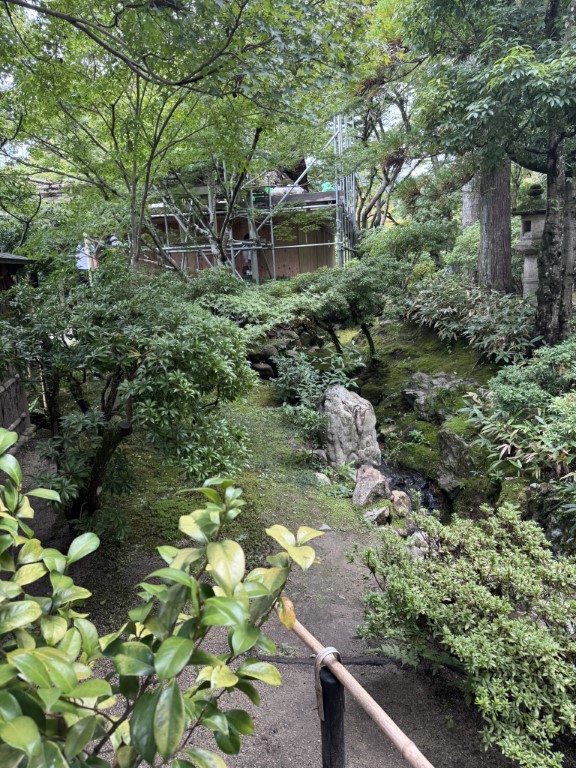
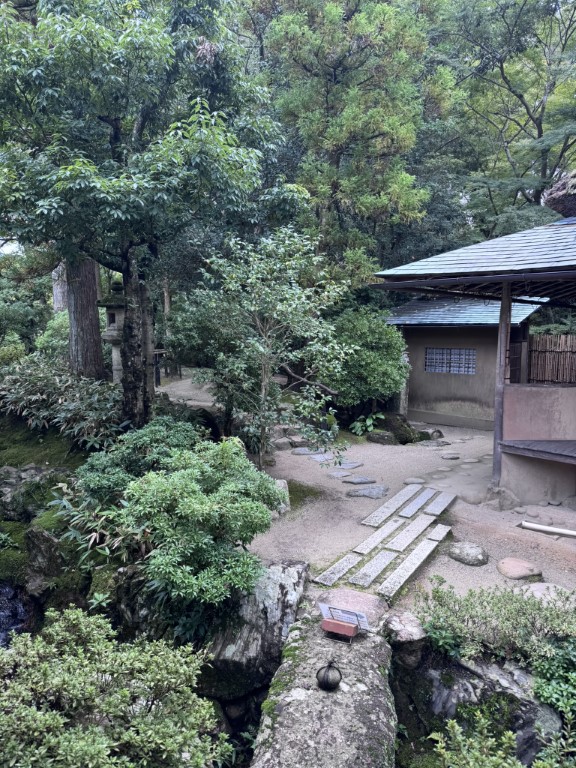
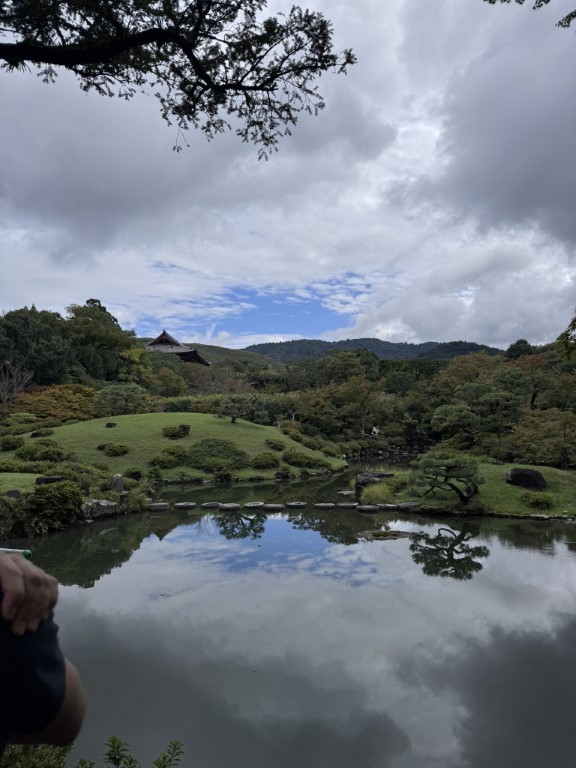
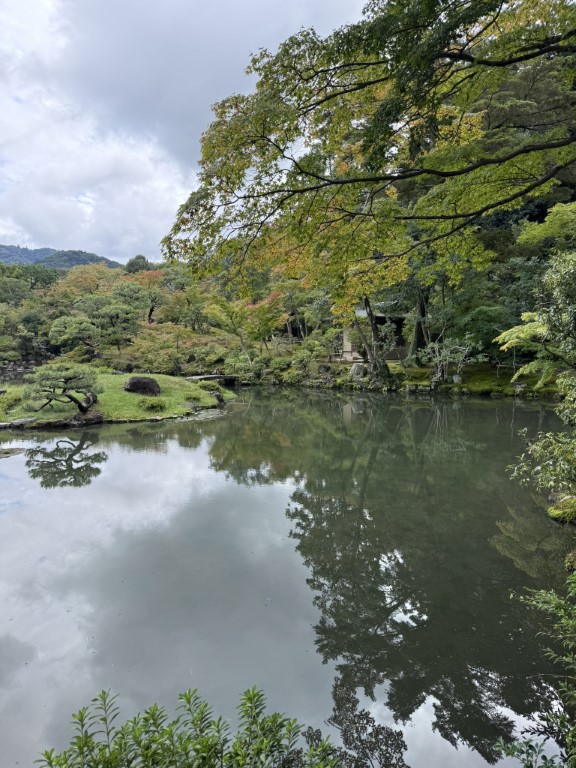
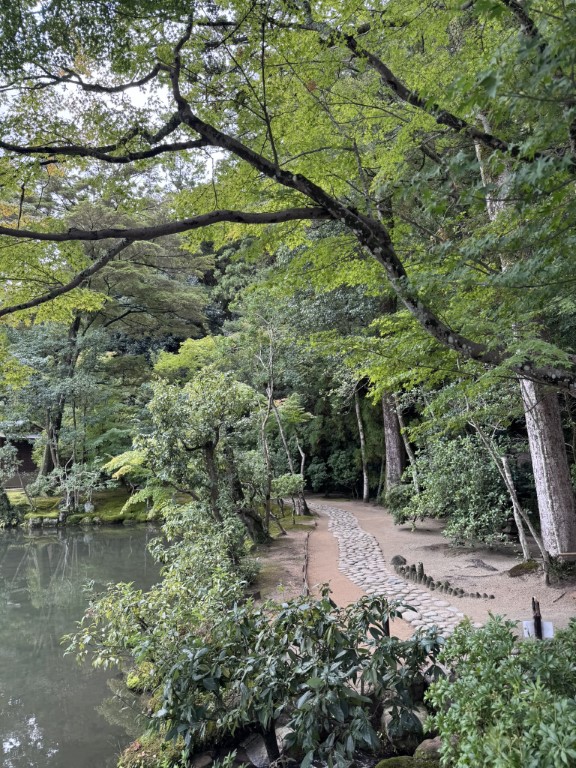
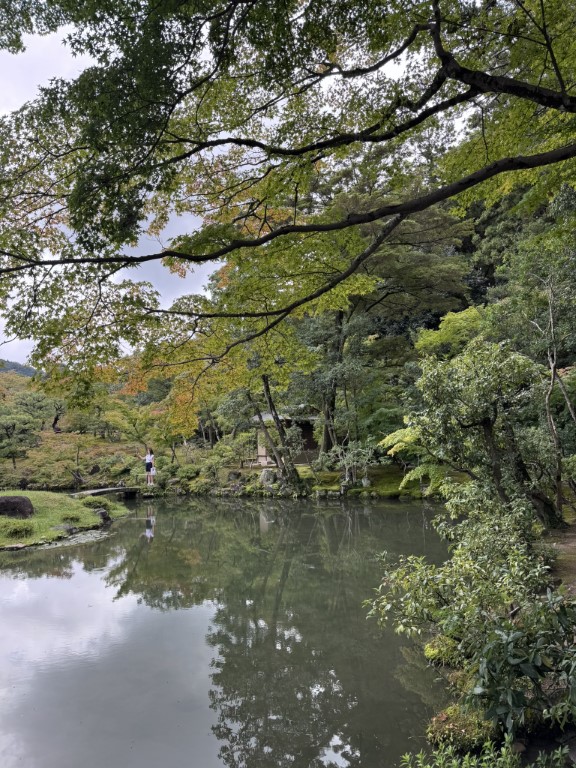
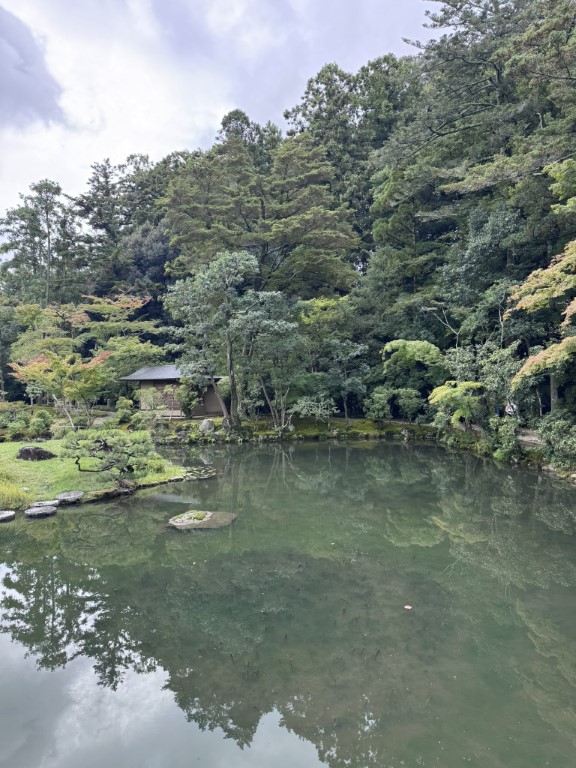
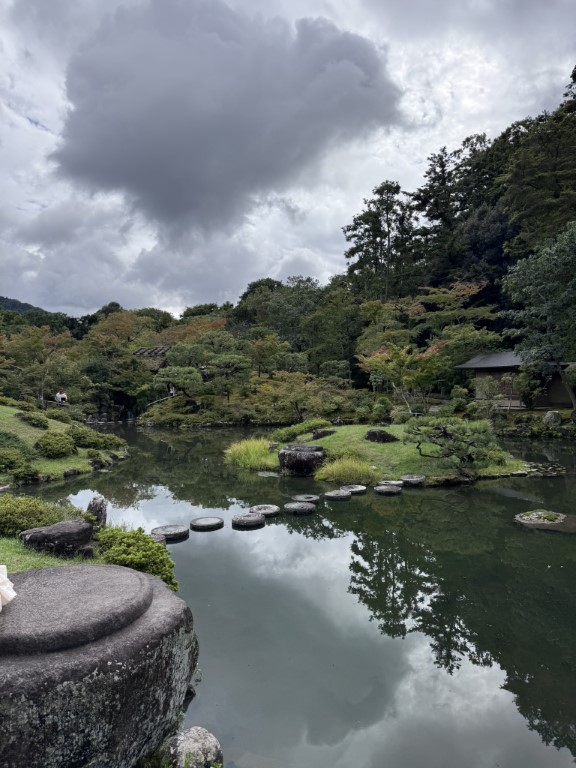
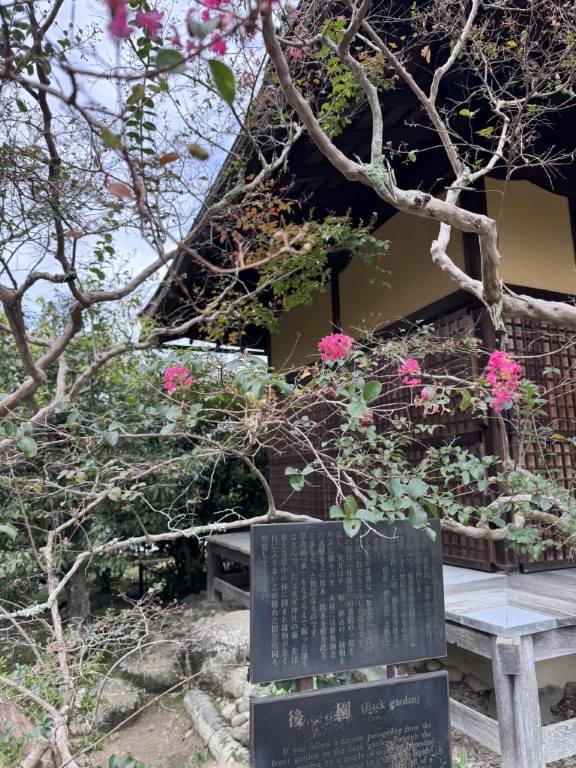
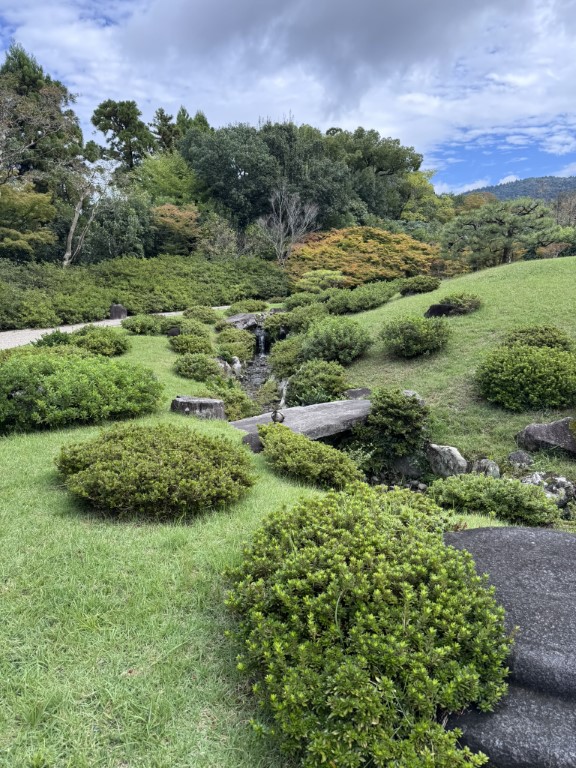
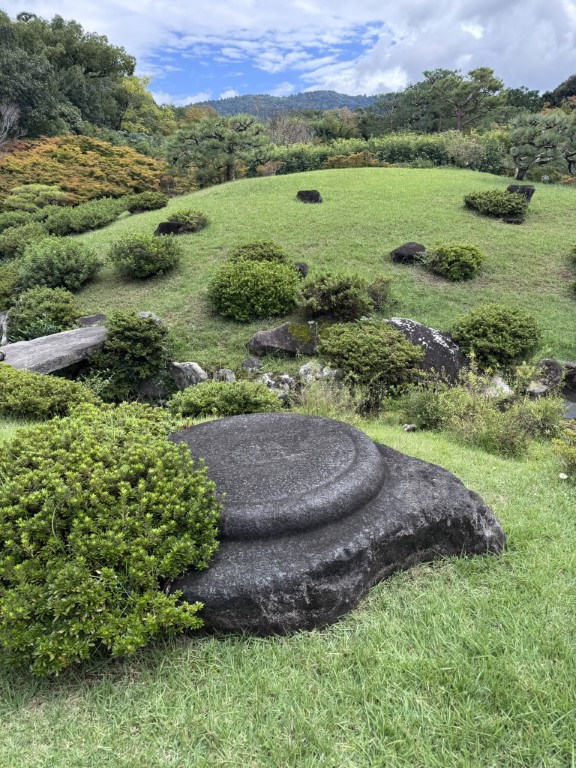
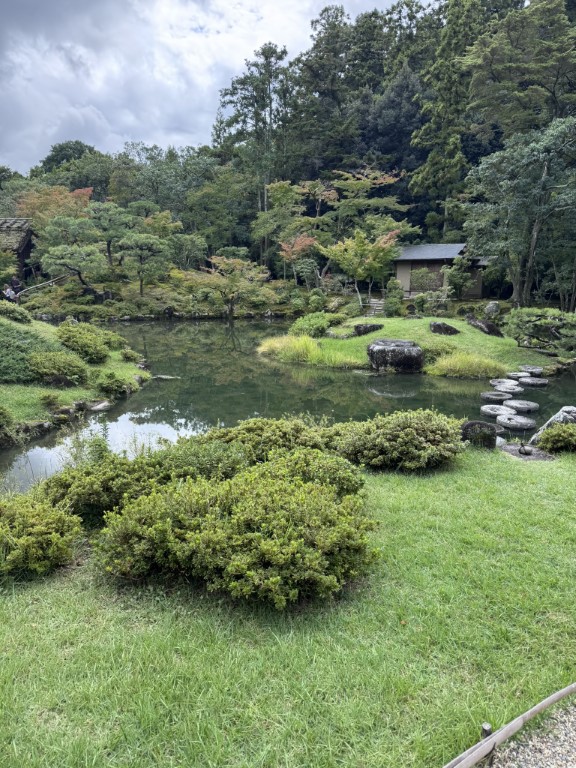
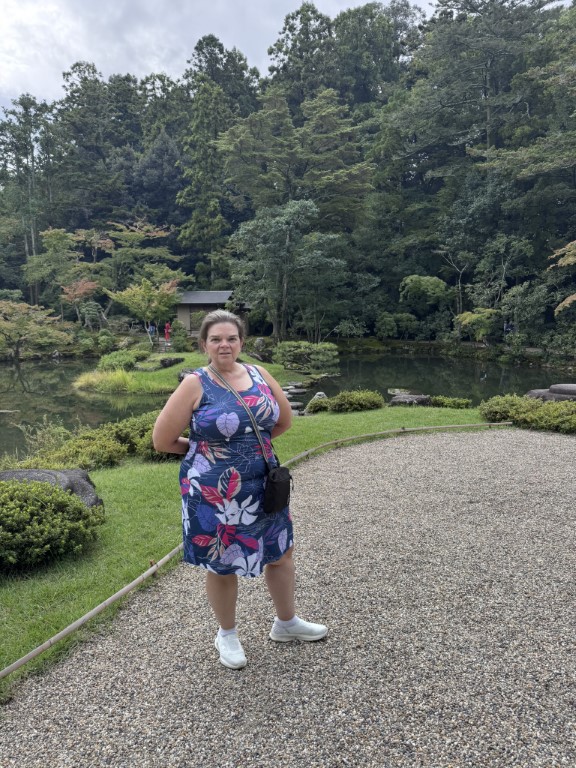
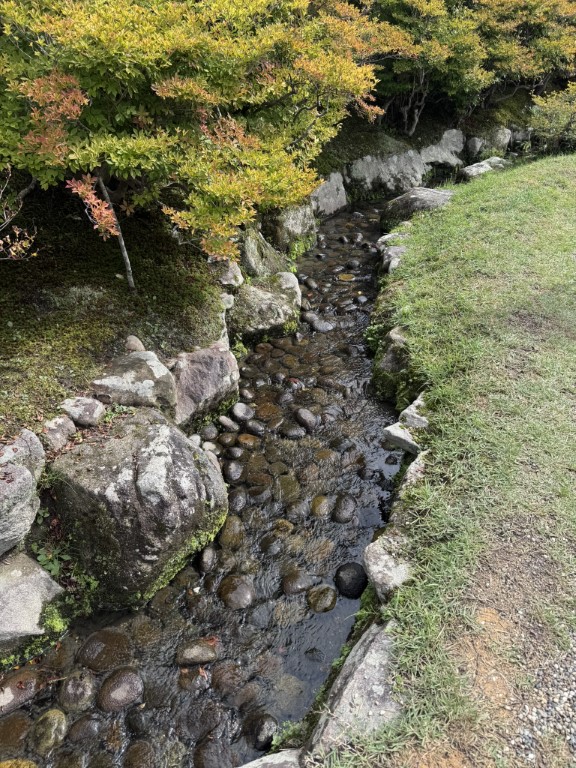
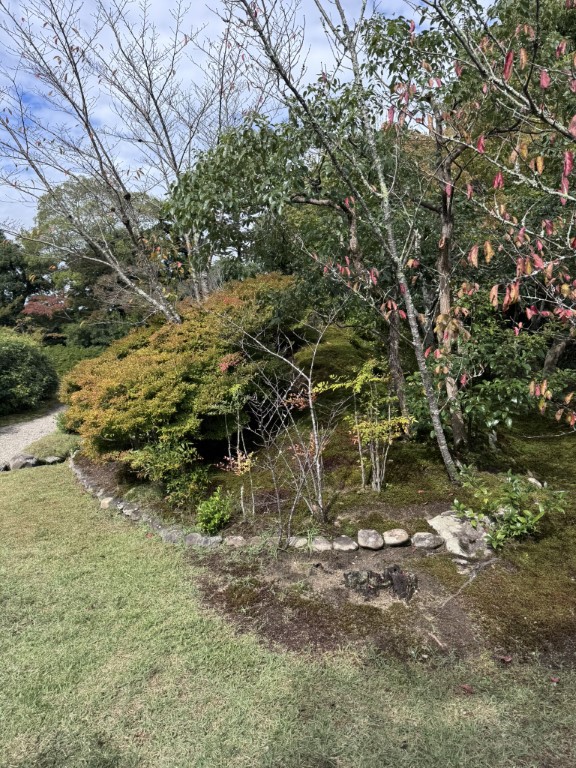
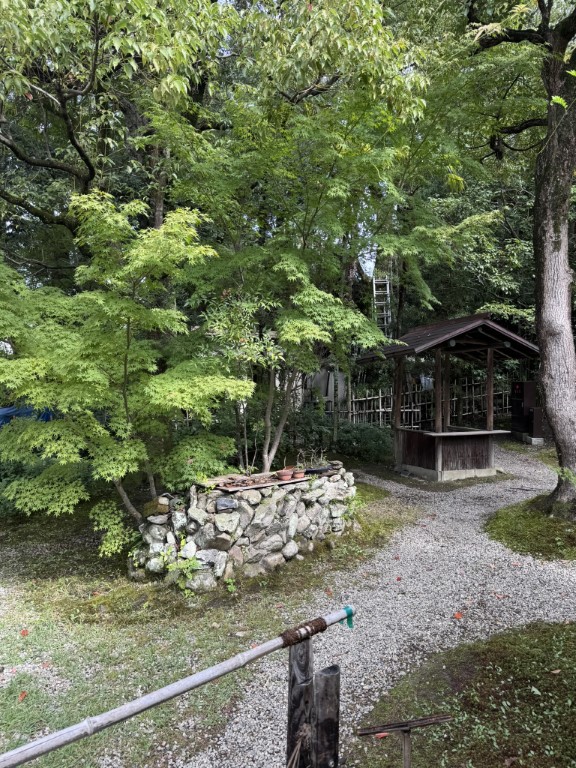
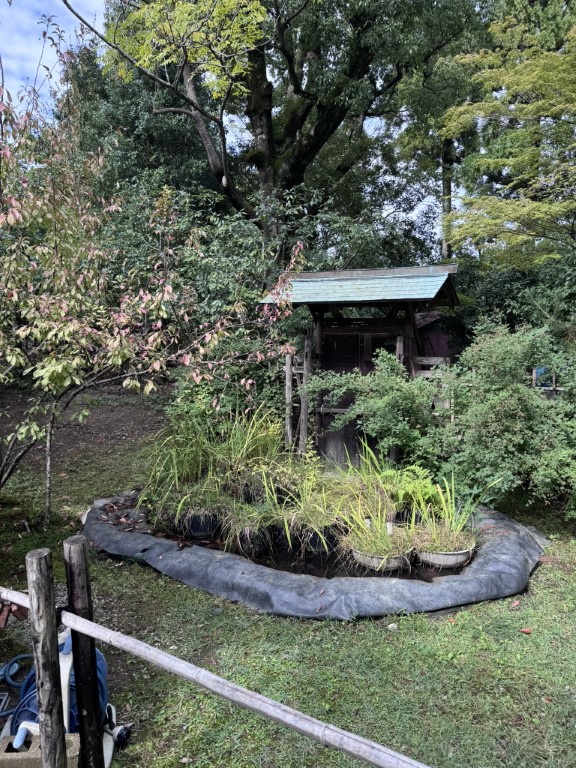
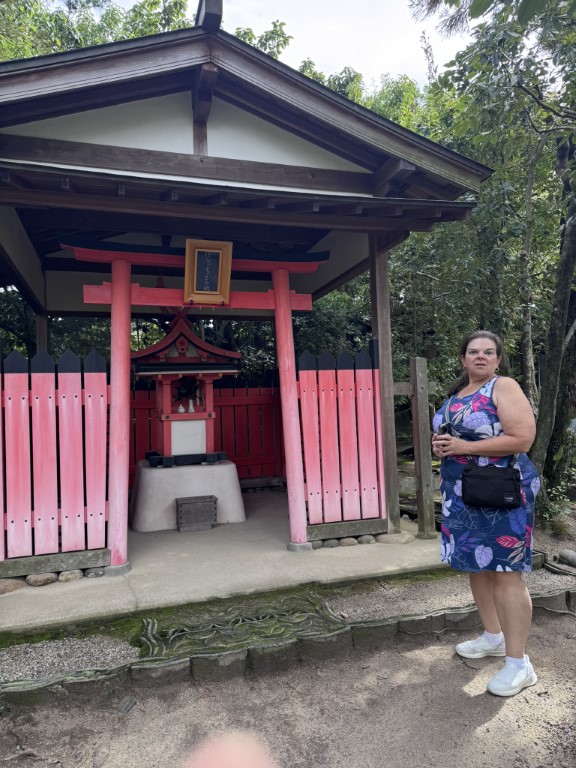
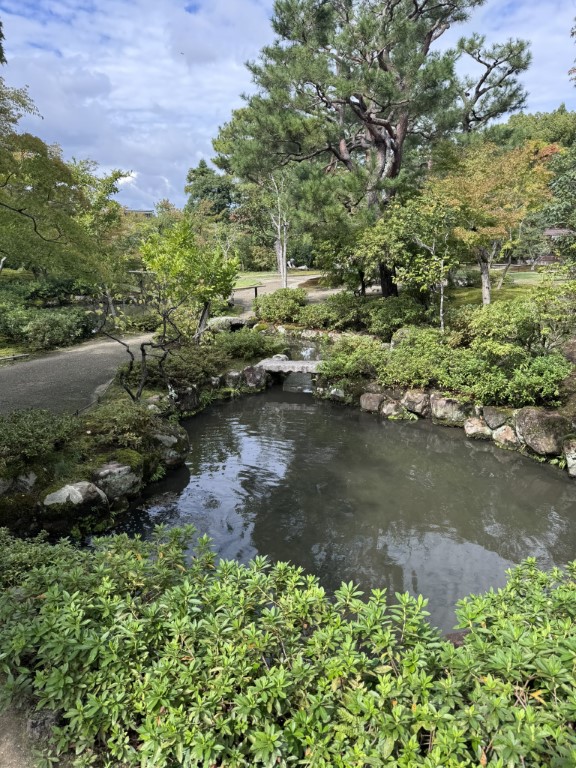
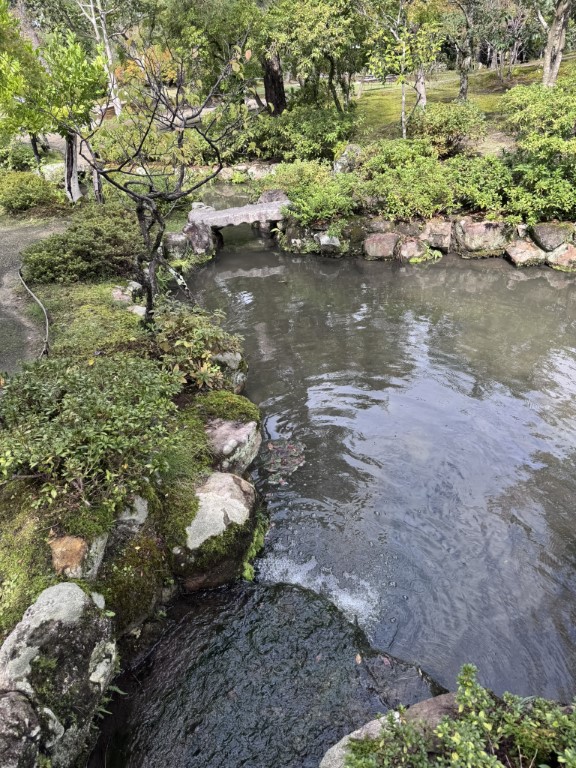
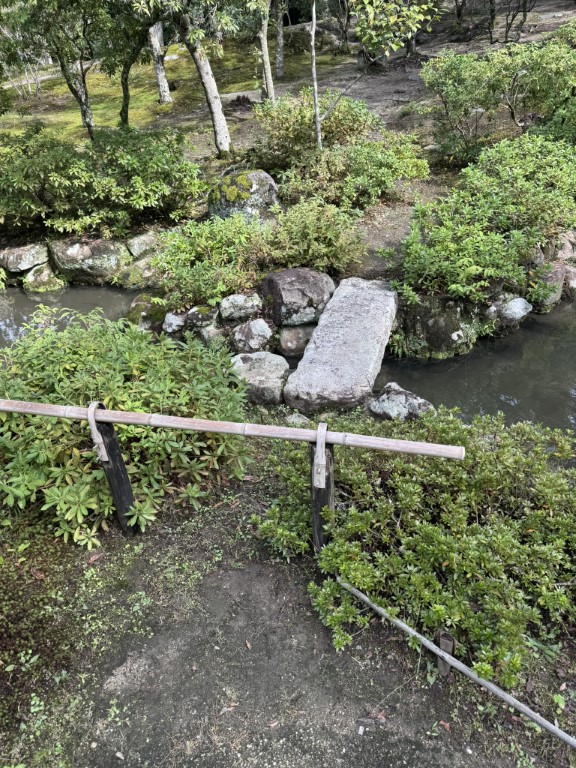
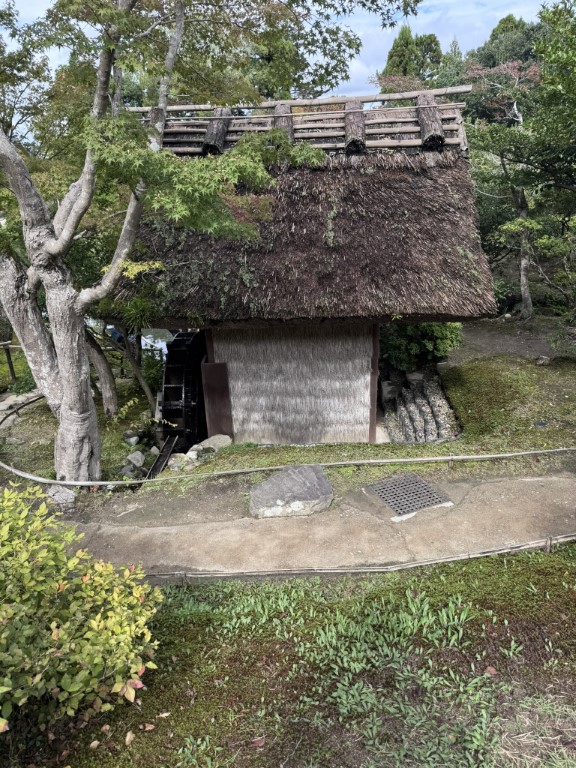
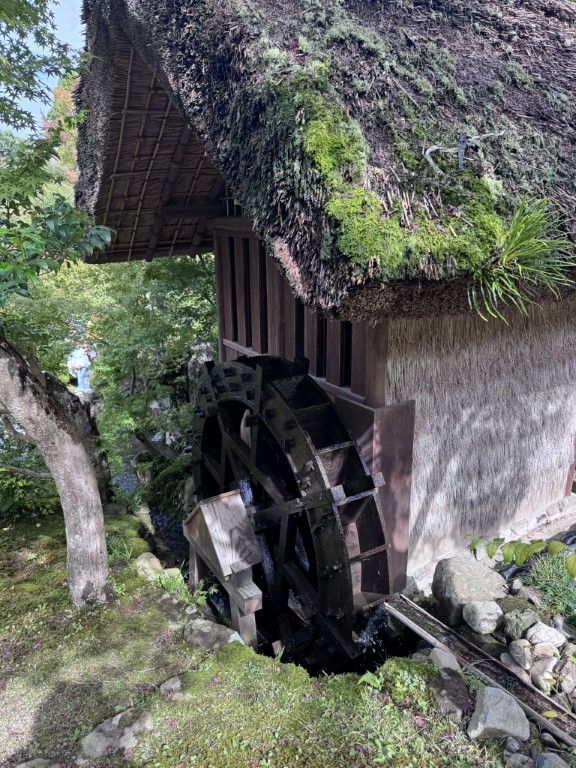
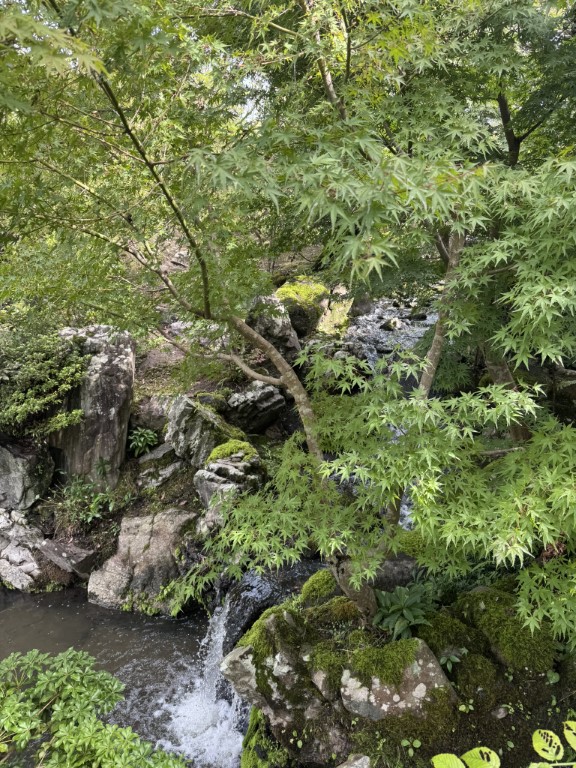
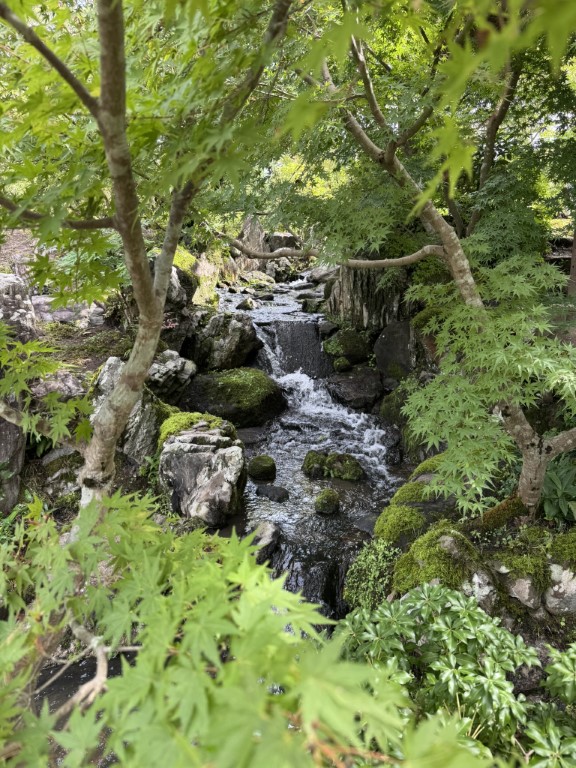
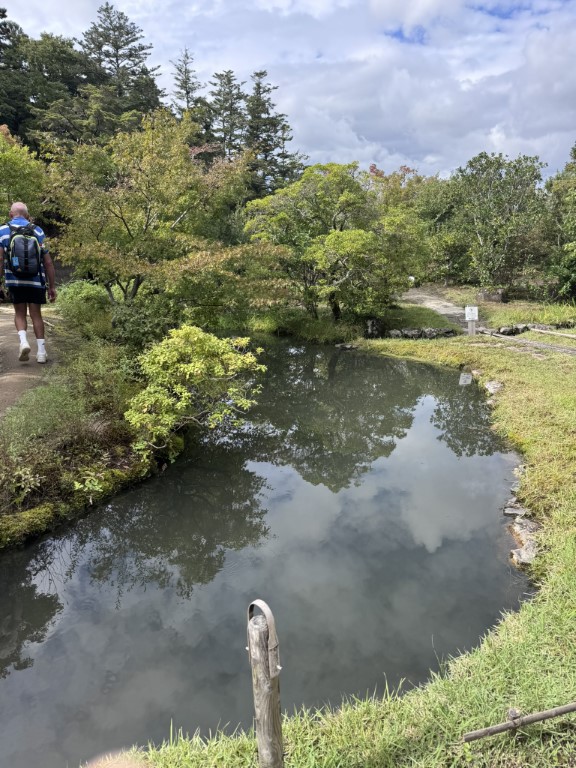
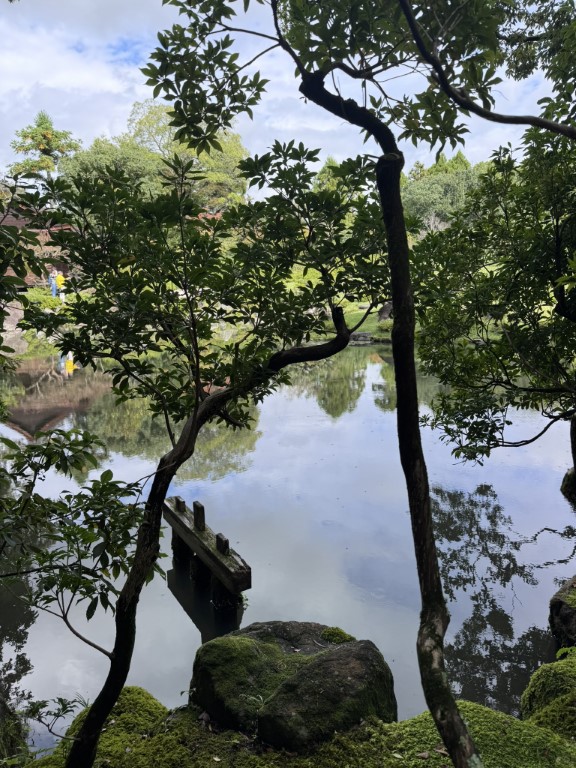
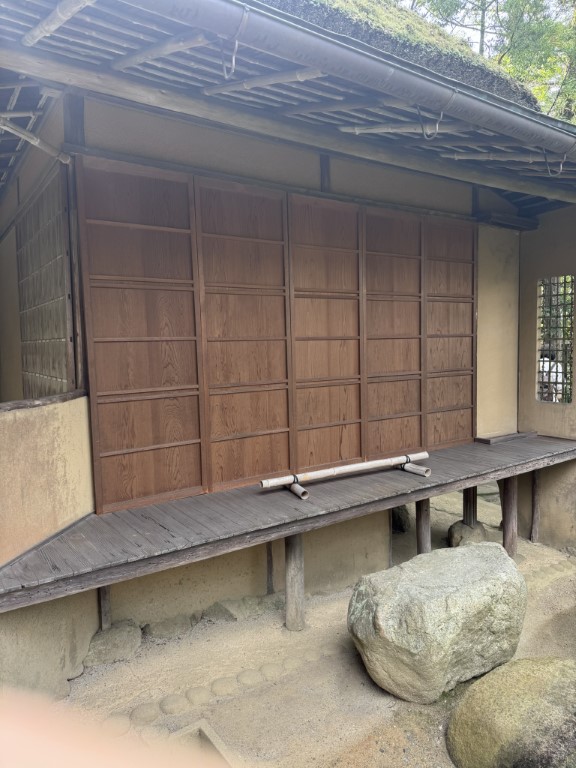
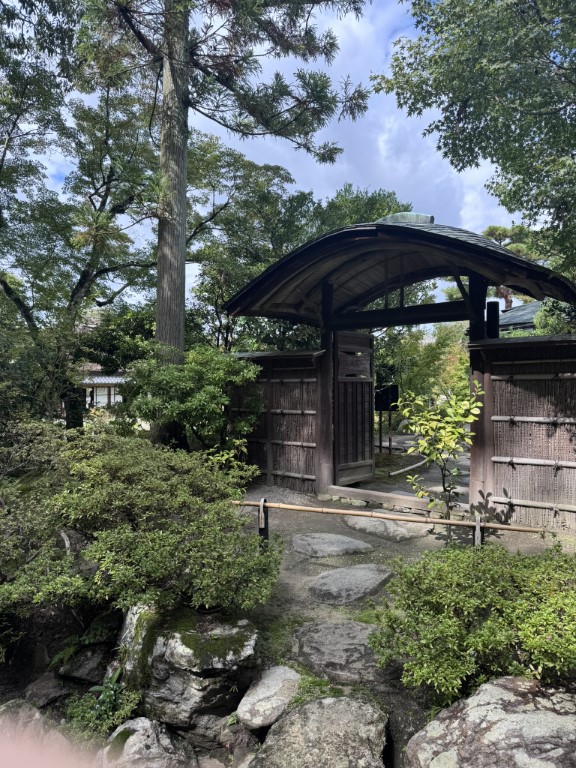
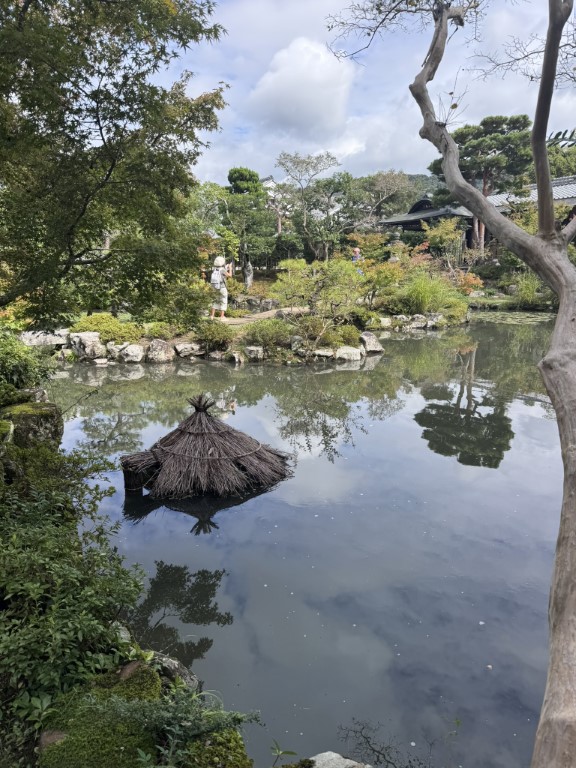
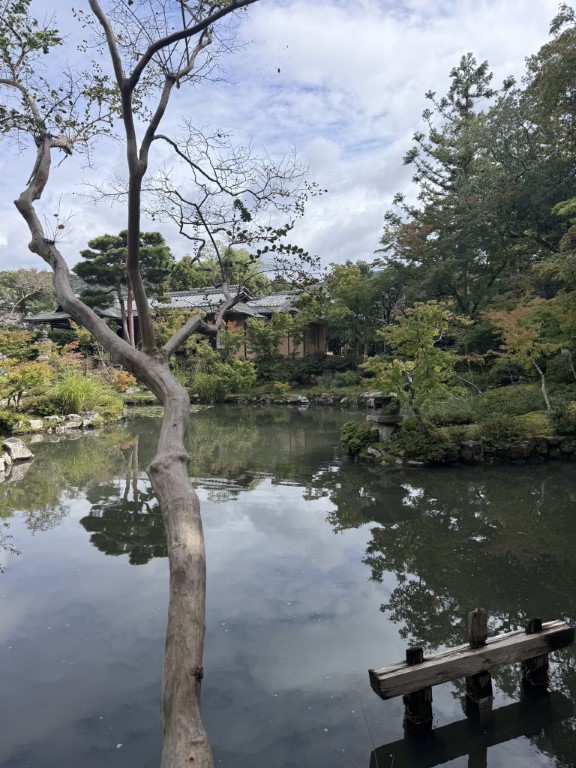
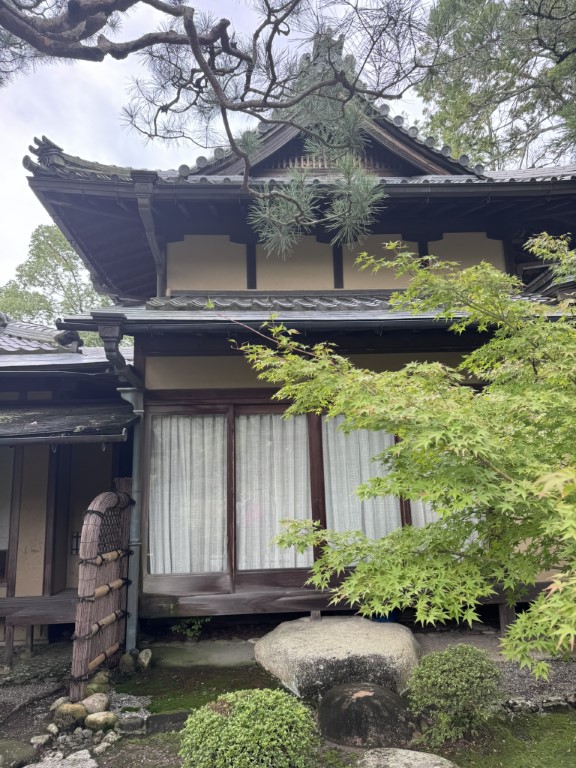
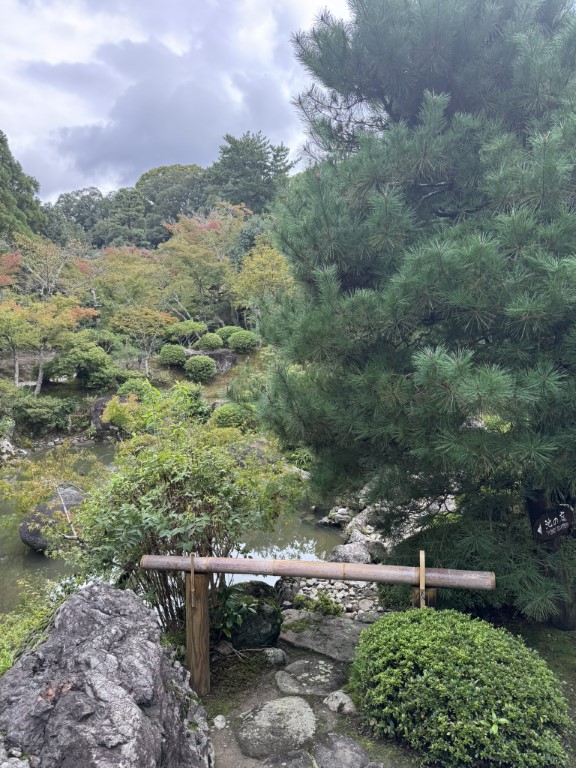
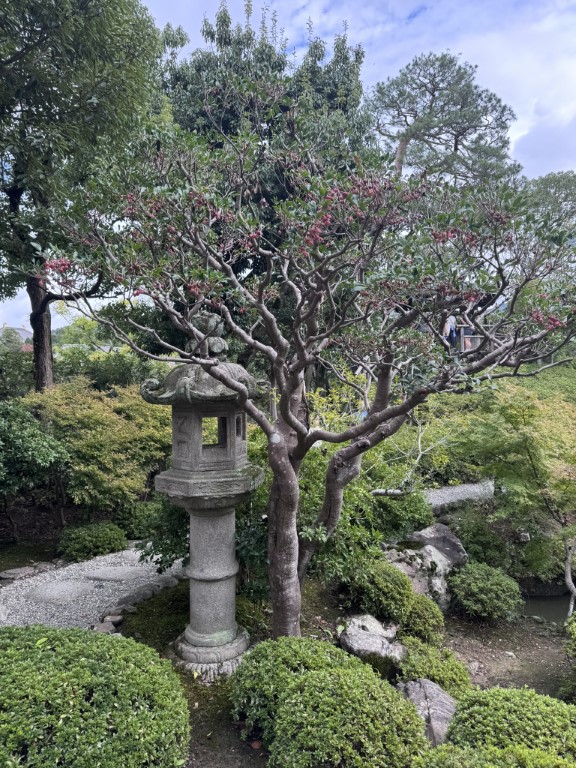
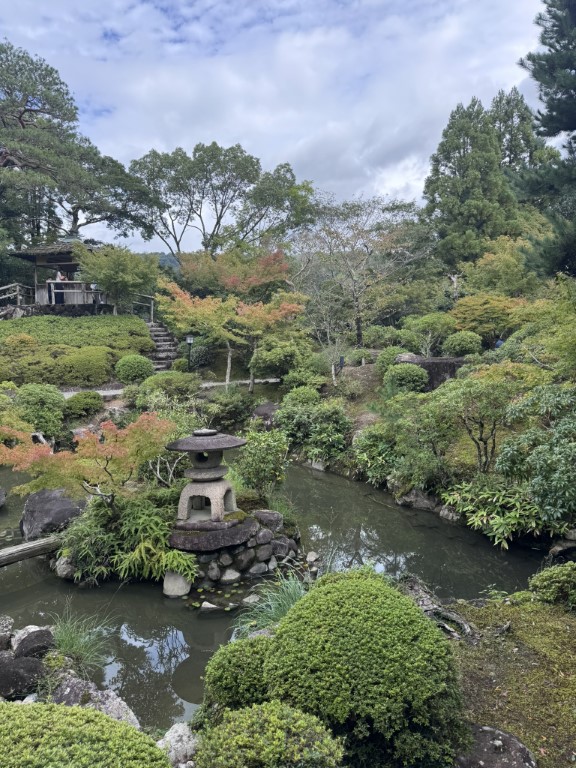
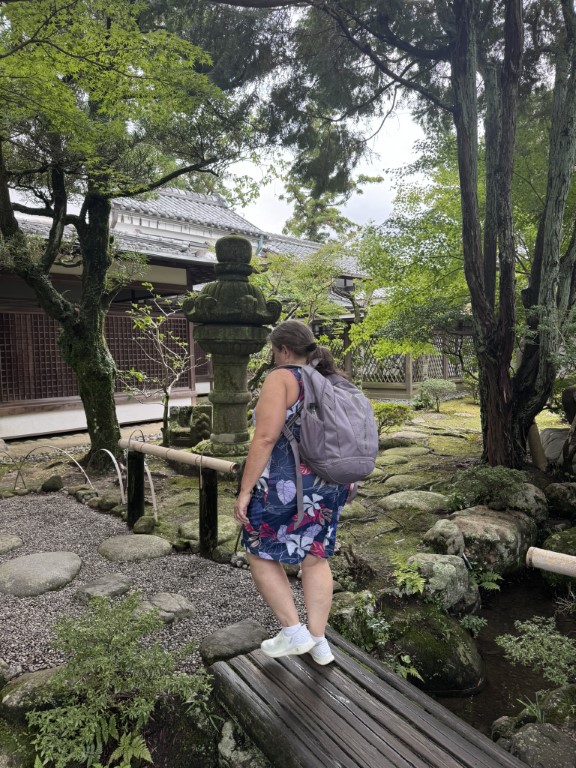
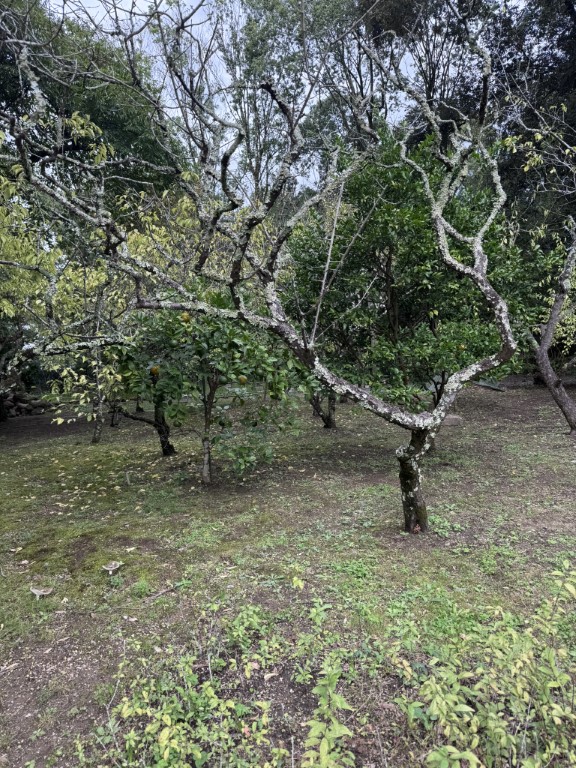
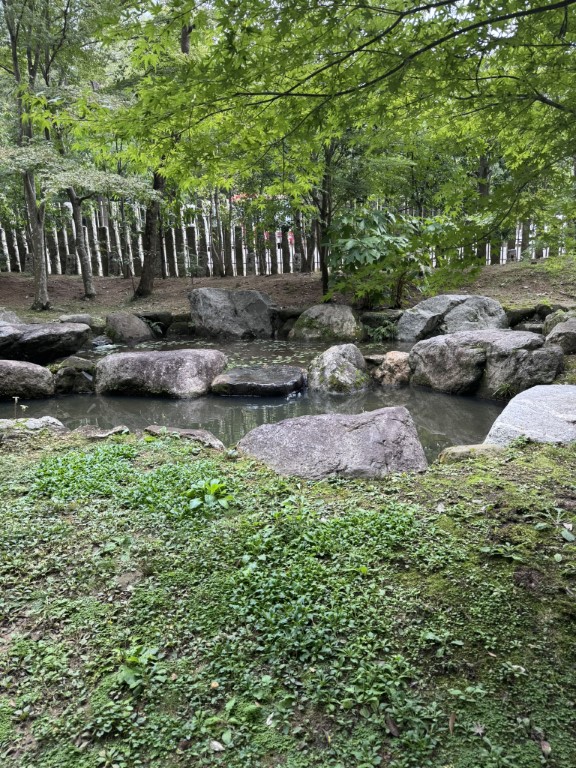
We walked to Isui-en Garden, a Japanese garden that uses Todaiji Temple's Nandaimon Gate and Mount Wakakusayama as "borrowed scenery". Isuien means "garden founded on water", and is named for ponds fed by the adjacent Yoshikigawa River. It is divided into a front and rear garden, with tea houses throughout. The front garden dates back to the mid 17th century. The larger rear garden is more recent and was built in 1899 by a wealthy merchant. Next to the garden is a small museum displaying pottery, seals, mirrors and other artifacts from ancient China and Korea from the collection of the family that owns Isuien. After Isui-en, we walked next door to the smaller free Yoshikien Garden with its pond garden, moss garden and tea ceremony garden.
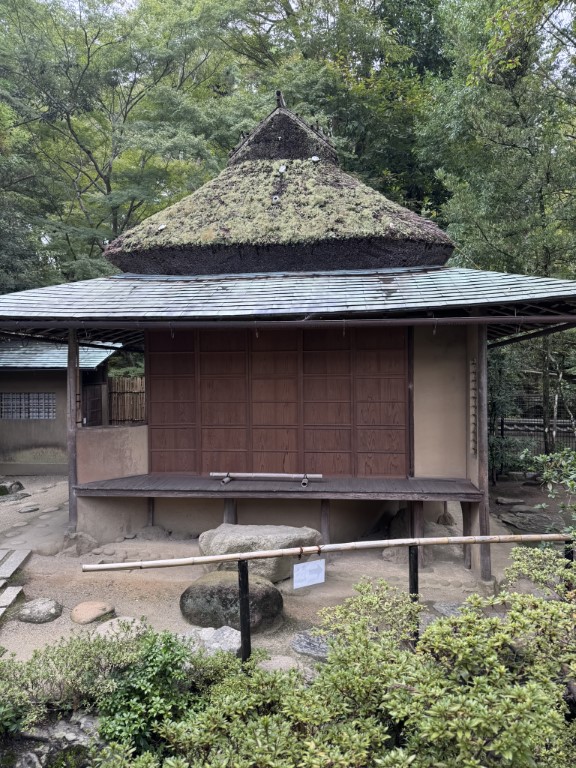
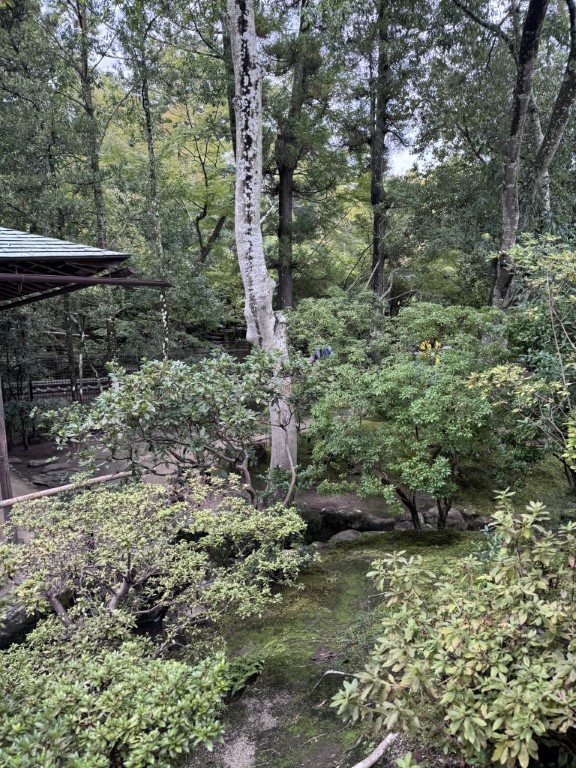
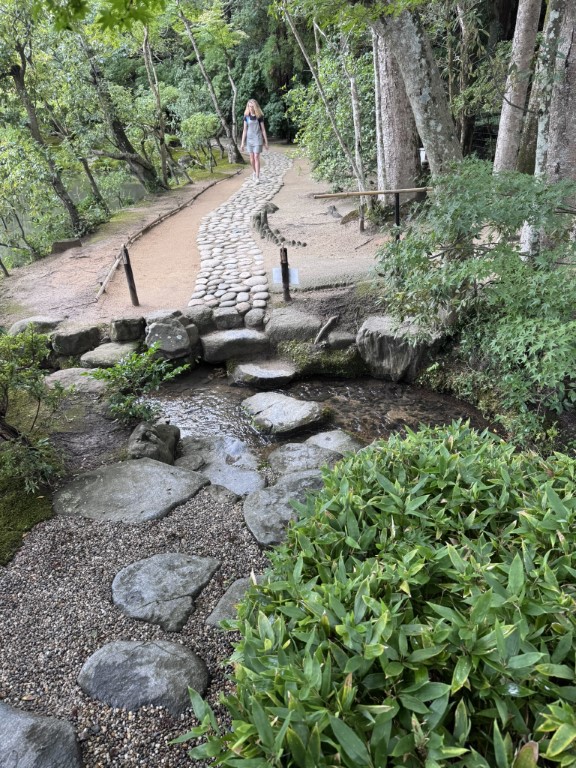
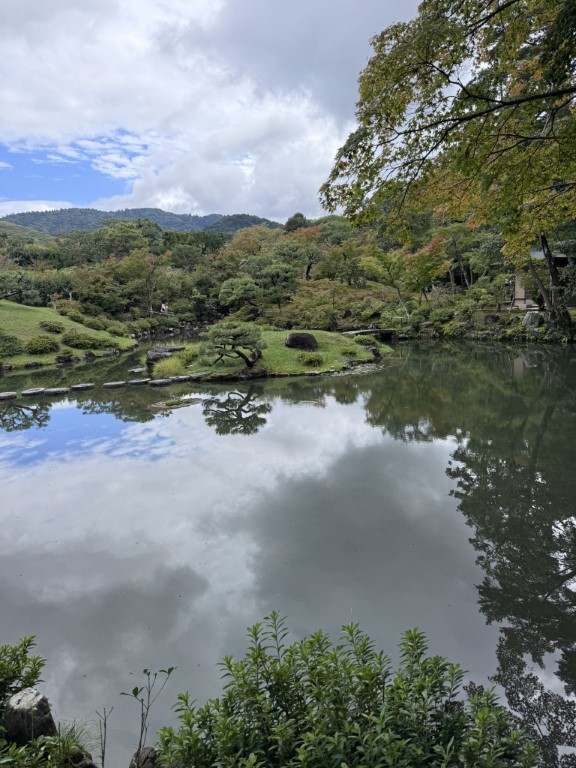
.jpg)
.jpg)
.jpg)
.jpg)
.jpg)
.jpg)
.jpg)
.jpg)
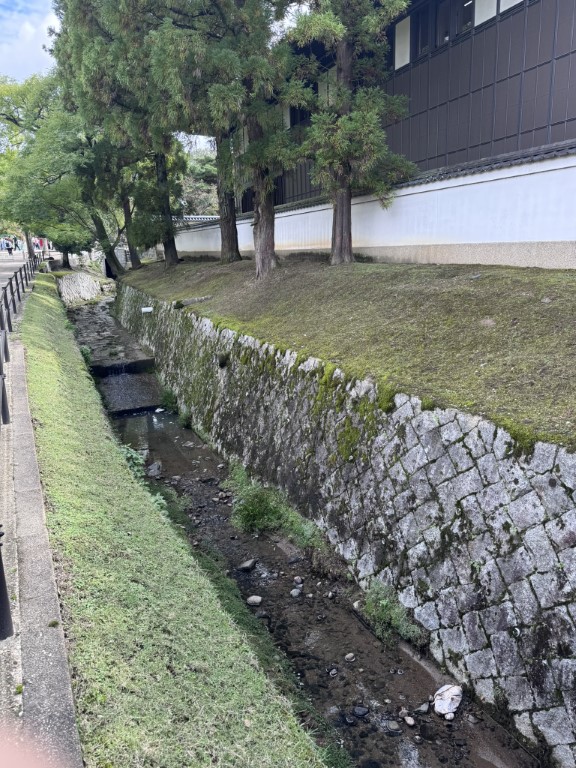
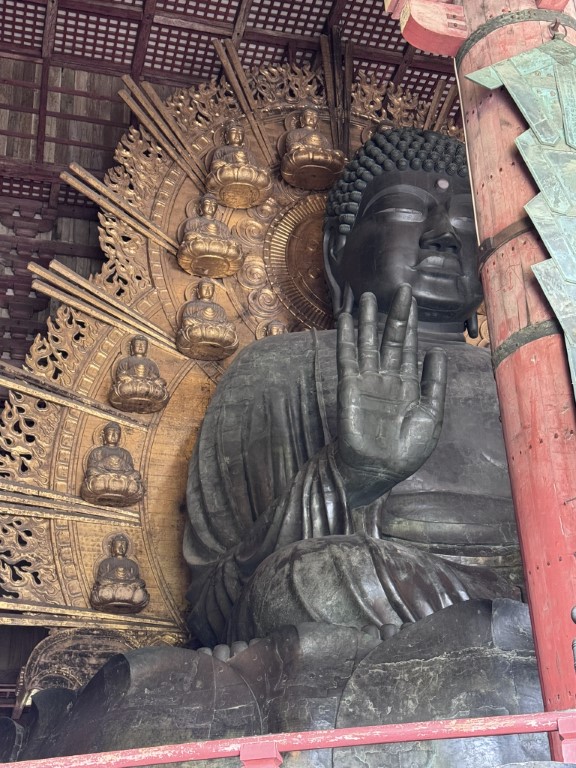
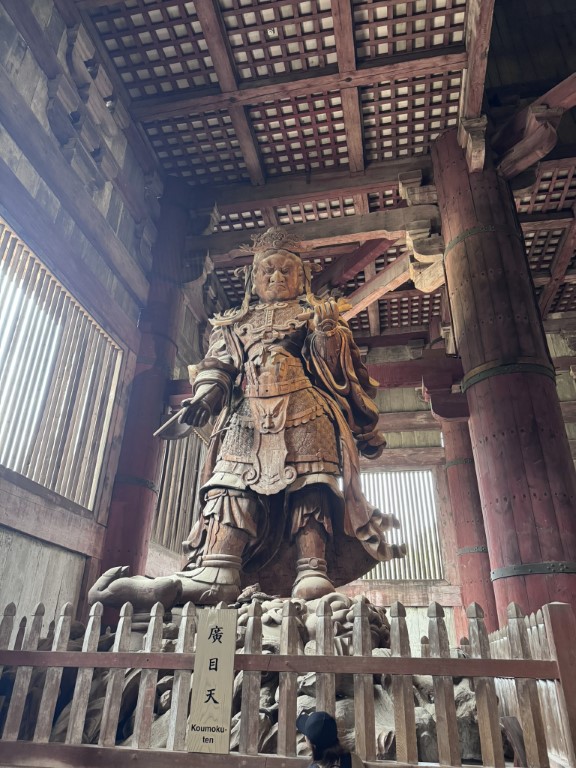
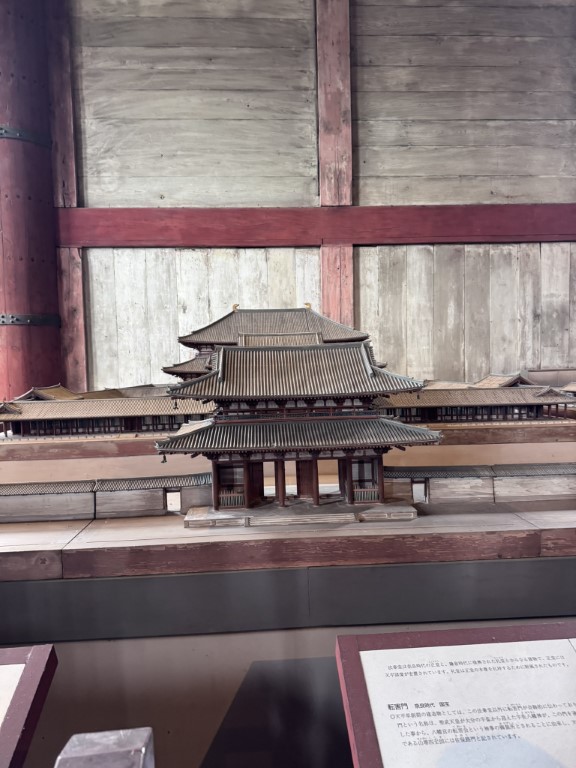
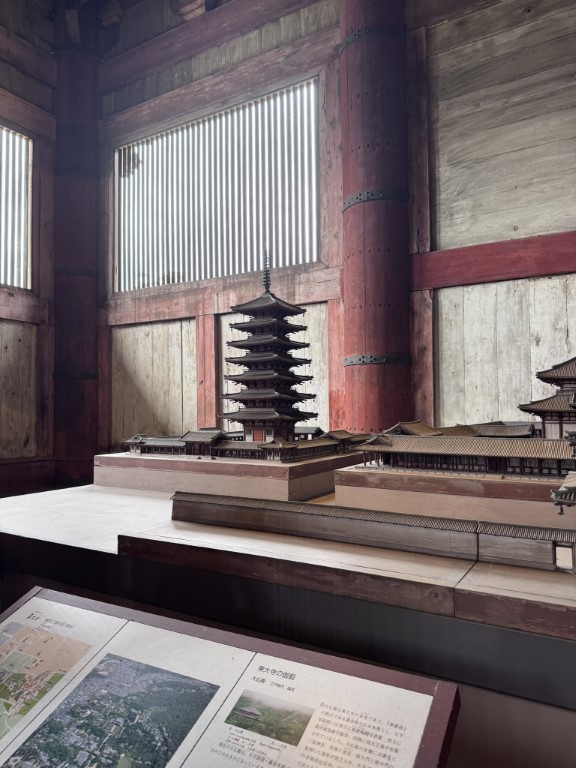
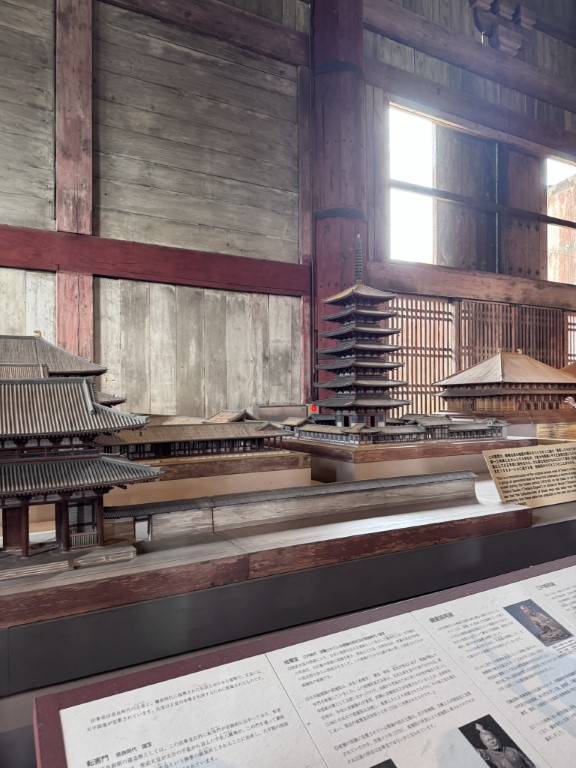
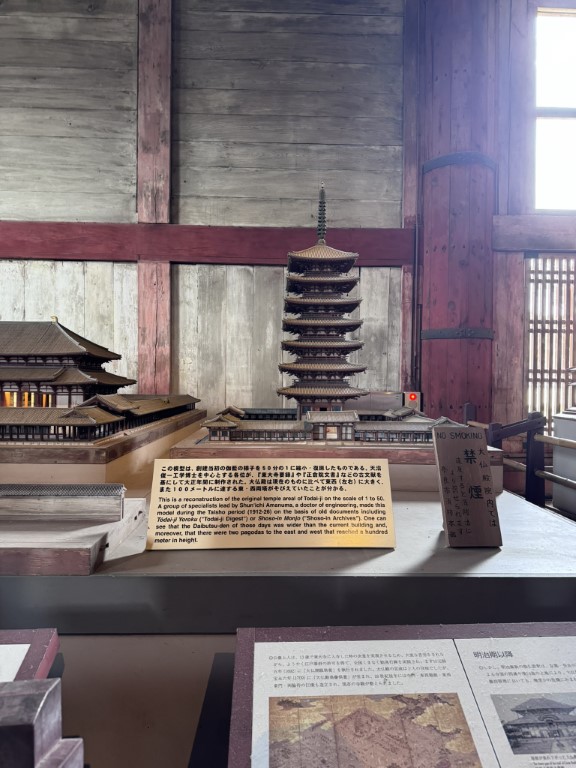
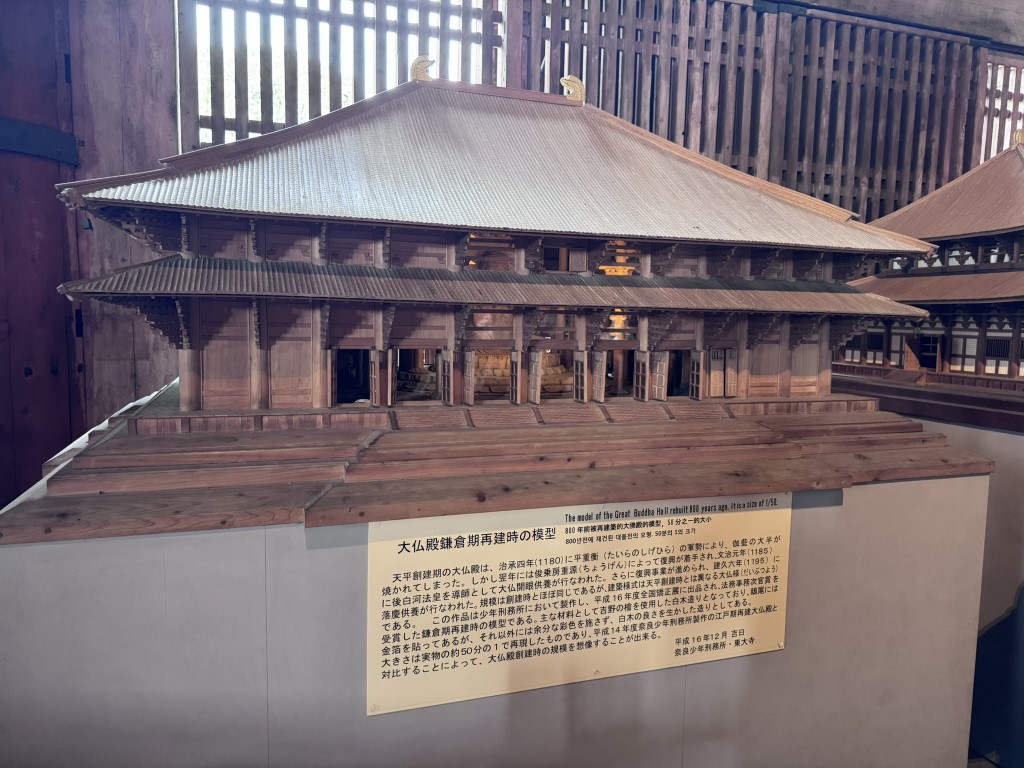
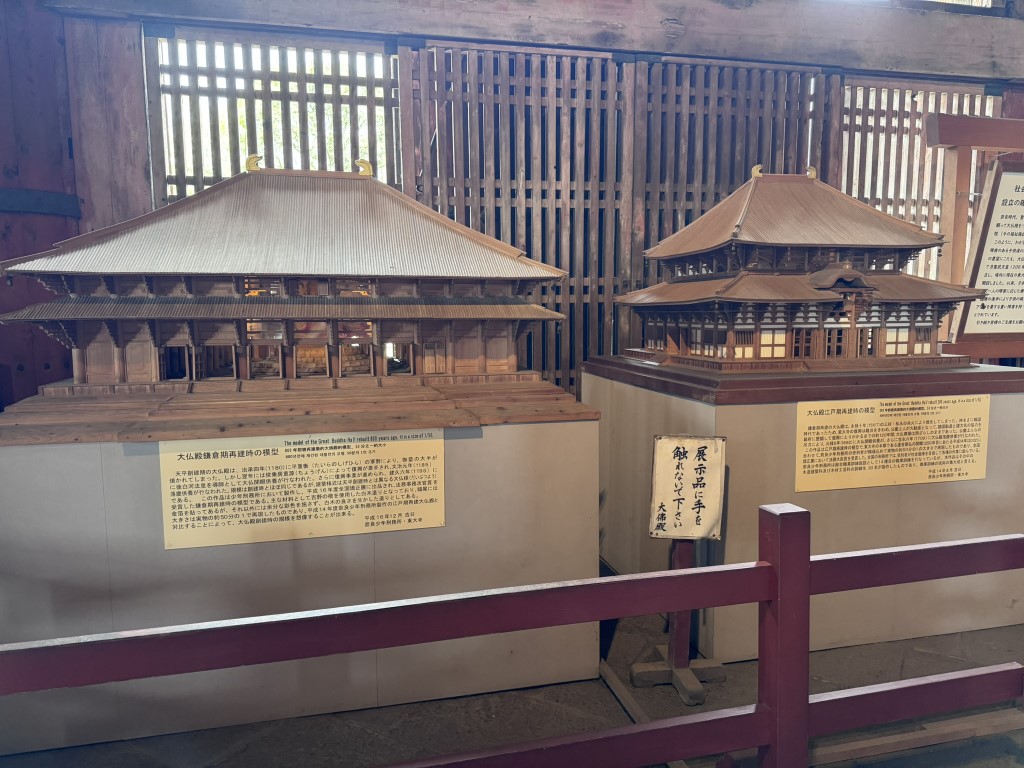
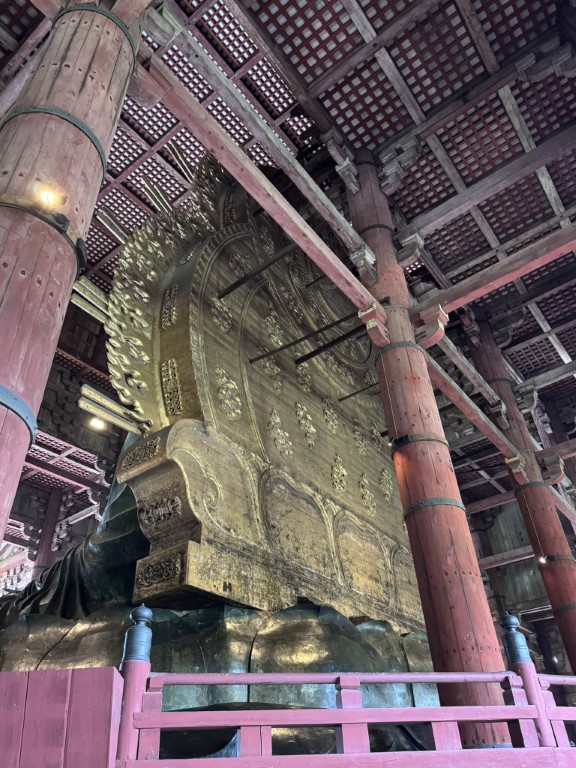
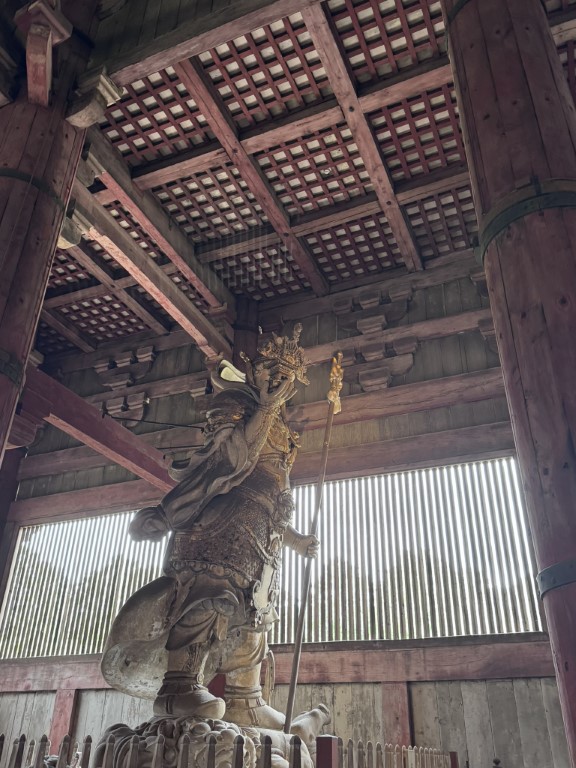
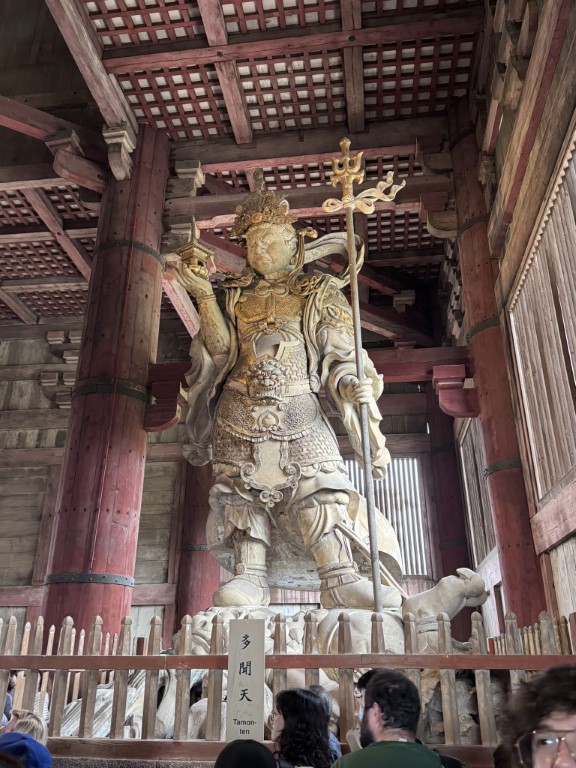
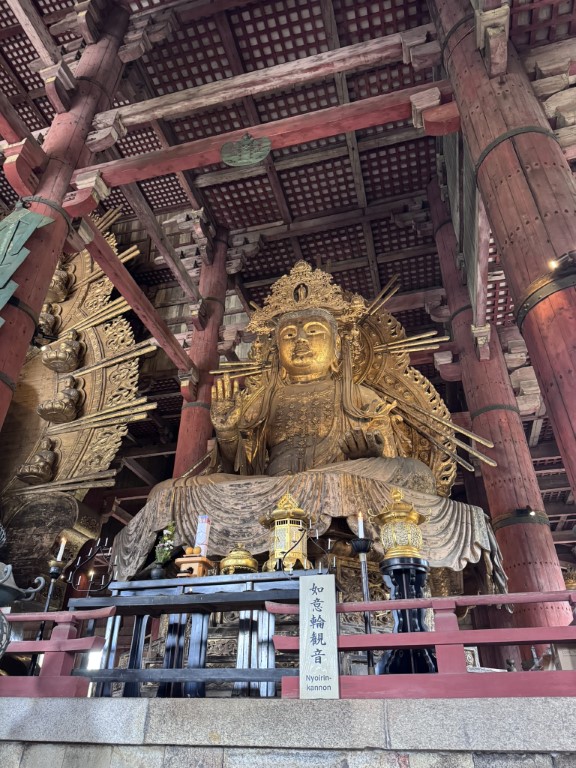
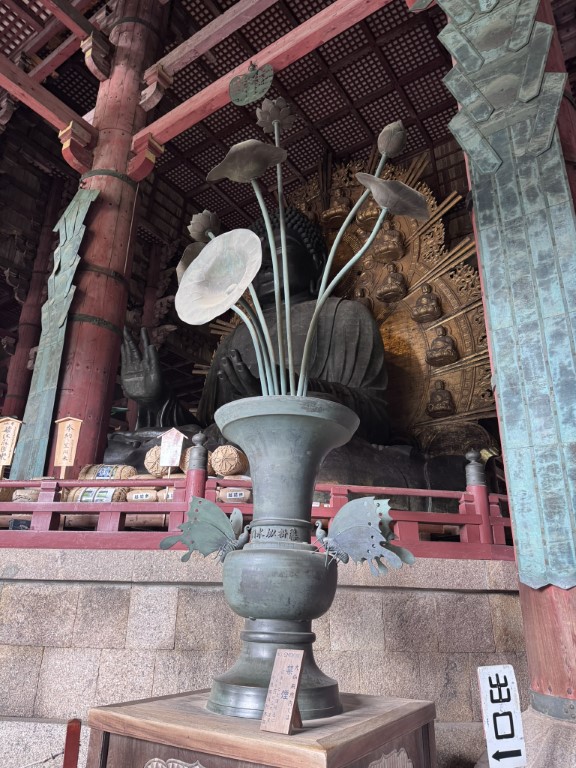
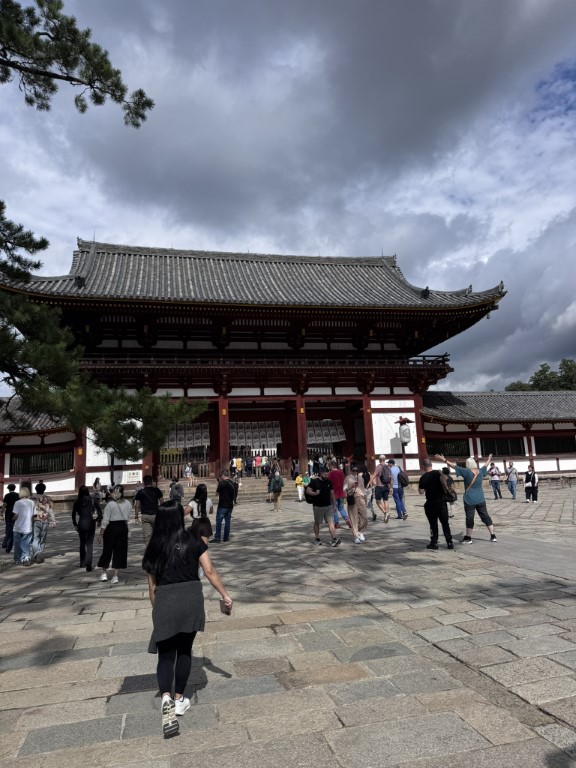
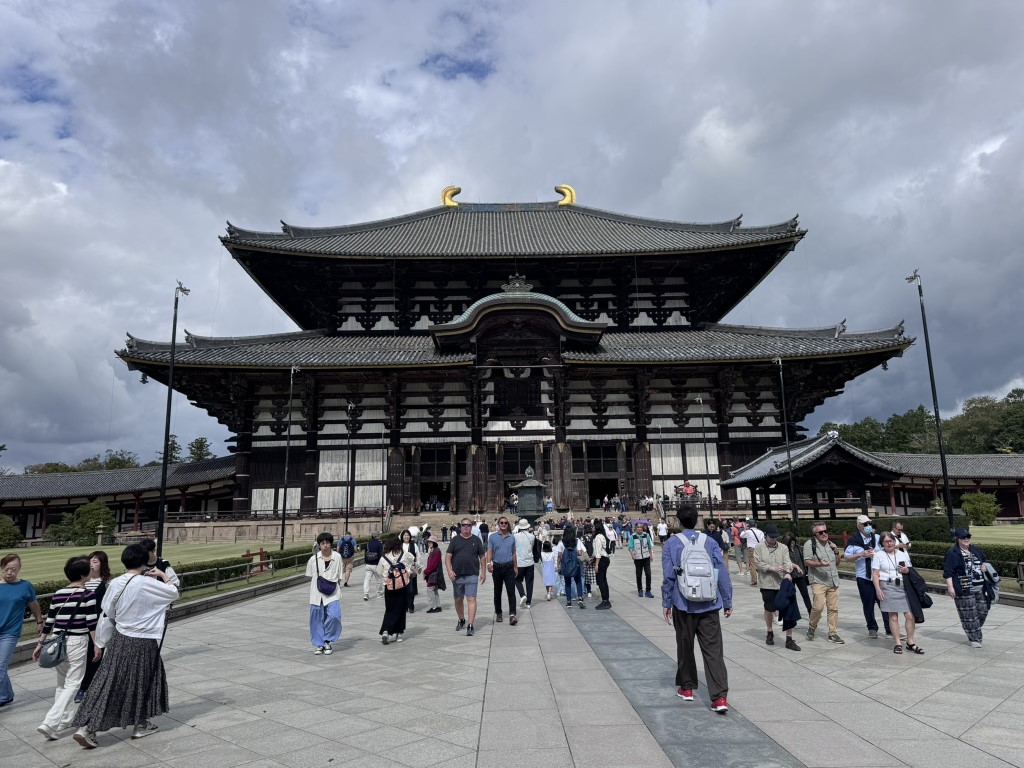
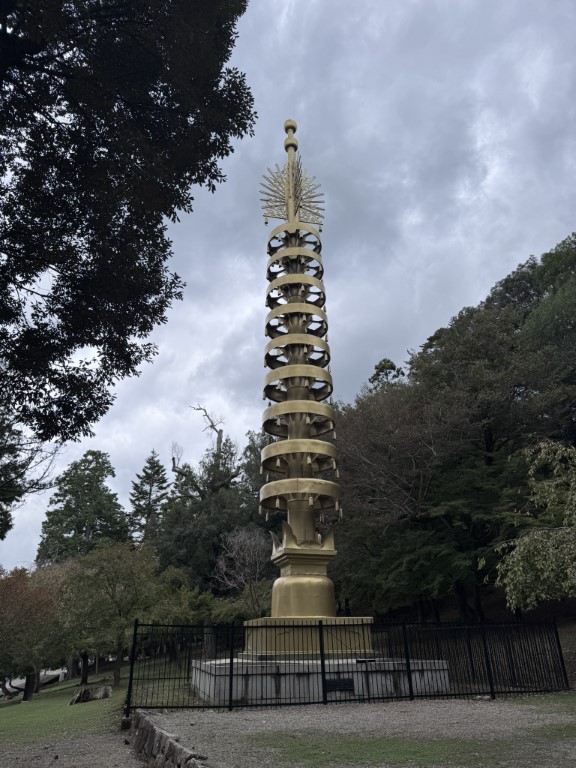
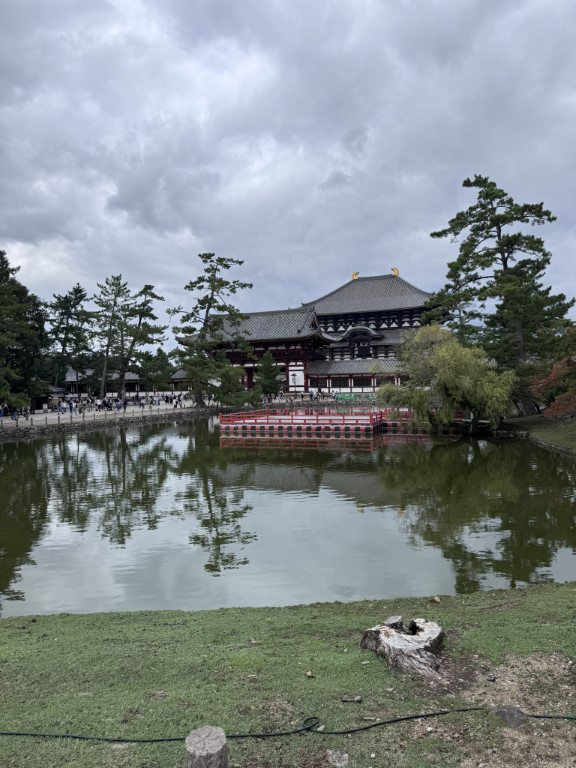
Todaiji is one of Japan's most famous and historically significant temples and a landmark of Nara. The temple was constructed in 752 as the head temple of all provincial Buddhist temples of Japan and grew so powerful that the capital was moved away from Nara in 784 in order to lower the temple's influence on government affairs. Until recently, Todaiji's main hall, the Daibutsuden (Big Buddha Hall), held the record as the world's largest wooden building, despite the fact that the present reconstruction of 1692 is only two thirds of the original temple hall's size. The massive building houses one of Japan's largest bronze statues of Buddha (Daibutsu). The 15 meters tall, seated Buddha represents Vairocana and is flanked by two Bodhisattvas.
.jpg)
.jpg)
.jpg)
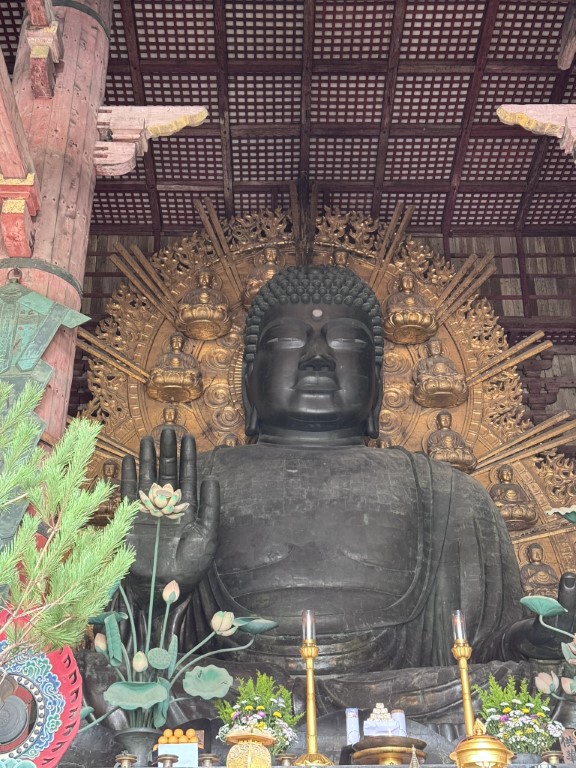
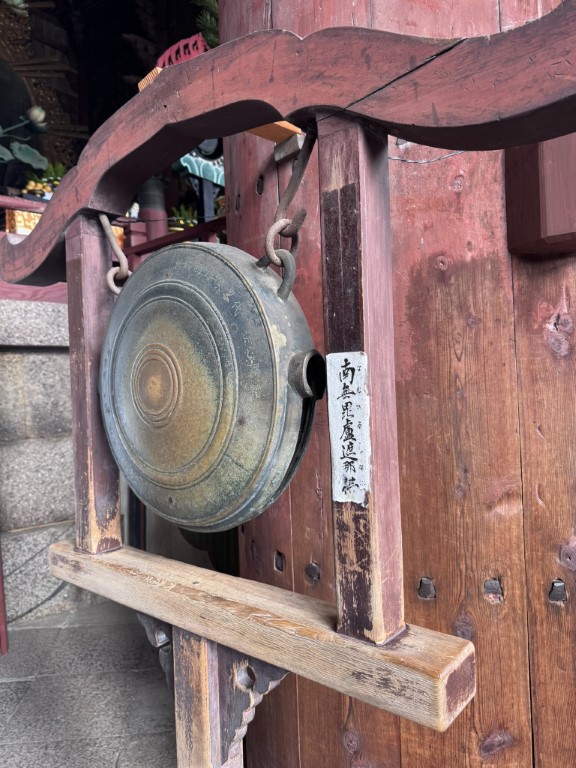
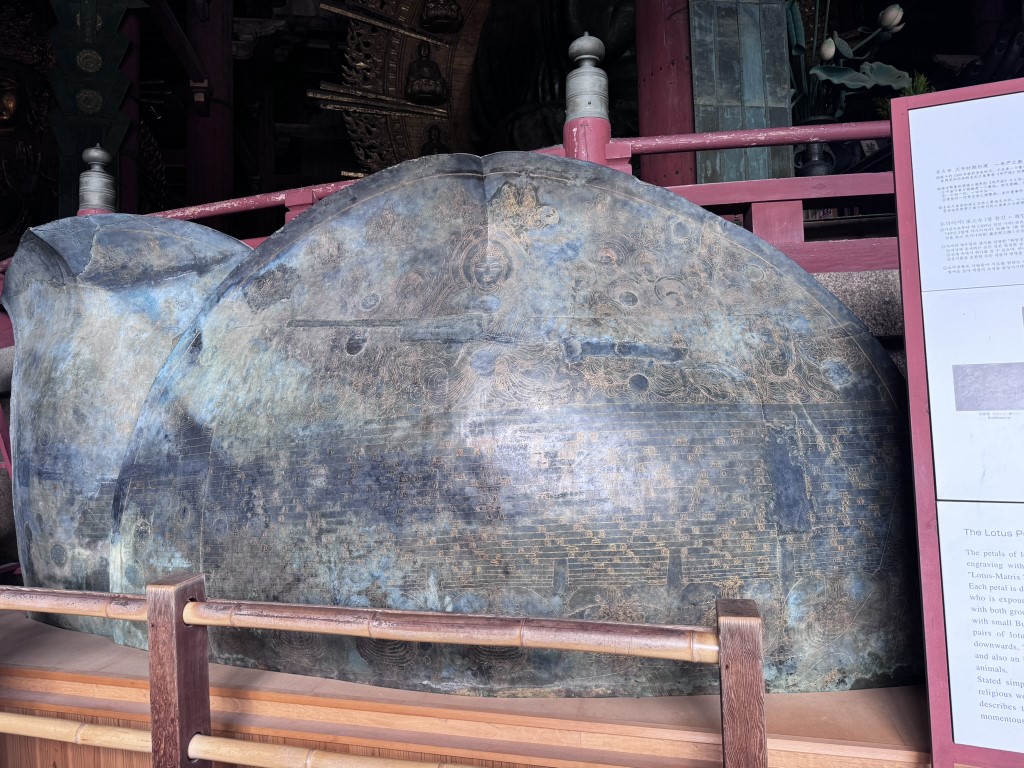
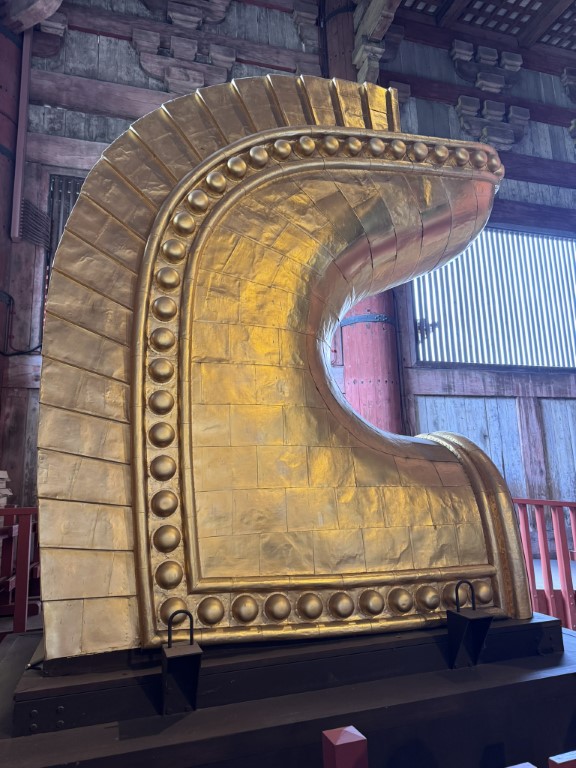
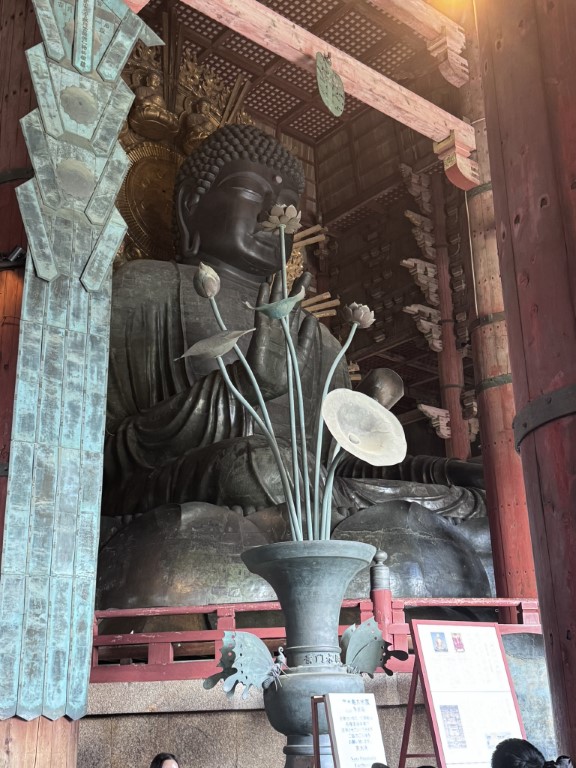
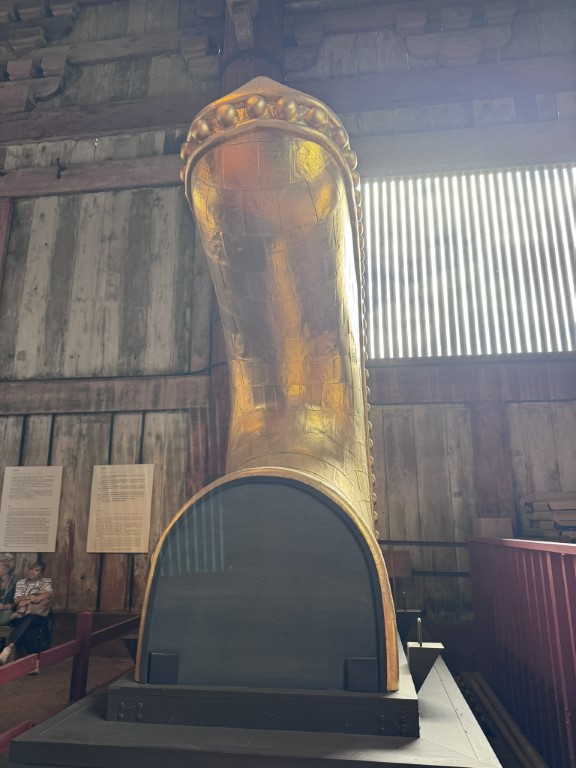
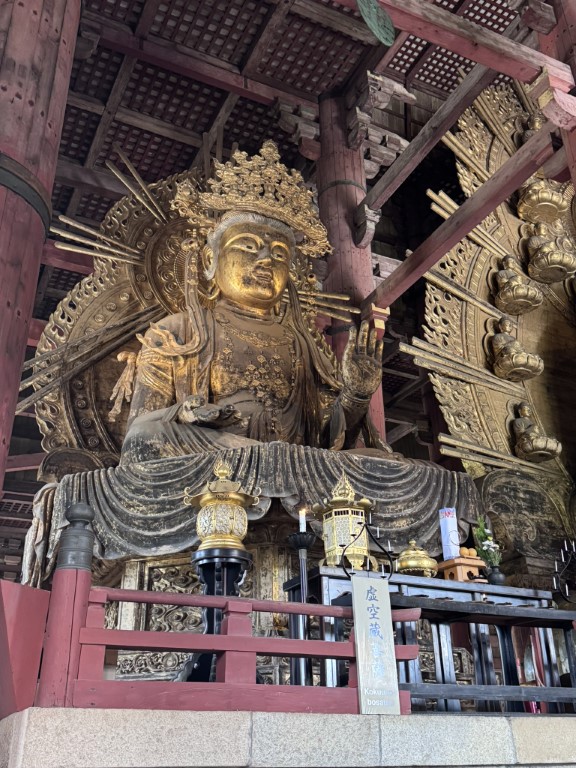
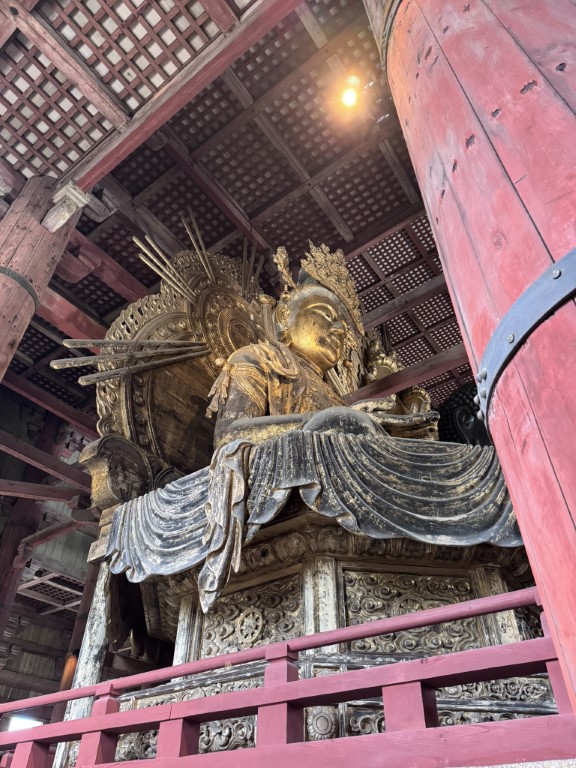
.jpg)
.jpg)
.jpg)
.jpg)
.jpg)
.jpg)
.jpg)
.jpg)
.jpg)
.jpg)
.jpg)
.jpg)
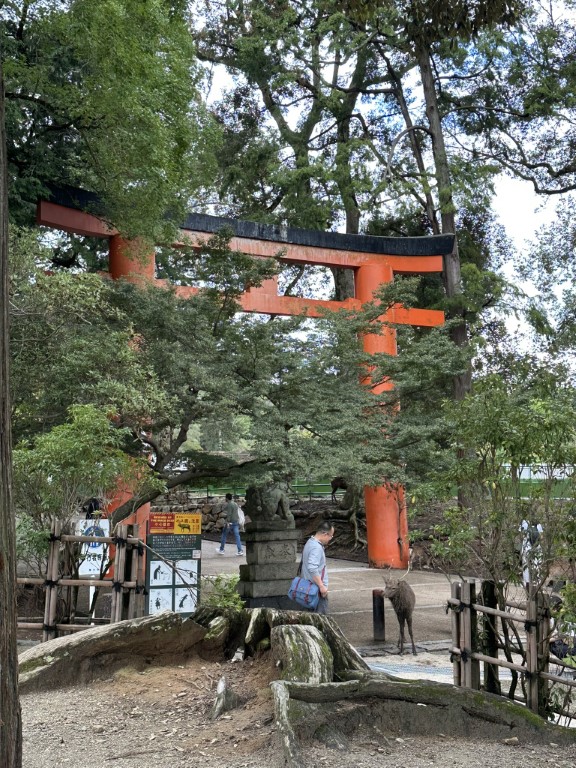
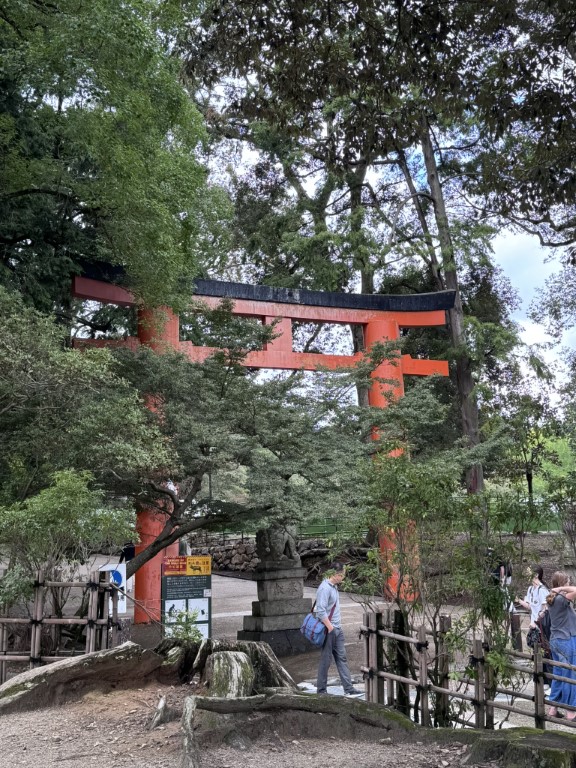
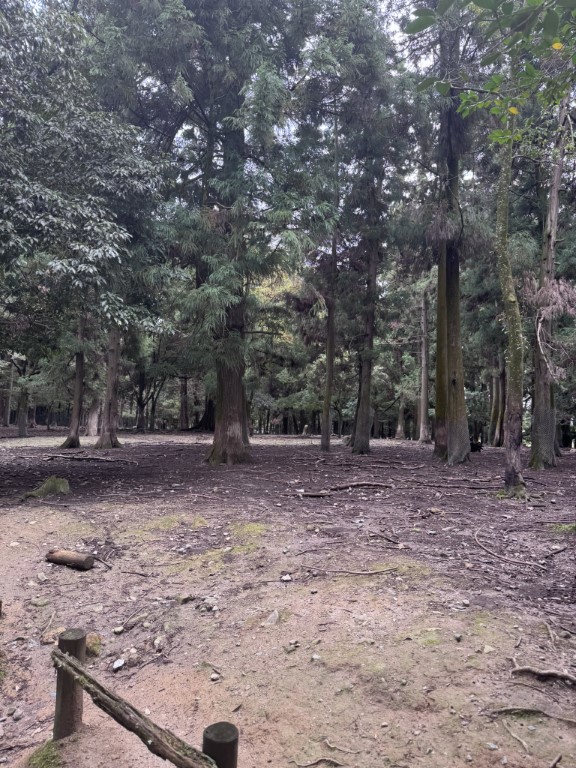
Following the temple, we began walking across the park to head to Kasuga-taisha Shrine. Along the way, we encountered more wild deer, including one that charged at J. R. and headbutted him from behind.
.jpg)
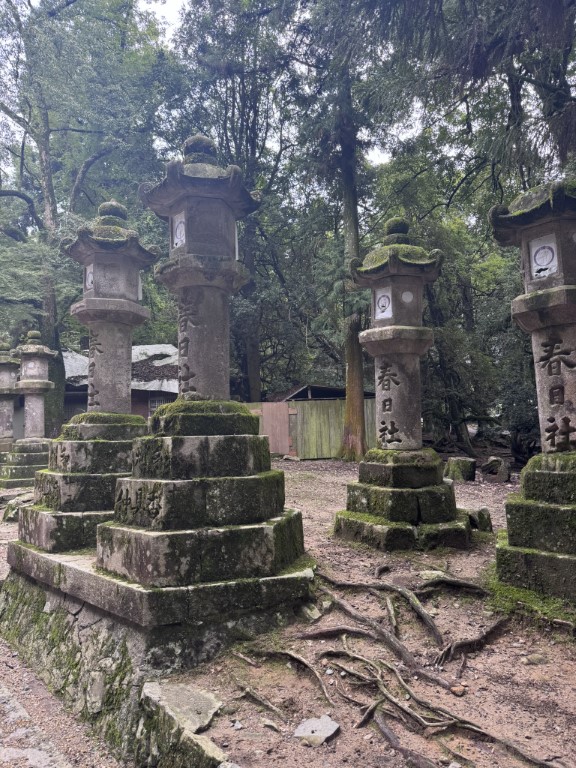
Kasuga Taisha is Nara's most celebrated shrine. It was established at the same time as the capital and is dedicated to the deity responsible for the protection of the city. Kasuga Taisha was also the tutelary shrine of the Fujiwara, Japan's most powerful family clan during most of the Nara and Heian Periods. Like the Ise Shrines, Kasuga Taisha had been periodically rebuilt every 20 years for many centuries. In the case of Kasuga Taisha, however, the custom was discontinued at the end of the Edo Period. Kasuga Taisha is famous for its lanterns, which have been donated by worshippers. Hundreds of bronze lanterns can be found hanging from the buildings, while as many stone lanterns line its approaches.
.jpg)
.jpg)
.jpg)
.jpg)
.jpg)
.jpg)
.jpg)
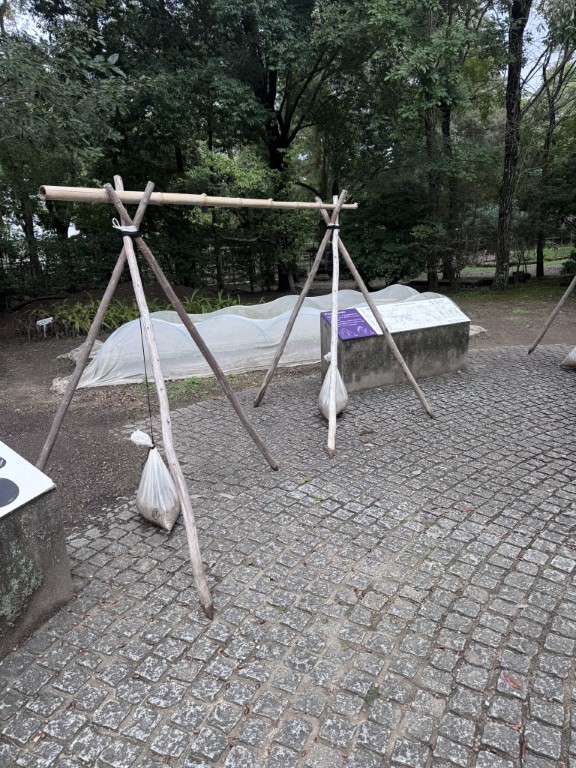
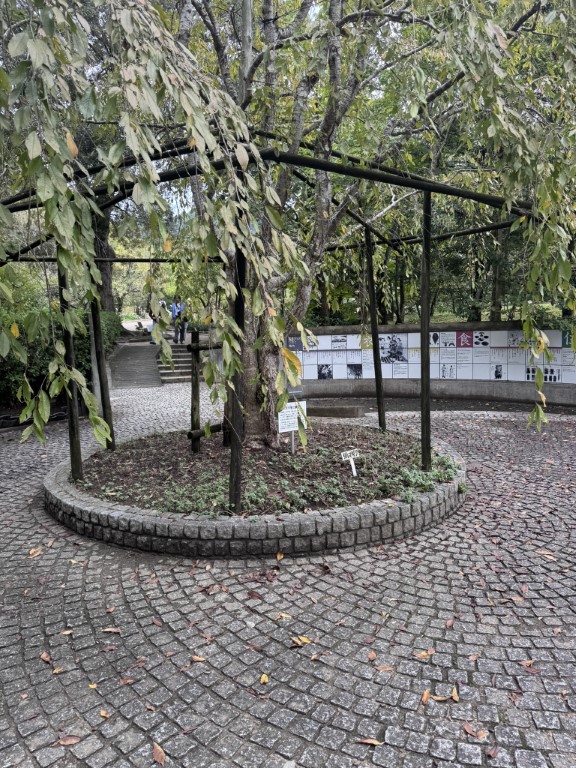
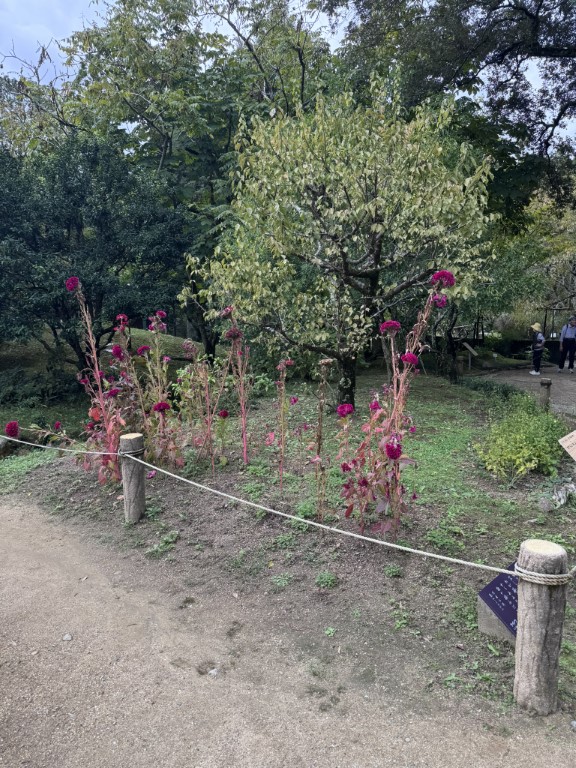
Manyo Botanical Garden has 300 kinds of plants, all mentioned in Manyo-shu (Ten-Thousand Tanka: the oldest anthology of tanka poems), but unfortunately at this time of year, most of the plants, especially the wisteria, are not in bloom so we did not spent a lot of time in the gardens.
.jpg)
.jpg)
.jpg)
There were a few other things on our list for Nara Park, including Yakushi-ji Temple and Toshodai-ji Temple as well as a planned trip to Horyu-ji Temple, one of the country's oldest. But the trip to Horyu-ji would have required an additional train ride and a cab and Janie's ankle was hurting after all the walking, so we went back to the Higashimuki Shopping Street we had passed along the way in search of lunch. We found a small Chinese restaurant called Shanhairo where we had some very good Chinese-Japanese fusion food. After that, we decided just to catch the train back to Osaka. The Limited Express was not available until later in the day so we caught a regular train back to Namba and the subway back to the hotel so we could finish drying our laundry and pack up to head to Kyoto tomorrow.
.jpg)
.jpg)
.jpg)
