

Celebrity Millennium
Steps
12,826
Distance
9.33 KM
Flights Climbed
11
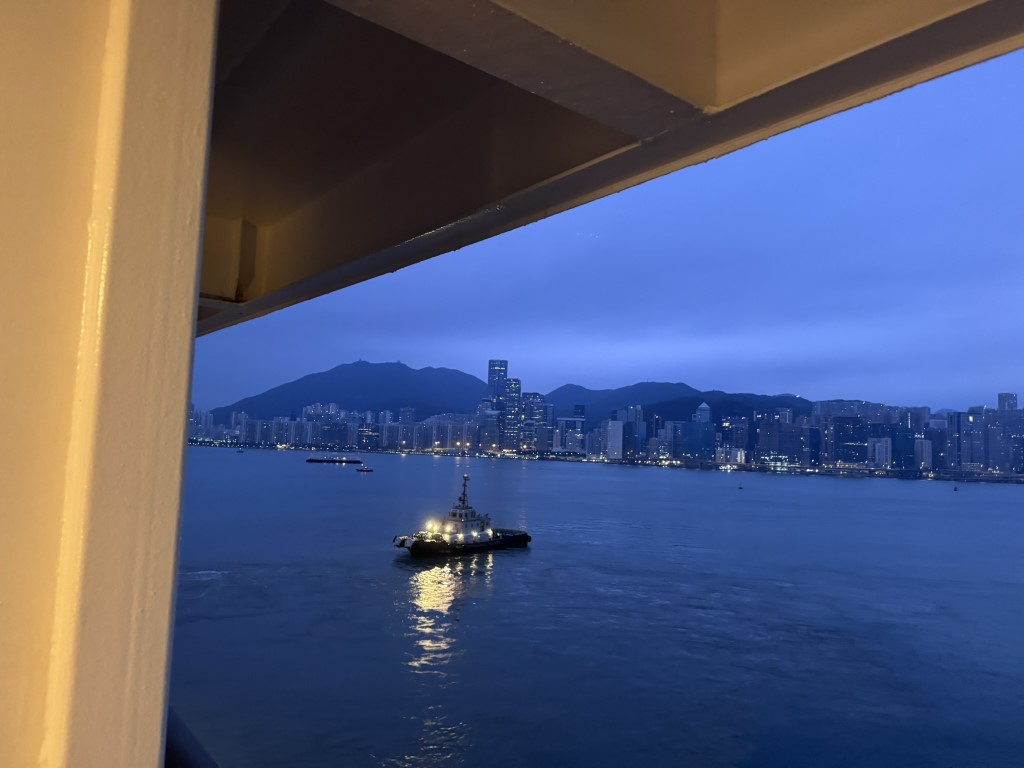
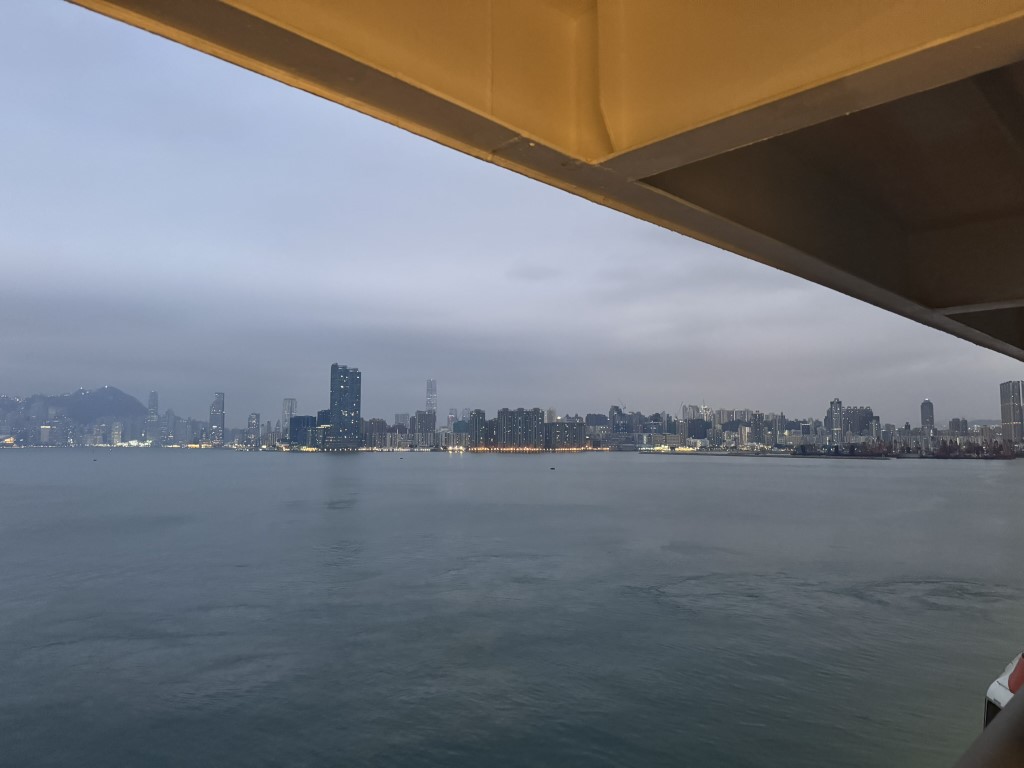
We sailed into Hong Kong's Kai Tak Cruise Terminal in the early morning of November 4. We had an early morning excursion planned so we had to grab a quick breakfast before meeting in the theater. We had to be one of the first groups because we had to go through special immigration since we were leaving Hong Kong to go to Macao. We had been wondering how we would get our passports back that we had surrended in Kagoshima. Guest Relations tried to argue with J. R. that we were not going to Macao at all and Ship Excursions told us we would get our passports back inside the terminal. Turns out they had them waiting for us on the stage as we checked in.
.jpg)
We passed through immigration but J. R. had a problem scanning his passport. An agent came over to try to help and scanned it upside-down and then sent him to an agent so we were delayed getting to the bus, which was a long walk from the immigration area, which was already a long walk from the ship. We had a bus ride across Hong Kong to the ferry terminal. We had to go through immigration again there and got our seat assignments for the ferry ride to Macao, where we met another bus and our local tour guide for our time in Macao. Macao, also spelled Macau, is a special administrative region (SAR) of China, just like Hong Kong. It was a Portuguese colony from 1557 until the 1999 handover to China.
.jpg)
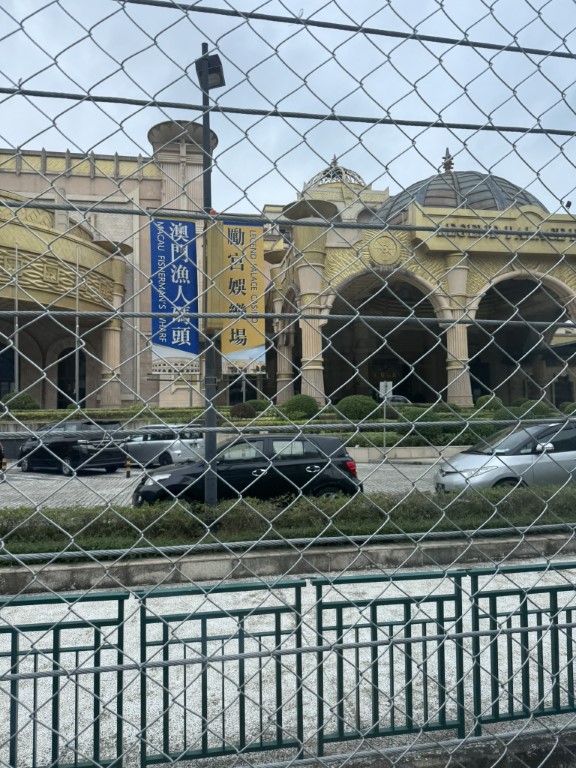
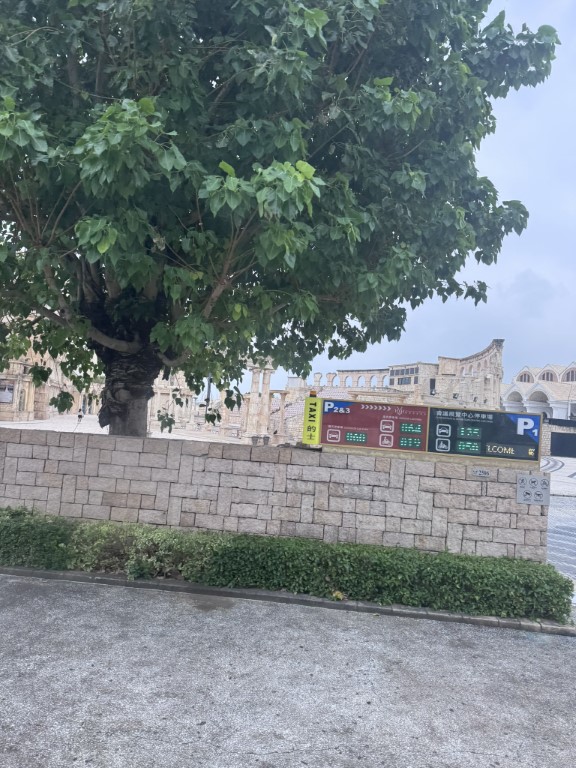
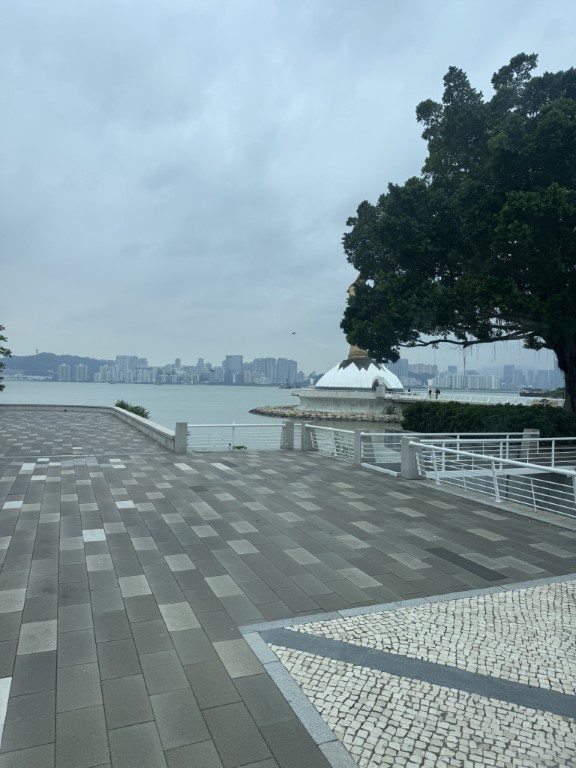
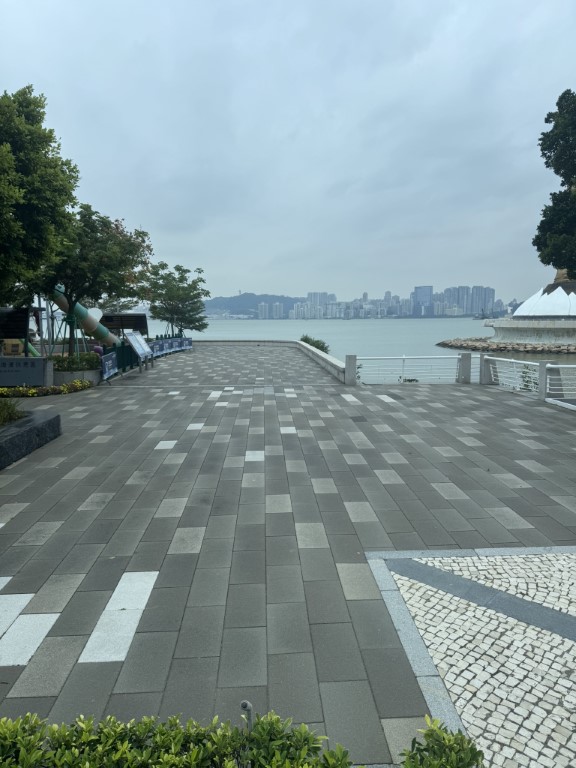
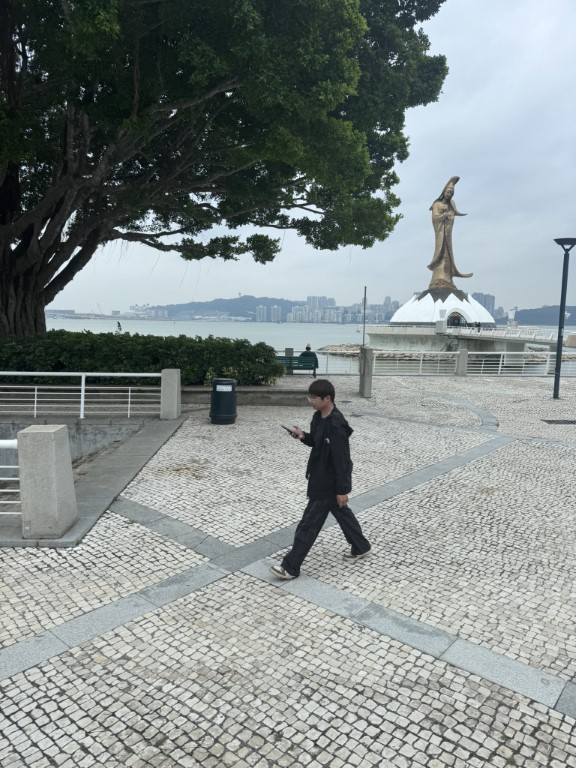
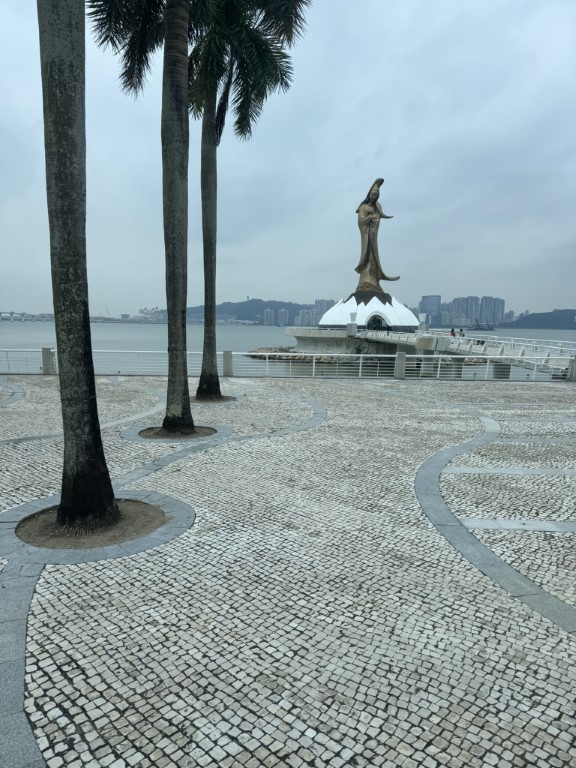
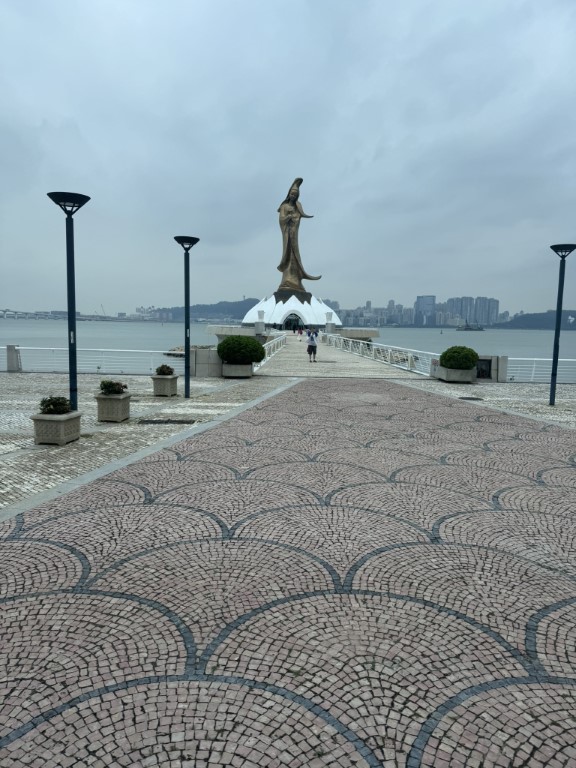
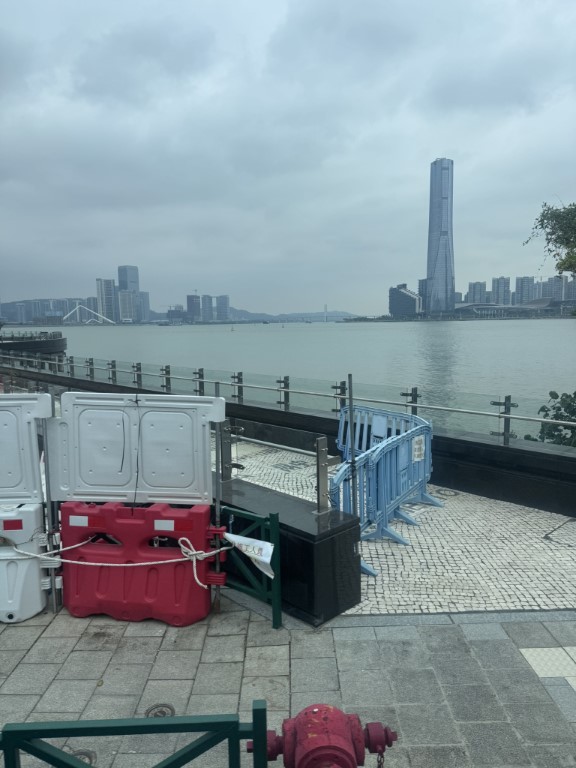
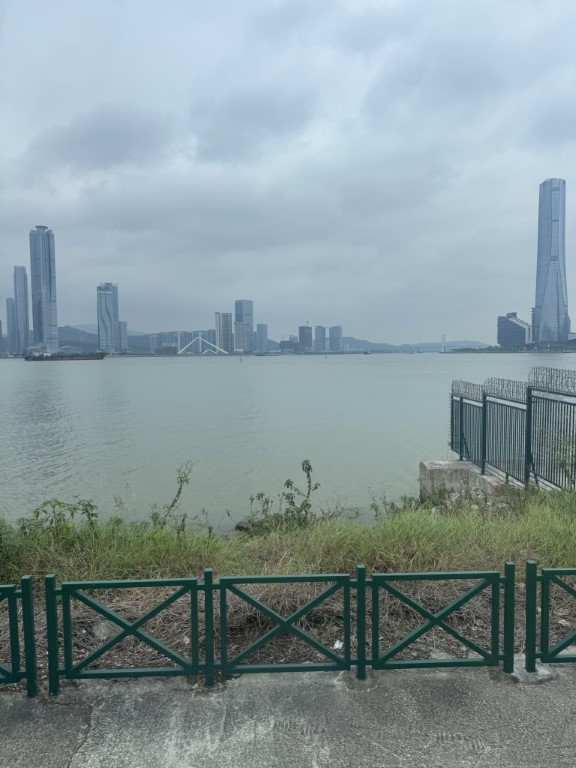
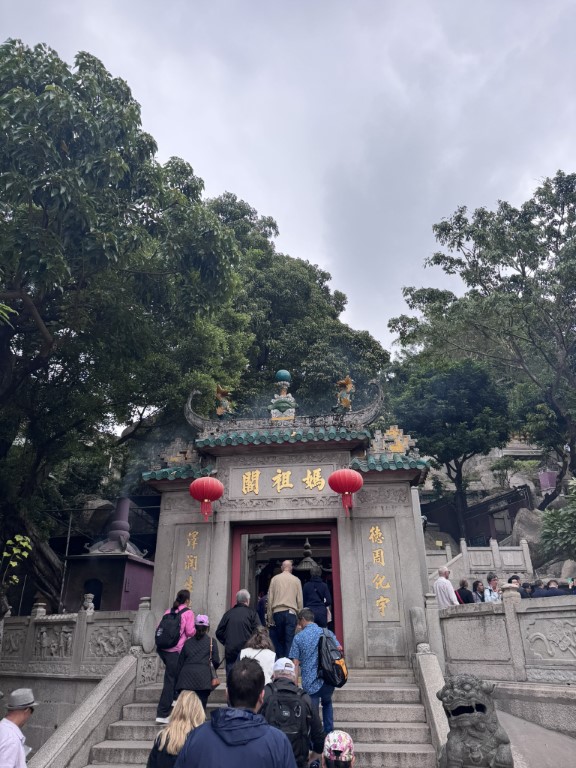
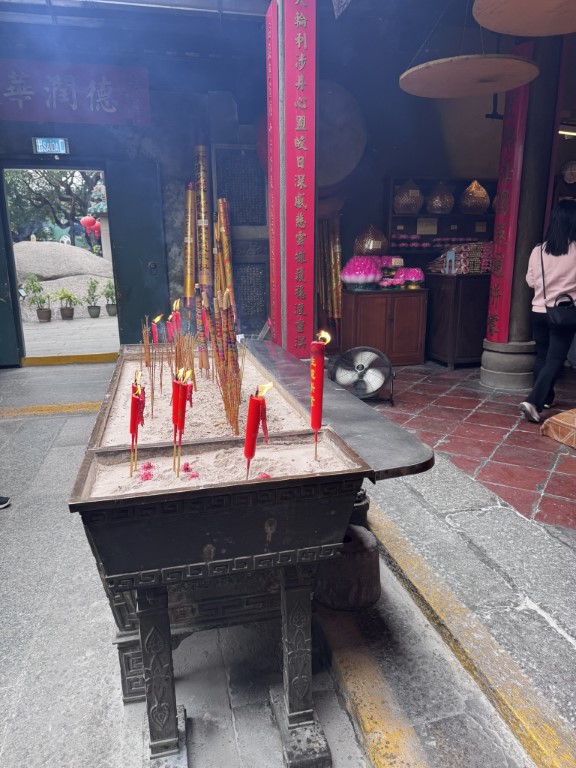
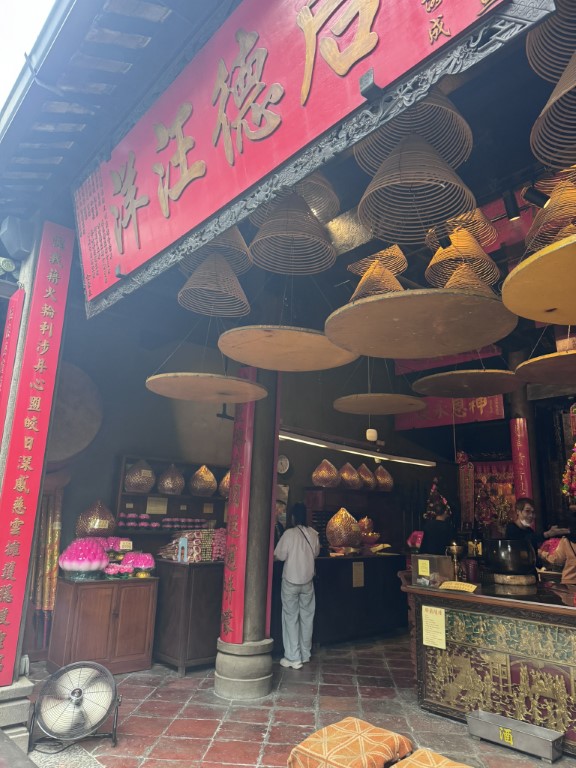
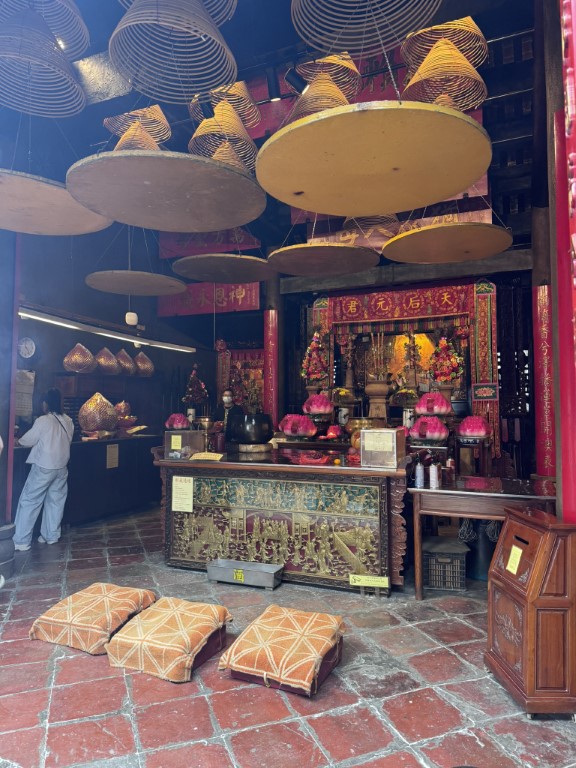
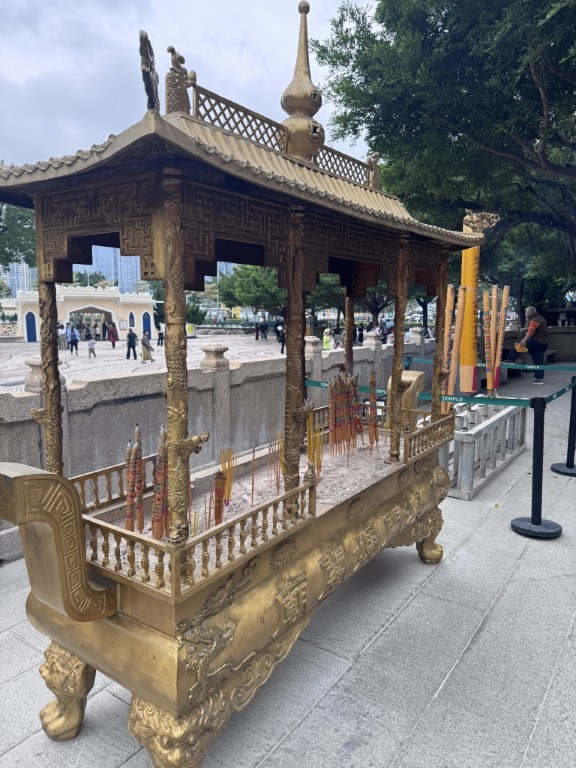
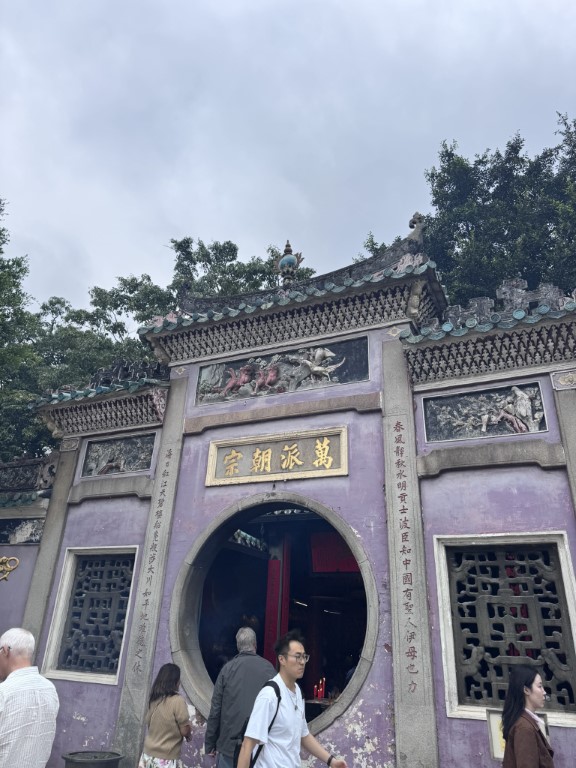
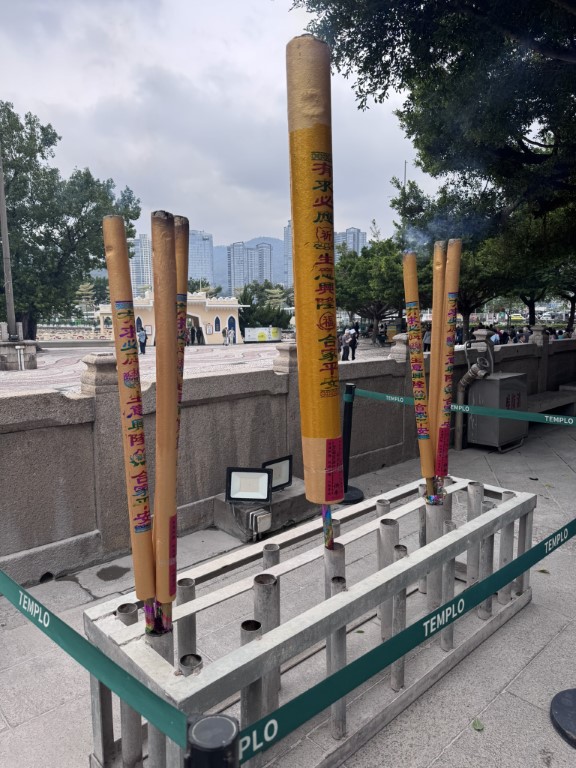
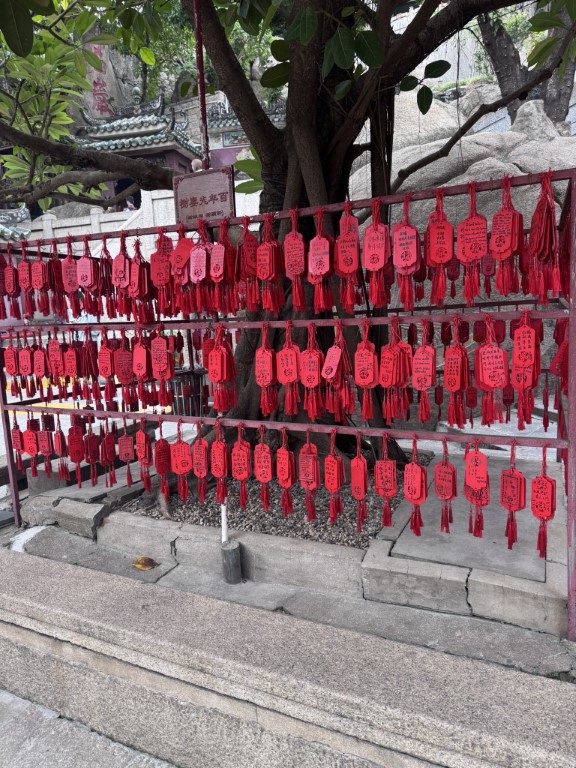
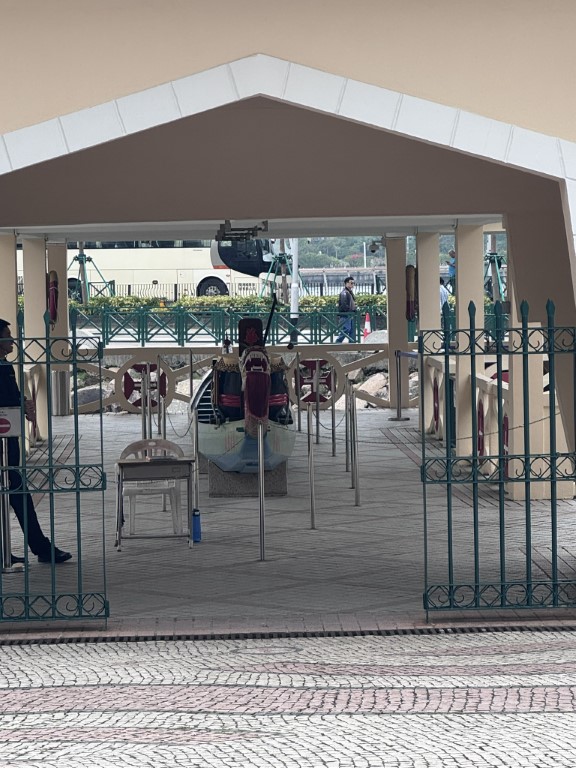
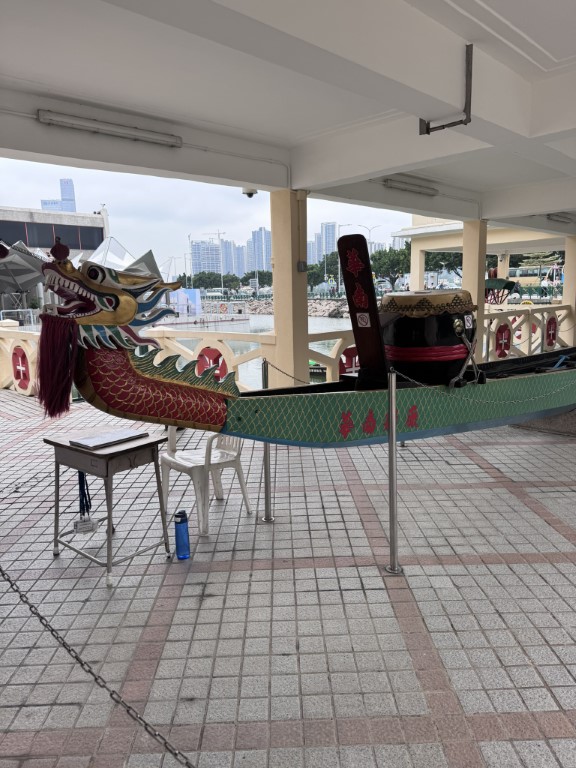
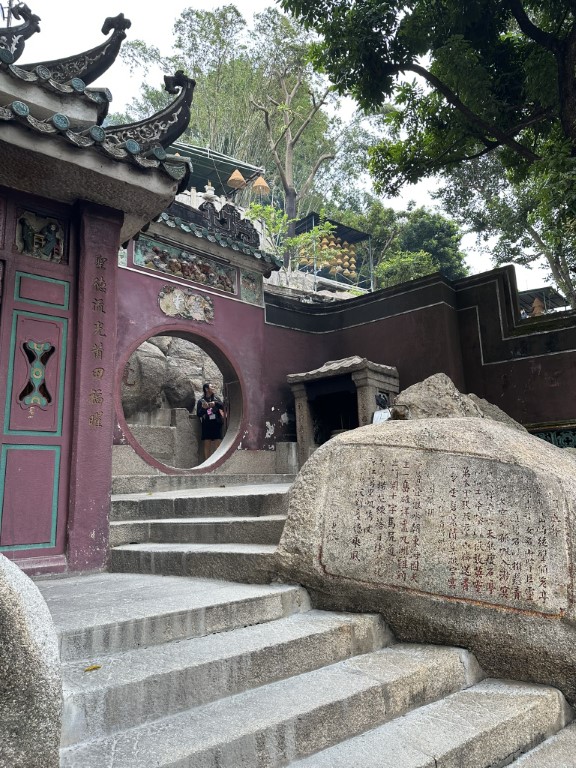
Our first stop was A-Ma Temple, from which "Macao" gets its name ("A-Ma-Gau" or "Bay of A-Ma"). It consisted of the Gate Pavilion, the Memorial Arch, the Prayer Hall, the Hall of Benevolence (dating back to 1488), the Hall of Guanyin, and Zhengjiao Chanlin (a Buddhist pavilion). The variety of pavilions dedicated to the worship of different deities in a single complex make A-Ma Temple an exemplary representation of Chinese culture inspired by Confucianism, Taoism, Buddhism and multiple folk beliefs. Guarded by a pair of stone lions, the Gate Pavilion has ceramic animal decorations sitting on its roof ridges. J. R. made his way to the top to check out the views and also got some photos of the dragon boat at the nearby maritime museum.
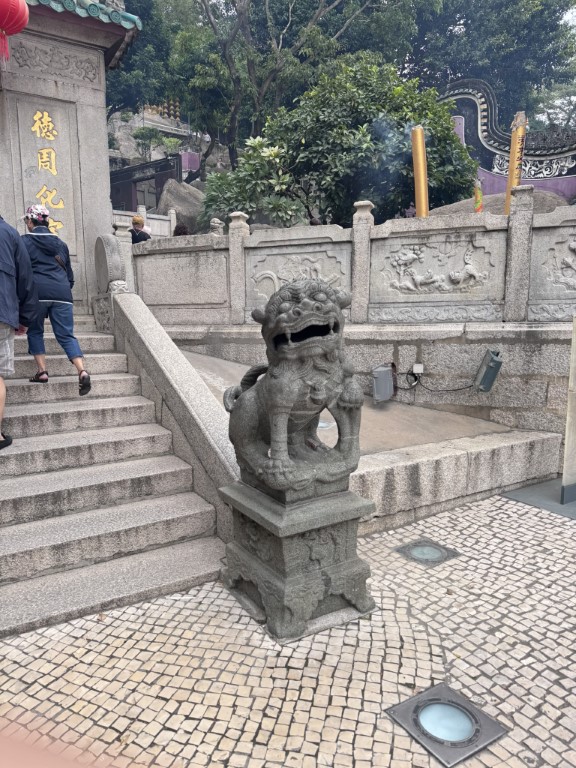
.jpg)
.jpg)
.jpg)
.jpg)
.jpg)
.jpg)
.jpg)
.jpg)
.jpg)
.jpg)
.jpg)
.jpg)
.jpg)
.jpg)
.jpg)
.jpg)
.jpg)
.jpg)
.jpg)
.jpg)
.jpg)
.jpg)
.jpg)
.jpg)
.jpg)
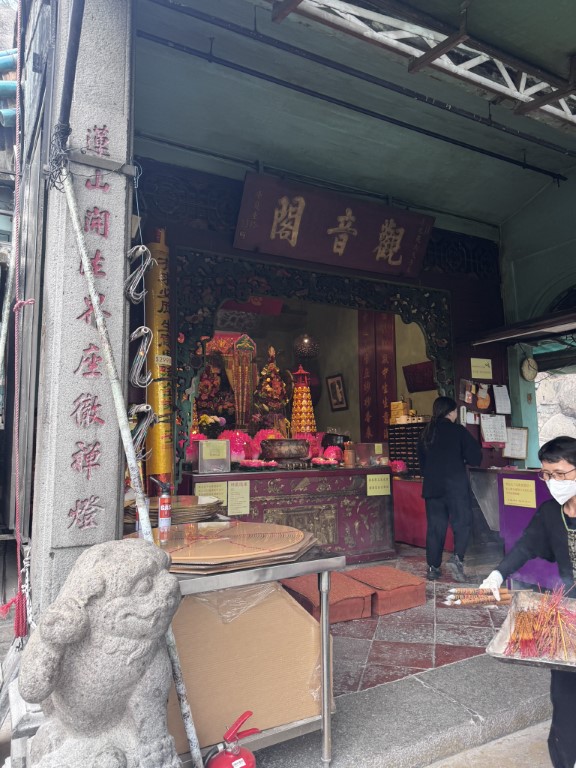
.jpg)
.jpg)
.jpg)
.jpg)
.jpg)
.jpg)
.jpg)
.jpg)
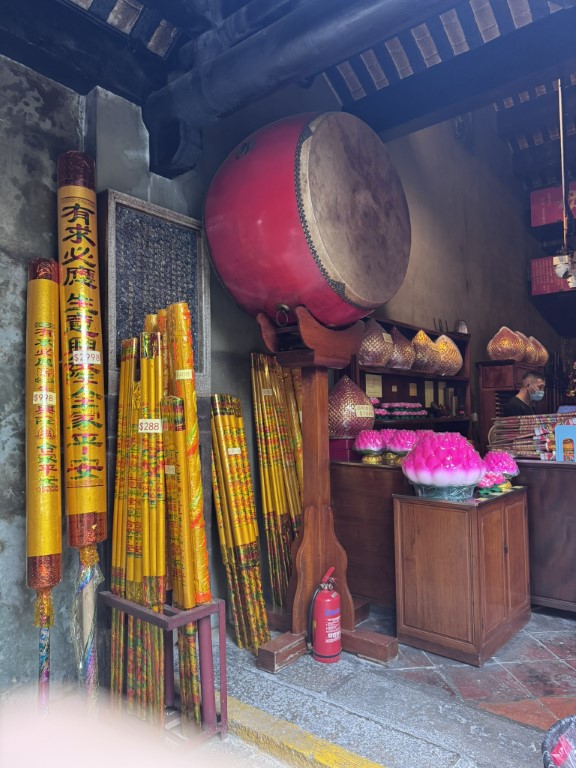
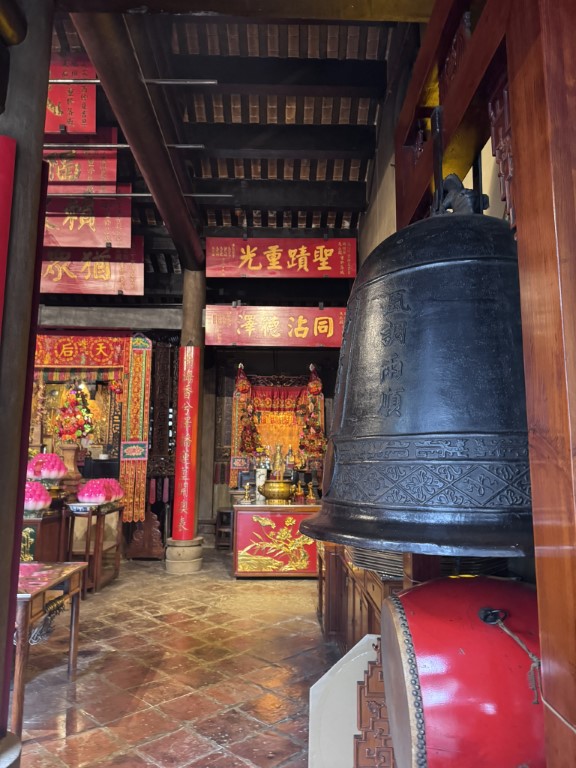
.jpg)
.jpg)
.jpg)
.jpg)
.jpg)
.jpg)
.jpg)
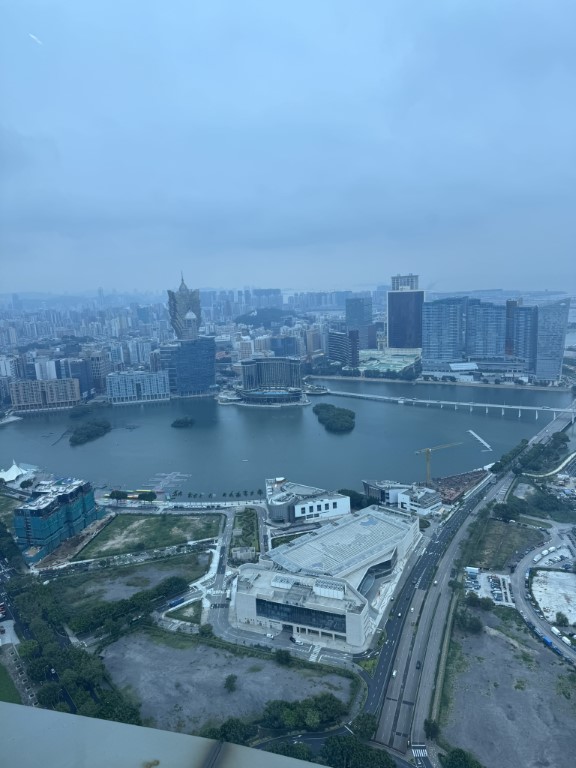
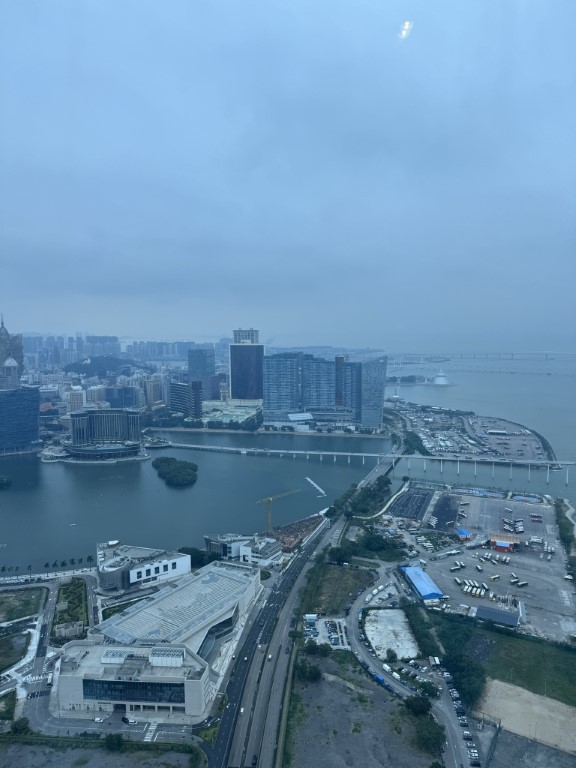
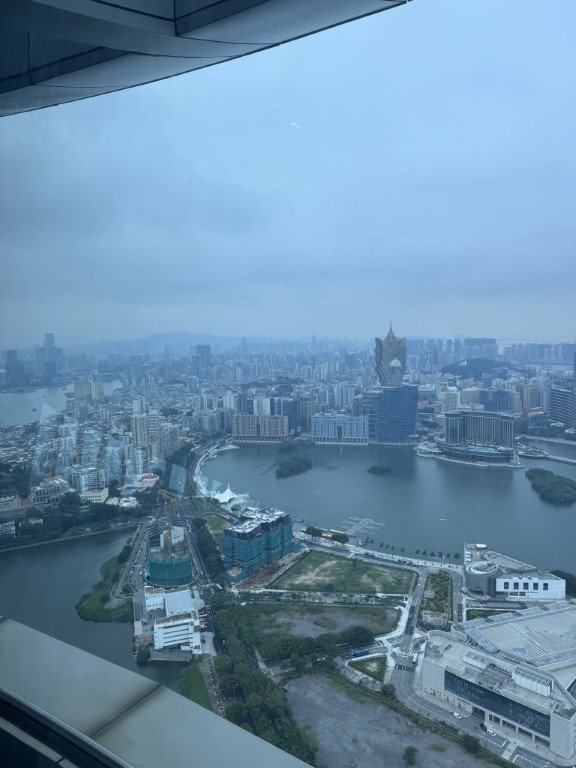
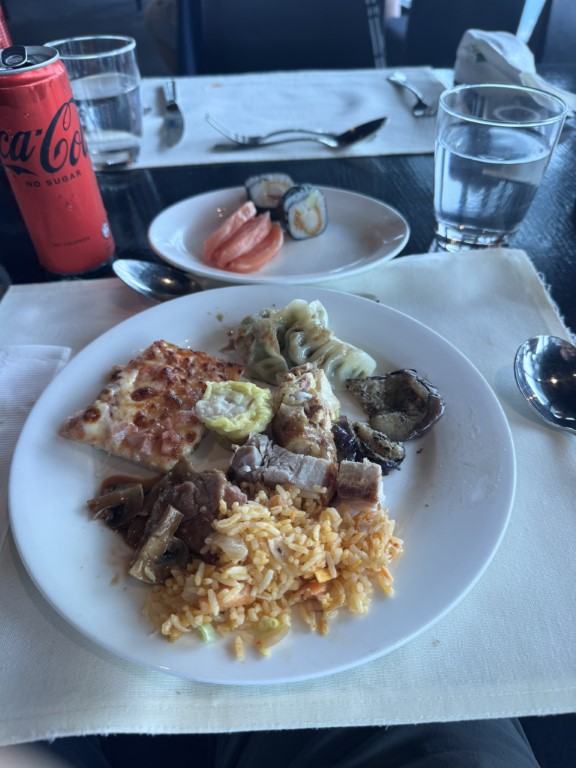
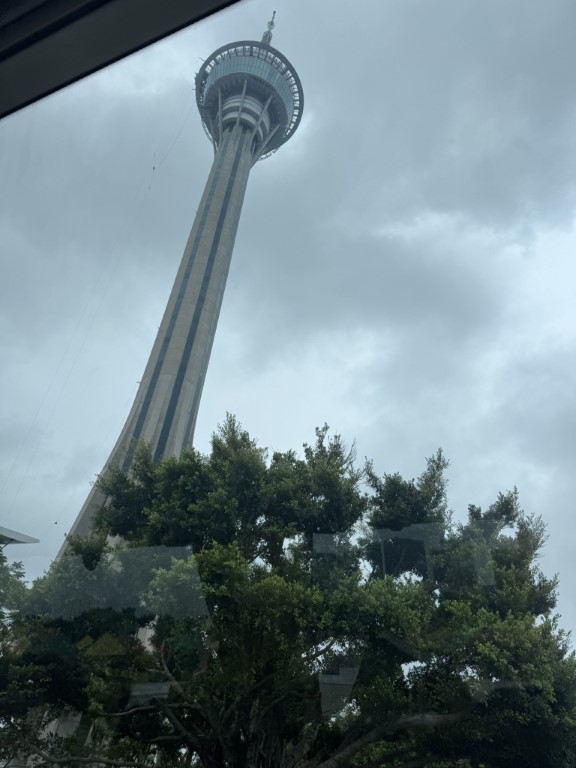
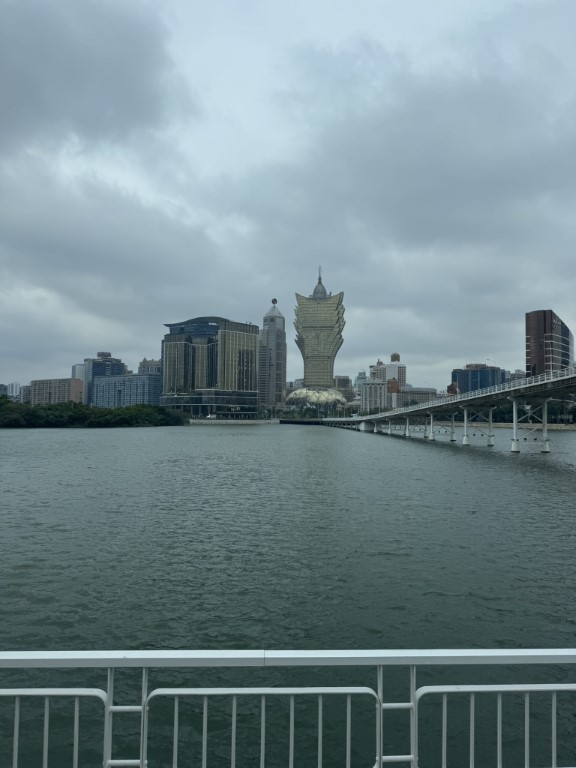
For lunch, we were taken to Macau Tower, modeled after the Sky Tower in Auckland. It features both an indoor and outdoor observaton deck, a bungee jump and a tethered skyjump which is the highest commercial skyjump in the world. We were taken to the 360 Cafe, a rotating restaurant on the tower's 60th floor for a sumptious buffet featuring Chinese, Japanese and Western foods as well as great views of the city.
.jpg)
.jpg)
.jpg)
.jpg)
.jpg)
.jpg)
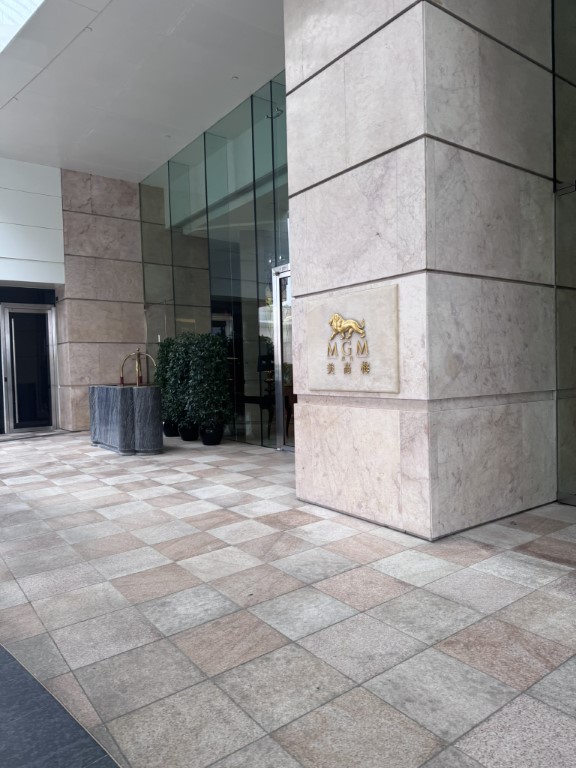
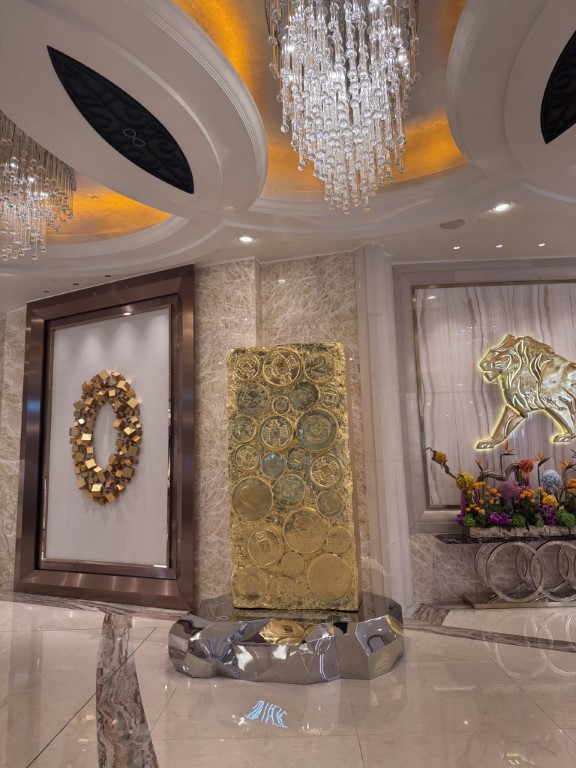
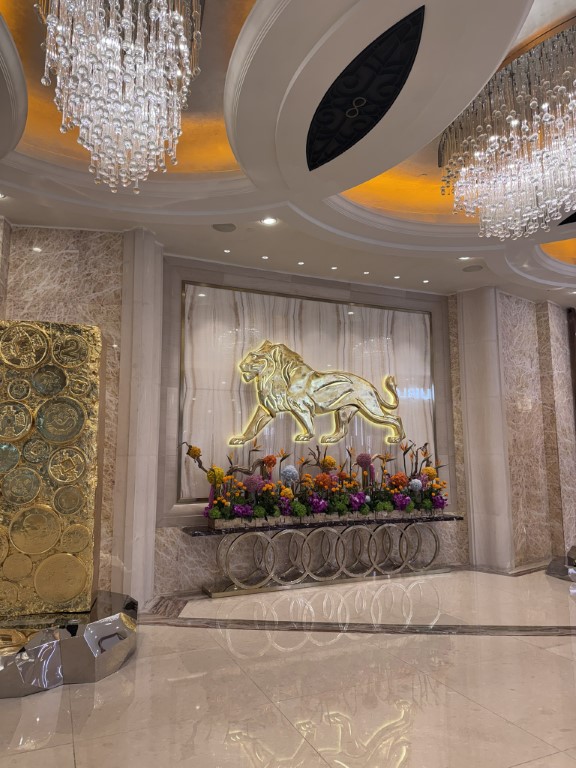
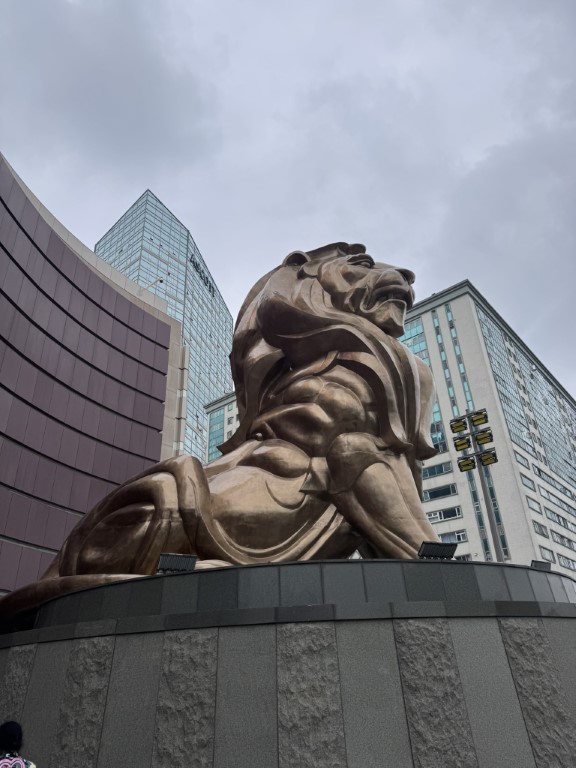
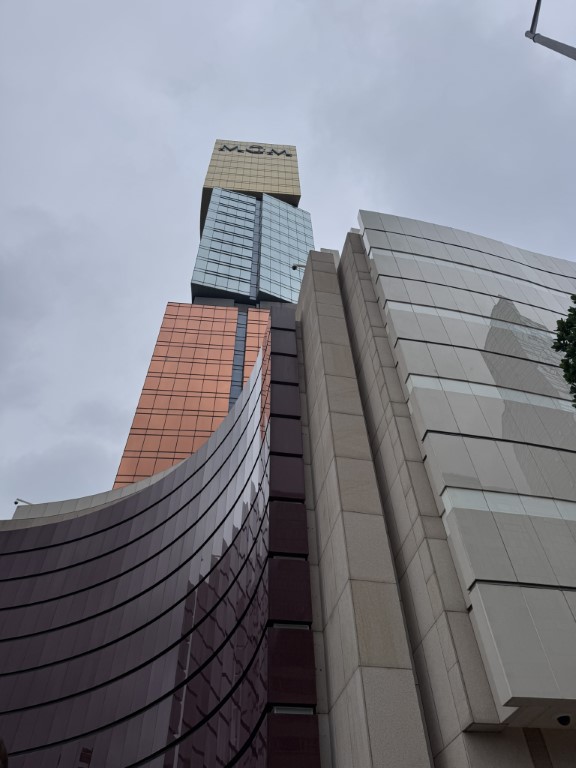
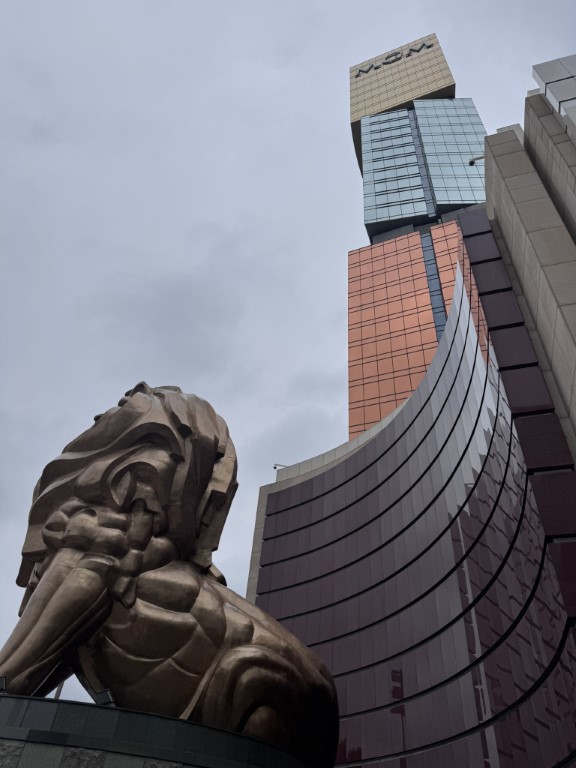
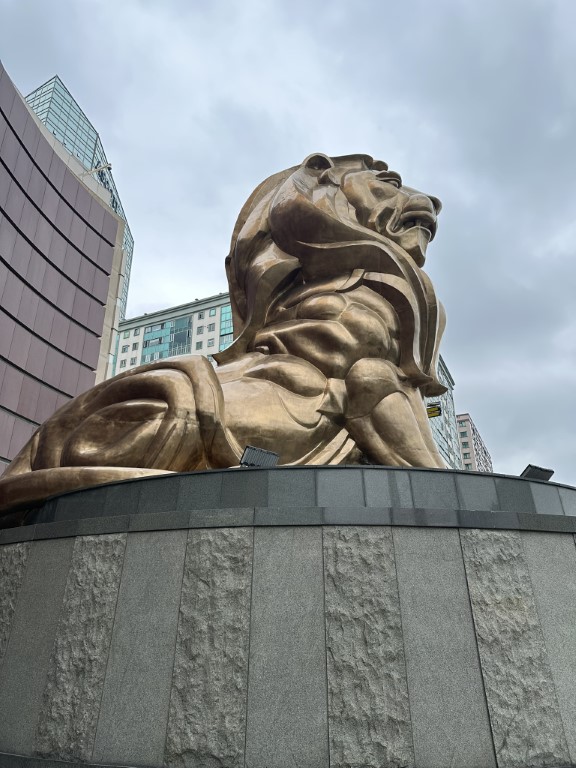
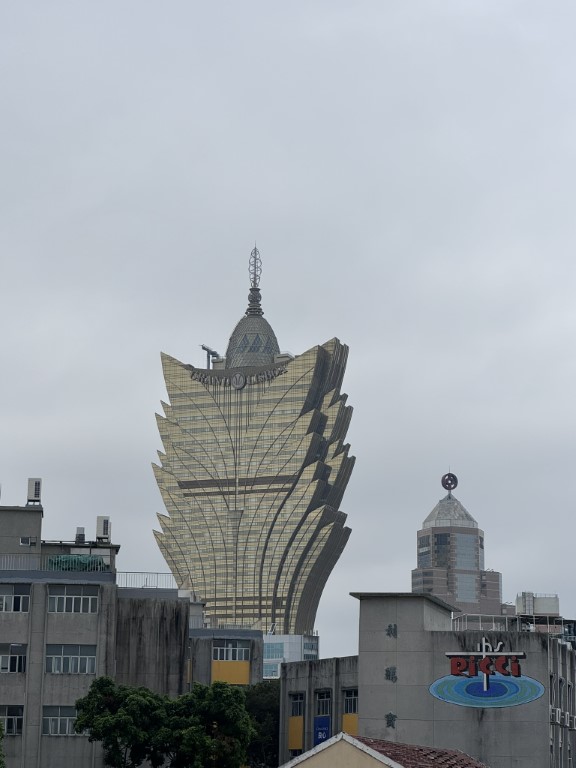
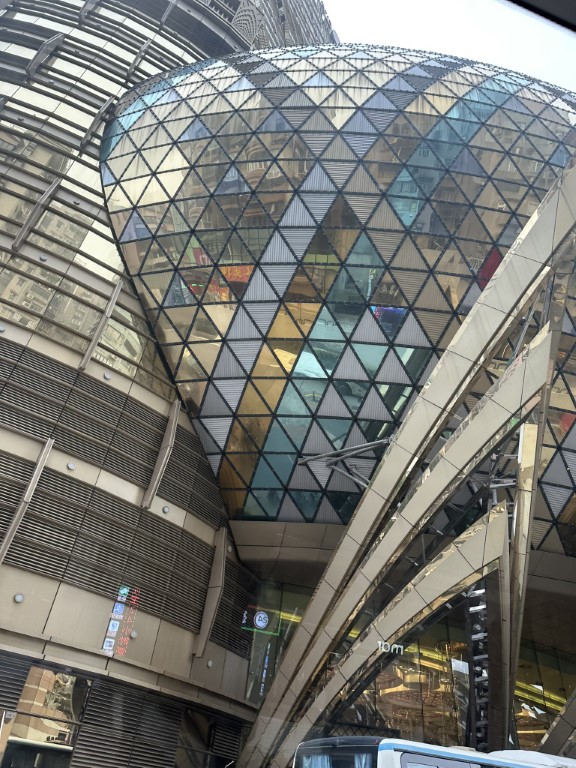
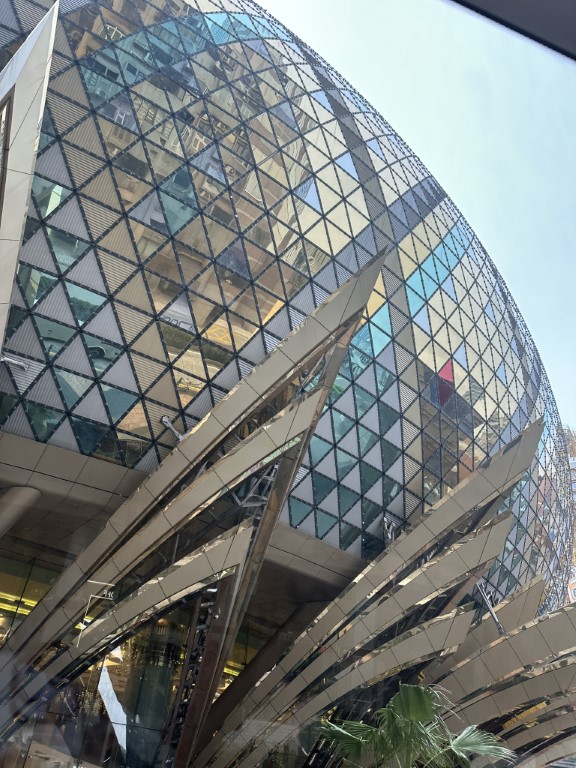
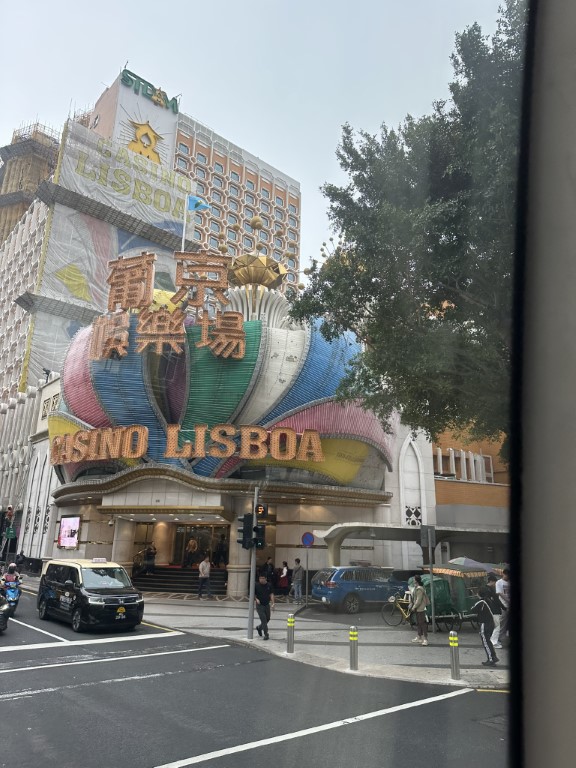
We took a short bus ride to the MGM Macau Casino. This 35 story casino hotel is one of many either owned or partially owned by the Ho Family. Stanley Ho, nicknamed the "Godfather of Macau" was granted a government monopoly on casino gaming in Macau in 1961 and his empire grew to include 19 casinos in Macau including the flagship Grand Lisboa. The MGM Macau is a 50/50 venture between MGM and Pansy Ho, Stanley's daughter and was one of the first hotels built after the government-granted monopoly ended in 2002. Macau's economy relies heavily on gambling as the industry generates over 40% of the GDP of Macau, mostly from mainland Chinese gamblers as Macau is the only place in China where casino gambling is legal. Taxes from gambling revenues fund a robust welfare system and an annual cash payment to Macau's citizens, according to our guide.
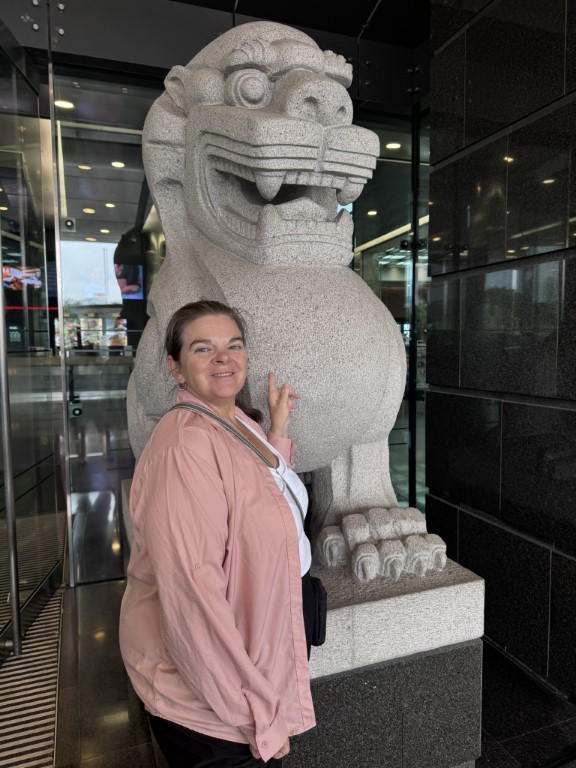
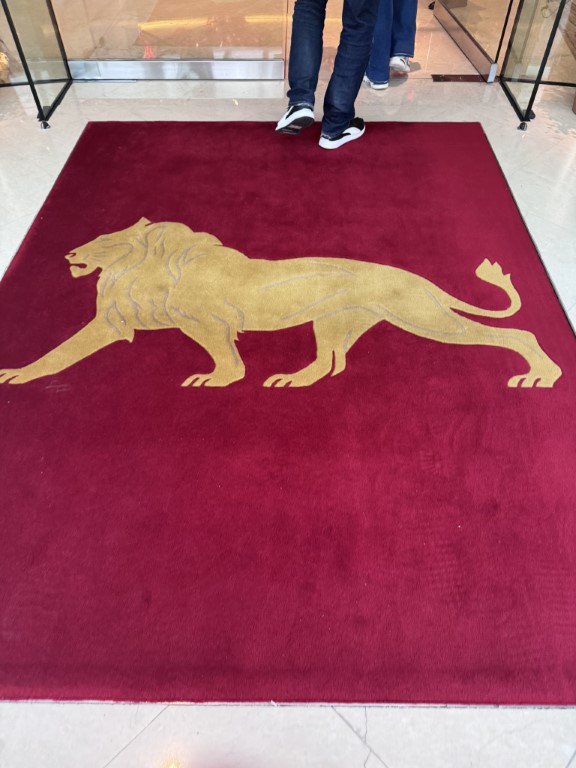
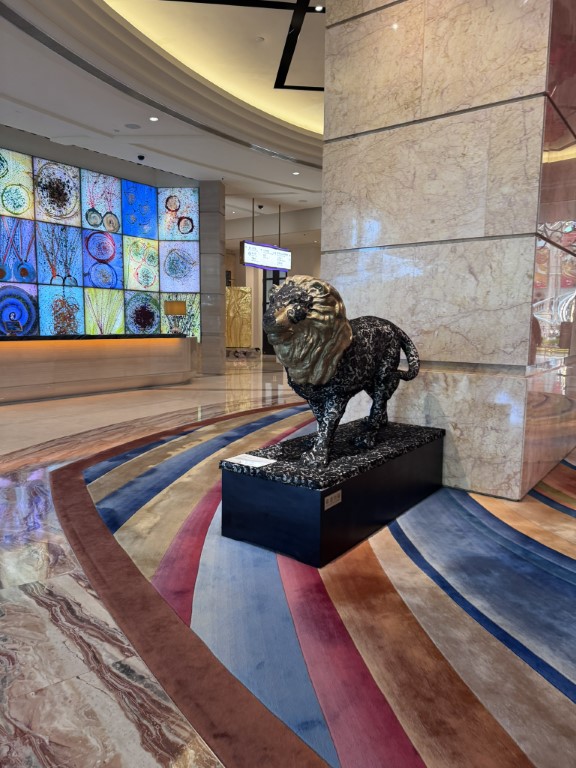
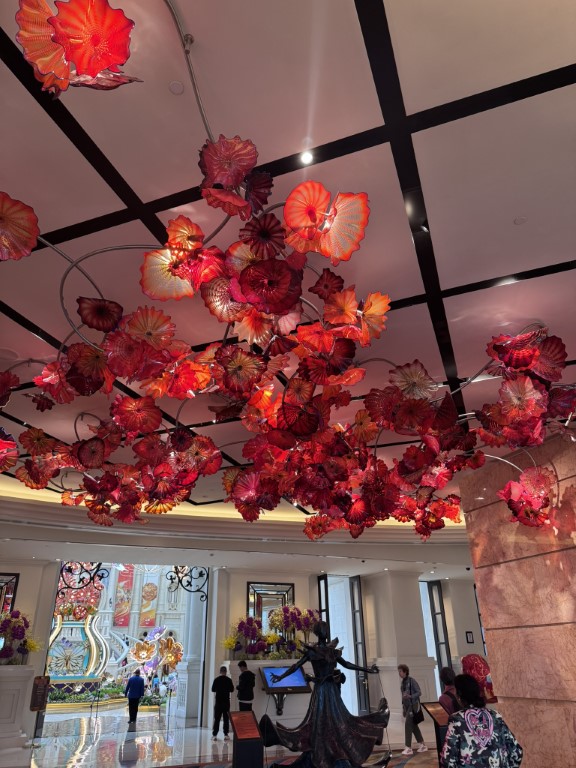
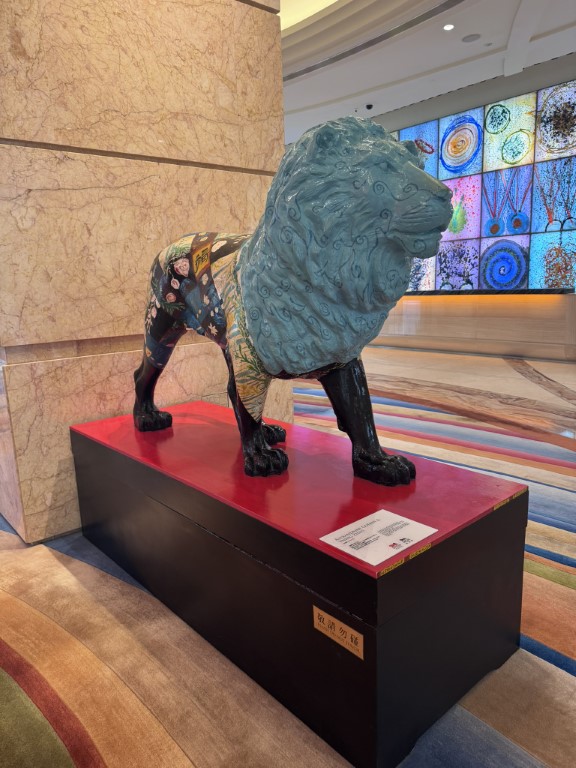
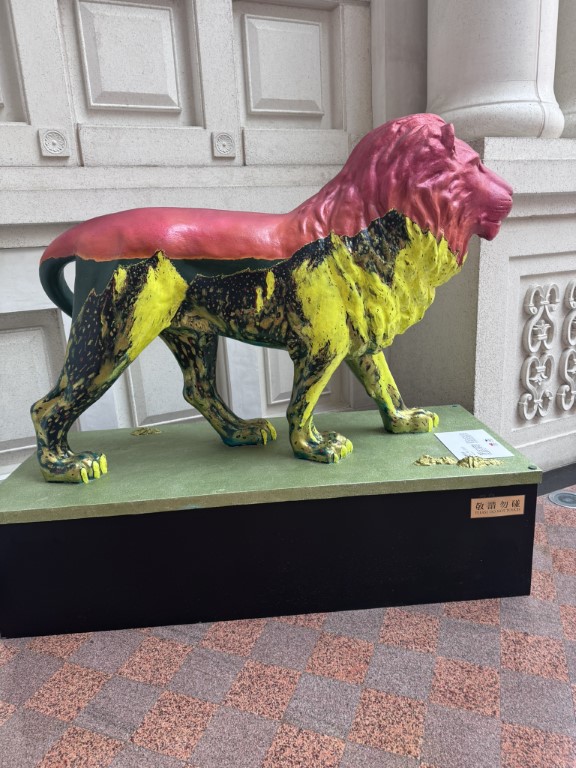
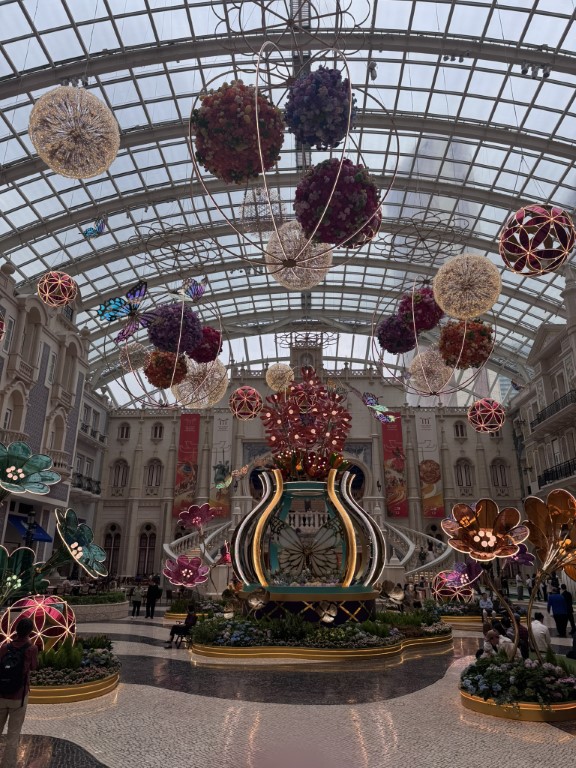
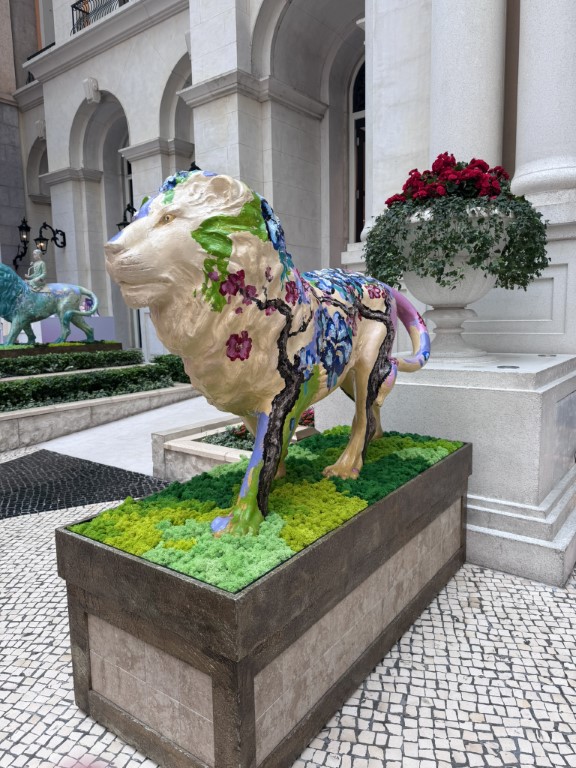
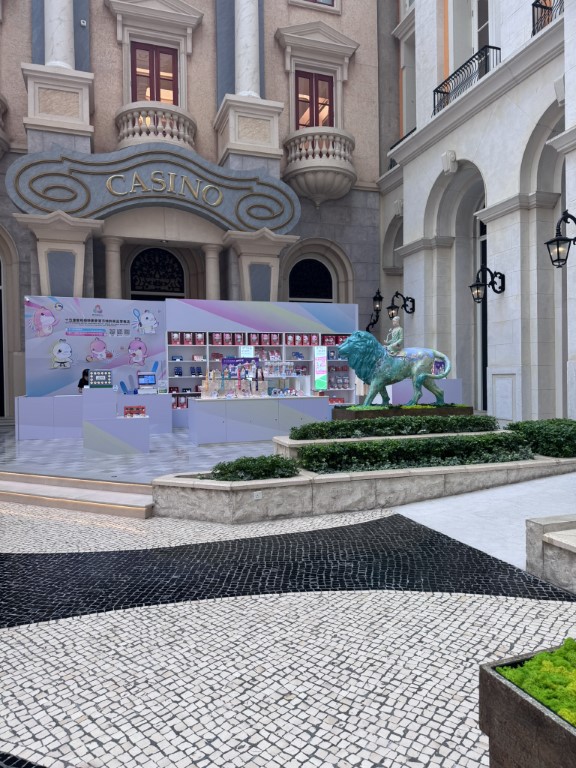
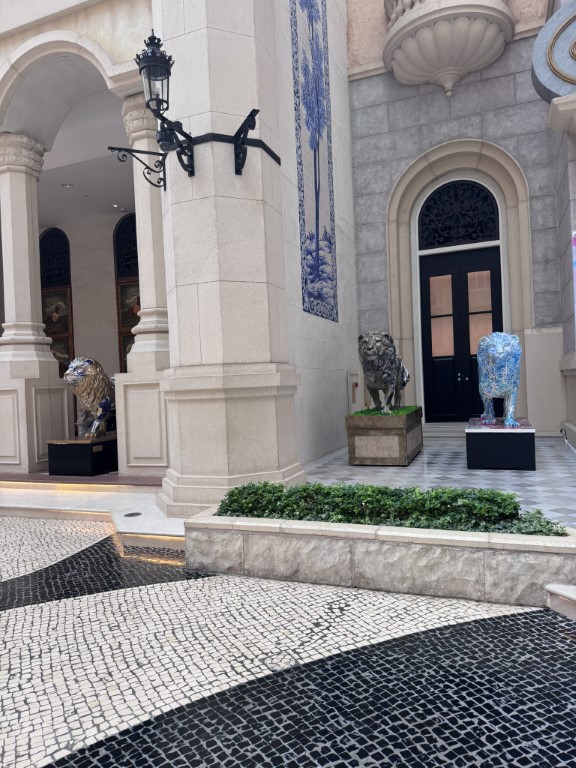
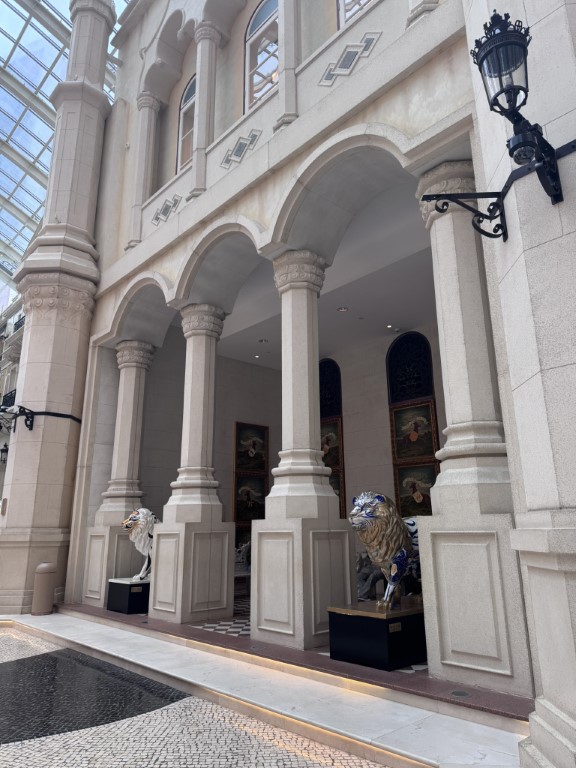
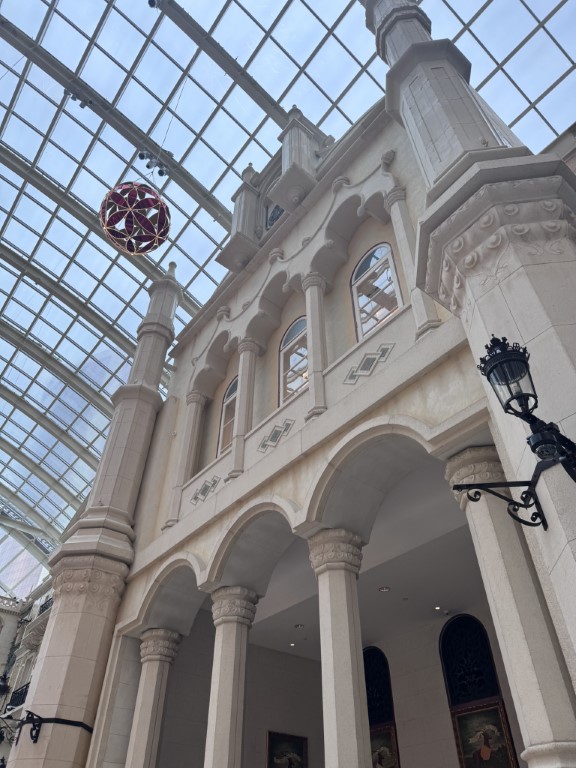
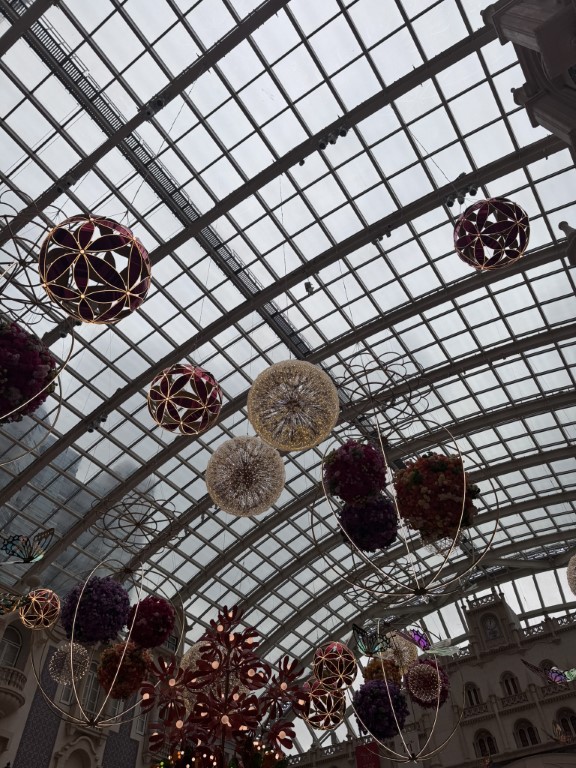
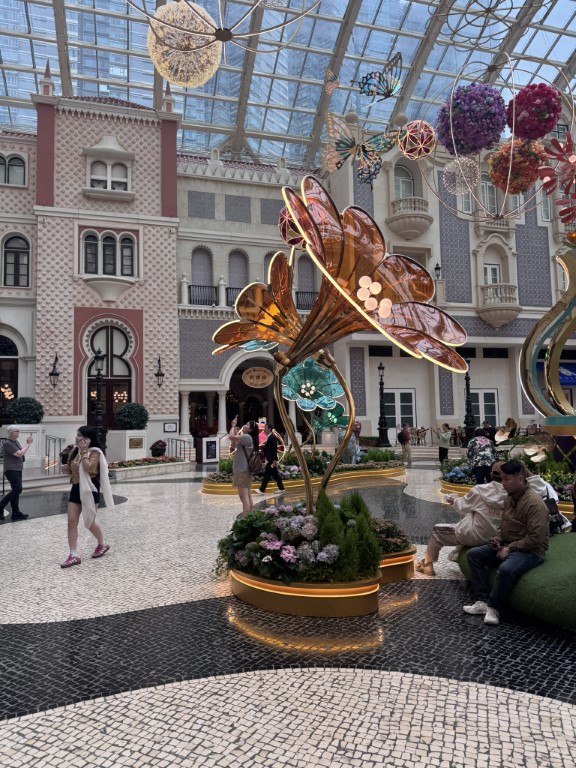
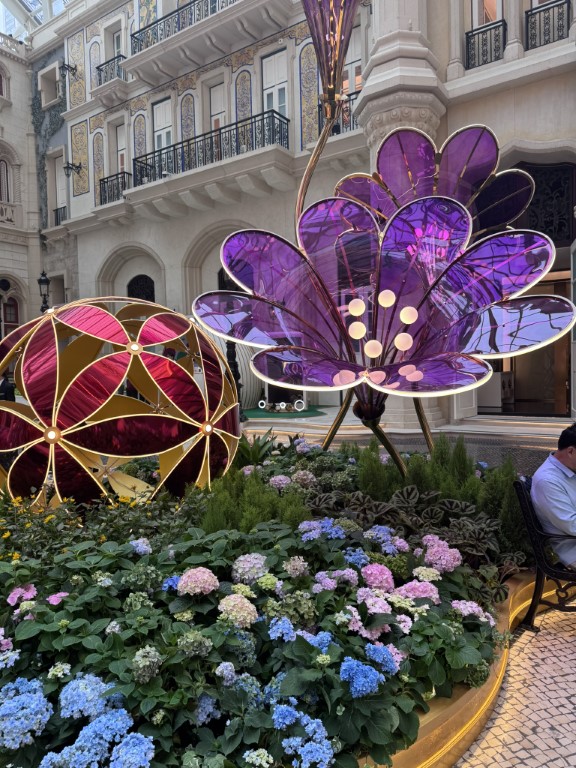
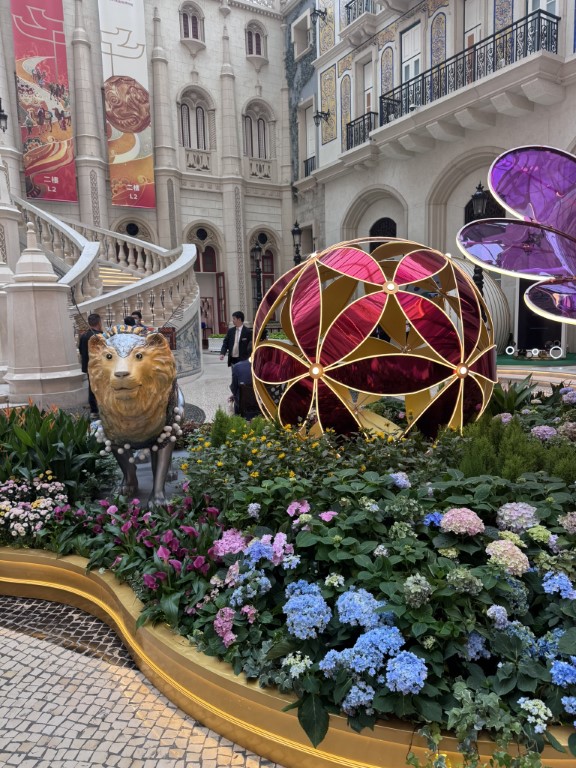
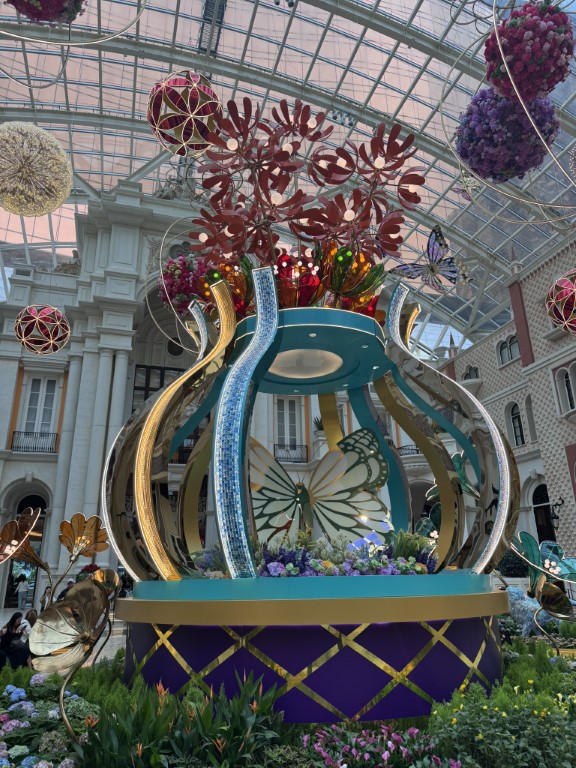
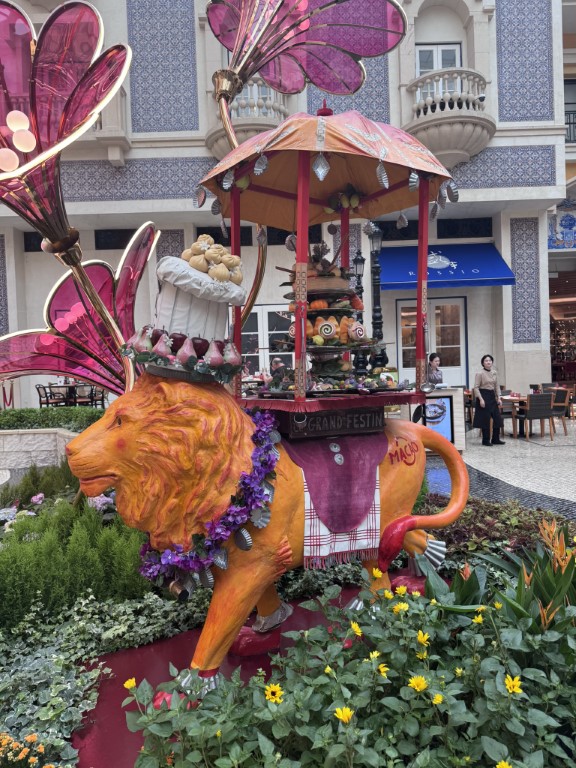
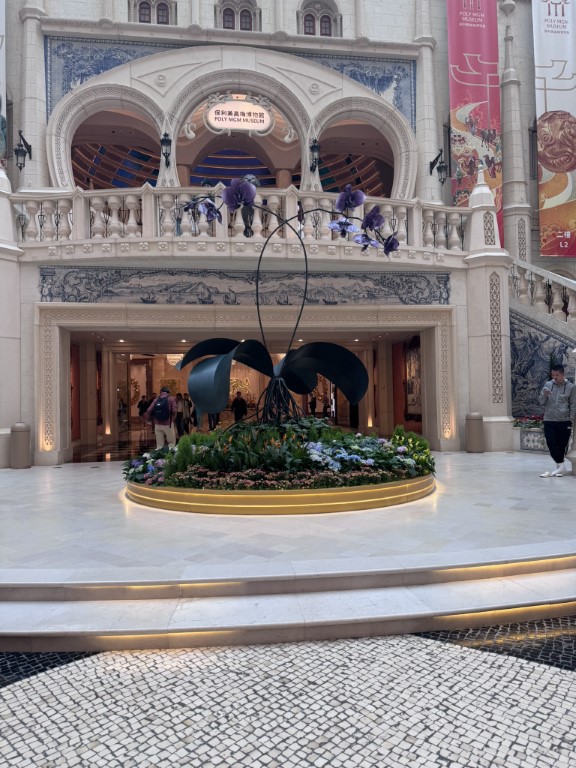
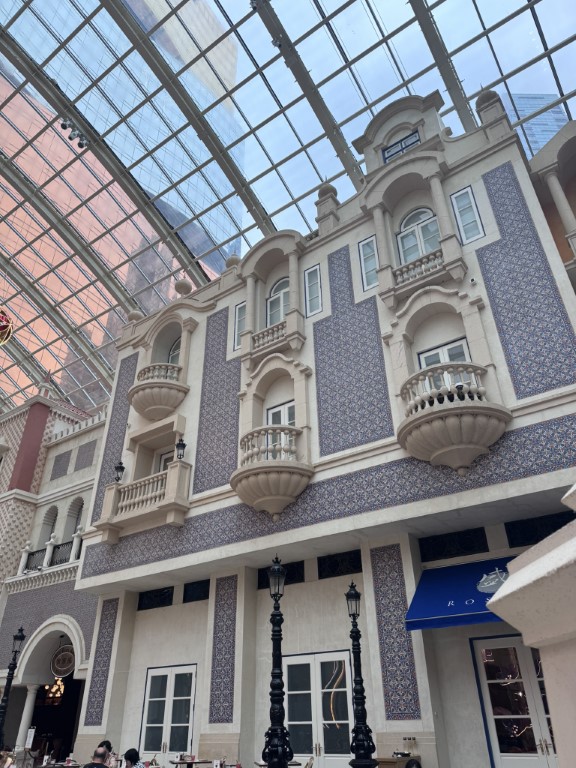
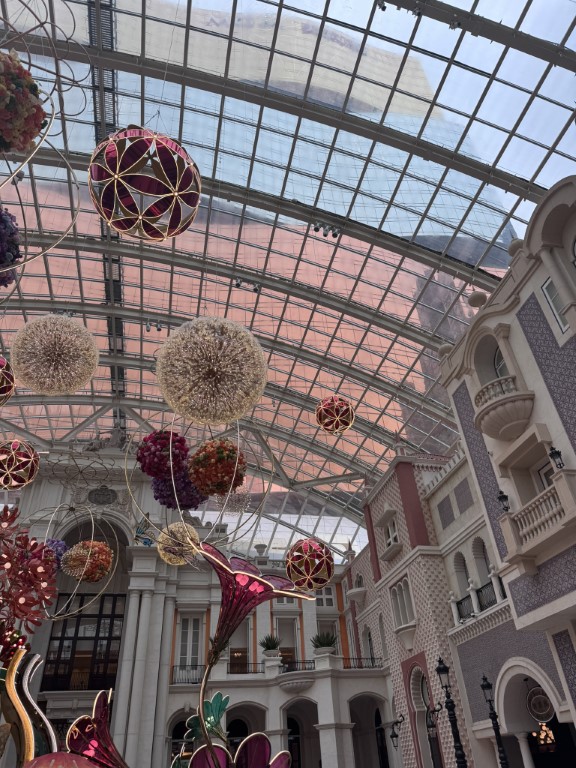
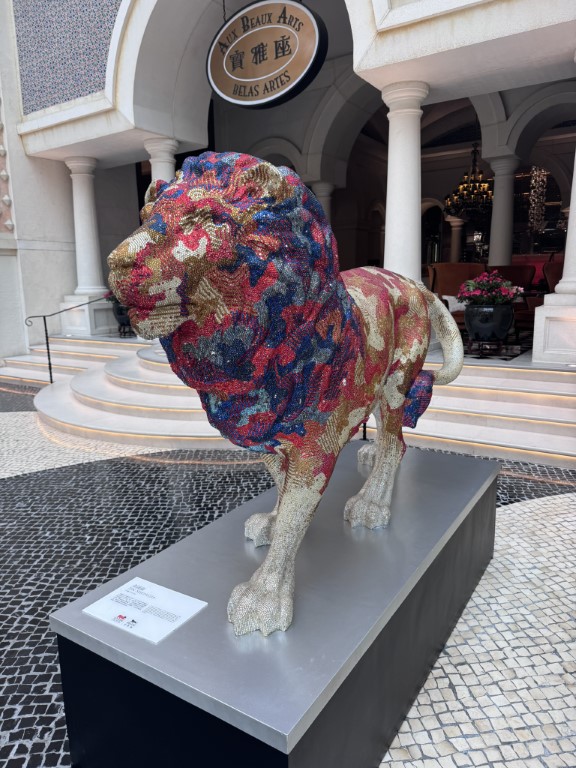
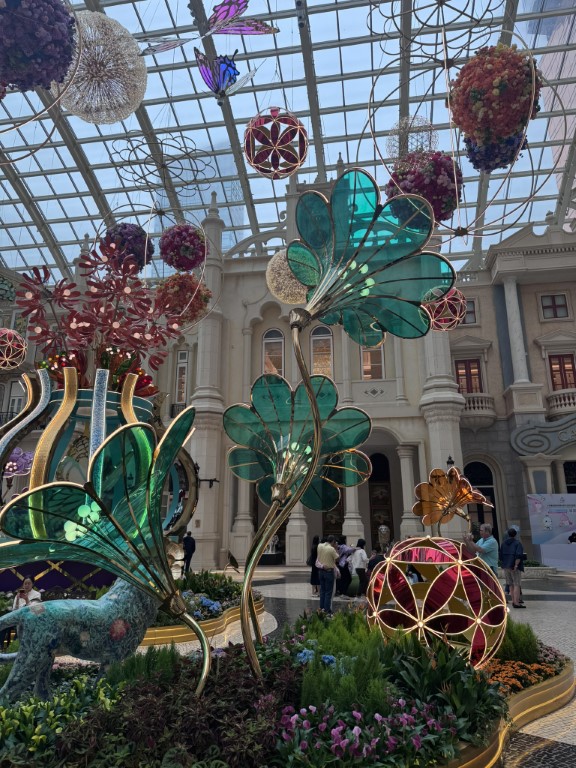
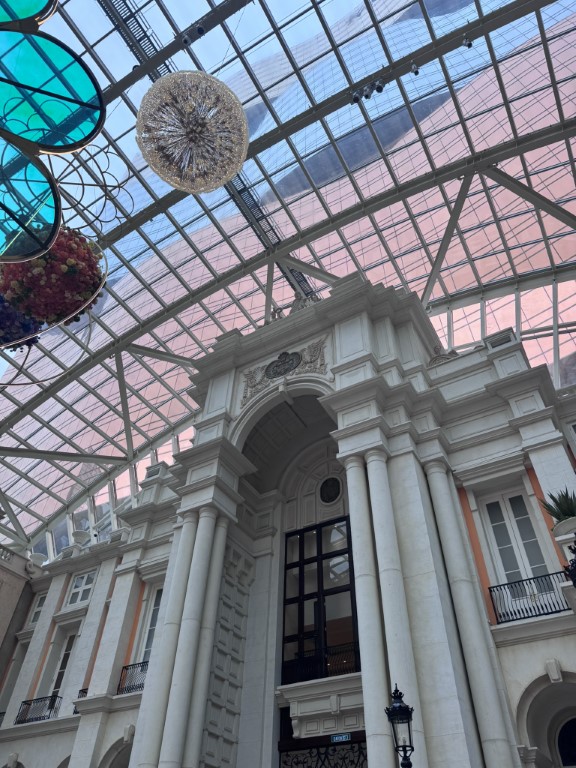
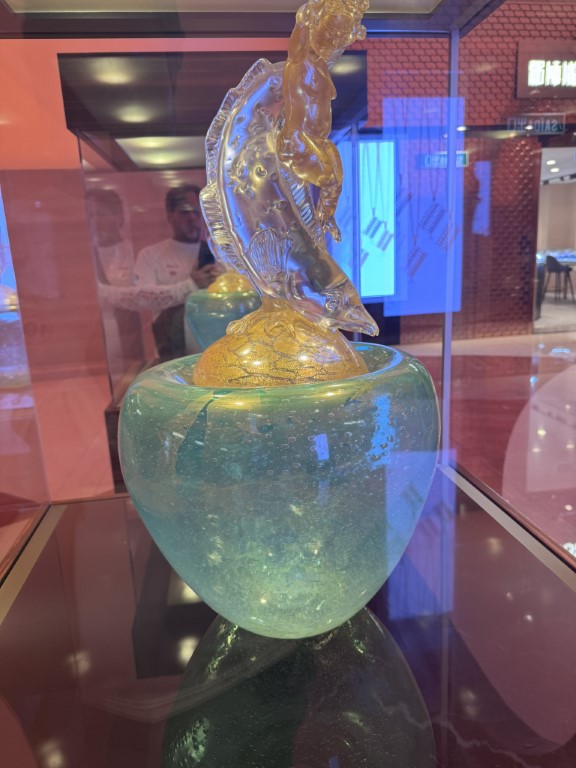
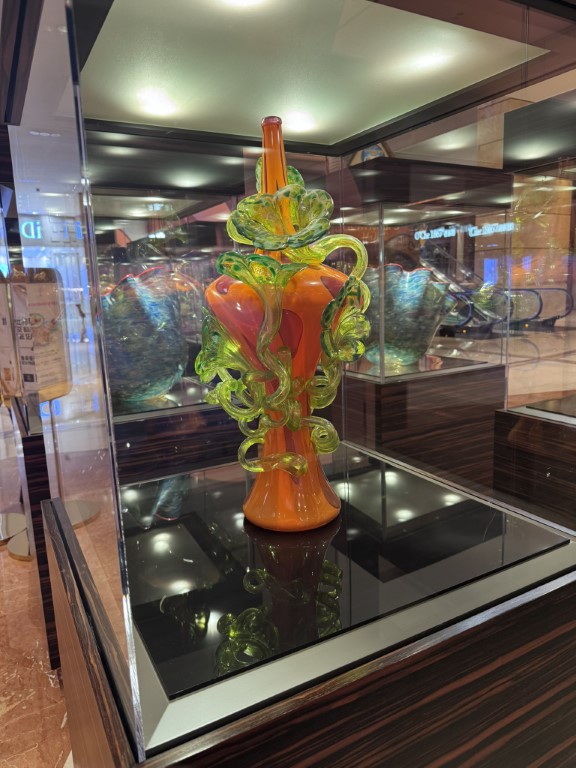
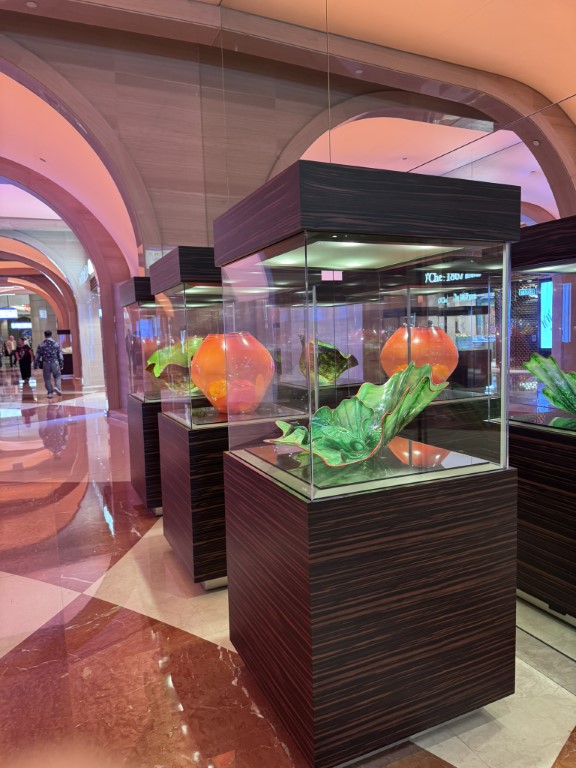
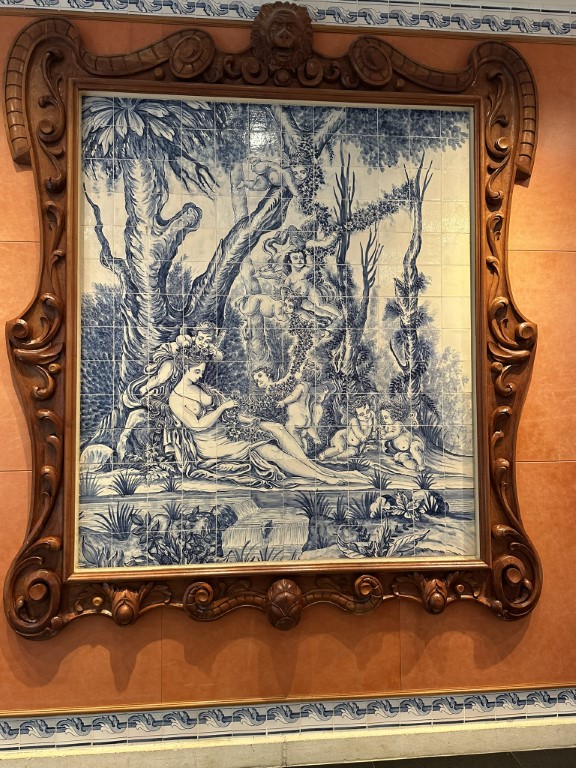
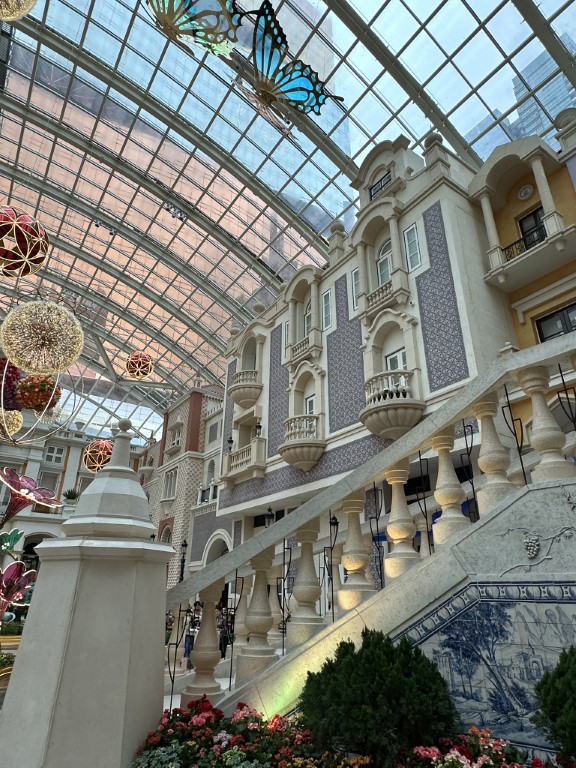
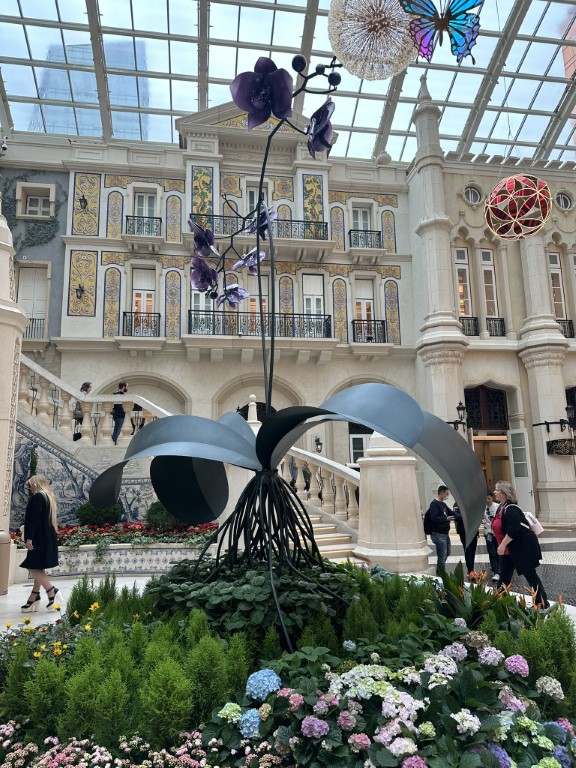
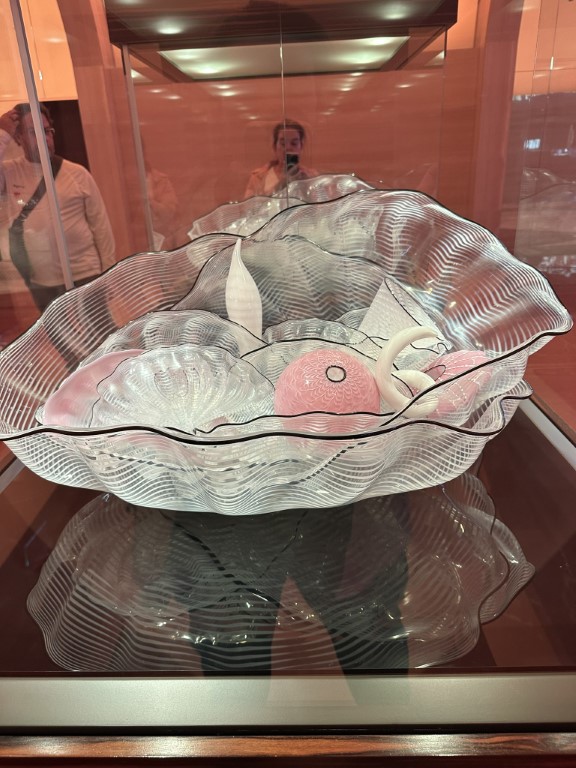
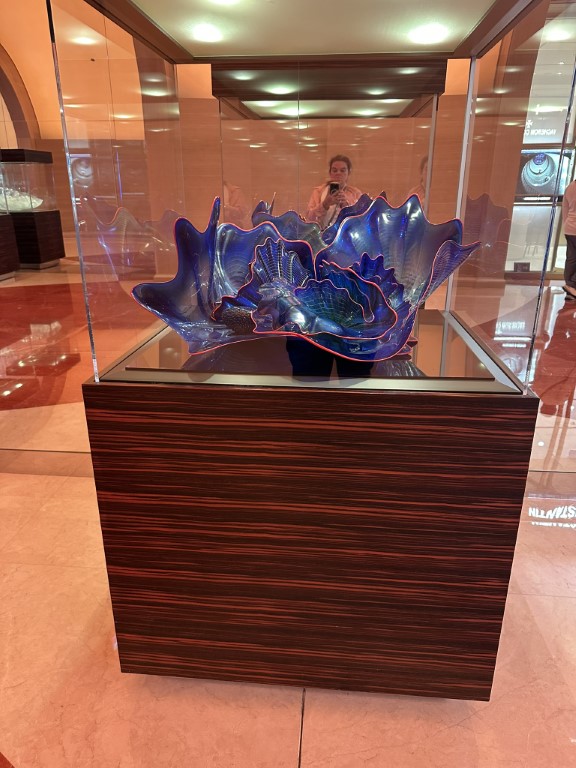
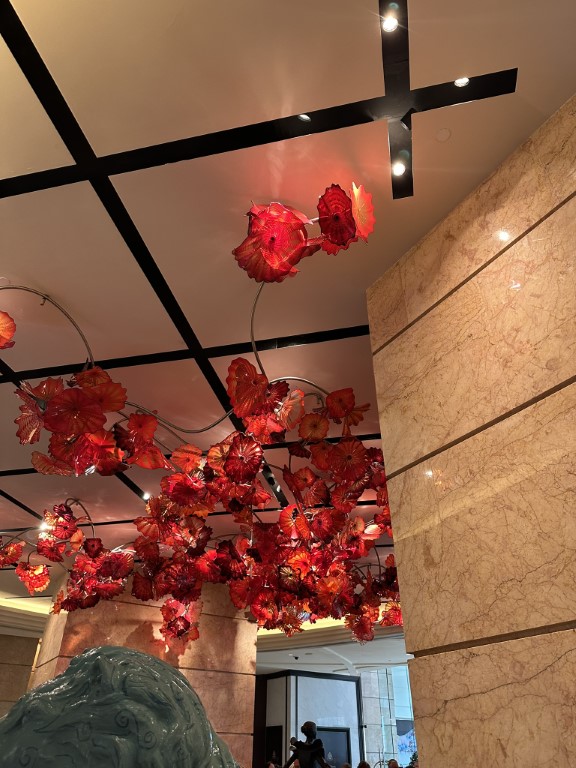
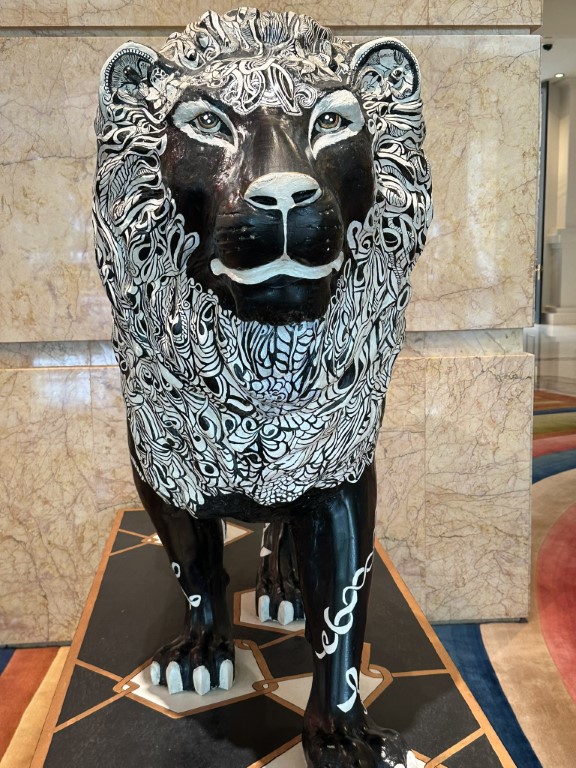
The hotel's glass-roofed atrium features many glassworks, including some by Dale Chihuly as well as numerous painted lions. We did not venture into the casino itself, but a fellow guest who did said it was immense with rows and rows of slot machines and marble fixtures.
.jpg)
.jpg)
.jpg)
.jpg)
.jpg)
.jpg)
.jpg)
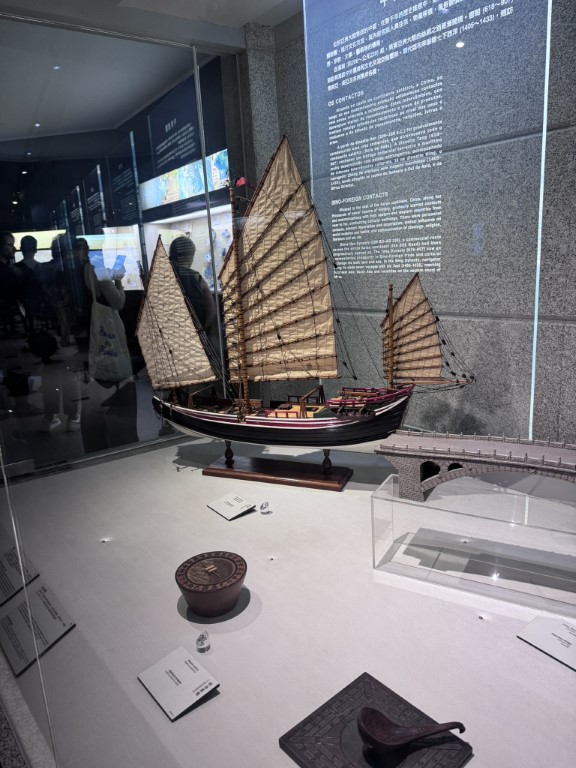
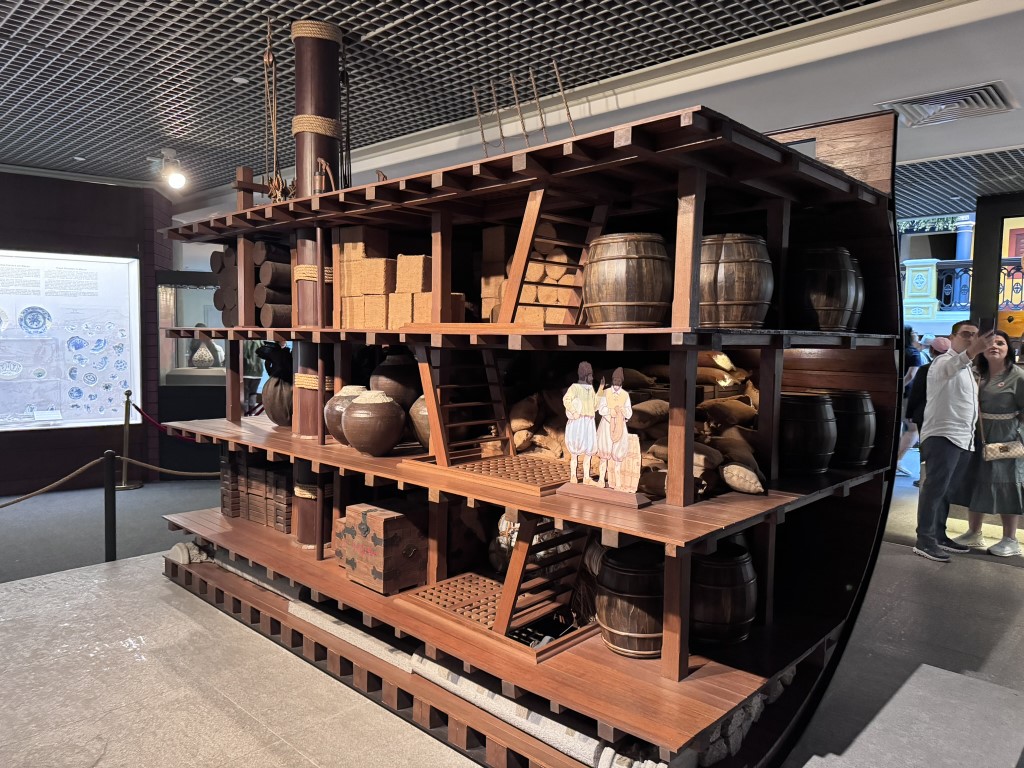
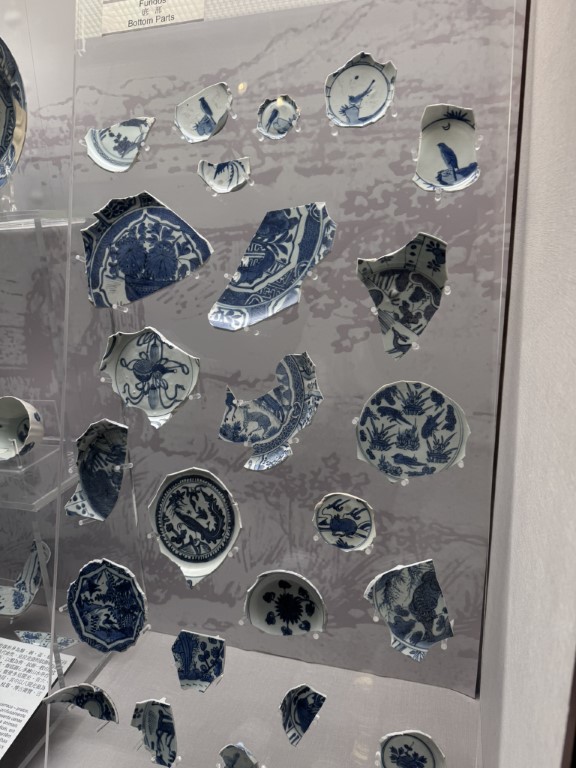
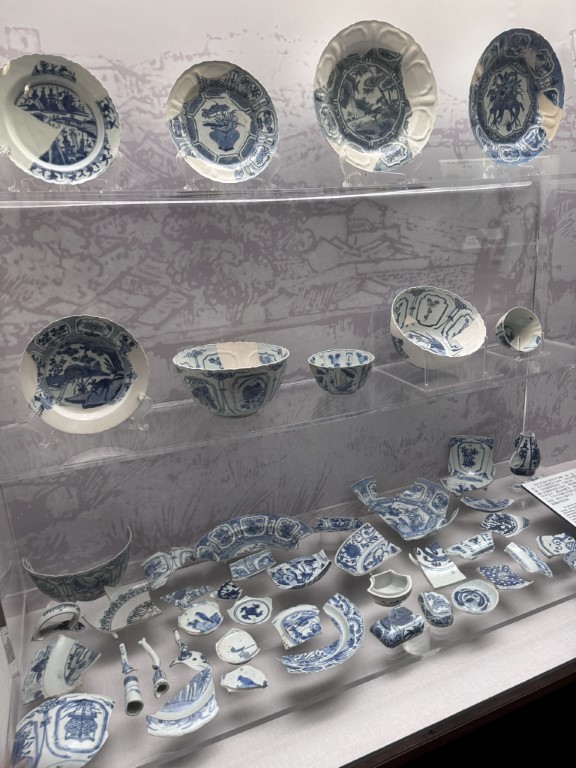
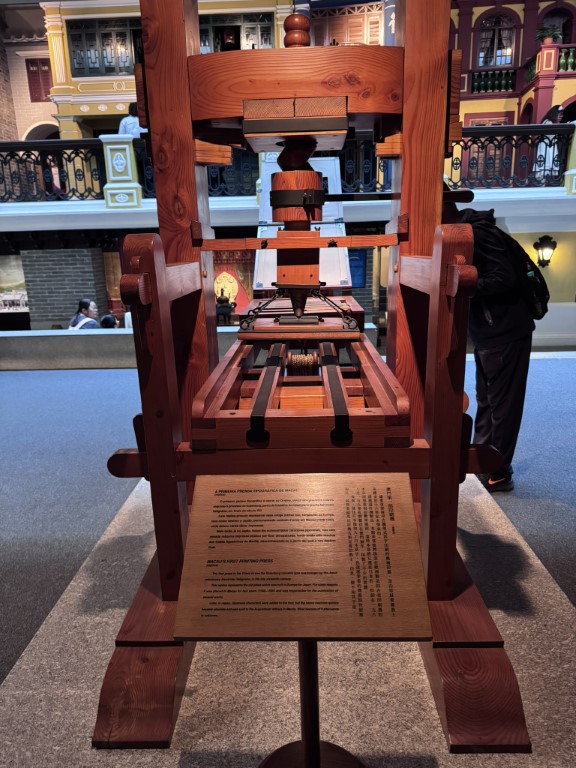
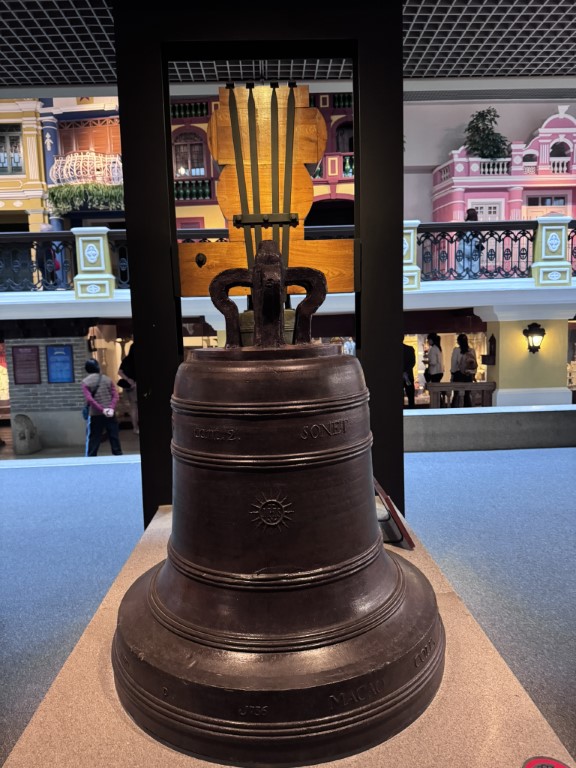
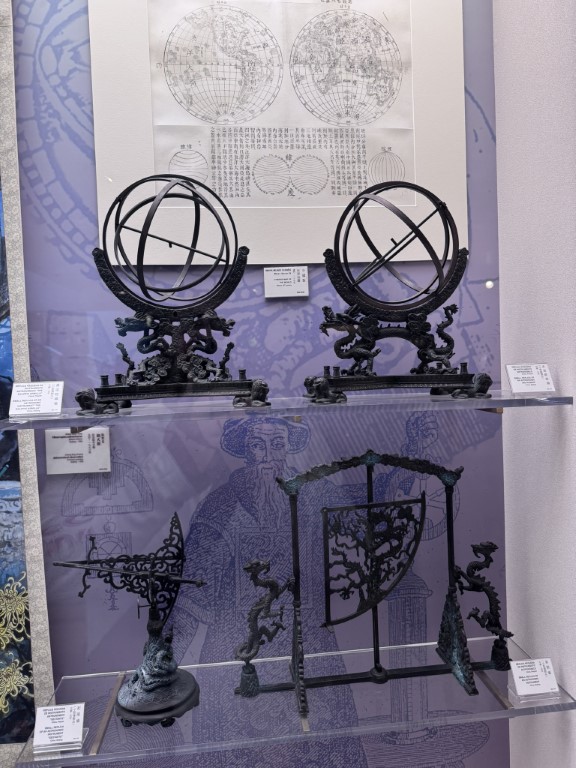
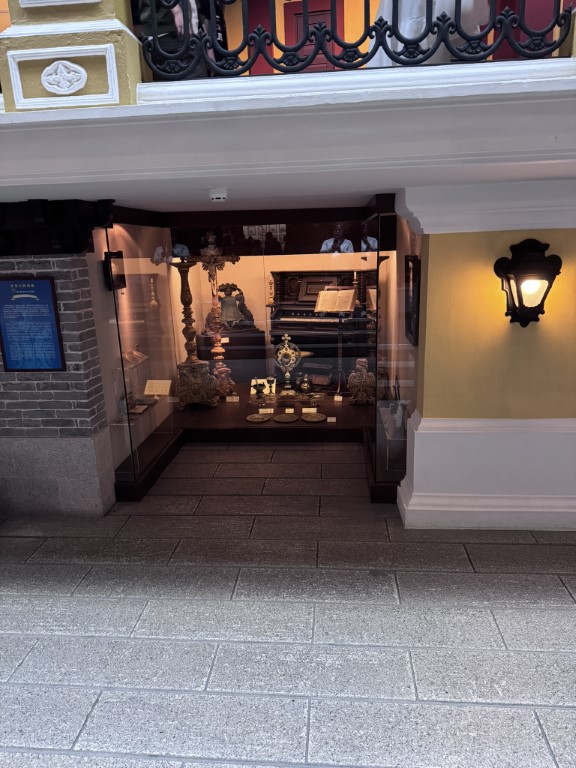
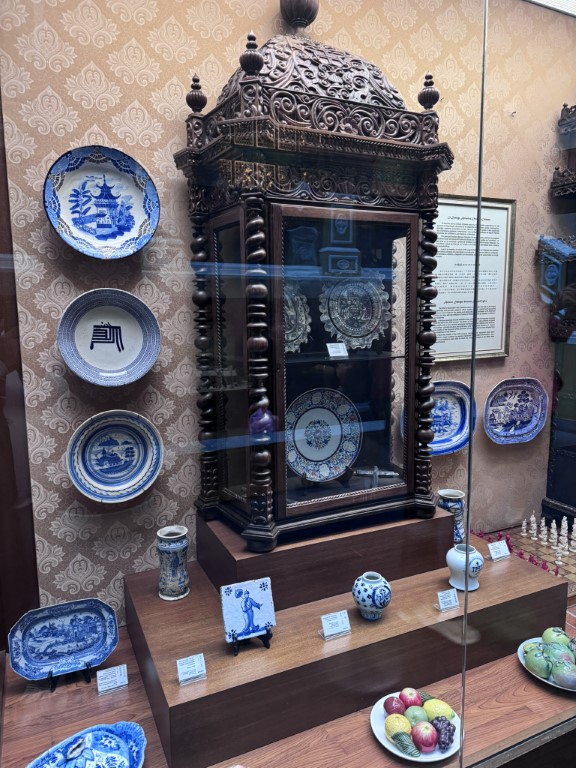
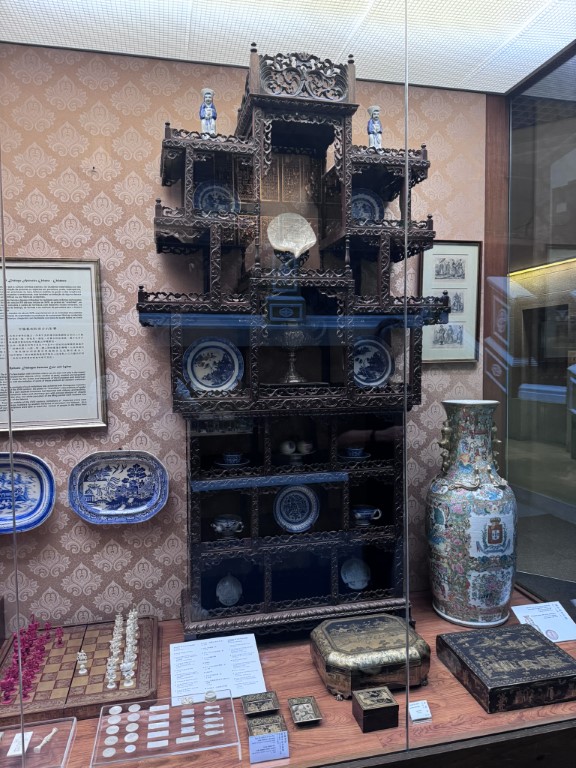
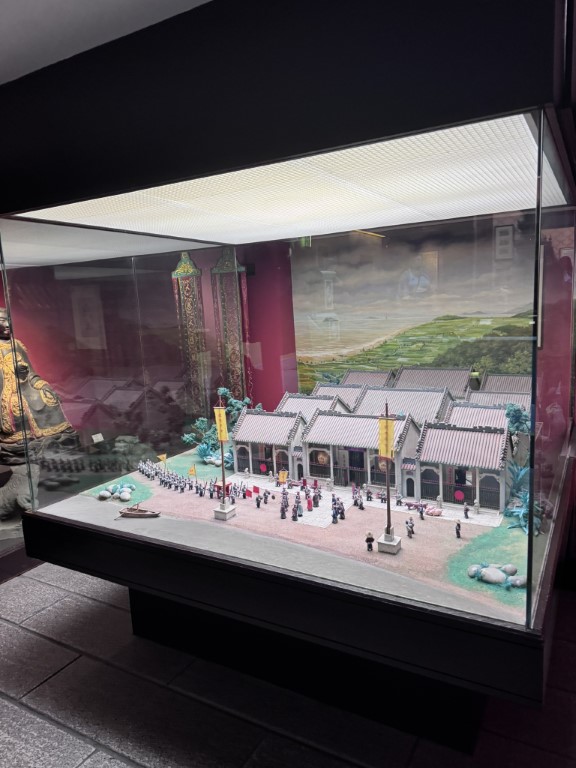
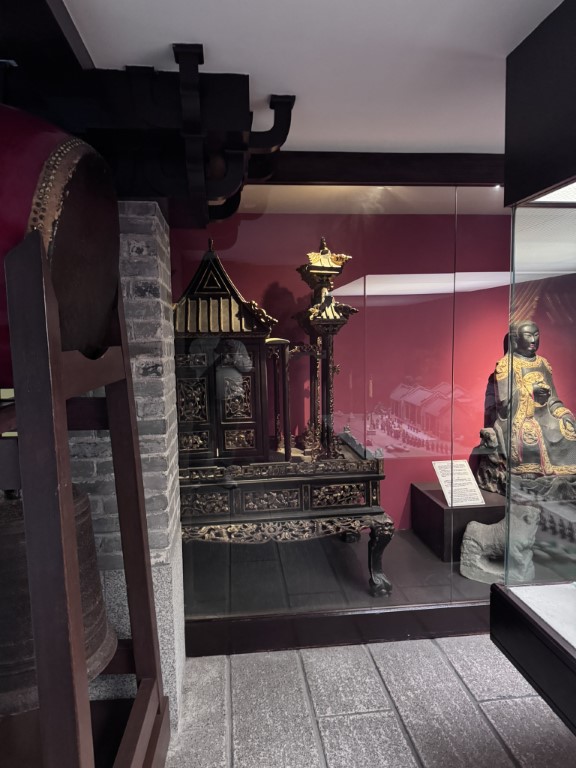
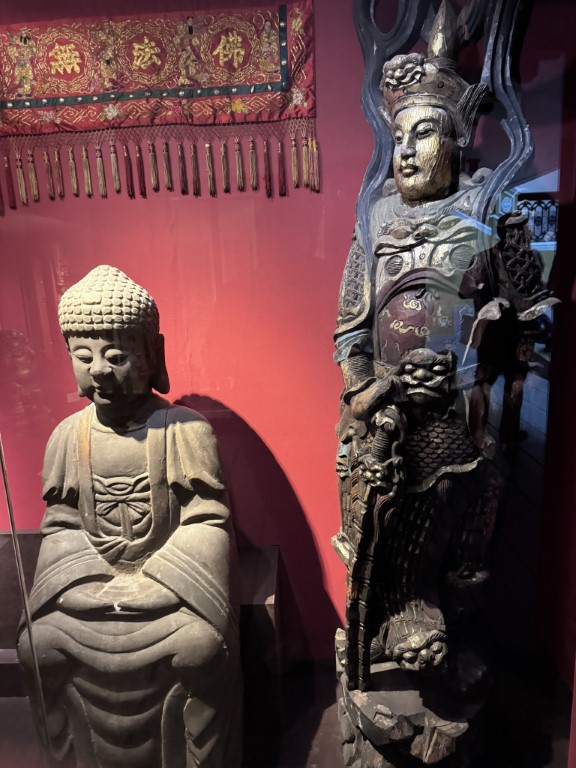
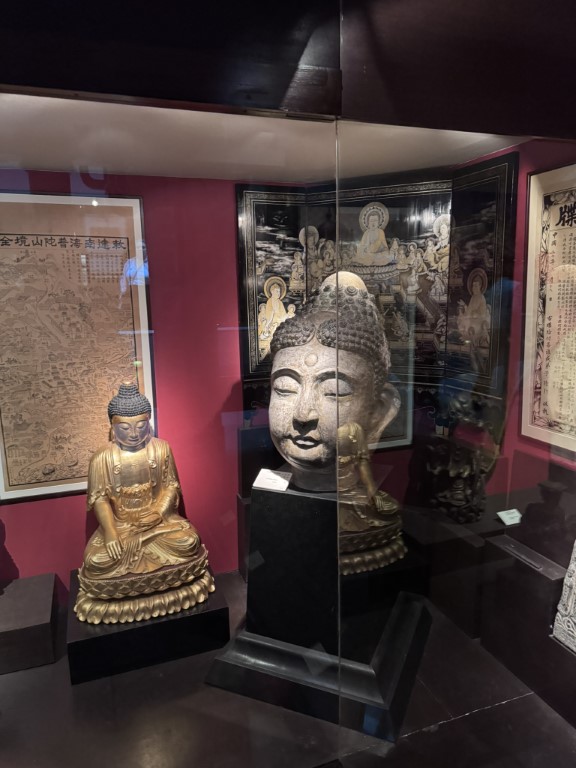
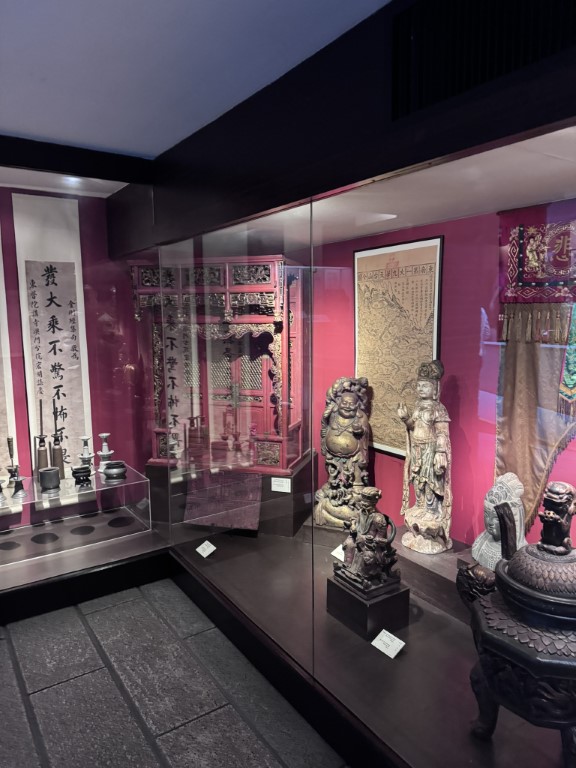
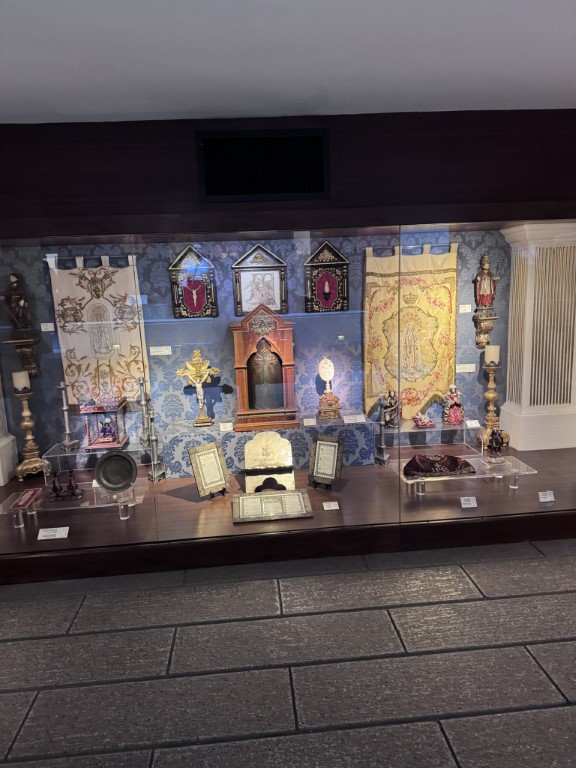
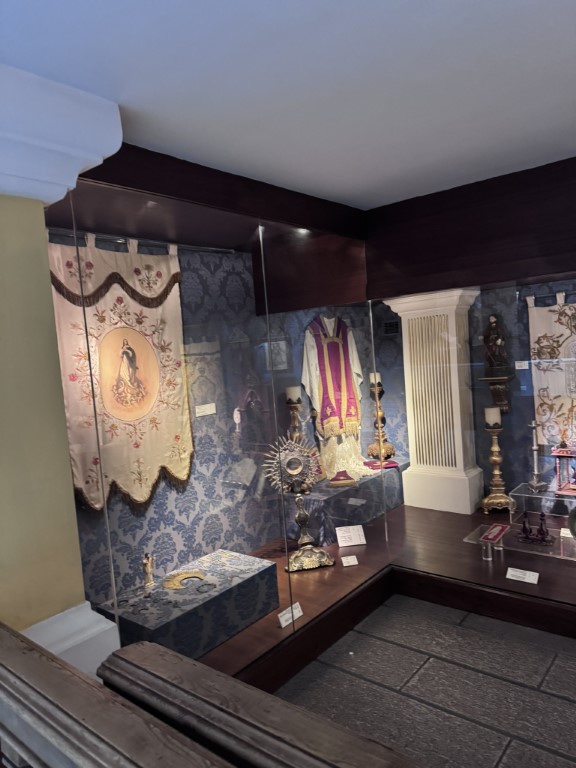
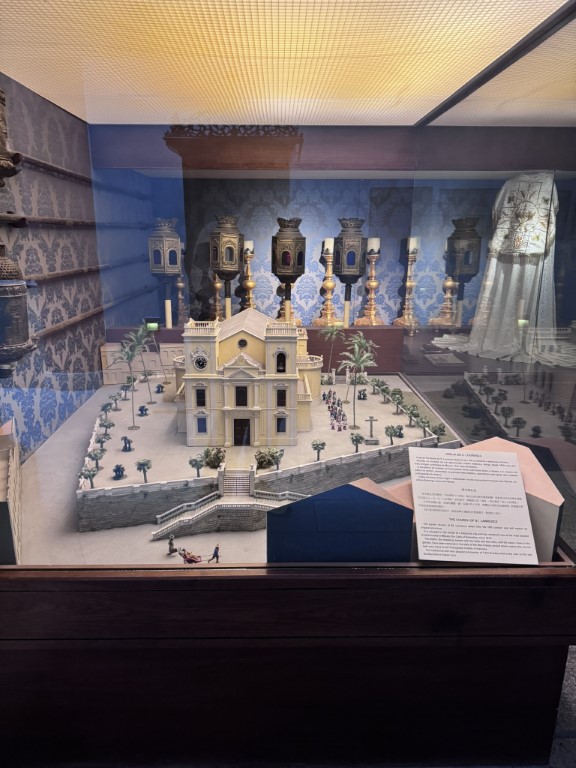
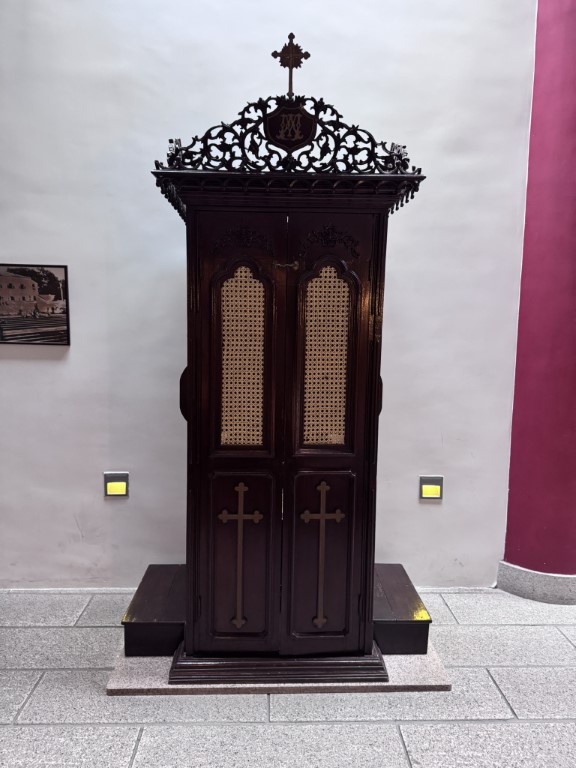
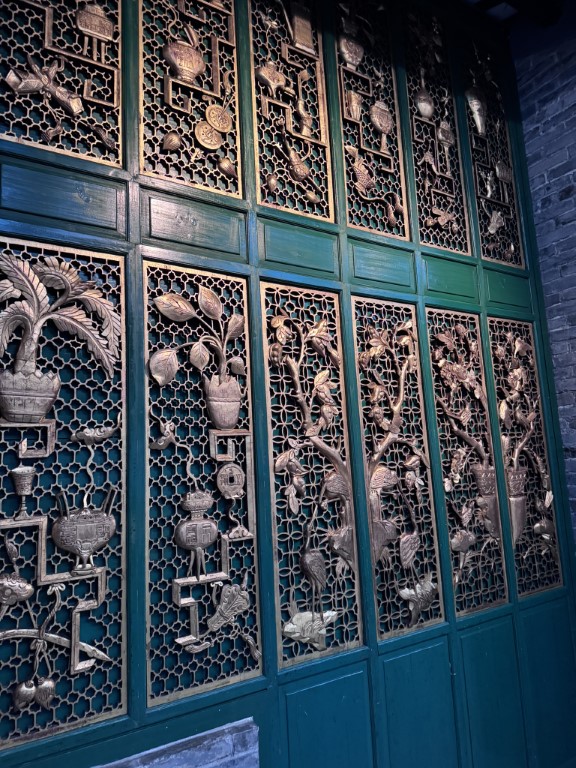
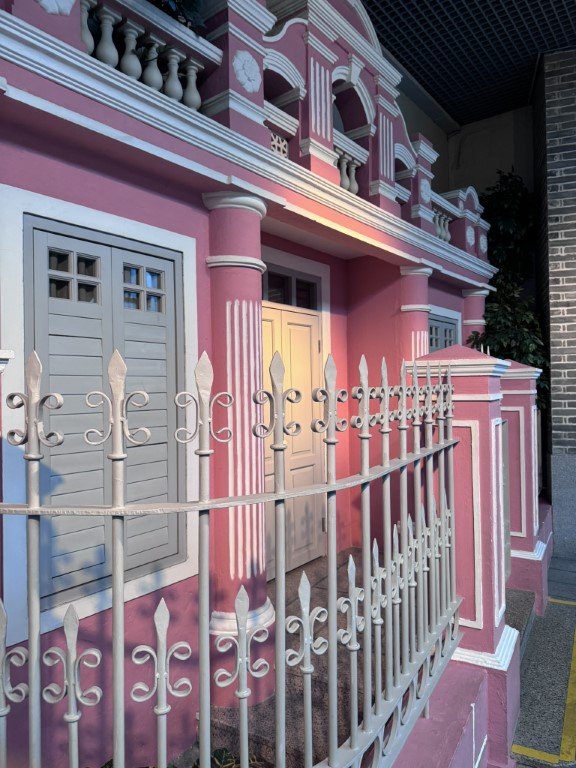
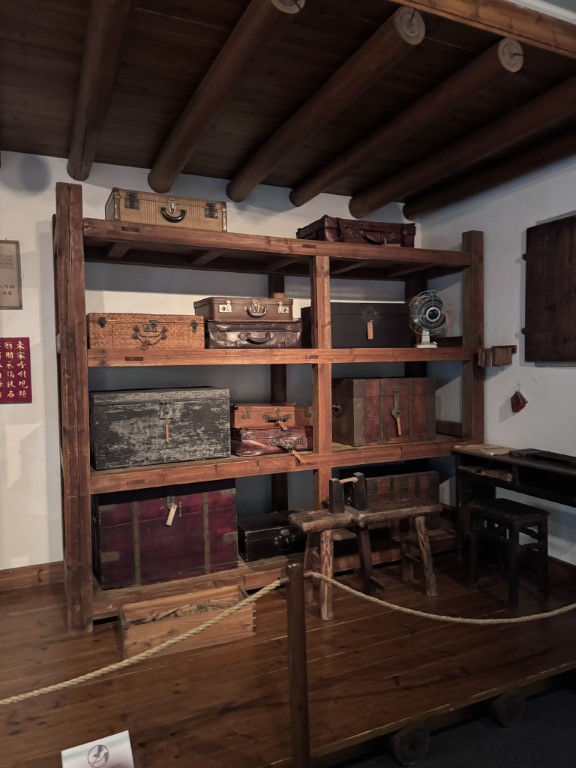
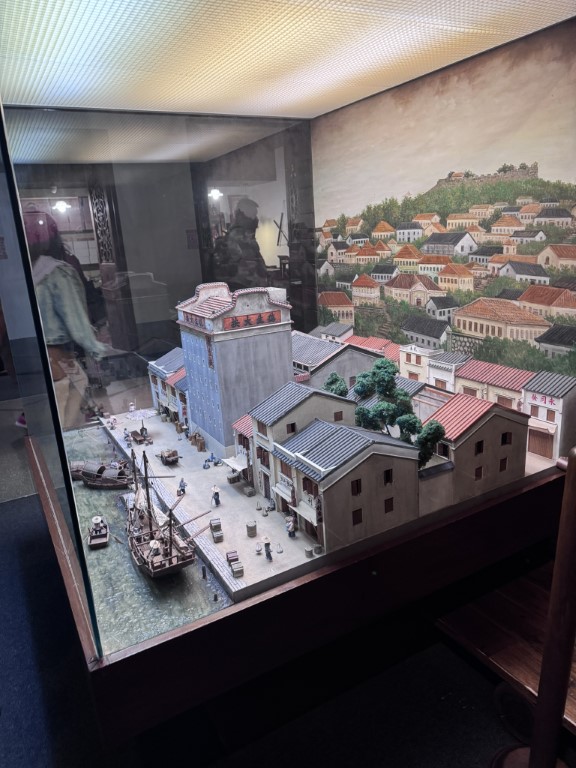
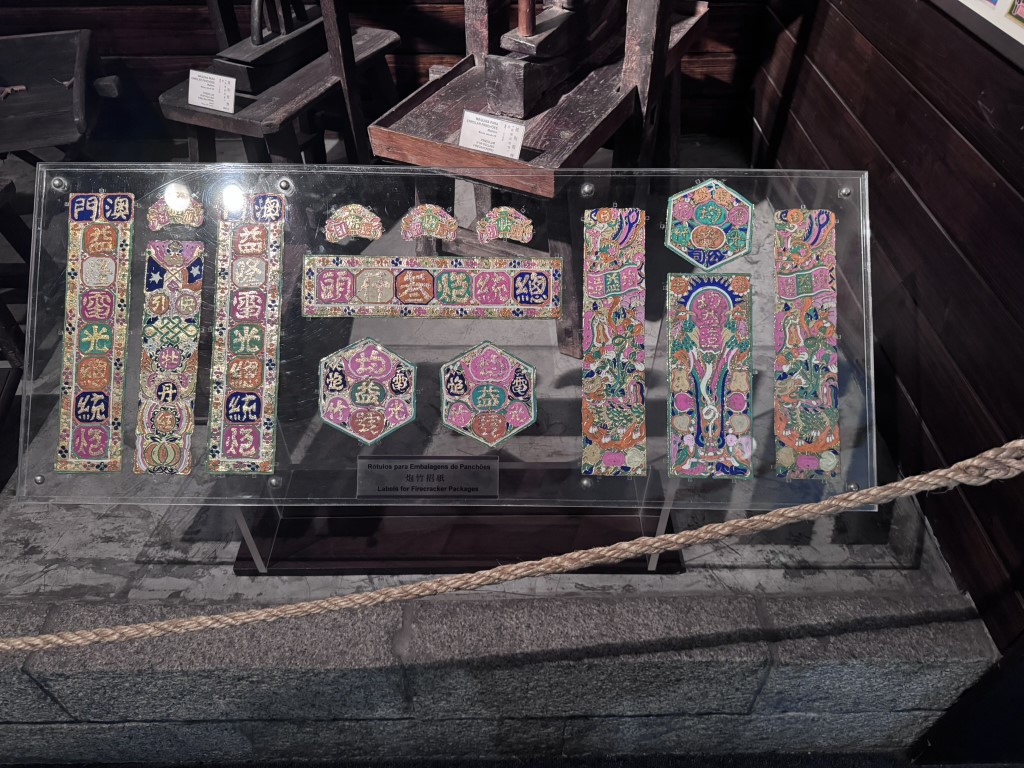
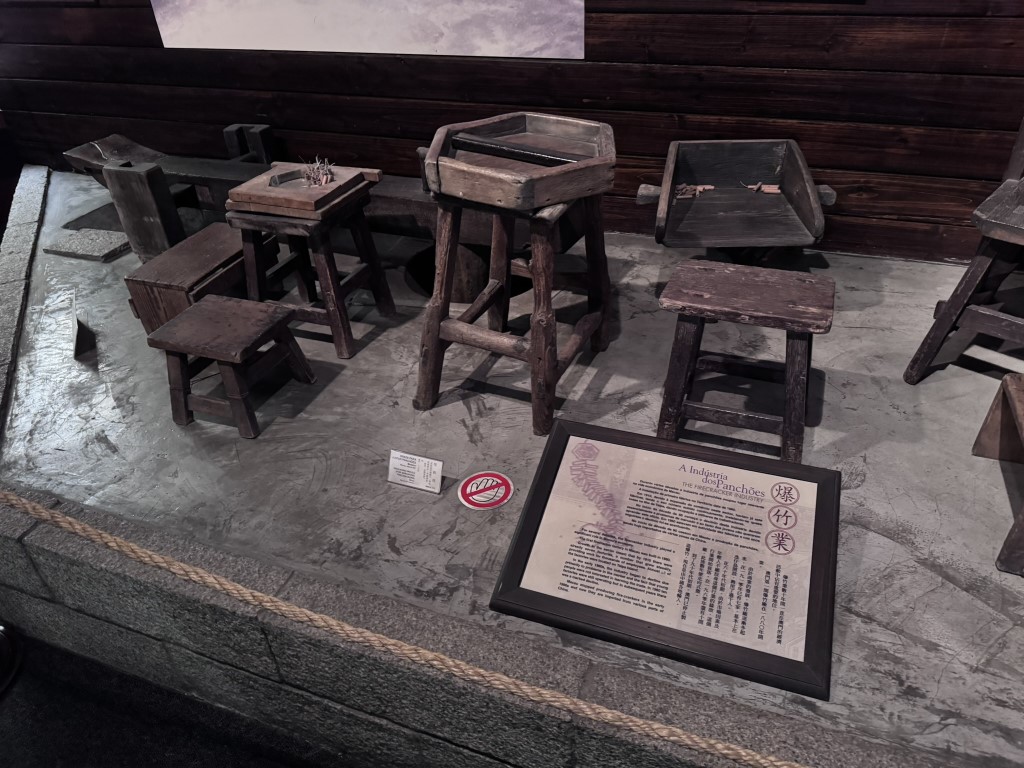
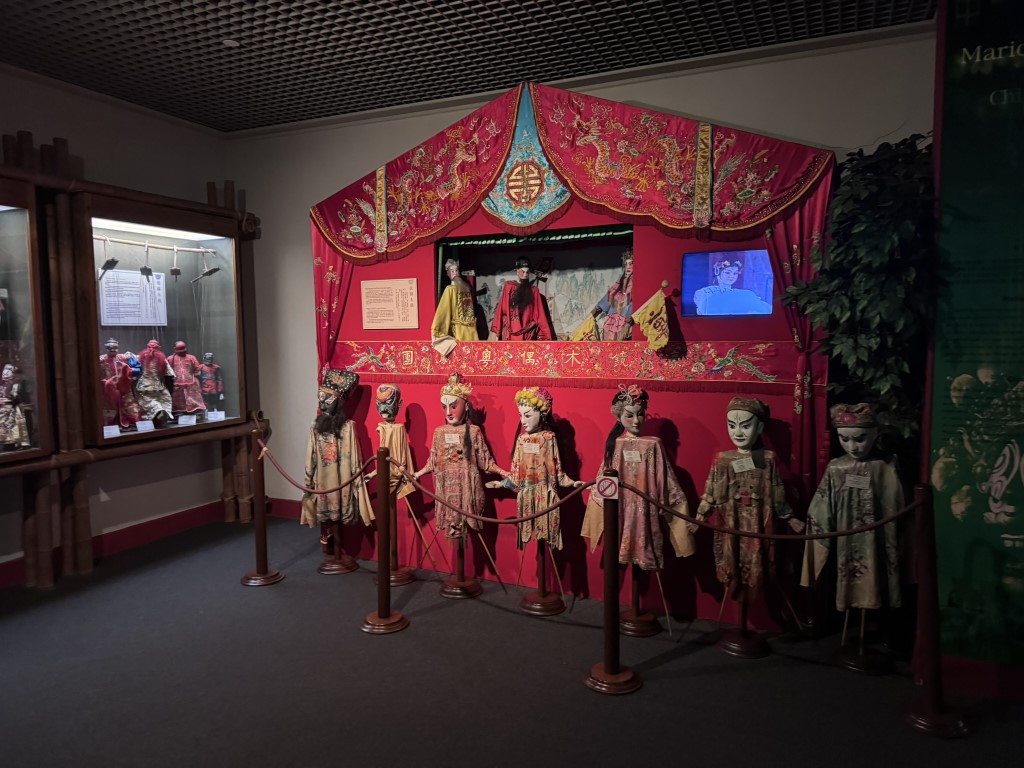
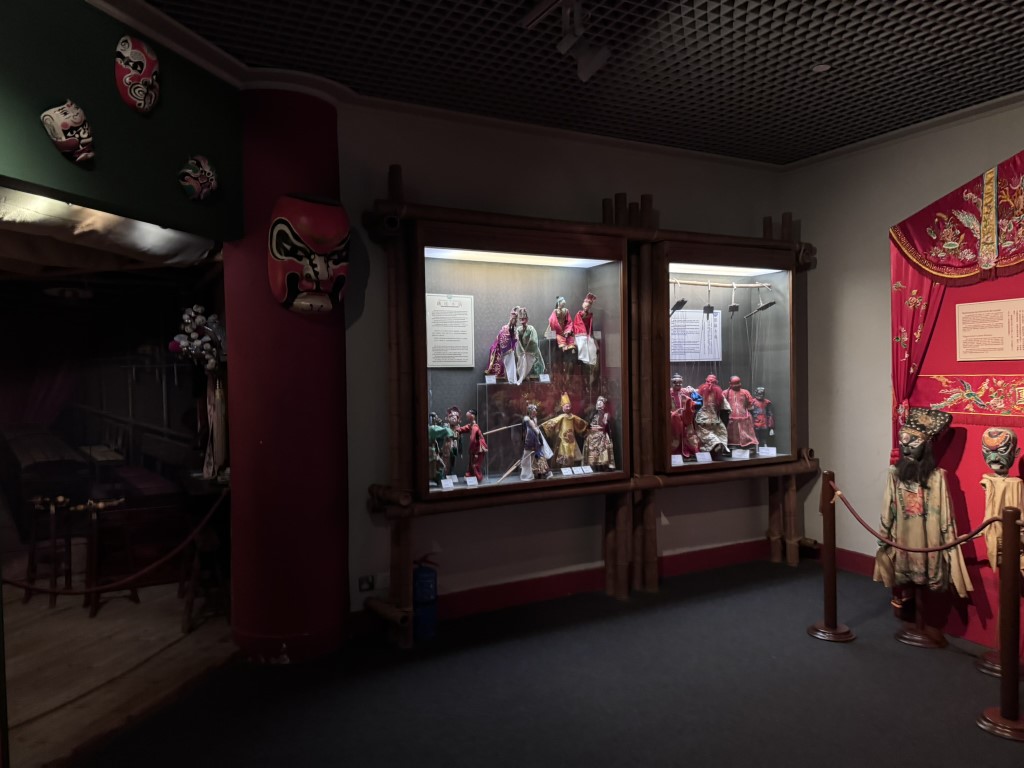
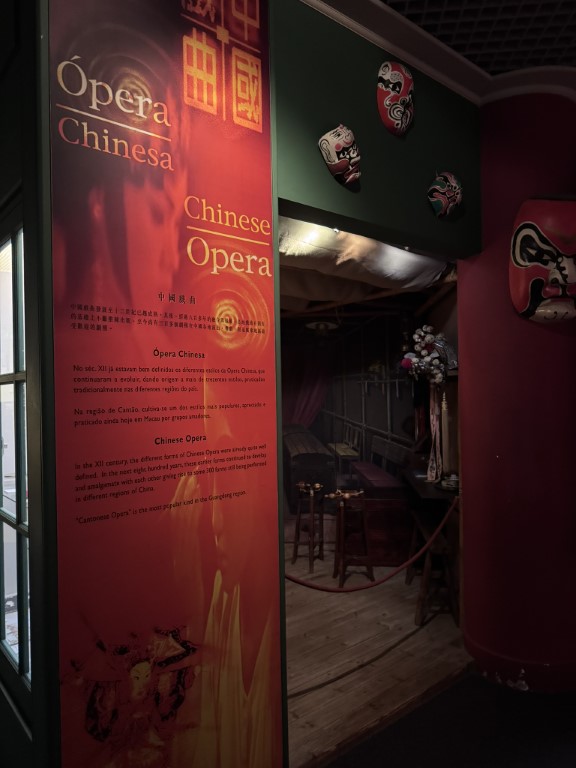
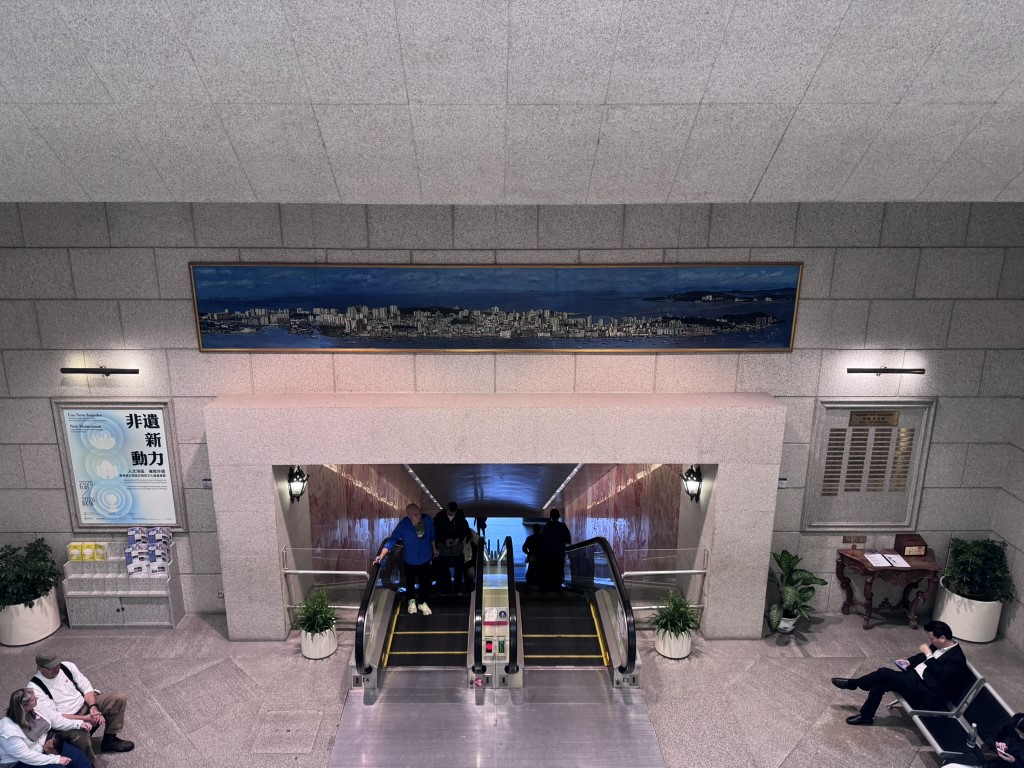
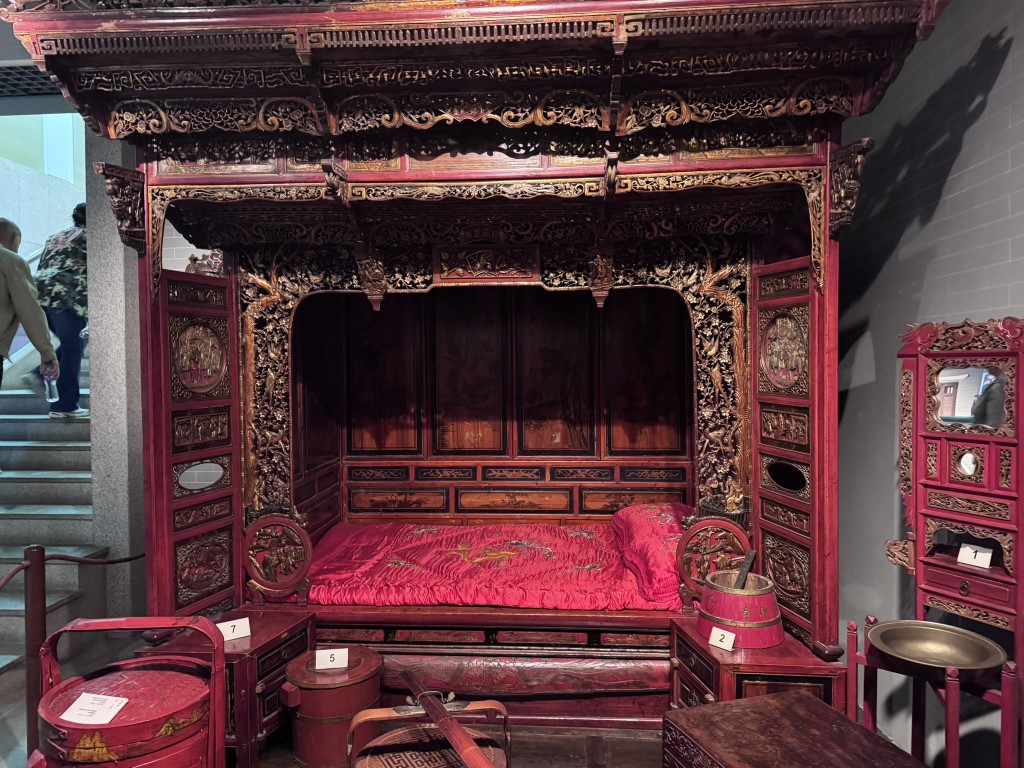
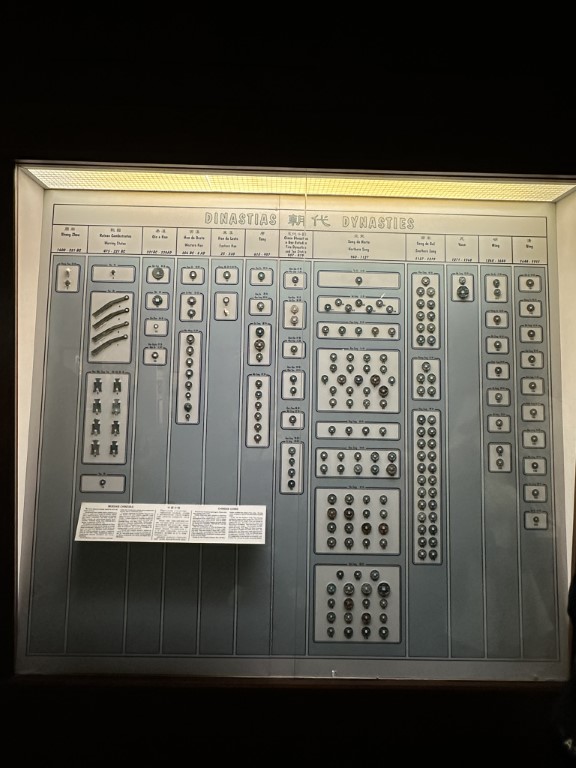
We heaed next to the Macao Museum, dedicated to the history and culture of Macao including objects of historical and cultural value which demonstrate the way of life of the various communities that have inhabited the city for centuries. The museum was interesting and we were given time to explore on our own, which we appreciated, but we probably were alloted too much time here as most of us finished early.
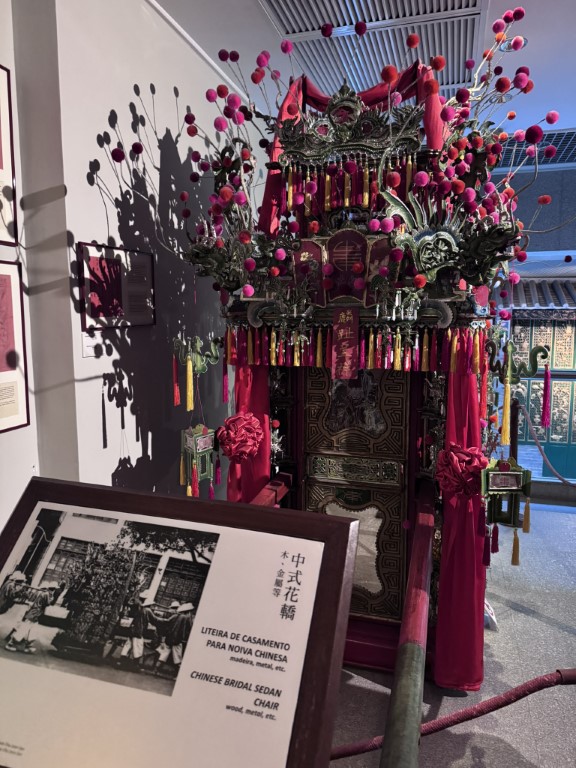
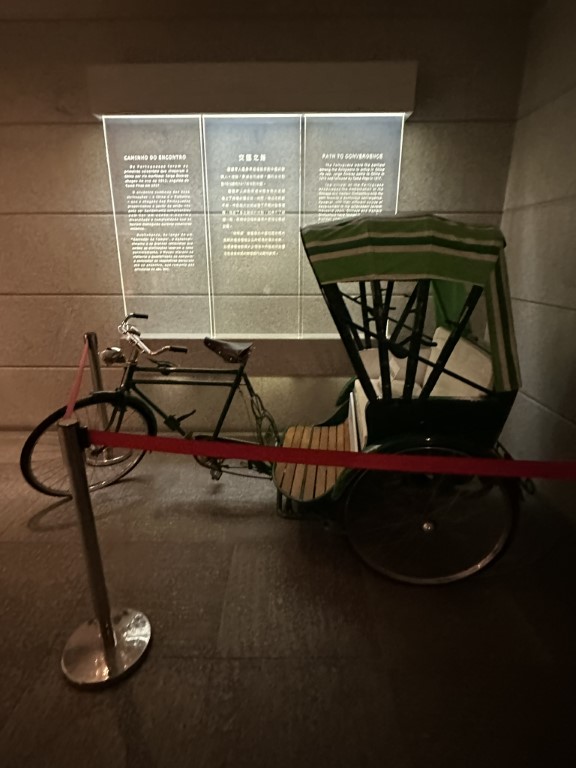
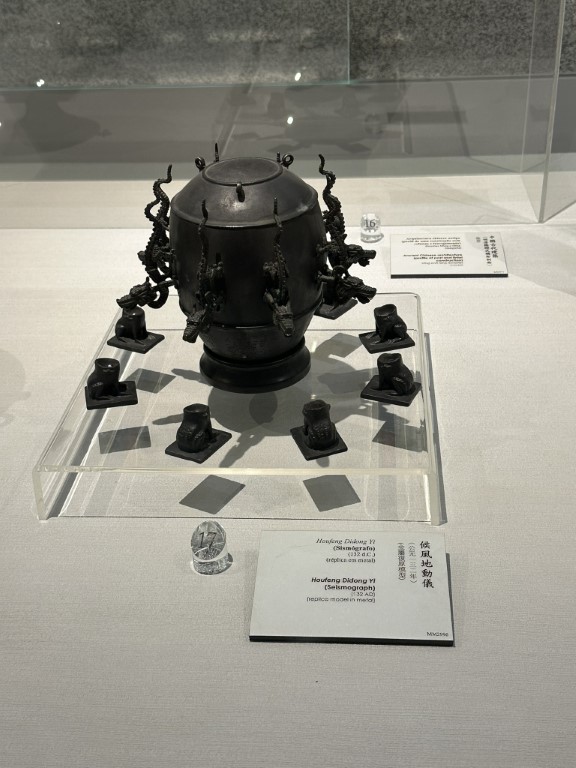
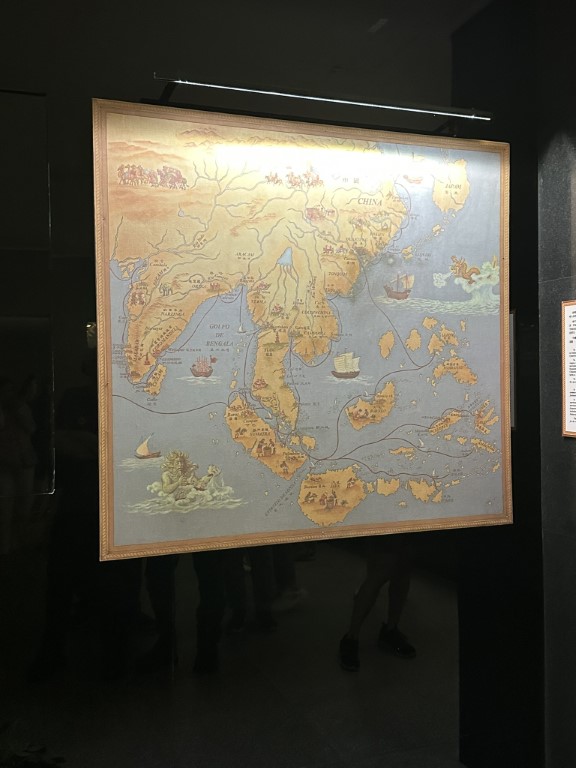
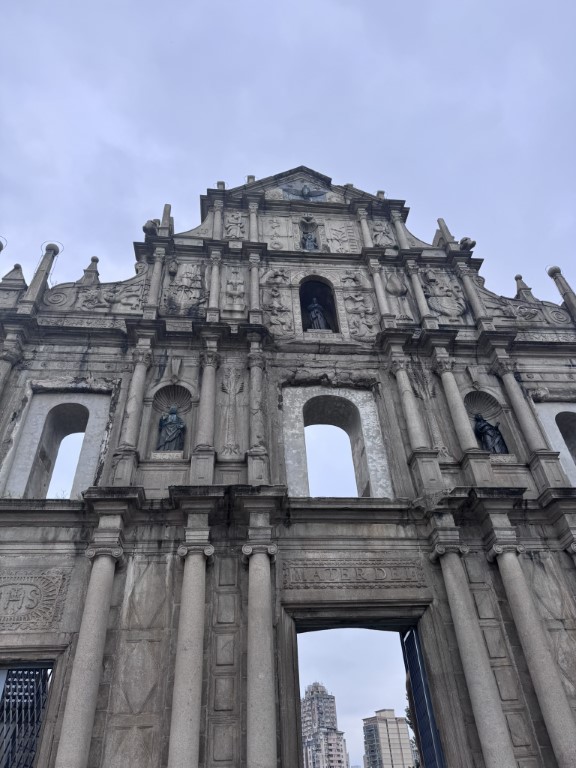
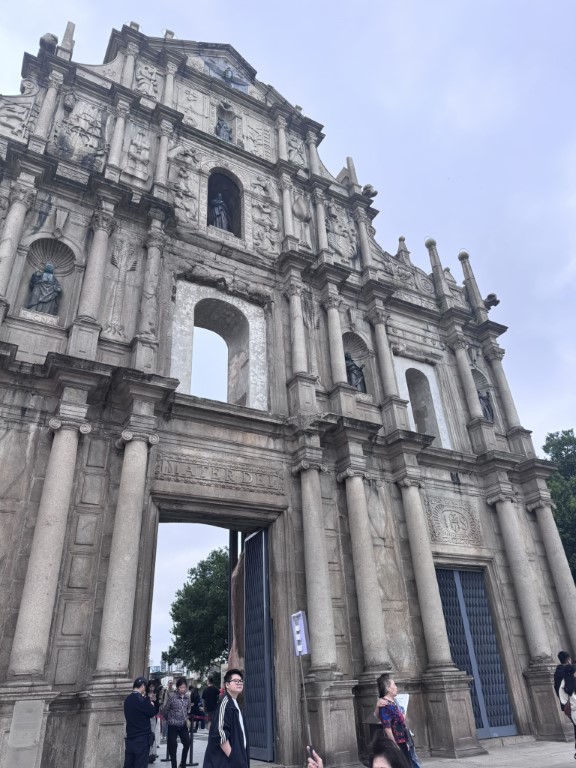
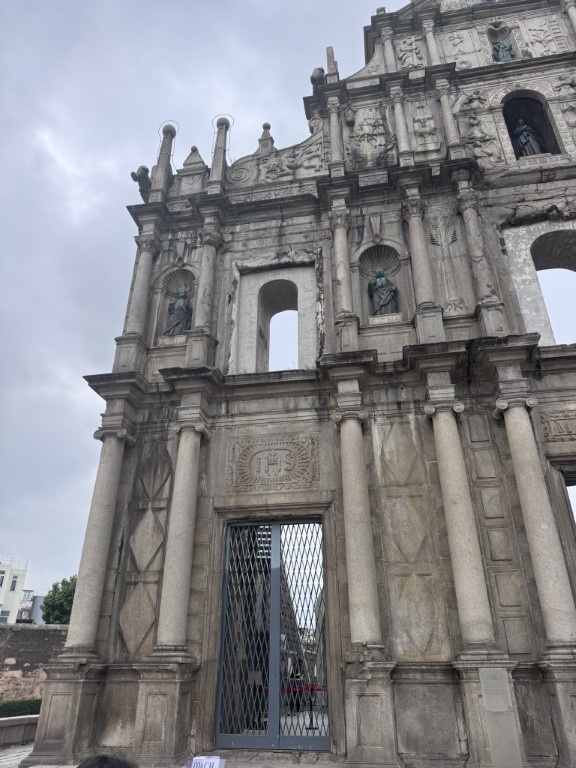
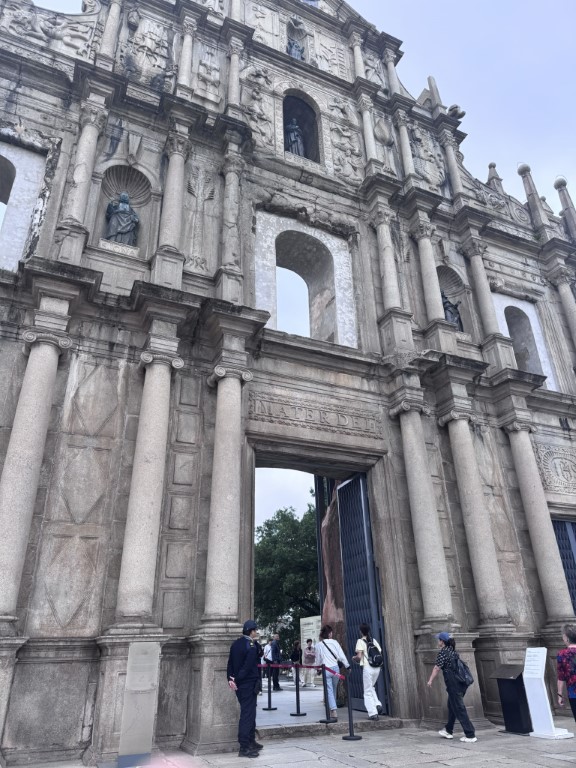
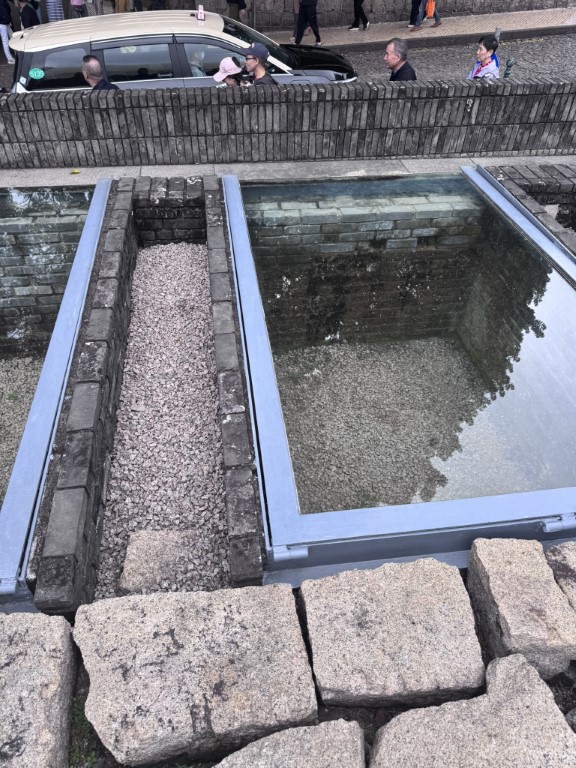
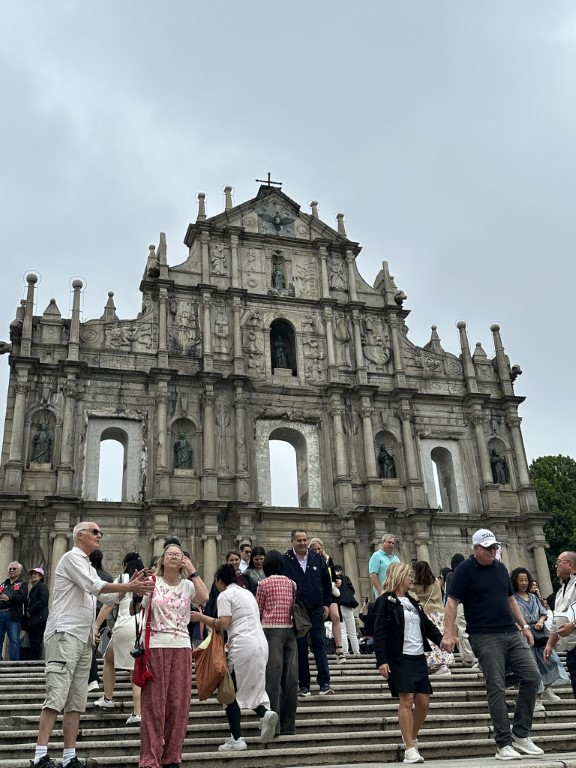
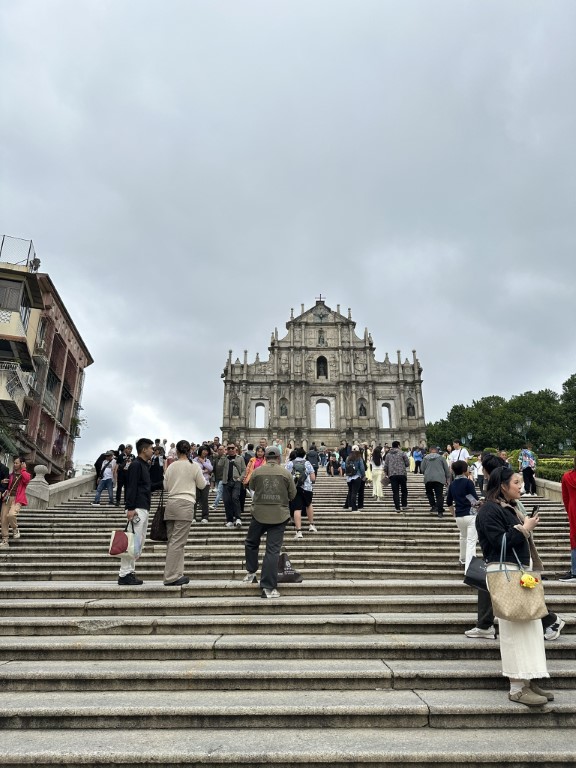
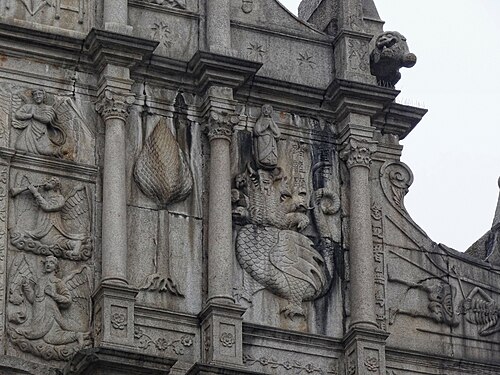
We walked to the ruins of St. Paul's Cathedral, the remnants of a 17th century Catholic church known originally as Mater Dei and dedicated to the Apostle Paul. The cathedral was built by the Jesuits in the early 1600s but destroyed by fire during a typhoon in 1835 and only the stone frontispiece survived. It features carvings drawn from Eastern Catholicism including Mother Mary stepping on a seven-headed dragon. The crypt and foundations were uncovered in the 1990s during restoration work to shore up the leaning frontispiece.
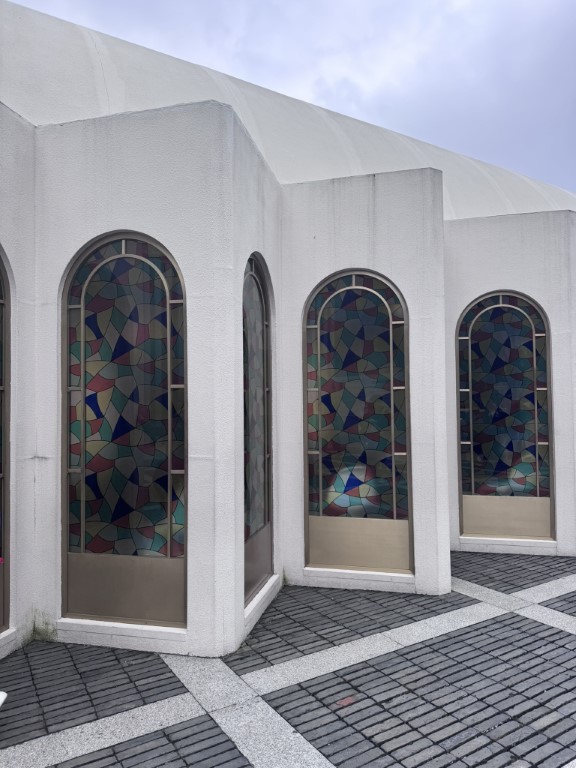
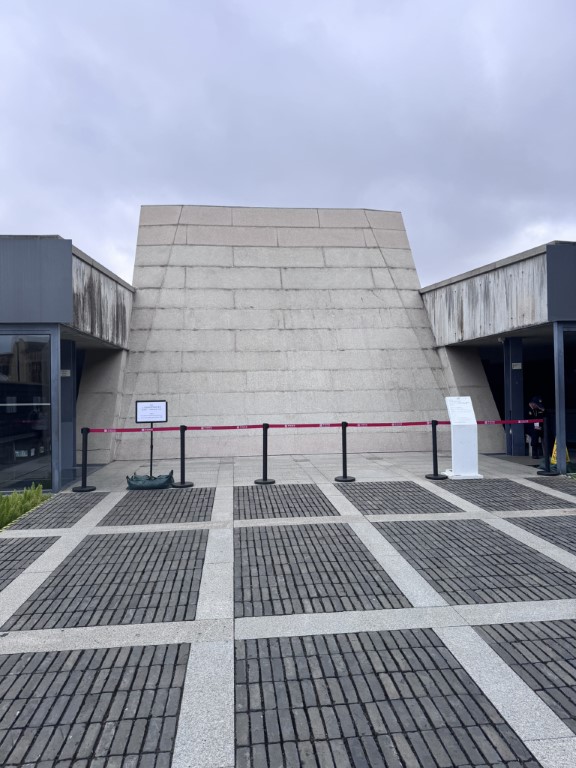
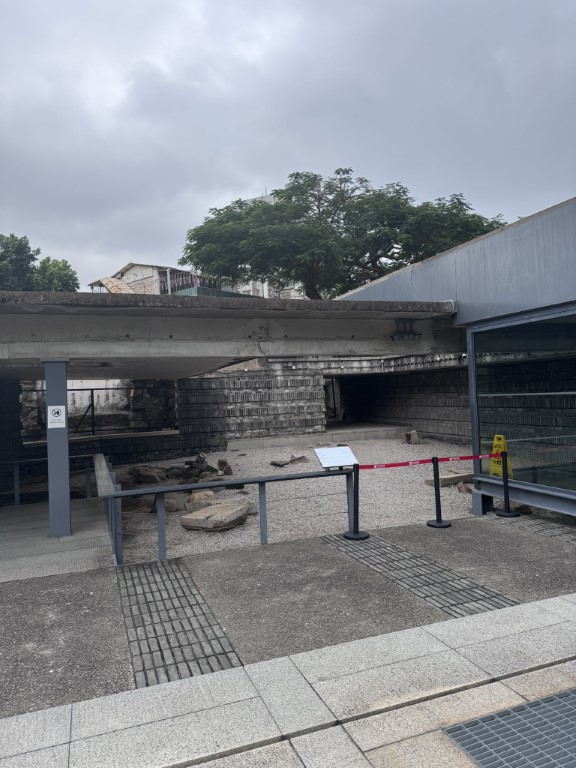
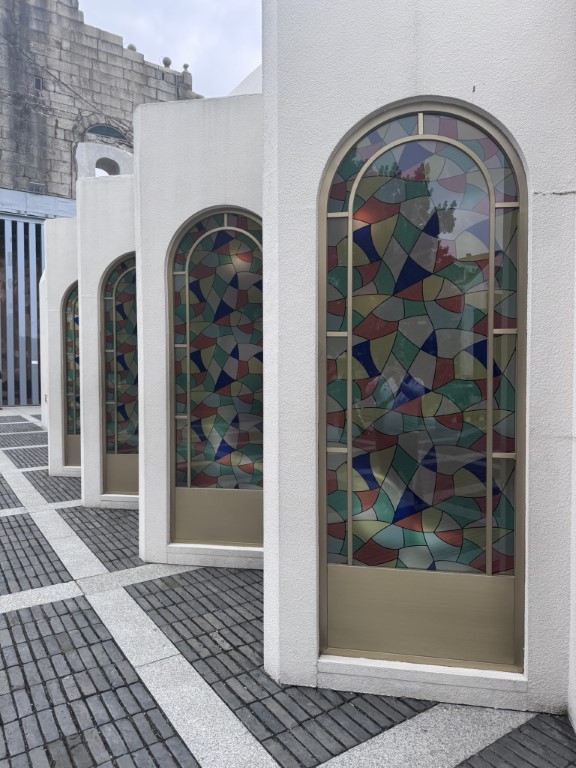
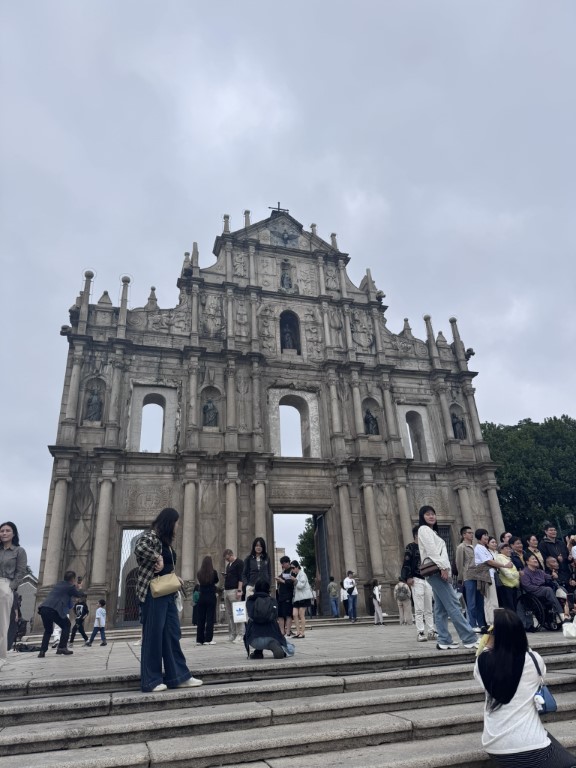
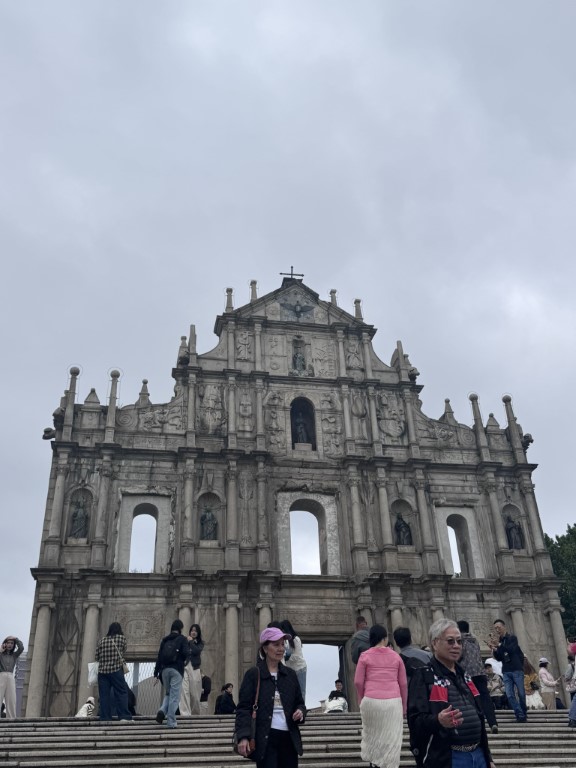
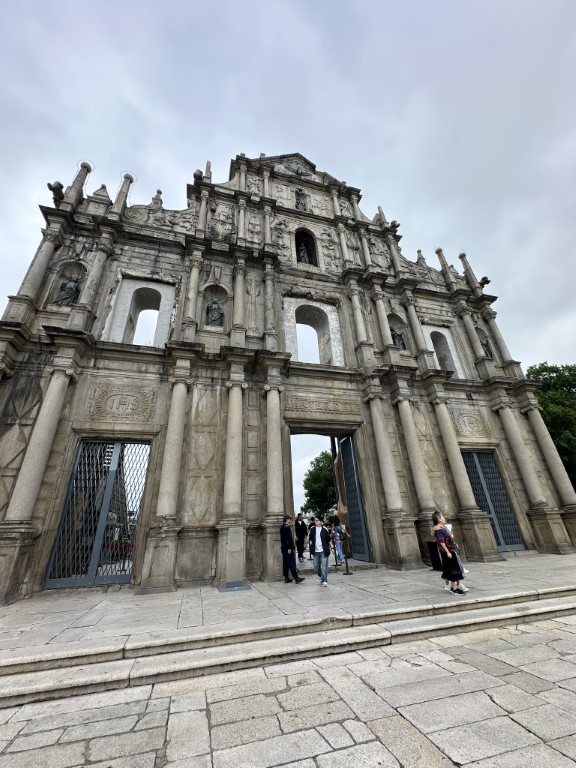
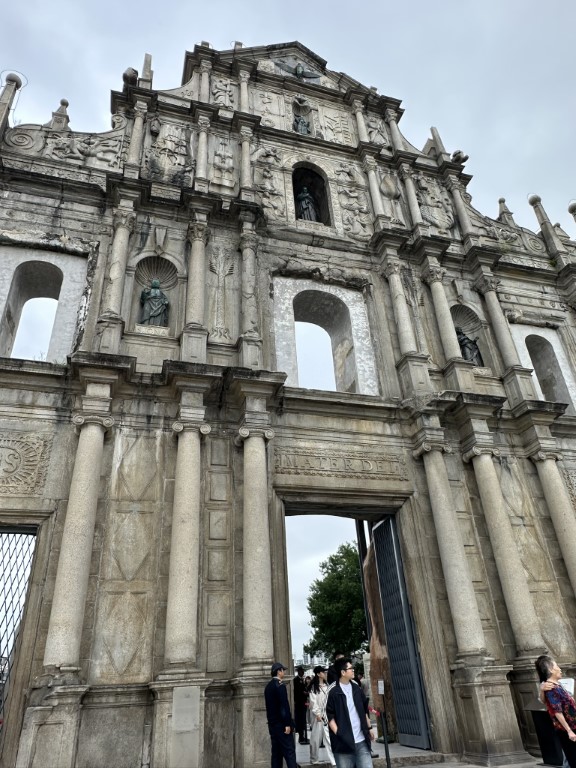
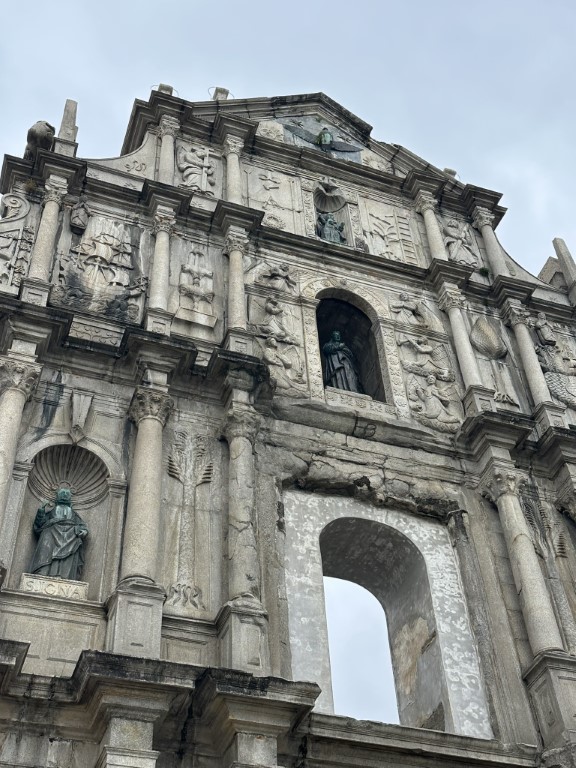
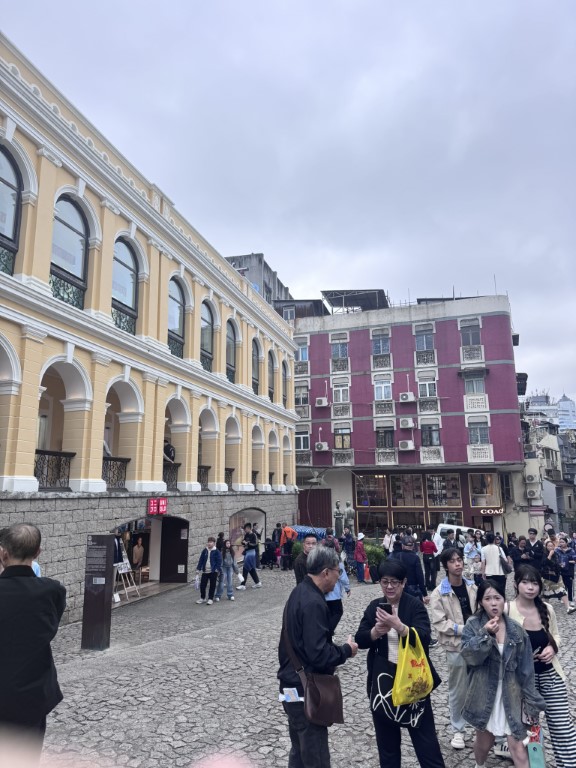
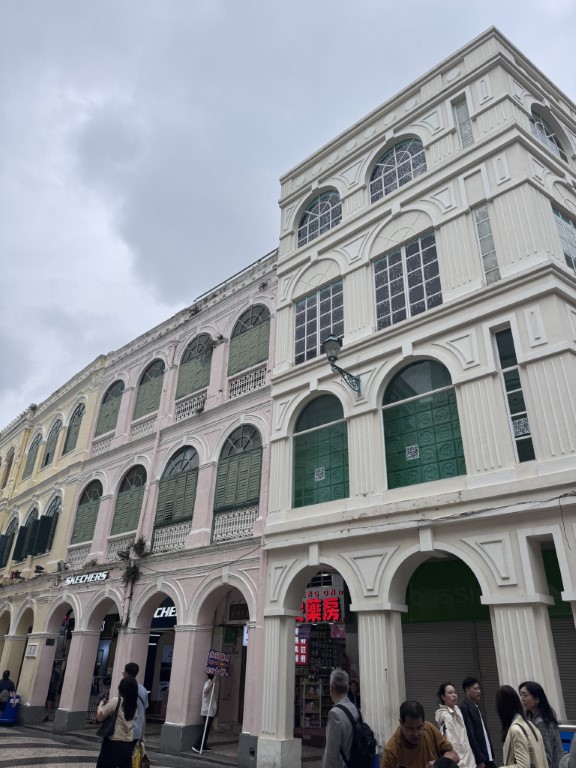
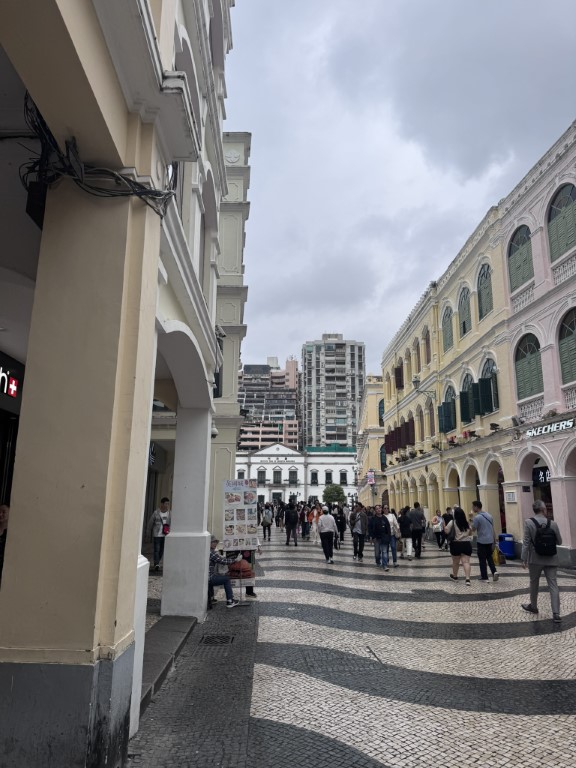
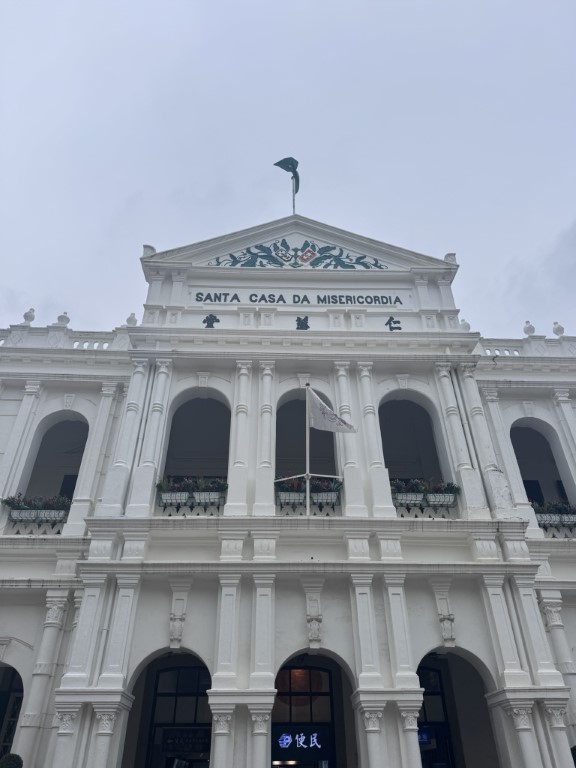
We continued our walk through some shopping streets through the historic center of Macao to St. Dominic's Church (Igreja de São Domingos), a late 16th-century Baroque-style church that serves within the Cathedral Parish of the Roman Catholic Diocese of Macau. It was finished in 1587 and overseen by three Spanish Dominican priests. Janie went inside the church to check it out.
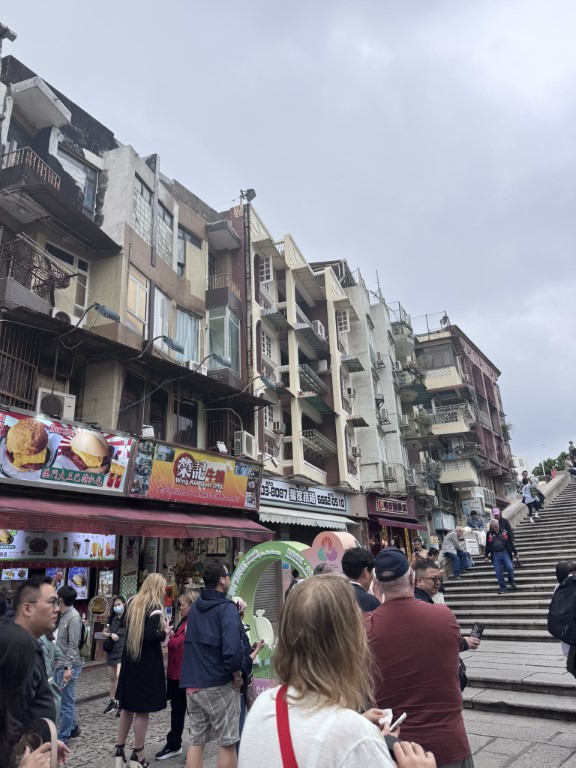
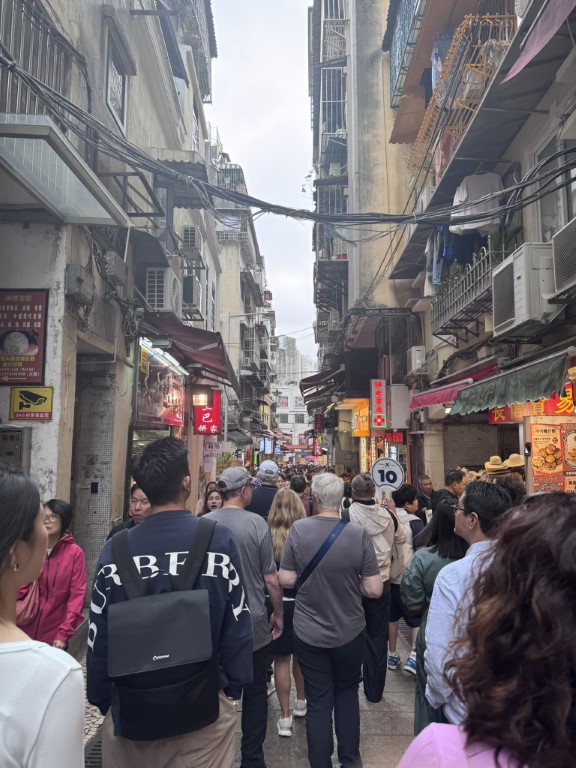
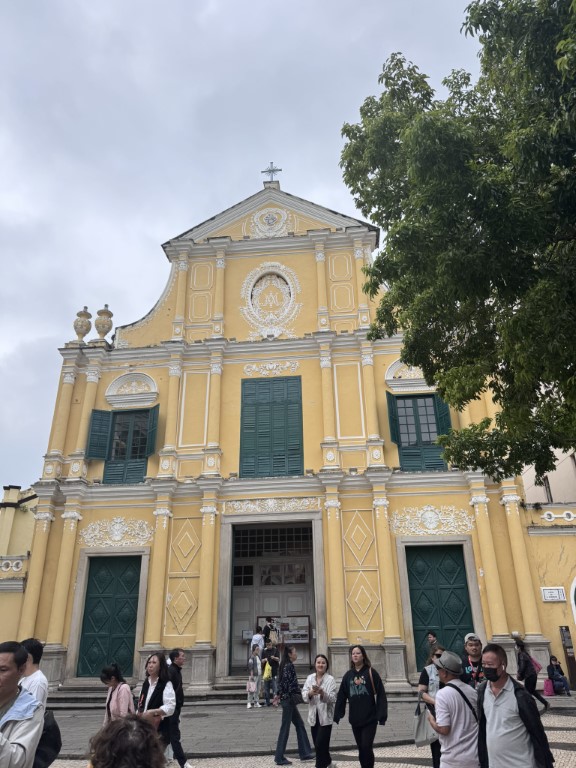
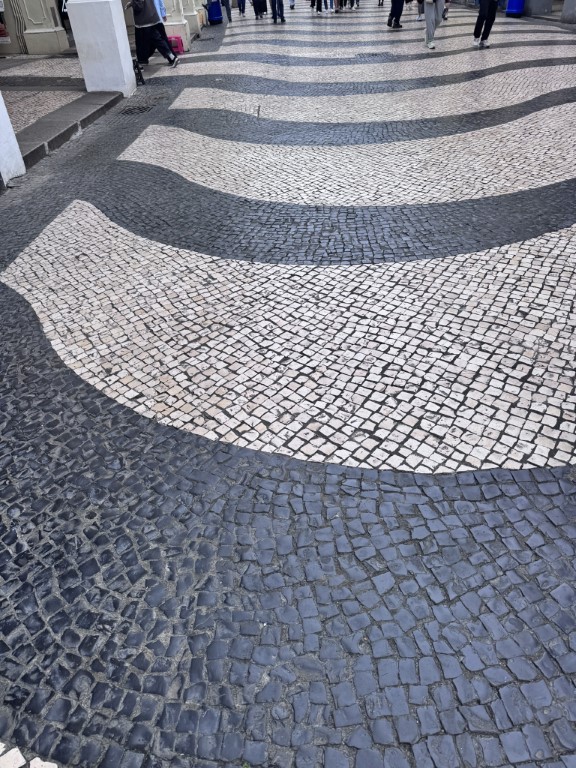
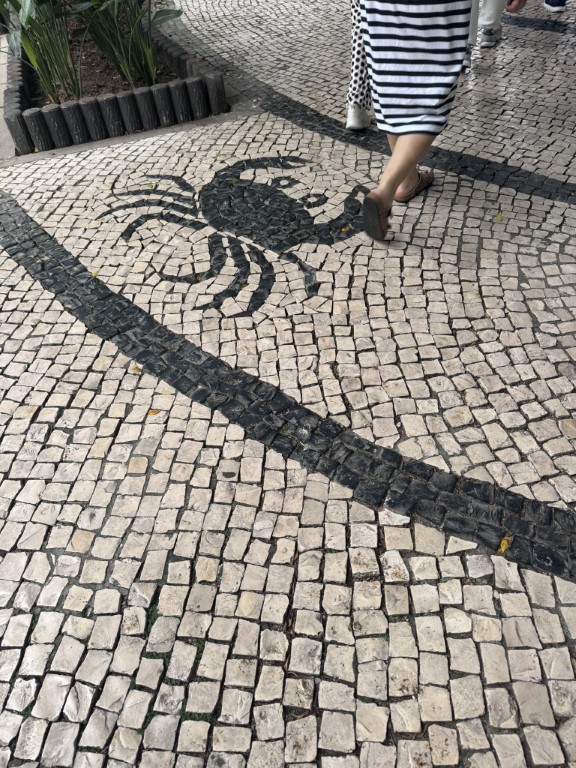
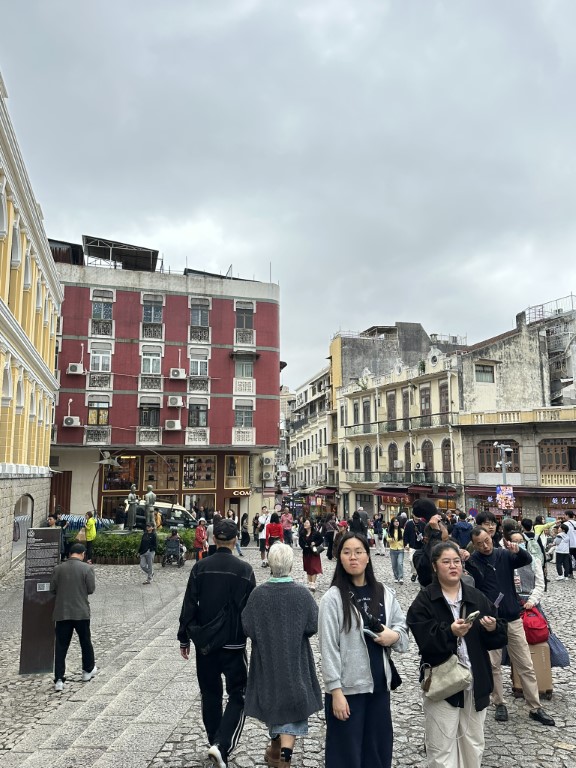
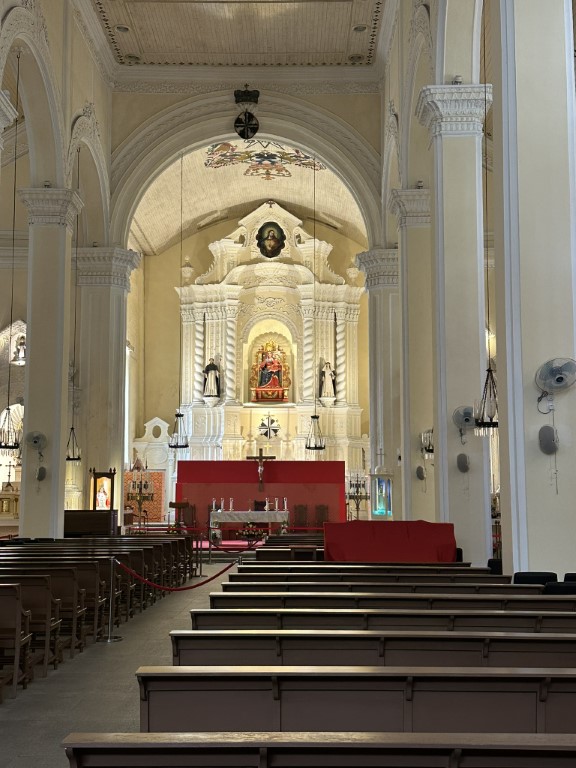
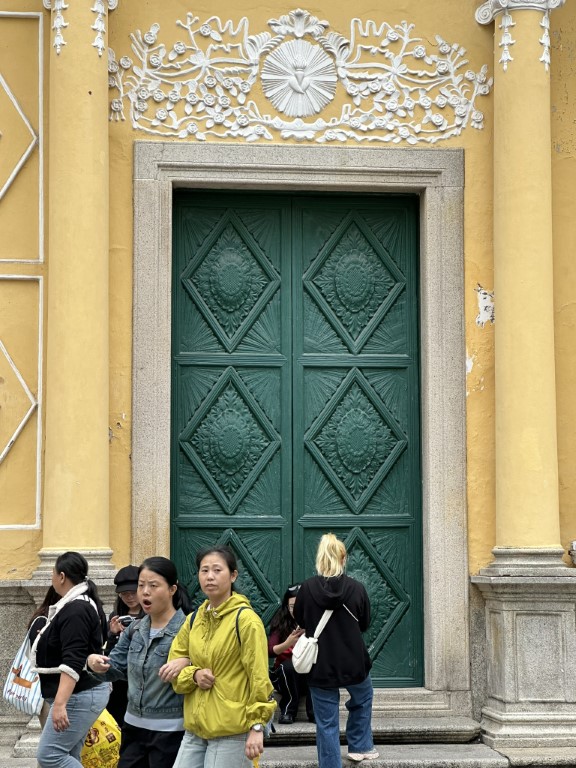
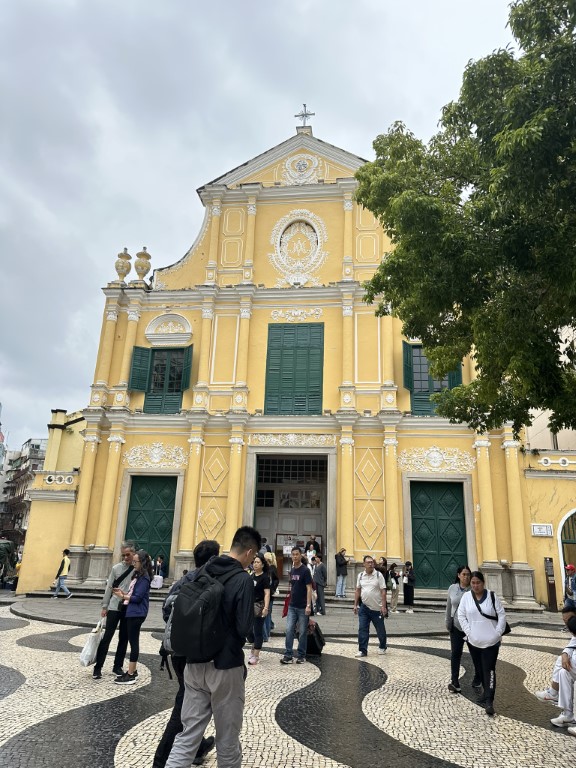
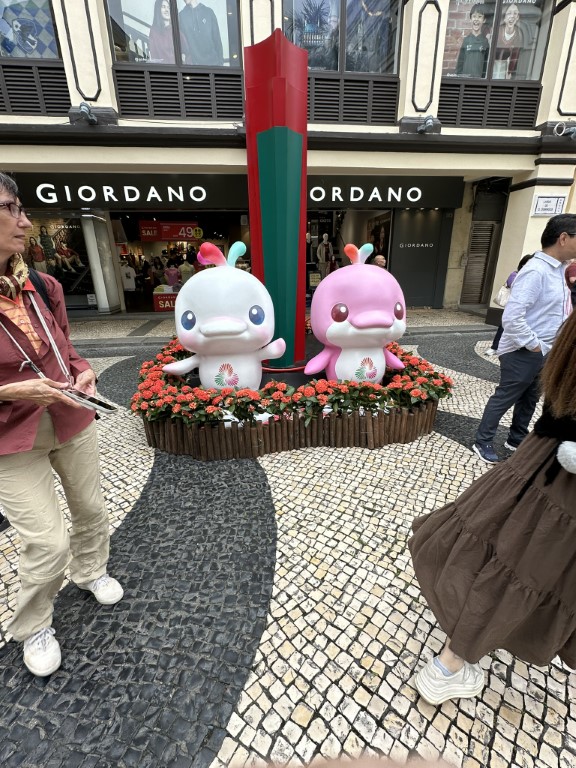
We met our bus which took us back to the ferry terminal where we went through immigration and got our tickets, this time getting seats by the window for the ferry. It was a rough crossing made even rougher by the sounds of a fellow passenger retching behind us, which many of us commented on when we returned to the Hong Kong terminal. We met another bus at the ferry terminal to take us back to the cruise passenger terminal. There we had to pass through immigration, which was interesting. The woman who looked at J. R.'s passport seemed confused, probably because most passengers returning to the ship did not have their passports, but instead transit cards issued by the ship. Another official came over and spoke to her in Chinese, pointed at the sticker on the passport and said "Macao" several times to her, obviously trying to explain to her that we were returning from Macao and needed special processing. We finally got past that and made the long walk through immigration where the passports scanned easily this time and then the long walk back to the ship.
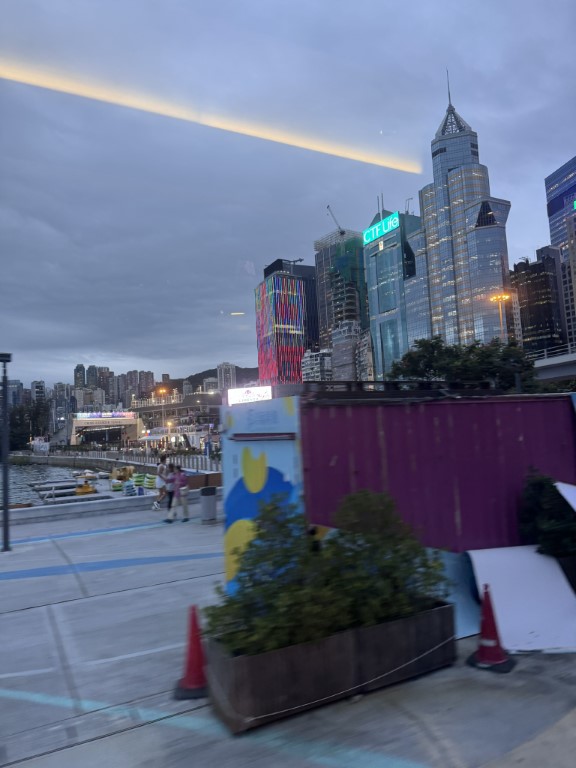
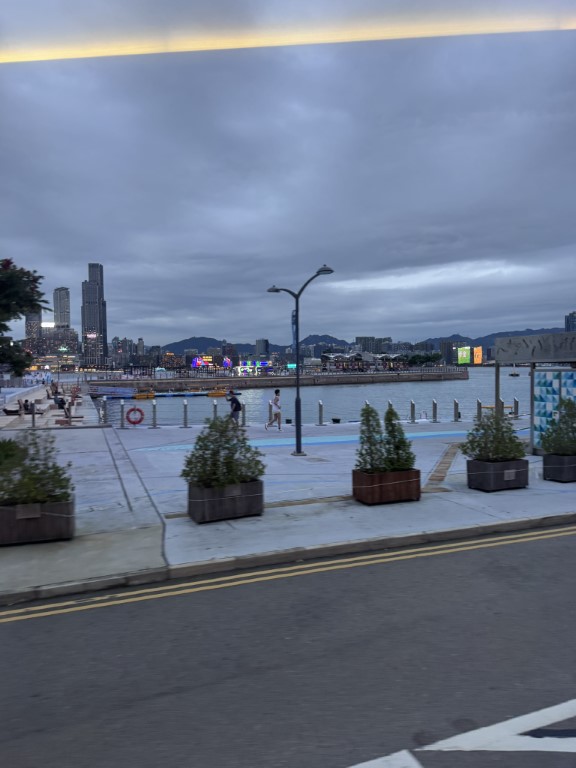
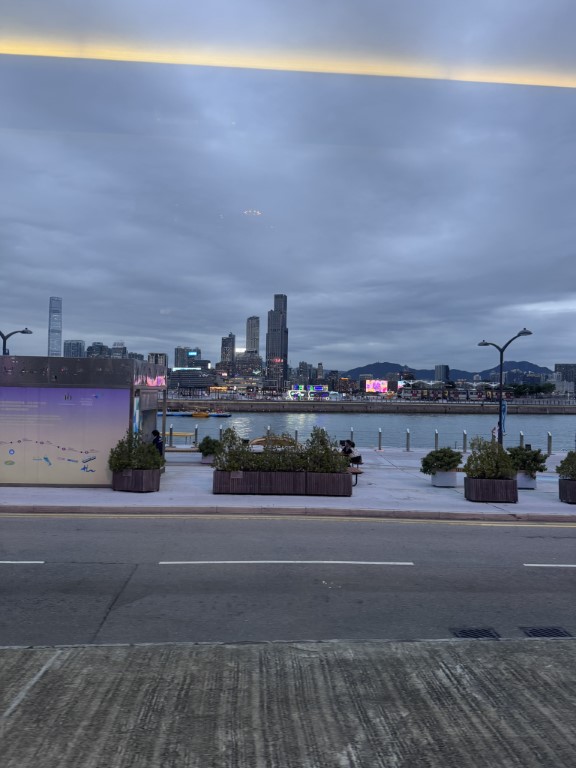
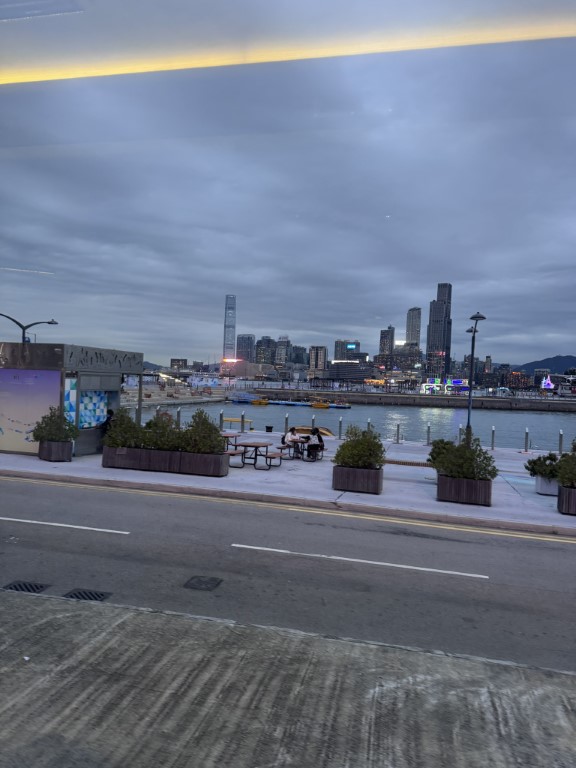
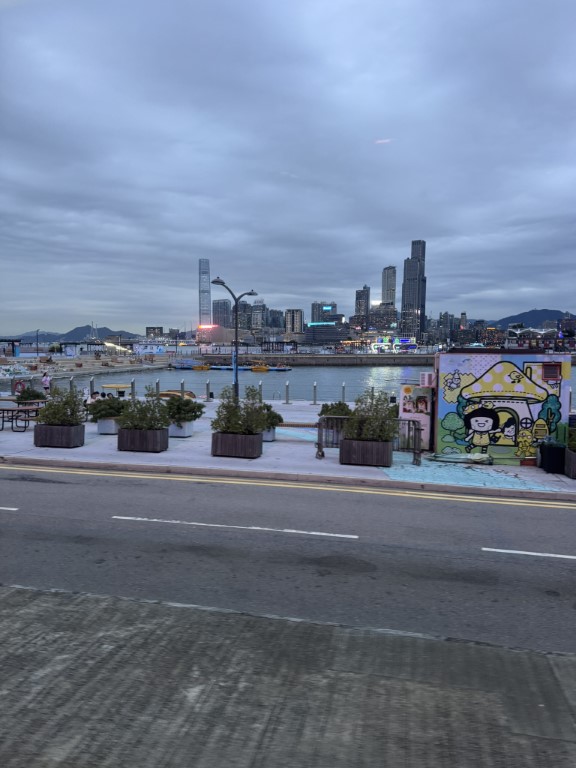
We were exhausted after a long day and headed to the buffet to get some food. The evening show was "Rhythms of the East: A Dazzling Dance Experience" featuring Chinese dancers. We would have liked to attend but the Cruise Director scheduled only one performance and we were tired from a long day in Macao.