

Hilton Tokyo
6-6-2 Nishi-Shinjuku, Shinjuku-Ku, Tokyo 160-0023-0023
Steps
20,012
Distance
14.53 KM
Flights Climbed
16
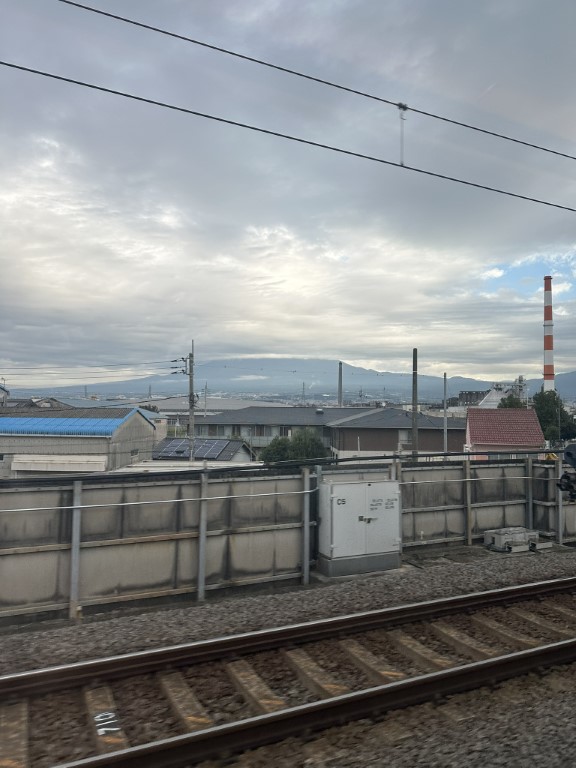
Another day, another bullet train, albeit our last, as this one would take us to our final stop on our land tour of Japan, the capital city of Tokyo. J. R. had purchased seats on the left side of the train and we were able to get a glimpse of Mt. Fuji although there was heavy cloud cover obscuring the summit. Upon arriving at Tokyo Station, we ordered a cab using the Go App, which was not very helpful in terms of determining where we should pick it up as the GPS granularity was not sufficient and the app didn't provide a way to navigate to the pickup point. We guessed it was across the street and stood on a corner when J. R. saw a black van at a hotel entrance and we walked down and it was our car. The ride was pleasant and efficient and we were soon at the Hilton Tokyo in Shinjuku. J. R. had stayed at the Hyatt nearby when he had visited Tokyo working for Motorola which was why we chose the Shinjuku area. The hotel staff was friendly in helping us with our bags and we were once again upgraded to the Executive floor. The rain had stopped so the concierge suggested we walk outside to the nearest Metro rather than taking the tunnels from the hotel. It probably was a shorter walk, but required more stairs.
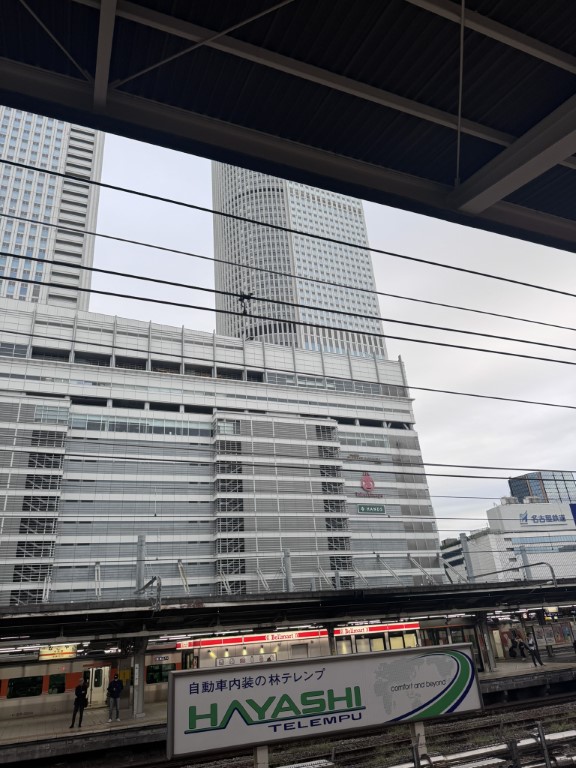
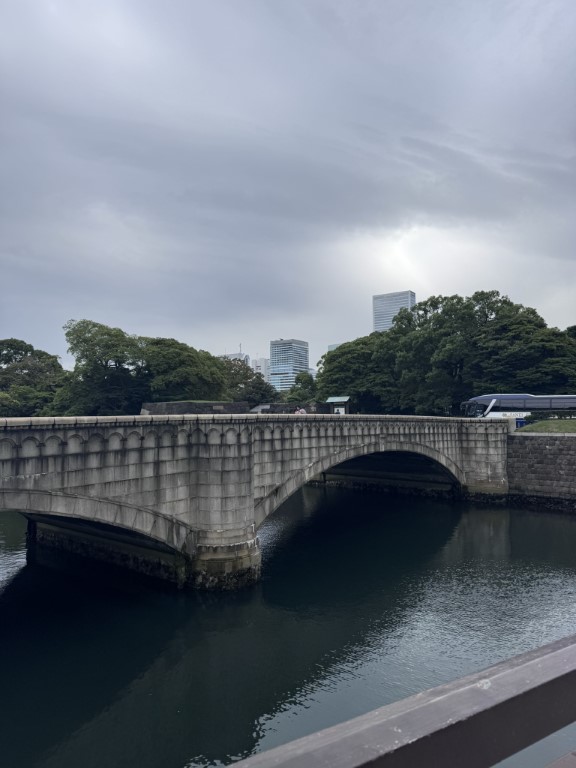
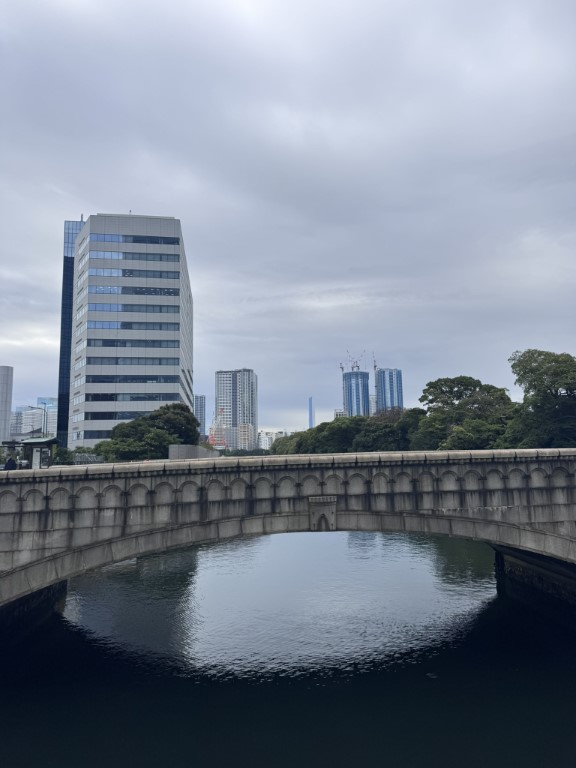
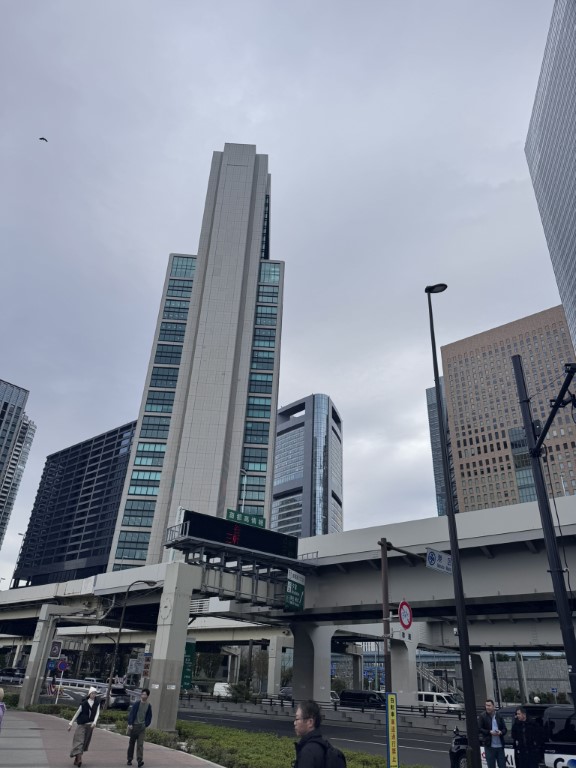
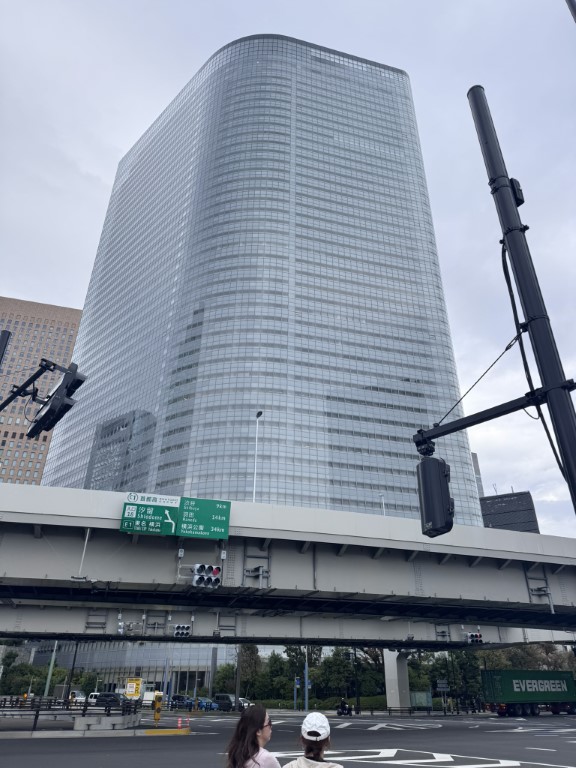
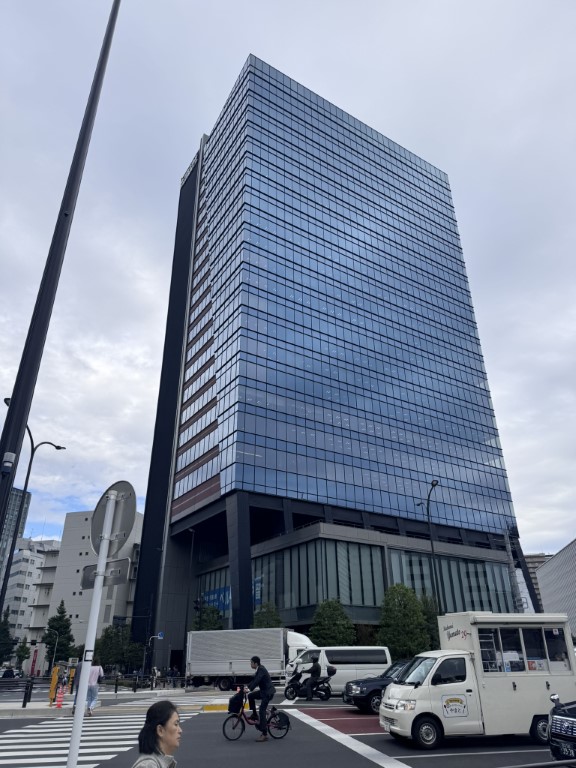
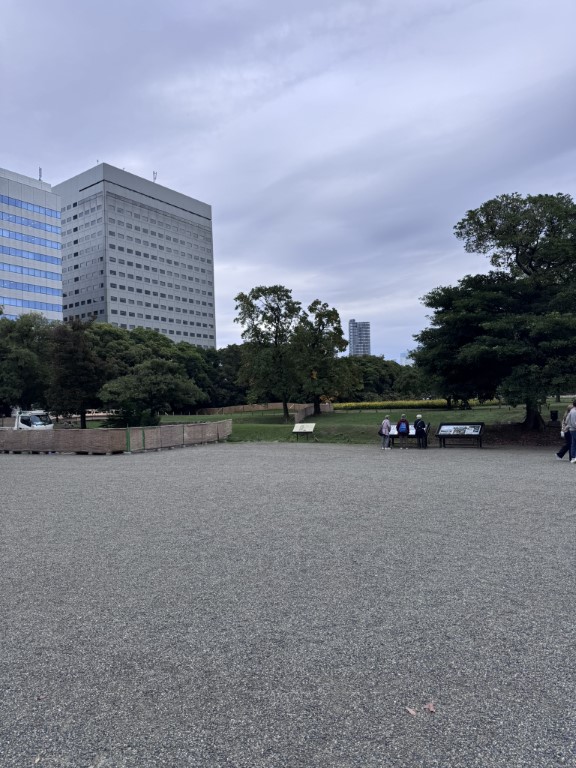
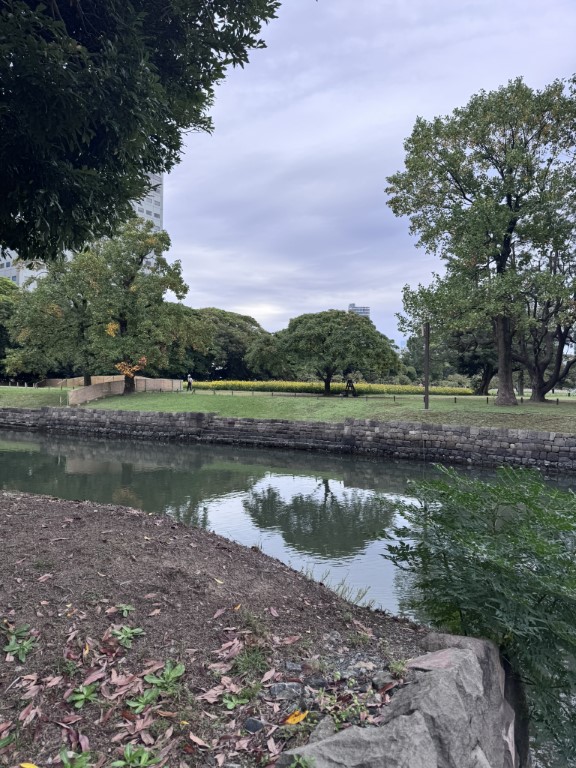
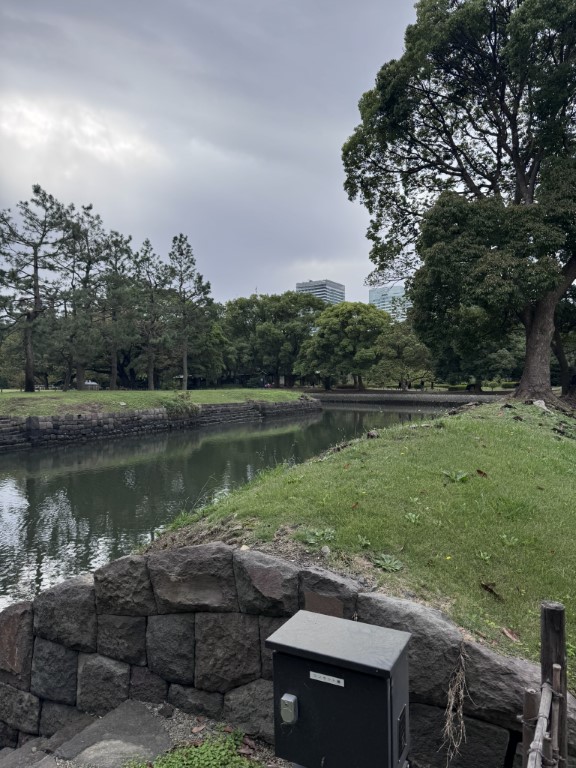
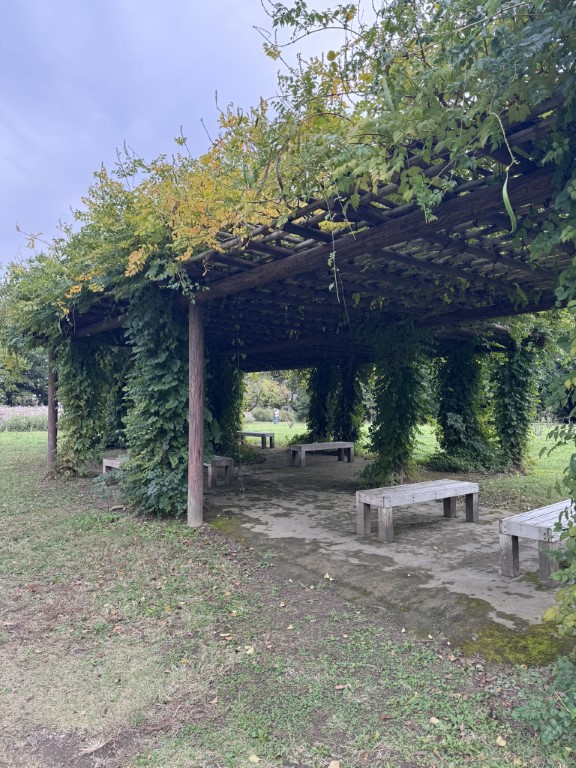
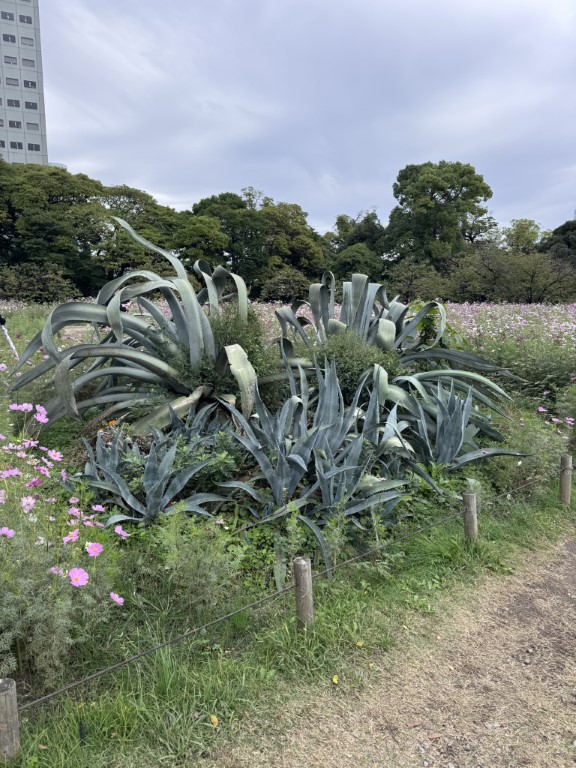
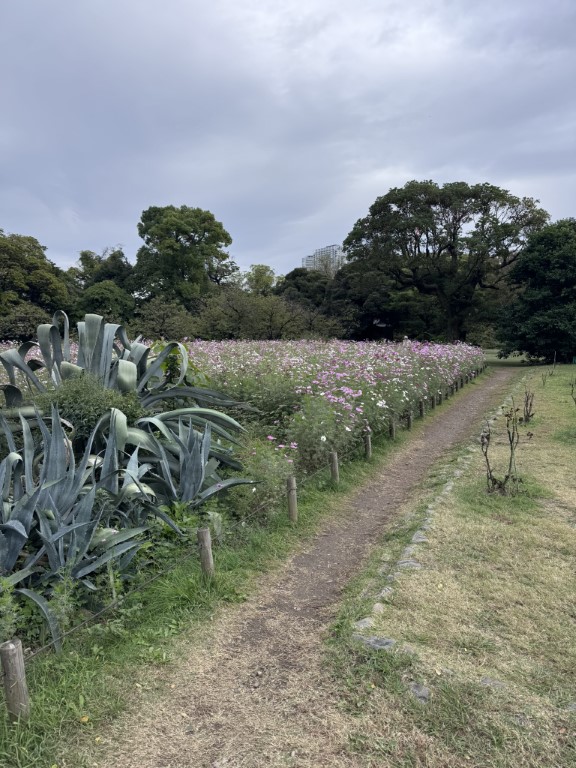
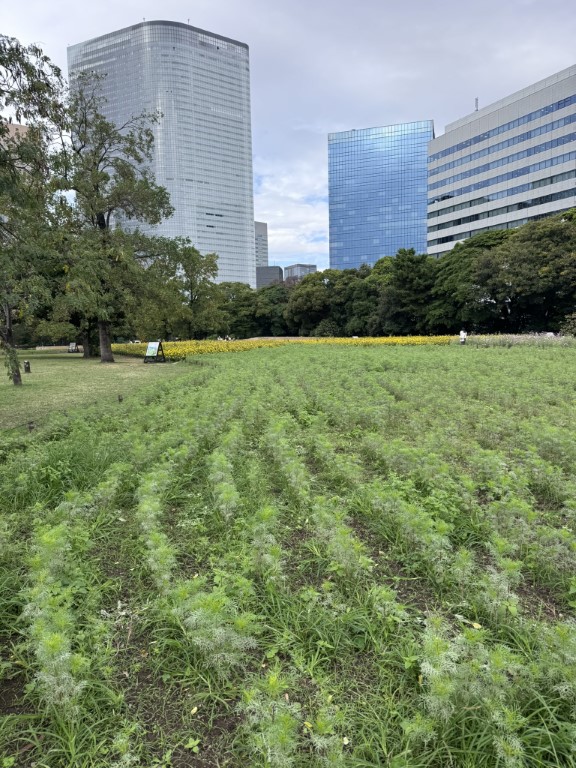
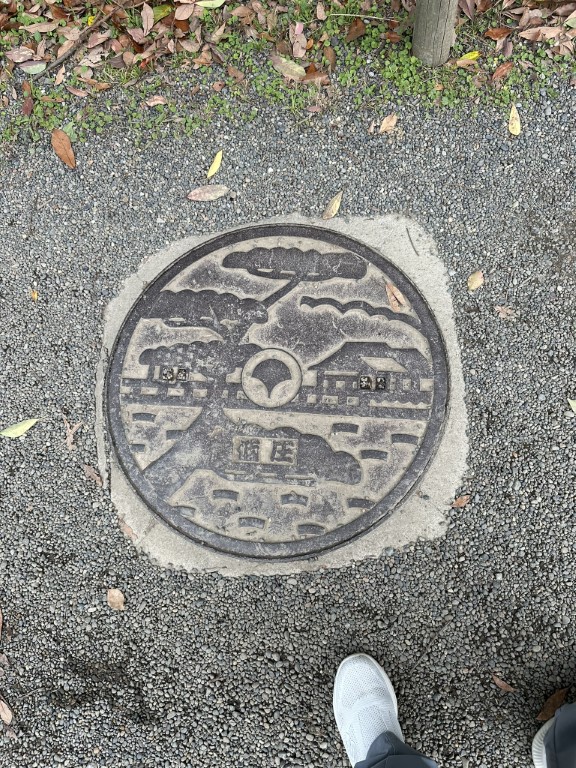
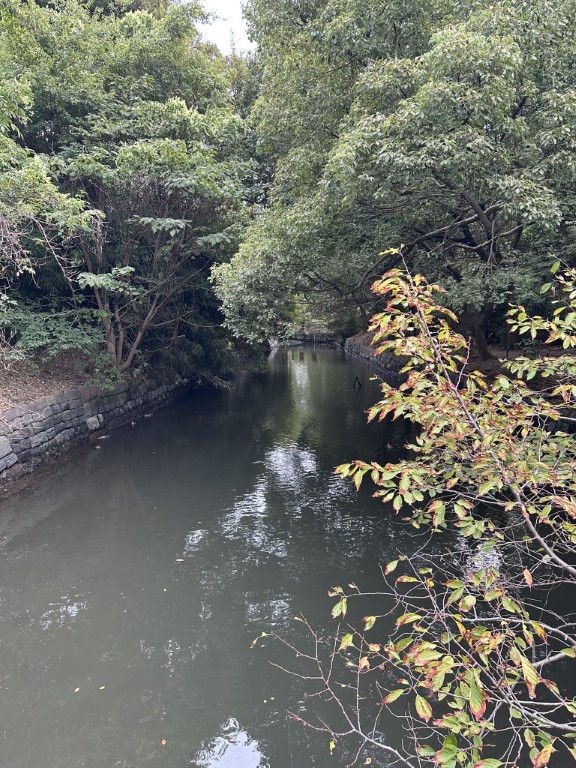
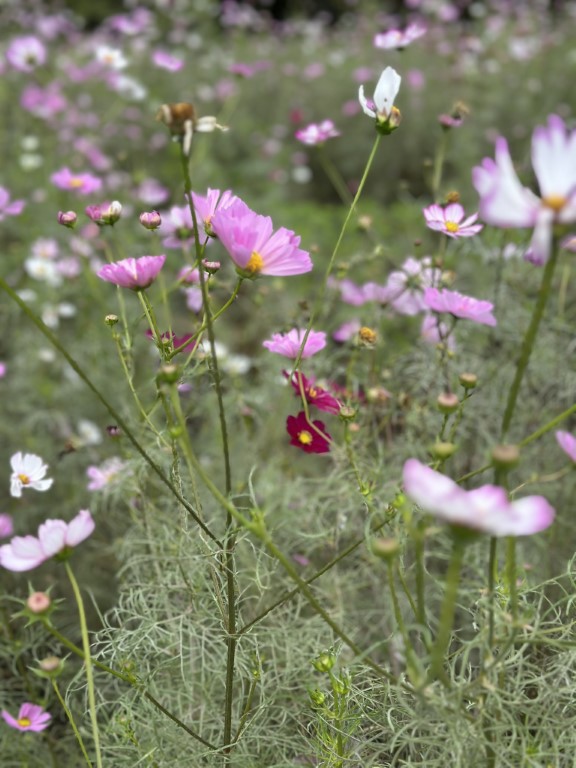
As we were not able to maintain the pace we had planned for this trip due to the number of staircases and long walks through train stations, we had to decide this morning between Hama Rikyu Gardens and Kyu Shiba Rikyu Gardens. Most guidebooks recommended Hama Rikyu, a landscape garden located alongside Tokyo Bay featuring seawater ponds which change level with the tides. Getting there from the train station required a long walk around the highway even though the garden was essentially visible from the train station. The expected rain stayed away and we were able to have an enjoyable morning walk around the gardens.
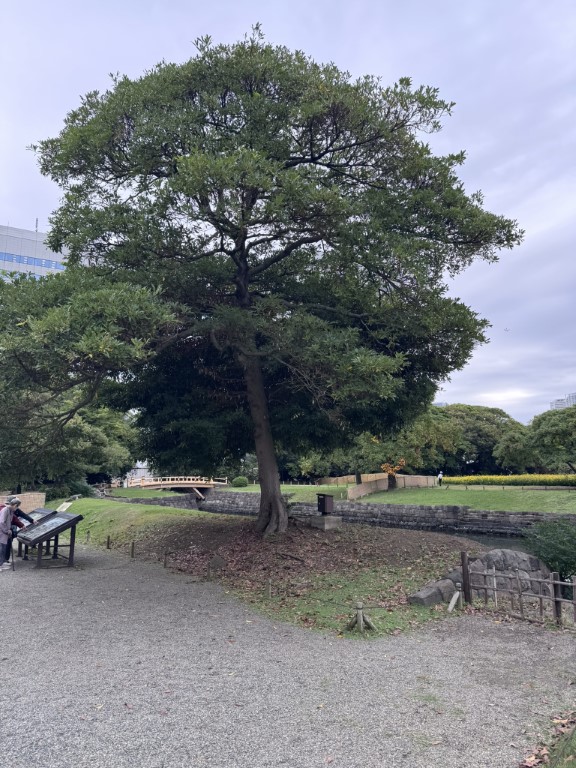
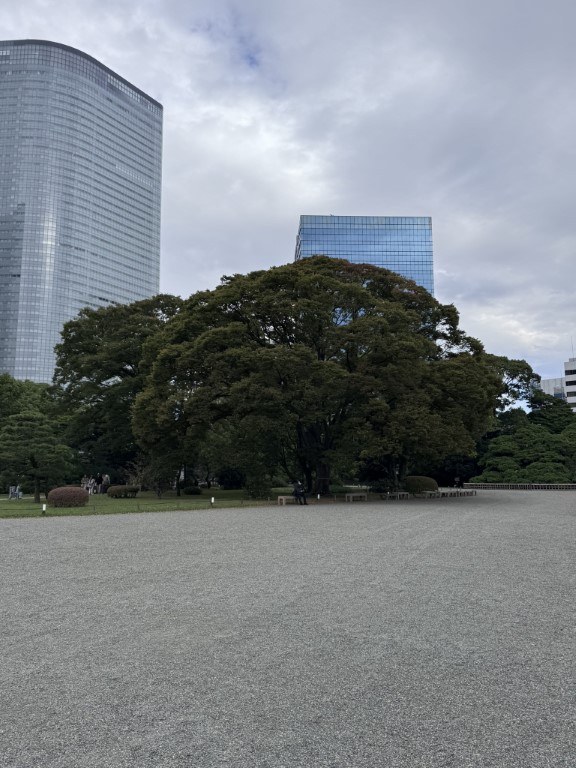
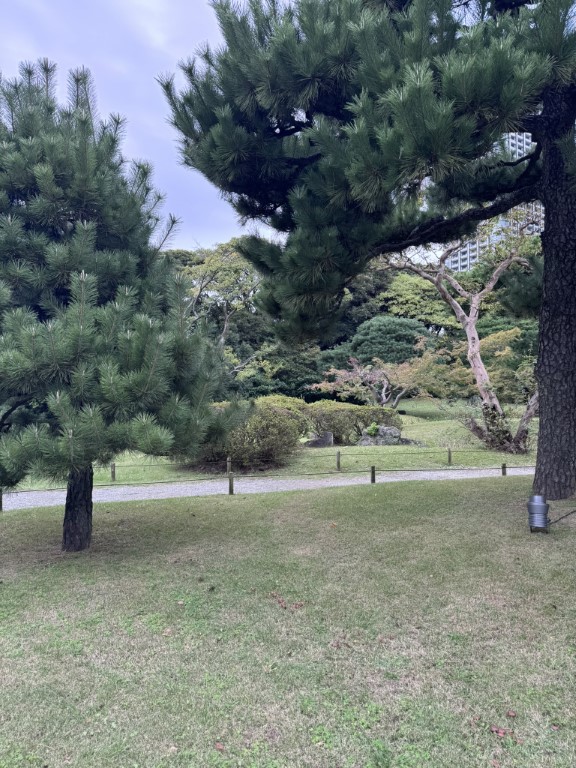
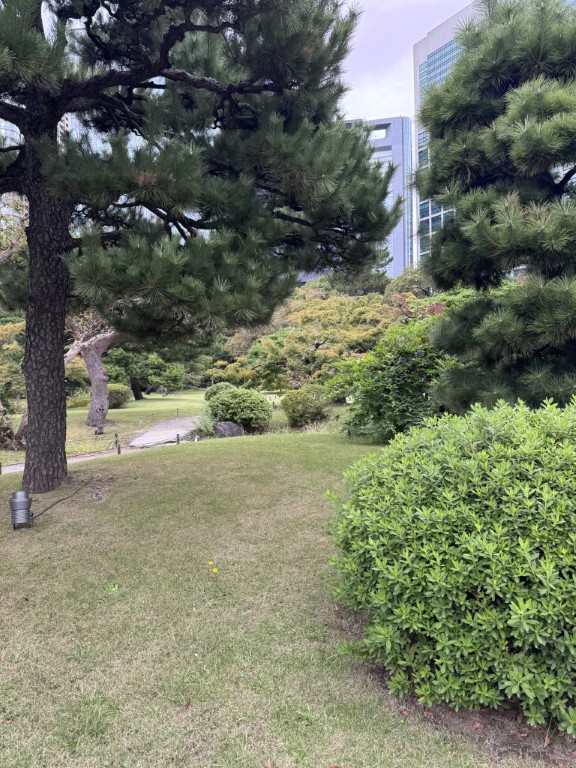
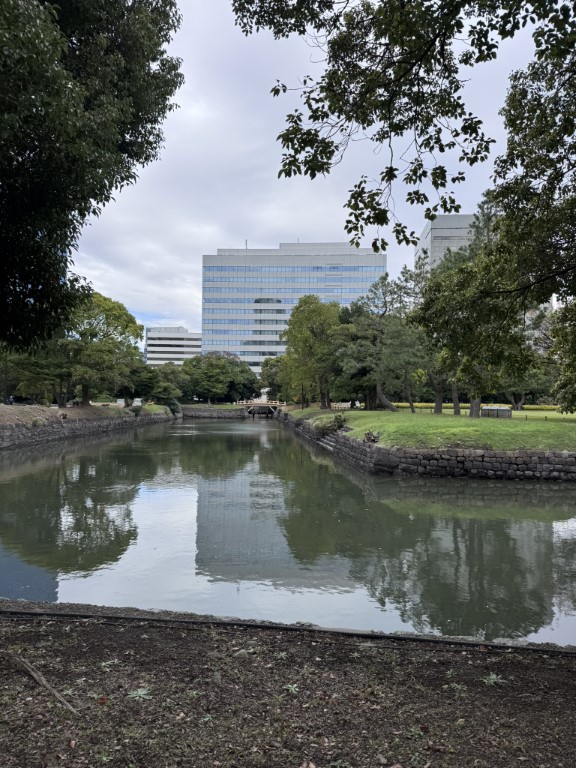
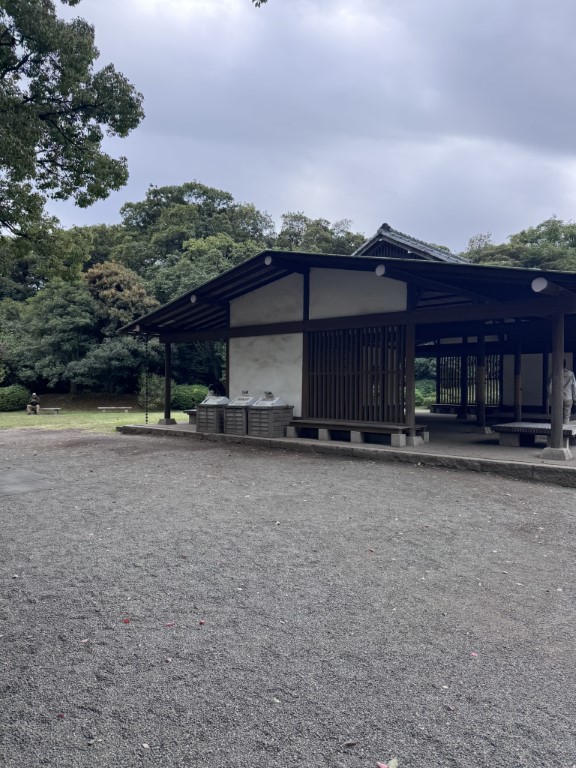
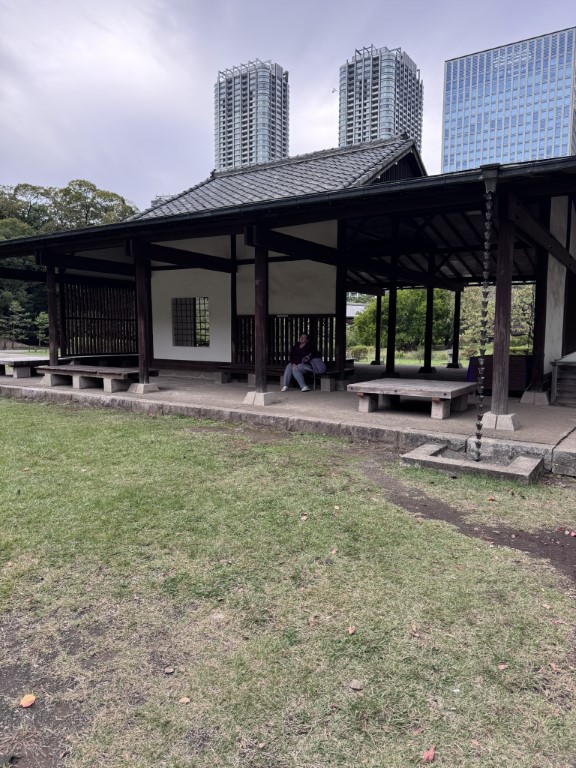
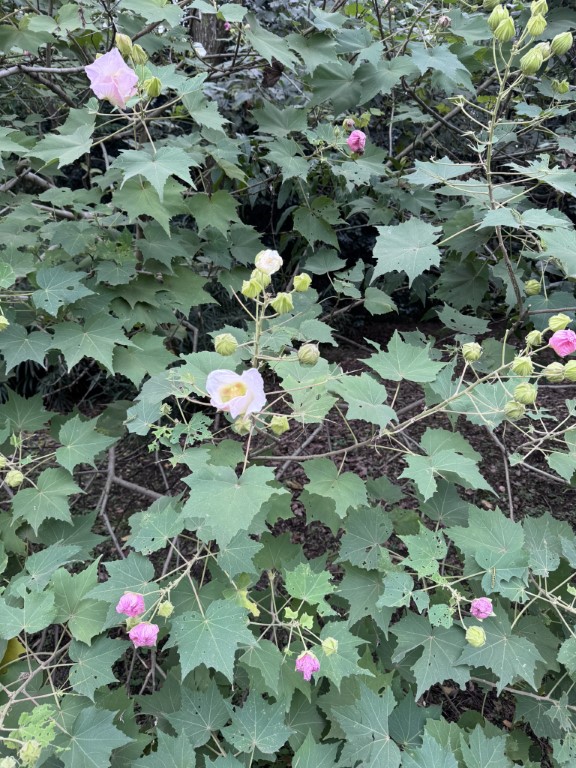
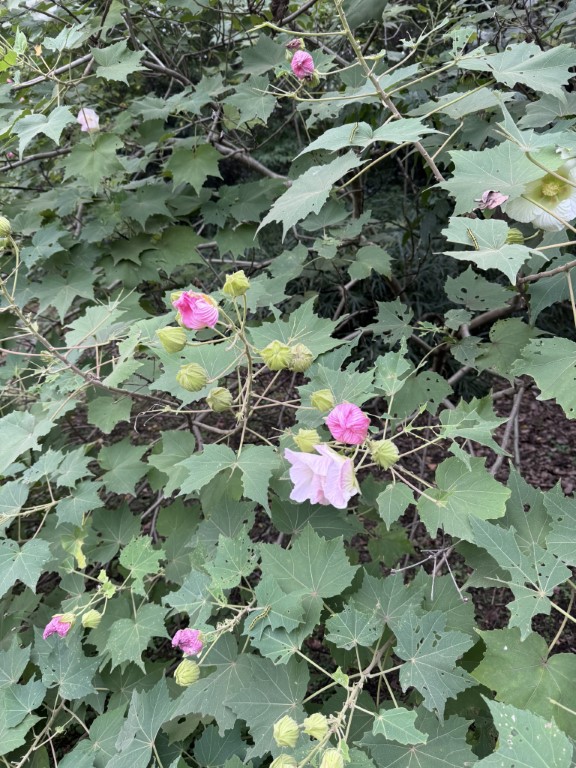
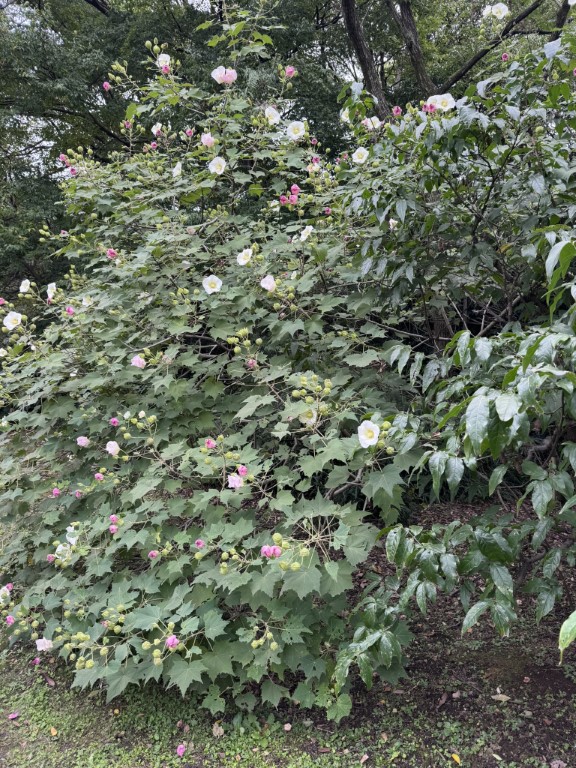
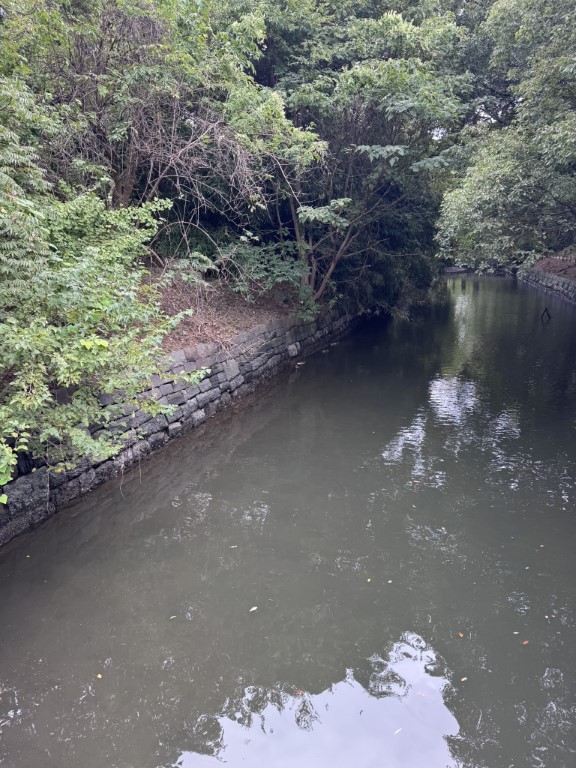
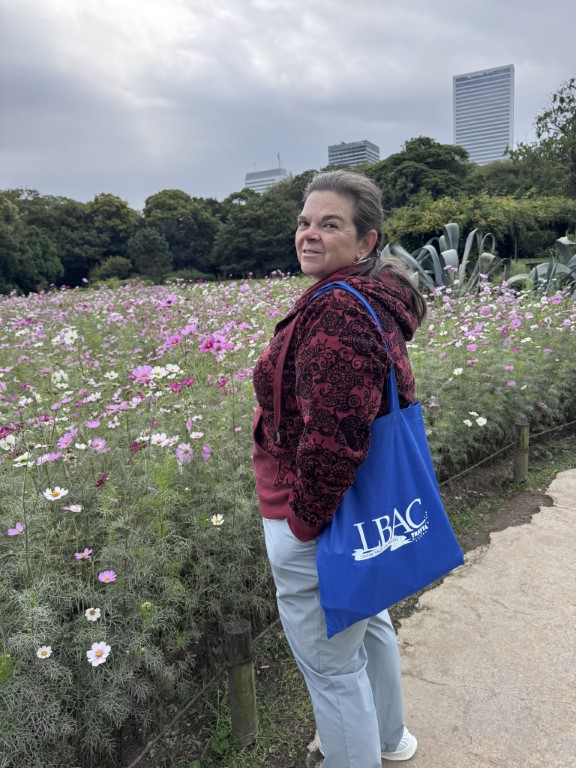
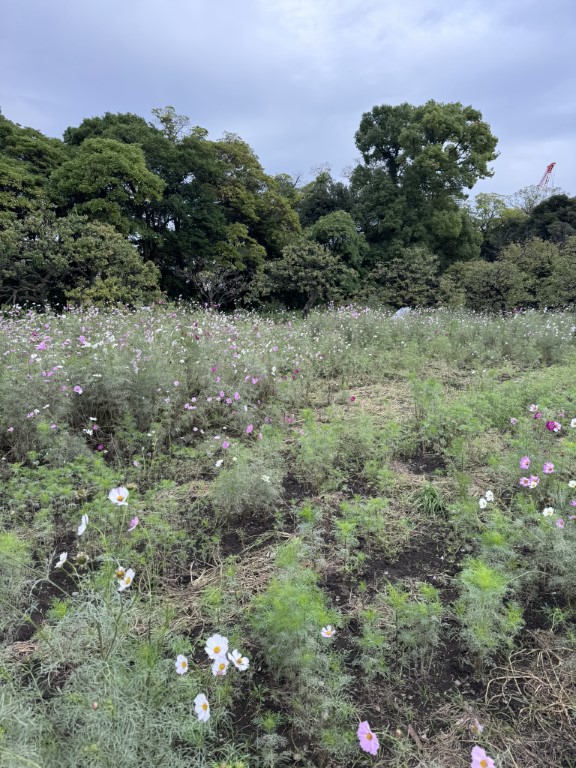
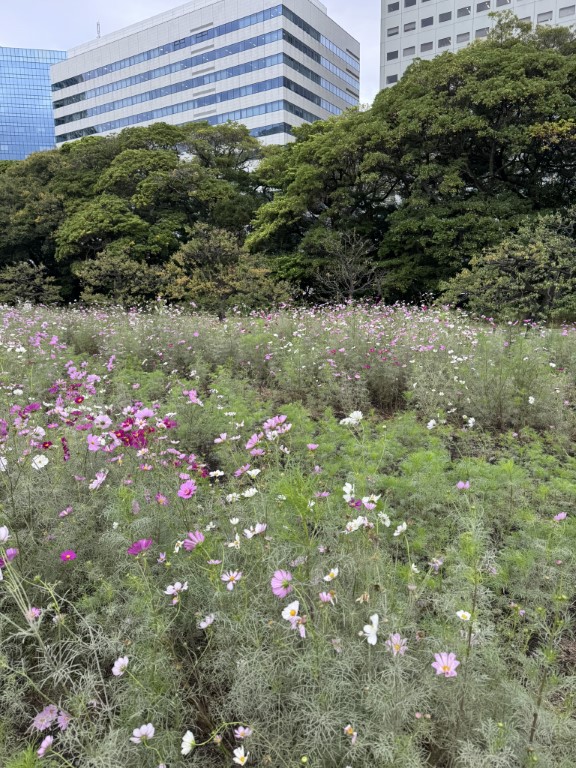
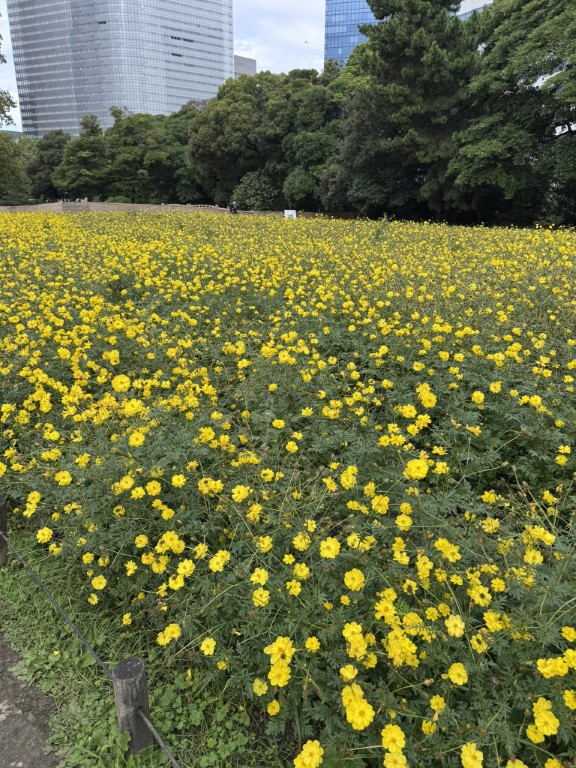
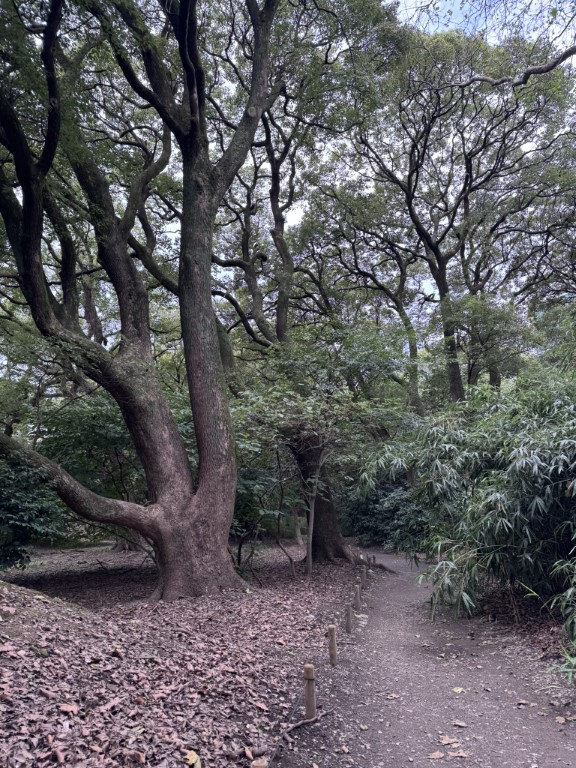
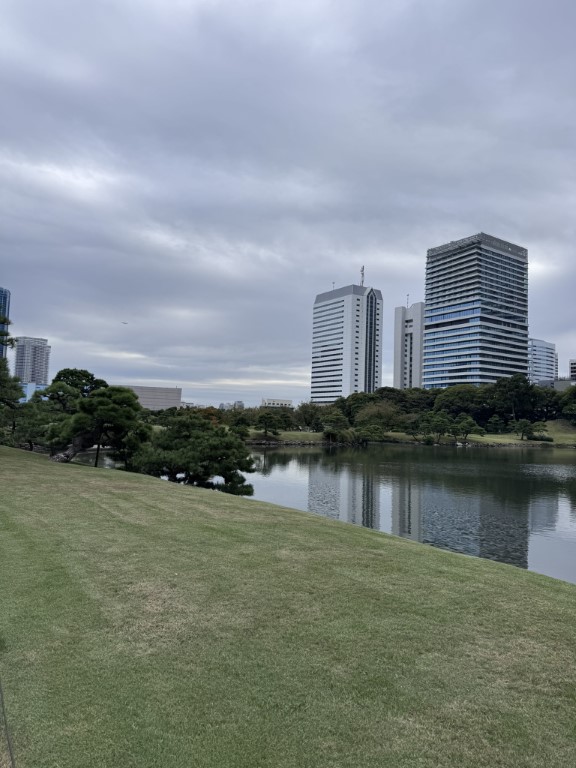
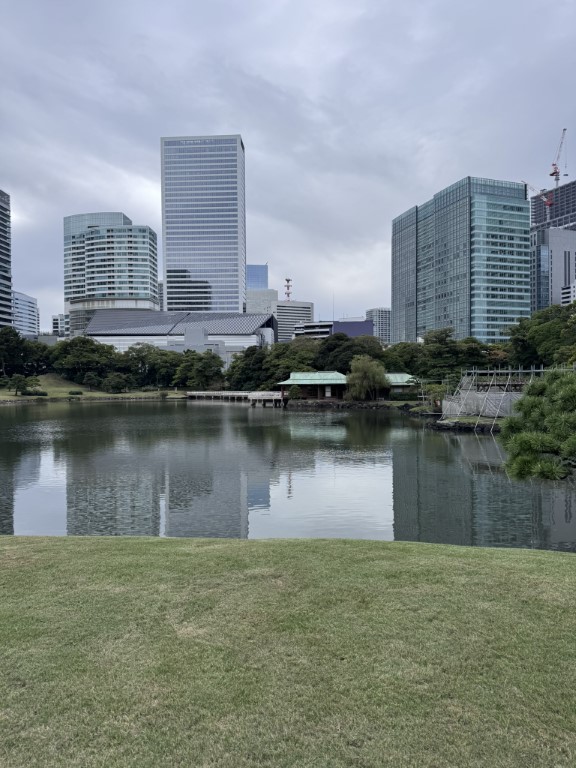
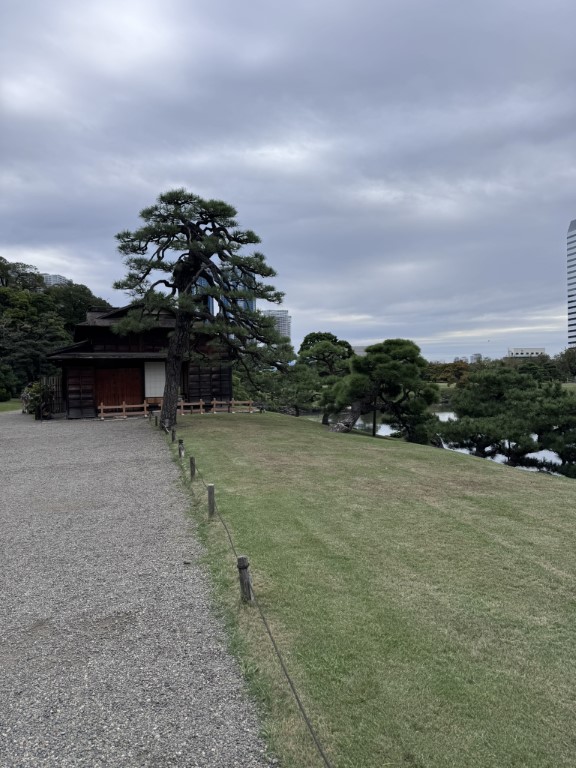
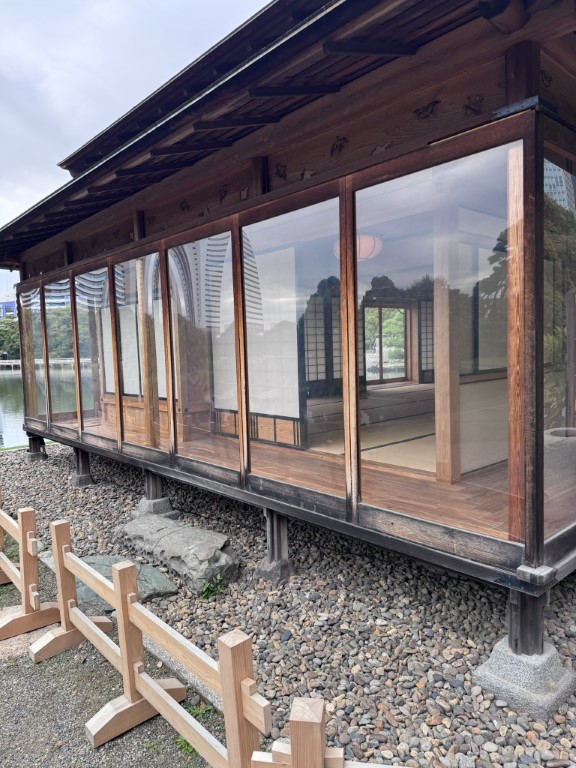
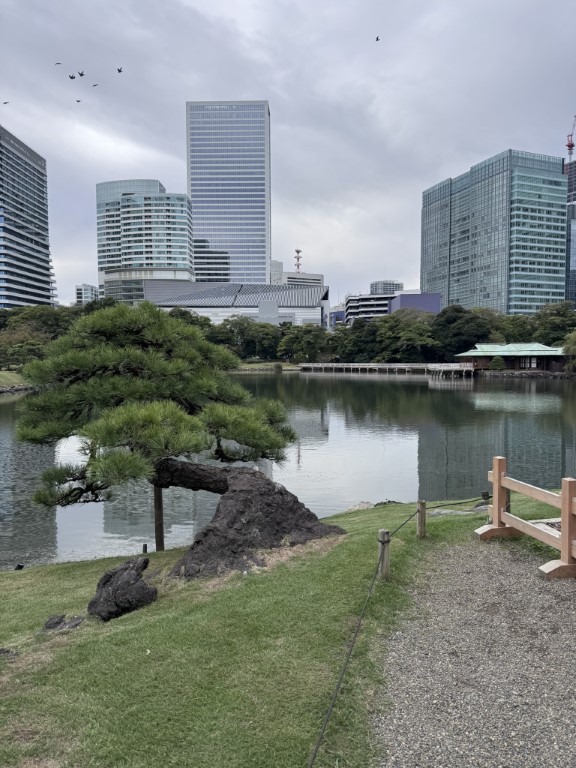
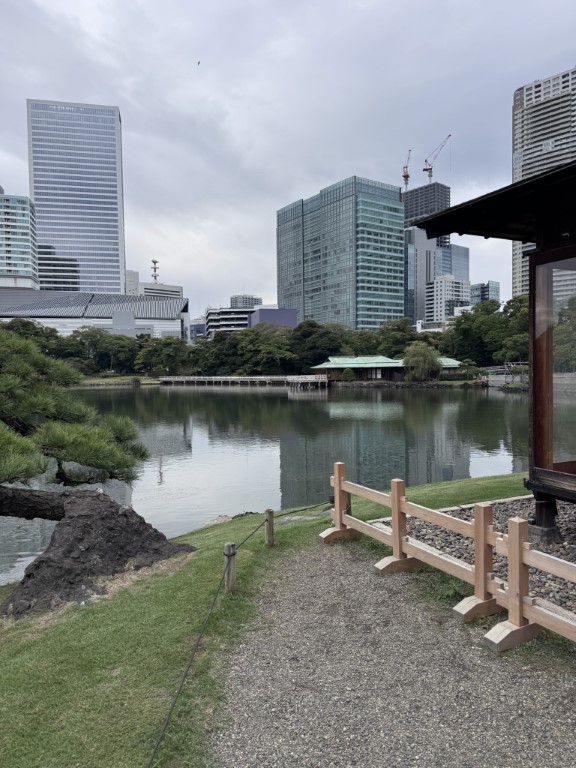
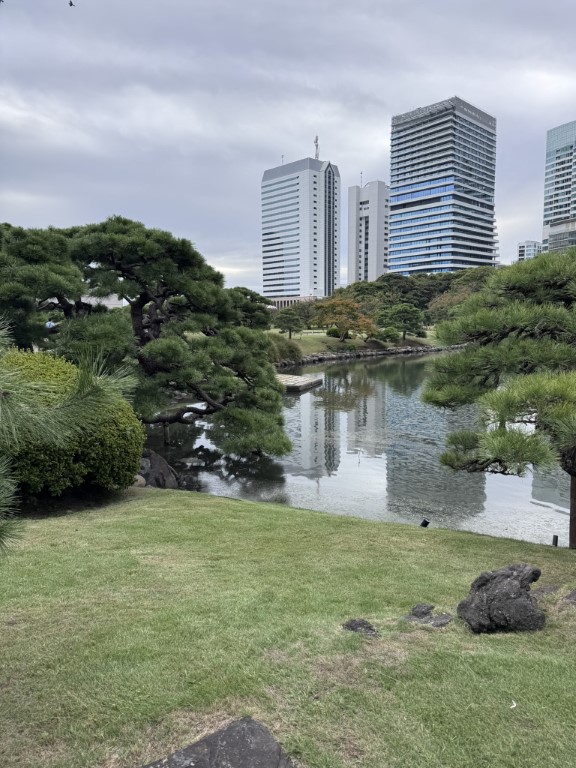
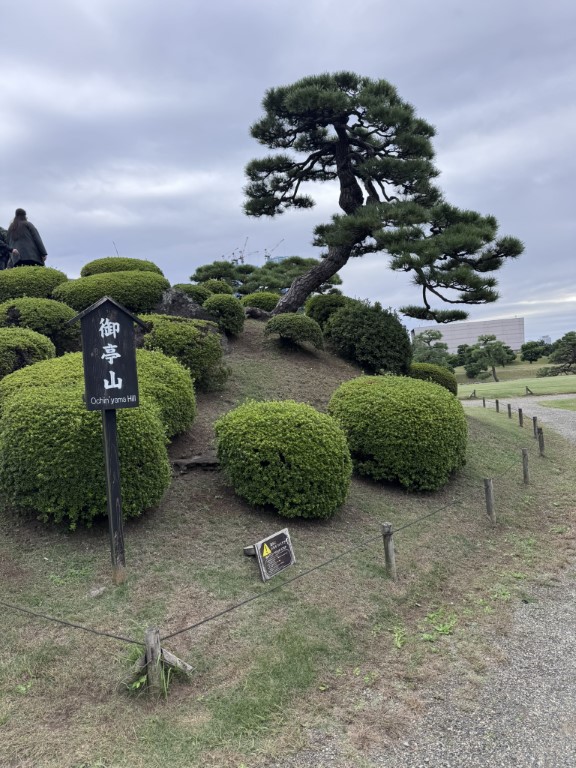
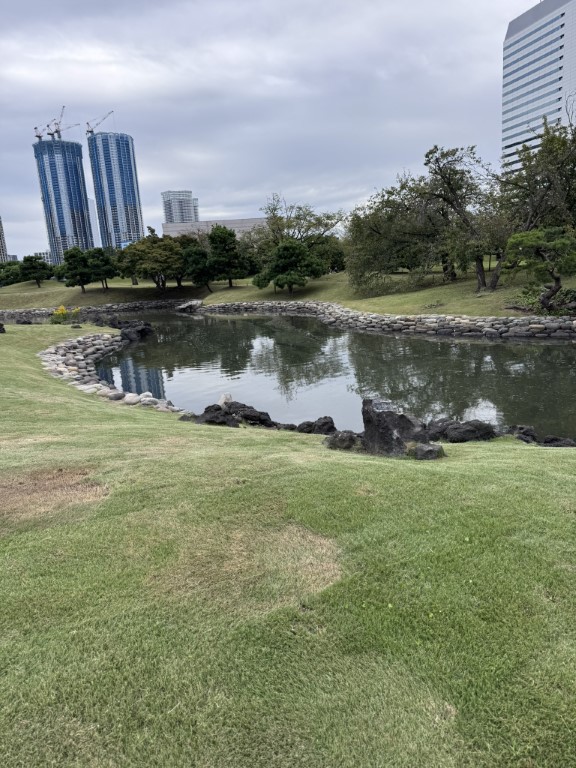
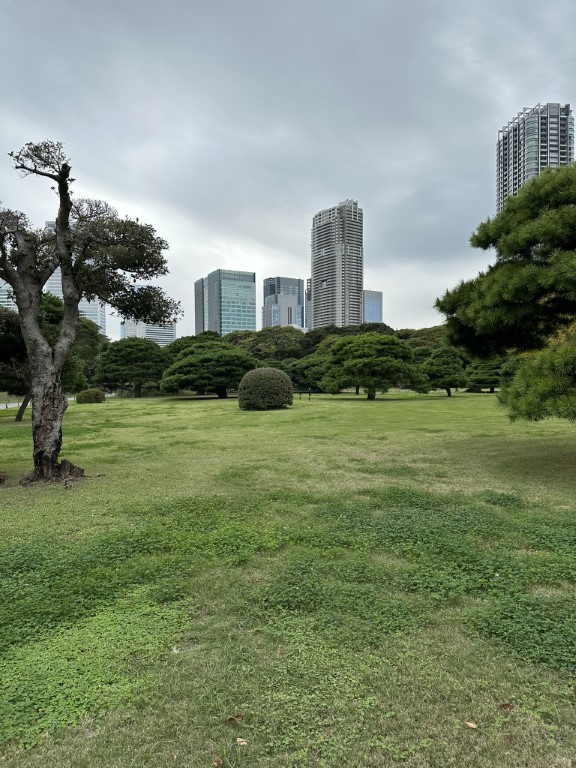
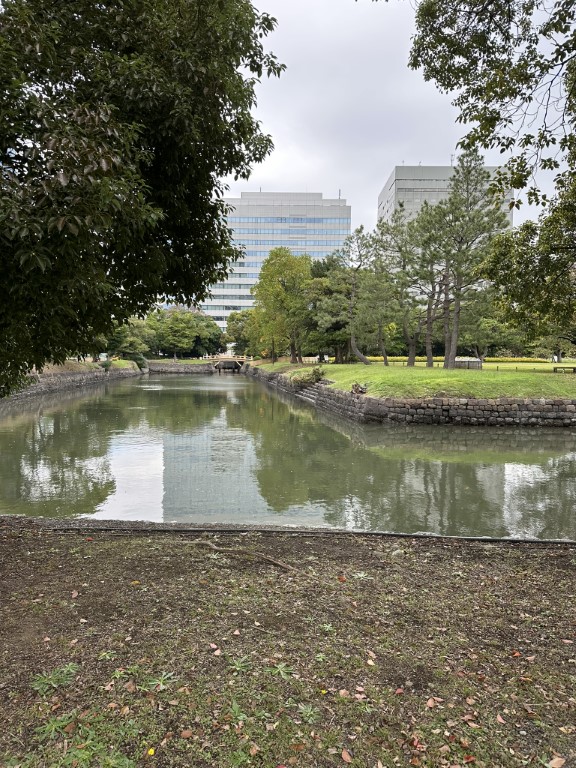
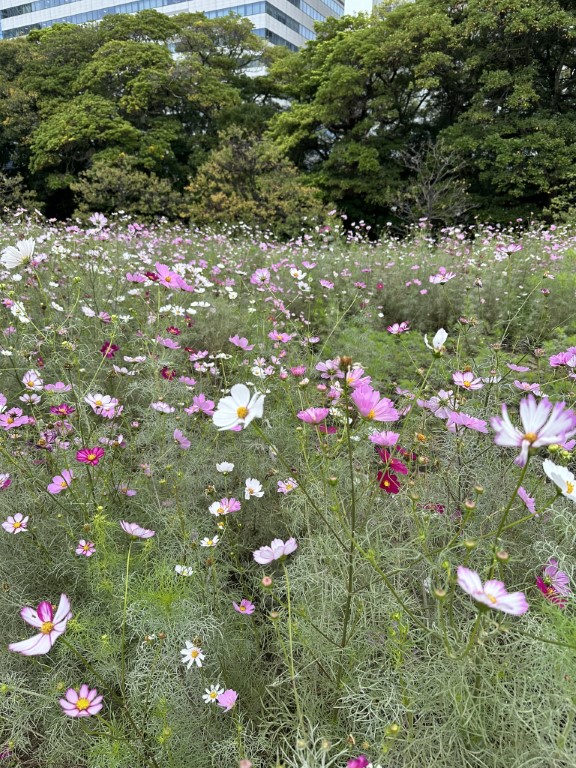
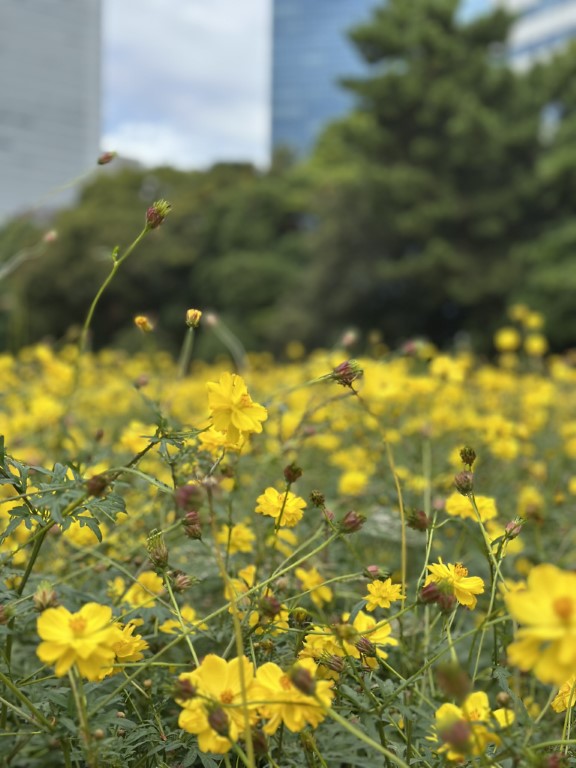
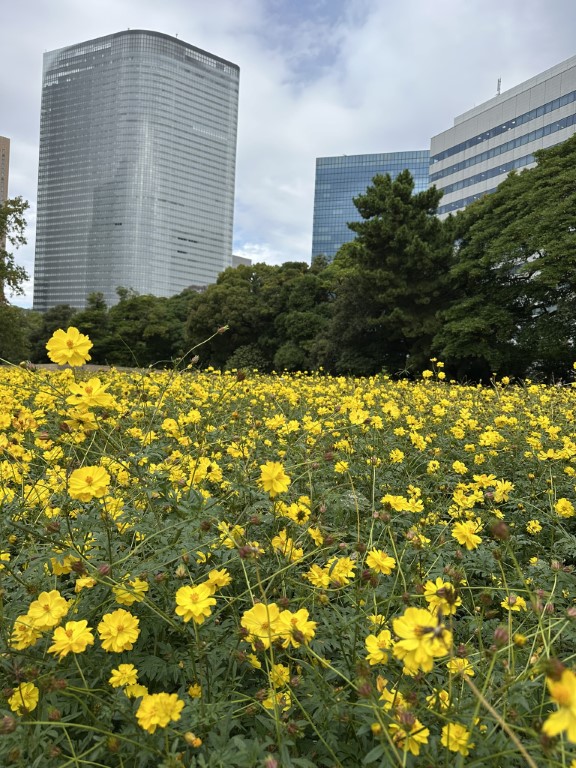
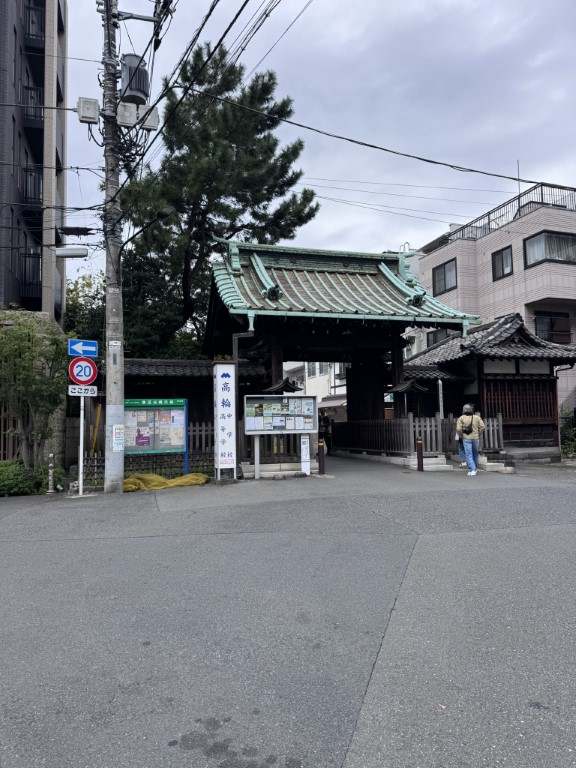
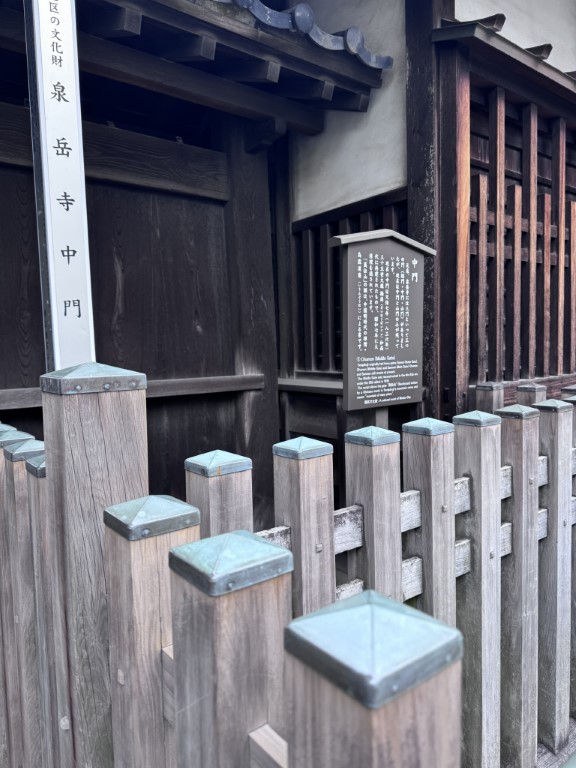
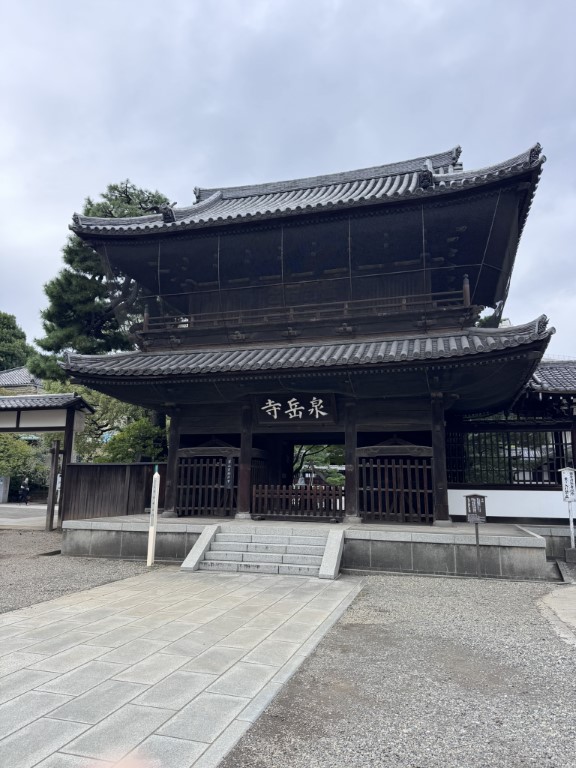
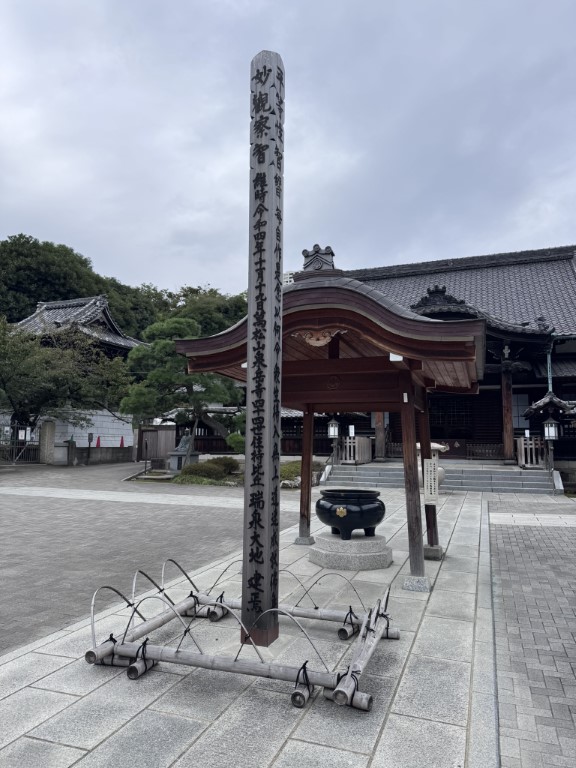
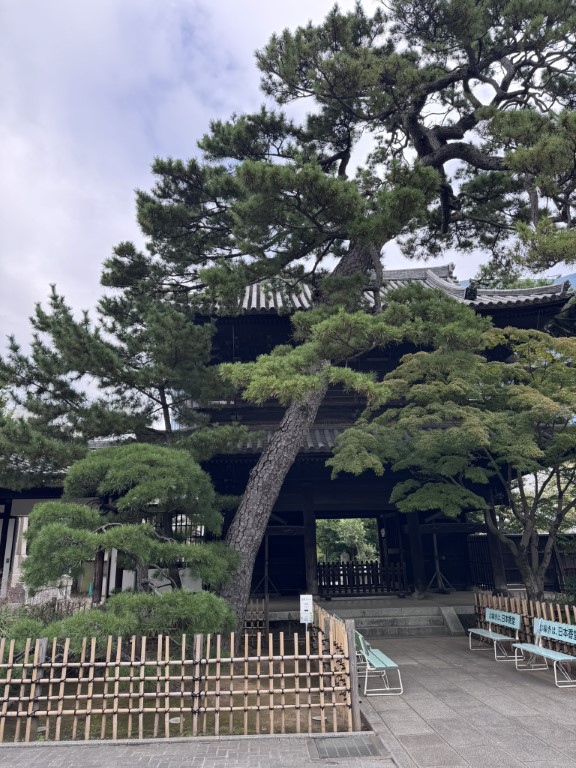
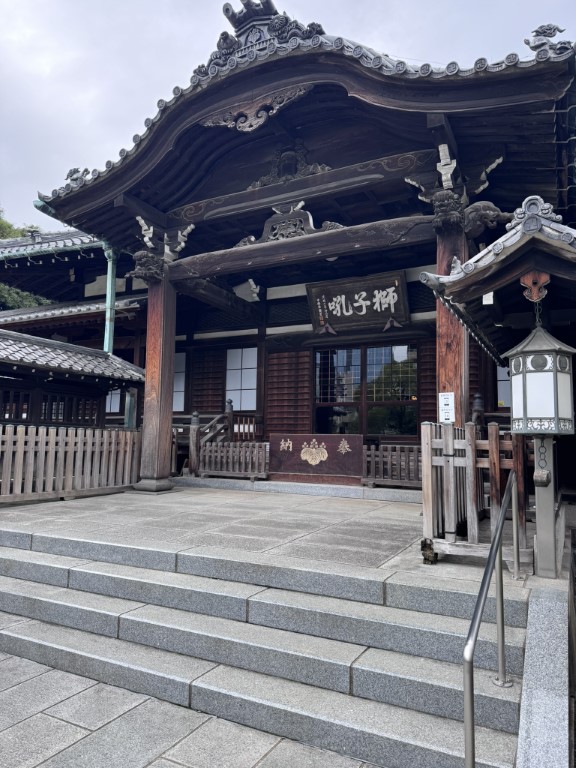
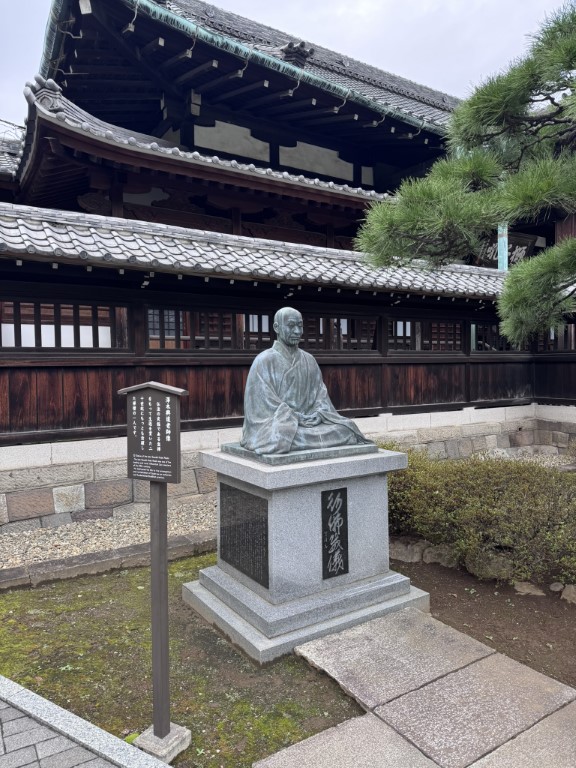
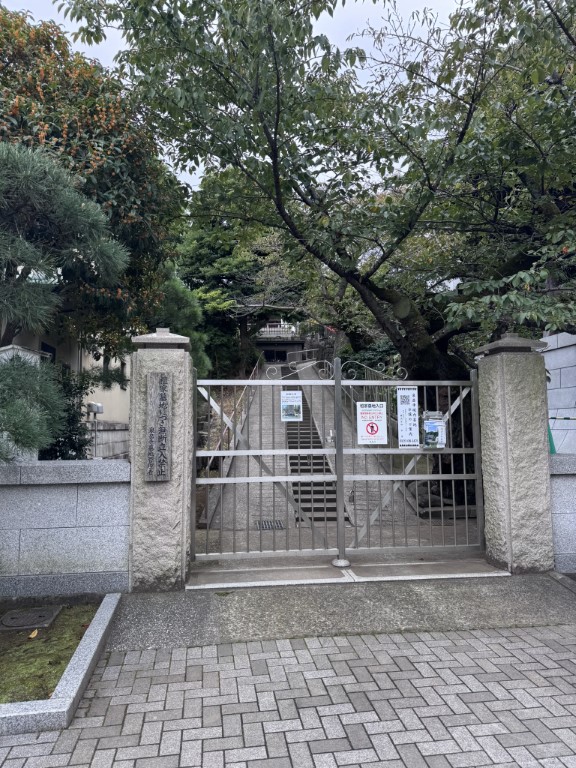
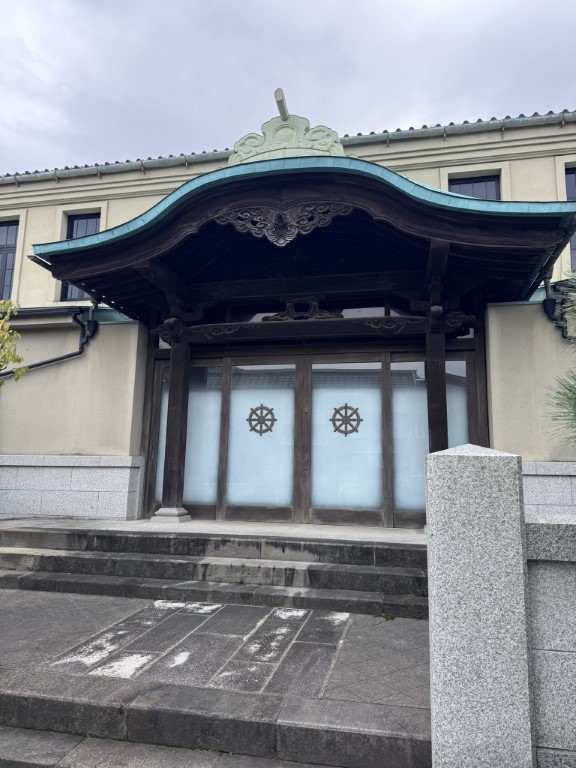
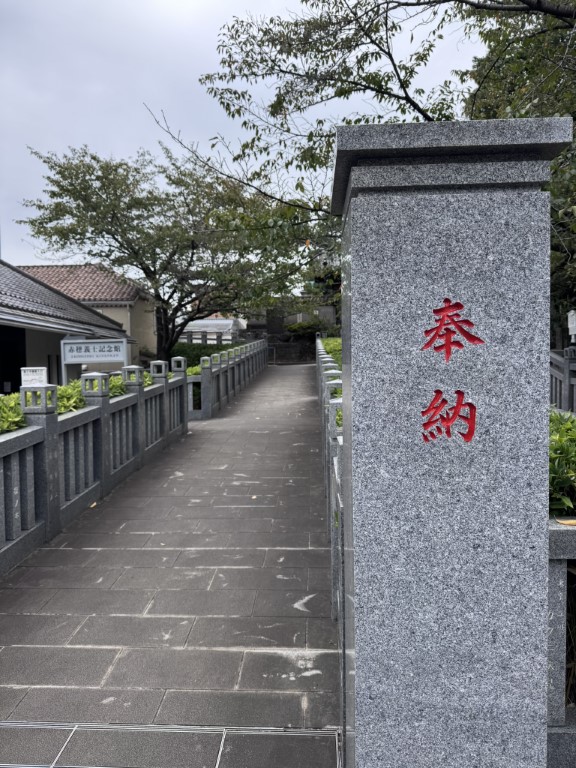
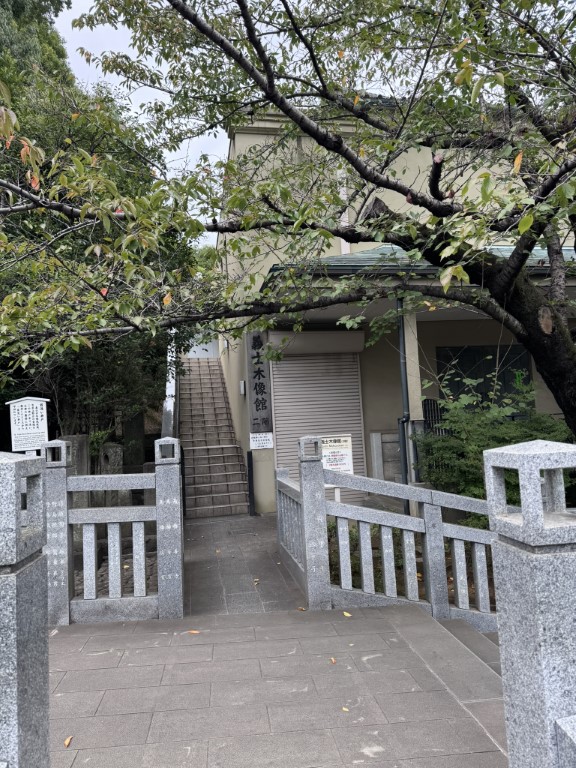
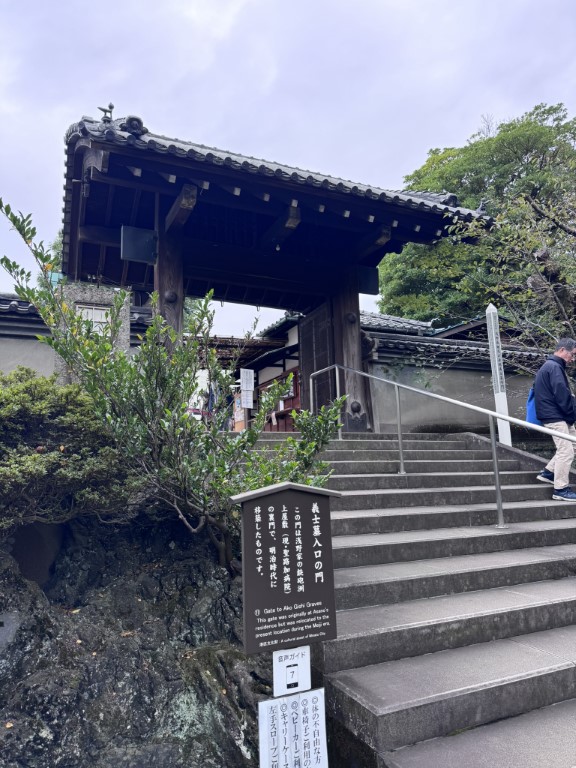
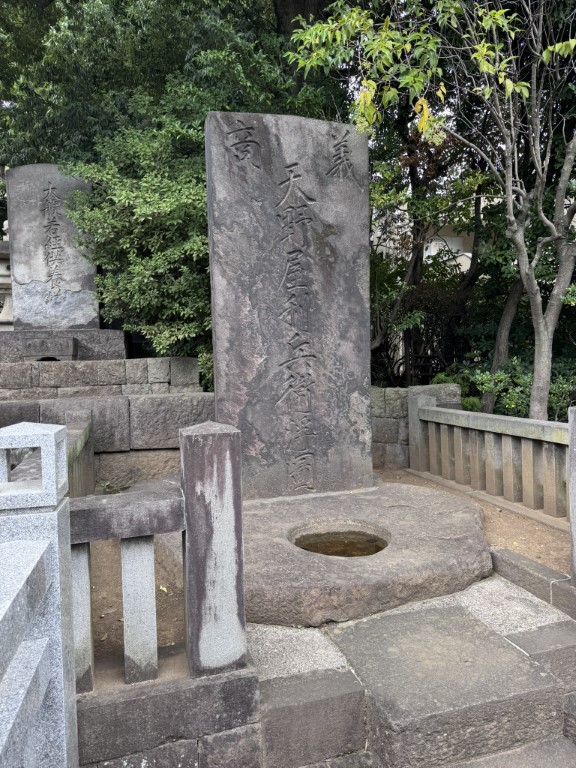
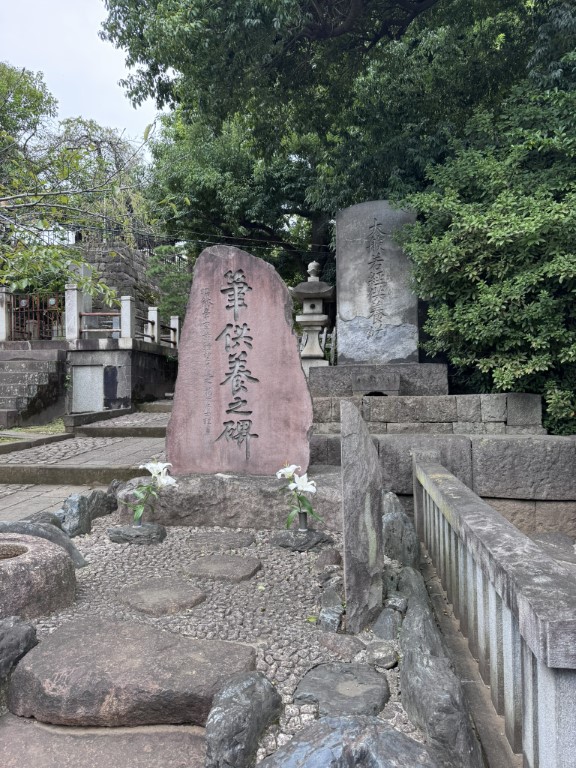
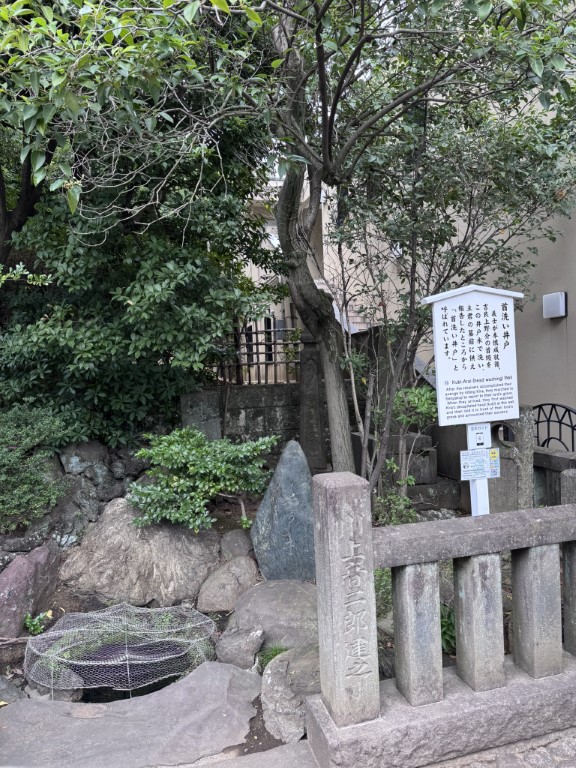
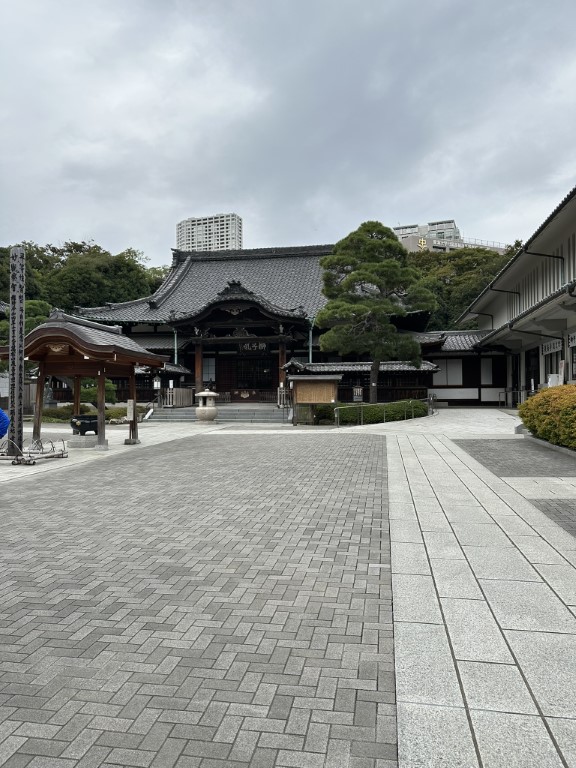
We made the convoluted walk back to the train station and headed to Sengakuji temple, famous for its graveyard where the "47 Ronin" (Akoroshi, the "masterless samurai from Ako") are buried. The story of the 47 loyal ronin became highly popular as a kabuki play during the Edo Period (1603-1868). The mandatory cost for the offering was fairly expensive so we didn't visit the graves themselves.
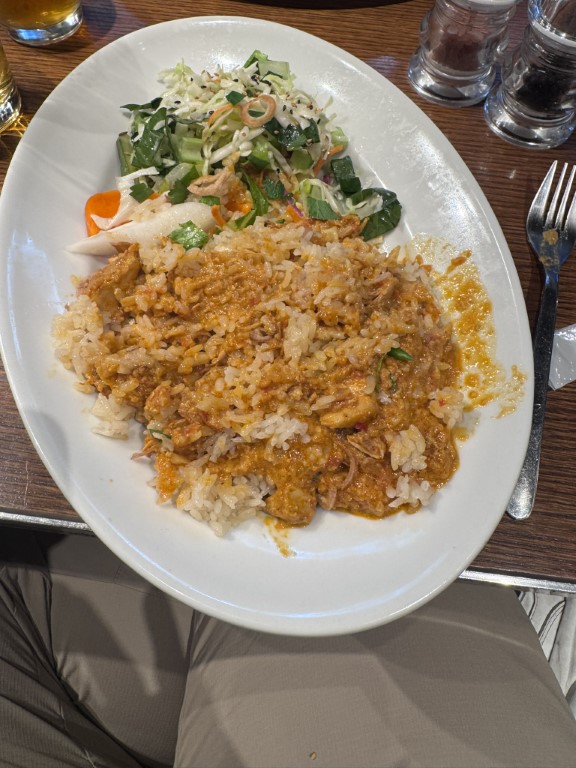
We were getting hungry and our plan was to go to Yebisu Garden Place, built on the site of the former Yebisu brewery. It was starting to rain, however, as we exited the train station at Ebisu so we walked down the street a bit and found an izakaya called Ebisu Yoroniku in one of the shopping streets nearby where we had some great rice dishes.
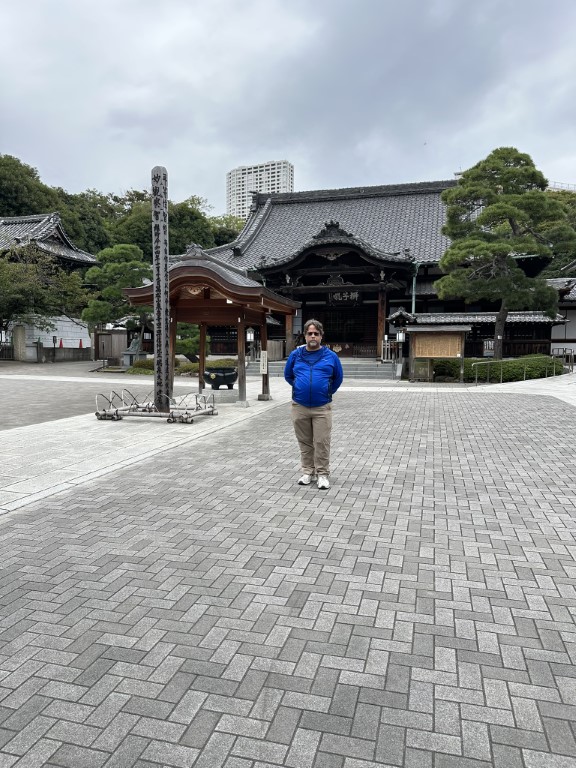
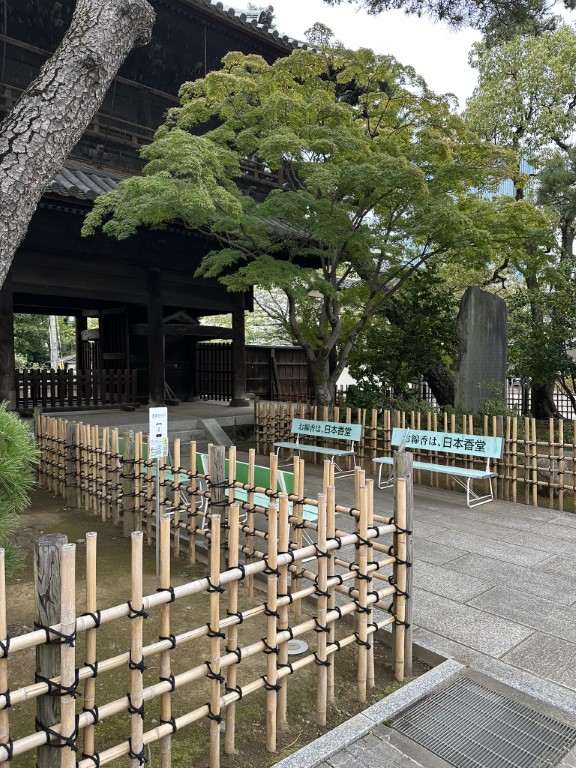
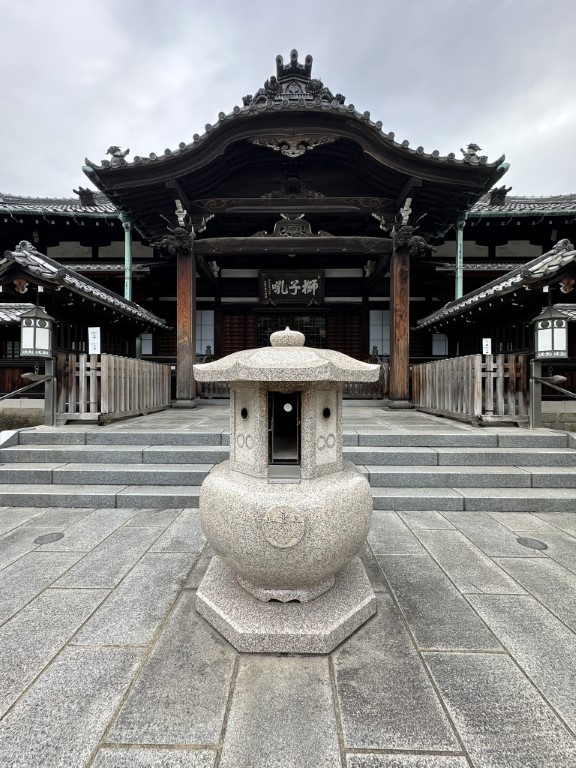
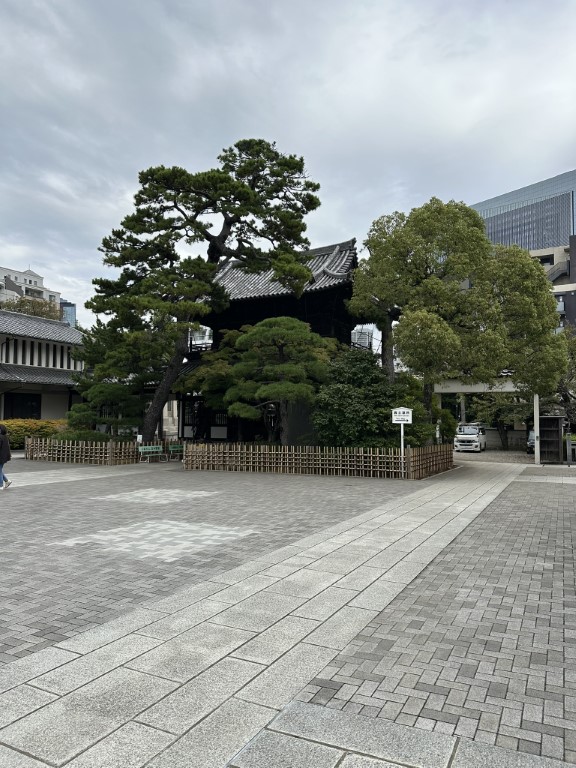
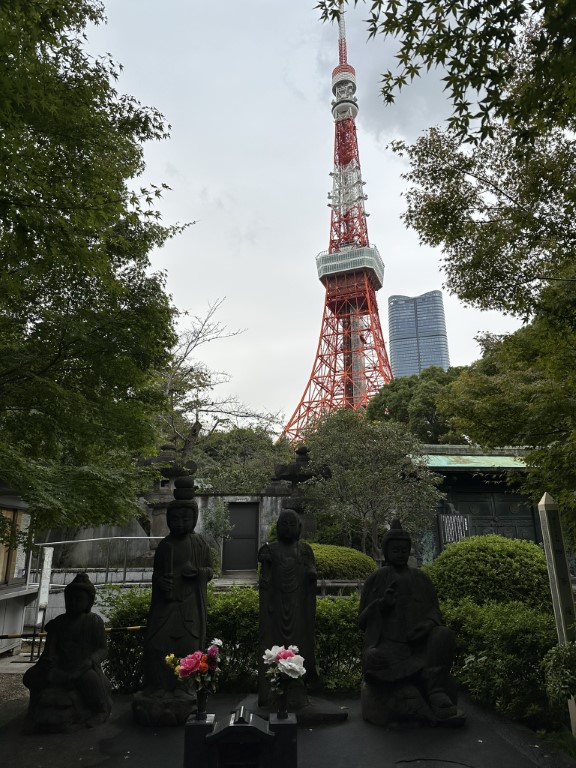
We went next to Shiba Park and Zojoji, the head temple of the Jodo sect of Japanese Buddhism. The temple grounds consist of some impressive structures and the mausoleum of the Tokugawa family and a museum. Most buildings are reconstructions except for the main gate (Sangedatsumon), which dates from 1622. Even though the museum was not supposed to close until 15:00, when we arrived at 14:30, we were denied entry so we viewed the mausoleum area.
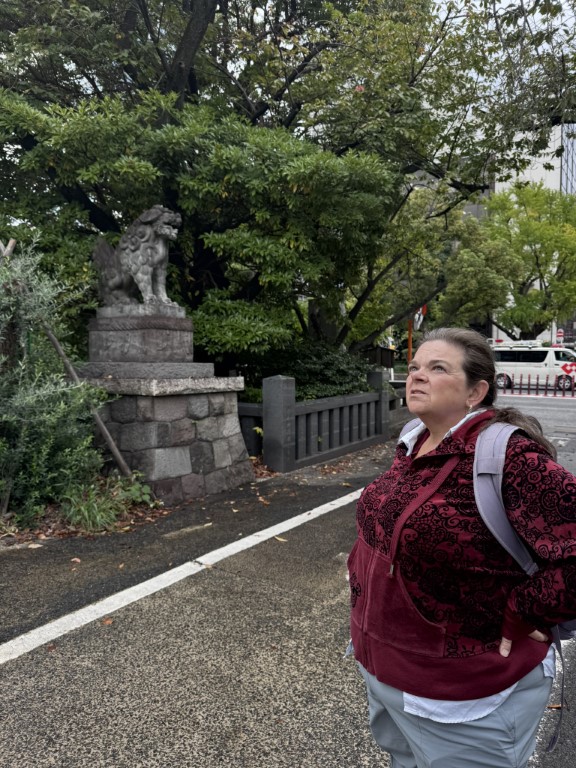
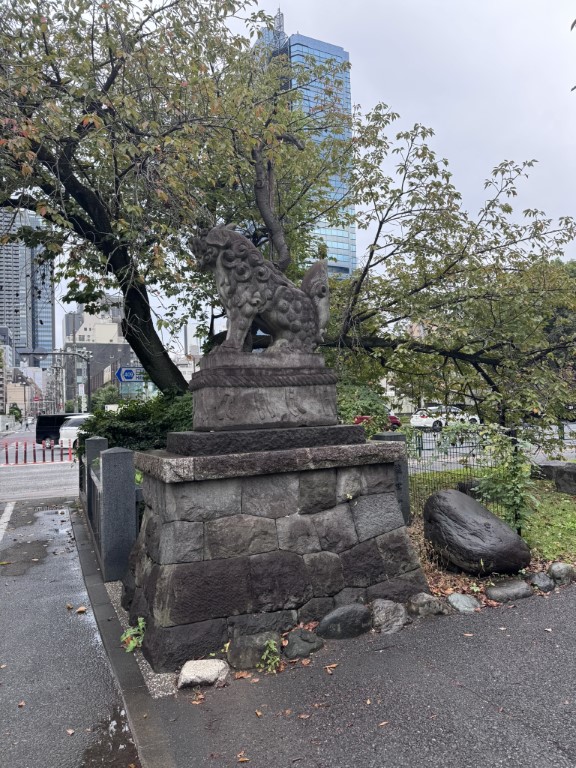
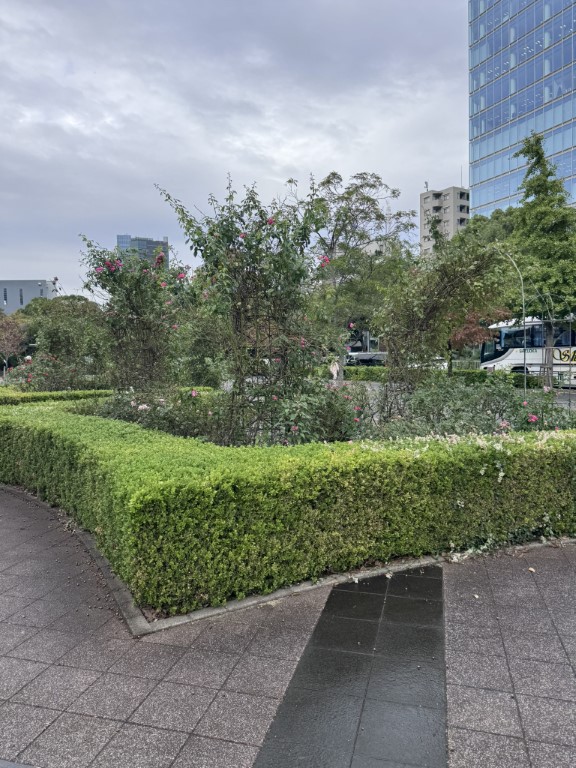
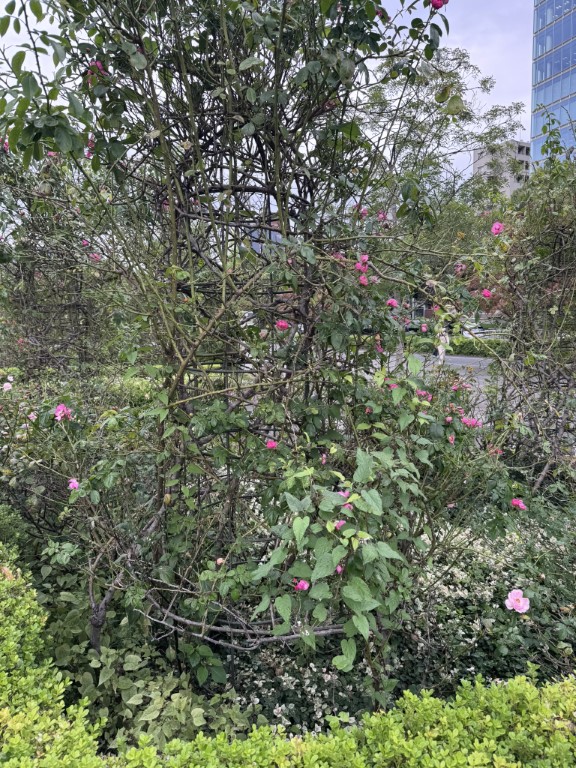
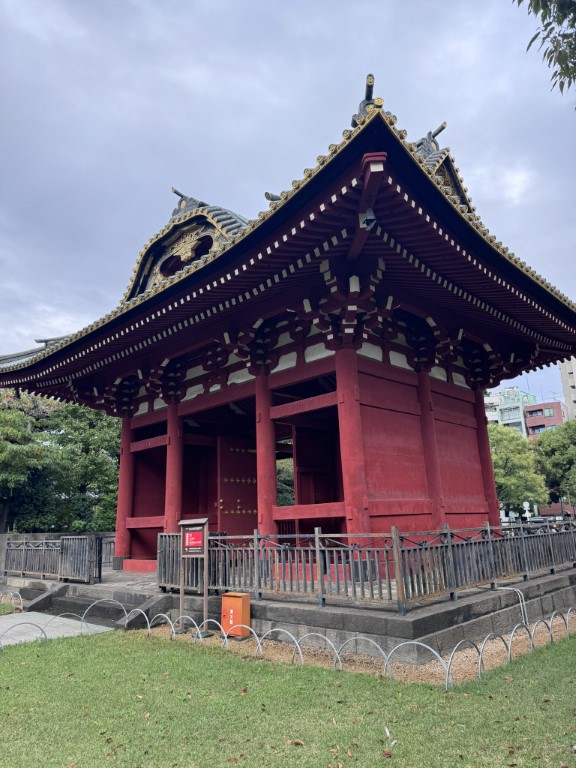
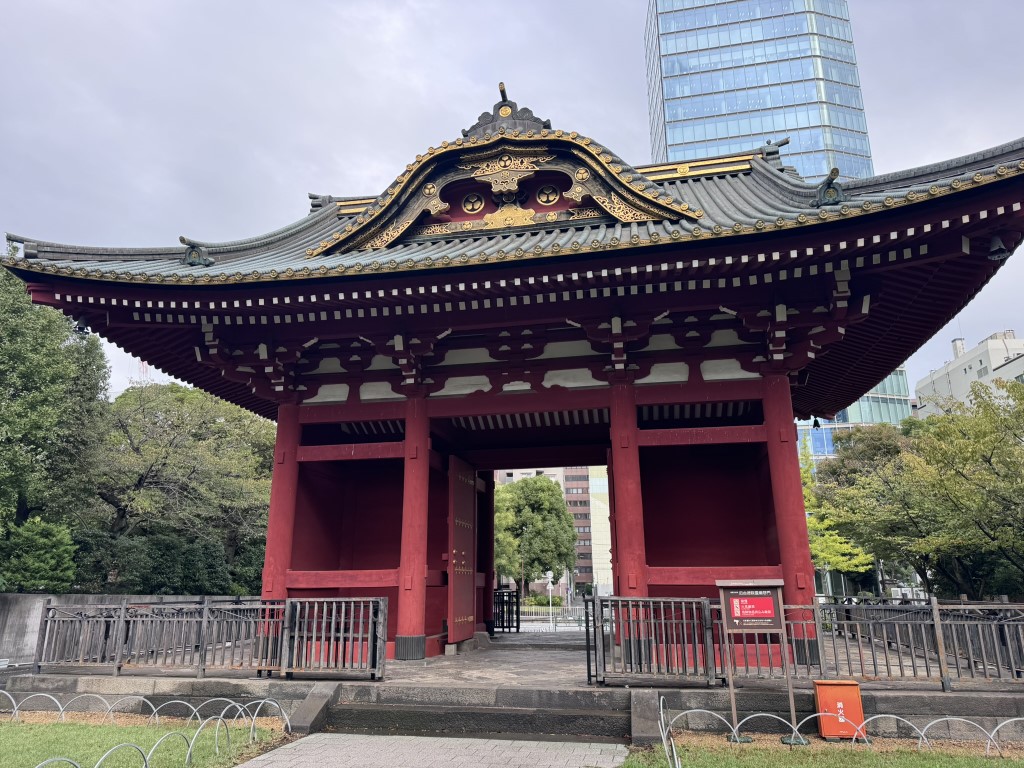
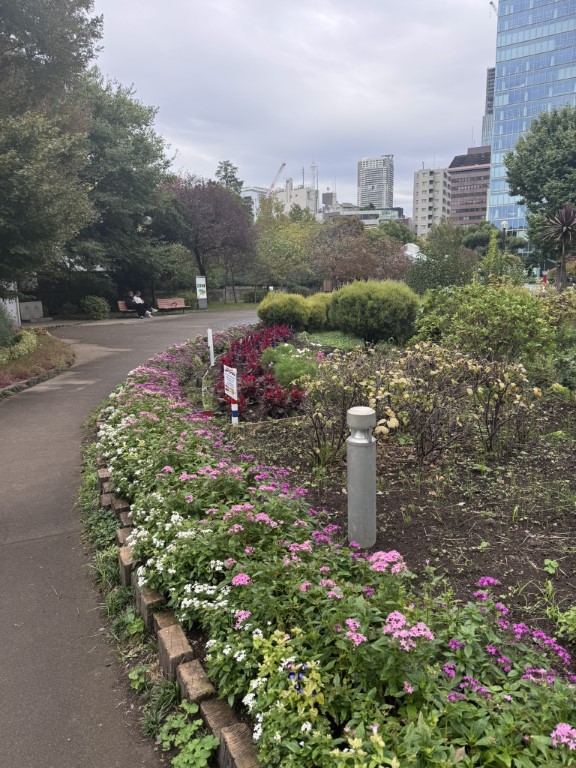
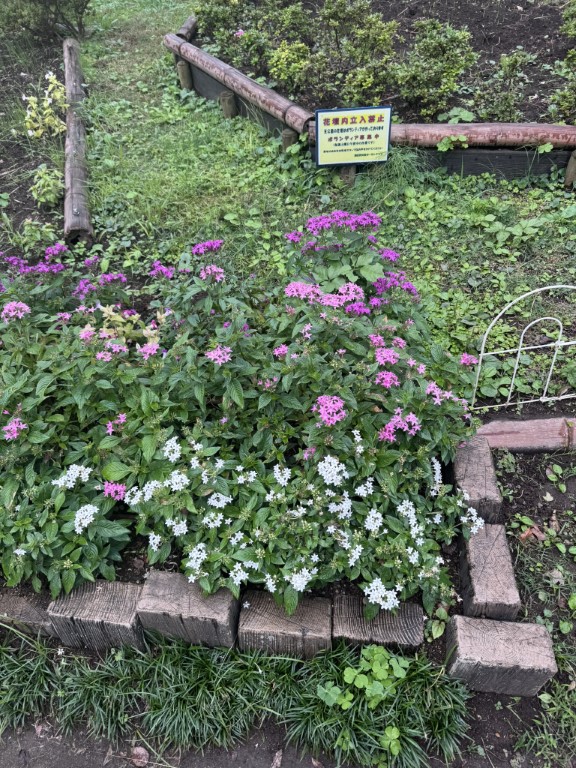
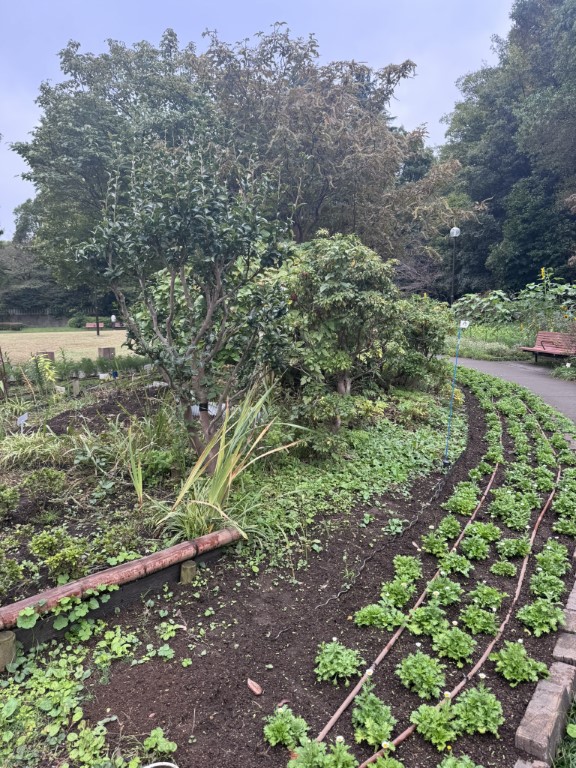
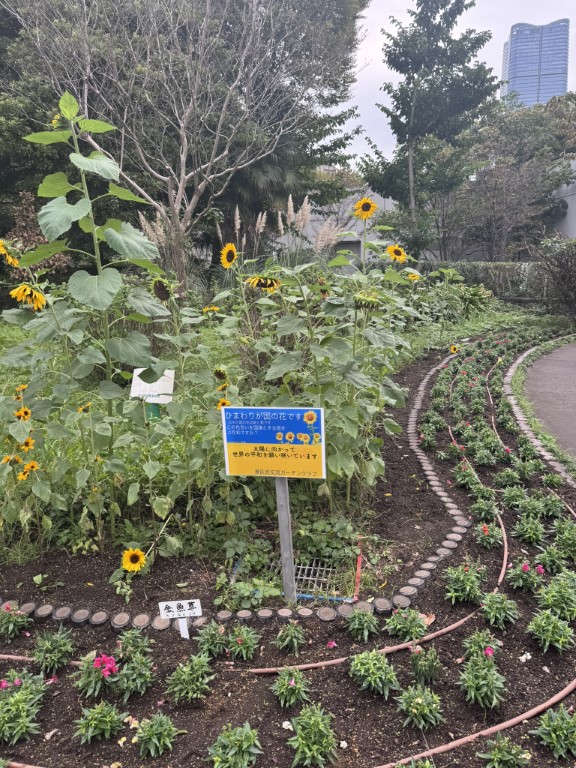
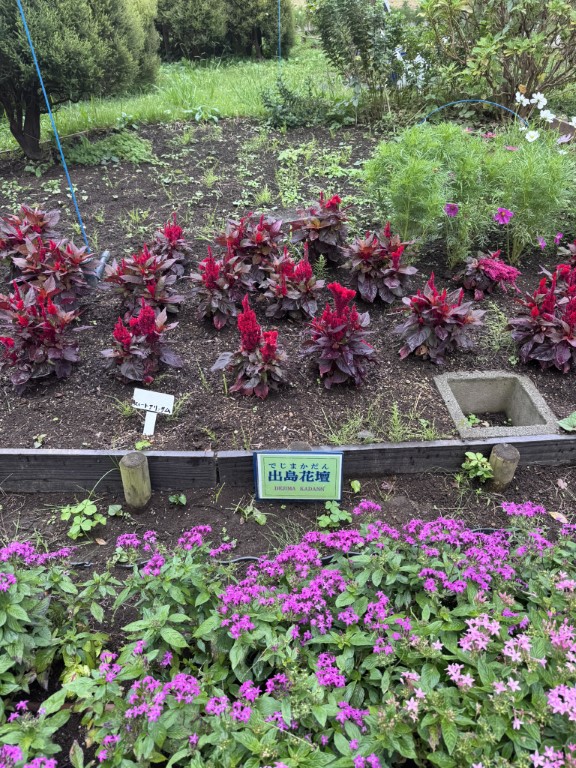
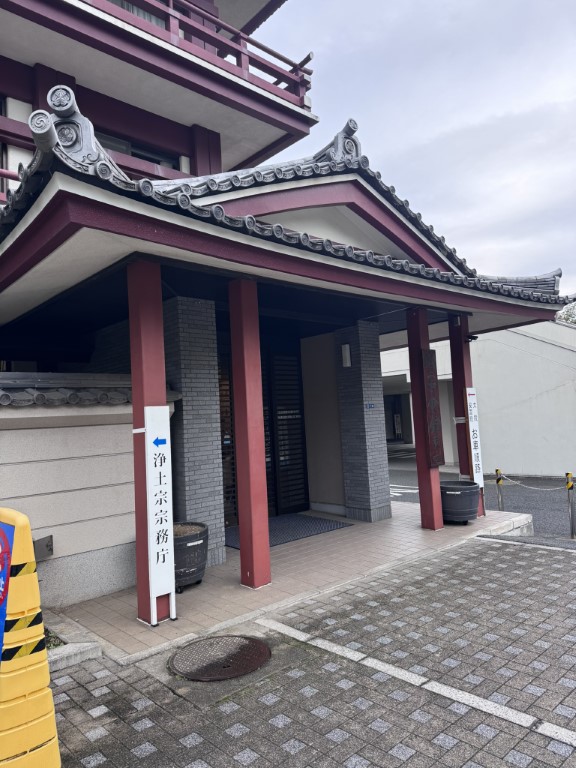
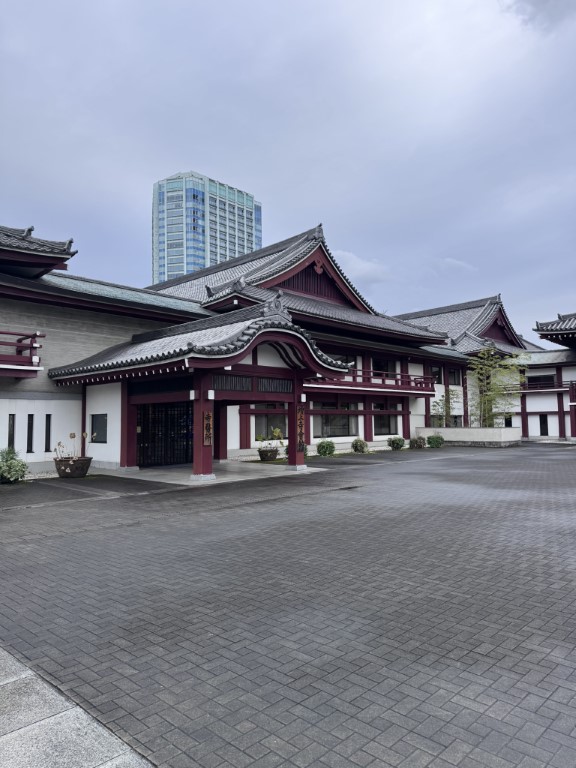
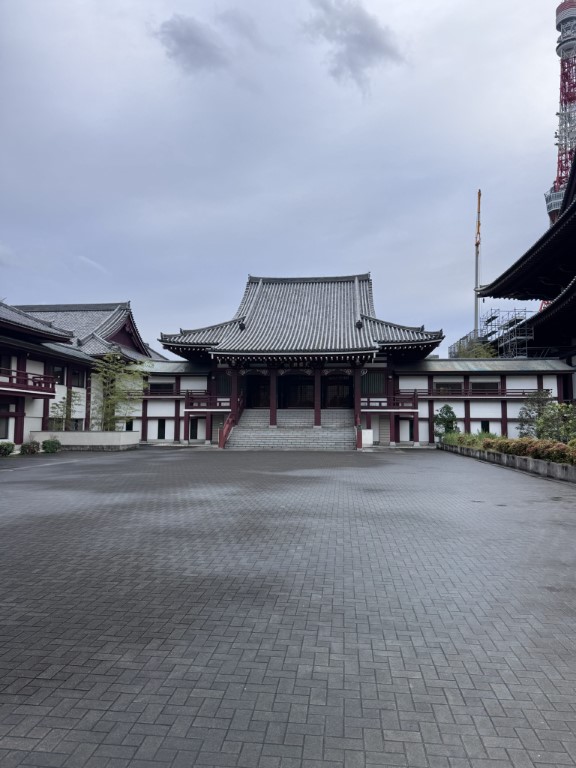
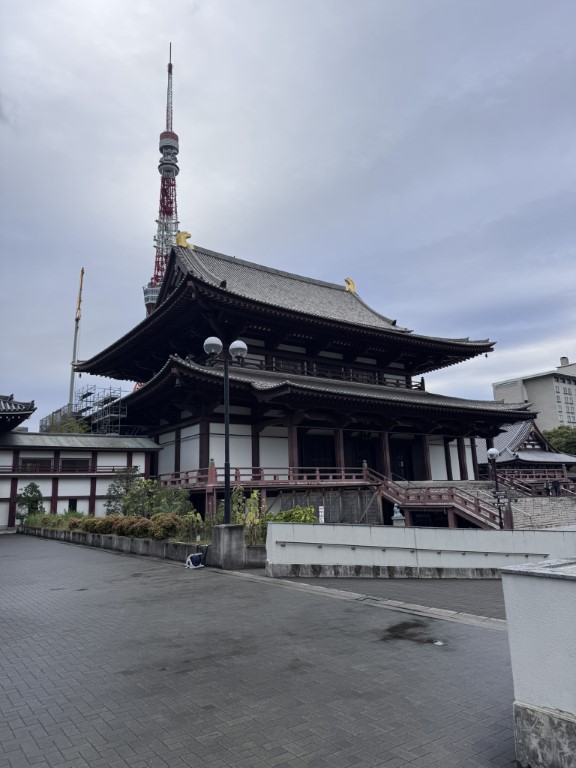
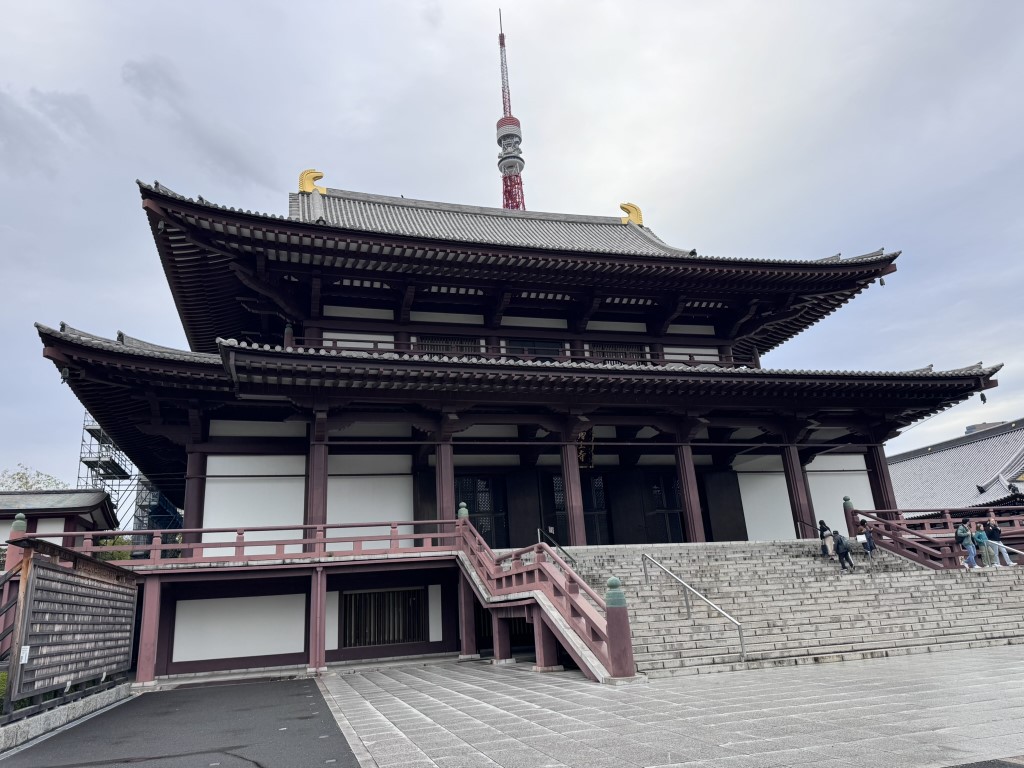
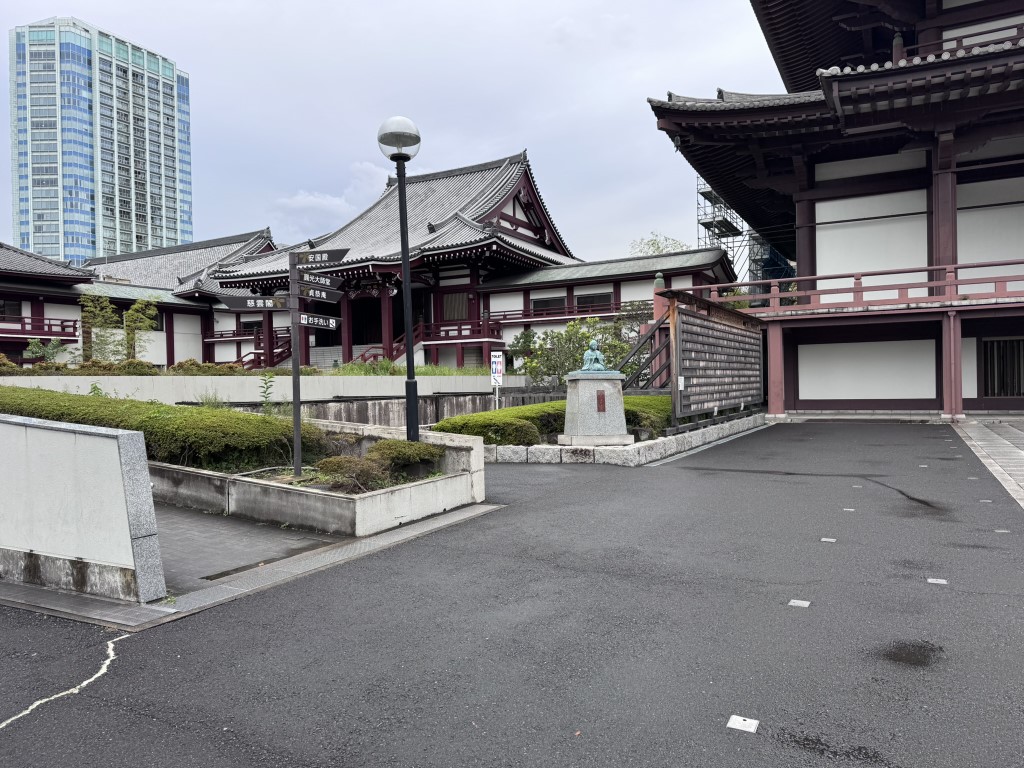
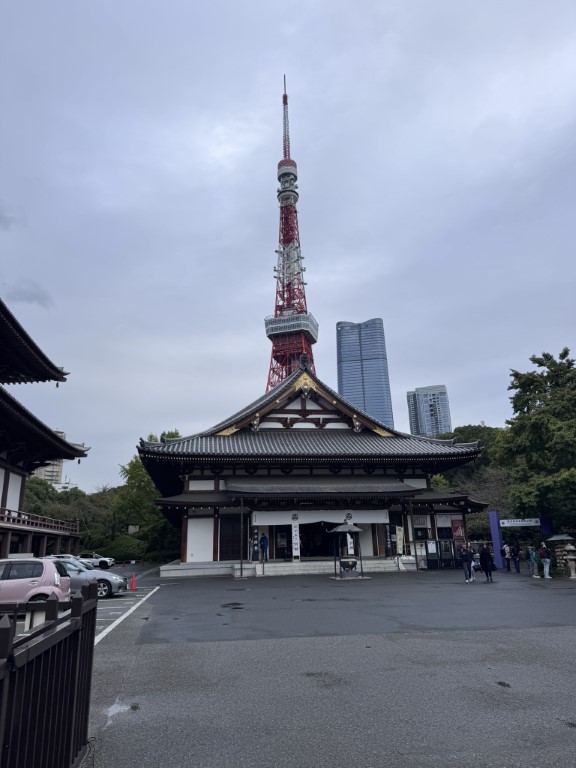
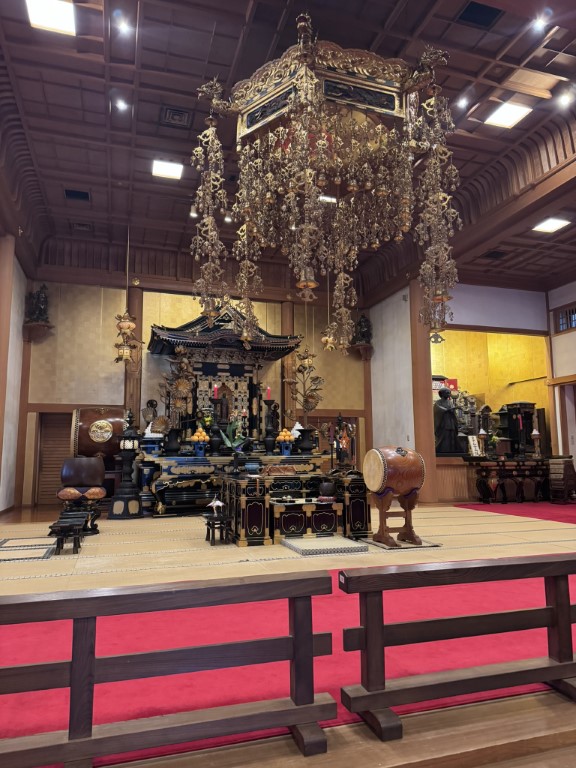
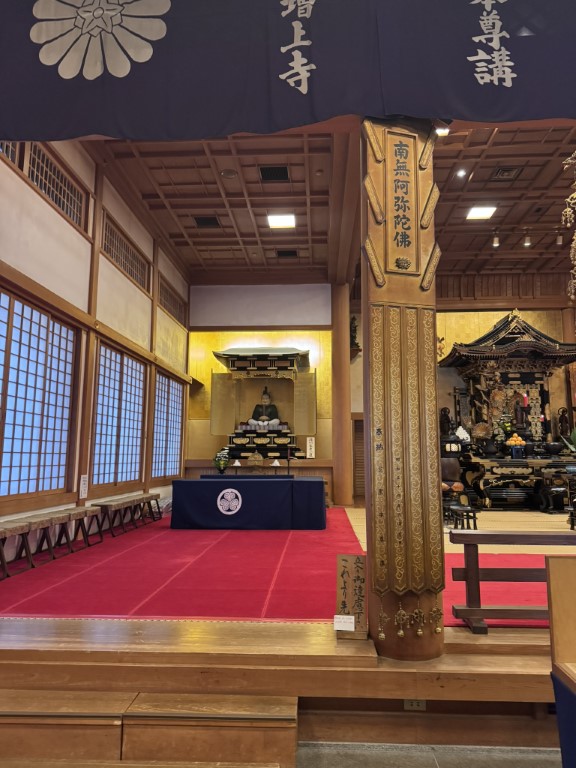
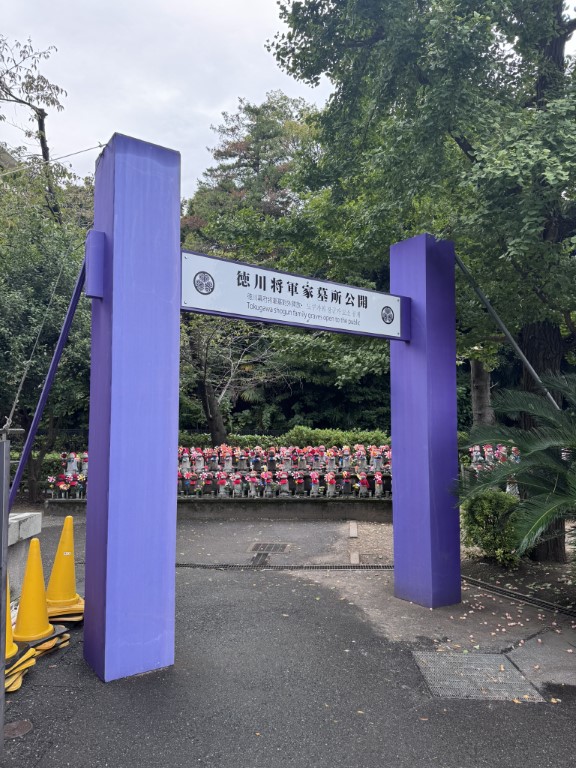
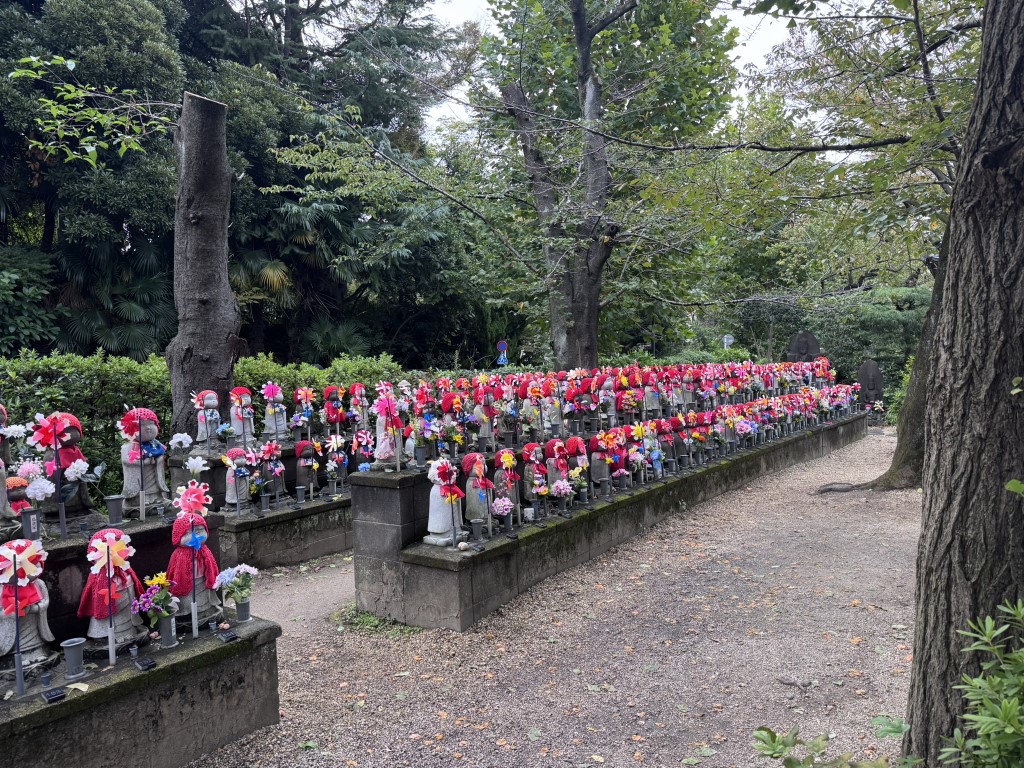
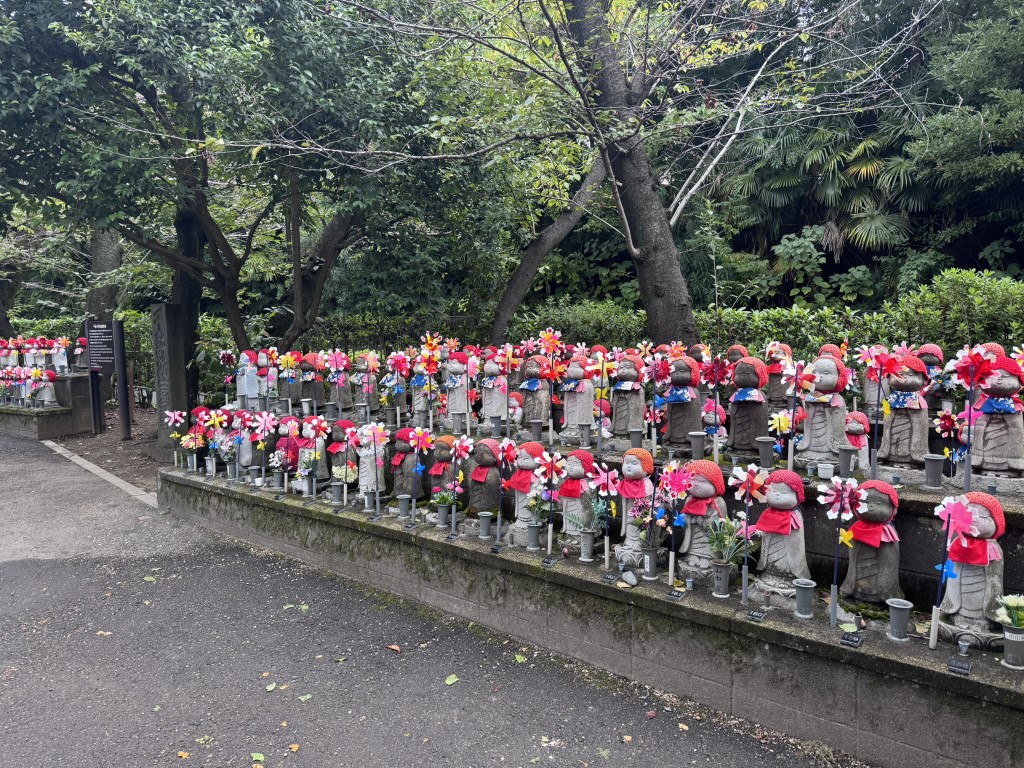
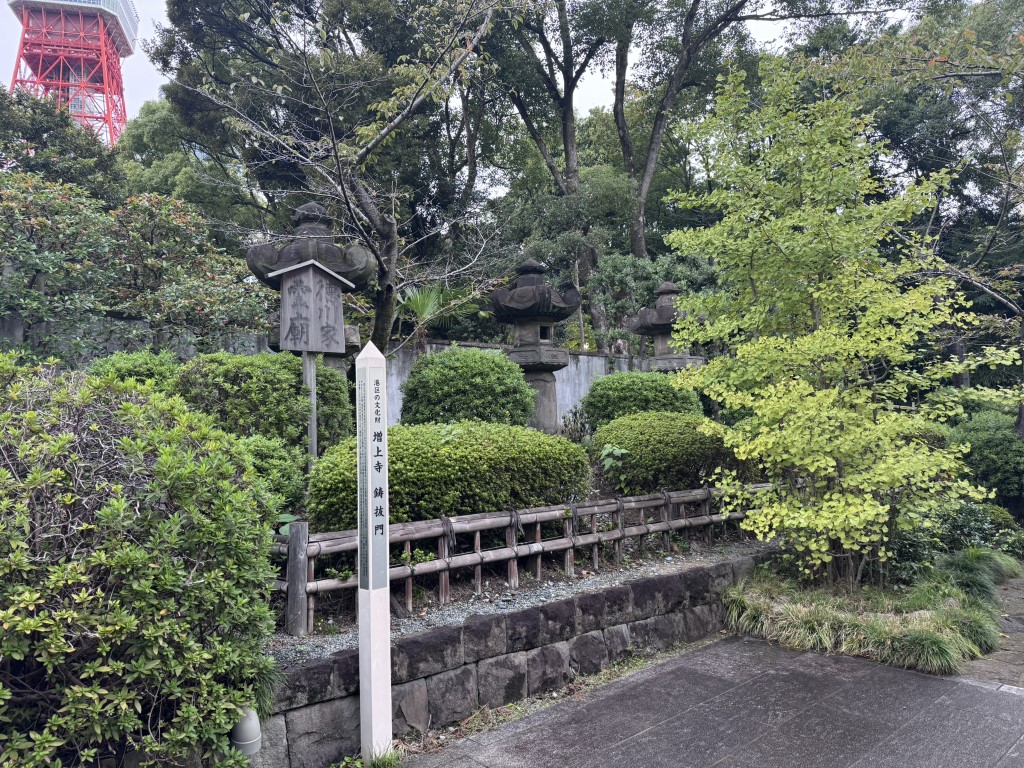
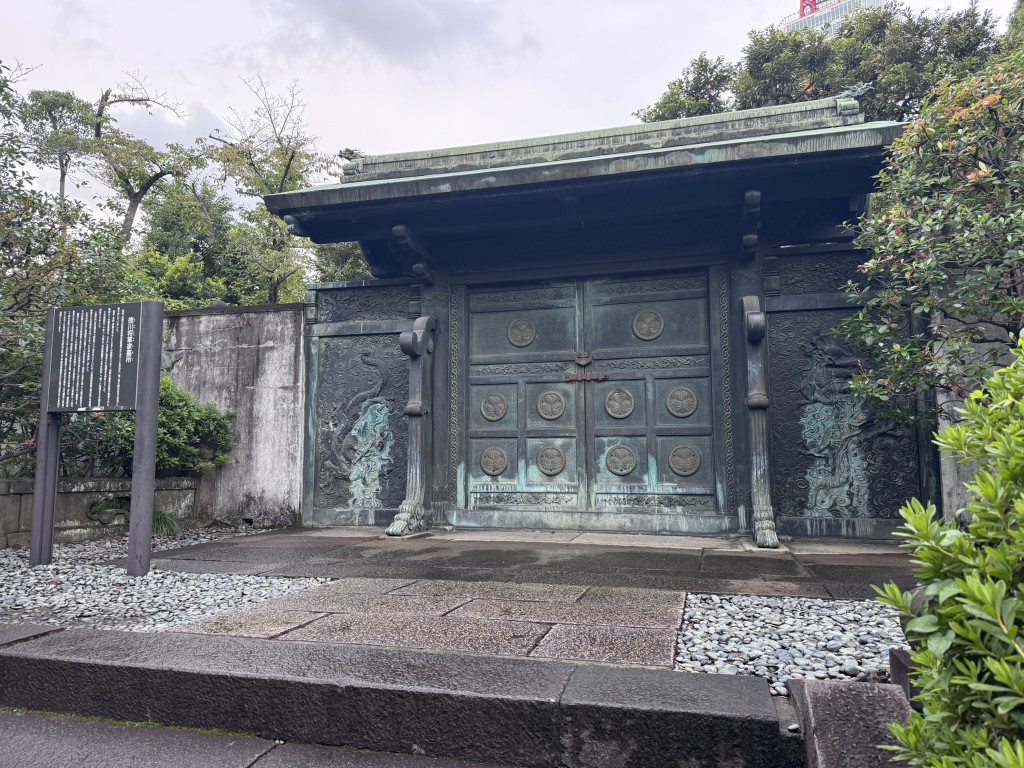
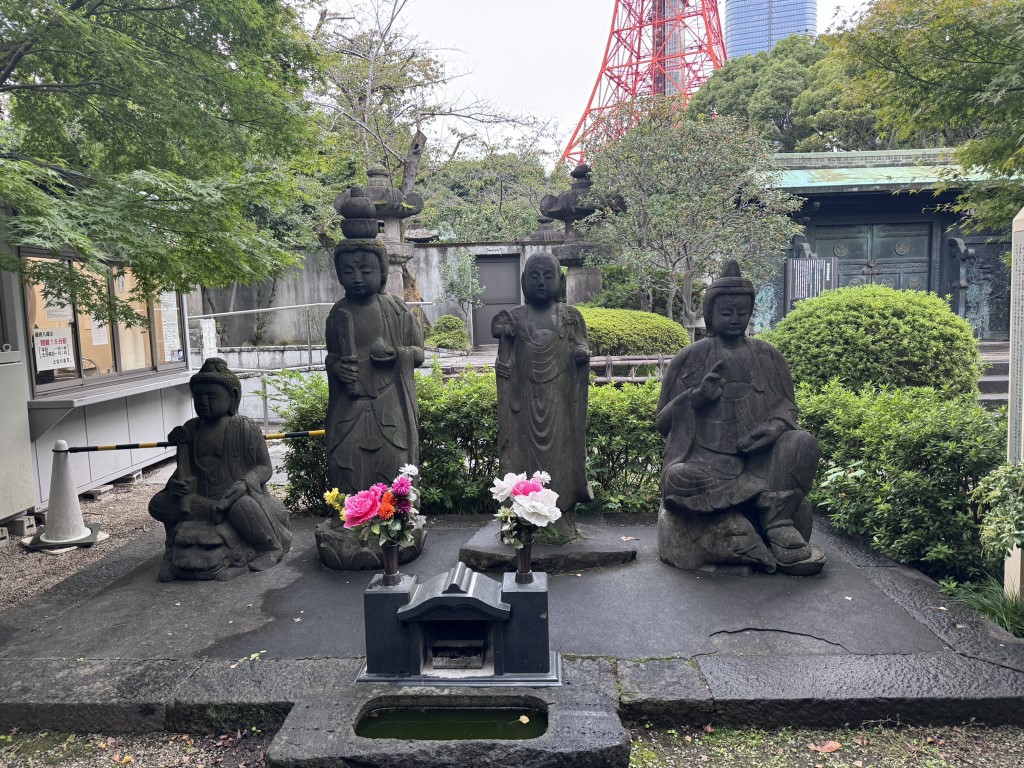
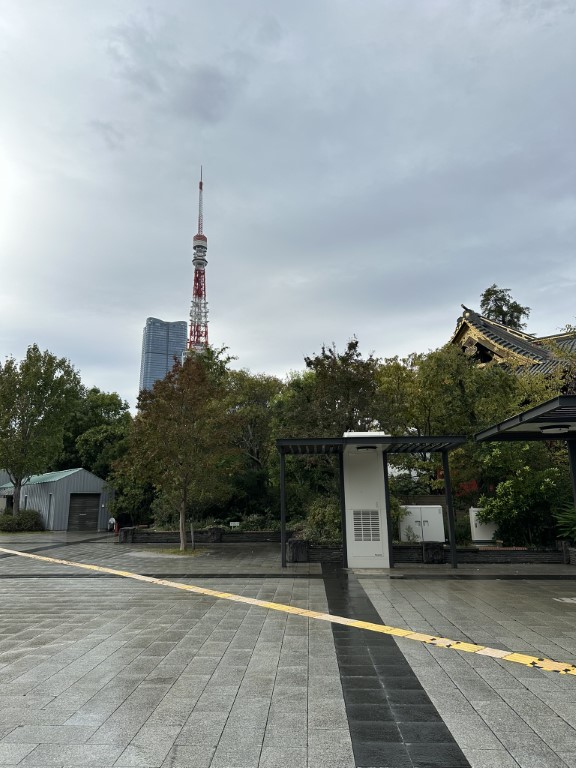
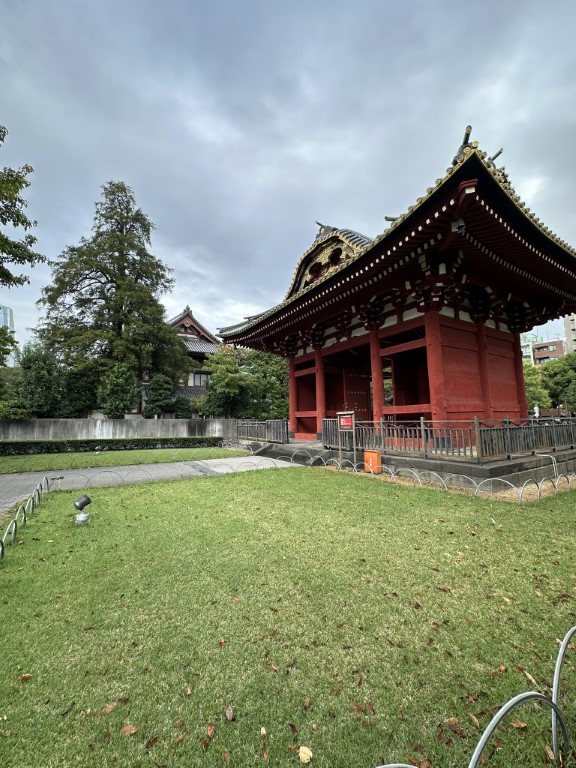
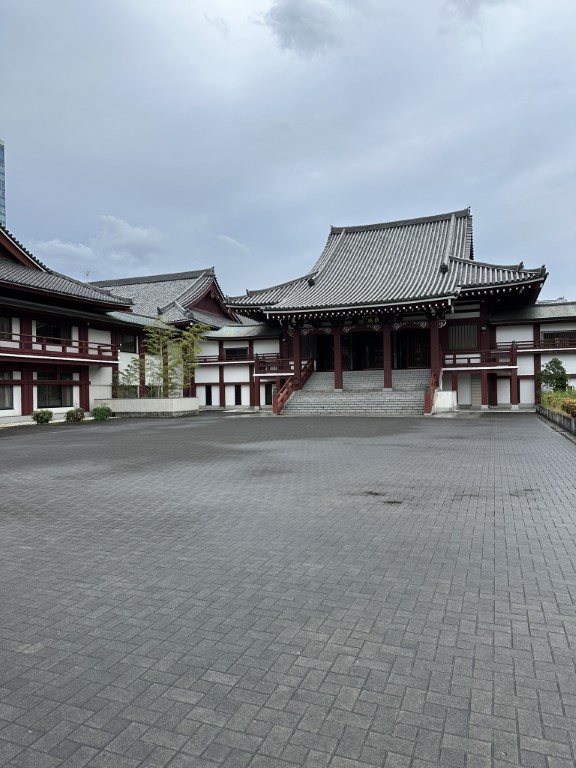
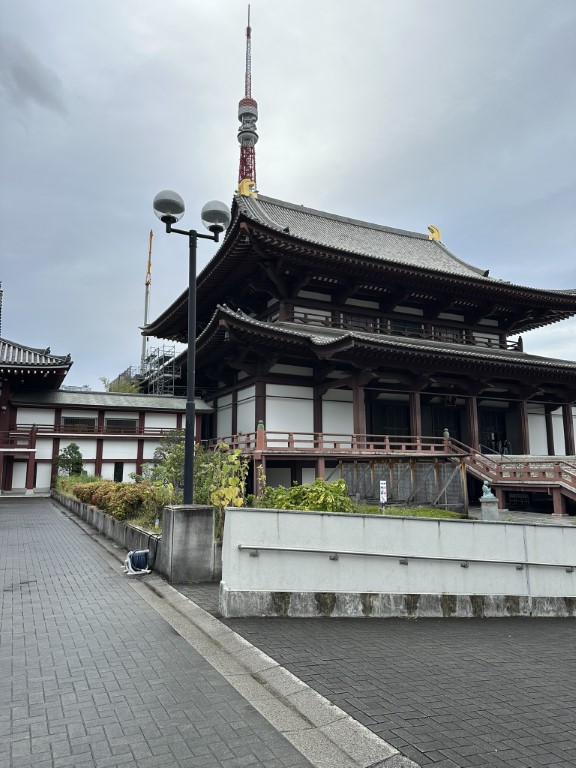
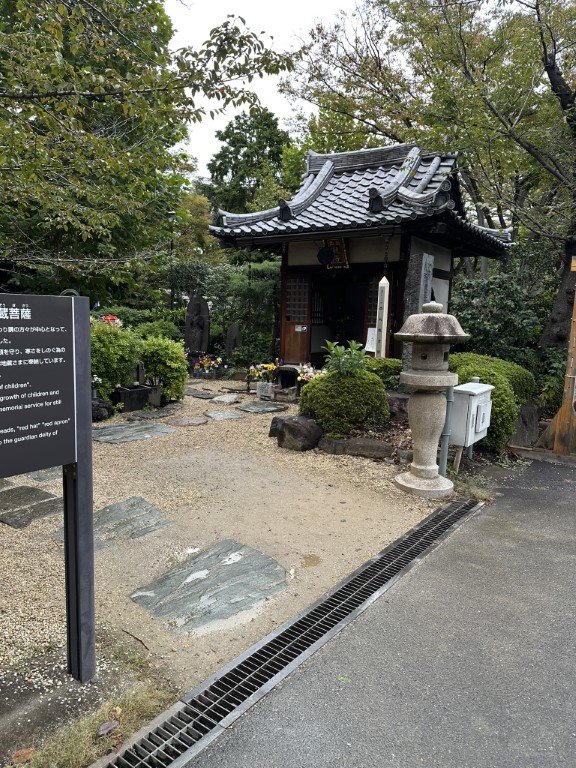
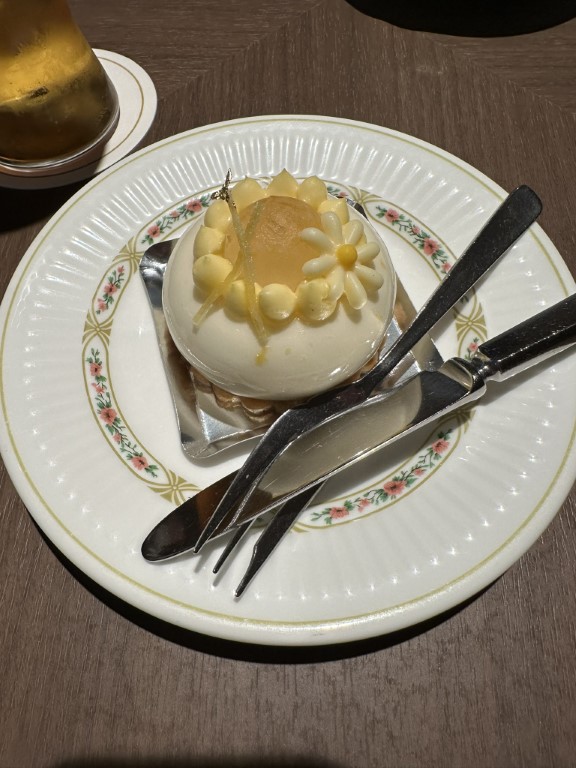
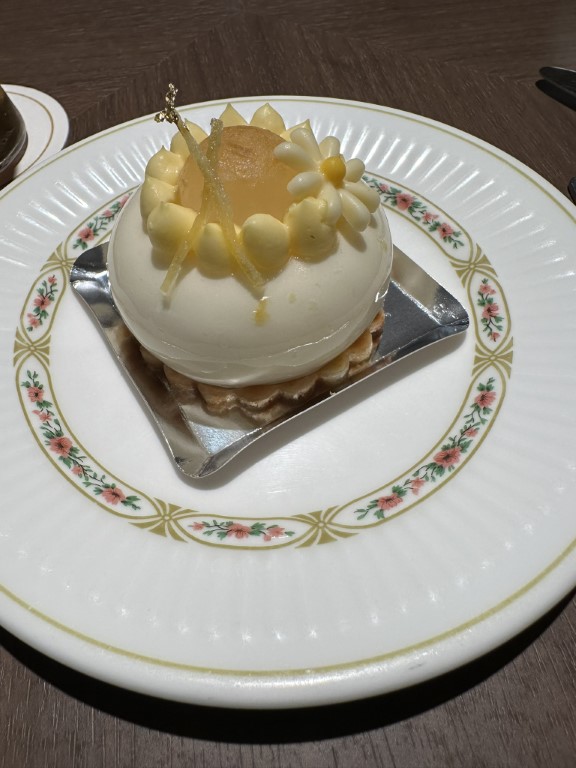
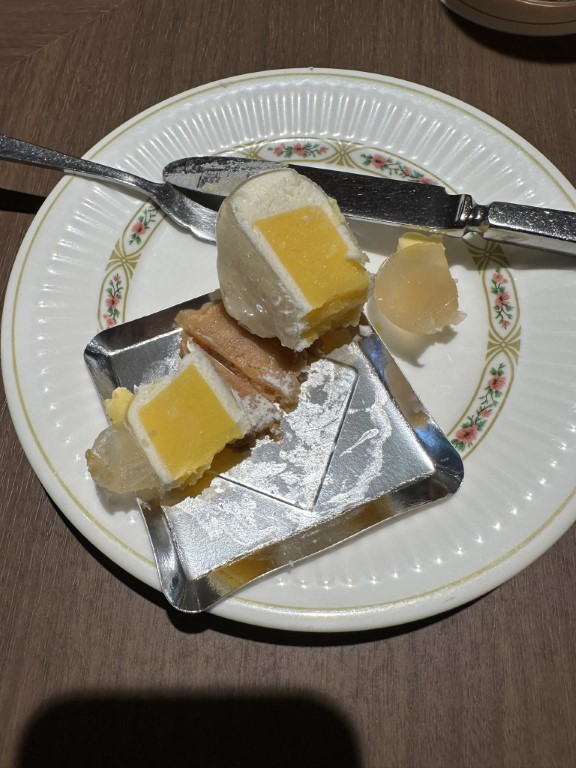
We had hoped to find a place to sit and relax in Shiba Park but most of the benches were wet. We decided to go into the Prince Park Hotel where we figured we could sit in the lobby for awhile. They had a small cafe that promised desserts and coffee so we found a table. Janie was disappointed they only had one dessert left, but she said it was good. J. R. had a coffee and some Japanese chicken tenders as we sat and waited out the rain.
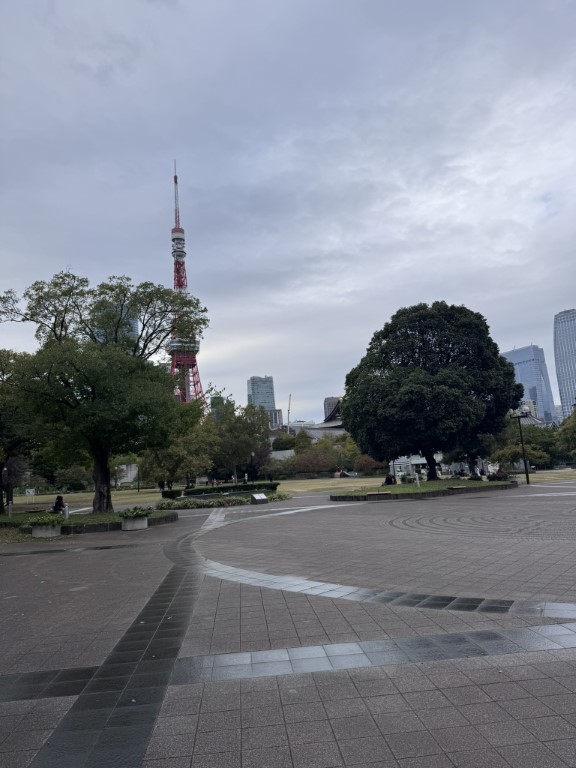
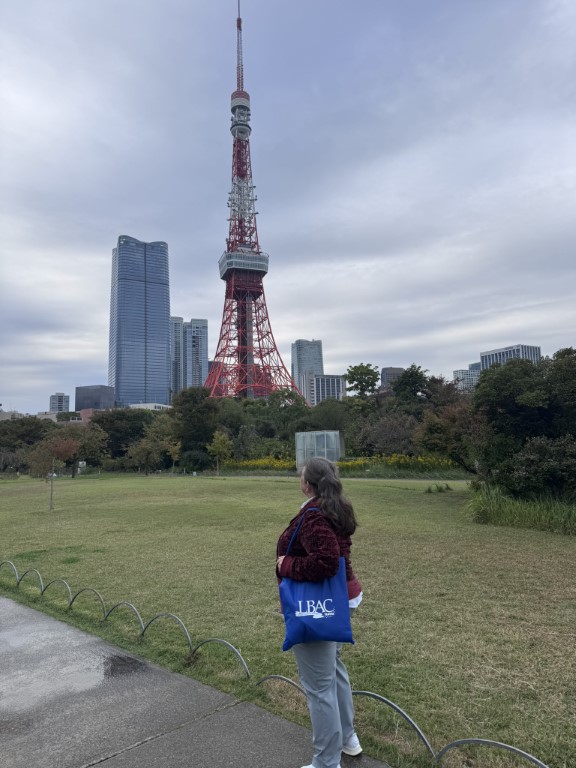
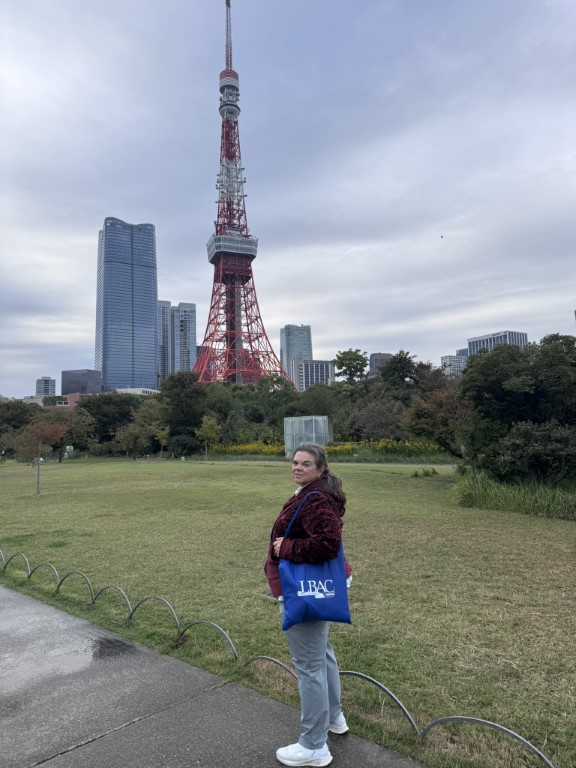
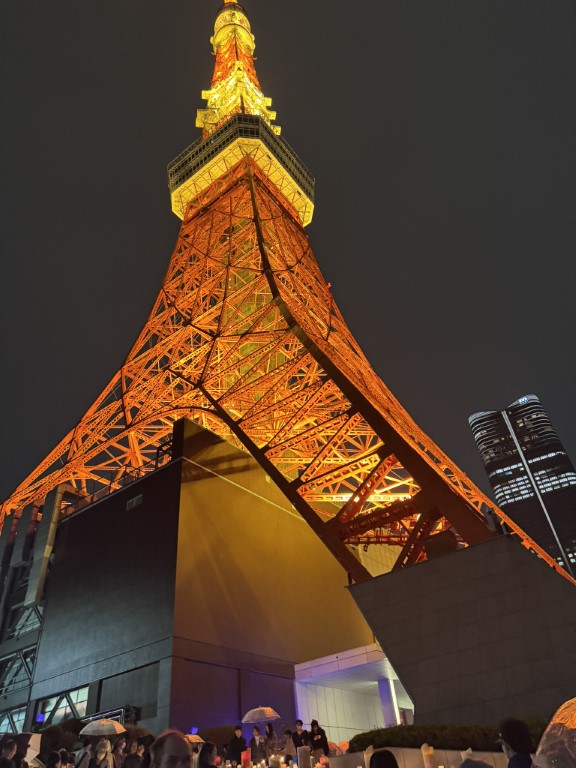
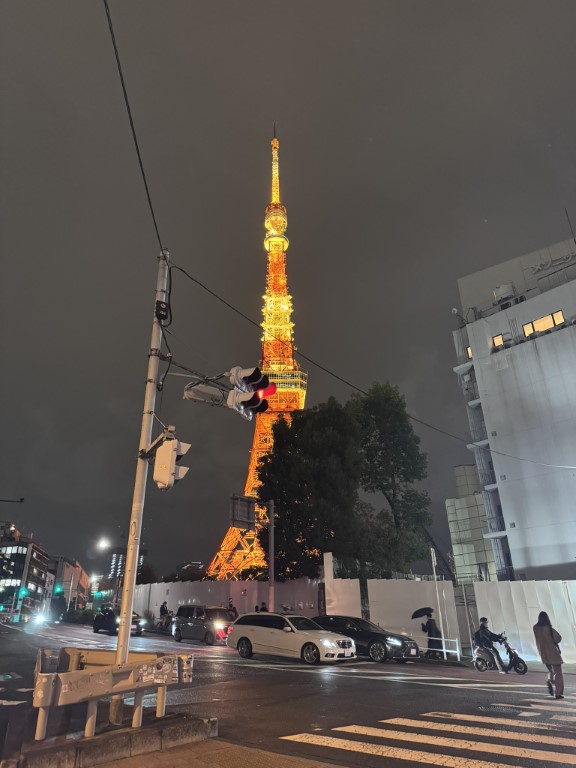
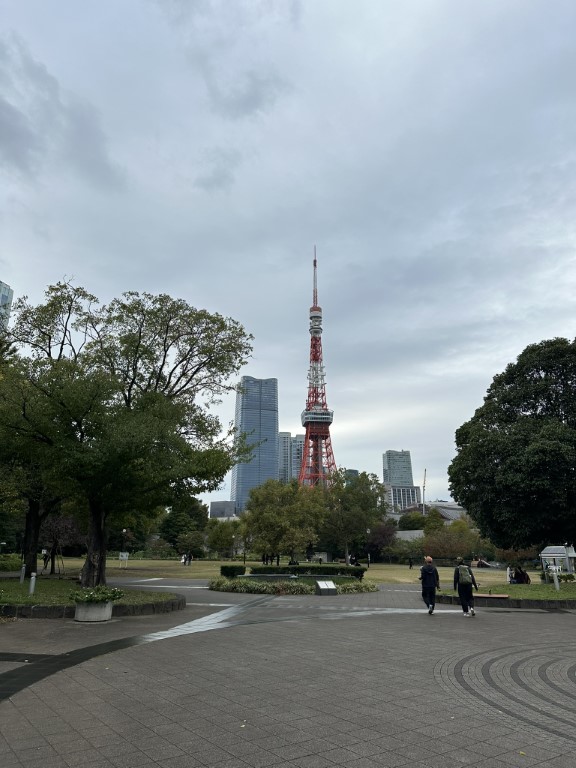
On our walk to our next attraction, we walked past the 333 meter high Tokyo Tower, the world's tallest self-supported steel tower, 3 meters taller than the Eiffel Tower after which it is modeled.
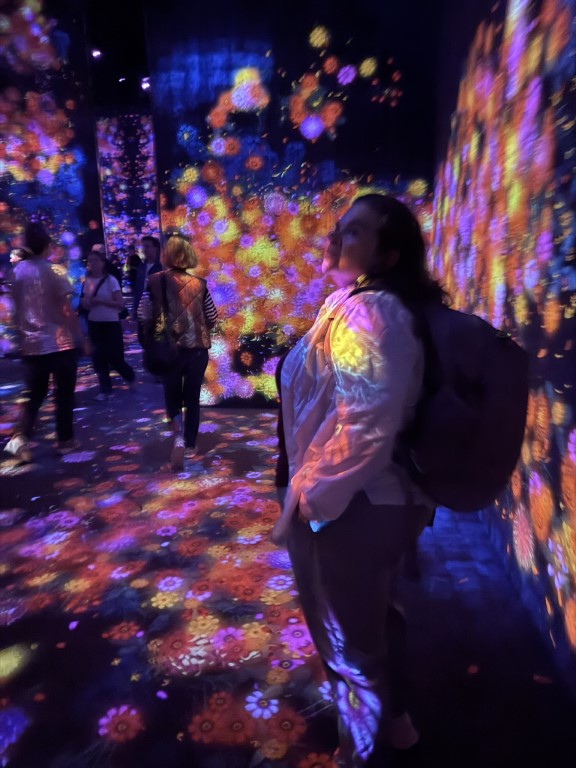
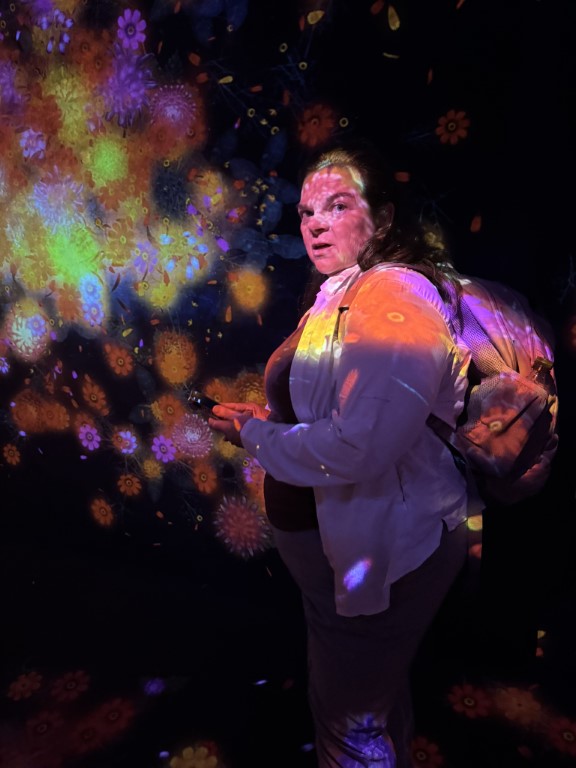
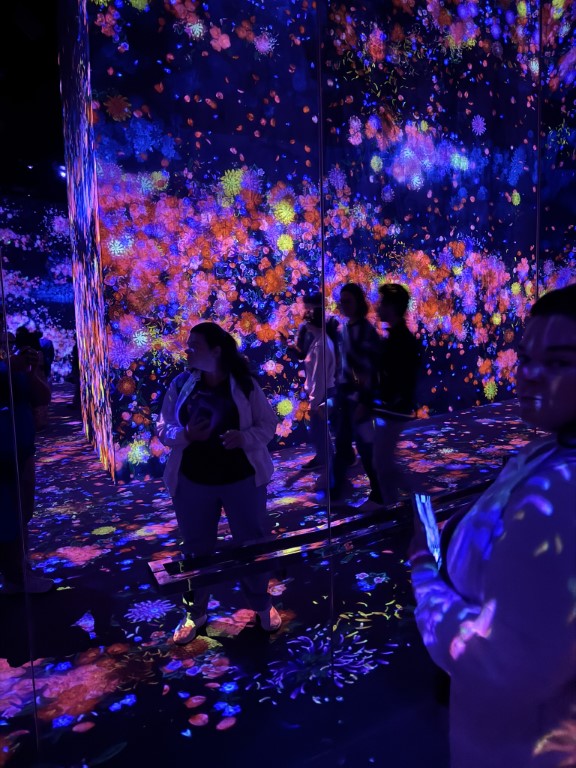
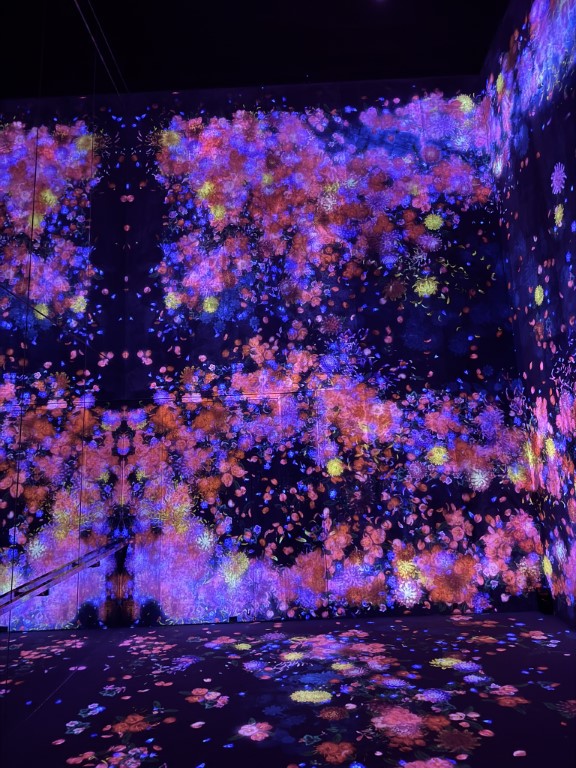
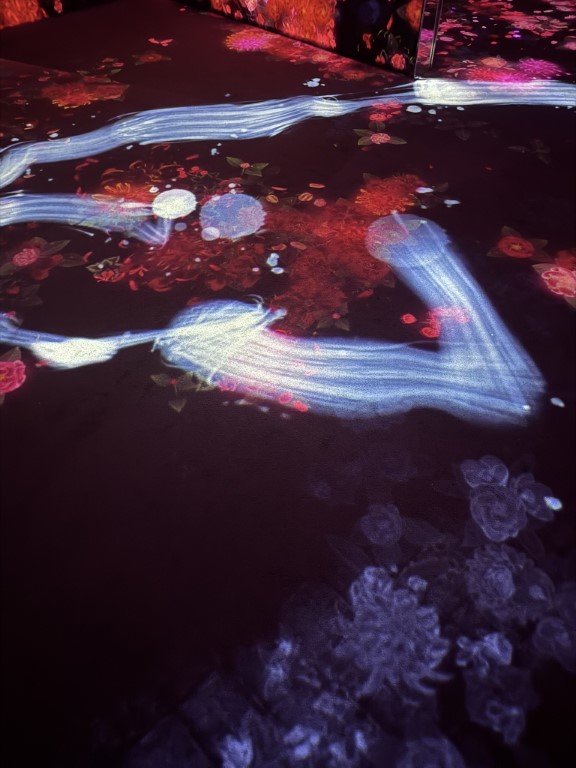
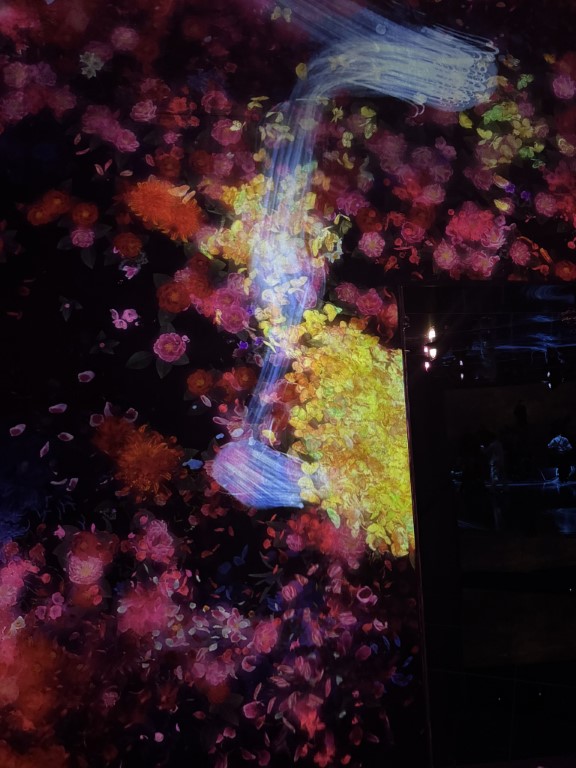
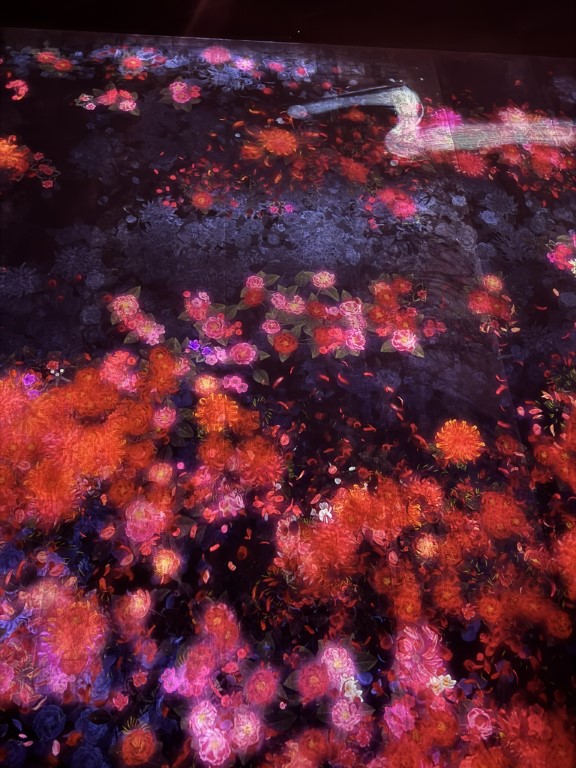
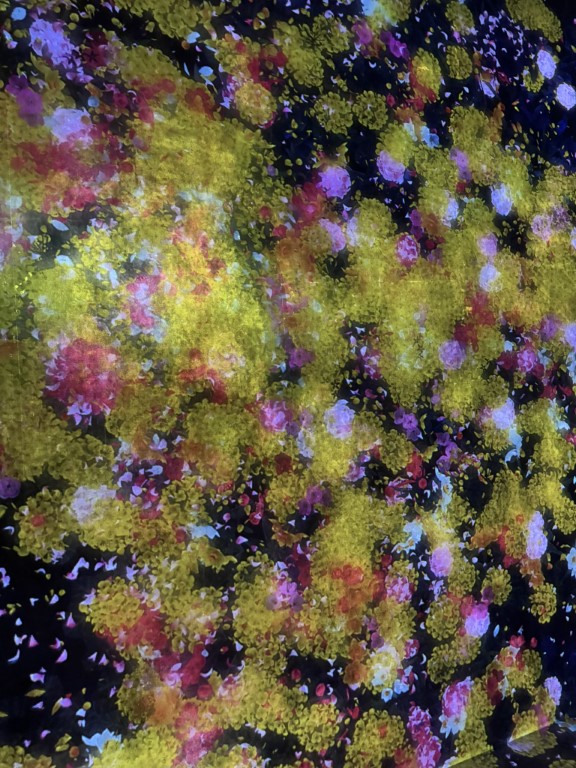
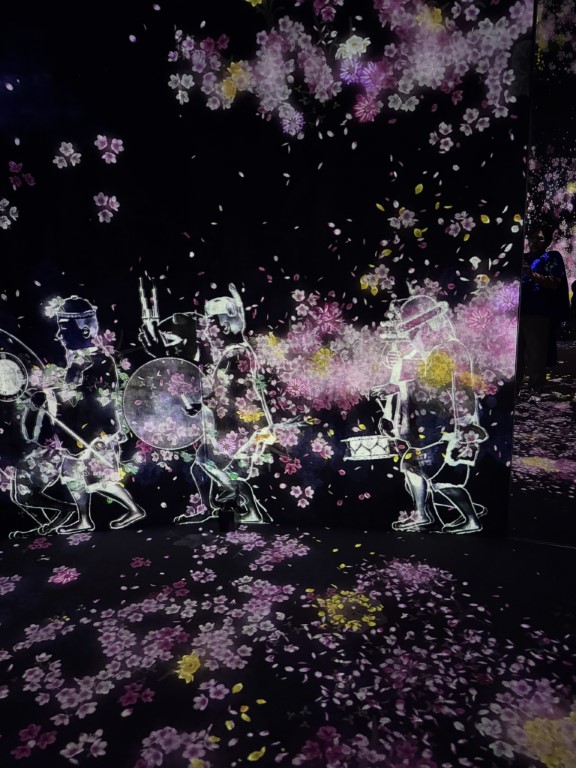
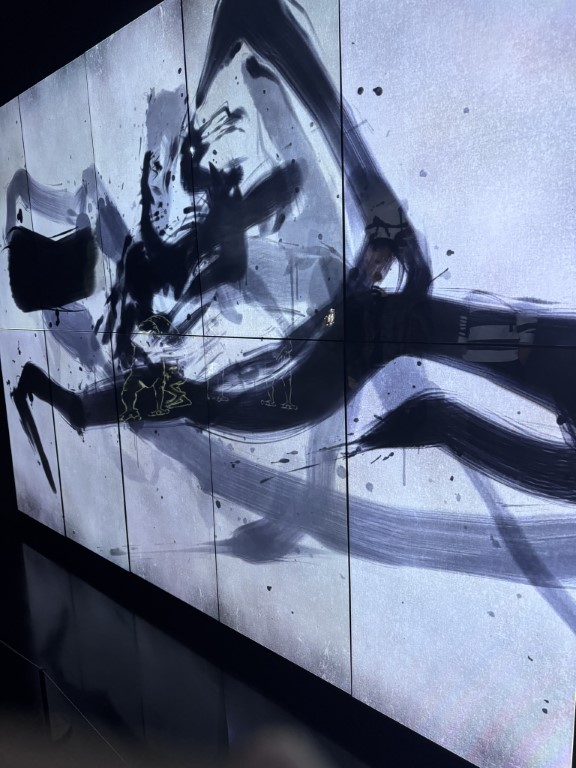
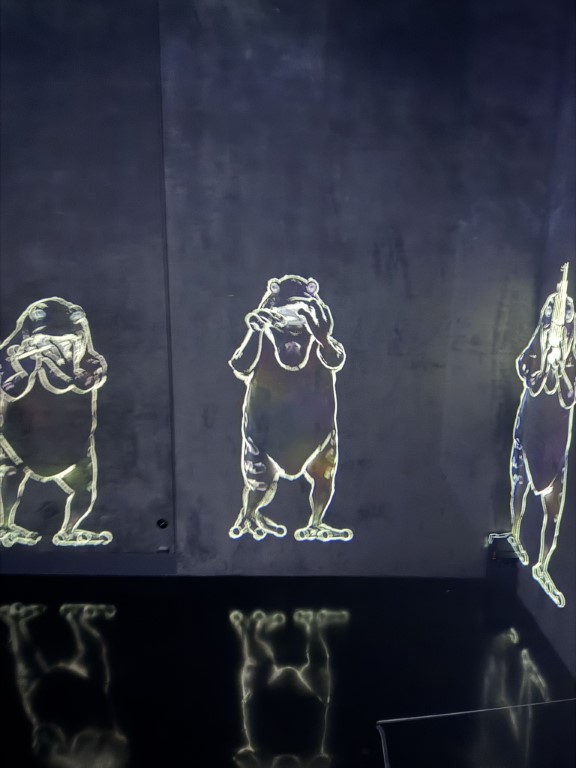
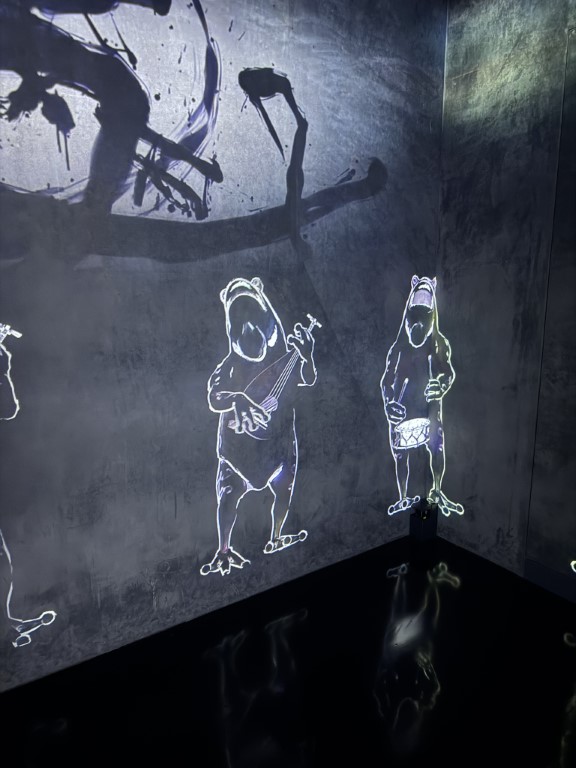
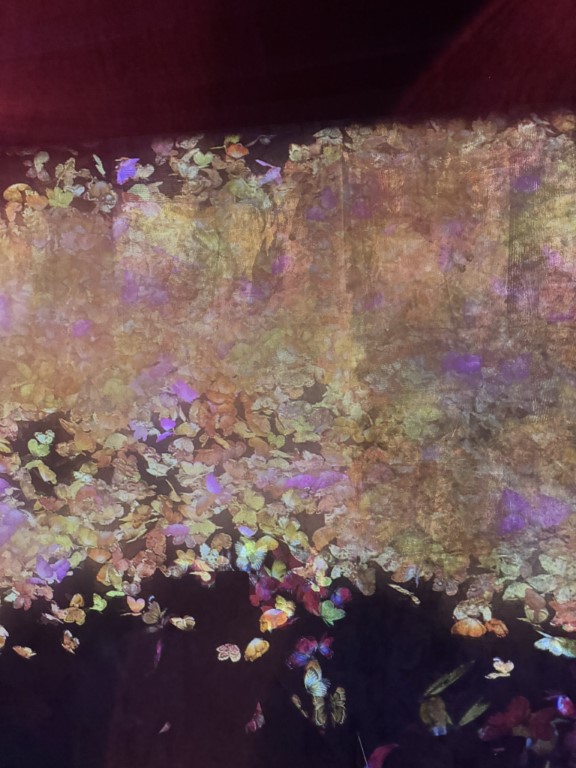
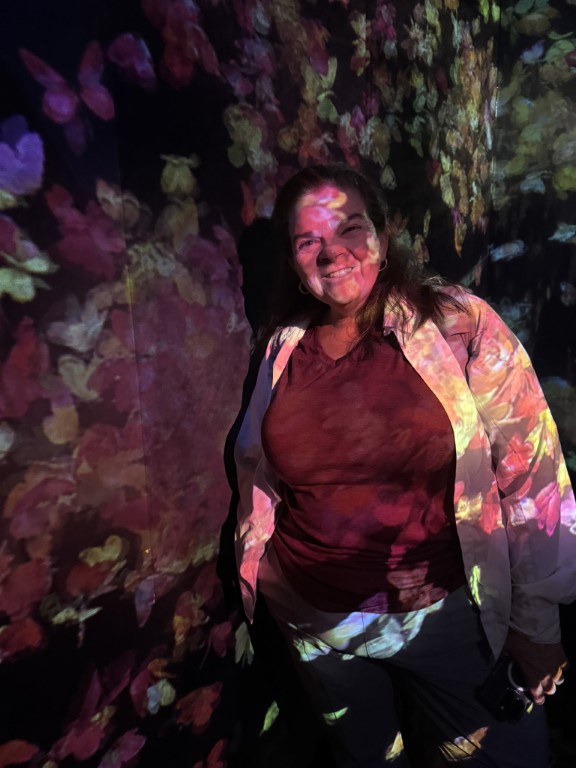
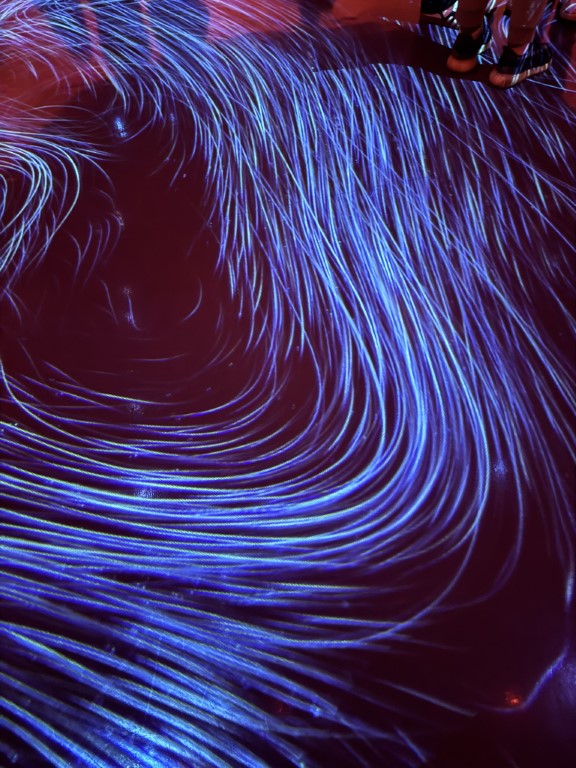
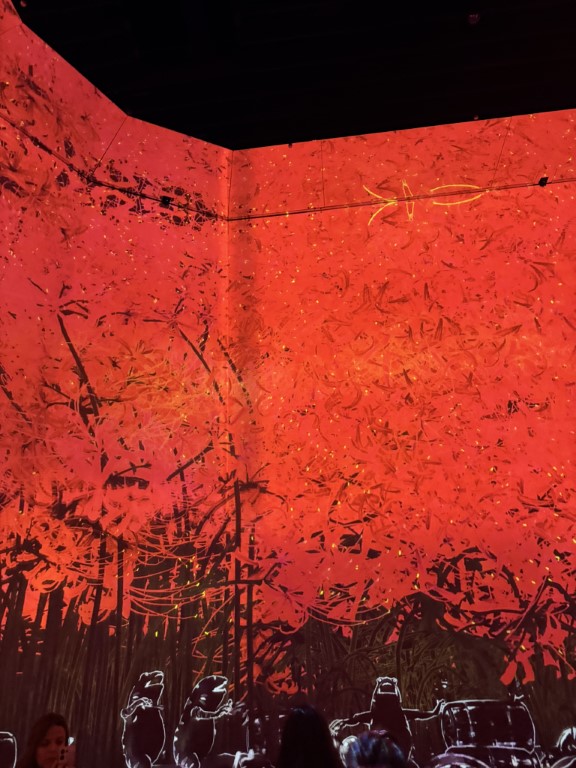
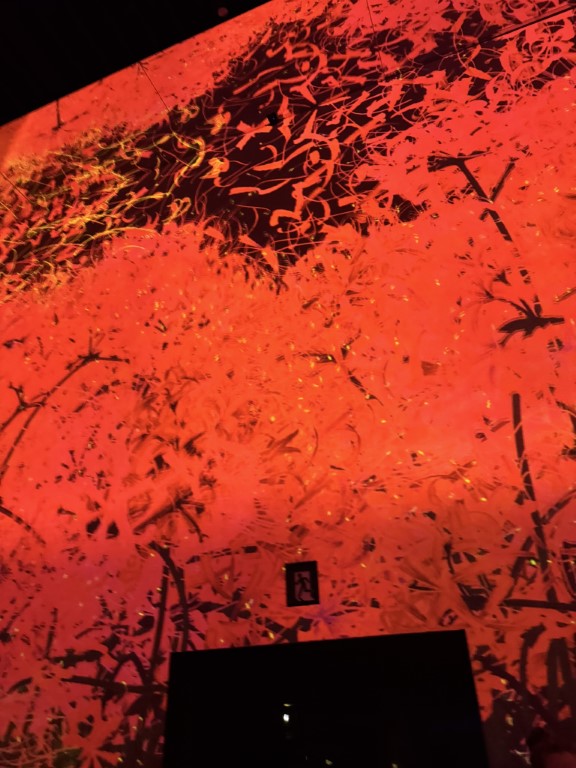
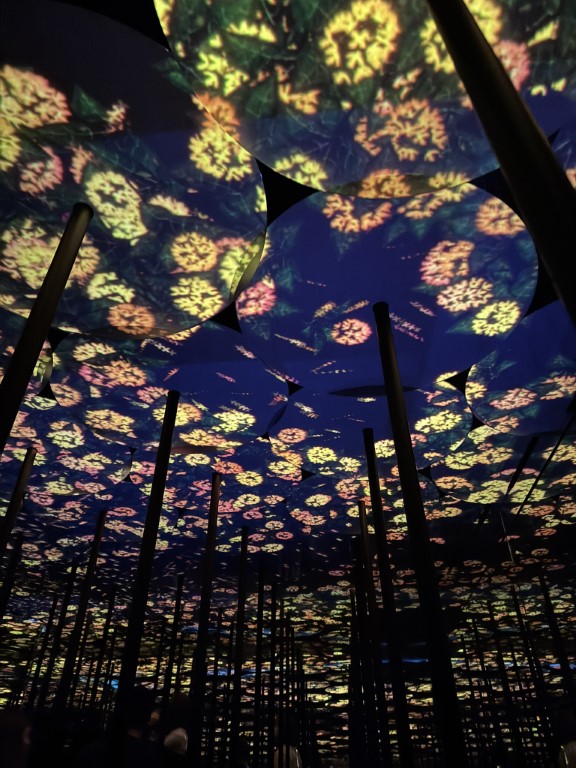
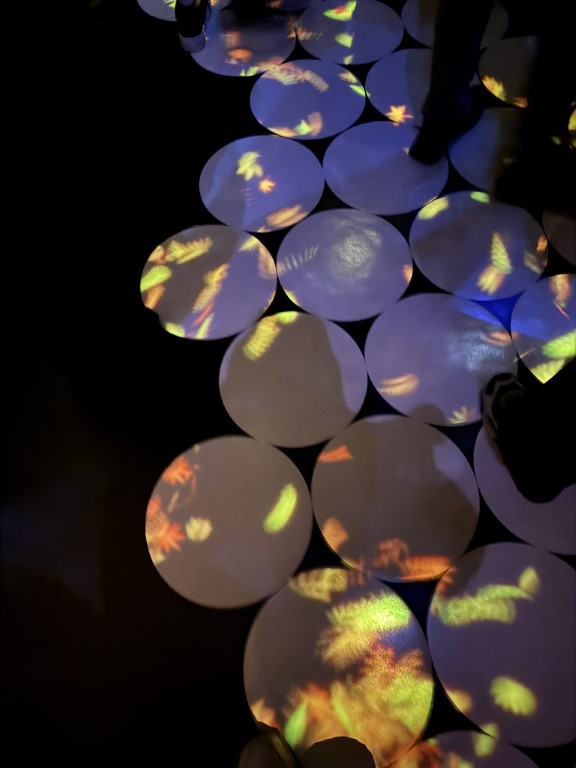
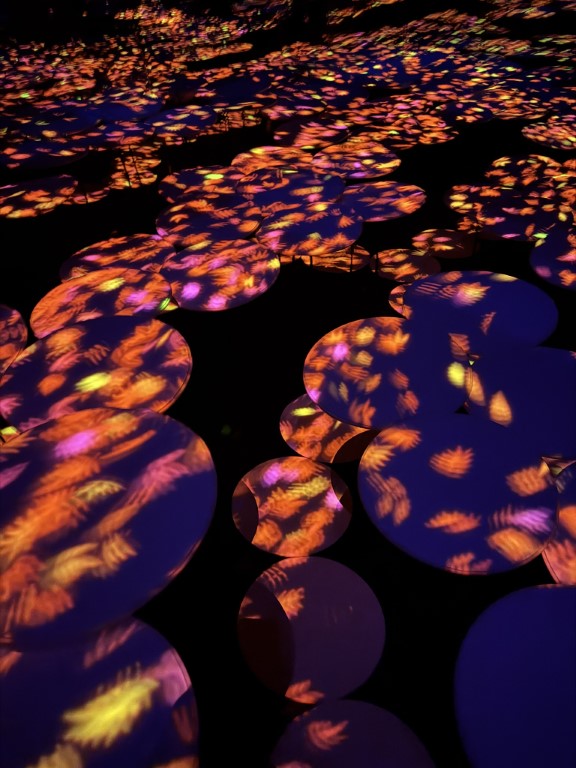
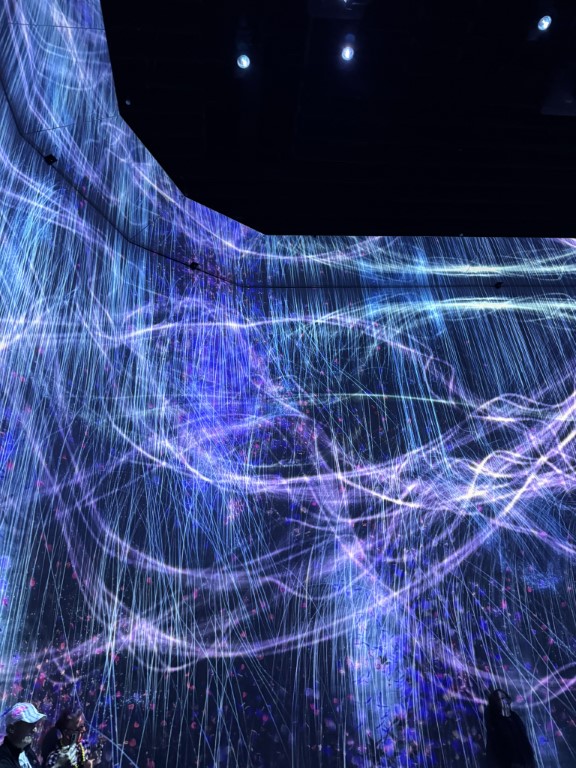
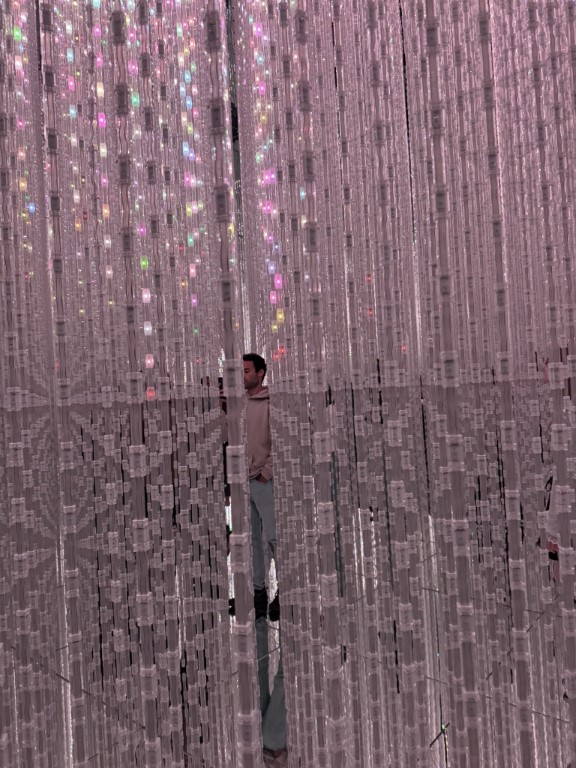
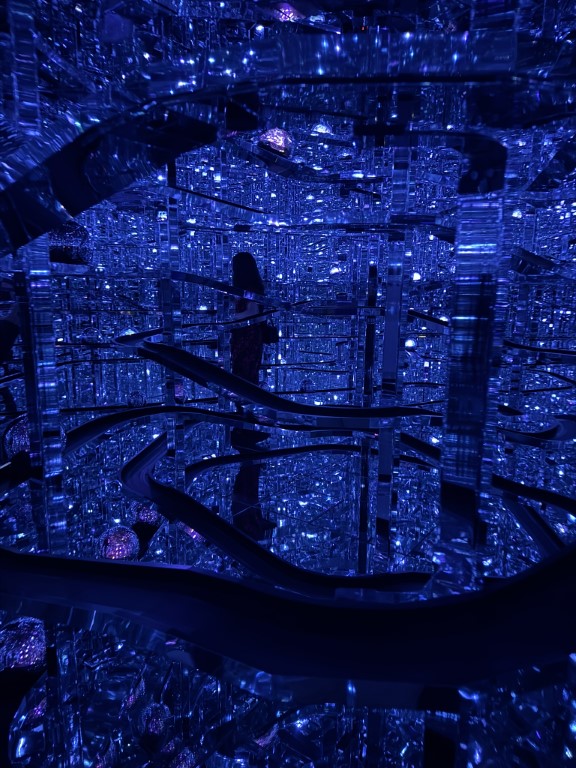
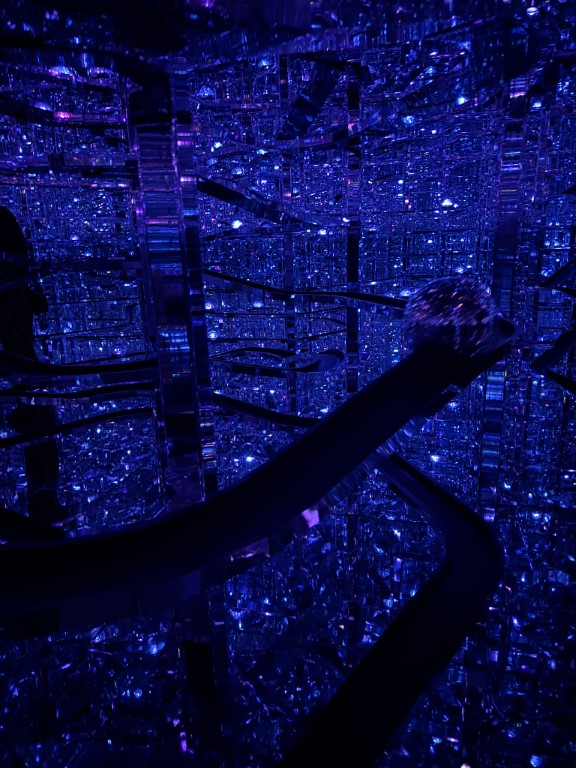
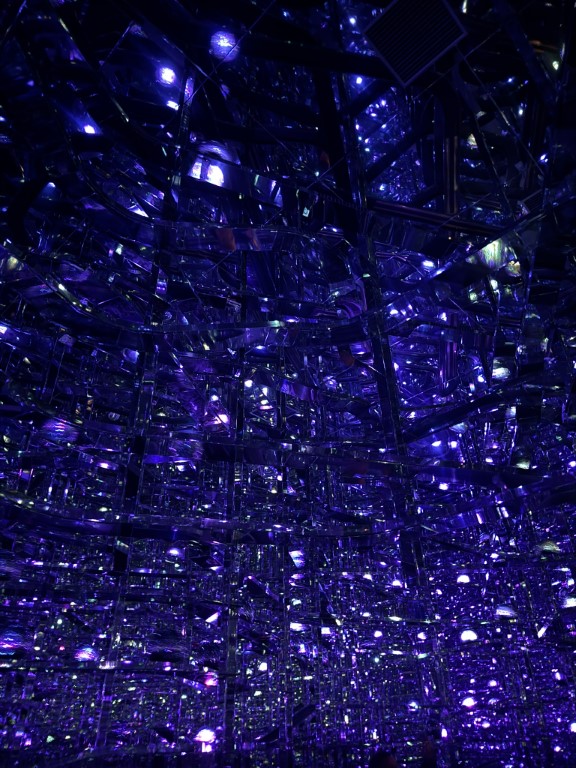
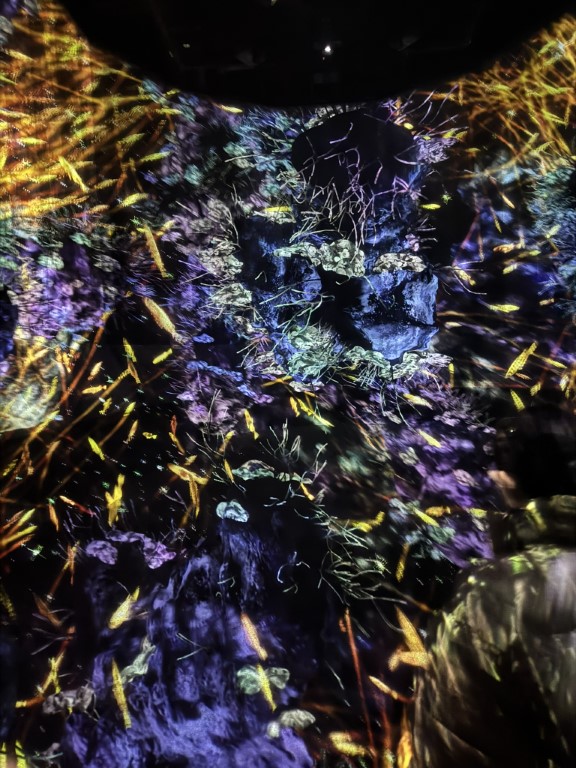
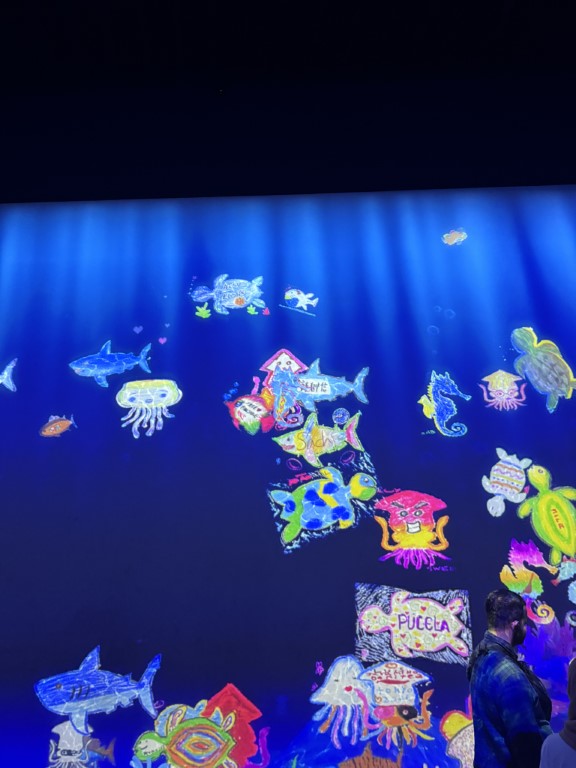
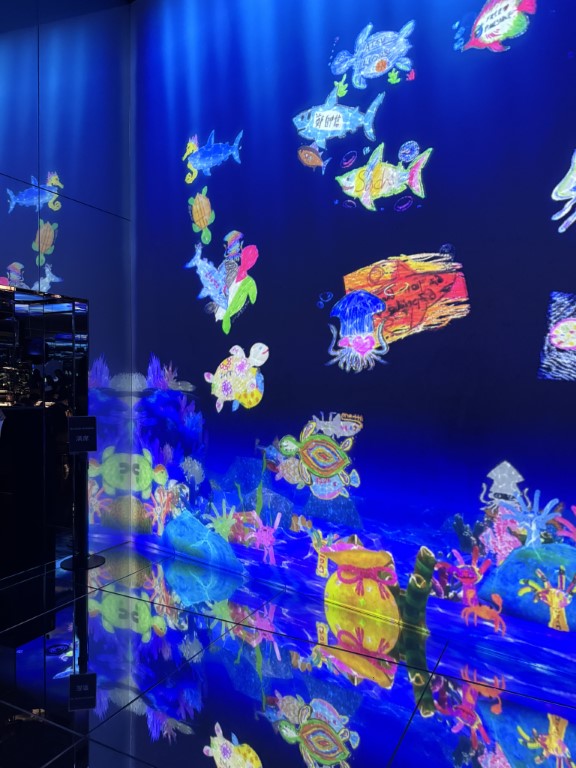
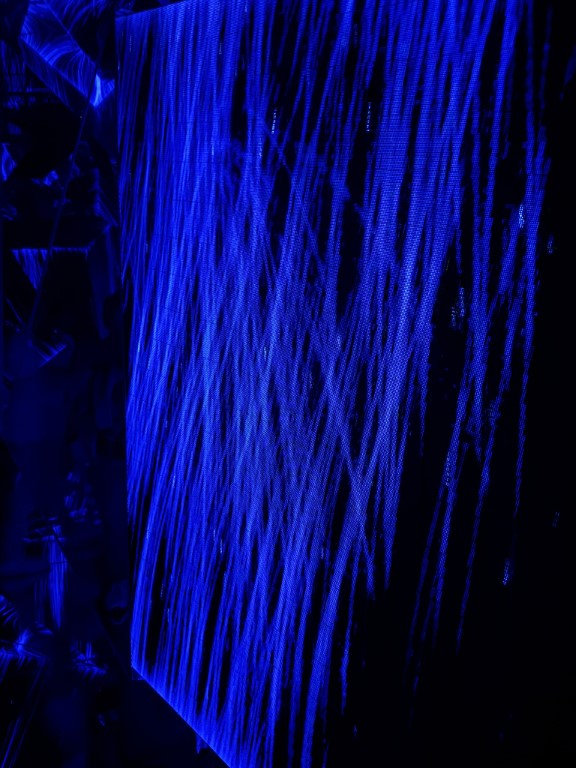
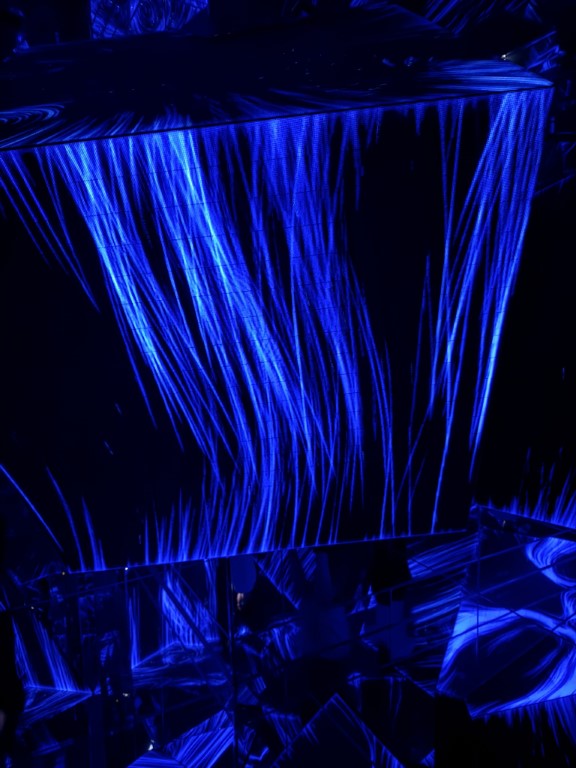
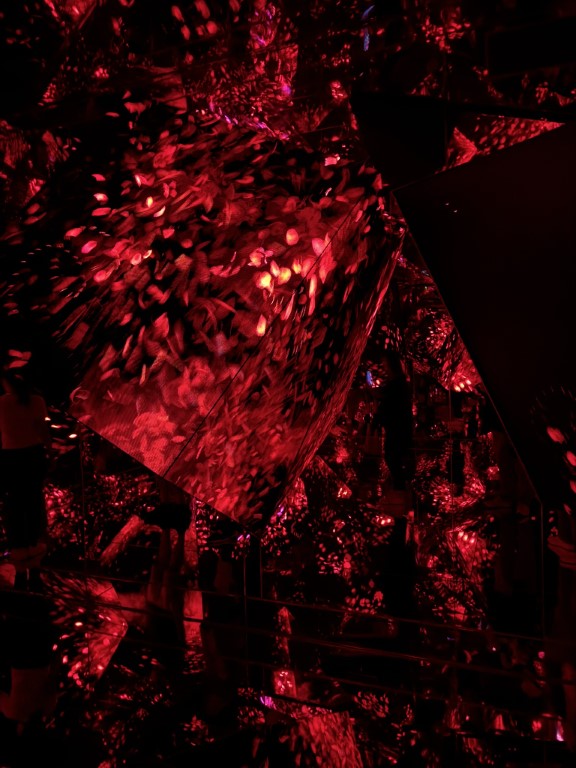
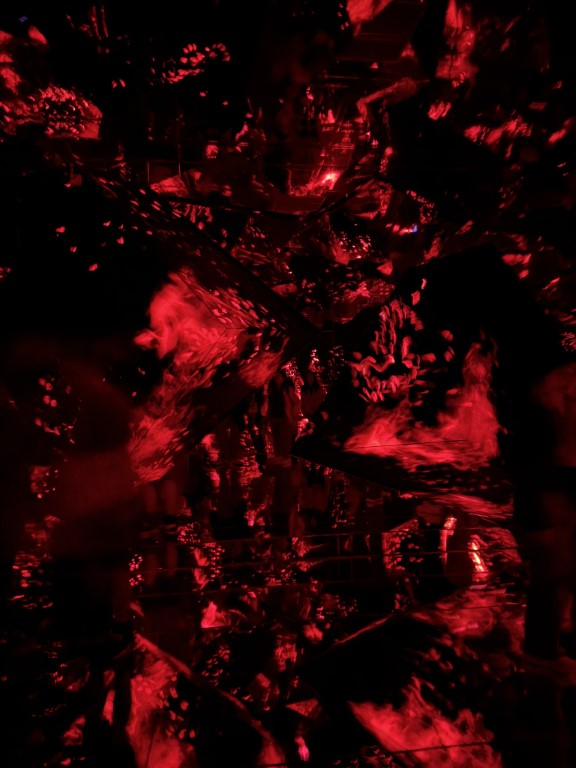
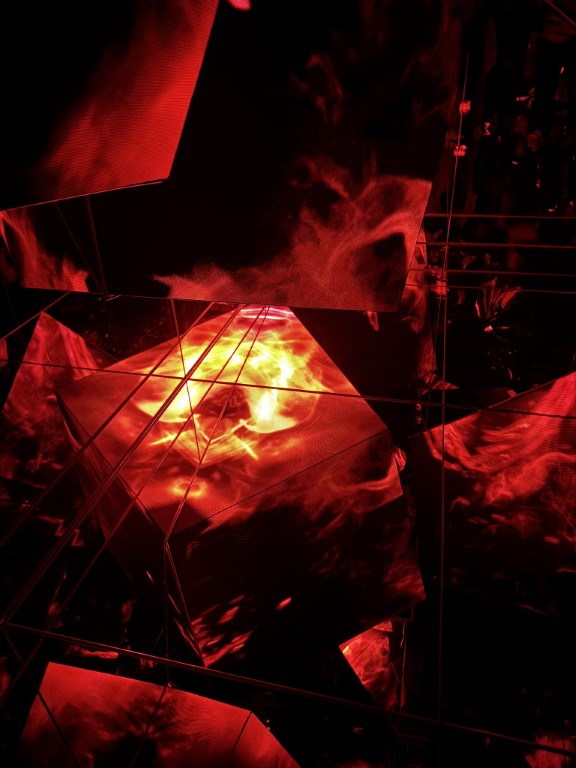
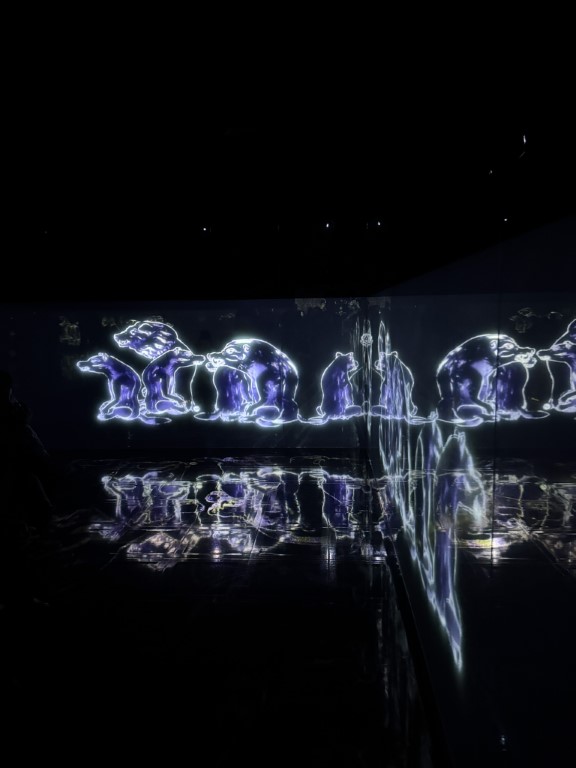
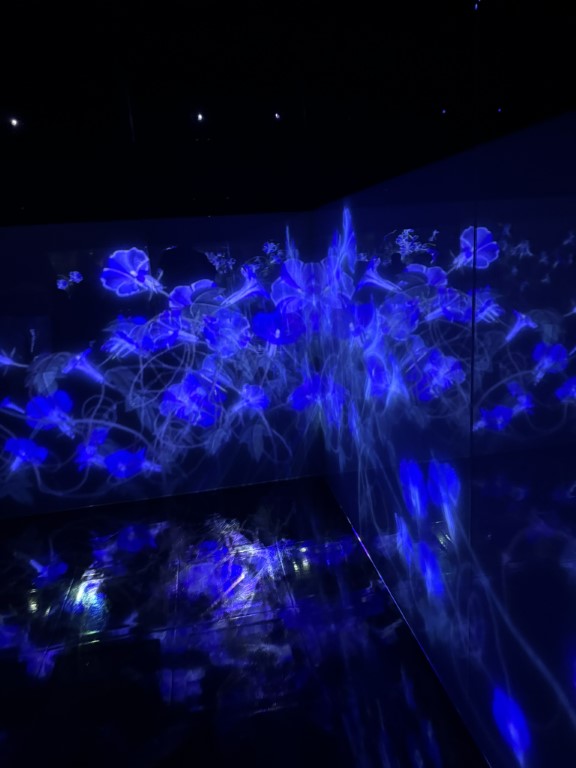
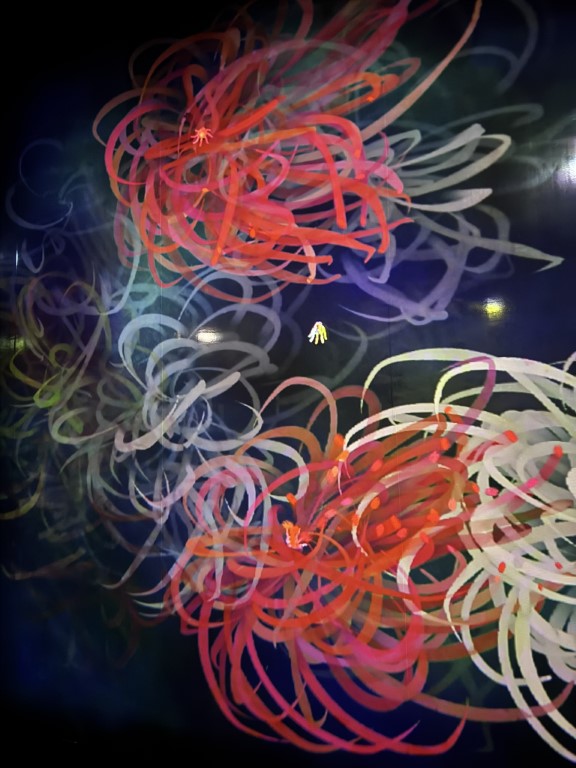
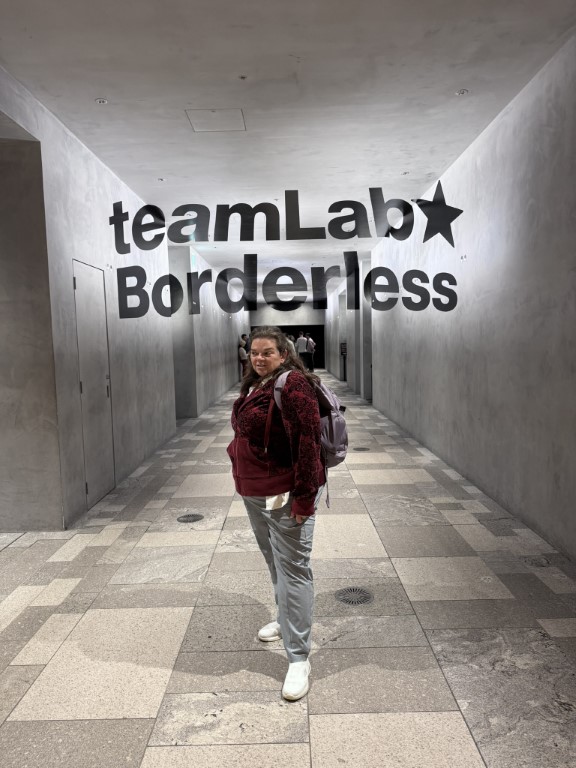
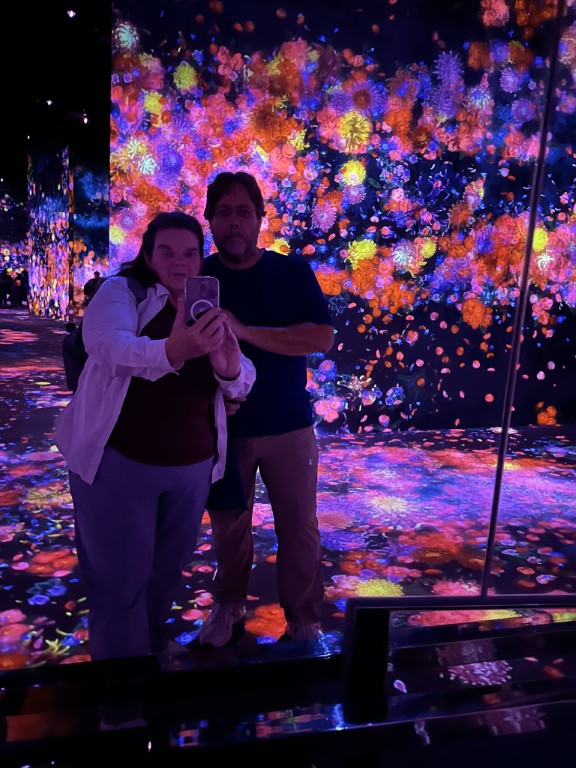
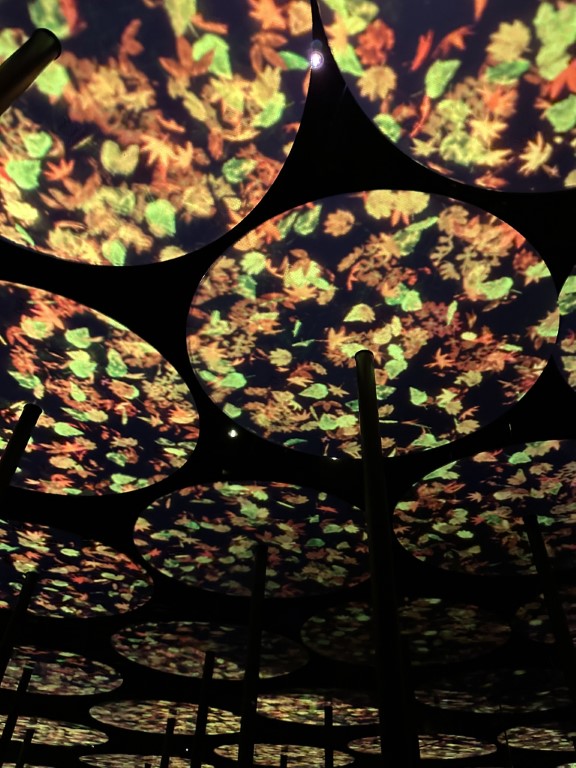
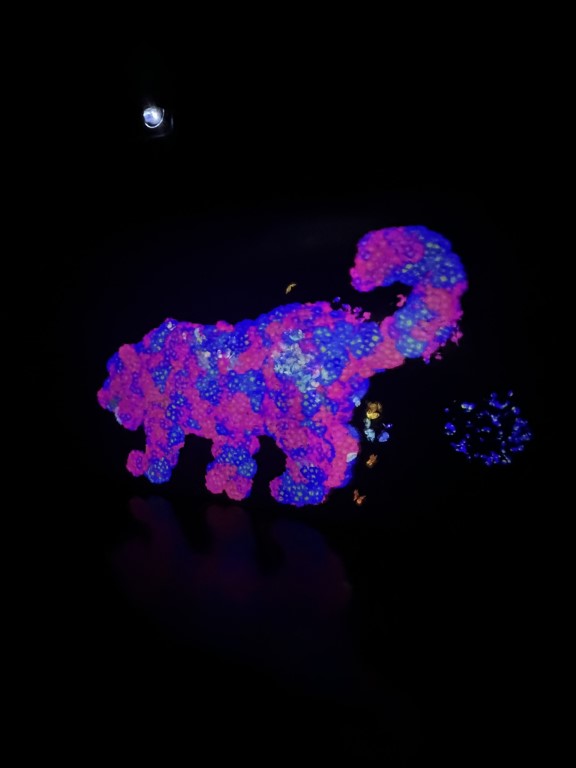
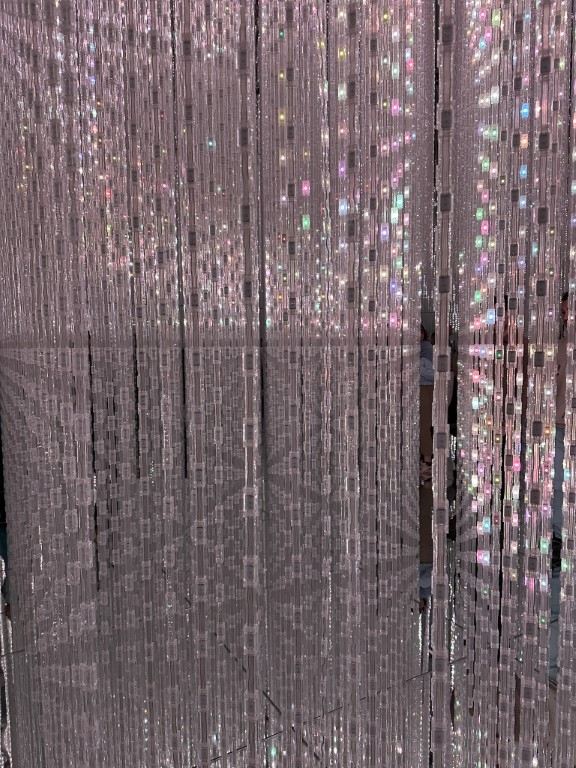
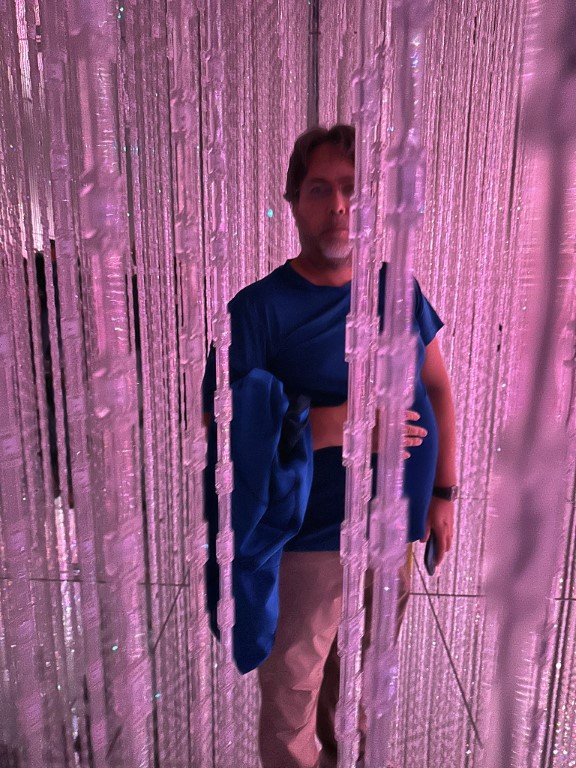
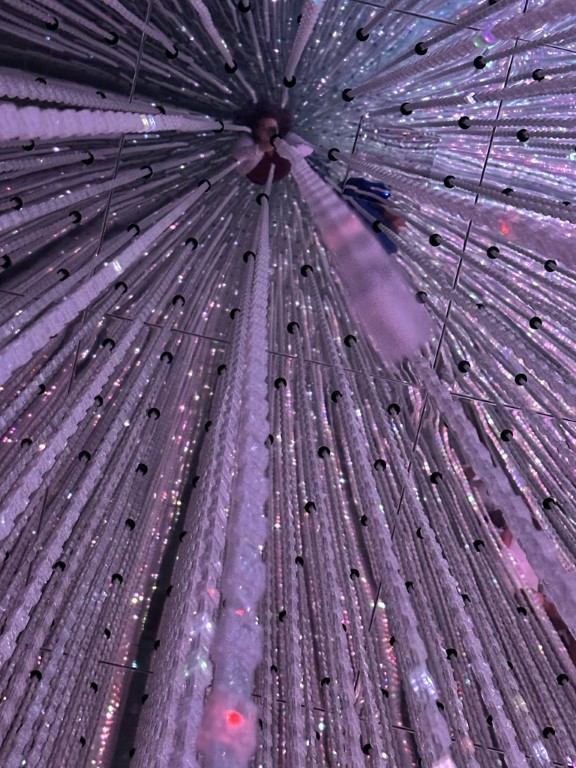
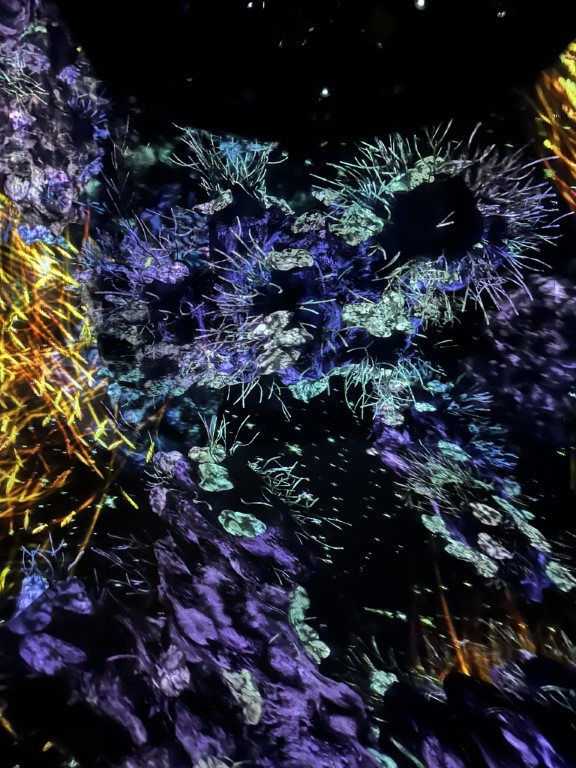
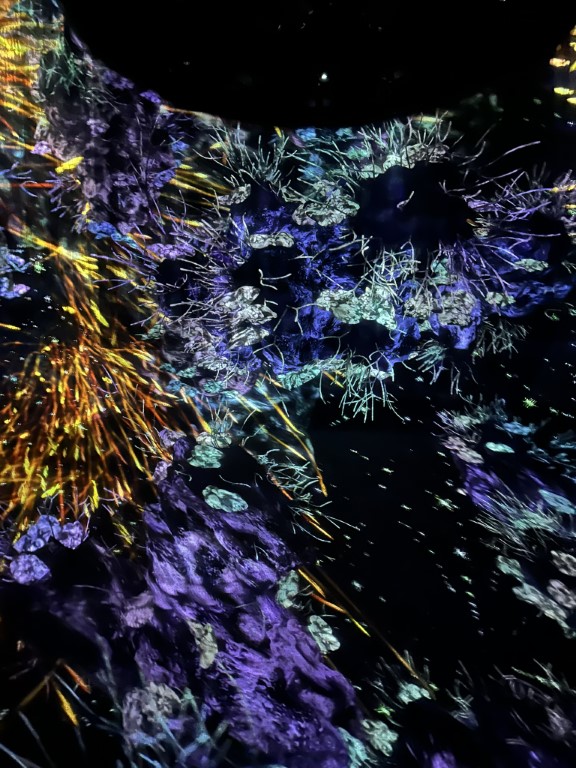
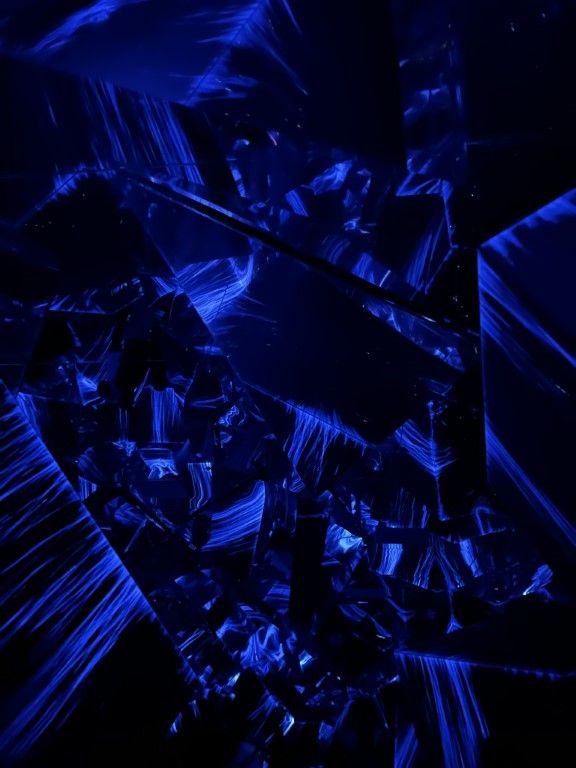
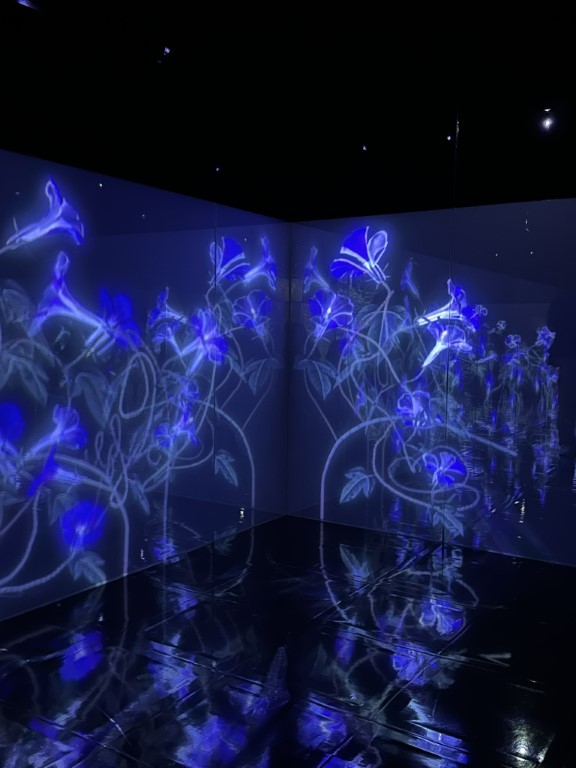
We had a late reservation for teamLab Borderless, "a world of artworks without boundaries, a museum without a map created by art collective teamLab." This was a example of how sometimes planning can cause you to go awry, as we saw in Kyoto, because as we cut out parts of our tour due to not wanting to do long walks, it meant sitting around and waiting for a reservation time. Borderless is a series of immersive screens covering the walls, floor and ceilings of various rooms. The artworks move out of rooms, relate to other works, influence each other, and at times intermingle, without boundaries. The art installation consists of many different spaces, all connected together, without any real path. The huge installation 110,000 square meter space and uses 520 computers and 470 projectors to create the experience.